The curved, ridged tachi took its classic form in the Heian provinces while the court refined its culture in the capital. Its patrons were the military nobility whose feuds ended in the Genpei War, and whose blades became heirlooms almost at once.
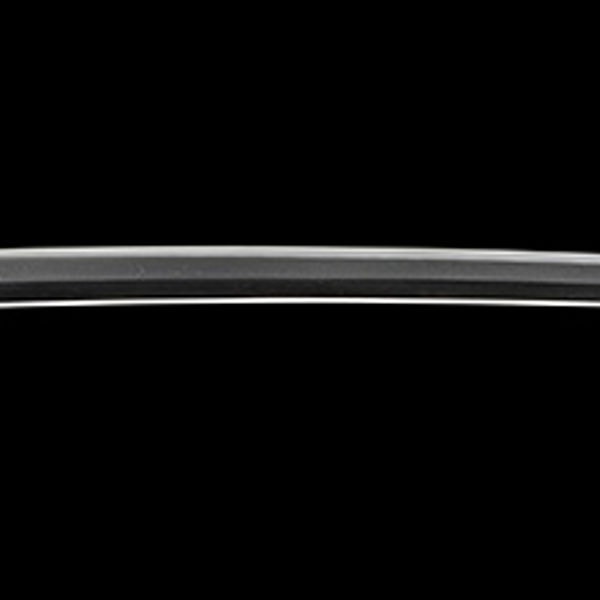
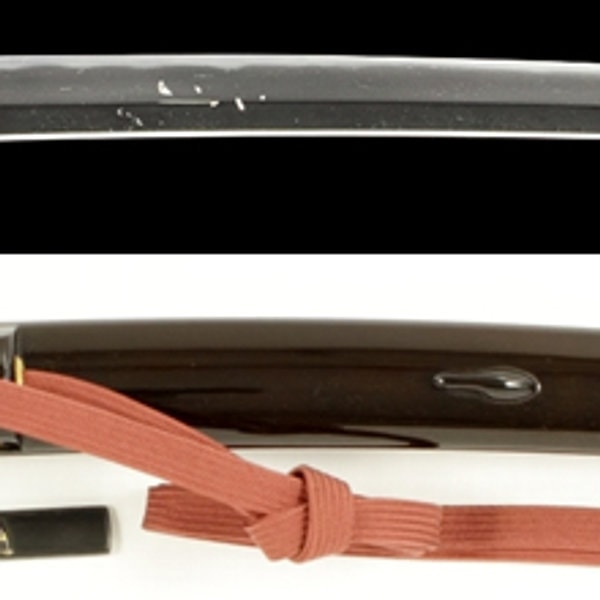
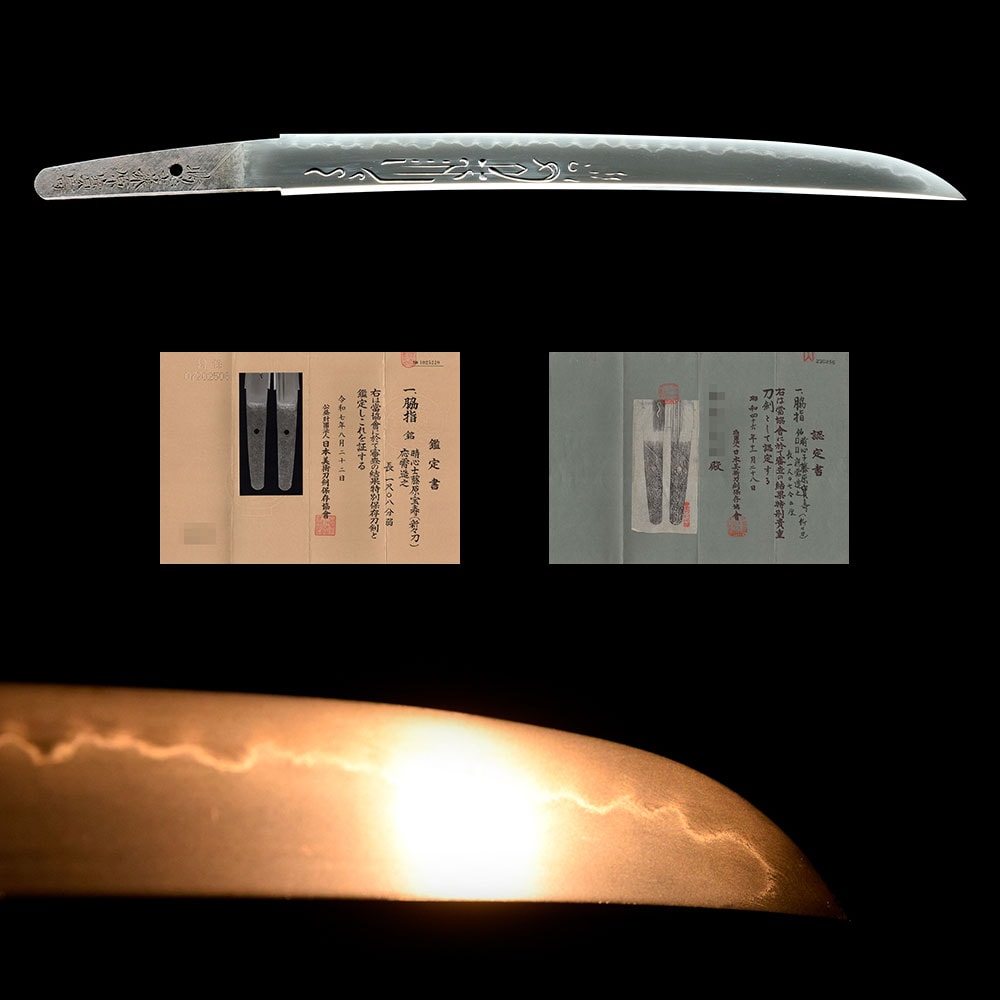
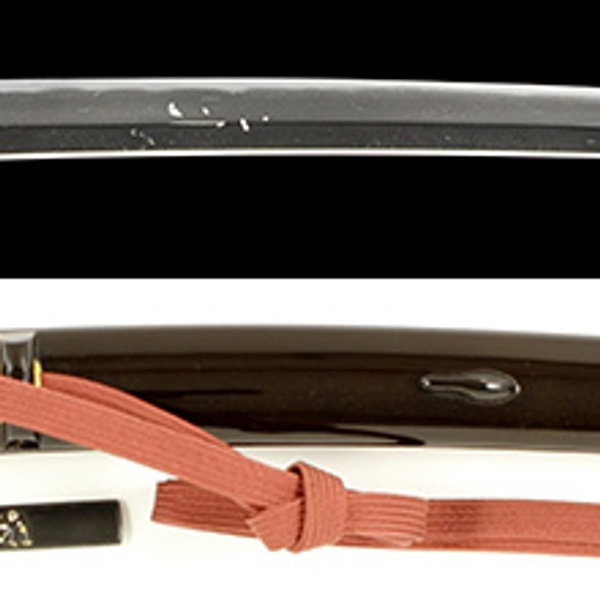
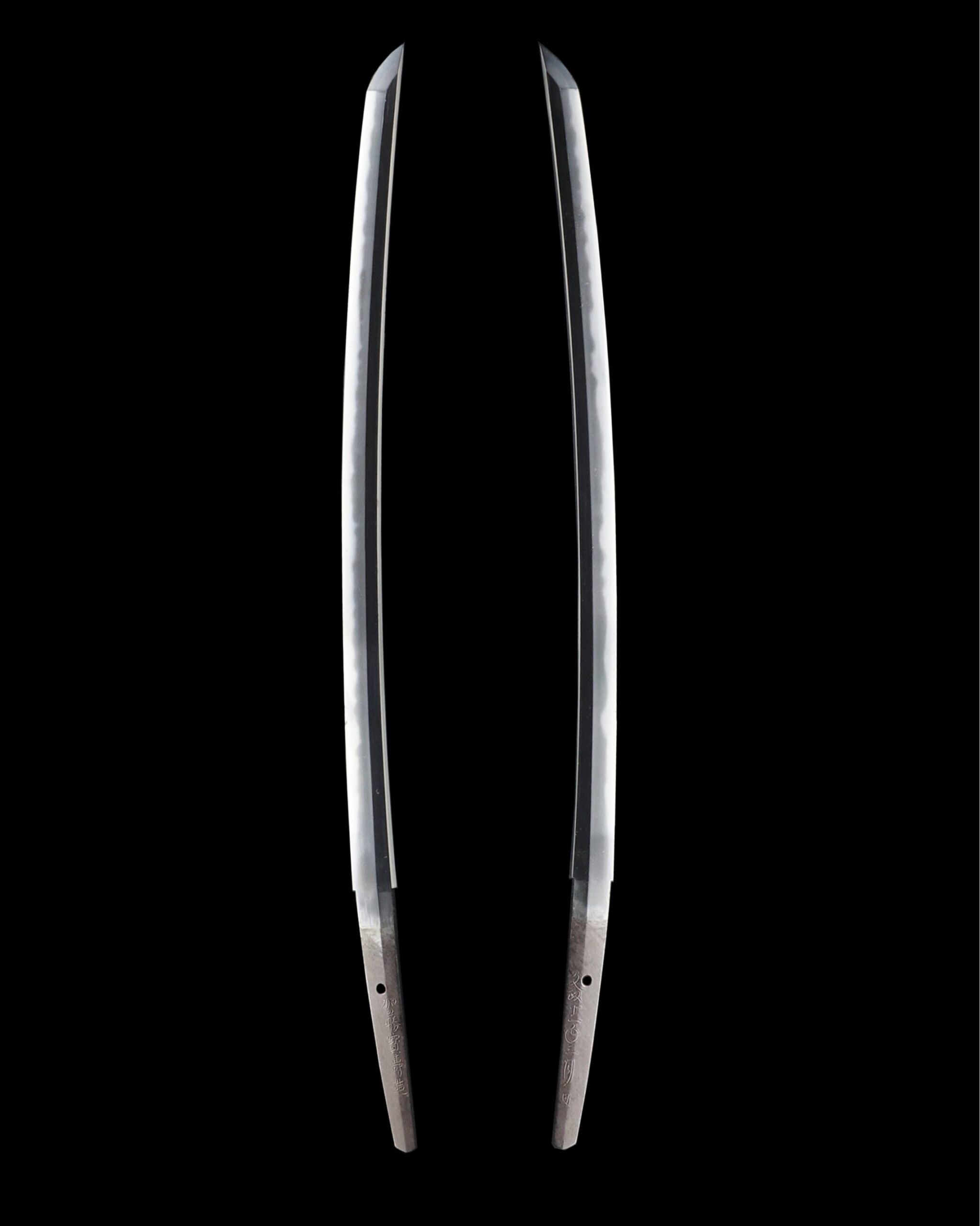
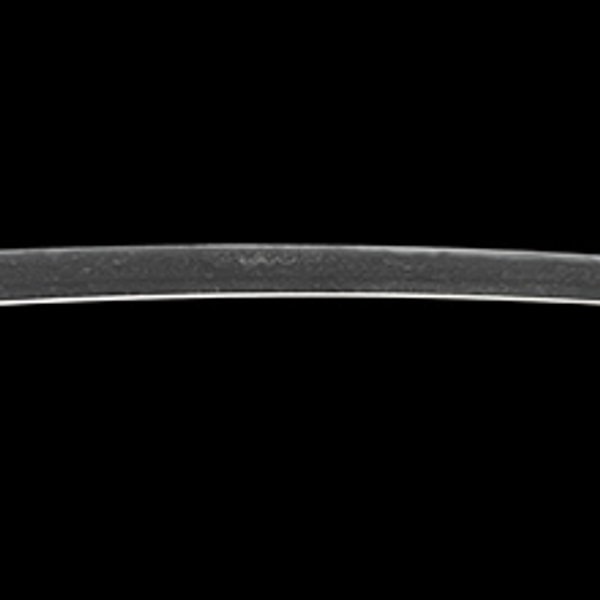
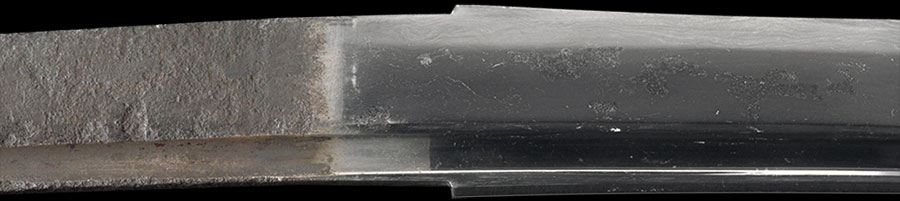
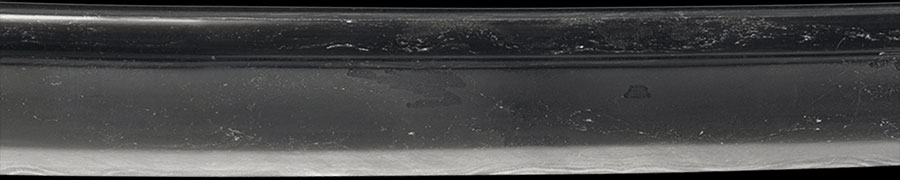
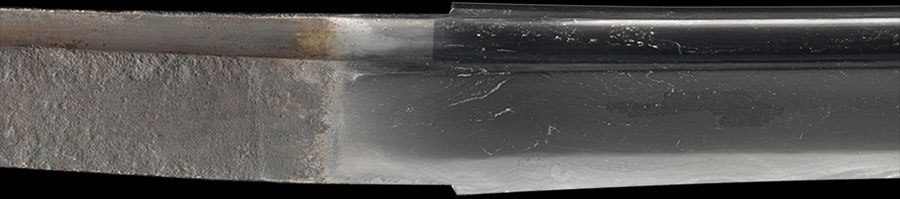
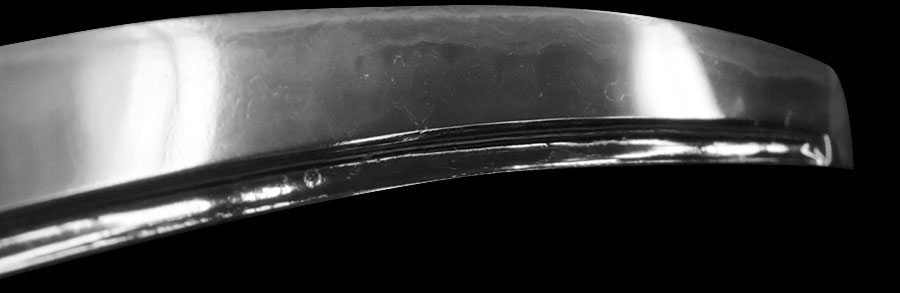
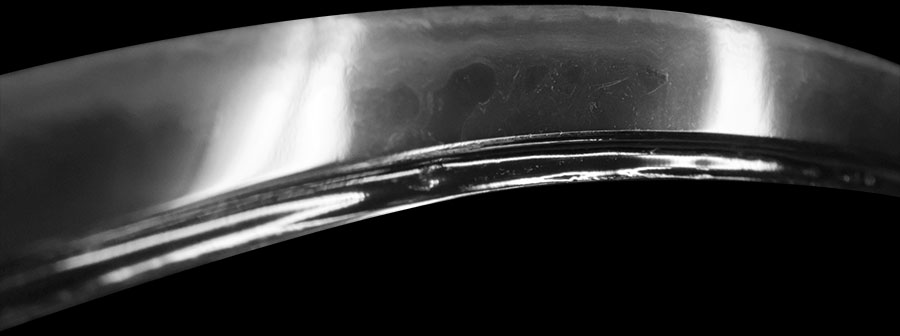
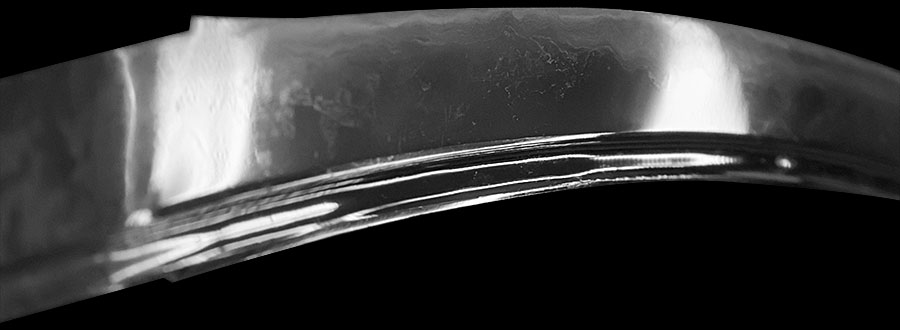
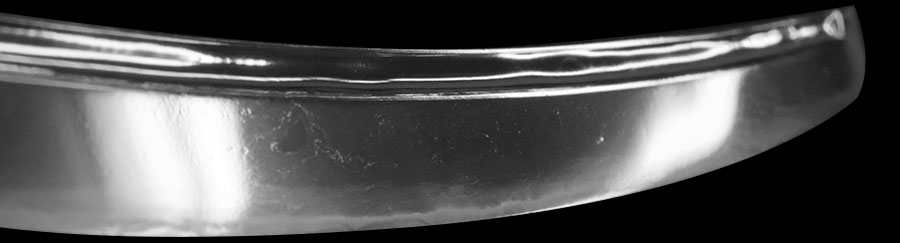
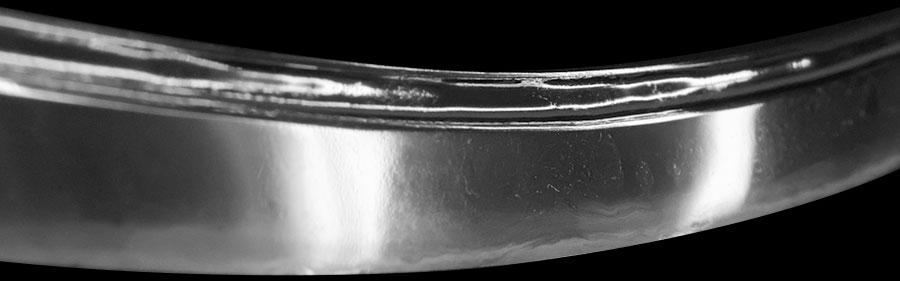
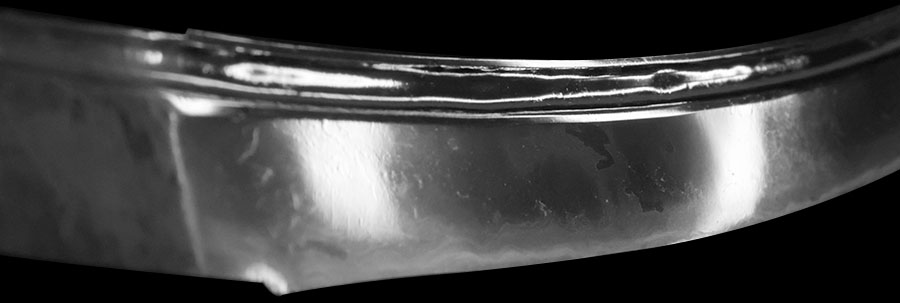
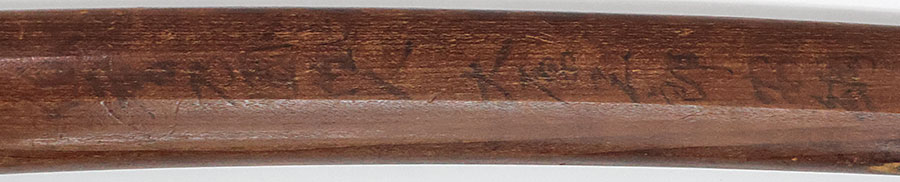
It has appeared, it has appeared! A celebrated sword passed down as a miraculous tachi from the early foundational period of the Japanese sword in the Heian period. According to the sayagaki, it is inscribed as "Hoki no Kuni Ju-nin Ohara Saburo Yasutsuna," and this tachi has been handed down as the work of Hoki Yasutsuna, who is famously called the ancestor of the Japanese sword. This sword remains in an almost ubu state, preserving its form from around the Yowa era of the Heian period (1181) (845 years ago). This was exactly the ancient time when Taira no Kiyomori passed away and Minamoto no Yoshitsune’s battles at Ichi-no-Tani and Dan-no-ura were beginning. This tachi is in shinogi-zukuri with a shin-no-mune; the mihaba is jinjo, with a slight difference between the moto and saki width. The sori is deep with funbari at the moto, and the kissaki is a ko-kissaki, manifesting a precious and koga tachi sugata of the Heian period almost exactly as it was born. The jigane is itame-hada mixed with mokume-hada, with ji-nie attached and jifu-utsuri appearing; the horimono is a bo-hi carved through. The hamon is ko-midare mixed with ko-notare, ko-gunome, and ko-choji; nie is well-attached, becoming strong in places, with sunagashi and kinsuji being prominently visible. Overall, an urumi-gokoro appears and the nioiguchi is somewhat subdued, manifesting the characteristics of Heian period Ko-Hoki tachi remarkably well. The activities along the habuchi are rich, and it is a sword overflowing with koga charm. Combined with its tenga tachi sugata, the ji and ha are aged, creating a tachi that exudes a refined, shibui taste. This time, we have received this tachi—which was passed down from an old collector as Hoki Yasutsuna but is now kime as Hoju, who has a connection to Yasutsuna—with the request to pass this precious tachi on to the next generation at a low price. Therefore, we are offering this ancient and precious tachi at a special bargain price. Please truly enjoy it.
 NihontoWatch
mumei · Heian · nagasa 80cm · sori 3.2cm






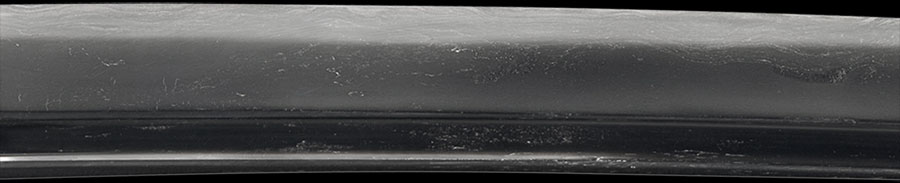







Mutsu · around 1306-1308
2 pieces on the market now
The Heian period (794 to 1185)
The curved, ridged tachi took its classic form in the Heian provinces while the court refined its culture in the capital. Its patrons were the military nobility whose feuds ended in the Genpei War, and whose blades became heirlooms almost at once.
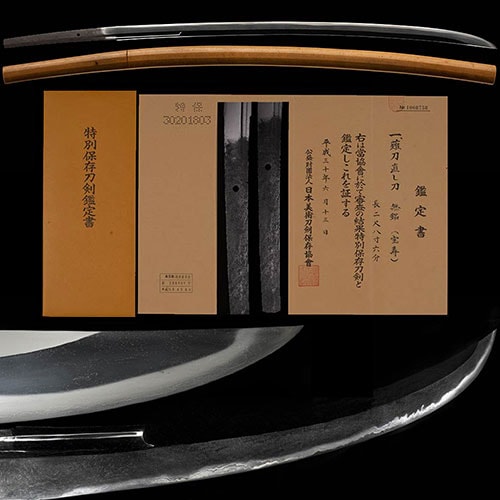
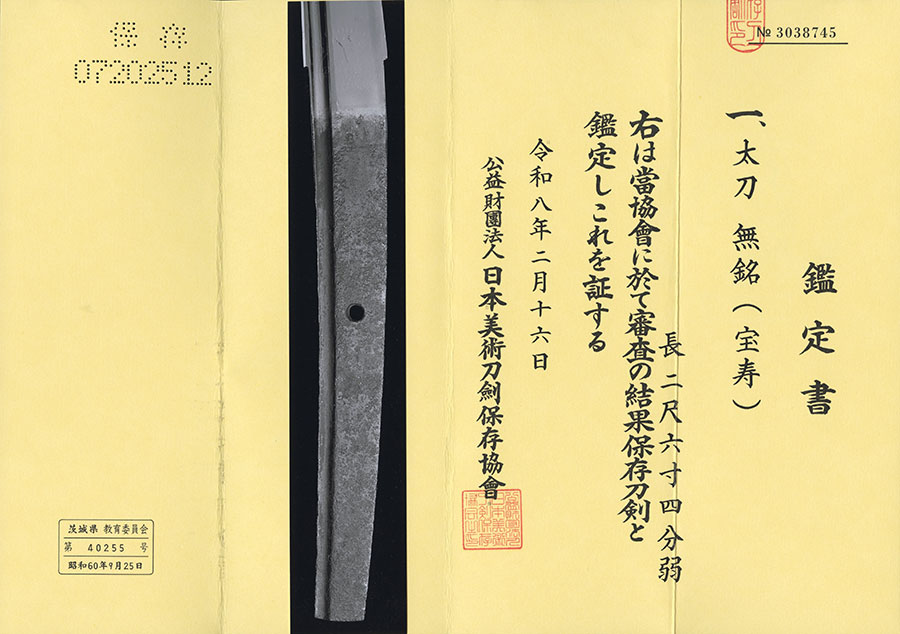
Certifies a genuine blade worth preserving: a signature confirmed correct, or, if unsigned, an era, province, and school that the NBTHK can reliably identify.
The NBTHK (Nihon Bijutsu Tōken Hozon Kyōkai, the Society for the Preservation of Japanese Art Swords) is a public-interest incorporated foundation founded in 1948 and supervised by Japan’s Agency for Cultural Affairs (Bunkachō); it is based at the Japanese Sword Museum in Tokyo. Its expert panels physically examine each submitted work (shinsa) and issue a certificate (kanteishō) ranking it by artistic and historical merit. NBTHK papers are the most widely recognized standard of authentication for Japanese swords and fittings.
NBTHK official siteFor returns due to customer circumstances, the cost is the customer's responsibility. For returns due to our mis-shipment or a defective item, we bear the cost.
It has appeared, it has appeared! A celebrated sword passed down as a miraculous tachi from the early foundational period of the Japanese sword in the Heian period. According to the sayagaki, it is inscribed as "Hoki no Kuni Ju-nin Ohara Saburo Yasutsuna," and this tachi has been handed down as the work of Hoki Yasutsuna, who is famously called the ancestor of the Japanese sword. This sword remains in an almost ubu state, preserving its form from around the Yowa era of the Heian period (1181) (845 years ago). This was exactly the ancient time when Taira no Kiyomori passed away and Minamoto no Yoshitsune’s battles at Ichi-no-Tani and Dan-no-ura were beginning. This tachi is in shinogi-zukuri with a shin-no-mune; the mihaba is jinjo, with a slight difference between the moto and saki width. The sori is deep with funbari at the moto, and the kissaki is a ko-kissaki, manifesting a precious and koga tachi sugata of the Heian period almost exactly as it was born. The jigane is itame-hada mixed with mokume-hada, with ji-nie attached and jifu-utsuri appearing; the horimono is a bo-hi carved through. The hamon is ko-midare mixed with ko-notare, ko-gunome, and ko-choji; nie is well-attached, becoming strong in places, with sunagashi and kinsuji being prominently visible. Overall, an urumi-gokoro appears and the nioiguchi is somewhat subdued, manifesting the characteristics of Heian period Ko-Hoki tachi remarkably well. The activities along the habuchi are rich, and it is a sword overflowing with koga charm. Combined with its tenga tachi sugata, the ji and ha are aged, creating a tachi that exudes a refined, shibui taste. This time, we have received this tachi—which was passed down from an old collector as Hoki Yasutsuna but is now kime as Hoju, who has a connection to Yasutsuna—with the request to pass this precious tachi on to the next generation at a low price. Therefore, we are offering this ancient and precious tachi at a special bargain price. Please truly enjoy it.
NihontoWatchmumei · Heian · nagasa 80cm · sori 3.2cm
Mutsu · around 1306-1308
2 pieces on the market now
The Heian period (794 to 1185)
The curved, ridged tachi took its classic form in the Heian provinces while the court refined its culture in the capital. Its patrons were the military nobility whose feuds ended in the Genpei War, and whose blades became heirlooms almost at once.
Certifies a genuine blade worth preserving: a signature confirmed correct, or, if unsigned, an era, province, and school that the NBTHK can reliably identify.
The NBTHK (Nihon Bijutsu Tōken Hozon Kyōkai, the Society for the Preservation of Japanese Art Swords) is a public-interest incorporated foundation founded in 1948 and supervised by Japan’s Agency for Cultural Affairs (Bunkachō); it is based at the Japanese Sword Museum in Tokyo. Its expert panels physically examine each submitted work (shinsa) and issue a certificate (kanteishō) ranking it by artistic and historical merit. NBTHK papers are the most widely recognized standard of authentication for Japanese swords and fittings.
NBTHK official siteFor returns due to customer circumstances, the cost is the customer's responsibility. For returns due to our mis-shipment or a defective item, we bear the cost.