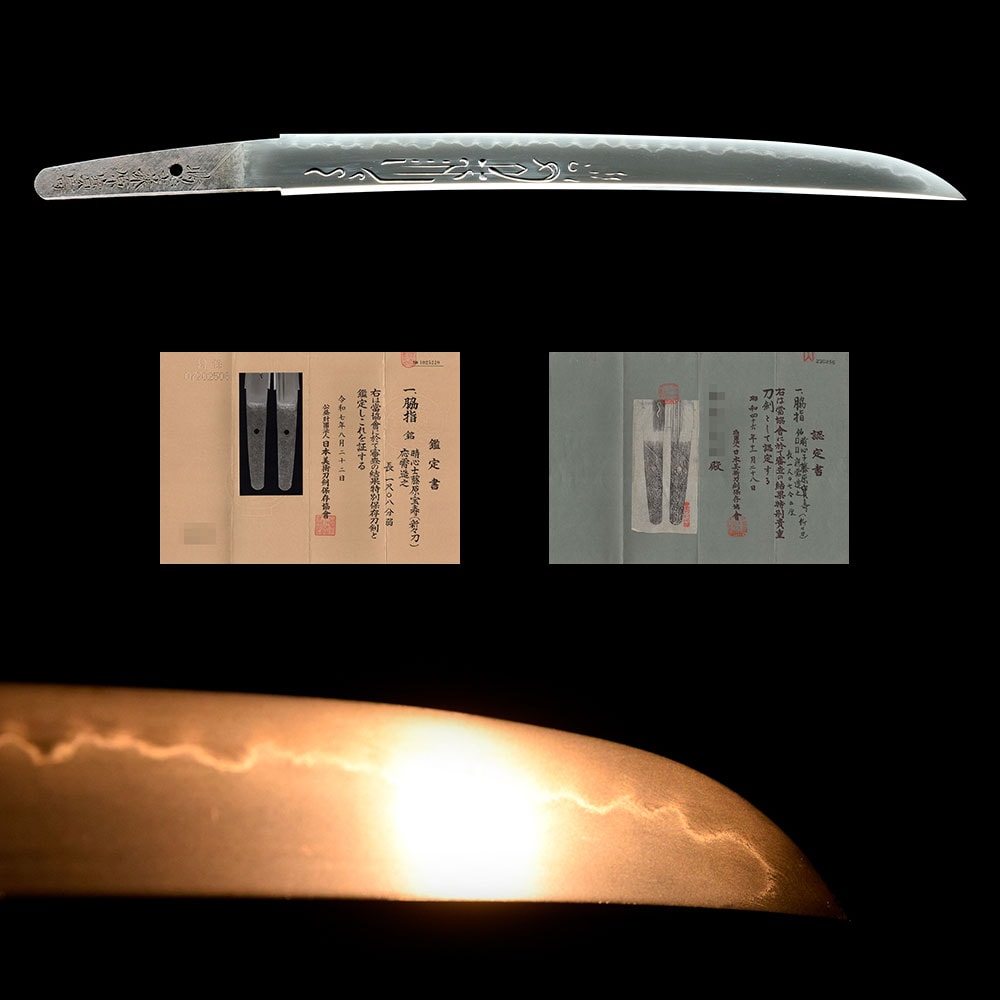
Two courts, sixty years of war, and the most dramatic silhouettes in the sword’s history: broad blades, extended points, true ōdachi later cut down into the majestic katana collectors prize. The Sōshū manner was the style of the age.
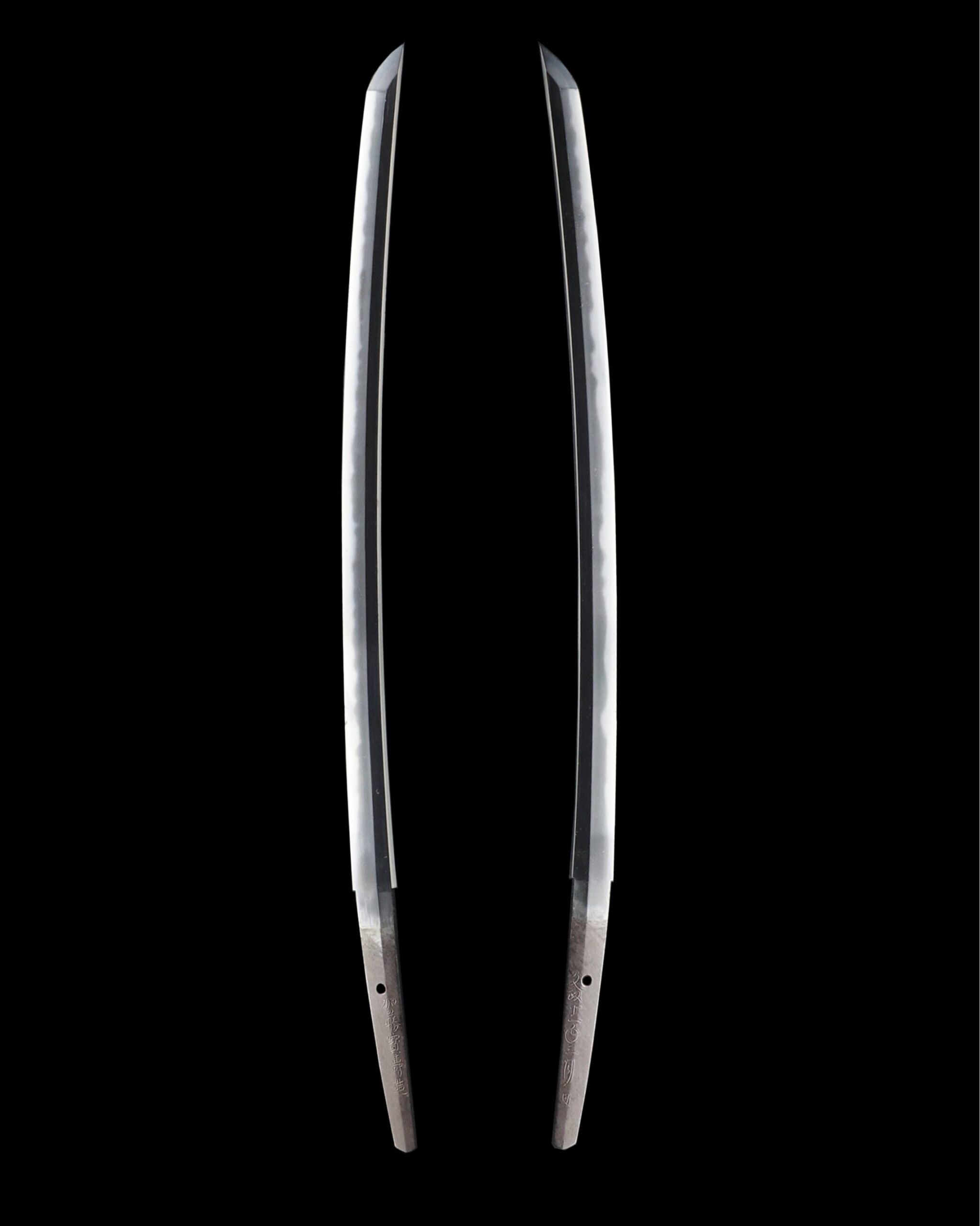
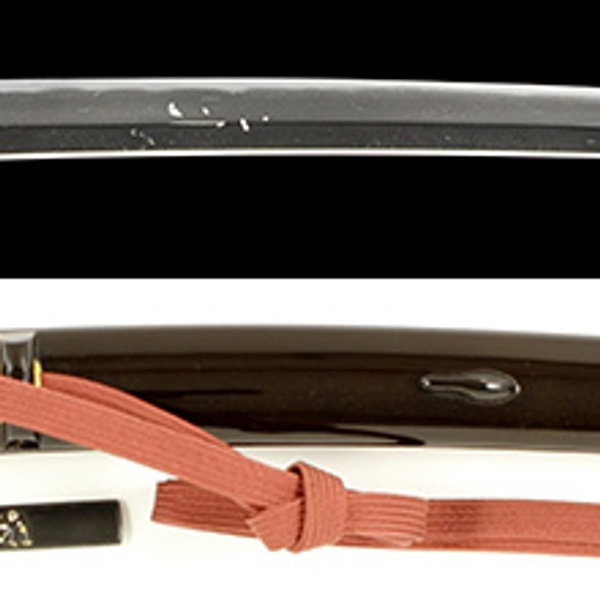
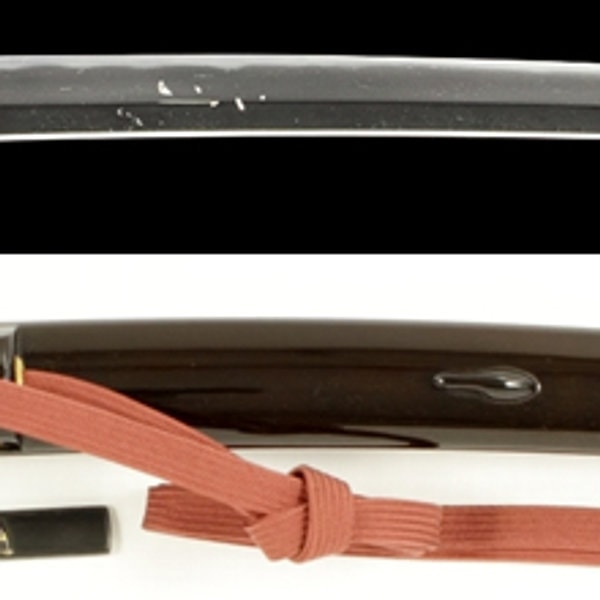
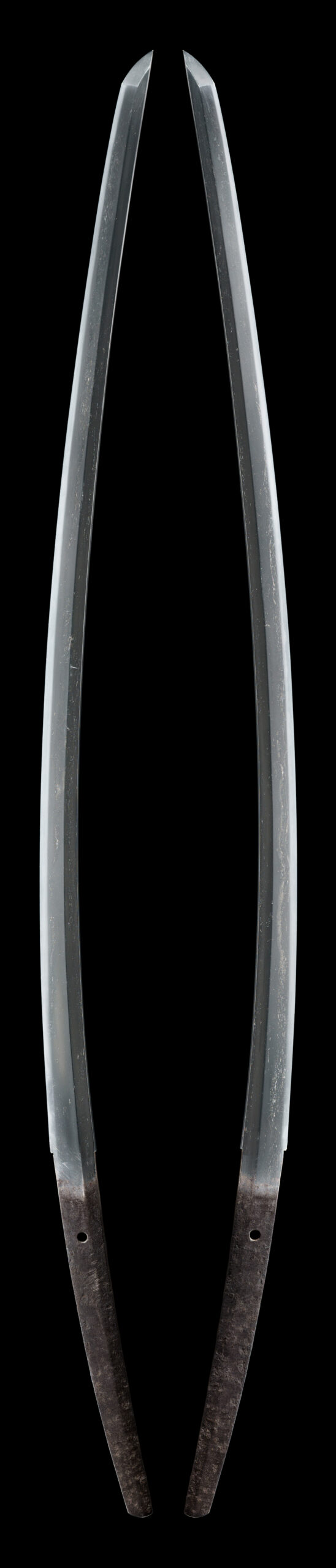
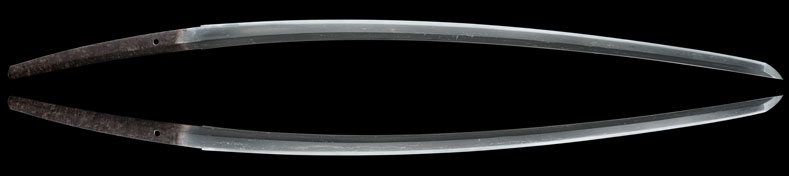
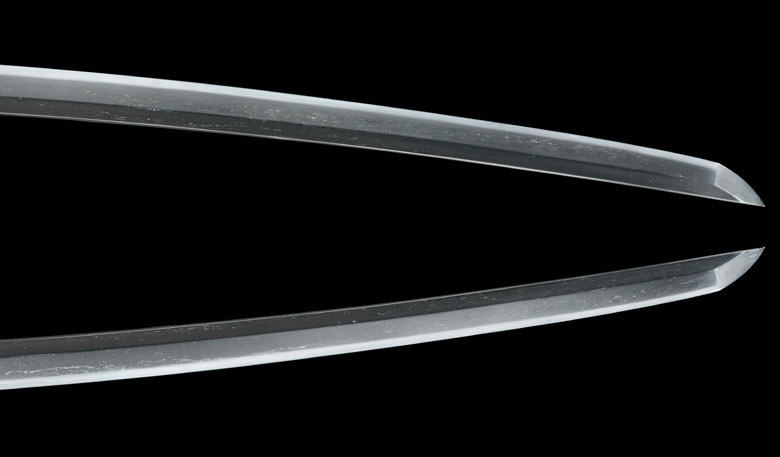
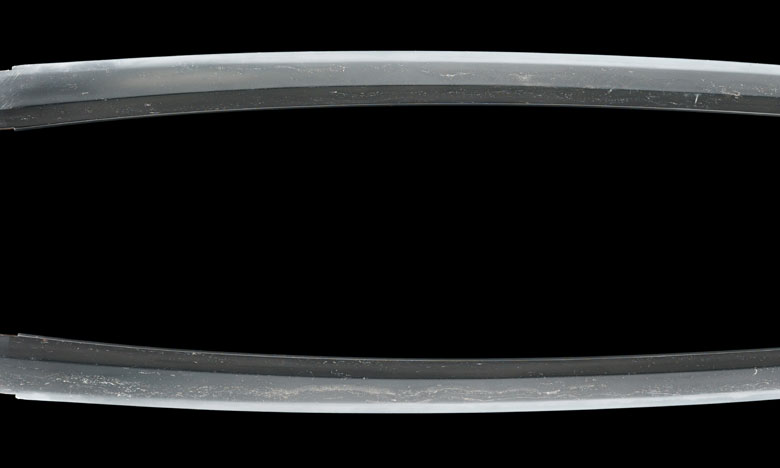
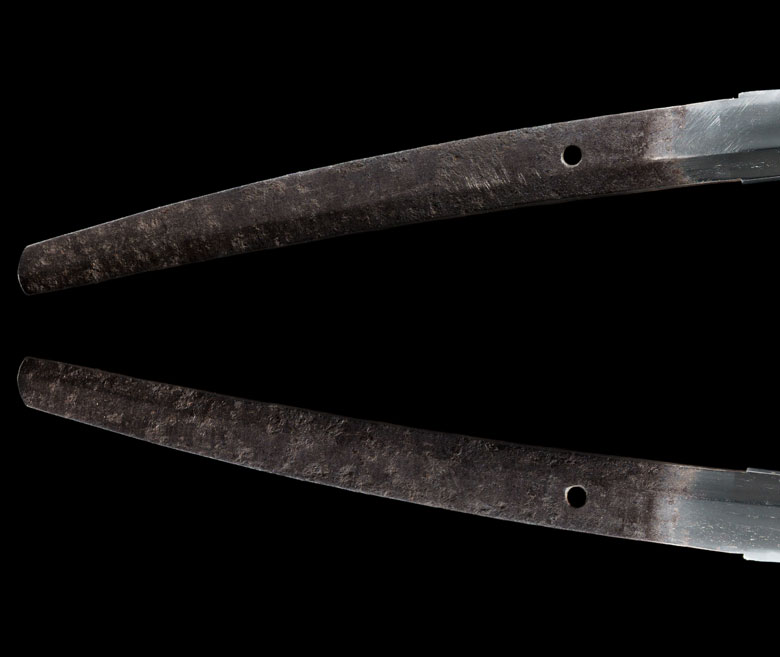
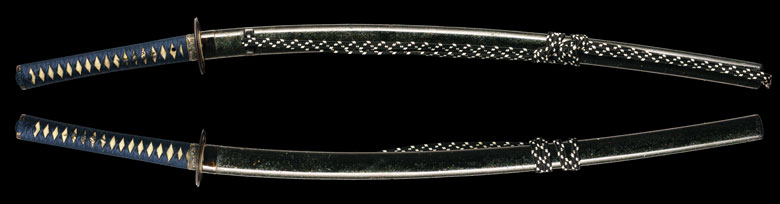
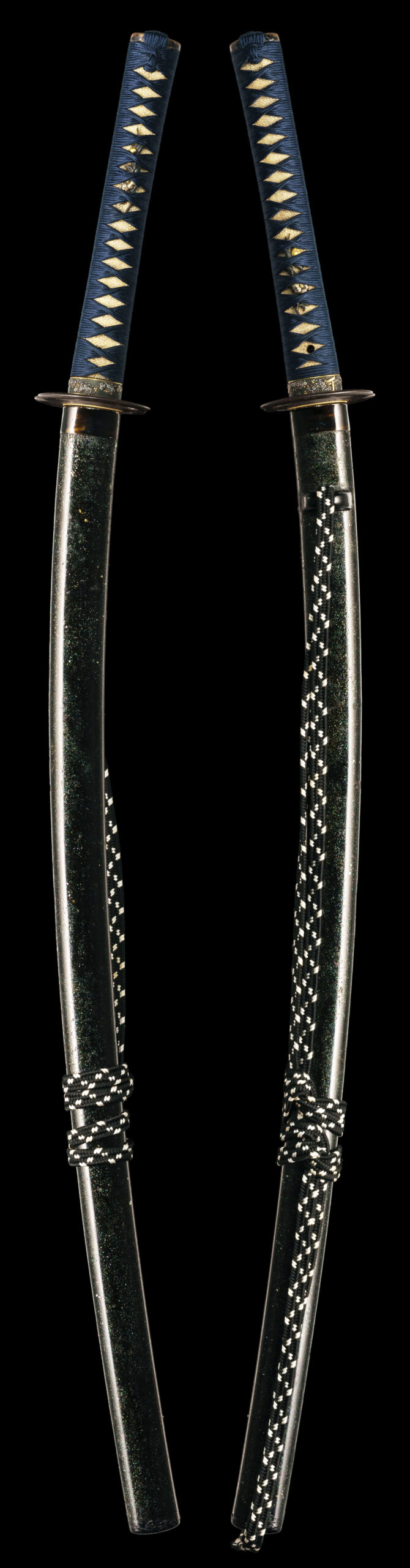
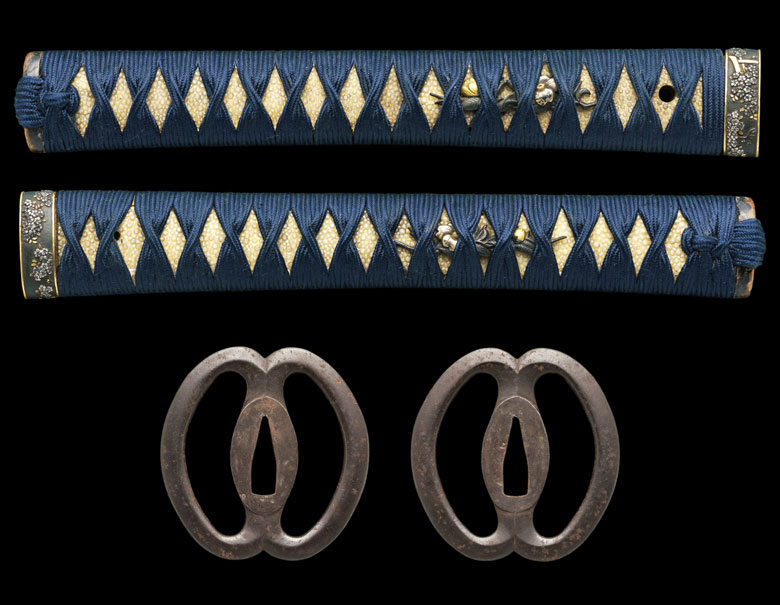
This katana is attributed to Hoju, a smith from the Maigusa school, active from the Nanbokucho to early Muromachi period. The blade is robust, reflecting the turbulent times of the Nanbokucho wars. It comes with a splendid and sturdy koshirae featuring a Musashi tsuba, suggesting a distinguished provenance.
 NihontoWatch
den · Maigusa · Nanbokucho · nagasa 75.6cm · sori 2.6cm
Mutsu · around 1306-1308
2 pieces on the market now
The Nanbokuchō period (1333 to 1392)
Two courts, sixty years of war, and the most dramatic silhouettes in the sword’s history: broad blades, extended points, true ōdachi later cut down into the majestic katana collectors prize. The Sōshū manner was the style of the age.
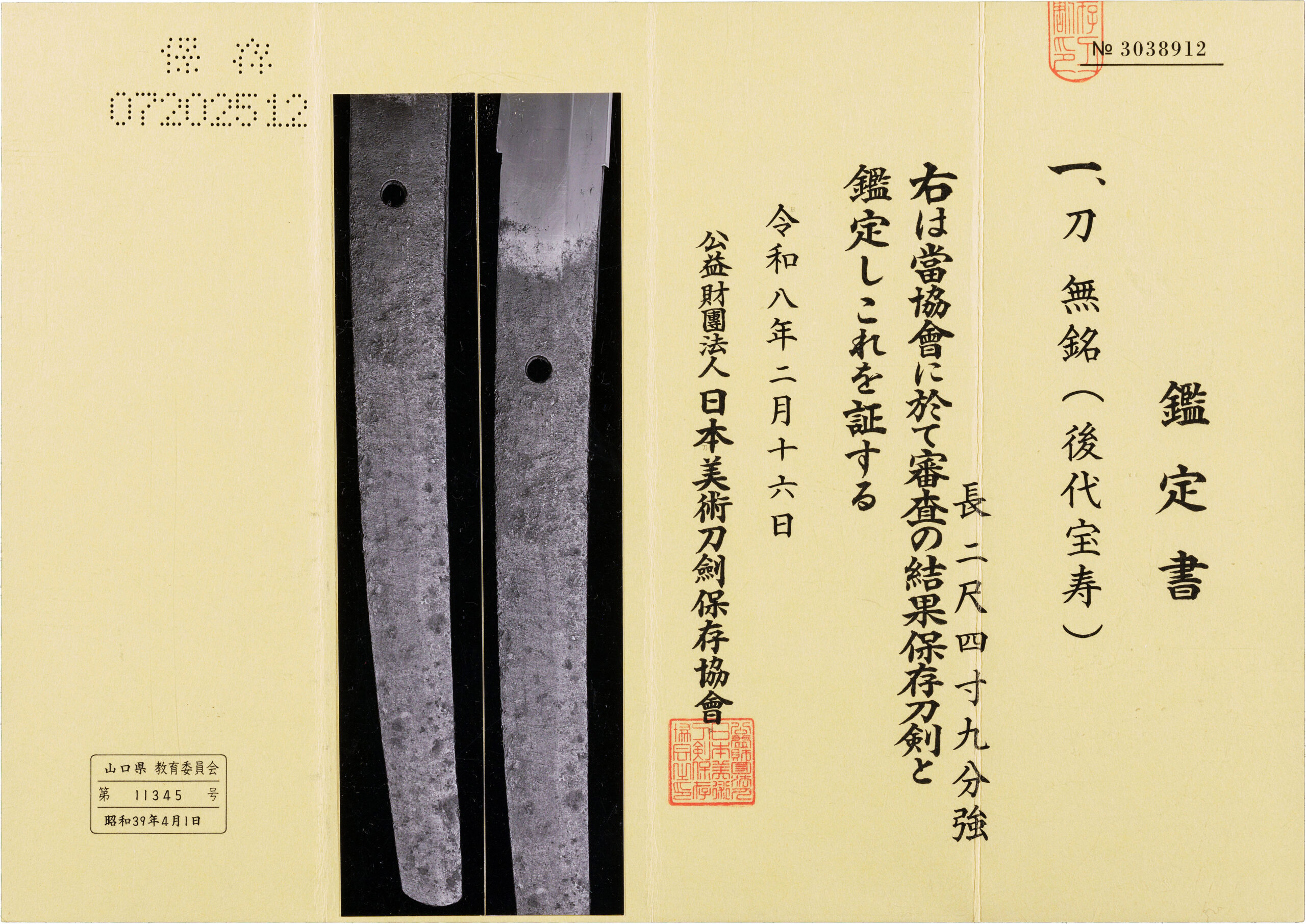
Certifies a genuine blade worth preserving: a signature confirmed correct, or, if unsigned, an era, province, and school that the NBTHK can reliably identify.
The NBTHK (Nihon Bijutsu Tōken Hozon Kyōkai, the Society for the Preservation of Japanese Art Swords) is a public-interest incorporated foundation founded in 1948 and supervised by Japan’s Agency for Cultural Affairs (Bunkachō); it is based at the Japanese Sword Museum in Tokyo. Its expert panels physically examine each submitted work (shinsa) and issue a certificate (kanteishō) ranking it by artistic and historical merit. NBTHK papers are the most widely recognized standard of authentication for Japanese swords and fittings.
NBTHK official siteCooling-off available within one week after arrival, Japan domestic only. Defective items may be returned; no refund if condition differs from sale or item was used.
¥580,000
This katana is attributed to Hoju, a smith from the Maigusa school, active from the Nanbokucho to early Muromachi period. The blade is robust, reflecting the turbulent times of the Nanbokucho wars. It comes with a splendid and sturdy koshirae featuring a Musashi tsuba, suggesting a distinguished provenance.
NihontoWatchden · Maigusa · Nanbokucho · nagasa 75.6cm · sori 2.6cm
Mutsu · around 1306-1308
2 pieces on the market now
The Nanbokuchō period (1333 to 1392)
Two courts, sixty years of war, and the most dramatic silhouettes in the sword’s history: broad blades, extended points, true ōdachi later cut down into the majestic katana collectors prize. The Sōshū manner was the style of the age.
Certifies a genuine blade worth preserving: a signature confirmed correct, or, if unsigned, an era, province, and school that the NBTHK can reliably identify.
The NBTHK (Nihon Bijutsu Tōken Hozon Kyōkai, the Society for the Preservation of Japanese Art Swords) is a public-interest incorporated foundation founded in 1948 and supervised by Japan’s Agency for Cultural Affairs (Bunkachō); it is based at the Japanese Sword Museum in Tokyo. Its expert panels physically examine each submitted work (shinsa) and issue a certificate (kanteishō) ranking it by artistic and historical merit. NBTHK papers are the most widely recognized standard of authentication for Japanese swords and fittings.
NBTHK official siteCooling-off available within one week after arrival, Japan domestic only. Defective items may be returned; no refund if condition differs from sale or item was used.
¥580,000