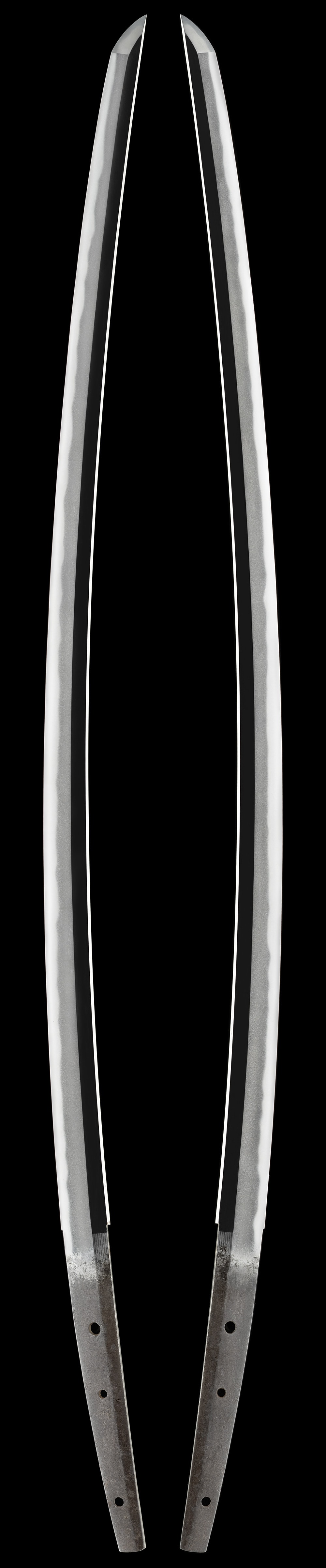
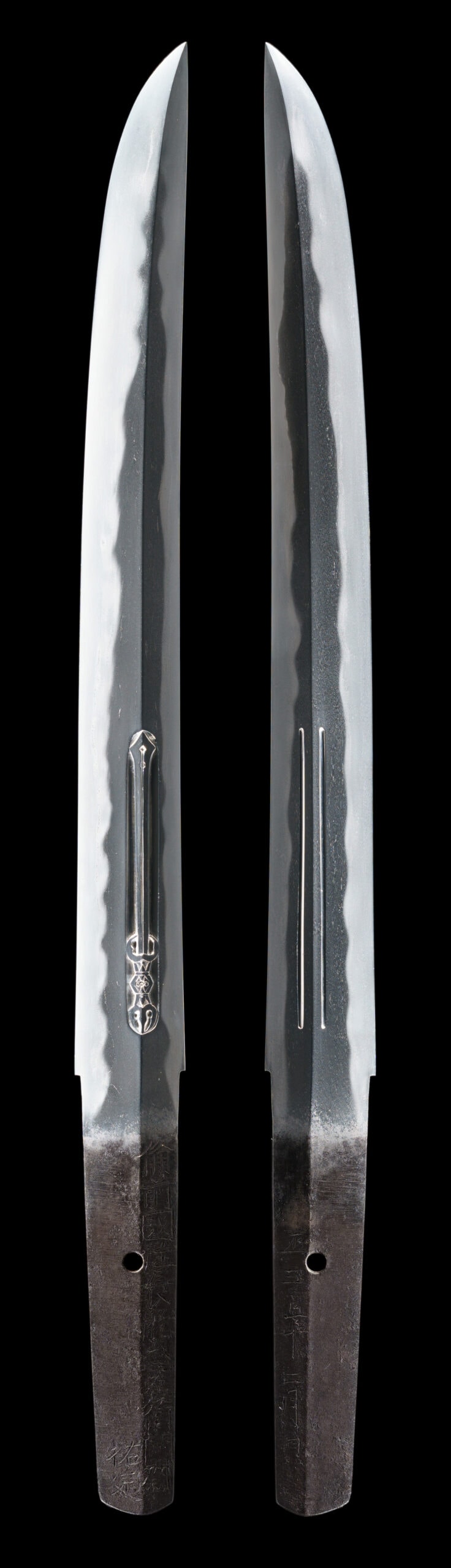
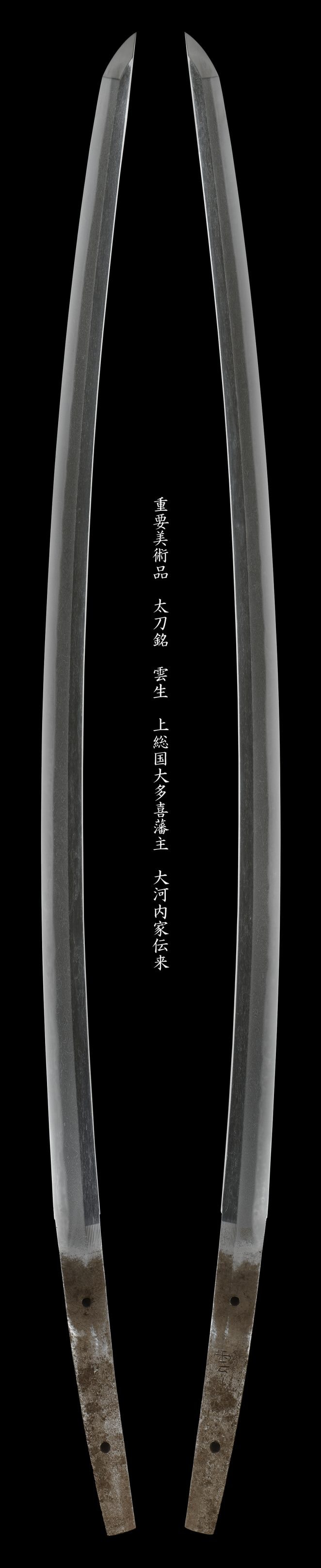
War at home and trade abroad made Muromachi Bizen the busiest forge region in Japan: a century of Sengoku demand after the Ōnin War, and export missions to Ming China carrying blades by the tens of thousands.
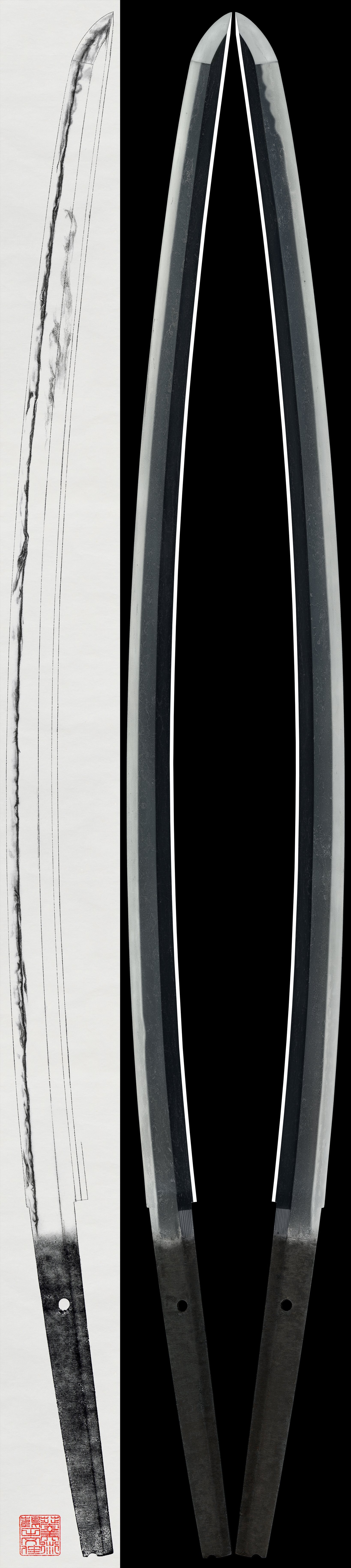
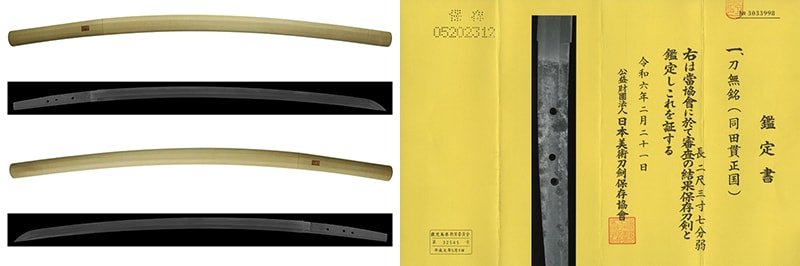
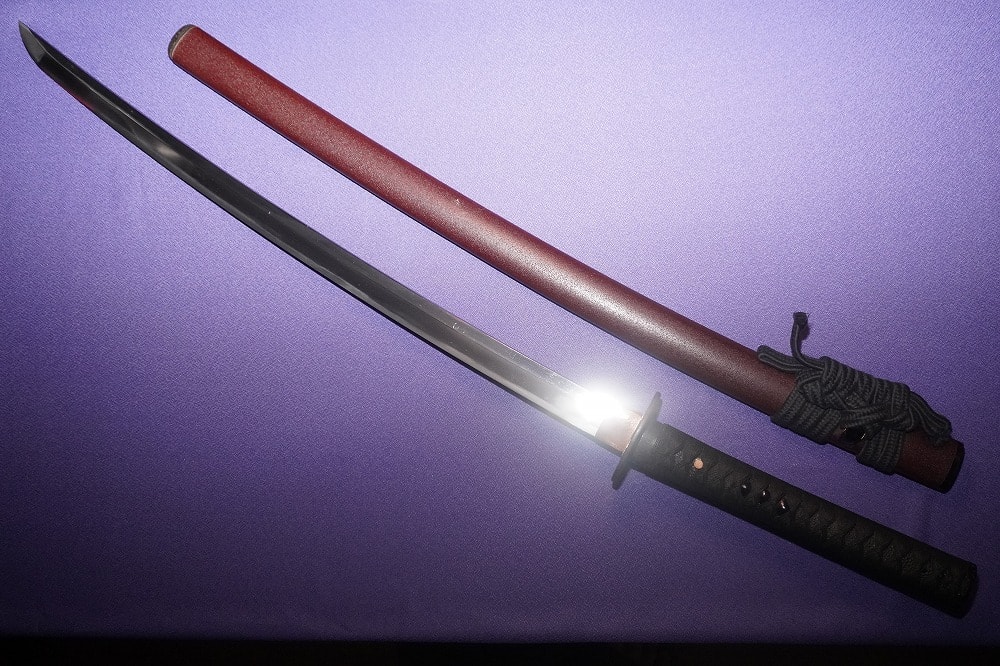
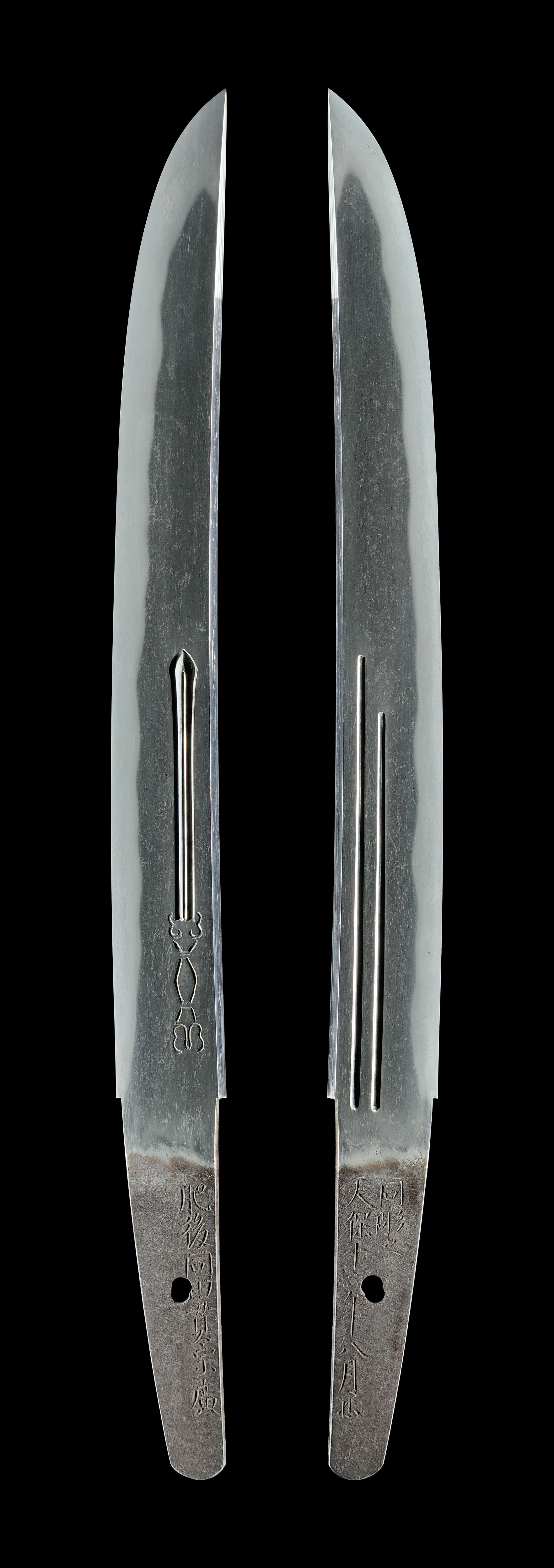
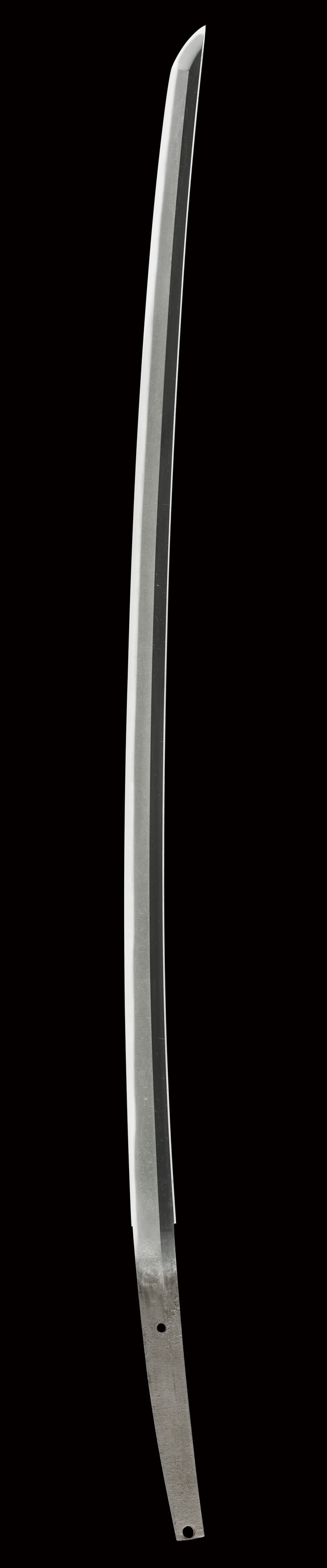
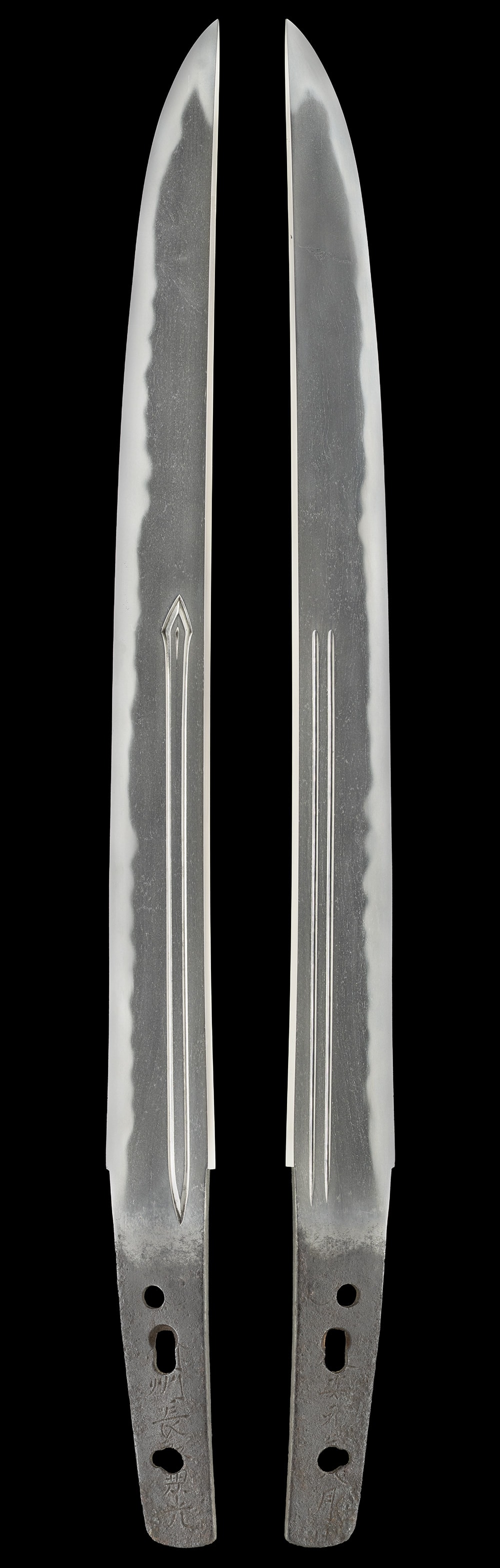
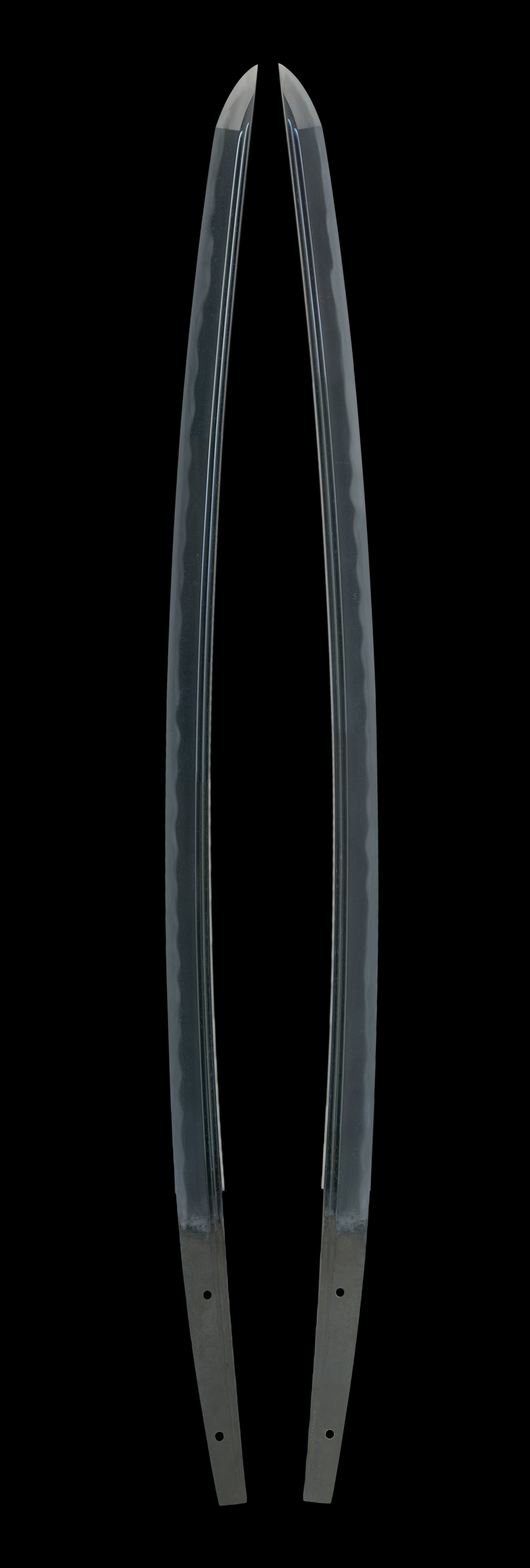
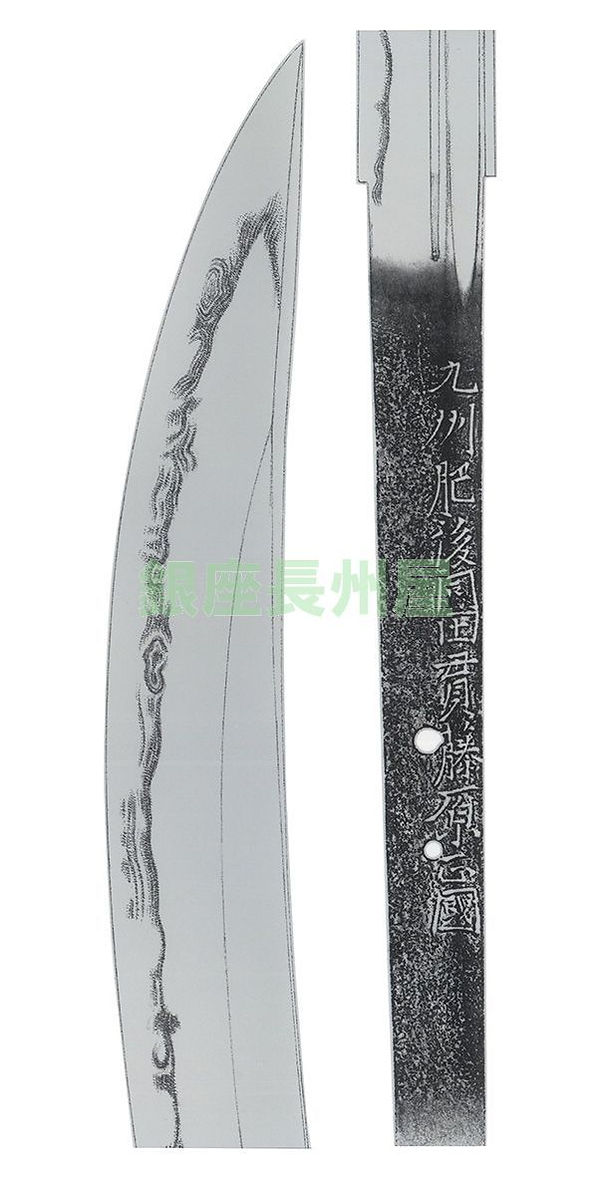
This listing features a naginata by Masakuni of the Dotanuki school, from Higo province. Masakuni was a master smith who served Kato Kiyomasa, producing robust weapons suited for warfare. The naginata dates to the late Muromachi period, around the Tensho era.
 NihontoWatch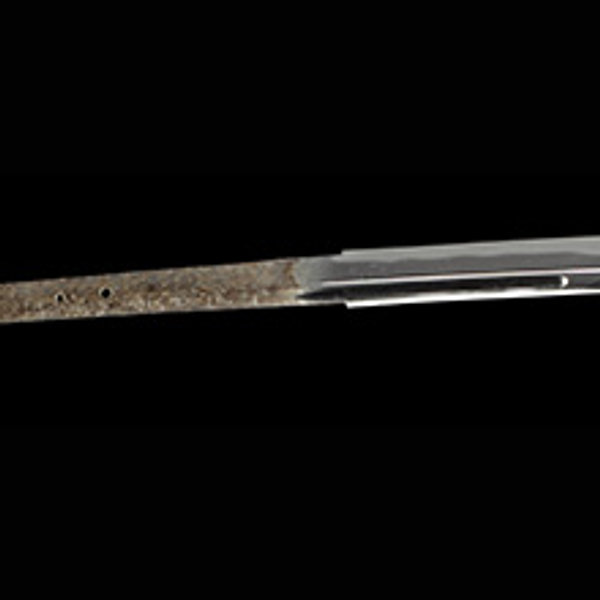
Bizen-den · Higo · around 1573-1592
Where Masakuni stands among comparable artisans: across all of nihontō, and within tradition, era, and period. The tiers (Foremost · Leading · Major · Notable) weigh official designations from the NBTHK and Japan's Agency for Cultural Affairs, together with historical honors of lasting repute such as the Sansaku and Meibutsu-chō.
Select a lens to see how it's measured.
Bizen-den · Higo
16 pieces on the market now
The Dōtanuki (同田貫) line took shape in Kikuchi District of Higo Province toward the close of the Muromachi period and carried its activity forward into the shintō era, spanning the Momoyama transition into early Edo. The setsumei of the group's own blades name several of its hands: Ueno no Suke, whose dated work runs from Tenshō through Keichō and who is therefore described as a maker active across the divide between old and new traditions; Fujiwara Masakuni, treated as a leading smith of the school; Masahiro, whose naginata the register notes is absent from the meikan and so supplements that omission; and Matahachi. The accounts further list Samanosuke, Hyōbu, Matahachizaemon, and Kunikatsu among the line's signing smiths. The group is repeatedly framed as a representative Kyūshū lineage of the period, working in the domain that would become the ground of Higo's later military culture. The shared vocabulary of the setsumei is plain and consistent. The sugata is described as sturdy and uncompromising, bukotsu, with wide mihaba, thick kasane, and ample hiraniku, and little difference between base and tip width; on swords the sakizori can be pronounced and the chū-kissaki extended, while the spears and large naginata show flaring, full heads. The kitae is itame, often with nagare and mokume mixed in and a tendency toward hada-dachi, with ji-nie adhering and chikei at times visible.
The hamon moves between two registers: a notare base mixed with ko-gunome, ko-chōji, and ko-togariba, and a quieter suguha with ko-ashi and yō; across both the nioiguchi tends to be tight, nie gathers densely, and sunagashi, kinsuji, tobiyaki, and muneyaki recur. The hand is recognized by this combination of robust unrefined build and a midareba whose tight nioiguchi and clustered nie read as rustic rather than ornamental. The register notes a shizumi-gokoro, a subdued tendency in both ji and ha, that lends a restrained austerity. " The setsumei return again and again to cutting power: the sharpness of these blades is highly praised, and they are recorded as practical weapons carried into use. Provenance survives in mounted form, including a naginata by Masakuni accompanied by a black lacquer mounting with gold maki-e judged contemporary with the blade, and a Matahachi naginata with its black-lacquered pole mounting. Within the line, individual works are singled out as superior examples that convey the school's character, the Ueno no Suke katana of Keichō 16 being read as exceptionally fine among its peers. The register places Dōtanuki as a Higo lineage whose unadorned strength and cutting reputation hold a recognized standing in the shintō-period record. Learn more →
| Smith | Era | Designated |
|---|---|---|
| Muneharu宗春 | 1865-1868 | 0 |
| Kunikatsu國勝 | 1558-1570 | 0 |
| Kagemasa景和 | 1596-1615 | 0 |
| Munehiro宗廣 | 1830-1868 | 0 |
| Kozukenosuke上野介 | 1596-1615 | 0 |
Bizen in the Muromachi period
War at home and trade abroad made Muromachi Bizen the busiest forge region in Japan: a century of Sengoku demand after the Ōnin War, and export missions to Ming China carrying blades by the tens of thousands.
We could not find an authenticity certificate on the seller’s listing. Japanese swords and fittings are normally papered by the NBTHK (or the NTHK). Without one, the attribution is the seller’s own assessment and has not been independently verified — treat it with caution and ask the dealer about certification before buying.
If, due to our fault, the item differs significantly from its proper condition, the item may be returned. Cooling-off is within one week of the item's arrival.