NihontoWatch Mon

NihontoWatch

Market
Encyclopedia
Kantei
NihontoWatch Mon

NihontoWatch

Market
Encyclopedia
Kantei

Description

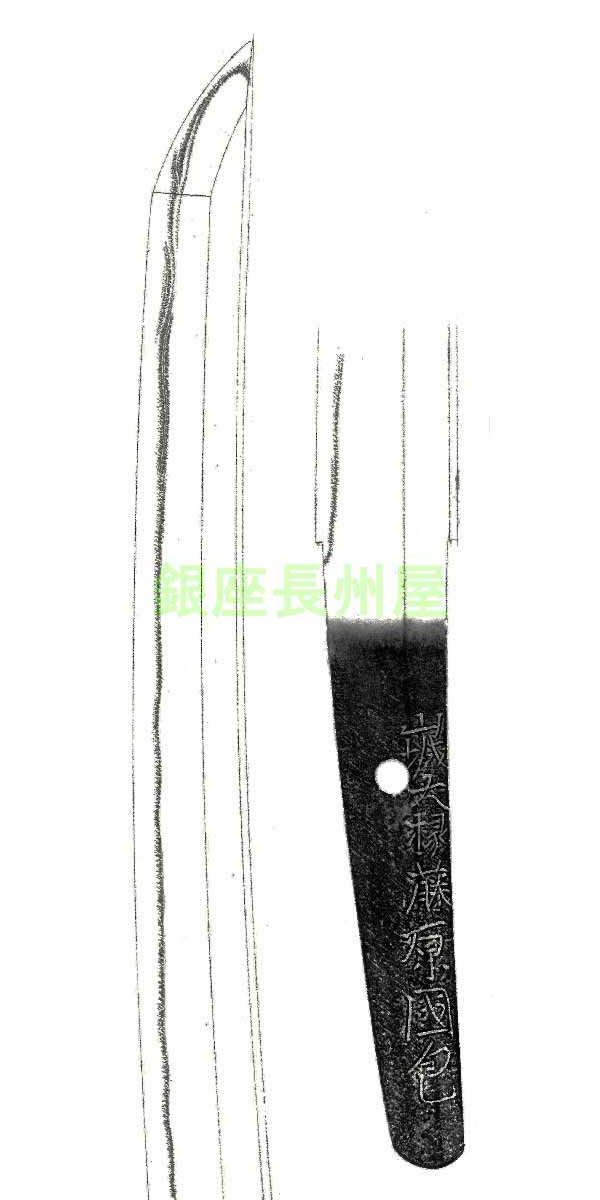
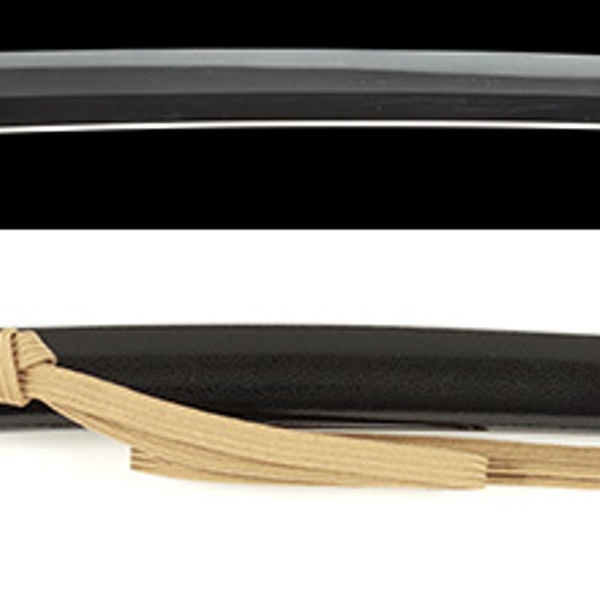
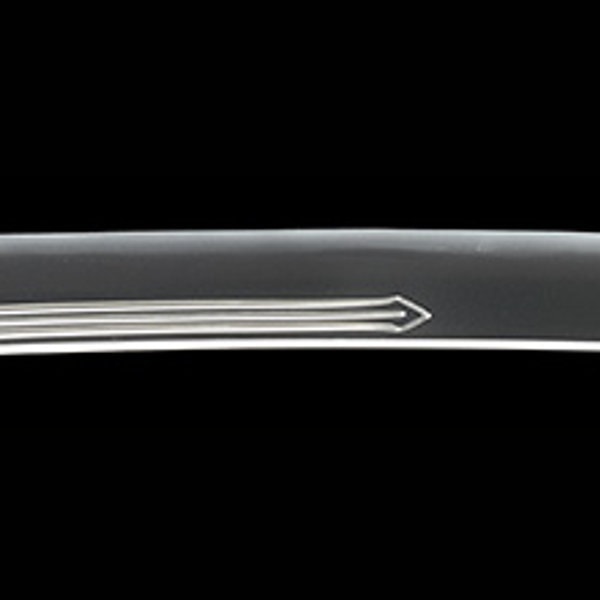
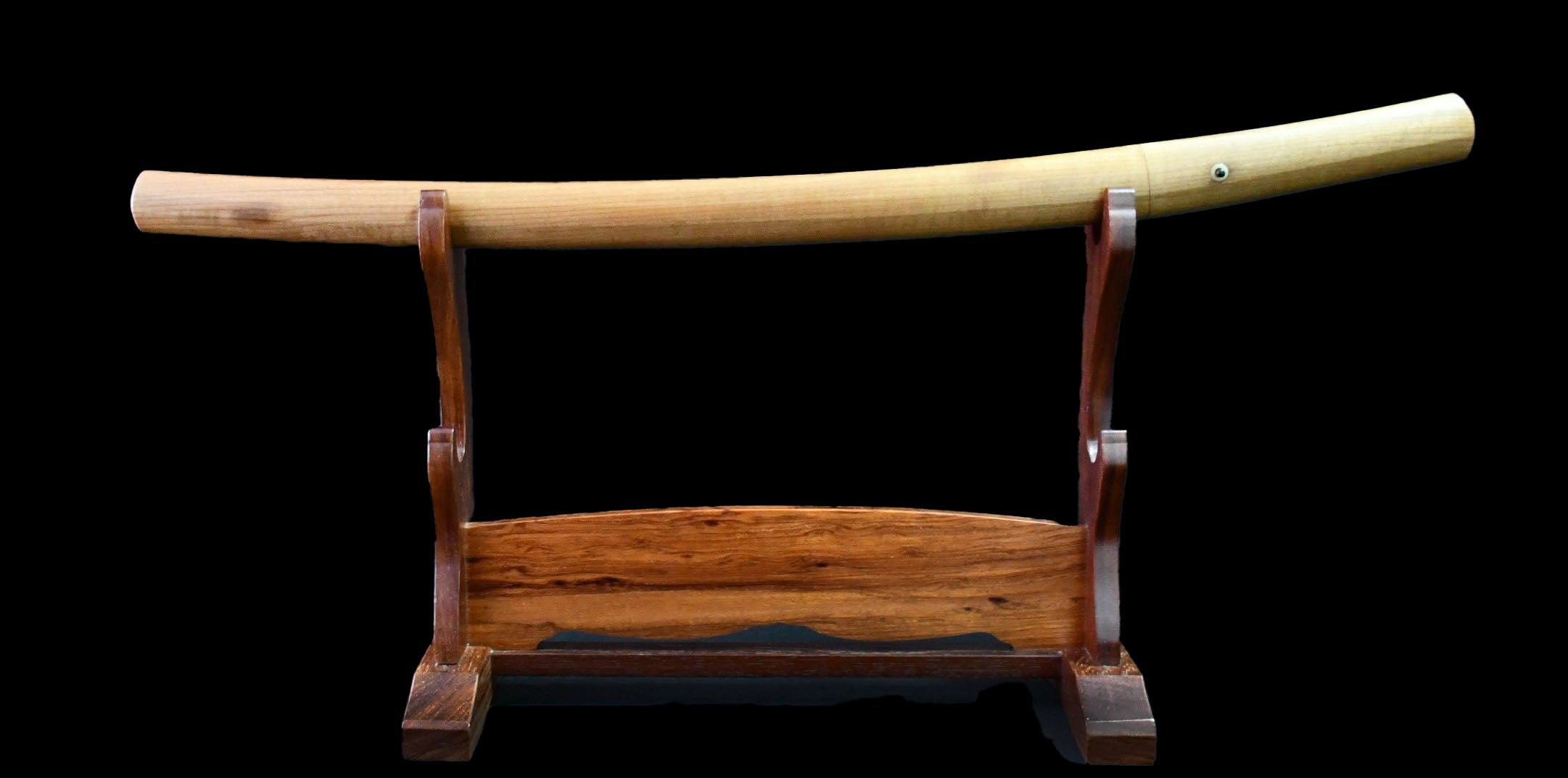
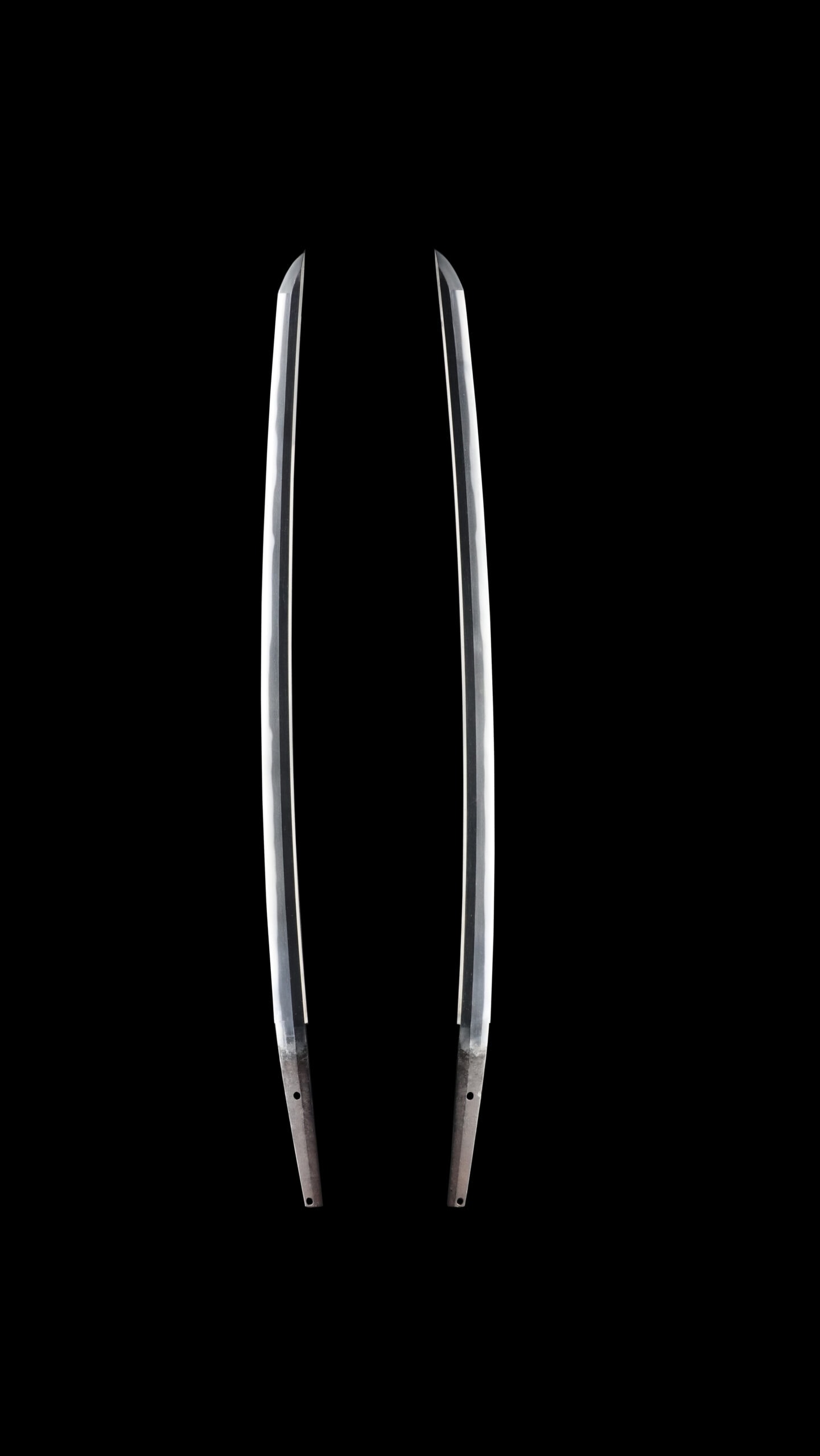
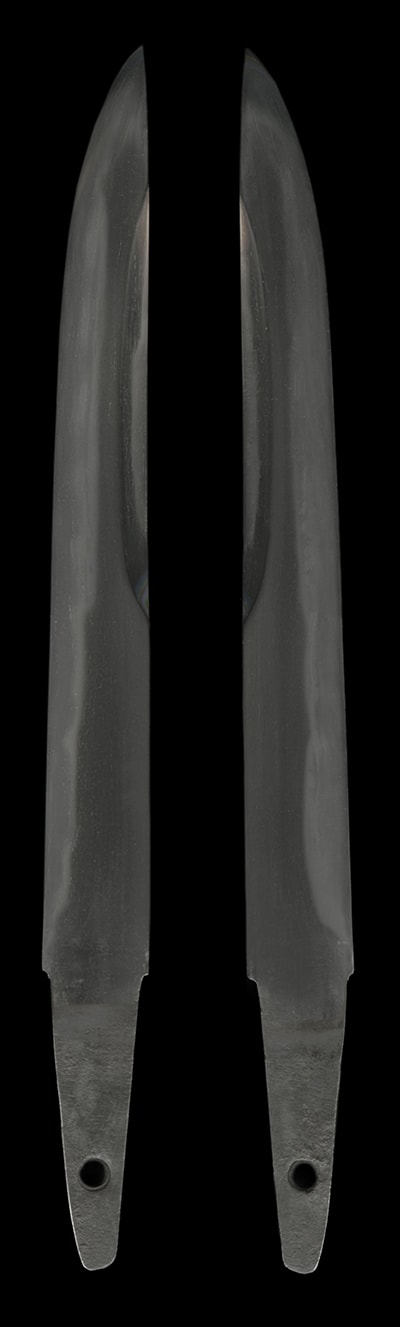
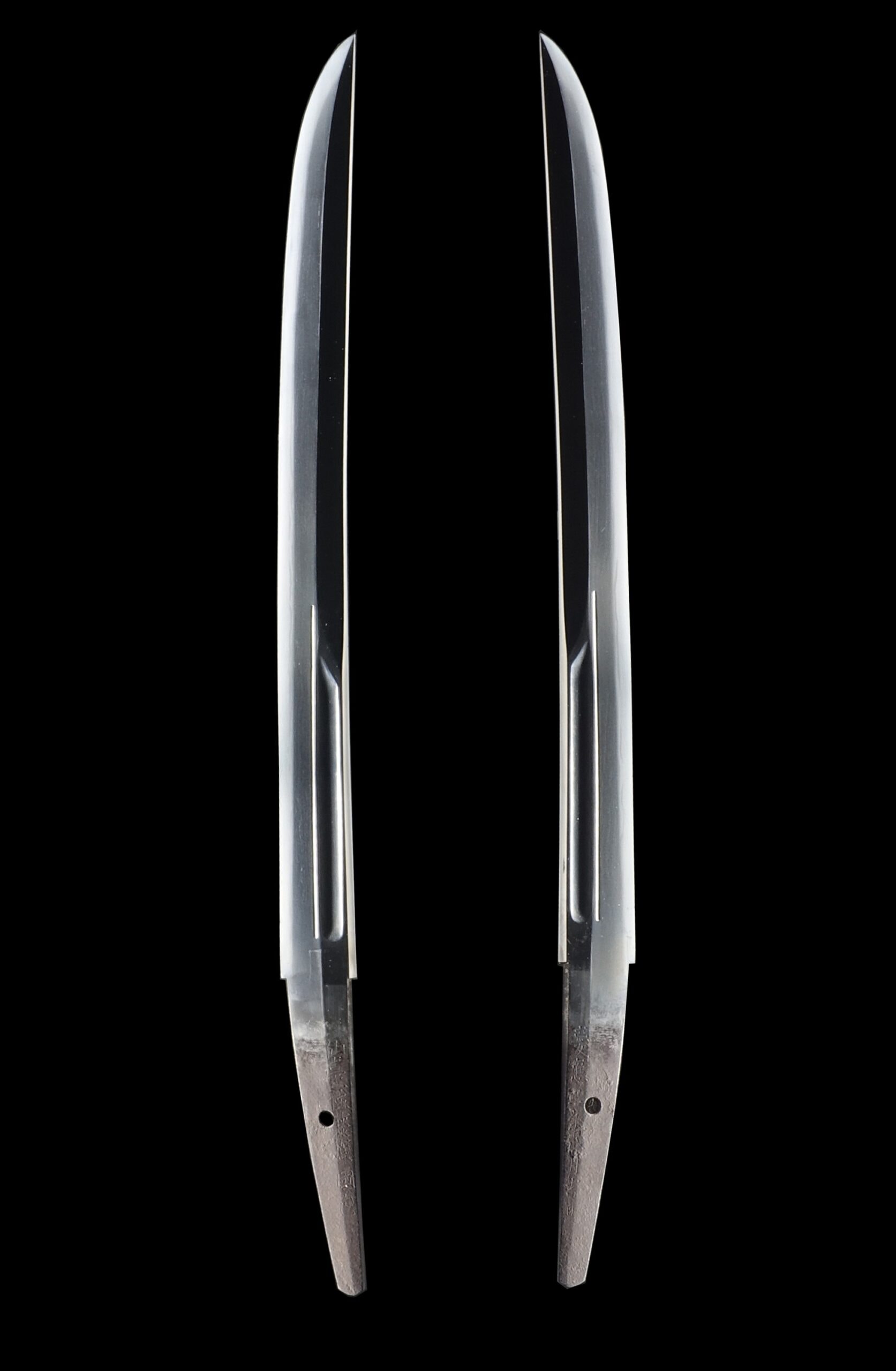
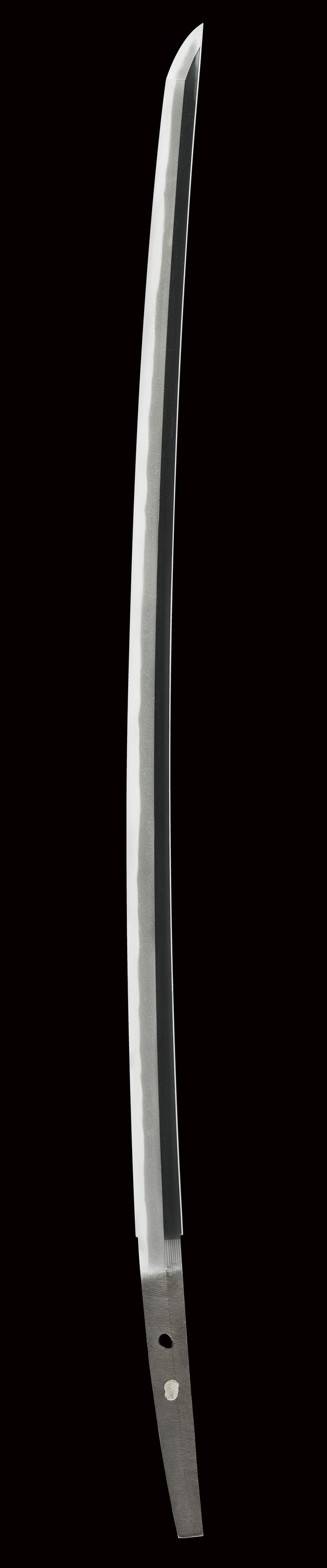
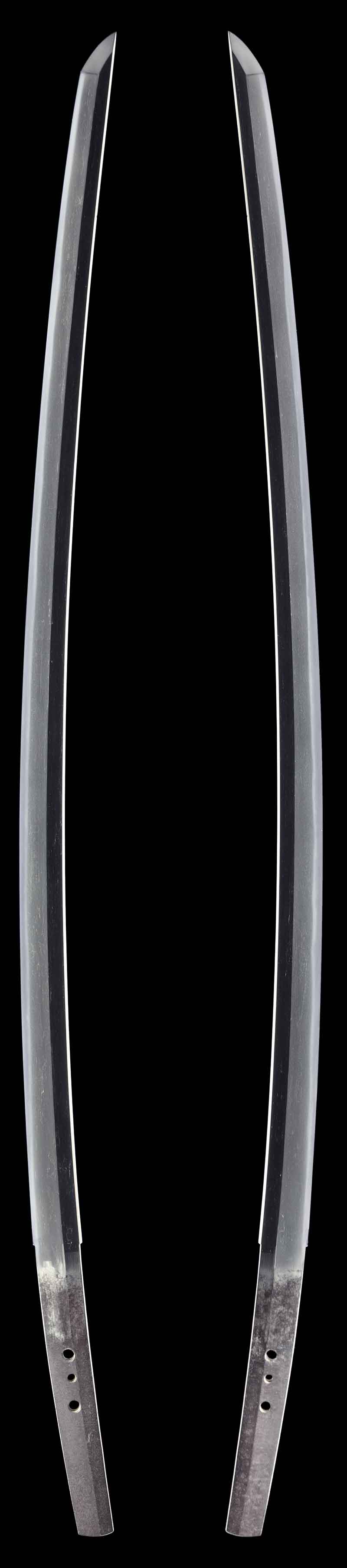
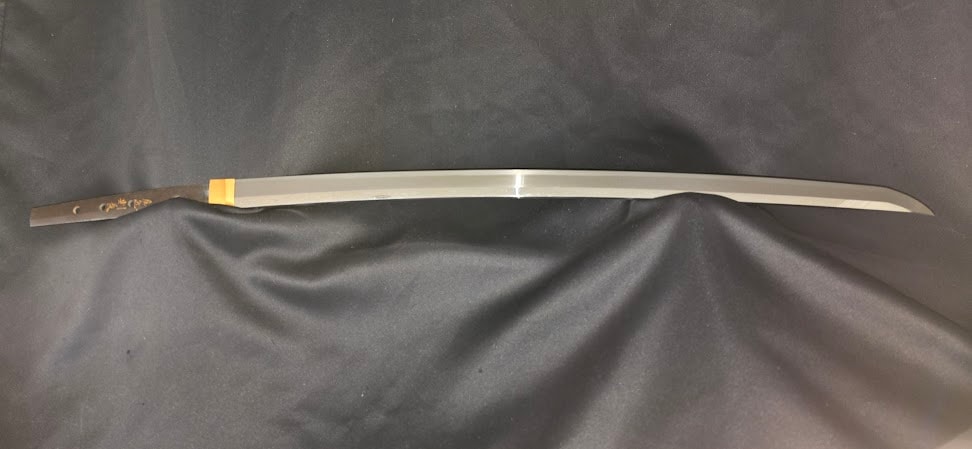
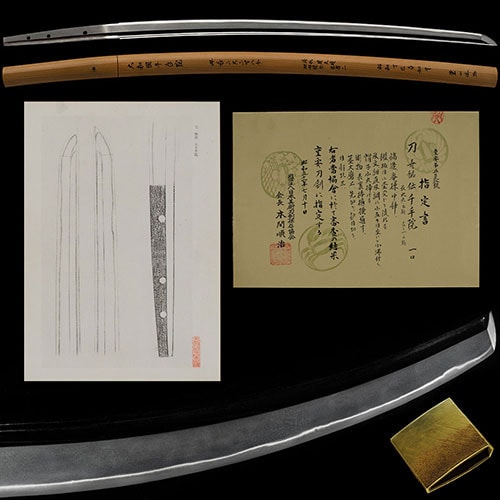
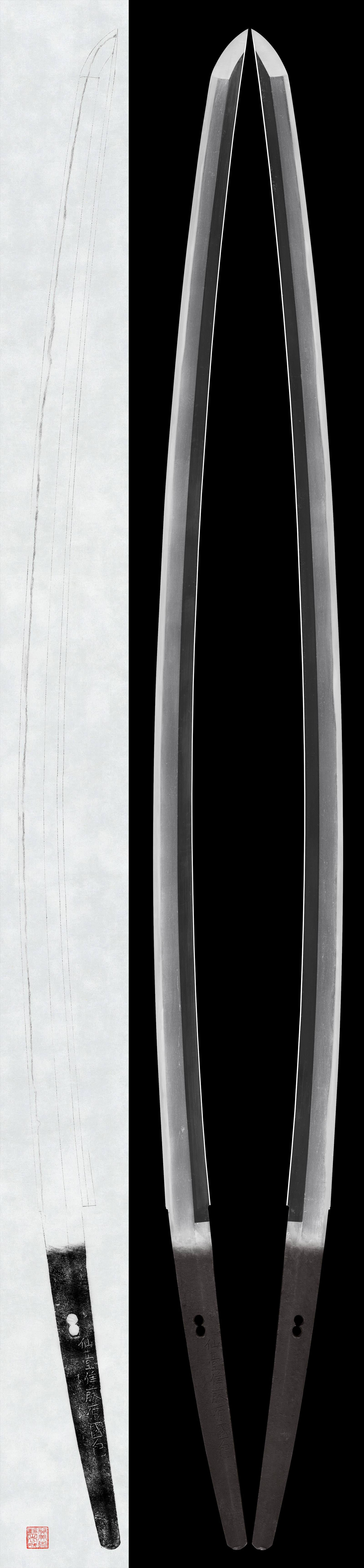
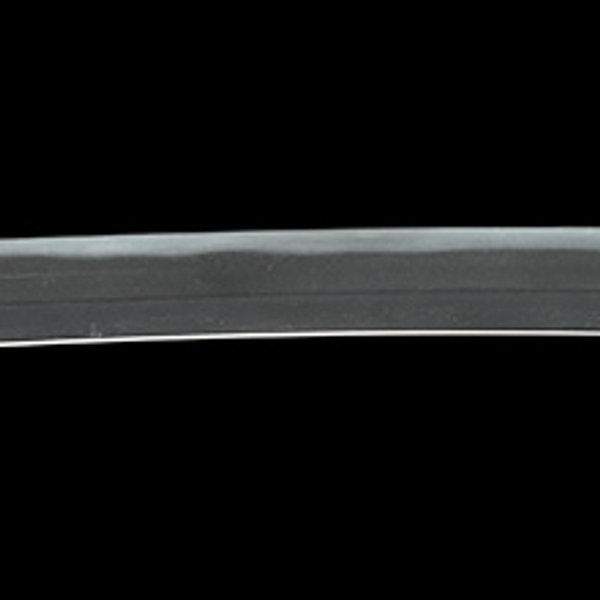
This is a wakizashi made by Yamashiro Daijo Fujiwara Kunikane in Mutsu province during the early Edo period (Shinto). Kunikane was the first generation of the Kunikane line and studied under Echunokami Masatoshi. His works are characterized by a masame hada and a hotsure, niju-ba, and sunagashi hamon in the Hoshu style.

NihontoWatch MonNihontoWatch
MarketEncyclopediaKantei
Swords›Yamato-den›Sendai Kunikane›Kunikane›Wakizashi: Yamashiro Daijo Fujiwara Kunikane
wakizashi
Sendai Kunikane

Wakizashi: Yamashiro Daijo Fujiwara Kunikane

mei · Shinto

SOLD
Sendai Kunikane — 1 of 1
Measurements & details
Smith
Sendai Kunikane
Type
Wakizashi
School
Sendai Kunikane
Period
Around 1624–1644(Kanei)
Province
Mutsu
Signature
Signed(100% of this smith's designated works are signed)
Description

This is a wakizashi made by Yamashiro Daijo Fujiwara Kunikane in Mutsu province during the early Edo period (Shinto). Kunikane was the first generation of the Kunikane line and studied under Echunokami Masatoshi. His works are characterized by a masame hada and a hotsure, niju-ba, and sunagashi hamon in the Hoshu style.

About the maker

Kunikane

國包

Sendai Kunikane (Yamato Hosho-den revival, Mutsu) · Rikuzen · around 1624-1644

Tōken Taikan top 14%

2 pieces on the market now

›

The shodai Kunikane was born Hongō Genzō in Bunroku 1 (1592) at Kokubun-Wakabayashi in Sendai, Mutsu, and entered the service of Date Masamune as a retained smith. By his lord's command he went up to Kyoto and studied under Etchū no Kami Masatoshi; in Kan'ei 3 (1626) he received the court title Yamashiro Daijō, and he styled himself a descendant of the later line of Yamato Hōshō Gorō. That self-styling is the key to him. In the opening decades of the Shintō period, when the Sōshū manner in itame and mokume was the fashion of the day, Kunikane set himself against the current and gave his whole working life to reviving the masame-forging, suguha-tempering Hōshō-den of old Yamato. The published sources describe a hand that never wavered from that purpose, and the modern designation record bears it out: of the blades on record every signed example is in his own name, with not a single unsigned attribution among them.

His characteristic hand is constant to the point of being unmistakable. The forging is a tightly packed masame-hada, at times running into nagare, carrying fine ji-nie thickly applied and frequent chikei, the steel notably clear. A mizukage often rises from below the machi, and the published sources name this rising water-shadow a personal habit of the smith, calling it on one wakizashi a feature that 「初代国包の手くせといえる」[[c:1]], the kind of small confirming detail that settles an attribution. Over that jigane he tempers a suguha or suguha-chō, frequently broad, shallow in notare, the nioiguchi deep and bright. The activity is the Yamato kind rather than the Bizen: along the habuchi runs general hotsure, with kinsuji and sunagashi set freely into the line, kuichigai-ba, nijūba and uchi-noke mixed in, and ko-ashi entering.

The jigane is where he is read first and where he is most himself. Fine ji-nie and the abundant chikei over a clear, well-packed masame recur on nearly every blade, the forging only growing more refined as it tightens. The bōshi is the Yamato finish, running straight into a yakizume-like point with vigorous hakikake; the published sources find an archaic fragrance in it even where the rest of a blade is plain. On this last point they are candid in a way that is unusual for designation commentary: measuring him against the early Hōshō, they name where he falls short, citing 「物打上の変化に乏しいことと, 帽子が平凡な点にある」[[c:2]], a relative want of variation in the monouchi and a commonplace bōshi. The same entry holds that the quality of both ji and hamon on his representative dated katana is nonetheless excellent.

One consistent hand divides into two registers by the shape it takes. The standard work is the shinogi-zukuri katana, ubu and long-signed, very often dated, with a high shinogi, shallow sori and an elongated chū-kissaki, over which the broad bright suguha sits on the tight masame; his dated tachi and katana from Kan'ei 4 and Kan'ei 9 are the touchstones for studying his oeuvre. The rarer register is the hira-zukuri wakizashi, of which the published sources note that very few survive, prizing them as reference pieces. On these the same temper opens out: the upper half takes a somewhat broader yakiba, the nie thickens and coarsens in places, tobiyaki resembling yubashiri appear, the nioiguchi tends toward shizumi, and the carvings, a plain suken and a katana-hi with soe-hi, are cut with deep channels that reproduce a feature of old Yamato work. Of the Onikiri wakizashi the commentary says it is a piece in which 「初代国包の本領が遺憾なく発揮された」[[c:3]], the smith's true strengths brought forth without reserve.

What sets Kunikane apart in his own period is exactly this fidelity to an older province. The published sources record that 「作風は一貫して大和保昌伝に終始し」[[c:4]], his manner kept to the Yamato Hōshō tradition from first to last, forging masame and tempering suguha with uchi-noke, hotsure and sunagashi, the nie well adhered and the bōshi tending to yakizume. His bright masame and Yamato finish set him against the Sōshū-fashion smiths around him, and his disciplined suguha over a clear jigane distinguishes him from the kotō Hōshō he revered, whose monouchi and bōshi he could not quite equal. He retired in Shōhō 2 (1645) and handed the headship to his eldest son Kichiemon, the second-generation Yamashiro no Kami Kunikane, founding a Sendai Kunikane line that carried the masame Hōshō-den to the end of the Edo period; the shodai remains the standard against which the later generations are judged.

For the collector he is a Shintō name of real standing. The published record runs through one Important Cultural Property, two prewar Jūyō Bijutsuhin and twenty-nine blades in the Tokubetsu Jūyō and Jūyō tiers, thirty-three designated works on record in all, every one of them signed. There are no National Treasures. His finest, an ubu, signed and dated katana preserved in its original form and held in the Uwajima Date family, the published sources call equal to or surpassing the old Hōshō, 「古保昌に優るとも劣らぬ作域」[[c:5]], and a masterpiece of imposing presence. His provenance is grounded in the houses he served and a few long-private hands: the Date and the Uwajima Date families above all, with recorded blades reaching the Imperial collection and the keeping of named collectors such as Kimura Sadazō. A signed shodai Kunikane is not beyond a serious collector's reach in the way a great Kamakura master is, yet the blades are mostly held rather than traded, the hira-zukuri wakizashi rarest of all, and a dated example in good state comes to market only from time to time. When one does, it is a clear and self-contained document of how, in an age that had turned to Sōshū, one Sendai smith chose instead to forge his way back to old Yamato.

Historical importance

Where Kunikane stands among comparable artisans: across all of nihontō, and within tradition, era, and period. The tiers (Foremost · Leading · Major · Notable) weigh official designations from the NBTHK and Japan's Agency for Cultural Affairs, together with historical honors of lasting repute such as the Sansaku and Meibutsu-chō.

随一
Foremost
屈指
Leading
有数
Major
著名
Notable

Select a lens to see how it's measured.

Designation record
33 designated works
Jūyō Bunkazai
1
Jūyō Bijutsuhin
2
Gyobutsu (Imperial)
1
Tokubetsu Jūyō
1
Jūyō
28
2 works by Kunikane on the market→
Kunikane — full profileSendai Kunikane (Yamato Hosho-den revival, Mutsu) school

Dated Works

Years he was demonstrably active, proven by signed-and-dated blades

Active period
1627–1643Editorial estimate: 1624–1644
15 of 31 designated works carry a date
1620
1630
1640
1650
About the school

Sendai Kunikane

仙台國包

Yamato-den · Rikuzen

12 pieces on the market now

›

Below Sendai Castle, at Kokubu Wakabayashi in Miyagi District of Ōshū (later Rikuzen, present-day Sendai), the first Kunikane established a forge that served the Date house across the early shintō period. The setsumei record him as a member of the Hongō family, first called Genzō and later Yoshinosuke, born in Bunroku 1 (1592), who claimed descent from a later branch of Yamato Hōshō Gorō. As a retained smith (kakae-kaji) of Date Masamune he was sent by his lord's command to Kyoto in Keichō 19 (1614), where he studied under Etchū no Kami Masatoshi; he received the court title Yamashiro Daijō in Kan'ei 3 (1626), took the tonsure upon Masamune's death in Kan'ei 13 (1636) under such Buddhist names as Ninzawa Yōe and Yōkei, retired in Shōhō 2 (1645) at fifty-four, and died in Kanbun 4 (1664) at seventy-three. The house continued through his legitimate son, the second-generation Kunikane (Hongō Kichiemon), born Keichō 17 (1612), who succeeded to the headship in 1645 and received the title Yamashiro no Kami in Kanbun 7 (1667). Other Sendai hands appear in the register as well: a Rinsuke (倫助) of the same lineage as Anrin signing "Ōshū Kokubu Sendai-jū," and later signatures reading Yōe Kunikane and the Shōwa-era Yōke Kunitsutsumi, carrying the line forward. What binds these blades into one hand is the deliberate transplant of the Yamato-den Hōshō manner onto Sendai steel. The setsumei describe the first generation as turning, in an age when the Sōshū tradition was widely practiced, toward the working range of the Yamato Hōshō line: a high shinogi, a forged masame-hada, and a suguha-based temper.

Recognition begins in the kitae, a masame-hada running well throughout, often tending toward standing grain (hada-dachi), with fine chikei entering and ji-nie adhering thickly over clear steel; a mizukage frequently rises from below the machi, called a habitual trait of both first and second generations. The temper is a chū- or hiro-suguha carrying a shallow notare, into which uchi-noke, hotsure, kuichigai-ba, and a nijūba-like effect mingle along the habuchi, with deep nioi, well-adhering nie, and kinsuji and sunagashi running through; the bōshi runs straight and tends toward yakizume with vigorous hakikake. Generations divide on detail rather than idiom: the first generation's strongest pieces show the masame at its most ordered with a bright nioiguchi, while the second generation, equally schooled in the family specialty, sometimes works toward gunome-midare and finishes with a quiet warmth; certain late first-generation works, such as the dated Kan'ei 19 katana, depart unusually into a primarily itame ground with whitish utsuri. For kantei the register fixes the points plainly: ordered masame with ji-nie and chikei, the suguha-and-hotsure edge with masame carried into a yakizume boshi, and the rising mizukage habit. The signature itself is a marker, the setsumei noting that from Kan'ei 9 (1632) the grass-radical of the character 藤 begins to be chiseled as separated strokes resembling a "#," and that the rarer "Yōe" form and examples bearing Kunitsugu's kaō carry documentary weight. Named works anchor the line: a Tokubetsu-Jūyō katana signed Yamashiro Daijō Fujiwara Kunikane transmitted in the Uwajima Date family, with an iron tsuba signed Myōchin Sōhei; first- and second-generation katana held in the Imperial Collection; a Jūyō wakizashi bearing the kuyō crest of the Date house said to have been bestowed by Masamune; and a katana carrying a Yamano Ka'emon cutting-test inscription dated Kanbun 4. The setsumei place the first generation's best blades at a level close to, and at points surpassing, the old Hōshō master, and present the Sendai Kunikane house as the enduring carrier of the Yamato Hōshō manner under Date patronage through the Edo period. Learn more →

4 recorded smiths47 designated works
Leading smiths
SmithEraDesignated
Kunikane國包1624-164433
Kunikane國包1644-167012
Kaneshige包重1661-16731
Tomosuke倫助1661-16731
Explore the Sendai Kunikane school →

Historical context

Edo was the sword’s age of connoisseurship: the Hon’ami appraisers, the shogunal register of famous blades of 1719, and a thriving literature turned the sword into an object of study even as it ceased to be drawn in war.

The Edo period (1615 to 1868) →

Warning — certificate not found

We could not find an authenticity certificate on the seller’s listing. Japanese swords and fittings are normally papered by the NBTHK (or the NTHK). Without one, the attribution is the seller’s own assessment and has not been independently verified — treat it with caution and ask the dealer about certification before buying.

Seller
C
Choshuya
🇯🇵Ships from Japan
›
✓Verified dealerwww.choshuya.co.jp
✓Ships worldwide✓English support
Return policy

If, due to our fault, the item differs significantly from its proper condition, the item may be returned. Cooling-off is within one week of the item's arrival.
View all of Choshuya’s listings→View this item on the dealer’s site→

More works by Sendai Kunikane

View all →
Choshuya
Wakizashi - by Sendai Kunikane - Japanese Sword for Sale | Ginza Choshuya | Signed Yamashiro Daijo Fujiwara Kunikane, August, Kanei 5 (Saijo Owazamono), 1624Wakizashi - by Sendai Kunikane - Japanese Sword for Sale | Ginza Choshuya | Signed Yamashiro Daijo Fujiwara Kunikane, August, Kanei 5 (Saijo Owazamono), 1624

Wakizashi

BySendai Kunikane
¥2,500,000
Nipponto
Tokuho
Katana - Tokuho - by Sendai Kunikane - Katana by Yamashiro Daijo Fujiwara Kunikane, dated February, Kanei 11 (1634), Tokubetsu HozonKatana - Tokuho - by Sendai Kunikane - Katana by Yamashiro Daijo Fujiwara Kunikane, dated February, Kanei 11 (1634), Tokubetsu Hozon

Katana

BySendai Kunikane
Ask

Previously sold by Sendai Kunikane

Aoi Art
Katana - by Sendai Kunikane - Sendai Ju Fujiwara Kunikane (No Guarantee)Katana - by Sendai Kunikane - Sendai Ju Fujiwara Kunikane (No Guarantee)
Sold

Katana

BySendai Kunikane
SOLD
Nipponto
Tokubetsu Kichō
Tanto - Tokubetsu Kichō - by Sendai Kunikane - Tanto by Fujiwara Kunikane (1st generation Sendai Kunikane) with Tokubetsu Kicho CertificateTanto - Tokubetsu Kichō - by Sendai Kunikane - Tanto by Fujiwara Kunikane (1st generation Sendai Kunikane) with Tokubetsu Kicho Certificate
Sold

Tantō

BySendai Kunikane
SOLD
Nipponto
Tokuho
Wakizashi - Tokuho - by Sendai Kunikane - Wakizashi by Yamashiro Daijo Fujiwara Kunikane with Tokubetsu Hozon CertificateWakizashi - Tokuho - by Sendai Kunikane - Wakizashi by Yamashiro Daijo Fujiwara Kunikane with Tokubetsu Hozon Certificate
Sold

Wakizashi

BySendai Kunikane
SOLD
Choshuya
Wakizashi - by Sendai Kunikane - (Kuyo-mon) Yamashiro Daijo Fujiwara KunikaneWakizashi - by Sendai Kunikane - (Kuyo-mon) Yamashiro Daijo Fujiwara Kunikane
Sold

Wakizashi

BySendai Kunikane
SOLD
Iida Koendo
Jūyō Bijutsuhin
Katana - Jubi - by Sendai Kunikane - Shinto Katana: Youkei Kunikane - Important Art ObjectKatana - Jubi - by Sendai Kunikane - Shinto Katana: Youkei Kunikane - Important Art Object
Sold

Katana

BySendai Kunikane
SOLD
Choshuya
Wakizashi - by Sendai Kunikane - Yamashiro Daijo Fujiwara KunikaneWakizashi - by Sendai Kunikane - Yamashiro Daijo Fujiwara Kunikane
Sold

Wakizashi

BySendai Kunikane
SOLD
Choshuya
Wakizashi - by Sendai Kunikane - Yamashiro Daijo Fujiwara KunikaneWakizashi - by Sendai Kunikane - Yamashiro Daijo Fujiwara Kunikane
Sold

Wakizashi

BySendai Kunikane
SOLD
Choshuya
Wakizashi - by Sendai Kunikane - Yamashiro Daijo Fujiwara KunikaneWakizashi - by Sendai Kunikane - Yamashiro Daijo Fujiwara Kunikane
Sold

Wakizashi

BySendai Kunikane
SOLD

More from the Sendai Kunikane school

View all →
Samurai Museum
Hozon
Katana - Hozon - by Sendai Kunikane School - Antique Japanese Sword Katana attributed to Yamashiro no Kami Kunikane NBTHK Hozon CertificateKatana - Hozon - by Sendai Kunikane School - Antique Japanese Sword Katana attributed to Yamashiro no Kami Kunikane NBTHK Hozon Certificate

Katana

BySendai Kunikane School
¥6,287
Choshuya
Tokuho
Wakizashi - Tokuho - by Sendai Kunikane School - Signed Yamashiro Daijo Fujiwara no Kunikane, Kan'ei 5th year, 8th month (Saijo O Wazamono)Wakizashi - Tokuho - by Sendai Kunikane School - Signed Yamashiro Daijo Fujiwara no Kunikane, Kan'ei 5th year, 8th month (Saijo O Wazamono)

Wakizashi

BySendai Kunikane School
¥2,500,000
Nipponto
Tokuho
Katana - Tokuho - by Sendai Kunikane - Japanese Sword Katana by Oshu Sendaiju Kunikane (2nd Generation)Katana - Tokuho - by Sendai Kunikane - Japanese Sword Katana by Oshu Sendaiju Kunikane (2nd Generation)

Katana

BySendai Kunikane
¥2,500,000
Touken Matsumoto
Hozon
Wakizashi - Hozon - by Sendai Kunikane - Yamashiro no Kami Fujiwara KunikaneWakizashi - Hozon - by Sendai Kunikane - Yamashiro no Kami Fujiwara Kunikane

Wakizashi

BySendai Kunikane
¥1,200,000
Toyuukai
Tokuho
Wakizashi - Tokuho - by Sendai Kunikane School - Yamashiro-Daijyo Fujiwara KunikaneWakizashi - Tokuho - by Sendai Kunikane School - Yamashiro-Daijyo Fujiwara Kunikane

Wakizashi

BySendai Kunikane School
¥2,200,000
Choshuya
Wakizashi - by Sendai Kunikane - Oshu Sendai ju Kunikane (2nd Gen.) - RyowazamonoWakizashi - by Sendai Kunikane - Oshu Sendai ju Kunikane (2nd Gen.) - Ryowazamono

Wakizashi

BySendai Kunikane
Ask
Aoi Art
Tokuho
Katana - Tokuho - by Sendai Kunikane Kaneshige - Nakagawa Mutsu Kami Fujiwara KaneshigeKatana - Tokuho - by Sendai Kunikane Kaneshige - Nakagawa Mutsu Kami Fujiwara Kaneshige

Katana

BySendai Kunikane Kaneshige
¥650,000
Sanmei
Tokuho
Katana - Tokuho - by Sendai Kunikane School - Ōshu Sendai-ju Fujiwara Kunikane - Sakura bark lacquered scabbard Uchikatana KoshiraeKatana - Tokuho - by Sendai Kunikane School - Ōshu Sendai-ju Fujiwara Kunikane - Sakura bark lacquered scabbard Uchikatana Koshirae

Katana

BySendai Kunikane School
Ask

More from the Yamato tradition

View all →
Aoi Art
Tokuho
Yari - Tokuho - by Senjuin School - Senjuin SakuYari - Tokuho - by Senjuin School - Senjuin Saku

Yari

BySenjuin School
Starting Bid¥280,000
Tsuruginoya
Jūyō
Katana - Jūyō - by Tegai Kanenaga - Tegai KanenagaKatana - Jūyō - by Tegai Kanenaga - Tegai Kanenaga

Katana

ByTegai Kanenaga
¥7,500,000
Aoi Art
Tokuho
Tachi - Tokuho - by Shikkake School - Unsigned (Shikkake)Tachi - Tokuho - by Shikkake School - Unsigned (Shikkake)

Tachi

ByShikkake School
Starting Bid¥1,550,000
Goushuya
Tokujū
Katana - Tokuju - by Satsuma Yasuyo - Tokubetsu Juyo Token (One-Leaf Aoi Mon) Shume no Kami Ichihei Fujiwara Ason Yasuyo, Made in Satsushu Kirei-gun on an Auspicious Day in March, Kyoho 12Katana - Tokuju - by Satsuma Yasuyo - Tokubetsu Juyo Token (One-Leaf Aoi Mon) Shume no Kami Ichihei Fujiwara Ason Yasuyo, Made in Satsushu Kirei-gun on an Auspicious Day in March, Kyoho 12

Katana

BySatsuma Yasuyo
Ask
Toushin
Tokuho
Tanto - Tokuho - by Tegai Kanekiyo - Mumei (Tegai Kanekiyo) - 4-377Tanto - Tokuho - by Tegai Kanekiyo - Mumei (Tegai Kanekiyo) - 4-377

Tantō

ByTegai Kanekiyo
¥770,000
Tokka Biz
Hozon
Katana - Hozon - by Mihara School - Mumei MiharaKatana - Hozon - by Mihara School - Mumei Mihara

Katana

ByMihara School
¥650,000
Choshuya
Jūyō
Katana - Jūyō - by Shikkake School - O-suriage Mumei, Attributed to ShikkakeKatana - Jūyō - by Shikkake School - O-suriage Mumei, Attributed to Shikkake

Katana

ByShikkake School
¥3,600,000
Touken Komachi
Tokuho
Katana - Tokuho - by Tegai Kanenaga - Katana in ShirasayaKatana - Tokuho - by Tegai Kanenaga - Katana in Shirasaya

Katana

ByTegai Kanenaga
¥3,000,000

Swords

  • Katana
  • Wakizashi
  • Tantō
  • Tachi
  • Naginata
  • Yari

Fittings

  • Tsuba
  • Fuchi-Kashira
  • Kozuka
  • Menuki

Armor

  • Kabuto
  • Samurai Armor

By Certification

  • Tokujū
  • Jūyō
  • Tokuho
  • Hozon

Resources

  • Dealer Directory
  • Artist Directory
  • The Daily Kantei
  • Glossary
  • Browse All
Nihontowatch© 2026
TermsPrivacyCookiesAbout

Description

This is a wakizashi made by Yamashiro Daijo Fujiwara Kunikane in Mutsu province during the early Edo period (Shinto). Kunikane was the first generation of the Kunikane line and studied under Echunokami Masatoshi. His works are characterized by a masame hada and a hotsure, niju-ba, and sunagashi hamon in the Hoshu style.

NihontoWatch MonNihontoWatch
MarketEncyclopediaKantei
Swords›Yamato-den›Sendai Kunikane›Kunikane›Wakizashi: Yamashiro Daijo Fujiwara Kunikane
wakizashi
Sendai Kunikane

Wakizashi: Yamashiro Daijo Fujiwara Kunikane

mei · Shinto

SOLD
Sendai Kunikane — 1 of 1
Measurements & details
Smith
Sendai Kunikane
Type
Wakizashi
School
Sendai Kunikane
Period
Around 1624–1644(Kanei)
Province
Mutsu
Signature
Signed(100% of this smith's designated works are signed)
Description

This is a wakizashi made by Yamashiro Daijo Fujiwara Kunikane in Mutsu province during the early Edo period (Shinto). Kunikane was the first generation of the Kunikane line and studied under Echunokami Masatoshi. His works are characterized by a masame hada and a hotsure, niju-ba, and sunagashi hamon in the Hoshu style.

About the maker

Kunikane

國包

Sendai Kunikane (Yamato Hosho-den revival, Mutsu) · Rikuzen · around 1624-1644

Tōken Taikan top 14%

2 pieces on the market now

›

The shodai Kunikane was born Hongō Genzō in Bunroku 1 (1592) at Kokubun-Wakabayashi in Sendai, Mutsu, and entered the service of Date Masamune as a retained smith. By his lord's command he went up to Kyoto and studied under Etchū no Kami Masatoshi; in Kan'ei 3 (1626) he received the court title Yamashiro Daijō, and he styled himself a descendant of the later line of Yamato Hōshō Gorō. That self-styling is the key to him. In the opening decades of the Shintō period, when the Sōshū manner in itame and mokume was the fashion of the day, Kunikane set himself against the current and gave his whole working life to reviving the masame-forging, suguha-tempering Hōshō-den of old Yamato. The published sources describe a hand that never wavered from that purpose, and the modern designation record bears it out: of the blades on record every signed example is in his own name, with not a single unsigned attribution among them.

His characteristic hand is constant to the point of being unmistakable. The forging is a tightly packed masame-hada, at times running into nagare, carrying fine ji-nie thickly applied and frequent chikei, the steel notably clear. A mizukage often rises from below the machi, and the published sources name this rising water-shadow a personal habit of the smith, calling it on one wakizashi a feature that 「初代国包の手くせといえる」[[c:1]], the kind of small confirming detail that settles an attribution. Over that jigane he tempers a suguha or suguha-chō, frequently broad, shallow in notare, the nioiguchi deep and bright. The activity is the Yamato kind rather than the Bizen: along the habuchi runs general hotsure, with kinsuji and sunagashi set freely into the line, kuichigai-ba, nijūba and uchi-noke mixed in, and ko-ashi entering.

The jigane is where he is read first and where he is most himself. Fine ji-nie and the abundant chikei over a clear, well-packed masame recur on nearly every blade, the forging only growing more refined as it tightens. The bōshi is the Yamato finish, running straight into a yakizume-like point with vigorous hakikake; the published sources find an archaic fragrance in it even where the rest of a blade is plain. On this last point they are candid in a way that is unusual for designation commentary: measuring him against the early Hōshō, they name where he falls short, citing 「物打上の変化に乏しいことと, 帽子が平凡な点にある」[[c:2]], a relative want of variation in the monouchi and a commonplace bōshi. The same entry holds that the quality of both ji and hamon on his representative dated katana is nonetheless excellent.

One consistent hand divides into two registers by the shape it takes. The standard work is the shinogi-zukuri katana, ubu and long-signed, very often dated, with a high shinogi, shallow sori and an elongated chū-kissaki, over which the broad bright suguha sits on the tight masame; his dated tachi and katana from Kan'ei 4 and Kan'ei 9 are the touchstones for studying his oeuvre. The rarer register is the hira-zukuri wakizashi, of which the published sources note that very few survive, prizing them as reference pieces. On these the same temper opens out: the upper half takes a somewhat broader yakiba, the nie thickens and coarsens in places, tobiyaki resembling yubashiri appear, the nioiguchi tends toward shizumi, and the carvings, a plain suken and a katana-hi with soe-hi, are cut with deep channels that reproduce a feature of old Yamato work. Of the Onikiri wakizashi the commentary says it is a piece in which 「初代国包の本領が遺憾なく発揮された」[[c:3]], the smith's true strengths brought forth without reserve.

What sets Kunikane apart in his own period is exactly this fidelity to an older province. The published sources record that 「作風は一貫して大和保昌伝に終始し」[[c:4]], his manner kept to the Yamato Hōshō tradition from first to last, forging masame and tempering suguha with uchi-noke, hotsure and sunagashi, the nie well adhered and the bōshi tending to yakizume. His bright masame and Yamato finish set him against the Sōshū-fashion smiths around him, and his disciplined suguha over a clear jigane distinguishes him from the kotō Hōshō he revered, whose monouchi and bōshi he could not quite equal. He retired in Shōhō 2 (1645) and handed the headship to his eldest son Kichiemon, the second-generation Yamashiro no Kami Kunikane, founding a Sendai Kunikane line that carried the masame Hōshō-den to the end of the Edo period; the shodai remains the standard against which the later generations are judged.

For the collector he is a Shintō name of real standing. The published record runs through one Important Cultural Property, two prewar Jūyō Bijutsuhin and twenty-nine blades in the Tokubetsu Jūyō and Jūyō tiers, thirty-three designated works on record in all, every one of them signed. There are no National Treasures. His finest, an ubu, signed and dated katana preserved in its original form and held in the Uwajima Date family, the published sources call equal to or surpassing the old Hōshō, 「古保昌に優るとも劣らぬ作域」[[c:5]], and a masterpiece of imposing presence. His provenance is grounded in the houses he served and a few long-private hands: the Date and the Uwajima Date families above all, with recorded blades reaching the Imperial collection and the keeping of named collectors such as Kimura Sadazō. A signed shodai Kunikane is not beyond a serious collector's reach in the way a great Kamakura master is, yet the blades are mostly held rather than traded, the hira-zukuri wakizashi rarest of all, and a dated example in good state comes to market only from time to time. When one does, it is a clear and self-contained document of how, in an age that had turned to Sōshū, one Sendai smith chose instead to forge his way back to old Yamato.

Historical importance

Where Kunikane stands among comparable artisans: across all of nihontō, and within tradition, era, and period. The tiers (Foremost · Leading · Major · Notable) weigh official designations from the NBTHK and Japan's Agency for Cultural Affairs, together with historical honors of lasting repute such as the Sansaku and Meibutsu-chō.

随一
Foremost
屈指
Leading
有数
Major
著名
Notable

Select a lens to see how it's measured.

Designation record
33 designated works
Jūyō Bunkazai
1
Jūyō Bijutsuhin
2
Gyobutsu (Imperial)
1
Tokubetsu Jūyō
1
Jūyō
28
2 works by Kunikane on the market→
Kunikane — full profileSendai Kunikane (Yamato Hosho-den revival, Mutsu) school

Dated Works

Years he was demonstrably active, proven by signed-and-dated blades

Active period
1627–1643Editorial estimate: 1624–1644
15 of 31 designated works carry a date
1620
1630
1640
1650
About the school

Sendai Kunikane

仙台國包

Yamato-den · Rikuzen

12 pieces on the market now

›

Below Sendai Castle, at Kokubu Wakabayashi in Miyagi District of Ōshū (later Rikuzen, present-day Sendai), the first Kunikane established a forge that served the Date house across the early shintō period. The setsumei record him as a member of the Hongō family, first called Genzō and later Yoshinosuke, born in Bunroku 1 (1592), who claimed descent from a later branch of Yamato Hōshō Gorō. As a retained smith (kakae-kaji) of Date Masamune he was sent by his lord's command to Kyoto in Keichō 19 (1614), where he studied under Etchū no Kami Masatoshi; he received the court title Yamashiro Daijō in Kan'ei 3 (1626), took the tonsure upon Masamune's death in Kan'ei 13 (1636) under such Buddhist names as Ninzawa Yōe and Yōkei, retired in Shōhō 2 (1645) at fifty-four, and died in Kanbun 4 (1664) at seventy-three. The house continued through his legitimate son, the second-generation Kunikane (Hongō Kichiemon), born Keichō 17 (1612), who succeeded to the headship in 1645 and received the title Yamashiro no Kami in Kanbun 7 (1667). Other Sendai hands appear in the register as well: a Rinsuke (倫助) of the same lineage as Anrin signing "Ōshū Kokubu Sendai-jū," and later signatures reading Yōe Kunikane and the Shōwa-era Yōke Kunitsutsumi, carrying the line forward. What binds these blades into one hand is the deliberate transplant of the Yamato-den Hōshō manner onto Sendai steel. The setsumei describe the first generation as turning, in an age when the Sōshū tradition was widely practiced, toward the working range of the Yamato Hōshō line: a high shinogi, a forged masame-hada, and a suguha-based temper.

Recognition begins in the kitae, a masame-hada running well throughout, often tending toward standing grain (hada-dachi), with fine chikei entering and ji-nie adhering thickly over clear steel; a mizukage frequently rises from below the machi, called a habitual trait of both first and second generations. The temper is a chū- or hiro-suguha carrying a shallow notare, into which uchi-noke, hotsure, kuichigai-ba, and a nijūba-like effect mingle along the habuchi, with deep nioi, well-adhering nie, and kinsuji and sunagashi running through; the bōshi runs straight and tends toward yakizume with vigorous hakikake. Generations divide on detail rather than idiom: the first generation's strongest pieces show the masame at its most ordered with a bright nioiguchi, while the second generation, equally schooled in the family specialty, sometimes works toward gunome-midare and finishes with a quiet warmth; certain late first-generation works, such as the dated Kan'ei 19 katana, depart unusually into a primarily itame ground with whitish utsuri. For kantei the register fixes the points plainly: ordered masame with ji-nie and chikei, the suguha-and-hotsure edge with masame carried into a yakizume boshi, and the rising mizukage habit. The signature itself is a marker, the setsumei noting that from Kan'ei 9 (1632) the grass-radical of the character 藤 begins to be chiseled as separated strokes resembling a "#," and that the rarer "Yōe" form and examples bearing Kunitsugu's kaō carry documentary weight. Named works anchor the line: a Tokubetsu-Jūyō katana signed Yamashiro Daijō Fujiwara Kunikane transmitted in the Uwajima Date family, with an iron tsuba signed Myōchin Sōhei; first- and second-generation katana held in the Imperial Collection; a Jūyō wakizashi bearing the kuyō crest of the Date house said to have been bestowed by Masamune; and a katana carrying a Yamano Ka'emon cutting-test inscription dated Kanbun 4. The setsumei place the first generation's best blades at a level close to, and at points surpassing, the old Hōshō master, and present the Sendai Kunikane house as the enduring carrier of the Yamato Hōshō manner under Date patronage through the Edo period. Learn more →

4 recorded smiths47 designated works
Leading smiths
SmithEraDesignated
Kunikane國包1624-164433
Kunikane國包1644-167012
Kaneshige包重1661-16731
Tomosuke倫助1661-16731
Explore the Sendai Kunikane school →

Historical context

Edo was the sword’s age of connoisseurship: the Hon’ami appraisers, the shogunal register of famous blades of 1719, and a thriving literature turned the sword into an object of study even as it ceased to be drawn in war.

The Edo period (1615 to 1868) →

Warning — certificate not found

We could not find an authenticity certificate on the seller’s listing. Japanese swords and fittings are normally papered by the NBTHK (or the NTHK). Without one, the attribution is the seller’s own assessment and has not been independently verified — treat it with caution and ask the dealer about certification before buying.

Seller
C
Choshuya
🇯🇵Ships from Japan
›
✓Verified dealerwww.choshuya.co.jp
✓Ships worldwide✓English support
Return policy

If, due to our fault, the item differs significantly from its proper condition, the item may be returned. Cooling-off is within one week of the item's arrival.

View all of Choshuya’s listings→View this item on the dealer’s site→

More works by Sendai Kunikane

View all →
Choshuya
Wakizashi - by Sendai Kunikane - Japanese Sword for Sale | Ginza Choshuya | Signed Yamashiro Daijo Fujiwara Kunikane, August, Kanei 5 (Saijo Owazamono), 1624Wakizashi - by Sendai Kunikane - Japanese Sword for Sale | Ginza Choshuya | Signed Yamashiro Daijo Fujiwara Kunikane, August, Kanei 5 (Saijo Owazamono), 1624

Wakizashi

BySendai Kunikane
¥2,500,000
Nipponto
Tokuho
Katana - Tokuho - by Sendai Kunikane - Katana by Yamashiro Daijo Fujiwara Kunikane, dated February, Kanei 11 (1634), Tokubetsu HozonKatana - Tokuho - by Sendai Kunikane - Katana by Yamashiro Daijo Fujiwara Kunikane, dated February, Kanei 11 (1634), Tokubetsu Hozon

Katana

BySendai Kunikane
Ask

Previously sold by Sendai Kunikane

Aoi Art
Katana - by Sendai Kunikane - Sendai Ju Fujiwara Kunikane (No Guarantee)Katana - by Sendai Kunikane - Sendai Ju Fujiwara Kunikane (No Guarantee)
Sold

Katana

BySendai Kunikane
SOLD
Nipponto
Tokubetsu Kichō
Tanto - Tokubetsu Kichō - by Sendai Kunikane - Tanto by Fujiwara Kunikane (1st generation Sendai Kunikane) with Tokubetsu Kicho CertificateTanto - Tokubetsu Kichō - by Sendai Kunikane - Tanto by Fujiwara Kunikane (1st generation Sendai Kunikane) with Tokubetsu Kicho Certificate
Sold

Tantō

BySendai Kunikane
SOLD
Nipponto
Tokuho
Wakizashi - Tokuho - by Sendai Kunikane - Wakizashi by Yamashiro Daijo Fujiwara Kunikane with Tokubetsu Hozon CertificateWakizashi - Tokuho - by Sendai Kunikane - Wakizashi by Yamashiro Daijo Fujiwara Kunikane with Tokubetsu Hozon Certificate
Sold

Wakizashi

BySendai Kunikane
SOLD
Choshuya
Wakizashi - by Sendai Kunikane - (Kuyo-mon) Yamashiro Daijo Fujiwara KunikaneWakizashi - by Sendai Kunikane - (Kuyo-mon) Yamashiro Daijo Fujiwara Kunikane
Sold

Wakizashi

BySendai Kunikane
SOLD
Iida Koendo
Jūyō Bijutsuhin
Katana - Jubi - by Sendai Kunikane - Shinto Katana: Youkei Kunikane - Important Art ObjectKatana - Jubi - by Sendai Kunikane - Shinto Katana: Youkei Kunikane - Important Art Object
Sold

Katana

BySendai Kunikane
SOLD
Choshuya
Wakizashi - by Sendai Kunikane - Yamashiro Daijo Fujiwara KunikaneWakizashi - by Sendai Kunikane - Yamashiro Daijo Fujiwara Kunikane
Sold

Wakizashi

BySendai Kunikane
SOLD
Choshuya
Wakizashi - by Sendai Kunikane - Yamashiro Daijo Fujiwara KunikaneWakizashi - by Sendai Kunikane - Yamashiro Daijo Fujiwara Kunikane
Sold

Wakizashi

BySendai Kunikane
SOLD
Choshuya
Wakizashi - by Sendai Kunikane - Yamashiro Daijo Fujiwara KunikaneWakizashi - by Sendai Kunikane - Yamashiro Daijo Fujiwara Kunikane
Sold

Wakizashi

BySendai Kunikane
SOLD

More from the Sendai Kunikane school

View all →
Samurai Museum
Hozon
Katana - Hozon - by Sendai Kunikane School - Antique Japanese Sword Katana attributed to Yamashiro no Kami Kunikane NBTHK Hozon CertificateKatana - Hozon - by Sendai Kunikane School - Antique Japanese Sword Katana attributed to Yamashiro no Kami Kunikane NBTHK Hozon Certificate

Katana

BySendai Kunikane School
¥6,287
Choshuya
Tokuho
Wakizashi - Tokuho - by Sendai Kunikane School - Signed Yamashiro Daijo Fujiwara no Kunikane, Kan'ei 5th year, 8th month (Saijo O Wazamono)Wakizashi - Tokuho - by Sendai Kunikane School - Signed Yamashiro Daijo Fujiwara no Kunikane, Kan'ei 5th year, 8th month (Saijo O Wazamono)

Wakizashi

BySendai Kunikane School
¥2,500,000
Nipponto
Tokuho
Katana - Tokuho - by Sendai Kunikane - Japanese Sword Katana by Oshu Sendaiju Kunikane (2nd Generation)Katana - Tokuho - by Sendai Kunikane - Japanese Sword Katana by Oshu Sendaiju Kunikane (2nd Generation)

Katana

BySendai Kunikane
¥2,500,000
Touken Matsumoto
Hozon
Wakizashi - Hozon - by Sendai Kunikane - Yamashiro no Kami Fujiwara KunikaneWakizashi - Hozon - by Sendai Kunikane - Yamashiro no Kami Fujiwara Kunikane

Wakizashi

BySendai Kunikane
¥1,200,000
Toyuukai
Tokuho
Wakizashi - Tokuho - by Sendai Kunikane School - Yamashiro-Daijyo Fujiwara KunikaneWakizashi - Tokuho - by Sendai Kunikane School - Yamashiro-Daijyo Fujiwara Kunikane

Wakizashi

BySendai Kunikane School
¥2,200,000
Choshuya
Wakizashi - by Sendai Kunikane - Oshu Sendai ju Kunikane (2nd Gen.) - RyowazamonoWakizashi - by Sendai Kunikane - Oshu Sendai ju Kunikane (2nd Gen.) - Ryowazamono

Wakizashi

BySendai Kunikane
Ask
Aoi Art
Tokuho
Katana - Tokuho - by Sendai Kunikane Kaneshige - Nakagawa Mutsu Kami Fujiwara KaneshigeKatana - Tokuho - by Sendai Kunikane Kaneshige - Nakagawa Mutsu Kami Fujiwara Kaneshige

Katana

BySendai Kunikane Kaneshige
¥650,000
Sanmei
Tokuho
Katana - Tokuho - by Sendai Kunikane School - Ōshu Sendai-ju Fujiwara Kunikane - Sakura bark lacquered scabbard Uchikatana KoshiraeKatana - Tokuho - by Sendai Kunikane School - Ōshu Sendai-ju Fujiwara Kunikane - Sakura bark lacquered scabbard Uchikatana Koshirae

Katana

BySendai Kunikane School
Ask

More from the Yamato tradition

View all →
Aoi Art
Tokuho
Yari - Tokuho - by Senjuin School - Senjuin SakuYari - Tokuho - by Senjuin School - Senjuin Saku

Yari

BySenjuin School
Starting Bid¥280,000
Tsuruginoya
Jūyō
Katana - Jūyō - by Tegai Kanenaga - Tegai KanenagaKatana - Jūyō - by Tegai Kanenaga - Tegai Kanenaga

Katana

ByTegai Kanenaga
¥7,500,000
Aoi Art
Tokuho
Tachi - Tokuho - by Shikkake School - Unsigned (Shikkake)Tachi - Tokuho - by Shikkake School - Unsigned (Shikkake)

Tachi

ByShikkake School
Starting Bid¥1,550,000
Goushuya
Tokujū
Katana - Tokuju - by Satsuma Yasuyo - Tokubetsu Juyo Token (One-Leaf Aoi Mon) Shume no Kami Ichihei Fujiwara Ason Yasuyo, Made in Satsushu Kirei-gun on an Auspicious Day in March, Kyoho 12Katana - Tokuju - by Satsuma Yasuyo - Tokubetsu Juyo Token (One-Leaf Aoi Mon) Shume no Kami Ichihei Fujiwara Ason Yasuyo, Made in Satsushu Kirei-gun on an Auspicious Day in March, Kyoho 12

Katana

BySatsuma Yasuyo
Ask
Toushin
Tokuho
Tanto - Tokuho - by Tegai Kanekiyo - Mumei (Tegai Kanekiyo) - 4-377Tanto - Tokuho - by Tegai Kanekiyo - Mumei (Tegai Kanekiyo) - 4-377

Tantō

ByTegai Kanekiyo
¥770,000
Tokka Biz
Hozon
Katana - Hozon - by Mihara School - Mumei MiharaKatana - Hozon - by Mihara School - Mumei Mihara

Katana

ByMihara School
¥650,000
Choshuya
Jūyō
Katana - Jūyō - by Shikkake School - O-suriage Mumei, Attributed to ShikkakeKatana - Jūyō - by Shikkake School - O-suriage Mumei, Attributed to Shikkake

Katana

ByShikkake School
¥3,600,000
Touken Komachi
Tokuho
Katana - Tokuho - by Tegai Kanenaga - Katana in ShirasayaKatana - Tokuho - by Tegai Kanenaga - Katana in Shirasaya

Katana

ByTegai Kanenaga
¥3,000,000

Swords

  • Katana
  • Wakizashi
  • Tantō
  • Tachi
  • Naginata
  • Yari

Fittings

  • Tsuba
  • Fuchi-Kashira
  • Kozuka
  • Menuki

Armor

  • Kabuto
  • Samurai Armor

By Certification

  • Tokujū
  • Jūyō
  • Tokuho
  • Hozon

Resources

  • Dealer Directory
  • Artist Directory
  • The Daily Kantei
  • Glossary
  • Browse All
Nihontowatch© 2026
TermsPrivacyCookiesAbout
NihontoWatch Mon

NihontoWatch

Market
Encyclopedia
Kantei
NihontoWatch Mon

NihontoWatch

Market
Encyclopedia
Kantei