NihontoWatch MonNihontoWatch
Market
Encyclopedia
Kantei

Description

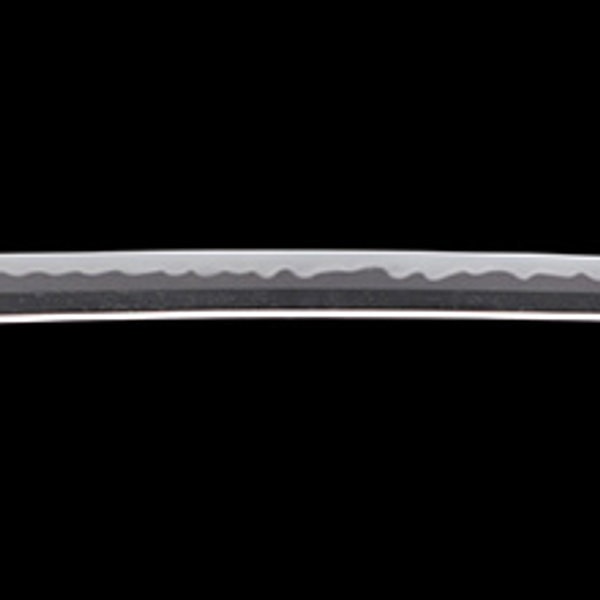
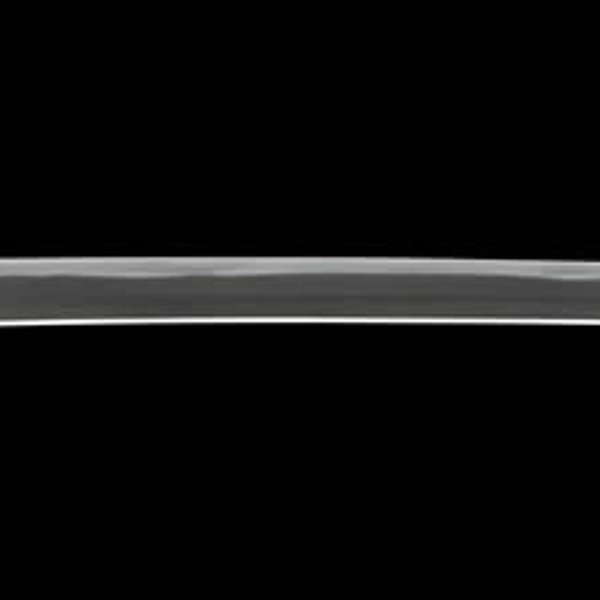
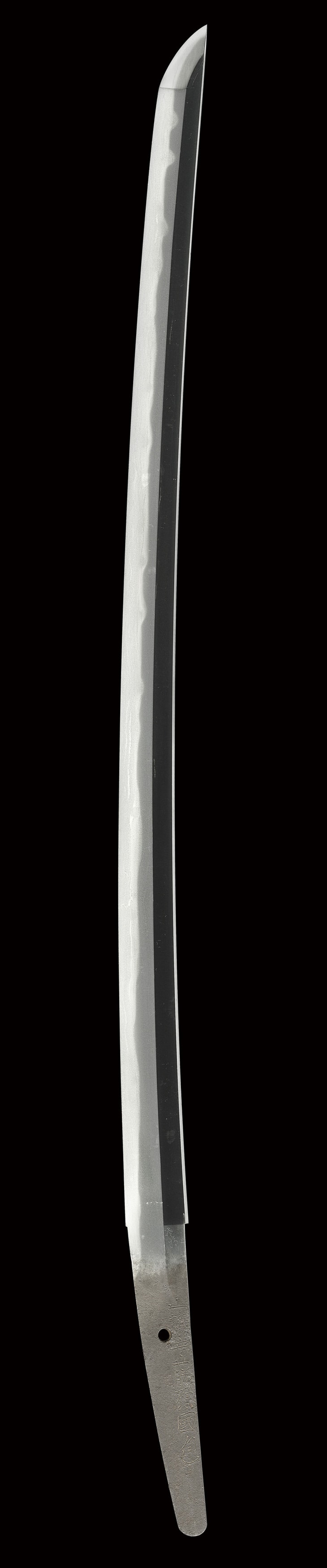
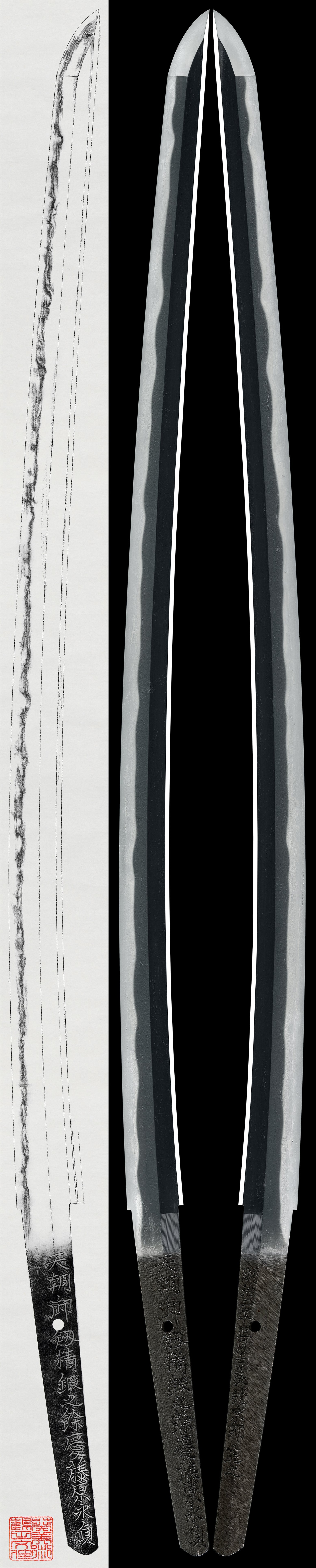
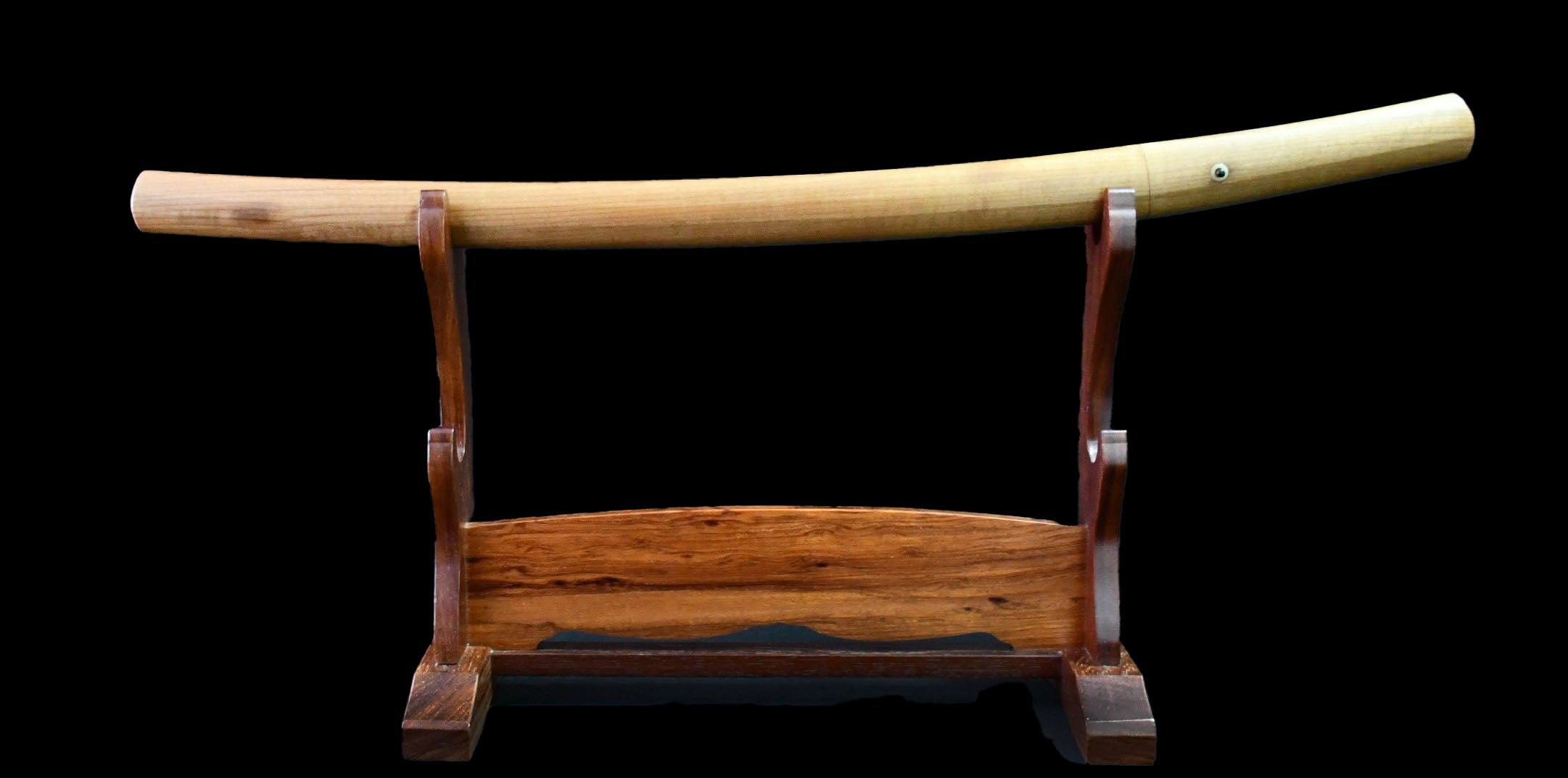
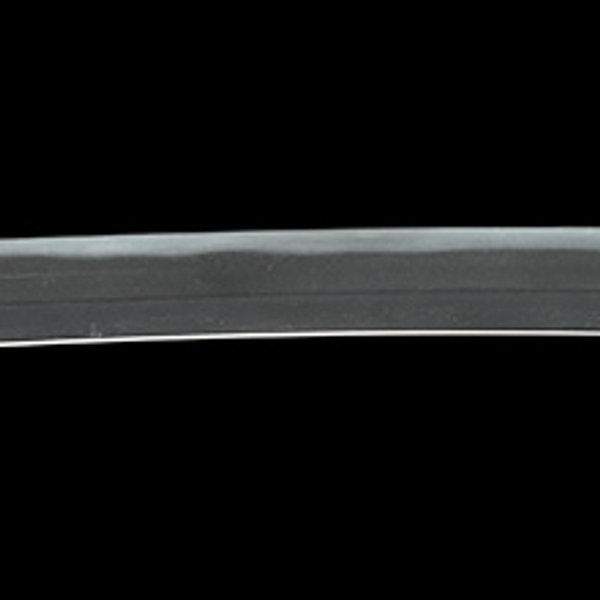
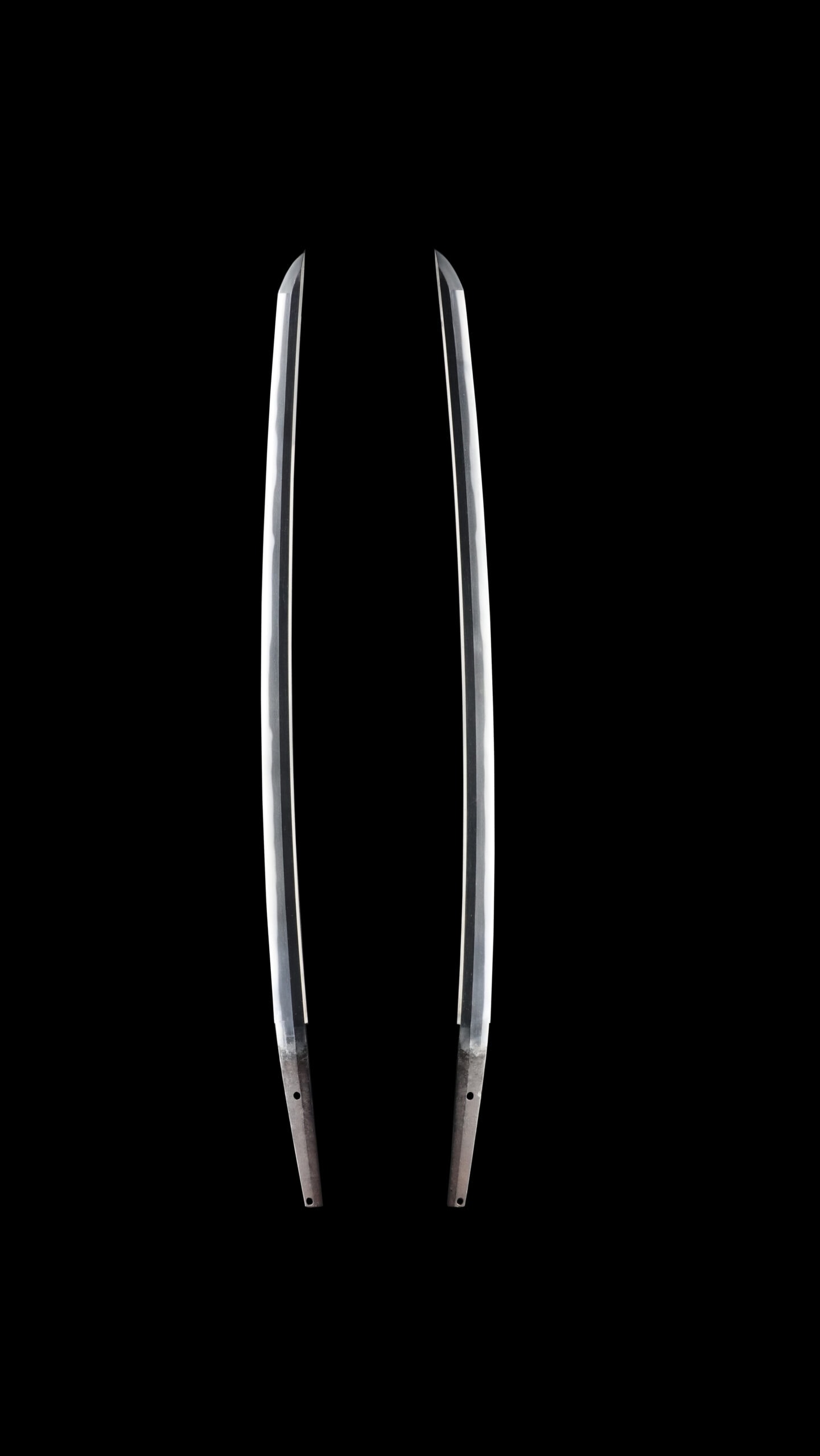
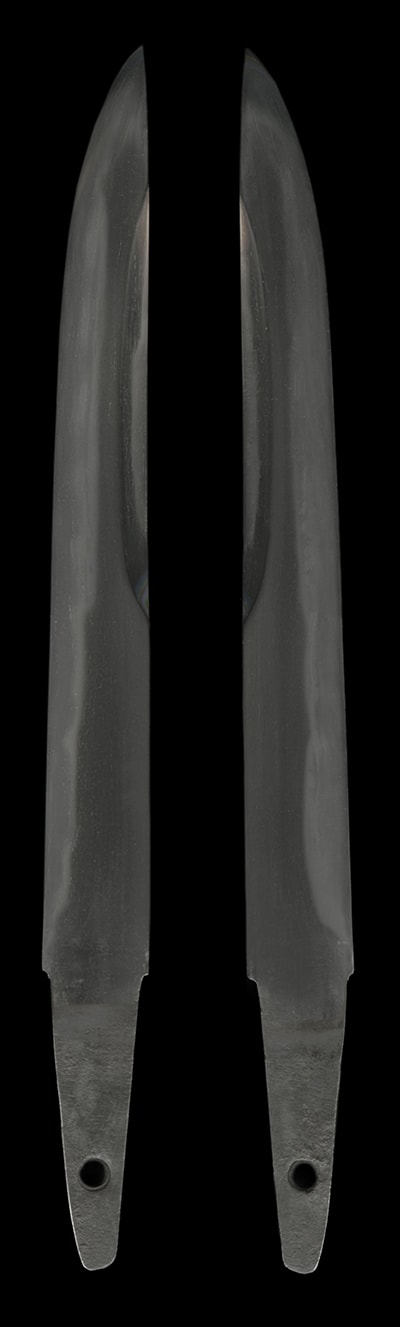
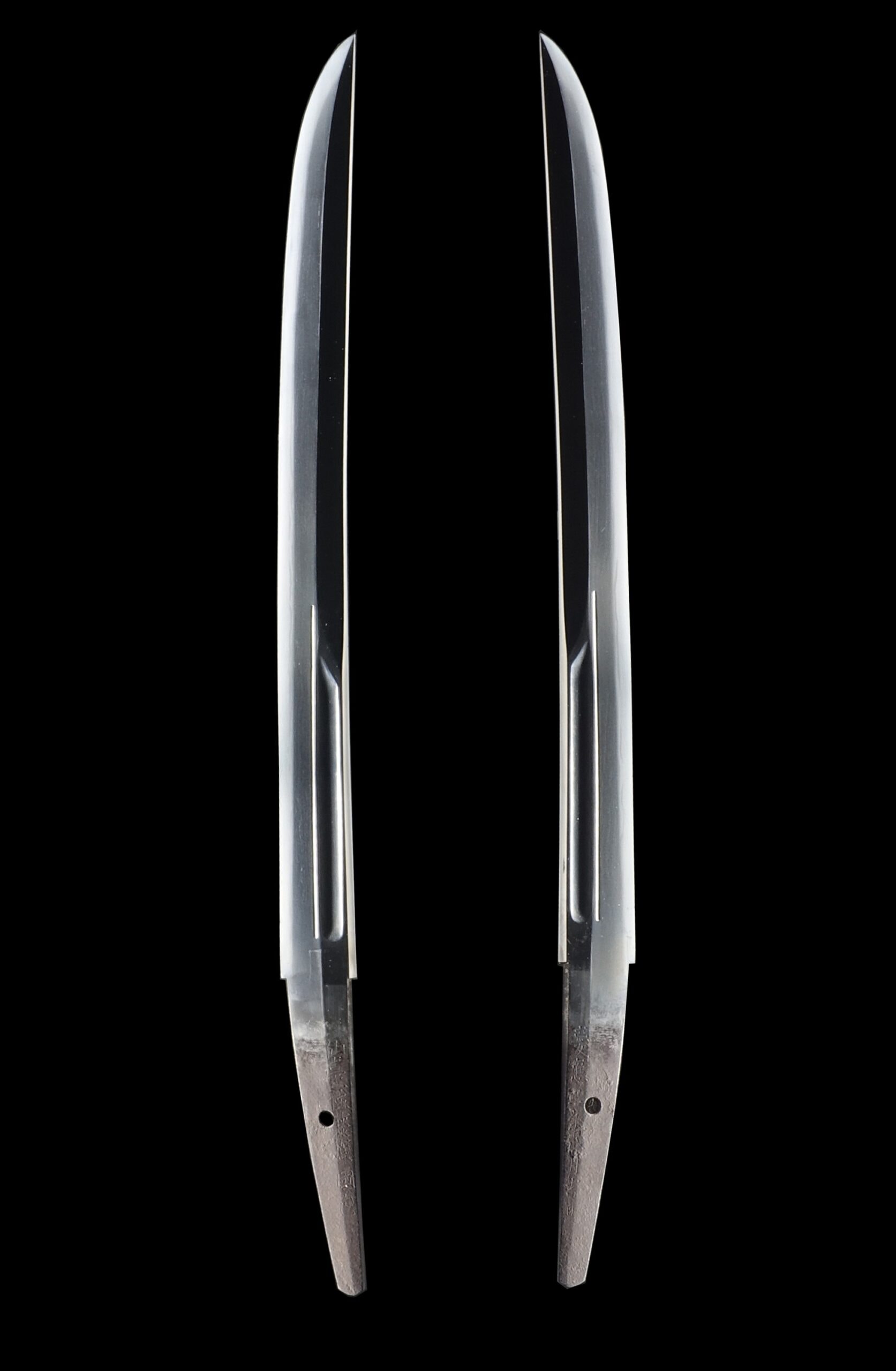
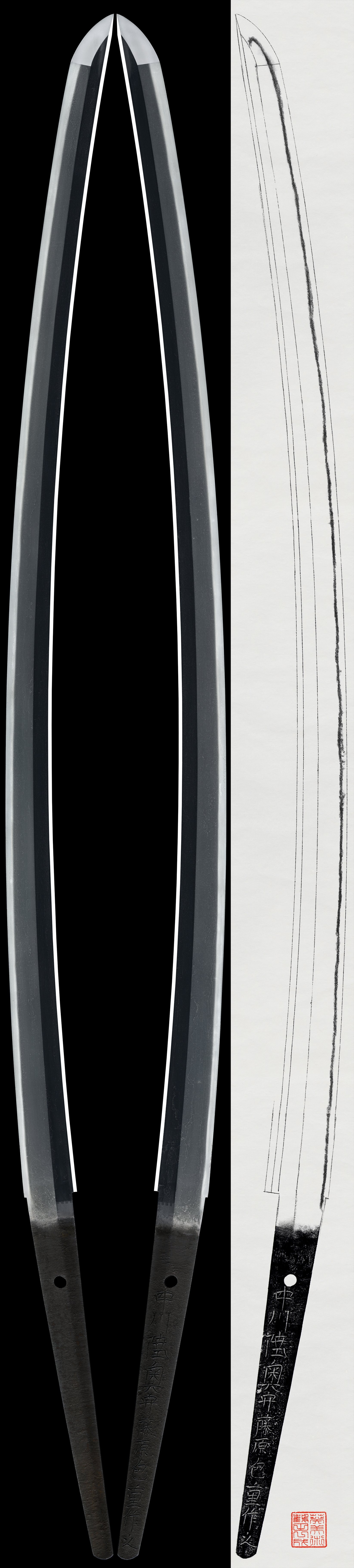
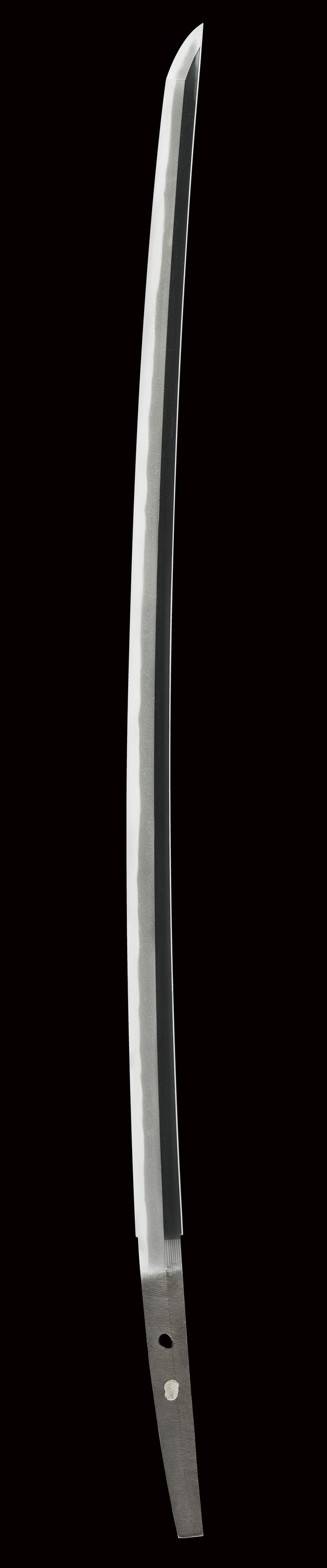
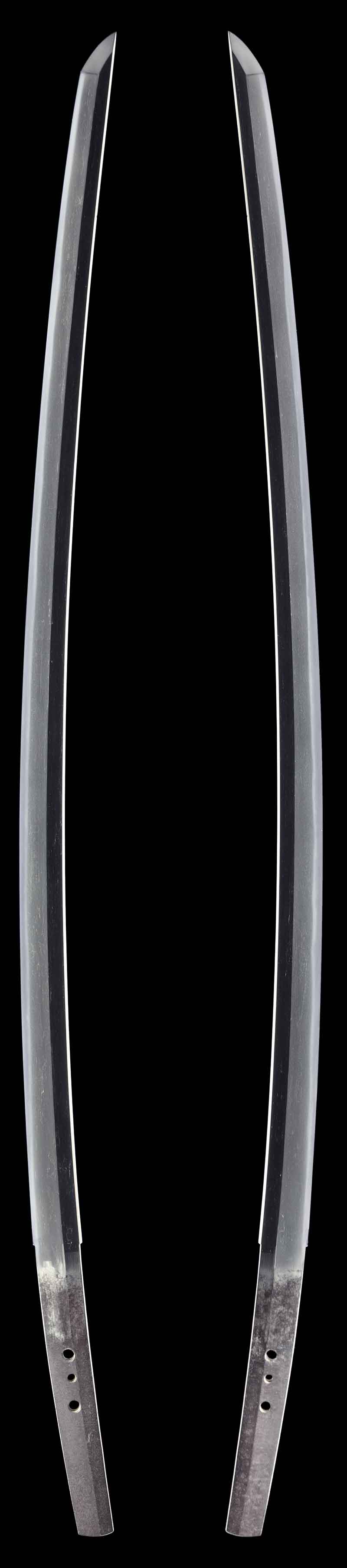
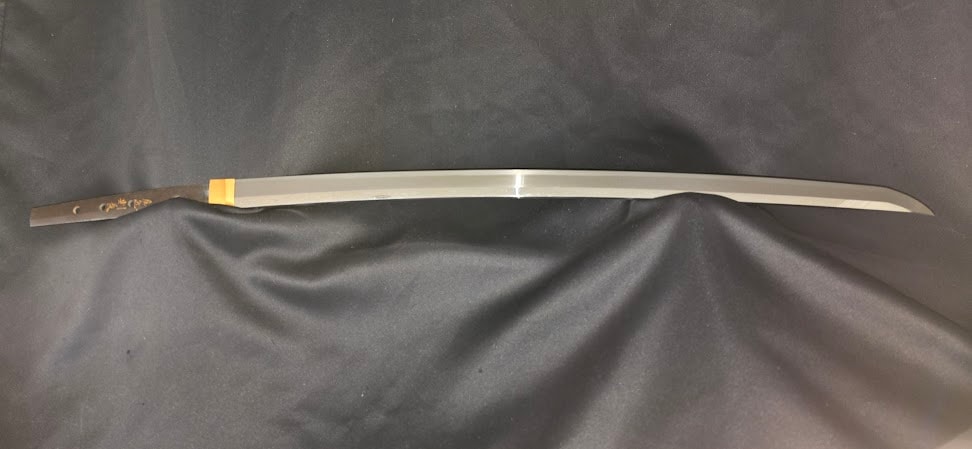
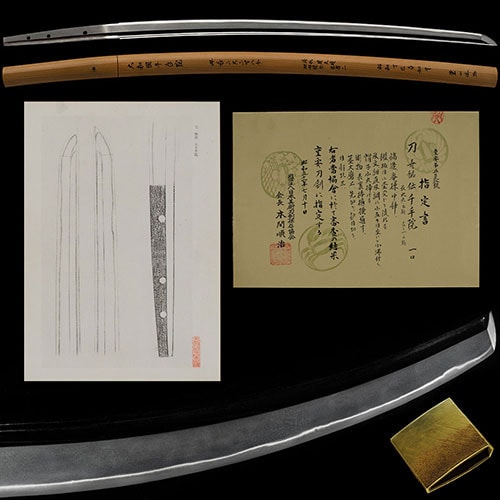
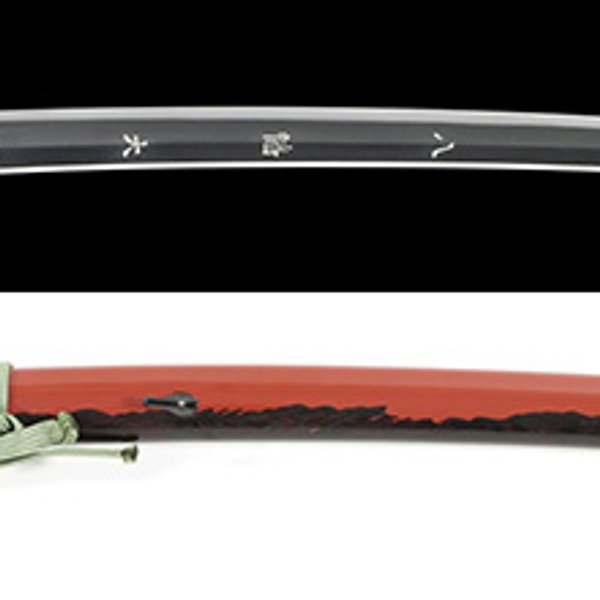
This katana is signed by Yamashiro no Kami Fujiwara Kunikane, specifically the 2nd generation. It features a gold inlay mei detailing a cutting test performed on Kanbun 11 (1671). Kunikane II was a highly regarded smith from Mutsu province during the early Edo period, known for crafting swords for the Date clan.

NihontoWatch MonNihontoWatch
MarketEncyclopediaKantei
Swords›Yamato-den›Sendai Kunikane›Kunikane›Katana: Oshu Sendai ju Yamashiro no Kami Fujiwara Kunikane - Gold Inlay Mei, Kanbun 11th year, 12th month, 16th day, Futatsu Do Dodan Iri Kirete Homoda Yasudayu (Kao), Kakei Shinbei Saryo no Uchi
katana
Sendai Kunikane

Katana: Oshu Sendai ju Yamashiro no Kami Fujiwara Kunikane - Gold Inlay Mei, Kanbun 11th year, 12th month, 16th day, Futatsu Do Dodan Iri Kirete Homoda Yasudayu (Kao), Kakei Shinbei Saryo no Uchi

kinzogan-mei · Shoho (1644-1648)

Price on request
Visit seller website →
Sendai Kunikane (國包) · Shoho (1644-1648)4 works for sale →
Katana
Could you name the smith from the blade alone? Today’s kantei →
Sendai Kunikane — 1 of 1
Sendai Kunikane (國包) · Shoho (1644-1648)4 works for sale →
Katana
Could you name the smith from the blade alone? Today’s kantei →
Measurements & details
Smith
Sendai Kunikane
Type
Katana
School
Sendai Kunikane
Period
Around 1644–1670(Shoho)
Province
Mutsu
Signature
kinzogan-mei(100% of this smith's designated works are signed)
Description

This katana is signed by Yamashiro no Kami Fujiwara Kunikane, specifically the 2nd generation. It features a gold inlay mei detailing a cutting test performed on Kanbun 11 (1671). Kunikane II was a highly regarded smith from Mutsu province during the early Edo period, known for crafting swords for the Date clan.

About the maker

Kunikane

國包

Sendai Kunikane, Mutsu (Sendai Shinto) · Rikuzen · around 1644-1670

Fujishiro Jo saku · Tōken Taikan top 31%

4 pieces on the market now

›

A long katana carrying the gold-inlaid ownership inscription of Kan Shinbei and a two-body cutting test made by Yomogita Yasudayu on the sixteenth day of the twelfth month of Kanbun 11 (1671) is, in the words of the published sources, one of the representative works of the second-generation Yamashiro no Kami Kunikane of Oshu Sendai. He was the eldest son of the founder, Yamashiro Daijo Kunikane, and was called Hongo Kichiemon. Born in Keicho 17 (1612), he succeeded to the house in Shoho 2 (1645) at thirty-four and served the Date house as his father had. He received the title Yamashiro no Kami on the twelfth day of the eleventh month of Kanbun 7 (1667), three years after his father's death, and died on the second day of the seventh month of Kanbun 12 (1672) at sixty-one.

The published sources say his style followed the founder's entirely and kept from first to last to the Hosho manner, the masame forging of the Yamato Hosho school from which the family claimed descent. He was skilled at suguha and only occasionally tempered a gunome-midare. Every blade on record under his name is forged in masame and tempered in suguha. The masame runs well with ji-nie laid on it, and on the finest pieces the ji-nie is dust-fine and thick with fine chikei entering. Over it he tempers a chu-suguha, small ashi entering toward the monouchi, the habuchi frayed in hotsure and crossed by kuichigai-ba, kinsuji tangling along the edge and fine sunagashi following the grain. The boshi runs straight and either ends in yakizume or turns into a small maru, sweeping into hakikake.

The published sources name his own points to watch. On a blade they call typical, a mizukage rises from below the machi, a habit they say is seen on the second generation as on the founder, and a faint utsuri appears in the lower half. The nakago file is at times finished in a simple decorative pattern, which the texts also count among his features. The signature has a tell of its own: in his mei the horizontal strokes are all driven hard and pressed at the end, and the form of the inner part of the character 包 is a point to watch.

Beside the plain suguha, a few blades widen the temper into a hiro-suguha touched with notare and gunome, a nijuba and patches of coarse nie in the activity. Of one katana the published sources say that for the second generation it is truly full of power and hardly inferior to the founder, and place it around Kanbun 10. Another, dated Kanbun 10 (1670), is called extremely carefully made and without a flaw. A katana signed Oshu Sendai ju Kunikane is placed before he took the Yamashiro no Kami title and is still called typical and representative.

The texts weigh him against his father in two voices. An early paper says his style is exactly his father's but his skill does not reach it; later papers call him the next most skilled after his father, his finest work approaching the founder's. They also correct the received chronology: the account that the founder retired in Shoho 2 and died at seventy-three in Kanbun 4 is said probably to contain an error, and the second generation is fixed instead by his Yamashiro no Kami title in Kanbun 7 and his death in Kanbun 12.

Fujishiro rates him Jo saku. His designated record holds ten Juyo blades, all signed, most long and sturdy katana of the Kanbun shape with a wide body and full hiraniku. The founder's own work, including the pieces signed with his go Yokei, stands under the founder's name; the second generation is the Kunikane a collector is more likely to meet, a signed Kanbun katana of masame and suguha that the published sources hold up as the family's Hosho manner carried faithfully into a second generation, appearing on the market from time to time.

Historical importance

Where Kunikane stands among comparable artisans: across all of nihontō, and within tradition, era, and period. The tiers (Foremost · Leading · Major · Notable) weigh official designations from the NBTHK and Japan's Agency for Cultural Affairs, together with historical honors of lasting repute such as the Sansaku and Meibutsu-chō.

随一
Foremost
屈指
Leading
有数
Major
著名
Notable

Select a lens to see how it's measured.

Designation record
10 designated works
Jūyō
10
4 works by Kunikane on the market→
Kunikane — full profileSendai Kunikane, Mutsu (Sendai Shinto) school

Dated Works

Years he was demonstrably active, proven by signed-and-dated blades

Active period
1670Editorial estimate: 1644–1670
1 of 10 designated works carry a date

Study this maker →

About the school

Sendai Kunikane

仙台國包

Yamato-den · Rikuzen

15 pieces on the market now

›

Below Sendai Castle, at Kokubu Wakabayashi in Miyagi District of Ōshū (later Rikuzen, present-day Sendai), the first Kunikane established a forge that served the Date house across the early shintō period. The setsumei record him as a member of the Hongō family, first called Genzō and later Yoshinosuke, born in Bunroku 1 (1592), who claimed descent from a later branch of Yamato Hōshō Gorō. As a retained smith (kakae-kaji) of Date Masamune he was sent by his lord's command to Kyoto in Keichō 19 (1614), where he studied under Etchū no Kami Masatoshi; he received the court title Yamashiro Daijō in Kan'ei 3 (1626), took the tonsure upon Masamune's death in Kan'ei 13 (1636) under such Buddhist names as Ninzawa Yōe and Yōkei, retired in Shōhō 2 (1645) at fifty-four, and died in Kanbun 4 (1664) at seventy-three. The house continued through his legitimate son, the second-generation Kunikane (Hongō Kichiemon), born Keichō 17 (1612), who succeeded to the headship in 1645 and received the title Yamashiro no Kami in Kanbun 7 (1667). Other Sendai hands appear in the register as well: a Rinsuke (倫助) of the same lineage as Anrin signing "Ōshū Kokubu Sendai-jū," and later signatures reading Yōe Kunikane and the Shōwa-era Yōke Kunitsutsumi, carrying the line forward. What binds these blades into one hand is the deliberate transplant of the Yamato-den Hōshō manner onto Sendai steel. The setsumei describe the first generation as turning, in an age when the Sōshū tradition was widely practiced, toward the working range of the Yamato Hōshō line: a high shinogi, a forged masame-hada, and a suguha-based temper.

Recognition begins in the kitae, a masame-hada running well throughout, often tending toward standing grain (hada-dachi), with fine chikei entering and ji-nie adhering thickly over clear steel; a mizukage frequently rises from below the machi, called a habitual trait of both first and second generations. The temper is a chū- or hiro-suguha carrying a shallow notare, into which uchi-noke, hotsure, kuichigai-ba, and a nijūba-like effect mingle along the habuchi, with deep nioi, well-adhering nie, and kinsuji and sunagashi running through; the bōshi runs straight and tends toward yakizume with vigorous hakikake. Generations divide on detail rather than idiom: the first generation's strongest pieces show the masame at its most ordered with a bright nioiguchi, while the second generation, equally schooled in the family specialty, sometimes works toward gunome-midare and finishes with a quiet warmth; certain late first-generation works, such as the dated Kan'ei 19 katana, depart unusually into a primarily itame ground with whitish utsuri. For kantei the register fixes the points plainly: ordered masame with ji-nie and chikei, the suguha-and-hotsure edge with masame carried into a yakizume boshi, and the rising mizukage habit. The signature itself is a marker, the setsumei noting that from Kan'ei 9 (1632) the grass-radical of the character 藤 begins to be chiseled as separated strokes resembling a "#," and that the rarer "Yōe" form and examples bearing Kunitsugu's kaō carry documentary weight. Named works anchor the line: a Tokubetsu-Jūyō katana signed Yamashiro Daijō Fujiwara Kunikane transmitted in the Uwajima Date family, with an iron tsuba signed Myōchin Sōhei; first- and second-generation katana held in the Imperial Collection; a Jūyō wakizashi bearing the kuyō crest of the Date house said to have been bestowed by Masamune; and a katana carrying a Yamano Ka'emon cutting-test inscription dated Kanbun 4. The setsumei place the first generation's best blades at a level close to, and at points surpassing, the old Hōshō master, and present the Sendai Kunikane house as the enduring carrier of the Yamato Hōshō manner under Date patronage through the Edo period. Learn more →

4 recorded smiths47 designated works
Leading smiths
SmithEraDesignated
Kunikane國包1624-164435
Kunikane國包1644-167010
Kaneshige包重1661-16731
Tomosuke倫助1661-16731
Explore the Sendai Kunikane school →

Historical context

The Edo period (1615 to 1868)

›

Under the Tokugawa peace the daishō became a regulated uniform, and demand gathered in the castle towns, above all Edo itself. The craft split two ways: brilliant display work for connoisseurs, and tested blades whose cutting results were sometimes inlaid in gold.

The Edo period (1615 to 1868) →

Warning — certificate not found

We could not find an authenticity certificate on the seller’s listing. Japanese swords and fittings are normally papered by the NBTHK (or the NTHK). Without one, the attribution is the seller’s own assessment and has not been independently verified — treat it with caution and ask the dealer about certification before buying.

Seller
C
Choshuya
🇯🇵Ships from Japan
›
✓Verified dealerwww.choshuya.co.jp
✓Ships worldwide✓English support
Return policy

If, due to our fault, the item differs significantly from its proper condition, the item may be returned. Cooling-off is within one week of the item's arrival.

View all of Choshuya’s listings→View this item on the dealer’s site→

More works by Sendai Kunikane

View all →
Touken Matsumoto
Tokuho
Wakizashi - Tokuho - by Sendai Kunikane - Yamashiro no Kami Fujiwara KunikaneWakizashi - Tokuho - by Sendai Kunikane - Yamashiro no Kami Fujiwara Kunikane

Wakizashi

BySendai Kunikane
¥1,250,000
Nipponto
Tokuho
Katana - Tokuho - by Sendai Kunikane - Japanese Sword Katana by Oshu Sendaiju Kunikane (2nd Generation)Katana - Tokuho - by Sendai Kunikane - Japanese Sword Katana by Oshu Sendaiju Kunikane (2nd Generation)
Koshirae

Katana

BySendai Kunikane
¥2,500,000
Choshuya
Wakizashi - by Sendai Kunikane - Kunikane (2nd Gen.) - Ryō WazamonoWakizashi - by Sendai Kunikane - Kunikane (2nd Gen.) - Ryō Wazamono

Wakizashi

BySendai Kunikane
Ask

Previously sold by Sendai Kunikane

View all →
Choshuya
Wakizashi - by Sendai Kunikane - Mumei Yamashiro no Kami Kunikane (Ryōwazamono)Wakizashi - by Sendai Kunikane - Mumei Yamashiro no Kami Kunikane (Ryōwazamono)
Sold

Wakizashi

BySendai Kunikane
SOLD
Choshuya
Wakizashi - by Sendai Kunikane - Oshu Sendai ju Kunikane (2nd Generation)Wakizashi - by Sendai Kunikane - Oshu Sendai ju Kunikane (2nd Generation)
Sold

Wakizashi

BySendai Kunikane
SOLD
Touken Matsumoto
Wakizashi - by Sendai Kunikane - ChikakaneWakizashi - by Sendai Kunikane - Chikakane
Sold

Wakizashi

BySendai Kunikane
SOLD
Choshuya
Katana - by Sendai Kunikane - Ubu Mumei Yamashiro no Kami Kunikane (Ryōwazamono)Katana - by Sendai Kunikane - Ubu Mumei Yamashiro no Kami Kunikane (Ryōwazamono)
Sold

Katana

BySendai Kunikane
SOLD
Samurai Nippon
Tokuho
Wakizashi - Tokuho - by Sendai Kunikane - Ohwakizashi: Yamashironokami Fujiwara Kunikane (2nd generation)Wakizashi - Tokuho - by Sendai Kunikane - Ohwakizashi: Yamashironokami Fujiwara Kunikane (2nd generation)
Sold

Wakizashi

BySendai Kunikane
SOLD
Choshuya
Wakizashi - by Sendai Kunikane - Kunikane (2nd Generation) from Oshu SendaiWakizashi - by Sendai Kunikane - Kunikane (2nd Generation) from Oshu Sendai
Sold

Wakizashi

BySendai Kunikane
SOLD
Aoi Art
Tokuho
Daisho - Tokuho - by Sendai Kunikane - Daisho: Katana by Tenmei Goken Seitan no Yokei Fujiwara Nagasada / Wakizashi by Oshu Sendai Ju Fujiwara Kunikane (2nd Gen. Genjiro)Daisho - Tokuho - by Sendai Kunikane - Daisho: Katana by Tenmei Goken Seitan no Yokei Fujiwara Nagasada / Wakizashi by Oshu Sendai Ju Fujiwara Kunikane (2nd Gen. Genjiro)
Sold

Daishō

BySendai Kunikane
SOLD
Ikeda Art
Katana - by Sendai Kunikane - Fujiwara KunikaneKatana - by Sendai Kunikane - Fujiwara Kunikane
Sold

Katana

BySendai Kunikane
SOLD

More from the Sendai Kunikane school

View all →
Toyuukai
Tokuho
Wakizashi - Tokuho - by Sendai Kunikane School - Yamashiro Daijo Fujiwara KunikaneWakizashi - Tokuho - by Sendai Kunikane School - Yamashiro Daijo Fujiwara Kunikane

Wakizashi

BySendai Kunikane School
¥2,200,000
Choshuya
Wakizashi - by Sendai Kunikane - Yamashiro Daijo Fujiwara KunikaneWakizashi - by Sendai Kunikane - Yamashiro Daijo Fujiwara Kunikane

Wakizashi

BySendai Kunikane
Ask
Samurai Museum
Hozon
Katana - Hozon - by Sendai Kunikane School - Attributed to Yamashiro no Kami Kunikane - NBTHK Hozon CertificateKatana - Hozon - by Sendai Kunikane School - Attributed to Yamashiro no Kami Kunikane - NBTHK Hozon Certificate

Katana

BySendai Kunikane School
¥1,000,000
Giheiya
Tanto - by Sendai Kunikane School - Mumei Tanto, 6 sun 6 bu, with Aikuchi Koshirae and ShirasayaTanto - by Sendai Kunikane School - Mumei Tanto, 6 sun 6 bu, with Aikuchi Koshirae and Shirasaya
Koshirae

Tantō

BySendai Kunikane School
¥180,000
Samurai Museum
Tokuho
Wakizashi - Tokuho - by Sendai Kunikane School - Kunikane - NBTHK Tokubetsu Hozon CertificateWakizashi - Tokuho - by Sendai Kunikane School - Kunikane - NBTHK Tokubetsu Hozon Certificate
Koshirae

Wakizashi

BySendai Kunikane School
¥790,000
Choshuya
Tokuho
Wakizashi - Tokuho - by Sendai Kunikane School - Signed Yamashiro Daijo Fujiwara no Kunikane, Kan'ei 5th year, 8th month (Saijo O Wazamono)Wakizashi - Tokuho - by Sendai Kunikane School - Signed Yamashiro Daijo Fujiwara no Kunikane, Kan'ei 5th year, 8th month (Saijo O Wazamono)

Wakizashi

BySendai Kunikane School
Ask
Sanmei
Tokuho
Katana - Tokuho - by Sendai Kunikane School - Ōshu Sendai-ju Fujiwara Kunikane - Sakura bark lacquered scabbard Uchikatana KoshiraeKatana - Tokuho - by Sendai Kunikane School - Ōshu Sendai-ju Fujiwara Kunikane - Sakura bark lacquered scabbard Uchikatana Koshirae

Katana

BySendai Kunikane School
Ask
Aoi Art
Tokuho
Katana - Tokuho - by Sendai Kunikane Kaneshige - Nakagawa Mutsu Kami Fujiwara KaneshigeKatana - Tokuho - by Sendai Kunikane Kaneshige - Nakagawa Mutsu Kami Fujiwara Kaneshige

Katana

BySendai Kunikane Kaneshige
¥650,000

More from the Yamato tradition

View all →
Samurai Nippon
Jūyō
Katana - Jūyō - by Taima School - Taima (Mumei)Katana - Jūyō - by Taima School - Taima (Mumei)
Koshirae

Katana

ByTaima School
¥4,300,000
World Seiyudo
Tokuho
Katana - Tokuho - by Hokke School - Mumei Hokke Kaneyasu (Wazamono) - NBTHK Tokubetsu Hozon TokenKatana - Tokuho - by Hokke School - Mumei Hokke Kaneyasu (Wazamono) - NBTHK Tokubetsu Hozon Token

Katana

ByHokke School
¥2,800,000
Eirakudo
Tokuho
Katana - Tokuho - by Taima School - Taima - Tokubetsu Hozon TokenKatana - Tokuho - by Taima School - Taima - Tokubetsu Hozon Token

Katana

ByTaima School
¥1,800,000
Tsuruginoya
Jūyō
Katana - Jūyō - by Tegai Kanenaga - Tegai KanenagaKatana - Jūyō - by Tegai Kanenaga - Tegai Kanenaga
Koshirae

Katana

ByTegai Kanenaga
Ask
Goushuya
Tokujū
Katana - Tokuju - by Satsuma Yasuyo - Tokubetsu Juyo Token (One-Leaf Aoi Mon) Katana by Shumasu Ippei Fujiwara Ason Yasuyo, Made in Satsuma Province, Kirei-gun, on a Lucky Day in March, Kyoho 12Katana - Tokuju - by Satsuma Yasuyo - Tokubetsu Juyo Token (One-Leaf Aoi Mon) Katana by Shumasu Ippei Fujiwara Ason Yasuyo, Made in Satsuma Province, Kirei-gun, on a Lucky Day in March, Kyoho 12

Katana

BySatsuma Yasuyo
Ask
Bushido Antique Japanese Swords
Jūyō
Katana - Jūyō - by Shikkake Norinaga - Shikkake Norinaga Juyo TokenKatana - Jūyō - by Shikkake Norinaga - Shikkake Norinaga Juyo Token

Katana

ByShikkake Norinaga
¥42,000
Eirakudo
Jūyō
Katana - Jūyō - by Senjuin School - Senjuin - Juyo TokenKatana - Jūyō - by Senjuin School - Senjuin - Juyo Token

Katana

BySenjuin School
¥3,500,000
Choshuya
Jūyō
Katana - Jūyō - by Satsuma Masakiyo - Mondo no Kami MasakiyoKatana - Jūyō - by Satsuma Masakiyo - Mondo no Kami Masakiyo

Katana

BySatsuma Masakiyo
¥10,000,000

Swords

  • Katana
  • Wakizashi
  • Tantō
  • Tachi
  • Naginata
  • Yari
  • Japanese Swords
  • Samurai Swords

Fittings

  • Tsuba
  • Fuchi-Kashira
  • Kozuka
  • Menuki
  • Sword Guards (Tsuba)

Armor

  • Kabuto
  • Samurai Armor
  • All Samurai Armor

By Certification

  • Tokujū
  • Jūyō
  • Tokuho
  • Hozon

Resources

  • Dealer Directory
  • Artist Directory
  • The Daily Kantei
  • Glossary
  • Browse All
Nihontowatch© 2026
TermsPrivacyCookiesAbout

Price on request

View on Choshuya
NihontoWatch MonNihontoWatch
Market
Encyclopedia
Kantei