Edo was the sword’s age of connoisseurship: the Hon’ami appraisers, the shogunal register of famous blades of 1719, and a thriving literature turned the sword into an object of study even as it ceased to be drawn in war.
0 yen (tax included)
 NihontoWatch
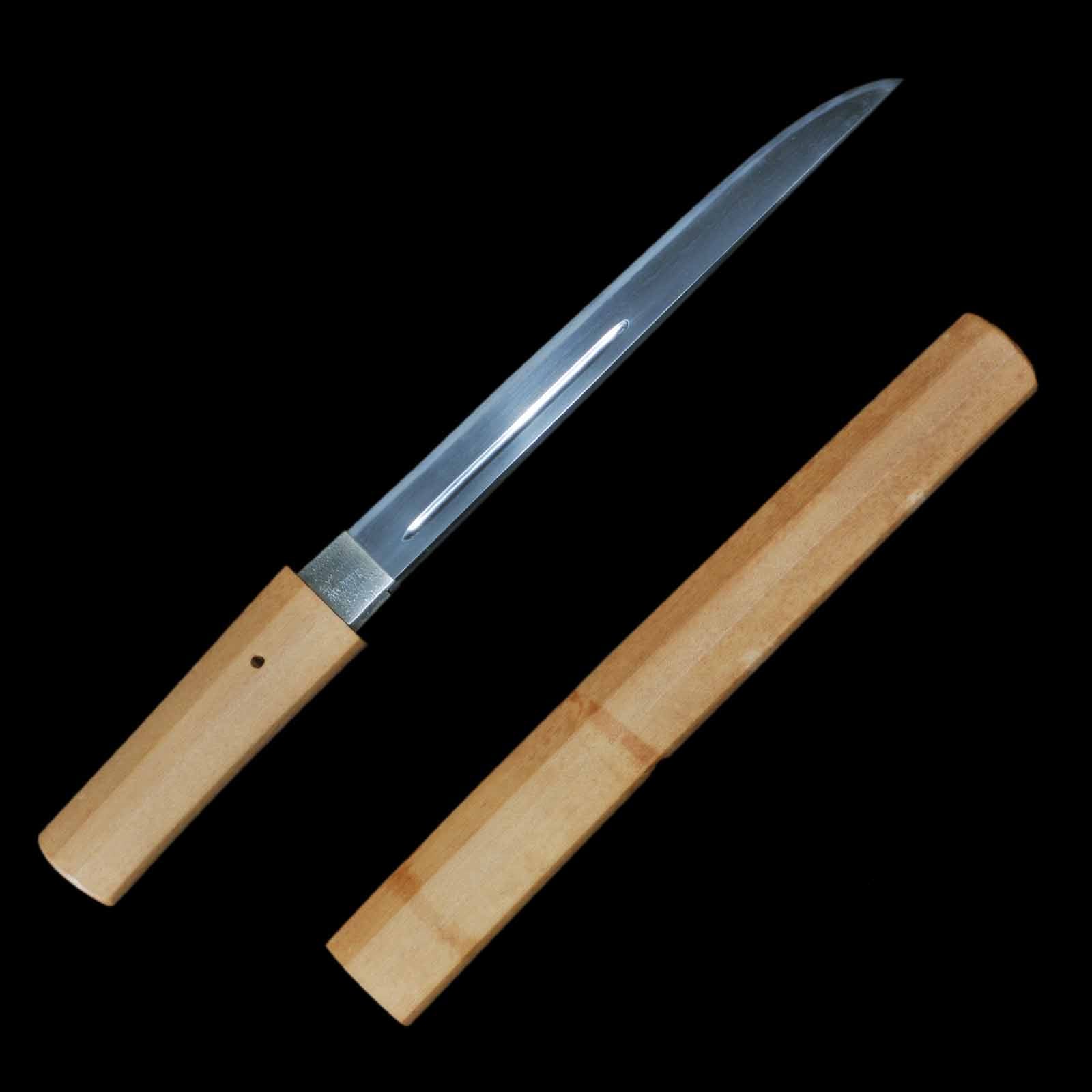
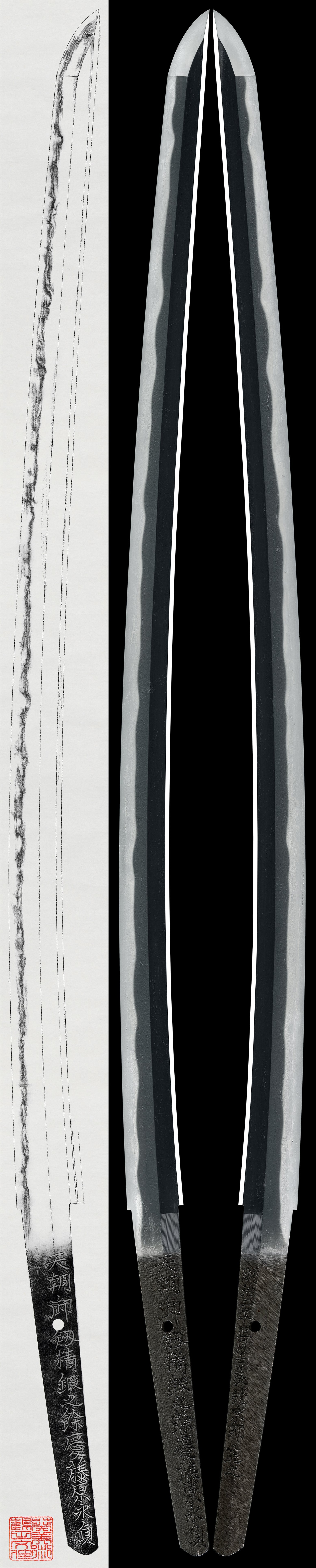
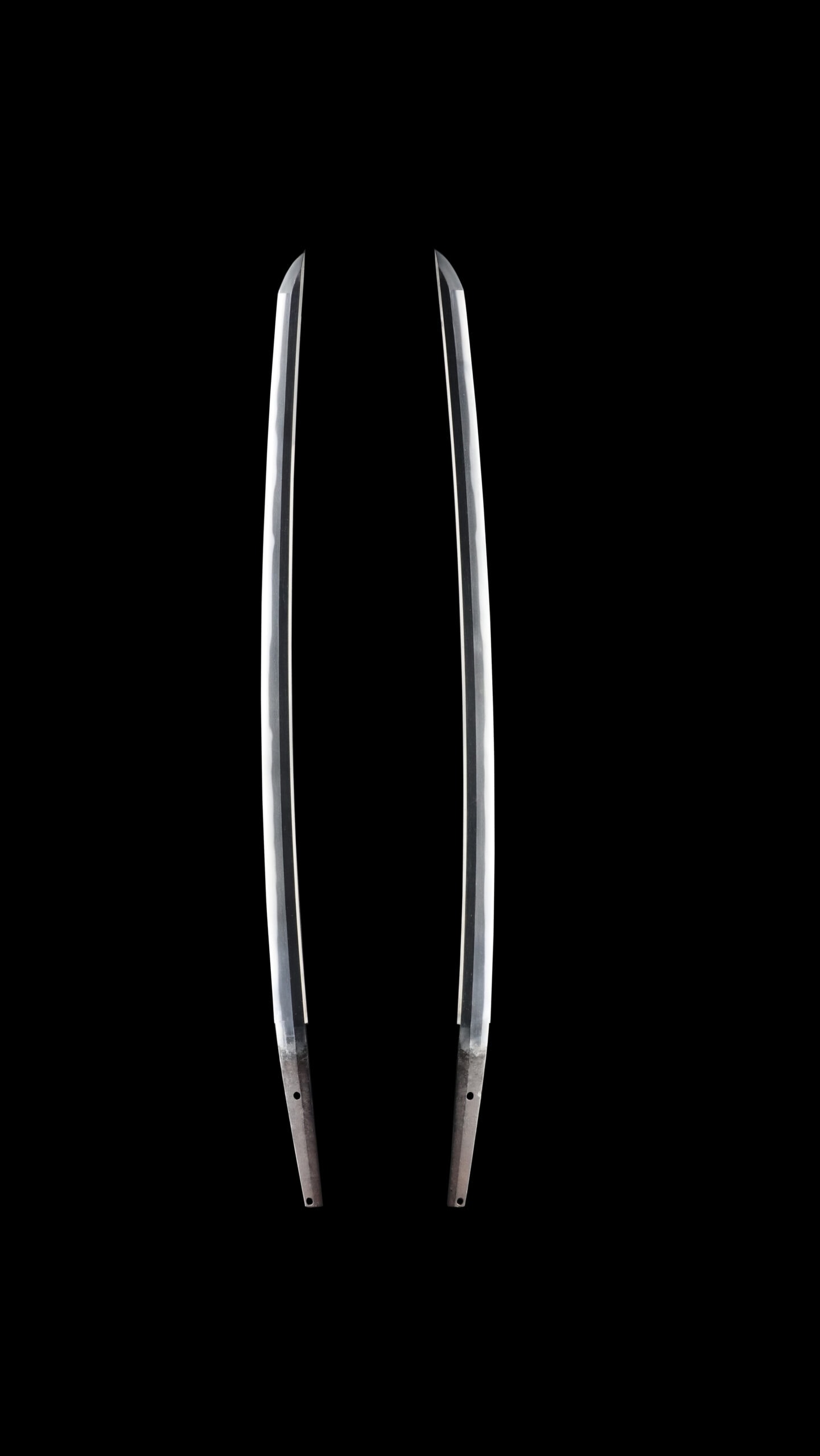
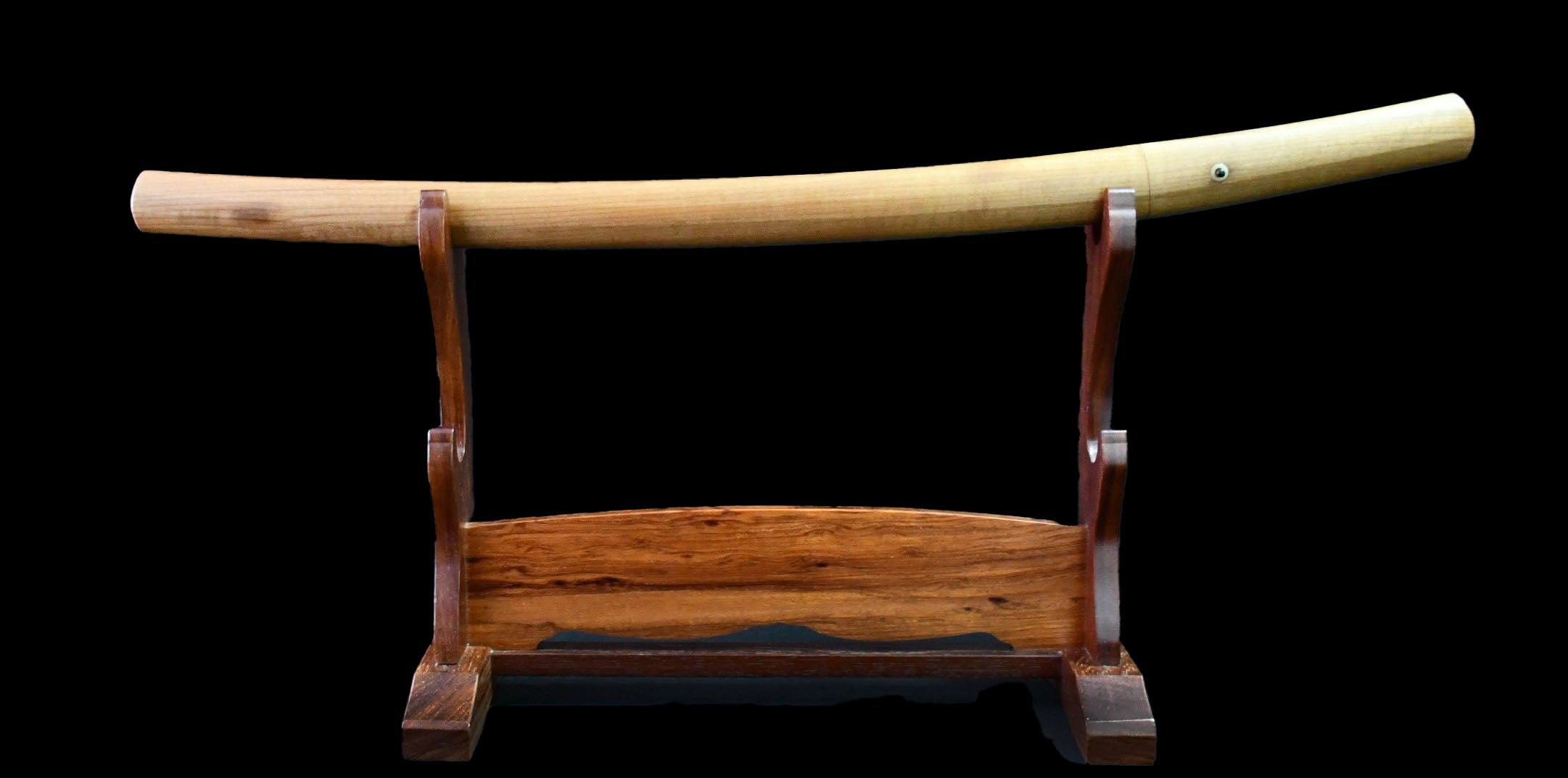
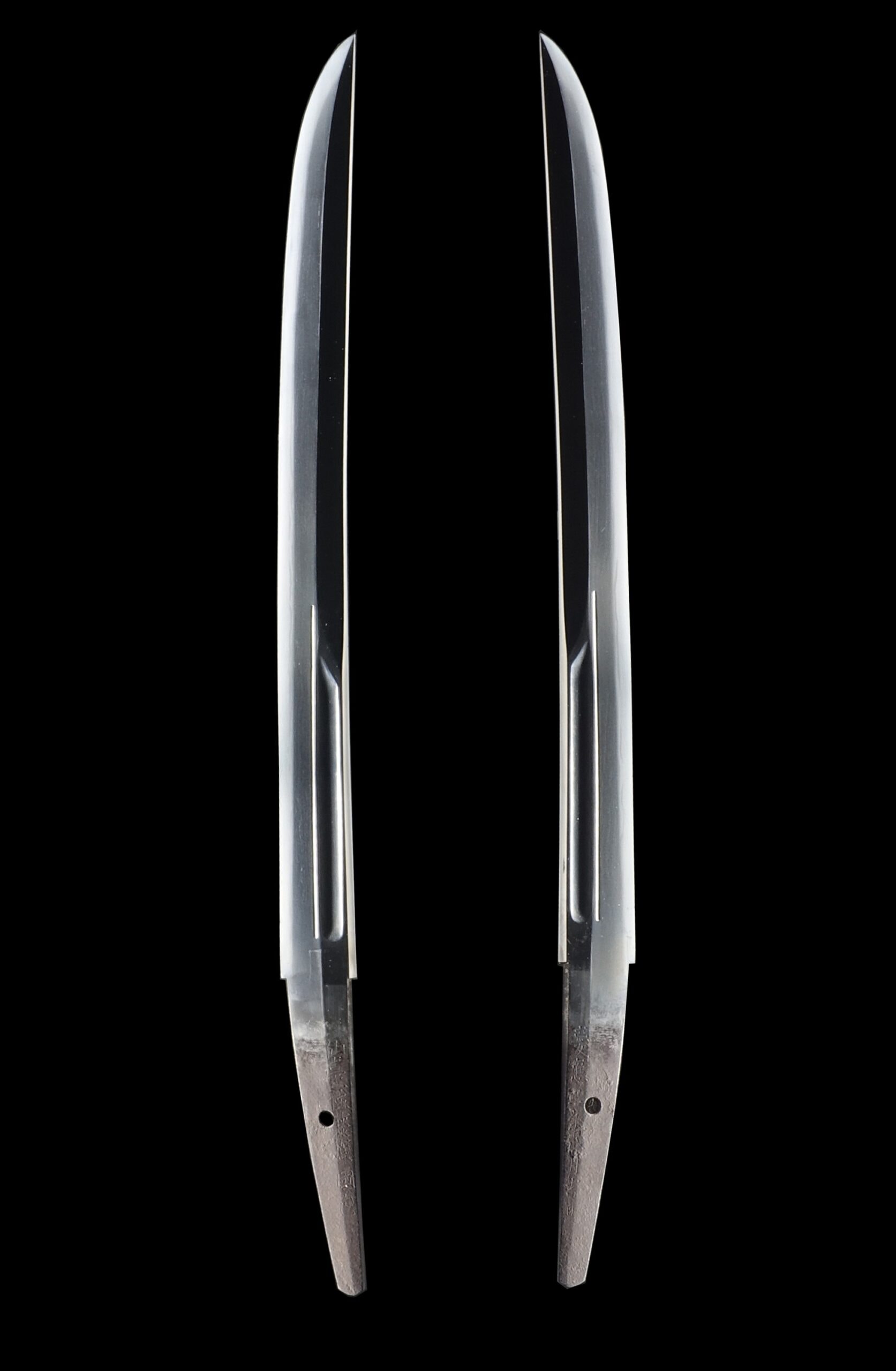
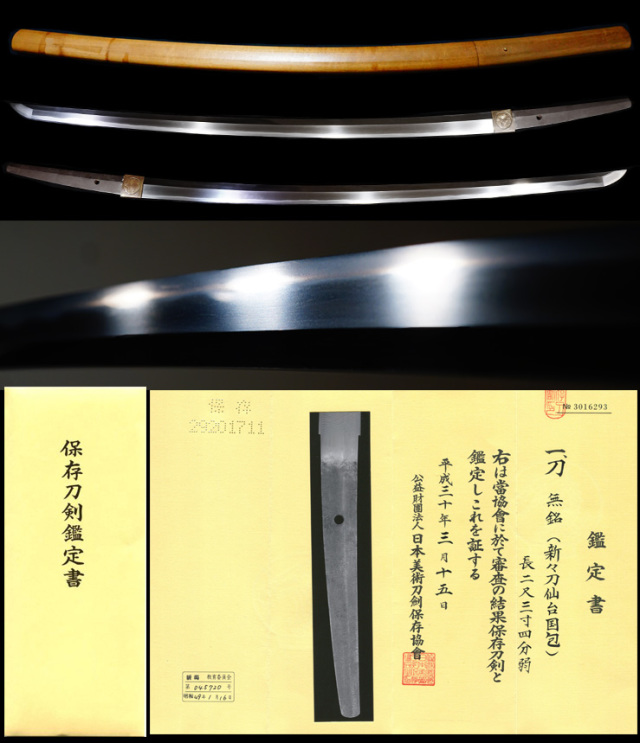
mumei · Shinto · nagasa 70.8cm · sori 1.7cm

Yamato-den · Rikuzen
14 pieces on the market now
Below Sendai Castle, at Kokubu Wakabayashi in Miyagi District of Ōshū (later Rikuzen, present-day Sendai), the first Kunikane established a forge that served the Date house across the early shintō period. The setsumei record him as a member of the Hongō family, first called Genzō and later Yoshinosuke, born in Bunroku 1 (1592), who claimed descent from a later branch of Yamato Hōshō Gorō. As a retained smith (kakae-kaji) of Date Masamune he was sent by his lord's command to Kyoto in Keichō 19 (1614), where he studied under Etchū no Kami Masatoshi; he received the court title Yamashiro Daijō in Kan'ei 3 (1626), took the tonsure upon Masamune's death in Kan'ei 13 (1636) under such Buddhist names as Ninzawa Yōe and Yōkei, retired in Shōhō 2 (1645) at fifty-four, and died in Kanbun 4 (1664) at seventy-three. The house continued through his legitimate son, the second-generation Kunikane (Hongō Kichiemon), born Keichō 17 (1612), who succeeded to the headship in 1645 and received the title Yamashiro no Kami in Kanbun 7 (1667). Other Sendai hands appear in the register as well: a Rinsuke (倫助) of the same lineage as Anrin signing "Ōshū Kokubu Sendai-jū," and later signatures reading Yōe Kunikane and the Shōwa-era Yōke Kunitsutsumi, carrying the line forward. What binds these blades into one hand is the deliberate transplant of the Yamato-den Hōshō manner onto Sendai steel. The setsumei describe the first generation as turning, in an age when the Sōshū tradition was widely practiced, toward the working range of the Yamato Hōshō line: a high shinogi, a forged masame-hada, and a suguha-based temper.
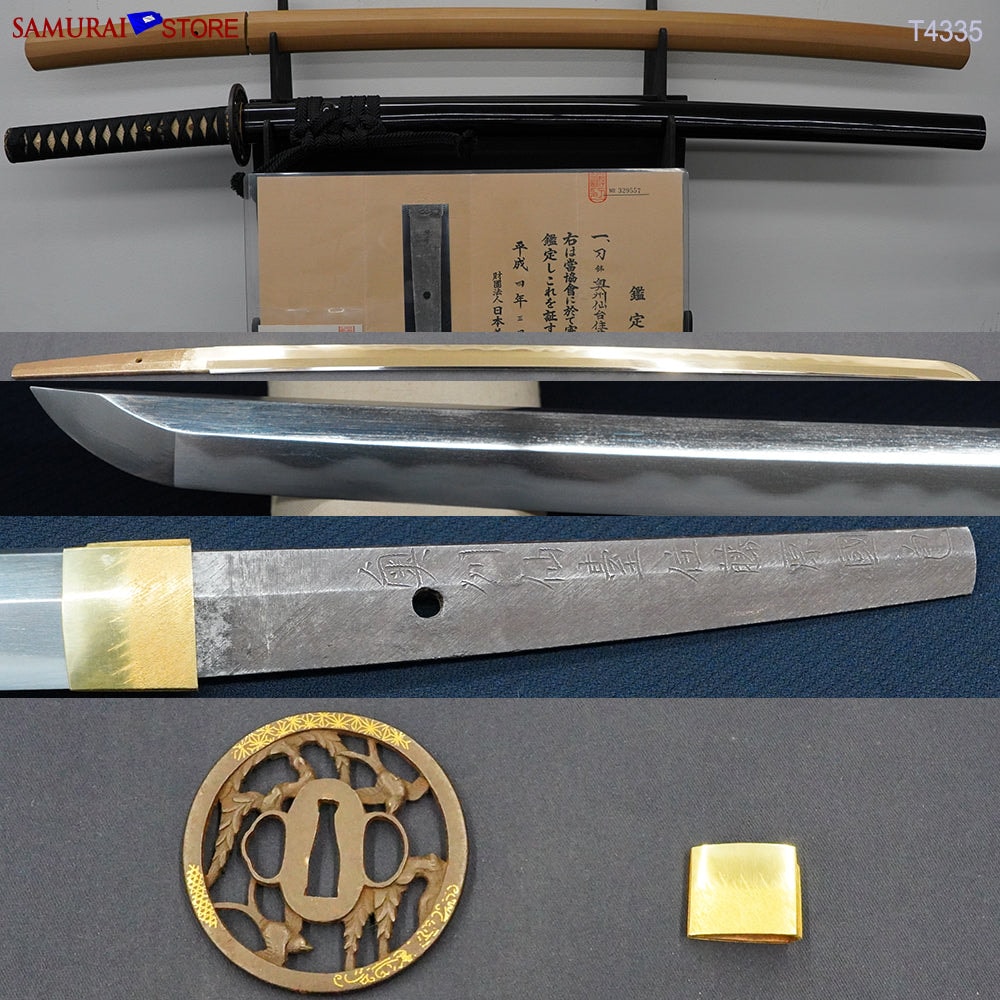
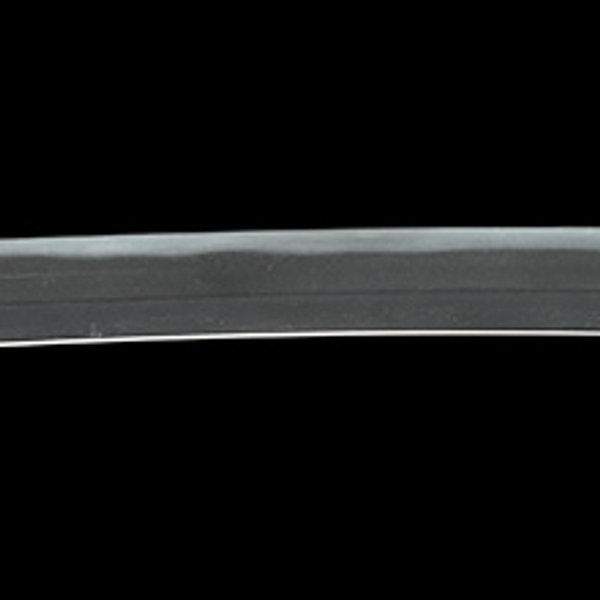
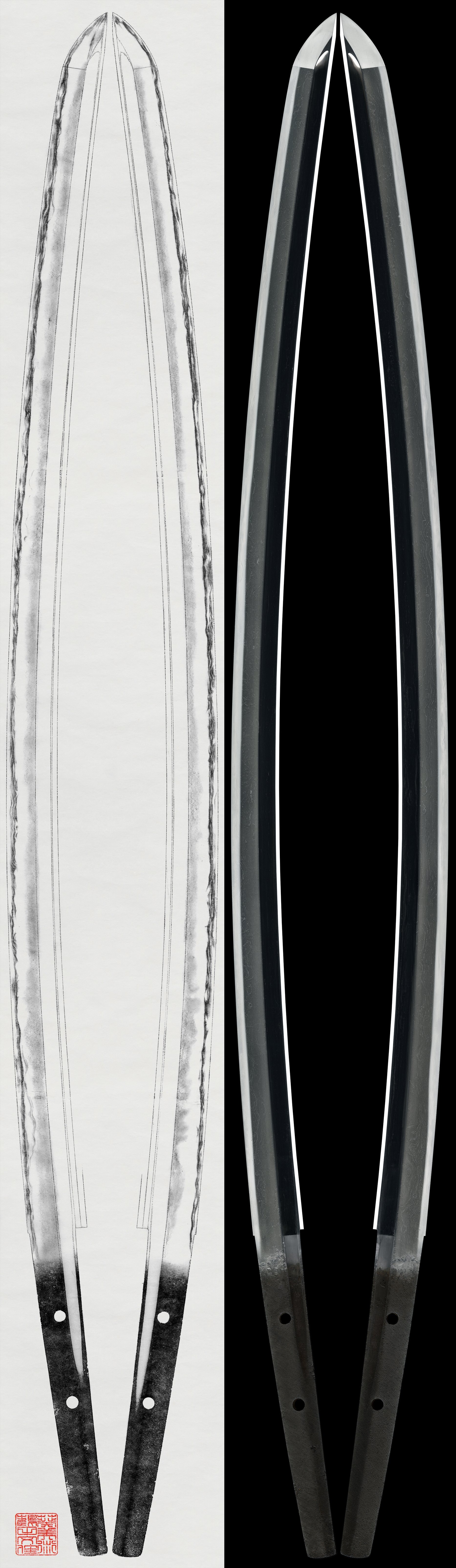
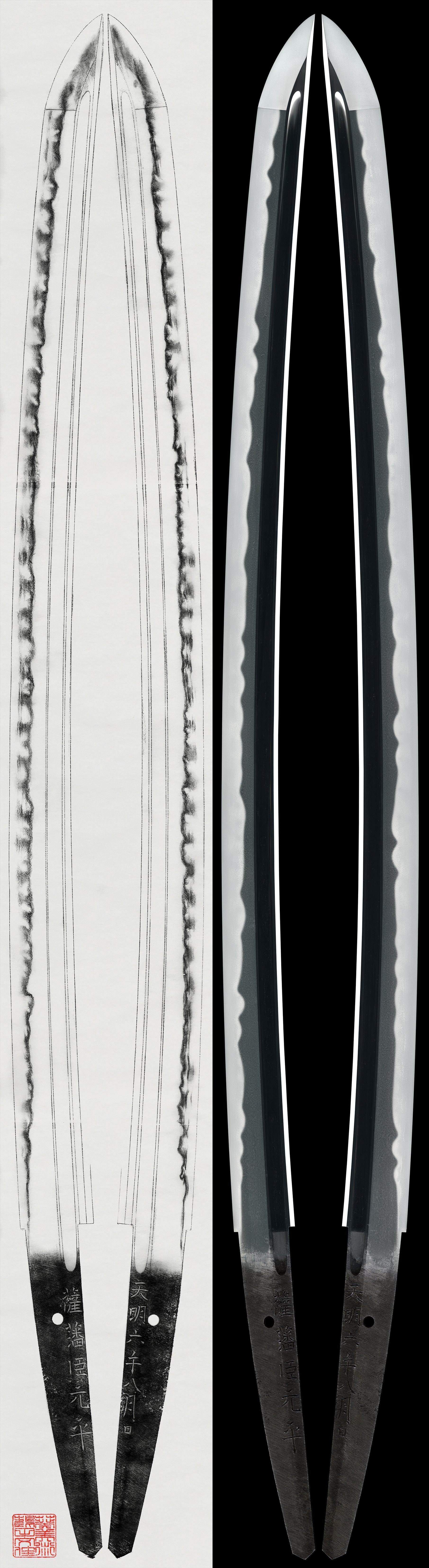
Recognition begins in the kitae, a masame-hada running well throughout, often tending toward standing grain (hada-dachi), with fine chikei entering and ji-nie adhering thickly over clear steel; a mizukage frequently rises from below the machi, called a habitual trait of both first and second generations. The temper is a chū- or hiro-suguha carrying a shallow notare, into which uchi-noke, hotsure, kuichigai-ba, and a nijūba-like effect mingle along the habuchi, with deep nioi, well-adhering nie, and kinsuji and sunagashi running through; the bōshi runs straight and tends toward yakizume with vigorous hakikake. Generations divide on detail rather than idiom: the first generation's strongest pieces show the masame at its most ordered with a bright nioiguchi, while the second generation, equally schooled in the family specialty, sometimes works toward gunome-midare and finishes with a quiet warmth; certain late first-generation works, such as the dated Kan'ei 19 katana, depart unusually into a primarily itame ground with whitish utsuri. For kantei the register fixes the points plainly: ordered masame with ji-nie and chikei, the suguha-and-hotsure edge with masame carried into a yakizume boshi, and the rising mizukage habit. The signature itself is a marker, the setsumei noting that from Kan'ei 9 (1632) the grass-radical of the character 藤 begins to be chiseled as separated strokes resembling a "#," and that the rarer "Yōe" form and examples bearing Kunitsugu's kaō carry documentary weight. Named works anchor the line: a Tokubetsu-Jūyō katana signed Yamashiro Daijō Fujiwara Kunikane transmitted in the Uwajima Date family, with an iron tsuba signed Myōchin Sōhei; first- and second-generation katana held in the Imperial Collection; a Jūyō wakizashi bearing the kuyō crest of the Date house said to have been bestowed by Masamune; and a katana carrying a Yamano Ka'emon cutting-test inscription dated Kanbun 4. The setsumei place the first generation's best blades at a level close to, and at points surpassing, the old Hōshō master, and present the Sendai Kunikane house as the enduring carrier of the Yamato Hōshō manner under Date patronage through the Edo period. Learn more →
| Smith | Era | Designated |
|---|---|---|
| Kunikane國包 | 1624-1644 | 33 |
| Kunikane國包 | 1644-1670 | 12 |
| Kaneshige包重 | 1661-1673 | 1 |
| Tomosuke倫助 | 1661-1673 | 1 |
The Edo period (1615 to 1868)
Edo was the sword’s age of connoisseurship: the Hon’ami appraisers, the shogunal register of famous blades of 1719, and a thriving literature turned the sword into an object of study even as it ceased to be drawn in war.
Certifies a genuine blade worth preserving: a signature confirmed correct, or, if unsigned, an era, province, and school that the NBTHK can reliably identify.
The NBTHK (Nihon Bijutsu Tōken Hozon Kyōkai, the Society for the Preservation of Japanese Art Swords) is a public-interest incorporated foundation founded in 1948 and supervised by Japan’s Agency for Cultural Affairs (Bunkachō); it is based at the Japanese Sword Museum in Tokyo. Its expert panels physically examine each submitted work (shinsa) and issue a certificate (kanteishō) ranking it by artistic and historical merit. NBTHK papers are the most widely recognized standard of authentication for Japanese swords and fittings.
NBTHK official sitePlease notify us of your intention to return, by email or fax, no later than the day after the item's arrival. Return shipping, insurance, and refund transfer fees are the customer's responsibility.
0 yen (tax included)
NihontoWatchmumei · Shinto · nagasa 70.8cm · sori 1.7cm
Yamato-den · Rikuzen
14 pieces on the market now
Below Sendai Castle, at Kokubu Wakabayashi in Miyagi District of Ōshū (later Rikuzen, present-day Sendai), the first Kunikane established a forge that served the Date house across the early shintō period. The setsumei record him as a member of the Hongō family, first called Genzō and later Yoshinosuke, born in Bunroku 1 (1592), who claimed descent from a later branch of Yamato Hōshō Gorō. As a retained smith (kakae-kaji) of Date Masamune he was sent by his lord's command to Kyoto in Keichō 19 (1614), where he studied under Etchū no Kami Masatoshi; he received the court title Yamashiro Daijō in Kan'ei 3 (1626), took the tonsure upon Masamune's death in Kan'ei 13 (1636) under such Buddhist names as Ninzawa Yōe and Yōkei, retired in Shōhō 2 (1645) at fifty-four, and died in Kanbun 4 (1664) at seventy-three. The house continued through his legitimate son, the second-generation Kunikane (Hongō Kichiemon), born Keichō 17 (1612), who succeeded to the headship in 1645 and received the title Yamashiro no Kami in Kanbun 7 (1667). Other Sendai hands appear in the register as well: a Rinsuke (倫助) of the same lineage as Anrin signing "Ōshū Kokubu Sendai-jū," and later signatures reading Yōe Kunikane and the Shōwa-era Yōke Kunitsutsumi, carrying the line forward. What binds these blades into one hand is the deliberate transplant of the Yamato-den Hōshō manner onto Sendai steel. The setsumei describe the first generation as turning, in an age when the Sōshū tradition was widely practiced, toward the working range of the Yamato Hōshō line: a high shinogi, a forged masame-hada, and a suguha-based temper.
Recognition begins in the kitae, a masame-hada running well throughout, often tending toward standing grain (hada-dachi), with fine chikei entering and ji-nie adhering thickly over clear steel; a mizukage frequently rises from below the machi, called a habitual trait of both first and second generations. The temper is a chū- or hiro-suguha carrying a shallow notare, into which uchi-noke, hotsure, kuichigai-ba, and a nijūba-like effect mingle along the habuchi, with deep nioi, well-adhering nie, and kinsuji and sunagashi running through; the bōshi runs straight and tends toward yakizume with vigorous hakikake. Generations divide on detail rather than idiom: the first generation's strongest pieces show the masame at its most ordered with a bright nioiguchi, while the second generation, equally schooled in the family specialty, sometimes works toward gunome-midare and finishes with a quiet warmth; certain late first-generation works, such as the dated Kan'ei 19 katana, depart unusually into a primarily itame ground with whitish utsuri. For kantei the register fixes the points plainly: ordered masame with ji-nie and chikei, the suguha-and-hotsure edge with masame carried into a yakizume boshi, and the rising mizukage habit. The signature itself is a marker, the setsumei noting that from Kan'ei 9 (1632) the grass-radical of the character 藤 begins to be chiseled as separated strokes resembling a "#," and that the rarer "Yōe" form and examples bearing Kunitsugu's kaō carry documentary weight. Named works anchor the line: a Tokubetsu-Jūyō katana signed Yamashiro Daijō Fujiwara Kunikane transmitted in the Uwajima Date family, with an iron tsuba signed Myōchin Sōhei; first- and second-generation katana held in the Imperial Collection; a Jūyō wakizashi bearing the kuyō crest of the Date house said to have been bestowed by Masamune; and a katana carrying a Yamano Ka'emon cutting-test inscription dated Kanbun 4. The setsumei place the first generation's best blades at a level close to, and at points surpassing, the old Hōshō master, and present the Sendai Kunikane house as the enduring carrier of the Yamato Hōshō manner under Date patronage through the Edo period. Learn more →
| Smith | Era | Designated |
|---|---|---|
| Kunikane國包 | 1624-1644 | 33 |
| Kunikane國包 | 1644-1670 | 12 |
| Kaneshige包重 | 1661-1673 | 1 |
| Tomosuke倫助 | 1661-1673 | 1 |
The Edo period (1615 to 1868)
Edo was the sword’s age of connoisseurship: the Hon’ami appraisers, the shogunal register of famous blades of 1719, and a thriving literature turned the sword into an object of study even as it ceased to be drawn in war.
Certifies a genuine blade worth preserving: a signature confirmed correct, or, if unsigned, an era, province, and school that the NBTHK can reliably identify.
The NBTHK (Nihon Bijutsu Tōken Hozon Kyōkai, the Society for the Preservation of Japanese Art Swords) is a public-interest incorporated foundation founded in 1948 and supervised by Japan’s Agency for Cultural Affairs (Bunkachō); it is based at the Japanese Sword Museum in Tokyo. Its expert panels physically examine each submitted work (shinsa) and issue a certificate (kanteishō) ranking it by artistic and historical merit. NBTHK papers are the most widely recognized standard of authentication for Japanese swords and fittings.
NBTHK official sitePlease notify us of your intention to return, by email or fax, no later than the day after the item's arrival. Return shipping, insurance, and refund transfer fees are the customer's responsibility.