The twentieth century nearly killed the craft twice: wartime distortion, then the occupation ban. The NBTHK’s founding in 1948 and licensed forging from 1953 rebuilt the sword as an art, crowned by Living National Treasures and the mukansa rank.
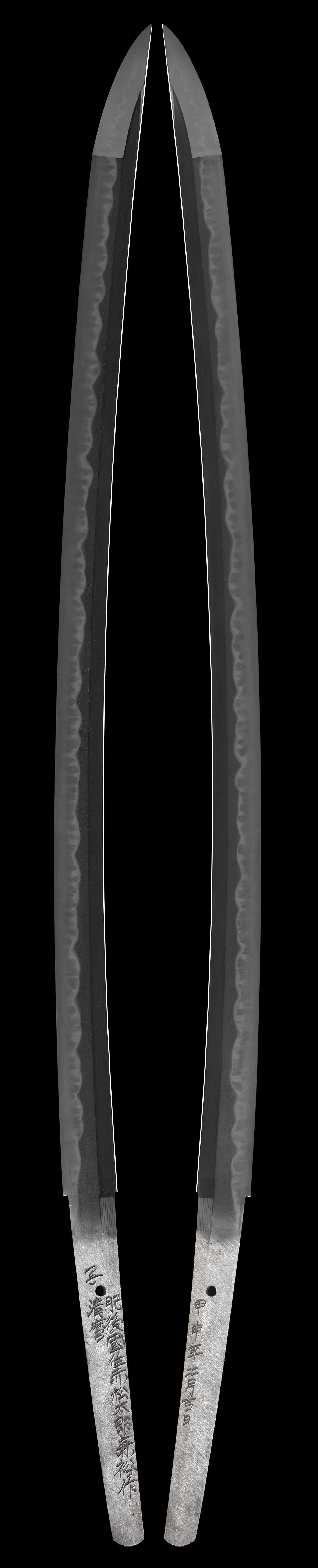
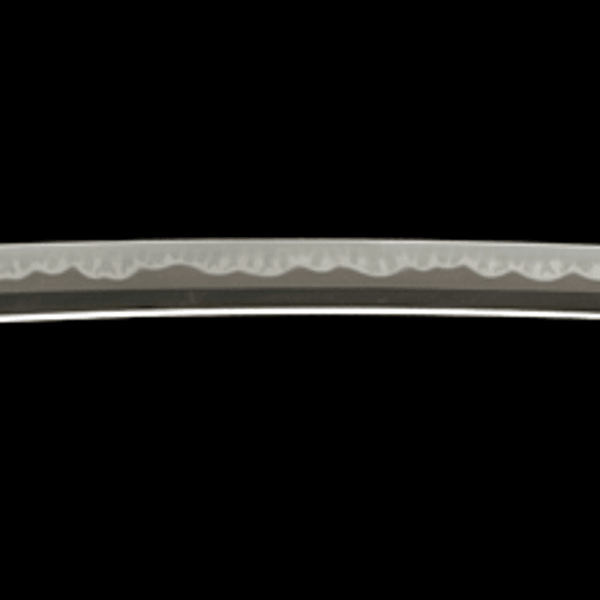
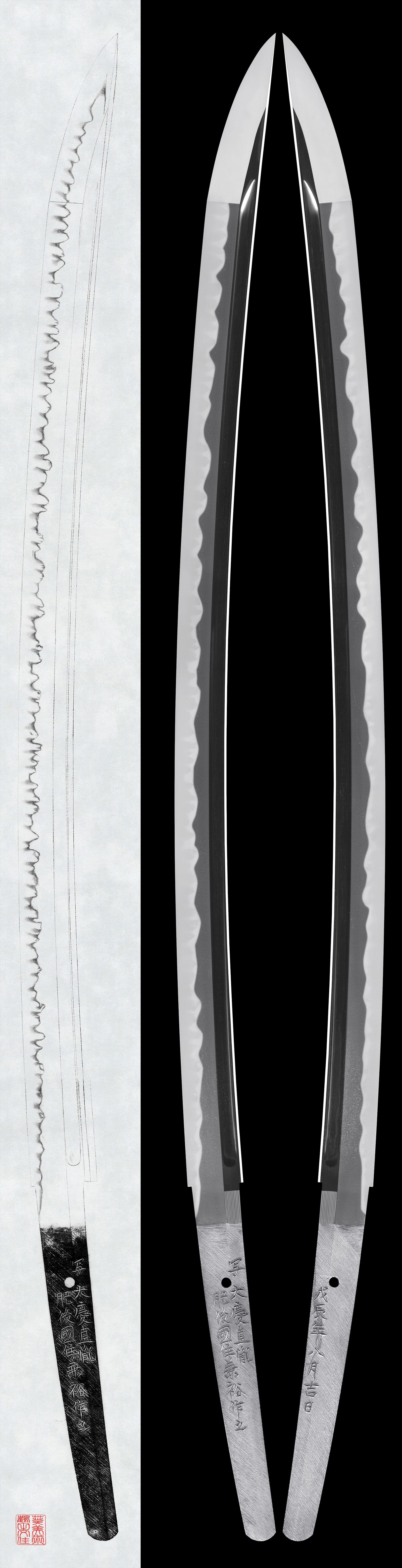
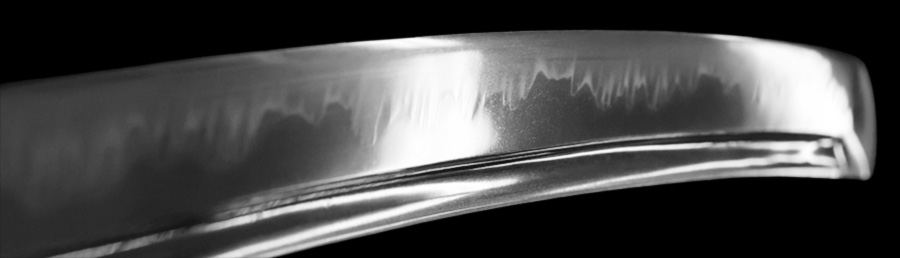
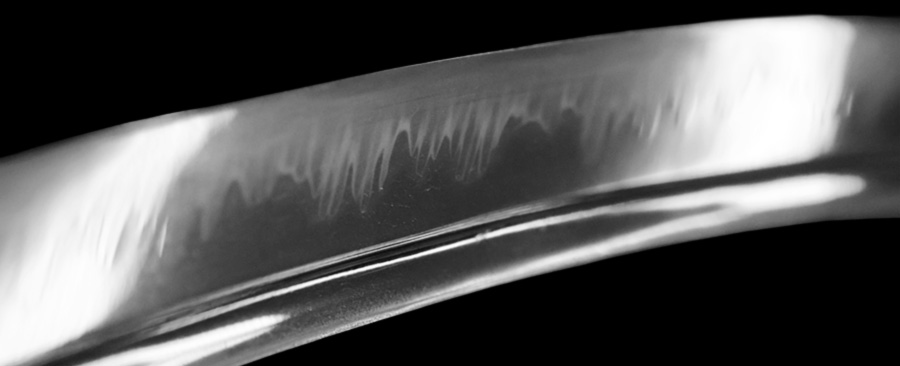
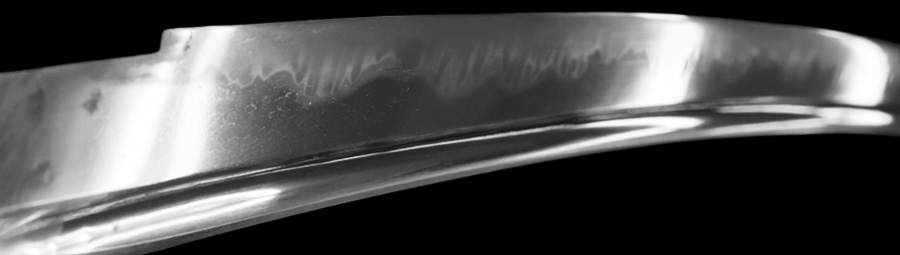
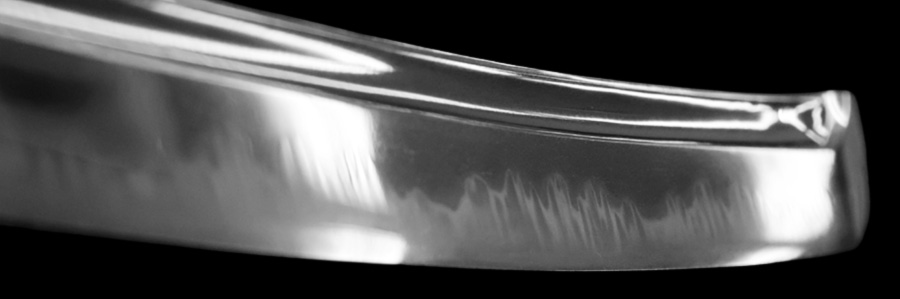
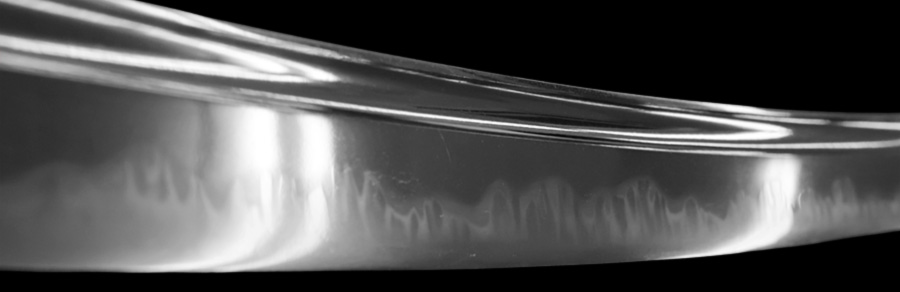
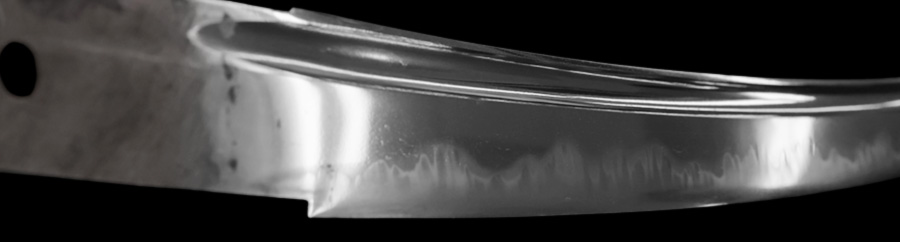
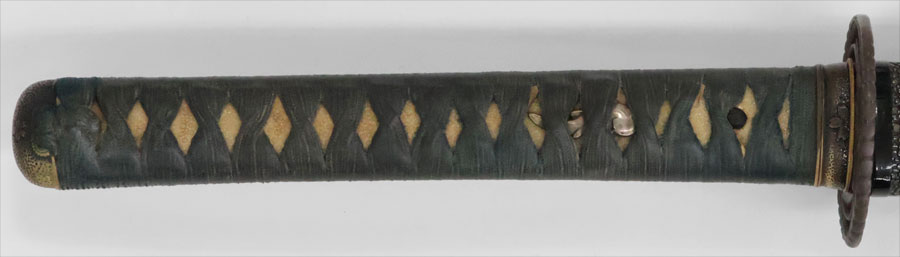
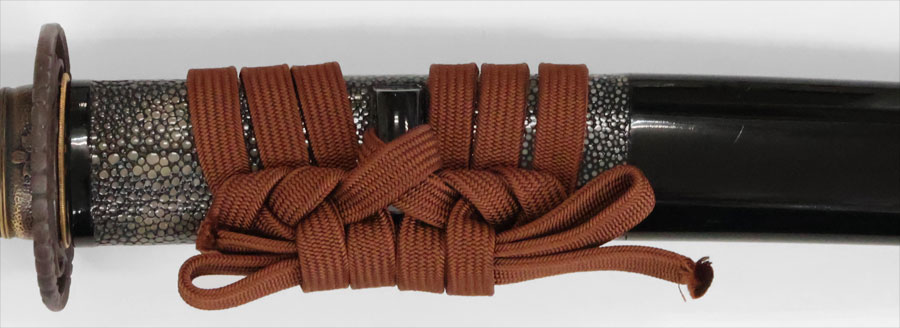
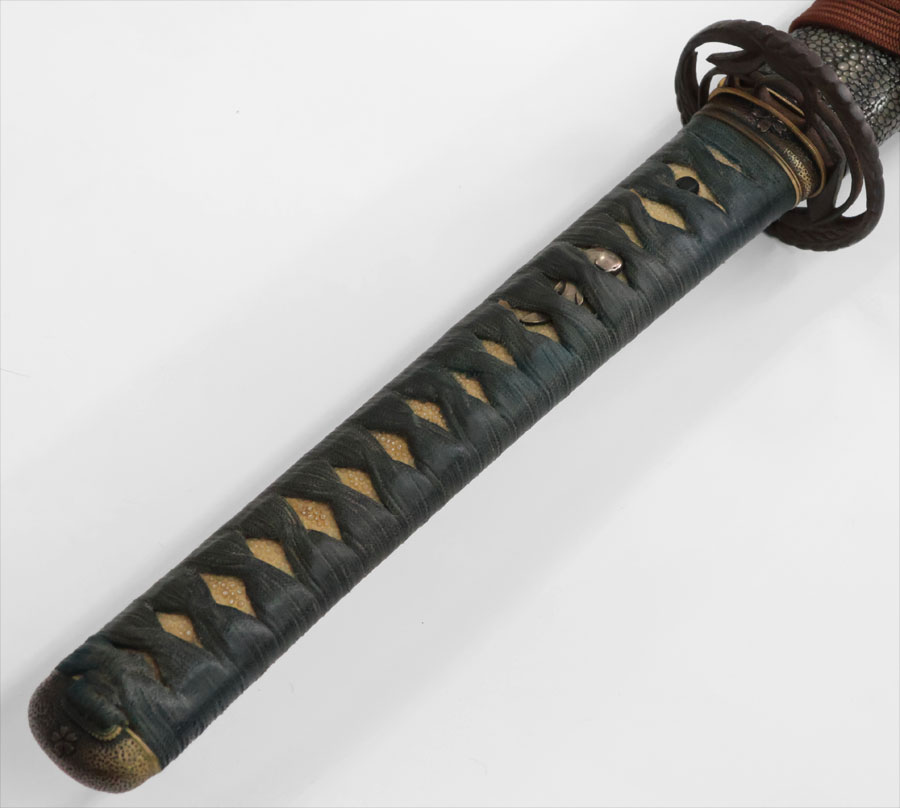
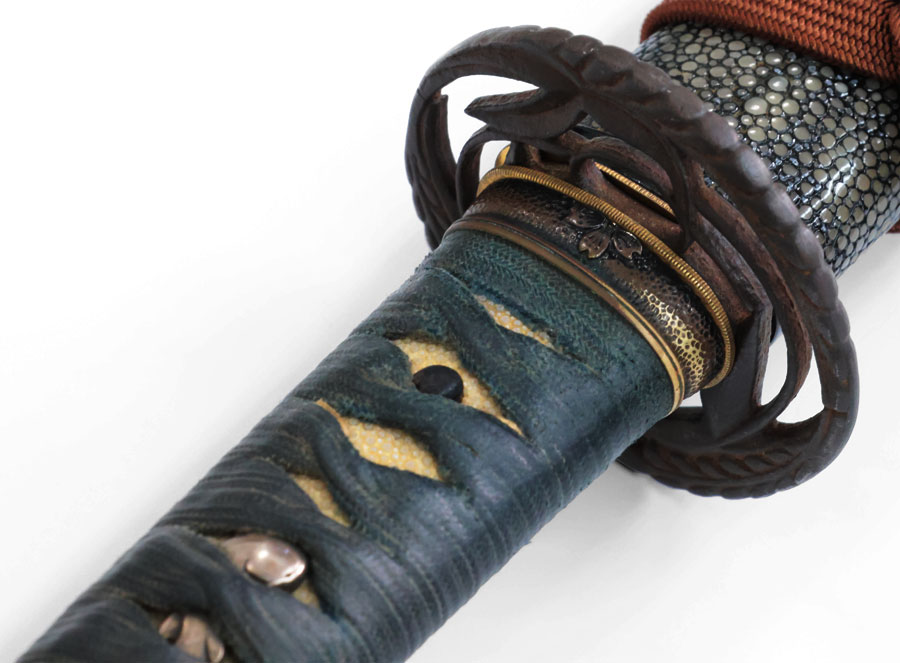
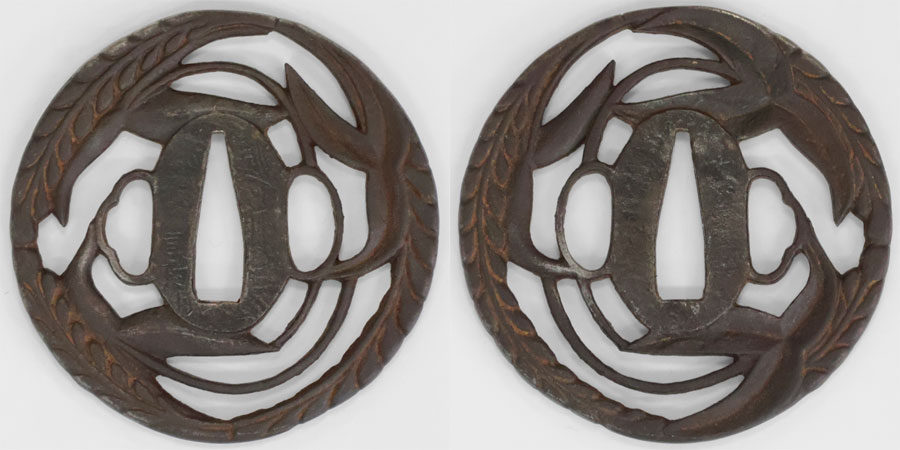
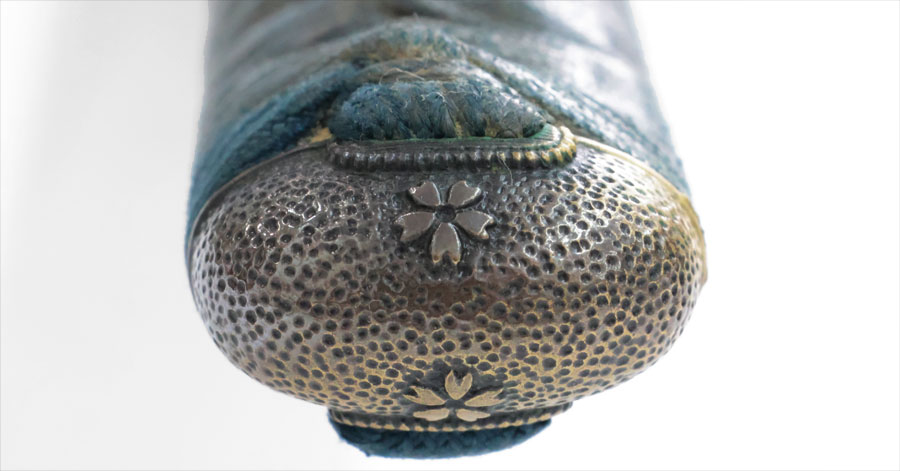
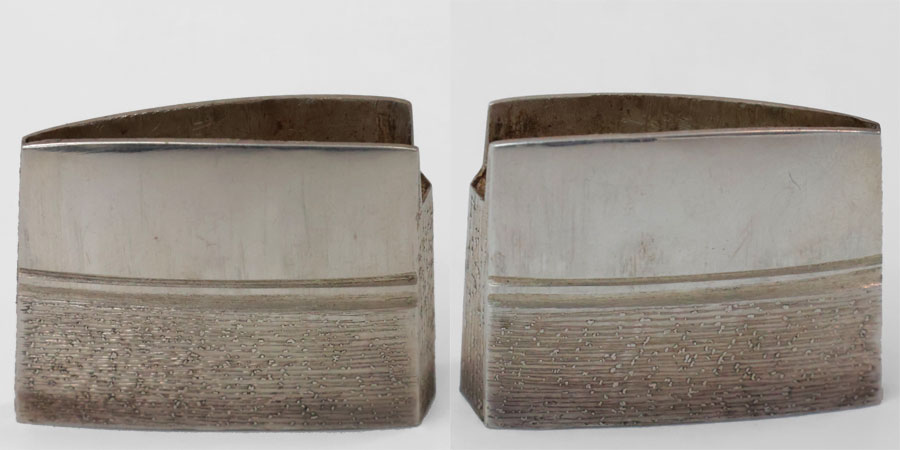
Weight (excluding saya): 1054g It has arrived—a magnificent meito replicating the Bizen Fukuoka Ichimonji of the Kamakura period, often called the "flower of swords." Akamatsu Taro Kaneyu is a highly popular tosho renowned for incredible sharpness; it is said that when someone accidentally struck the ground during tameshigiri, his blade even cut through stone. In the world of gendaito, the Akamatsu Taro clan of Higo Kumamoto is so famous that there is likely no one who does not know them. This sword was created by the master tosho Akamatsu Taro Kaneyu to recreate the meito of Fukuoka Ichimonji. This katana has a long nagasa, a wide motohaba, and a wide sakihaba, presenting a grand and powerful sugata. Regarding the jigane, the Akamatsu Taro clan produces their own high-quality tamahagane from iron sand through their own private smelting process. Akamatsu Taro Kaneyu selected only the finest tamahagane from this stock to forge a powerful Itame-hada in the Bizen-den style. The horimono consists of skillfully carved bo-hi. The hamon replicates the Fukuoka Ichimonji style of the Kamakura period, featuring a high-reaching, spirited, and magnificent nioi-deki with varying heights of gunome-choji. It is a masterpiece that brilliantly recreates the Fukuoka Ichimonji meito, the so-called "flower of the sword world." The modern koshirae further adds elegance to this blade. We have received this sword from a high-ranking Iai sensei with the request to pass it on to a junior practitioner at an affordable price. Because it was used for Iai, the edge has been slightly dulled (ha-o-hiku) near the kissaki. Therefore, we are offering this kaishin-saku (masterpiece) by Akamatsu Taro Kaneyu at a special, exceptionally low price. Please enjoy this opportunity.
 NihontoWatch
Heisei · nagasa 74.6cm · sori 2cm















Higo (Yatsushiro) · Heisei-Reiwa
9 pieces on the market now
Shōwa to the present: destruction and revival
The twentieth century nearly killed the craft twice: wartime distortion, then the occupation ban. The NBTHK’s founding in 1948 and licensed forging from 1953 rebuilt the sword as an art, crowned by Living National Treasures and the mukansa rank.
We could not find an authenticity certificate on the seller’s listing. Japanese swords and fittings are normally papered by the NBTHK (or the NTHK). Without one, the attribution is the seller’s own assessment and has not been independently verified — treat it with caution and ask the dealer about certification before buying.
For returns due to customer circumstances, the cost is the customer's responsibility. For returns due to our mis-shipment or a defective item, we bear the cost.