The twentieth century nearly killed the craft twice: wartime distortion, then the occupation ban. The NBTHK’s founding in 1948 and licensed forging from 1953 rebuilt the sword as an art, crowned by Living National Treasures and the mukansa rank.
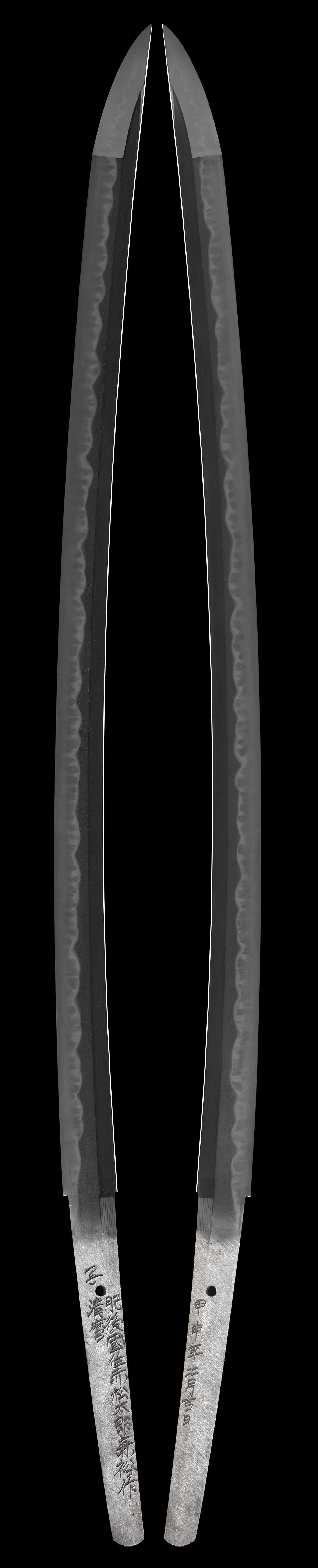
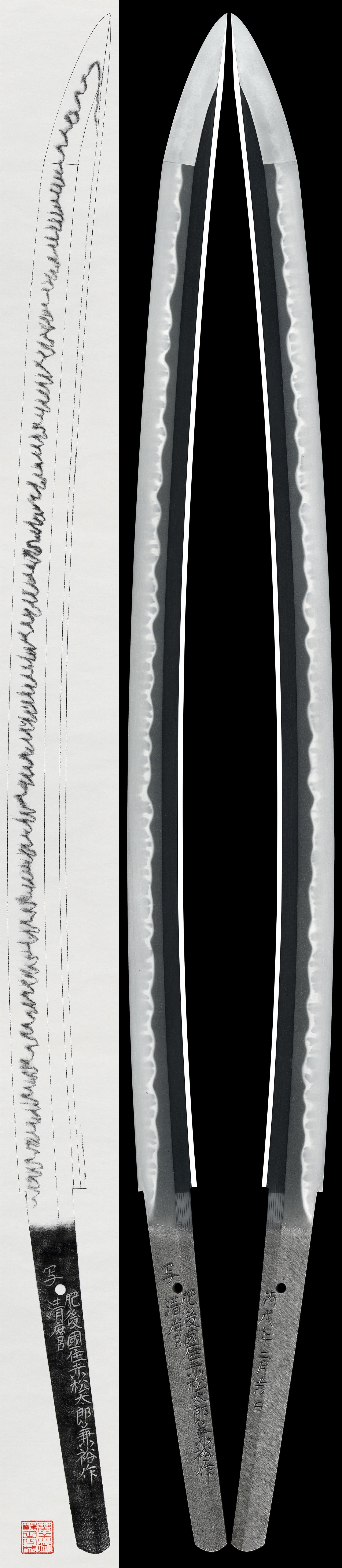
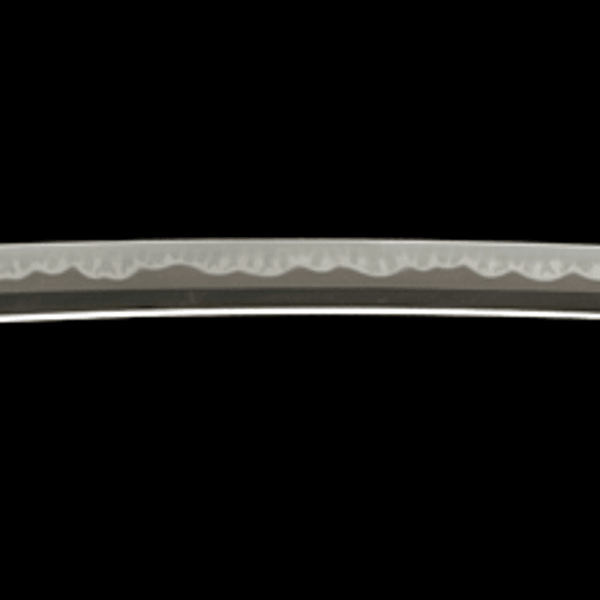
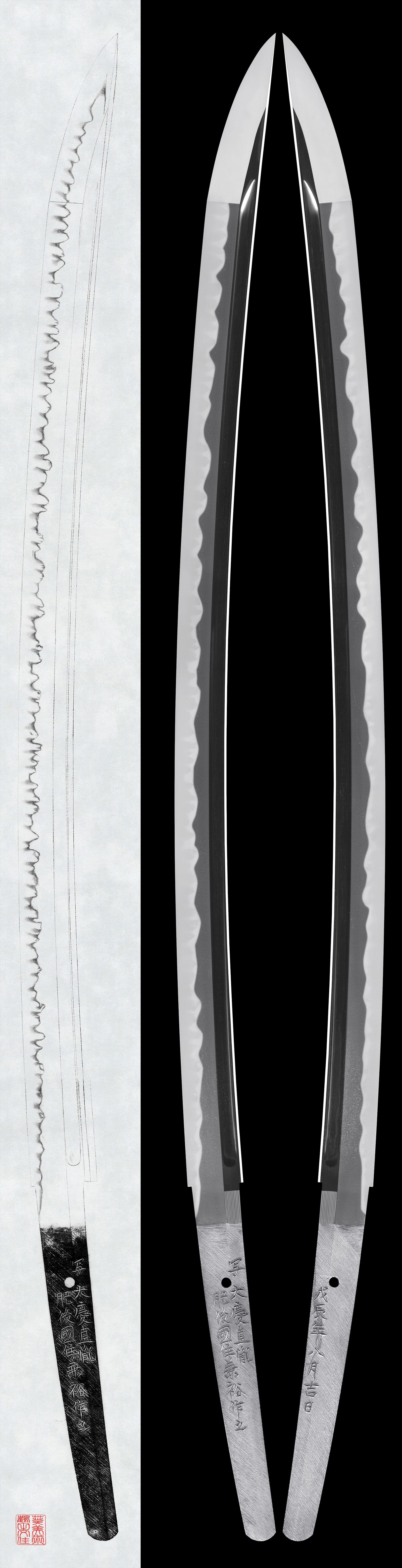
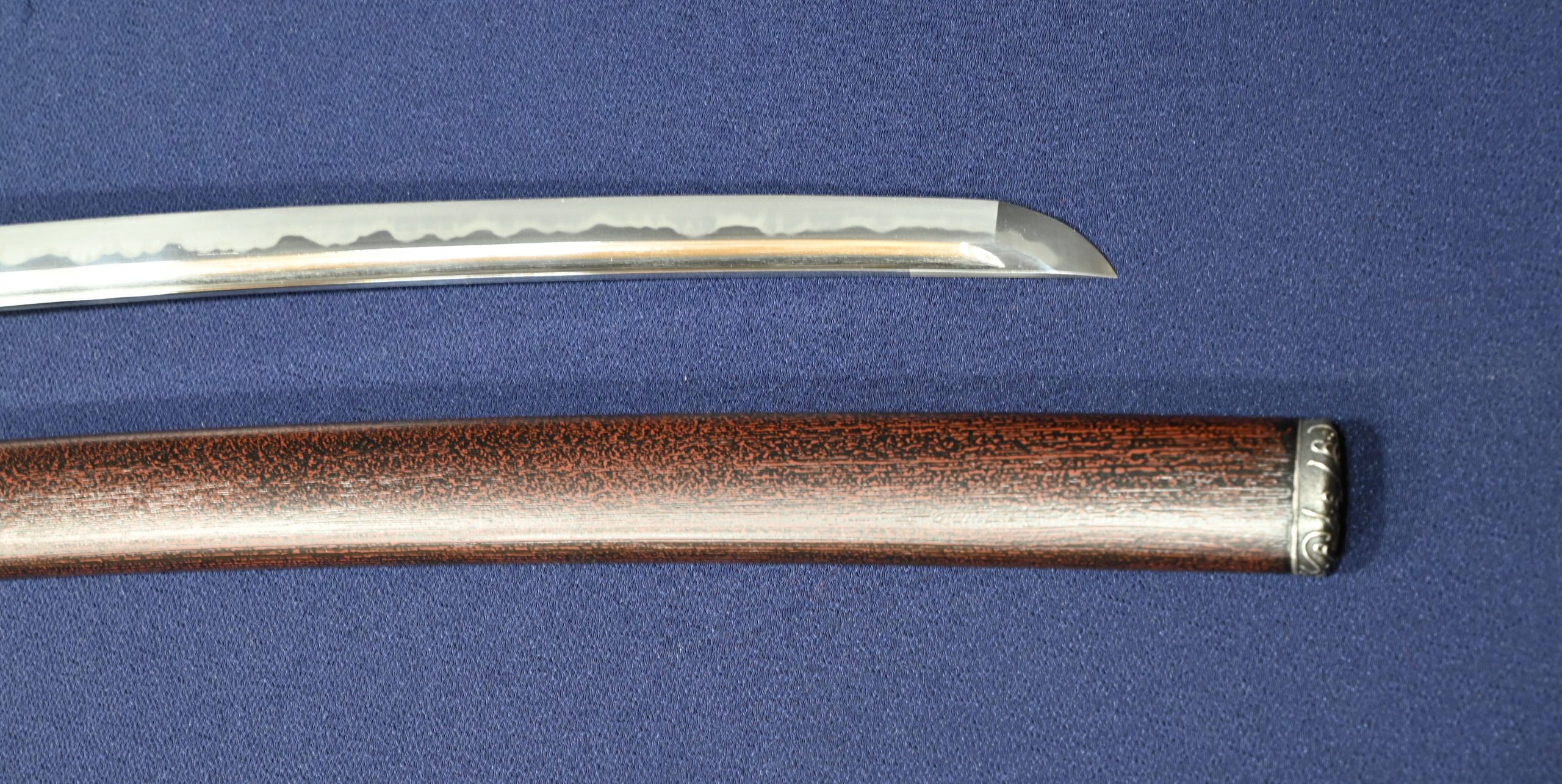
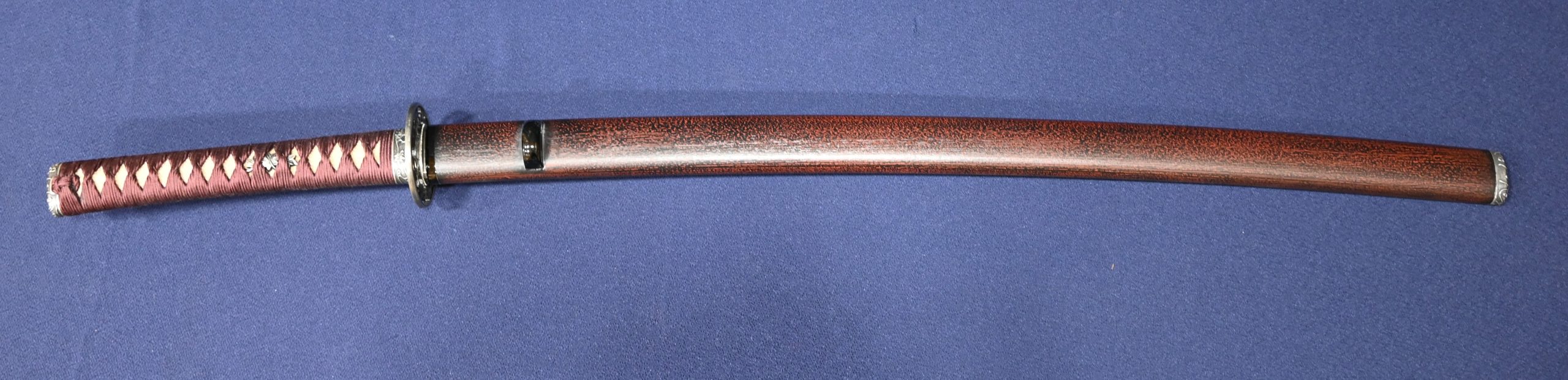
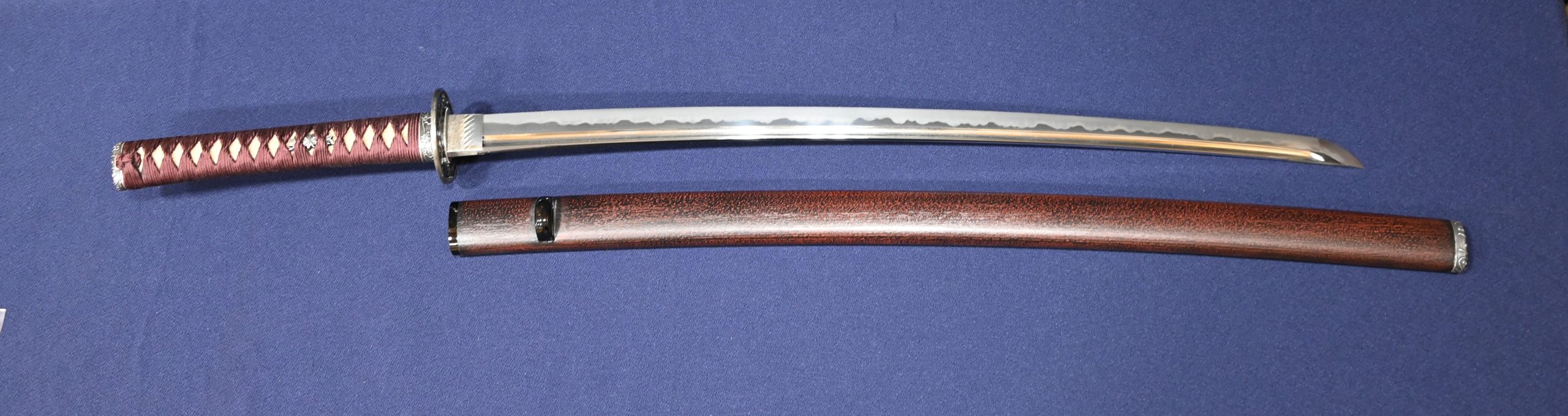
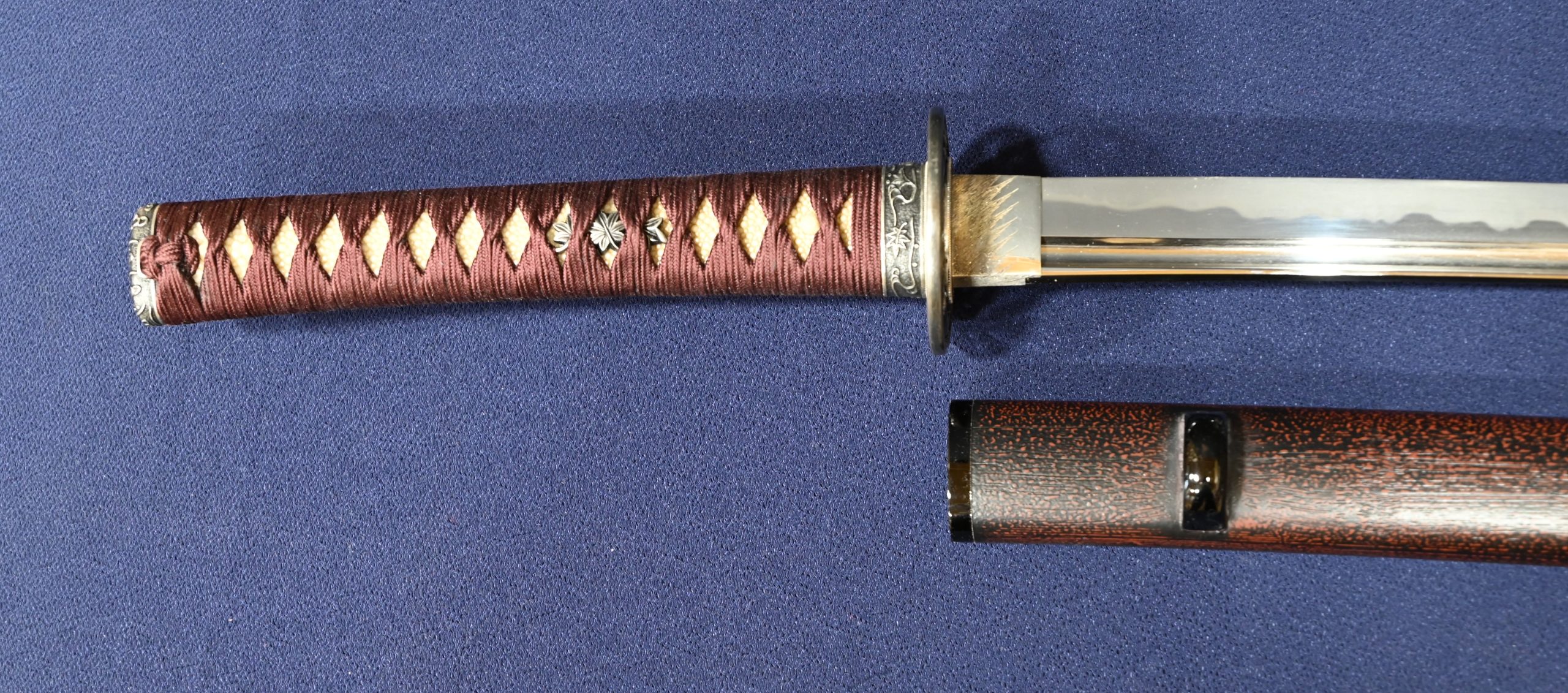
This is a newly made katana by Akamatsu Taro Kanehiro, a smith from Higo Province (Kumamoto Prefecture), born in 1961. He is known for his skill in replicating Kiyomaro's style and has received numerous awards. This particular blade was commissioned in 2025 for iaido practice, featuring a well-balanced blade, good sound, and new fittings.
 NihontoWatch
mei · 現代(令和7年・2025年) · nagasa 65.2cm · sori 1.6cm
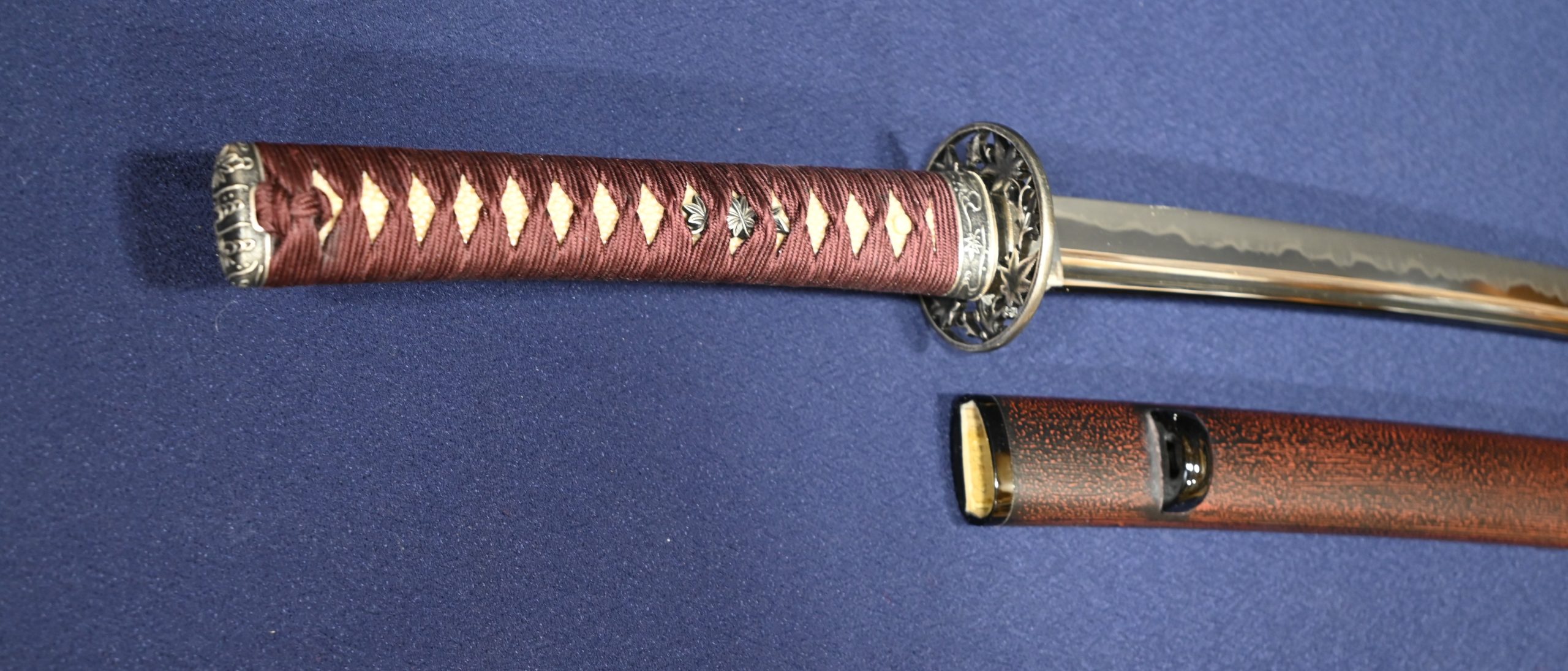
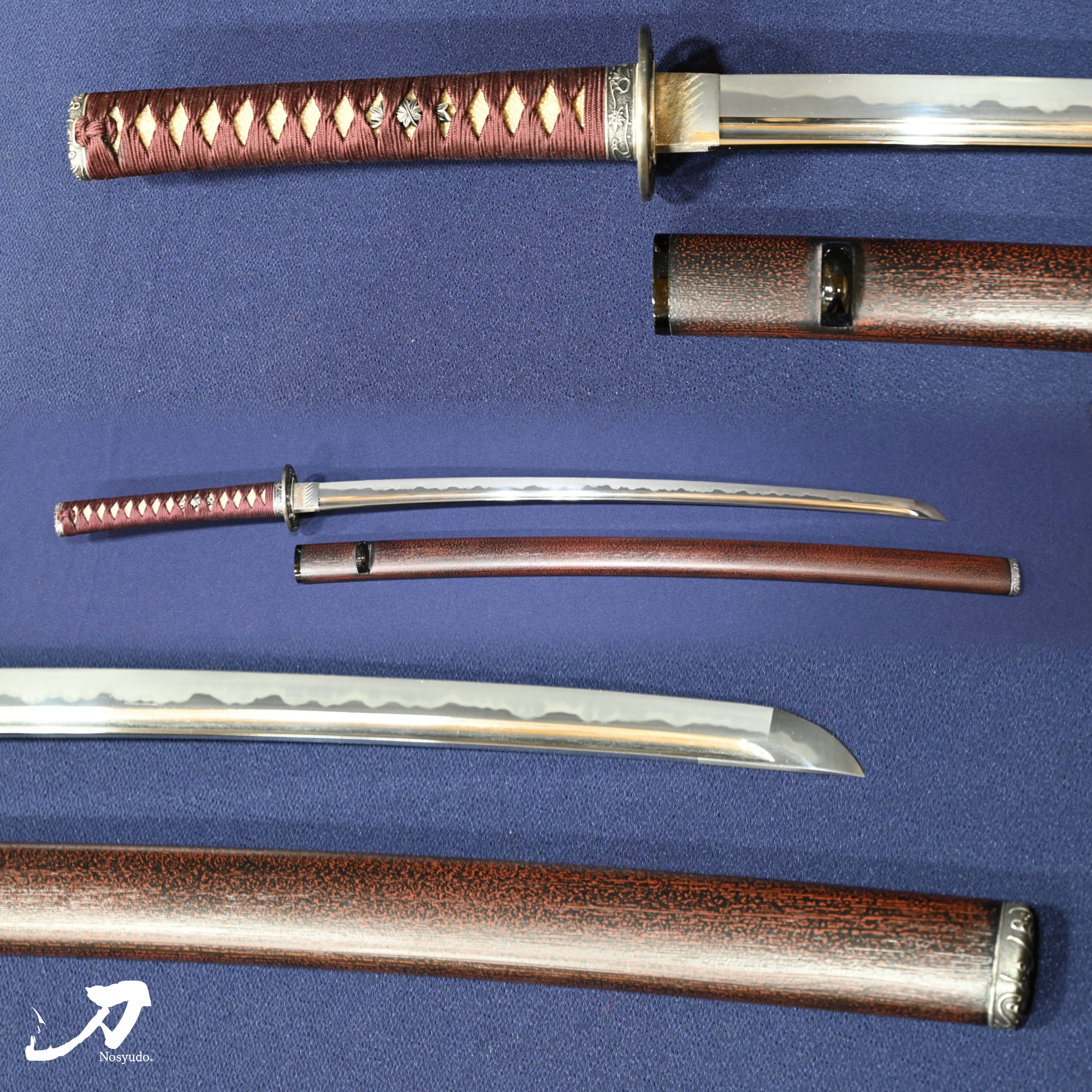
Higo (Yatsushiro) · Heisei-Reiwa
9 pieces on the market now
Shōwa to the present: destruction and revival
The twentieth century nearly killed the craft twice: wartime distortion, then the occupation ban. The NBTHK’s founding in 1948 and licensed forging from 1953 rebuilt the sword as an art, crowned by Living National Treasures and the mukansa rank.
We could not find an authenticity certificate on the seller’s listing. Japanese swords and fittings are normally papered by the NBTHK (or the NTHK). Without one, the attribution is the seller’s own assessment and has not been independently verified — treat it with caution and ask the dealer about certification before buying.