The twentieth century nearly killed the craft twice: wartime distortion, then the occupation ban. The NBTHK’s founding in 1948 and licensed forging from 1953 rebuilt the sword as an art, crowned by Living National Treasures and the mukansa rank.
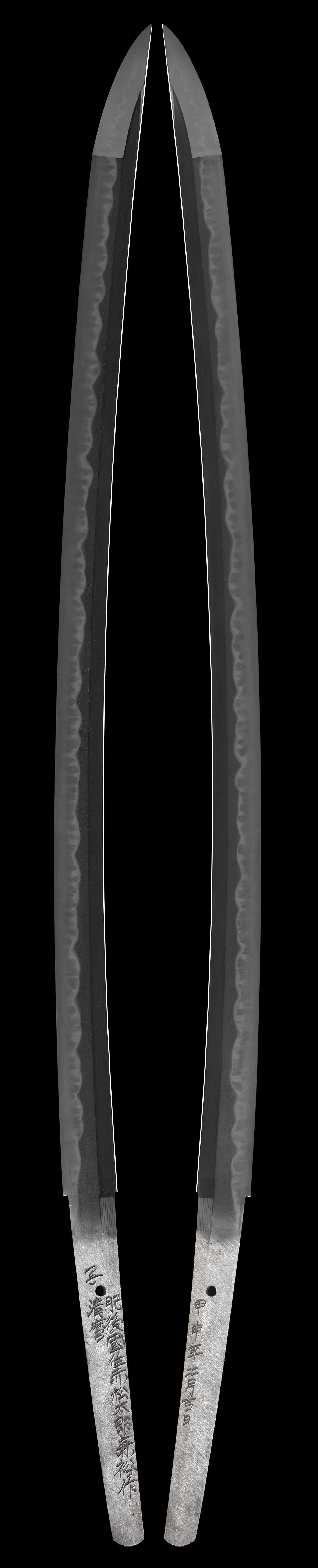
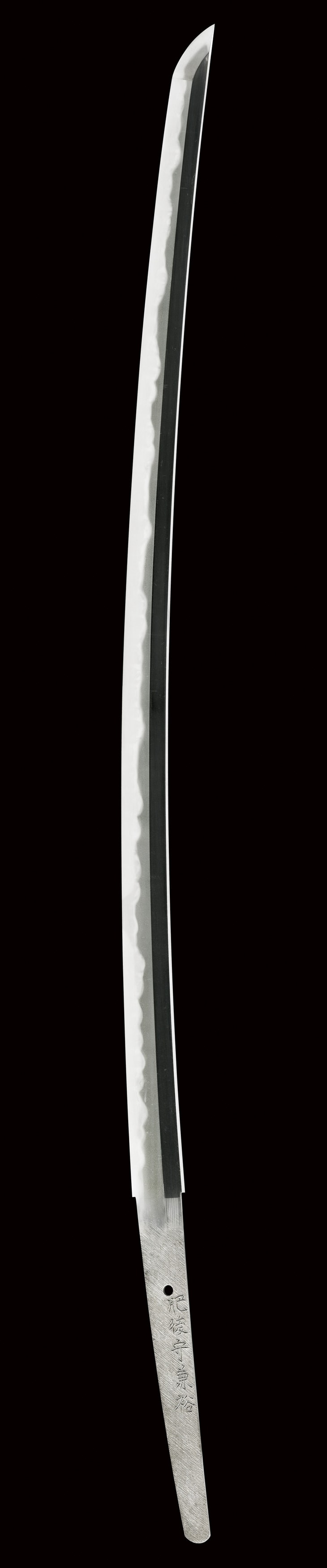
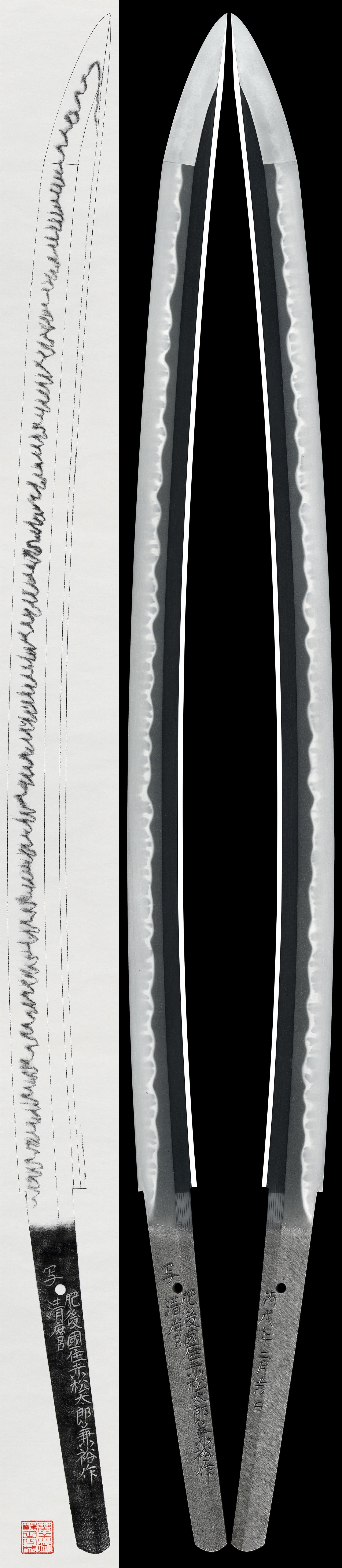
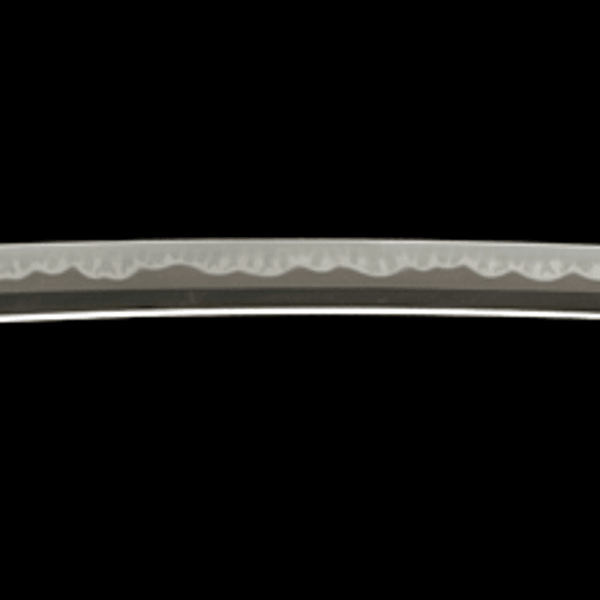
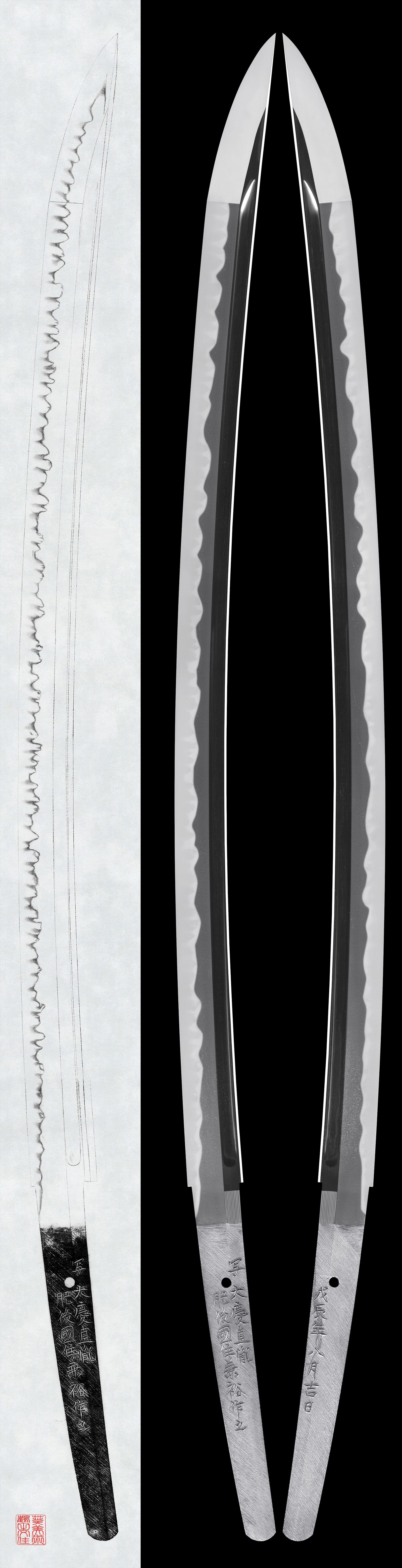
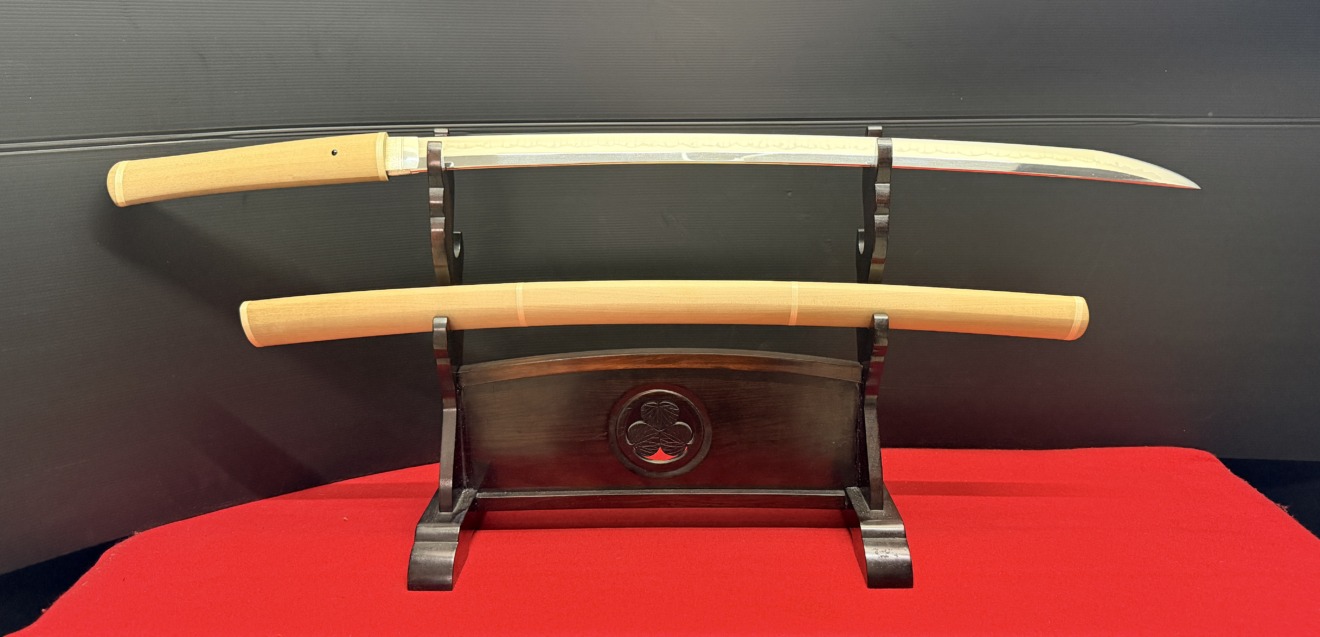
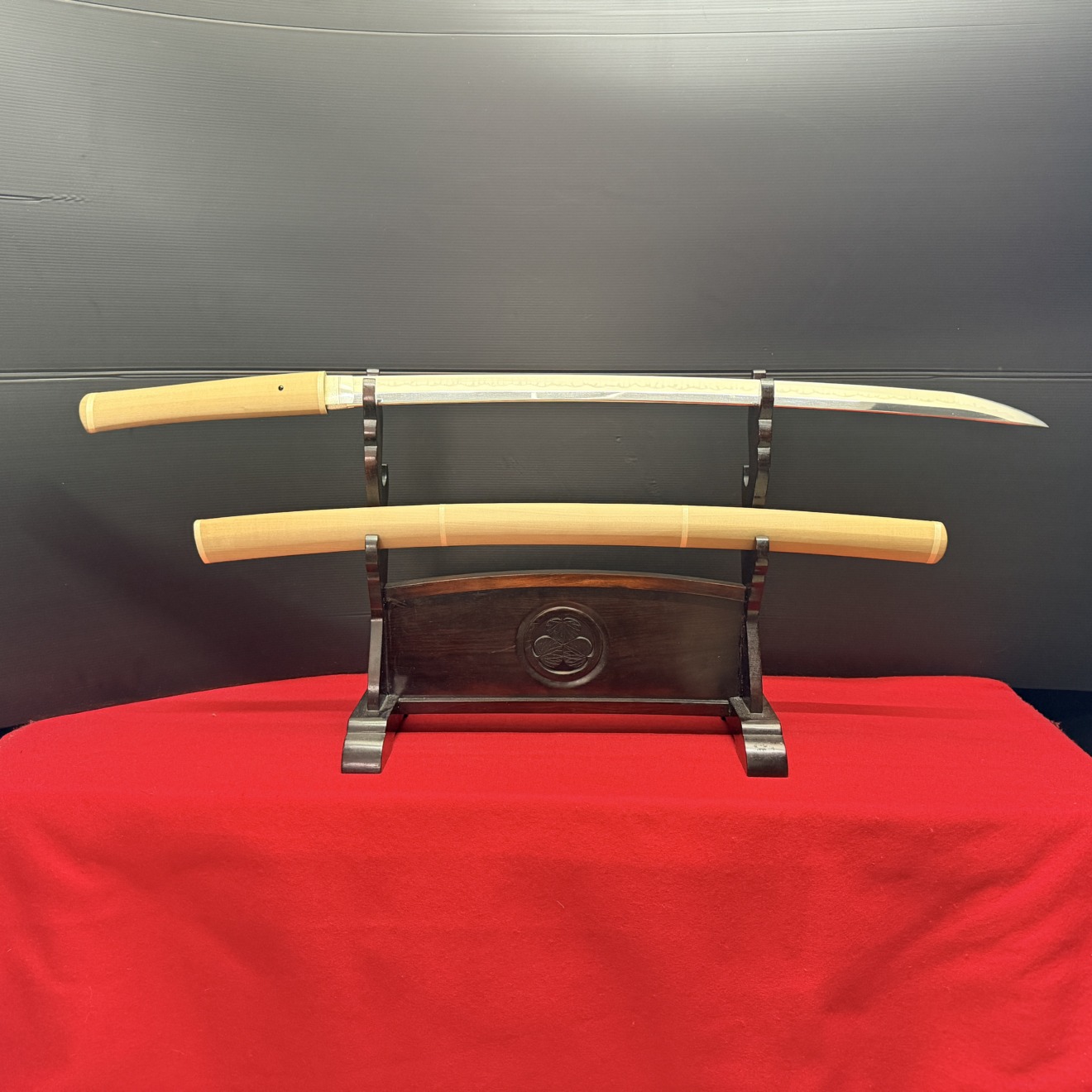
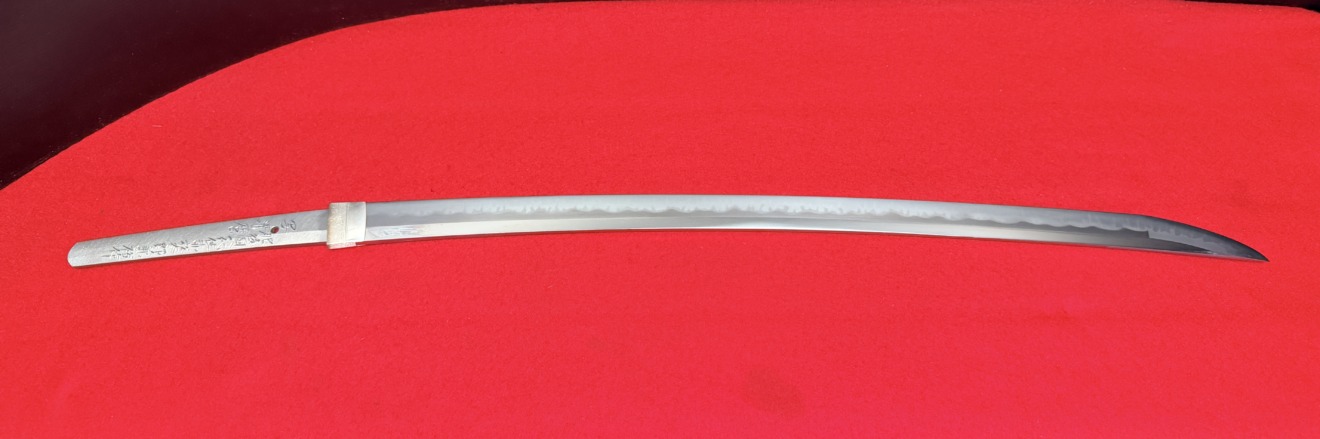
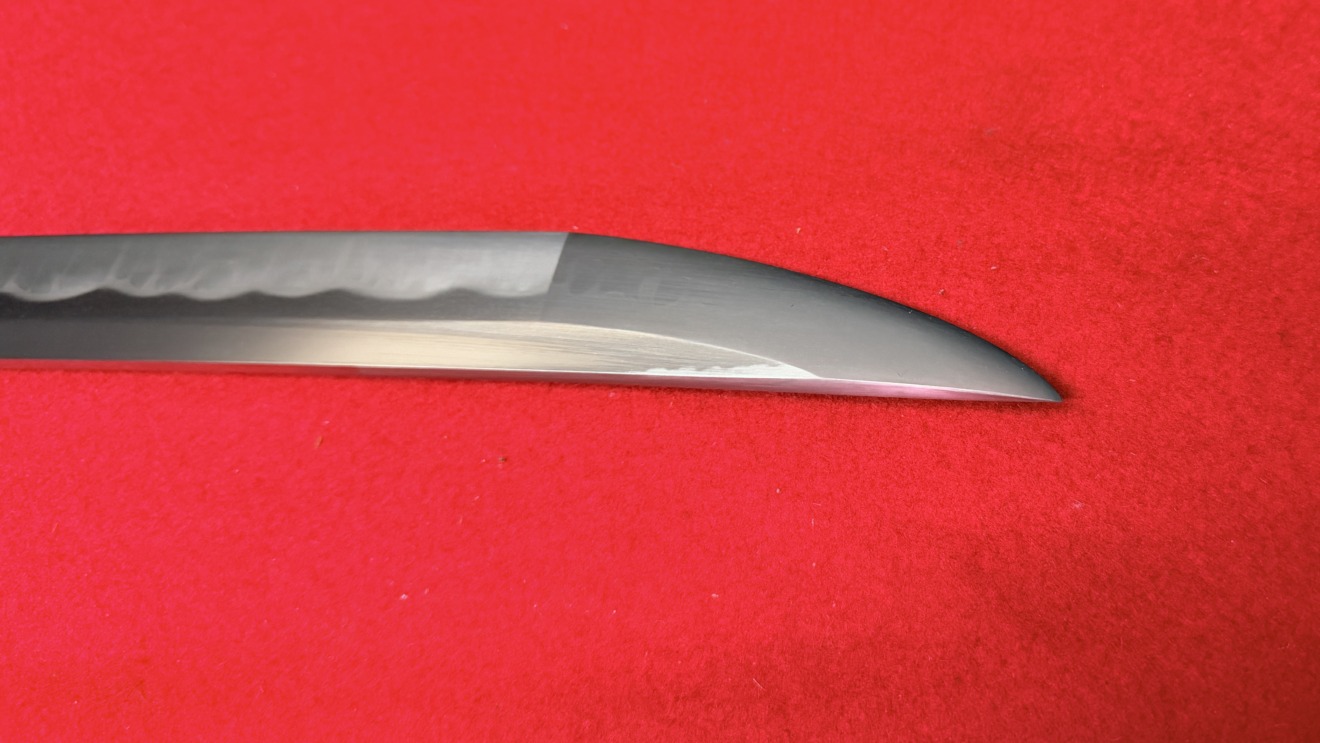
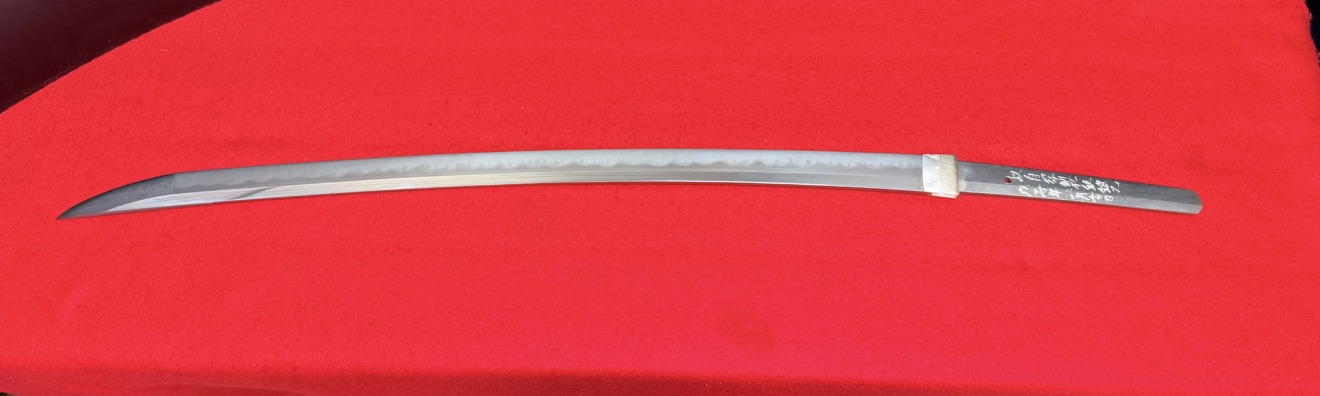
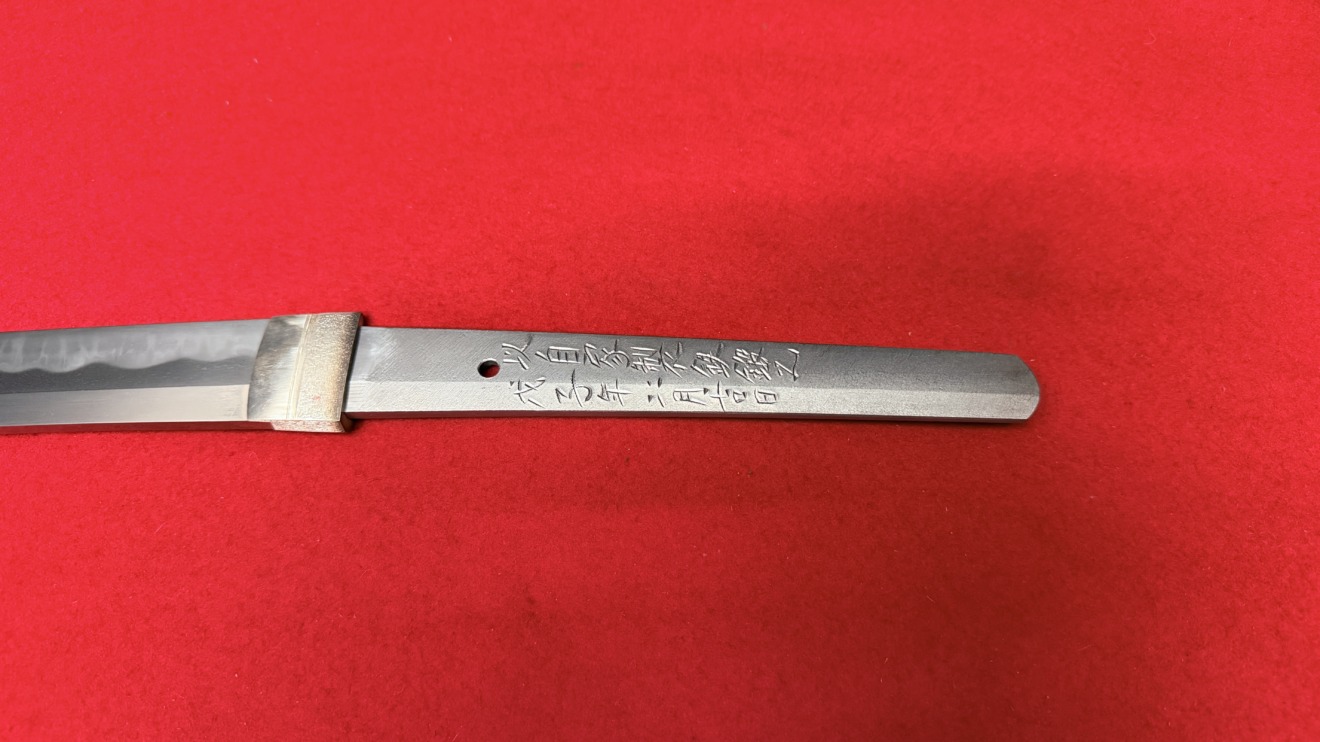
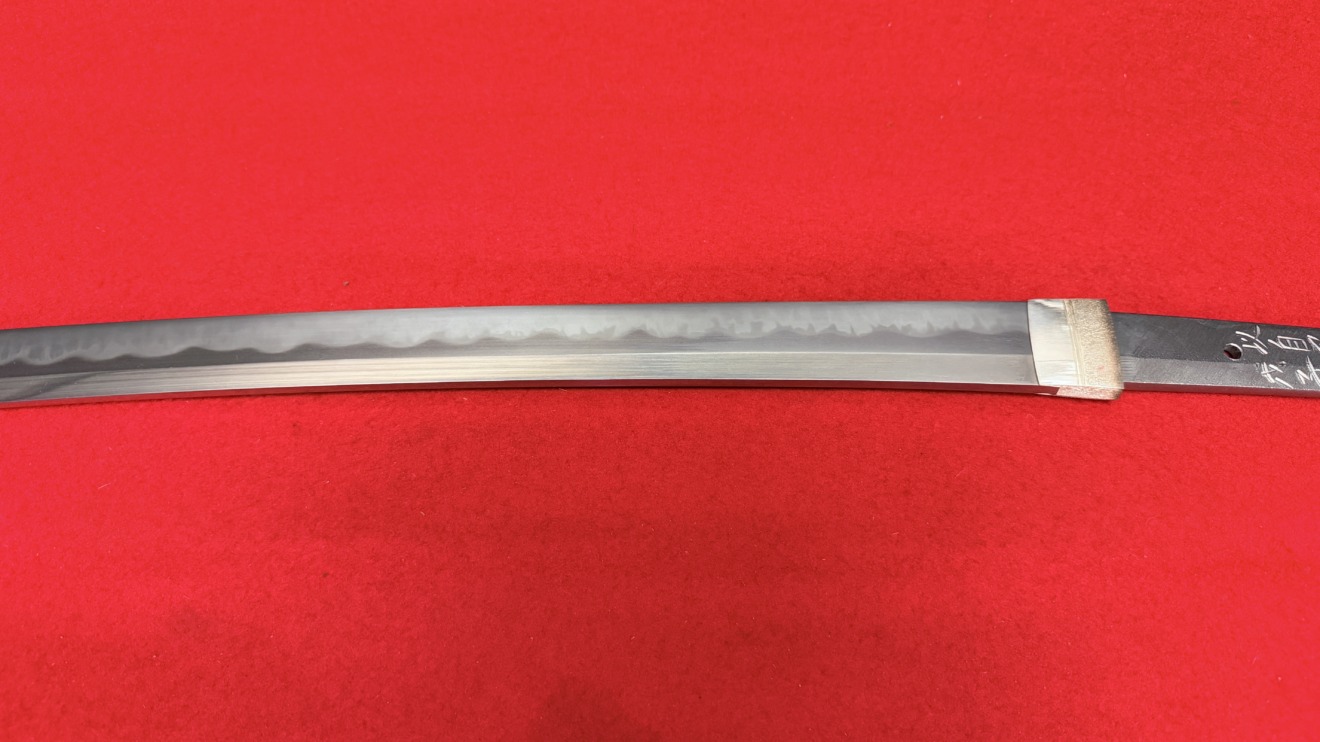
This katana is made by Akamatsu Taro Kanehiro, a swordsmith residing in Yatsushiro City, Kumamoto Prefecture, who trained under his father, Kaneshige. Kanehiro is renowned for his Kiyomaro utsushi (reproductions), and this blade is a beautiful example of his work in that style. The blade is signed on the omote with 'Higo no Kuni Yatsushiro Ju Akamatsu Taro Kanehiro saku utsushi Kiyomaro' and on the ura with 'I Jikasei Tetsu Tan Kore Bo-shi Nen Nigatsu Kichijitsu'.
 NihontoWatch
mei · Gendaito · nagasa 74.3cm · sori 1.9cm
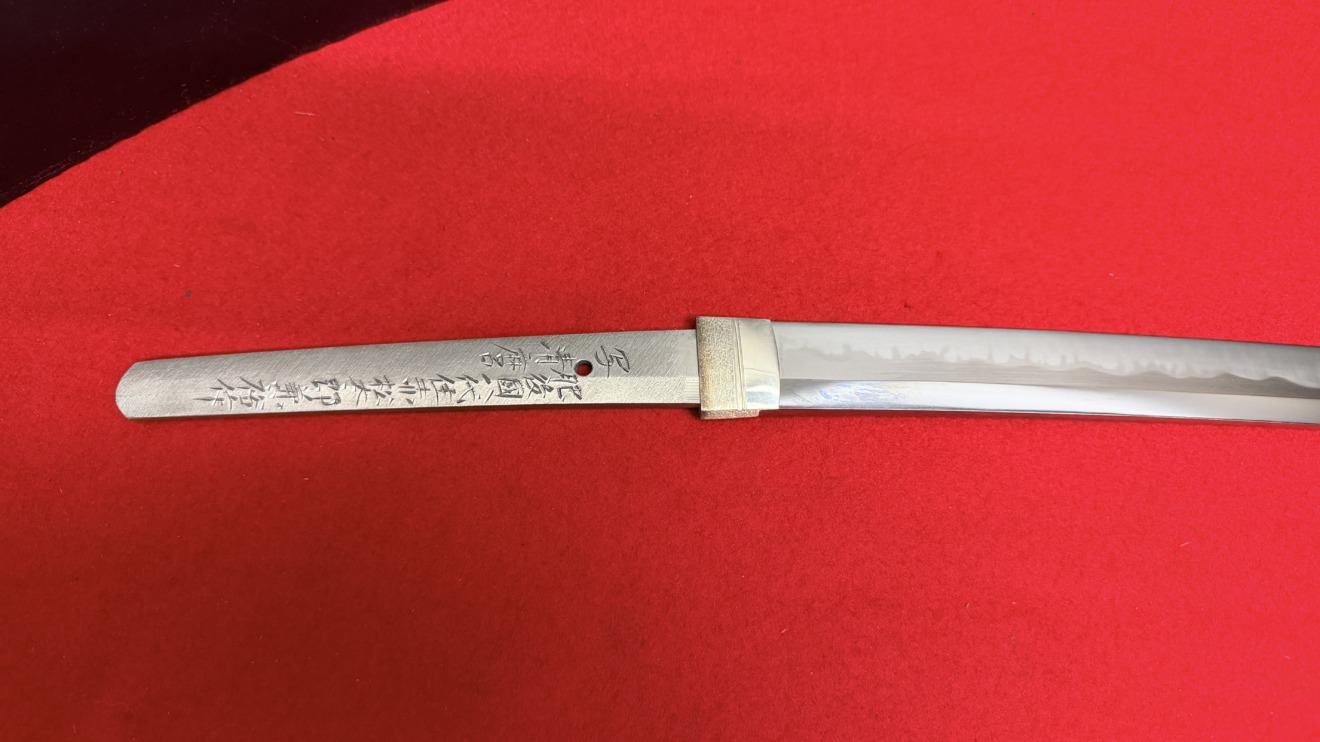
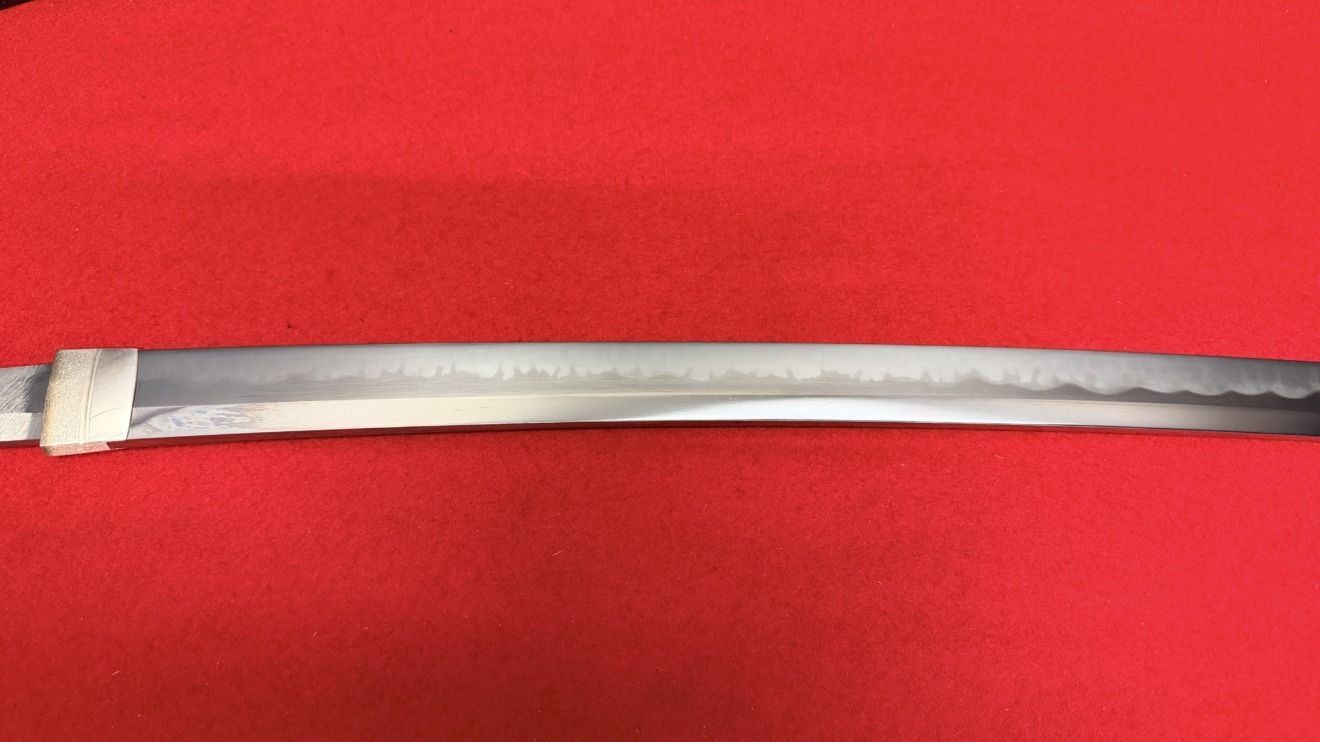
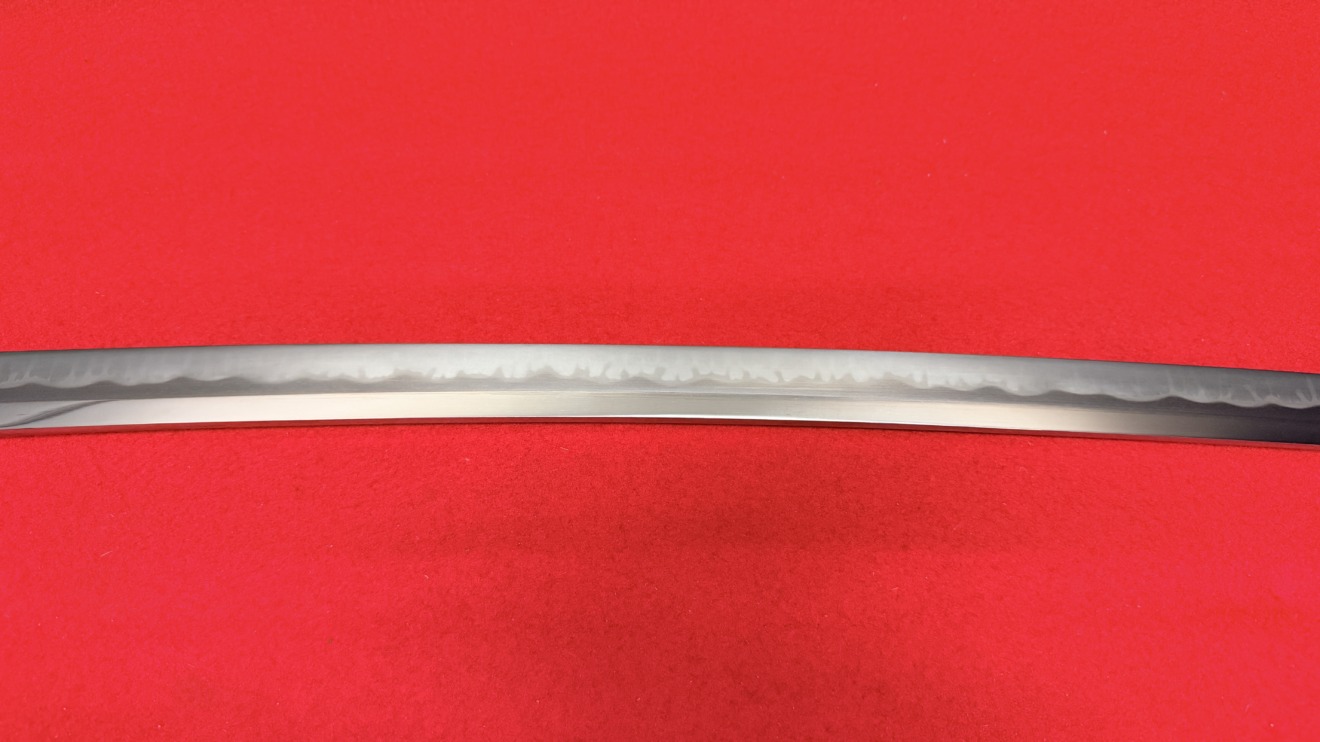
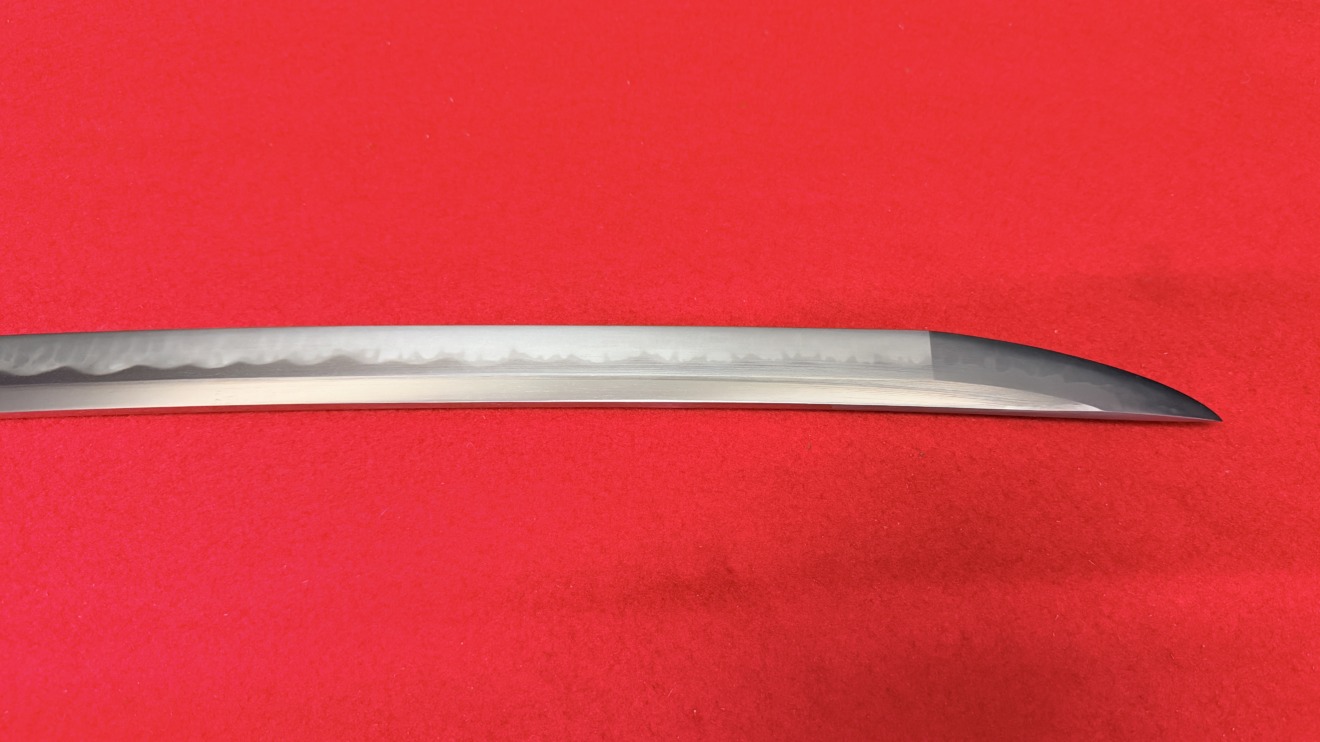
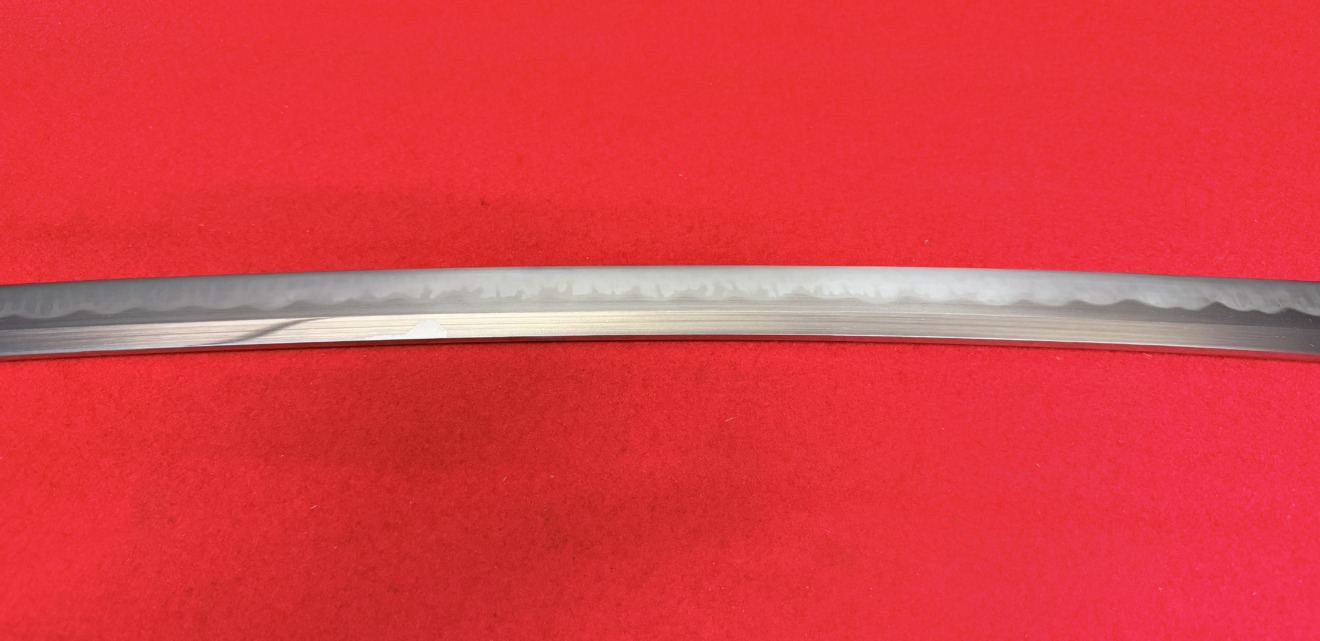
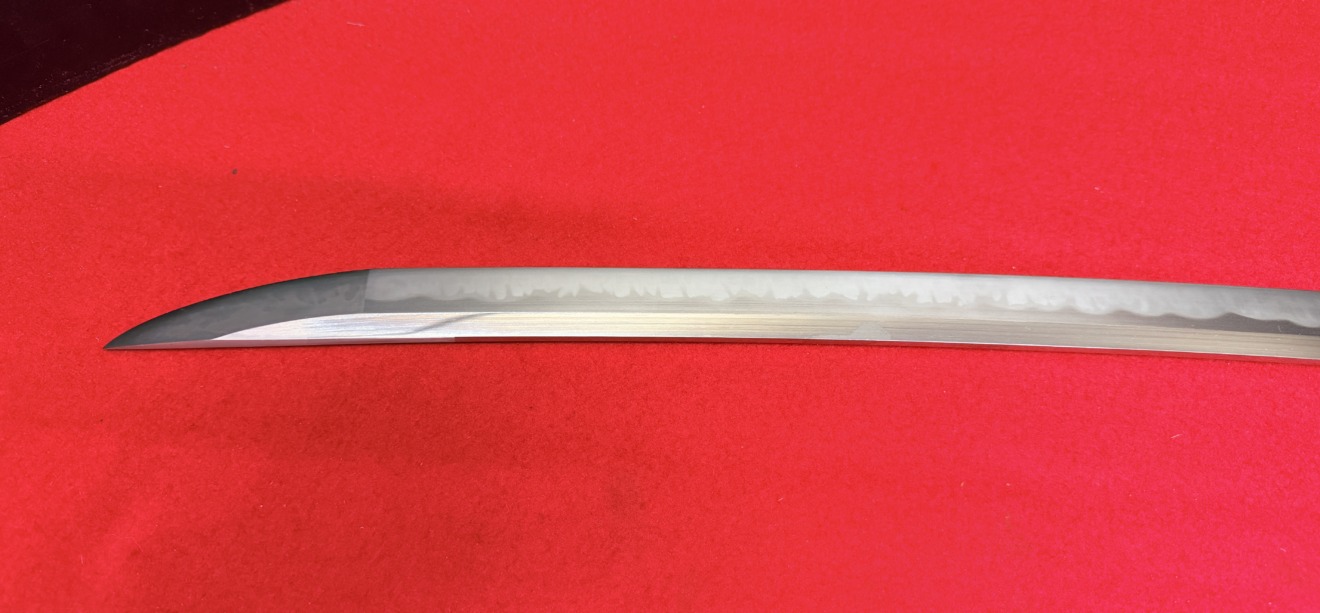
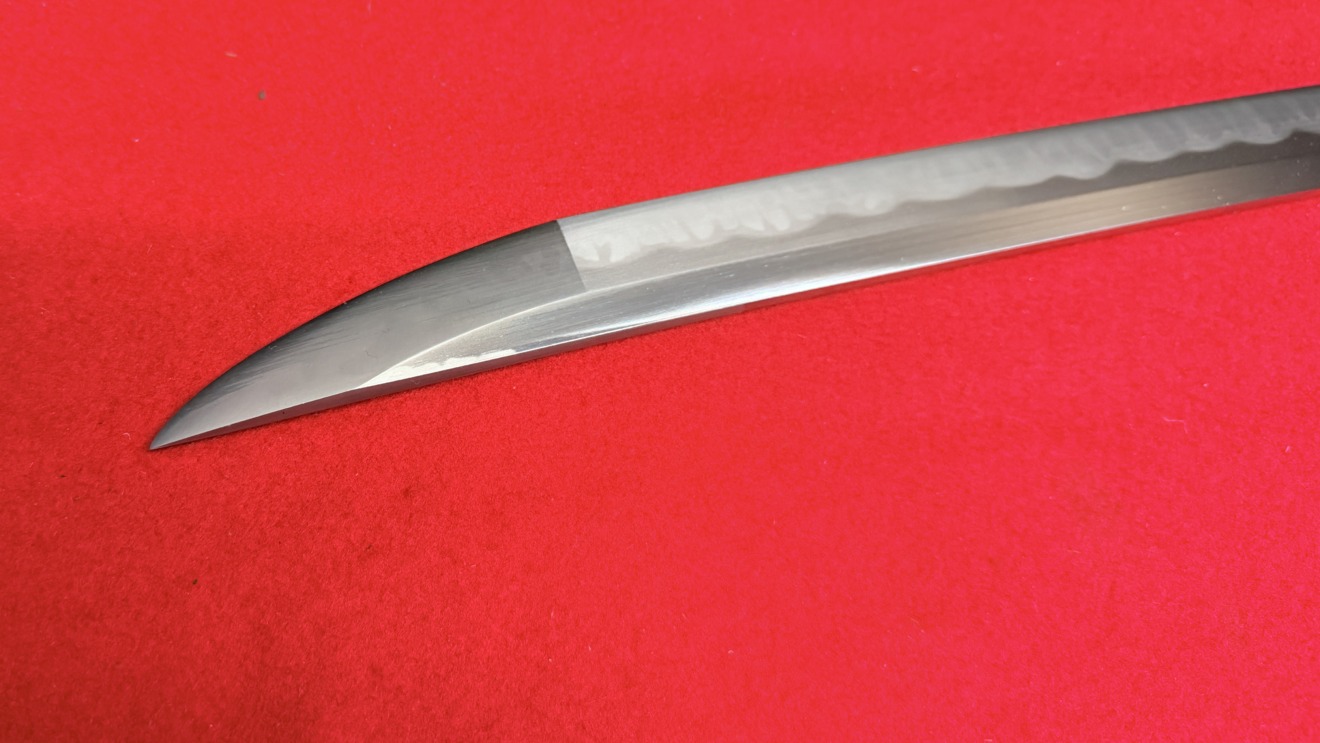
Higo (Yatsushiro) · Heisei-Reiwa
9 pieces on the market now
Shōwa to the present: destruction and revival
The twentieth century nearly killed the craft twice: wartime distortion, then the occupation ban. The NBTHK’s founding in 1948 and licensed forging from 1953 rebuilt the sword as an art, crowned by Living National Treasures and the mukansa rank.
We could not find an authenticity certificate on the seller’s listing. Japanese swords and fittings are normally papered by the NBTHK (or the NTHK). Without one, the attribution is the seller’s own assessment and has not been independently verified — treat it with caution and ask the dealer about certification before buying.
Returns must be shipped within 3 days of delivery. Excludes modified/damaged items or past the deadline. Return shipping paid by customer. Overseas orders cannot be returned/refunded.
¥1,200,000