Muromachi turned sword making into an industry: the uchigatana rose with massed infantry warfare, Osafune and Seki produced bundle swords beside custom orders, and the Ming trade carried Japanese blades abroad by the tens of thousands.
 NihontoWatchNihontoWatch
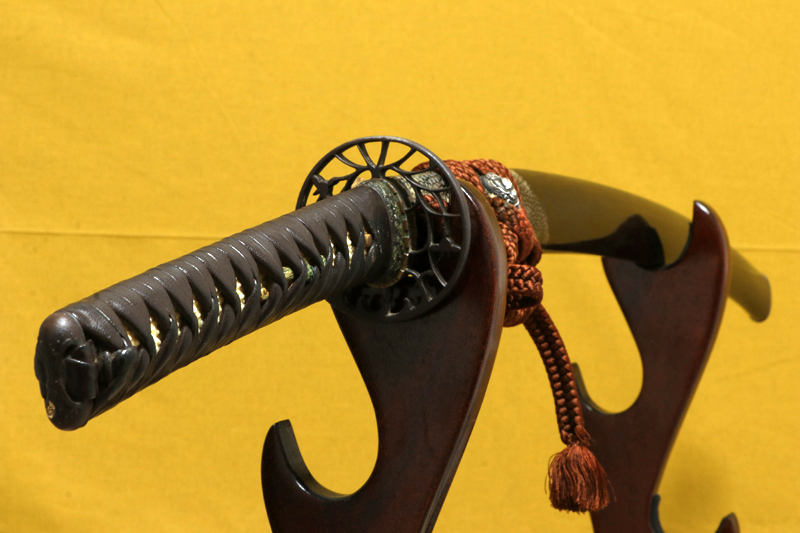
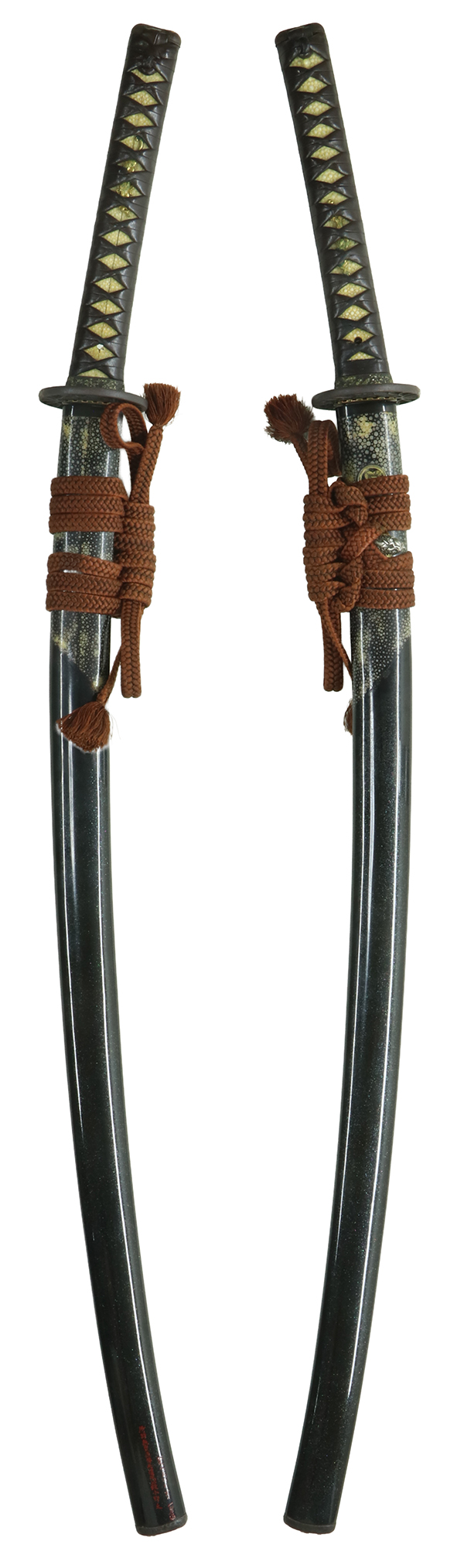
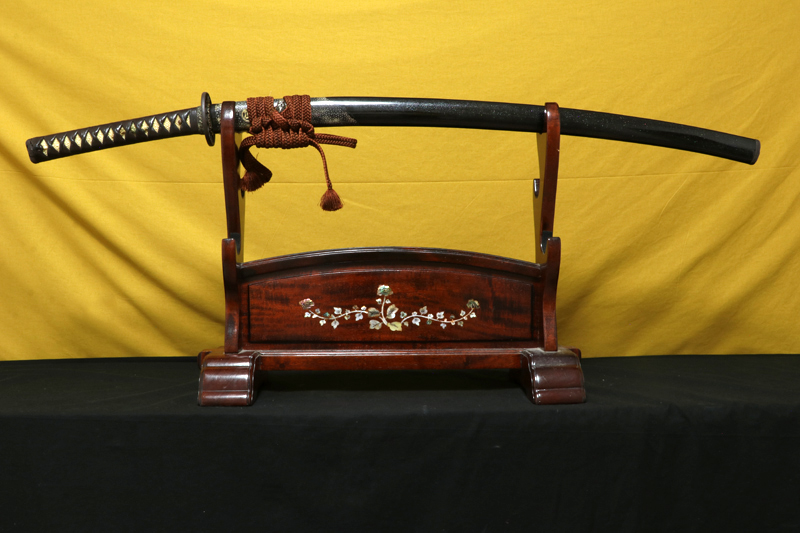
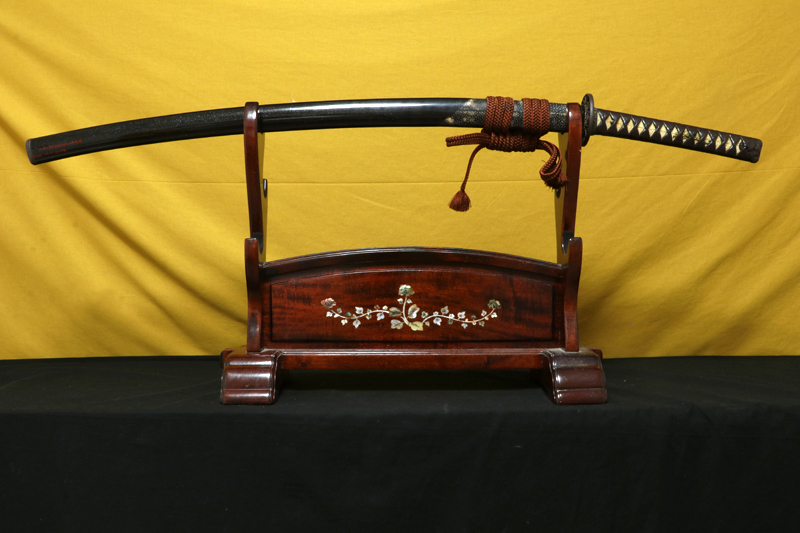
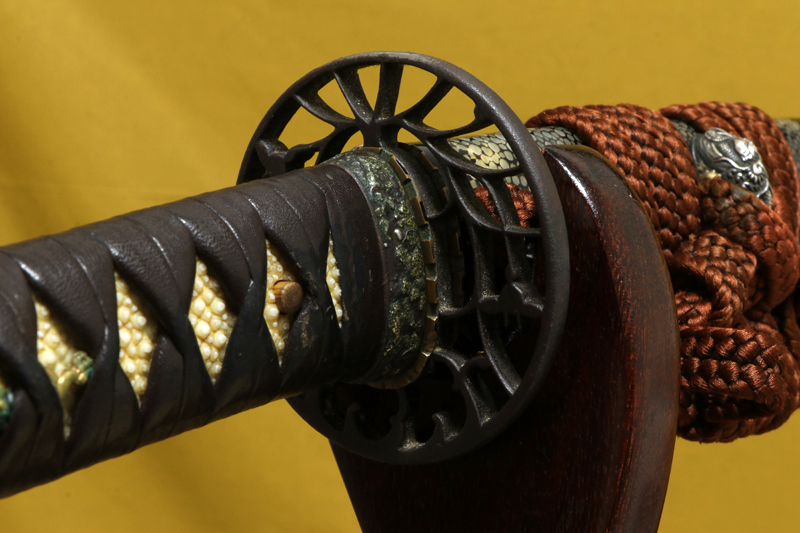
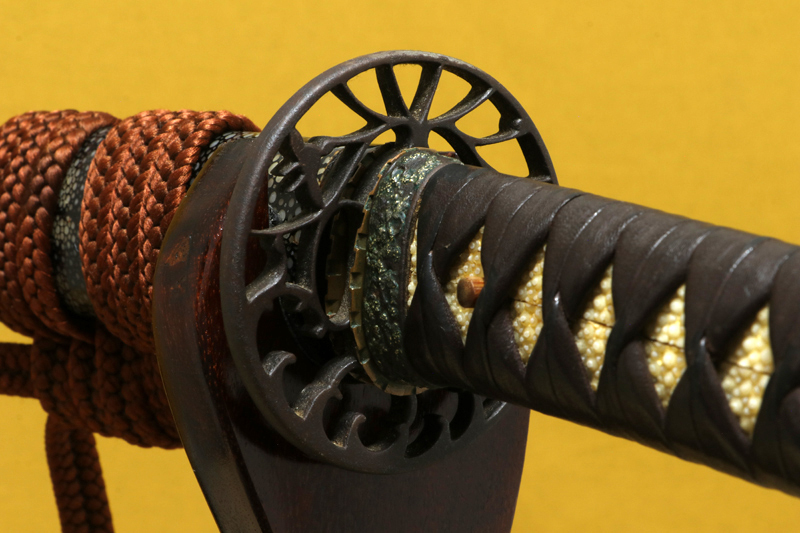
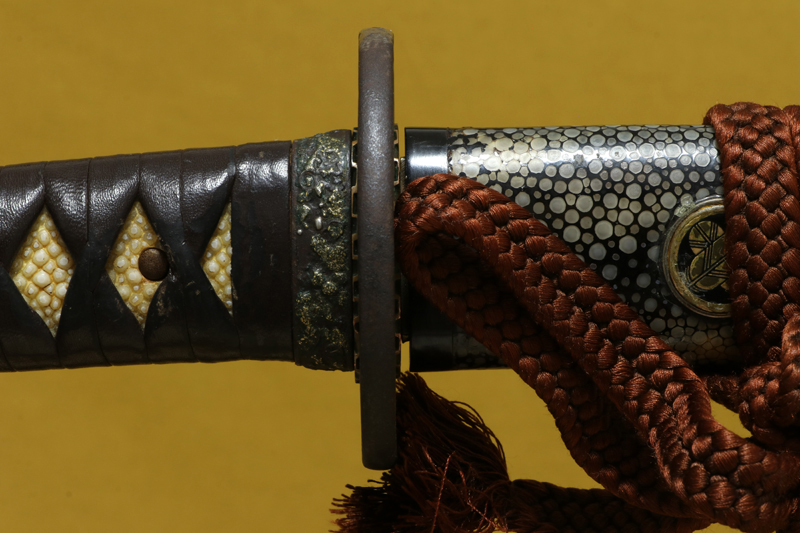
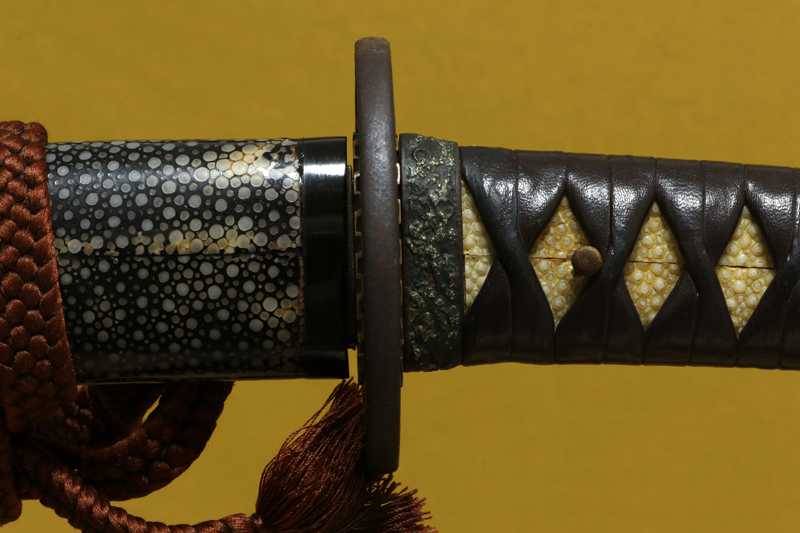
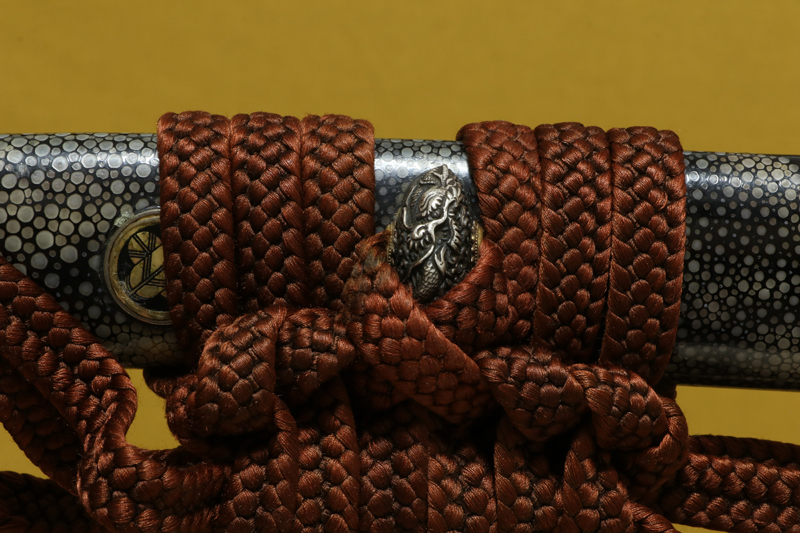
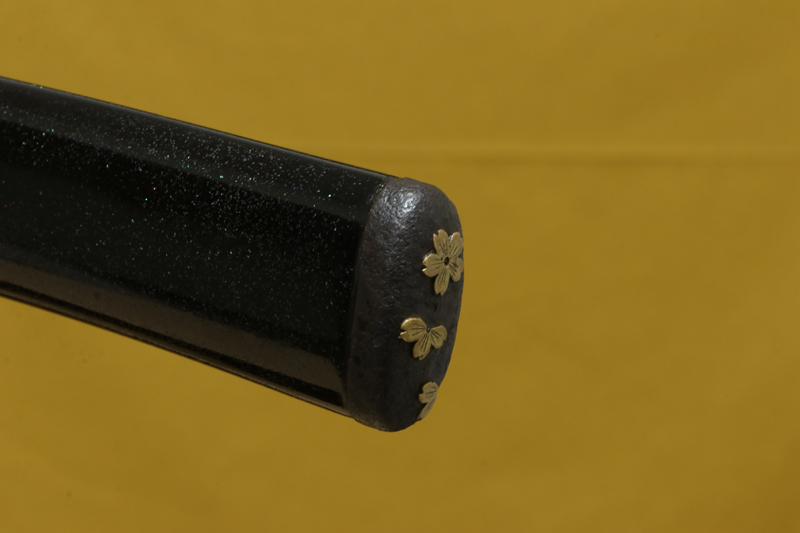
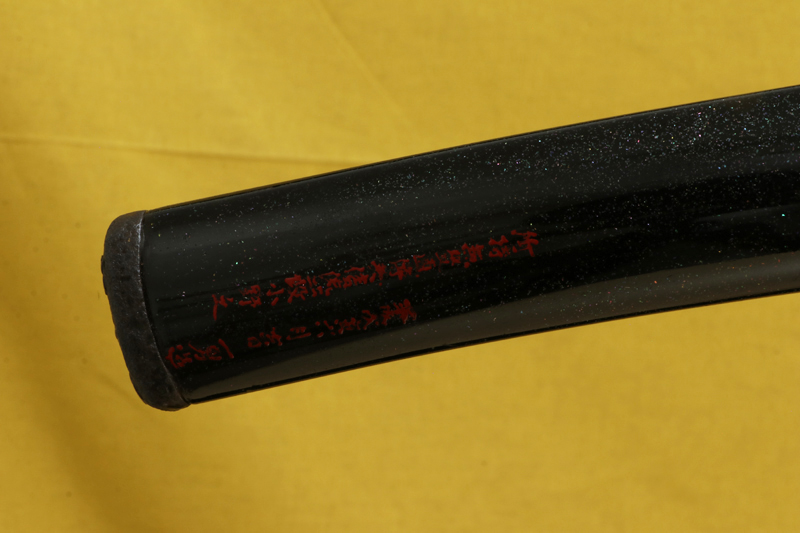
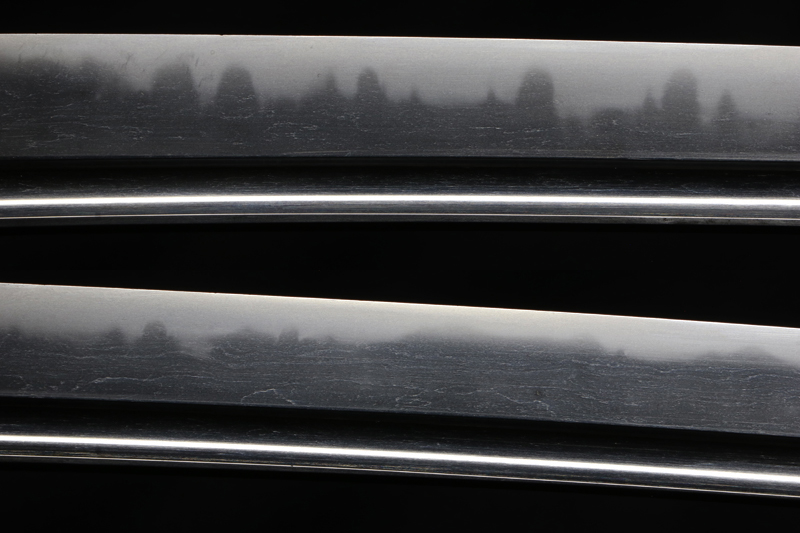
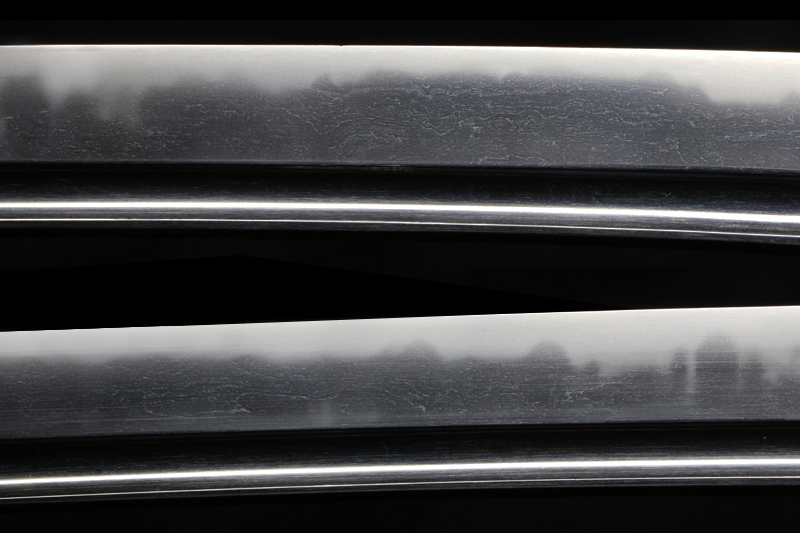
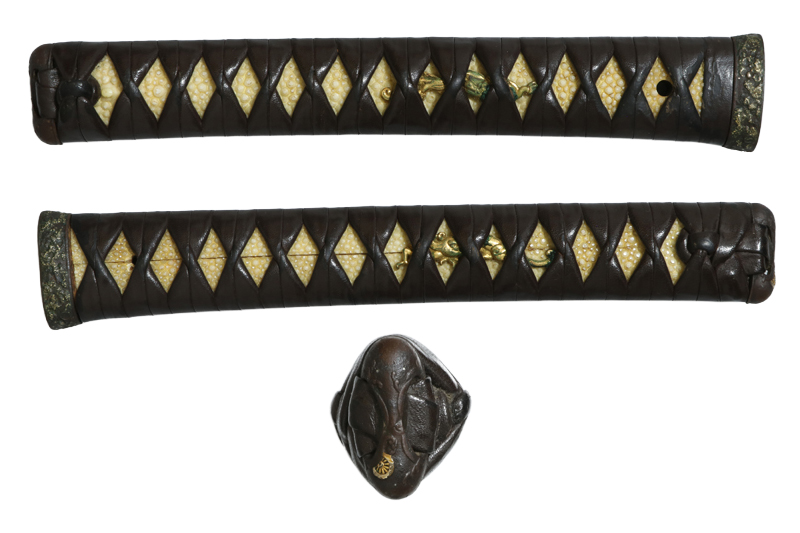
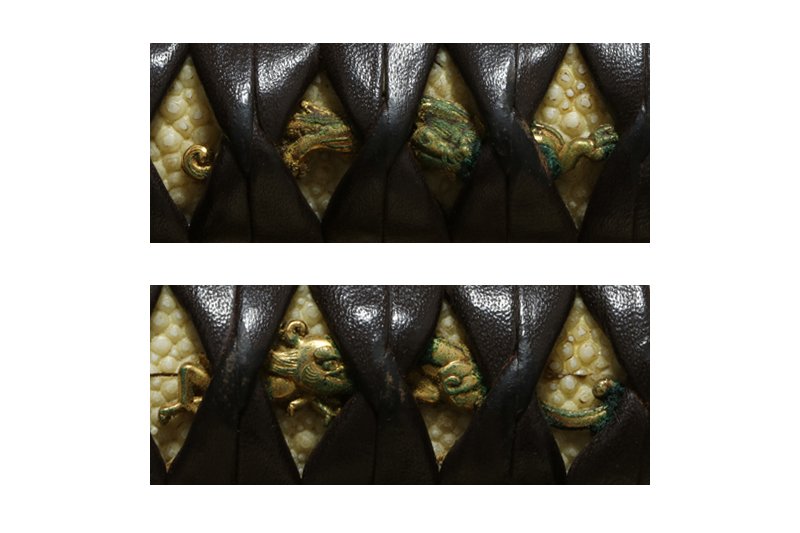
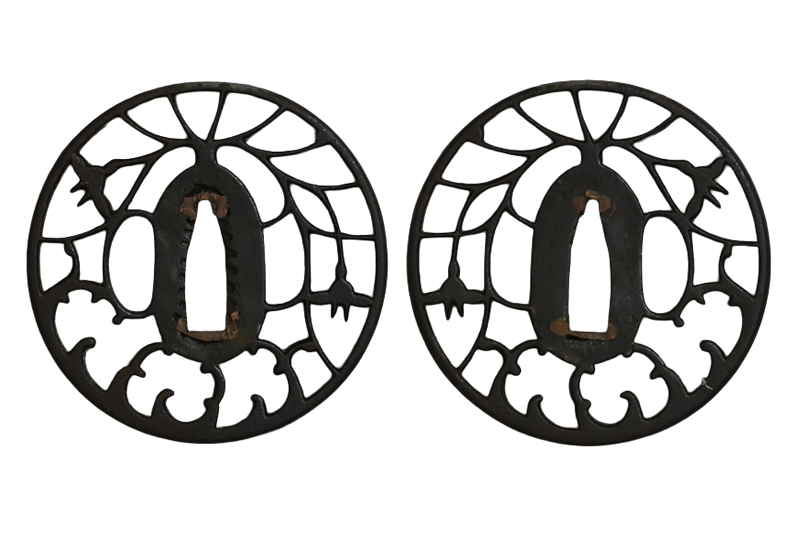
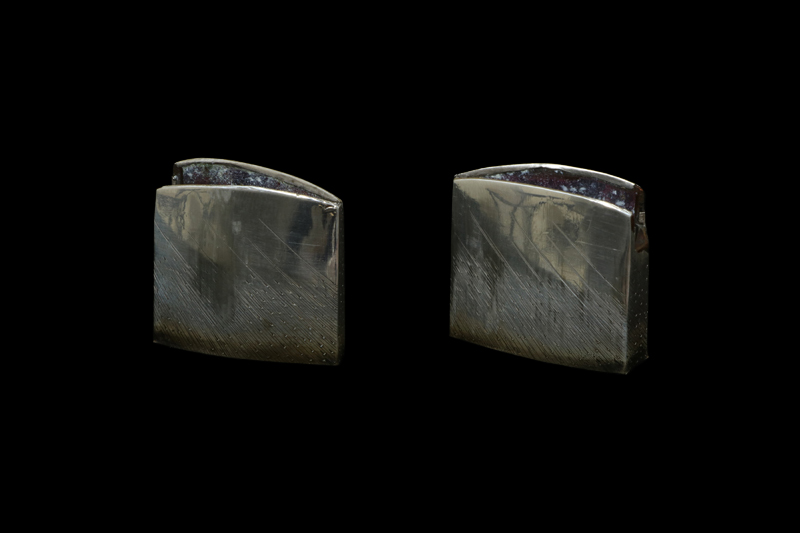
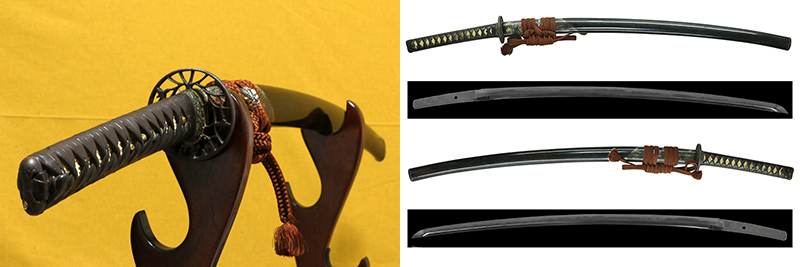
Koto Bisyu Osafune Munemitsu with Koshirae. 備州長船宗光、室町時代後期・天文頃の優品です。 乱れ映りの立つ板目肌に見事な互の目乱れを焼き、凝った貝散らし研ぎ出し鞘を備えています。 軽量でバランスに優れ、居合にも最適。戦国時代の本歌を居合で使える希少な一振りです。 An excellent work by Bishu Osafune Munemitsu, dating to around the Tenbun era of the late Muromachi period. The blade features beautiful gunome-midare hamon over itame-hada with prominent midare-utsuri. The koshirae includes an elaborately crafted saya with a shell-flake togidashi finish. Lightweight and well-balanced, this sword is ideal for Iaido. A rare opportunity to practice Iaido with an authentic sword from the Sengoku period. 「刀姿 sword figure」 鎬造り庵棟、身幅重尋常、腰反り中鋒。茎は生ぶで切鑢がかかり、茎尻は栗尻となる。 Shinogi-zukuri, iori-mune, standard mihaba and kasane, koshi-zori, and chu-kissaki. The nakago is ubu, with kiri yasurime and a kurijiri tip. 「地鉄 jigane」 地鉄は板目肌に小板目が交じりが流れ柾かかり、乱れ映りが入る。 The jigane is itame-hada mixed with ko-itame, with flowing masame tendencies and midare-utsuri. 「刃紋 hamon」 刃文は互の目乱れで、刃縁に砂流しがかかり、刃中は金筋が働く。帽子は乱れ込み小丸に返る。 The hamon is gunome-midare, with sunagashi along the hamon edge and kinsuji within the hardened area. The boshi is midare-komi, turning back in a ko-maru. 「特徴 detailed」 備州長船宗光は、南北朝時代から室町時代末期にかけて複数の刀工が名乗った、備前長船を代表する刀工銘です。 本作は室町時代後期、天文頃の宗光の作と考えられます。前時代の片手打ちの特徴を残す刀姿で、乱れ映りの立つ板目肌に見事な互の目乱れを焼いた優品です。古研ぎのため多少の曇りはありますが、地刃はよく鑑賞できます。 拵は、貝散らし研ぎ出し鞘を備え、鯉口から約20cmにわたって鮫革を巻き、研ぎ出した凝った仕立てです。鞘に割れや目立つ傷みはなく、保存状態も概ね良好です。 本刀は鑑賞・コレクションにおすすめですが、非常に軽量でバランスにも優れ、居合にも最適です。 戦国時代の本歌を実際に居合で使用できる、滅多にない貴重な一振りです。 Bishu Osafune Munemitsu is a distinguished swordsmith name of the Bizen Osafune school, used by several generations from the Nanbokucho period to the late Muromachi period. This sword is believed to have been made by Munemitsu around the Tenbun era (1532–1555), during the late Muromachi period. Its sugata retains the characteristics of the earlier one-handed uchigatana style. The blade features beautiful itame-hada with prominent midare-utsuri and a superb gunome-midare hamon. Although the old polish shows some cloudiness, the jihada and hamon remain clearly visible. The koshirae features an exquisite shell-flake lacquered saya, with approximately 20 cm of polished samegawa (ray skin) extending from the koiguchi. The saya has no cracks or significant damage, and the overall condition is very good. This sword is highly recommended for both appreciation and collection. Exceptionally lightweight and well-balanced, it is also ideal for Iaido. This is a rare opportunity to practice Iaido with an authentic Japanese sword from the Sengoku period. 「拵 Koshirae」 ハバキ(habaki) :素銅地銀着一重の腰祐乗。 鍔(tsuba) :鉄地丸形波に水仙。 縁頭(futikasira):縁は鉄地磯の図金銀象嵌、頭は鉄地菊の図金象嵌。 目貫(menuki) :金地龍の図。 柄(tsuka) :鮫は親粒が付き巻鮫、柄巻は牛表革の焦げ茶色、 鞘(saya) : 鯉口鮫革巻き貝散し鞘。 「刀剣の状態 condition of blade」 研:古研ぎのため曇っていますが、地刃は良く見えます。 傷:欠点に成るような傷は有りません。
Offered by Giheiya
This piece has sold
Get an email when a new Munemitsu piece hits the market.


As written by the shop
(Translation unavailable)
Bizen · around 1532-1555
Fujishiro Jo-jo saku · Tōken Taikan top 31%
The Muromachi period (1392 to 1573)
Muromachi turned sword making into an industry: the uchigatana rose with massed infantry warfare, Osafune and Seki produced bundle swords beside custom orders, and the Ming trade carried Japanese blades abroad by the tens of thousands.
Within 3 days of the item's arrival, we offer a refund or an exchange. Return shipping and the bank transfer fee for the refund are at the customer's expense.