Sengoku Seki was an industry: smiths organized under their tutelary Kasuga shrine, arming the war bands of central Japan. Magoroku Kanemoto’s sanbonsugi and the finest Kanesada work prove quality survived inside mass production.
 NihontoWatchNihontoWatch
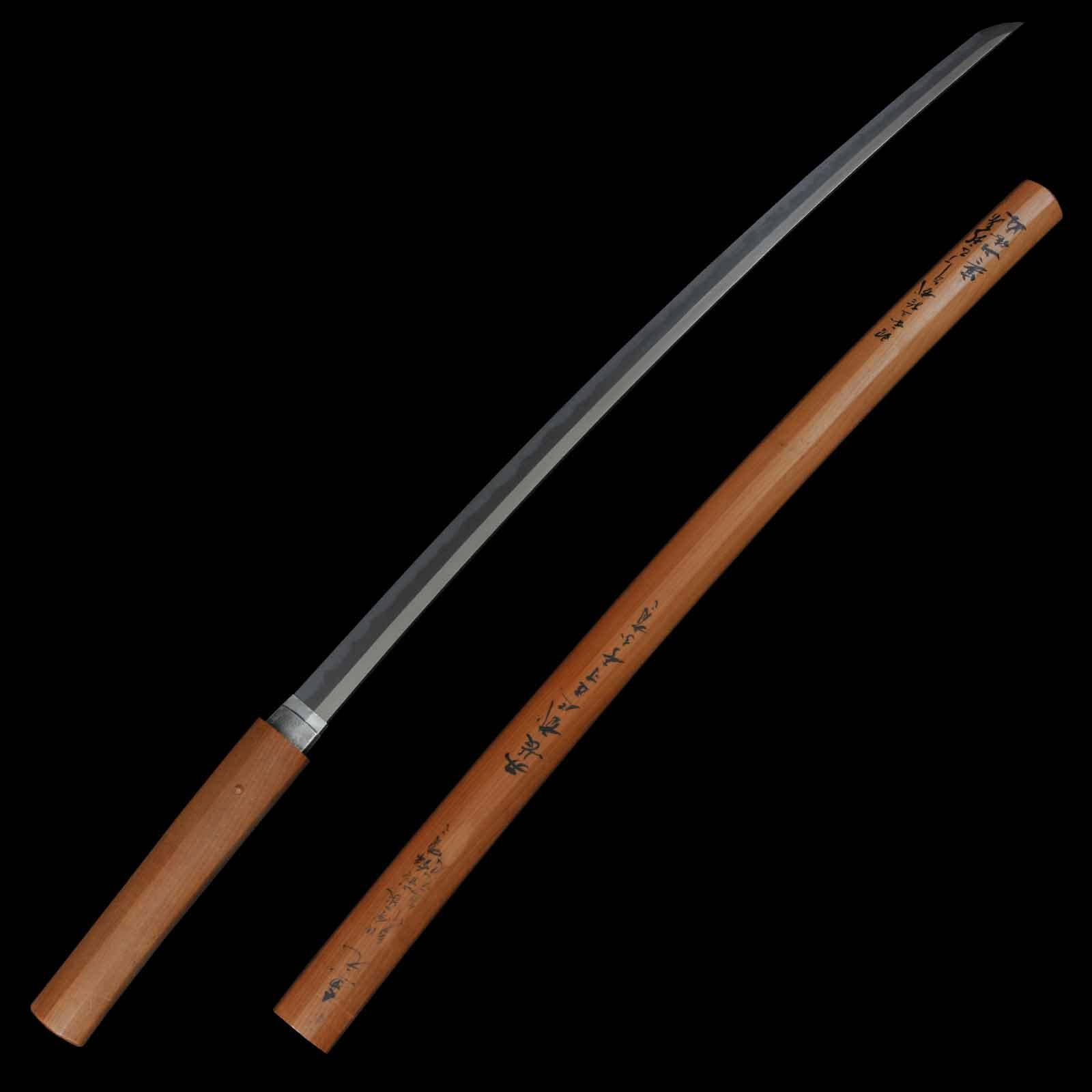
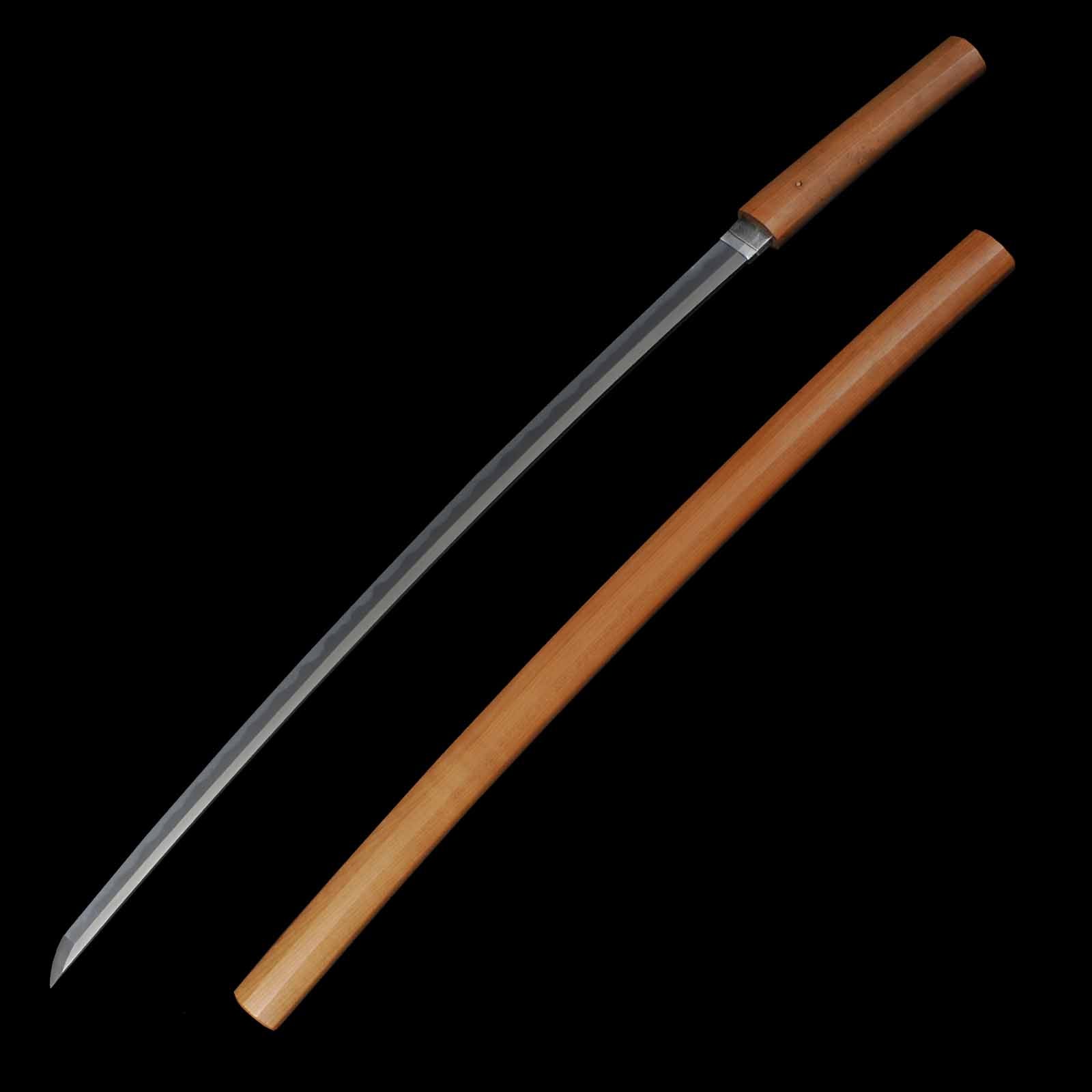
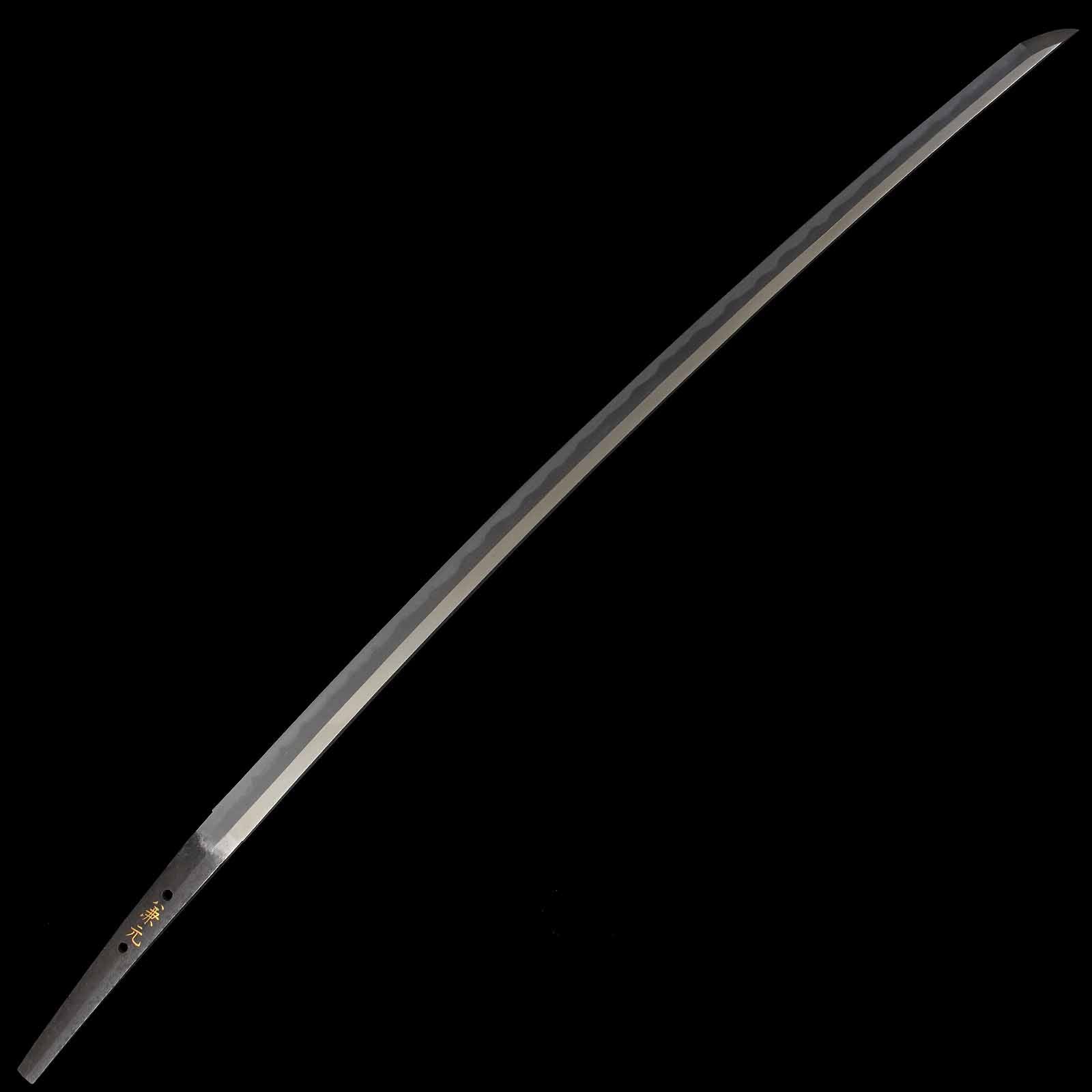
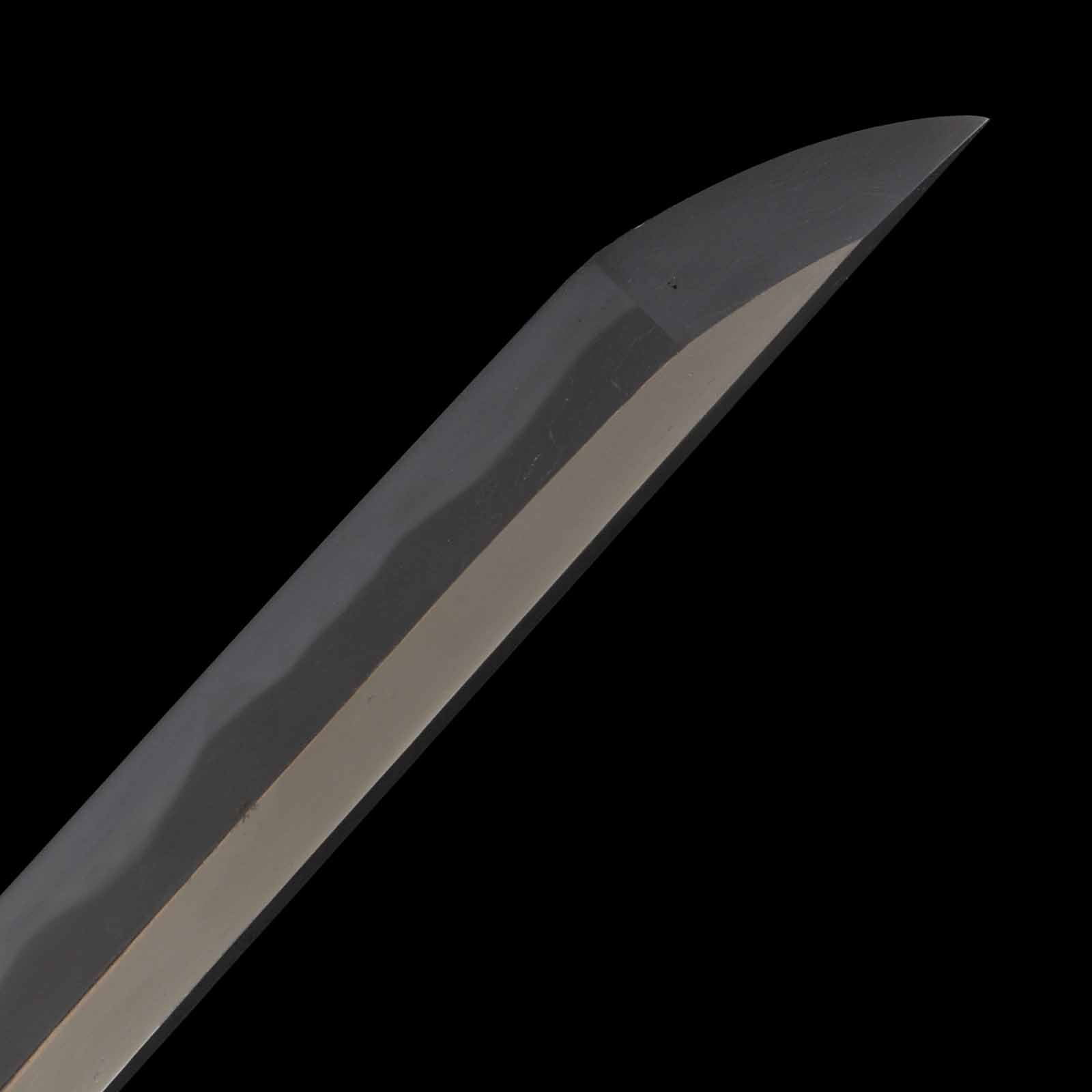
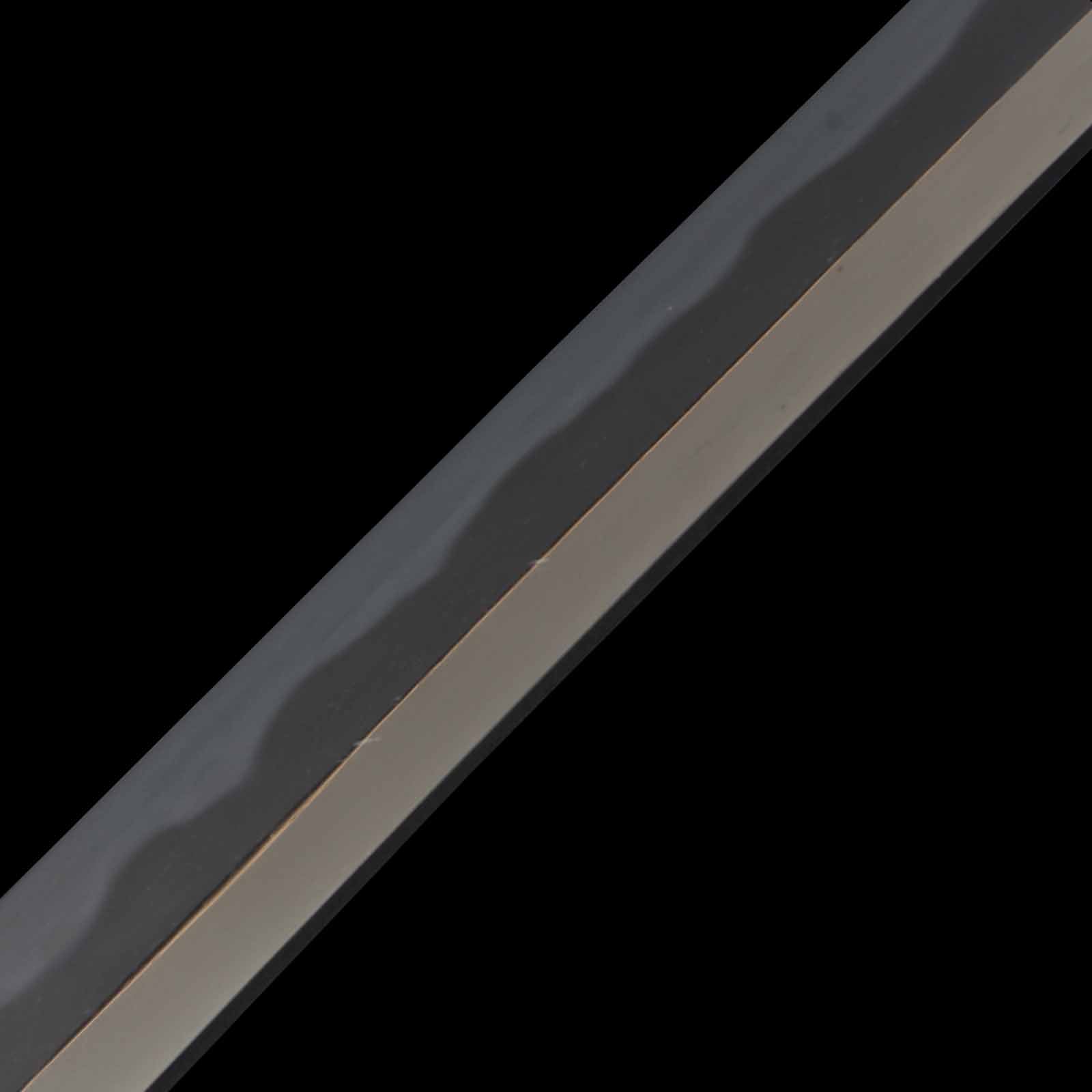
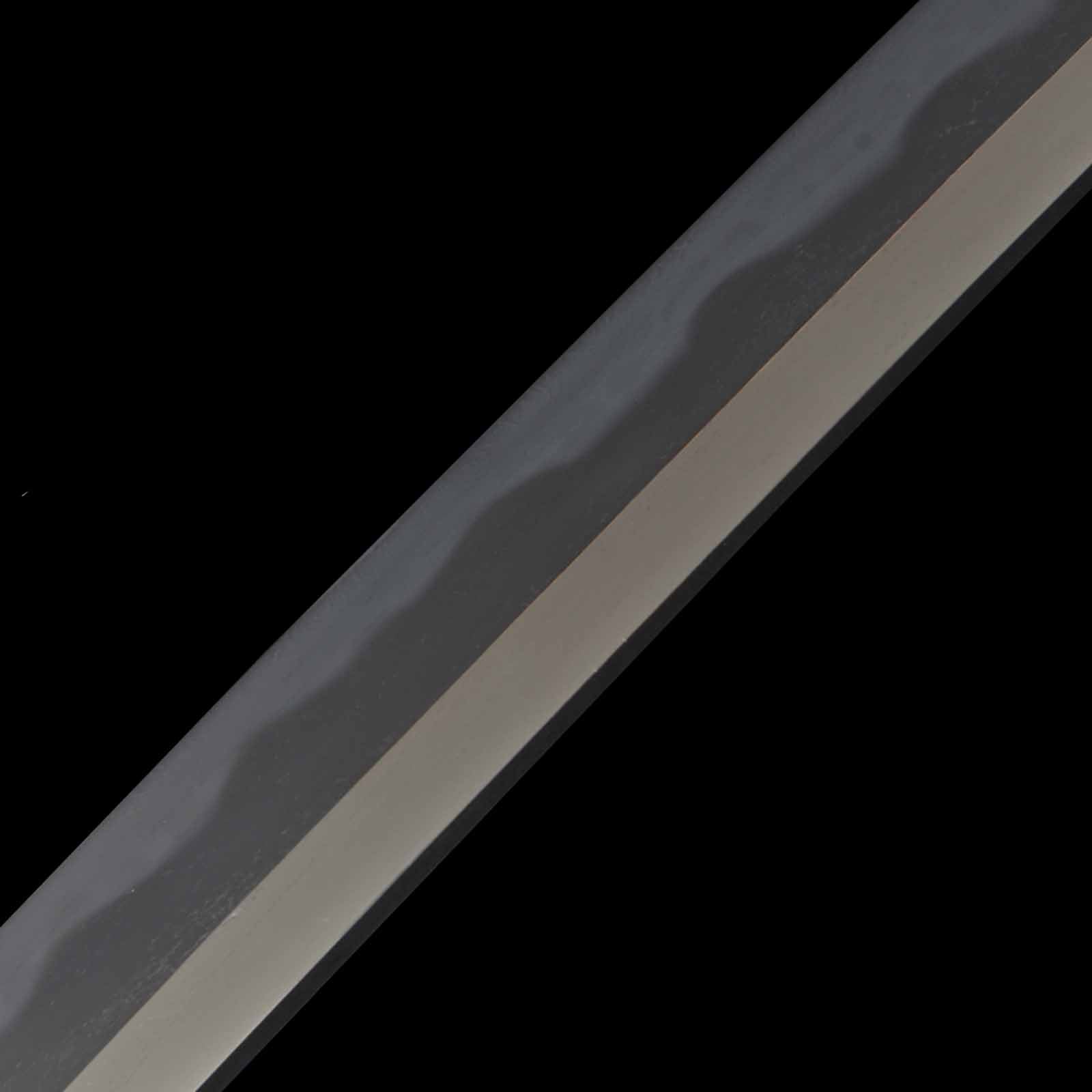
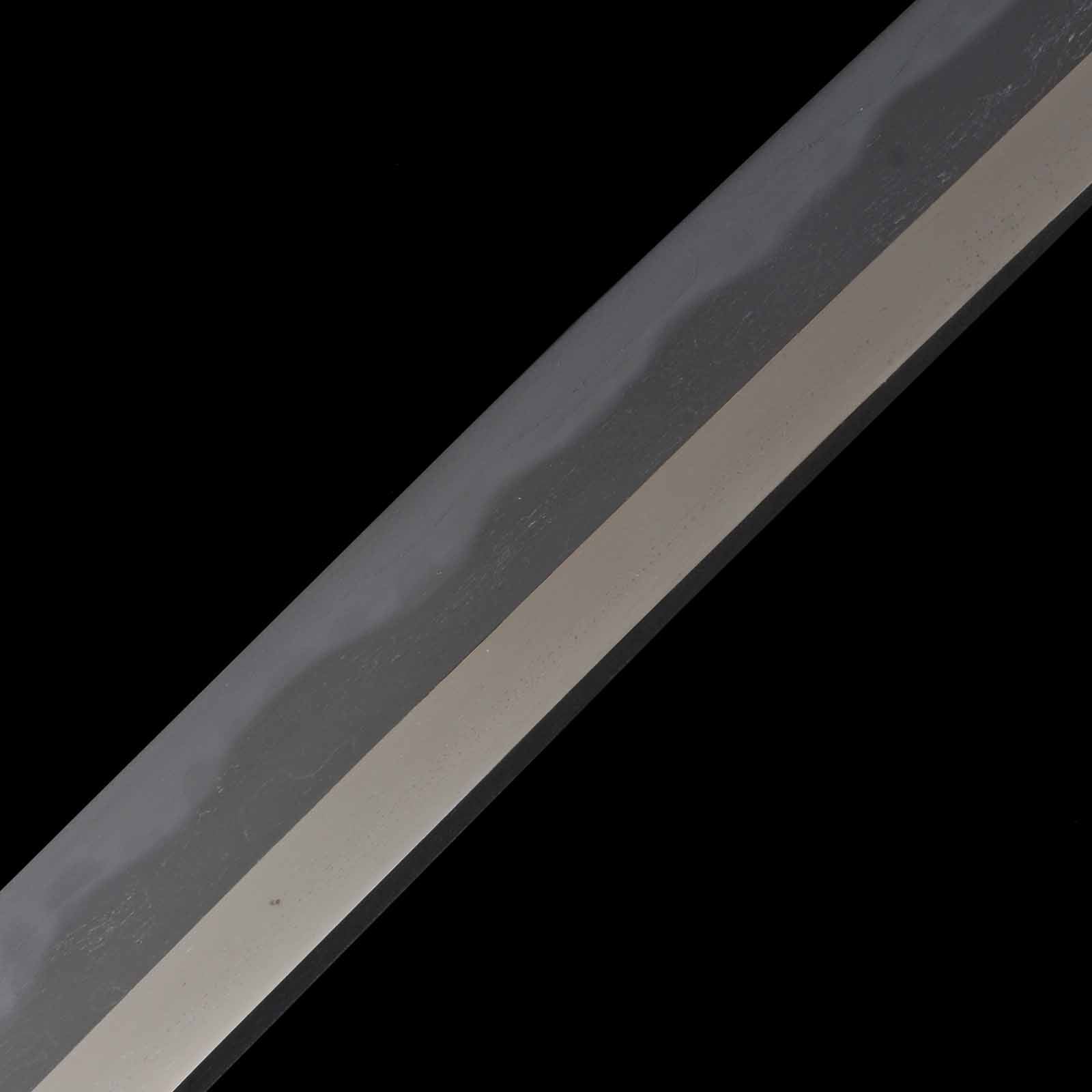
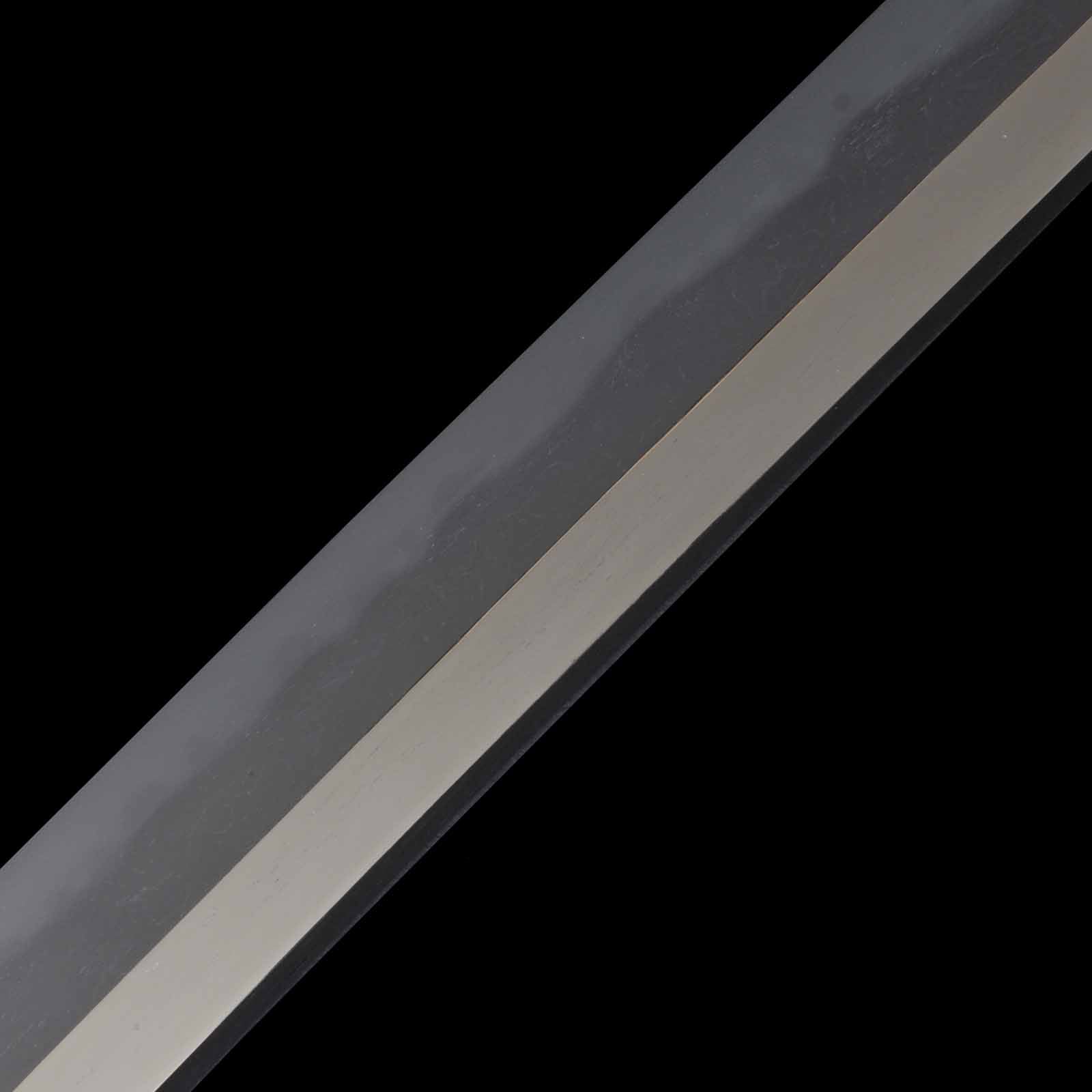
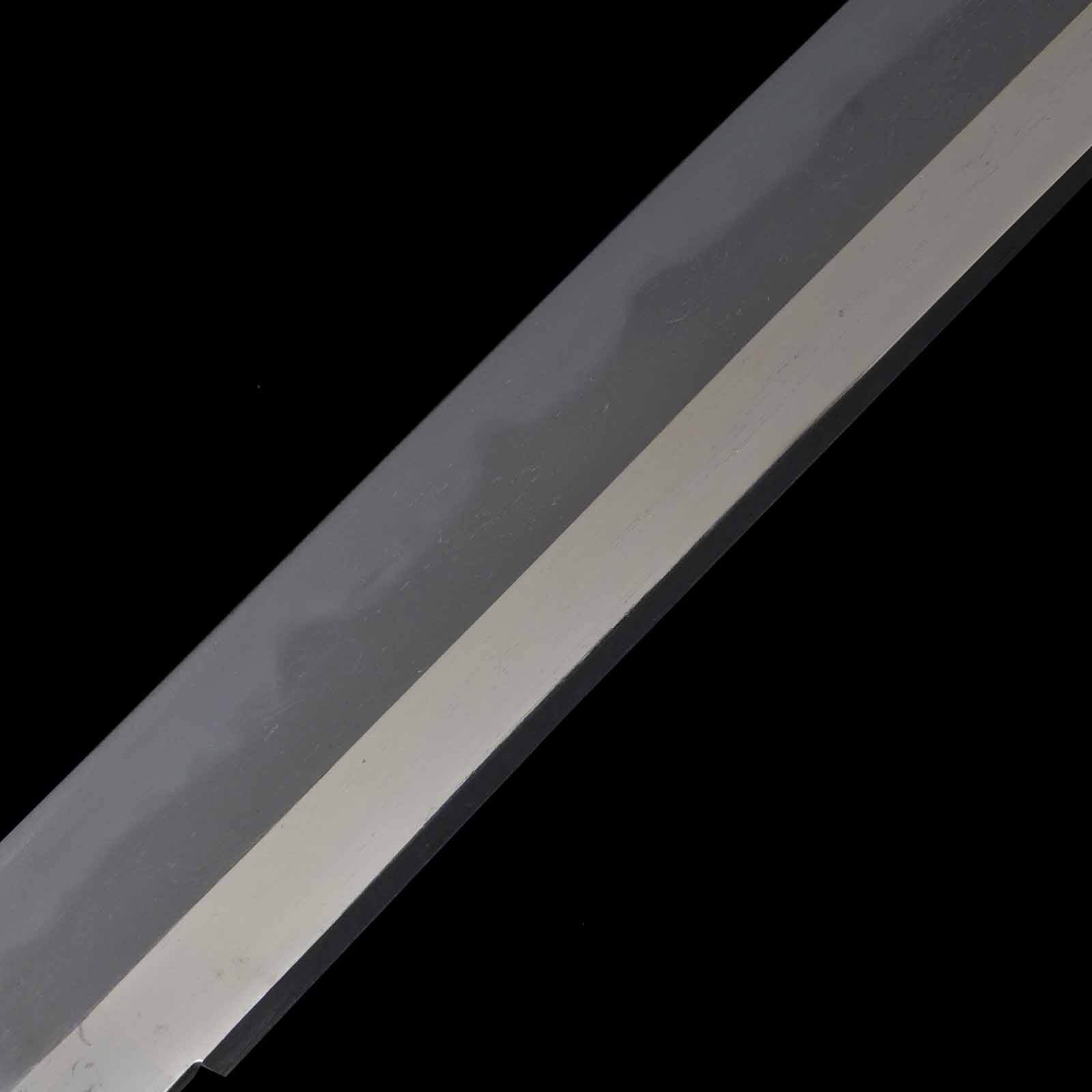
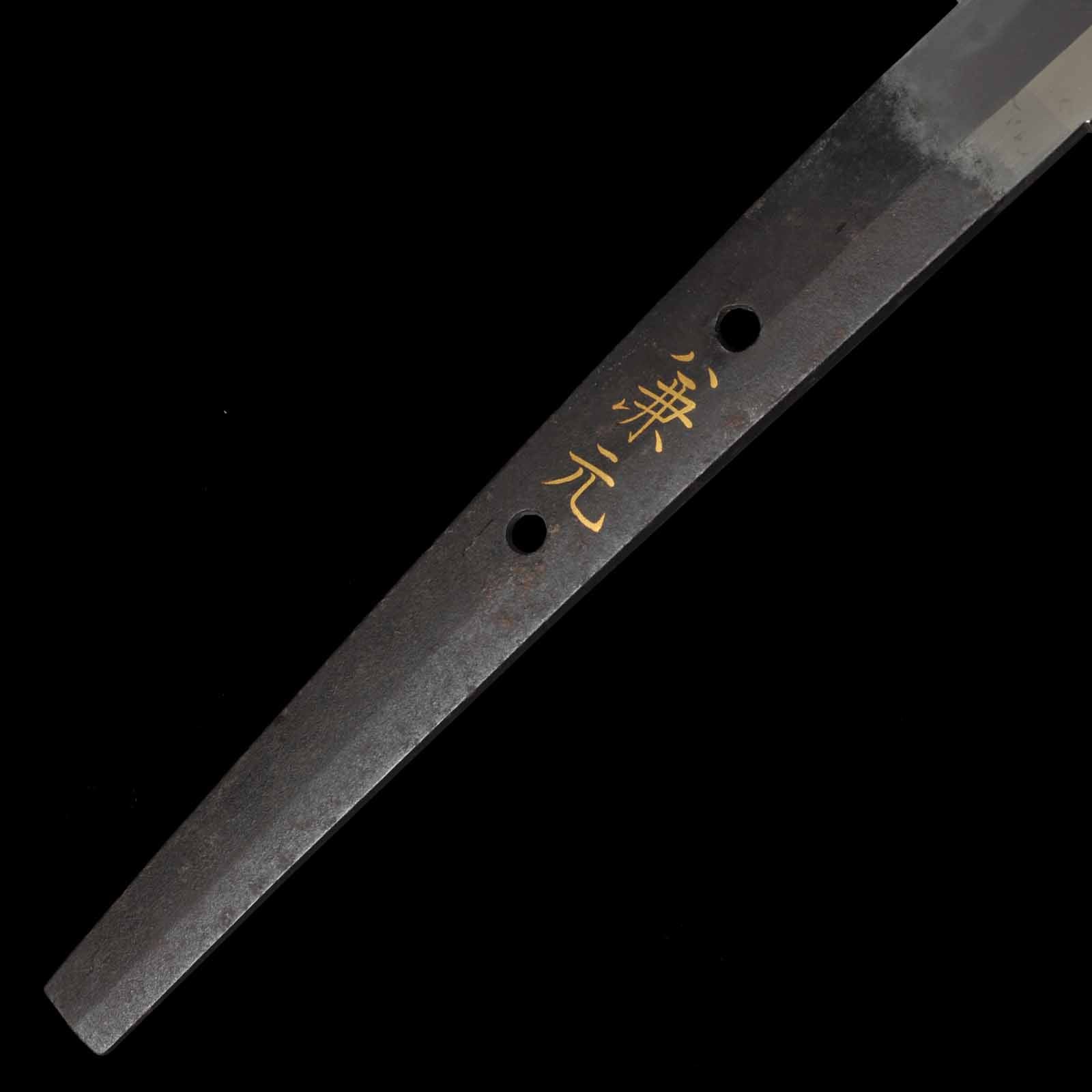
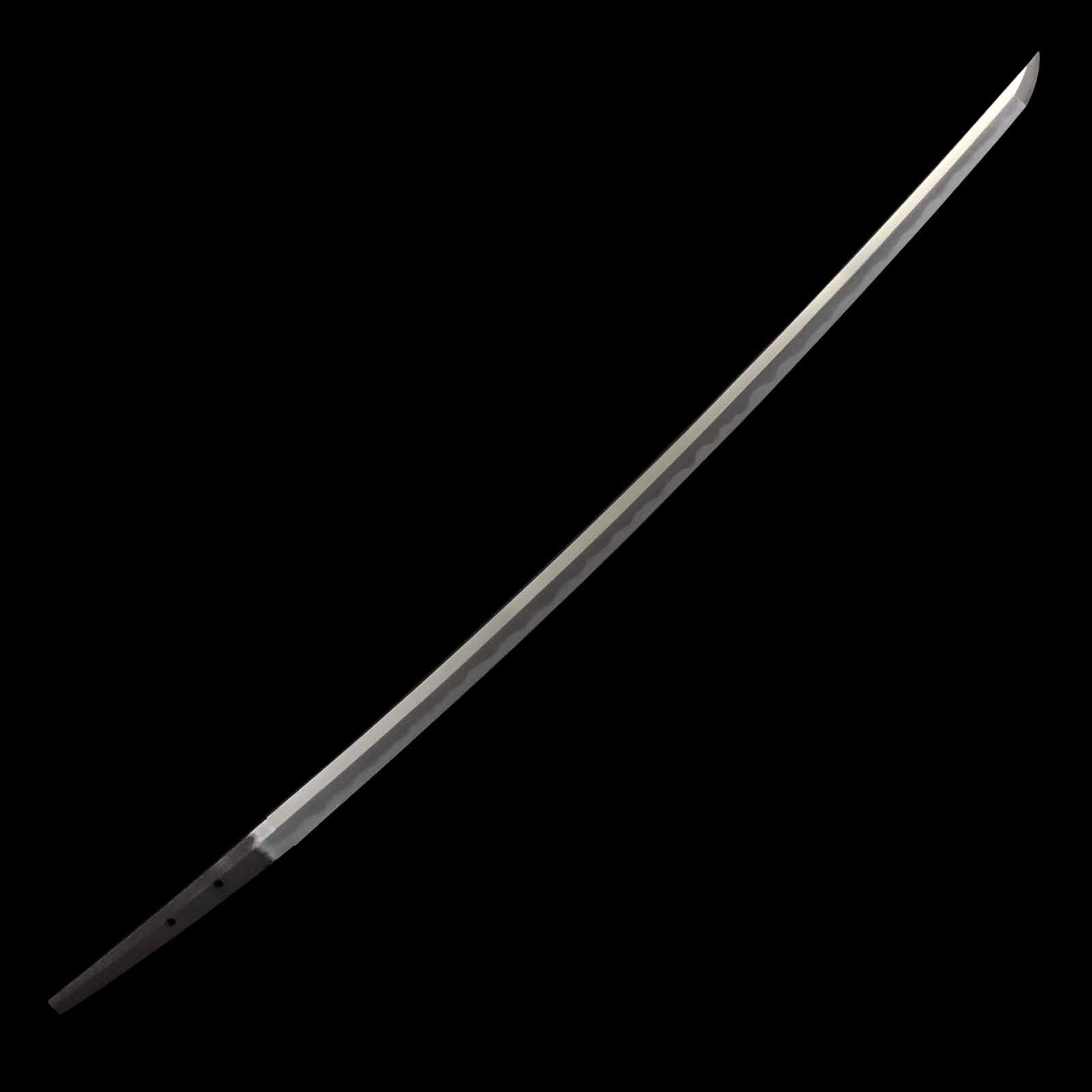
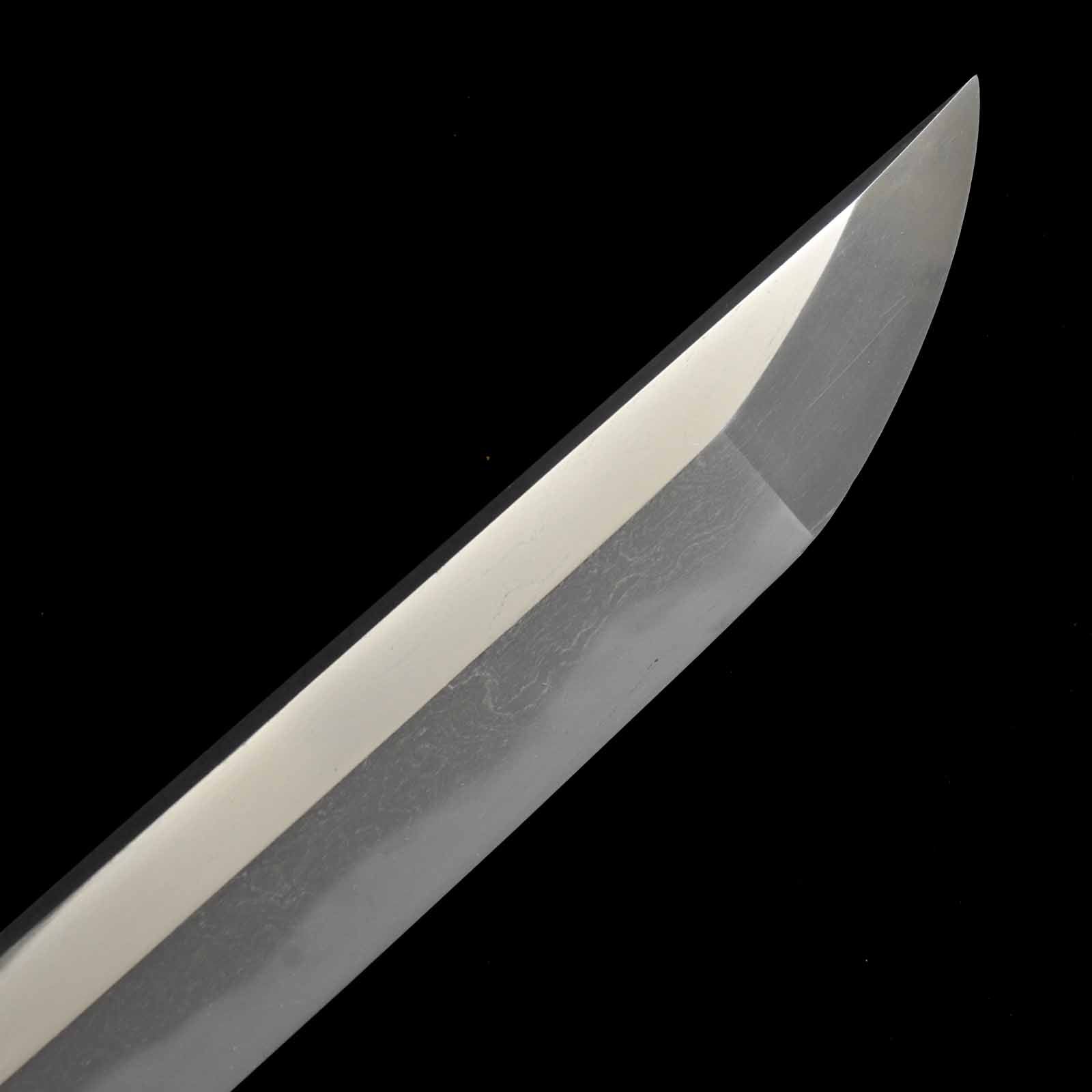
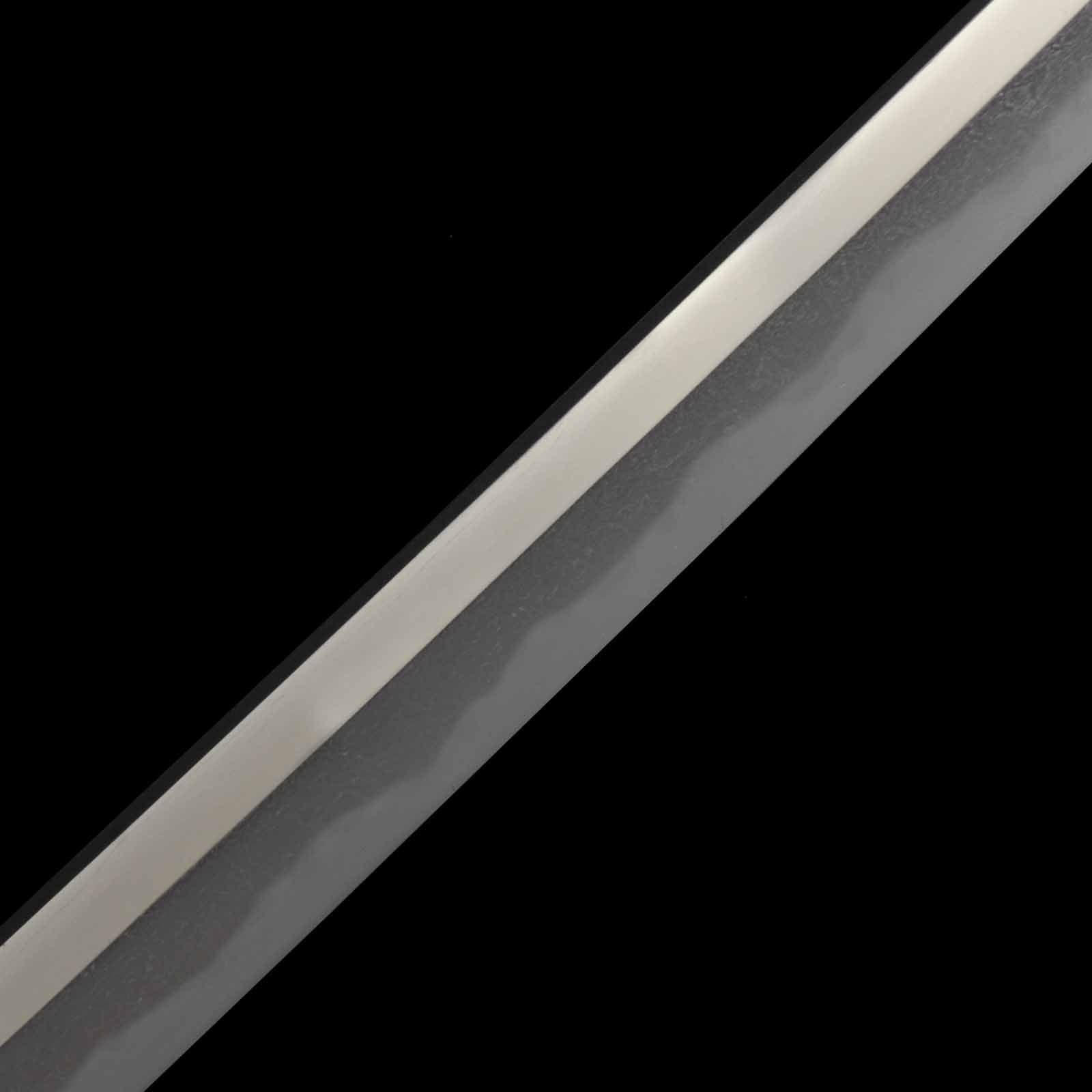
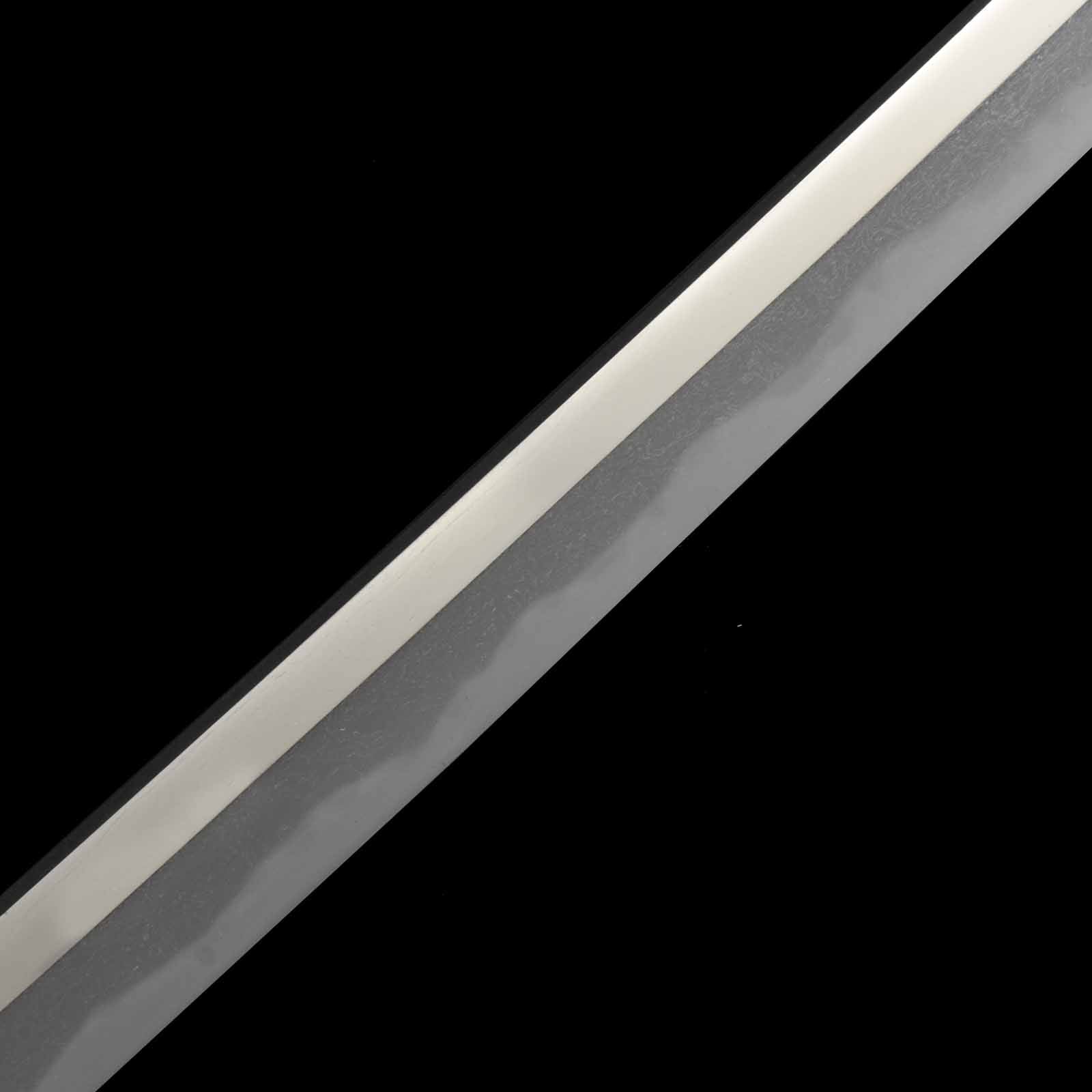
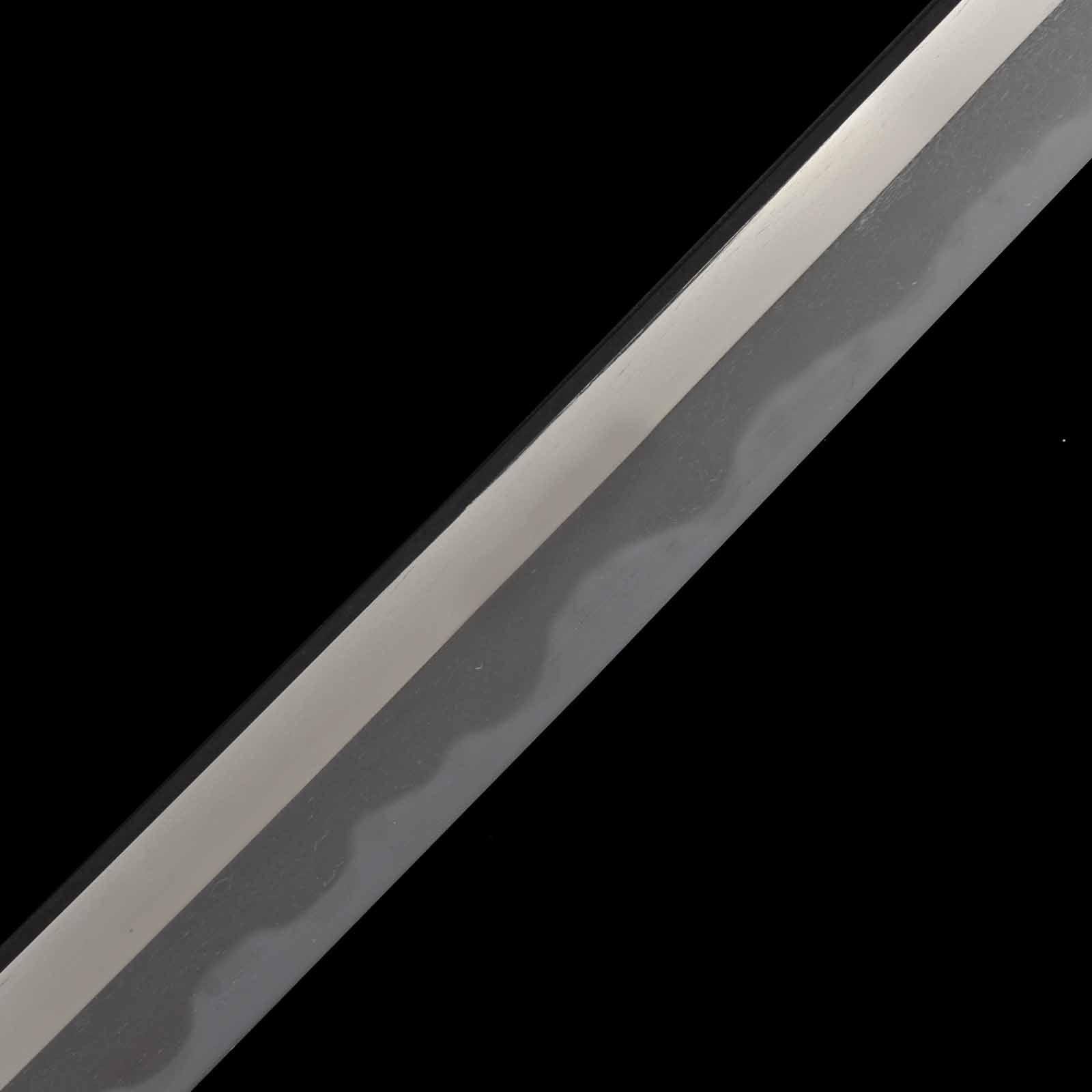
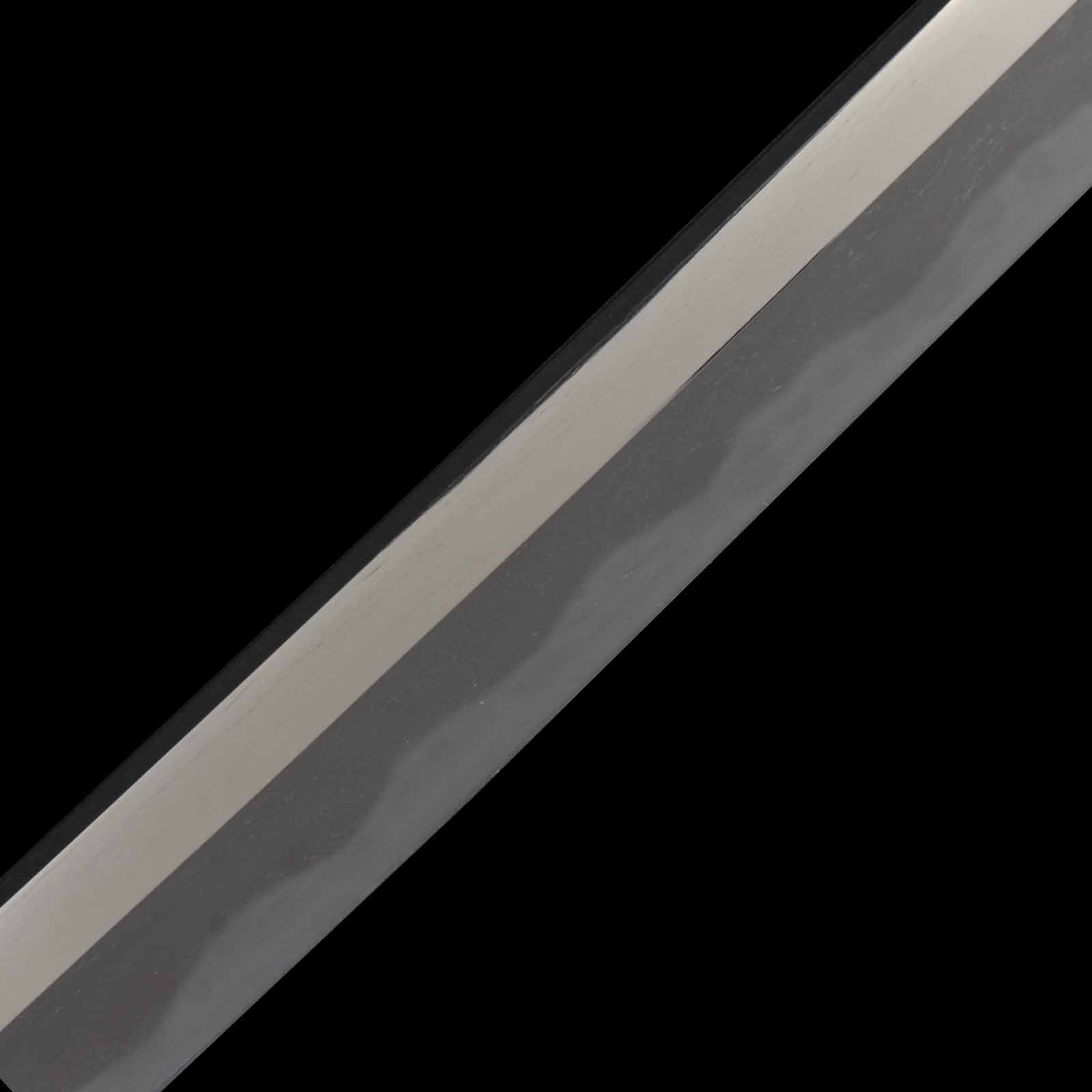
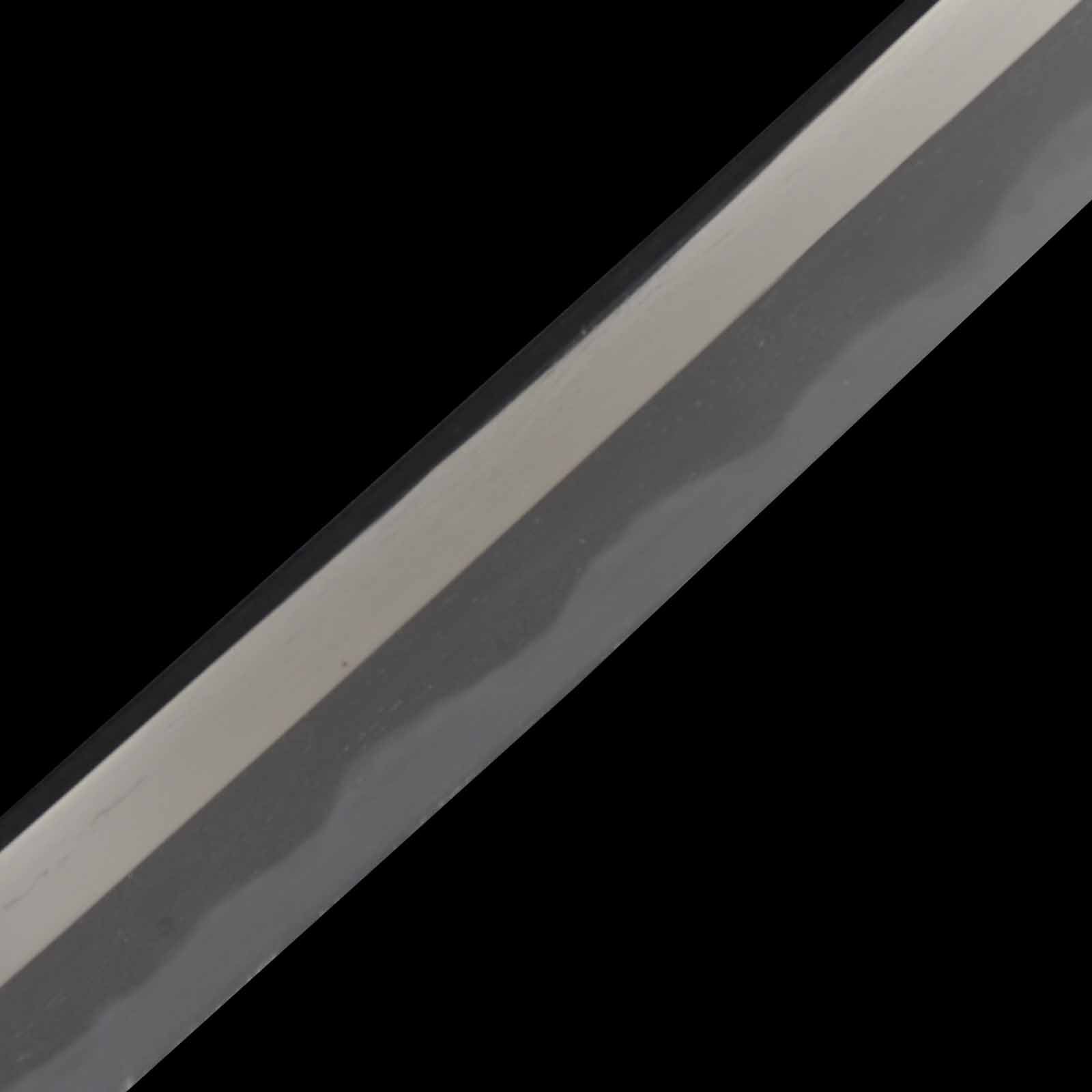
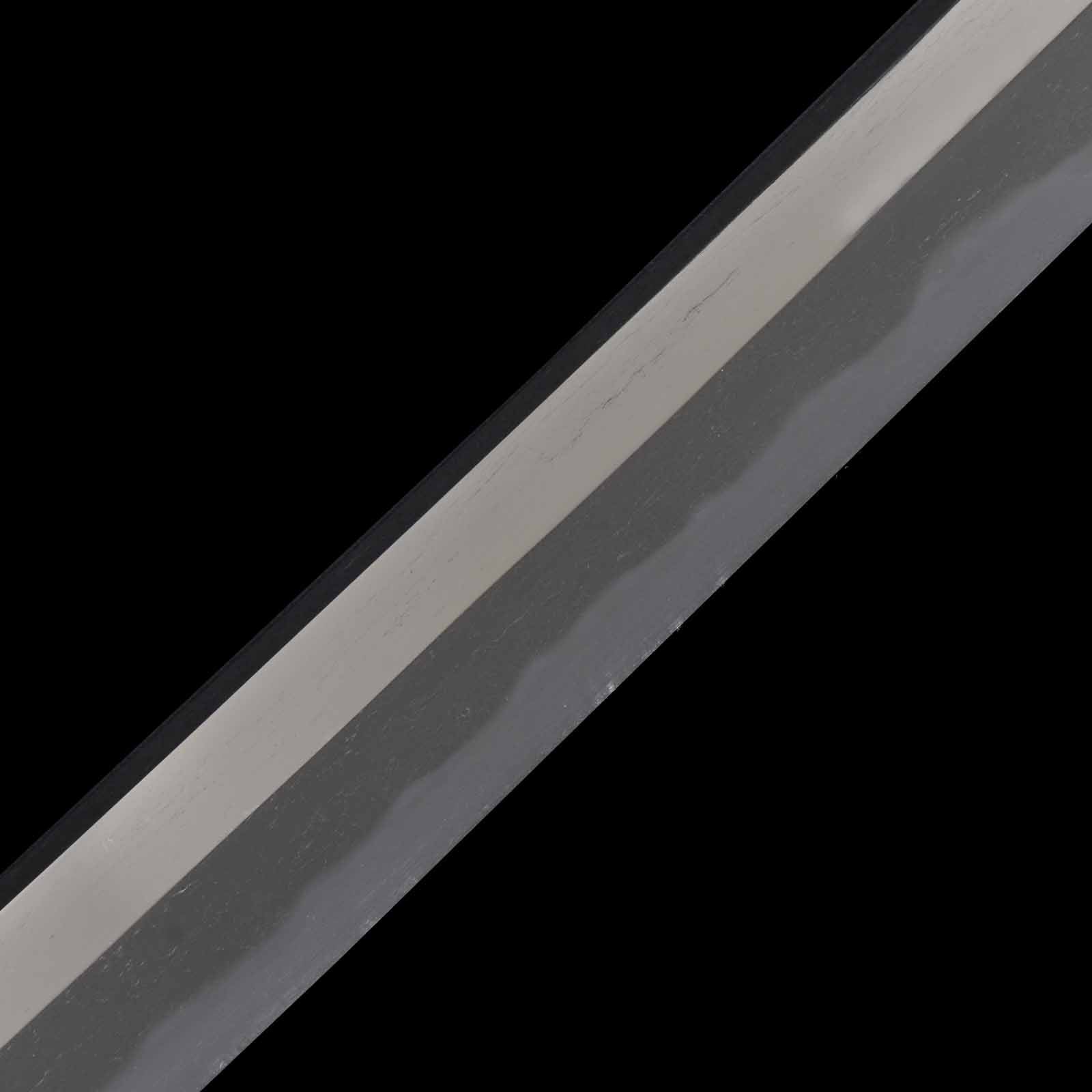
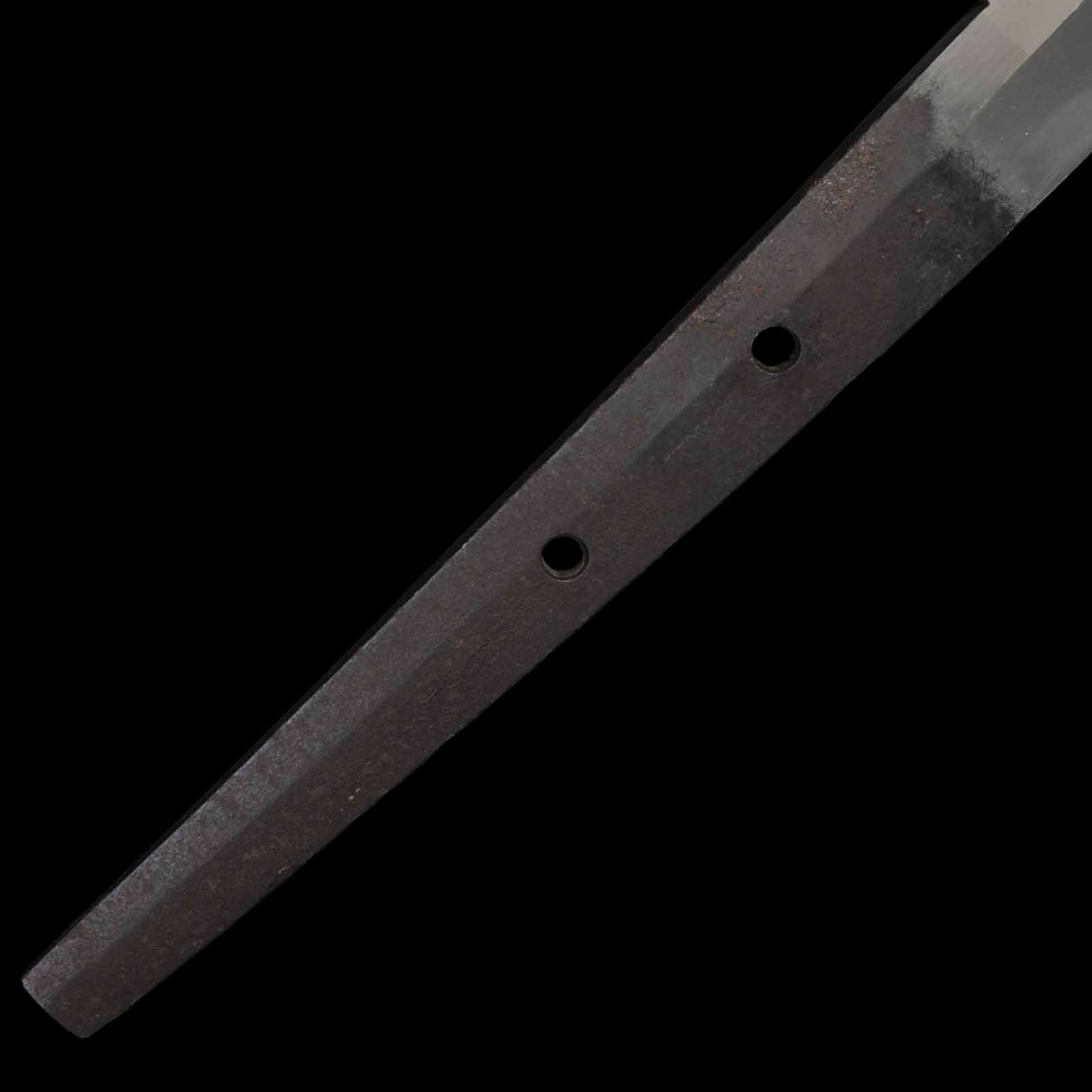
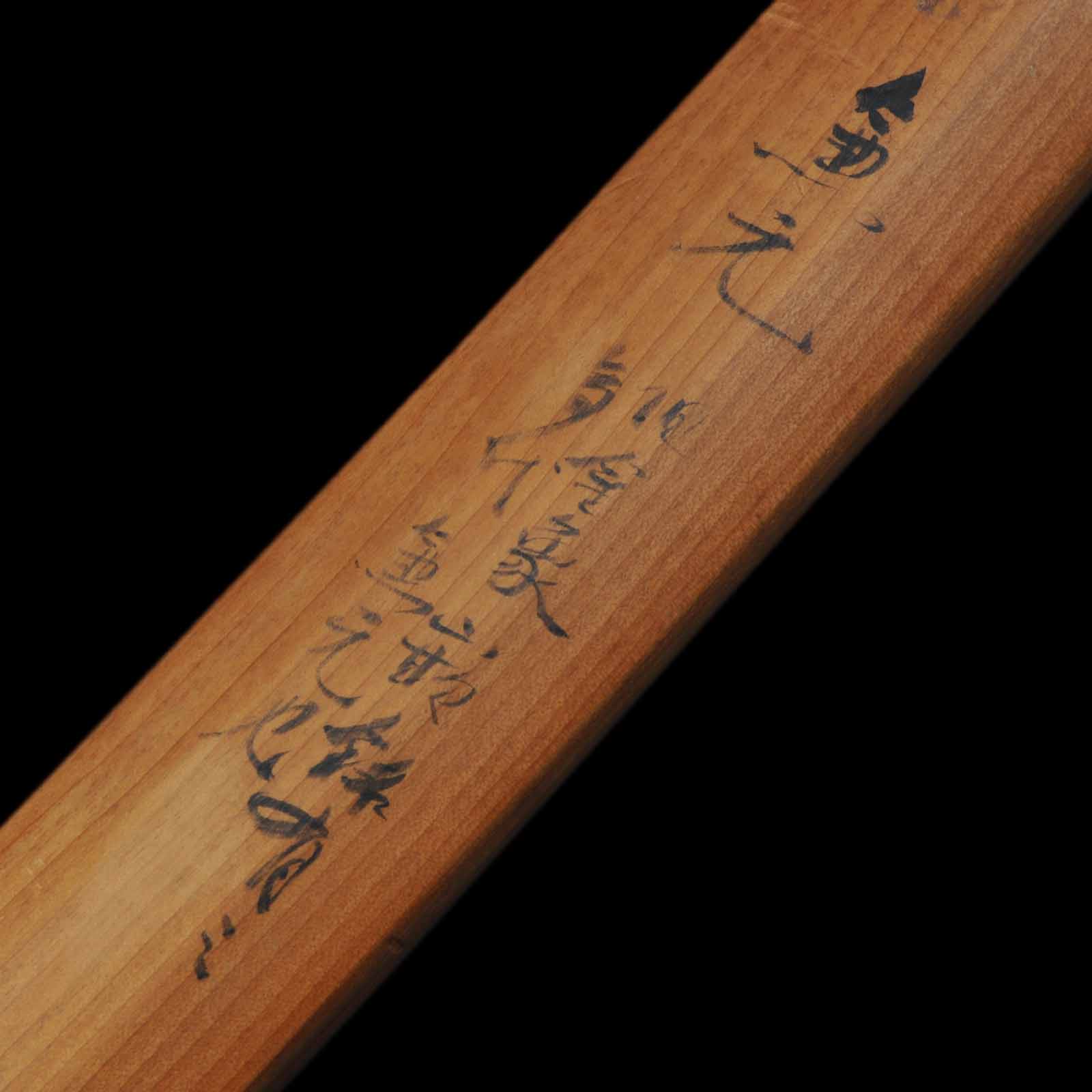
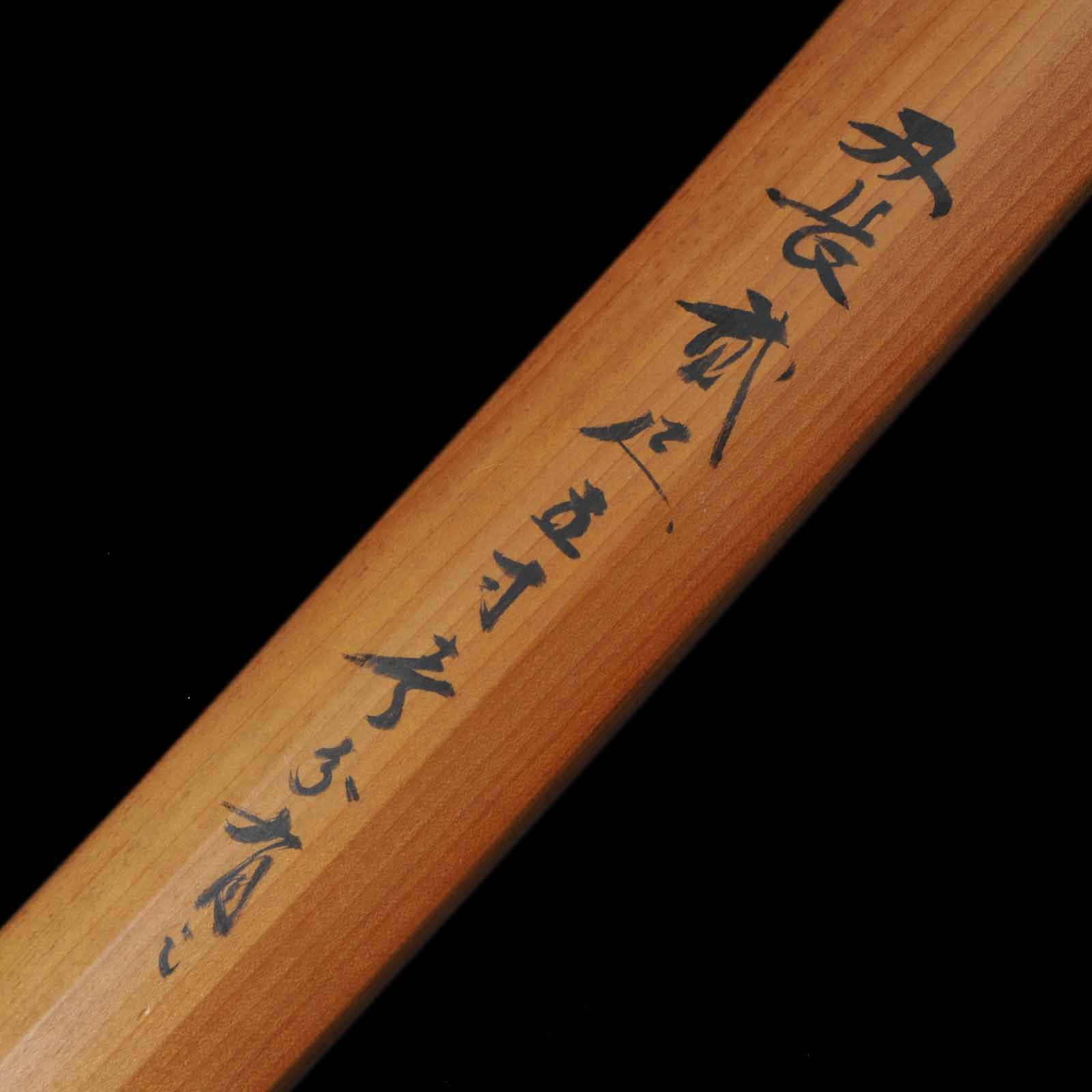
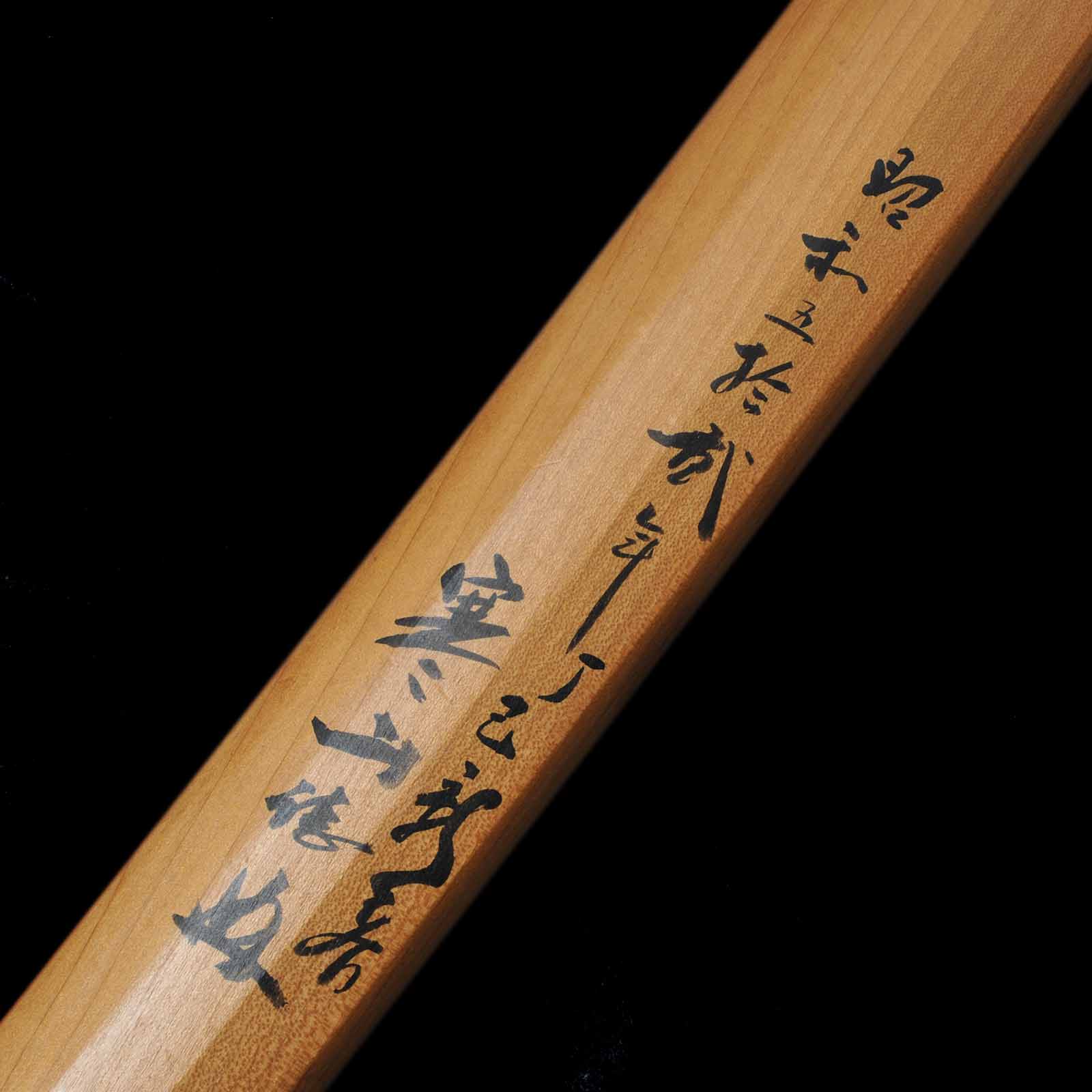
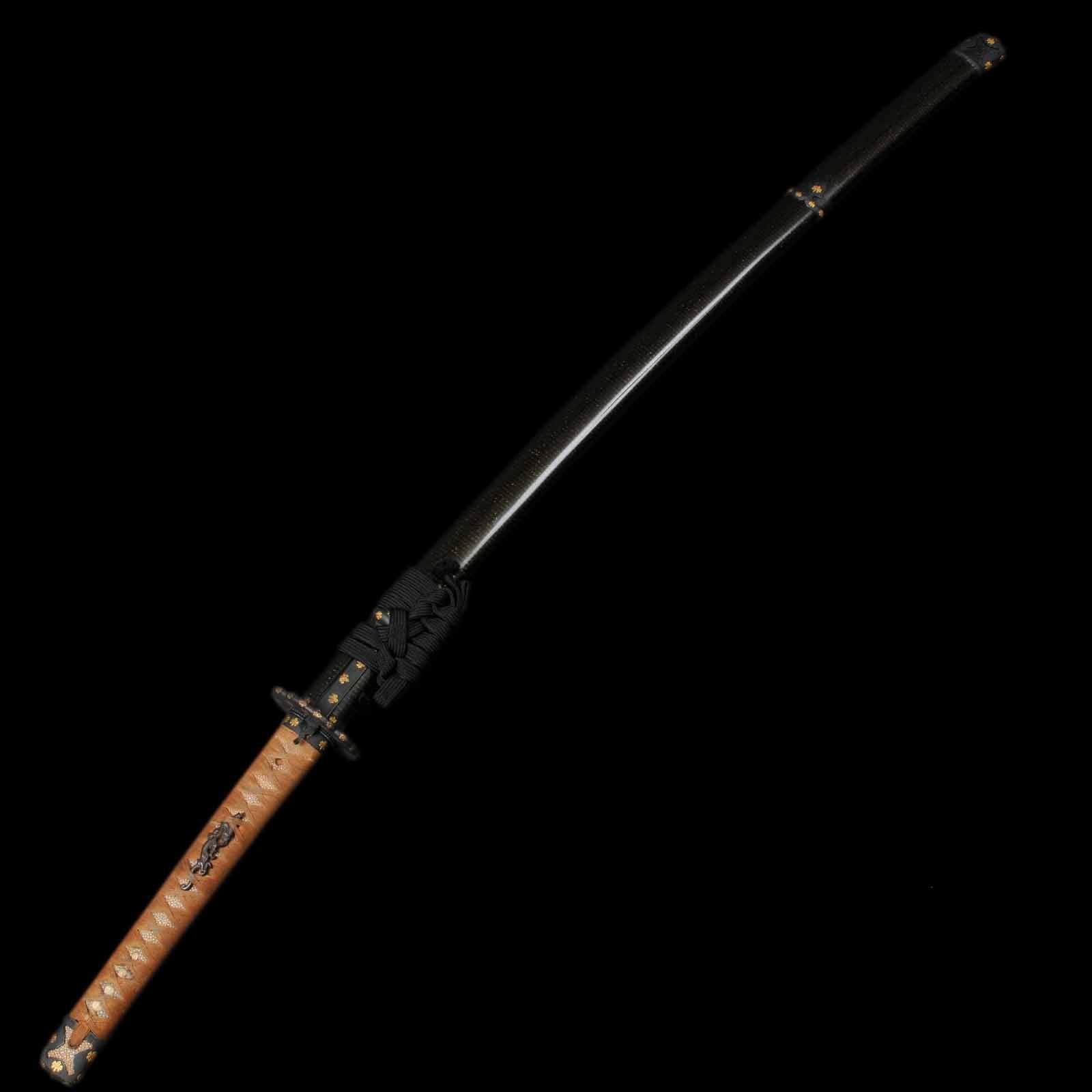
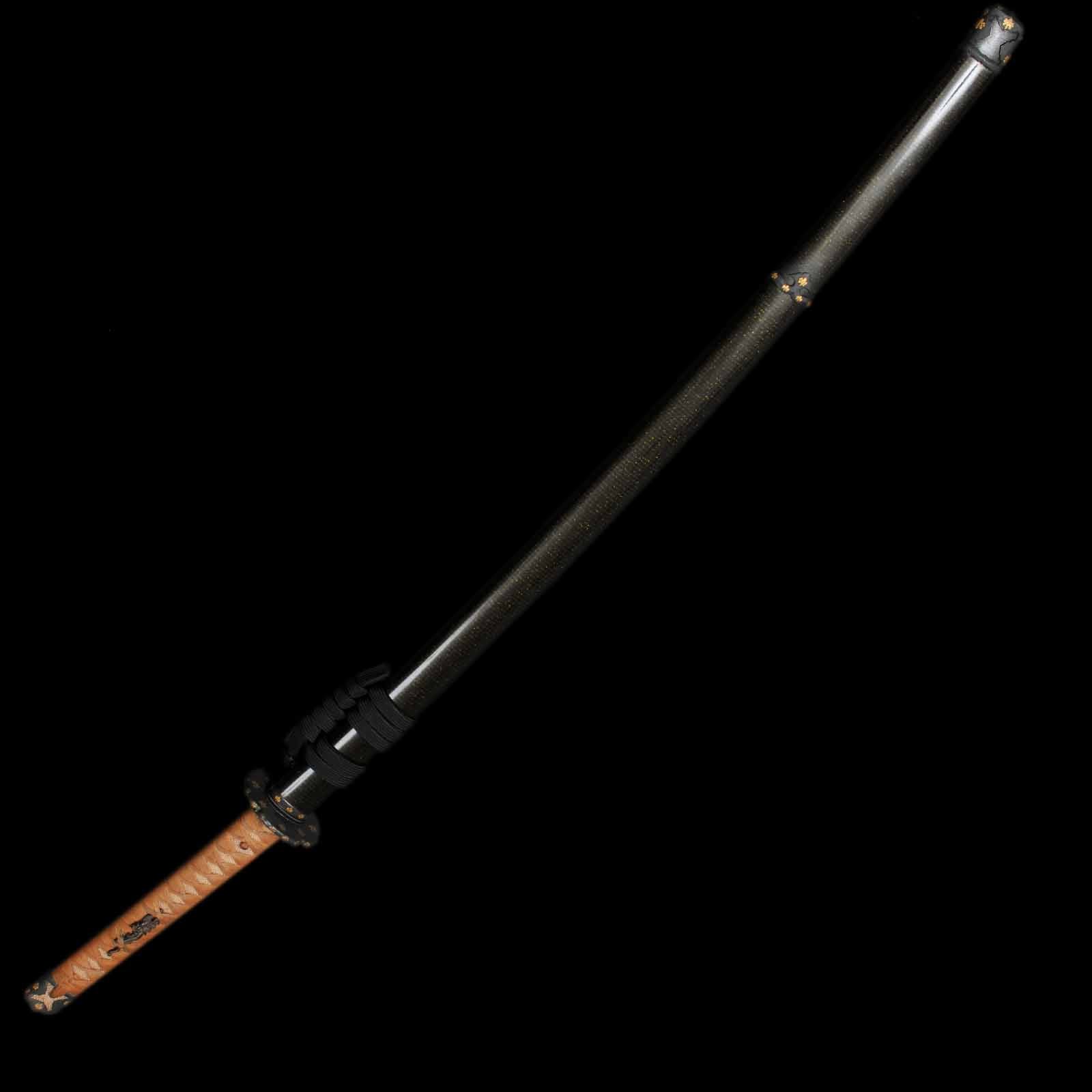
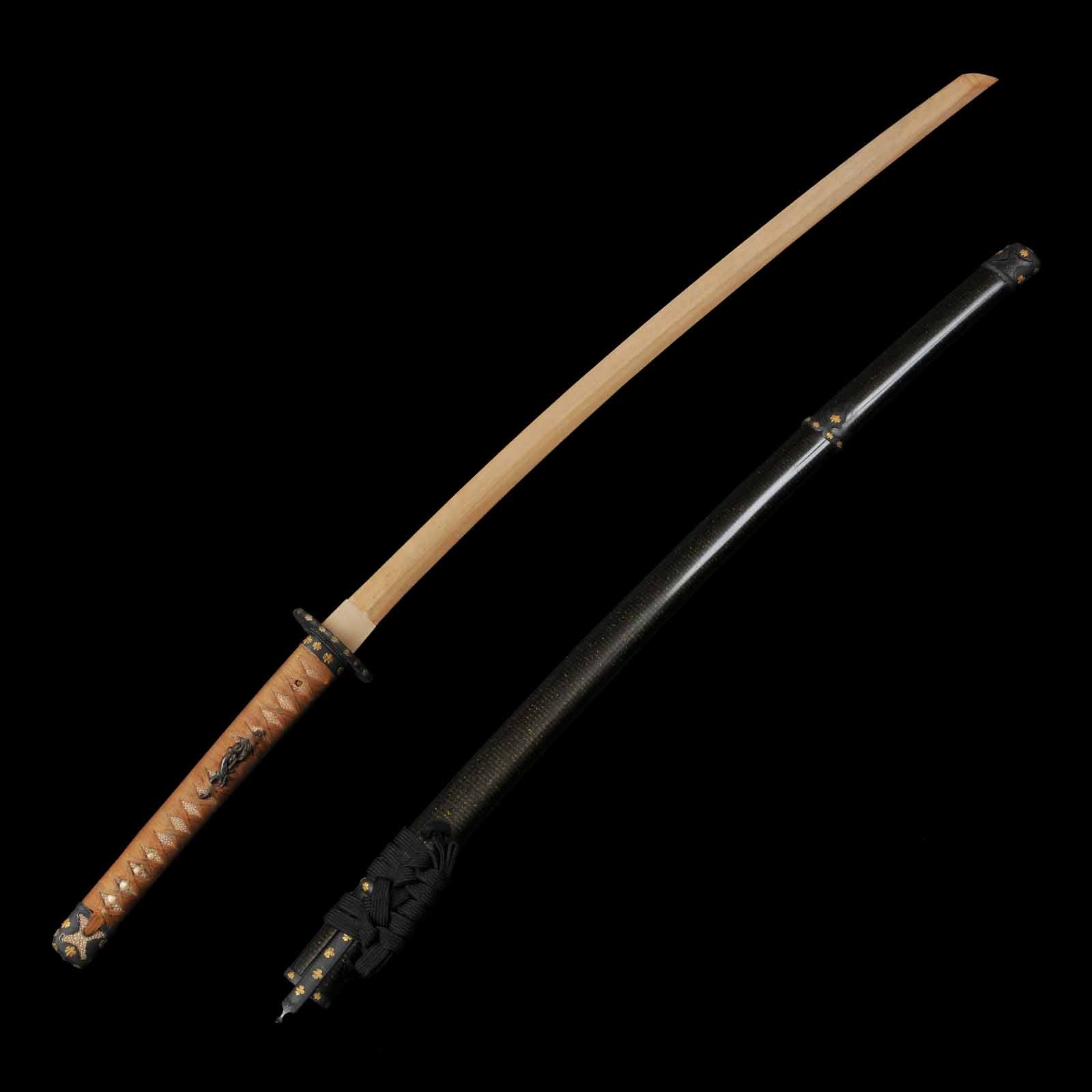
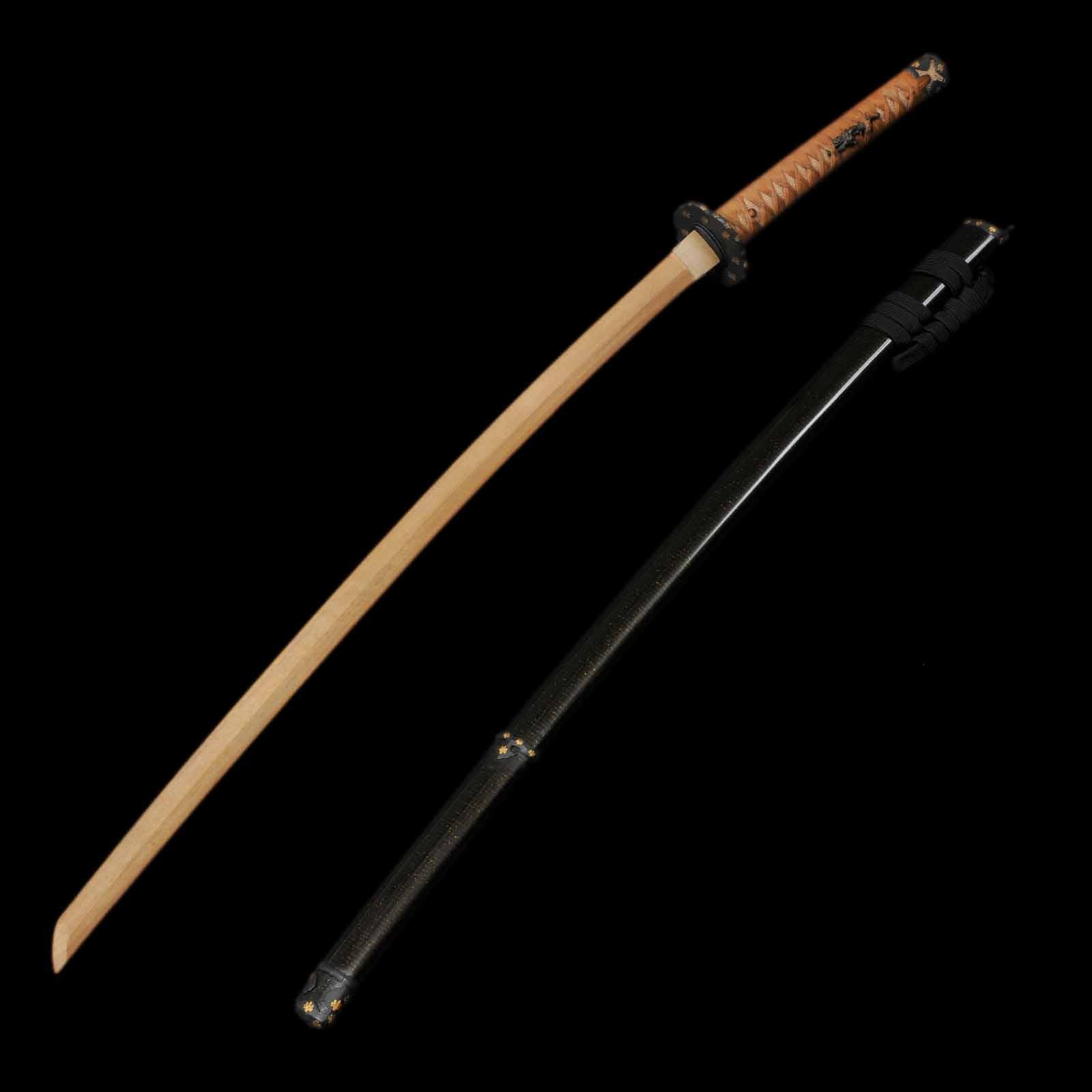
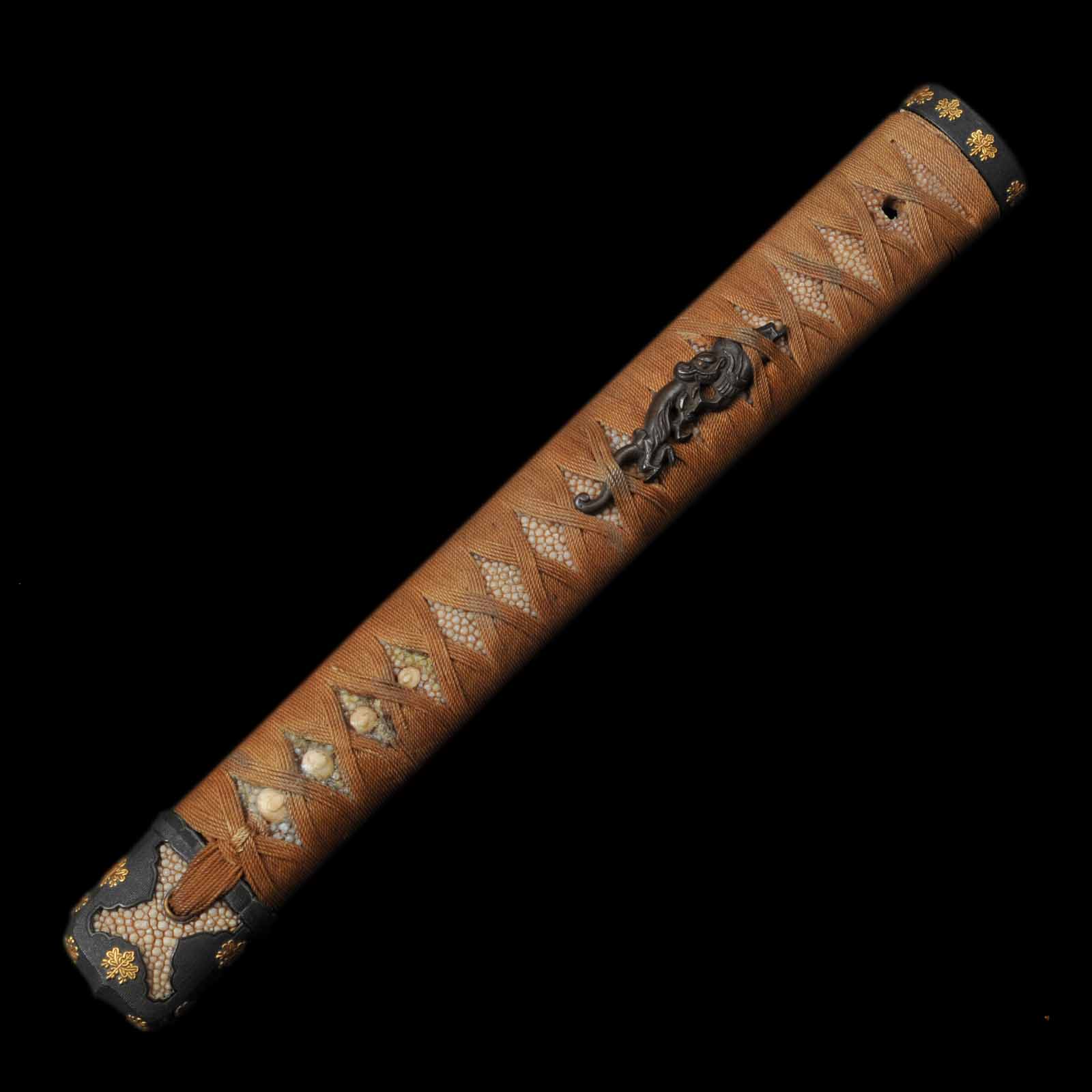
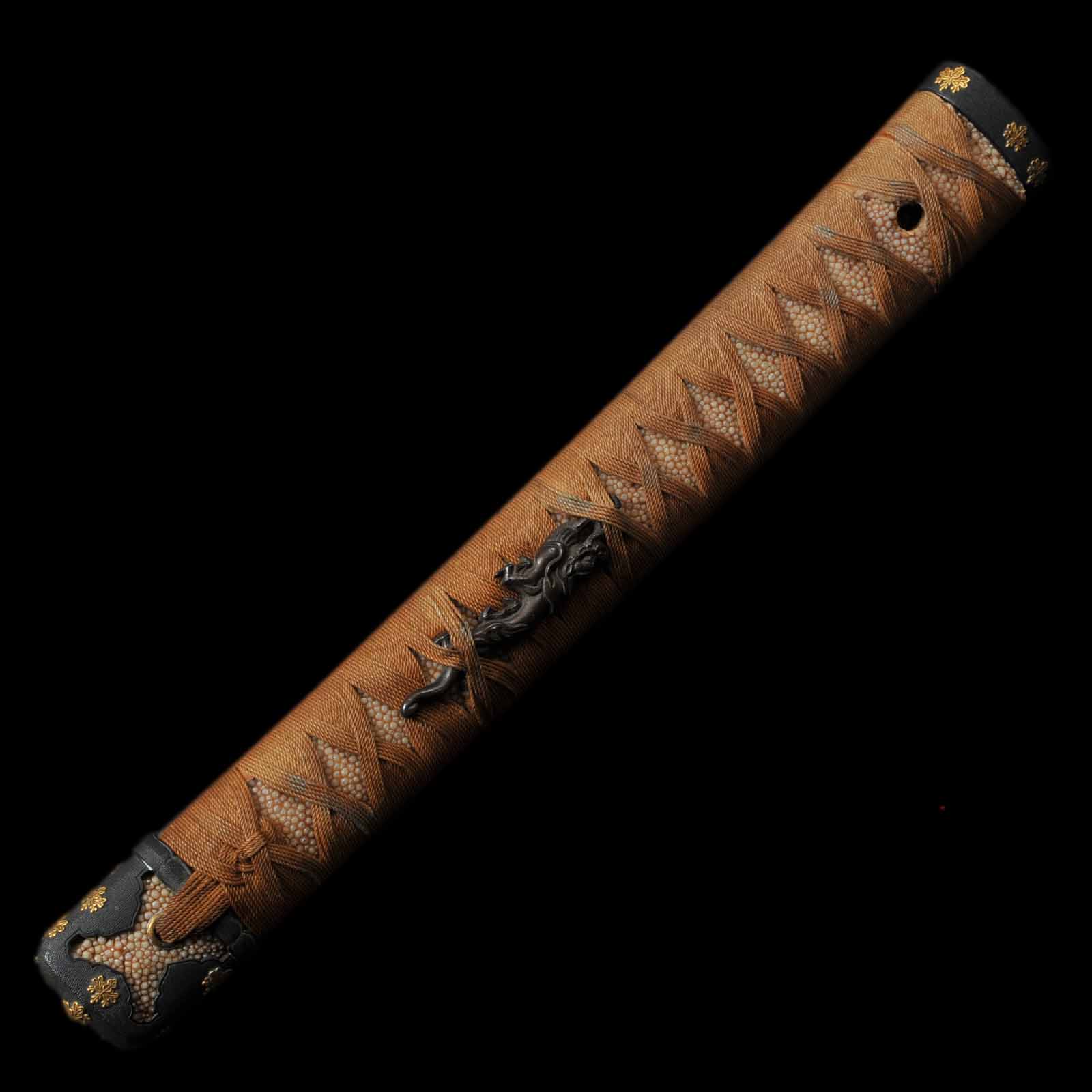
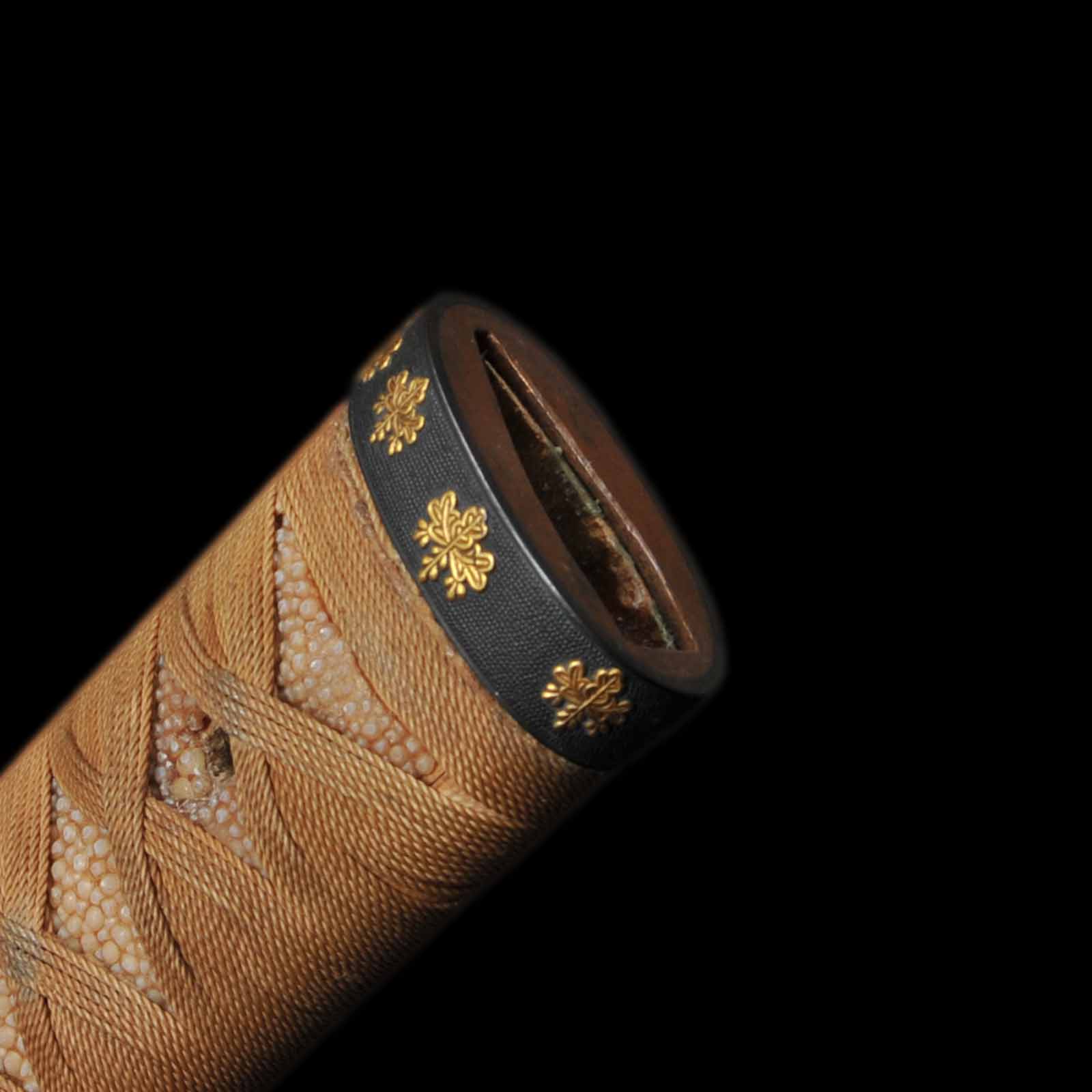
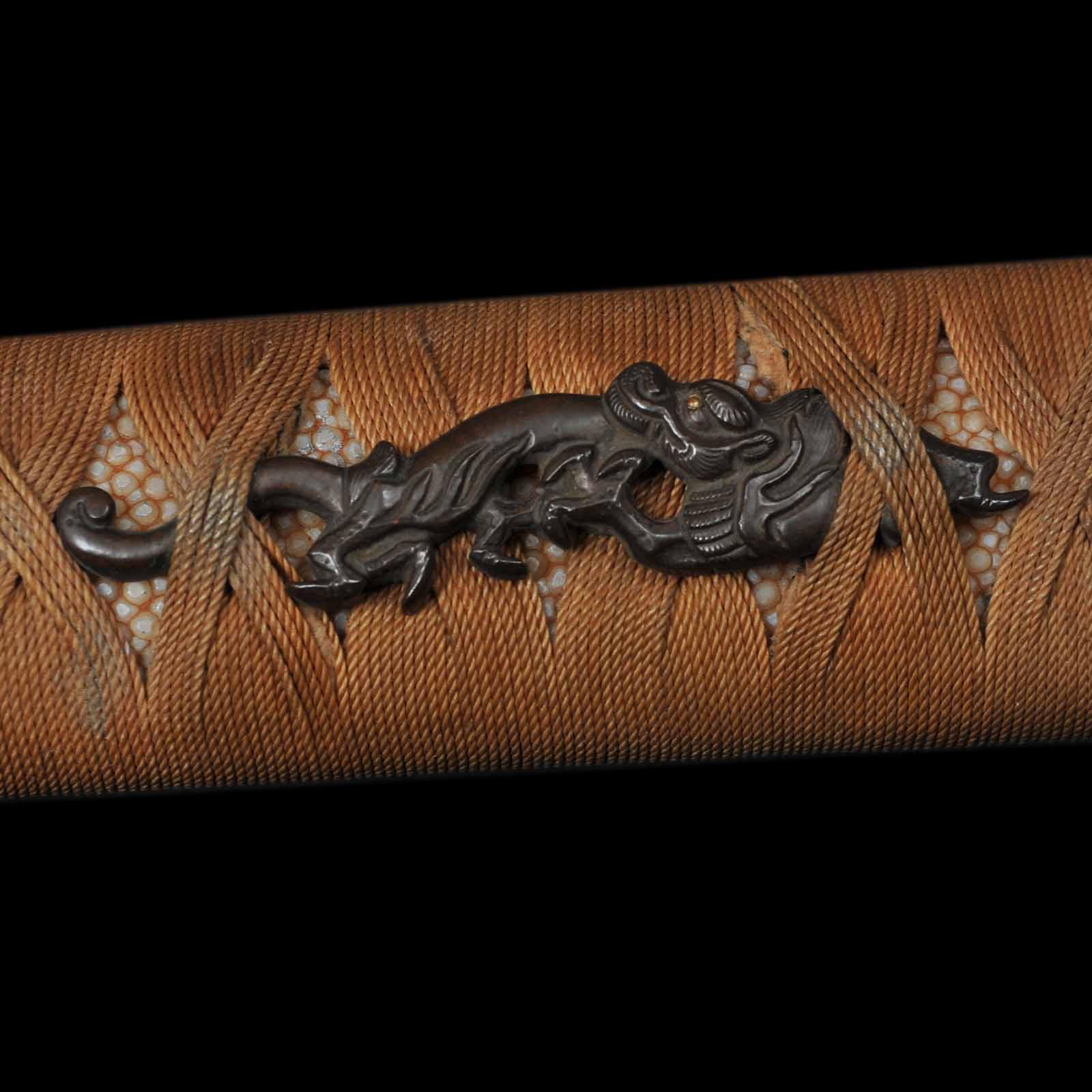
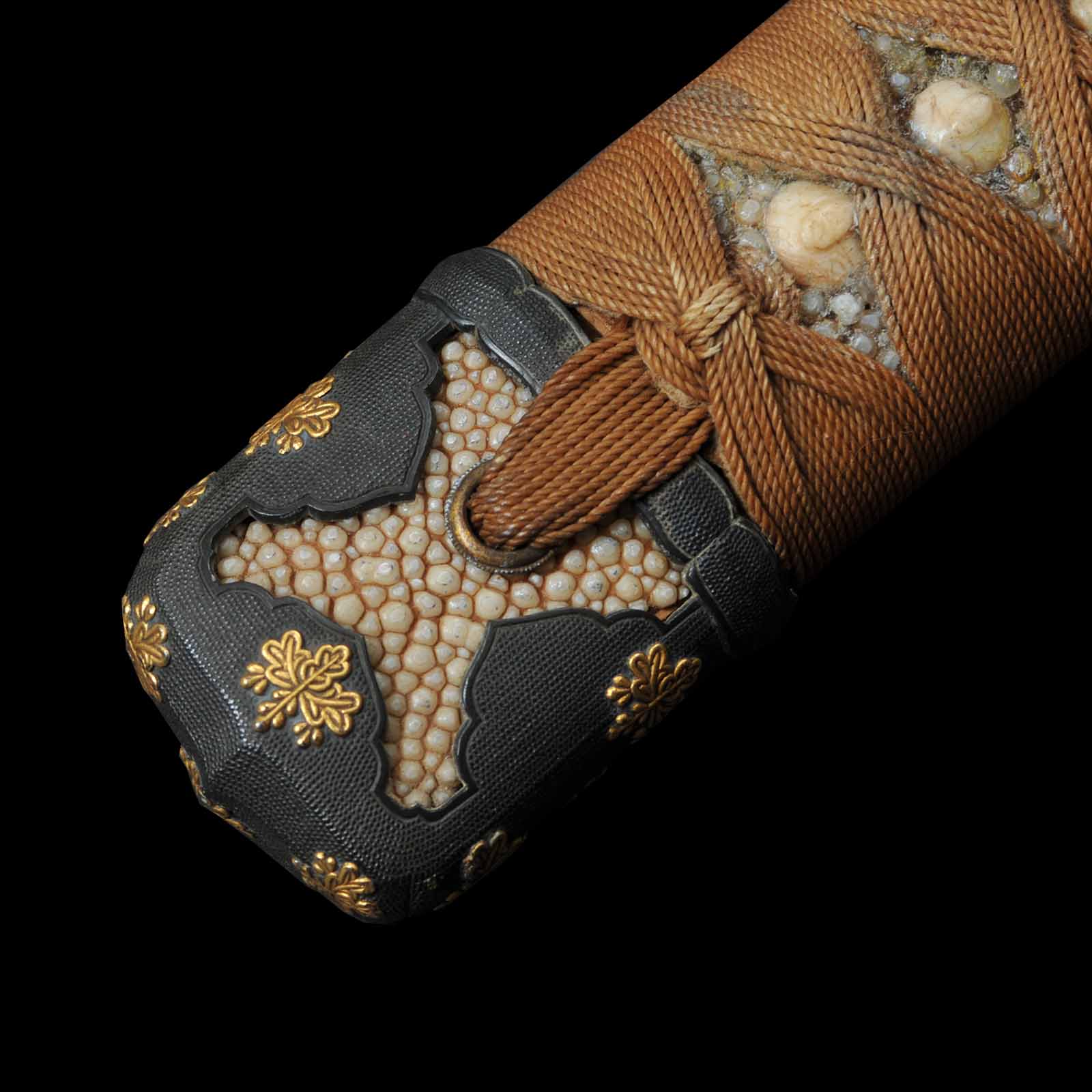
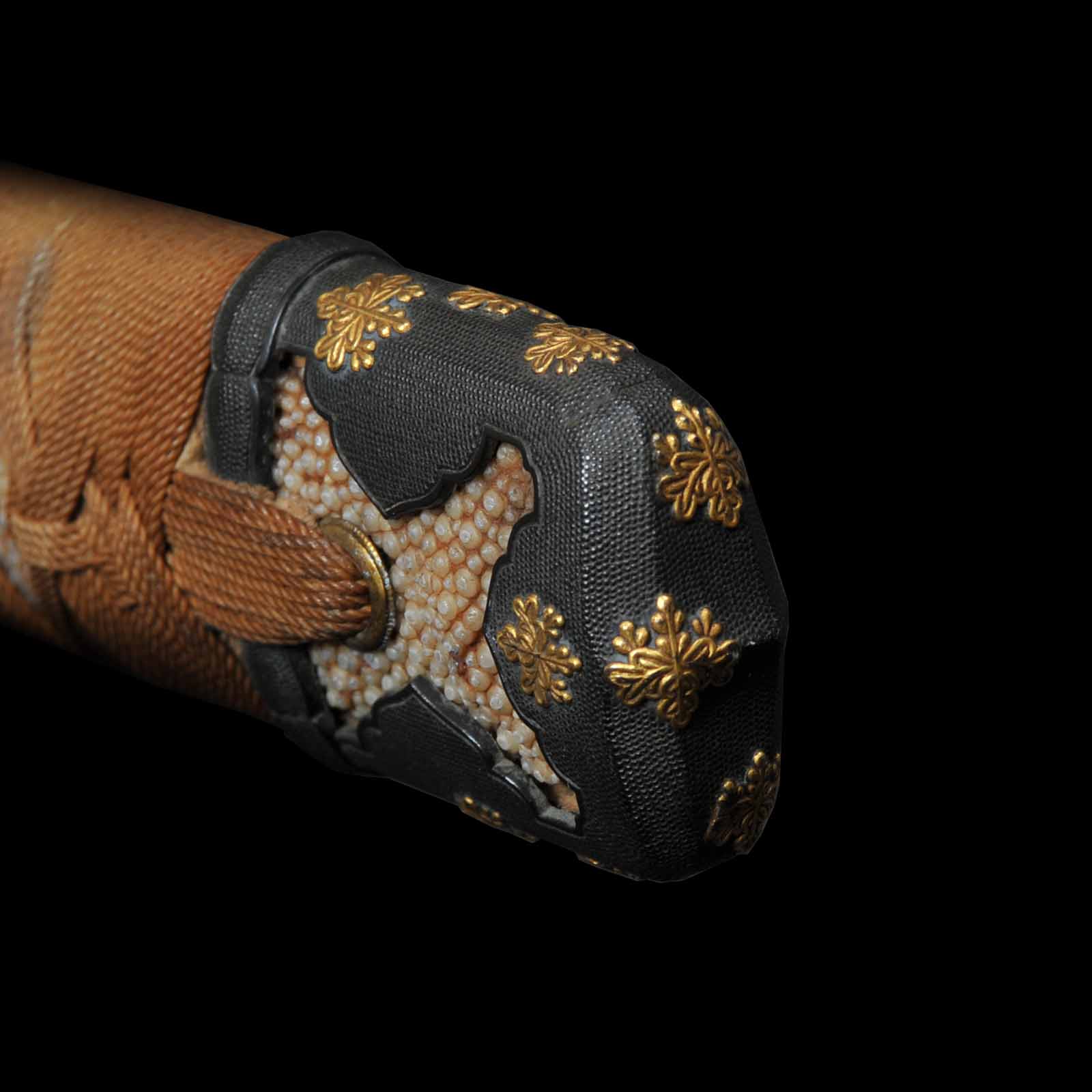
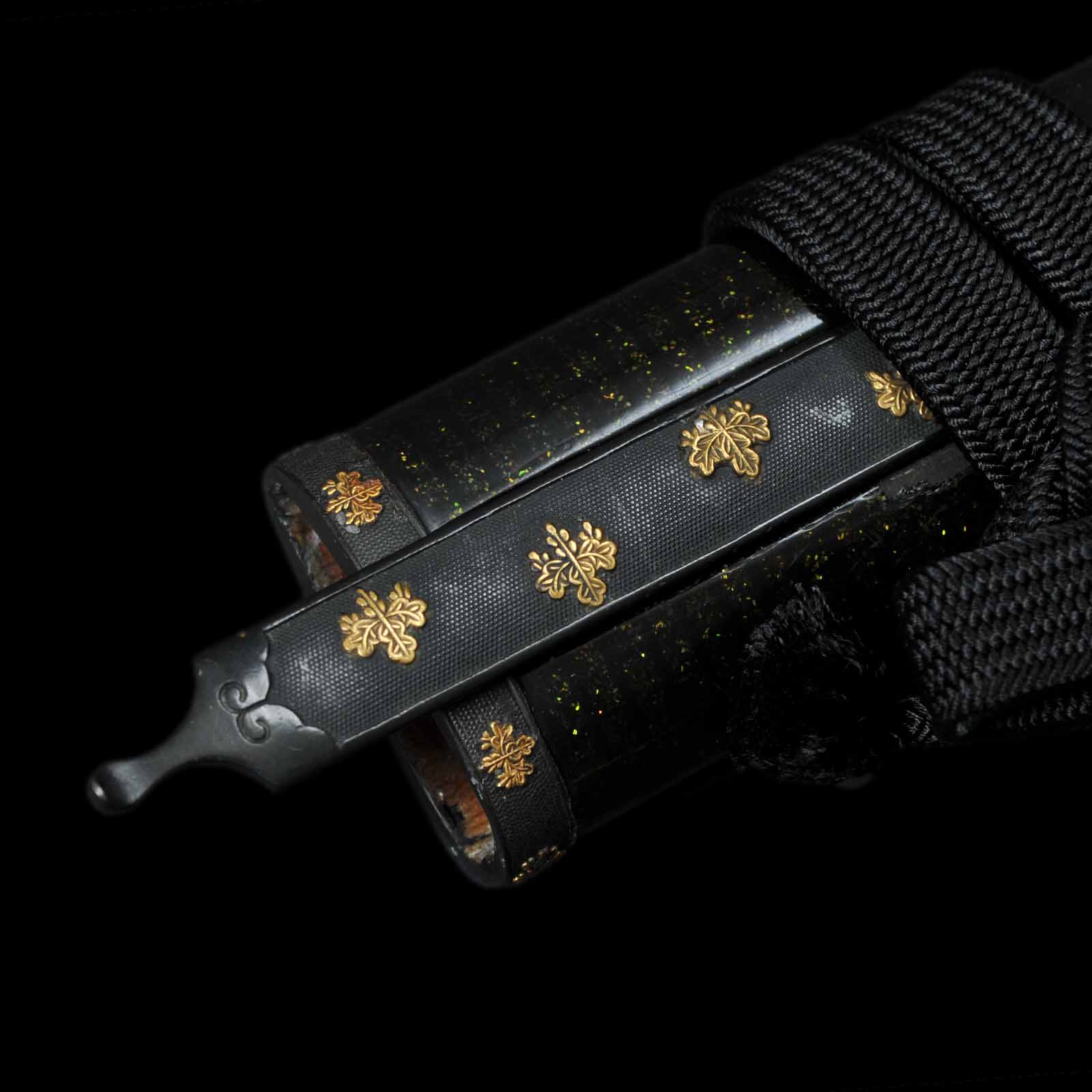
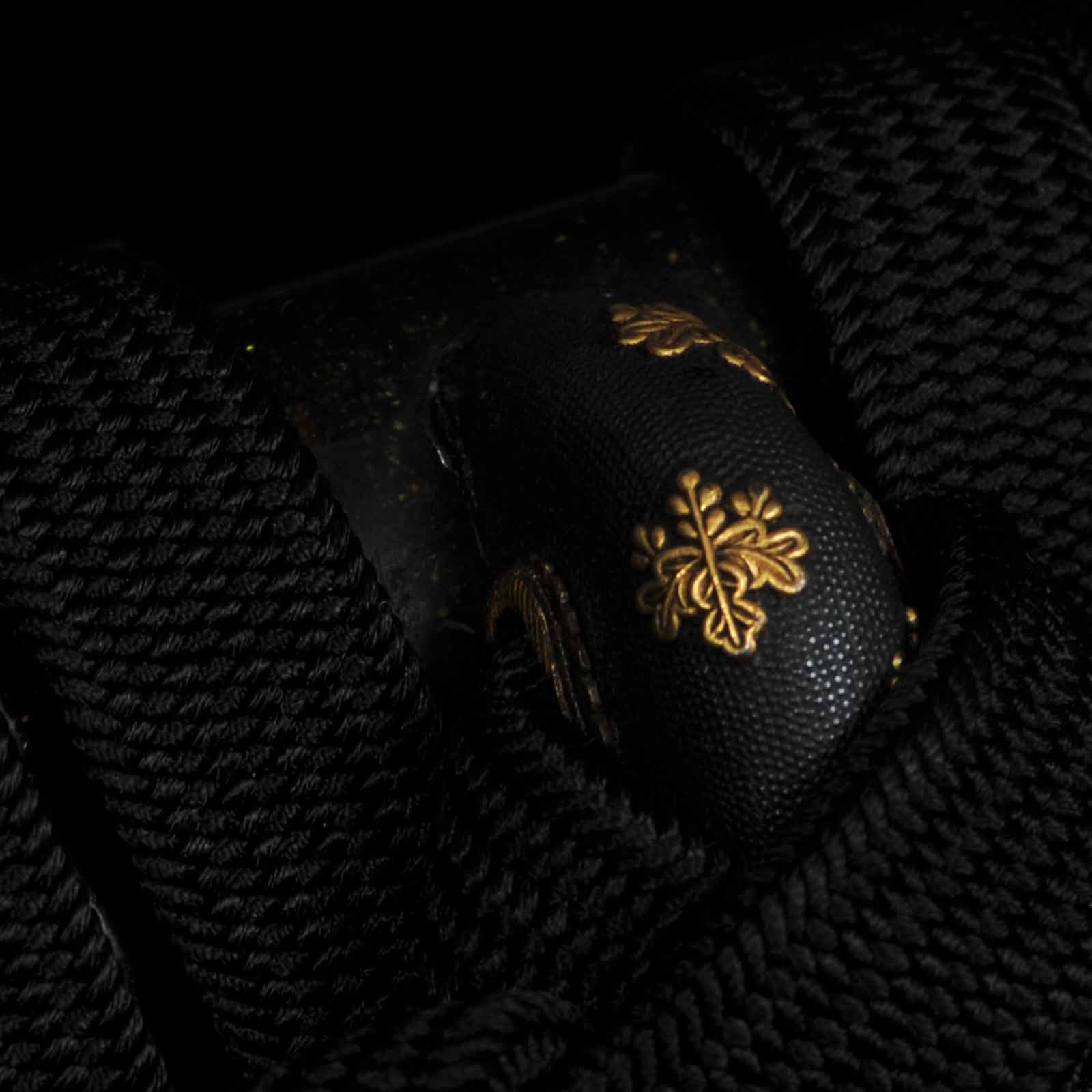
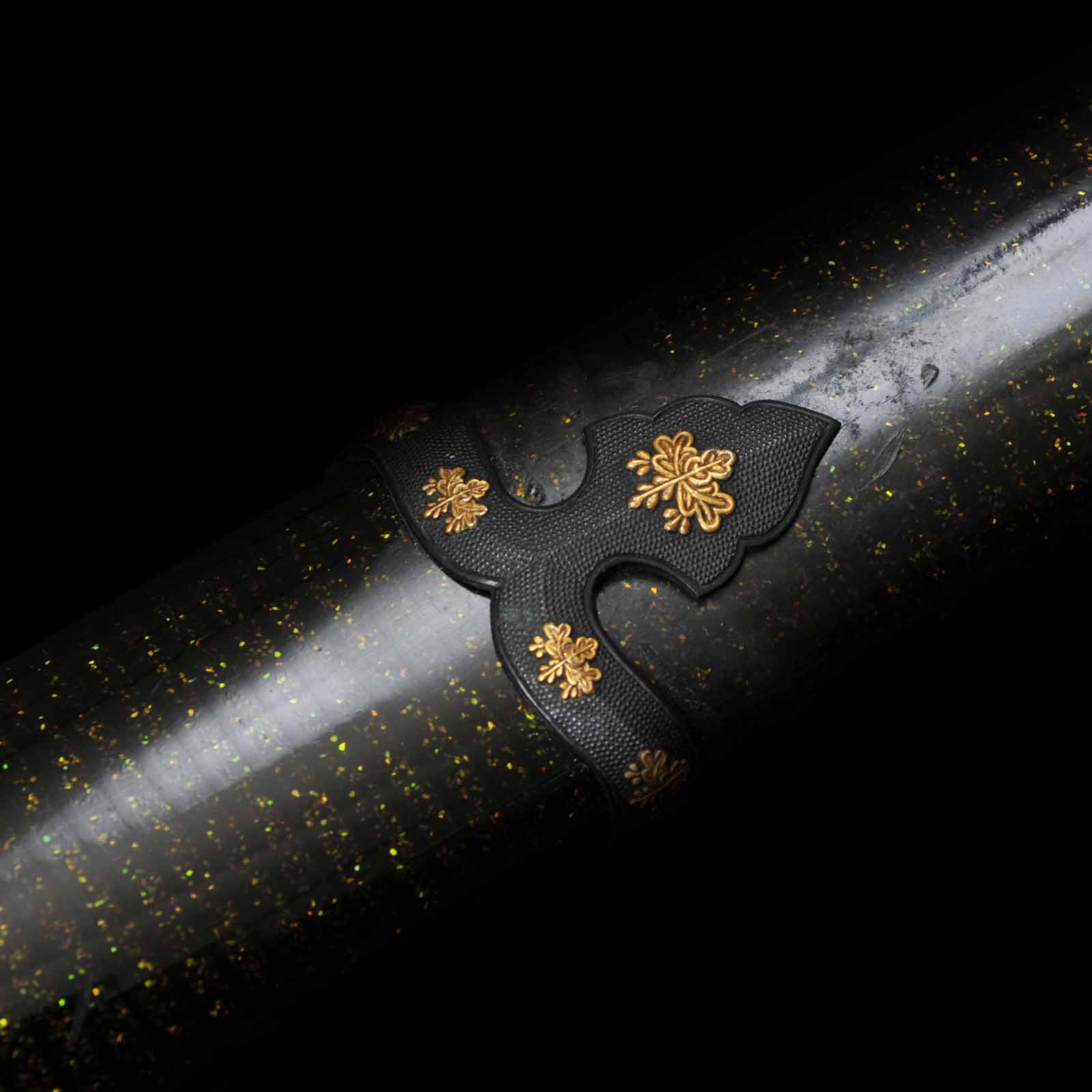
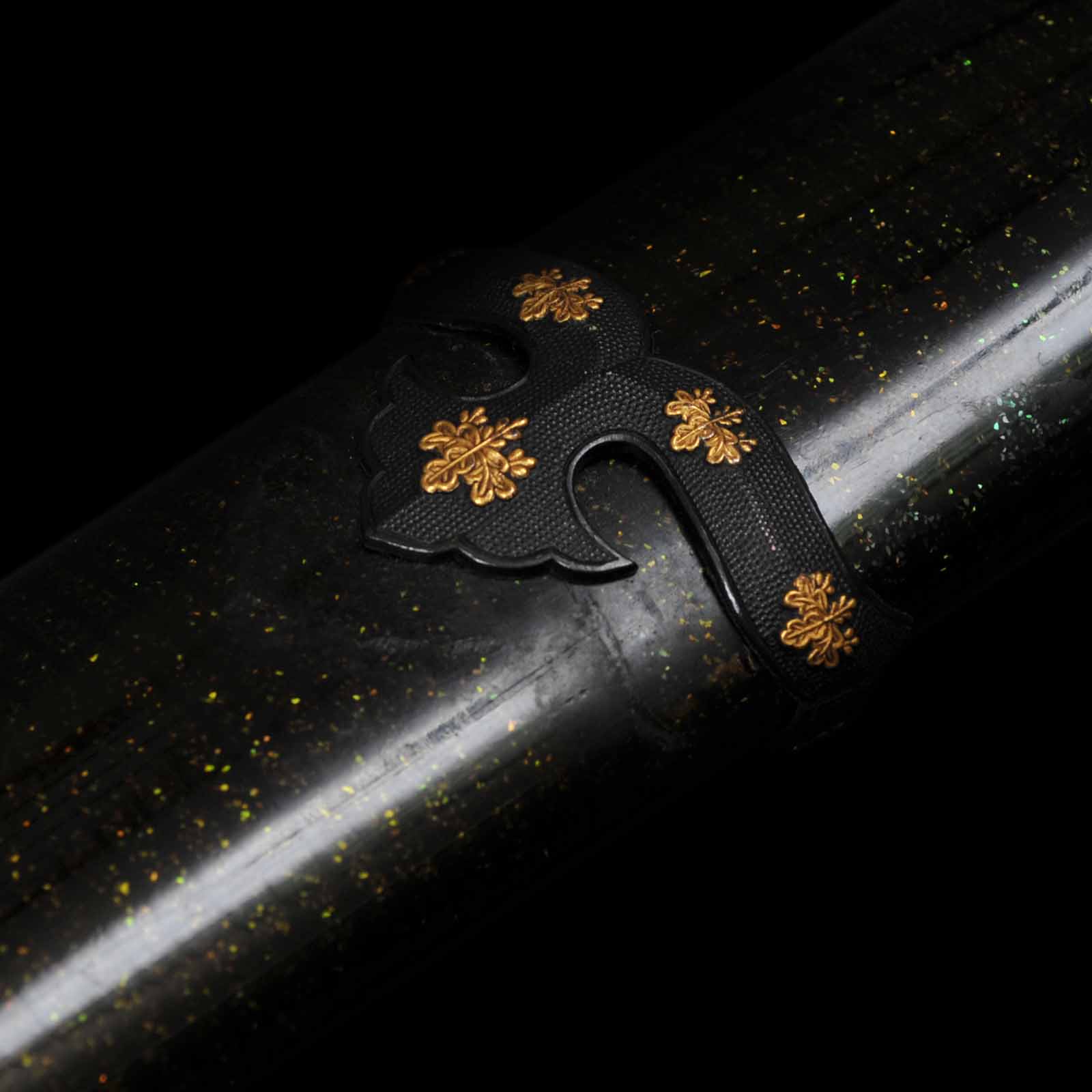
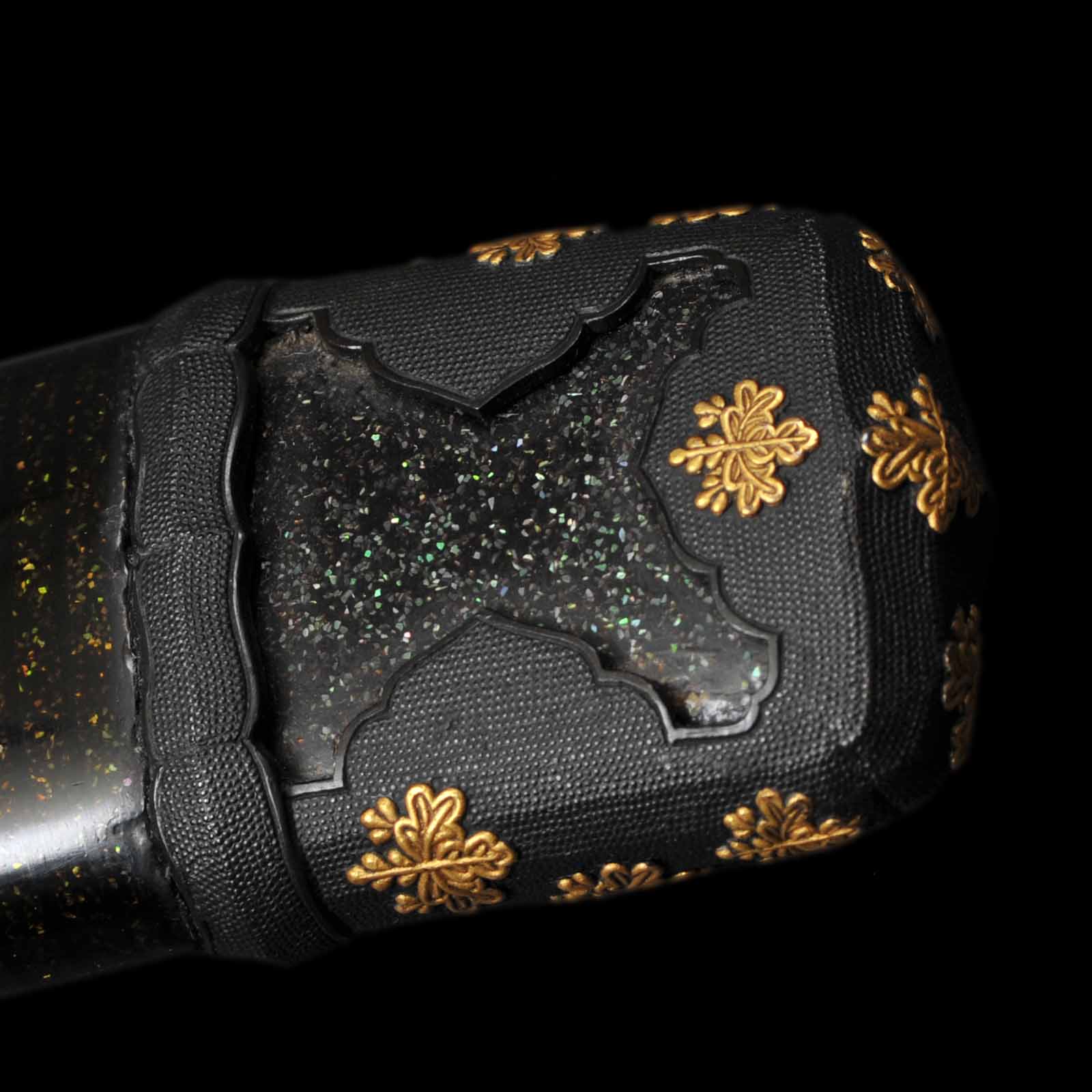
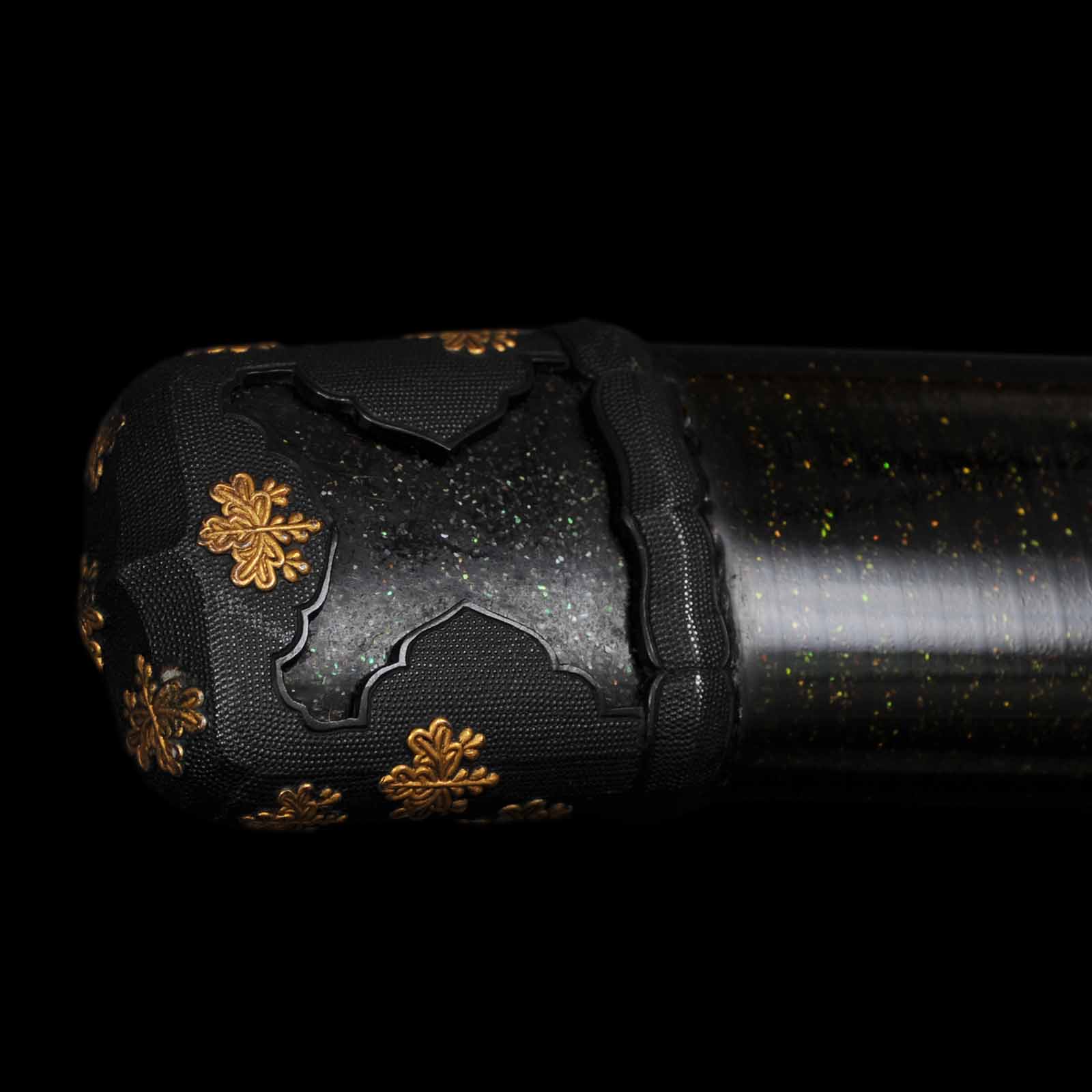
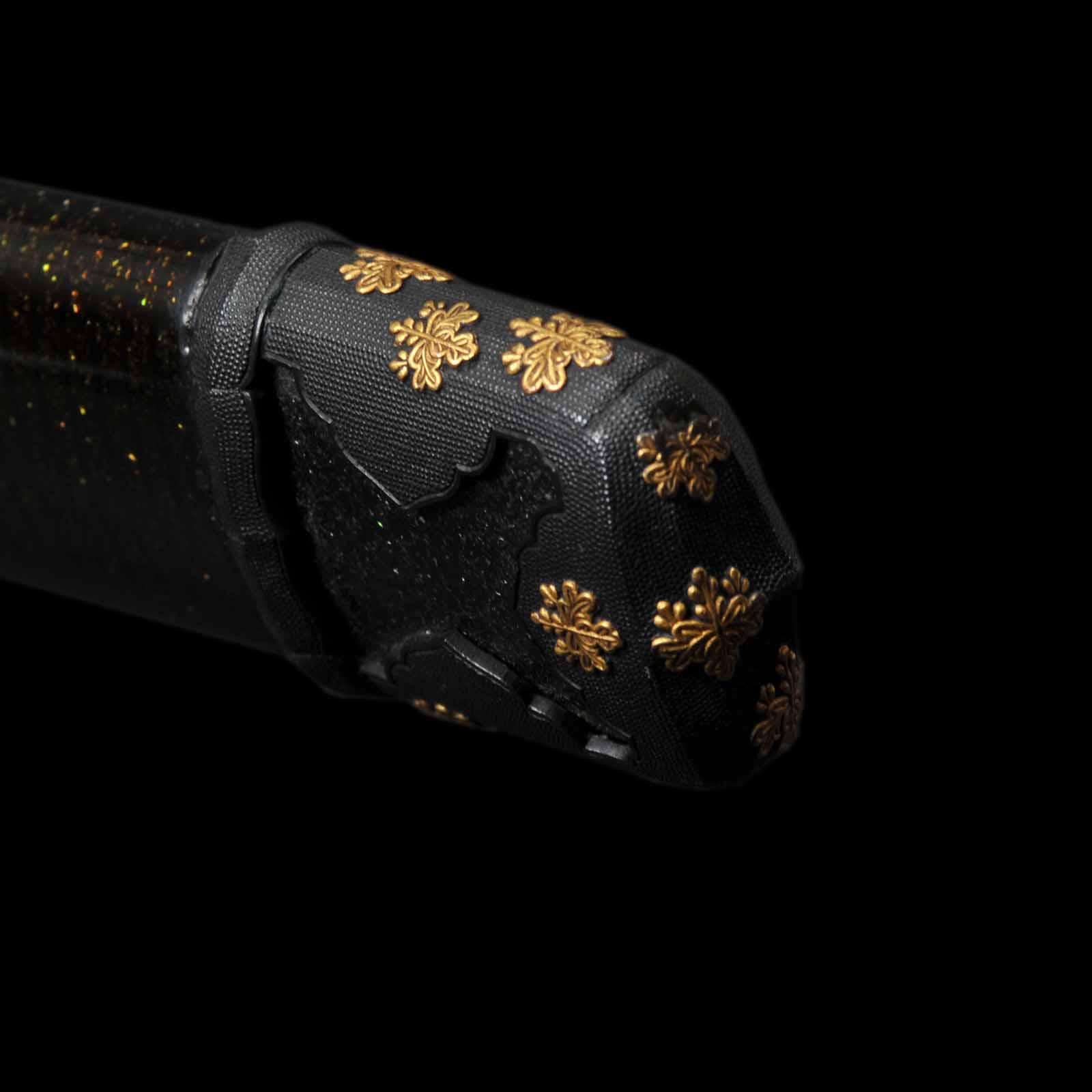
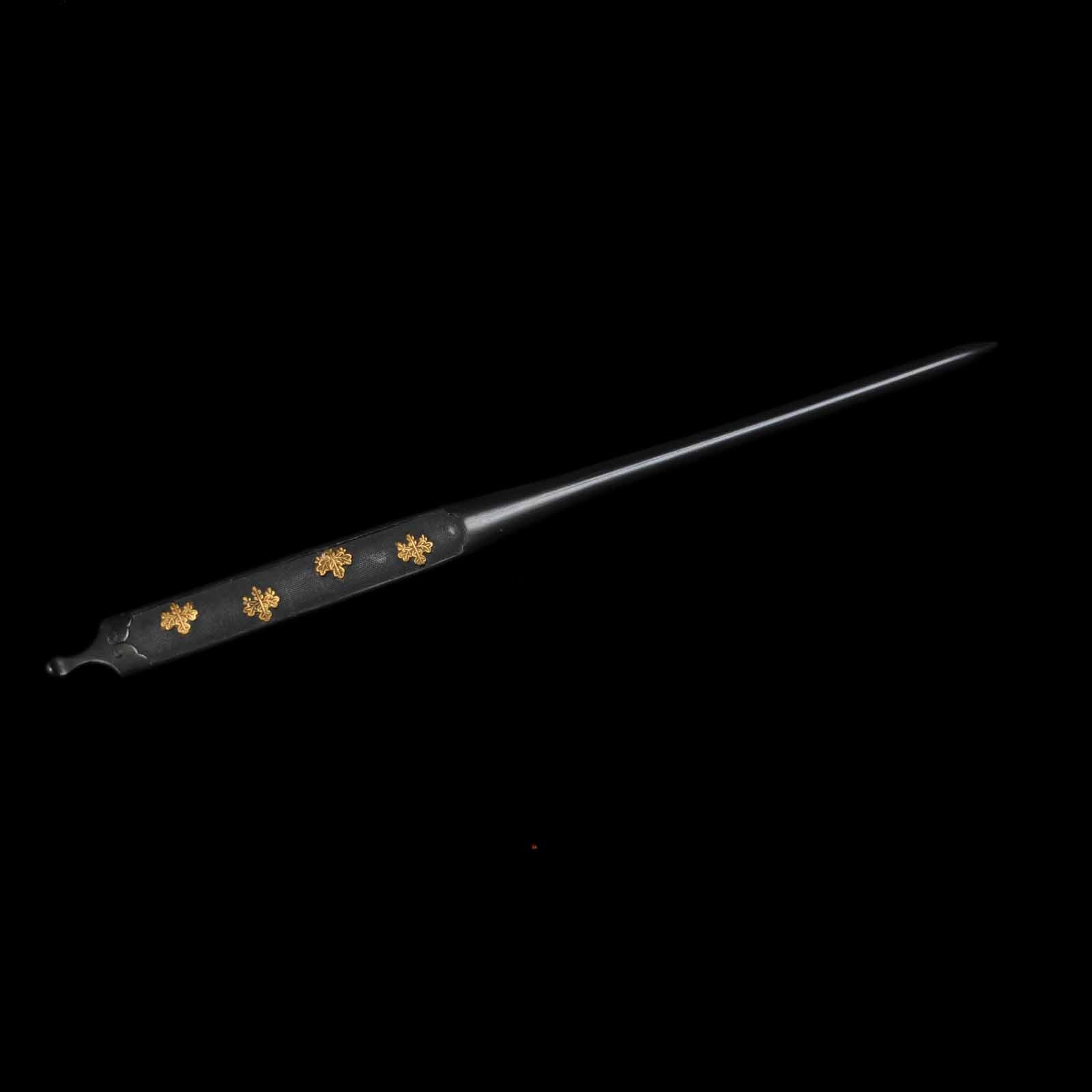
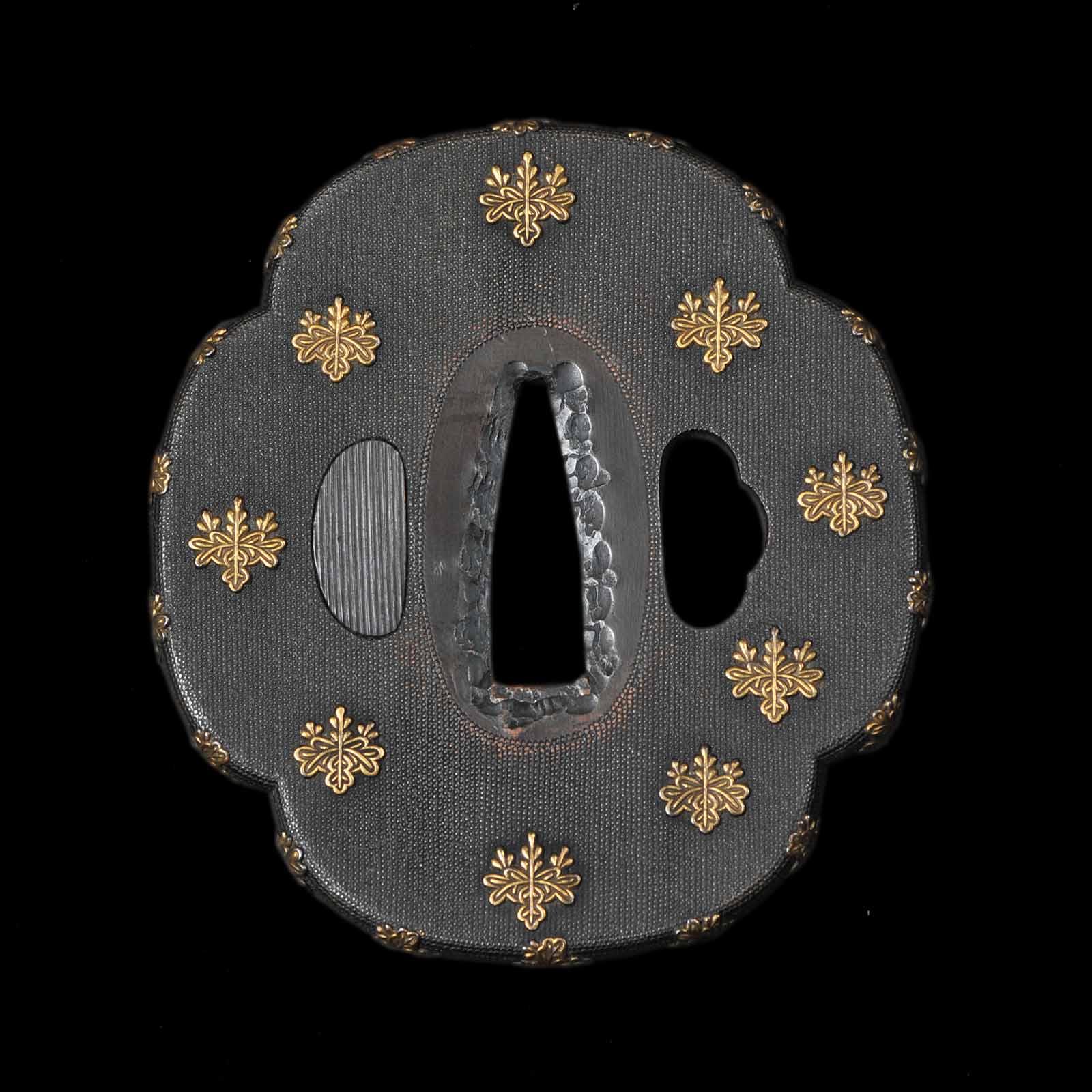
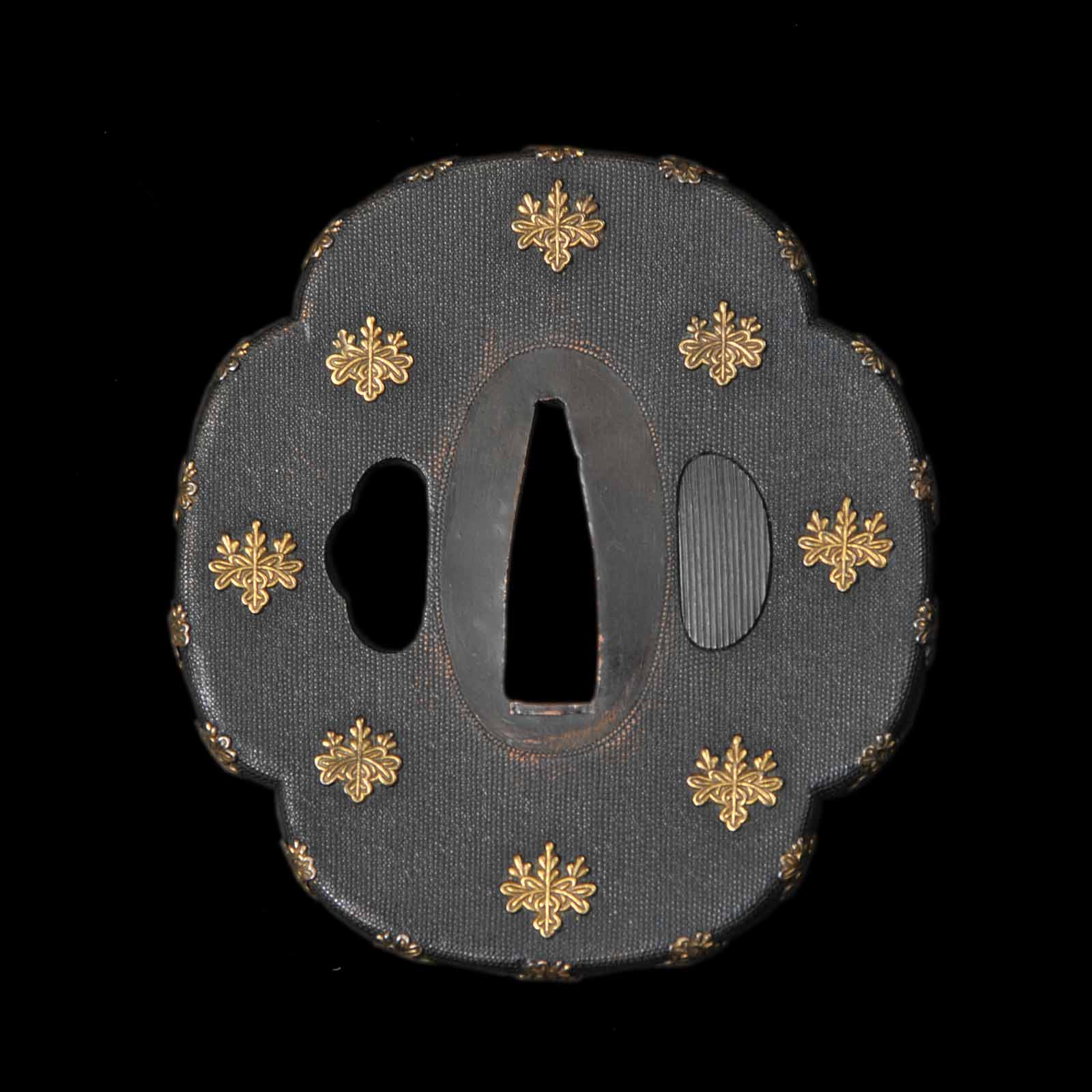
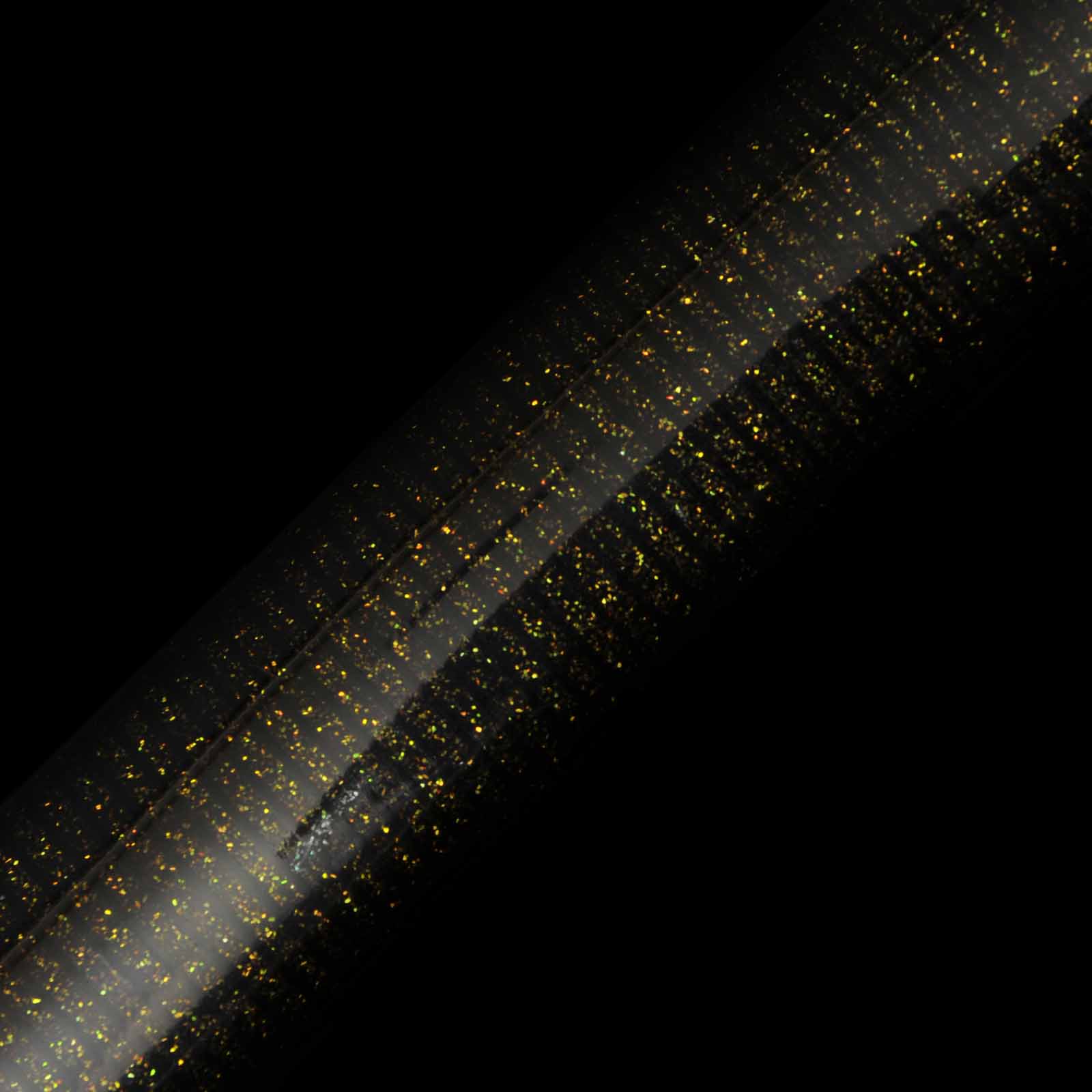
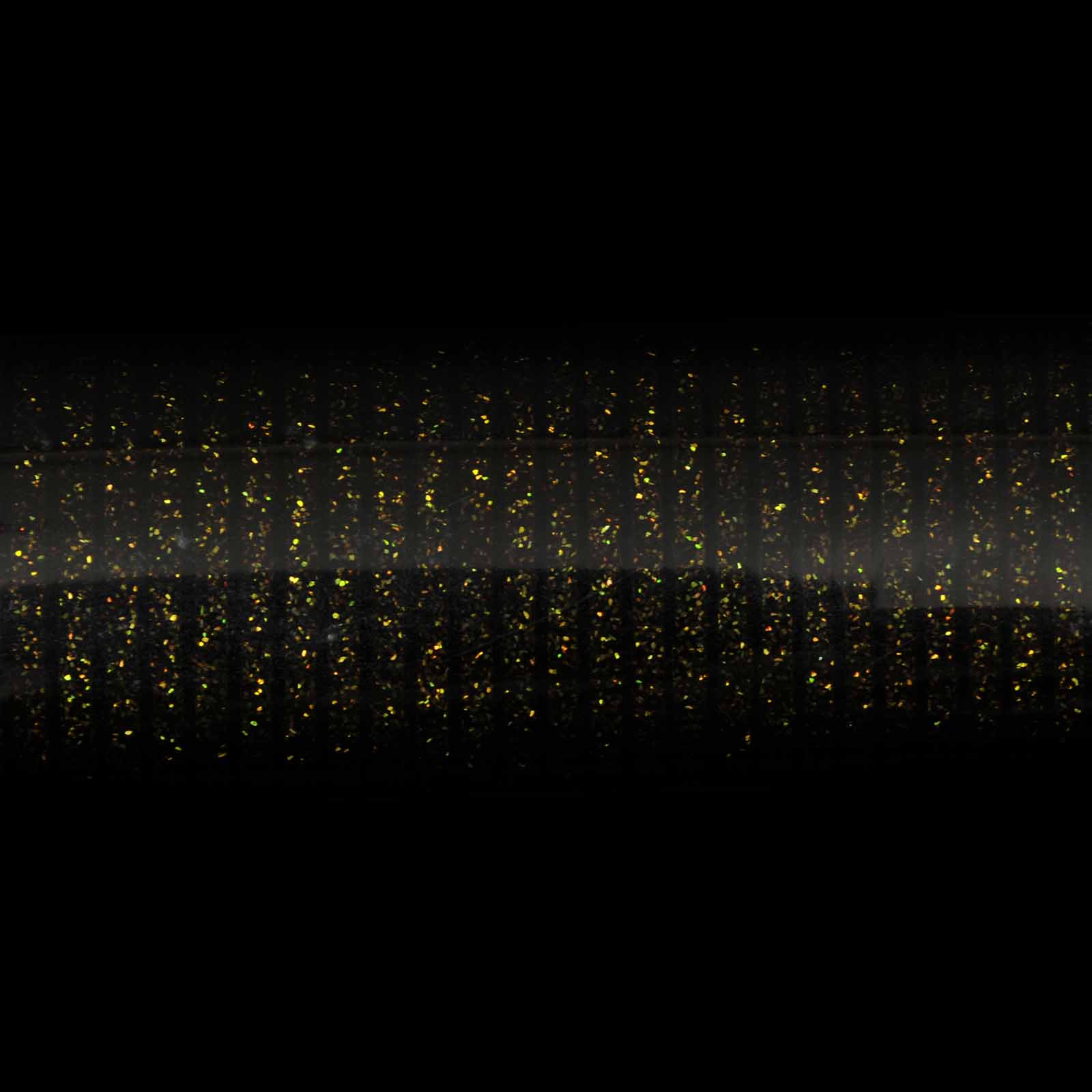
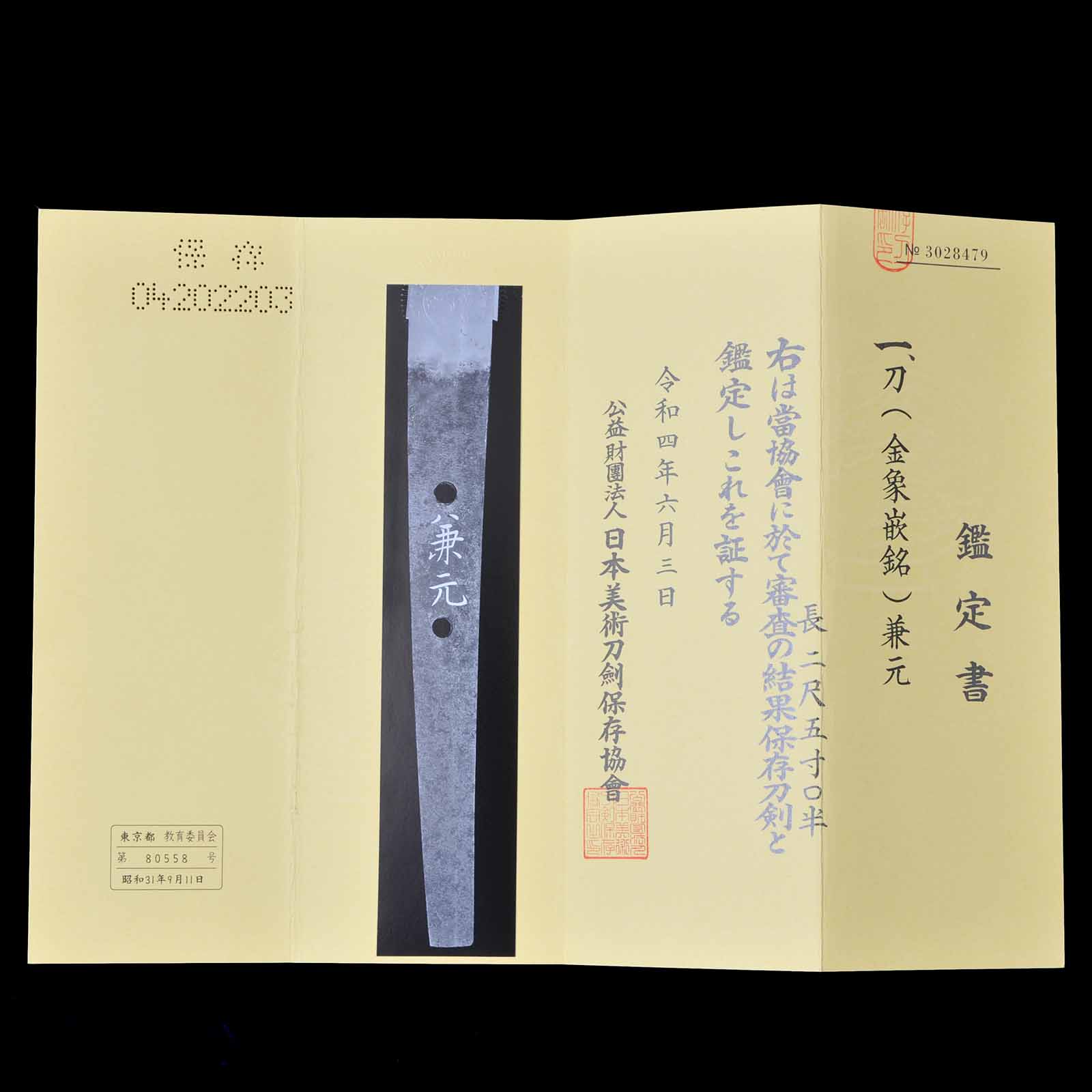
Two of the most renowned masters of sword smithing from the province of Mino are Kanemoto and Kanesada. Kanemoto, a second-generation smith, was also known by the name "Seki no Magoroku." It is said that the sharpness of his swords was so extreme that a man who had been cut by one of his blades did not realize it until he had reached the opposite side of the river. This sword has the Kanemoto inscription on the nakago (tang) with gold inlay and is in excellent condition. There are no flaws or cloudiness. It is a gem that is well worth the price as a work of art alone. The hada has a very active pattern of itame mixed with mokume. Kanemoto excelled at the gunome blade pattern called sambonsugi in every generation, and this feature is also evident in this sword. The hamon is niedeki and is very beautiful. The shirasaya is decorated with sayagaki by Sato Kanzan and bears the inscription "Kanemoto with gold inlay. A genuine Kanemoto. The blade length is 2 shaku 5 sun 1 bu." Sato Kanzan served as director of the Sword Room of the Curatorial Department of the Tokyo National Museum, secretary general of the Society for Preservation of Japanese Art Swords, and deputy director of the Sword Museum. Kanzan also recorded that this sword is an authentic Kanemoto blade. The uchigatana koshirae which accompanies this sword is of the handachi style, equipped with tachi sword fittings containing a chrysanthemum crest motif. The saya lacquer is a gorgeous gold-scattered shinobue, also fitted with a kogai, again with chrysanthemum crest. The sword is also paired with a certificate of conservation appraisal from NBTHK. We hope you will enjoy adding this wonderful Kanemoto with gold inlay inscription to your collection. Blade length: 76.1 cm Curvature: 1.5 cm Number of Mekugi hole: 2 Sakihaba: 19.5 mm Sakikasane: 4.2 mm Motohaba: 30.4 mm Motokasane: 6.9 mm Signature: Kanemoto(gold-inlaid signature) Era: Koto Structure: Shinogi-zukuri, Iori-mune Jitetsu: Itame with partly Mokume Hamon: S
NihontoWatchOffered by Tozando
This piece has sold
22 on the market
Get an email when new Kanemoto School work hits the market.
Mino-den · Mino
22 pieces on the market now
Kanemoto (兼元) worked at Akasaka in Mino Province, and the line takes its place among the smiths of the late Muromachi period whom the NBTHK registers under the Mino-den tradition centered on Seki. The setsumei place the family within the Sue-Seki (Sue-Mino) milieu, naming Kanemoto alongside Kanesada as the two leading figures of the province in this era; one tantō note instead pairs the name with Kaneshiba, and another with Izumi no Kami Kaneshige, marking the company the line kept. The name passed through successive generations, and the records repeatedly state that distinguishing each generation has not been definitively settled. Dated long signatures reading "Nōshū Akasaka-jū Kanemoto" survive from the Meiō, Bunki, Daiei, Kyōroku, and Eishō eras, while two-character signatures bear no date. The first generation is documented through pieces dated Meiō 6, 8, 9, and 10, all giving the Akasaka residence; the most accomplished hand, and the one the world singles out under the sobriquet "Magoroku Kanemoto," is the second generation. The shared vocabulary of the line is the sanbonsugi (three-cedar) gunome, a sequence of linked pointed crests that rise and fall in groups. The ground is Mino-den through and through: itame-hada mixed with mokume and flowing masame, tending toward standing grain (hada-dachi), with fine ji-nie, chikei, and a whitish shirake-utsuri that the setsumei call out again and again. The temper mixes togariba (pointed elements) and gunome, is nioi-dominant with ko-nie, and runs sunagashi, kinsuji, and occasional tobiyaki; the bōshi is typically midare-komi turning in ko-maru, often described as Jizō-like with hakikake or a falling kaeri. The chief means of separating the second generation from the later line is regularity: as the generations descend, the pointed crests grow sharply angular and standardized, whereas Magoroku's sanbonsugi is deliberately uneven, the gunome heads rounded in places, and the pattern shifts freely into nihonsugi, yonsugi, and gosugi groupings of two, four, and five. The records describe this as a gyōsō (cursive, free) manner.
The first generation, by contrast, does not emphasize sanbonsugi at all, favoring gunome mixed with gunome-chōji and at times yubashiri and tobiyaki; both generations also made suguha, and one tantō is an uncommon Rai-utsushi in elegant straight temper that evokes Kaneyuki. For kantei, the line is read through the standing Mino grain, the shirake-utsuri, and above all the irregular sanbonsugi, with the leaning bōshi a noted point: the records observe that the honka model and these blades share a bōshi that falls over. Named and documented works recur across the register. A naginata dated Kyōroku 1 (1528) carries the full Akasaka signature and is valued as documentary source material, dated two-character pieces being scarce. A katana bearing a kinzōgan inscription on the reverse is known as "Sasatsuyu Kanemoto" and is recorded in the hands of Makishima Kenmotsu Akishige, of the same clan as Furuta Kosukezaemon. The "Aoki Kanemoto," a second-generation work, is said to be the sword with which Aoki Ichishige, a retainer of Tokugawa Ieyasu, killed Magara Masataka of the Asakura side at the Battle of Anegawa in Genki 1 (1570). A further katana carries a Genna 1 (1615) kinzōgan cutting-test inscription by Nakagawa Saheita reading "two bodies," and one suguha katana descended in the Echizen Matsudaira family. Two katana signed Kanemoto are recorded in Honma's inventory of the Imperial collection. Across these works the line is registered as the cutting-edged representative of Sue-Seki, its hand recognized wherever the three-cedar temper runs uneven over standing Mino steel. Learn more →
| Smith | Era | Designated |
|---|---|---|
| Kanemoto兼元 | 1521-1528 | 30 |
| Kanemoto兼元 | 1532-1555 | 0 |
| Kanemoto兼元 | 1573-1592 | 0 |
| Kanemoto兼元 | 1592-1596 | 0 |
| Kanemoto兼元 | 1818-1830 | 0 |
Mino in the Muromachi period
Sengoku Seki was an industry: smiths organized under their tutelary Kasuga shrine, arming the war bands of central Japan. Magoroku Kanemoto’s sanbonsugi and the finest Kanesada work prove quality survived inside mass production.
Certifies a genuine blade worth preserving: a signature confirmed correct, or, if unsigned, an era, province, and school that the NBTHK can reliably identify.
The NBTHK (Nihon Bijutsu Tōken Hozon Kyōkai, the Society for the Preservation of Japanese Art Swords) is a public-interest incorporated foundation founded in 1948 and supervised by Japan’s Agency for Cultural Affairs (Bunkachō); it is based at the Japanese Sword Museum in Tokyo. Its expert panels physically examine each submitted work (shinsa) and issue a certificate (kanteishō) ranking it by artistic and historical merit. NBTHK papers are the most widely recognized standard of authentication for Japanese swords and fittings.
NBTHK official siteAs a general rule, returns/exchanges are not accepted on Japanese sword orders unless damaged upon delivery. Other items: returns/exchanges accepted within 7 days of delivery. Cancellation for personal reasons incurs a 30% restocking fee (70% refunded). Return shipping must be prepaid and insured by the buyer; shipping/handling fees are non-refundable. Contact katana@tozando.co.jp to initiate a return.