Edo was the sword’s age of connoisseurship: the Hon’ami appraisers, the shogunal register of famous blades of 1719, and a thriving literature turned the sword into an object of study even as it ceased to be drawn in war.
 NihontoWatchNihontoWatch
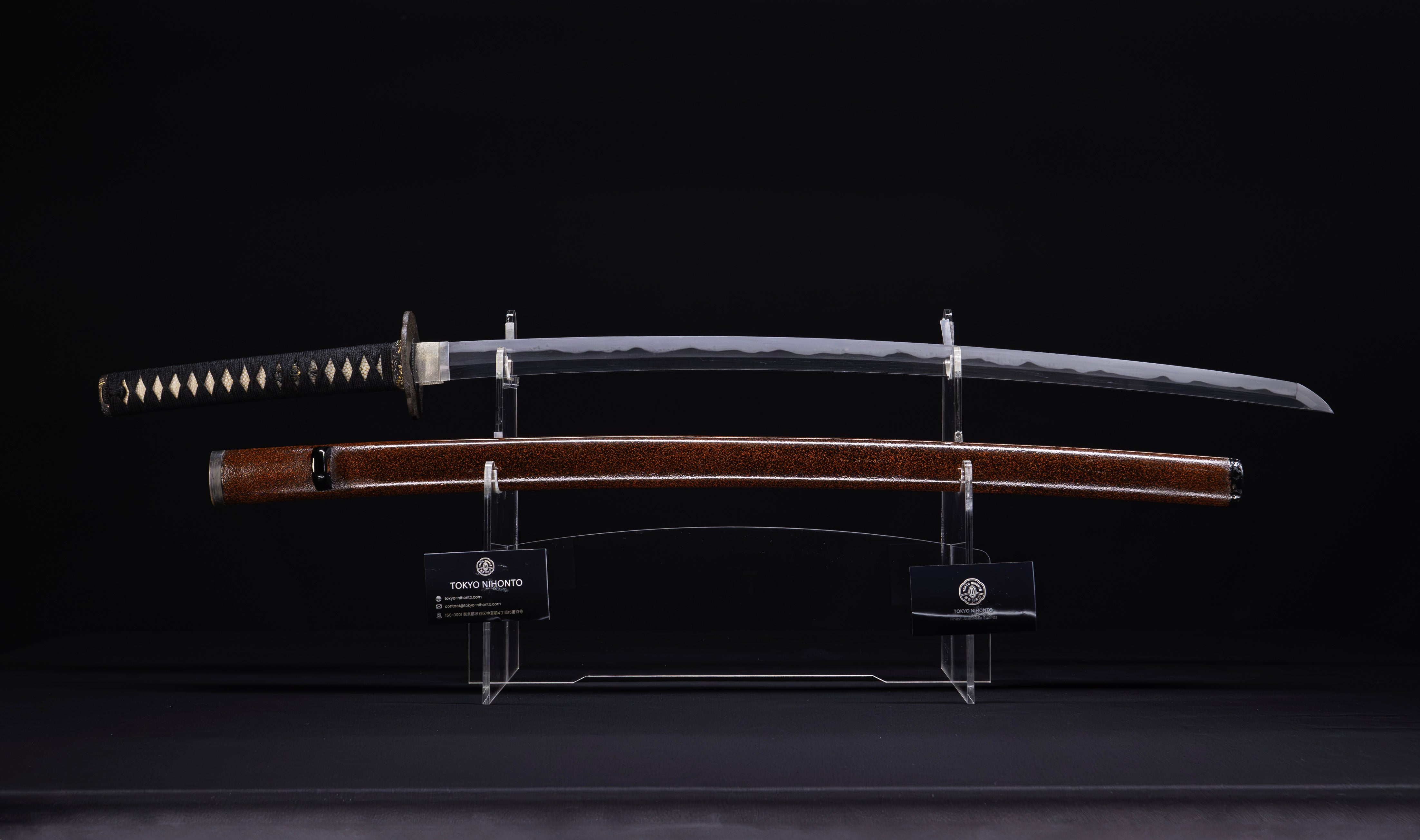
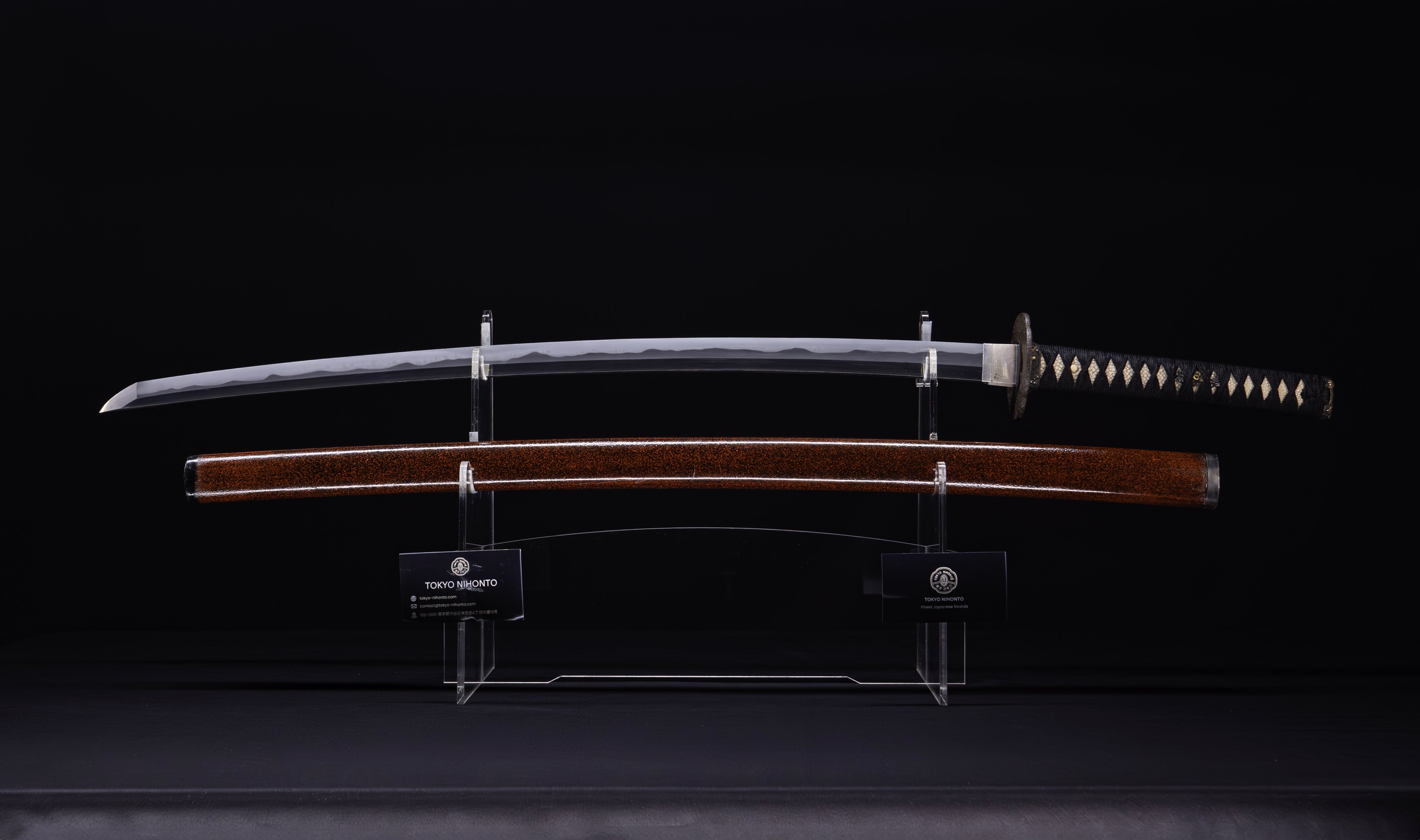
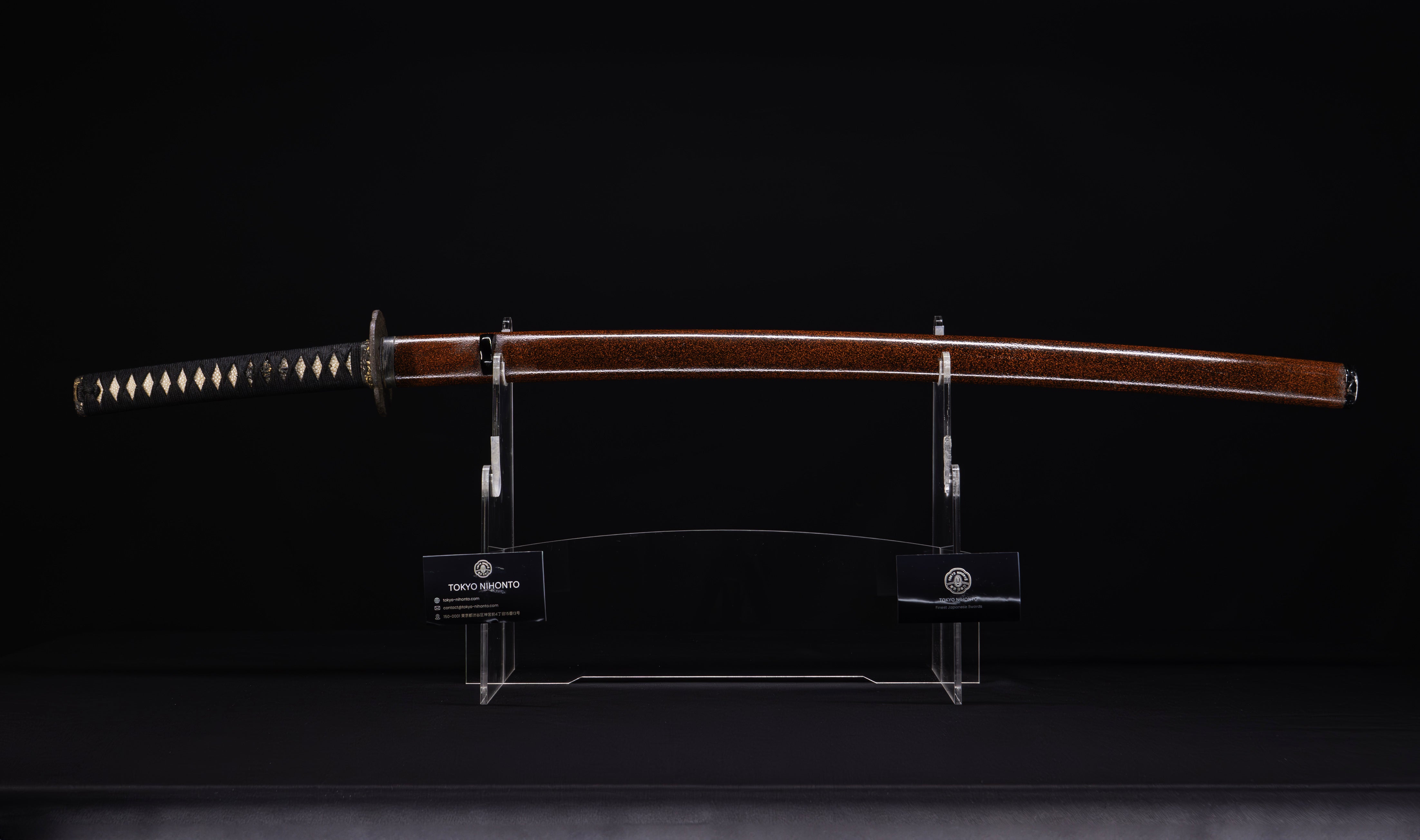
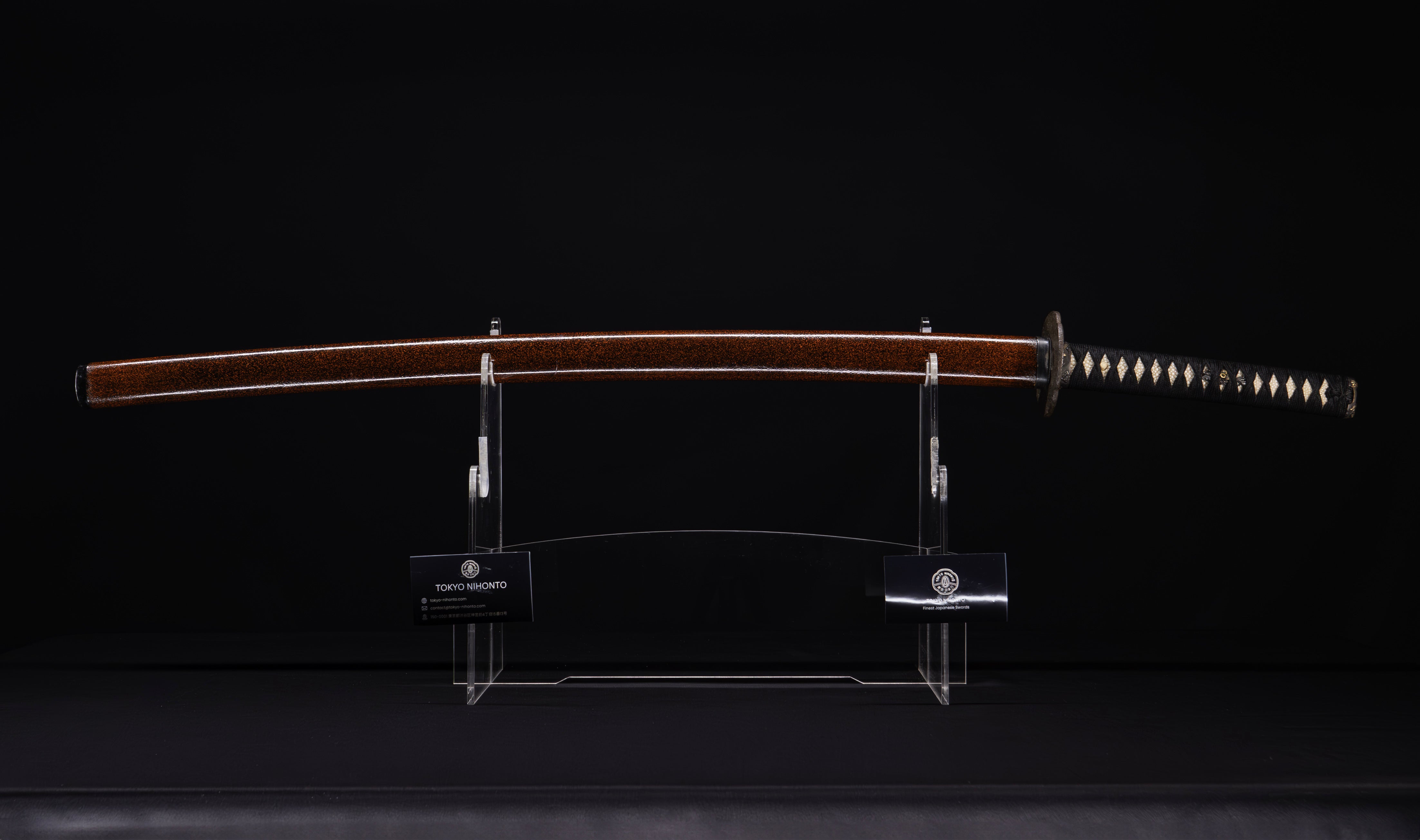
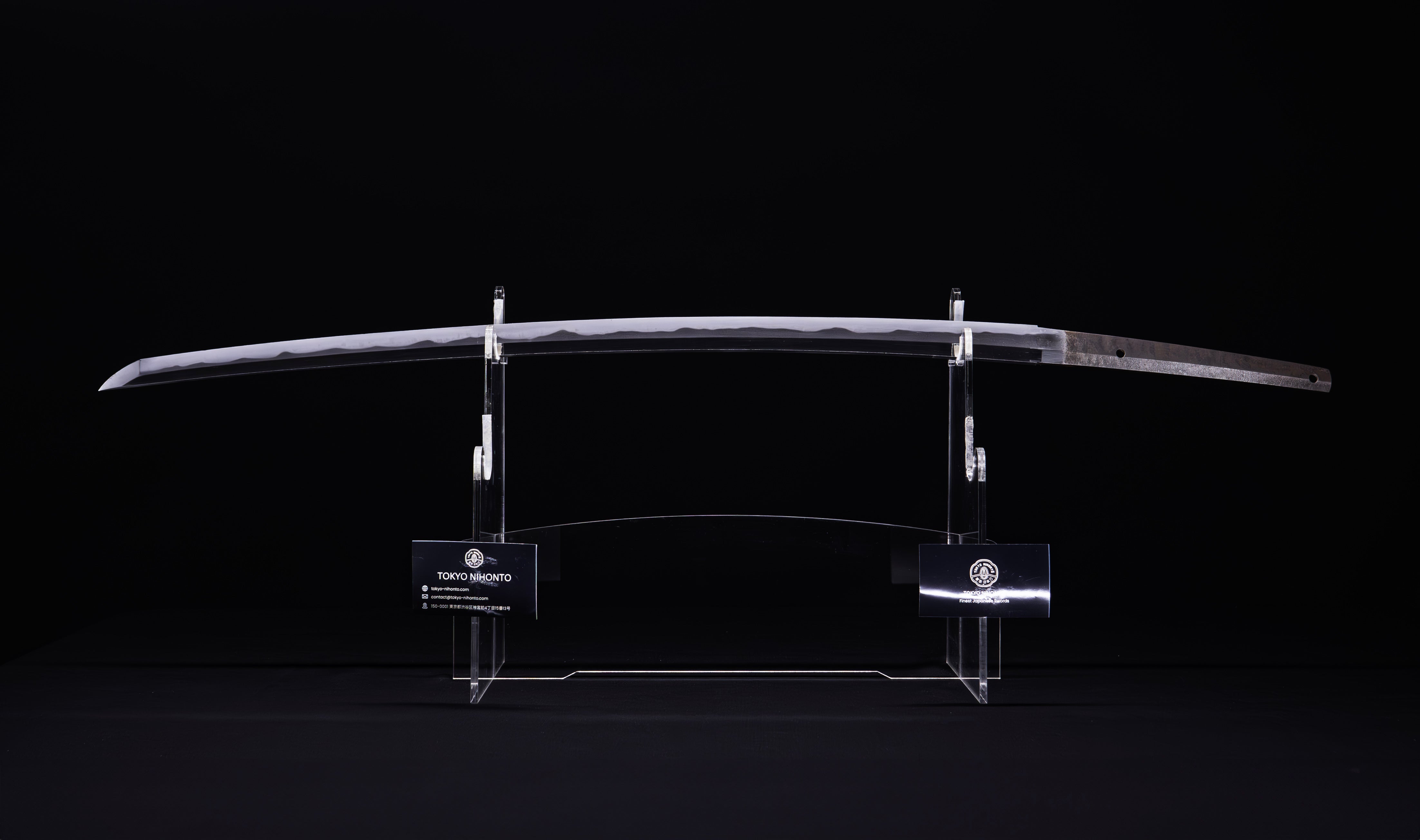
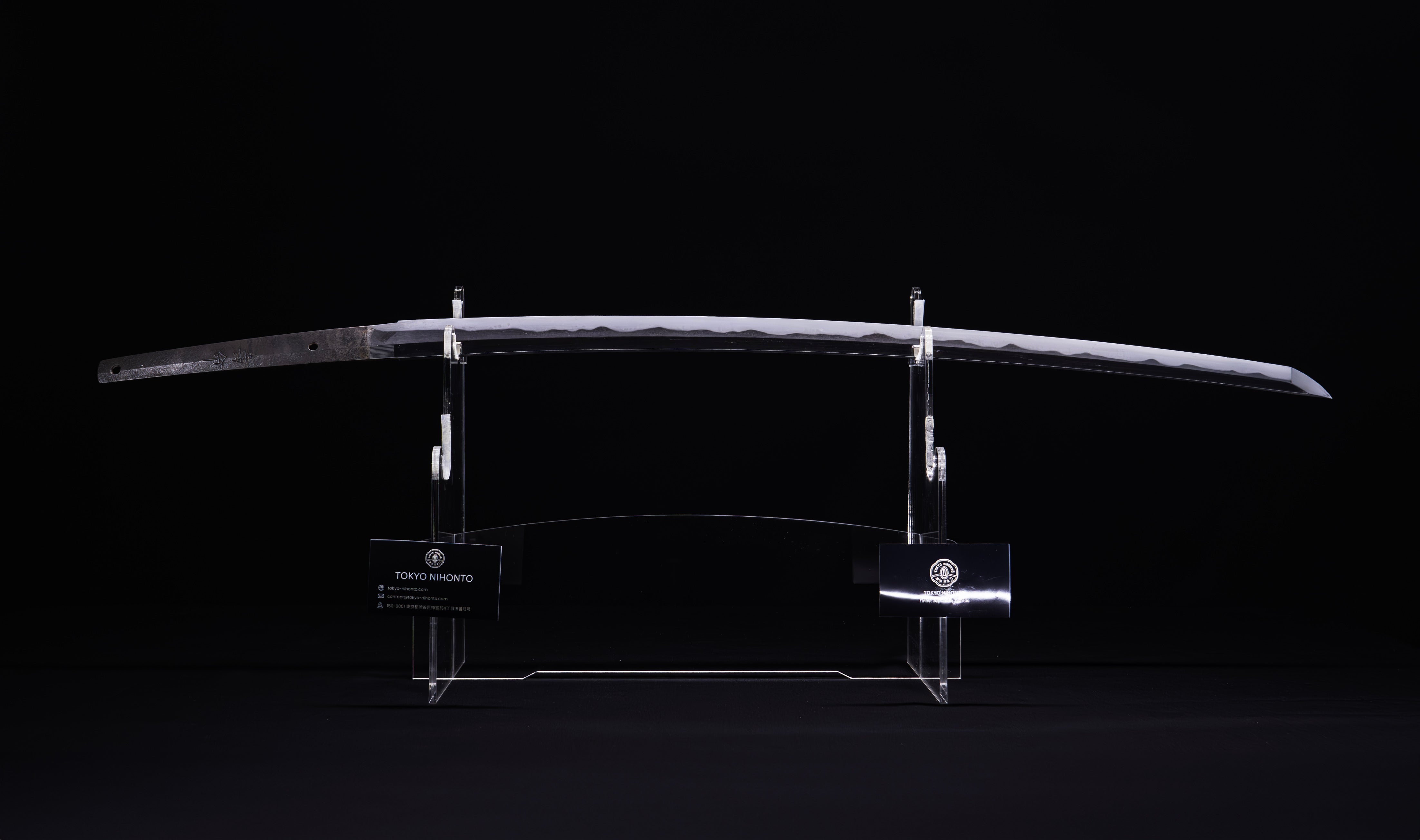
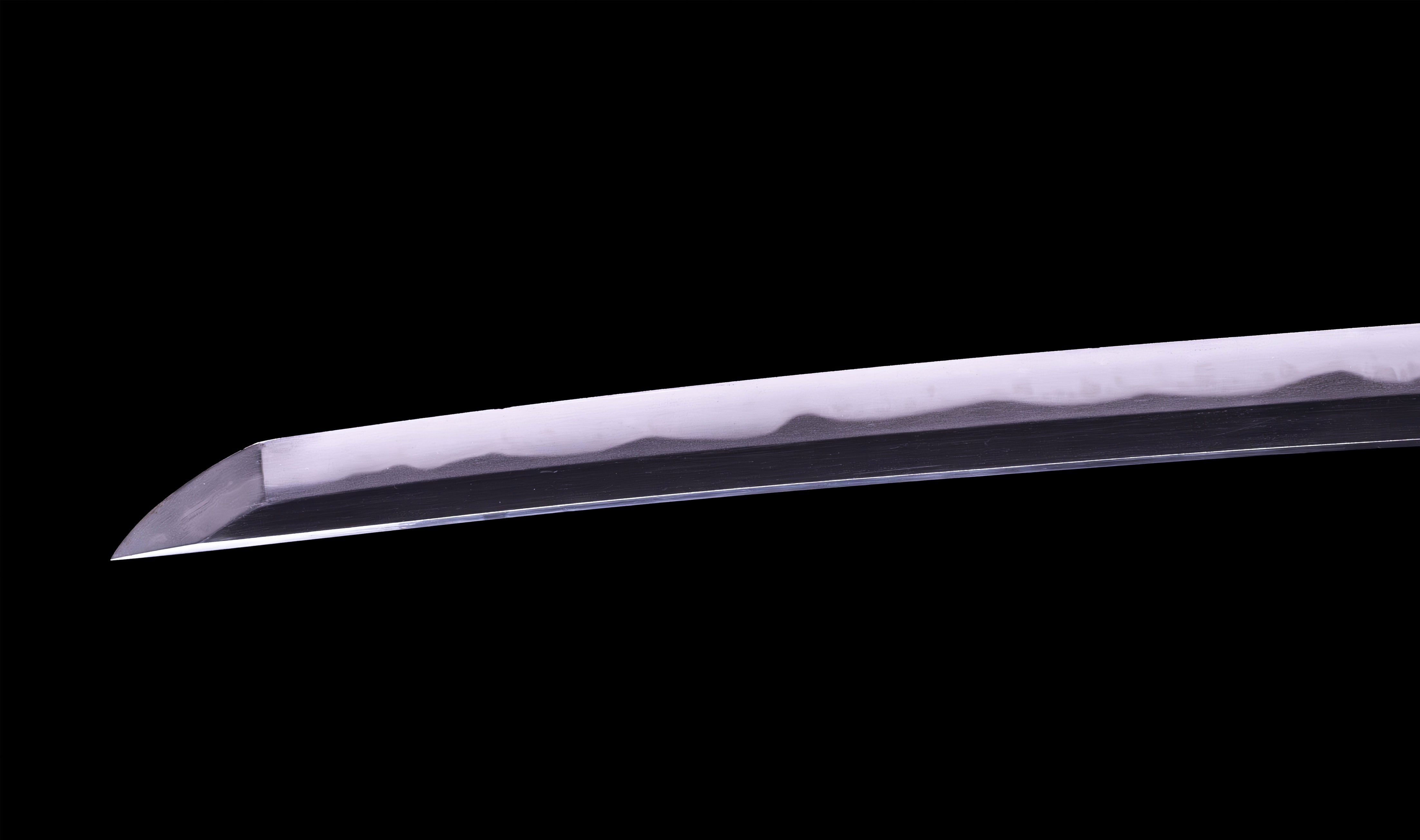
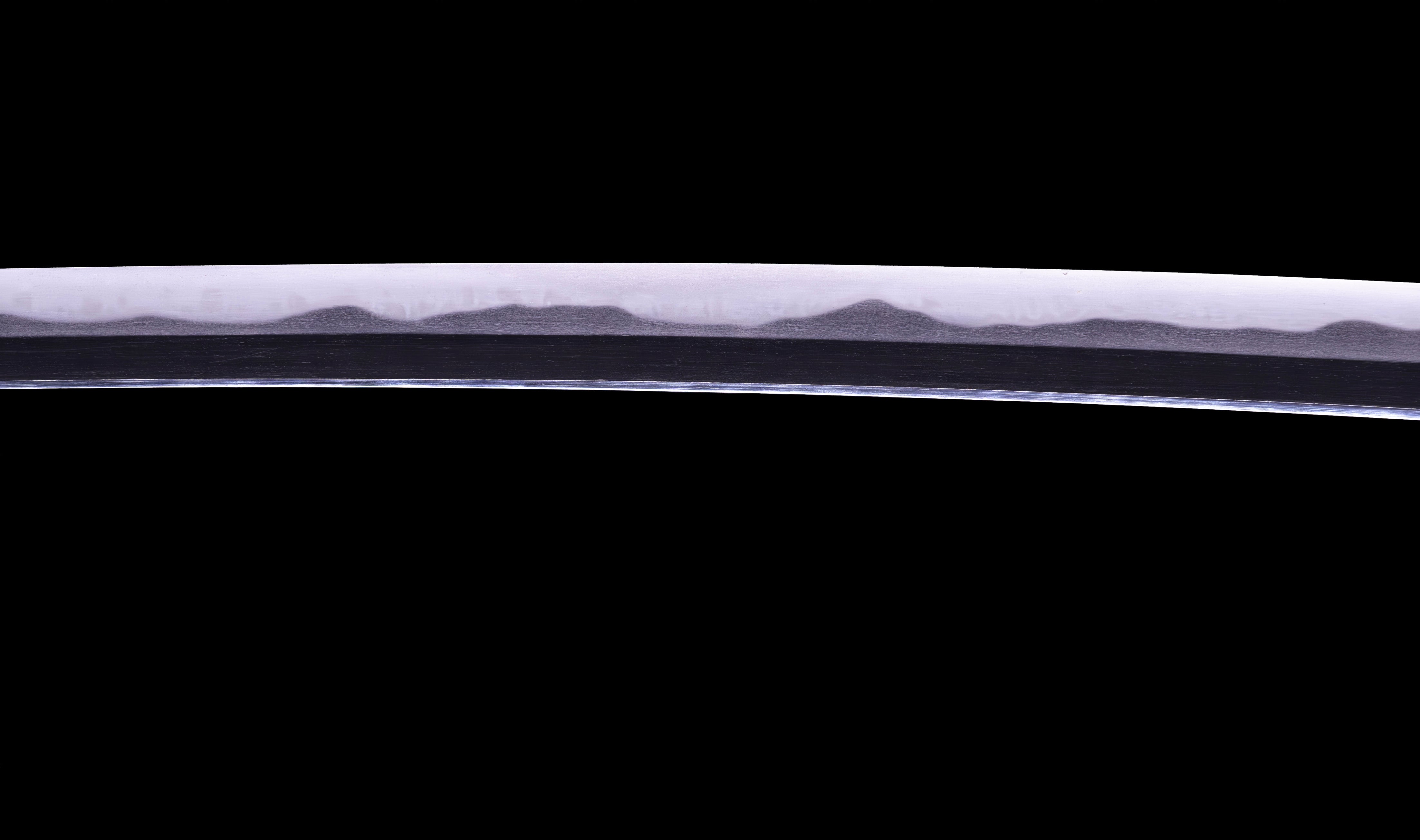
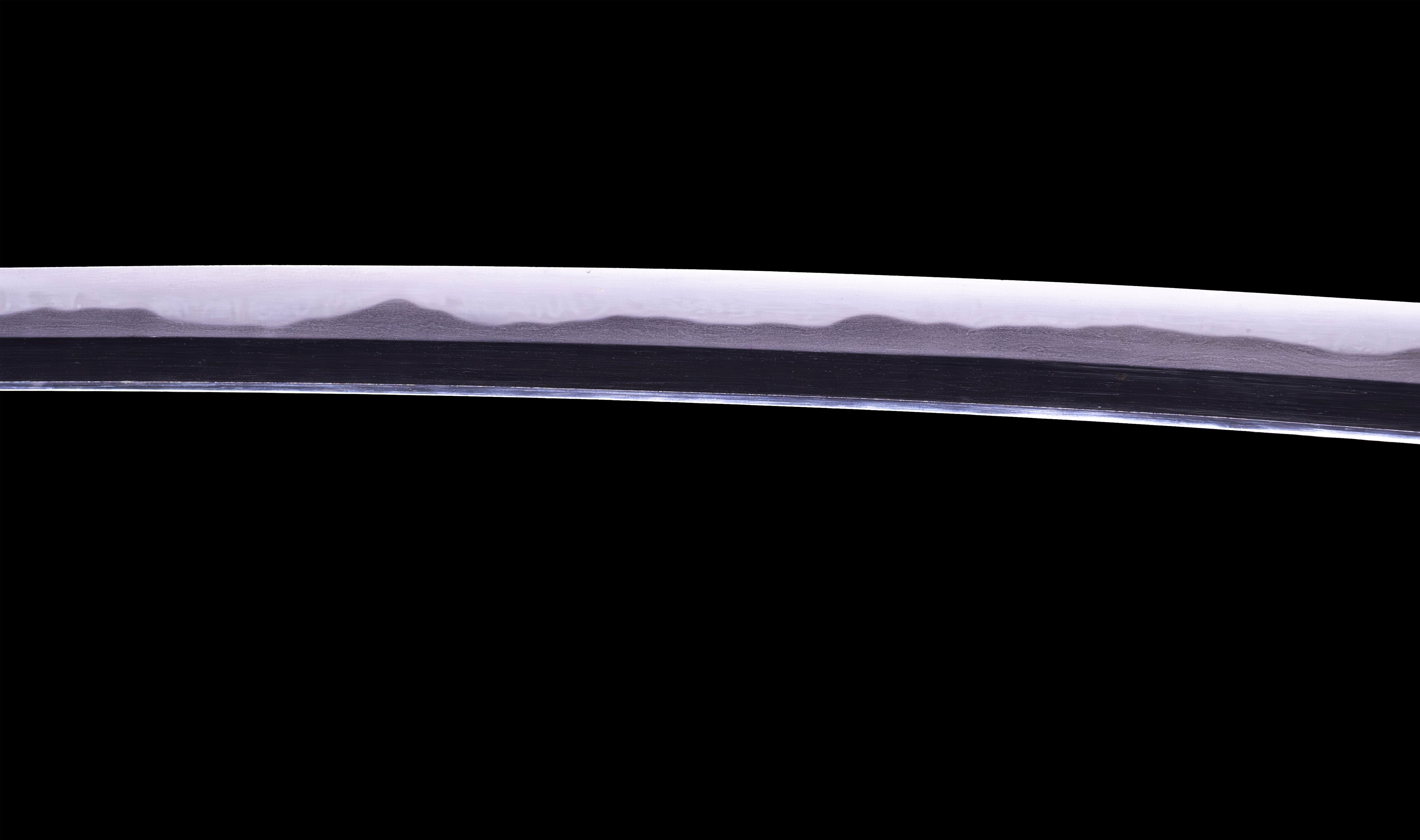
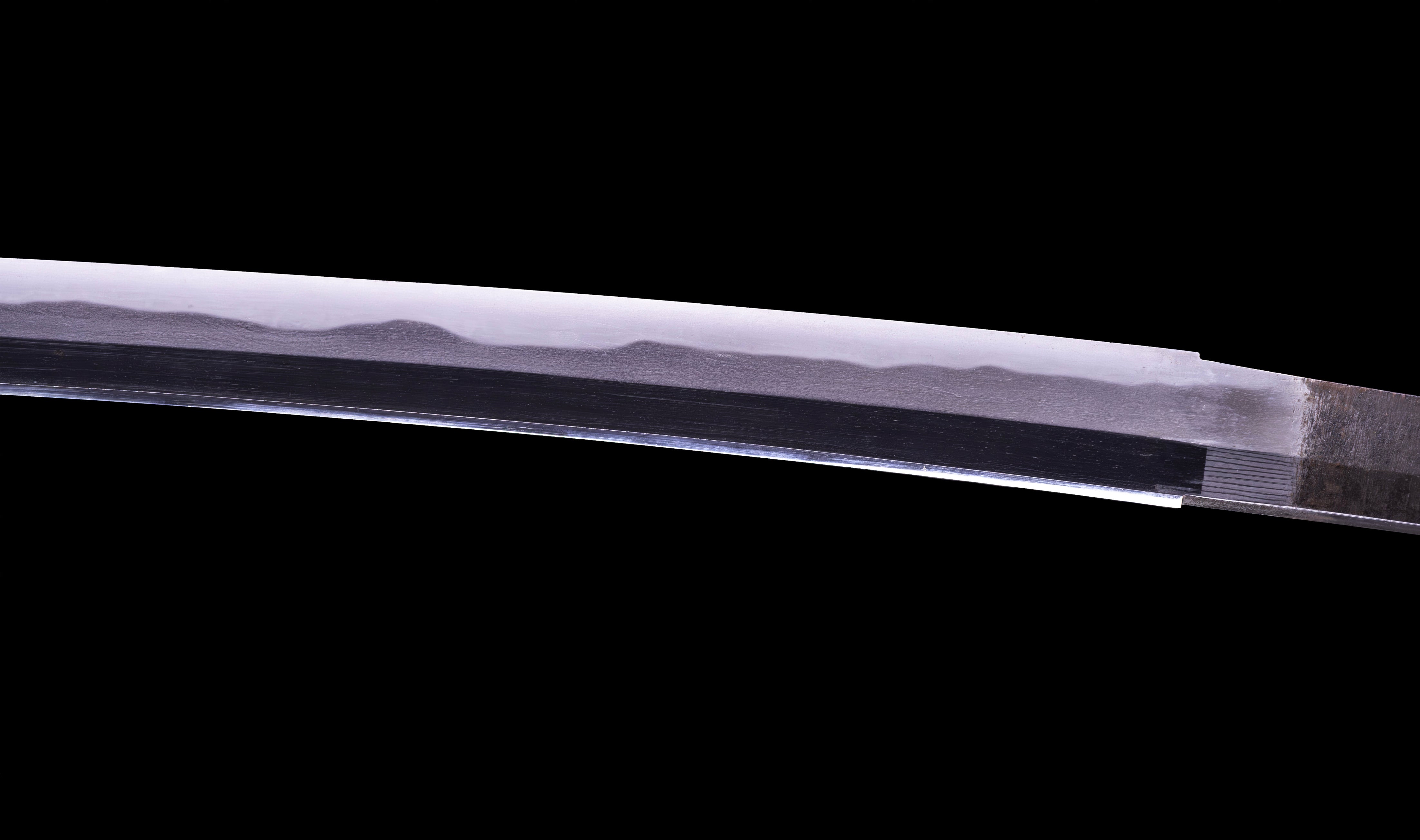
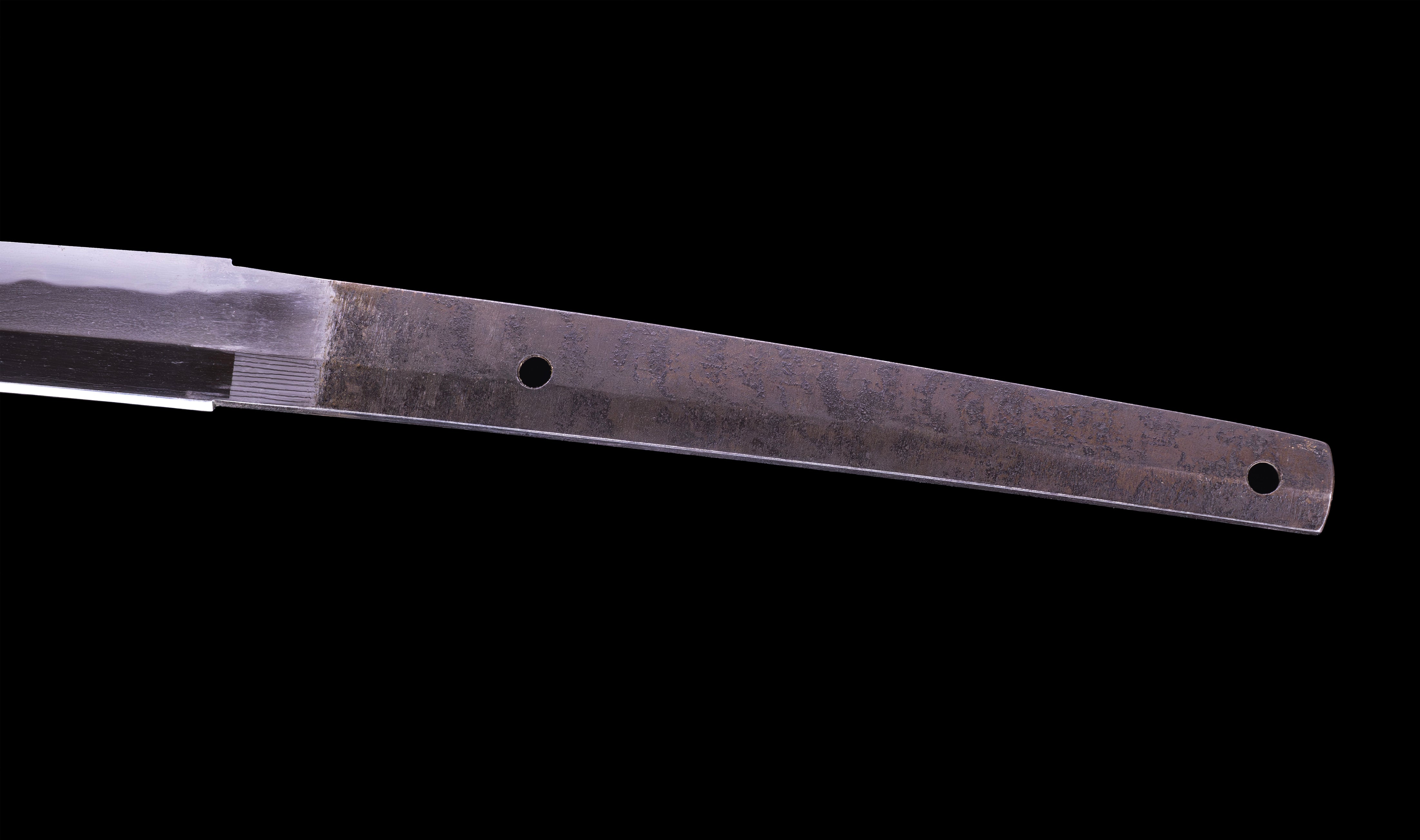
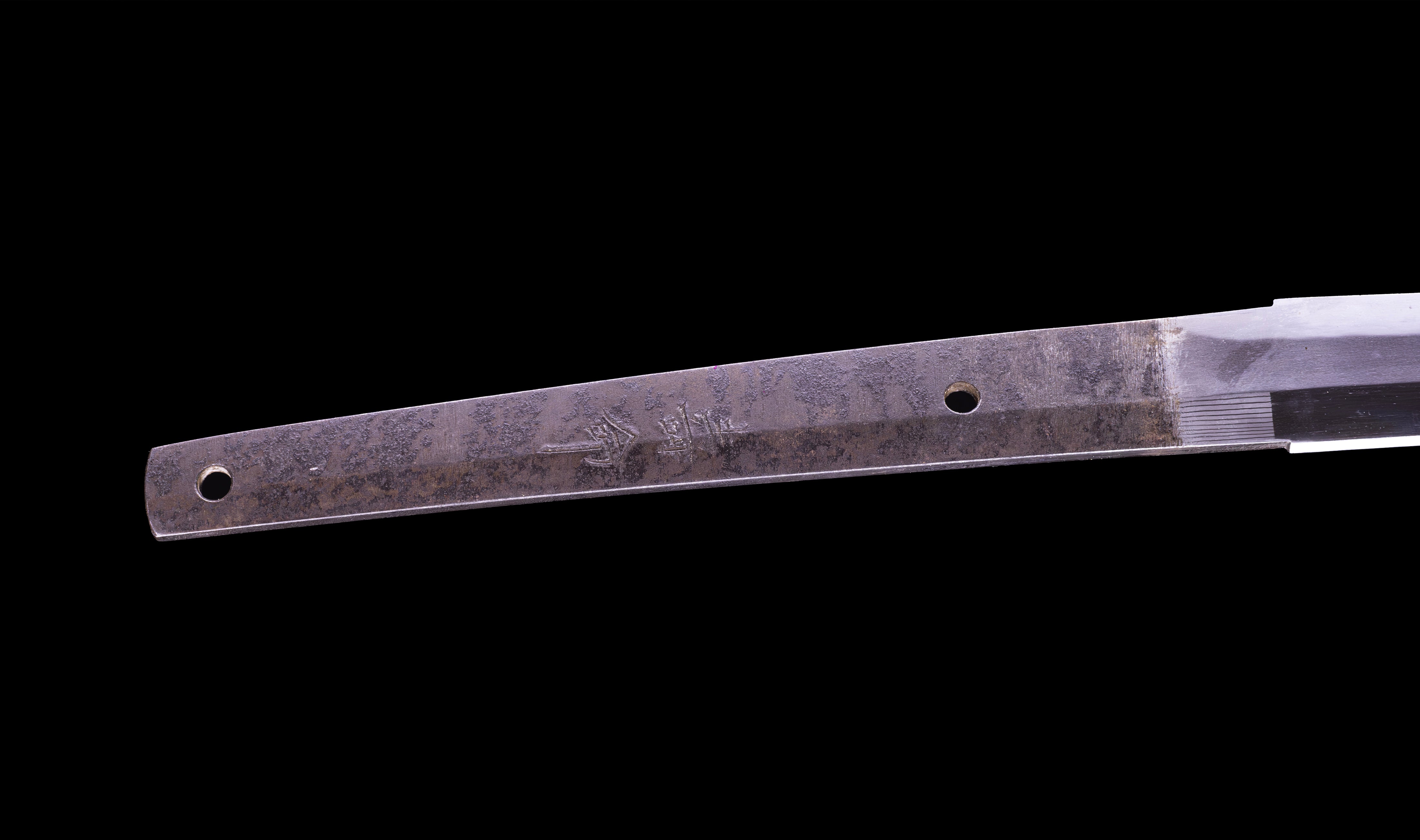
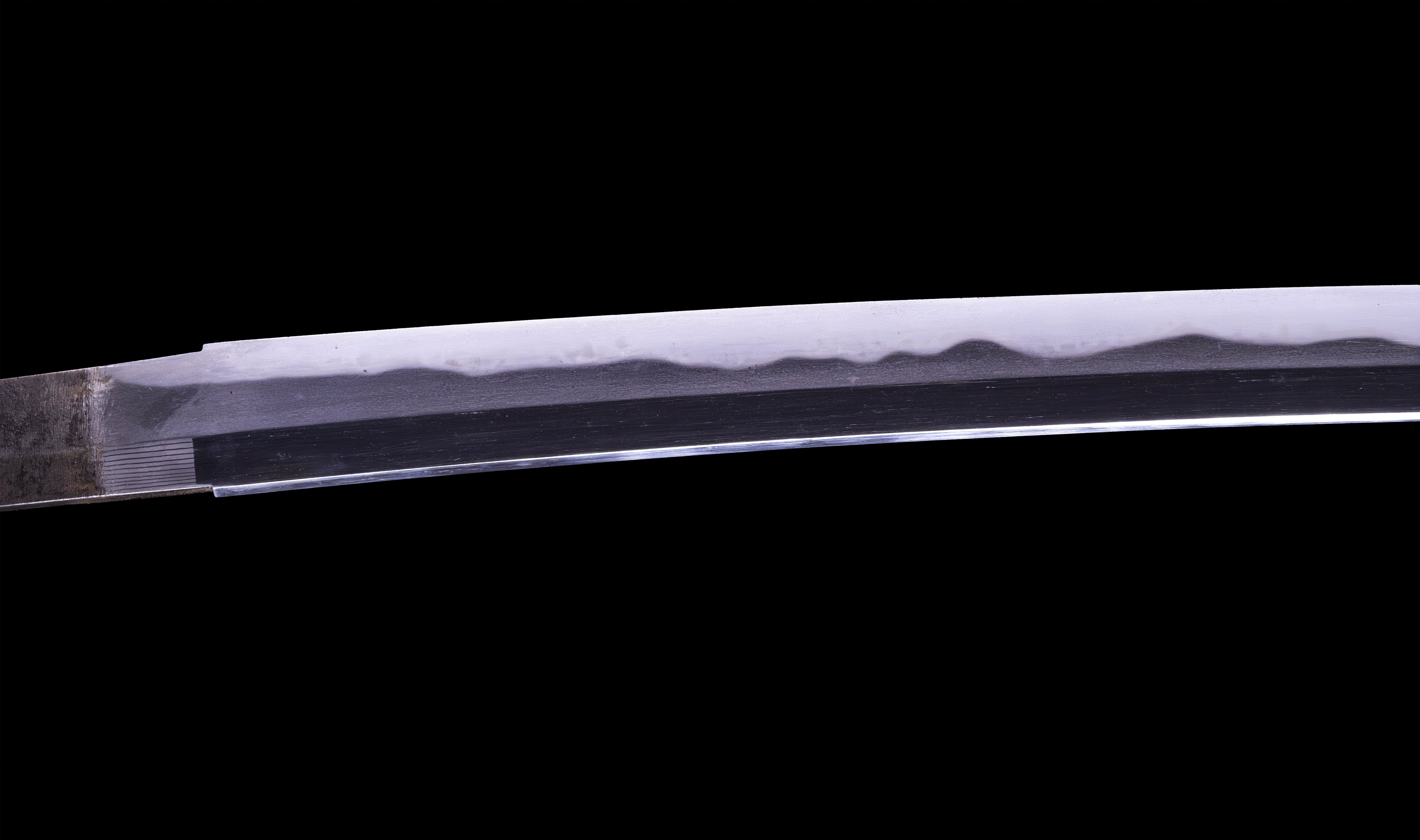
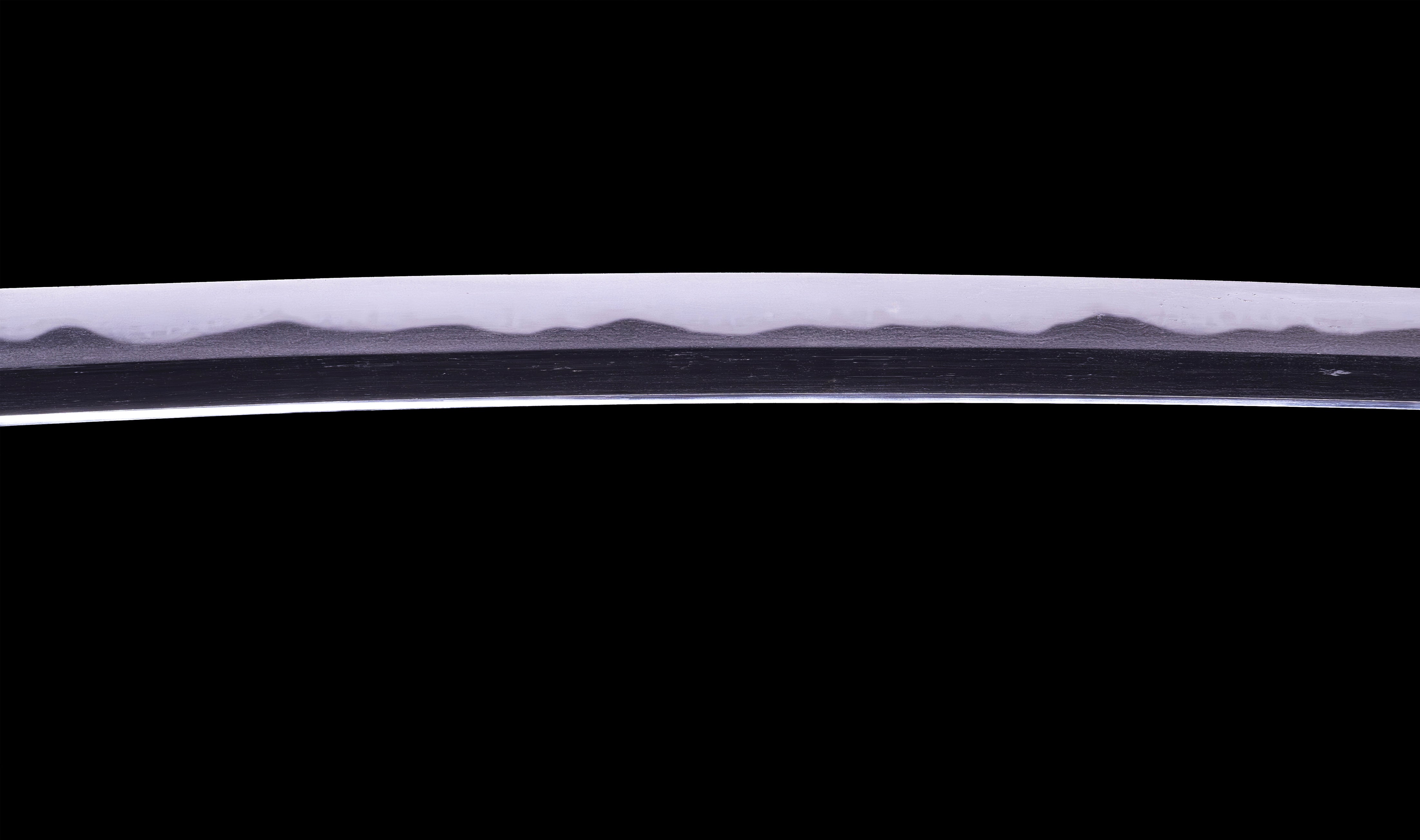
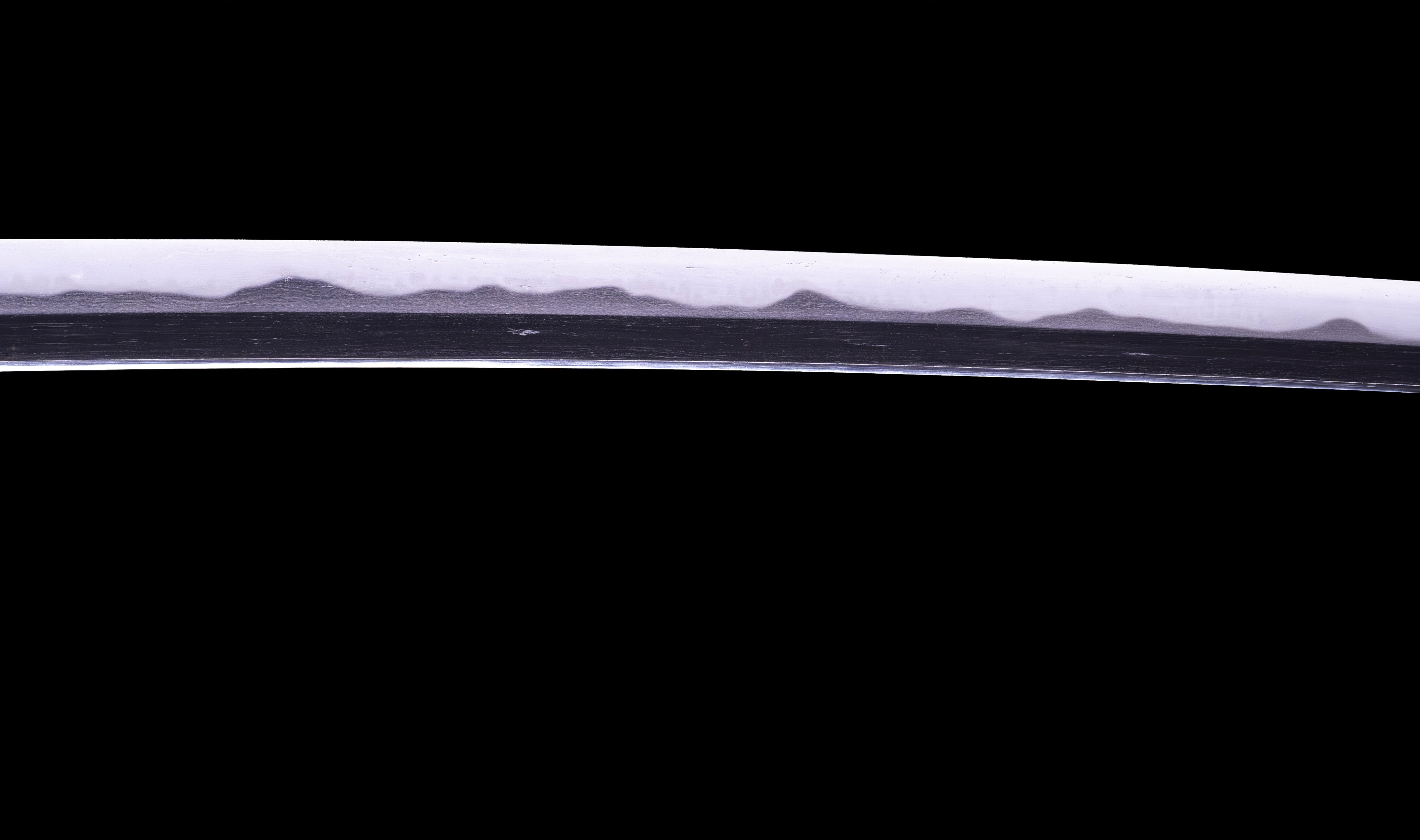
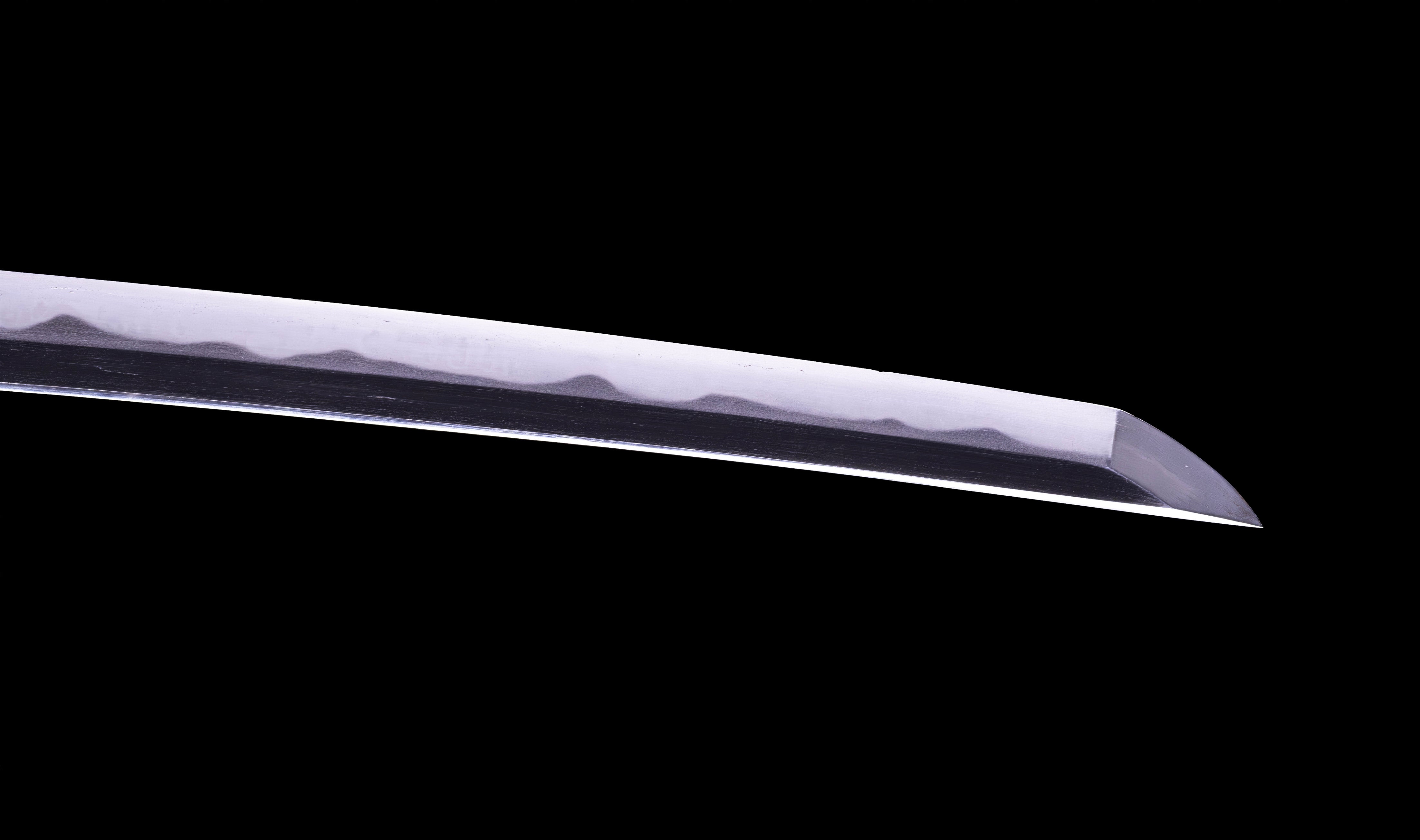
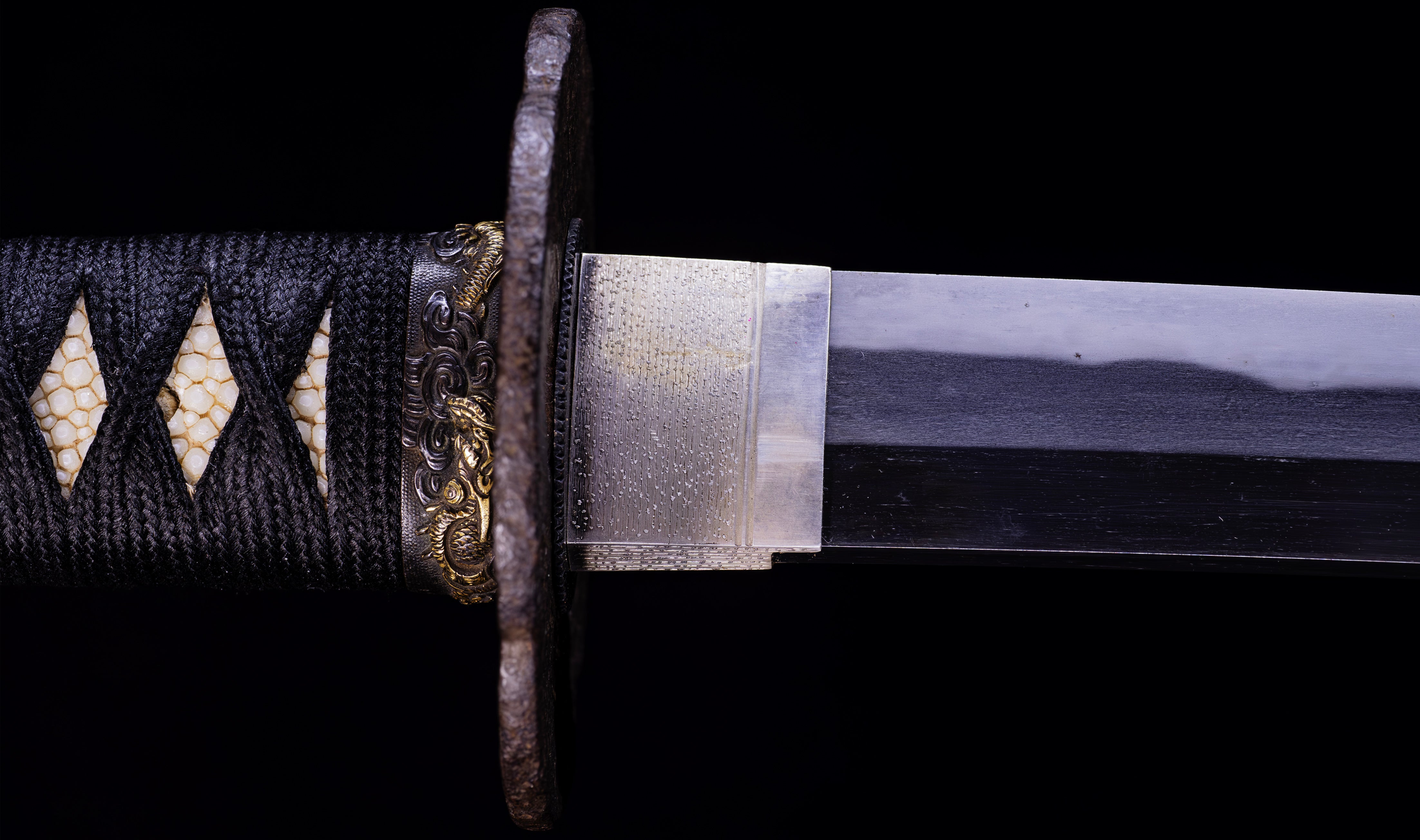
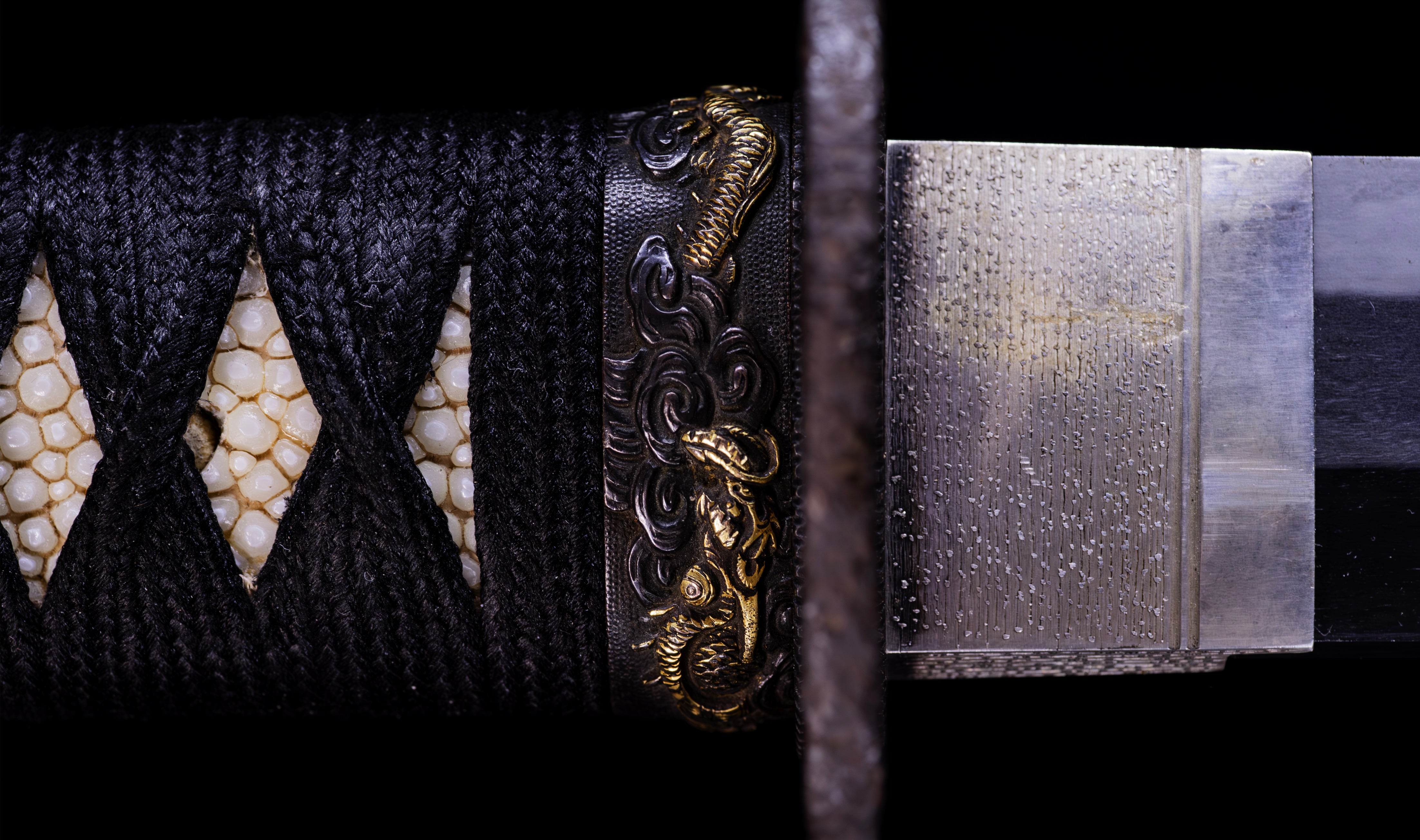
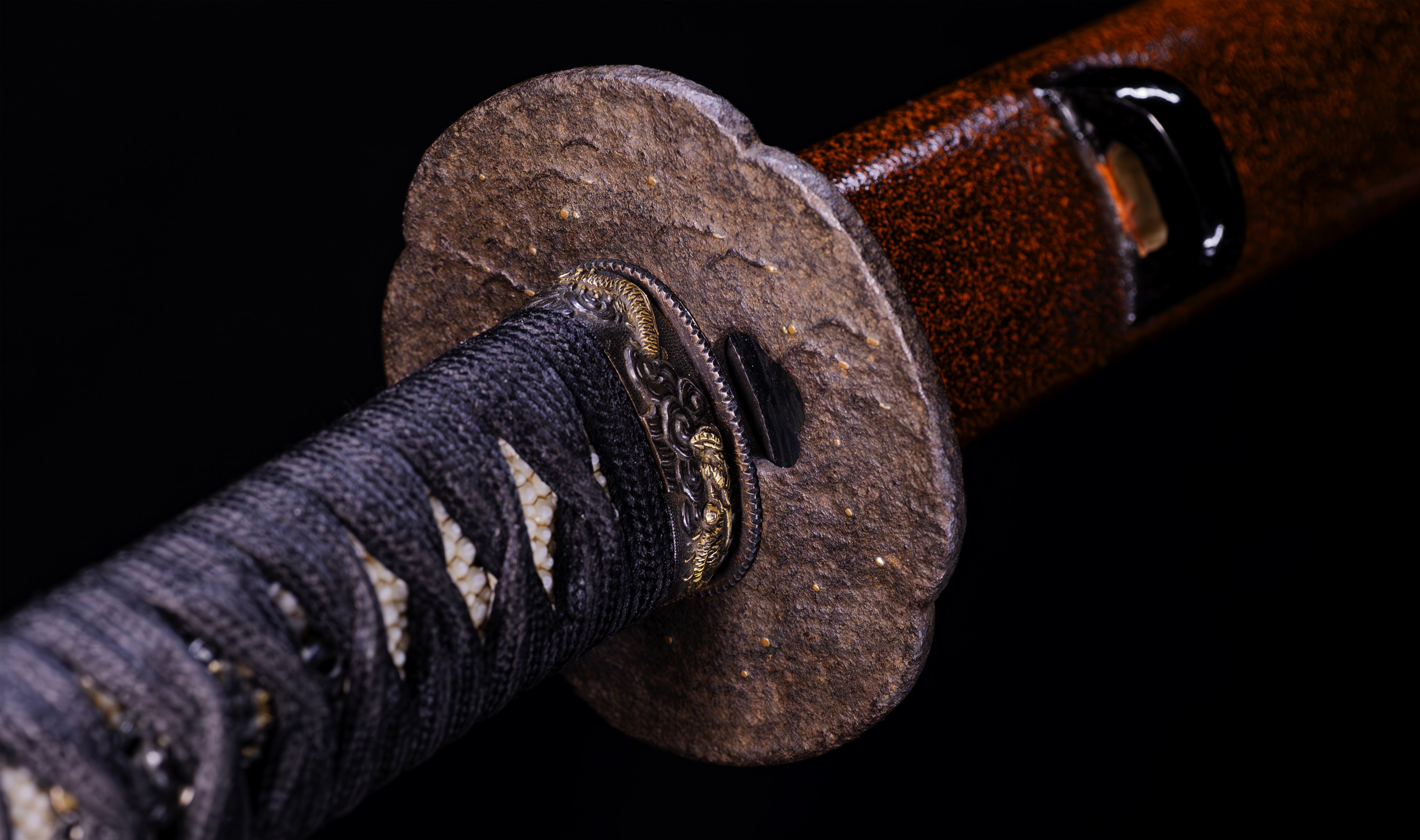
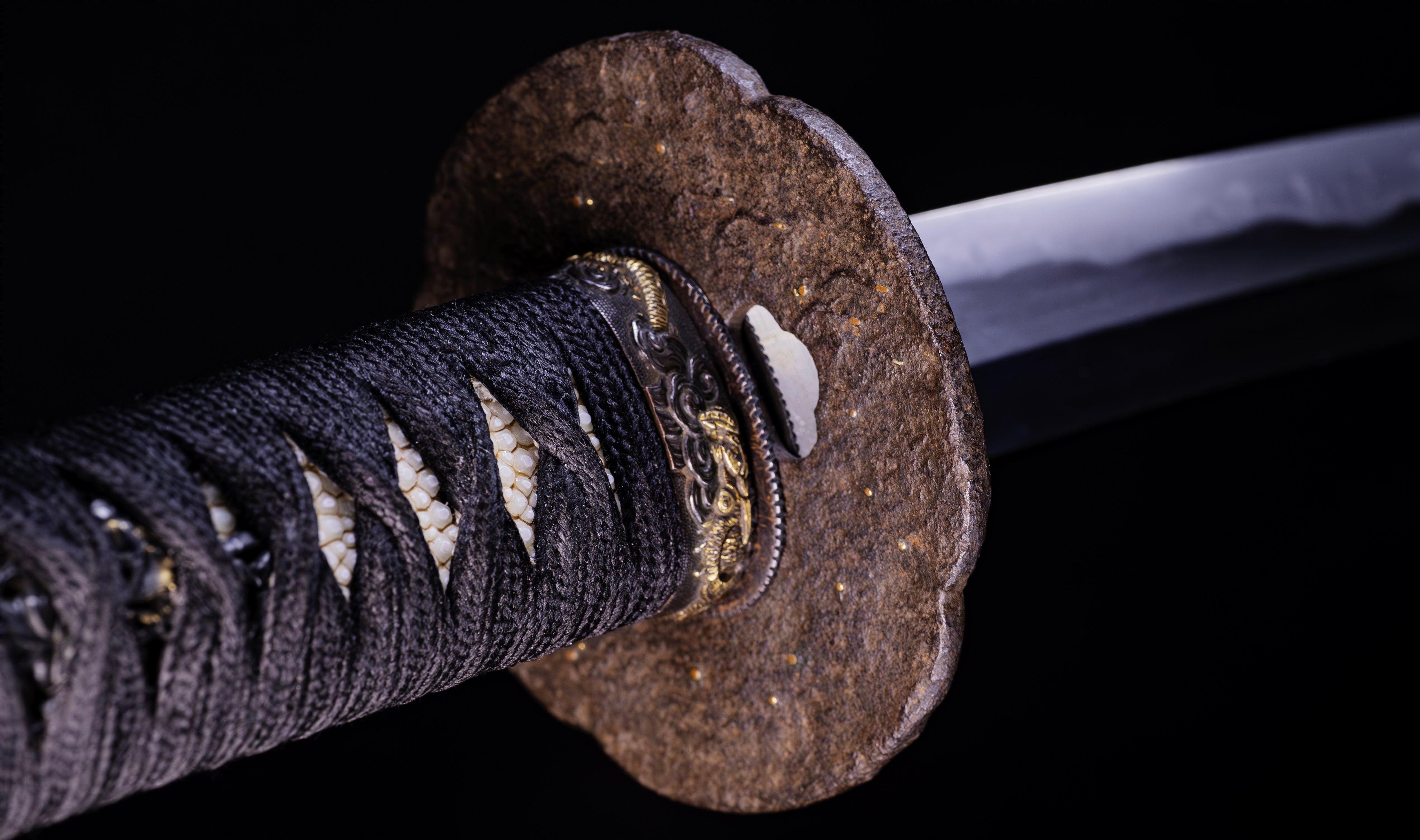
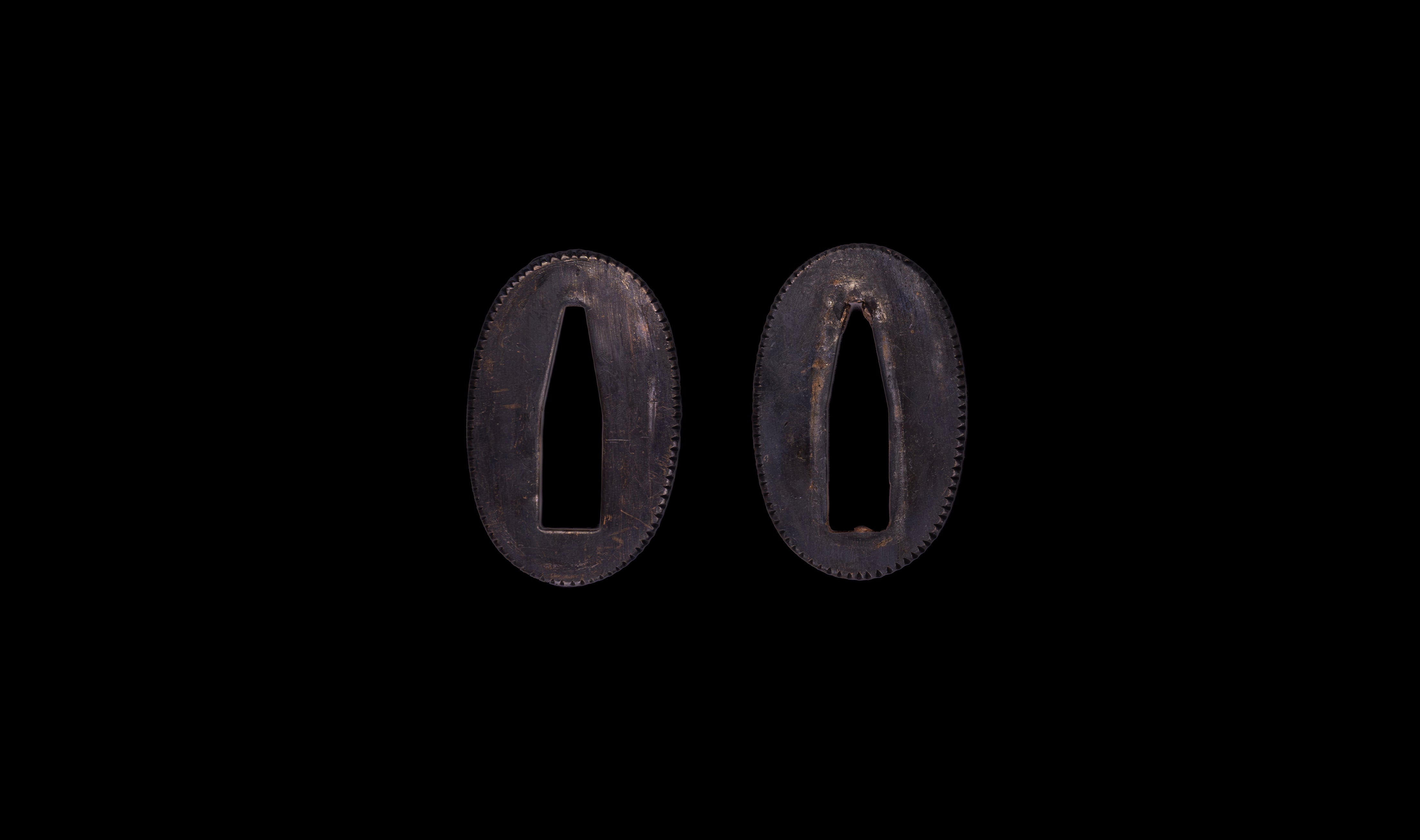
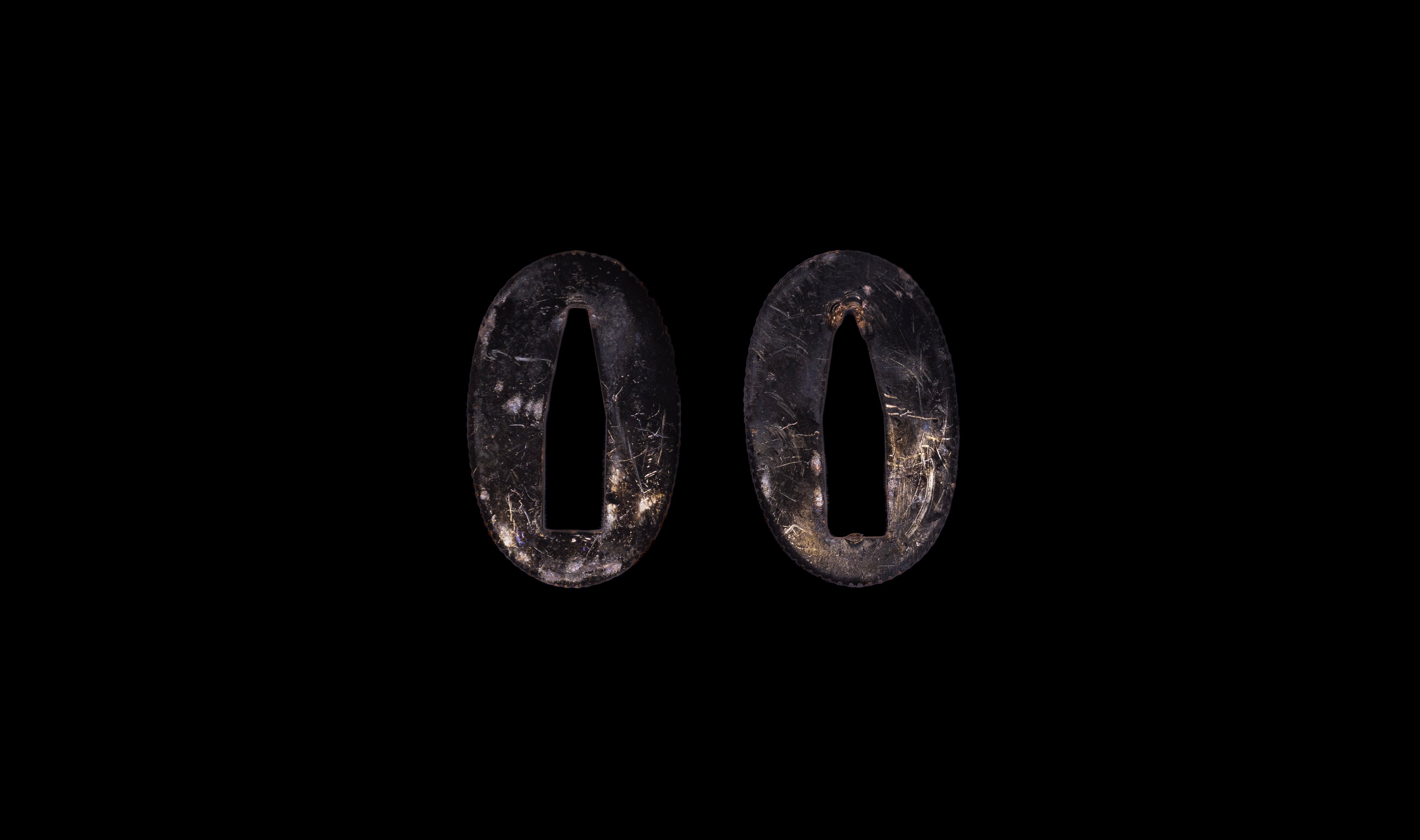
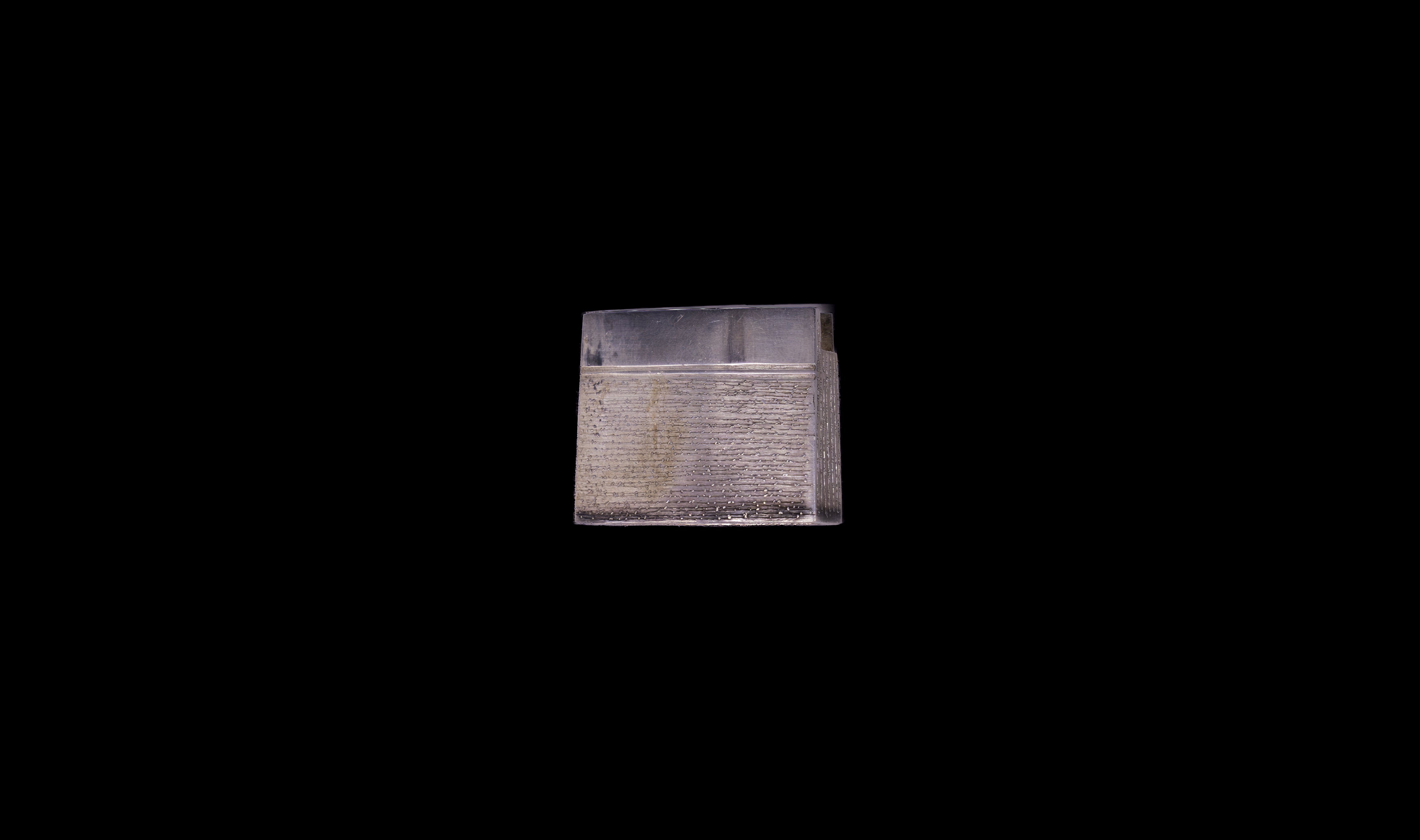
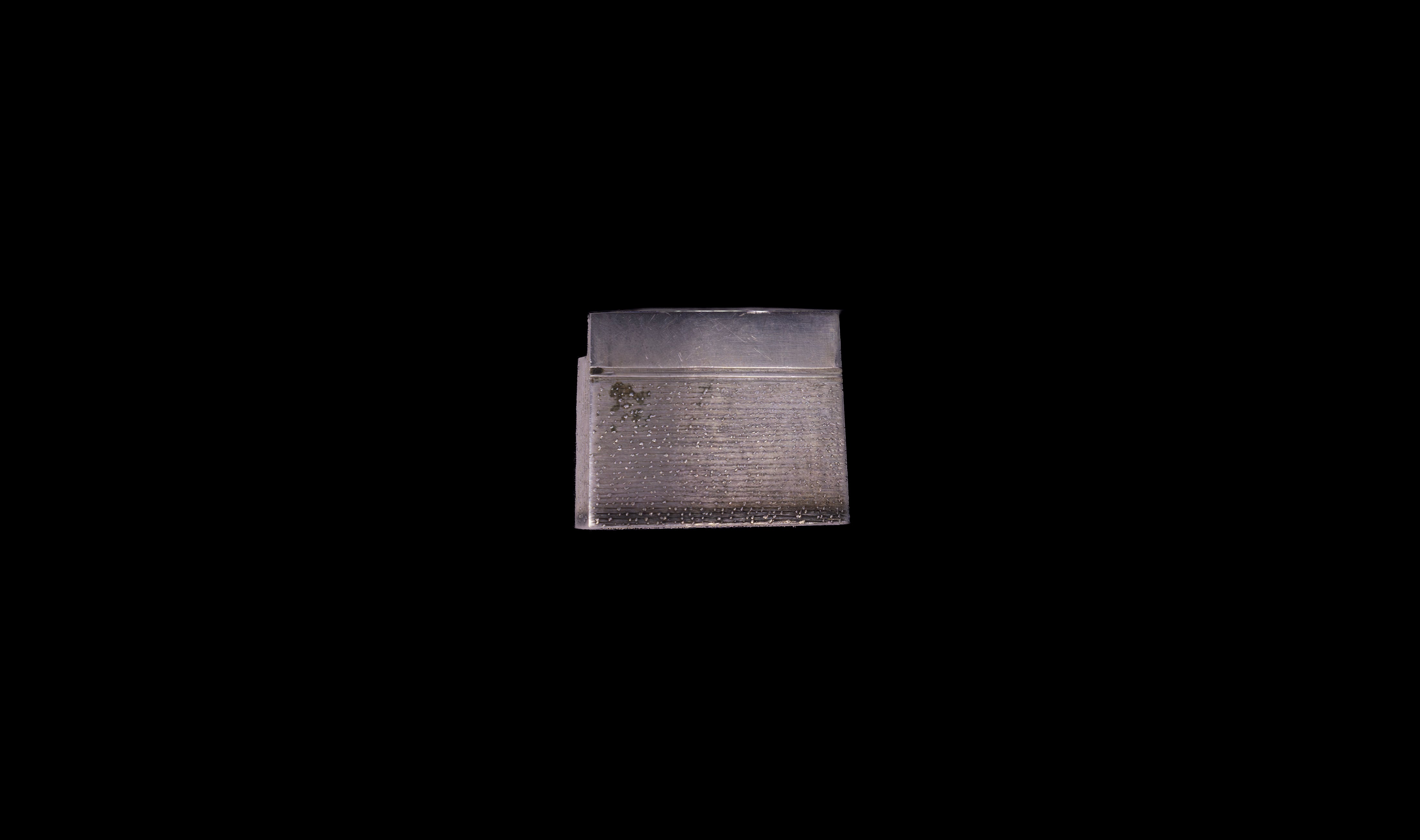
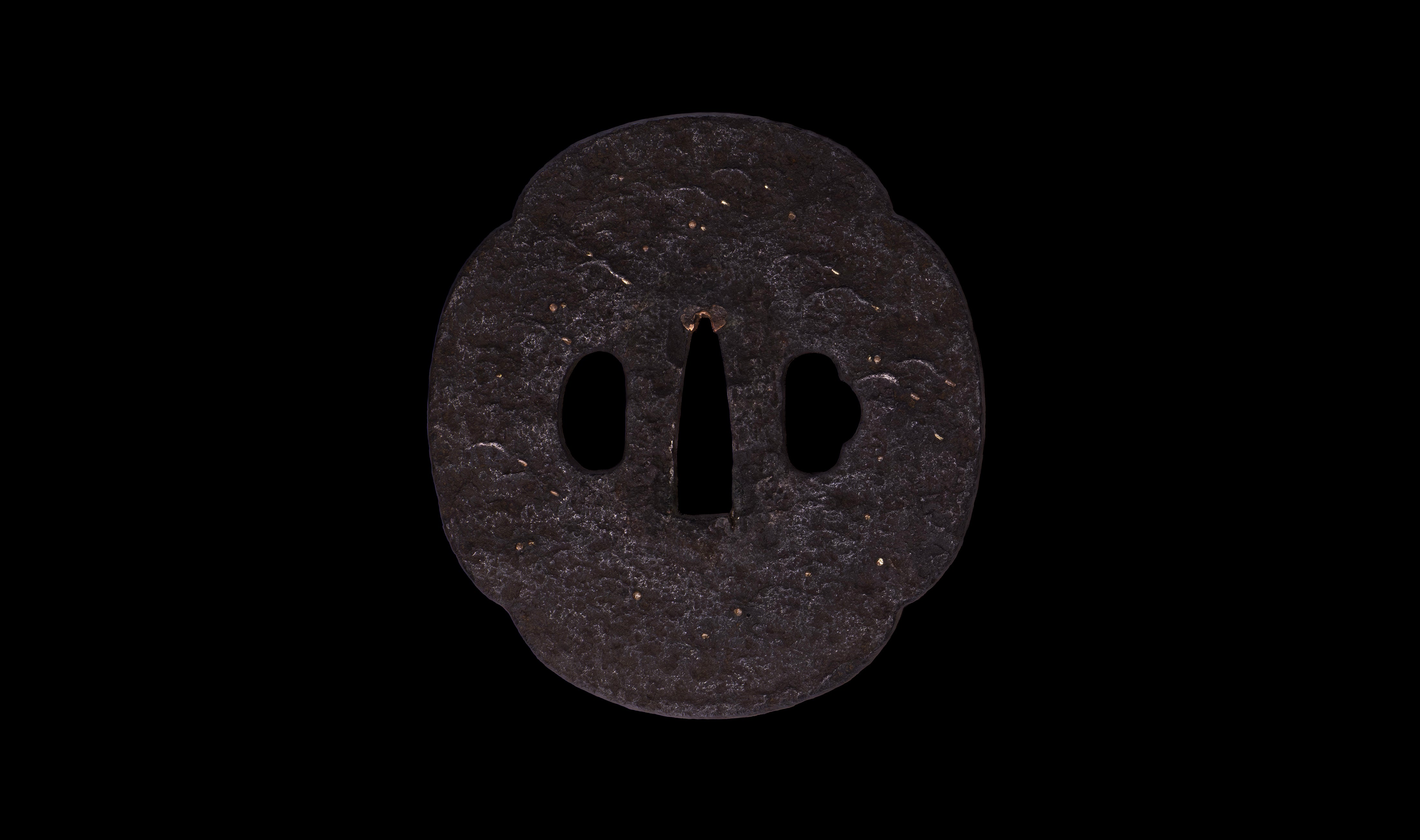
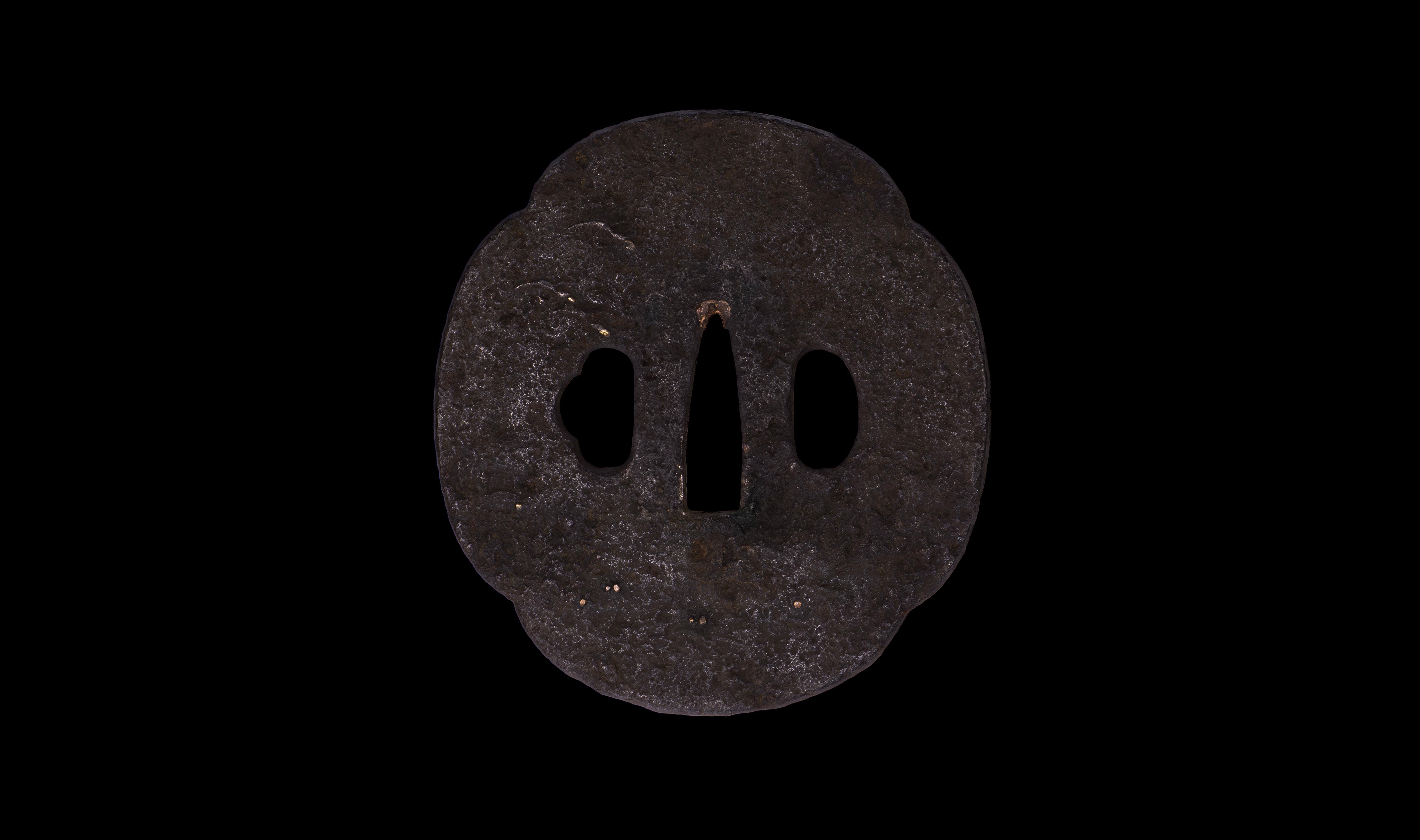
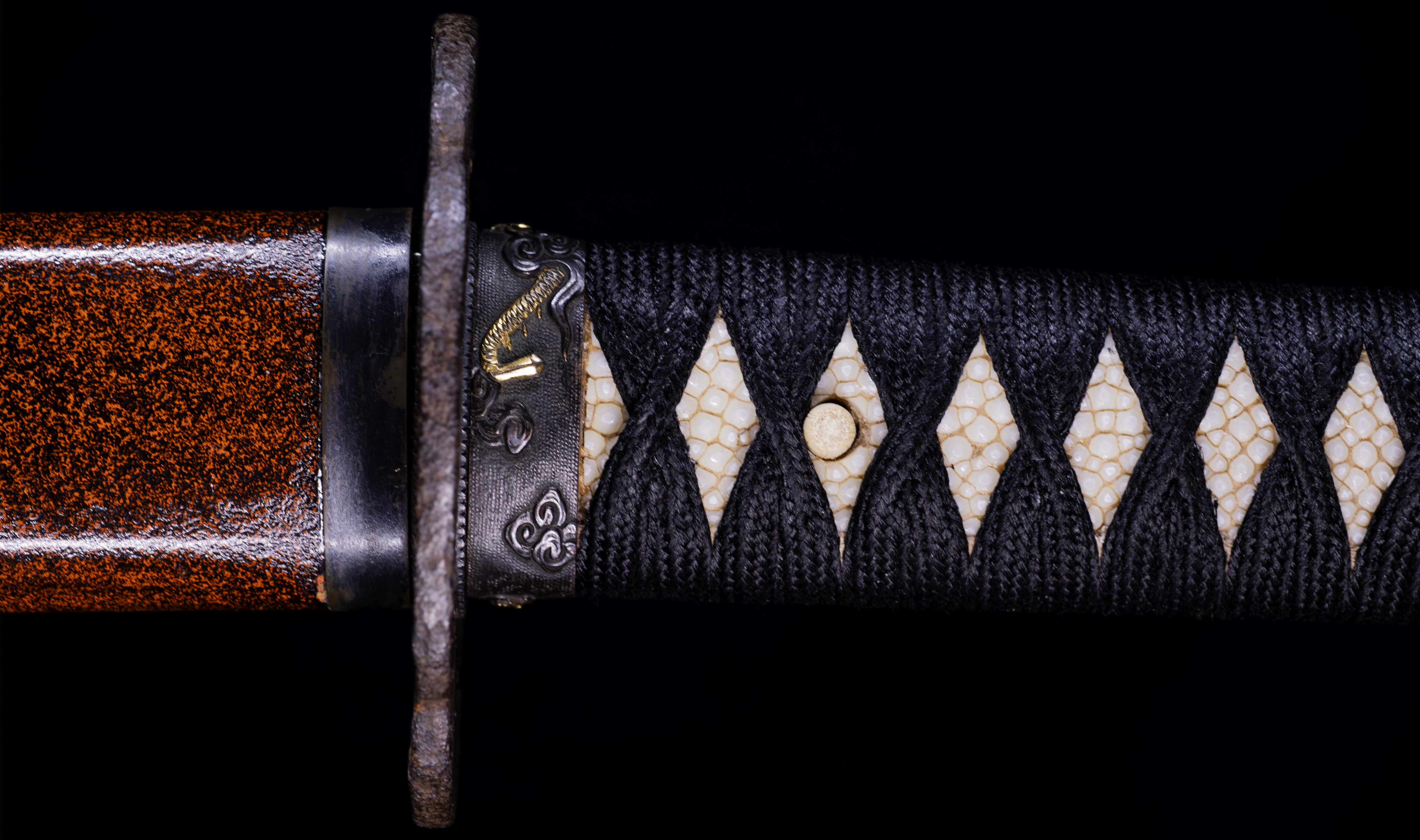
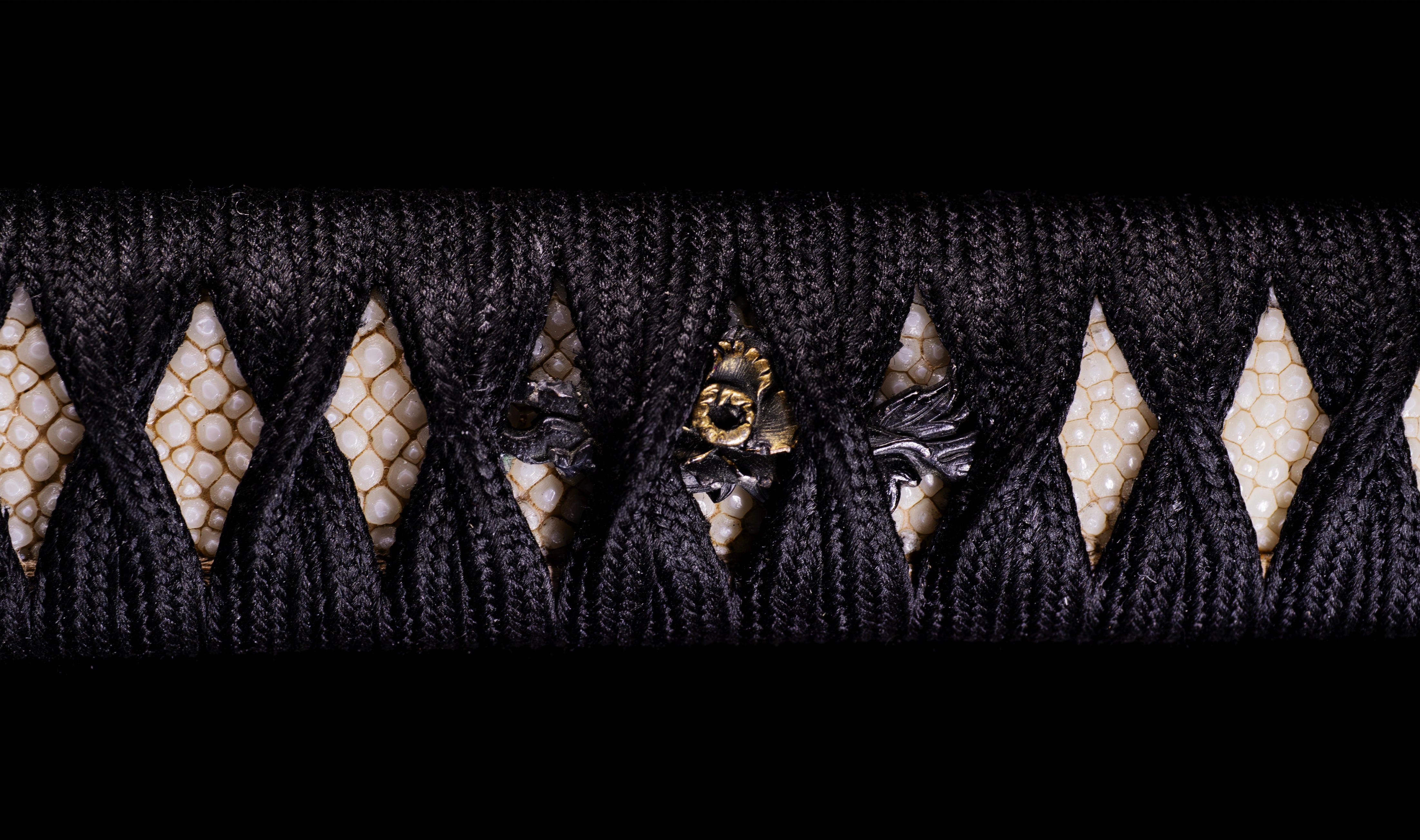
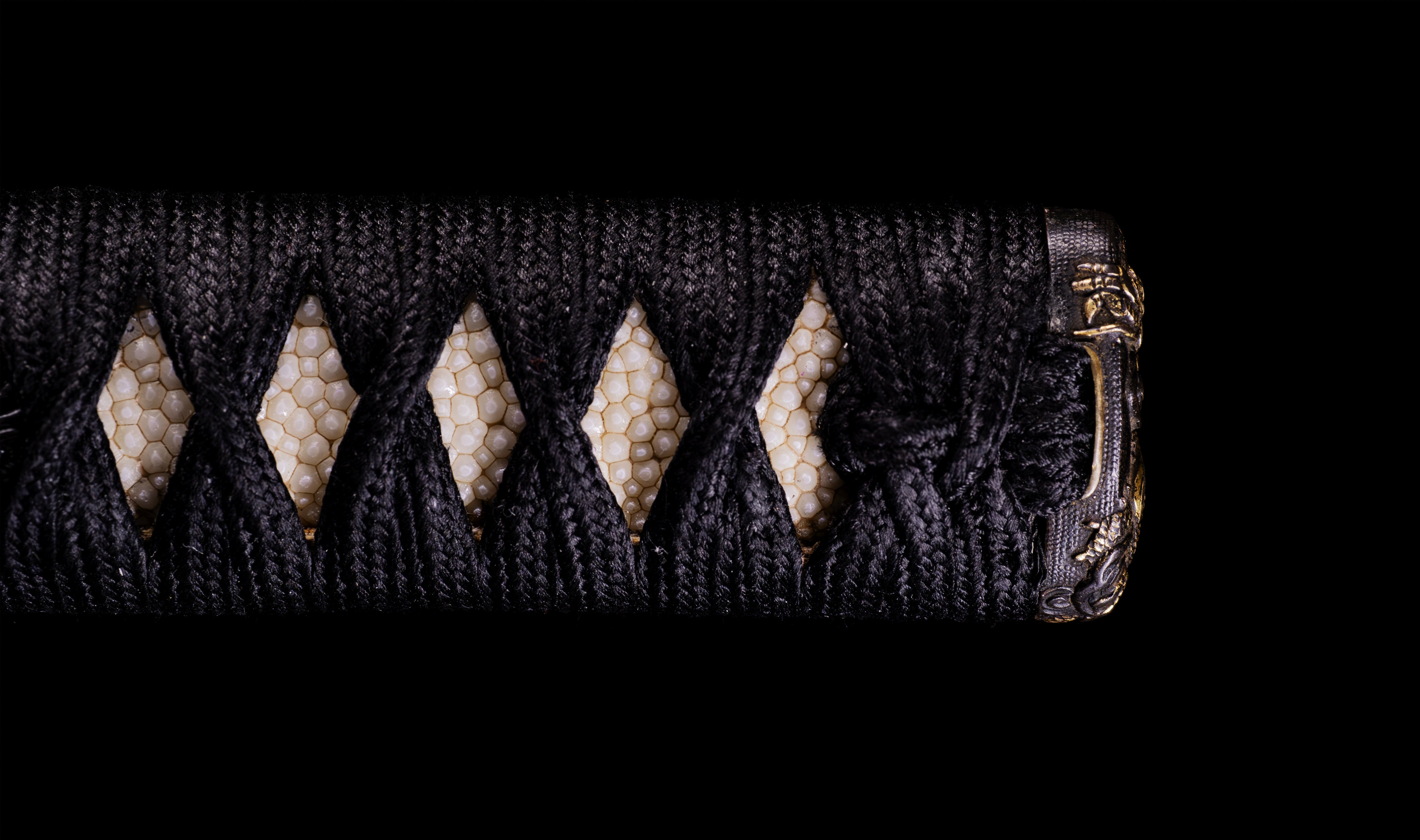
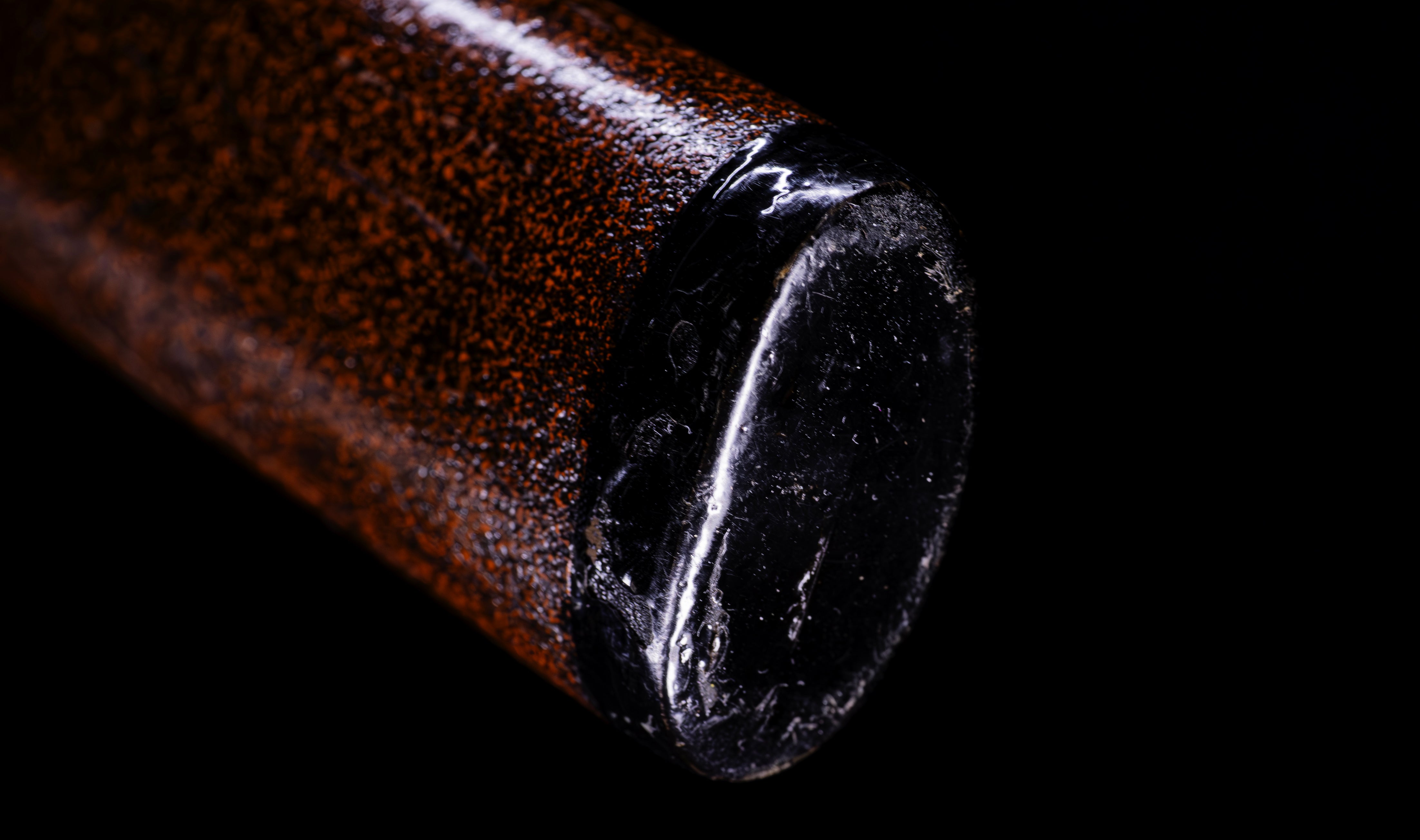
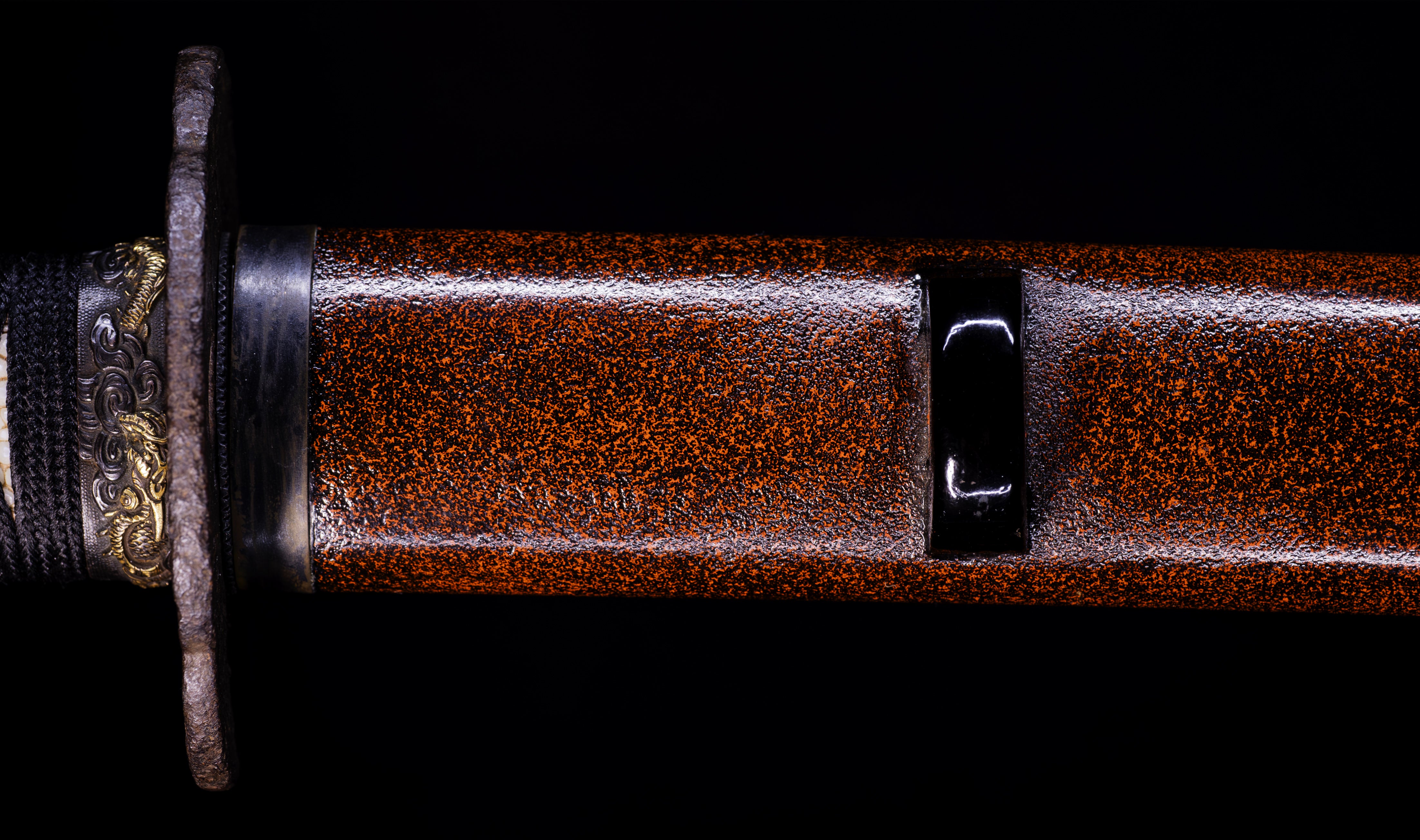
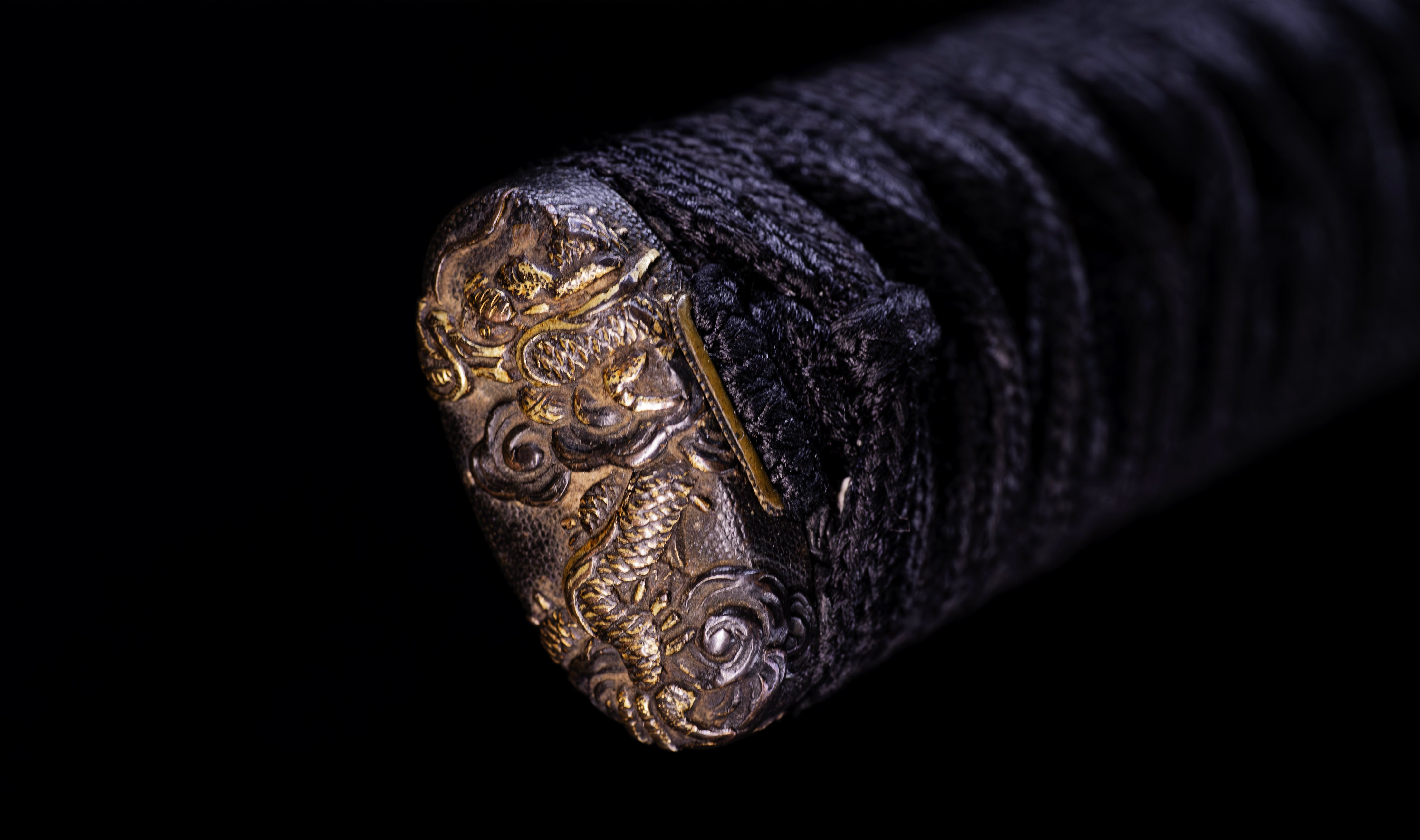
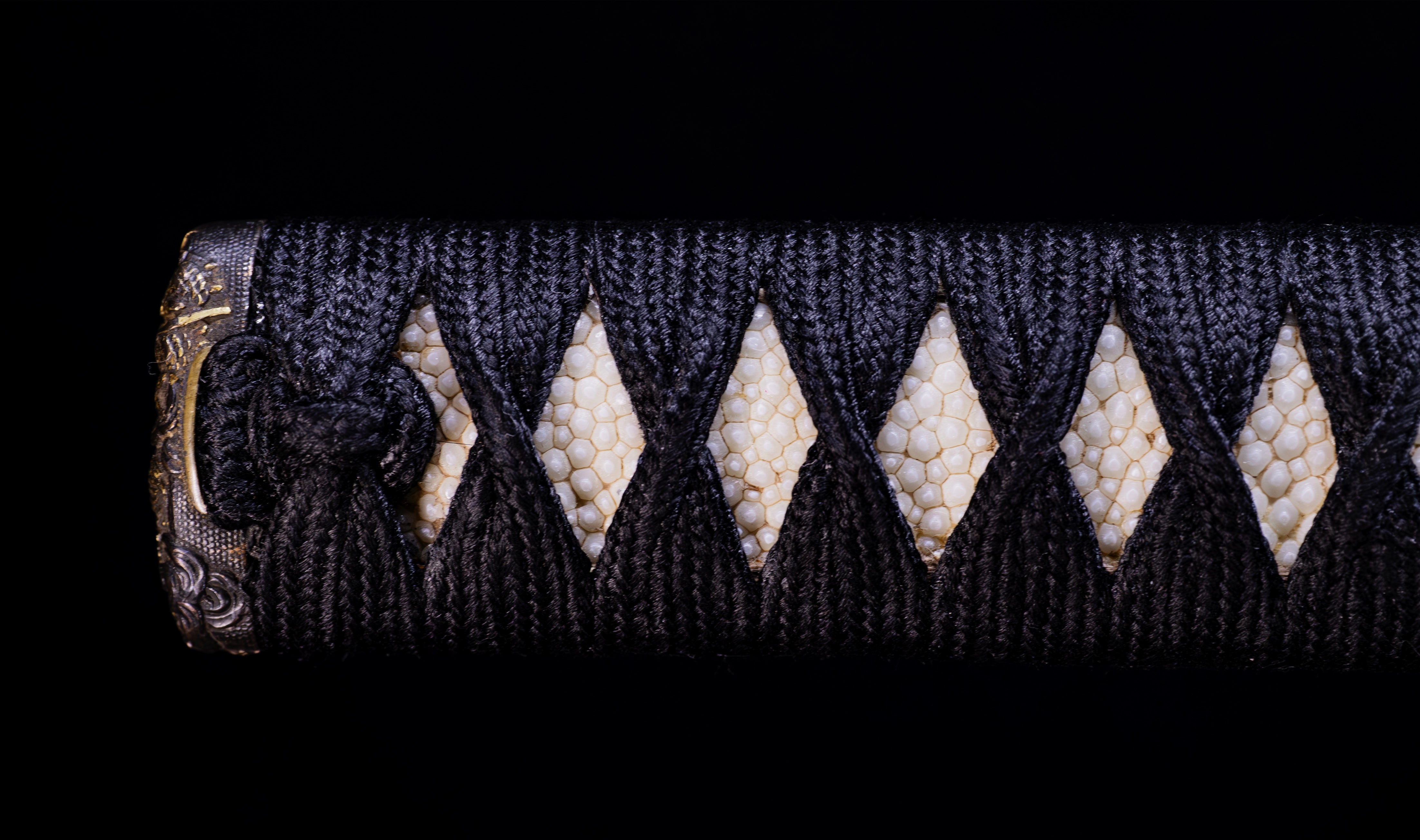
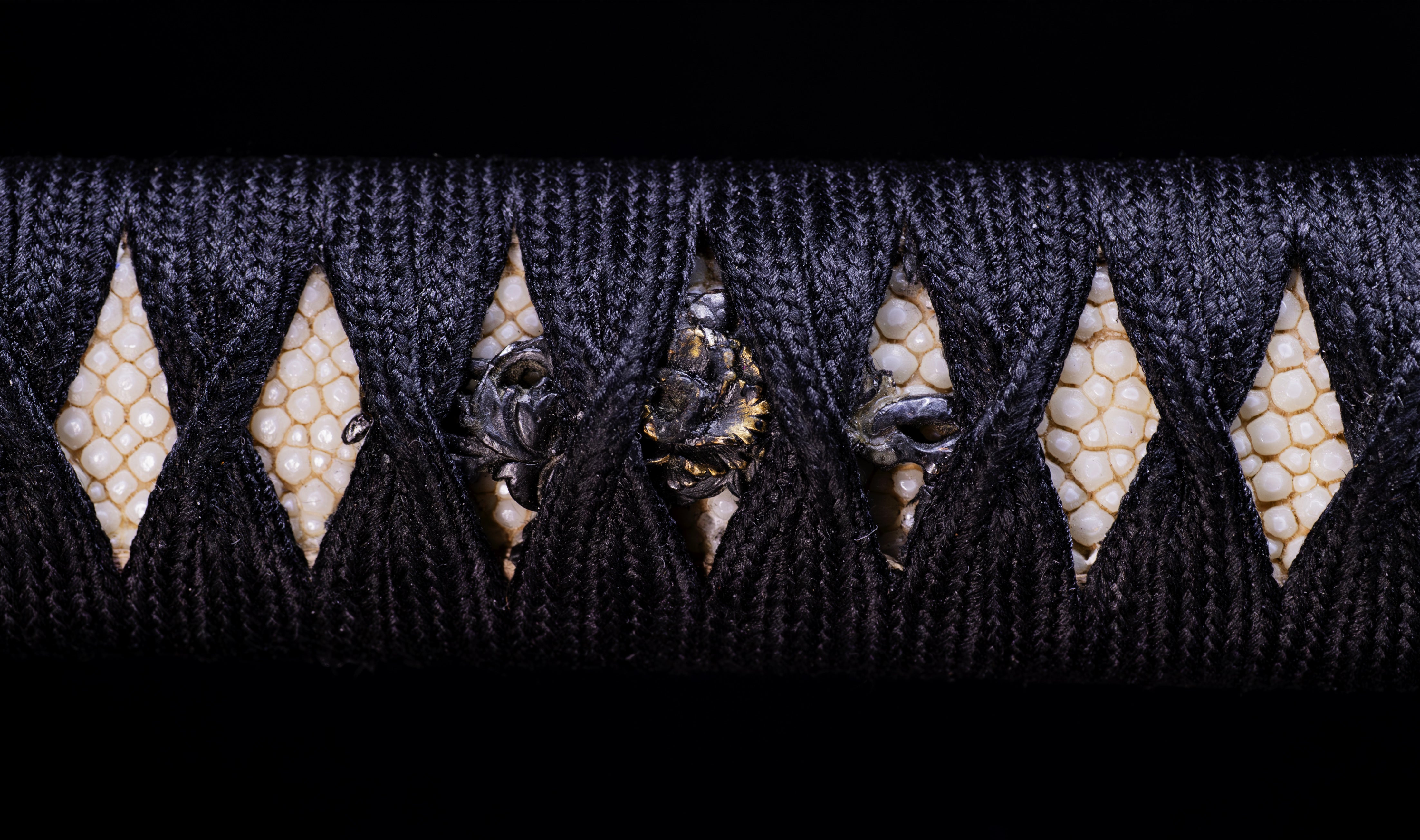
Signature (Mei): 壽命 Jumyō (Edo-period attribution) Swordsmith: Jumyō (also known as Toshinaga) School / Tradition: Jumyō School — Mino-den tradition (Yamato origins) Period / Province: Edo Period / Mino Province (modern-day Gifu Prefecture) Mounting: Period koshirae — nashiji-nuri saya, dragon-motif fuchi-kashira in shakudō with gilt, mokko-gata iron tsuba Blade Length (Nagasa): 69 cm Curvature (Sori): 1.75 cm — elegant koshizori Mekugi-ana: 2 Shape: Shinogi-zukuri, chu-kissaki, moderate mihaba with refined fukura Hamon: Notare-gunome with togari — classic Mino-den character with nie along the habuchi Boshi: Ko-maru turnback with calm continuation of the hamon into the kissaki This distinguished Katana bears the signature of Jumyō ( 壽命 ), one of the most celebrated and auspiciously named lineages in the entire history of Japanese swordsmanship. The name Jumyō — meaning longevity or life span — was no idle choice; swords bearing this mei were traditionally offered as ceremonial gifts among daimyō and the highest echelons of samurai society , prized precisely because their name carried an invocation of long life and prosperity. Measuring 69 cm with a graceful 1.75 cm koshizori , this blade presents the refined geometry of the Edo-period Mino tradition: a well-proportioned shinogi-zukuri form with a composed chu-kissaki , clean shinogi-ji , and a mune that tapers with understated elegance toward the point. The hamon displays the unmistakable hallmarks of Mino-den differential hardening: a rhythmic notare-gunome undulation punctuated by togari — the characteristic pointed protrusions that became synonymous with Mino mastery — riding along a bright, active habuchi enriched with nie crystals. Viewed along the blade's length, the hamon moves with confident vitality, neither overwrought nor timid, reflecting the controlled hand of a smith working within a tradition refined over centuries. The ji exhibits the fine, close-grained steel surface that is the hallmark of properly
NihontoWatchOffered by Tokyo Nihonto
This piece has sold
Get an email when a new Jumyo piece hits the market.


Mino-den · Mino · around 1661-1673
Fujishiro Chu saku · Tōken Taikan top 95%
2 pieces on the market now
Mino-den · Mino
9 pieces on the market now
The Edo period (1615 to 1868)
Edo was the sword’s age of connoisseurship: the Hon’ami appraisers, the shogunal register of famous blades of 1719, and a thriving literature turned the sword into an object of study even as it ceased to be drawn in war.
Returns/exchanges only for manufactured defects or incorrect products; notify within 72 hours of delivery. Cancellation only within 2 hours of placing. Customer pays return shipping. Refund within 3 business days of package arrival.