Perry’s arrival in 1853 unraveled the Tokugawa peace and created the first mass demand for working swords in two centuries. Kiyomaro, called the Masamune of Yotsuya, died on its eve; Munetsugu and Yukihide carried the boom to the end.
 NihontoWatchNihontoWatch
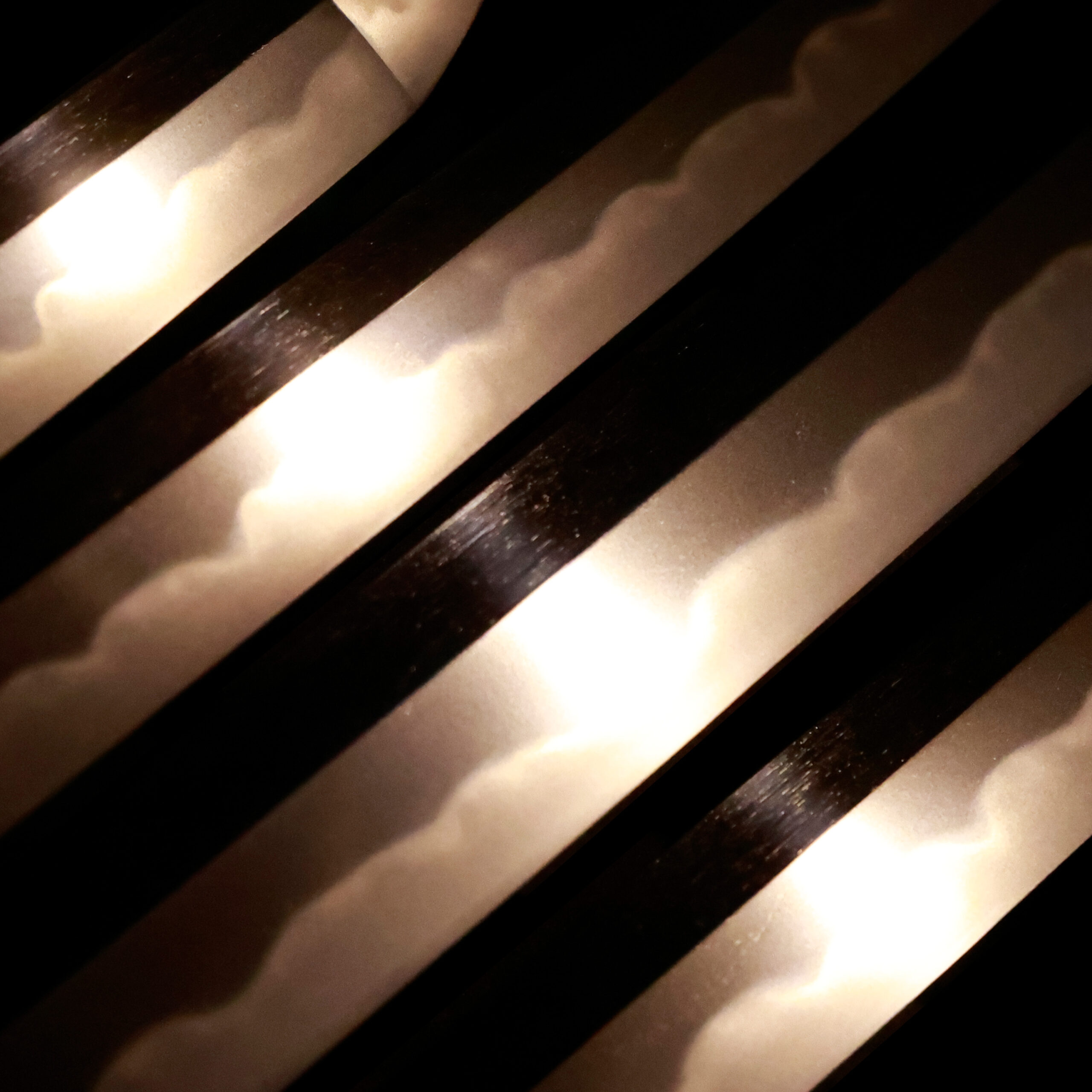
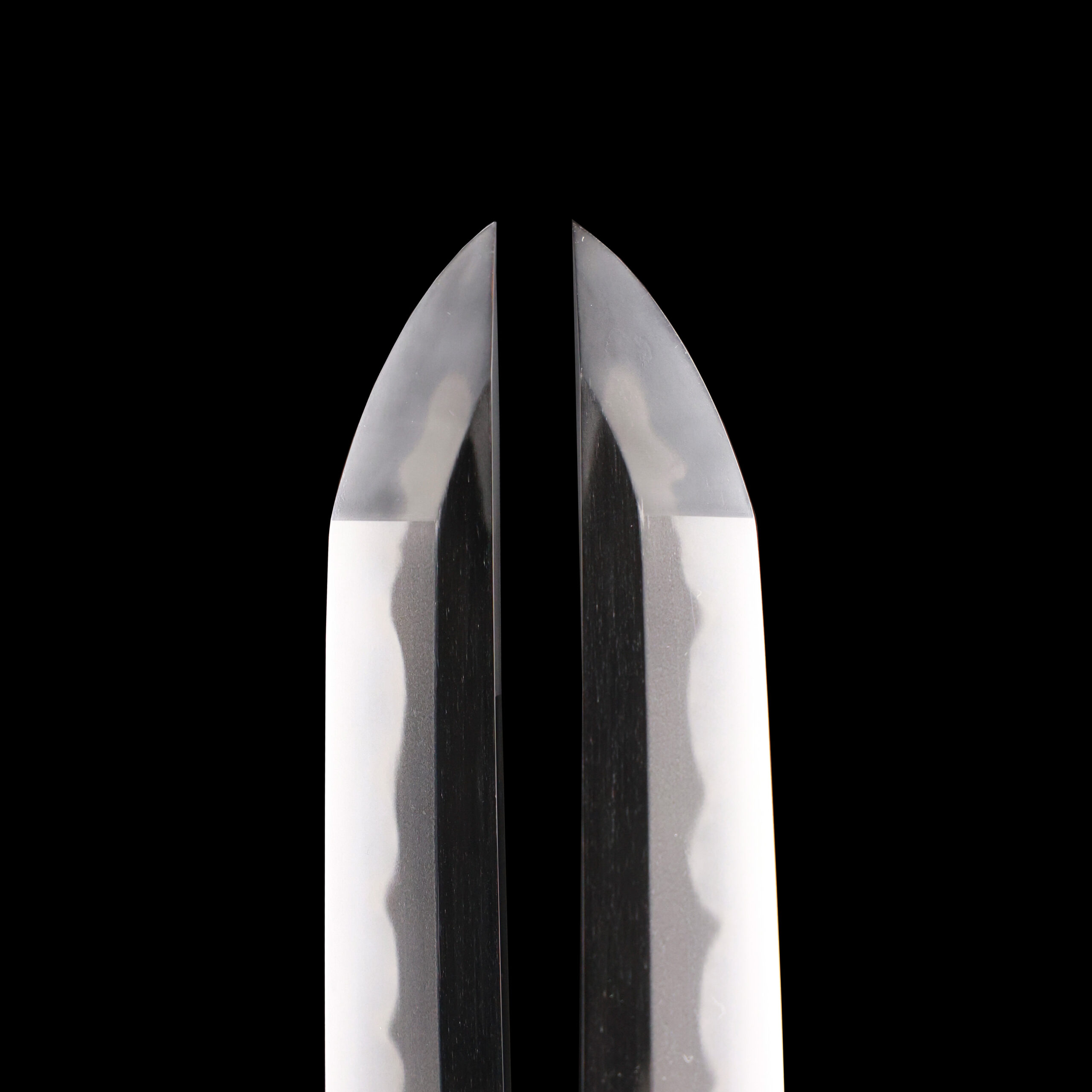
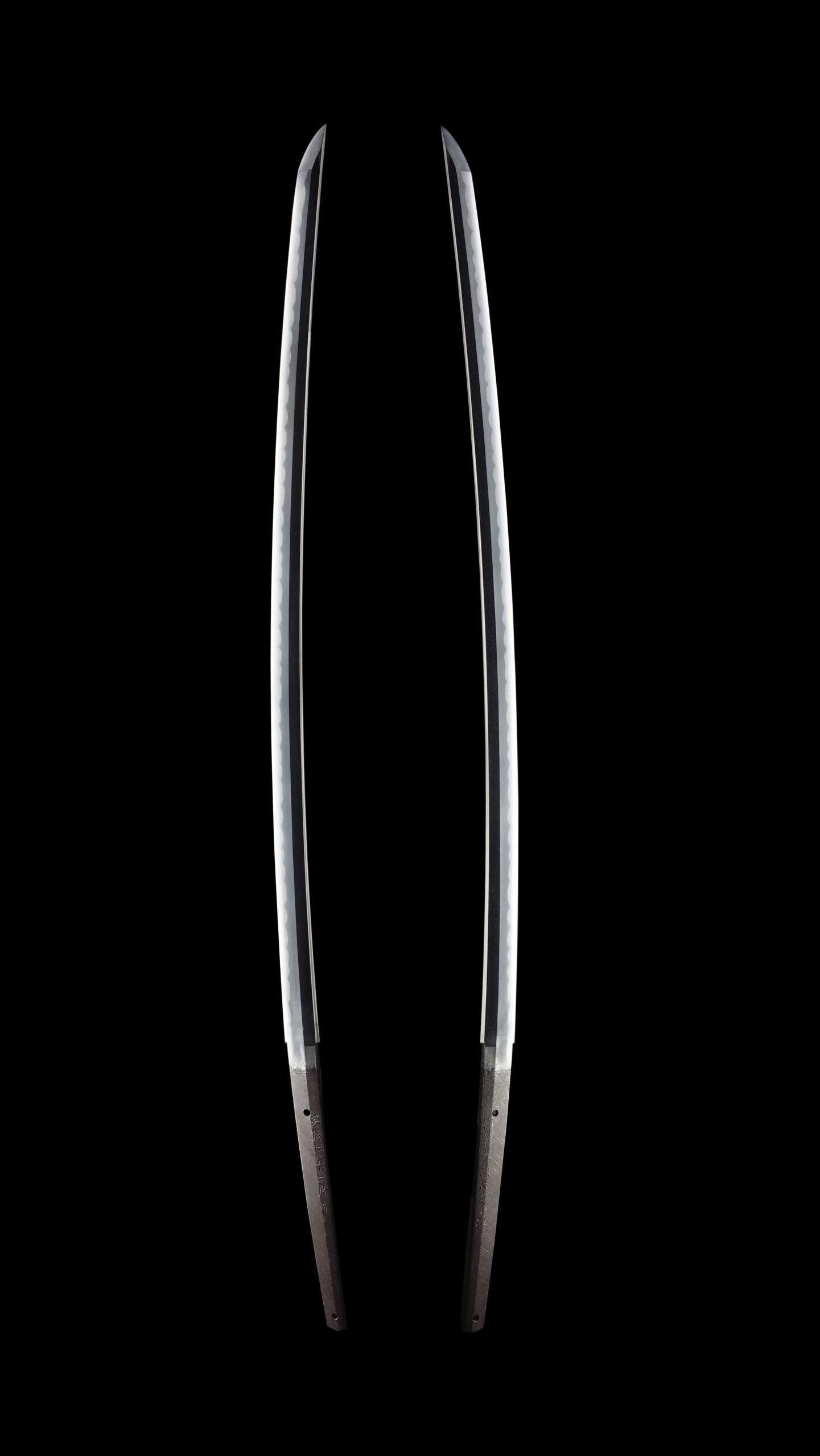
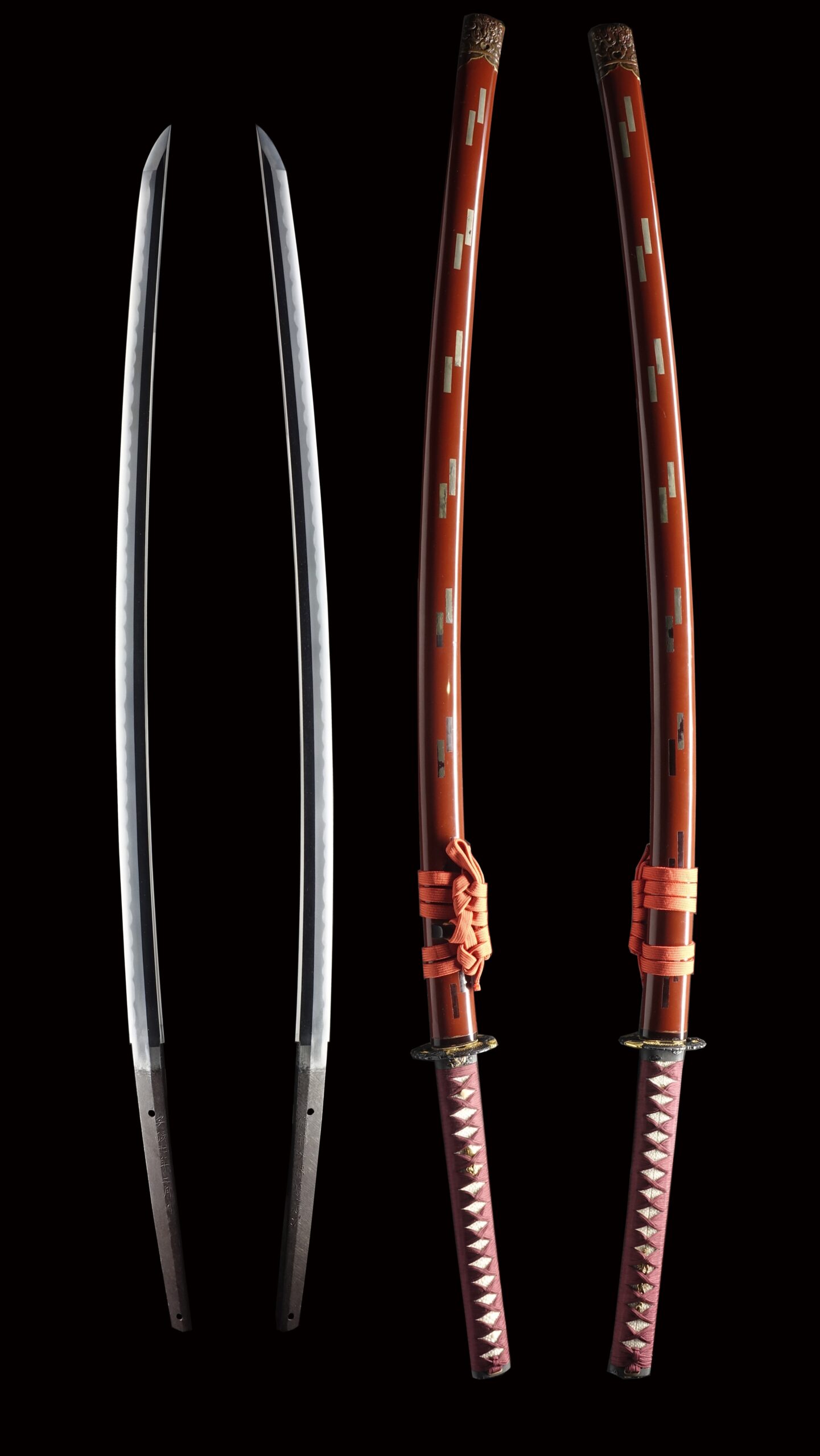
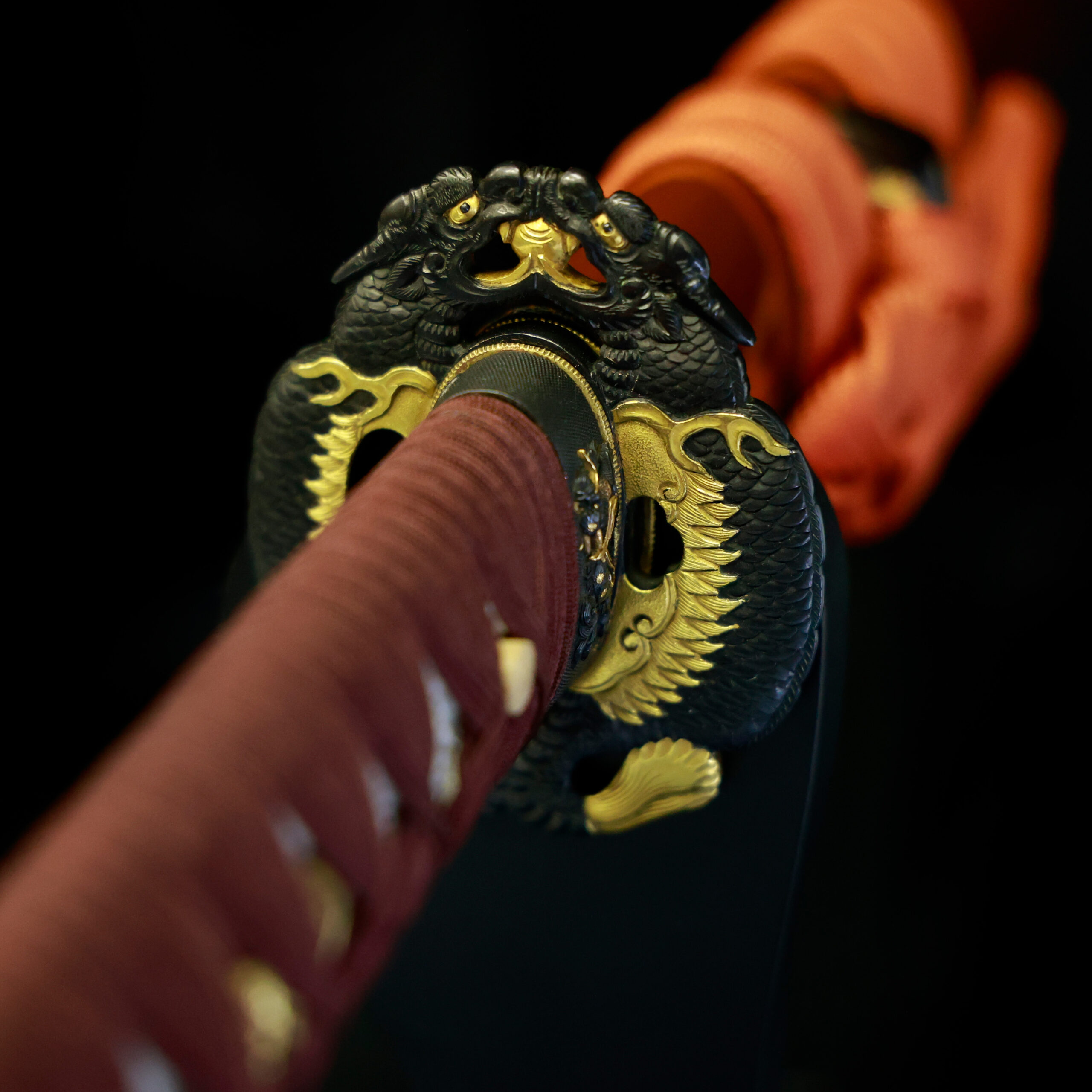
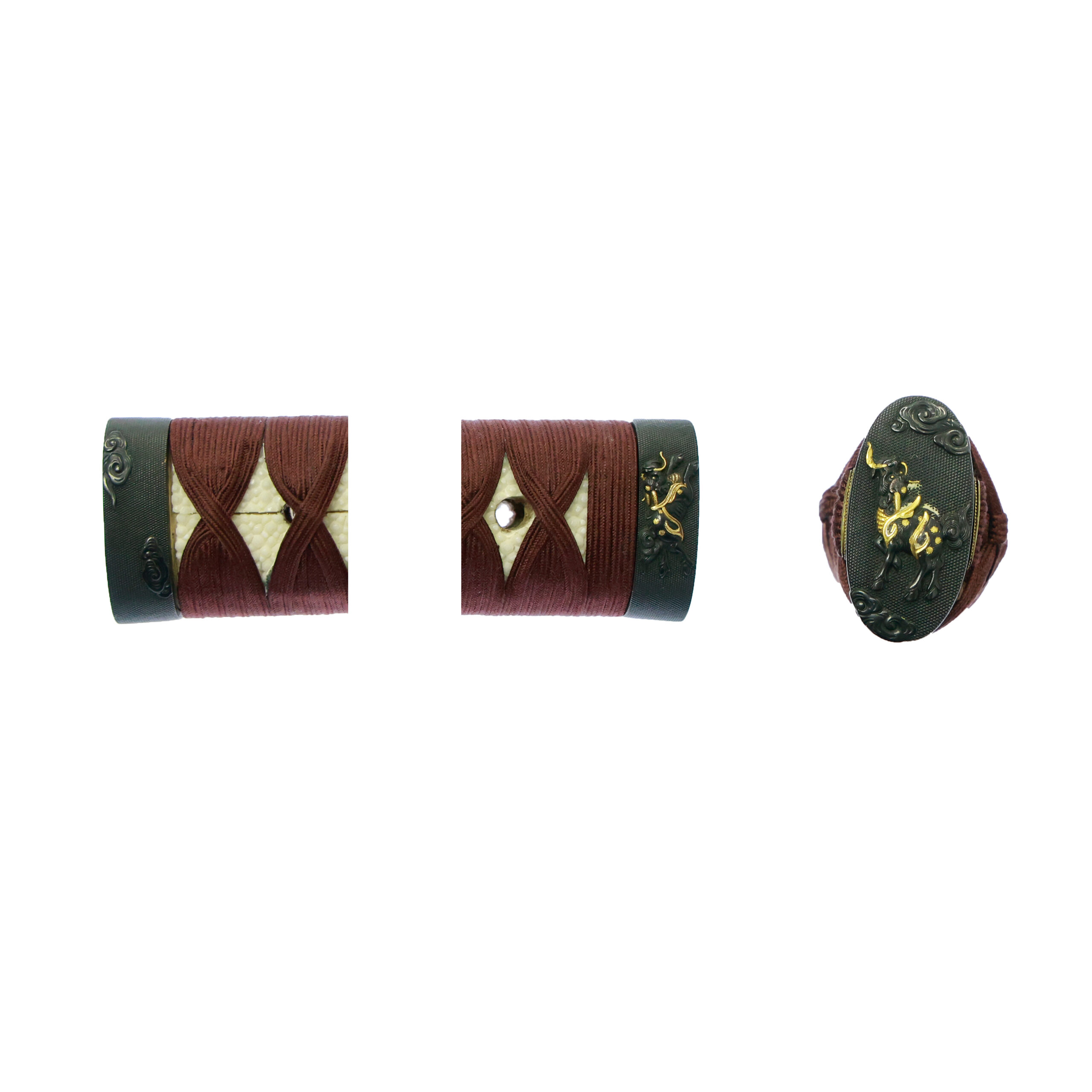
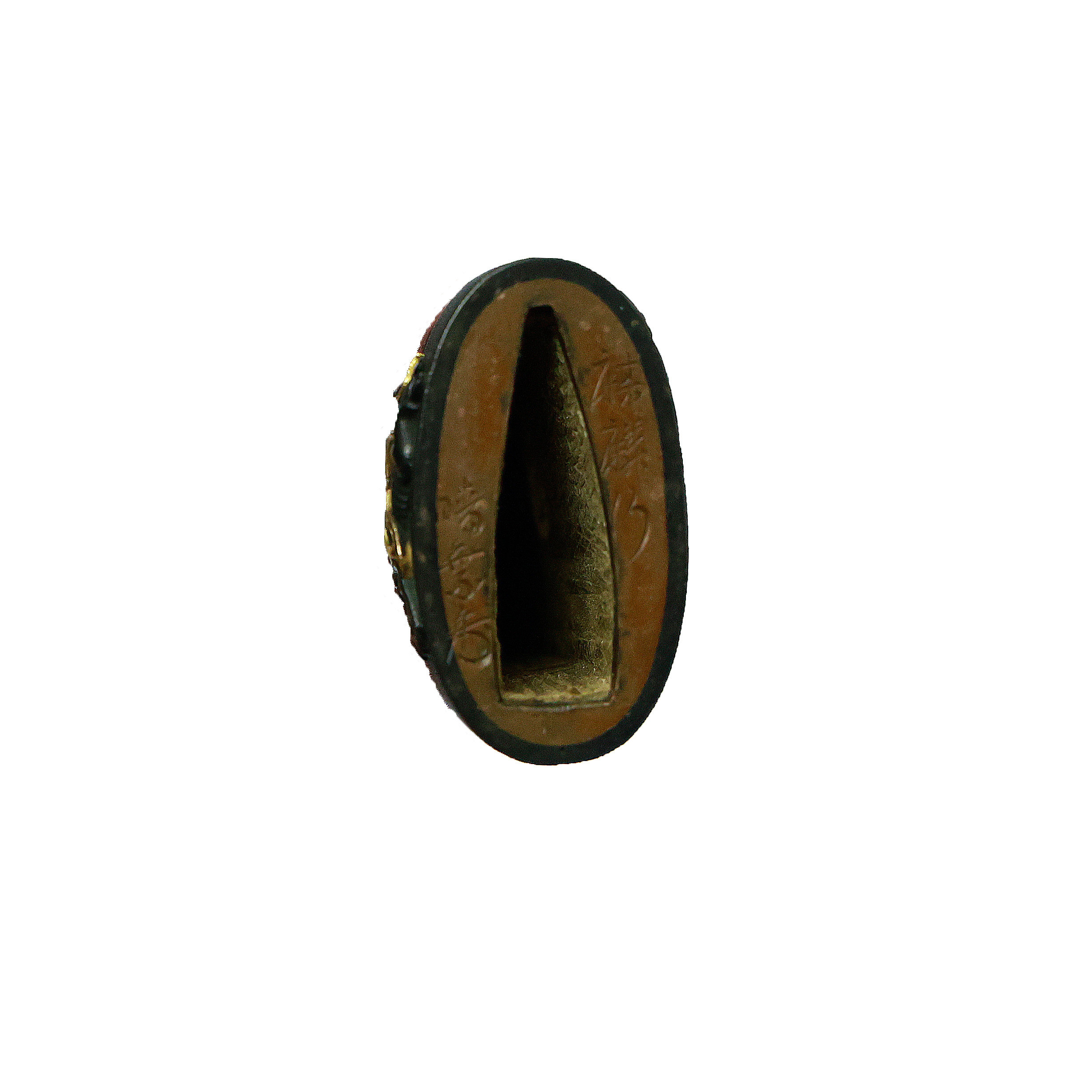
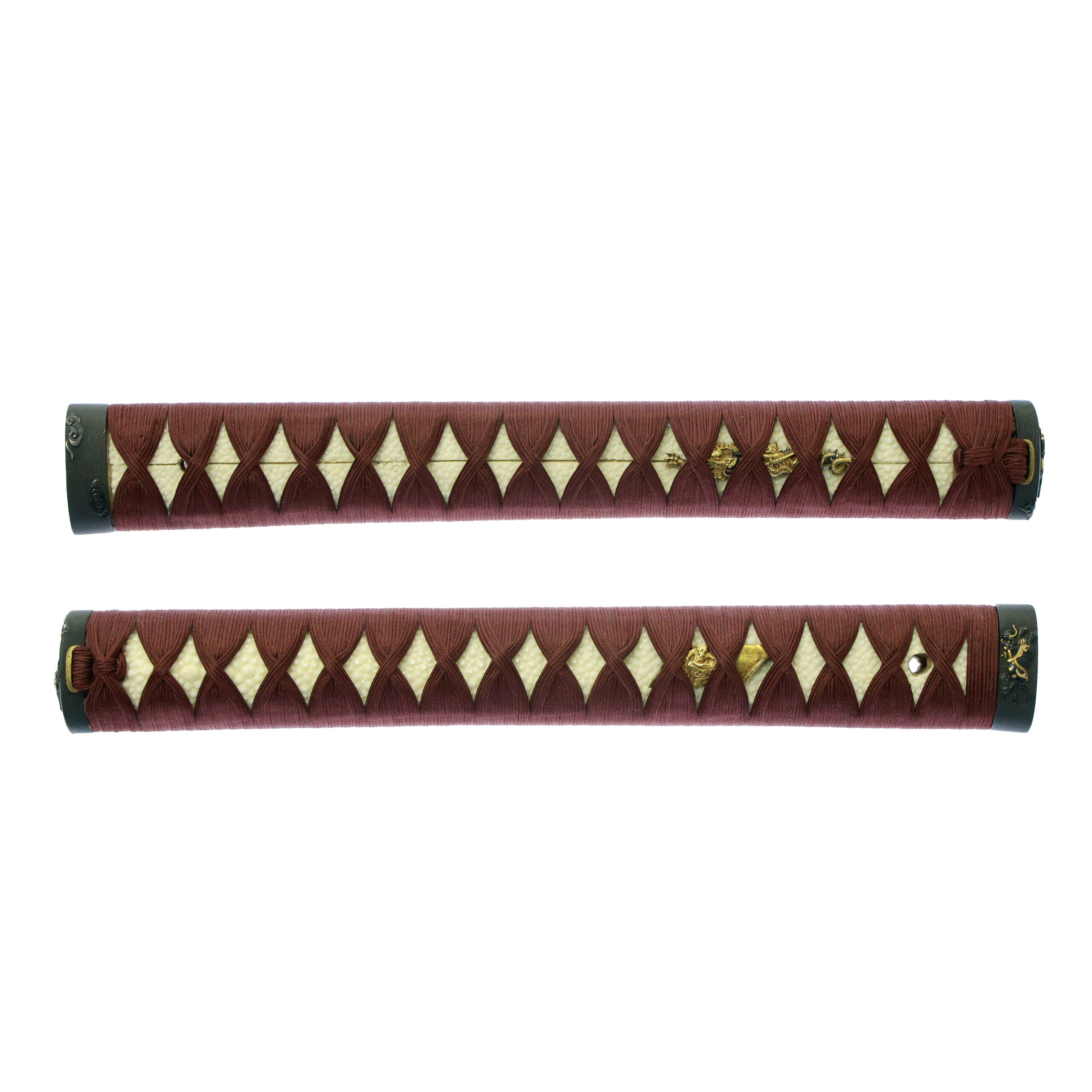
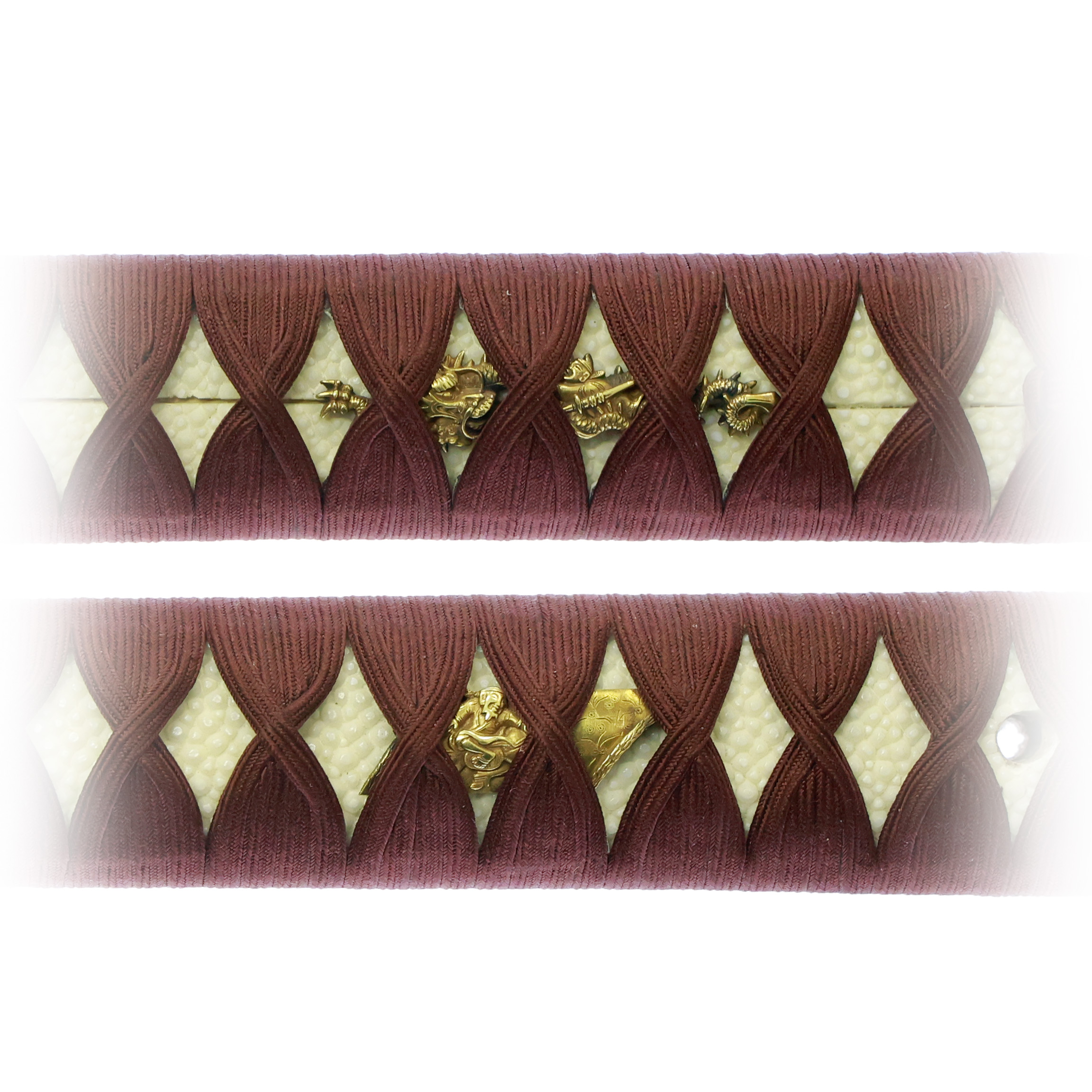
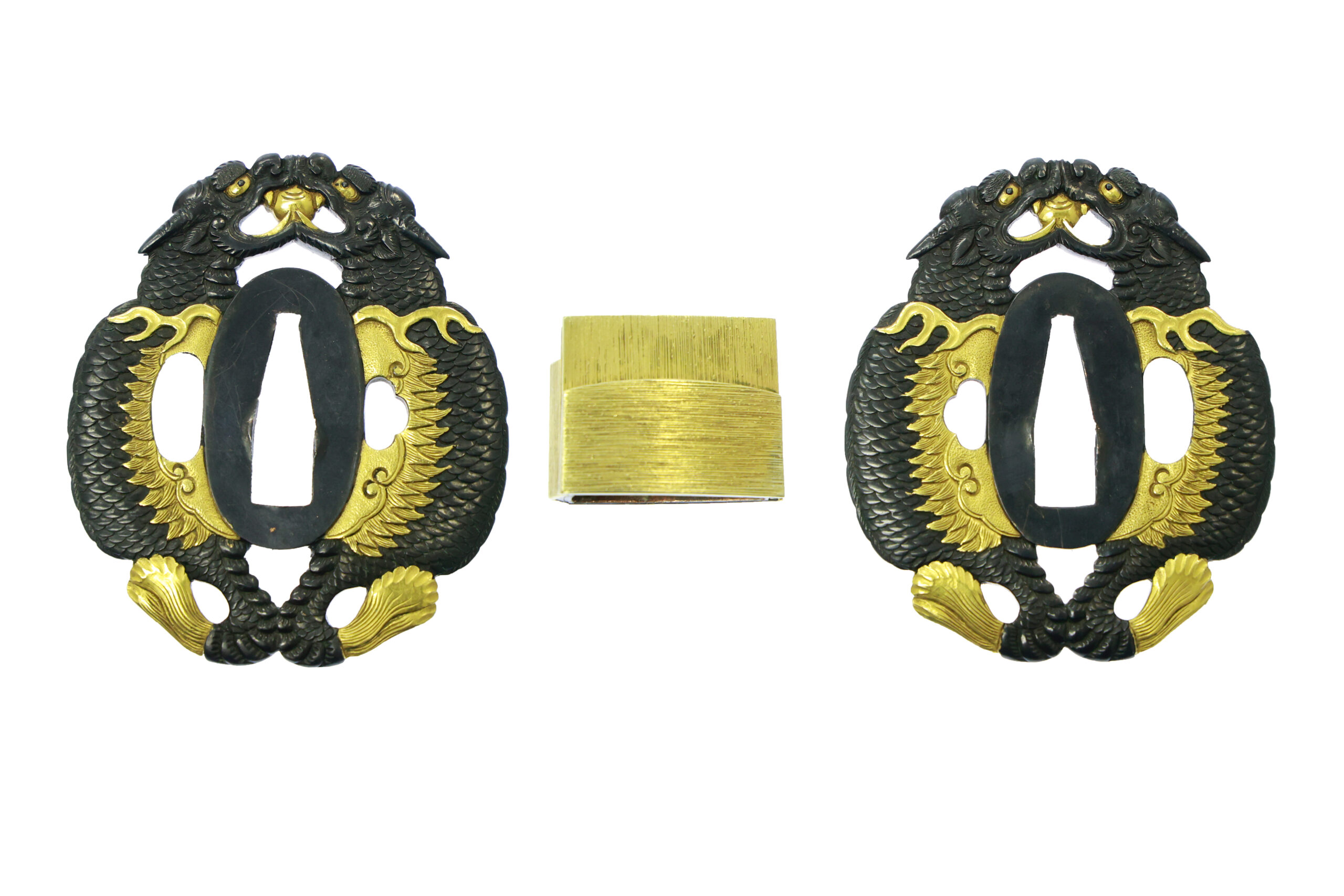
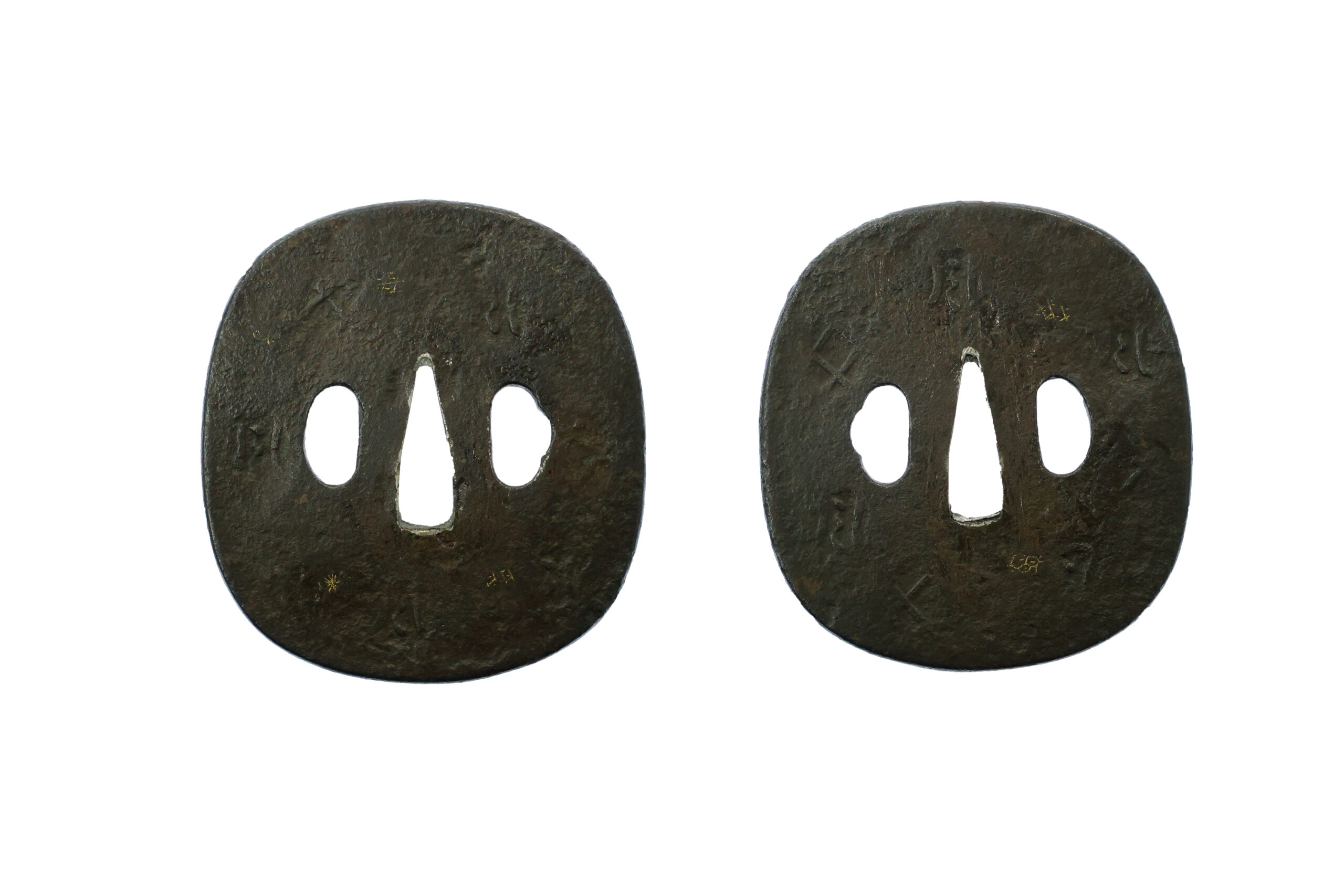
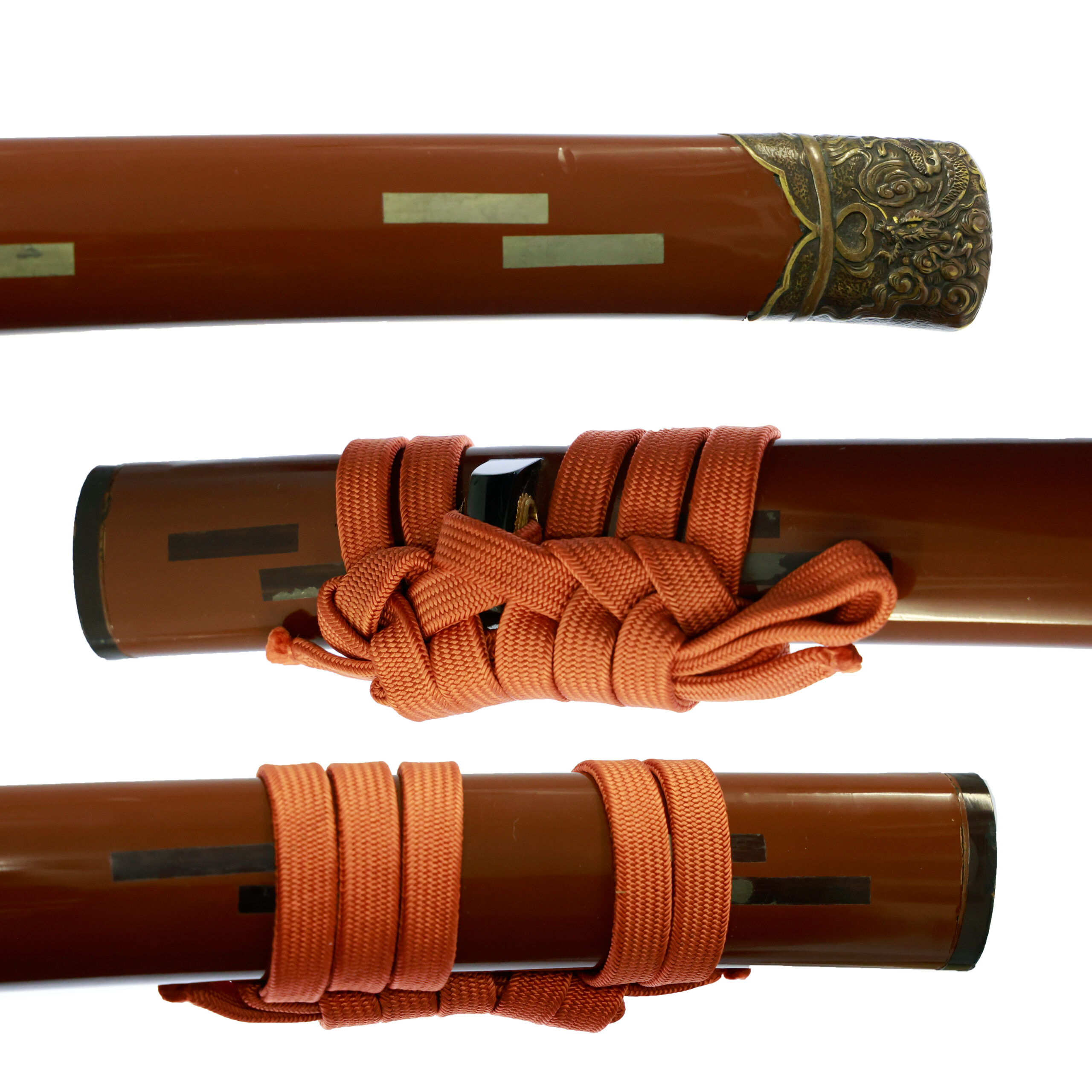
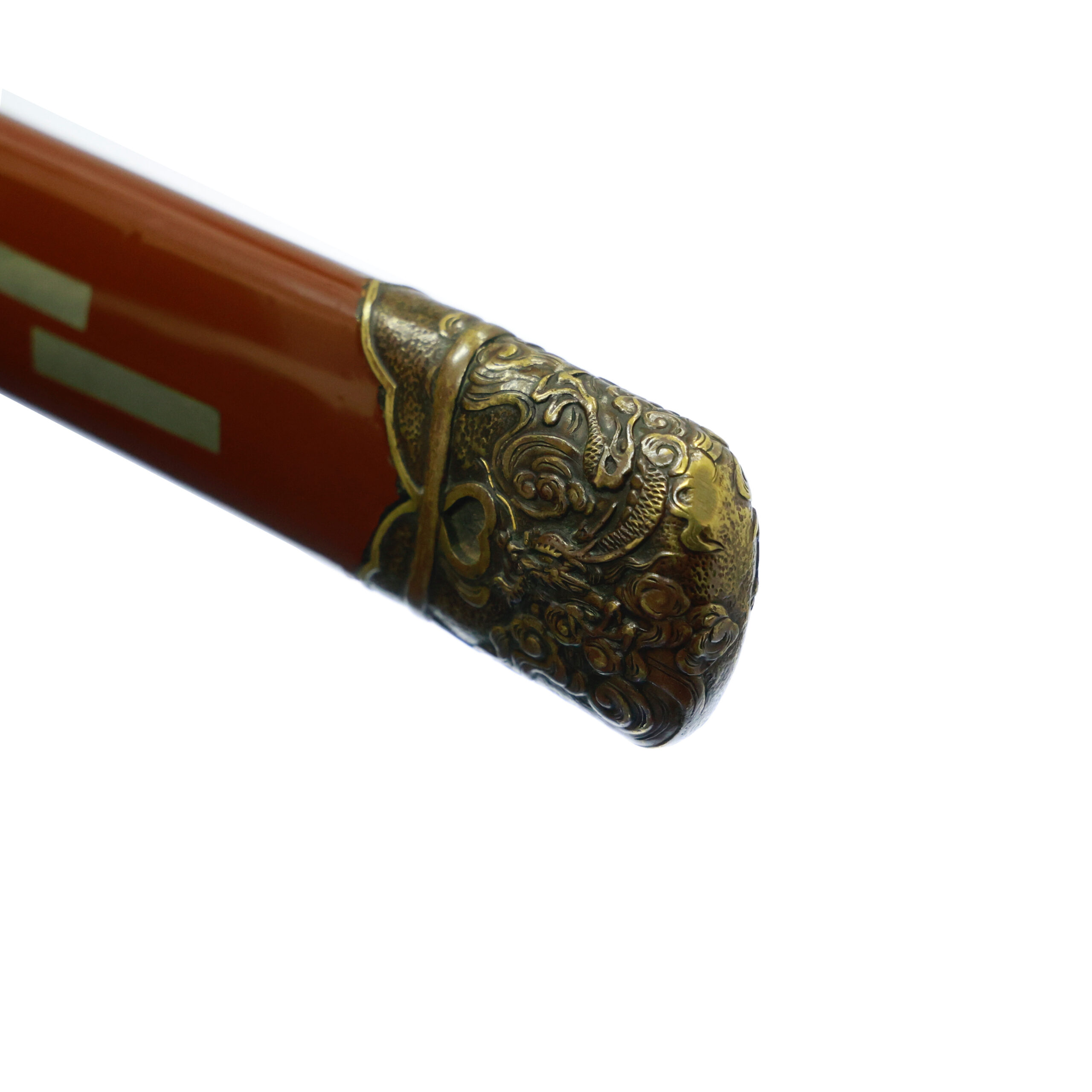
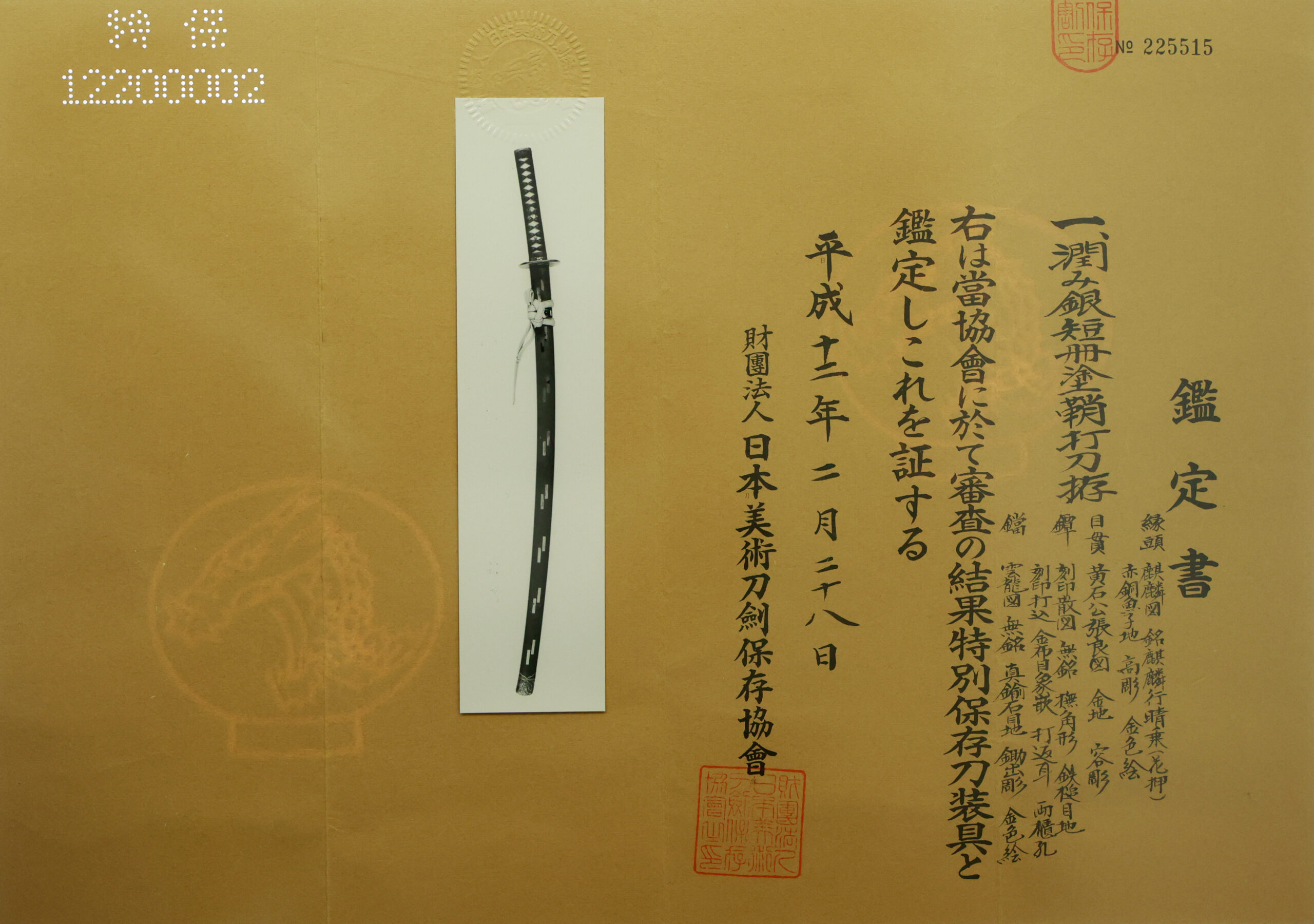
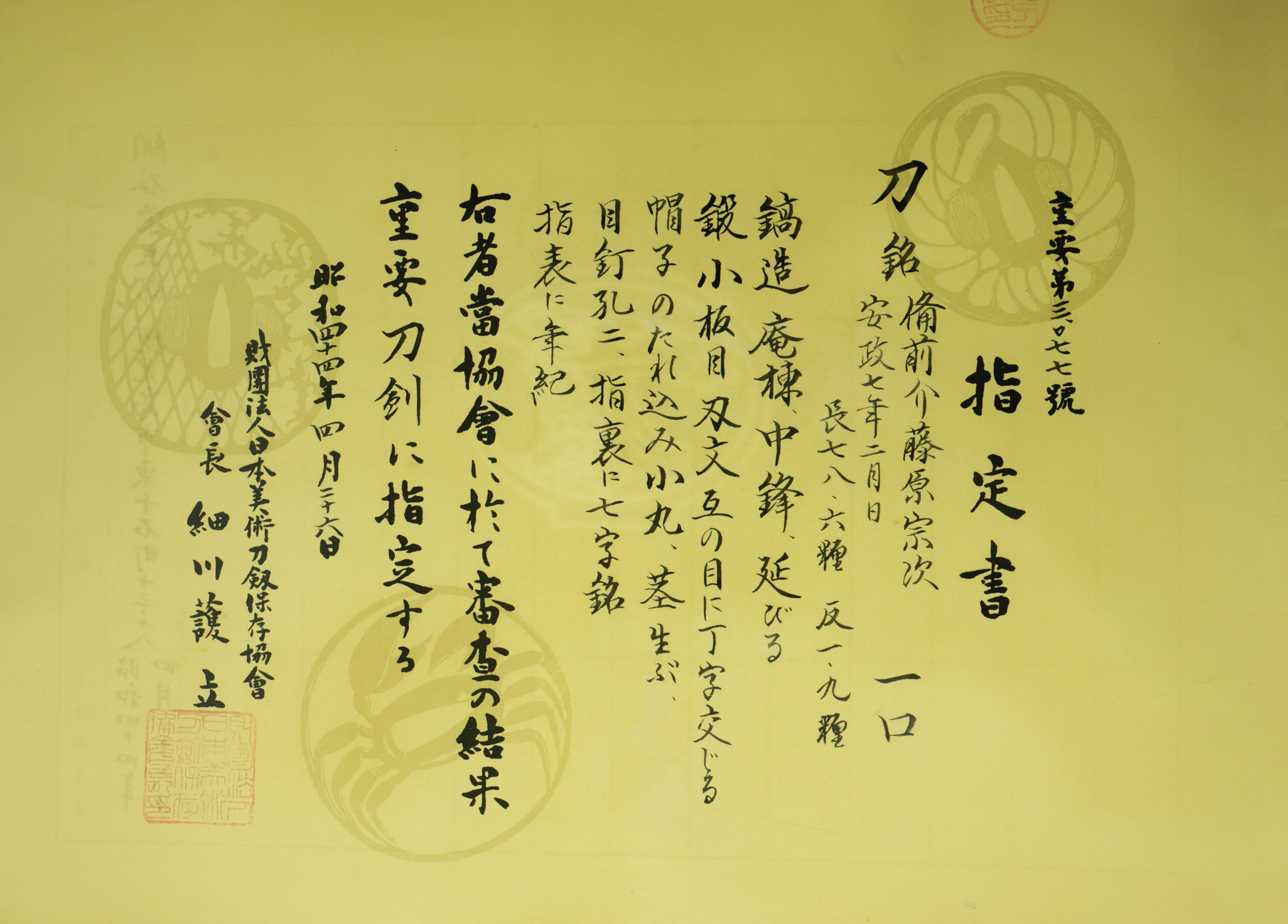
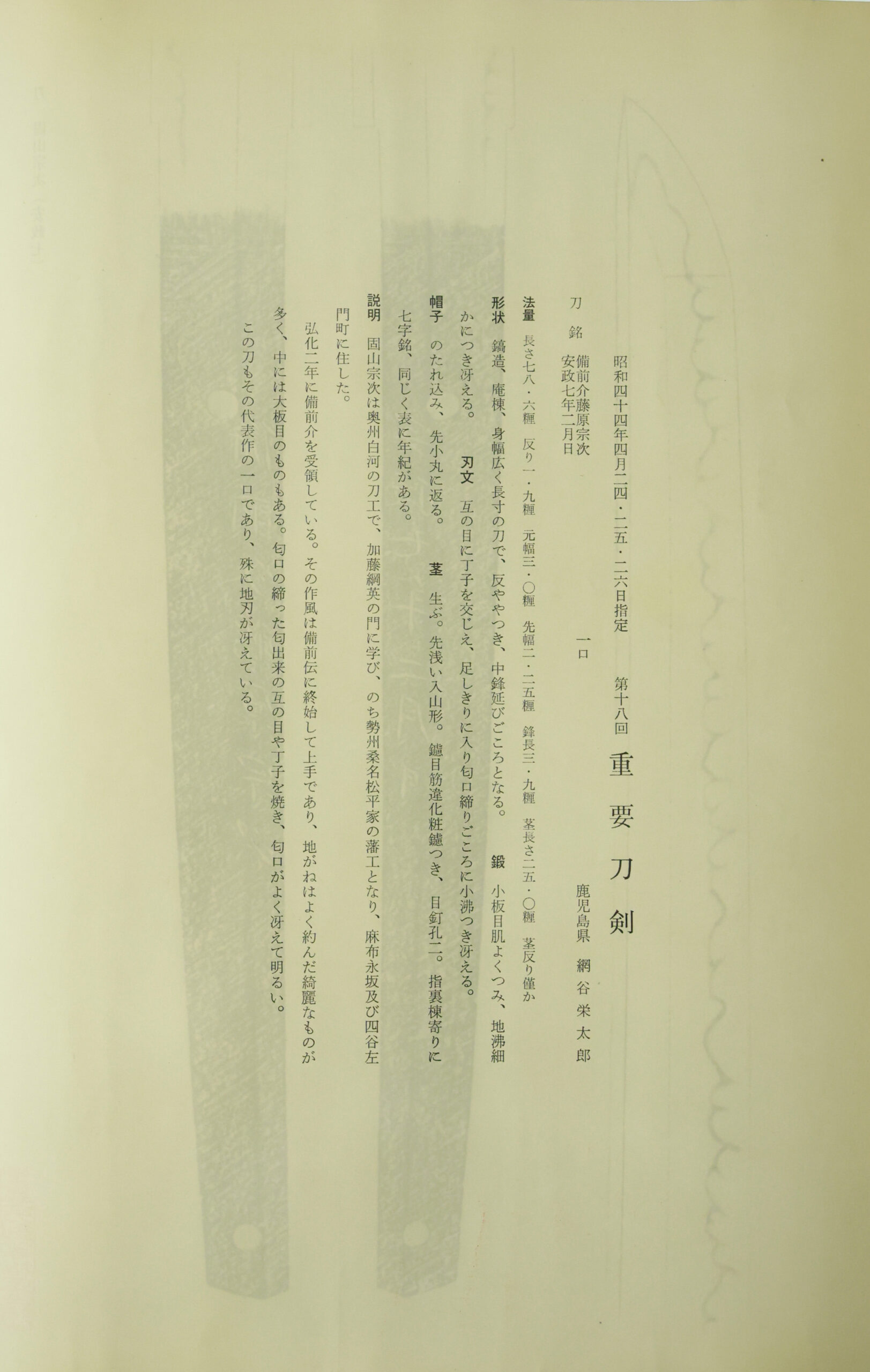
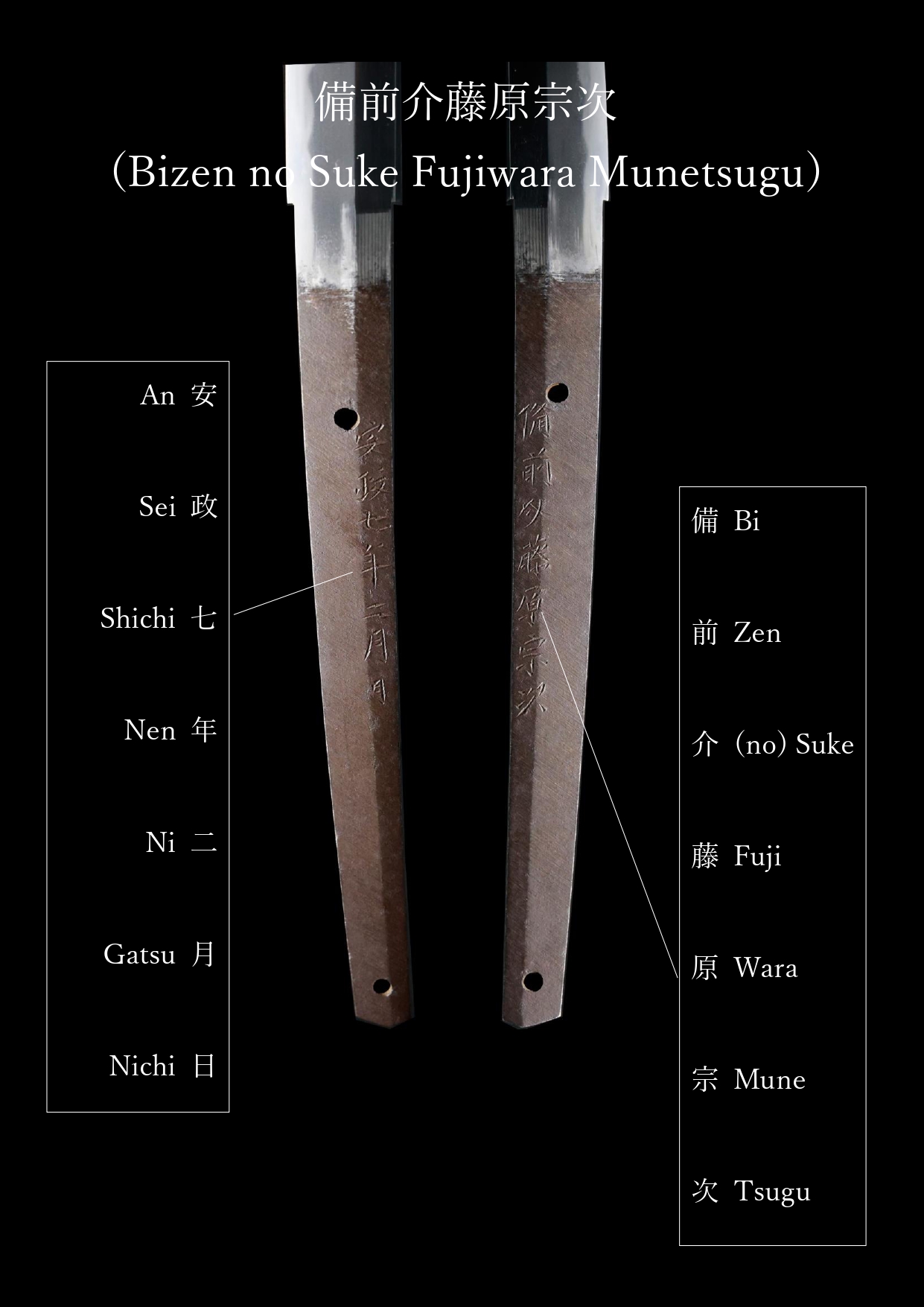
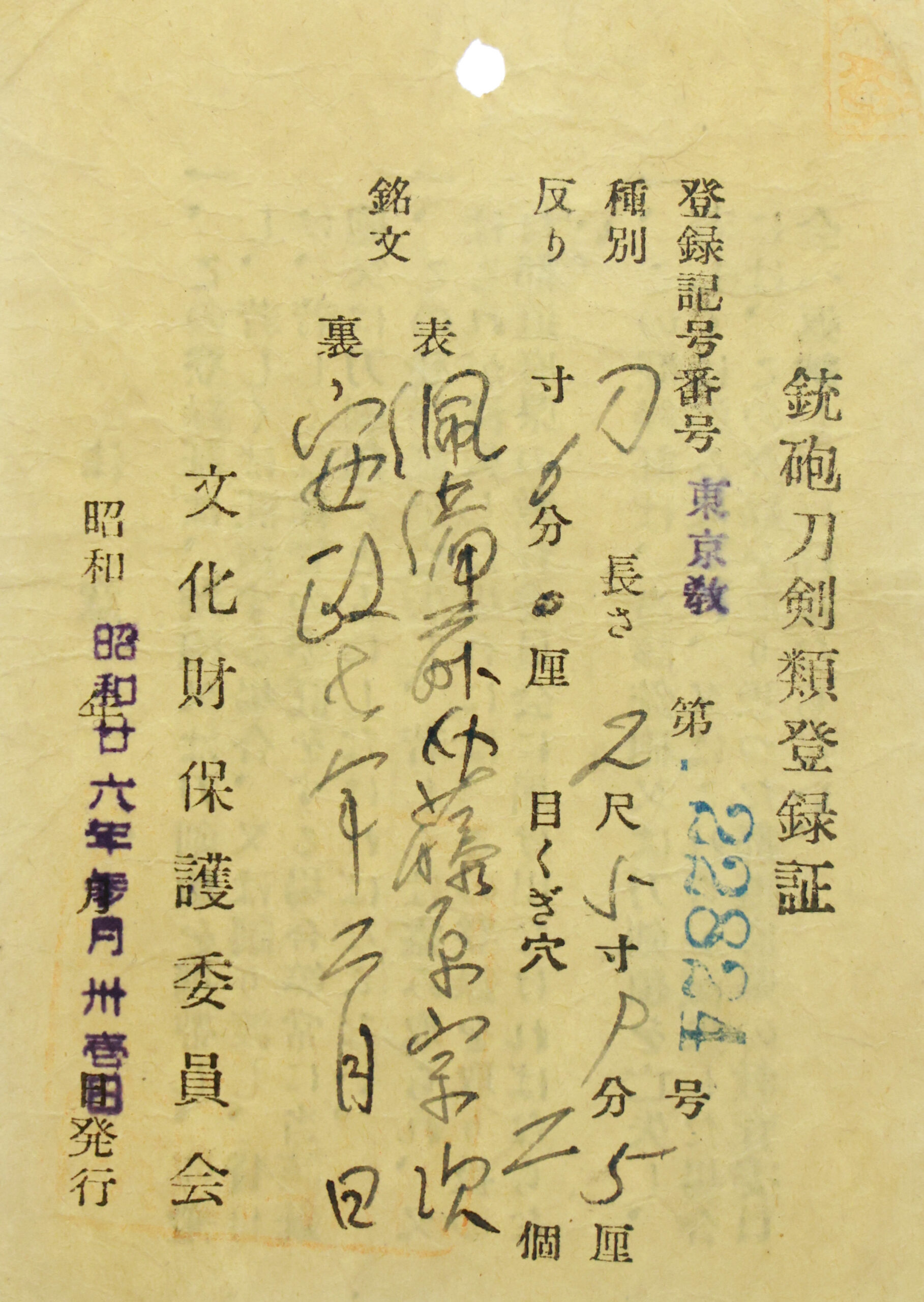
This blade was signed by Bizen no Suke Fujiwara Munetsugu (備前介藤原宗次) in the 7th year of the Ansei era (1860: the end of the Edo period). He is also known as Koyama Munetsugu (固山宗次), who was active during the late Edo period (1830-1860). His birth name name Koyama Sobei (固山宗兵衛). He was born as the third son of Koyama Munehira (固山宗平) in Shirakawa domain in Mutsu province (today’s Fukushima prefecture) in 1802. It is said that he learned the sword-forging technique from Kato Tsunahide (加藤綱英) first and was also an apprentice of Chounsai Tsunatoshi (長運斎綱俊), a younger brother of Tsunahide to improve his craftsmanship. Munetsugu first served Shirakawa Matsudaira (白河松平家) clan as Hanko (藩工:retained swordsmith). After Matsudaira clan was ordered to relocate to Kuwana domain (today’s Mie prefecture), Munetsugu became a swordsmith for that domain. However, he eventually settled in Edo city from the second year of the Koka era (1845) by working for Matsudaira clan of the Kuwana family. Because of these historical records, we believe this blade was made in Edo city. Munetsugu received an honorable title of Bizen no Suke (備前助/備前介) in the same year when he moved to Edo city (1845). His work reflects Bizen Den, one of the five most traditional Japanese sword-forging techniques (五箇伝). He was excellent at forging blades with Choji Gunome Midare tempering line, one of the most noticeable characteristics of Bizen Tradition. He was active in sword-forging during 1830-1870. He is arguably the finest smith working in the Bizen tradition at the end of the Edo period. Munetsugu was one of the most popular and famous swordsmiths in Edo city during the end Edo period. His swords have been known for their sharpness. There are many records of his swords passing the test cutting process (Tameshigiri). In his career, he pursued and researched sword-forging to make extremely sharp blades that were practically effective in battles to meet up the demands of the clan. There was a record of him studying to improve the sharpness of his swords from the seventh-gen Yamada Asaemon, who is a master of Tameshigiri and an author of Owazamono. He often received orders from feudal lords or famous figures during the end of the Edo period. Munetsugu has been highly regarded among Japanese sword collectors and experts. It is said that his level of craftsmanship is close to or at least equivalent to Sushinshi Masahide, Naotane and other very selected swordsmiths from the end of the Edo period. Appraisal This blade is appraised as a JUYO TOKEN (重要刀剣) issued by NBTHK (Nihon Bijutsu Touken Hozon Kyokai: 日本美術刀剣保存協会). JUYO is one rank higher than Tokubetsu Hozon. To be eligible for a Juyo Token, it needs to be appraised as a Tokubetsu Hozon Token first. It is extremely rare for an antique Japanese sword to be appraised as JUYO TOKEN, and it is highly desirable among Japanese sword collectors. Fuchi-Kashira The theme of this Fuchi-Kashira is the Kirin (麒麟). The Kirin is a mythical beast that is said to have ridden by Zhang Liang, a legendary figure from ancient China, in the story of Huang Shigong and Zhang Liang. As seen in this Fuchi-Kashira, the Kirin is depicted as a mythological animal with horns and a horse-like body, similar to a unicorn. Huang Shigong and Zhang Liang Zhang Liang, a minister under Emperor Gaozu of the Han Dynasty, once had a strange dream. In this dream, Zhang Liang was resting on a dirt bridge in Xiaphi (an ancient name for the area near Pizhou in Jiangsu province, China), when an old man appeared on horseback. The old man asked Zhang Liang to help him put on a shoe that he had dropped. Though initially frustrated, Zhang Liang reconsidered and helped the old man put on the shoe. The old man praised Zhang Liang and told him that if he returned to this place in five days, he would impart the secrets of military strategy. Zhang Liang then woke up from the dream. Five days later, Zhang Liang set off to visit Xiaphi. When he arrived, the old man was already there. The old man scolded Zhang Liang for being late and told him, “Come back in five days. Do not be late again.” The old man then disappeared. Zhang Liang realized that the old man was testing him and decided to return. Five more days passed. This time, Zhang Liang went to Xiaphi before dawn. The old man appeared, now with an air of authority, and introduced himself as Huang Shigong. He praised Zhang Liang for arriving early but decided to test his resolve once more by throwing the shoe into a river. Zhang Liang jumped into the river to retrieve it, but the fast current made it impossible to get the shoe. Just then, a dragon god appeared, retrieved the shoe, and lunged at Zhang Liang. Zhang Liang drew his sword and prepared to face the dragon god. When he finally took the shoe from the dragon god, he handed it to Huang Shigong. Impressed by Zhang Liang’s courage, the dragon god vowed to protect him, and Huang Shigong shared with him the ultimate secrets of military strategy. The dragon god then disappeared into the clouds, and Huang Shigong ascended a distant mountain, transforming into a glowing yellow stone. Tsuka and Menuki The “Kouseki Koryo Zu (Huang Shigong Zhang Liang Scroll) is a traditional artwork that depicts the legendary meeting between Huang Shigong, a Taoist sage, and Zhang Liang, a key strategist of the Han Dynasty. This scene captures the moment when Huang Shigong tests Zhang Liang’s patience and virtue by repeatedly asking him to retrieve a shoe, ultimately rewarding him with the “Taigong Bingfa” (Grand Duke’s Art of War). The scroll often emphasizes the themes of mentorship, perseverance, and the transfer of wisdom. It is a celebrated subject in East Asian art, reflecting Confucian and Taoist values. Tsuba and Habaki 。 The theme of this Tsuba is the dragon. The dragon also appears in the ancient Chinese legend of Huang Shigong and Zhang Liang, which is a consistent theme throughout this sword. For more details on the relationship between the dragon and the story, please refer to the explanation of the Fuchi-Kashira. Saya A dragon is designed on this Saya. Also, If you focus on four corners, you will find a heart mark-shaped hole is engraved on each edge. It is called the Inome (猪の目) pattern. The Inome pattern has been used since ancient times. As its name implies, the boar’s eyes are the origin of this pattern. Some people believed the Inome design would work as an amulet to protect them from evil spirits or fire. Also, it is said it would bring good luck. Authentication Paper They authenticated the blade on April 26th in the 44th year of Showa (1969). They appraised it as JUYO TOKEN, the blade exceptionally worth preserving for Japanese society.
Offered by Samurai Museum
This piece has sold
Get an email when a new Koyama Munetsugu piece hits the market.

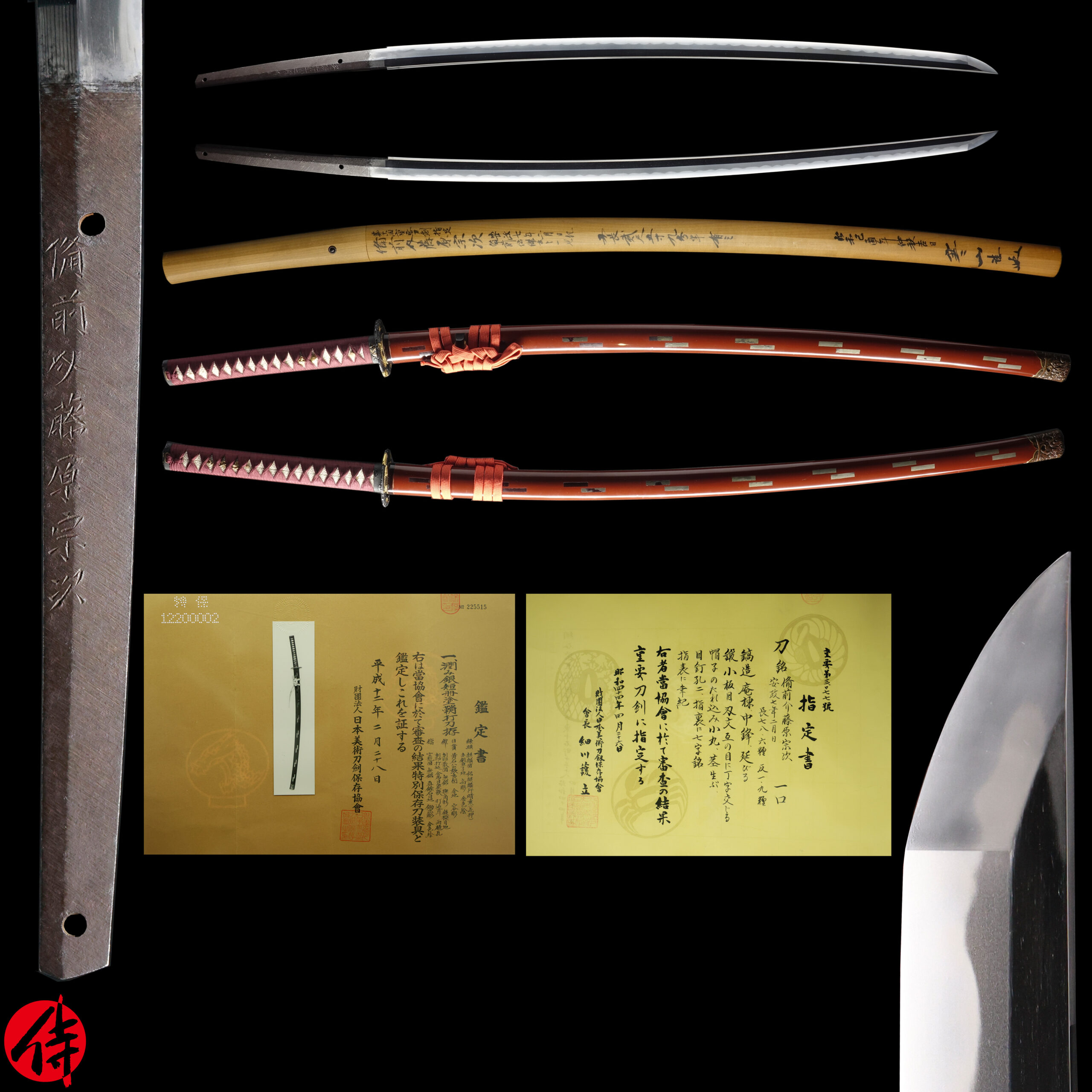
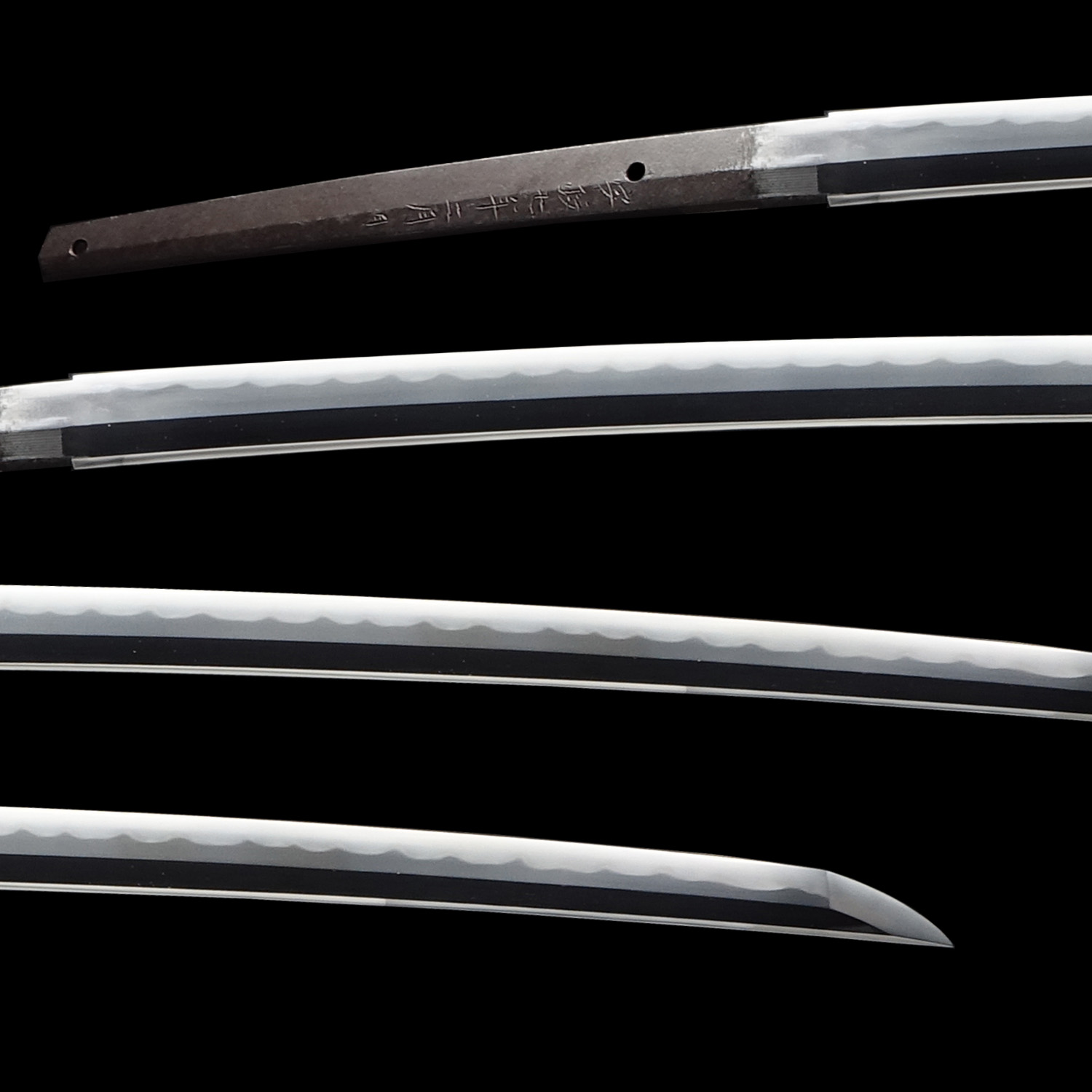
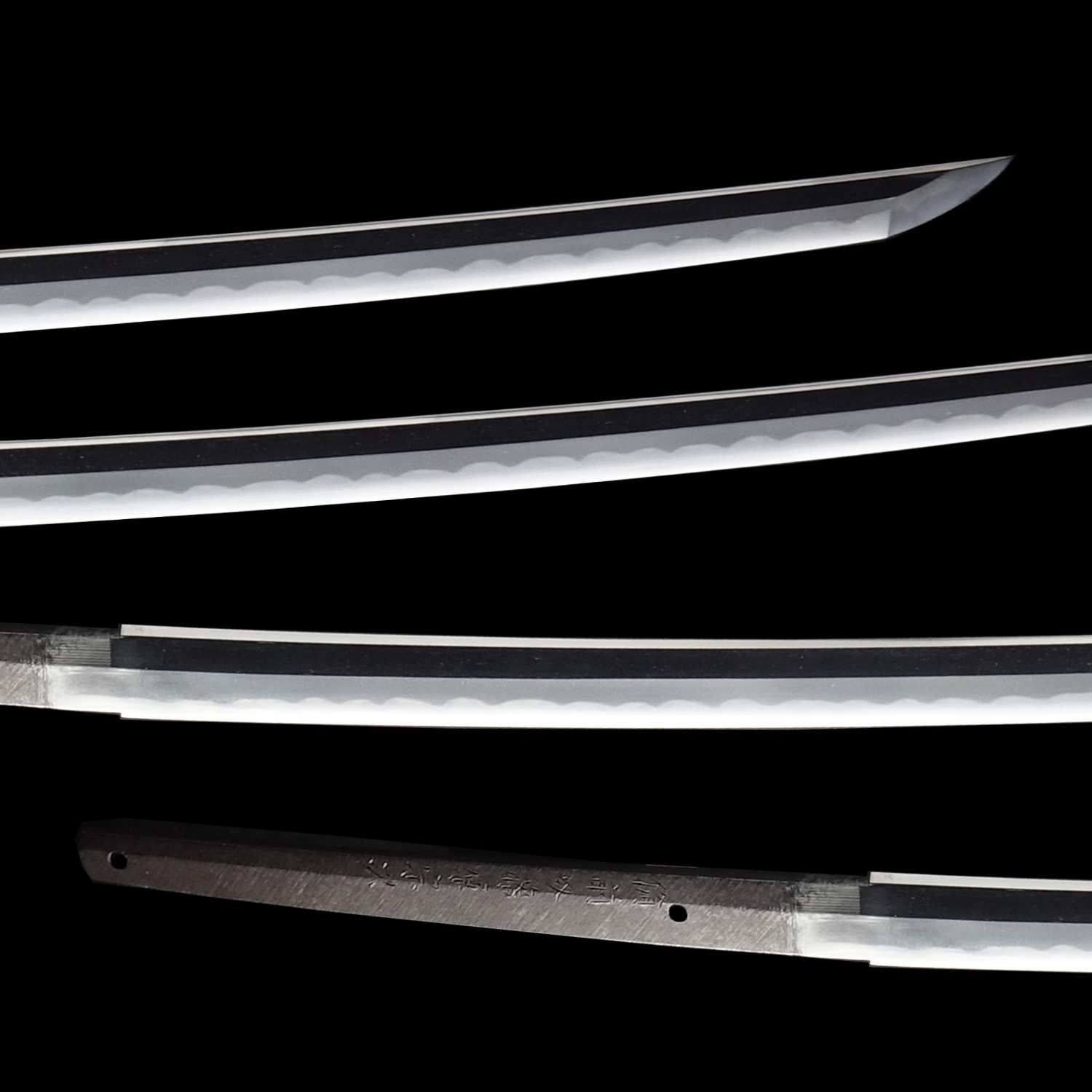
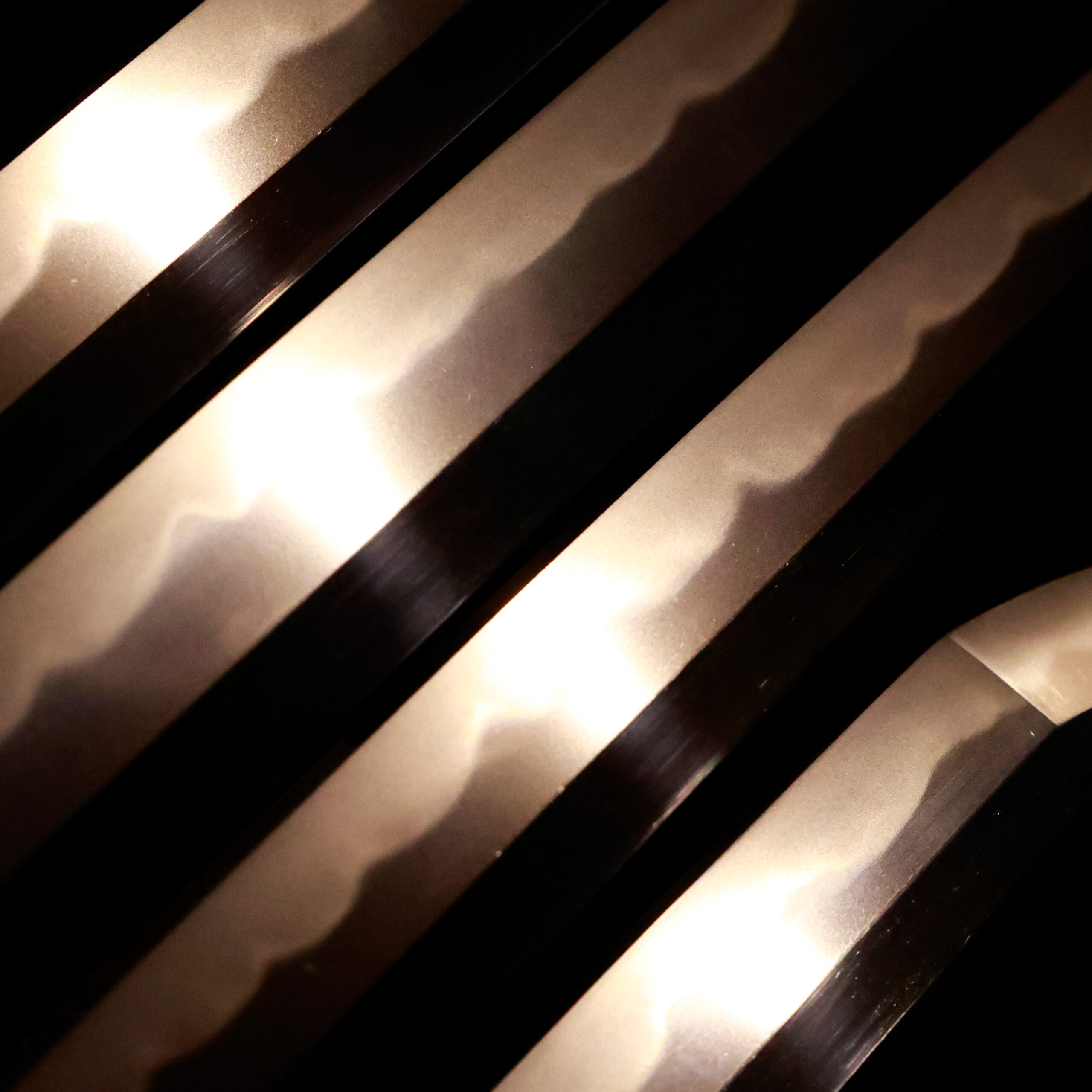
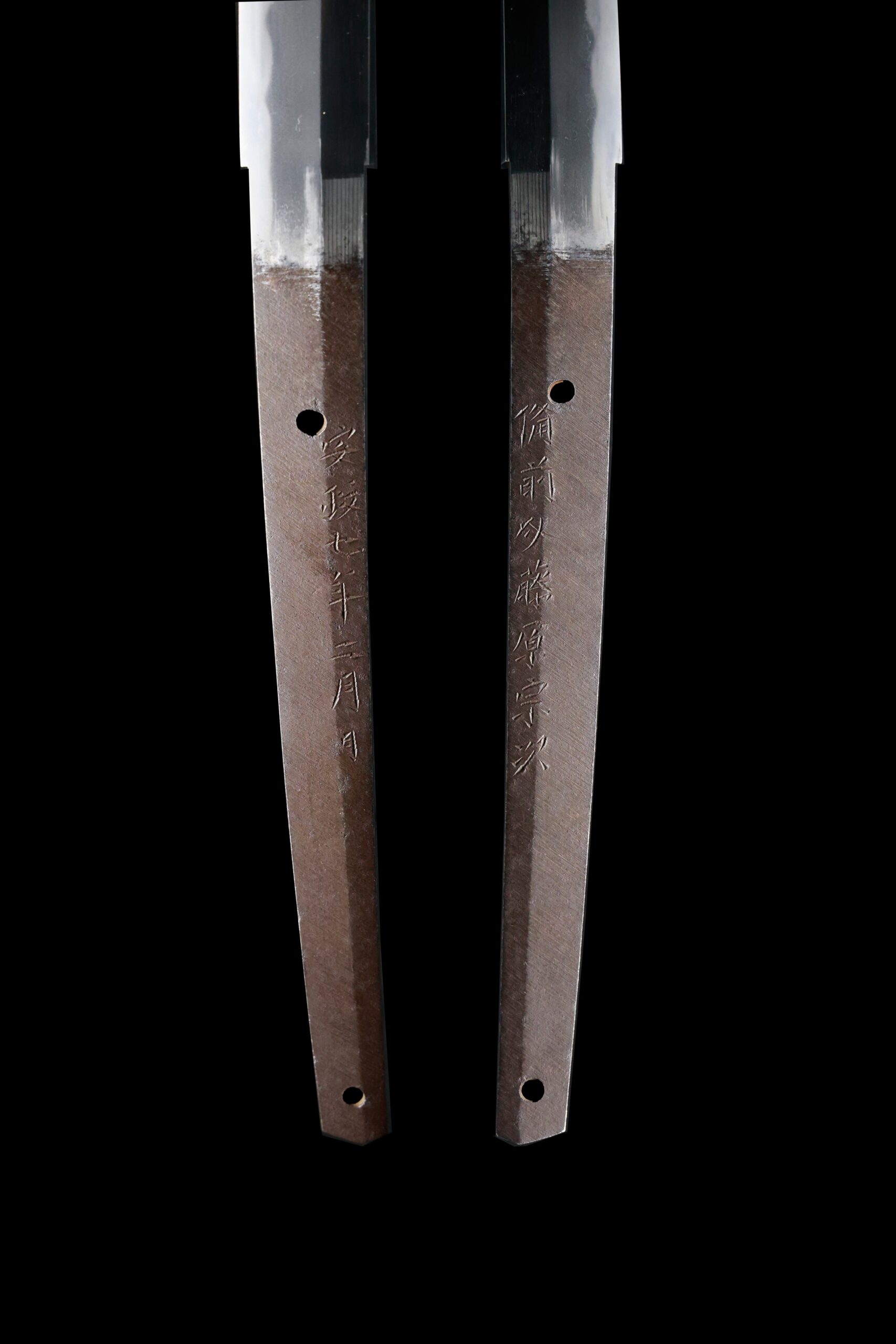
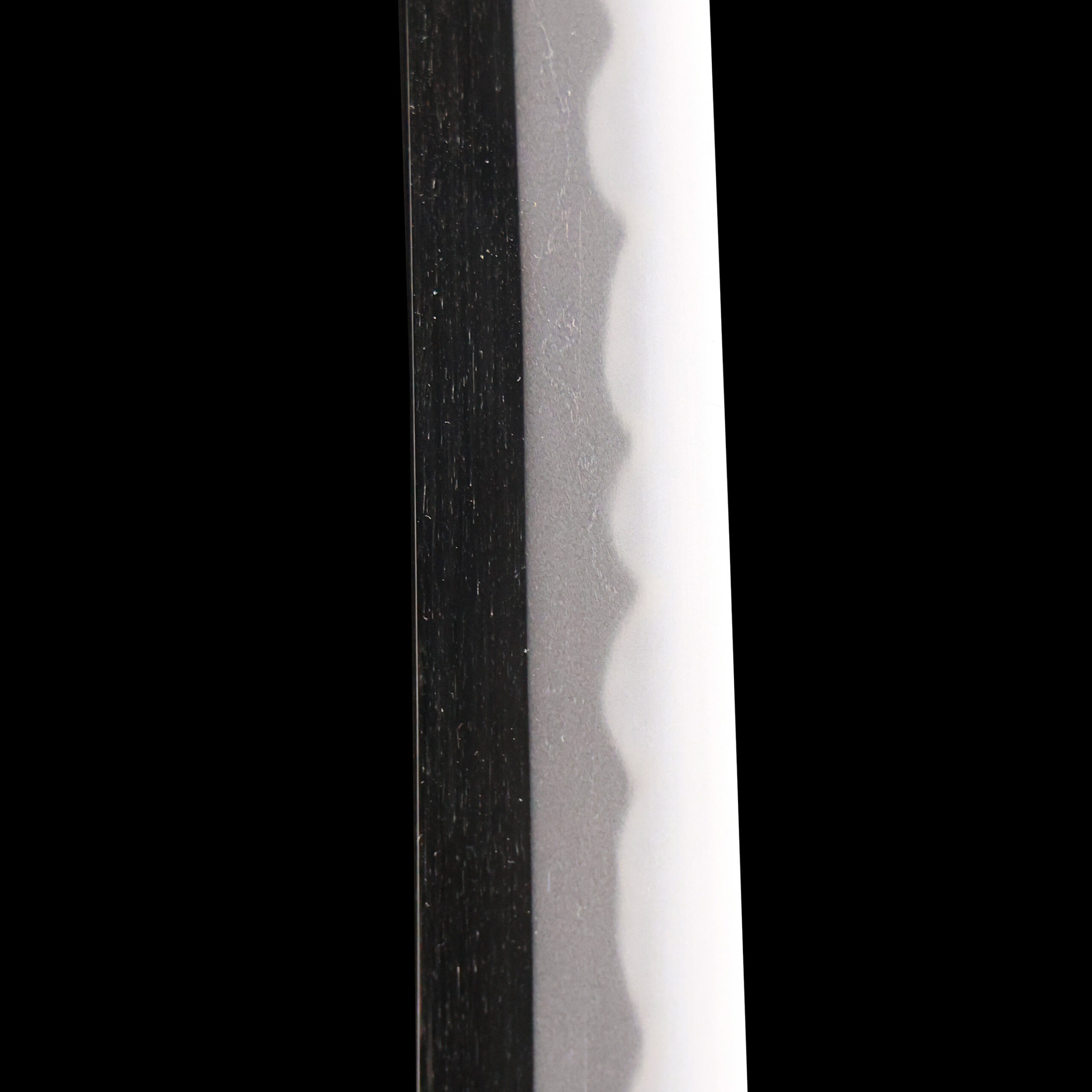
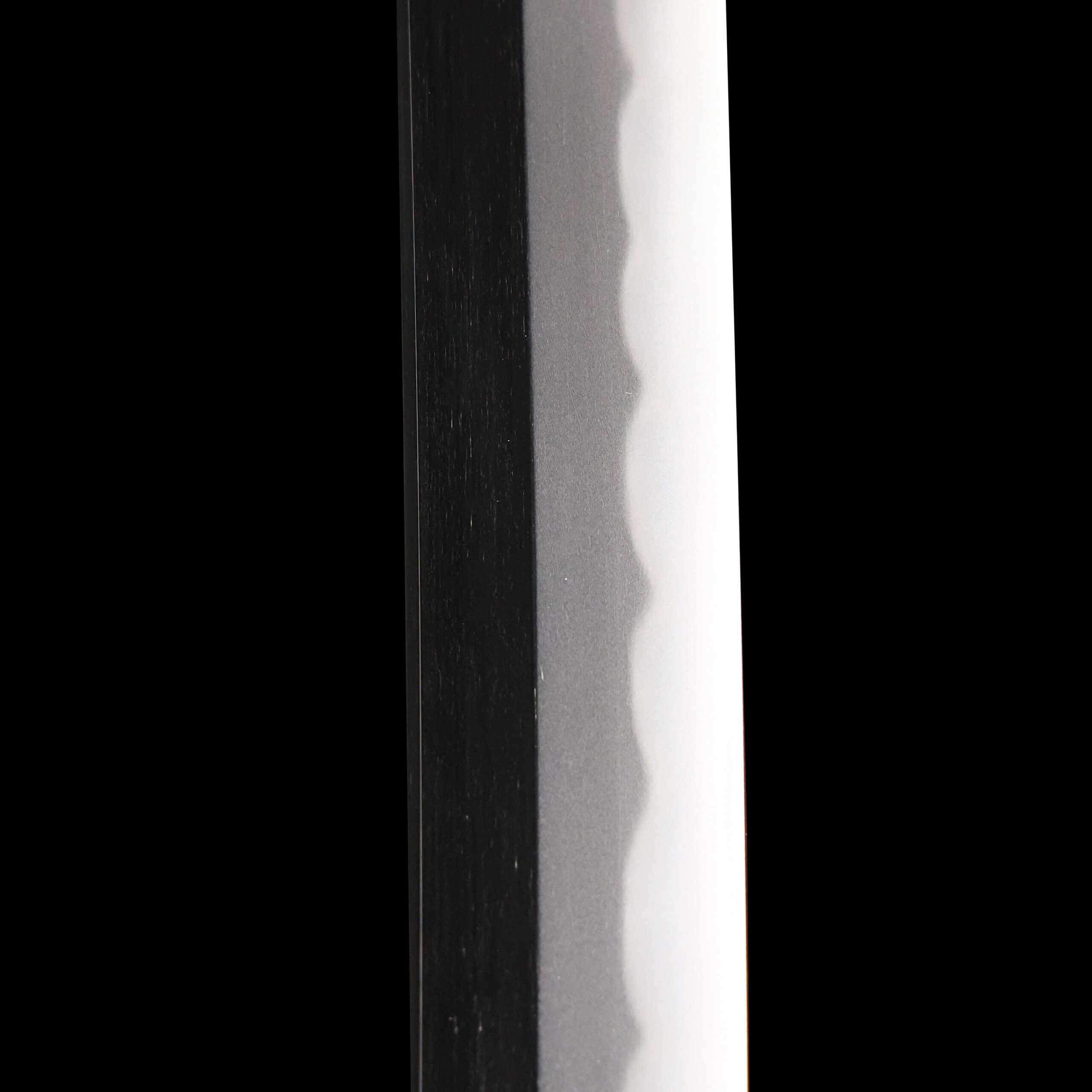
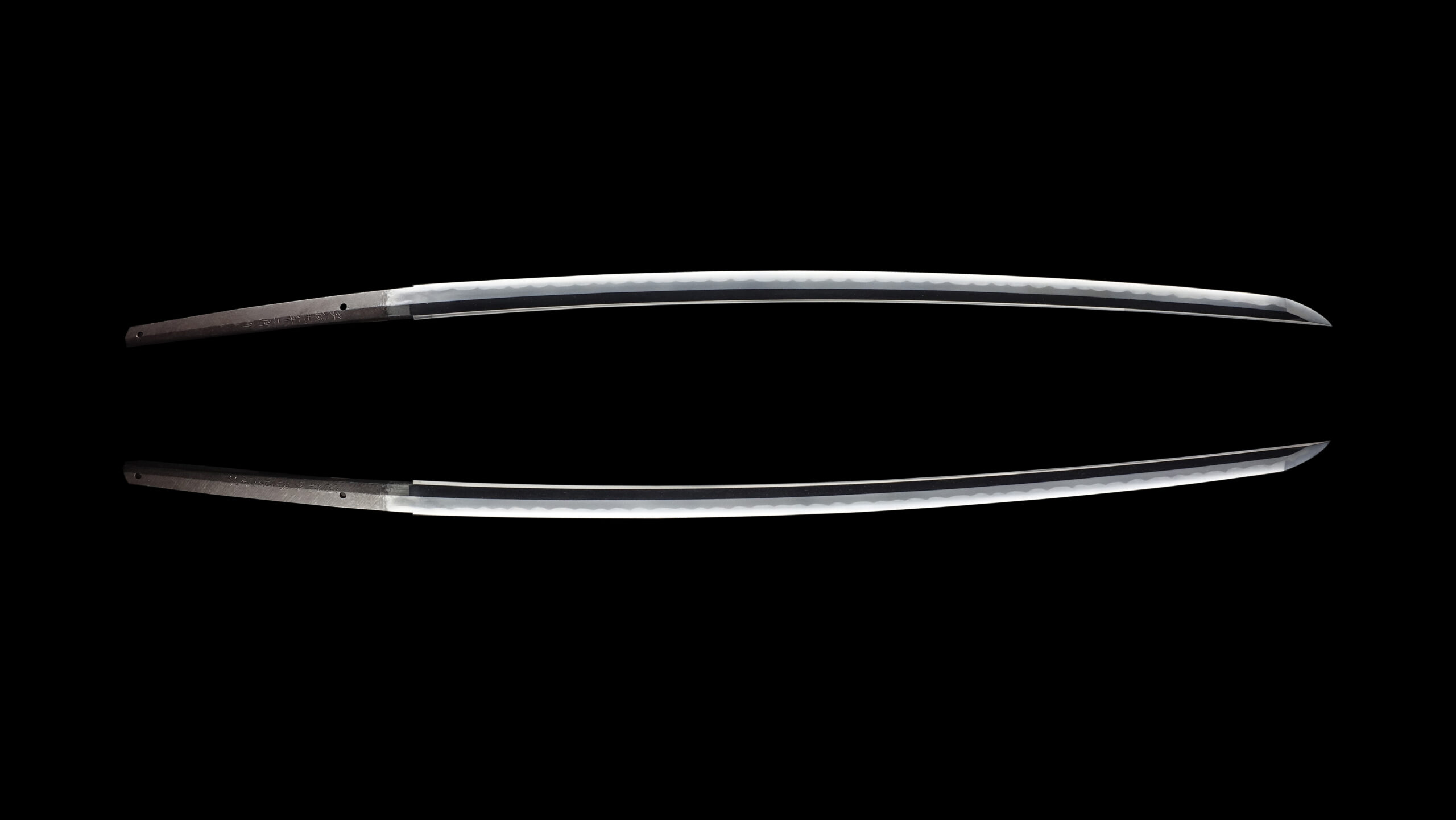
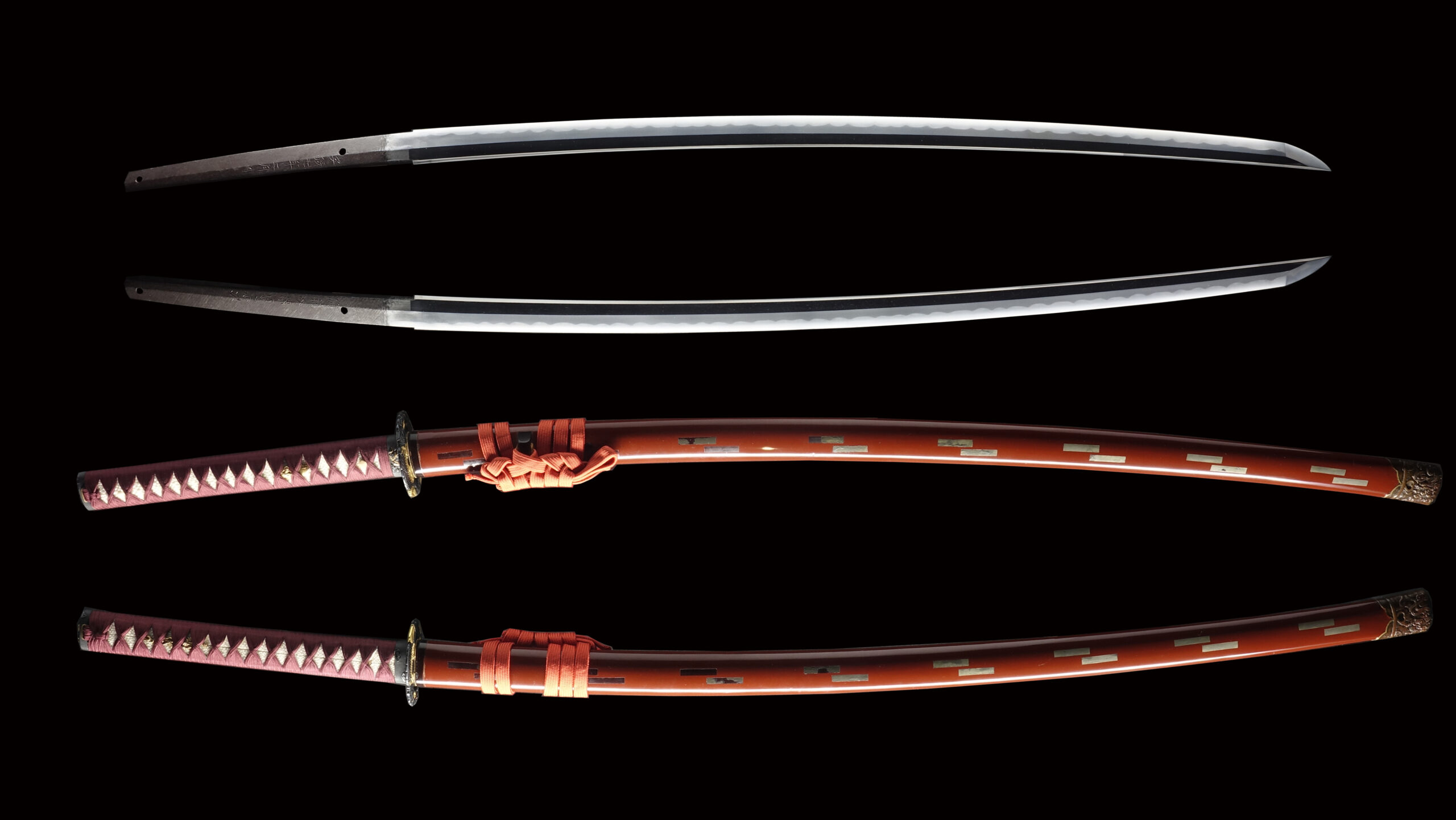
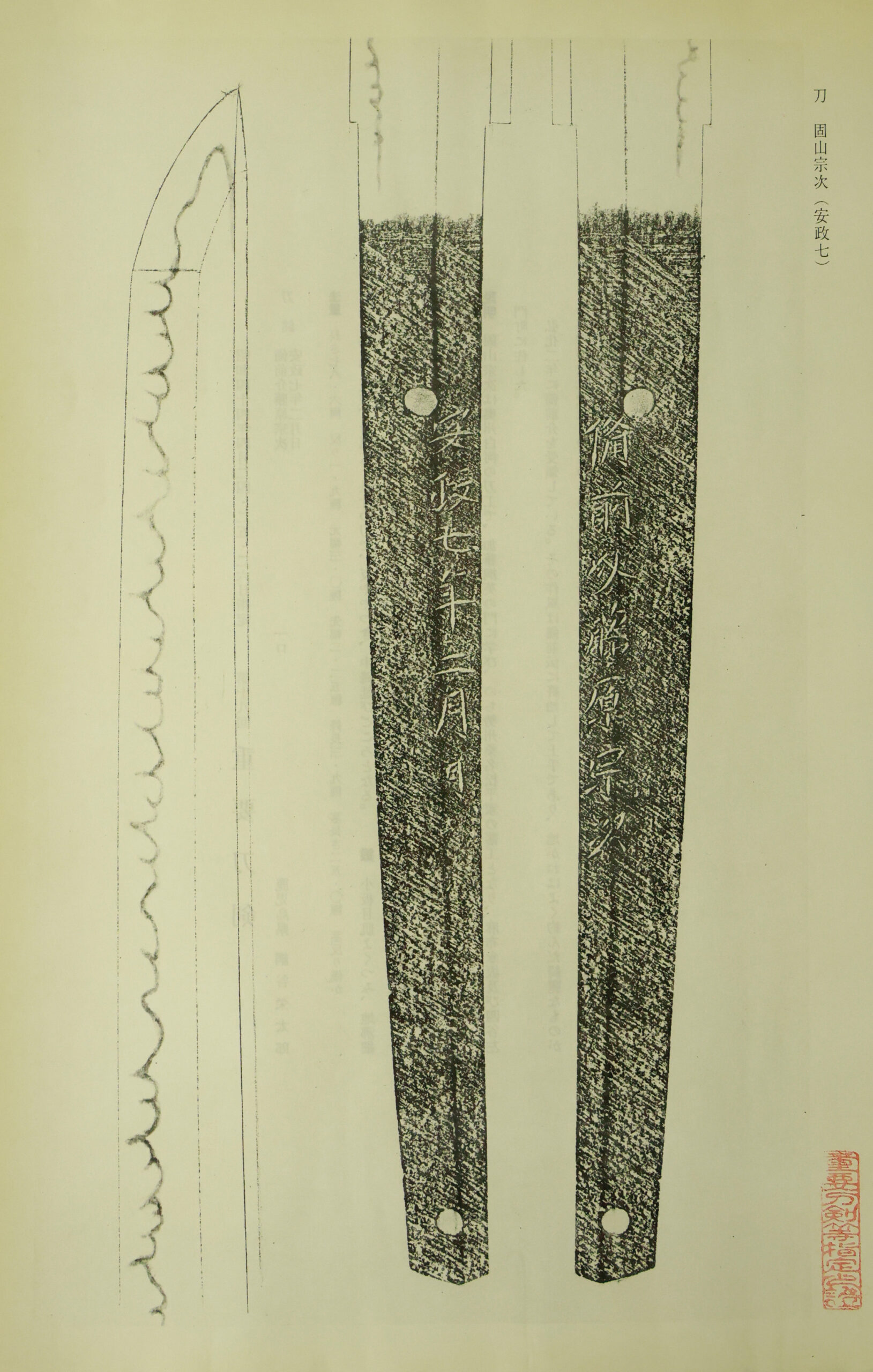
Koyama Munetsugu (shinshinto Bizen-den, Shirakawa / Edo) · Musashi · around 1830-1870
Fujishiro Jo-jo saku · Tōken Taikan top 17%
5 pieces on the market now
Koyama Munetsugu was born in Kyowa 3 (1803) at Shirakawa in Oshu, common name Sobe, with the art names Issensai and Seiryosai. The published sources record that his teacher is said to have been Kato Tsunahide of Yonezawa, but add that, judging from his manner of work, "the influence of the younger brother Kato Tsunatoshi was rather the greater"[[c:1]]. He served first the Matsudaira house of Shirakawa, and when that domain was transferred he became a smith for the Kuwana fief in Ise, living in Edo at Azabu Nagasaka. In Koka 2 (1845) he received the title Bizen no Suke. He worked from the latter half of the Bunsei era into the early Meiji years, signing as Nishiyama, as Koyama, and as Bizen no Suke Fujiwara Munetsugu, and the sources note that his surviving works are extremely numerous. They sum up his career in one phrase: "his style was consistently Bizen-den"[[c:2]].
His characteristic hand is a choji and gunome-choji in the Bizen manner. He sets choji mixed with gunome, pointed elements, ko-choji and ko-gunome, with ashi entering long and well, and one entry likens a gunome-choji of his to the manner of Bizen Kanemitsu. The temper is nioi-dominant with ko-nie adhering, and what the published sources return to most often is the nioiguchi: bright and clear on the majority of his blades, and on a number of them described as tight as well. On one Tenpo katana finished in his showiest vein, the sources write that he has "finished it in a midareba more flamboyantly choji-dominant than usual"[[c:3]], noting kinsuji in the upper half and a bright nioiguchi.
The jigane is his other constant. His usual jigane is a well-packed ko-itame, so finely forged that it often looks almost plain, with fine ji-nie and at times fine chikei. The published sources summarise his success on exactly these two elements together, saying that "over a well-packed, beautiful forging he tempers a nioi-dominant choji-midare, and succeeds"[[c:4]]. The boshi runs in midare-komi to a ko-maru turnback, at times pointed with hakikake. Carving, where present, is a bo-hi or a paired groove, sometimes with bonji, goma-bashi, kurikara or a sacred invocation, and his son Yoshitsugu supplied the carving on some blades.
Besides his mainline he was a deliberate copyist. Of one daisho the published sources say that "this daisho is typical of Munetsugu's copy-work"[[c:5]]: the katana takes Sue-Bizen, especially Yosozaemon no Jo Sukesada, as its model, and the wakizashi copies the Oei-Bizen masters Morimitsu and Yasumitsu, succeeding in producing utsuri. A wakizashi of Tenpo 11 copies the large hocho-shaped blade attributed to Masamune that is a treasure of the Egara shrine in Kamakura, and was dedicated at the Shiba Shinmei shrine in Edo. A separate vein is the broad, long blades of the Tenpo years, wide in body with a thick kasane, in which the jigane departs from his usual tight grain into an itame mixed with mokume and flowing grain, standing and with ji-nie and chikei. The sources say this is often seen in his Tenpo work. A quieter suguha register survives as well but is rare.
His place in the bakumatsu rests on the completeness of his Bizen revival and on the documentary richness of his blades. The sources note that he "seems to have been well known as a master of Bizen-den"[[c:6]], and he forged a daisho at the command of the lord of Koga. Many of his blades carry cutting-test inscriptions by the Yamada house, tried at Senju and elsewhere. One katana was forged at the command of Lord Date Munenari of Uwajima from the ring-iron of a foreign ship, an inscription the sources call "precious also for the history of the bakumatsu"[[c:7]]. His bright choji-midare over a near-plain ko-itame sets his work apart from the deeper, softer nioiguchi of the Kamakura blades he studied.
For the collector Munetsugu is a signed and abundant master rather than a rarity. Fujishiro grades him Jo-jo saku. He has no National Treasures and no Important Cultural Properties; his standing on the designation record runs through the Juyo rank, where fifty-two of his works are held, all signed, the broad choji-midare katana named his typical and representative work. His recorded provenance reaches the lord of Koga and a Koga retainer, Matsudaira Chikanai of the Shonai domain, and Lord Date Munenari of Uwajima. Because so many were made and so many survive, a signed and dated Munetsugu of good workmanship comes to market from time to time, and remains one of the more attainable ways for a collector to hold a documented, cutting-tested bakumatsu Bizen-den blade.
Where Munetsugu stands among comparable artisans: across all of nihontō, and within tradition, era, and period. The tiers (Foremost · Leading · Major · Notable) weigh official designations from the NBTHK and Japan's Agency for Cultural Affairs, together with historical honors of lasting repute such as the Sansaku and Meibutsu-chō.
Select a lens to see how it's measured.
Years he was demonstrably active, proven by signed-and-dated blades
Shinshinto · Musashi
18 pieces on the market now
Born in Kyōwa 3 (1803) at Shirakawa in Ōshū, Koyama Munetsugu (固山宗次) carried a smith's name read variously in the setsumei as Munobei or Sōbei, working under the art-names Issensai and Seiryōsai. He came up alongside elder brothers Munehira and Munetoshi, and although his teacher is traditionally given as Katō Tsunahide, the NBTHK readers repeatedly note that the hand of Katō Tsunatoshi shows through his work more plainly. He first served the Matsudaira house of Shirakawa as a retained smith; when that domain was transferred to Kuwana in Ise, he settled in Edo at Azabu Nagasaka and forged as a Kuwana domain smith. In Kōka 2 (1845) he received the court title Bizen no Suke, the signature Bizen no Suke Fujiwara Munetsugu recurring on the dated katana from that point. His production runs from the latter half of Bunsei into the early Meiji years, and the program it serves is the Bakumatsu fukko revival of Bizen-den: a deliberate return, from an Edo workshop, to the chōji tempering of the old Bizen masters. The shared idiom is consistent across the line. Construction tends to a wide mihaba, thick kasane, shallow sori and an extended chū-kissaki or ō-kissaki, giving the heavy-in-hand shinshintō bearing the readers call taihai. The ground is a tightly packed ko-itame, sometimes flowing toward nagare or masame, carrying extremely fine mijin-grade ji-nie and frequent chikei; faint utsuri rises on a number of blades.
The temper is the heart of the recognition: a nioi-dominant chōji-midare or gunome-chōji, with ko-chōji, togariba and angular heads mixed in, long ashi and yō entering, fine sunagashi and kinsuji, and a bright, clear nioiguchi. To read his hand, the setsumei flag particular chōji shapes (the kawazuko tadpole-head and the kobushi fist-shaped chōji clustered near Keiō-dated work), a midare-komi bōshi turning in ko-maru with hakikake, and the bold, thick-chiseled signatures with prominent chisel-pillows. Cutting-test inscriptions are common, several tied to the connoisseur Iga Norishige, who is recorded learning swordmaking from Munetsugu. His pupils carry the same vocabulary: Tairyūsai Sōkan (宗寛, also Munekane), son of Ōno Heizō and later a Koga/Furukawa domain smith, whose blades add a faint midare-utsuri and a smaller-pattern late temper; and the likely student Kongōsai Munehiro, who copied the same shrine original his master did. For kantei, the discriminating points are the orderly yet varied chōji arrayed shoulder-to-shoulder, the nie-laden Tenpō-era pieces whose habuchi has not yet settled, and a deliberate allusion to the second-generation Kunisuke when kobushi-like chōji appear. The named works root the line in documented copying: an utsushi of the National Treasure Koryū Kagemitsu, reconstructed to its original ubu state with kurikara and bonji carved by Sōkan; and a Tenpō 11 (1840) wakizashi copying the hōchō-shaped Masamune of Egara Tenmangū in Kamakura, carved by Tōryūsai Seiju and dedicated by Nomura Toshikatsu, a rare pairing of two Edo masters. Provenance inscriptions name patrons such as Miyake Takuma and the Furukawa domain on the Sōkan side. Across the NBTHK register, the work stands as a disciplined Edo restatement of the Bizen chōji tradition, prized for the brightness of its nioiguchi and for the documentary value of its dated, commissioned and trial-cut tangs. Learn more →
| Smith | Era | Designated |
|---|---|---|
| Munetsugu宗次 | 1830-1870 | 52 |
| Sokan宗寛 | 1850-1868 | 5 |
Bakumatsu: the last war market
Perry’s arrival in 1853 unraveled the Tokugawa peace and created the first mass demand for working swords in two centuries. Kiyomaro, called the Masamune of Yotsuya, died on its eve; Munetsugu and Yukihide carried the boom to the end.
A blade of top-grade workmanship and condition, formally judged to rank with a nationally recognized Important Art Object (Jūyō Bijutsuhin). Awarded only at the NBTHK’s competitive annual examination.
Of Japan’s roughly 2.5 million registered swords, only 12,348 (about 1 in 202) have ever attained Jūyō.
The NBTHK (Nihon Bijutsu Tōken Hozon Kyōkai, the Society for the Preservation of Japanese Art Swords) is a public-interest incorporated foundation founded in 1948 and supervised by Japan’s Agency for Cultural Affairs (Bunkachō); it is based at the Japanese Sword Museum in Tokyo. Its expert panels physically examine each submitted work (shinsa) and issue a certificate (kanteishō) ranking it by artistic and historical merit. NBTHK papers are the most widely recognized standard of authentication for Japanese swords and fittings.
NBTHK official siteReturns/exchanges limited to defects caused by shipping (except willful misconduct or gross negligence by the company); customers must contact within 72 hours of receiving the product.