The twentieth century nearly killed the craft twice: wartime distortion, then the occupation ban. The NBTHK’s founding in 1948 and licensed forging from 1953 rebuilt the sword as an art, crowned by Living National Treasures and the mukansa rank.
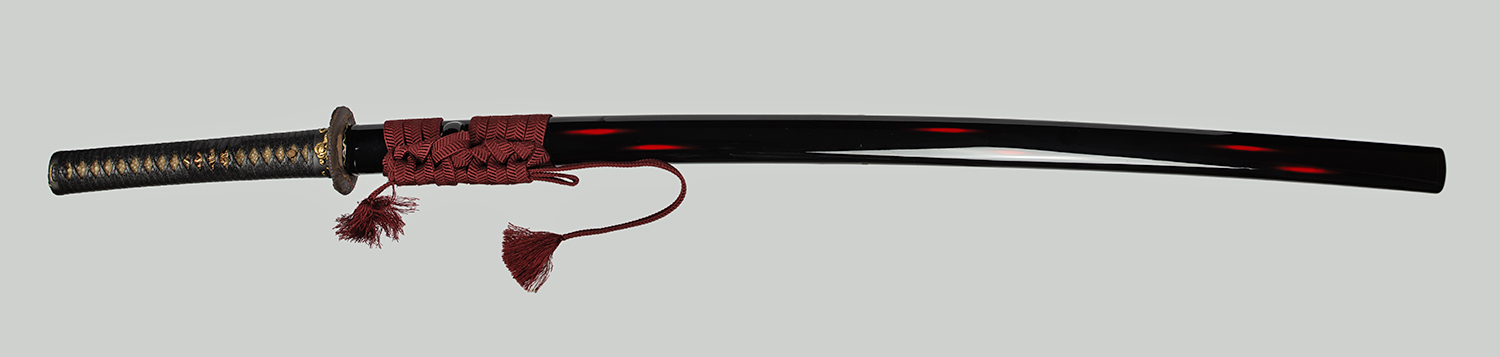
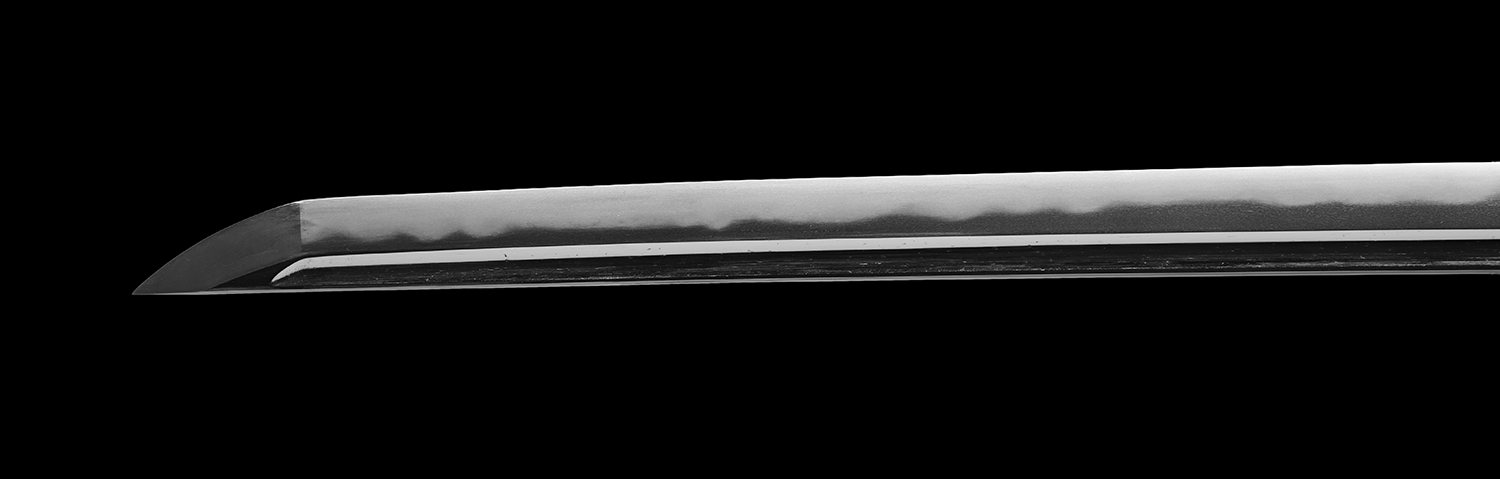
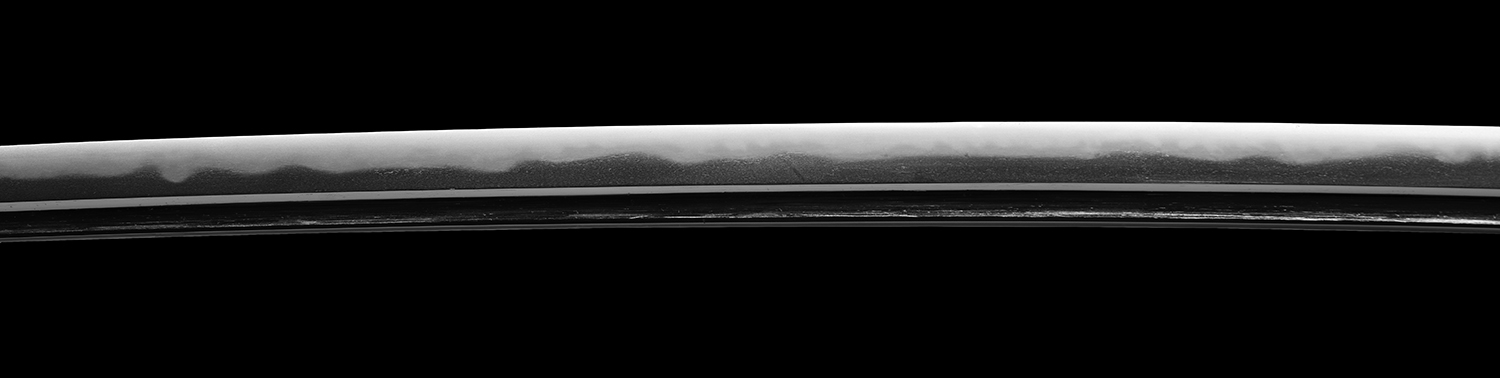
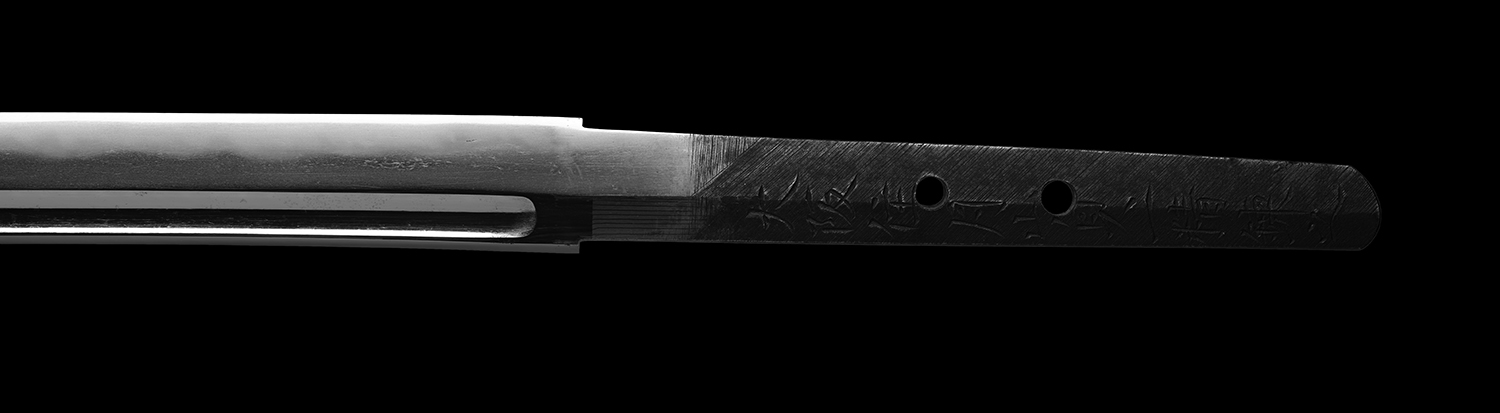
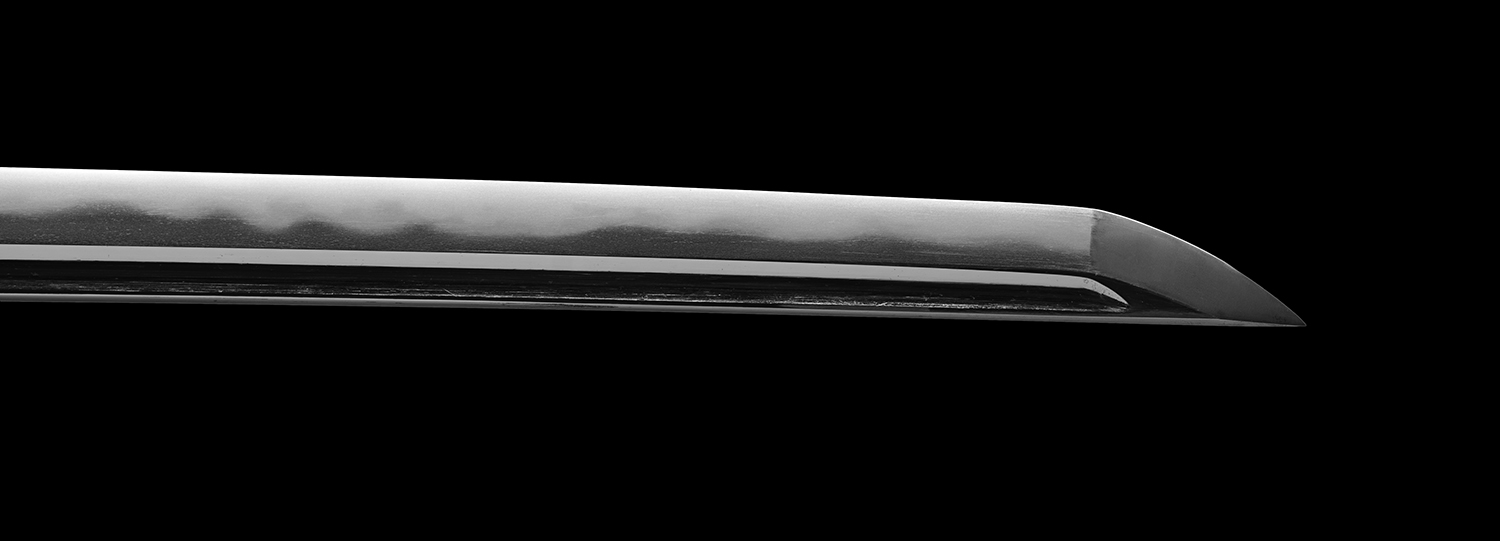
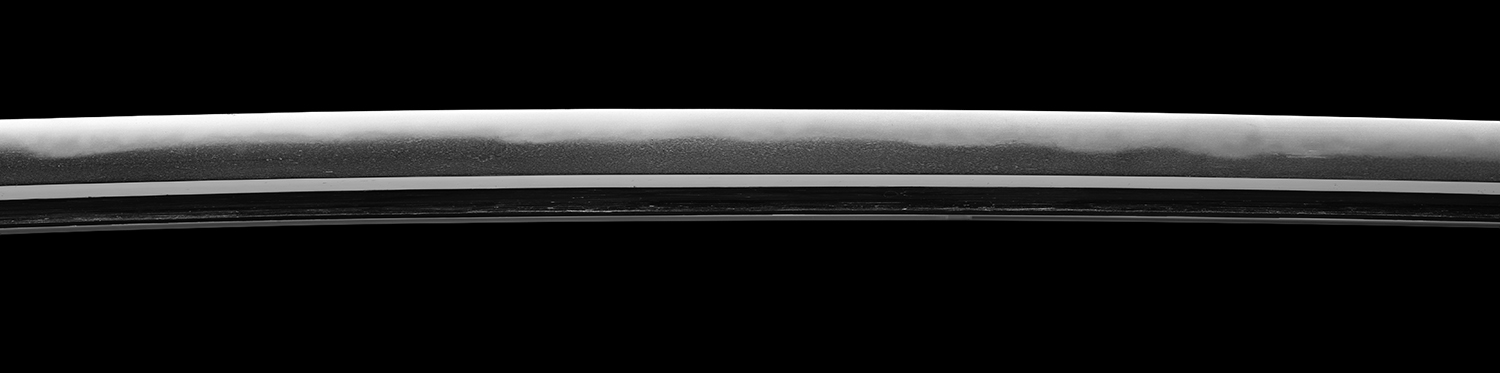
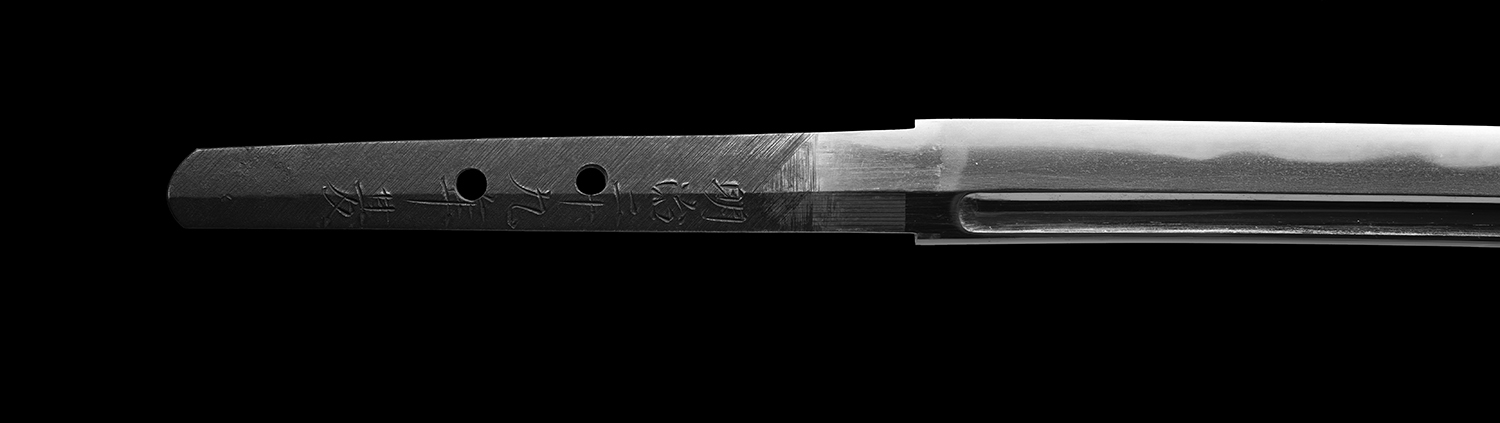
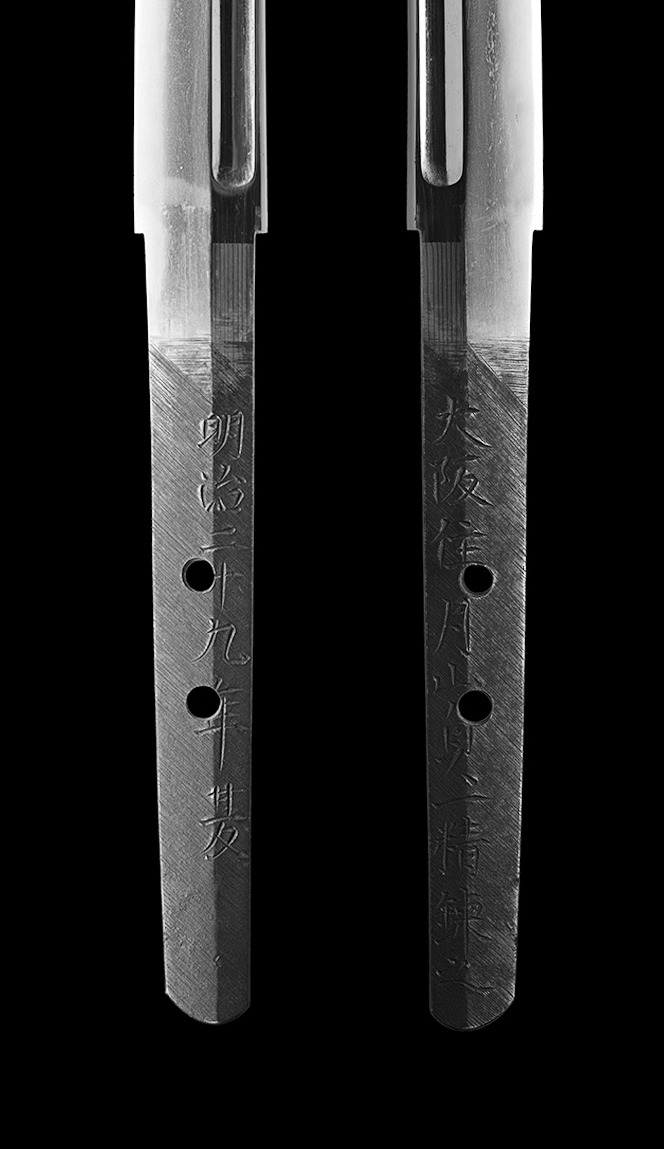
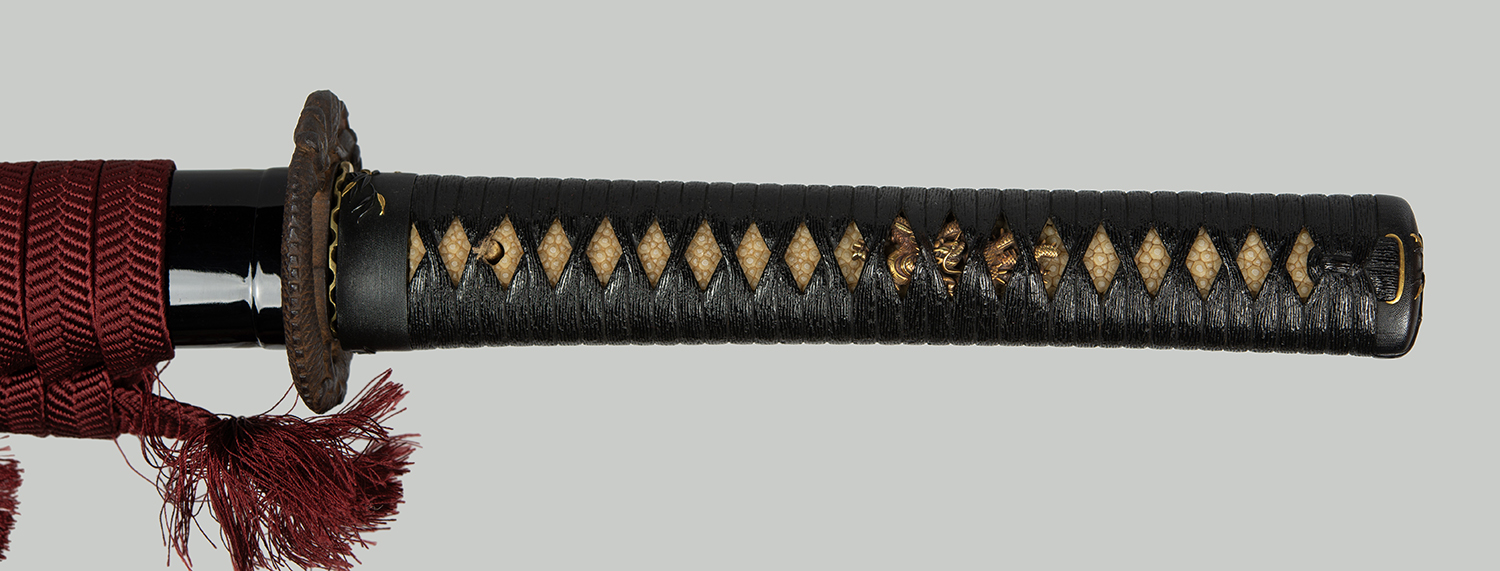
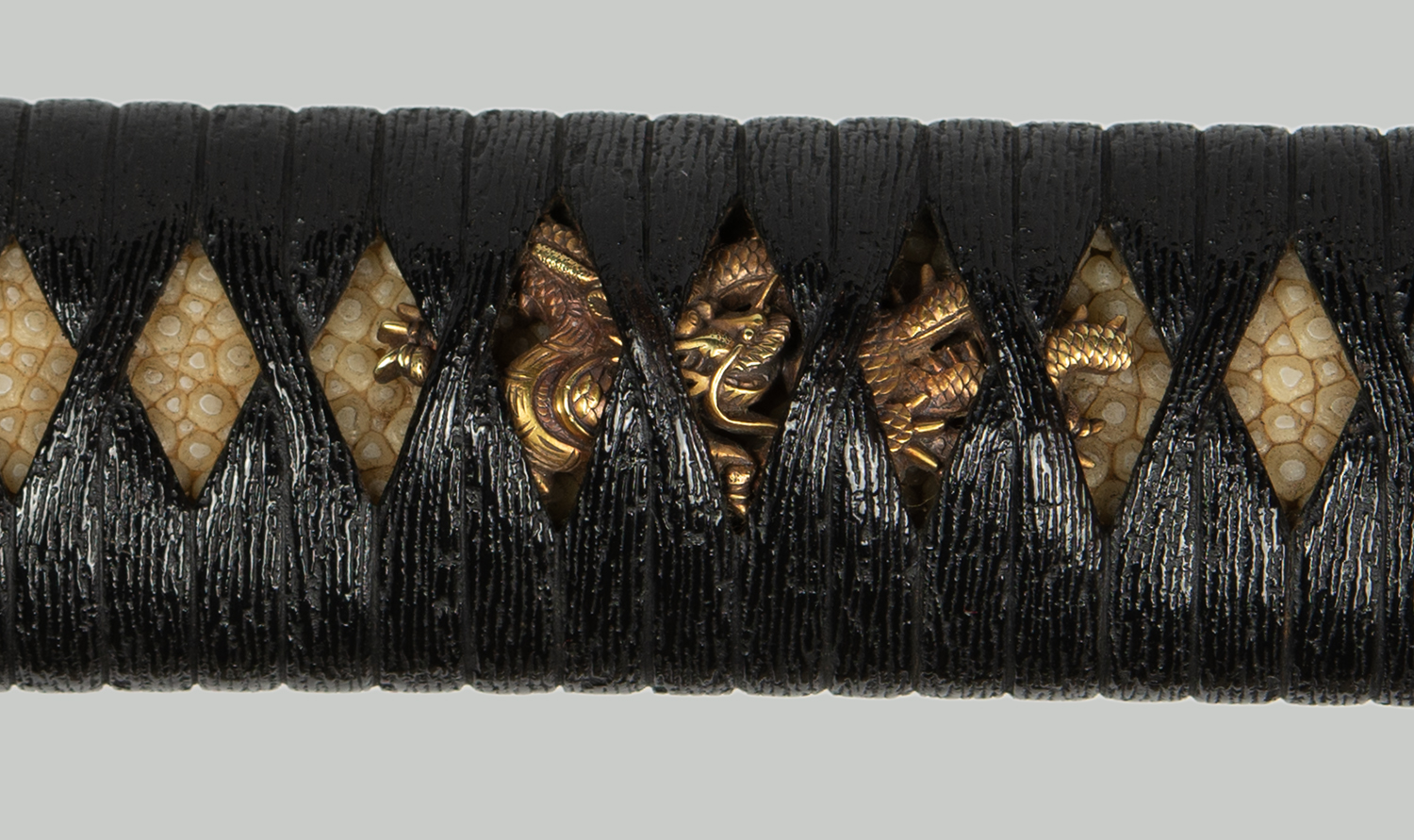
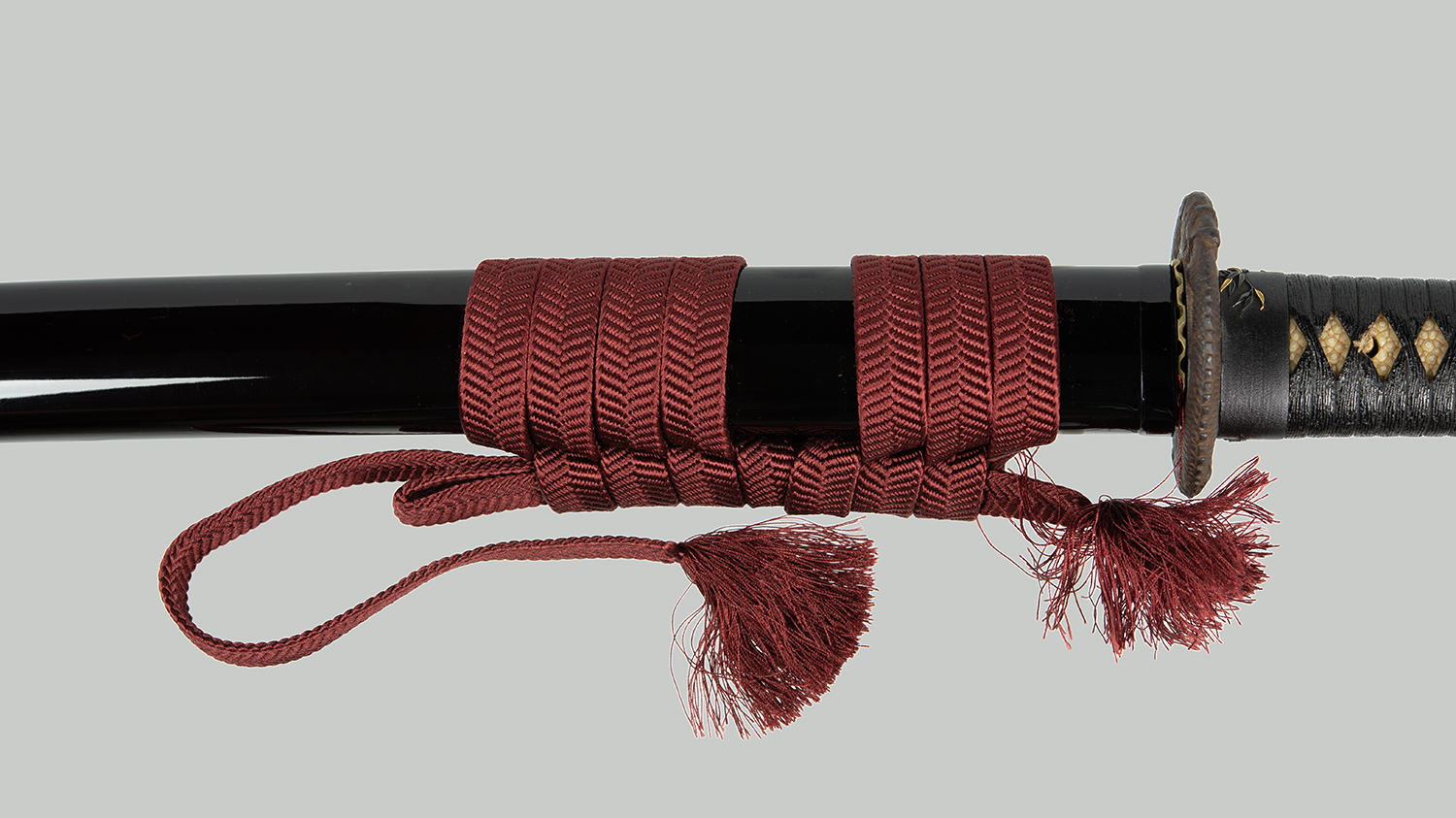
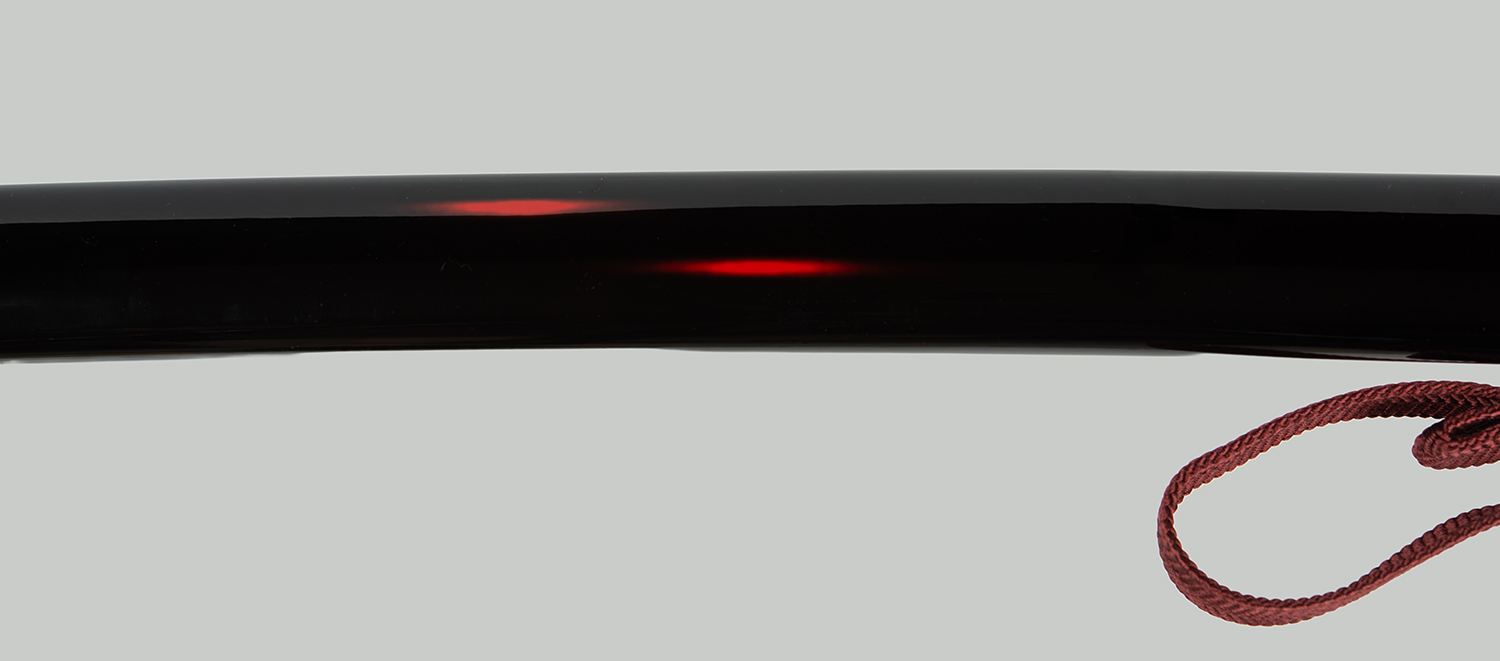
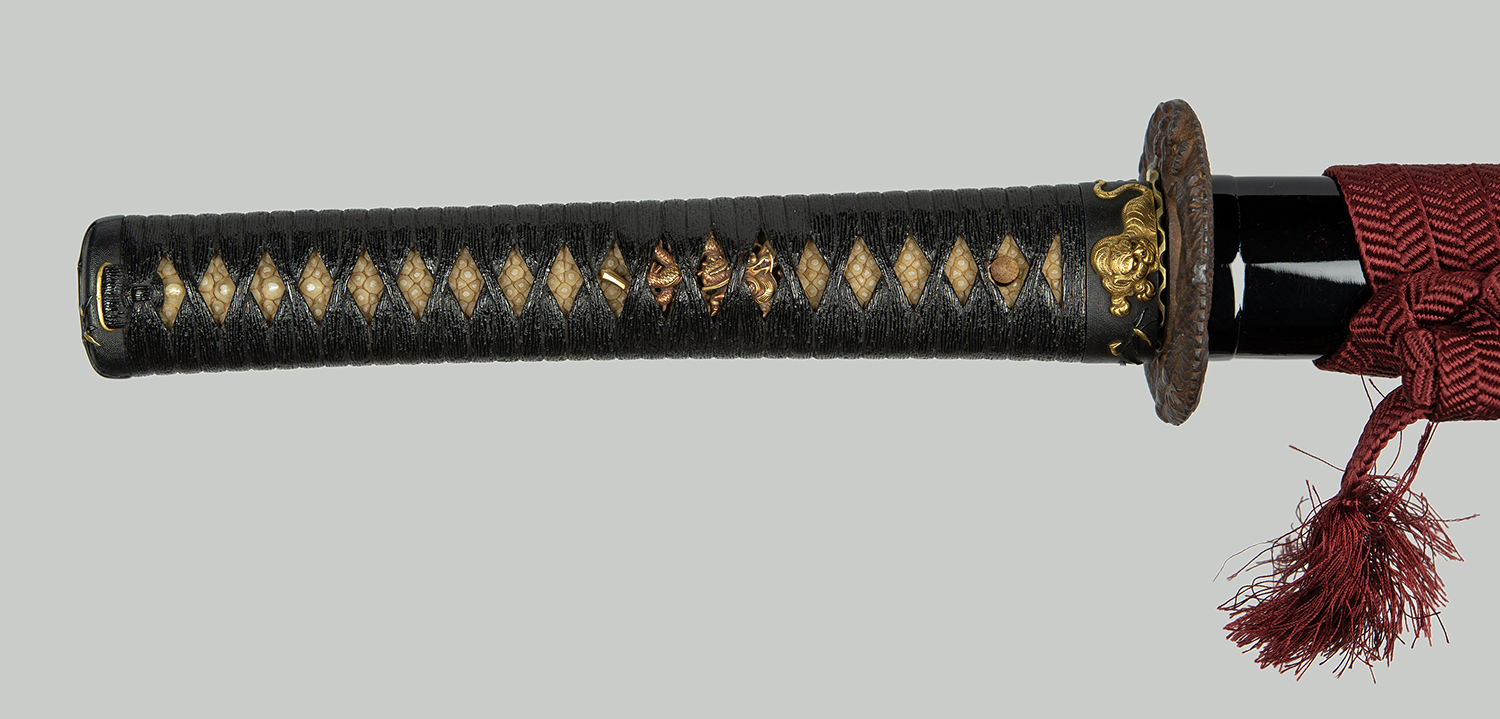
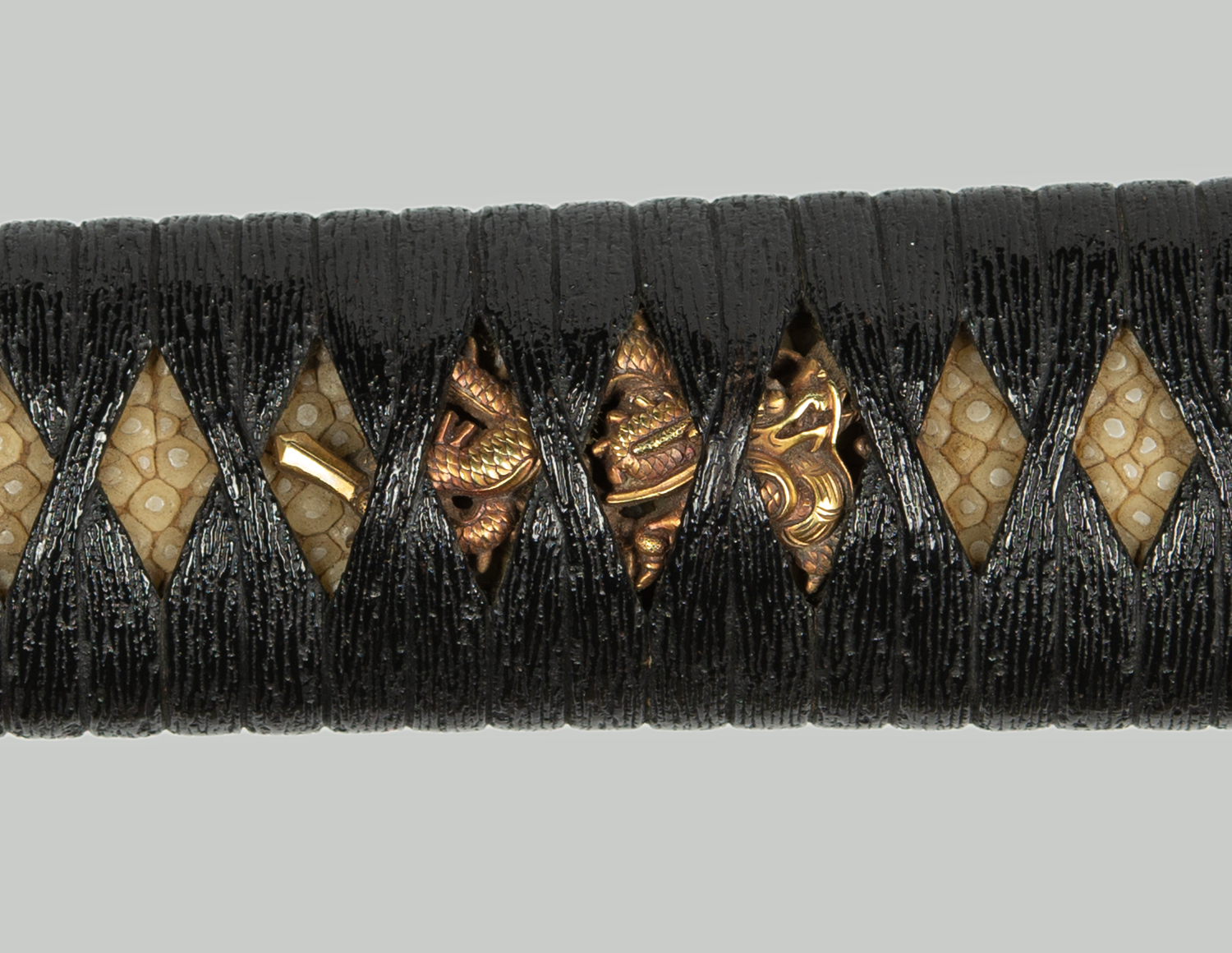
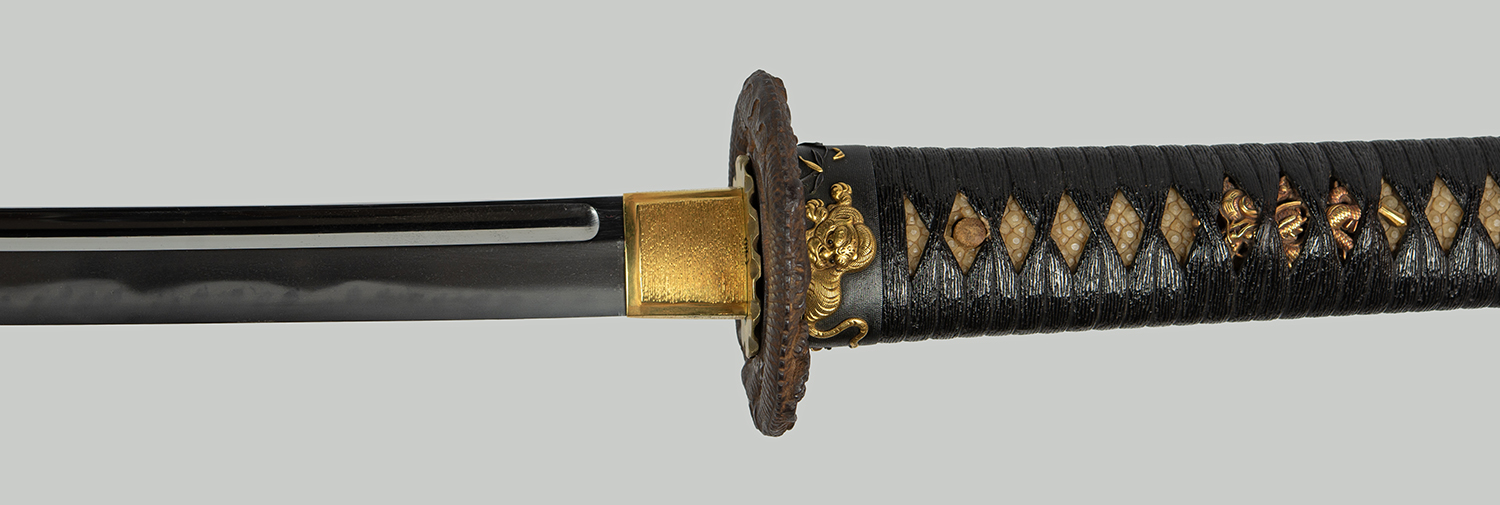
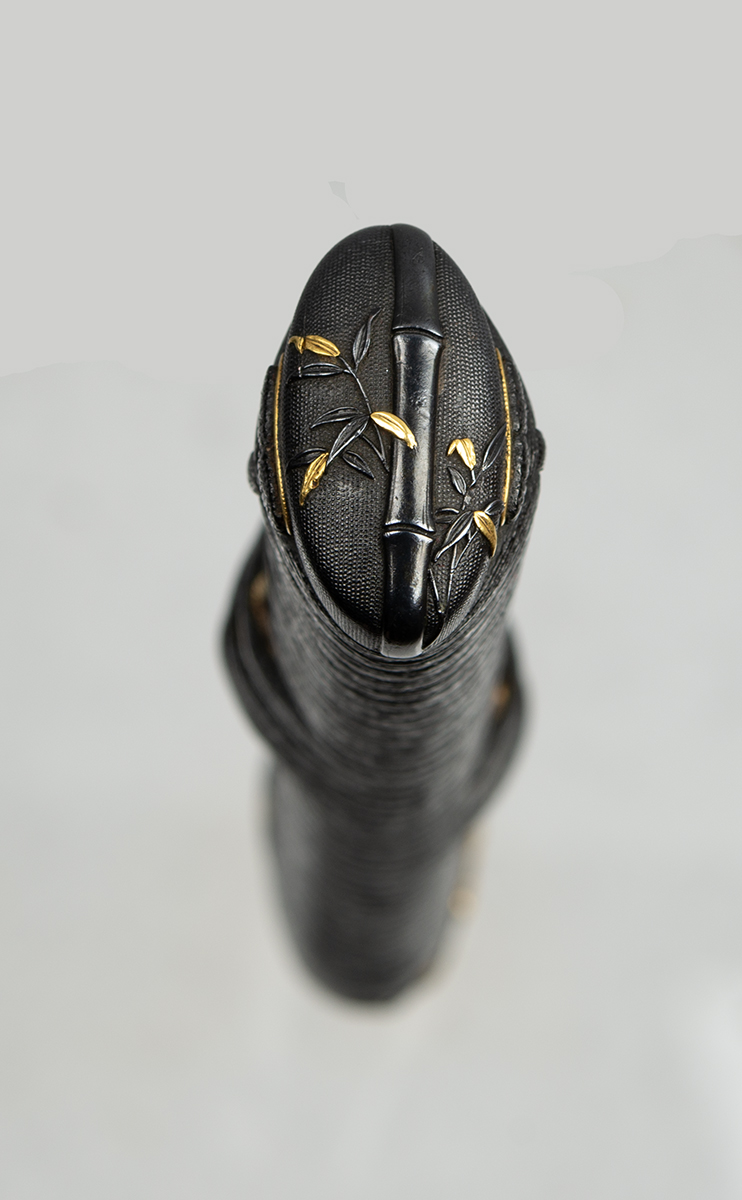
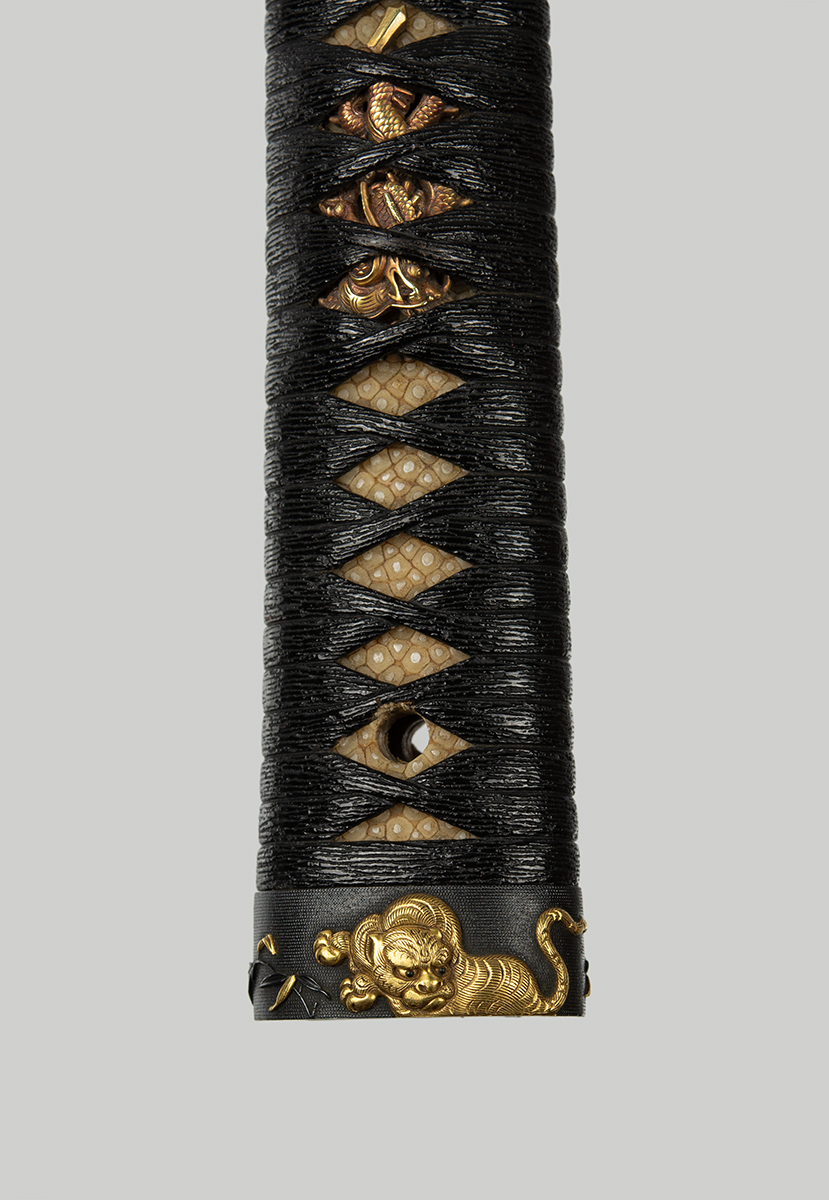
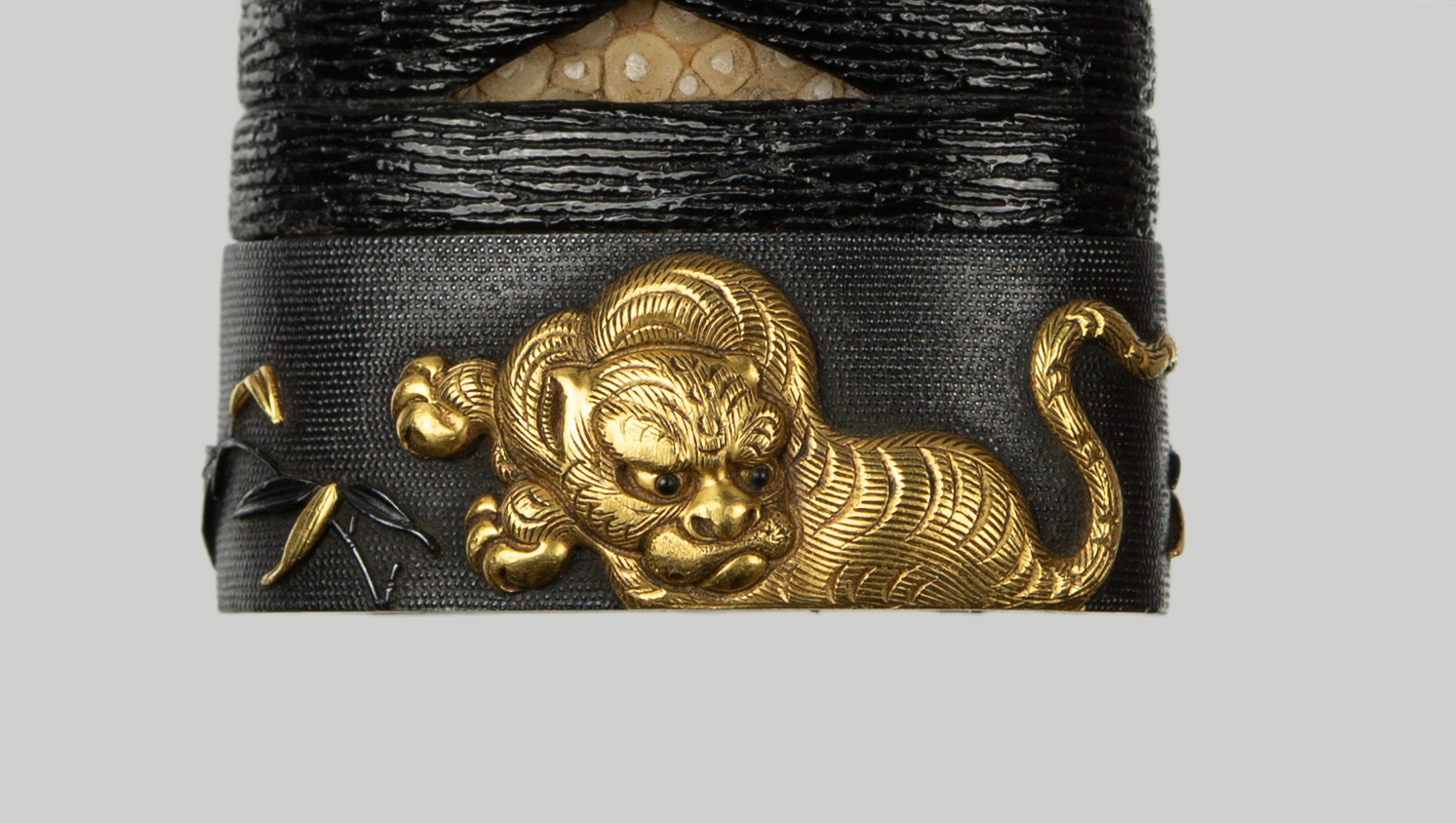
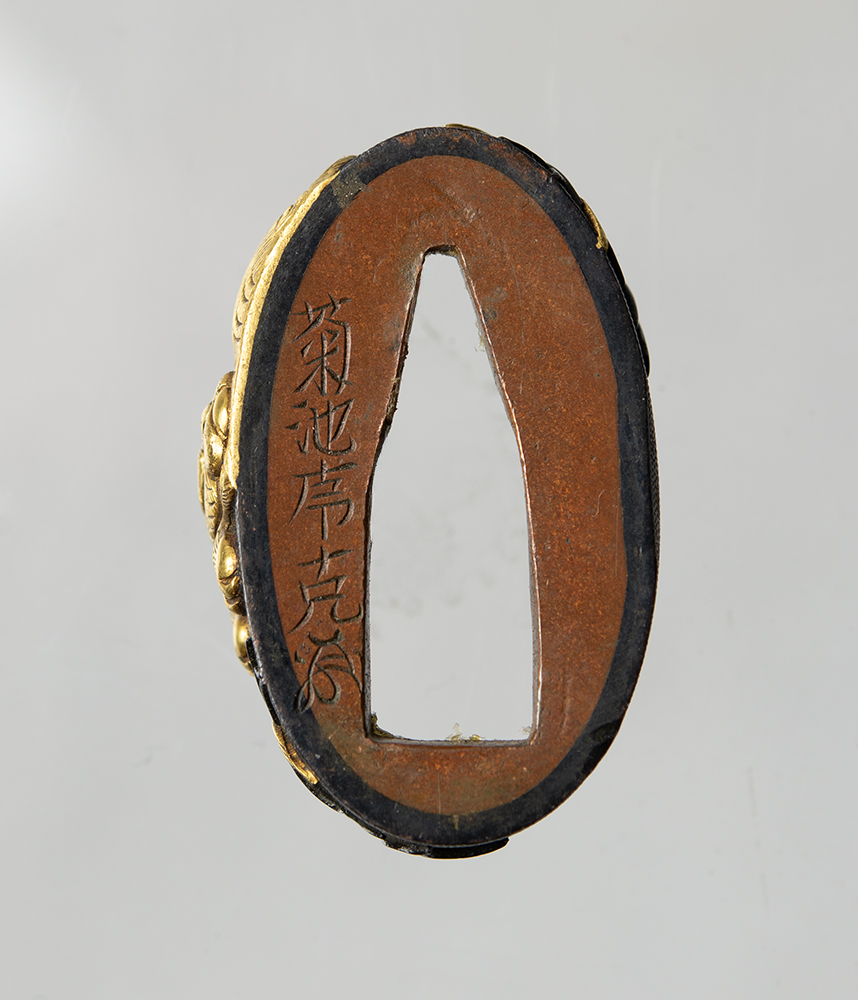
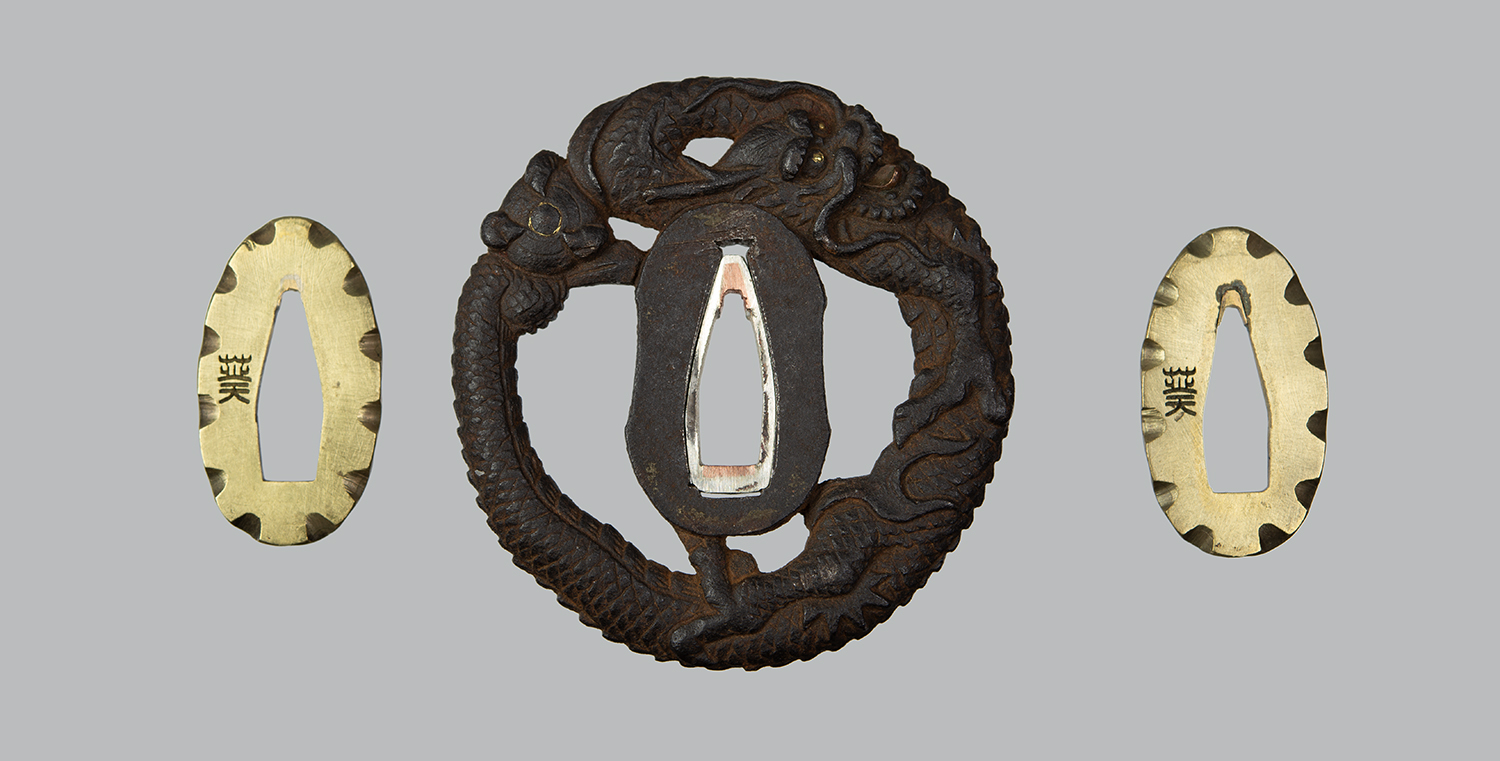
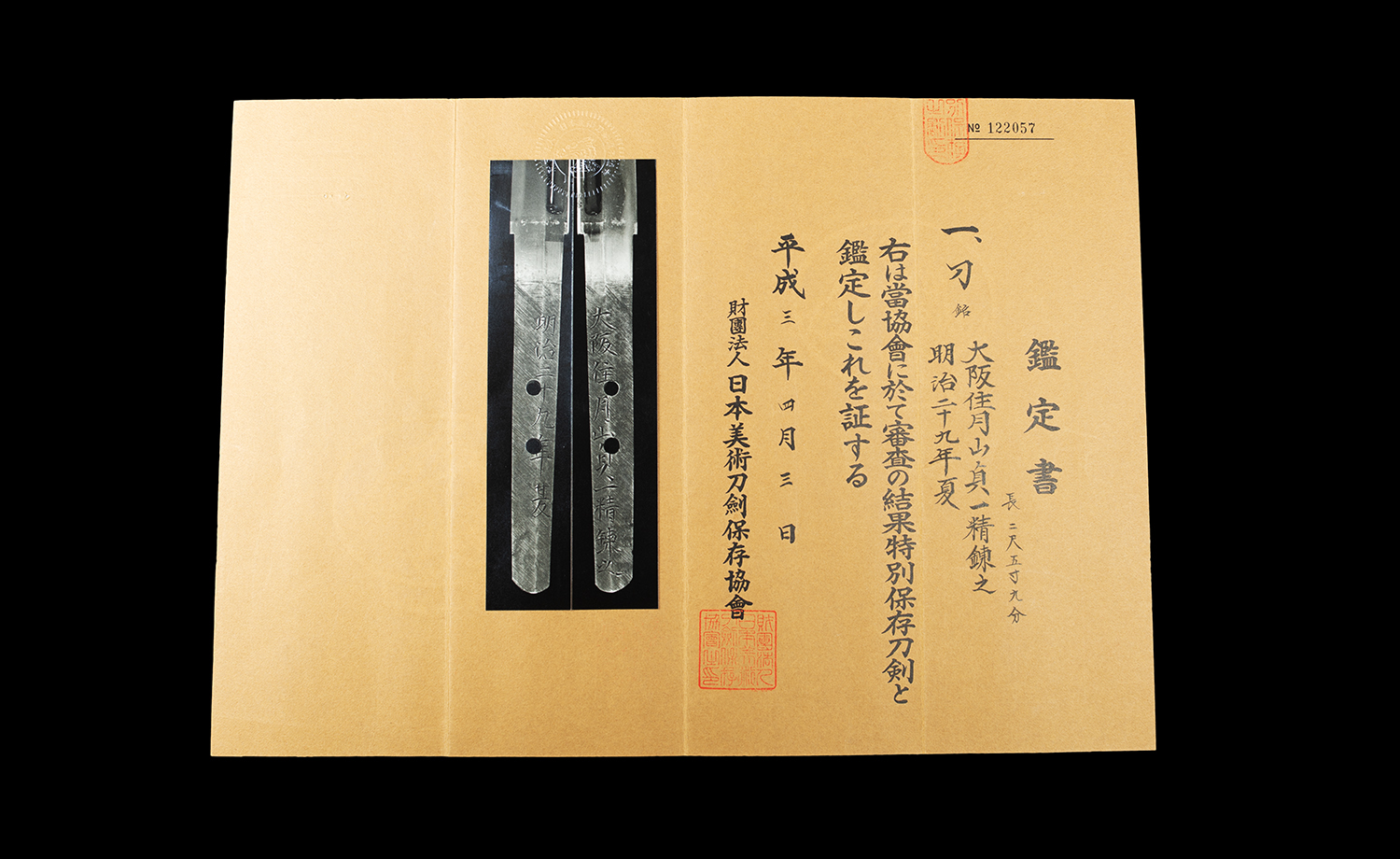
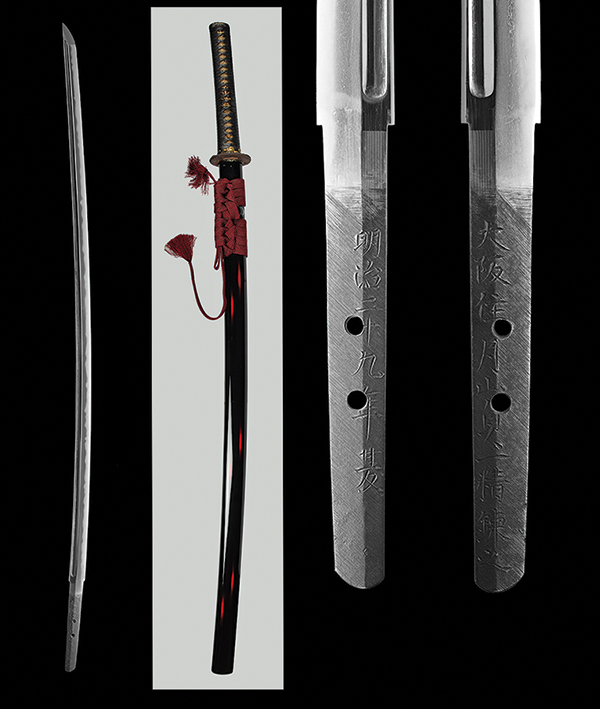
Jo Jo Saku Shin-Shinto Katana Hamon : Ko-nie deki choji gunome midare. The nioi-guchi is bright and lively. There are many ashi. Boshi : Midare-komie with a short return on both sides. Kitae : Itame hada with ji-nie and chikei. About this sword : Gassan Sadakazu was born in 1836. He was the adopted son of Gassan Sadayoshi and began making swords at the age of fourteen. He made daisaku for his father and then had a long career. He passed away in 1918. Gassan Sadakazu was designated as Teishitsu Gigei-in (Imperial Household Artist) on April 4th, 1906. He made swords in the Bizen, Soshu, Yamashiro, Yamato and Gassan traditions. This blade has a long and slender profile and a thick kasane. This combined with the shape of the nakago indicate that it was probably ordered for a military saber style koshirae originally. It is in nice polish and had no kizu. The koshirae for this blade is a professionally orchestrated modern example made with Edo period fittings. The saya and seppa are new and fitted to the blade. The tsuba is an Echizen Kinai stye dragon and it has been fitted to the blade with silver in-set in the nakago-ana. The fuchi kashira are highly detailed shakudo nanako in the motif of a tiger in a bamboo thicket. The fuchi is signed Kikuchi Tsunekatsu (kao). Tsunekatsu was the founder of the Kikuchi school and highly regarded. The mei compares well to published authentic examples but the fuchi kashira does not have a paper. The menuki are dragons in gold color with kin-sabi. A wonderful example of Gasssan Sadakazu's work with a nice koshirae. Accompanied by a NBTHK Tokubetsu Hozon paper and a fine storage bag.
Offered by Nihontocraft


Yamato · around 1907-1995
Tōken Taikan top 49%
6 pieces on the market now
Shōwa to the present: destruction and revival
The twentieth century nearly killed the craft twice: wartime distortion, then the occupation ban. The NBTHK’s founding in 1948 and licensed forging from 1953 rebuilt the sword as an art, crowned by Living National Treasures and the mukansa rank.
A Hozon-certified blade judged to show notably superior workmanship and a better state of preservation. The bar is higher: re-tempered blades and most unsigned Muromachi/Edo works are excluded.
The NBTHK (Nihon Bijutsu Tōken Hozon Kyōkai, the Society for the Preservation of Japanese Art Swords) is a public-interest incorporated foundation founded in 1948 and supervised by Japan’s Agency for Cultural Affairs (Bunkachō); it is based at the Japanese Sword Museum in Tokyo. Its expert panels physically examine each submitted work (shinsa) and issue a certificate (kanteishō) ranking it by artistic and historical merit. NBTHK papers are the most widely recognized standard of authentication for Japanese swords and fittings.
NBTHK official site3 day inspection period on all sales. Items can be returned for any reason for a full refund, less return shipping cost. Returned items must be in the same condition as when purchased.
$18,000