The twentieth century nearly killed the craft twice: wartime distortion, then the occupation ban. The NBTHK’s founding in 1948 and licensed forging from 1953 rebuilt the sword as an art, crowned by Living National Treasures and the mukansa rank.
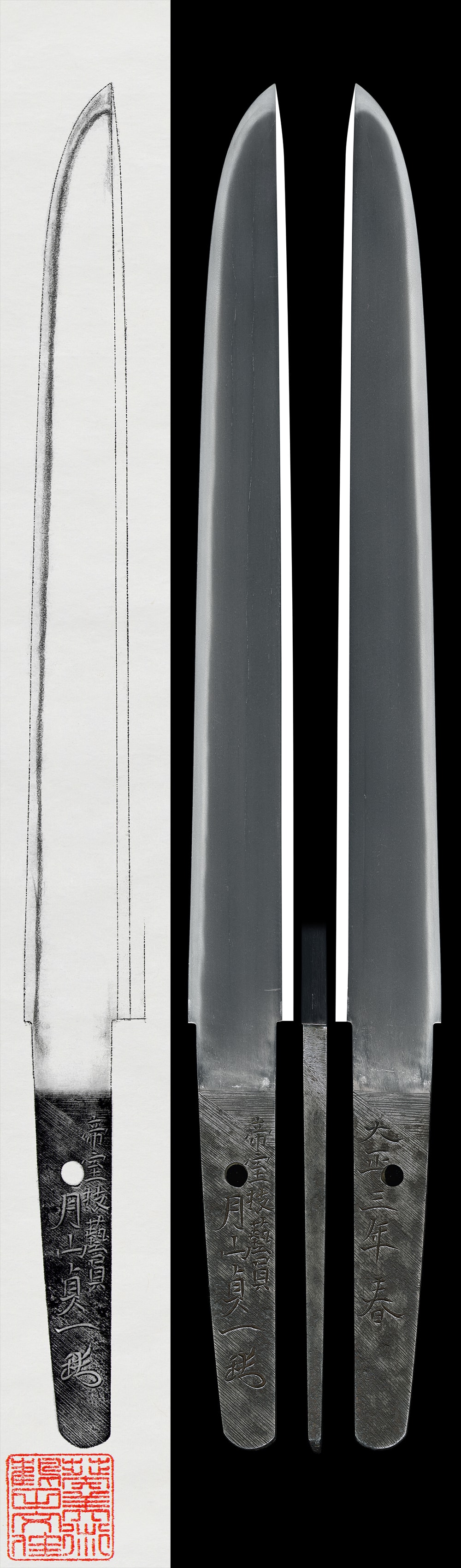
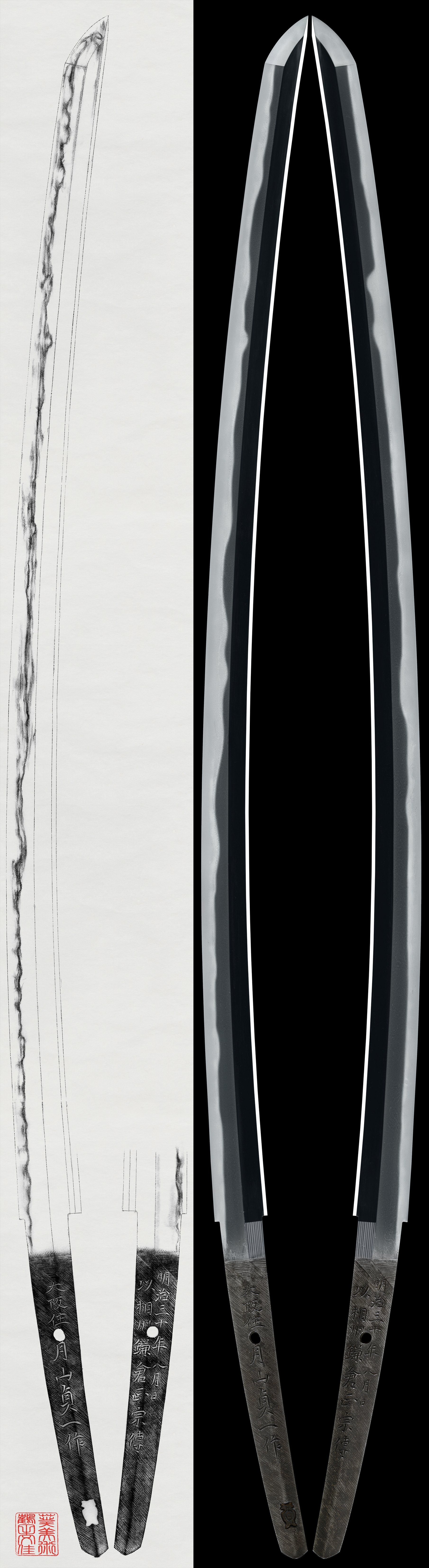
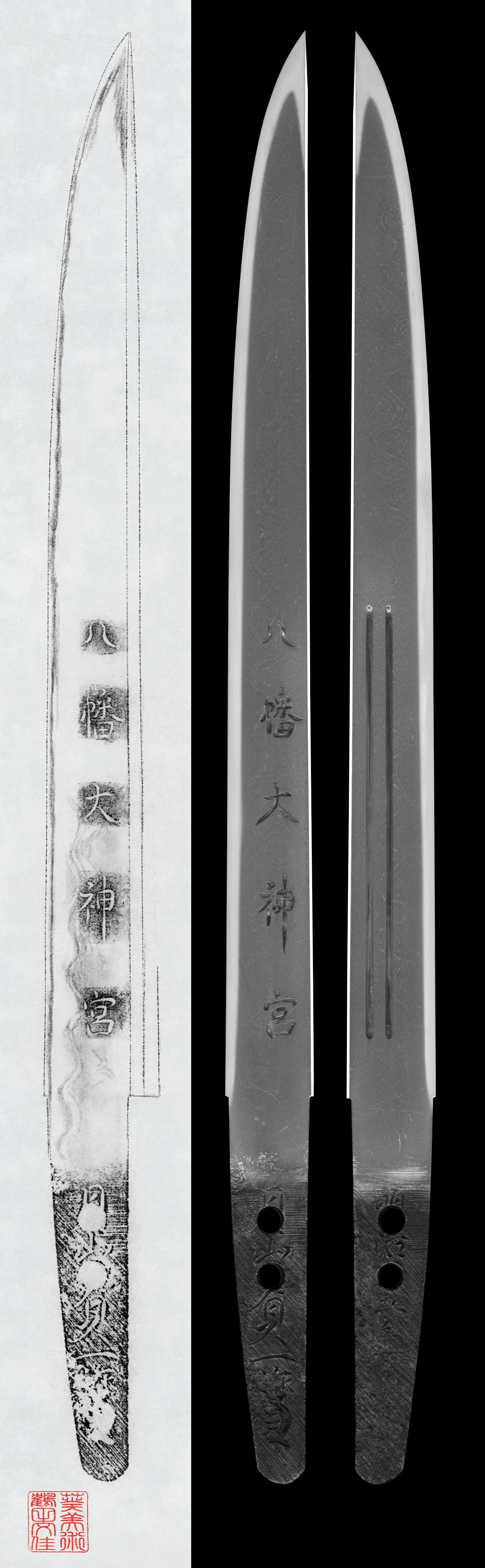
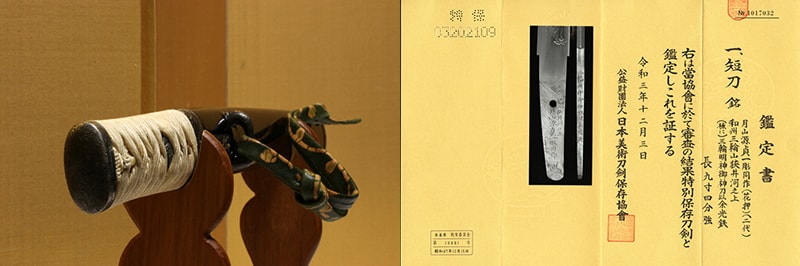
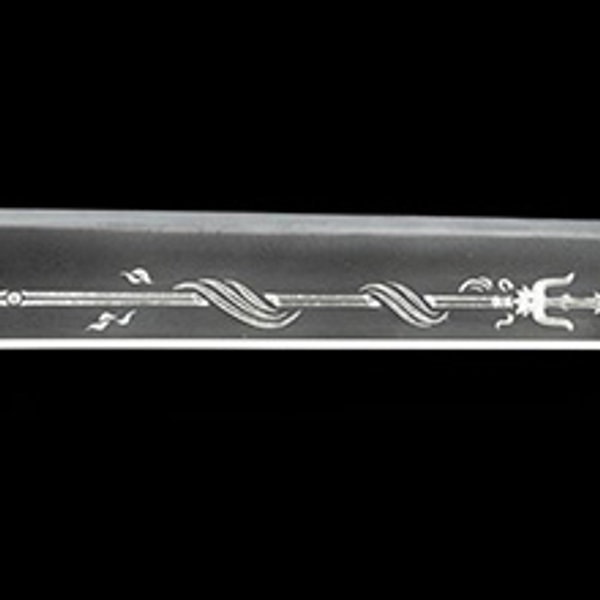
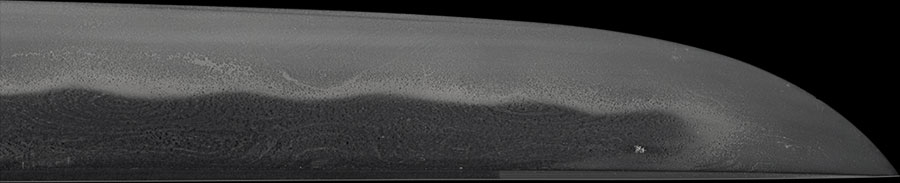
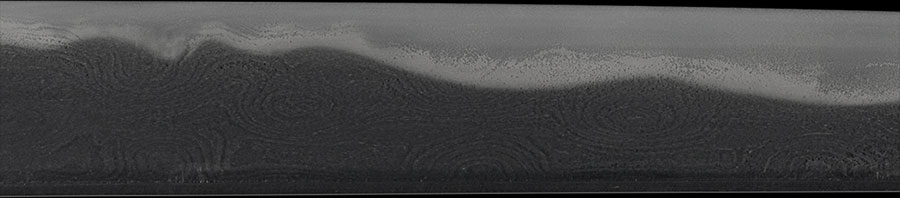
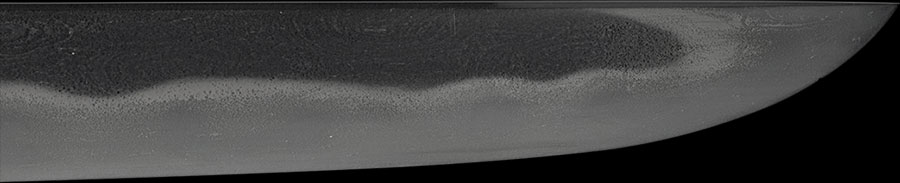
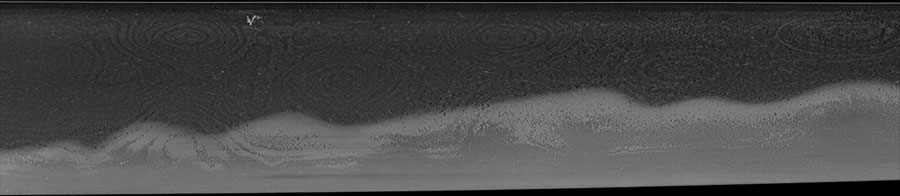
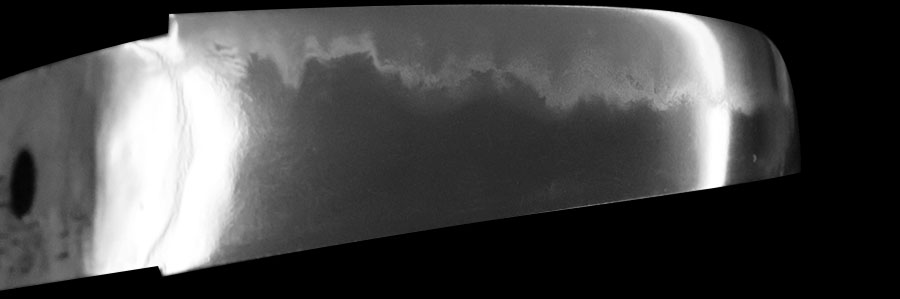
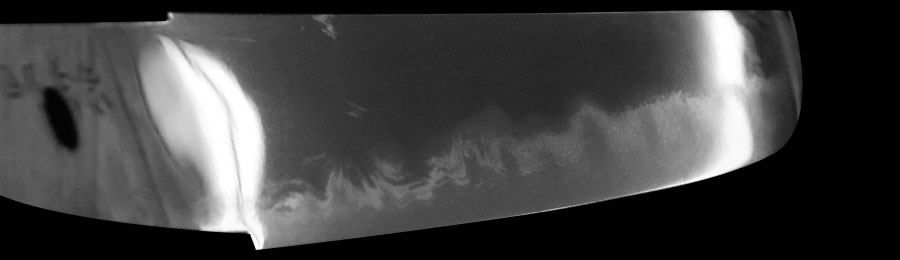
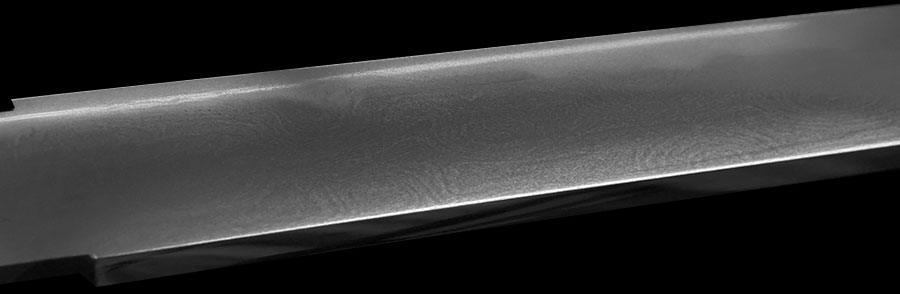
It has arrived, it has arrived—a masterpiece tanto by the Living National Treasure Gassan Sadaichi, a name far too famous in the world of swords. In Showa 41, Gassan Sadaichi succeeded to the name of his grandfather, the Imperial Court Artist (Teishitsu Gigeiin) Gassan Sadaichi. In Showa 46, he became the third swordsmith in the postwar era to be designated a Living National Treasure (Ningen Kokuho), following Takahashi Sadatsugu and Miyairi Akihira. Due to the seven-year ban on Japanese sword production imposed by the occupation forces after Japan's defeat in the war, the extant works of the Living National Treasure Gassan Sadaichi are exceedingly few, and he is known to the world as a smith of "phantom" masterpieces. This tanto was crafted in Showa 44, two years before his designation as a Living National Treasure, during a period of vigorous creative ambition when his masterpieces were born. It is a famous tanto made by special order for the owner as a copy (utsushi) of Soshu Masamune. The sugata features a shin-no-mune in the Soshu tradition, with a thick motokasane and a somewhat wide motomihaba, presenting a grand hira-zukuri tanto form. As you can see, the jigane is boldly forged in o-mokume hada, with abundant chikei and jinie appearing on the ji. The hamon is a nie-deki gunome midare-ba with many kinsuji appearing within the ha; the activity (hataraki) inside the blade is unrestrained, making this a supreme masterpiece tanto that brilliantly replicates Masamune. On this occasion, an elderly connoisseur (sukisha) who commissioned this masterpiece Masamune-utsushi from Gassan Sadaichi-sensei at a high price has entrusted it to us, saying, "I have grown old, so please pass this on to someone who will cherish it." Therefore, we are offering it at a special bargain price. Please truly enjoy this masterpiece tanto, a Masamune-utsushi by the legendary Living National Treasure Gassan Sadaichi.
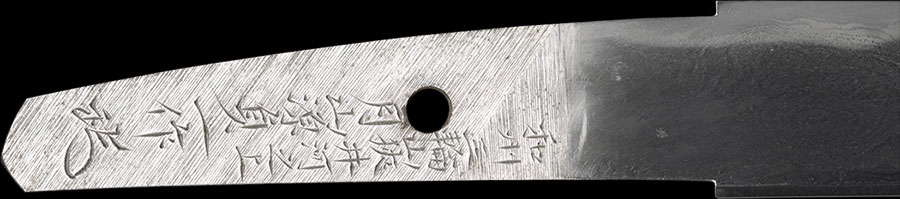
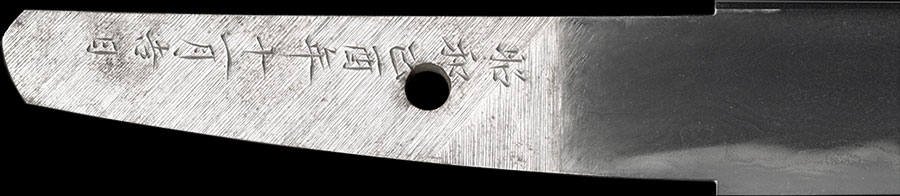
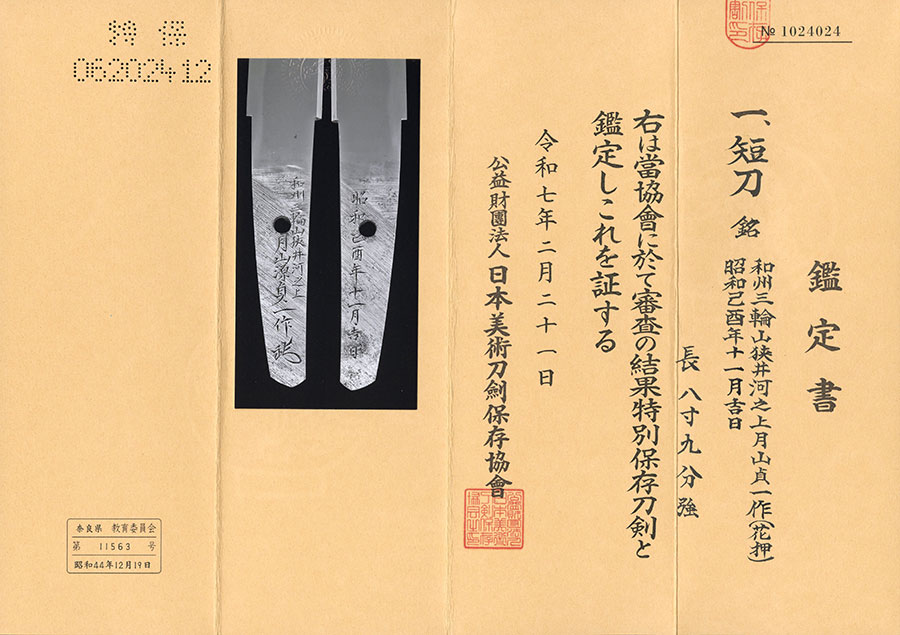
Certificate reading — 銘 和州三輪山狭井河之上月山貞一作(花押) 昭和己酉年十一月吉日
 NihontoWatch
Showa · nagasa 27.1cm


Yamato · around 1907-1995
Tōken Taikan top 49%
5 pieces on the market now
Shōwa to the present: destruction and revival
The twentieth century nearly killed the craft twice: wartime distortion, then the occupation ban. The NBTHK’s founding in 1948 and licensed forging from 1953 rebuilt the sword as an art, crowned by Living National Treasures and the mukansa rank.
A Hozon-certified blade judged to show notably superior workmanship and a better state of preservation. The bar is higher: re-tempered blades and most unsigned Muromachi/Edo works are excluded.
The NBTHK (Nihon Bijutsu Tōken Hozon Kyōkai, the Society for the Preservation of Japanese Art Swords) is a public-interest incorporated foundation founded in 1948 and supervised by Japan’s Agency for Cultural Affairs (Bunkachō); it is based at the Japanese Sword Museum in Tokyo. Its expert panels physically examine each submitted work (shinsa) and issue a certificate (kanteishō) ranking it by artistic and historical merit. NBTHK papers are the most widely recognized standard of authentication for Japanese swords and fittings.
NBTHK official siteFor returns due to customer circumstances, the cost is the customer's responsibility. For returns due to our mis-shipment or a defective item, we bear the cost.
Price on request
It has arrived, it has arrived—a masterpiece tanto by the Living National Treasure Gassan Sadaichi, a name far too famous in the world of swords. In Showa 41, Gassan Sadaichi succeeded to the name of his grandfather, the Imperial Court Artist (Teishitsu Gigeiin) Gassan Sadaichi. In Showa 46, he became the third swordsmith in the postwar era to be designated a Living National Treasure (Ningen Kokuho), following Takahashi Sadatsugu and Miyairi Akihira. Due to the seven-year ban on Japanese sword production imposed by the occupation forces after Japan's defeat in the war, the extant works of the Living National Treasure Gassan Sadaichi are exceedingly few, and he is known to the world as a smith of "phantom" masterpieces. This tanto was crafted in Showa 44, two years before his designation as a Living National Treasure, during a period of vigorous creative ambition when his masterpieces were born. It is a famous tanto made by special order for the owner as a copy (utsushi) of Soshu Masamune. The sugata features a shin-no-mune in the Soshu tradition, with a thick motokasane and a somewhat wide motomihaba, presenting a grand hira-zukuri tanto form. As you can see, the jigane is boldly forged in o-mokume hada, with abundant chikei and jinie appearing on the ji. The hamon is a nie-deki gunome midare-ba with many kinsuji appearing within the ha; the activity (hataraki) inside the blade is unrestrained, making this a supreme masterpiece tanto that brilliantly replicates Masamune. On this occasion, an elderly connoisseur (sukisha) who commissioned this masterpiece Masamune-utsushi from Gassan Sadaichi-sensei at a high price has entrusted it to us, saying, "I have grown old, so please pass this on to someone who will cherish it." Therefore, we are offering it at a special bargain price. Please truly enjoy this masterpiece tanto, a Masamune-utsushi by the legendary Living National Treasure Gassan Sadaichi.
Certificate reading — 銘 和州三輪山狭井河之上月山貞一作(花押) 昭和己酉年十一月吉日
NihontoWatchShowa · nagasa 27.1cm
Yamato · around 1907-1995
Tōken Taikan top 49%
5 pieces on the market now
Shōwa to the present: destruction and revival
The twentieth century nearly killed the craft twice: wartime distortion, then the occupation ban. The NBTHK’s founding in 1948 and licensed forging from 1953 rebuilt the sword as an art, crowned by Living National Treasures and the mukansa rank.
A Hozon-certified blade judged to show notably superior workmanship and a better state of preservation. The bar is higher: re-tempered blades and most unsigned Muromachi/Edo works are excluded.
The NBTHK (Nihon Bijutsu Tōken Hozon Kyōkai, the Society for the Preservation of Japanese Art Swords) is a public-interest incorporated foundation founded in 1948 and supervised by Japan’s Agency for Cultural Affairs (Bunkachō); it is based at the Japanese Sword Museum in Tokyo. Its expert panels physically examine each submitted work (shinsa) and issue a certificate (kanteishō) ranking it by artistic and historical merit. NBTHK papers are the most widely recognized standard of authentication for Japanese swords and fittings.
NBTHK official siteFor returns due to customer circumstances, the cost is the customer's responsibility. For returns due to our mis-shipment or a defective item, we bear the cost.
Price on request