NihontoWatch Mon

NihontoWatch

マーケットオークション
事典
NihontoWatch Mon

NihontoWatch

マーケットオークション
事典

説明

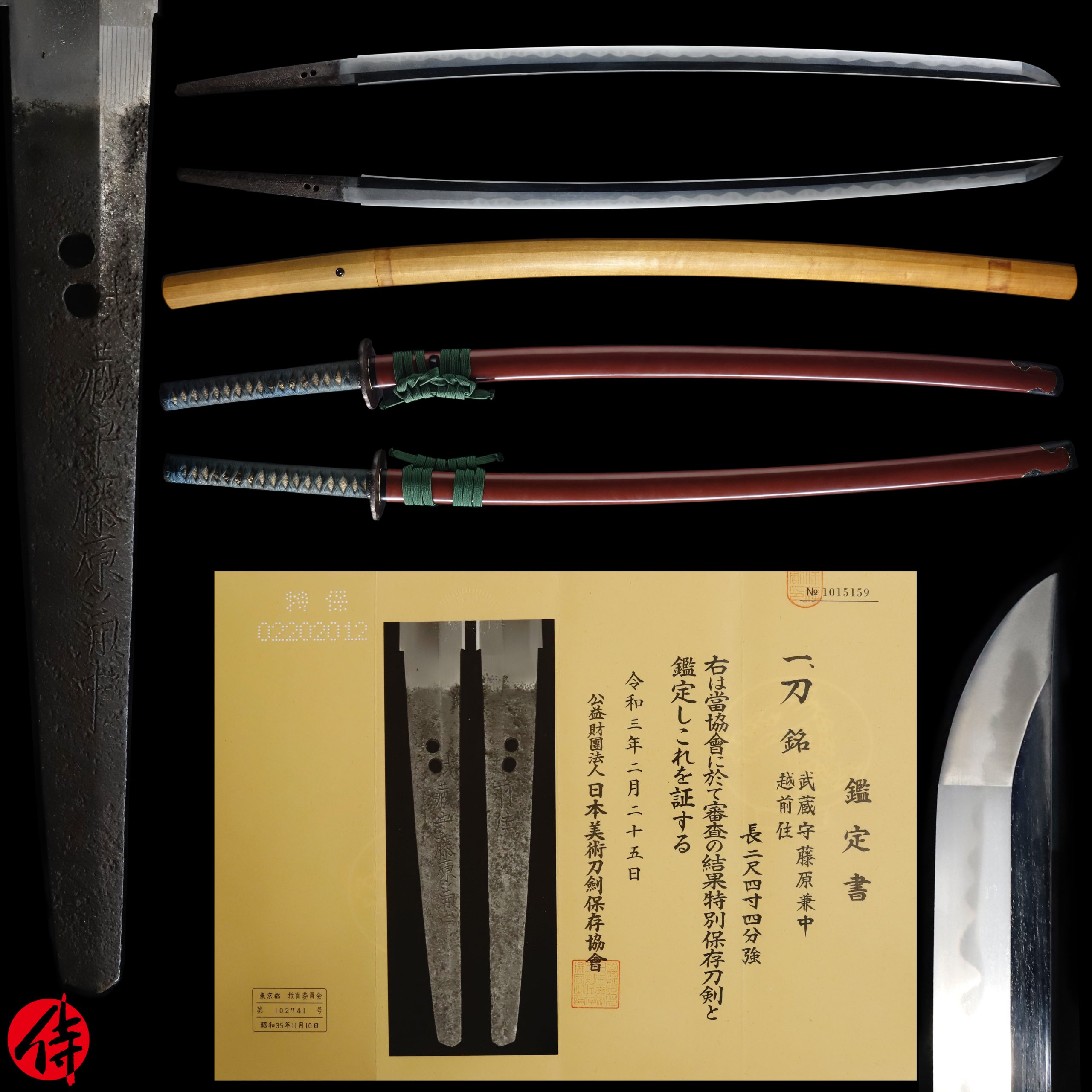
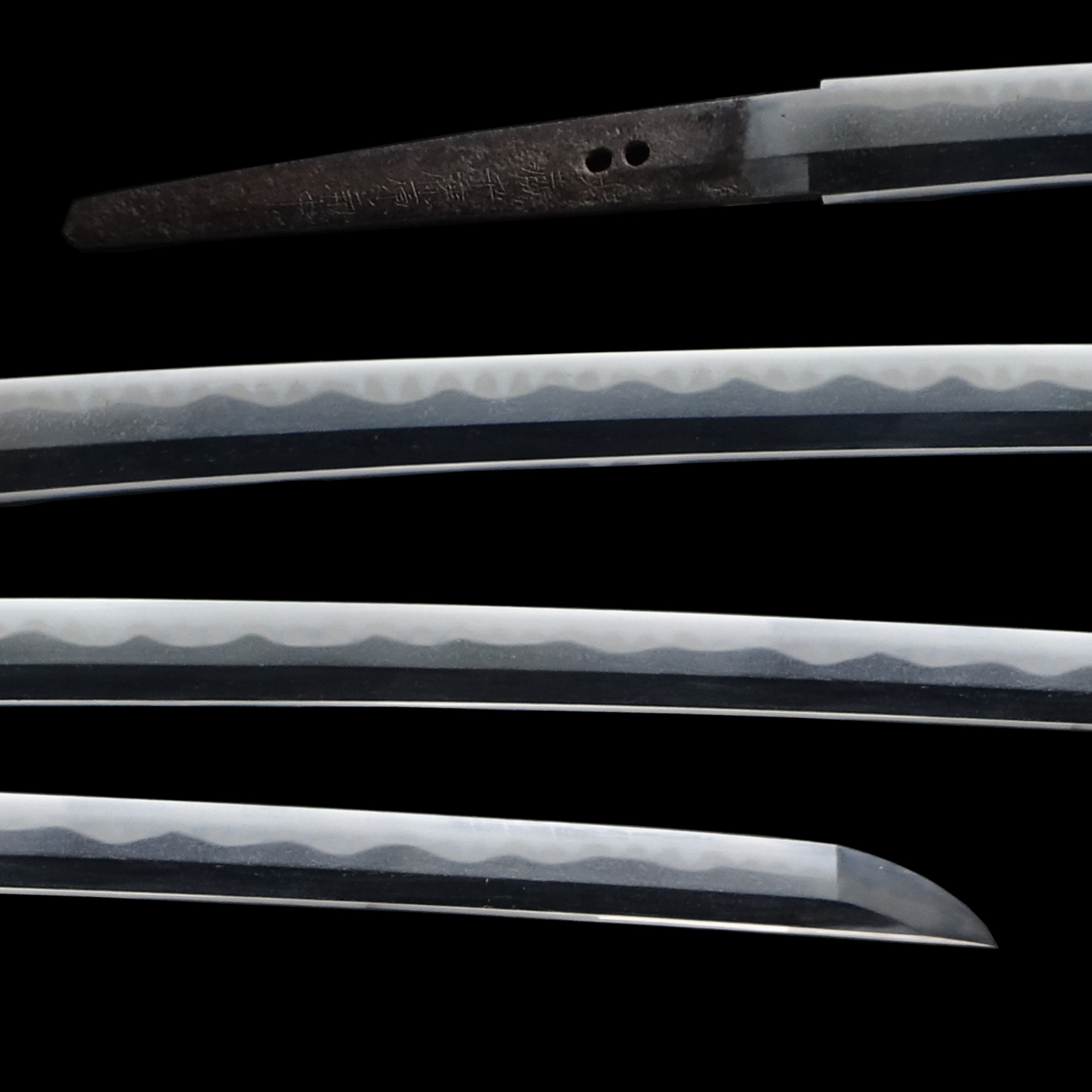
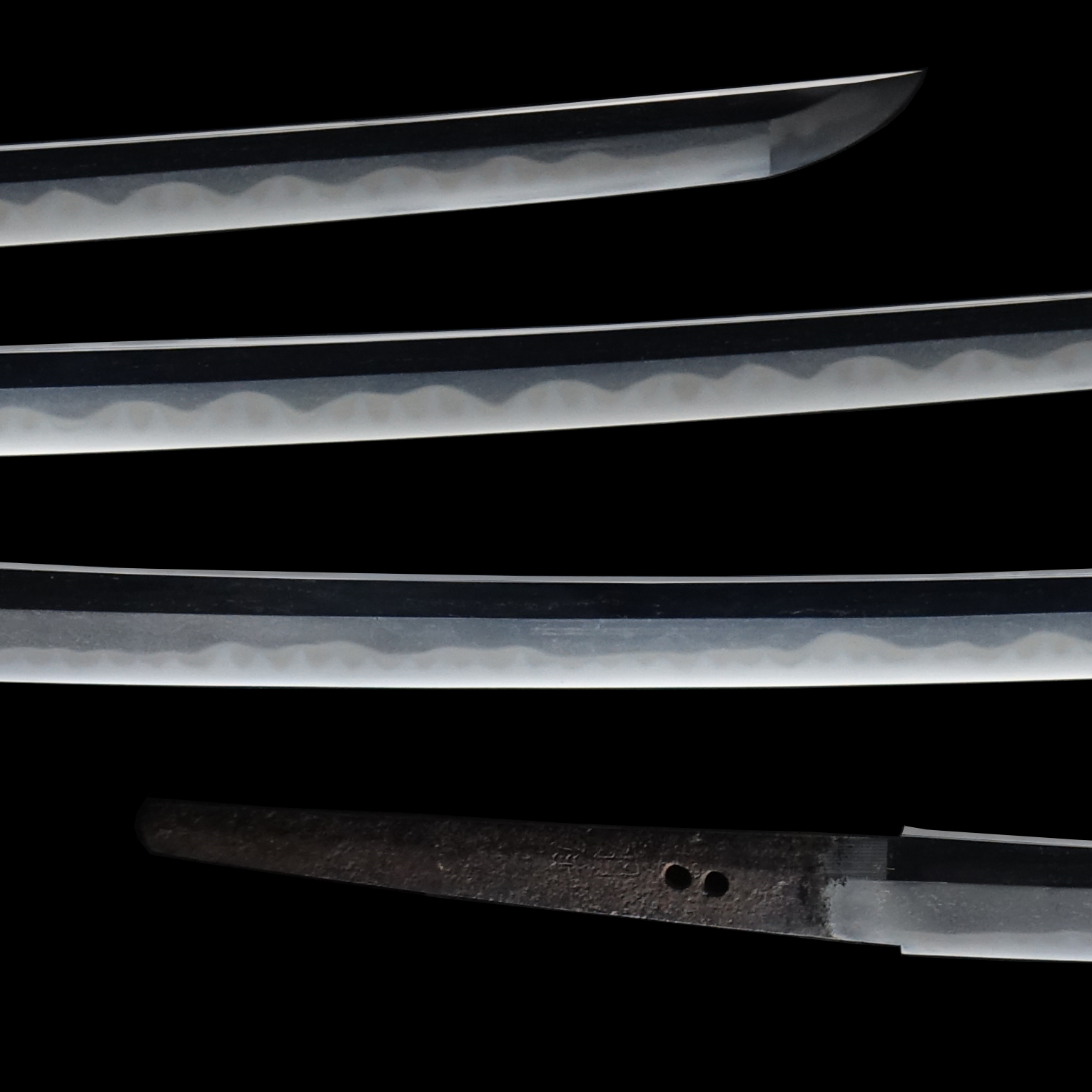
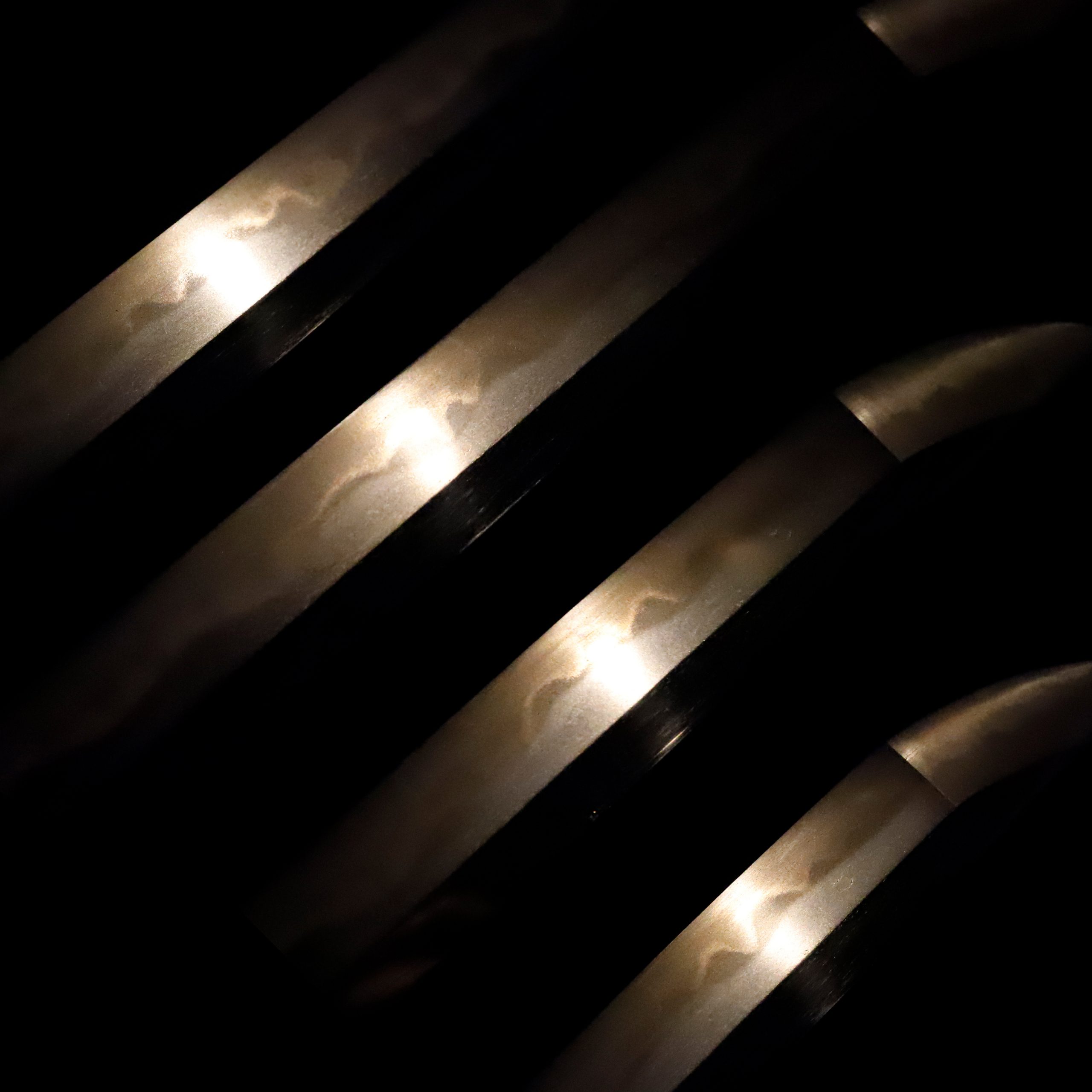
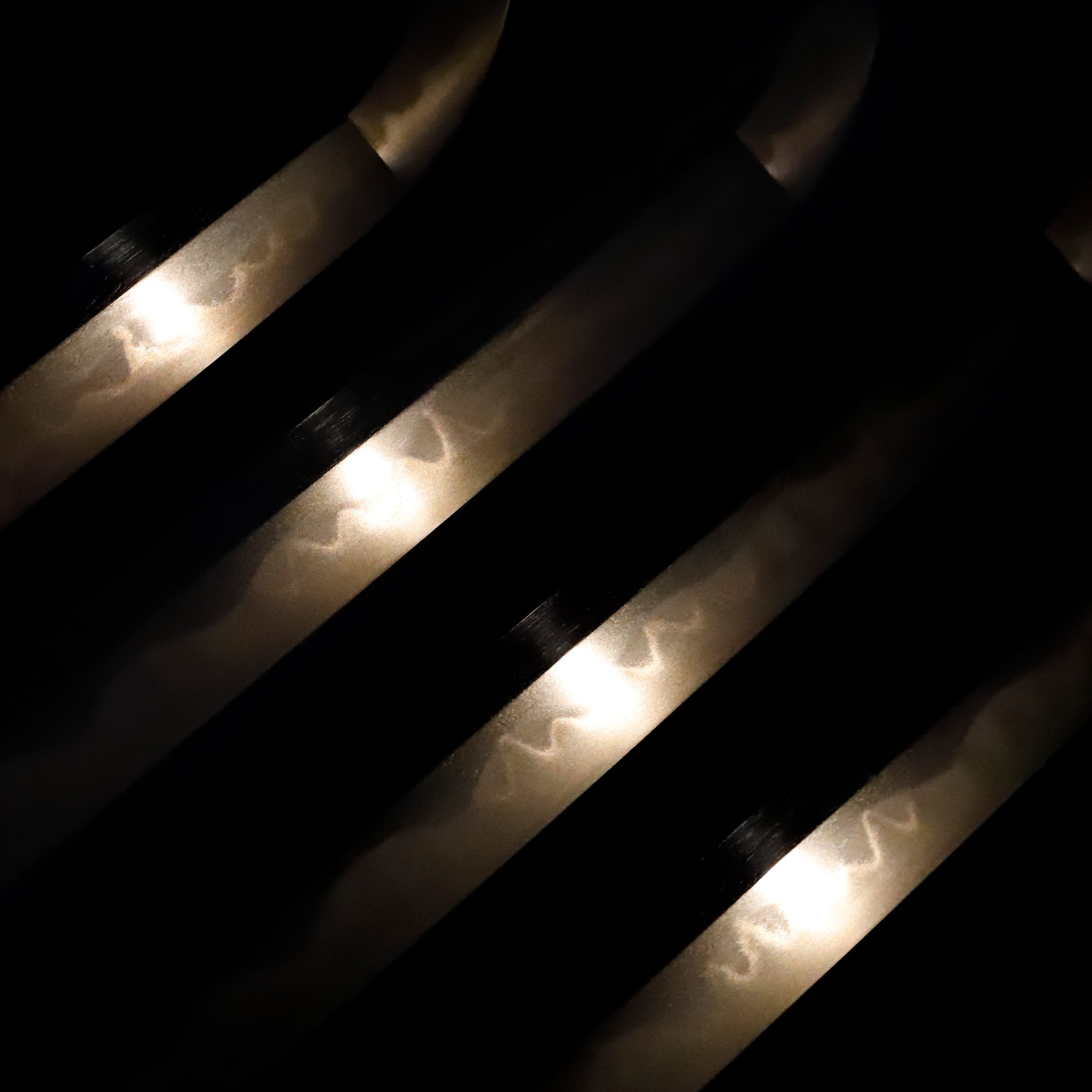
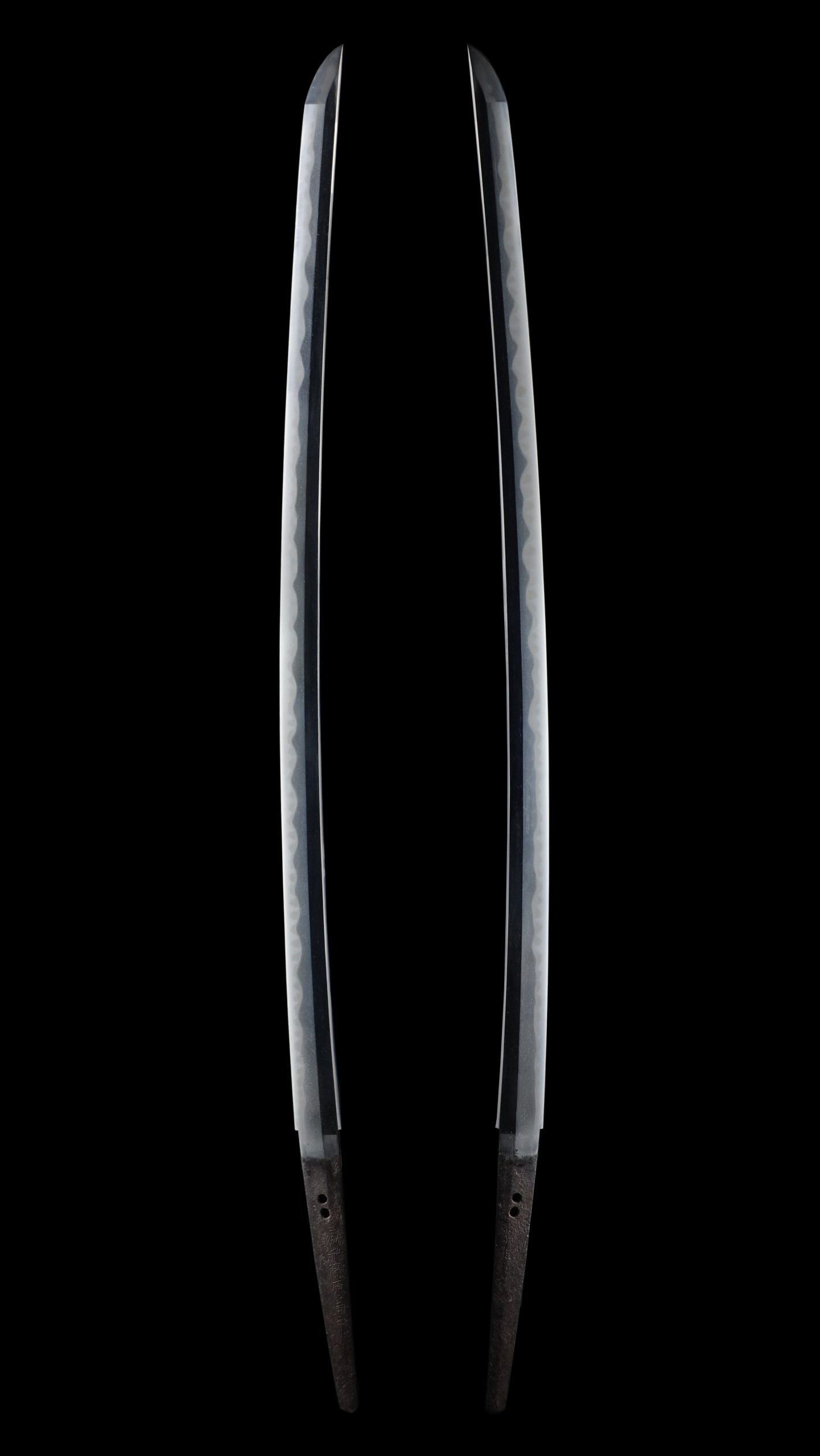
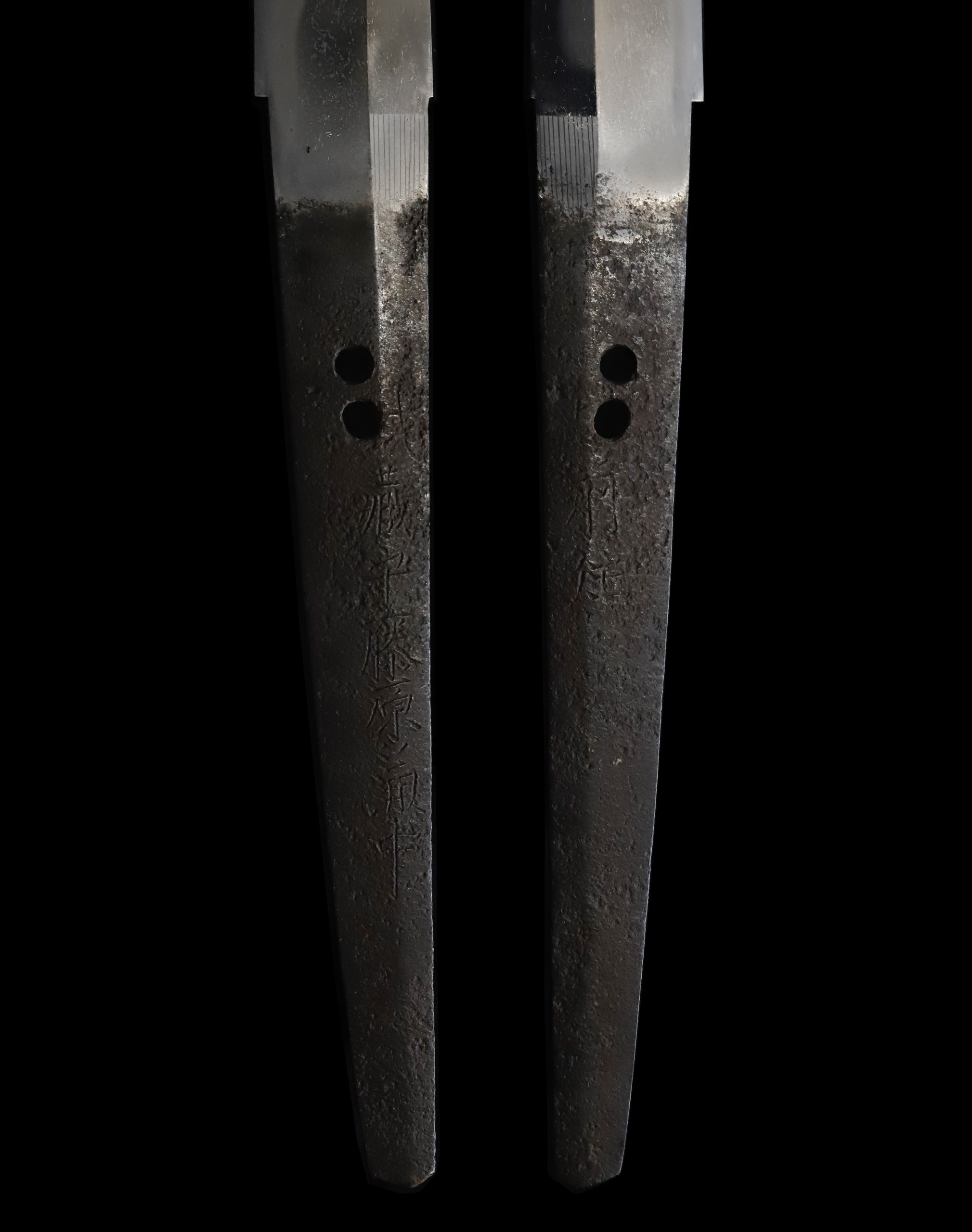
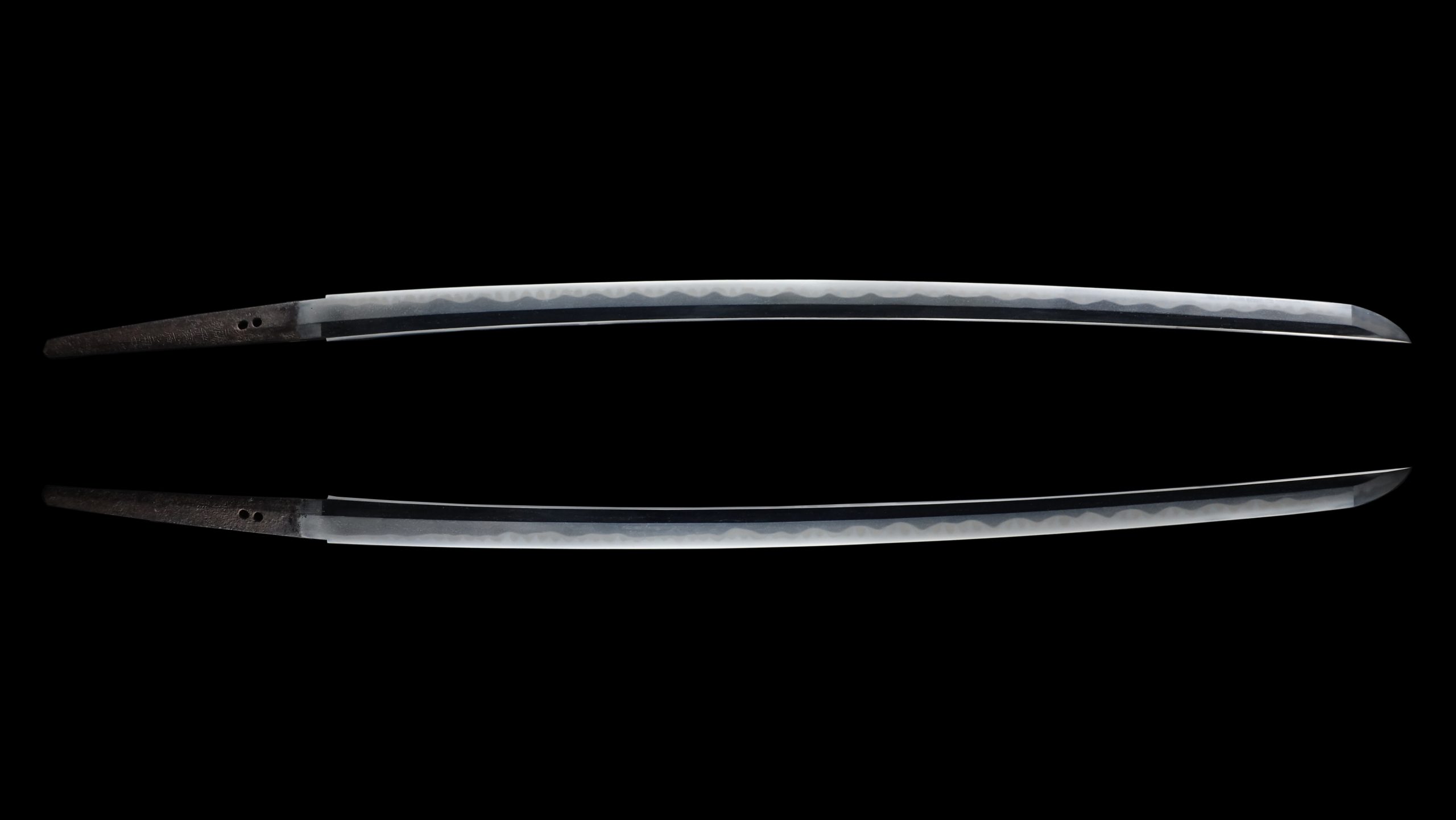
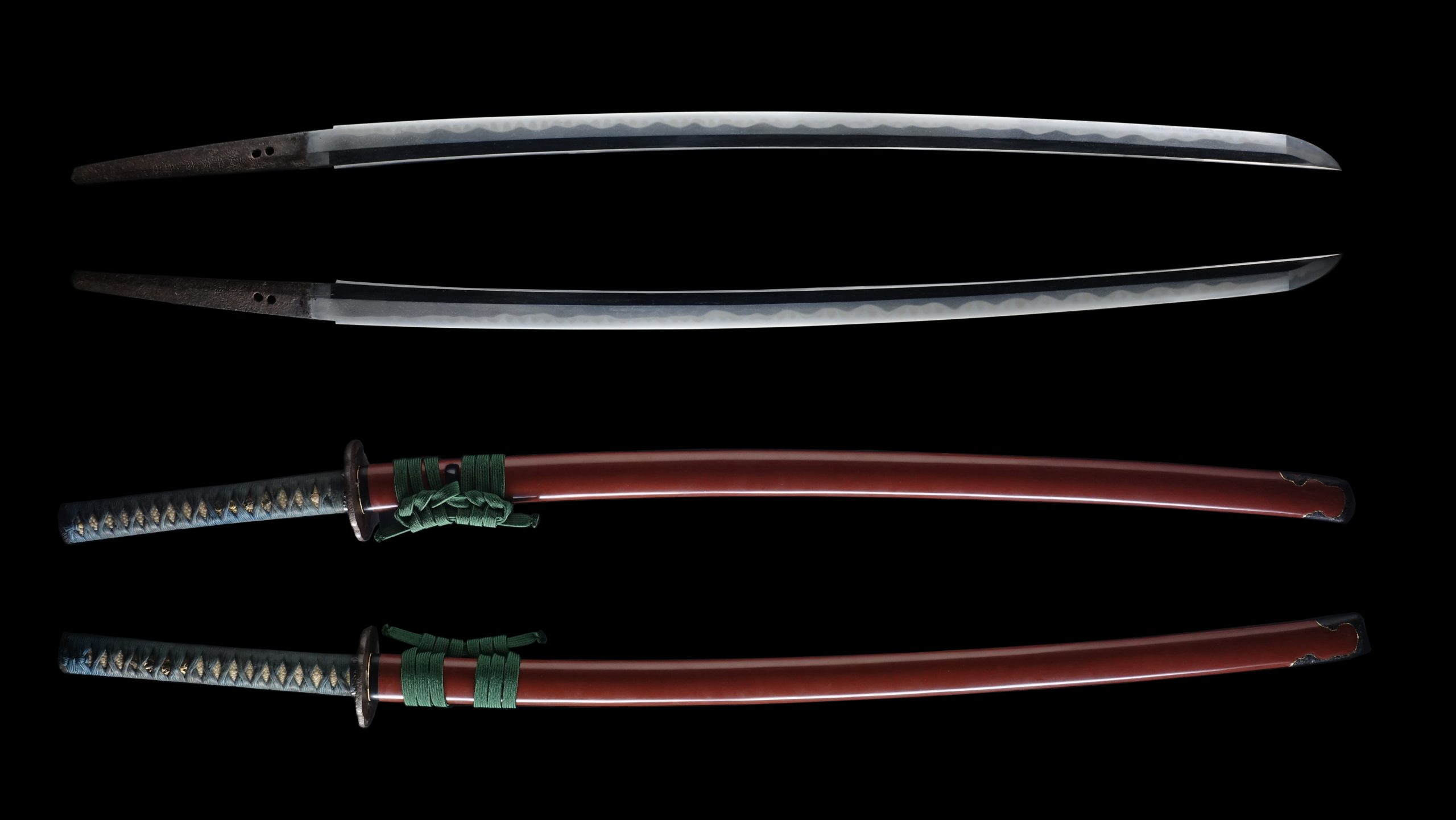
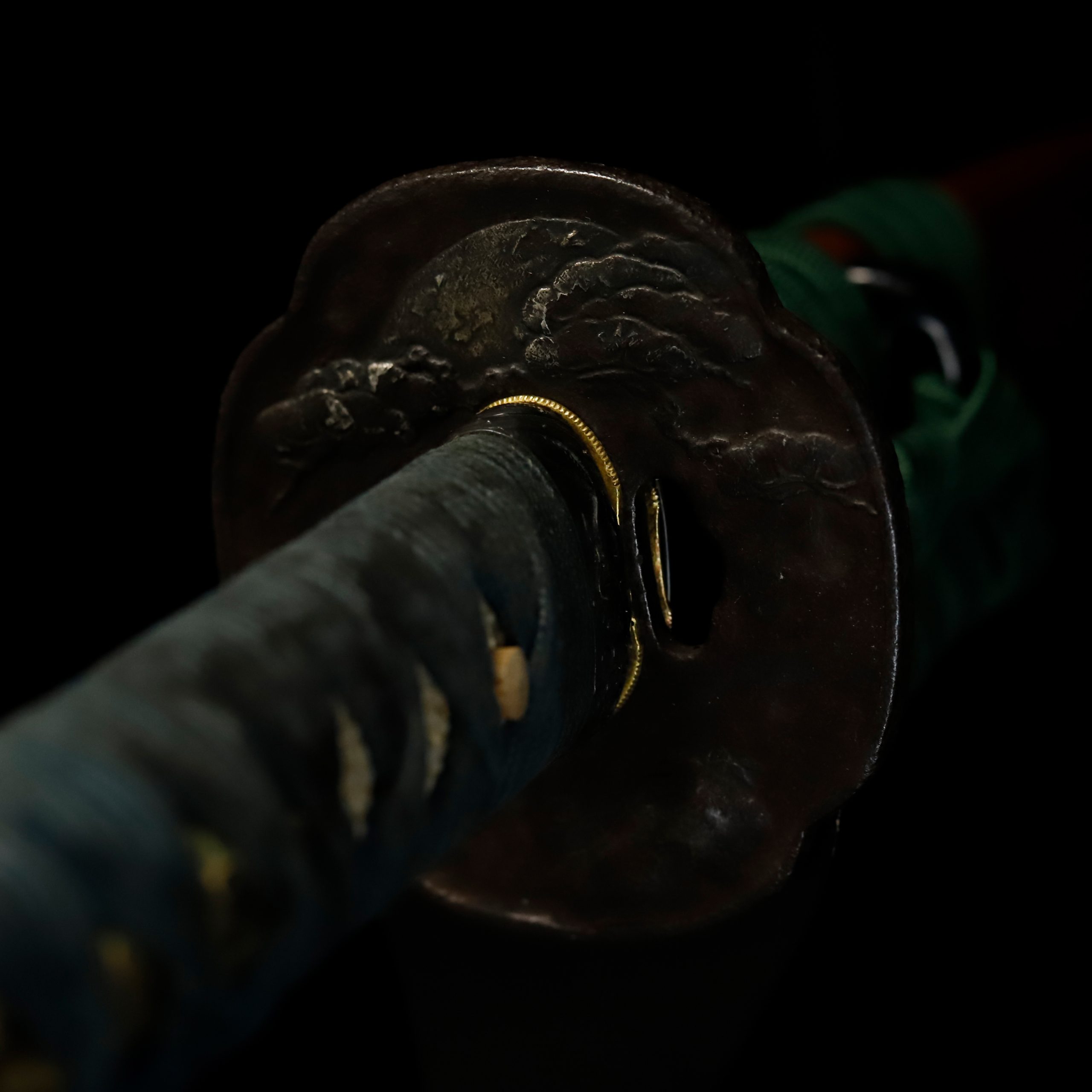
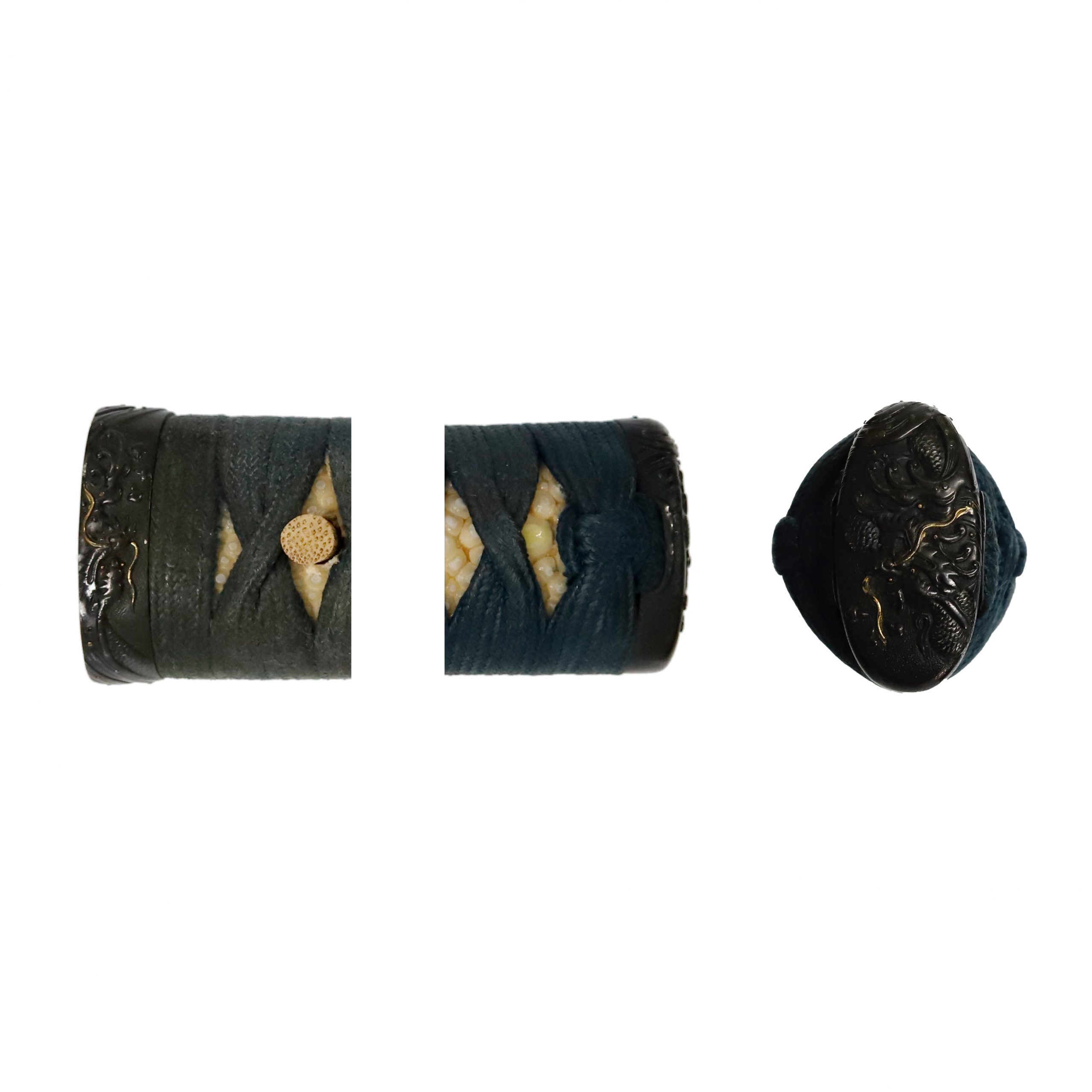
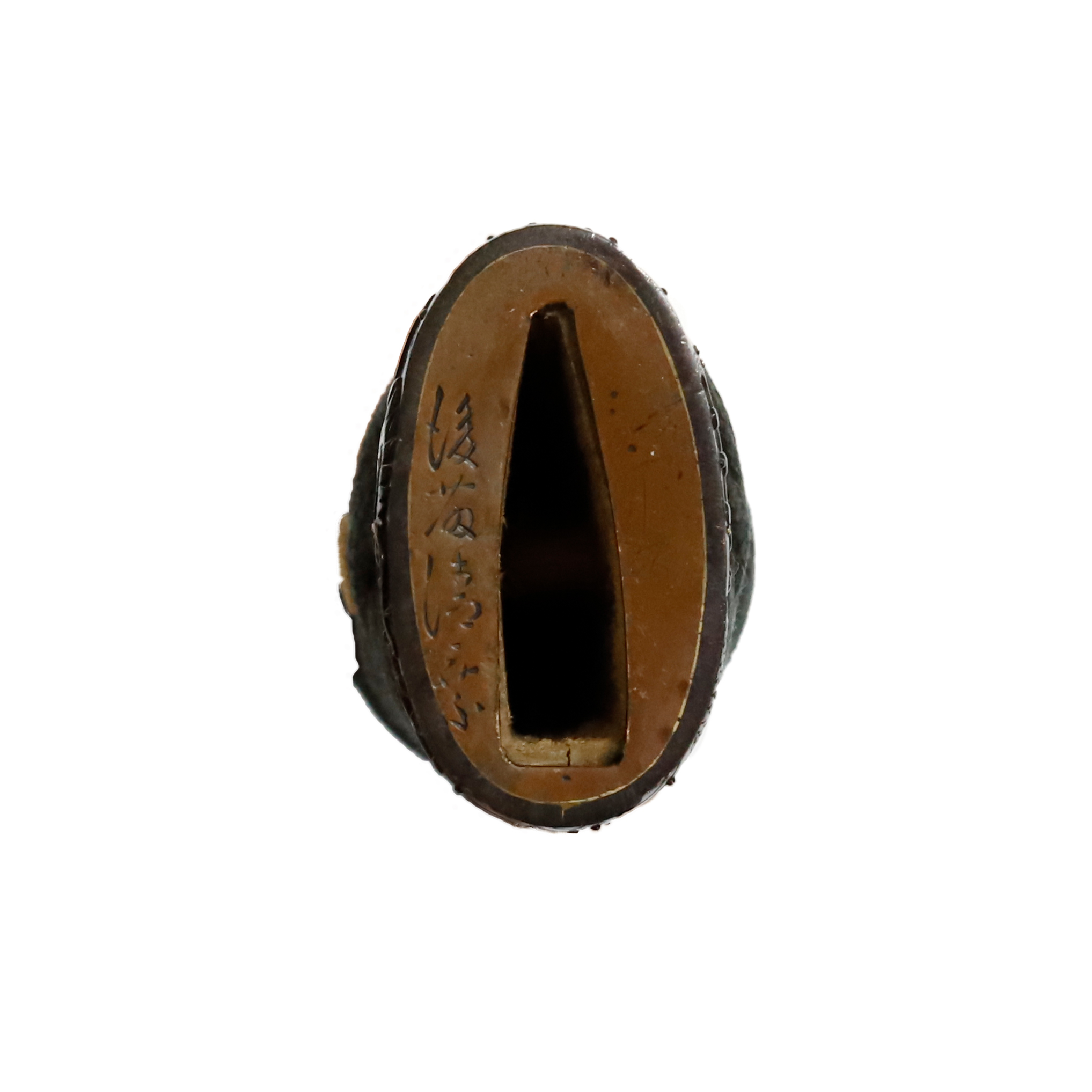
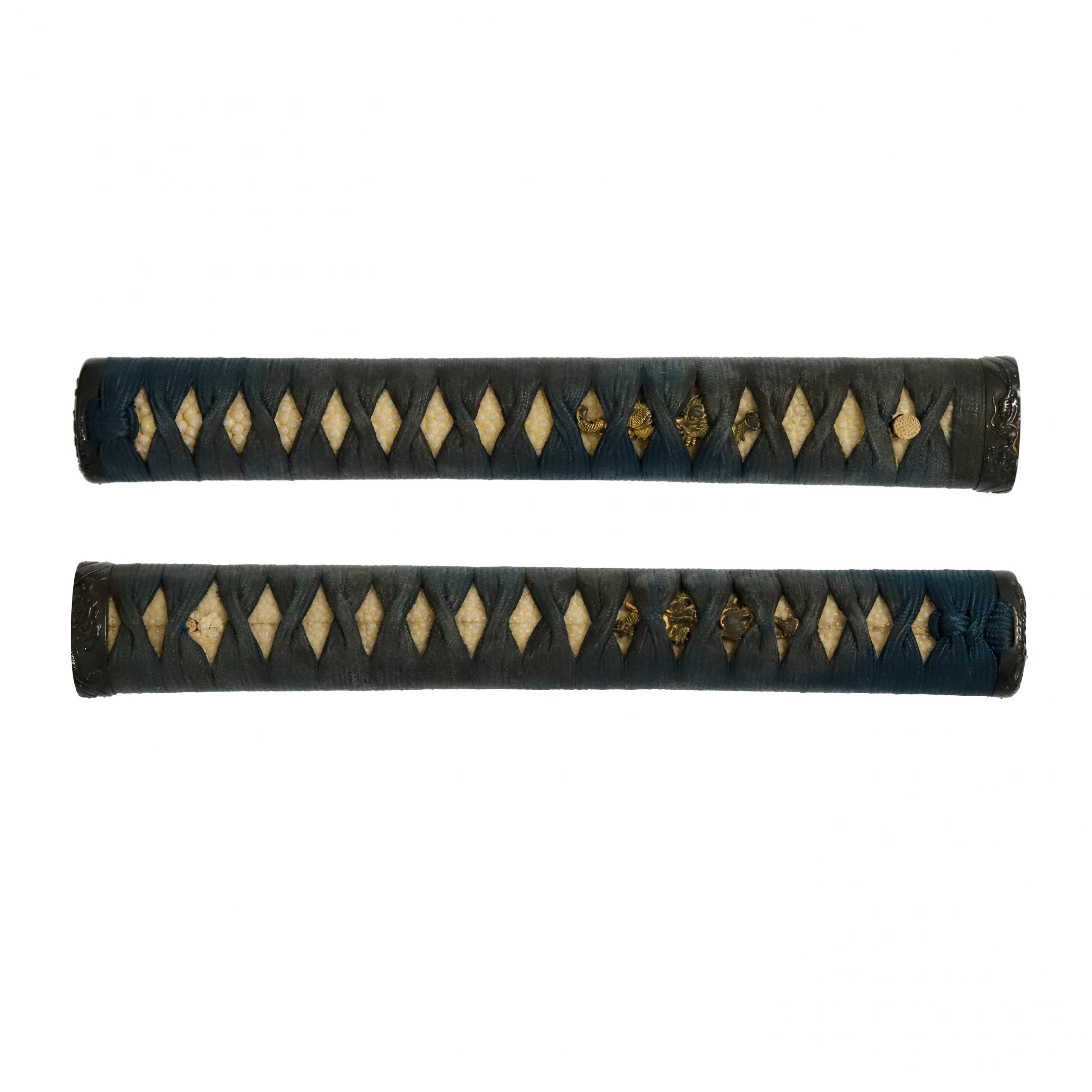
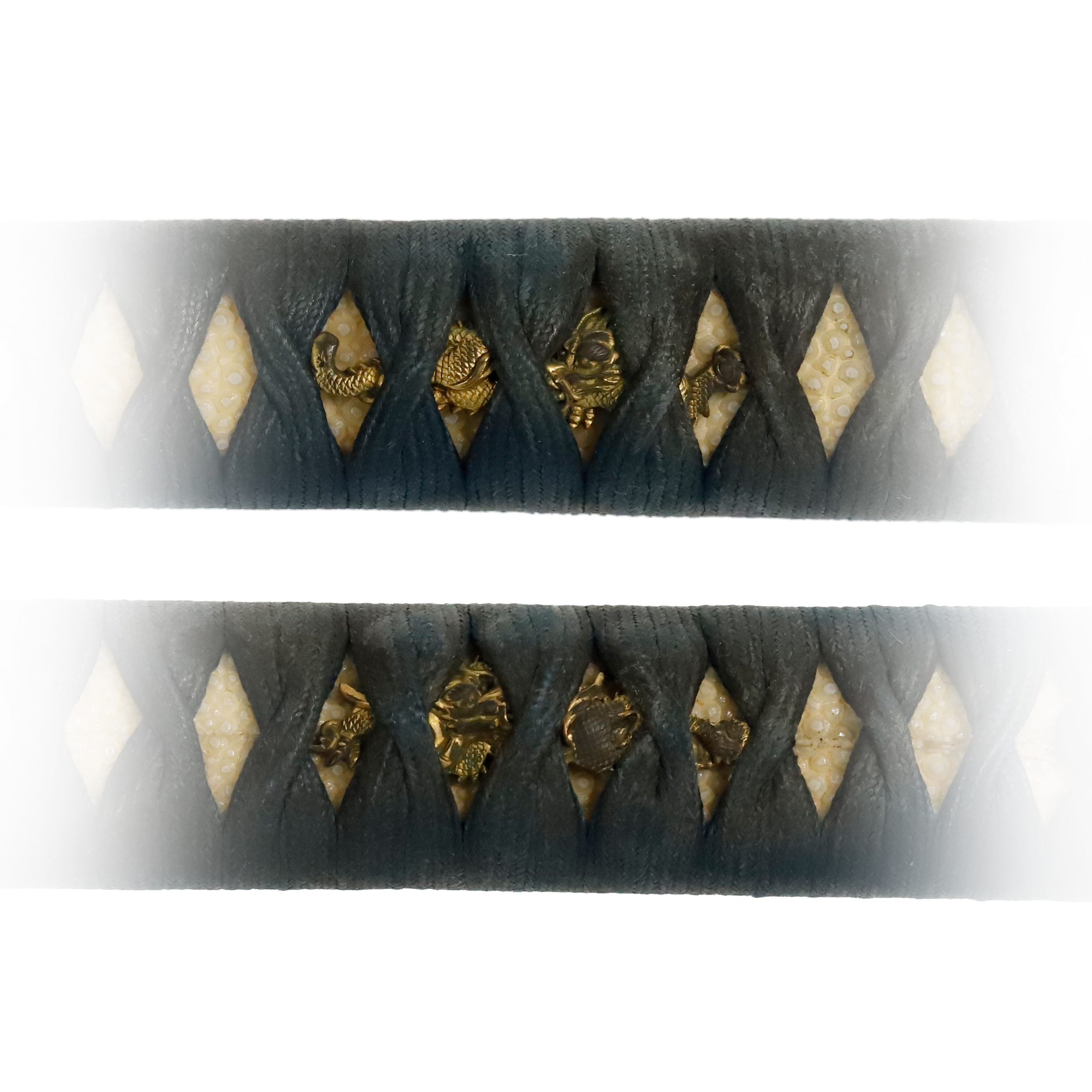
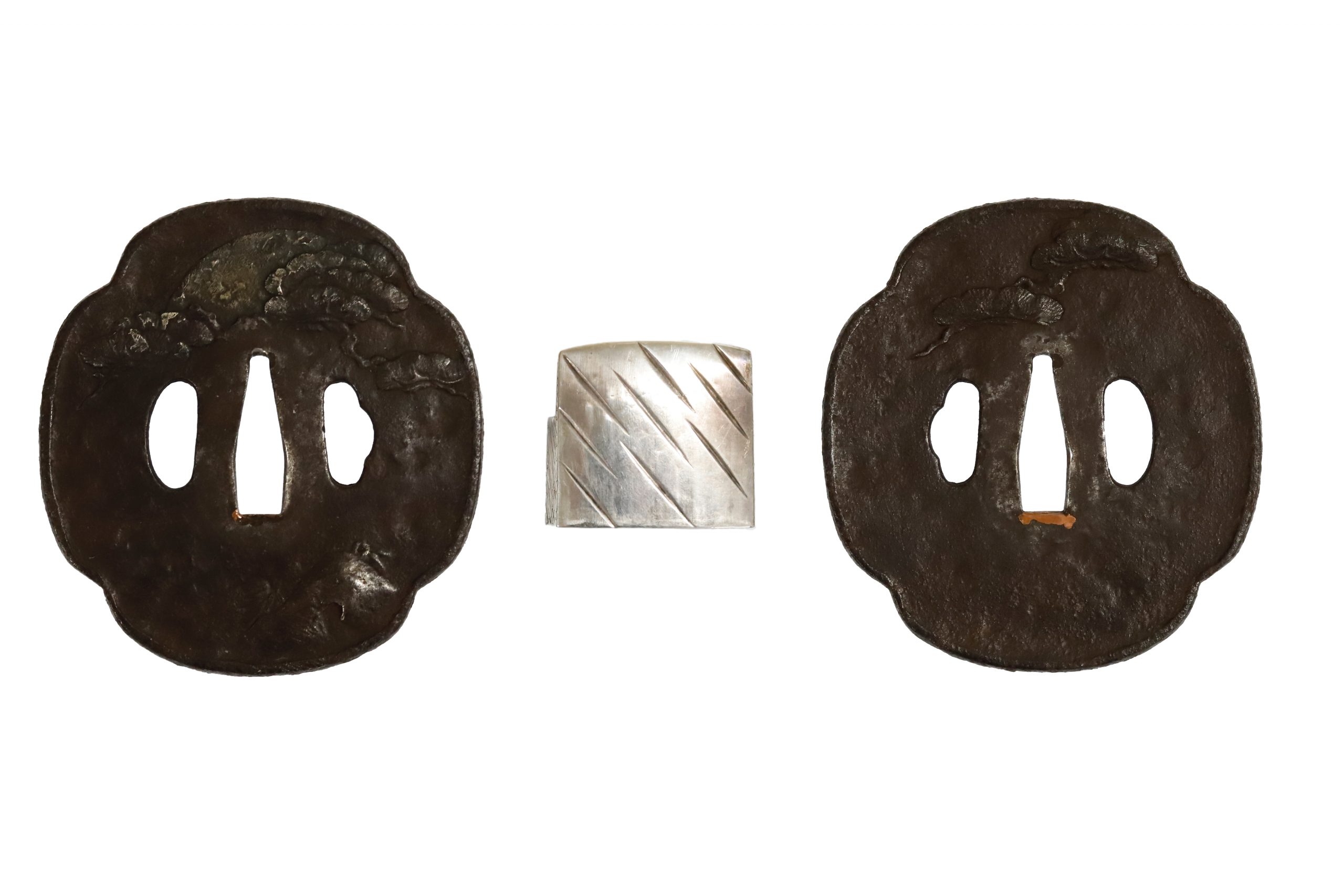
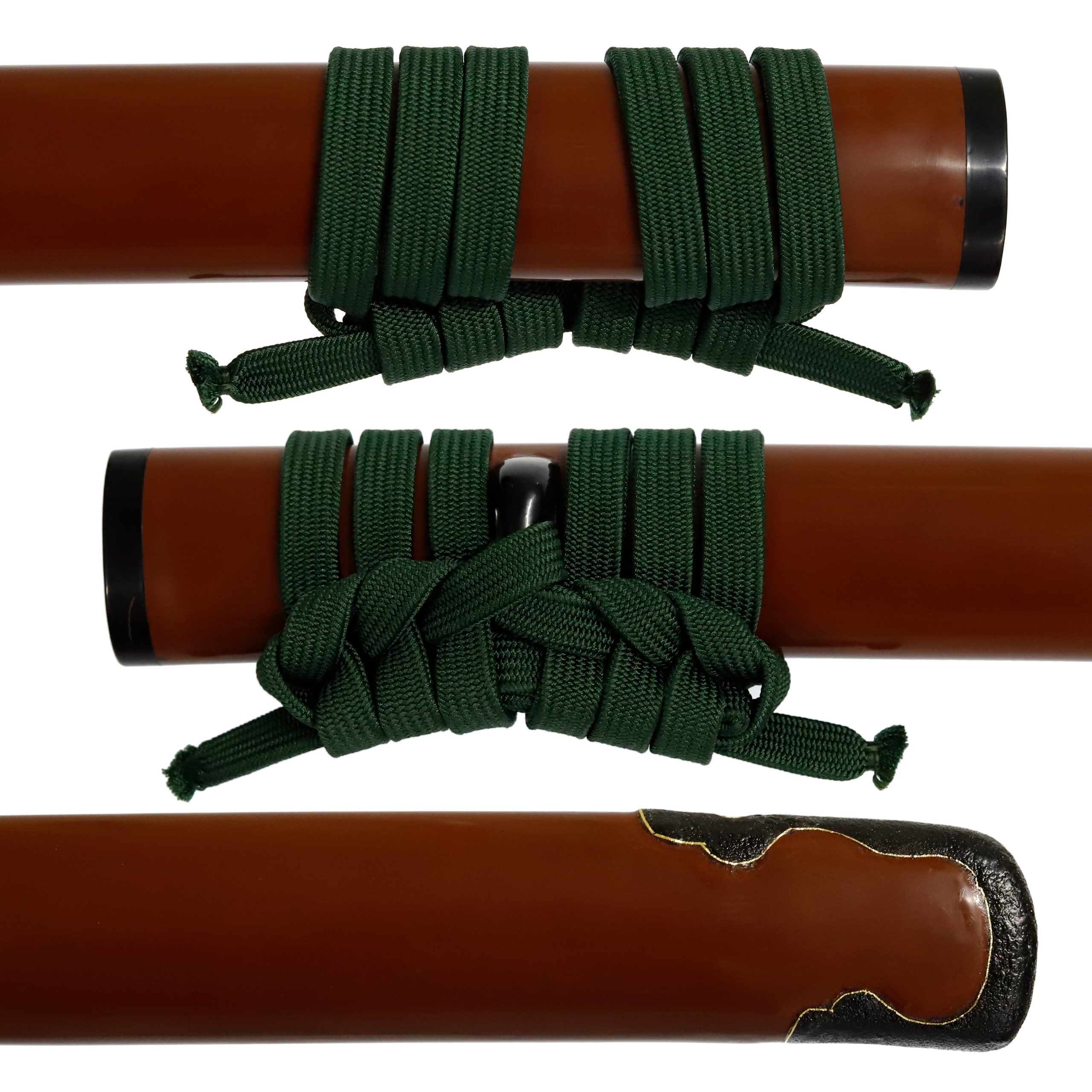
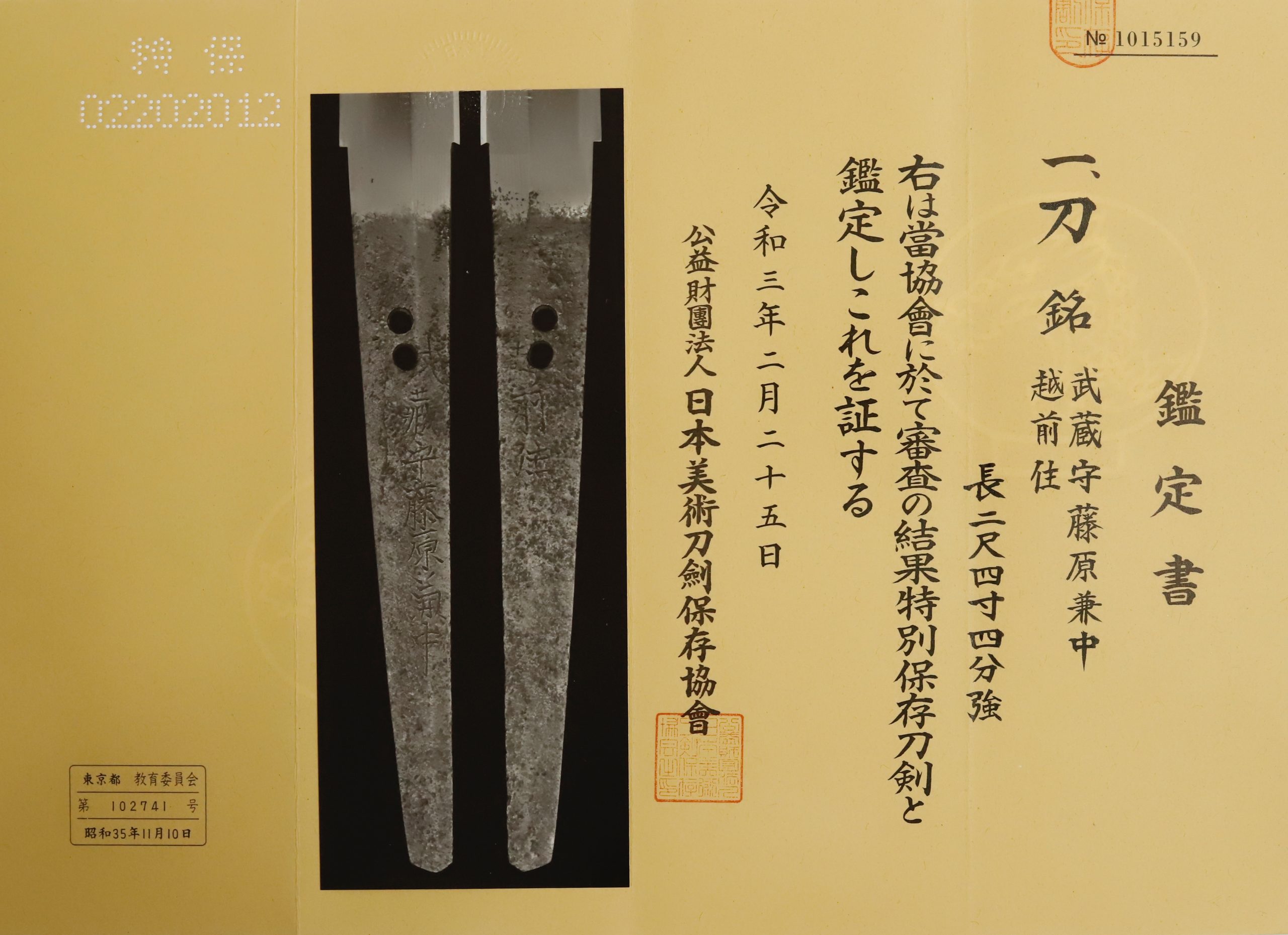
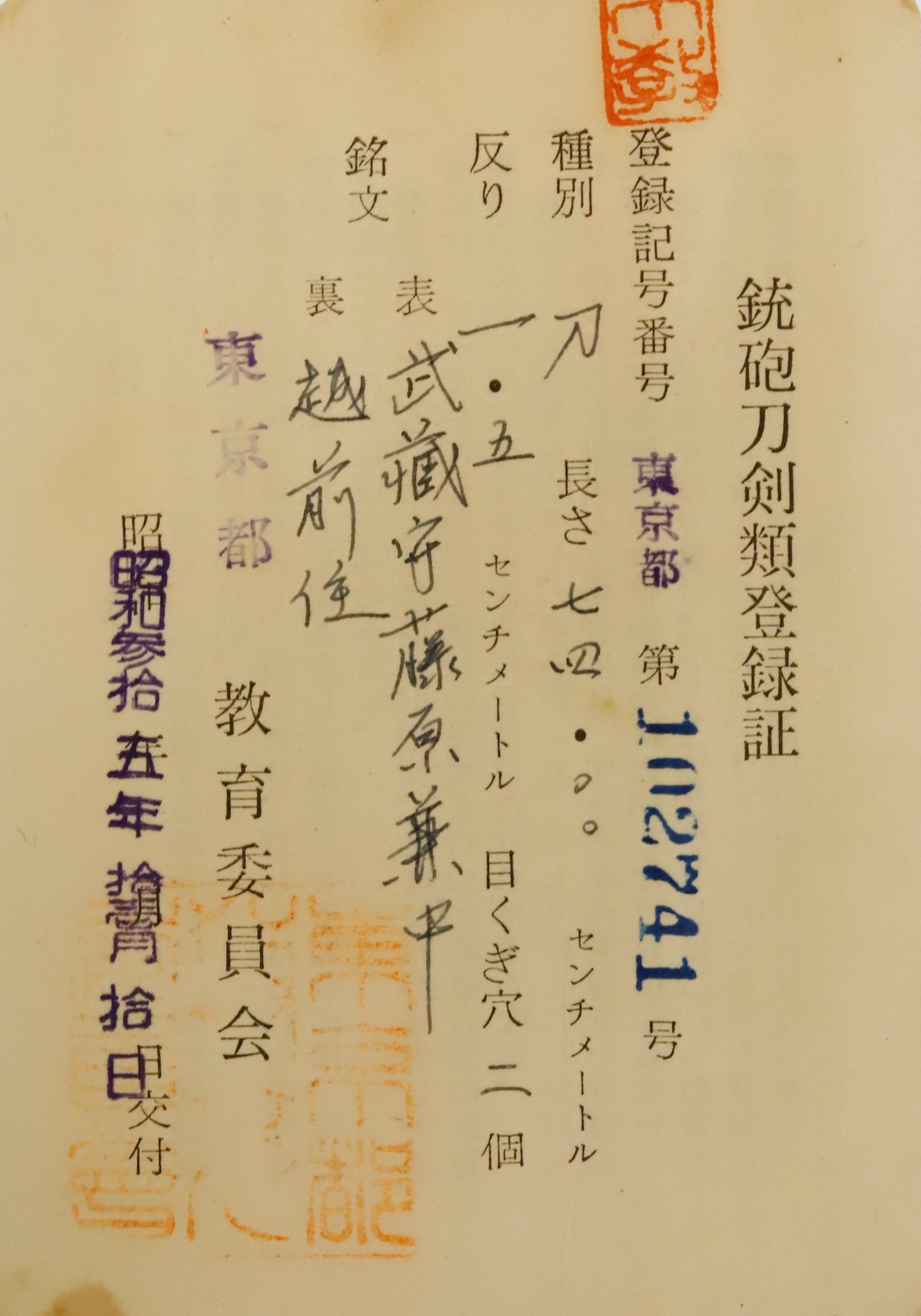
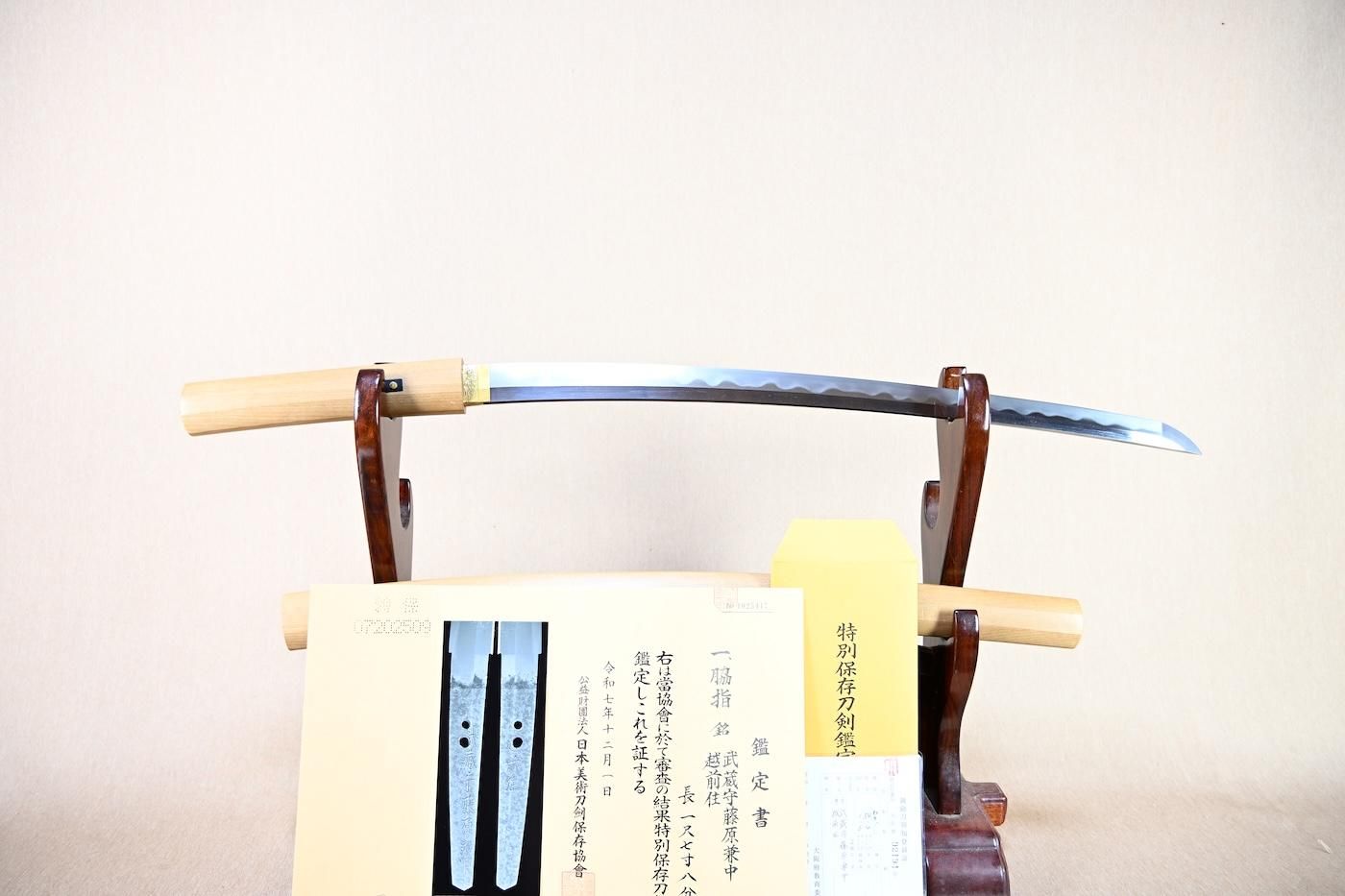
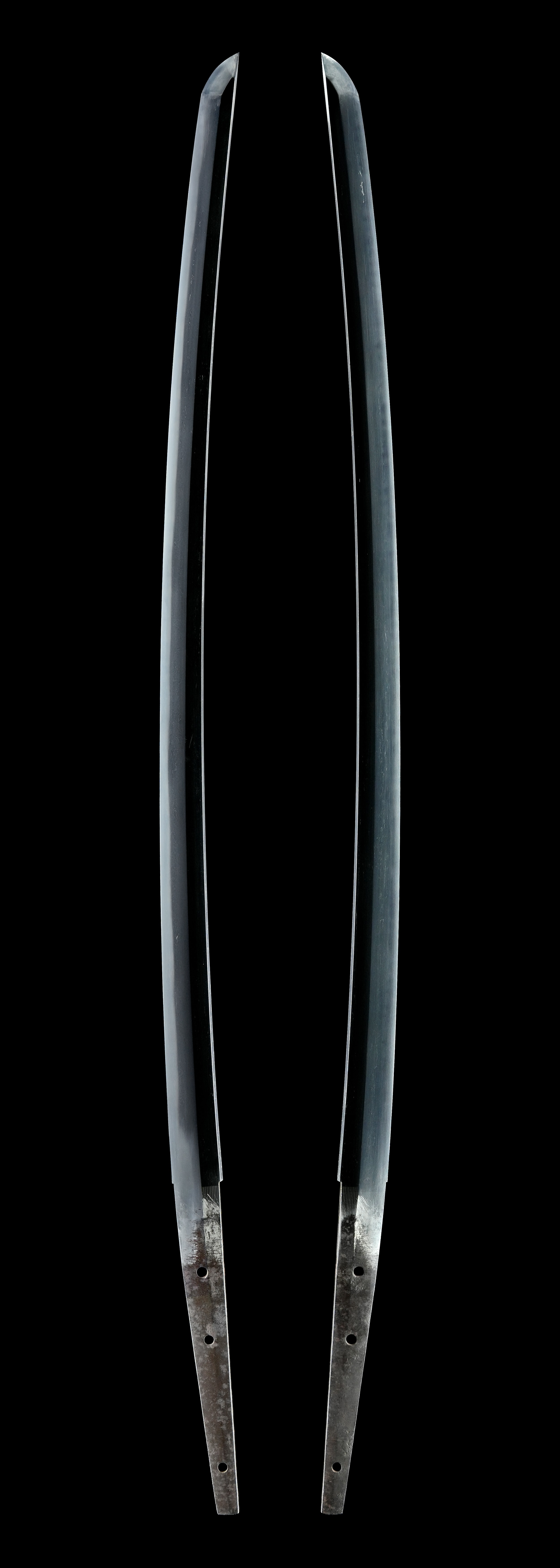
Antique Japanese Sword Katana Signed by Fujiwara Kanenaka with Tokubetsu Hozon Certificate 【Description】 This blade was signed by Musashi no Kami Fujiwara Kanenaka(武蔵守藤原兼中) during the early Edo period. There is also an inscription on the backside of the tang, saying that it was made in Echizen province(today’s Fukui prefecture). It is said that Kanenaka was a descendant of Magoroku Kanemoto, one of the most famous swordsmiths in Mino province(today’s Gifu prefecture). He was born in the 8th year of the Keicho era(1603) and lived until the Tenwa era(1681-1684). He originally started his career in Mino province. He forged swords in Echizen province(today’s Fukui prefecture) during the Eiroku era(1658-1670). There was also a record of him forging swords in Edo city. Since this was forged in Echizen, we assume it was created about 340-370 years ago. Echizen Province was prosperous during the Edo period, being ruled by the Echizen Matsudaira clan, a direct retainer of Tokugawa clan who ruled the Edo government. Many skilled swordsmiths moved to Echizen from different regions because of high demand among Samurai who lived there. Among them, there were many renowned swordsmiths who were originally from the Mino province(Gifu prefecture), such as Kanenaka. They are called Echizen Seki swordsmiths. Musashi no Kami was an honorable title that was only given to highly-skilled swordsmiths back then. We believe Kanenaka’s artistry was excellent enough to be recognized back then. This blade is appraised as a Tokubetsu Hozon Token(特別保存刀剣) issued by NBTHK(Nihon Bijutsu Touken Hozon Kyokai:日本美術刀剣保存協会). This authentication paper was only given to authentic Japanese swords, especially well preserved and high quality with artistic value. 【 Blade】 Cutting Edge Length(Nagasa) : 74.0 cm( 29.1 inches) Curvature(Sori) : 1.5 cm( 0.59 inches) Hamon : The crystalline structure which forms along the cutting edge of a blade as a result of the hardening process Jimon(Jihada) : visible steel surface pattern created by folding and hammering during forging process Nakago : Nakago is the tang of the Japanese sword. Japanese swordsmiths left the black rust on the tang because it prevents red rust while the tang is in its handle. And the discoloration of the tang was created over time, and it is a great indicator for a Japanese sword specialist to estimate when the sword was forged. Koshirae: Koshirae is the mounting of the Japanese sword. There are several parts that consist of Koshirae such as Saya(Scabbard), Tsuka( Handle), Tsuba(Handguard). Fuchi-Kashira : A pair of matching sword fittings that cover the upper and bottom parts of its sword hilt. The dragon swimming in the sea is depicted for this Fuchi Kashira. Its mustache is colored with gold. In Japan, there is a belief that worships a dragon as a water god. Therefore, it is understandable that the combination of dragon and water (wave) is designed for sword mountings. We imagine that this dynamic subject was favored among Samurais. Also, the dragon motif has often been combined with the cloud pattern. Since rice cultivation flourished in this country, water is always an essential resource. And clouds would bring blessed rain. A theory says dragons dwell in clouds; we think that is why this combination is also often seen. You will find the signature at the side of the Fuchi part that says Goto Senjyo (後藤仙乗), who was the forth son of the seven-gen Goto Kenjyo. Tsuka and Menuki : Tsuka is the handle of the Japanese sword and Menuki is its decoration. Same as the Fuchi Kashira, the dragon is the motif of this Menuki. It seems the gold paint was initially applied to it. Dragons twist their bodies and show their distinguished figures. Originally, the dragon was an imaginary creature found in ancient traditions or myths. Furthermore, it is regarded as a symbolic beast of auspicious signs. Its body is likened to nine animals: antlers are deer, the head is a camel, eyes are demons, the neck is a snake, belly is th

NihontoWatch MonNihontoWatch
MarketAuctionsEncyclopedia
刀剣›兼中›Early Edo Antique Katana Signed by Fujiwara Kanenaka for sale
刀特別保存
兼中

Early Edo Antique Katana Signed by Fujiwara Kanenaka for sale

在銘 · Echizen Seki · 天和 · 長さ 74cm · 反り 1.5cm

売却済
兼中 — 1 of 18
兼中 — 2 of 18
兼中 — 3 of 18
兼中 — 4 of 18
兼中 — 5 of 18
兼中 — 6 of 18
兼中 — 7 of 18
兼中 — 8 of 18
兼中 — 9 of 18
兼中 — 10 of 18
兼中 — 11 of 18
兼中 — 12 of 18
兼中 — 13 of 18
兼中 — 14 of 18
兼中 — 15 of 18
兼中 — 16 of 18
兼中 — 17 of 18
兼中 — 18 of 18
1 / 18
1 / 18
兼中 — 1 of 18兼中 — 2 of 18兼中 — 3 of 18兼中 — 4 of 18兼中 — 5 of 18兼中 — 6 of 18兼中 — 7 of 18兼中 — 8 of 18兼中 — 9 of 18兼中 — 10 of 18兼中 — 11 of 18兼中 — 12 of 18兼中 — 13 of 18兼中 — 14 of 18兼中 — 15 of 18兼中 — 16 of 18兼中 — 17 of 18兼中 — 18 of 18
法量・詳細
刀工
兼中
種別
刀
活動期
1681–1684年頃(Tenna)
国
越前
銘
在銘
法量
長さ 74cm反り 1.5cm
説明

Antique Japanese Sword Katana Signed by Fujiwara Kanenaka with Tokubetsu Hozon Certificate 【Description】 This blade was signed by Musashi no Kami Fujiwara Kanenaka(武蔵守藤原兼中) during the early Edo period. There is also an inscription on the backside of the tang, saying that it was made in Echizen province(today’s Fukui prefecture). It is said that Kanenaka was a descendant of Magoroku Kanemoto, one of the most famous swordsmiths in Mino province(today’s Gifu prefecture). He was born in the 8th year of the Keicho era(1603) and lived until the Tenwa era(1681-1684). He originally started his career in Mino province. He forged swords in Echizen province(today’s Fukui prefecture) during the Eiroku era(1658-1670). There was also a record of him forging swords in Edo city. Since this was forged in Echizen, we assume it was created about 340-370 years ago. Echizen Province was prosperous during the Edo period, being ruled by the Echizen Matsudaira clan, a direct retainer of Tokugawa clan who ruled the Edo government. Many skilled swordsmiths moved to Echizen from different regions because of high demand among Samurai who lived there. Among them, there were many renowned swordsmiths who were originally from the Mino province(Gifu prefecture), such as Kanenaka. They are called Echizen Seki swordsmiths. Musashi no Kami was an honorable title that was only given to highly-skilled swordsmiths back then. We believe Kanenaka’s artistry was excellent enough to be recognized back then. This blade is appraised as a Tokubetsu Hozon Token(特別保存刀剣) issued by NBTHK(Nihon Bijutsu Touken Hozon Kyokai:日本美術刀剣保存協会). This authentication paper was only given to authentic Japanese swords, especially well preserved and high quality with artistic value. 【 Blade】 Cutting Edge Length(Nagasa) : 74.0 cm( 29.1 inches) Curvature(Sori) : 1.5 cm( 0.59 inches) Hamon : The crystalline structure which forms along the cutting edge of a blade as a result of the hardening process Jimon(Jihada) : visible steel surface pattern created by folding and hammering during forging process Nakago : Nakago is the tang of the Japanese sword. Japanese swordsmiths left the black rust on the tang because it prevents red rust while the tang is in its handle. And the discoloration of the tang was created over time, and it is a great indicator for a Japanese sword specialist to estimate when the sword was forged. Koshirae: Koshirae is the mounting of the Japanese sword. There are several parts that consist of Koshirae such as Saya(Scabbard), Tsuka( Handle), Tsuba(Handguard). Fuchi-Kashira : A pair of matching sword fittings that cover the upper and bottom parts of its sword hilt. The dragon swimming in the sea is depicted for this Fuchi Kashira. Its mustache is colored with gold. In Japan, there is a belief that worships a dragon as a water god. Therefore, it is understandable that the combination of dragon and water (wave) is designed for sword mountings. We imagine that this dynamic subject was favored among Samurais. Also, the dragon motif has often been combined with the cloud pattern. Since rice cultivation flourished in this country, water is always an essential resource. And clouds would bring blessed rain. A theory says dragons dwell in clouds; we think that is why this combination is also often seen. You will find the signature at the side of the Fuchi part that says Goto Senjyo (後藤仙乗), who was the forth son of the seven-gen Goto Kenjyo. Tsuka and Menuki : Tsuka is the handle of the Japanese sword and Menuki is its decoration. Same as the Fuchi Kashira, the dragon is the motif of this Menuki. It seems the gold paint was initially applied to it. Dragons twist their bodies and show their distinguished figures. Originally, the dragon was an imaginary creature found in ancient traditions or myths. Furthermore, it is regarded as a symbolic beast of auspicious signs. Its body is likened to nine animals: antlers are deer, the head is a camel, eyes are demons, the neck is a snake, belly is th

作者について

兼中

越前 · 1681-1684頃

刀剣大鑑 上位76%

現在3点販売中

›
兼中の作 3点が現在販売中→
兼中 — 詳細
NBTHK鑑定書
Tokubetsu Hozon Tōken特別保存刀剣
Sword Especially Worthy of Preservation
›

保存刀剣のうち、出来が一層優れ、保存状態も良好と認められたものです。再刃や、室町・江戸期の多くの無銘作は対象外となり、保存刀剣より高い基準が課されます。

NBTHKについて›

日本美術刀剣保存協会(NBTHK)は、1948年に設立され、文化庁の監督を受ける公益財団法人で、東京・刀剣博物館に本部を置きます。専門の審査員が出品作を直接審査し、美術的・歴史的価値に応じた鑑定書を発行します。NBTHKの鑑定書は、日本刀および刀装具の真正性を示す最も広く認知された基準です。

NBTHK公式サイト→
販売店
サ
サムライミュージアム
🇯🇵日本から発送
›
✓認証販売店samuraimuseum.jp
✓海外発送可✓英語対応PayPalクレジットカード
返品ポリシー

Returns/exchanges limited to defects caused by shipping (except willful misconduct or gross negligence by the company); customers must contact within 72 hours of receiving the product.
サムライミュージアムの出品一覧を見る→販売店サイトでこの商品を見る→

兼中の他の作

すべて見る →
Supein Nihonto
保存
Katana - Hozon - by Kanenaka - 日本刀 刀「藤原兼中」日本美術刀剣保存協会 鑑定書二通付Katana - Hozon - by Kanenaka - 日本刀 刀「藤原兼中」日本美術刀剣保存協会 鑑定書二通付

刀

作兼中
69.3cm·江戸
¥5,200
刀心
保存
Katana - Hozon - by Kanenaka - 無銘(武蔵守兼中) 2-1714Katana - Hozon - by Kanenaka - 無銘(武蔵守兼中) 2-1714

刀

作兼中
70.8cm·Tenna (1681-1684)
¥275,000
明倫産業
保存
Katana - Hozon - by Kanenaka - 武蔵守藤原兼中 越前住(孫六兼元の末裔)(業物) Musashinokami Fujiwara Kanenaka EchizenjuKatana - Hozon - by Kanenaka - 武蔵守藤原兼中 越前住(孫六兼元の末裔)(業物) Musashinokami Fujiwara Kanenaka Echizenju

刀

作兼中
69.6cm·江戸
¥680,000

兼中の売約済み

池田美術
特別保存
Wakizashi - Tokuho - by Kanenaka - 【特別保存刀剣、越前関を代表する兼中の脇差し】「藤原兼中」54.4cm 、鑑賞に!!!Wakizashi - Tokuho - by Kanenaka - 【特別保存刀剣、越前関を代表する兼中の脇差し】「藤原兼中」54.4cm 、鑑賞に!!!
売切れ

脇差

作兼中
54.4cm·江戸
売却済
刀剣杉田
保存
Wakizashi - Hozon - by Kanenaka - 無銘(武蔵守兼中) (越前)Wakizashi - Hozon - by Kanenaka - 無銘(武蔵守兼中) (越前)
売切れ

脇差

作兼中
54.4cm·新刀
売却済
Unique Japan
Wakizashi - by Kanenaka - 武蔵守兼中 脇差Wakizashi - by Kanenaka - 武蔵守兼中 脇差
売切れ

脇差

作兼中
49cm·Tenna (1681-1684)
売却済
サムライミュージアム
特別保存
Katana - Tokuho - by Kanenaka - 江戸初期 刀 銘 兼中(特別保存刀剣)Katana - Tokuho - by Kanenaka - 江戸初期 刀 銘 兼中(特別保存刀剣)
売切れ

刀

作兼中
72.8cm·江戸
売却済

Echizen Seki派の作

葵美術
保存
Wakizashi - Hozon - 脇差:無銘(越前関)日本美術刀剣保存協会 報告書(保存刀剣)Wakizashi - Hozon - 脇差:無銘(越前関)日本美術刀剣保存協会 報告書(保存刀剣)

脇差

作Echizen Seki
52.1cm·江戸
¥260,000
矢澤商会
保存
Wakizashi - Hozon - 保存 大磨り上げ無銘(越前関) 刃渡り51.3cm 反り1.2cm 派手な刃文と30ミリ越えの身幅で存在感有Wakizashi - Hozon - 保存 大磨り上げ無銘(越前関) 刃渡り51.3cm 反り1.2cm 派手な刃文と30ミリ越えの身幅で存在感有

脇差

作Echizen Seki
51.3cm·新刀
¥200,000
サムライミュージアム
特別保存
Wakizashi - Tokuho - by Seki Kanetane - 日本刀 脇差 銘 兼胤(日本美術刀剣保存協会 特別保存刀剣鑑定書付)Wakizashi - Tokuho - by Seki Kanetane - 日本刀 脇差 銘 兼胤(日本美術刀剣保存協会 特別保存刀剣鑑定書付)

脇差

作兼植
48.9cm·Genna (1615-1624)
¥6,266

刀剣

  • 刀
  • 脇差
  • 短刀
  • 太刀
  • 薙刀
  • 槍

刀装具

  • 鍔
  • 縁頭
  • 小柄
  • 目貫

鑑定別

  • 特重
  • 重要
  • 特別保存
  • 保存

リソース

  • 刀剣商一覧
  • 刀工一覧
  • すべて見る
Nihontowatch© 2026
利用規約プライバシーCookie運営者情報

説明

Antique Japanese Sword Katana Signed by Fujiwara Kanenaka with Tokubetsu Hozon Certificate 【Description】 This blade was signed by Musashi no Kami Fujiwara Kanenaka(武蔵守藤原兼中) during the early Edo period. There is also an inscription on the backside of the tang, saying that it was made in Echizen province(today’s Fukui prefecture). It is said that Kanenaka was a descendant of Magoroku Kanemoto, one of the most famous swordsmiths in Mino province(today’s Gifu prefecture). He was born in the 8th year of the Keicho era(1603) and lived until the Tenwa era(1681-1684). He originally started his career in Mino province. He forged swords in Echizen province(today’s Fukui prefecture) during the Eiroku era(1658-1670). There was also a record of him forging swords in Edo city. Since this was forged in Echizen, we assume it was created about 340-370 years ago. Echizen Province was prosperous during the Edo period, being ruled by the Echizen Matsudaira clan, a direct retainer of Tokugawa clan who ruled the Edo government. Many skilled swordsmiths moved to Echizen from different regions because of high demand among Samurai who lived there. Among them, there were many renowned swordsmiths who were originally from the Mino province(Gifu prefecture), such as Kanenaka. They are called Echizen Seki swordsmiths. Musashi no Kami was an honorable title that was only given to highly-skilled swordsmiths back then. We believe Kanenaka’s artistry was excellent enough to be recognized back then. This blade is appraised as a Tokubetsu Hozon Token(特別保存刀剣) issued by NBTHK(Nihon Bijutsu Touken Hozon Kyokai:日本美術刀剣保存協会). This authentication paper was only given to authentic Japanese swords, especially well preserved and high quality with artistic value. 【 Blade】 Cutting Edge Length(Nagasa) : 74.0 cm( 29.1 inches) Curvature(Sori) : 1.5 cm( 0.59 inches) Hamon : The crystalline structure which forms along the cutting edge of a blade as a result of the hardening process Jimon(Jihada) : visible steel surface pattern created by folding and hammering during forging process Nakago : Nakago is the tang of the Japanese sword. Japanese swordsmiths left the black rust on the tang because it prevents red rust while the tang is in its handle. And the discoloration of the tang was created over time, and it is a great indicator for a Japanese sword specialist to estimate when the sword was forged. Koshirae: Koshirae is the mounting of the Japanese sword. There are several parts that consist of Koshirae such as Saya(Scabbard), Tsuka( Handle), Tsuba(Handguard). Fuchi-Kashira : A pair of matching sword fittings that cover the upper and bottom parts of its sword hilt. The dragon swimming in the sea is depicted for this Fuchi Kashira. Its mustache is colored with gold. In Japan, there is a belief that worships a dragon as a water god. Therefore, it is understandable that the combination of dragon and water (wave) is designed for sword mountings. We imagine that this dynamic subject was favored among Samurais. Also, the dragon motif has often been combined with the cloud pattern. Since rice cultivation flourished in this country, water is always an essential resource. And clouds would bring blessed rain. A theory says dragons dwell in clouds; we think that is why this combination is also often seen. You will find the signature at the side of the Fuchi part that says Goto Senjyo (後藤仙乗), who was the forth son of the seven-gen Goto Kenjyo. Tsuka and Menuki : Tsuka is the handle of the Japanese sword and Menuki is its decoration. Same as the Fuchi Kashira, the dragon is the motif of this Menuki. It seems the gold paint was initially applied to it. Dragons twist their bodies and show their distinguished figures. Originally, the dragon was an imaginary creature found in ancient traditions or myths. Furthermore, it is regarded as a symbolic beast of auspicious signs. Its body is likened to nine animals: antlers are deer, the head is a camel, eyes are demons, the neck is a snake, belly is th

NihontoWatch MonNihontoWatch
MarketAuctionsEncyclopedia
刀剣›兼中›Early Edo Antique Katana Signed by Fujiwara Kanenaka for sale
刀特別保存
兼中

Early Edo Antique Katana Signed by Fujiwara Kanenaka for sale

在銘 · Echizen Seki · 天和 · 長さ 74cm · 反り 1.5cm

売却済
兼中 — 1 of 18
兼中 — 2 of 18
兼中 — 3 of 18
兼中 — 4 of 18
兼中 — 5 of 18
兼中 — 6 of 18
兼中 — 7 of 18
兼中 — 8 of 18
兼中 — 9 of 18
兼中 — 10 of 18
兼中 — 11 of 18
兼中 — 12 of 18
兼中 — 13 of 18
兼中 — 14 of 18
兼中 — 15 of 18
兼中 — 16 of 18
兼中 — 17 of 18
兼中 — 18 of 18
1 / 18
1 / 18
兼中 — 1 of 18兼中 — 2 of 18兼中 — 3 of 18兼中 — 4 of 18兼中 — 5 of 18兼中 — 6 of 18兼中 — 7 of 18兼中 — 8 of 18兼中 — 9 of 18兼中 — 10 of 18兼中 — 11 of 18兼中 — 12 of 18兼中 — 13 of 18兼中 — 14 of 18兼中 — 15 of 18兼中 — 16 of 18兼中 — 17 of 18兼中 — 18 of 18
法量・詳細
刀工
兼中
種別
刀
活動期
1681–1684年頃(Tenna)
国
越前
銘
在銘
法量
長さ 74cm反り 1.5cm
説明

Antique Japanese Sword Katana Signed by Fujiwara Kanenaka with Tokubetsu Hozon Certificate 【Description】 This blade was signed by Musashi no Kami Fujiwara Kanenaka(武蔵守藤原兼中) during the early Edo period. There is also an inscription on the backside of the tang, saying that it was made in Echizen province(today’s Fukui prefecture). It is said that Kanenaka was a descendant of Magoroku Kanemoto, one of the most famous swordsmiths in Mino province(today’s Gifu prefecture). He was born in the 8th year of the Keicho era(1603) and lived until the Tenwa era(1681-1684). He originally started his career in Mino province. He forged swords in Echizen province(today’s Fukui prefecture) during the Eiroku era(1658-1670). There was also a record of him forging swords in Edo city. Since this was forged in Echizen, we assume it was created about 340-370 years ago. Echizen Province was prosperous during the Edo period, being ruled by the Echizen Matsudaira clan, a direct retainer of Tokugawa clan who ruled the Edo government. Many skilled swordsmiths moved to Echizen from different regions because of high demand among Samurai who lived there. Among them, there were many renowned swordsmiths who were originally from the Mino province(Gifu prefecture), such as Kanenaka. They are called Echizen Seki swordsmiths. Musashi no Kami was an honorable title that was only given to highly-skilled swordsmiths back then. We believe Kanenaka’s artistry was excellent enough to be recognized back then. This blade is appraised as a Tokubetsu Hozon Token(特別保存刀剣) issued by NBTHK(Nihon Bijutsu Touken Hozon Kyokai:日本美術刀剣保存協会). This authentication paper was only given to authentic Japanese swords, especially well preserved and high quality with artistic value. 【 Blade】 Cutting Edge Length(Nagasa) : 74.0 cm( 29.1 inches) Curvature(Sori) : 1.5 cm( 0.59 inches) Hamon : The crystalline structure which forms along the cutting edge of a blade as a result of the hardening process Jimon(Jihada) : visible steel surface pattern created by folding and hammering during forging process Nakago : Nakago is the tang of the Japanese sword. Japanese swordsmiths left the black rust on the tang because it prevents red rust while the tang is in its handle. And the discoloration of the tang was created over time, and it is a great indicator for a Japanese sword specialist to estimate when the sword was forged. Koshirae: Koshirae is the mounting of the Japanese sword. There are several parts that consist of Koshirae such as Saya(Scabbard), Tsuka( Handle), Tsuba(Handguard). Fuchi-Kashira : A pair of matching sword fittings that cover the upper and bottom parts of its sword hilt. The dragon swimming in the sea is depicted for this Fuchi Kashira. Its mustache is colored with gold. In Japan, there is a belief that worships a dragon as a water god. Therefore, it is understandable that the combination of dragon and water (wave) is designed for sword mountings. We imagine that this dynamic subject was favored among Samurais. Also, the dragon motif has often been combined with the cloud pattern. Since rice cultivation flourished in this country, water is always an essential resource. And clouds would bring blessed rain. A theory says dragons dwell in clouds; we think that is why this combination is also often seen. You will find the signature at the side of the Fuchi part that says Goto Senjyo (後藤仙乗), who was the forth son of the seven-gen Goto Kenjyo. Tsuka and Menuki : Tsuka is the handle of the Japanese sword and Menuki is its decoration. Same as the Fuchi Kashira, the dragon is the motif of this Menuki. It seems the gold paint was initially applied to it. Dragons twist their bodies and show their distinguished figures. Originally, the dragon was an imaginary creature found in ancient traditions or myths. Furthermore, it is regarded as a symbolic beast of auspicious signs. Its body is likened to nine animals: antlers are deer, the head is a camel, eyes are demons, the neck is a snake, belly is th

作者について

兼中

越前 · 1681-1684頃

刀剣大鑑 上位76%

現在3点販売中

›
兼中の作 3点が現在販売中→
兼中 — 詳細
NBTHK鑑定書
Tokubetsu Hozon Tōken特別保存刀剣
Sword Especially Worthy of Preservation
›

保存刀剣のうち、出来が一層優れ、保存状態も良好と認められたものです。再刃や、室町・江戸期の多くの無銘作は対象外となり、保存刀剣より高い基準が課されます。

NBTHKについて›

日本美術刀剣保存協会(NBTHK)は、1948年に設立され、文化庁の監督を受ける公益財団法人で、東京・刀剣博物館に本部を置きます。専門の審査員が出品作を直接審査し、美術的・歴史的価値に応じた鑑定書を発行します。NBTHKの鑑定書は、日本刀および刀装具の真正性を示す最も広く認知された基準です。

NBTHK公式サイト→
販売店
サ
サムライミュージアム
🇯🇵日本から発送
›
✓認証販売店samuraimuseum.jp
✓海外発送可✓英語対応PayPalクレジットカード
返品ポリシー

Returns/exchanges limited to defects caused by shipping (except willful misconduct or gross negligence by the company); customers must contact within 72 hours of receiving the product.

サムライミュージアムの出品一覧を見る→販売店サイトでこの商品を見る→

兼中の他の作

すべて見る →
Supein Nihonto
保存
Katana - Hozon - by Kanenaka - 日本刀 刀「藤原兼中」日本美術刀剣保存協会 鑑定書二通付Katana - Hozon - by Kanenaka - 日本刀 刀「藤原兼中」日本美術刀剣保存協会 鑑定書二通付

刀

作兼中
69.3cm·江戸
¥5,200
刀心
保存
Katana - Hozon - by Kanenaka - 無銘(武蔵守兼中) 2-1714Katana - Hozon - by Kanenaka - 無銘(武蔵守兼中) 2-1714

刀

作兼中
70.8cm·Tenna (1681-1684)
¥275,000
明倫産業
保存
Katana - Hozon - by Kanenaka - 武蔵守藤原兼中 越前住(孫六兼元の末裔)(業物) Musashinokami Fujiwara Kanenaka EchizenjuKatana - Hozon - by Kanenaka - 武蔵守藤原兼中 越前住(孫六兼元の末裔)(業物) Musashinokami Fujiwara Kanenaka Echizenju

刀

作兼中
69.6cm·江戸
¥680,000

兼中の売約済み

池田美術
特別保存
Wakizashi - Tokuho - by Kanenaka - 【特別保存刀剣、越前関を代表する兼中の脇差し】「藤原兼中」54.4cm 、鑑賞に!!!Wakizashi - Tokuho - by Kanenaka - 【特別保存刀剣、越前関を代表する兼中の脇差し】「藤原兼中」54.4cm 、鑑賞に!!!
売切れ

脇差

作兼中
54.4cm·江戸
売却済
刀剣杉田
保存
Wakizashi - Hozon - by Kanenaka - 無銘(武蔵守兼中) (越前)Wakizashi - Hozon - by Kanenaka - 無銘(武蔵守兼中) (越前)
売切れ

脇差

作兼中
54.4cm·新刀
売却済
Unique Japan
Wakizashi - by Kanenaka - 武蔵守兼中 脇差Wakizashi - by Kanenaka - 武蔵守兼中 脇差
売切れ

脇差

作兼中
49cm·Tenna (1681-1684)
売却済
サムライミュージアム
特別保存
Katana - Tokuho - by Kanenaka - 江戸初期 刀 銘 兼中(特別保存刀剣)Katana - Tokuho - by Kanenaka - 江戸初期 刀 銘 兼中(特別保存刀剣)
売切れ

刀

作兼中
72.8cm·江戸
売却済

Echizen Seki派の作

葵美術
保存
Wakizashi - Hozon - 脇差:無銘(越前関)日本美術刀剣保存協会 報告書(保存刀剣)Wakizashi - Hozon - 脇差:無銘(越前関)日本美術刀剣保存協会 報告書(保存刀剣)

脇差

作Echizen Seki
52.1cm·江戸
¥260,000
矢澤商会
保存
Wakizashi - Hozon - 保存 大磨り上げ無銘(越前関) 刃渡り51.3cm 反り1.2cm 派手な刃文と30ミリ越えの身幅で存在感有Wakizashi - Hozon - 保存 大磨り上げ無銘(越前関) 刃渡り51.3cm 反り1.2cm 派手な刃文と30ミリ越えの身幅で存在感有

脇差

作Echizen Seki
51.3cm·新刀
¥200,000
サムライミュージアム
特別保存
Wakizashi - Tokuho - by Seki Kanetane - 日本刀 脇差 銘 兼胤(日本美術刀剣保存協会 特別保存刀剣鑑定書付)Wakizashi - Tokuho - by Seki Kanetane - 日本刀 脇差 銘 兼胤(日本美術刀剣保存協会 特別保存刀剣鑑定書付)

脇差

作兼植
48.9cm·Genna (1615-1624)
¥6,266

刀剣

  • 刀
  • 脇差
  • 短刀
  • 太刀
  • 薙刀
  • 槍

刀装具

  • 鍔
  • 縁頭
  • 小柄
  • 目貫

鑑定別

  • 特重
  • 重要
  • 特別保存
  • 保存

リソース

  • 刀剣商一覧
  • 刀工一覧
  • すべて見る
Nihontowatch© 2026
利用規約プライバシーCookie運営者情報
NihontoWatch Mon

NihontoWatch

マーケットオークション
事典
NihontoWatch Mon

NihontoWatch

マーケットオークション
事典