室町は刀剣業を産業に変えた。徒歩の集団戦とともに打刀が興り、長船と関は数打ち物と注文打ちを並行して産し、勘合貿易は日本刀を数万振の単位で海外へ運んだ。
 NihontoWatchNihontoWatch
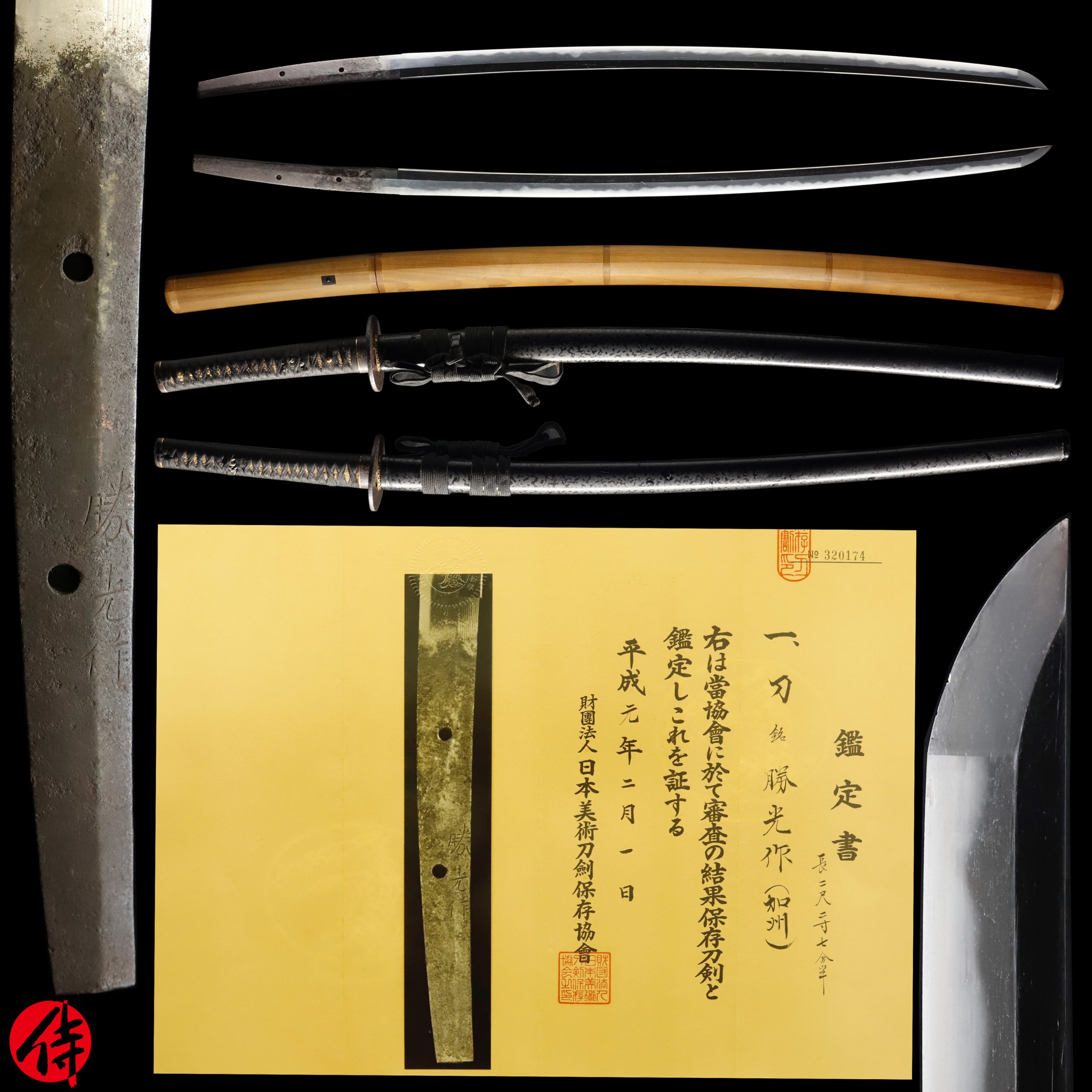
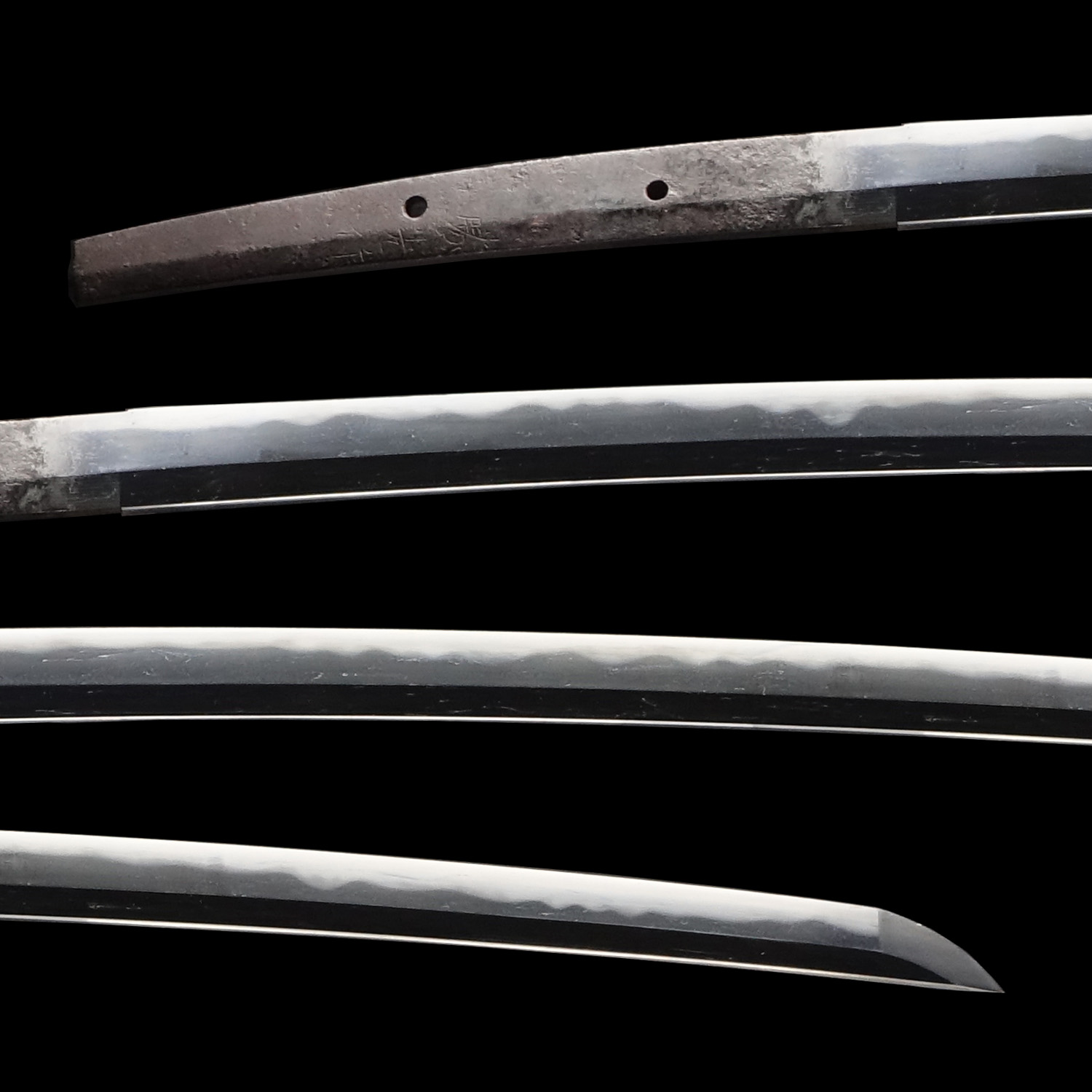
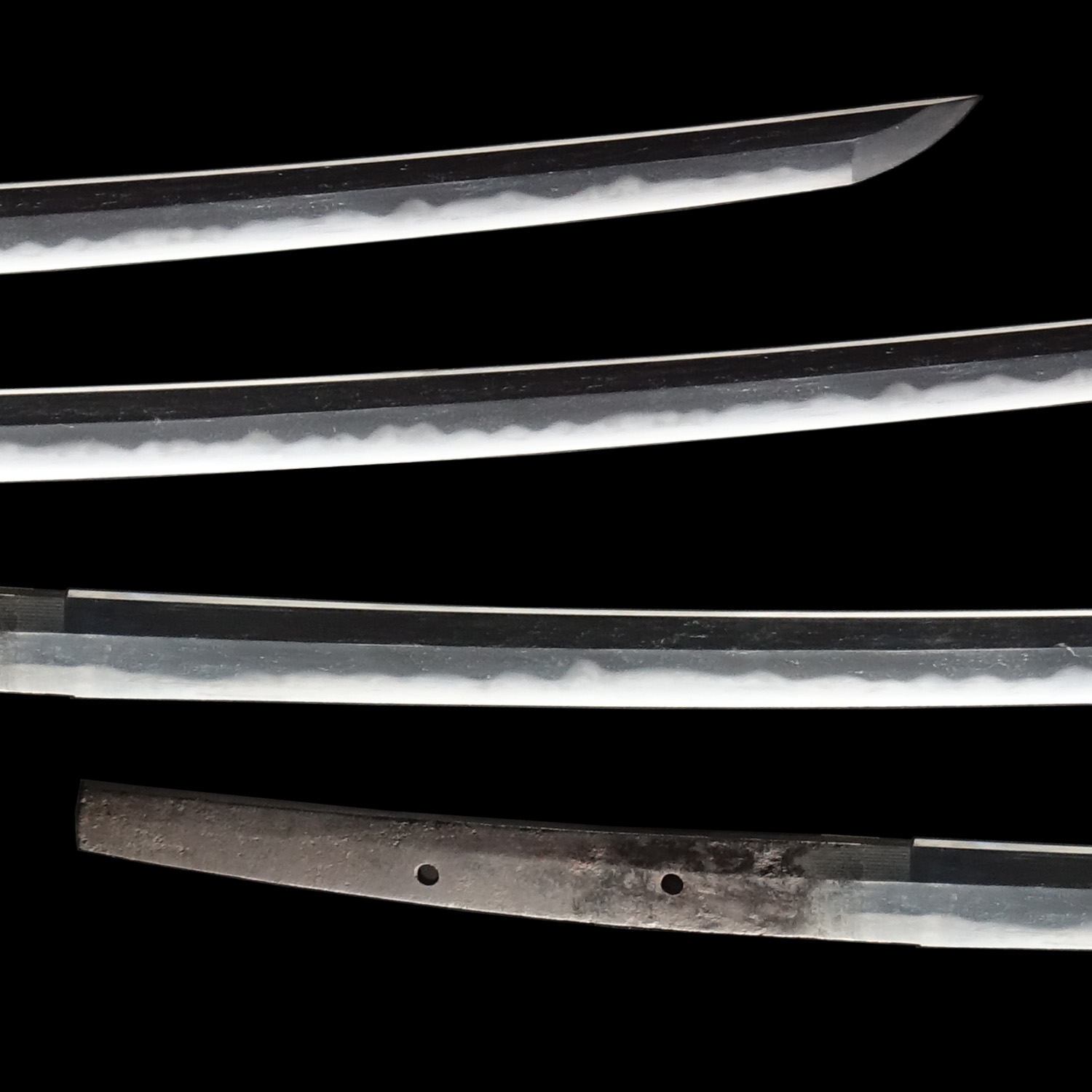
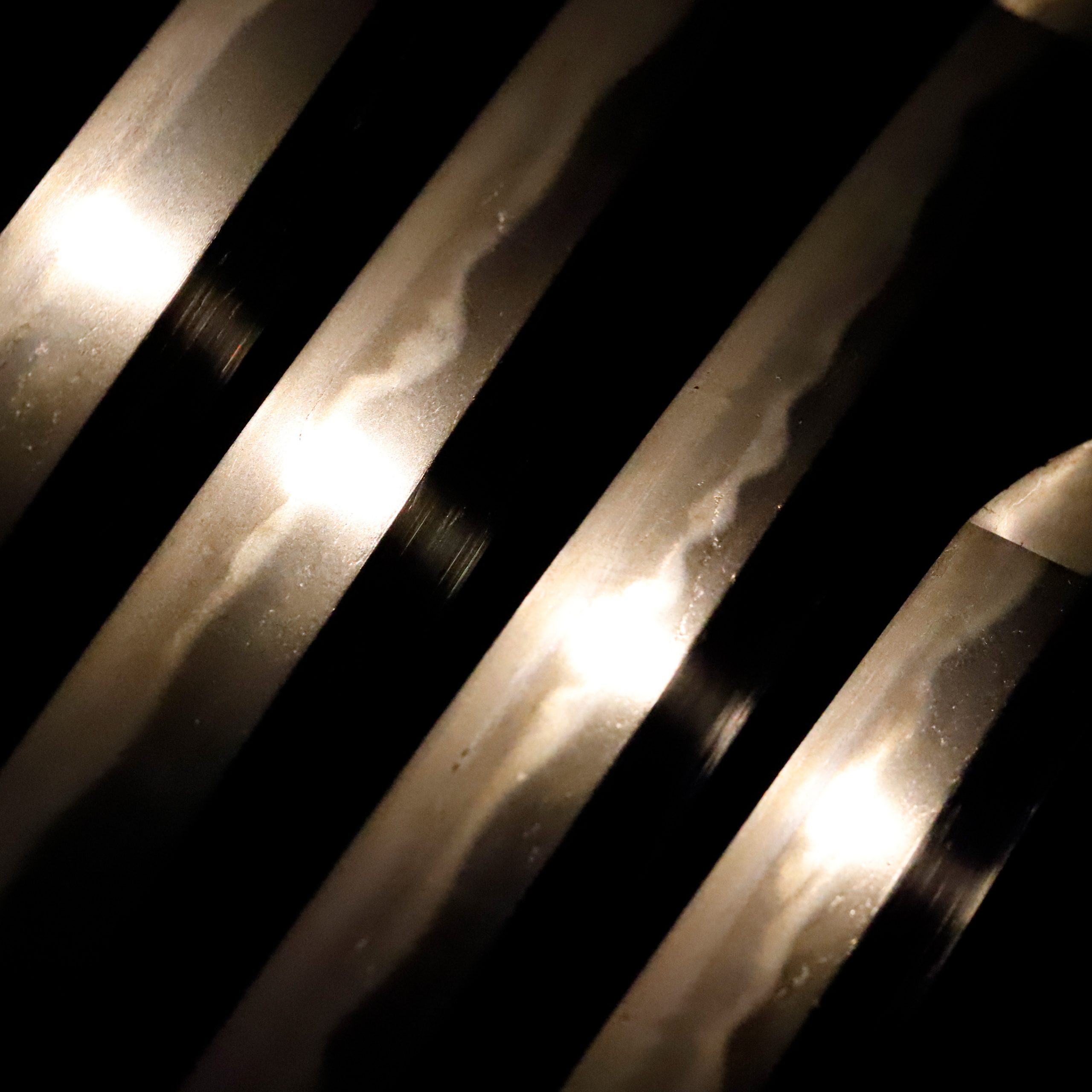
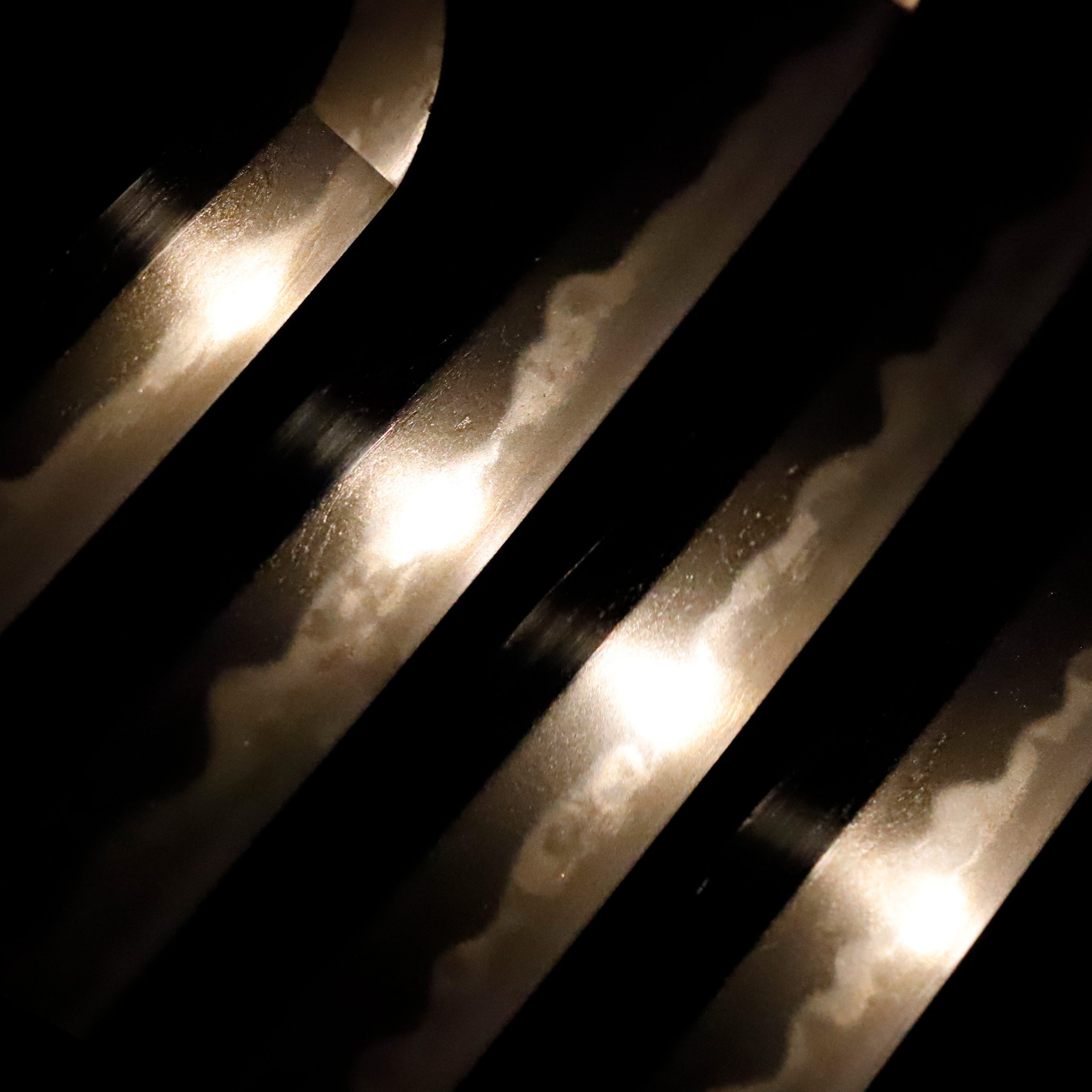
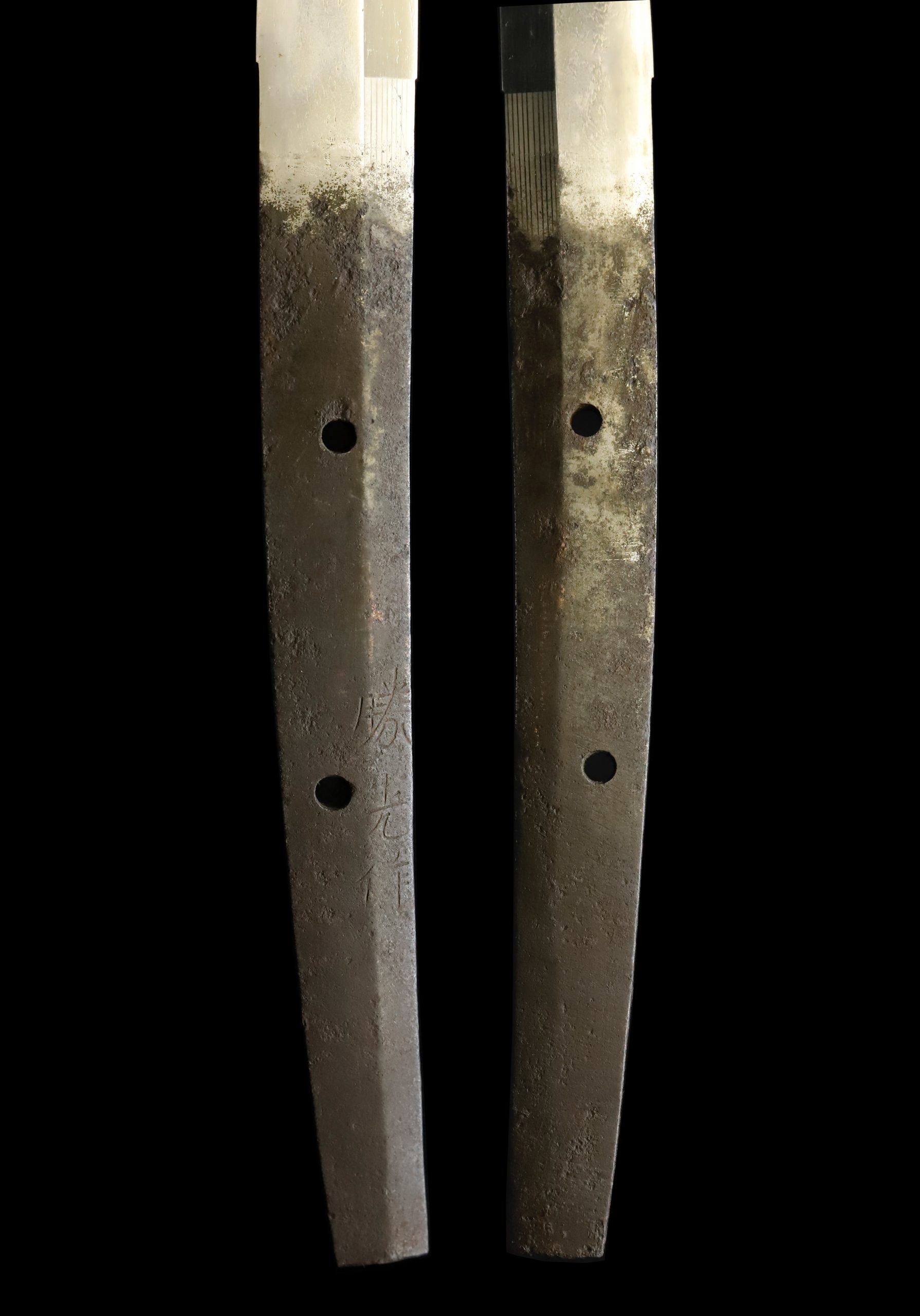
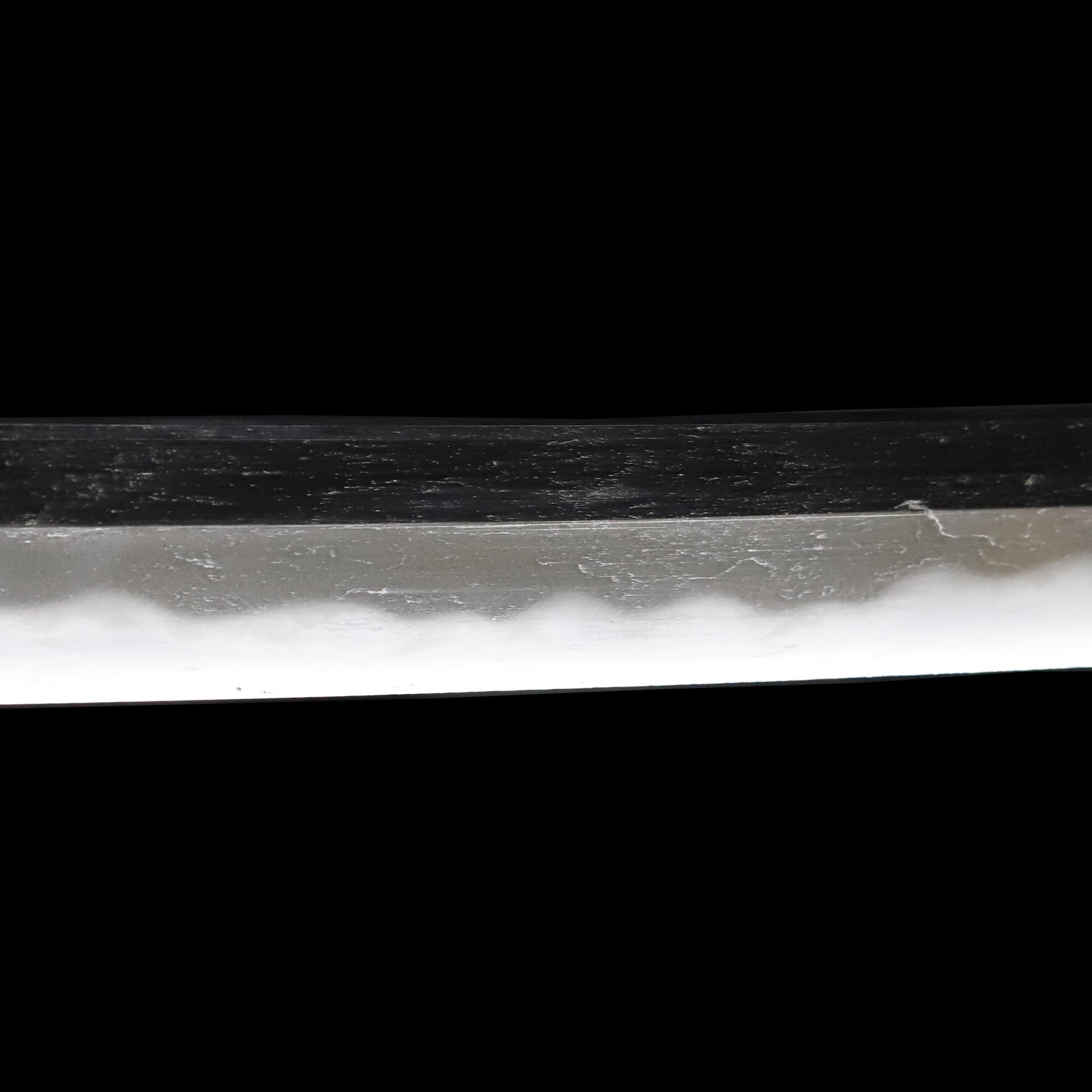
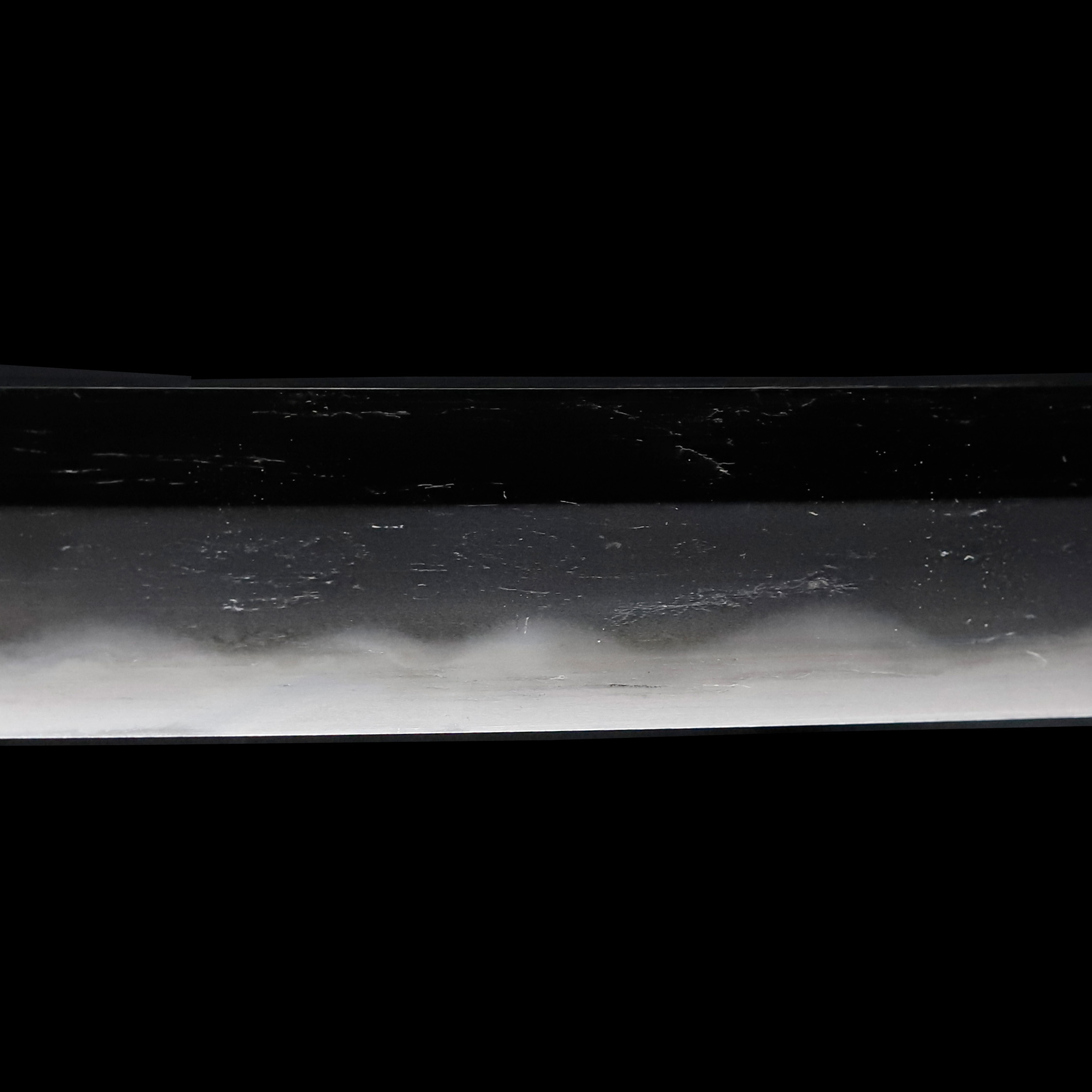
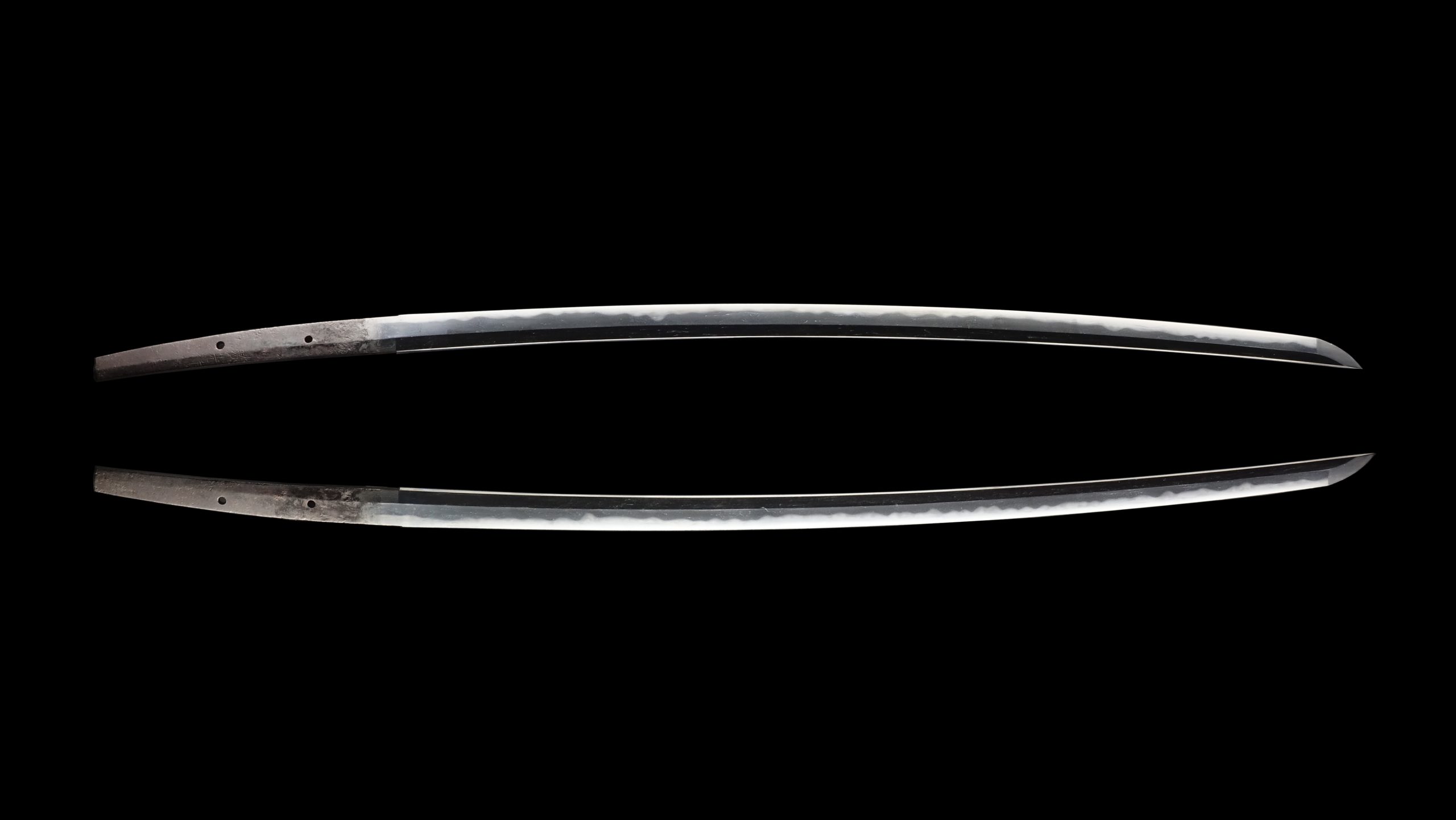
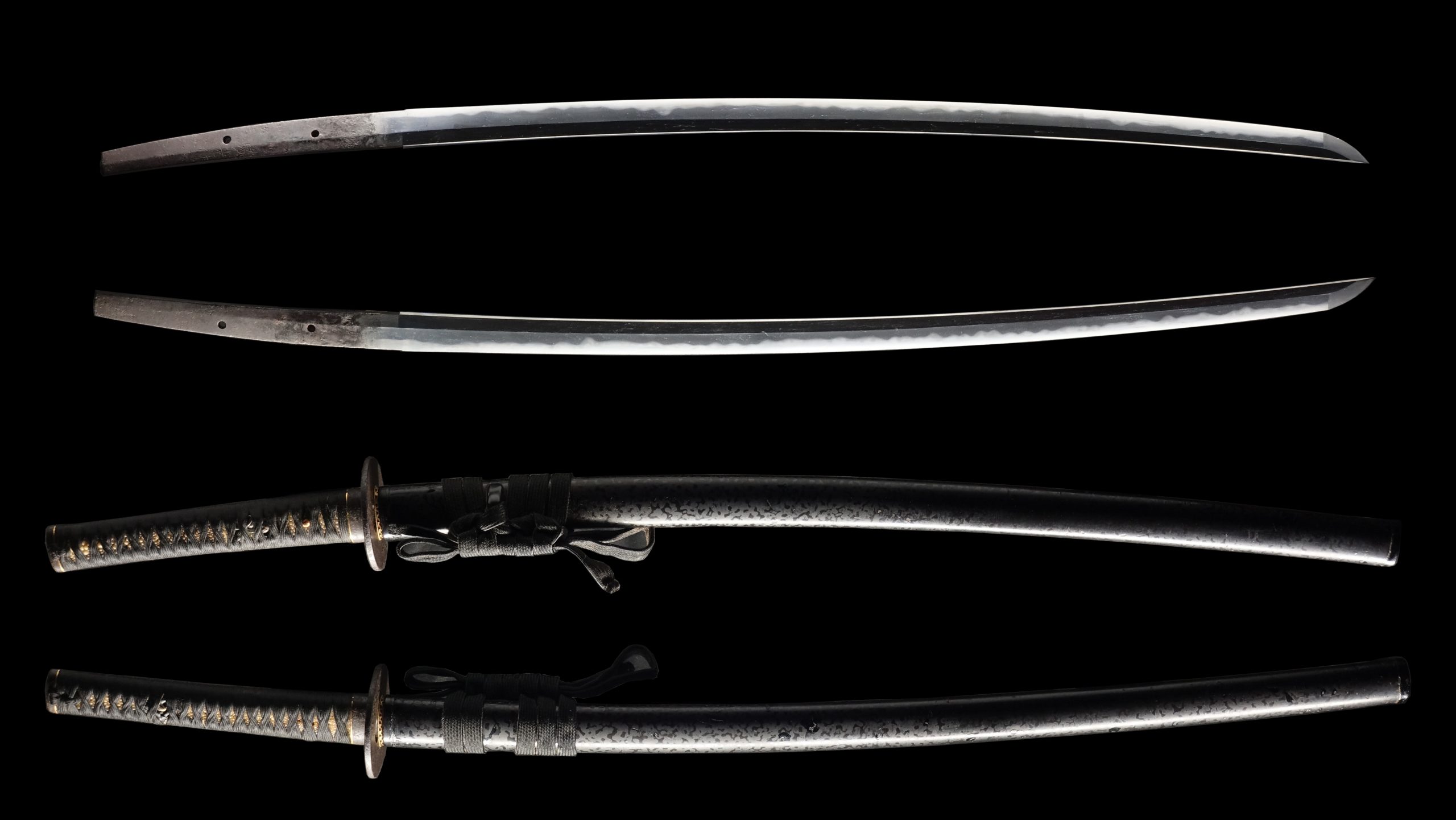
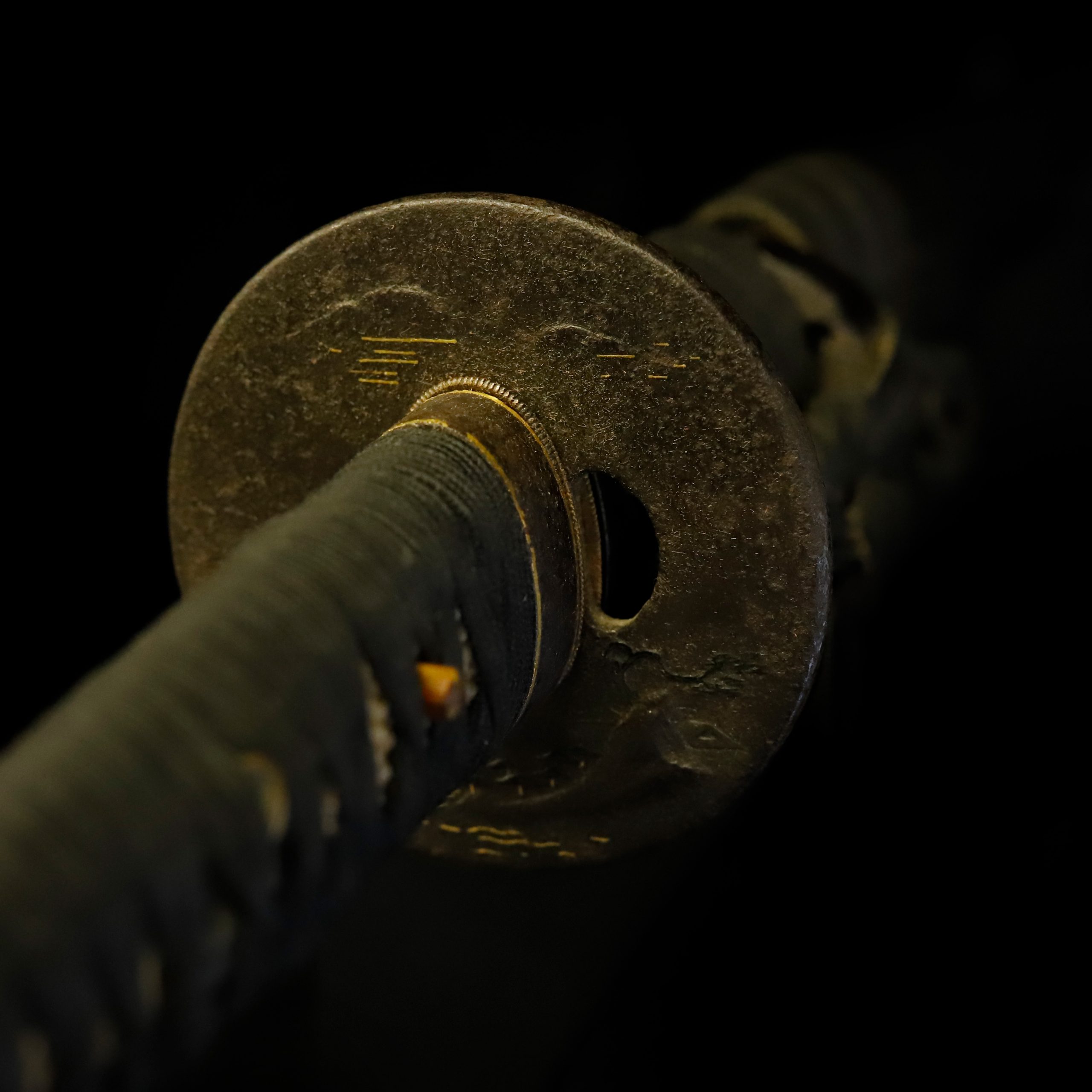
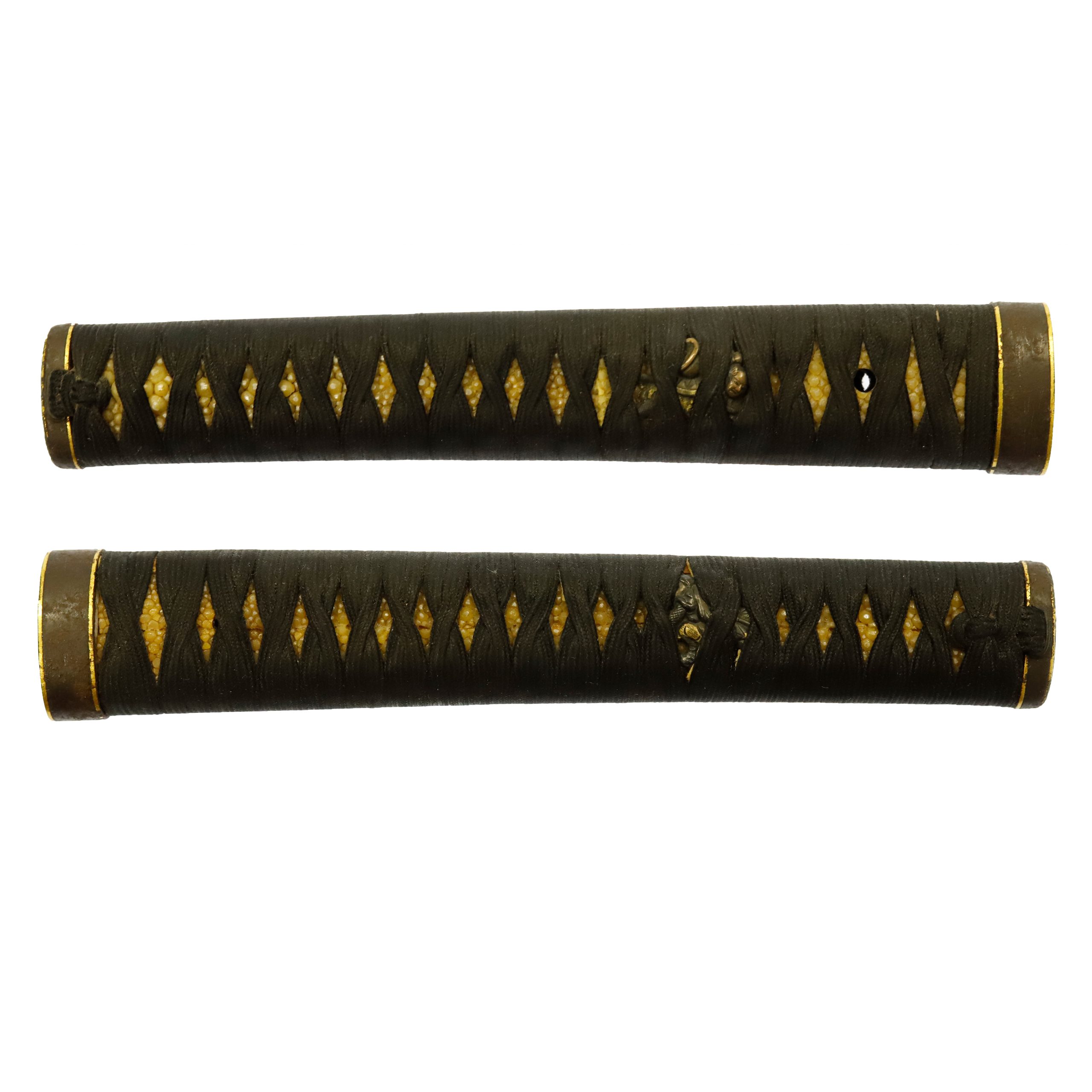
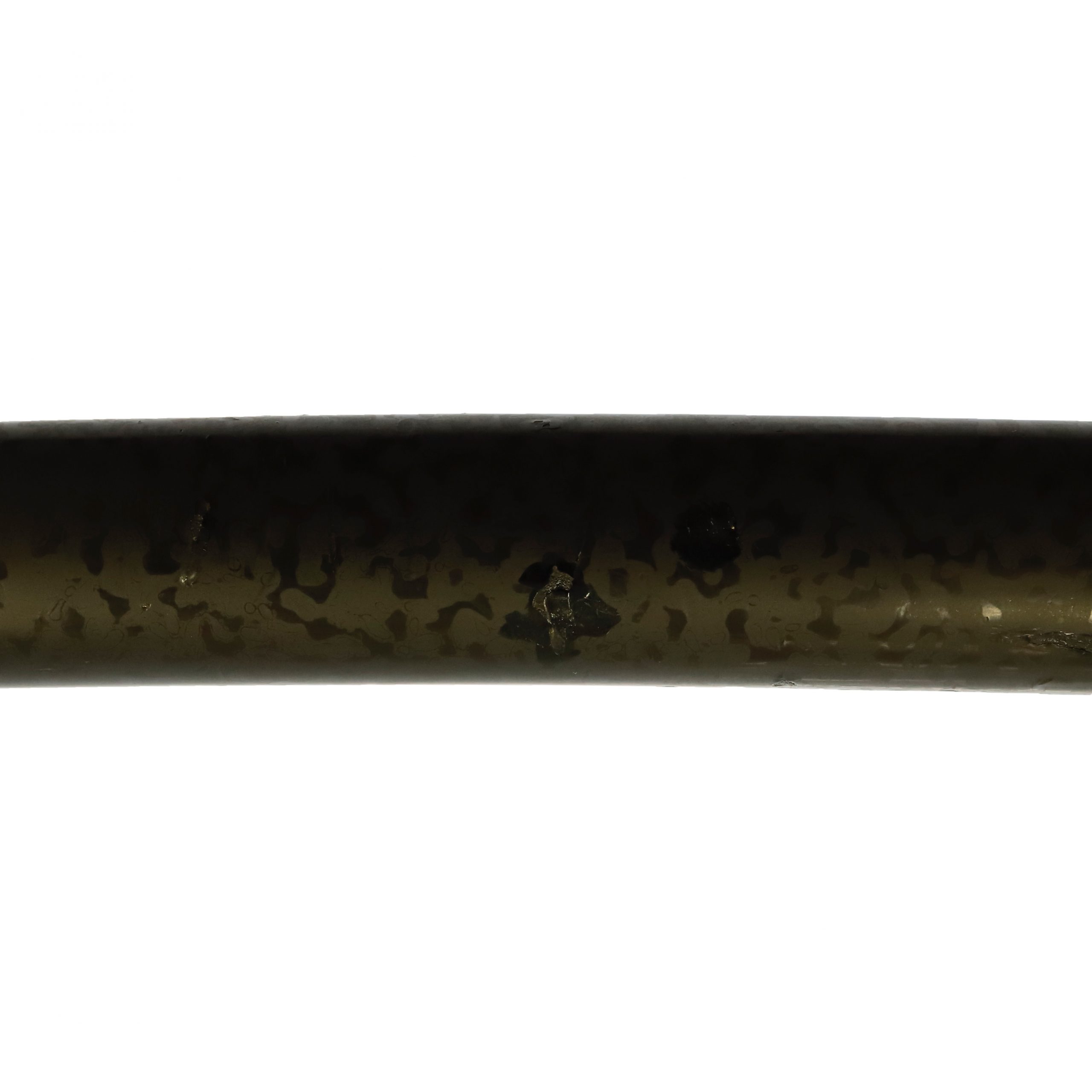
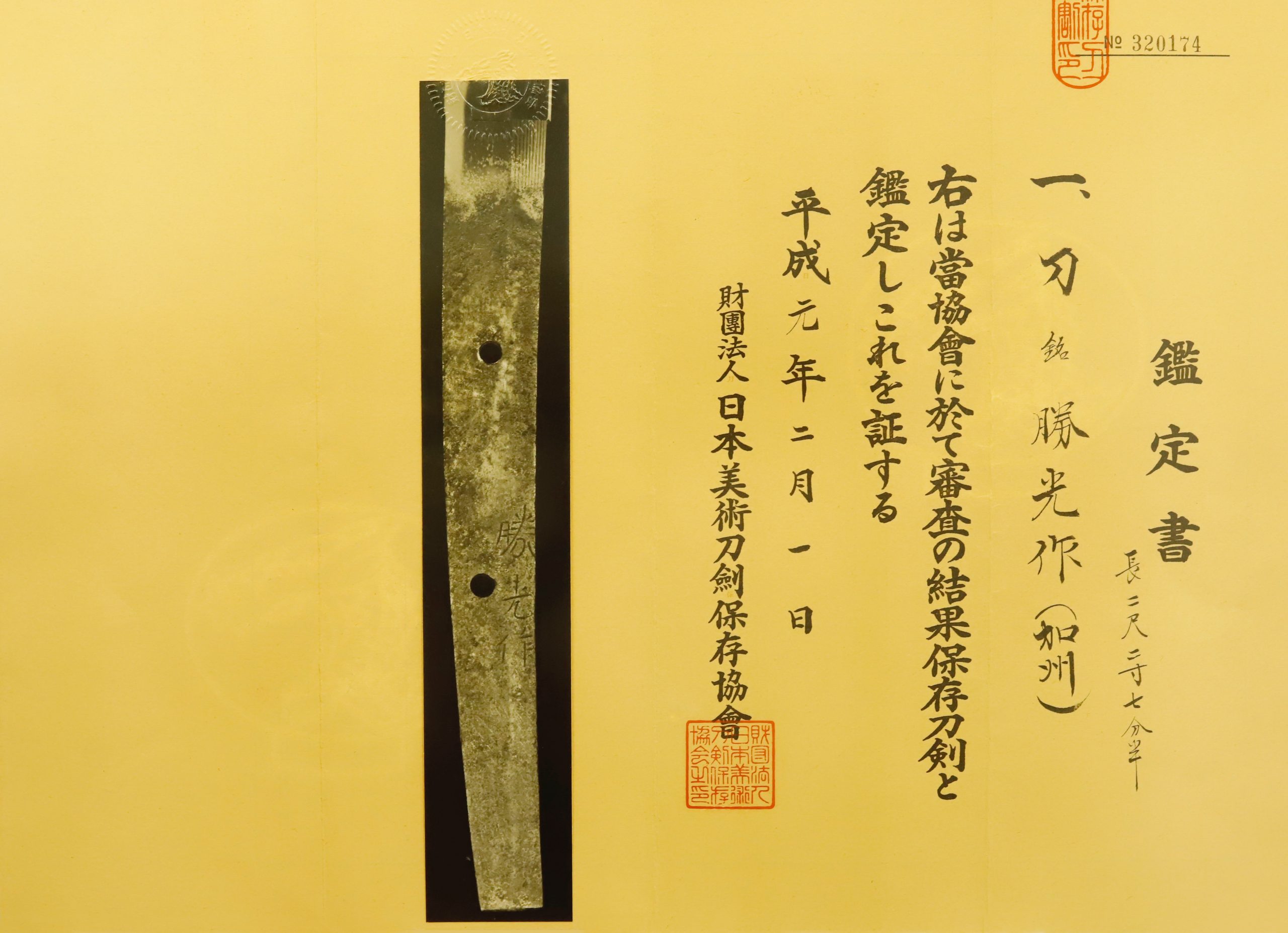
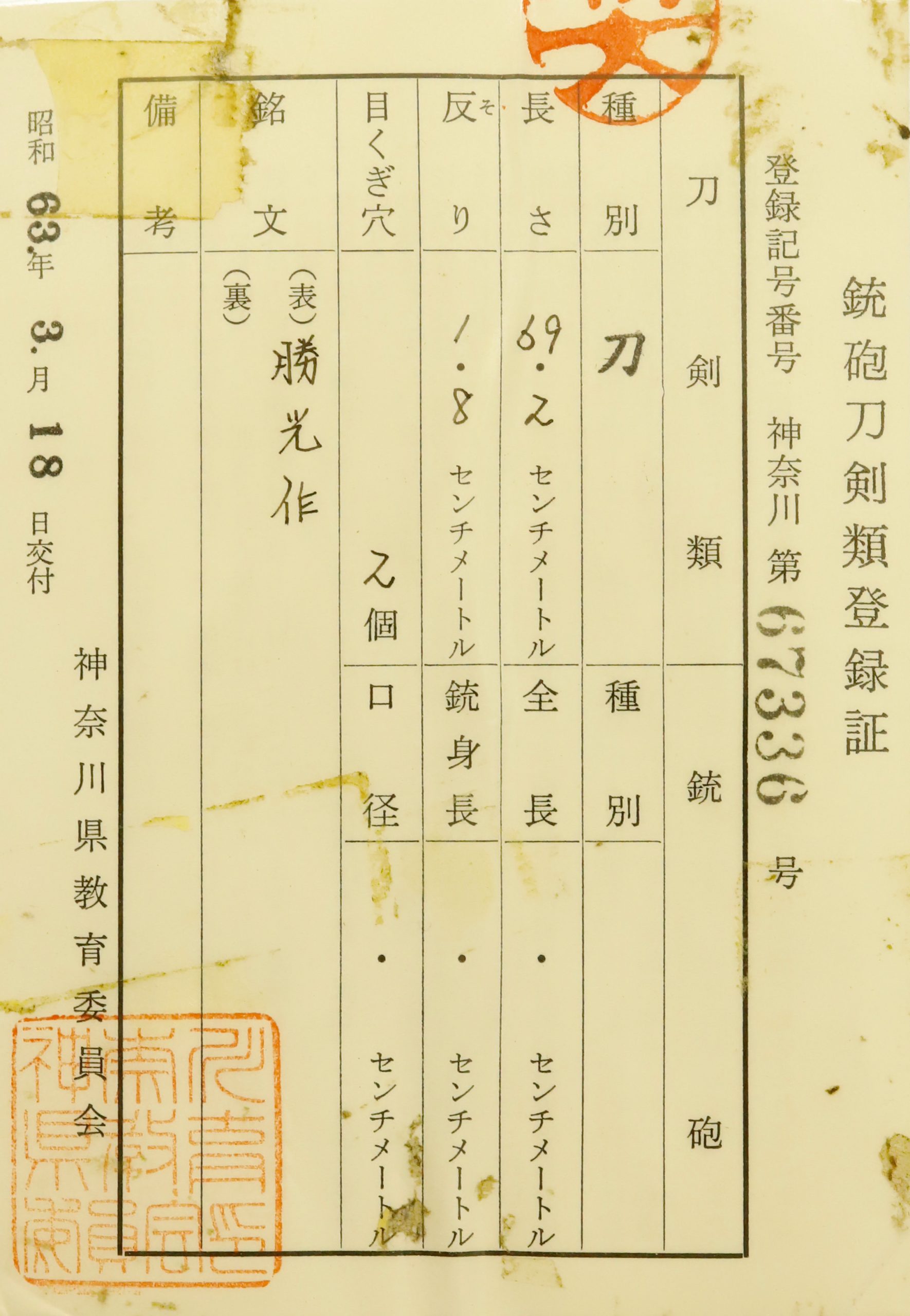
This blade was signed by Katsumitsu (勝光). And according to its NBTHK appraisal, it was made by Kashu Katsumitsu, who was especially active during the late Muromachi period (Dai-Ei era: 1521-1528). It is said that he kept forging swords until Azuchi Momoyama period. While this blade was shortened (Suriage) at least once in the past, its signature beautifully remains on the tang. Kashu is the province’s name in Today’s Ishikawa prefecture, and it is also known as Kaga province. Katsumitsu resided in this province, forging swords for a living. This province was ruled by Maeda clan when Katsumitsu was alive. Maeda clan was originally a retainer of Oda family, who ruled Owari province. (today’s Nagoya area in Aichi prefecture) The first head of the Maeda clan was Toshie Maeda. He climbed the social ladder of Samurai society, and he became the feudal lord of Kaga Province(today’s Ishikawa prefecture). It is said that he had a vast rice fief that fed 100 million grown-up adults, which is called Hyakuman Goku. The Maeda clan was one of the most powerful lines in Samurai history. Toshie Maeda had a close tie with Oda Nobunaga and Hideyoshi Toyotomi. This blade was created in the middle of Sengoku Jidai(warring state period: late 15th -late 16th century). There was fierce rivalry among strong feudal lords over lands, political power, and natural resources during this time. We believe Katsumitsu might have forged swords for Samurai warriors living in Kaga domain since he served Maeda clan. This blade is appraised as a Hozon Token(保存刀剣) issued by NBTHK(Nihon Bijutsu Touken Hozon Kyokai:日本美術刀剣保存協会). *Please keep in mind that there are a few Kitae Kizu on this blade. Fuchi-Kashira This Fuchi Kashira has a simple look. Golden lines add decorativeness to this work. Instead of finely carved designs, you could directly enjoy the metal material’s texture. Due to aging, there are minor damages; it would tell you its long history. We hope you would appreciate it as a part of an antique touch. Tsuka and Menuki People are the models of this Menuki. As we cannot see the entire Menuki’s appearance, it is challenging to judge their figure. It seems a man is wearing a Kimono-like cloth, and another man is dressed like a fisherman. The designs of people or stories are often expressed based on myths, legends, past events, Noh (能, a kind of classical Japanese dance-drama), and Japanese poetry. These men might have been quoted from any stories or legends. Tsuba and Habaki Oval-shaped Tsuba is made from iron. Some parts are colored with golden paint (probably gold or brass), and this coloring makes this Tsuba looks more ornamentally. This Tsuba depicts a scenery of a landscape. The view of the mountains covered with clouds and the appearance of overgrown trees near the waterside are depicted. Saya Please keep in mind that there are a couple of places where you can see the trace of restoration on this Saya. Authentication Paper They authenticated the blade on Feb 1st in the third year of Reiwa (1989). They appraised it as Hozon Touken, the blade worth preserving for Japanese society.

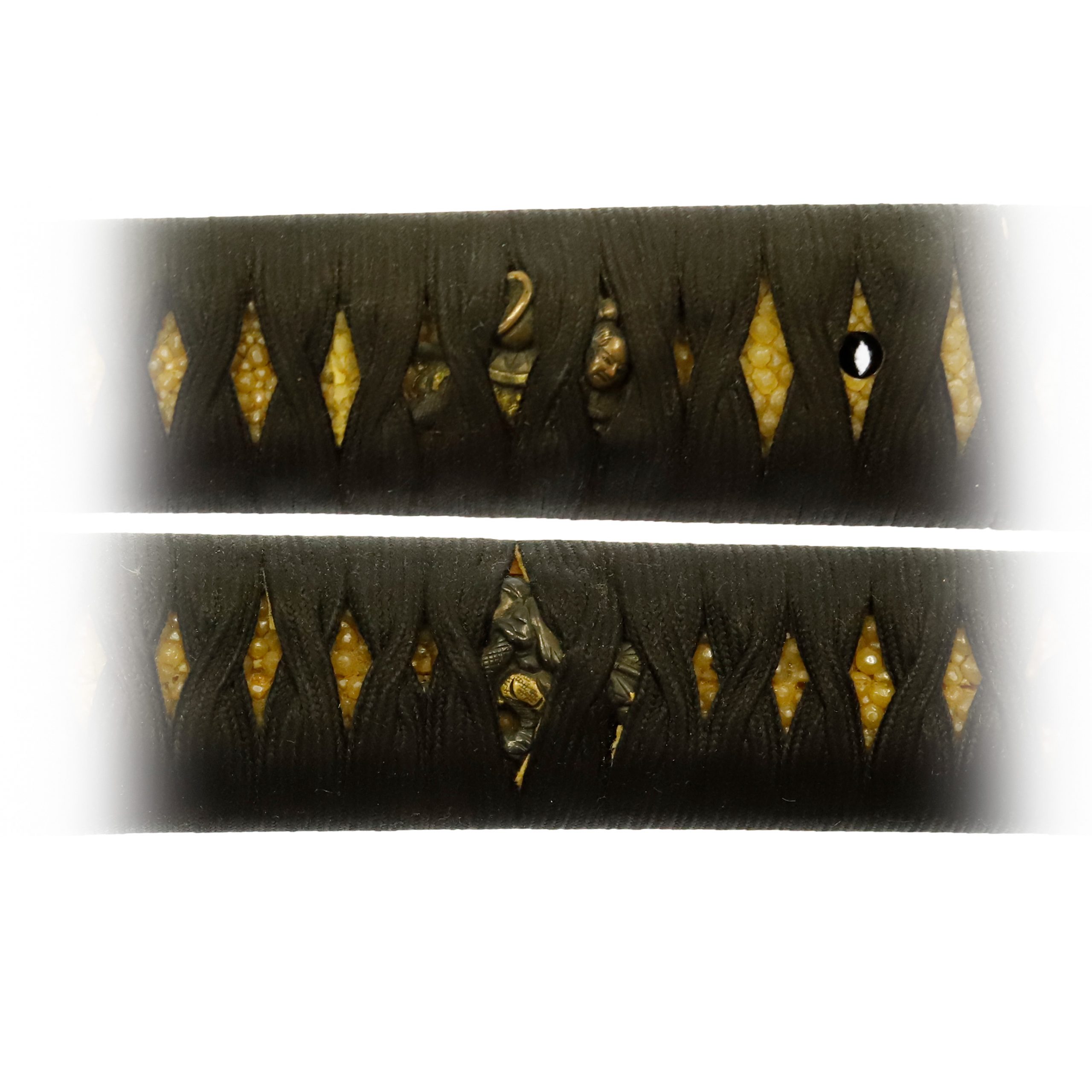
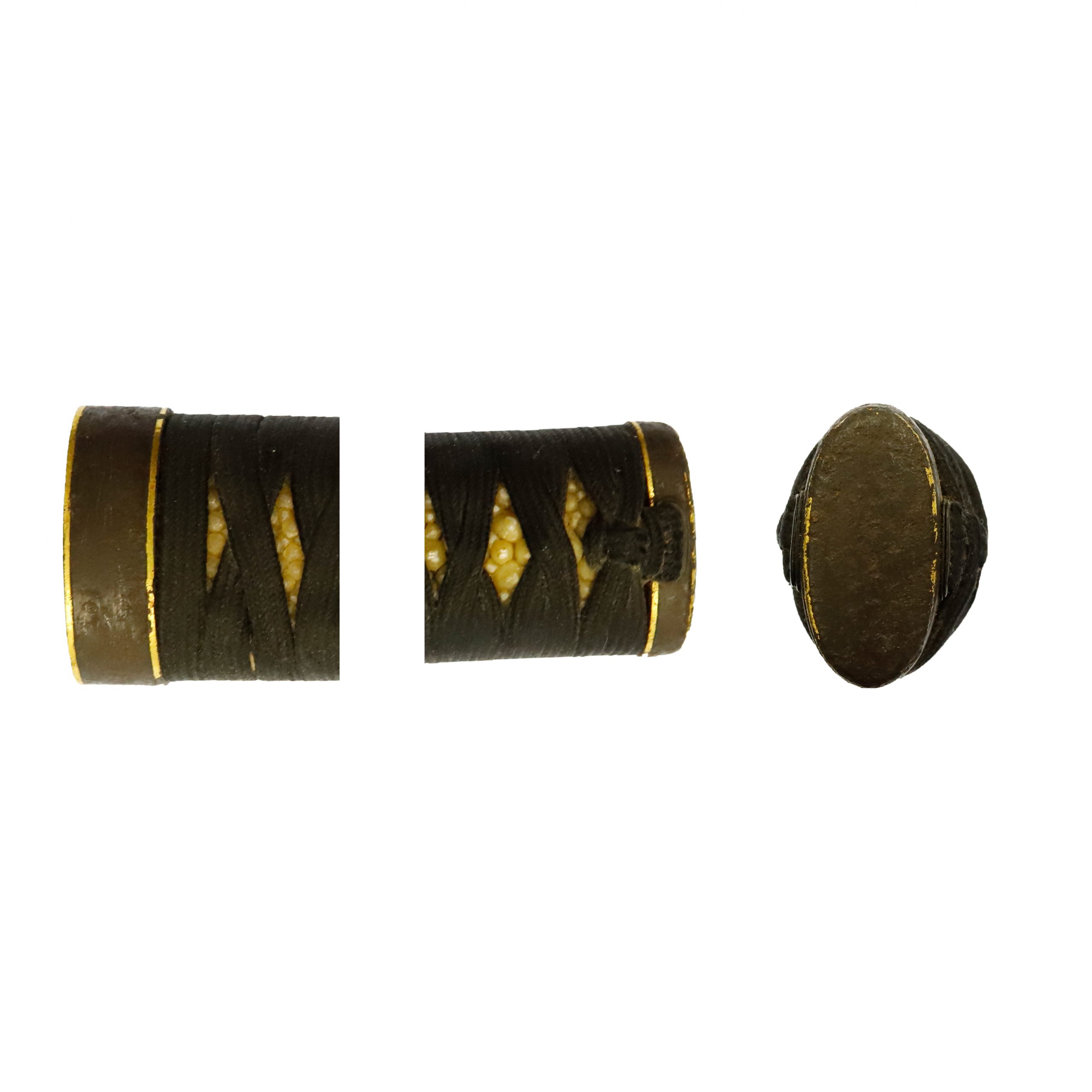
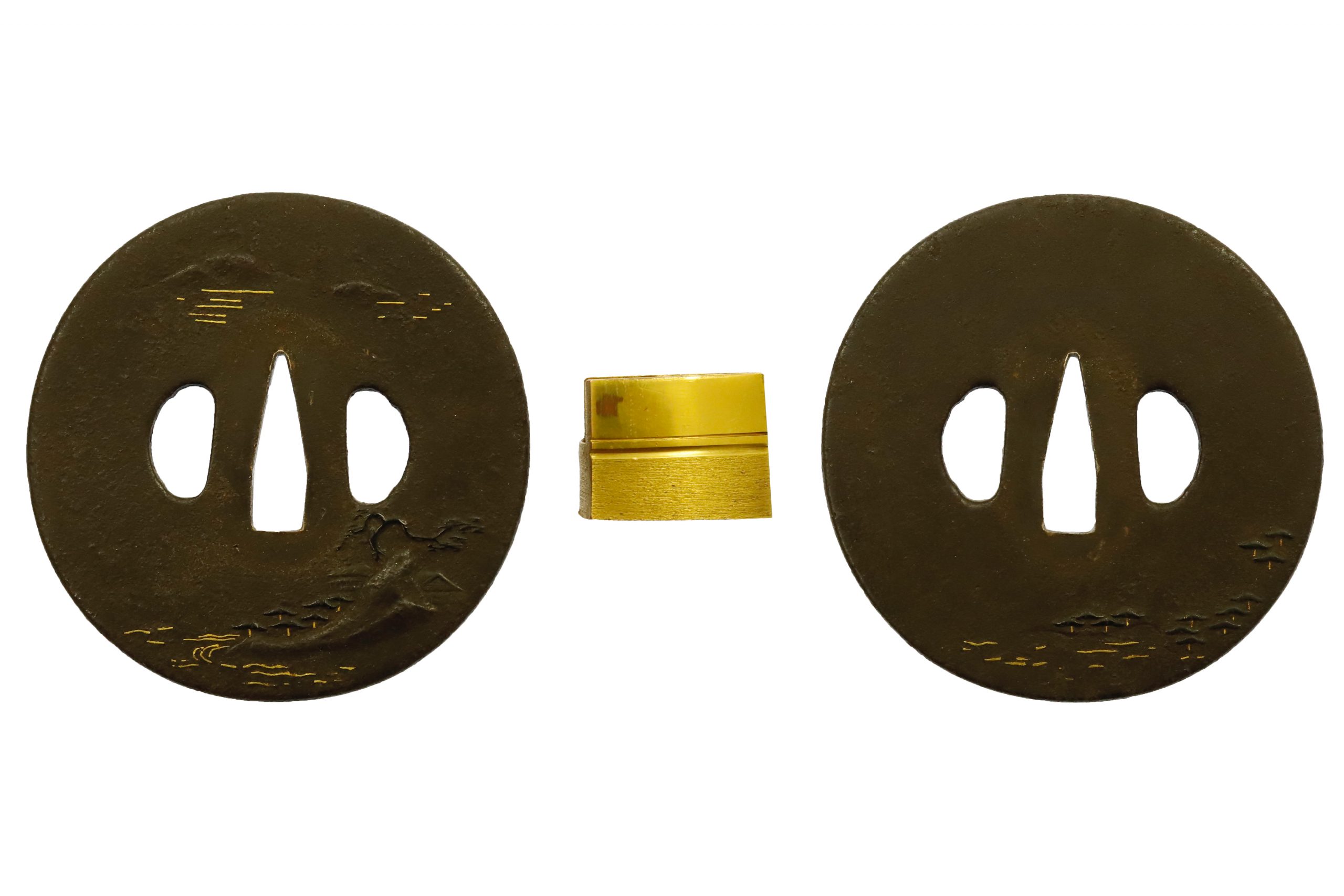
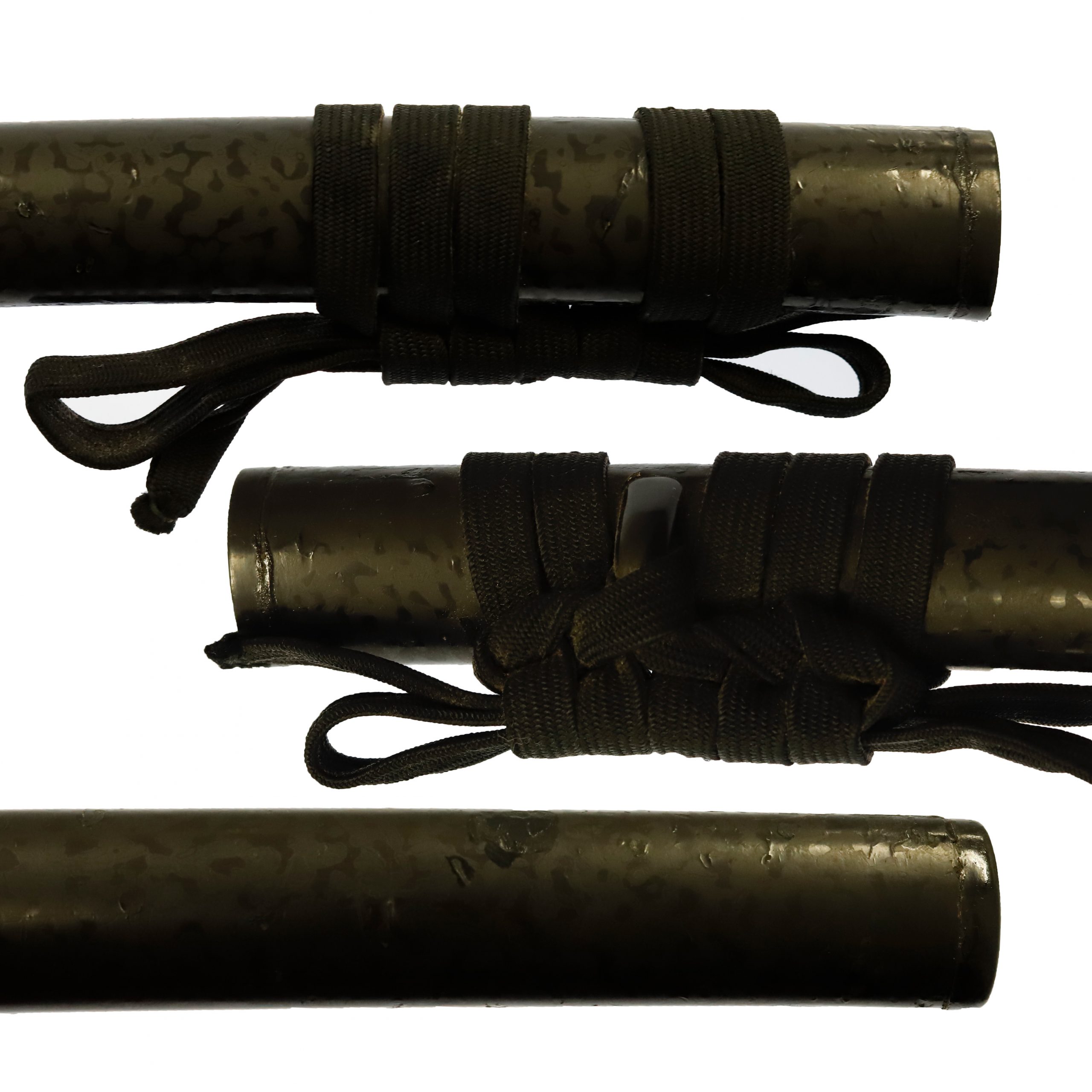
販売店の記載のまま
加賀 · 1521-1528頃
刀剣大鑑 上位76%
現在1点販売中
室町時代
室町は刀剣業を産業に変えた。徒歩の集団戦とともに打刀が興り、長船と関は数打ち物と注文打ちを並行して産し、勘合貿易は日本刀を数万振の単位で海外へ運んだ。
銘が正しい、または無銘でも年代・国・系統を確実に指摘できる、保存に値する真正の作と鑑定されたものです。
日本美術刀剣保存協会(NBTHK)は、1948年に設立され、文化庁の監督を受ける公益財団法人で、東京・刀剣博物館に本部を置きます。専門の審査員が出品作を直接審査し、美術的・歴史的価値に応じた鑑定書を発行します。NBTHKの鑑定書は、日本刀および刀装具の真正性を示す最も広く認知された基準です。
NBTHK公式サイトReturns/exchanges limited to defects caused by shipping (except willful misconduct or gross negligence by the company); customers must contact within 72 hours of receiving the product.