室町の長船は輸出産業であった。明との勘合貿易はおよそ十二万八千振の日本刀を海の彼方へ運び、国内では戦国の軍勢が買い手となった。注文主の俗名を銘に刻む注文打ちが、兵卒用の数打ち物と並んで鍛えられている。
 NihontoWatchNihontoWatch
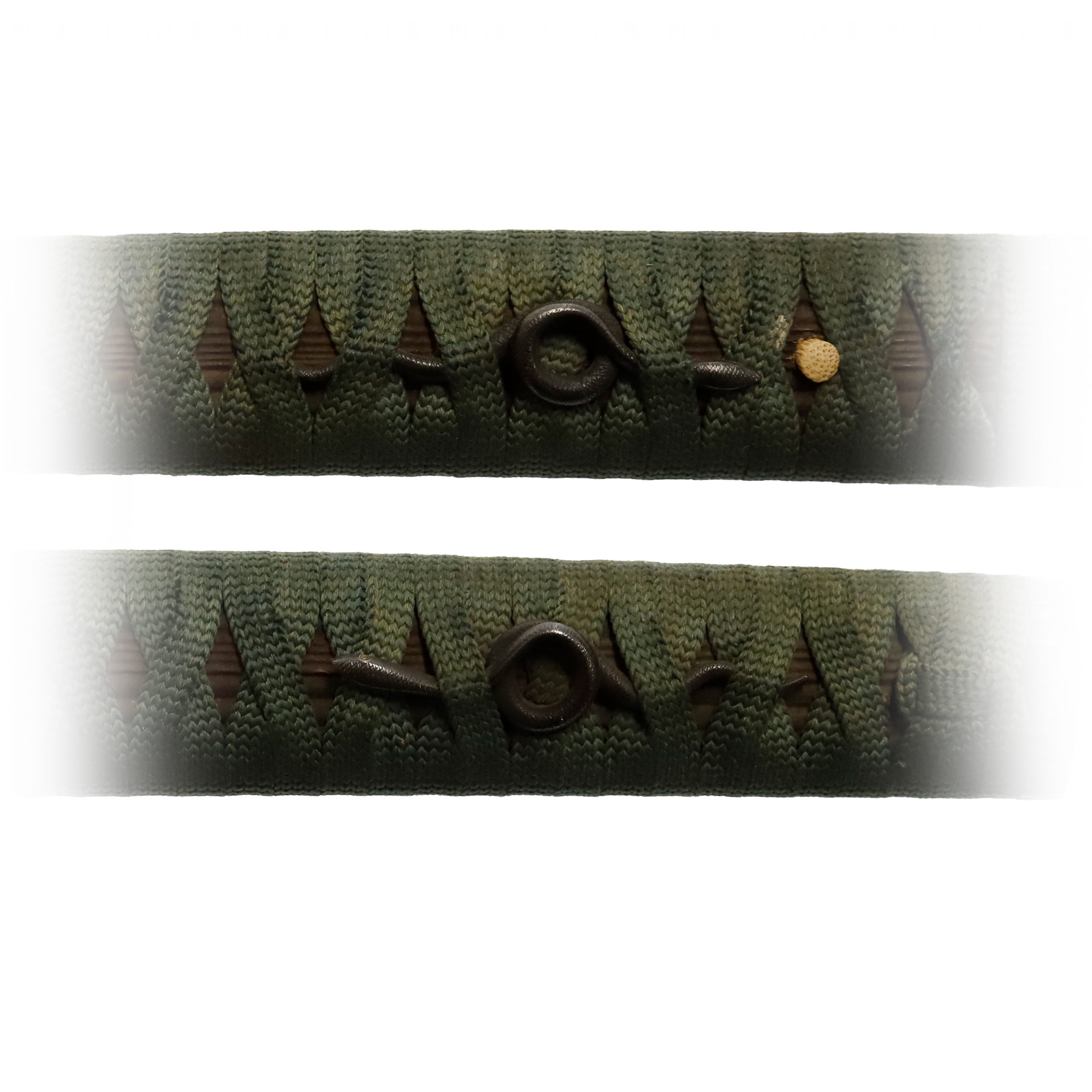
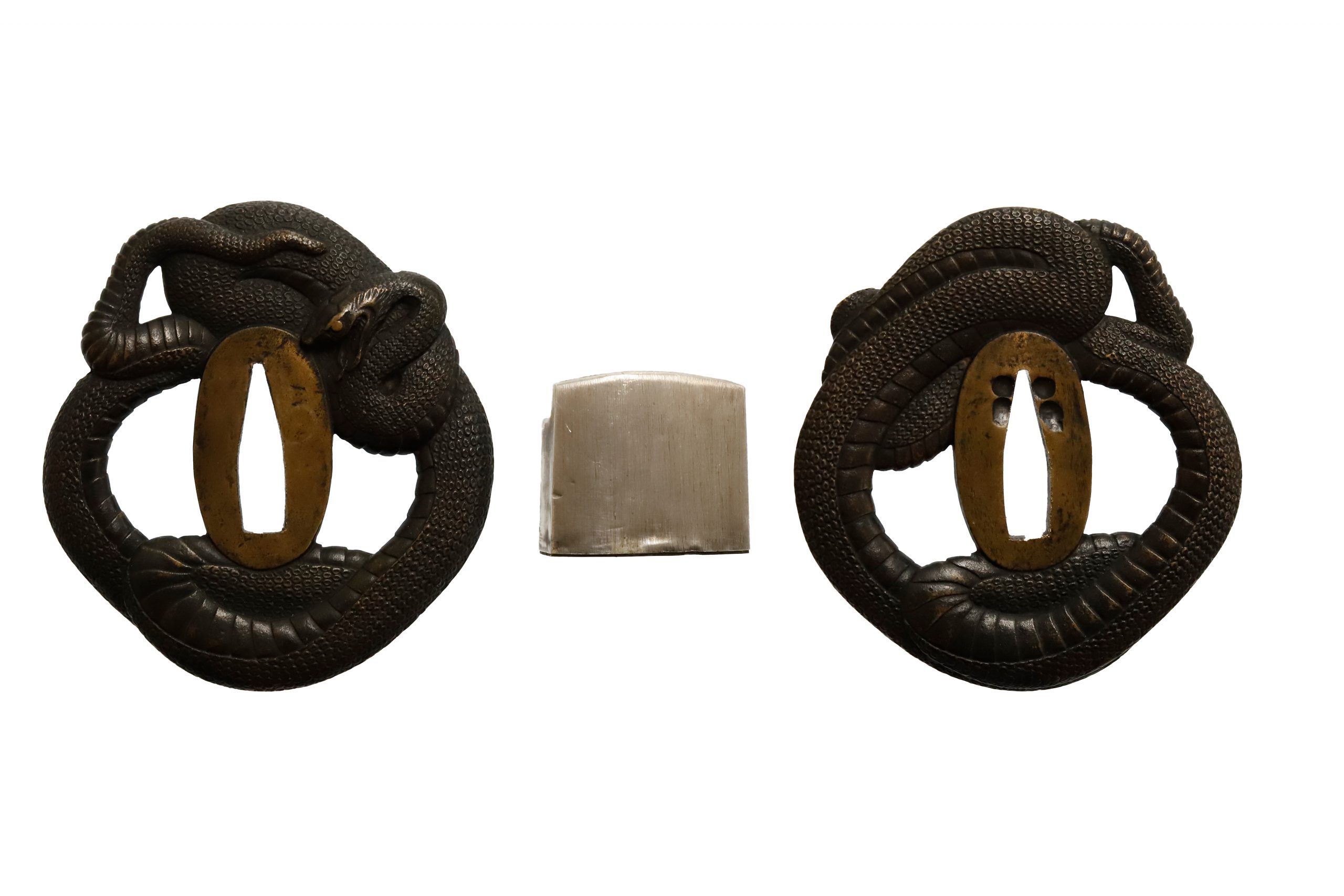
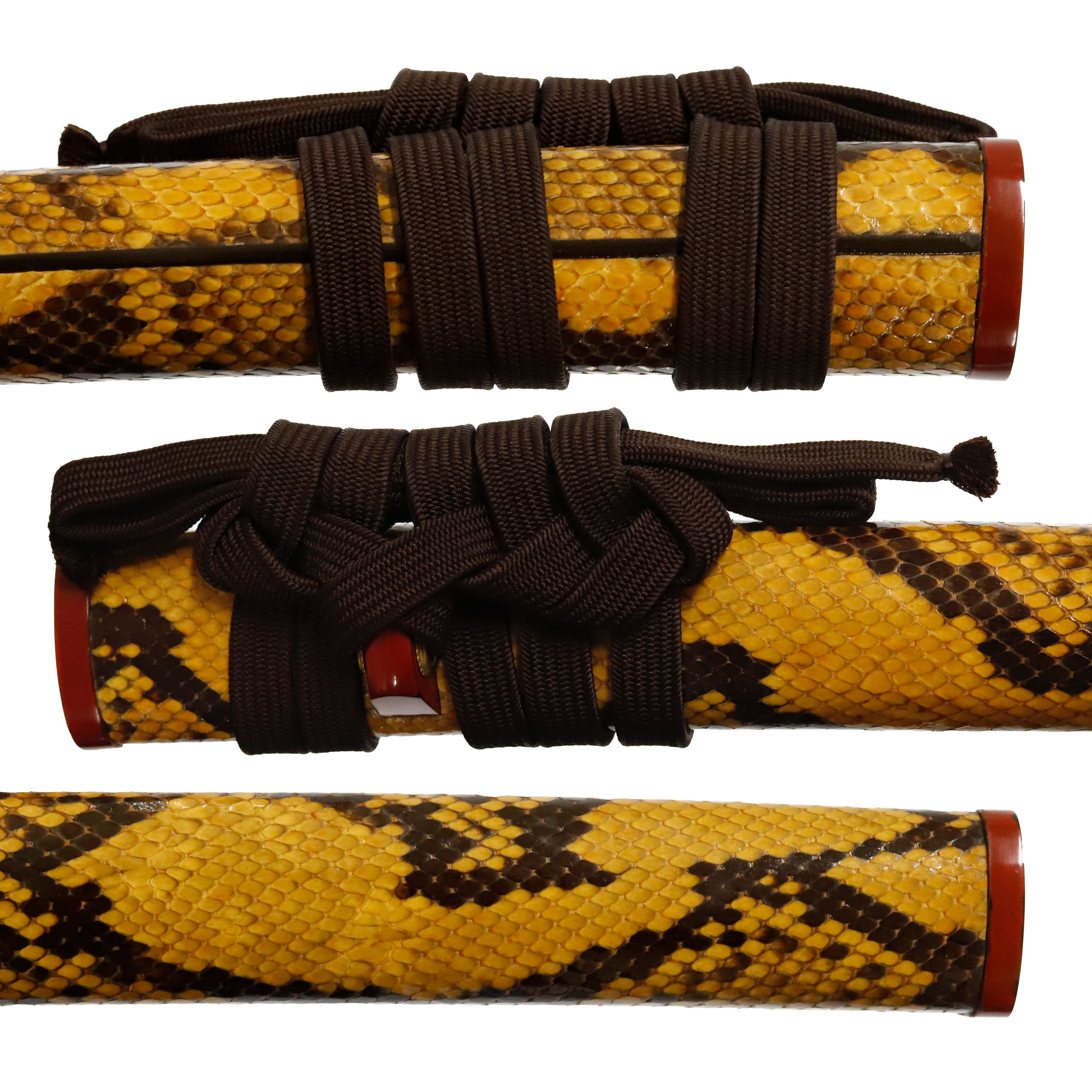
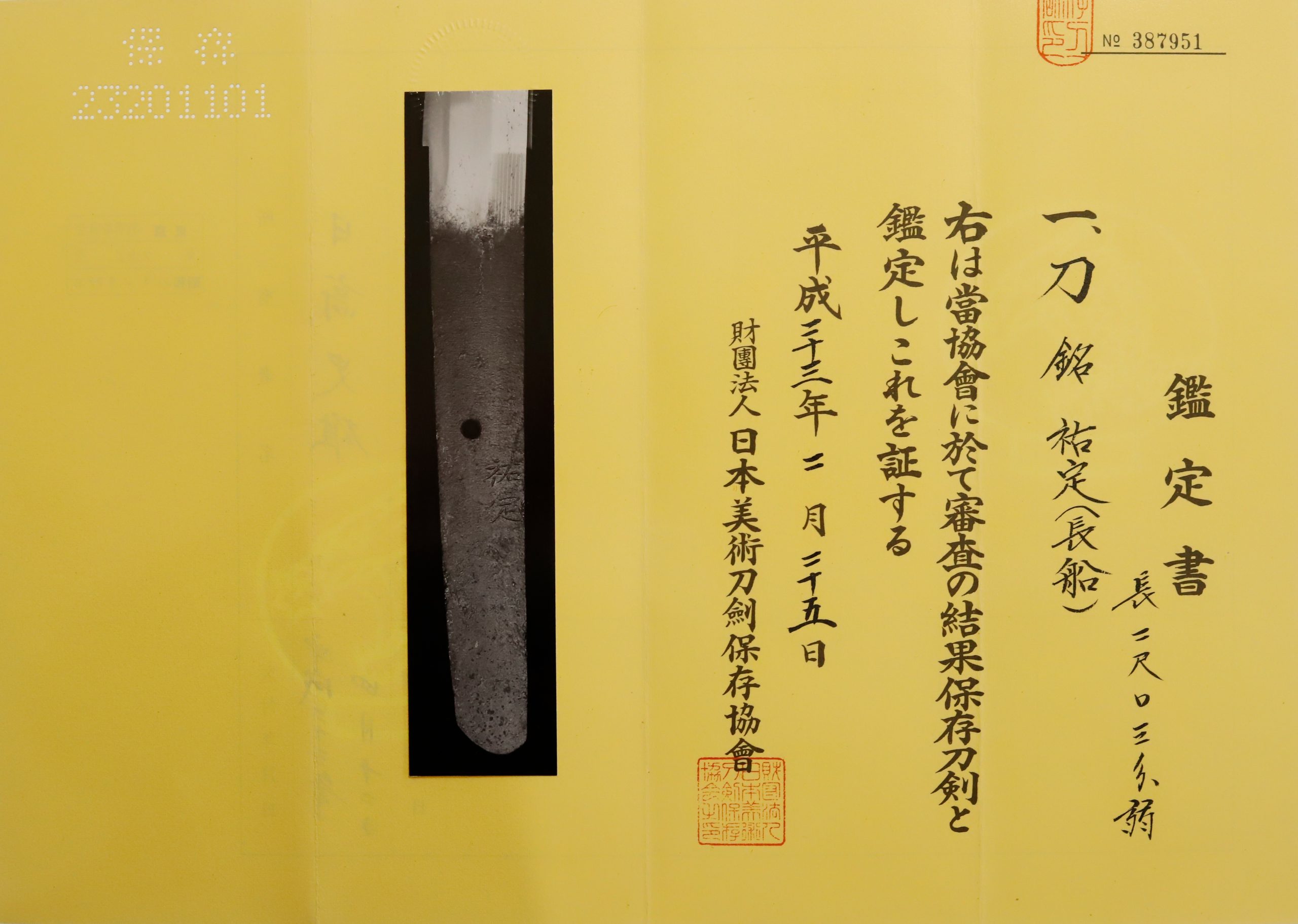
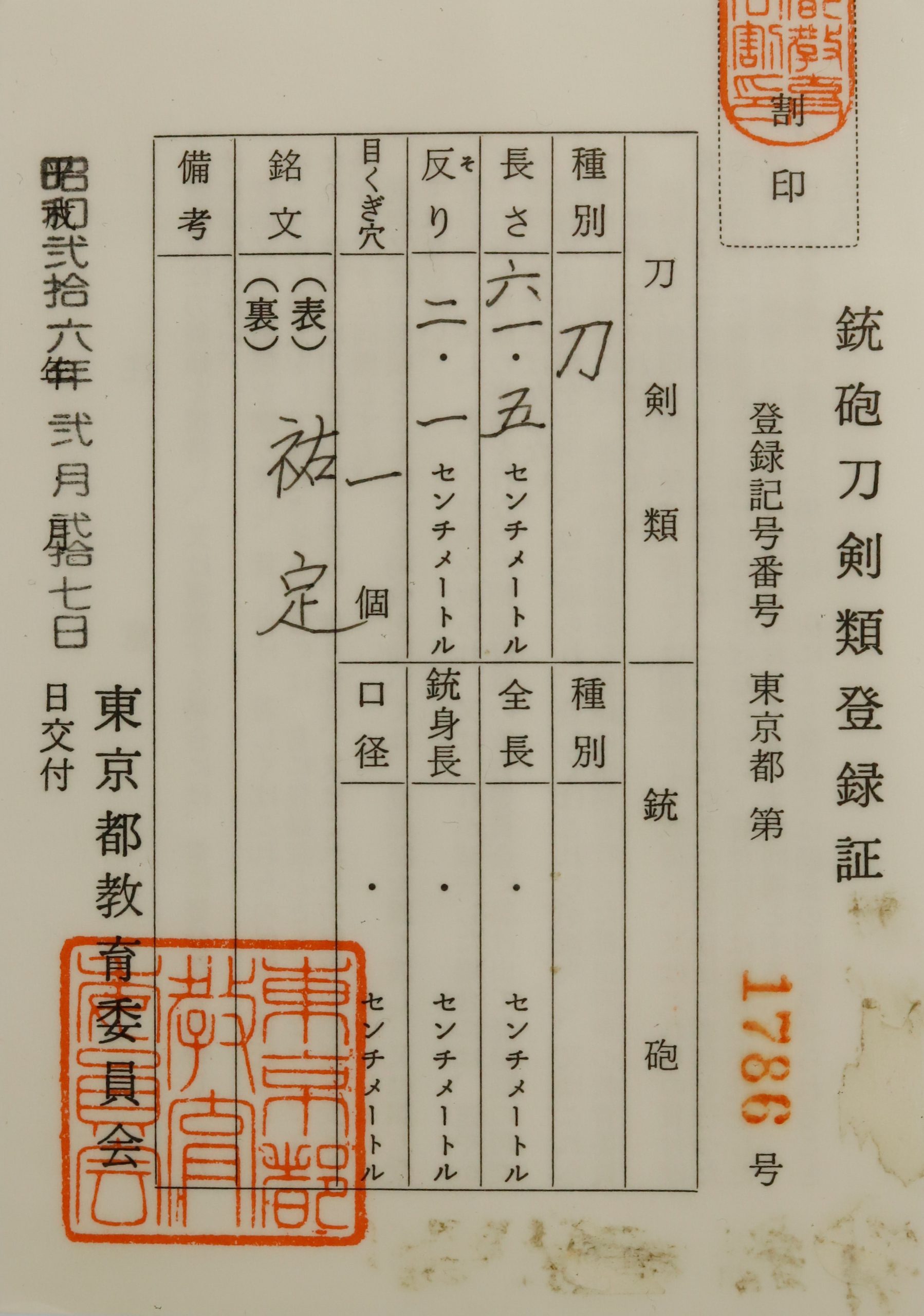
This blade has a signature of Sukesada(祐定). According to NBTHK, this blade was forged in the late Muromachi period(1492-1569 A.D). We contacted them to confirm this information. Those who forged swords in the Bizen province(Okayama prefecture) at the end of the Muromachi Period(1492-1569 A.D) are called Matsu Bizen(Matsu means the end). Sukesada school was one of the most famous schools, and it flourished for generations among Osafune schools(The head branch). There were various styles forged by the generations of Sukesada during this period. Approximately 60 swordsmiths used Sukesada as his maker’s name in the Samurai history. In that sense, the swordsmith’s name “Sukesada” worked as a kind of brand that attracted many Samurai. The swordsmiths in Bizen produced many swords during the Muromachi period as it was in the middle of the Sengoku period(Warring state period). The demand for swords increased among strong feudal lords. It would be nice to have a piece forged in the warring state period when there was so much rivalry between warlords. BIZEN is located near the Chugoku Mountains, where iron sands, one of the essential materials for making Japanese swords, were abundant. Furthermore, BIZEN swordsmiths had close access to Yoshi River, where they could find water and charcoal. This geological location contributed to the swordsmiths to forge high-quality refined blades. We presume BIZEN was quite active in sword-forging from ancient times. It is said that BIZEN DEN was created by groups of swordsmiths there after the late Heian era(Late 12th century ). This blade is appraised as a Hozon Token(保存刀剣) issued by NBTHK(Nihon Bijutsu Touken Hozon Kyokai:日本美術刀剣保存協会). Fuchi-Kashira Streaky patterns are carved semi-three-dimensionally. Each streak has different width irregularly. A similar pattern is seen at the handle part (please check the Tsuka and Menuki part, which will be mentioned later) also. We guess it was intentionally designed to make the unity. This Fuchi Kashira has a simple design; however, its irregular pattern creates a rhythm and makes this work unique. Tsuka and Menuki The snake is the motif of this Menuki. These snakes twist their slender bodies and form a ring around the middle part. This Menuki has glossy metal color and is in good condition. In Japan, this animal has a deep connection with religion. Many temples and shrines worship the snake as a god. It is said that the snake is also involved in the foundation of the Ryujin Shinkou (竜神信仰, dragon god belief). And it could be said that the snake is one of the special animals that have been familiar to Japanese people since ancient times because of its religious meaning. Some people thought that the water god dwelled in swamps or deep water, and its appearance was a giant snake. Or, a theory says that the souls of the dead have a snake appearance. The legend of the Yamata-no Orochi (ヤマタノオロチ, legendary eight-headed and eight-tailed Japanese serpent) is famous folklore that treats this animal. Tsuba and Habaki Same as the Menuki, this Tsuba’s motif is also the snake. A snake is coiled up, and it looks as if it were real due to its realistic engraving expression. It is an aggressive figure that seems to bite the opponent with a wide-open mouth, but at the same time, you would feel the dignity of reigning as the strong. Even each scale is carved very carefully. About snakes, the scale pattern has long been popular as a classic geometric pattern. It is called the Uroko/Rin (鱗) pattern in Japanese. It is a design in which equilateral triangles or isosceles triangles are arranged continuously. It is said then people associated this pattern with a butterfly or snake. In the Edo period, this design was treated as a talisman to protect people from evil spirits or misfortune. As snakes shed their skin several times, people thought it represented exorcism and rebirth. Also, some people thought that snakes’ sturdy skin would protect them or connect good relations firmly. The ecology of the snake’s strong vitality and the patience to aim for food over time might have been a habit that the Samurais wanted to emulate. Saya This scabbard is made of the skin of a snake. The skin of a snake has been treated as a good omen item since ancient times. Thanks to its distinctive design, the entire Koshirae has a stunning and powerful impression. Also, as mentioned above, the Menuki and the Tsuba have this animal design. This combination makes the unity for this Koshirae. Authentication Paper They authenticated the blade on Feb 25th in the 23rd year of Heisei (2011). They appraised it as Hozon Touken, the blade worth preserving for Japanese society. Registration Number The Board of Education in Tokyo prefecture issued a registration paper for this sword .It is called Jyu Token Rui Torokusho(銃刀剣類登録証).
取扱店 サムライミュージアム

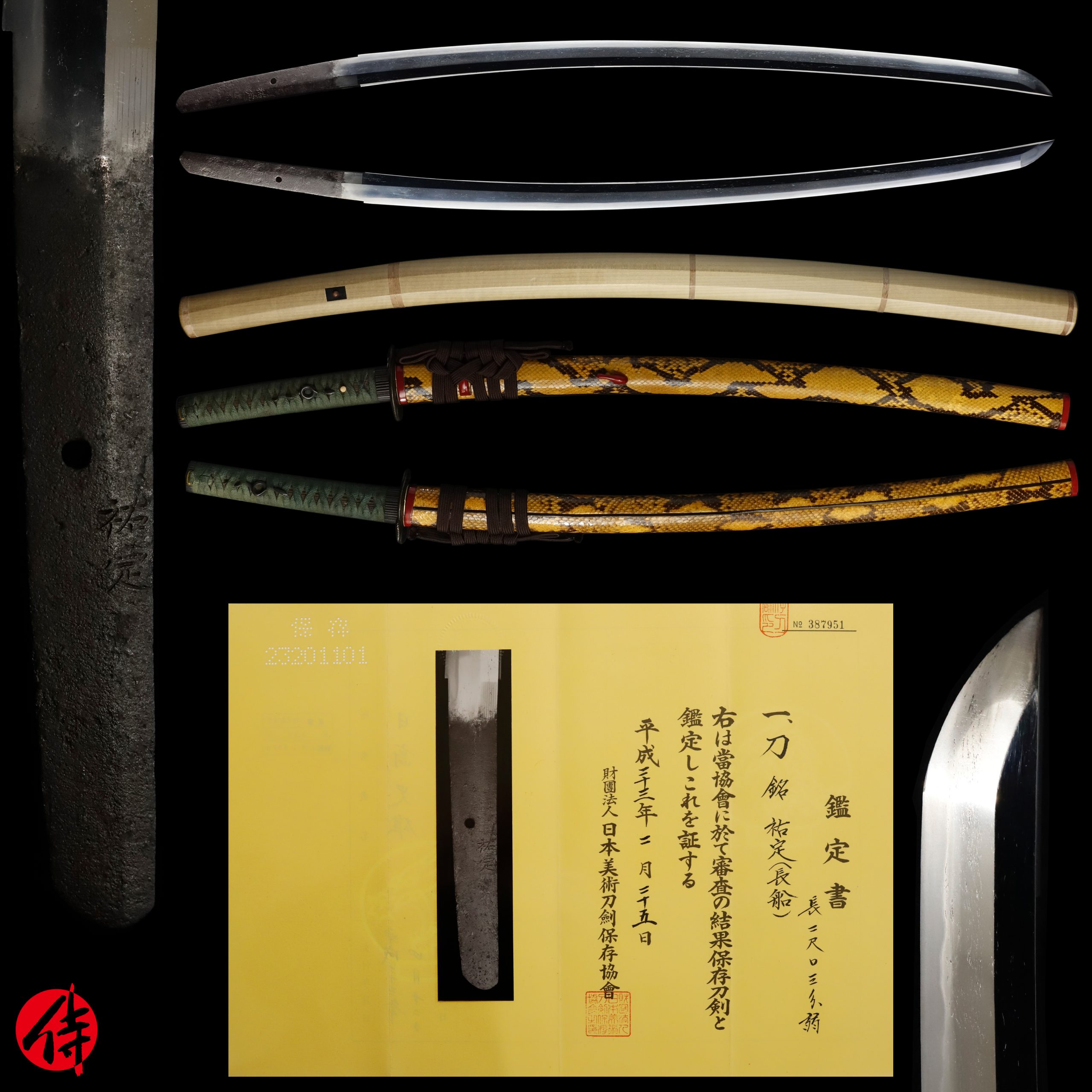
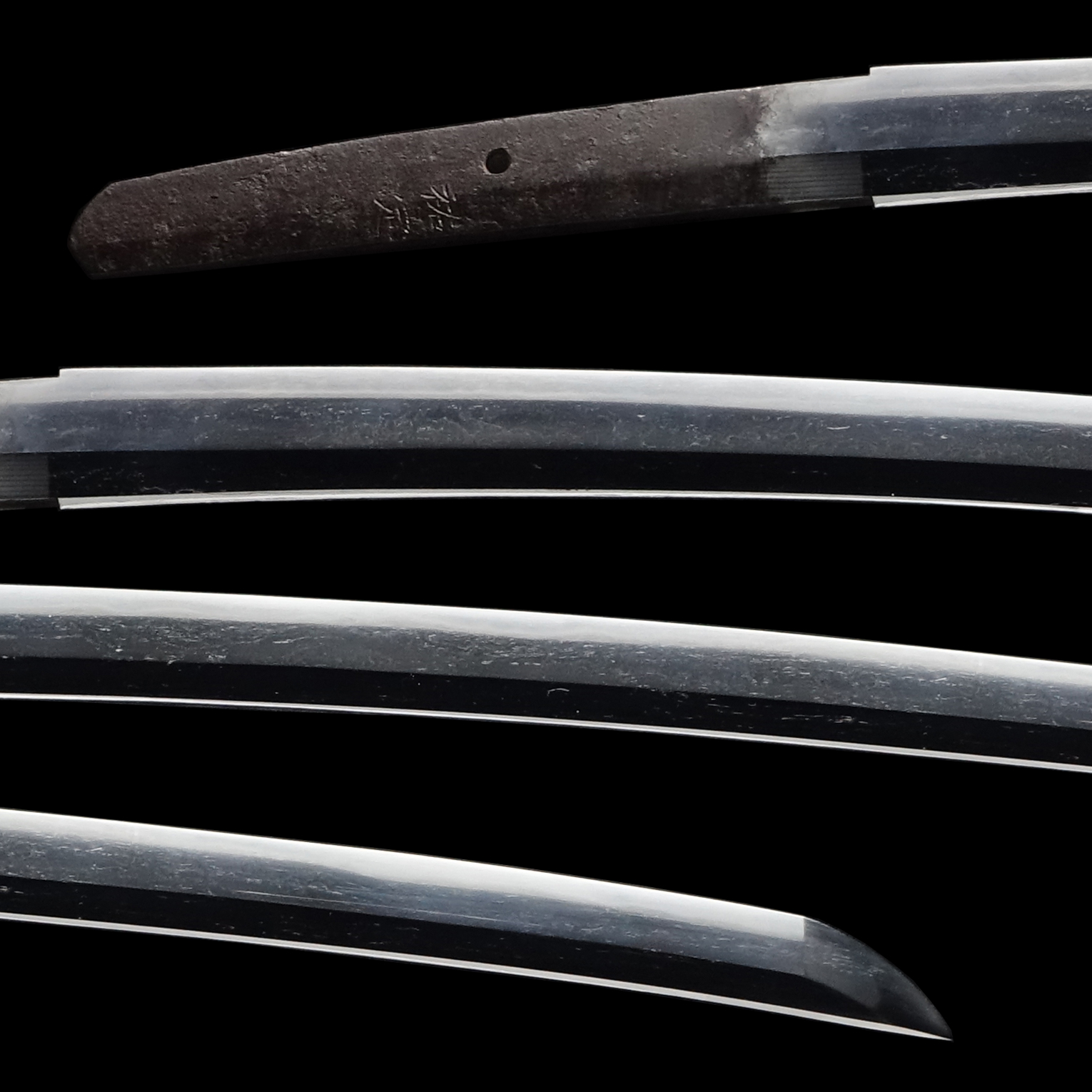
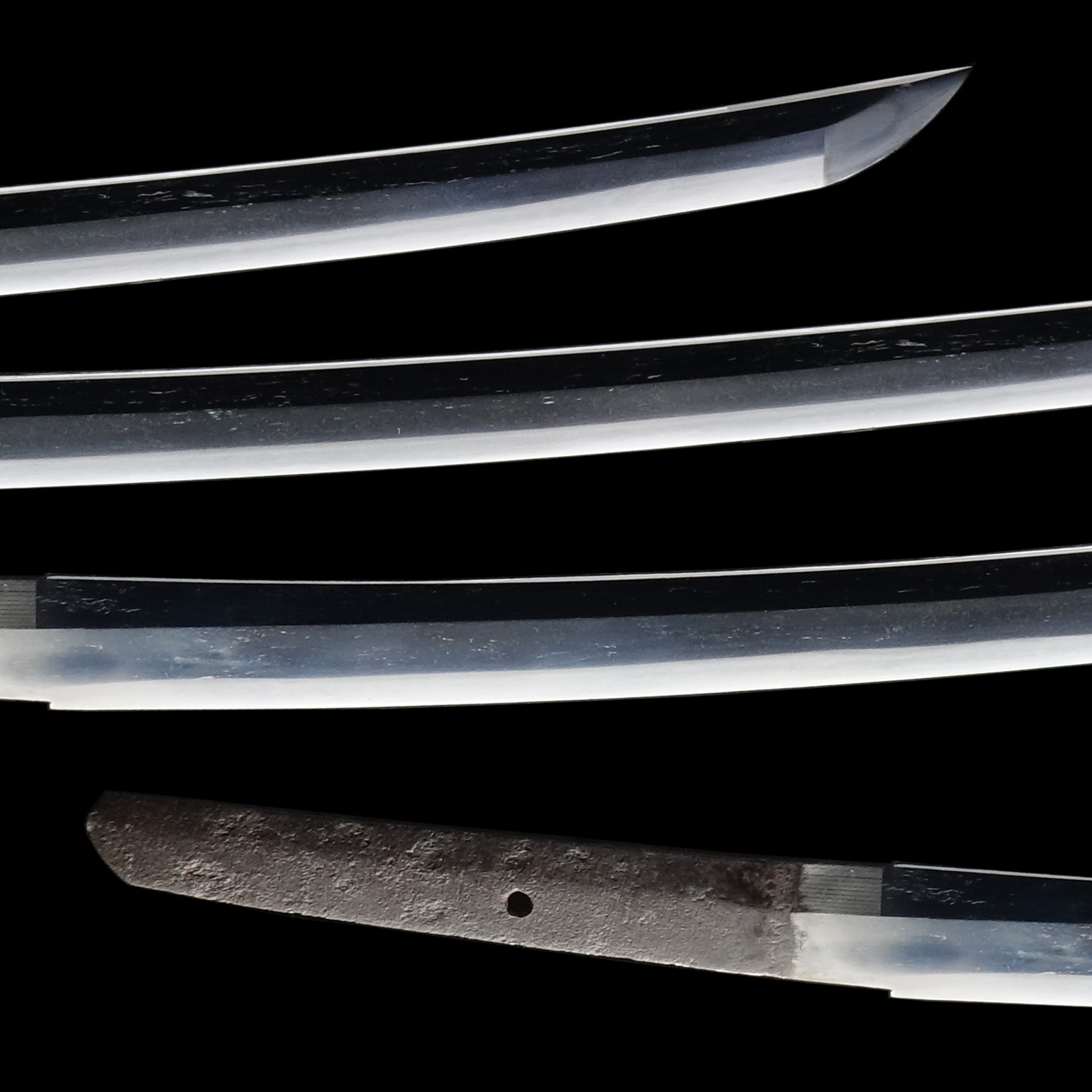
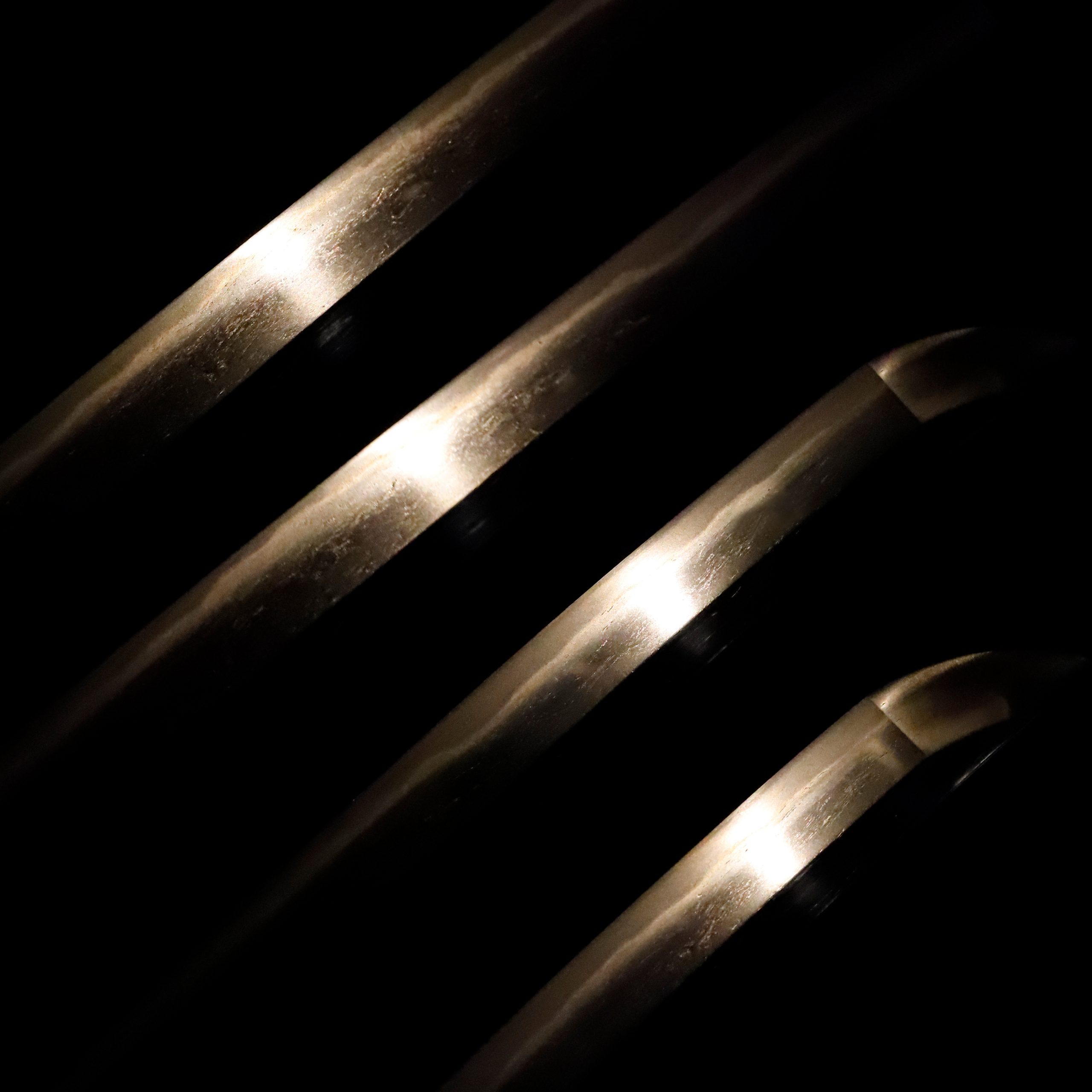
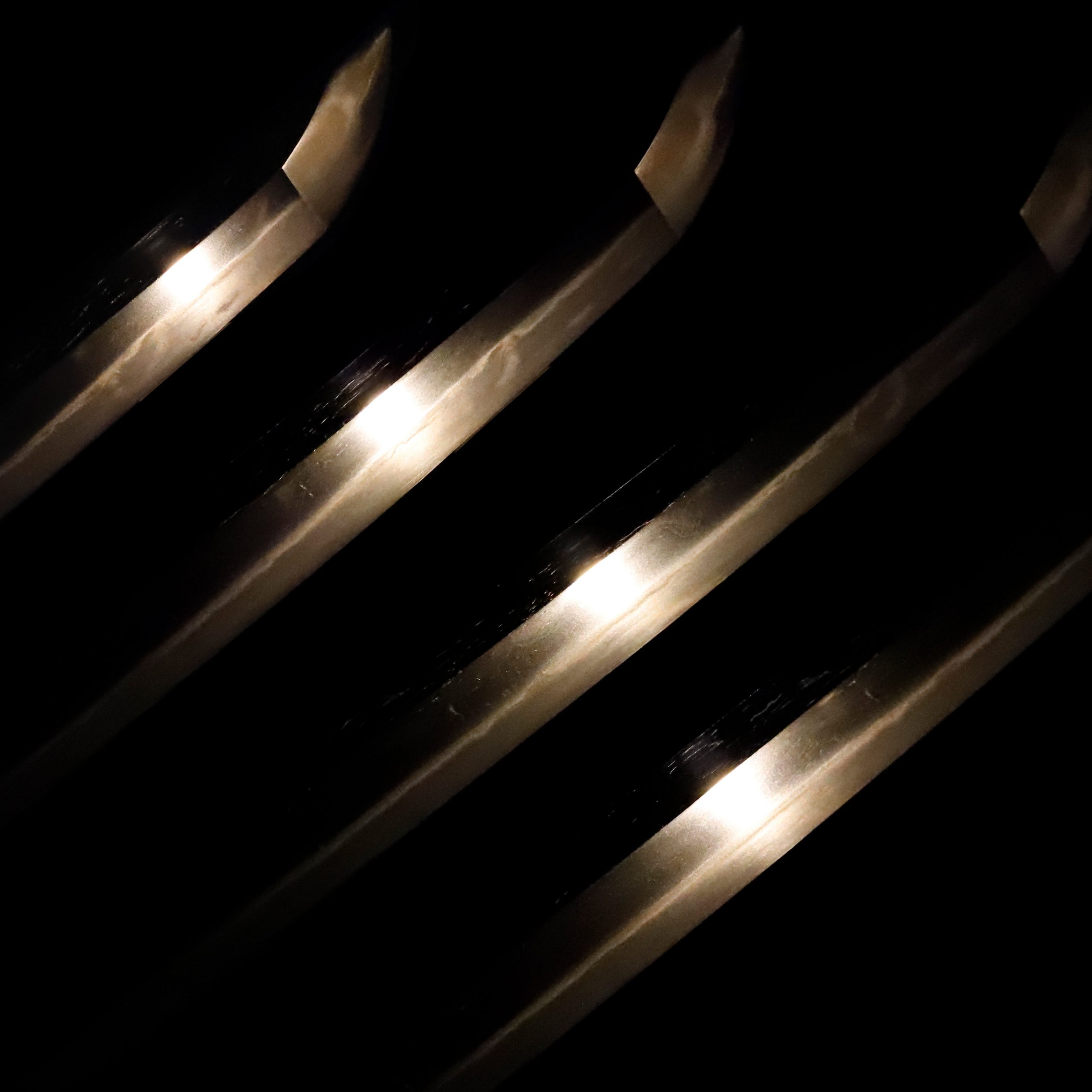
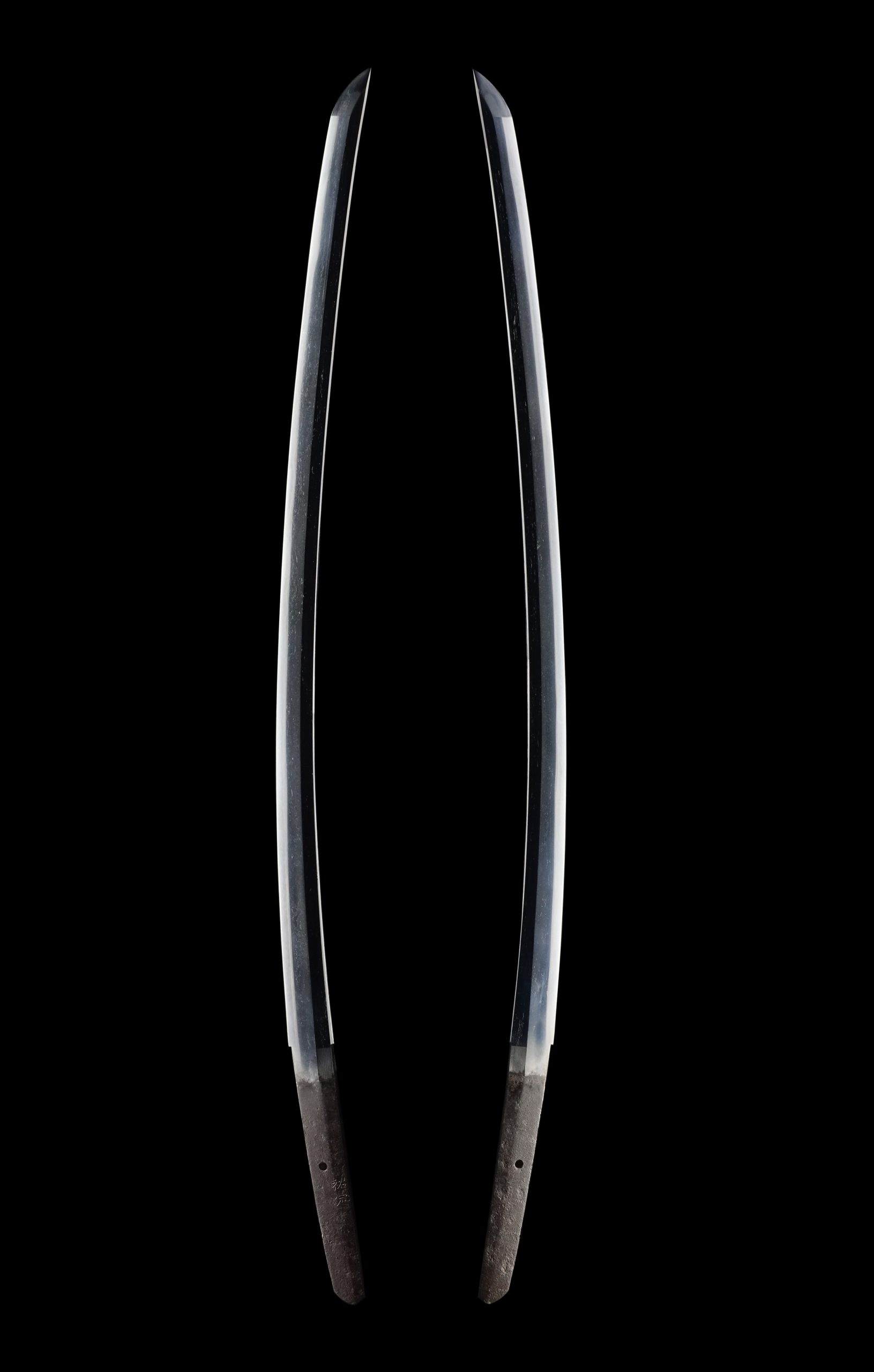
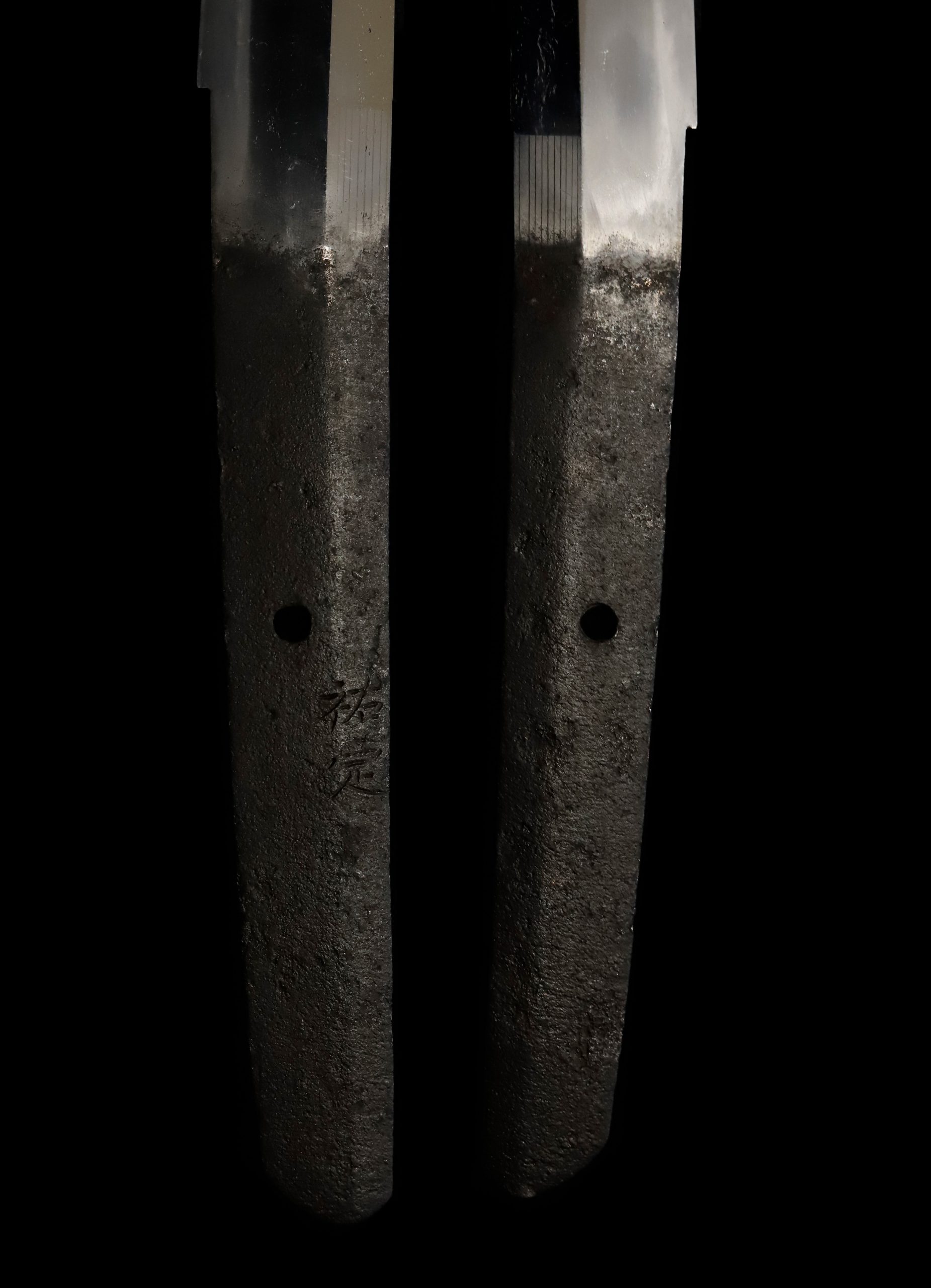
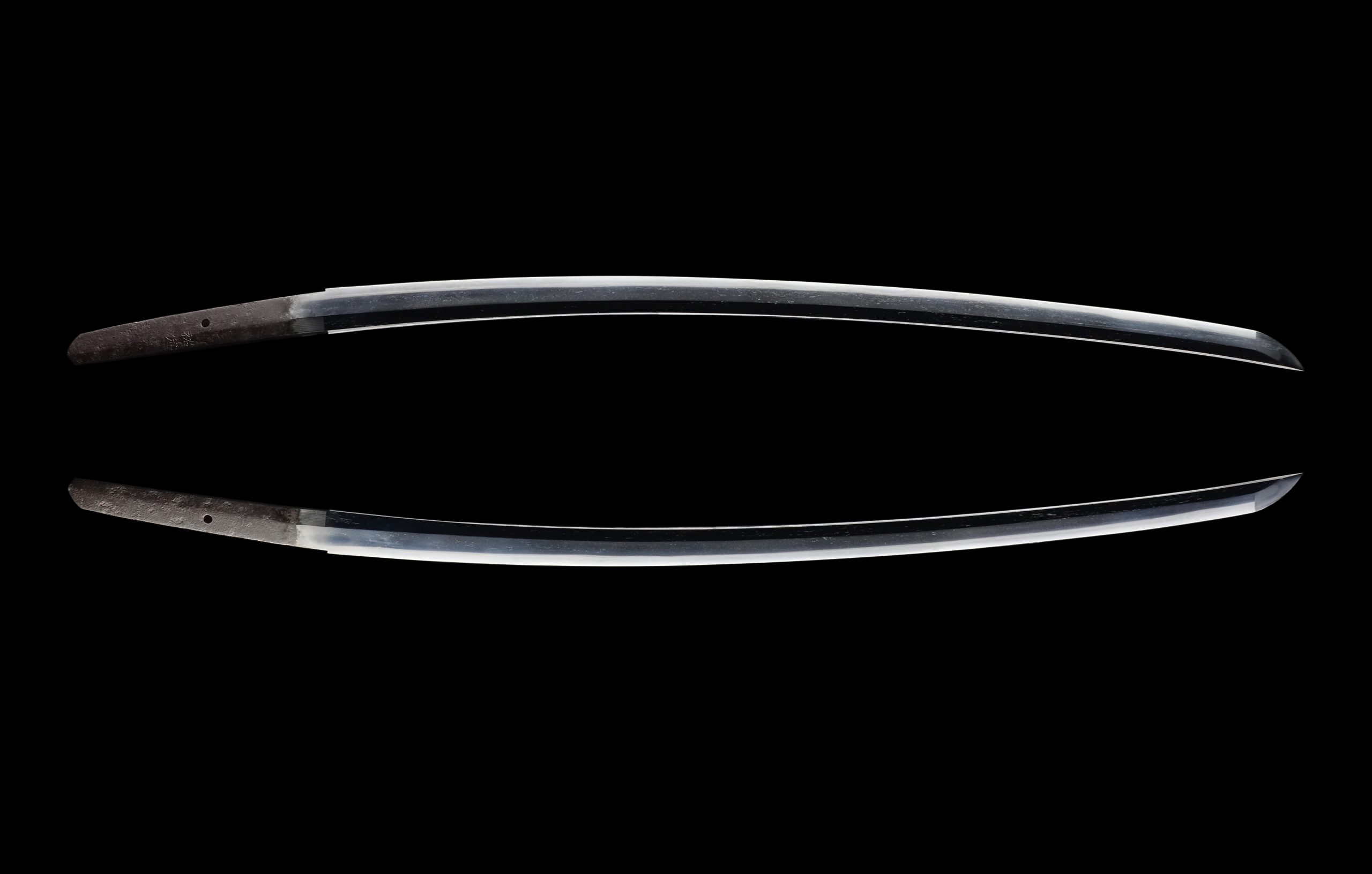
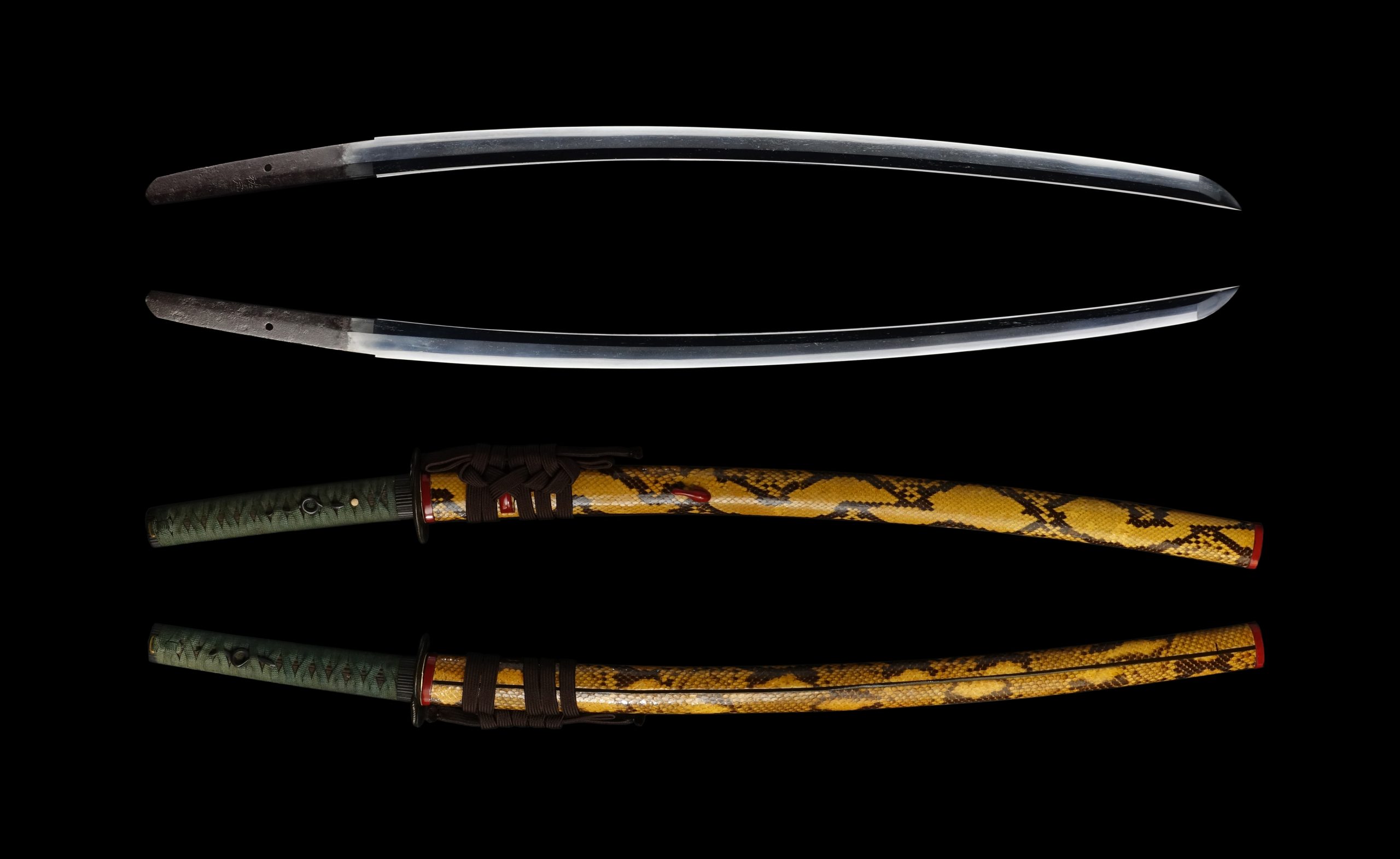
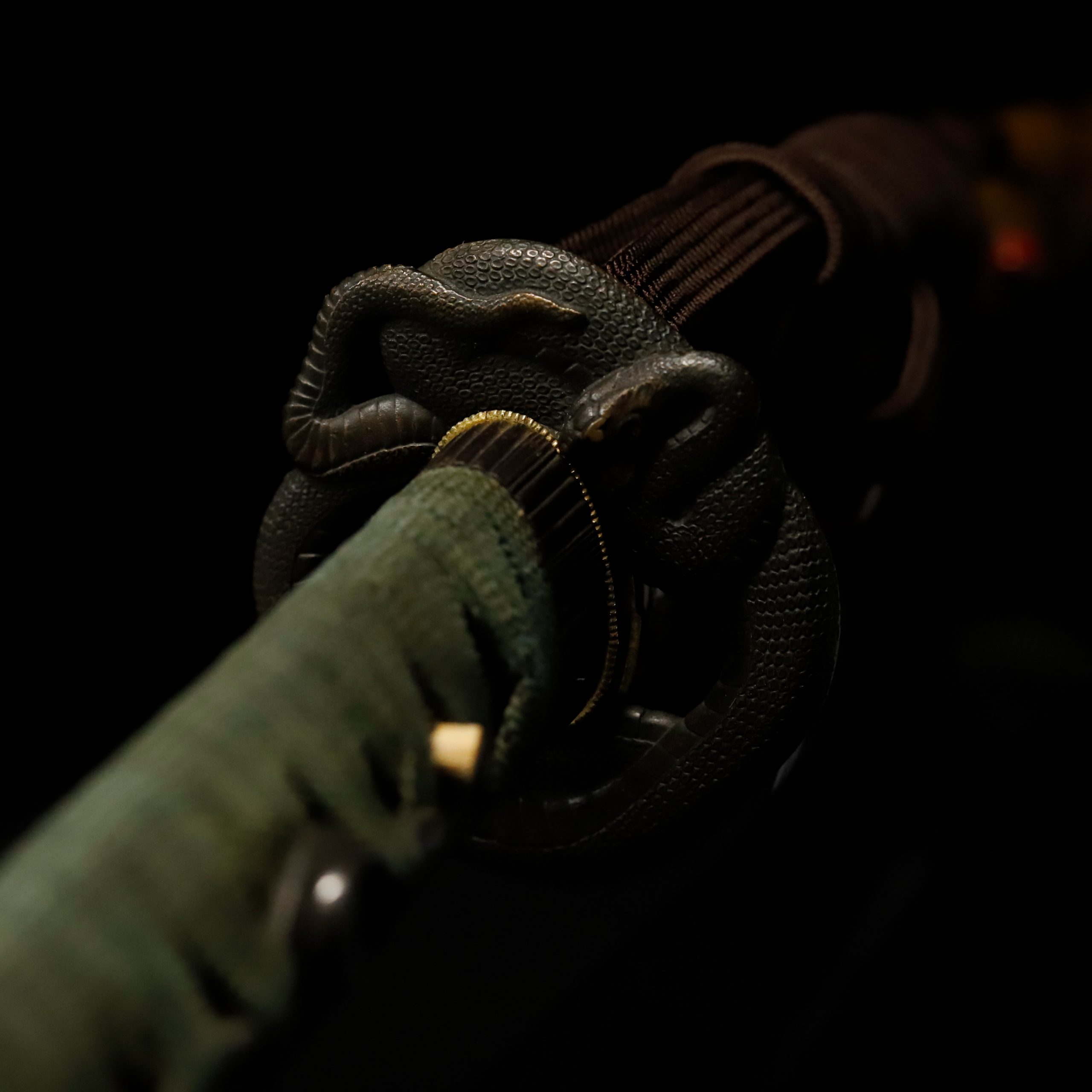
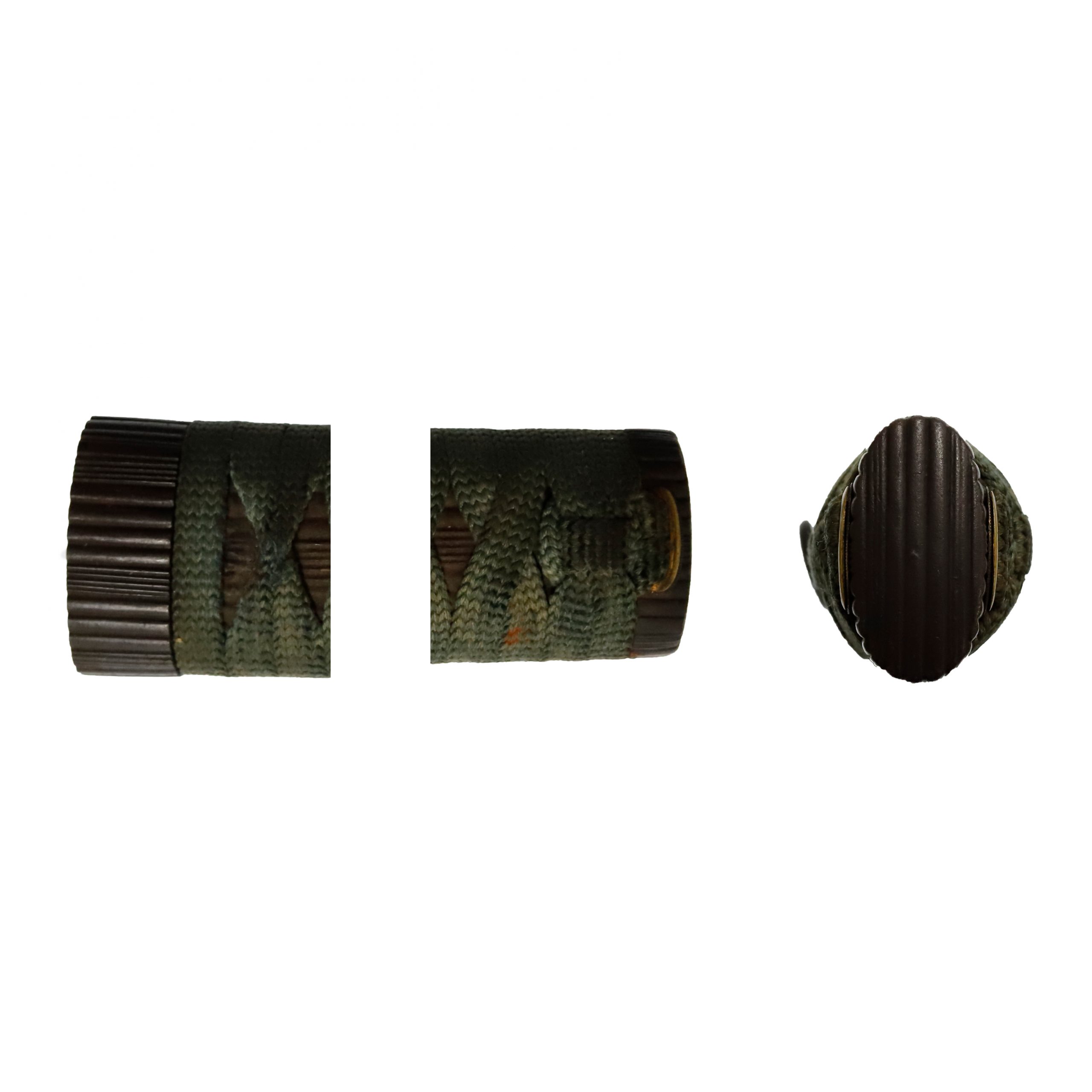
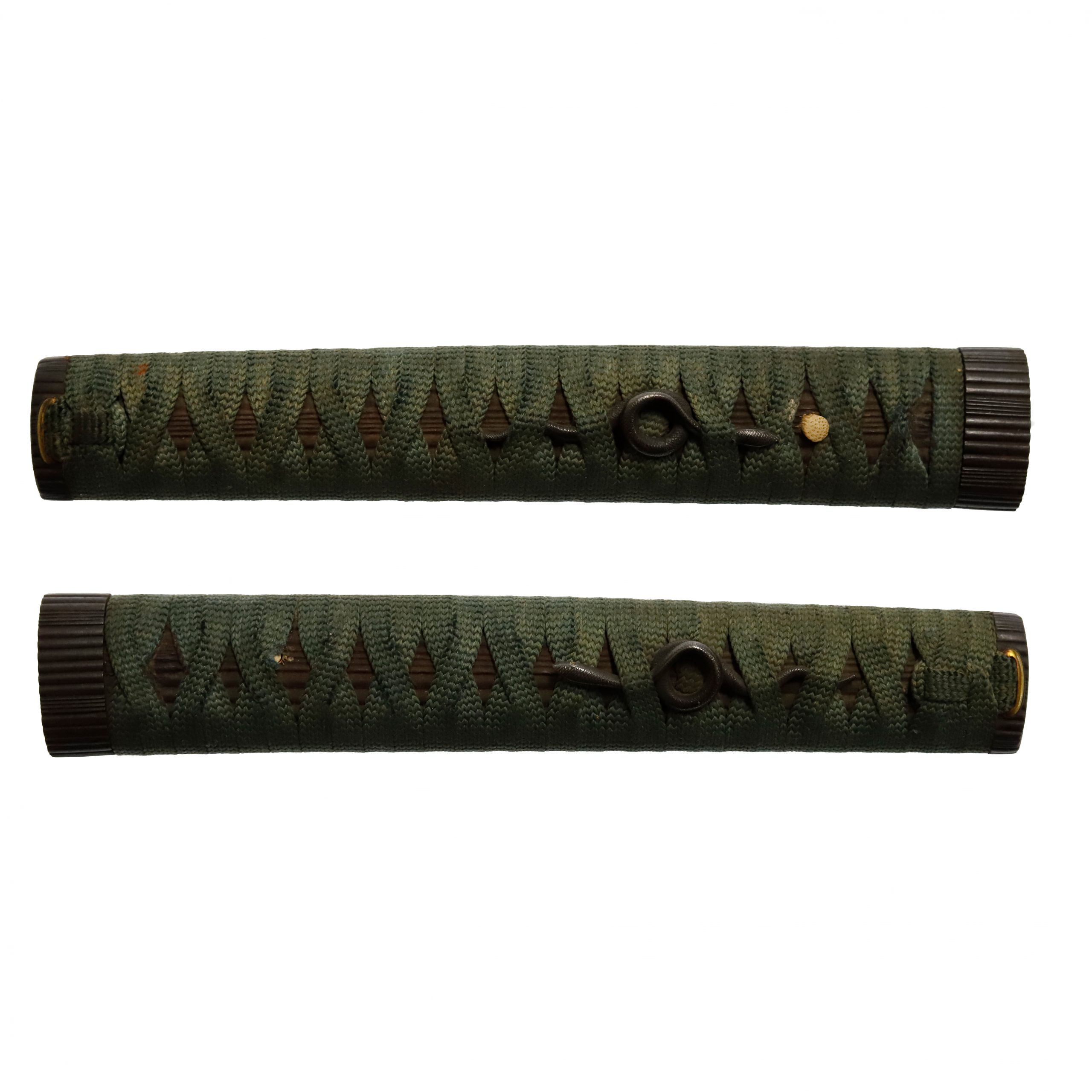
販売店の記載のまま
備前伝 · 備前 · 1532-1555頃
備前伝 · 備前
時期区分: 末備前· 1441–1596
現在51点販売中
嘉吉から文禄に及ぶ室町時代後期、長船派の最末期を画するのが末備前である。応永備前が古作への復古を志して優美な太刀姿と丁子刃を甦らせたのに続き、この期の長船鍛冶は戦国の世の旺盛な武器需要に応じて作刀の規模を一段と広げ、長船の名のもとに膨大な数の刀剣を世に送り出した。説示にあらわれる主要工は、勝光、宗光、貞光、治光、忠光、清光、春光、祐定の一群である。勝光は宗光・忠光と並ぶ巧者で、右京亮・次郎左衛門尉・修理亮など様々な俗名を冠する同名工を擁し、貞光や子の治光との合作銘も伝わる。祐定にあっては与三左衛門尉・源兵衛尉・彦兵衛尉を冠する者がとりわけ技術が高く、与三左衛門尉祐定は名品の数多くその筆頭に挙げられ、彦兵衛尉はその父と伝えて慶長まで数代を数える。清光は五郎左衛門尉と孫右衛門尉が筆頭格、春光は文明から文禄に及ぶ長期に同名数工があって十郎左衛門が最も知られる。この期には播磨・備前・美作の守護赤松政則が宗光・勝光の一党を陣中に招いて鍛刀の技を学び為打を遺したことも説示に見え、注文打と数打物とが併存した末期の様相をよく伝えている。 体配はまず時代を映す。身幅広く寸のつまり、重ね一段と厚く、踏張りがあって先反りつき、中鋒、茎は片手打に適した短いものとなる、室町後期特有の打刀姿である。鍛えは小板目肌がよくつみ、地沸が微塵につき、地景が細かに入って、淡くあるいは鮮明に乱れ映りが立つ。刃文の中心をなすのは末備前固有の腰の開いた互の目で、焼頭が割れて複式に乱れる複式互の目を基調に、尖り刃・尖りごころの互の目・小互の目を交え、足・葉頻りに入り、匂勝ちに小沸がつき、金筋・砂流しがかかり、処々に小さな飛焼を交える。さらに飛焼・棟焼が頻りにかかって皆焼風となる作もあり、帽子は乱れ込んで先小丸に長く返る。これは光忠の蛙子丁子、長光の丸い頭の丁子、景光の片落ち互の目といった古長船・相伝備前の整然たる丁子主調とは趣を異にし、応永備前の腰開き互の目をさらに崩して量感と変化に向かわせた戦国期の姿である。同時に勝光のように乱れの中へ丁子を多く交えて一段と華やかに焼き、忠光や清光のように直刃の上手として定評を得る工もあり、作域は広い。 鑑定にあっては、まず乱れ映りで備前と読み、つまった寸と厚い重ね、先反り強き打刀姿で時代を末備前に定める。次に俗名と作風で工を分かつ。乱れの中に丁子を多く交えた華やかな出来は勝光、複式風の互の目に飛焼を交えてやや皆焼がかるは与三左衛門尉祐定、板目に杢を交えてやや肌立つ直刃は孫右衛門尉清光、直刃に佳作多きは彦兵衛尉祐定、というように看どころが工を指し示す。表裏に施された梵字・蓮台や棒樋連樋の刀身彫もまた末備前の特色をよく示し、長光景光以来の彫の伝統がこの期まで継承されたことを物語る。代表作には、勝光・貞光合作の明応八年紀の薙刀、勝光・治光父子合作の大永七年紀の短刀、与三左衛門尉二代の元亀元年紀の刀があり、合作銘や所持銘・添銘を伴う注文打は、末備前とそれを支えた三宅氏のごとき在地の氏族を知る上でも資料性が高い。 詳しく見る →
室町時代の備前
室町の長船は輸出産業であった。明との勘合貿易はおよそ十二万八千振の日本刀を海の彼方へ運び、国内では戦国の軍勢が買い手となった。注文主の俗名を銘に刻む注文打ちが、兵卒用の数打ち物と並んで鍛えられている。
銘が正しい、または無銘でも年代・国・系統を確実に指摘できる、保存に値する真正の作と鑑定されたものです。
日本美術刀剣保存協会(NBTHK)は、1948年に設立され、文化庁の監督を受ける公益財団法人で、東京・刀剣博物館に本部を置きます。専門の審査員が出品作を直接審査し、美術的・歴史的価値に応じた鑑定書を発行します。NBTHKの鑑定書は、日本刀および刀装具の真正性を示す最も広く認知された基準です。
NBTHK公式サイトReturns/exchanges limited to defects caused by shipping (except willful misconduct or gross negligence by the company); customers must contact within 72 hours of receiving the product.