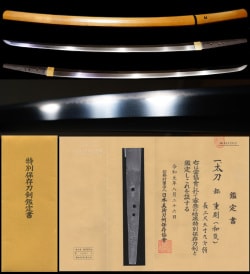
鎌倉時代は備前の頂点である。伝えでは一文字派の工が後鳥羽上皇の御番鍛冶に列し、世紀の半ばには光忠が長船派を興して、注文は公家からも武家政権からも流れ込んだ。国宝刀剣の数で備前に並ぶ国はない。
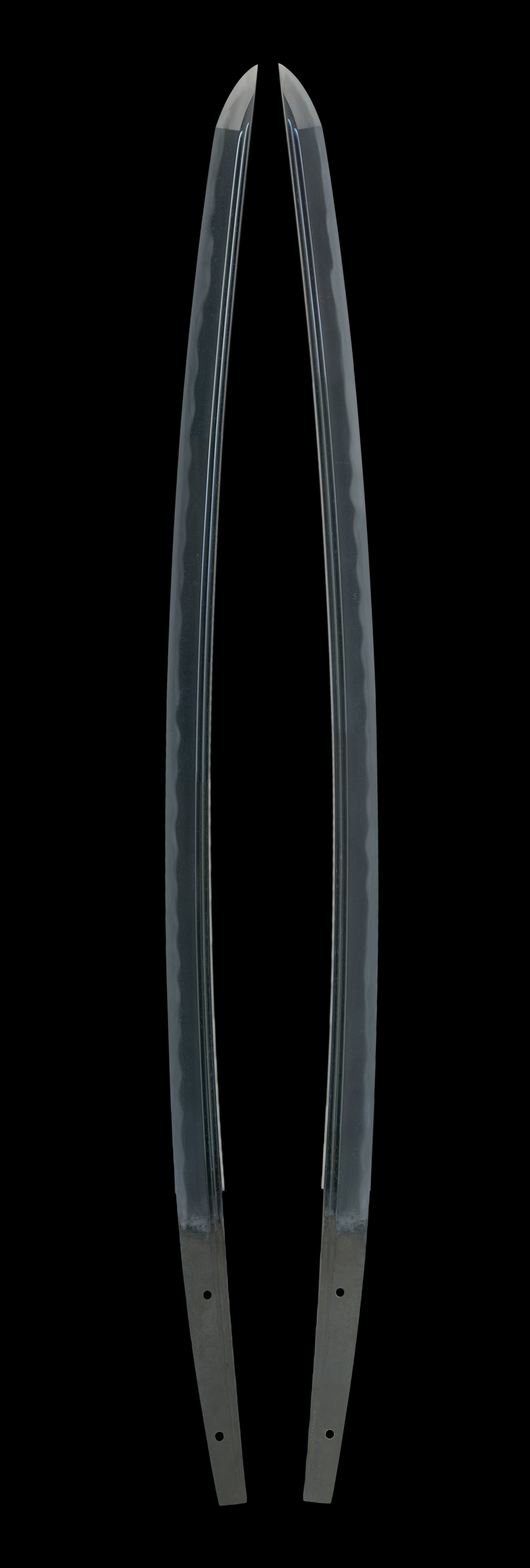
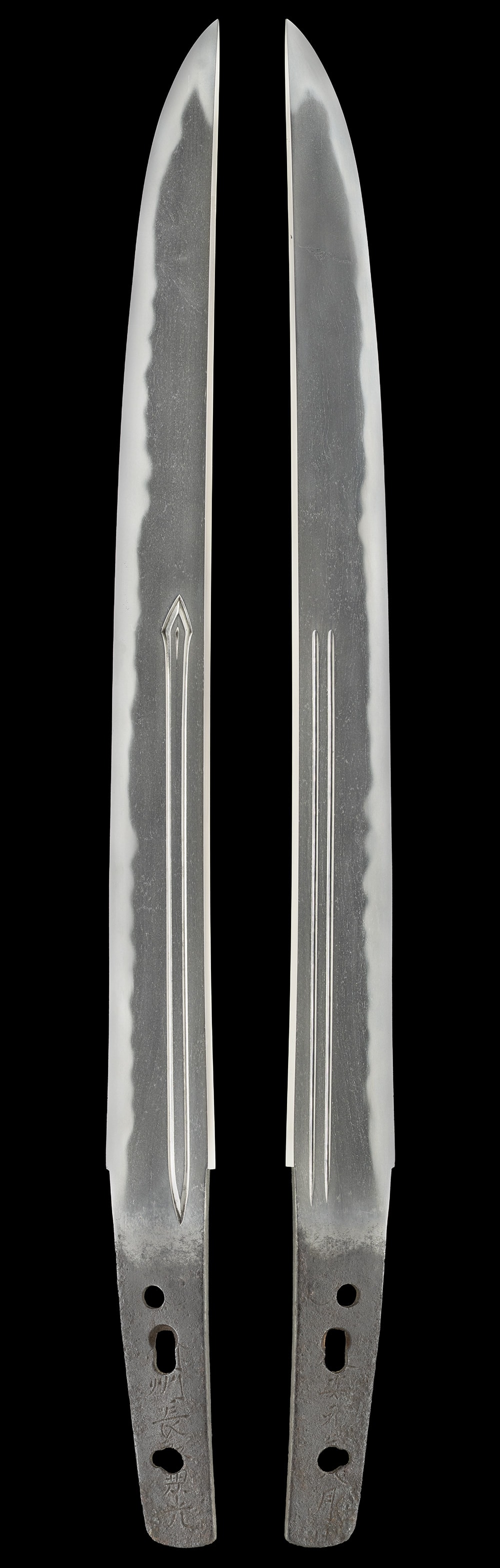
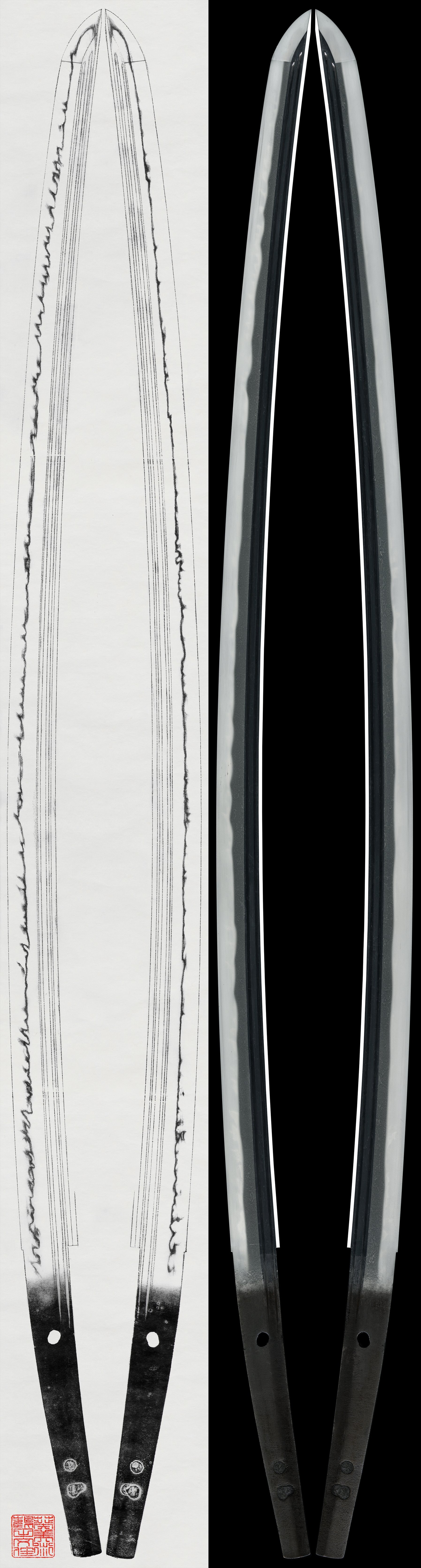
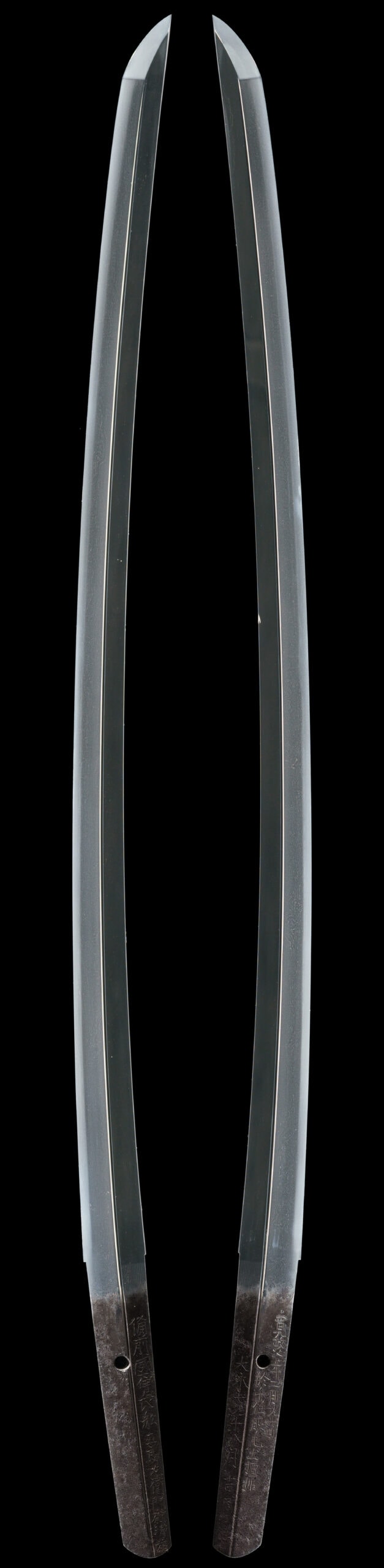
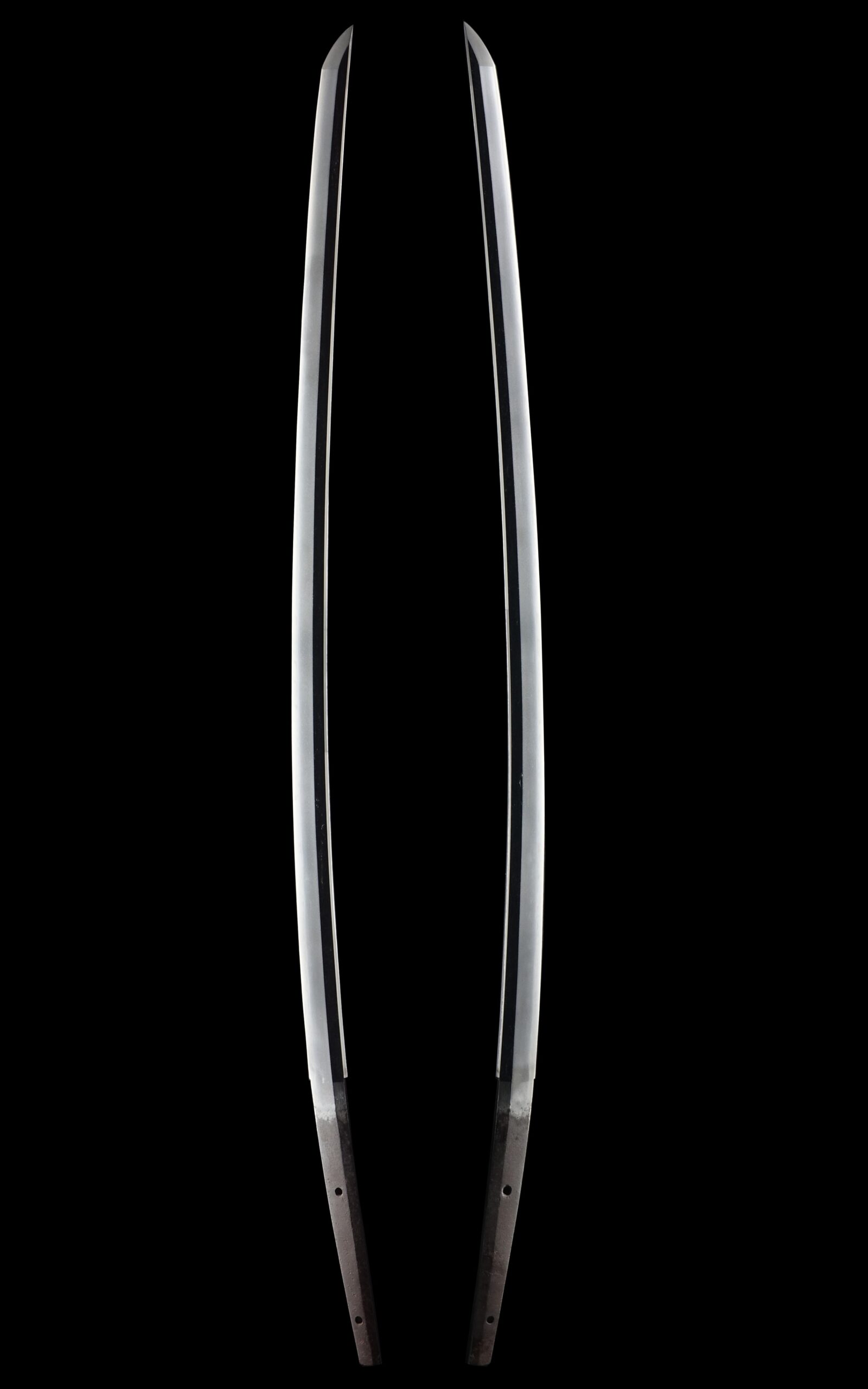
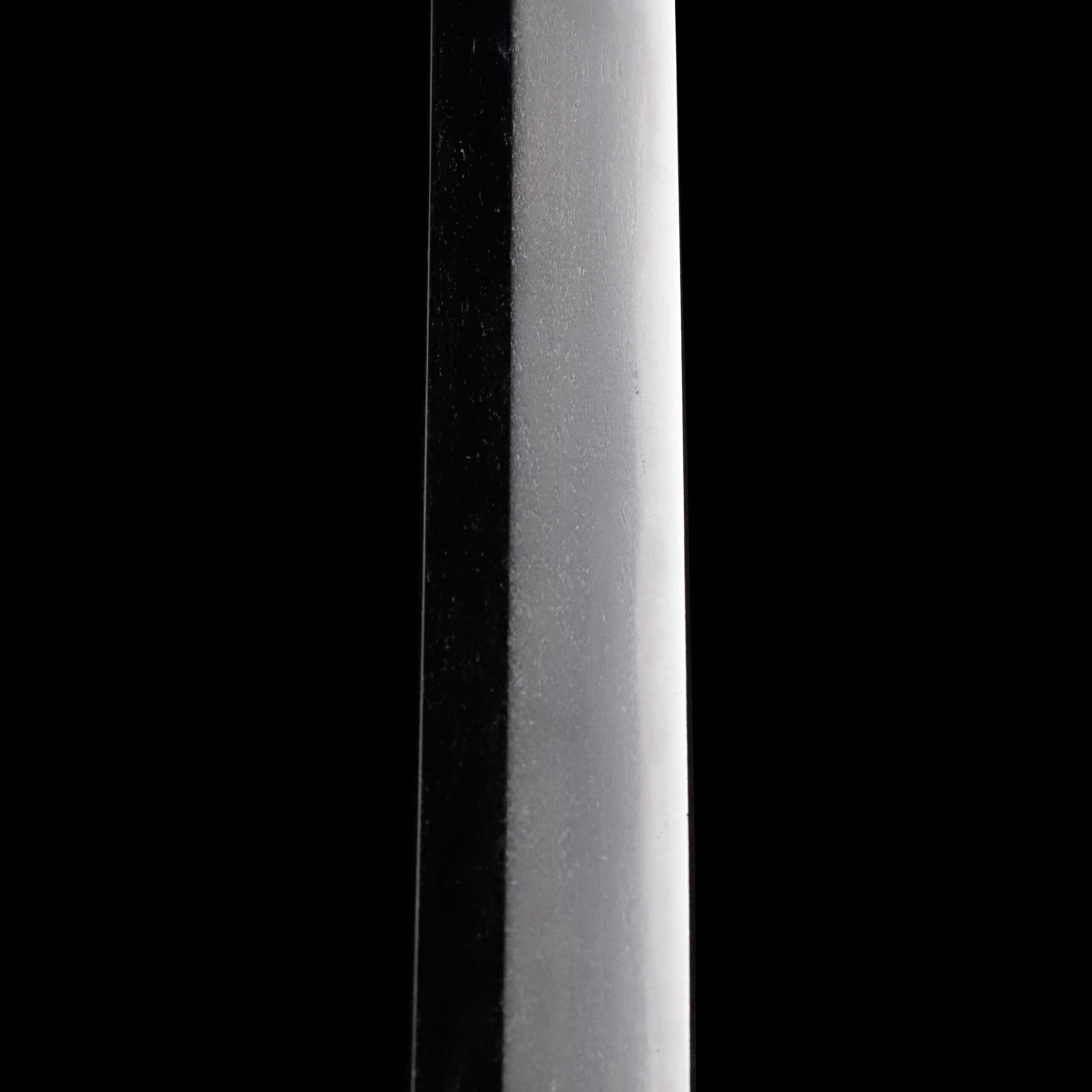
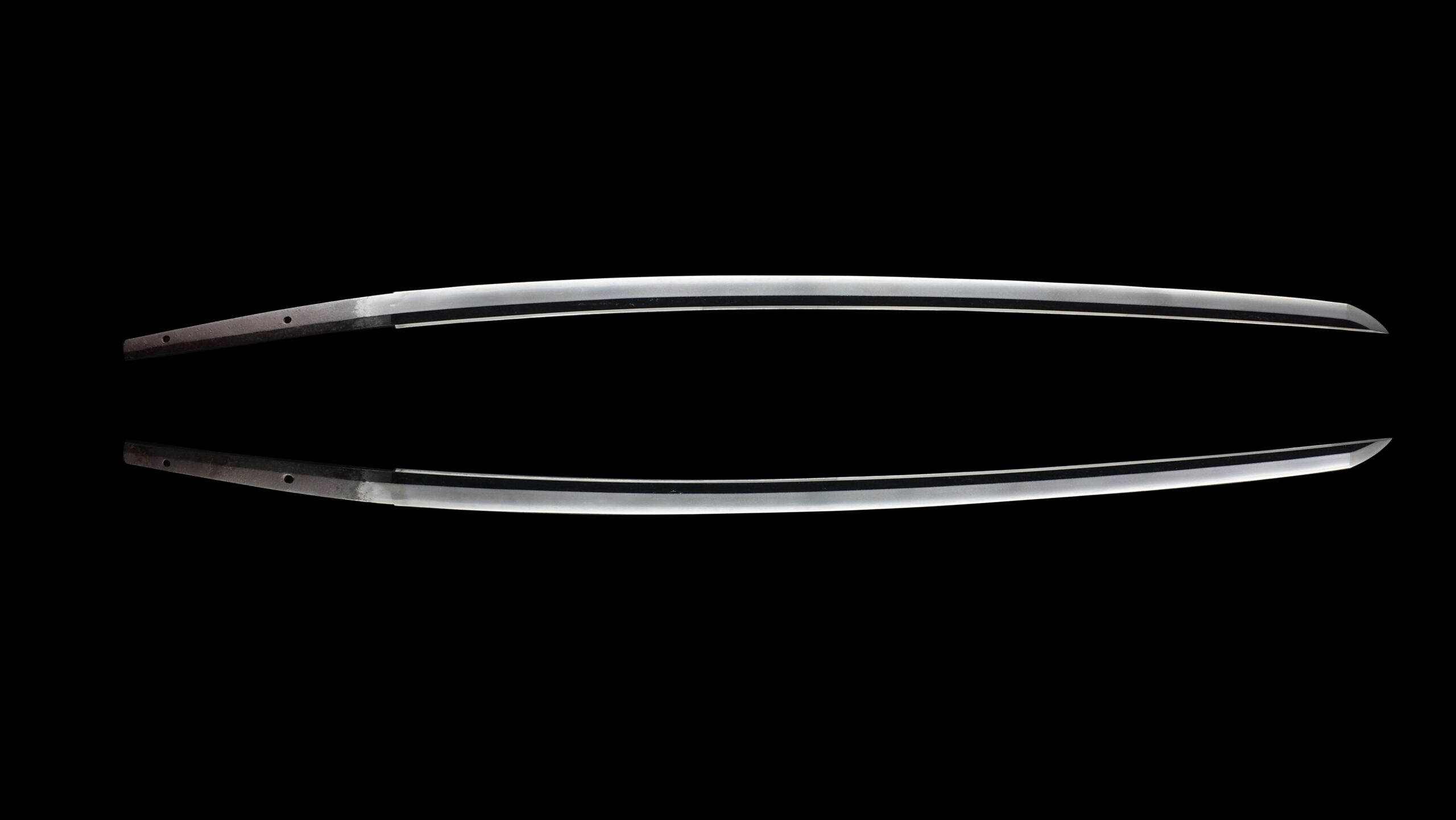
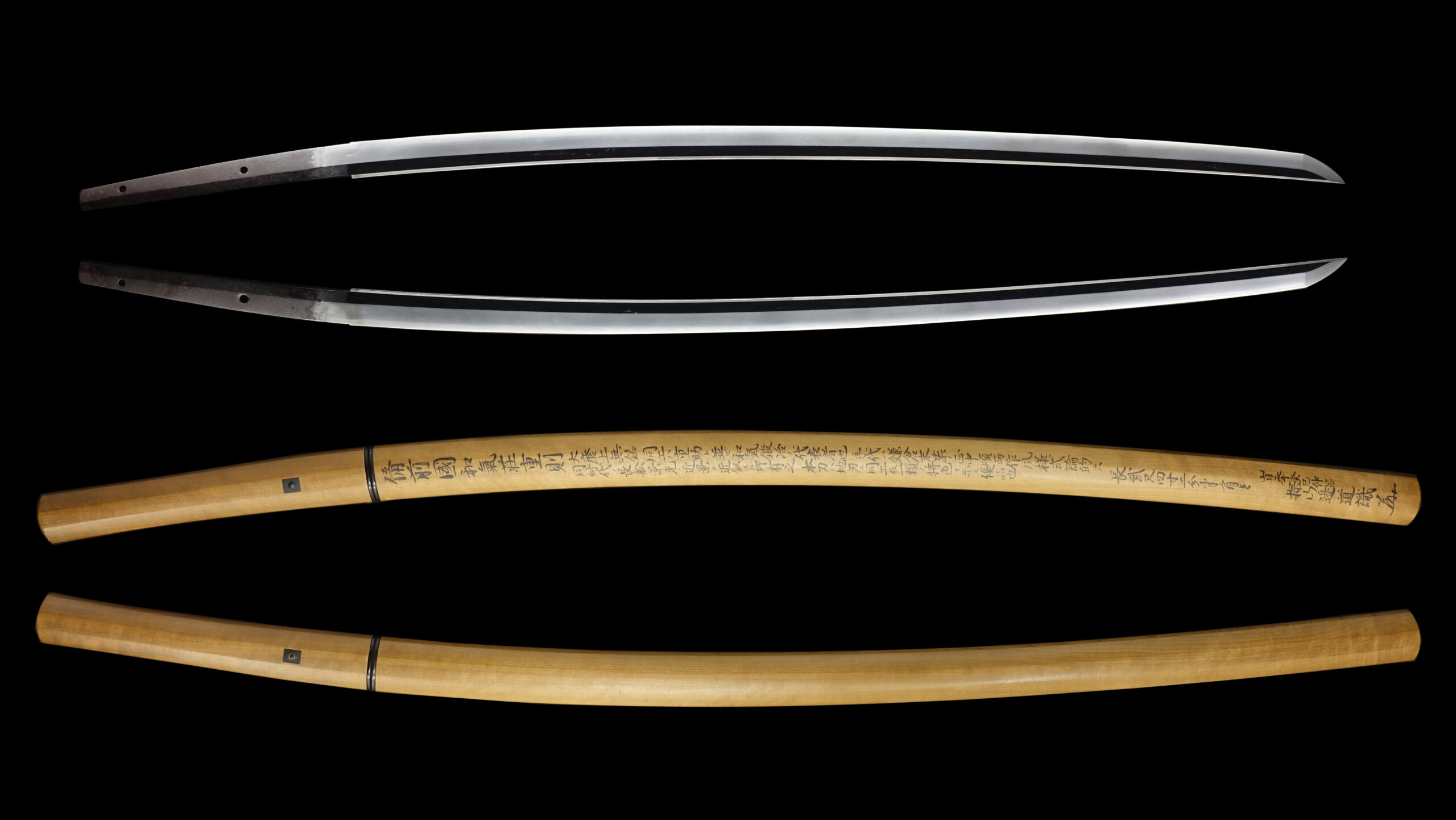
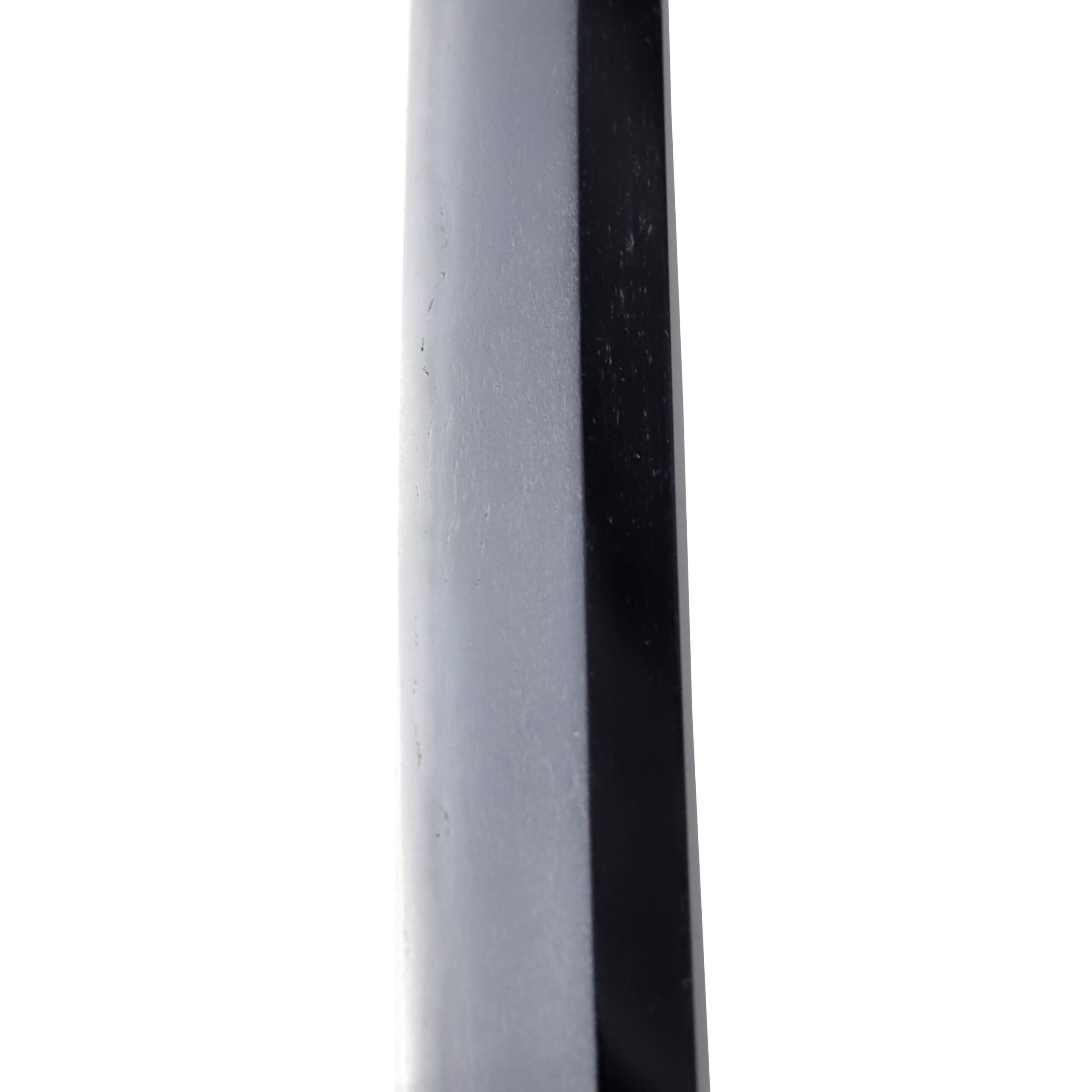
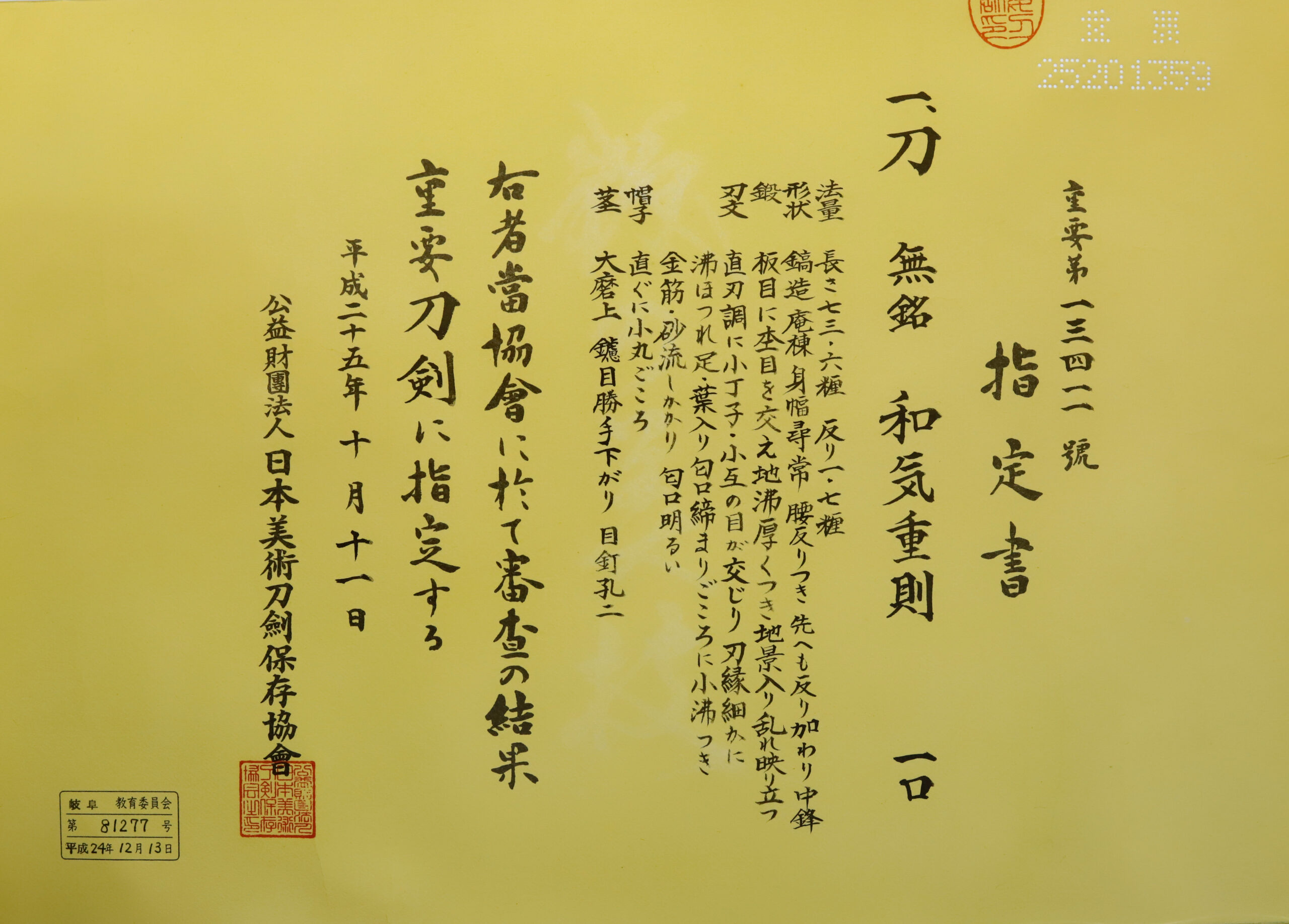
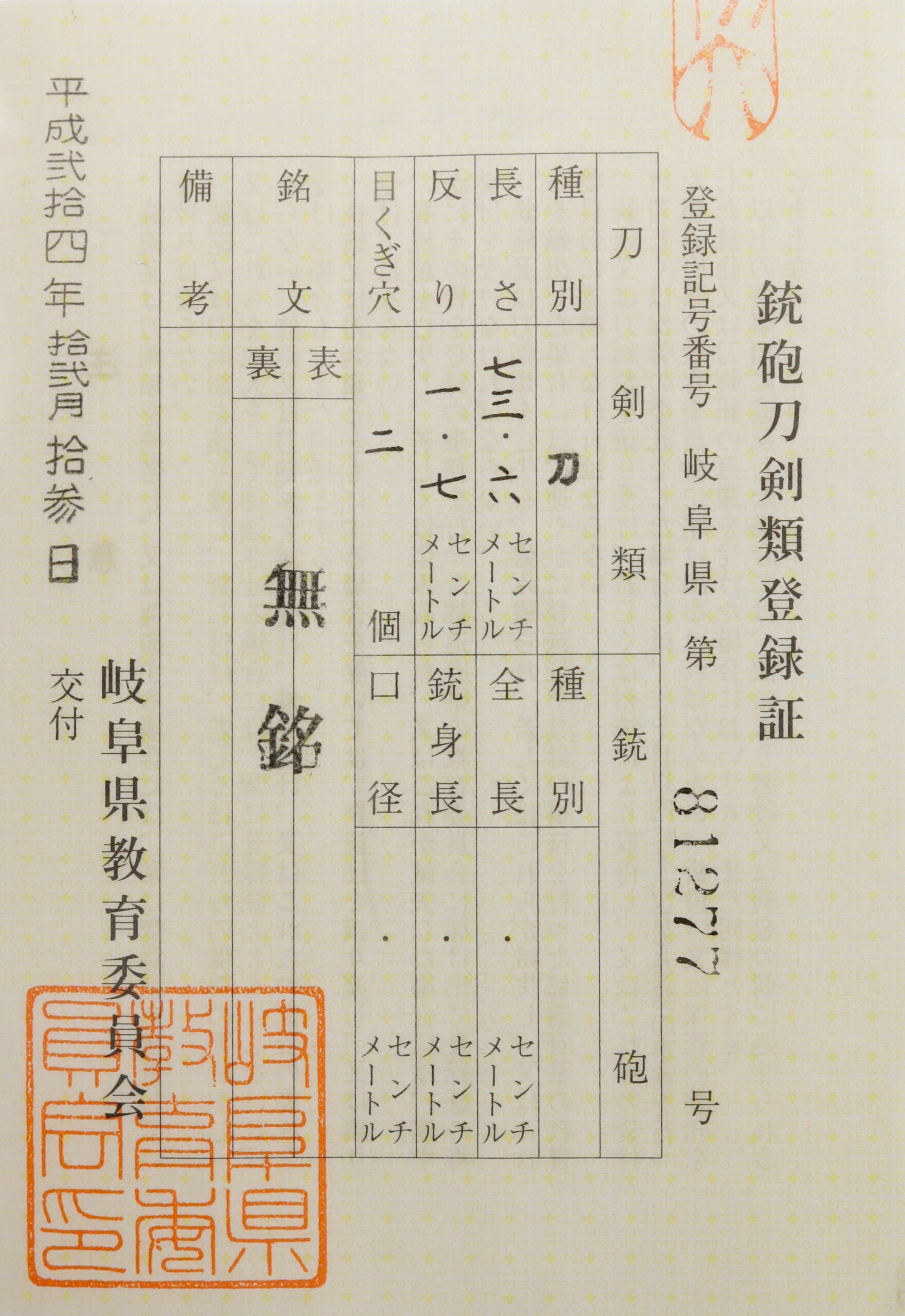
和気重則(伝) 刀 日本美術刀剣保存協会(NBTHK) 重要刀剣 指定品 【解説】 本作は、鎌倉時代末期(約700年前)に備前国(現在の岡山県)で活躍した和気重則(わけしげのり)の伝承を持つ名刀です。「和気」は同国の地名に由来します。重則の現存する有銘作には正中三年(1326年)や嘉暦三年(1328年)の年紀を持つものがあり、その作風は備前国最大の流派である長船派に近似しています。重則は国宗派に属する工と伝えられています。 備前国は中国山地に近く、日本刀の主原料である良質な砂鉄が豊富に産出されました。さらに吉井川の流域に位置したことで、刀剣製作に不可欠な水や炭(薪)の確保にも恵まれていました。こうした地勢的優位性が、備前鍛冶による高品質な洗練された刀造りを支えたのです。備前における作刀の歴史は古く、平安時代後期には「古備前」と呼ばれる職能集団によって備前伝の基礎が築かれました。 本刀は後世に大きく磨上げられていますが、現状でも二尺四寸三分(73.6cm)の長さを保っています。元の刃長は二尺六寸(80cm)を超えていたと推測され、当時の持ち主はこれほどの長刀を使いこなす手練れの武士であったことが伺えます。その製作年代から、当初は太刀として打たれた一振りです。 本作は、日本美術刀剣保存協会(NBTHK)により「重要刀剣」に指定されています。重要刀剣とは、特別保存刀剣よりもさらに上位の格付けであり、極めて保存状態が良く、美術的価値が特に高いと認められた真作にのみ与えられる称号です。重要刀剣の審査を受けるには、まず特別保存刀剣に合格していることが条件となります。現存する古刀の中でも重要刀剣に指定されるものは極めて稀であり、愛刀家にとって垂涎の逸品と言えます。 ※本作には、鍛え傷が数箇所見受けられます。あらかじめご了承ください。 【刀身】 長さ(Nagasa):73.6 cm 反り(Sori):1.7 cm 刃文(Hamon):焼入れによって刃先に現れる結晶構造。 地鉄(Jihada):折り返し鍛錬によって現れる鋼の表面模様。 茎(Nakago):刀身の柄に収まる部分。 鎺(Habaki):刀身を鞘の中に固定し、刀身が鞘の内側に触れるのを防ぐ金具。錆や欠けを防止する役割も持つ。 鑑定書:日本美術刀剣保存協会(NBTHK) 重要刀剣指定証(第13411号) NBTHKは、現代日本において最も権威ある刀剣鑑定機関の一つです。本刀は平成25年(2013年)10月11日に、日本の文化財として後世に継承すべき価値を持つ「重要刀剣」として指定されました。ご購入者様にはこの原本をお渡しいたします。ご希望があれば、鑑定書の内容を英訳したPDFファイルを作成することも可能です。 登録証番号:岐阜県 第81277号 本刀には岐阜県教育委員会発行の「銃砲刀剣類登録証」が付属しています。文化庁により、伝統的な鍛錬法で玉鋼を用いて製作された美術品として認められた刀剣です。日本国内において、この登録証と共に本刀を合法的に所有することが可能です。海外輸出の際は、この登録番号に基づき輸出監査証明を申請いたします。 (※海外発送の際、登録証原本は教育委員会へ返納する必要がありますが、写しを同封いたします。)
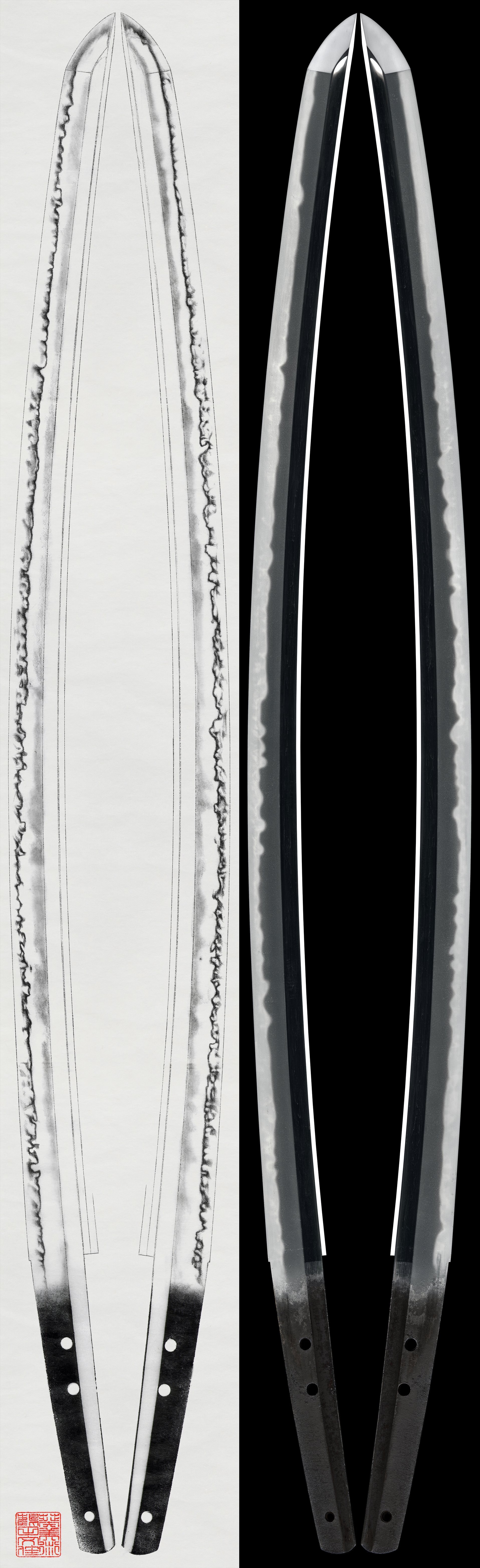
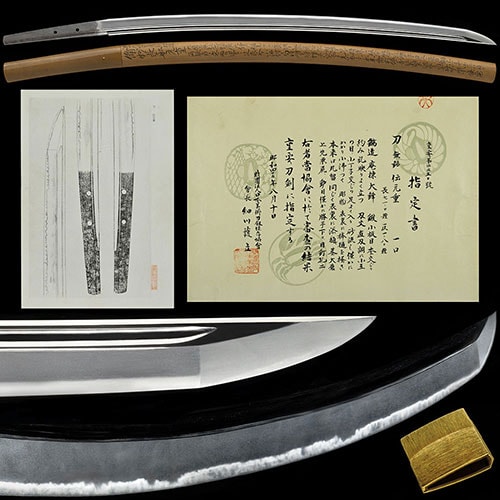
鎌倉時代末期に備前和気圧に在住した刀工に重則と重助がいる。重則には正中三年・嘉暦三年紀の作が現存し、また重助には嘉暦三年の作 があり、その活躍期を窺い知ることができる。その作風は板目に乱れ映りが現われ、刃文は直刃調に小互の目を交え、帽子は浅くれて小丸に 返るなど当時の長船刀工に近いものがある。 この刀は地鉄は板目に杢目を交え、乱れ映りが立ち、刃文は直刃調に小丁子・小互の目が交じり、足・葉入り、匂勝ちに小沸つくなど、一見 鎌倉後期の長船正系を思わせるものがあるが、仔細に見れば鍛えが総体に細かく肌立ち、刃縁が細かに沸ほつれるなど、地刃にいささかの野趣 があり、ここに和気の極めが首肯される。 長寸で反りの高いしっかりとした造り込みであり、刃縁には一際光の強い刃沸がきらめき、優れた出 来映えである。
 NihontoWatch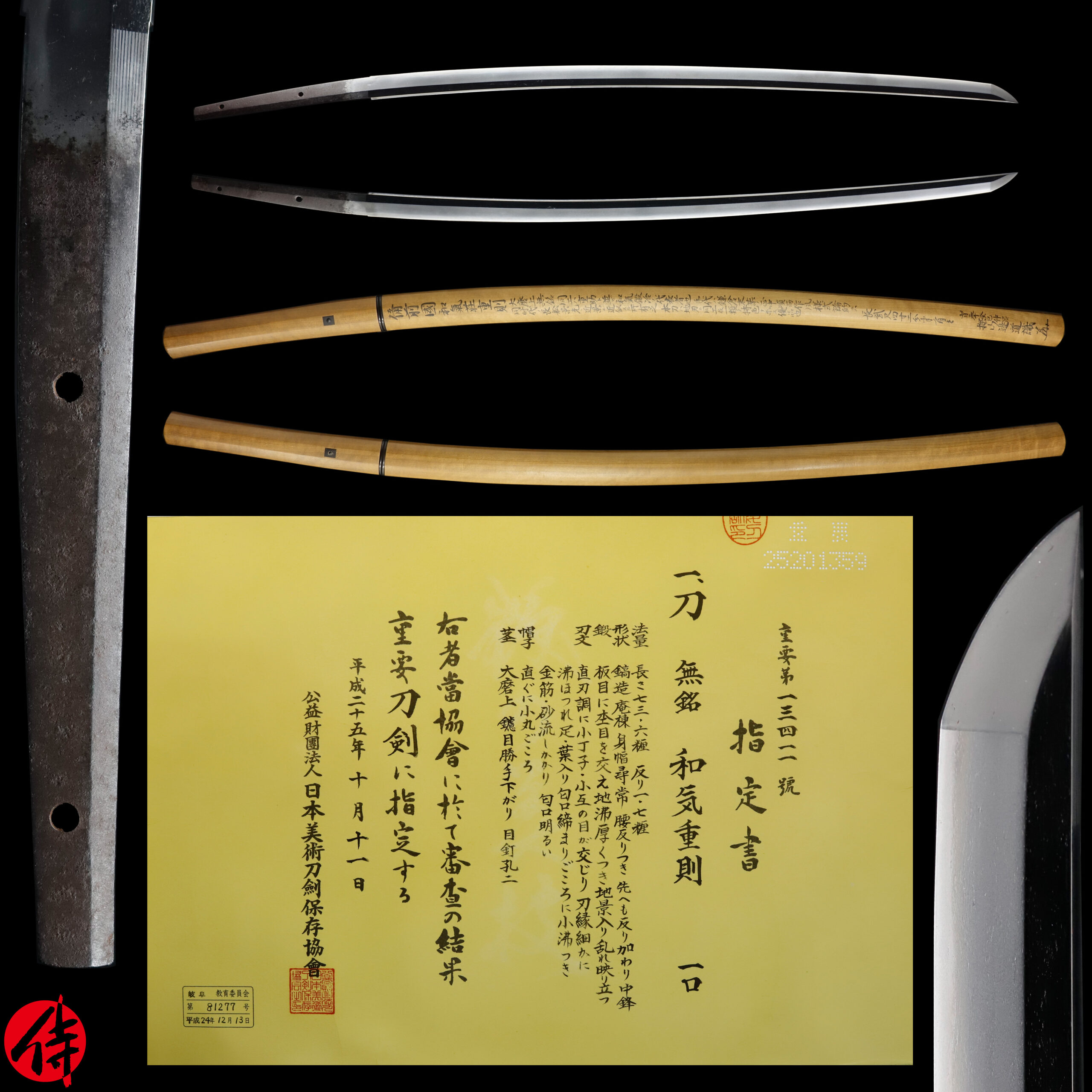
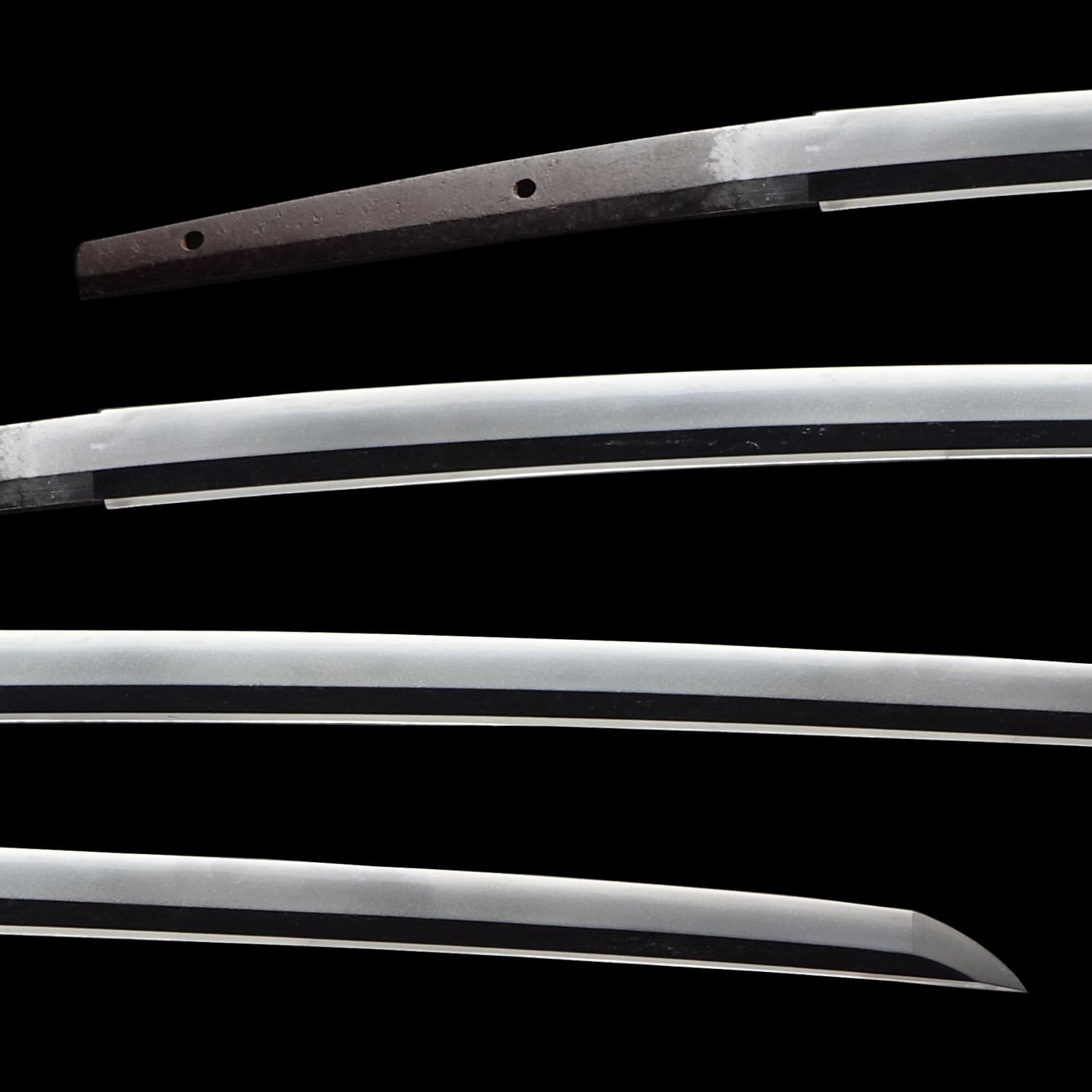
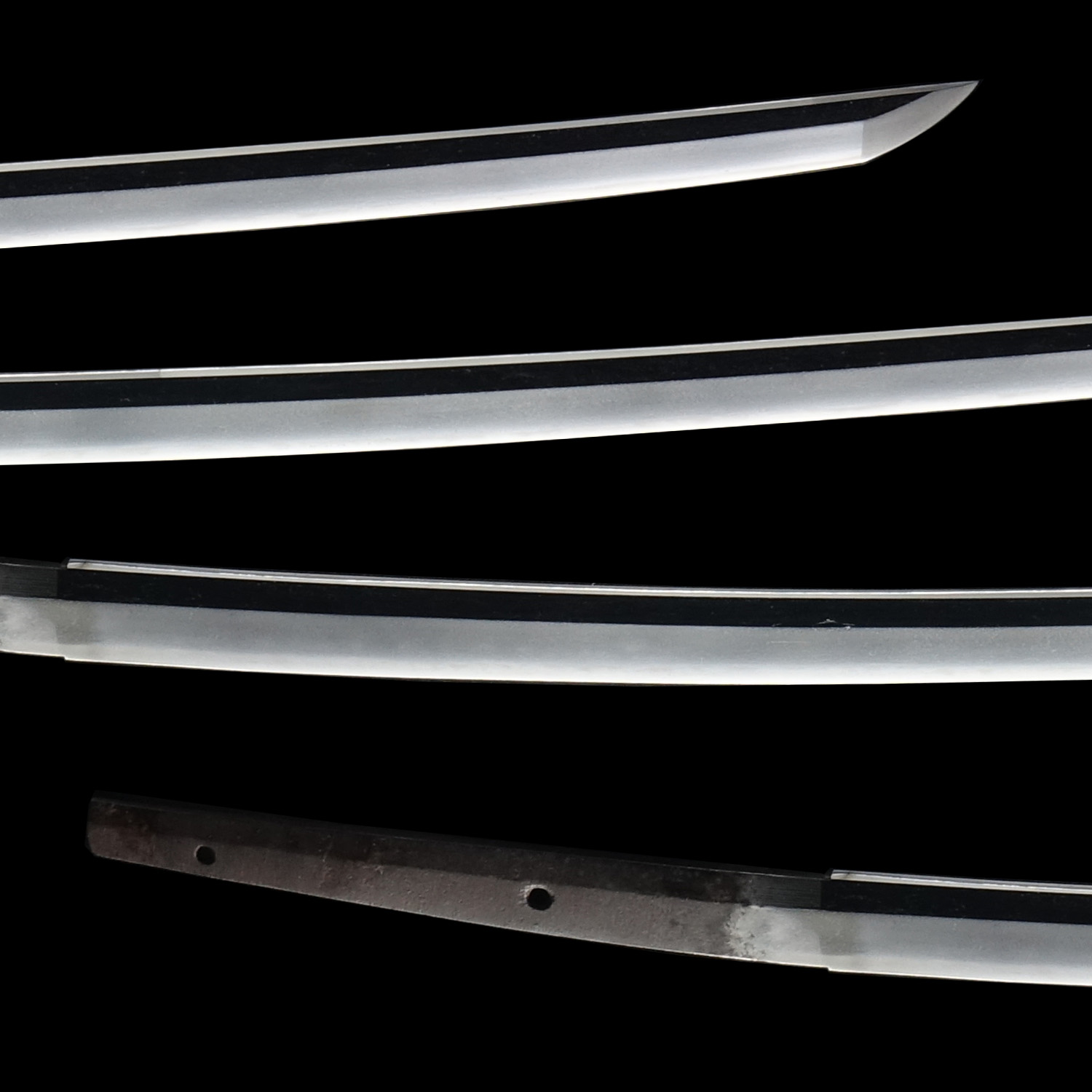

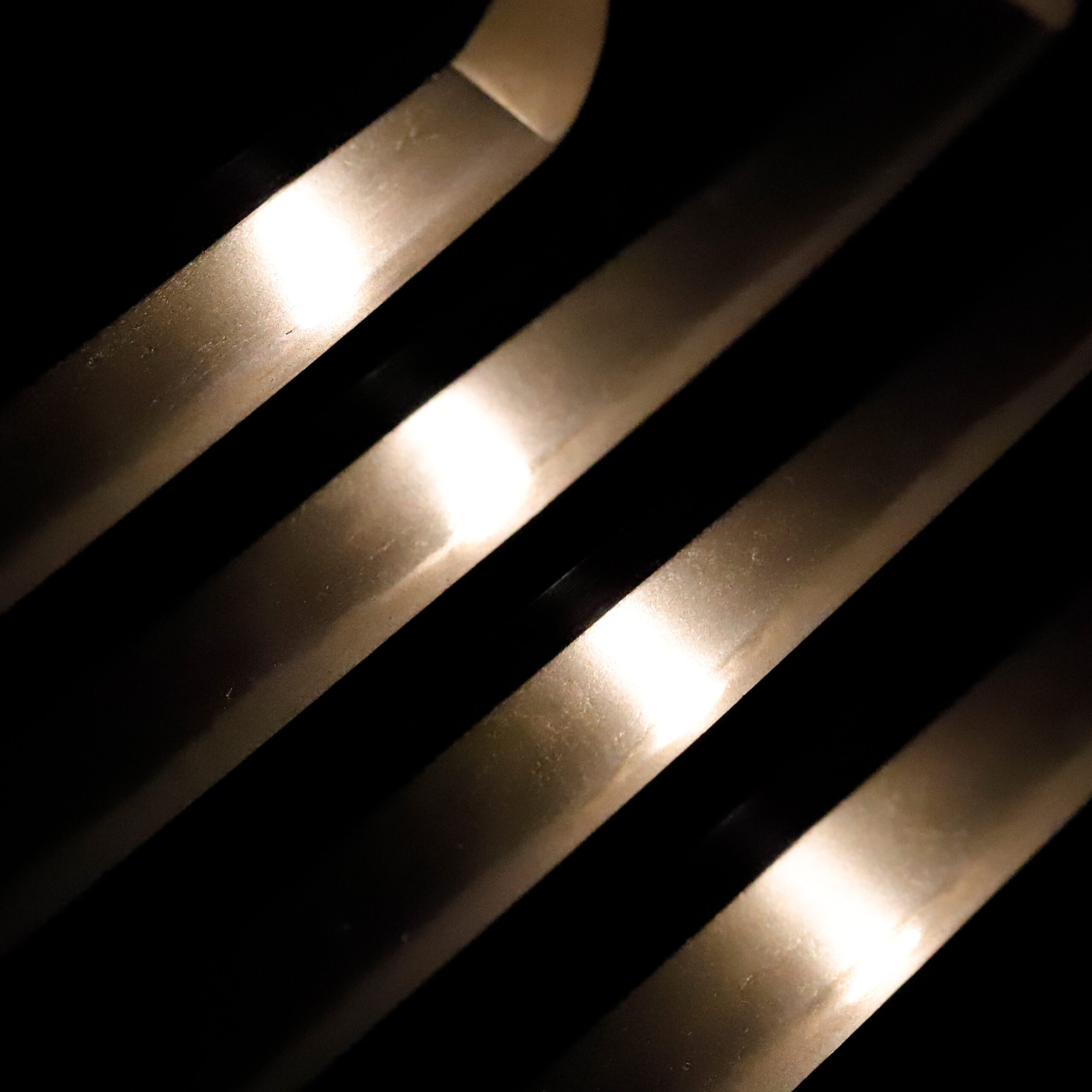
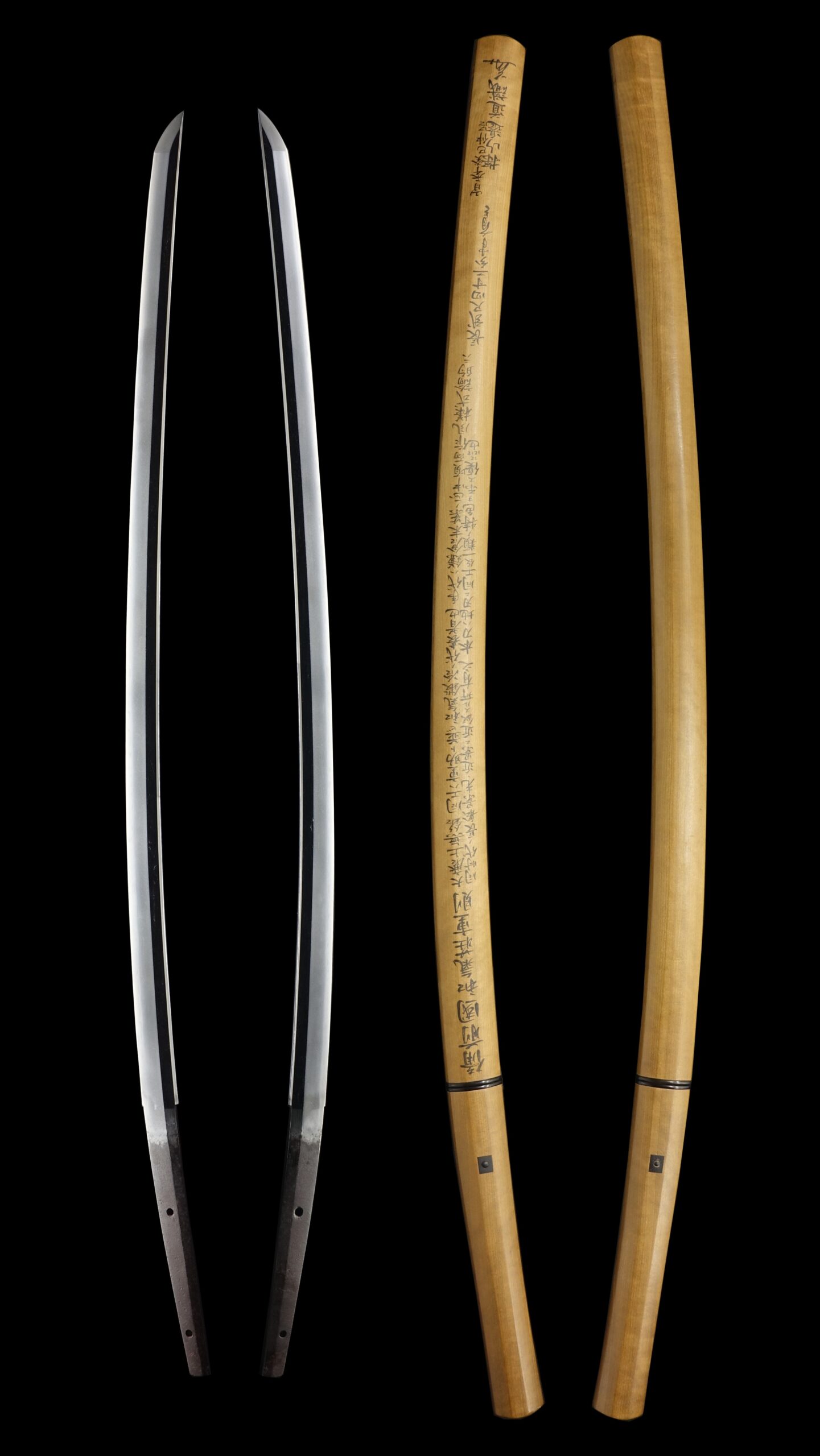
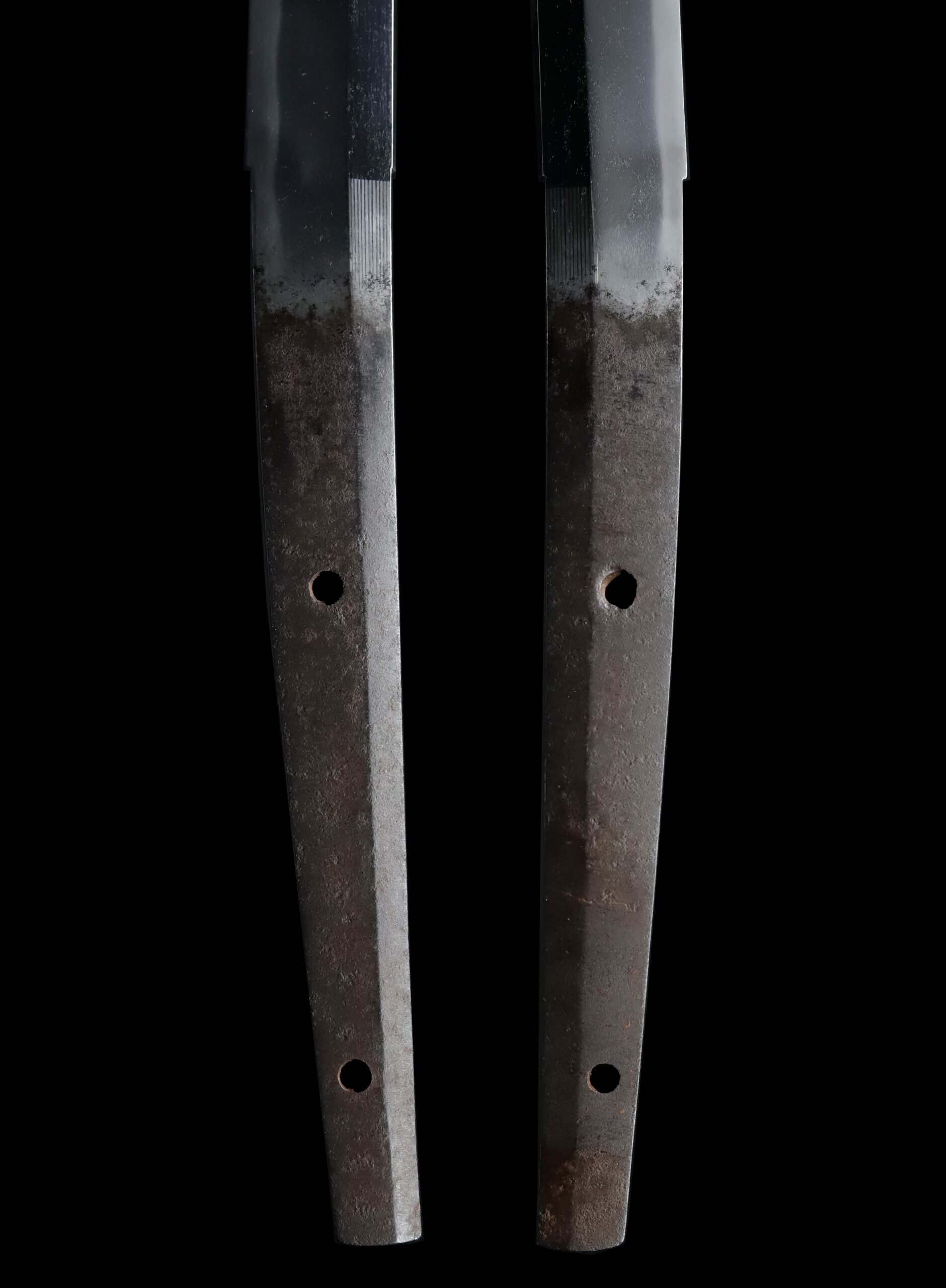

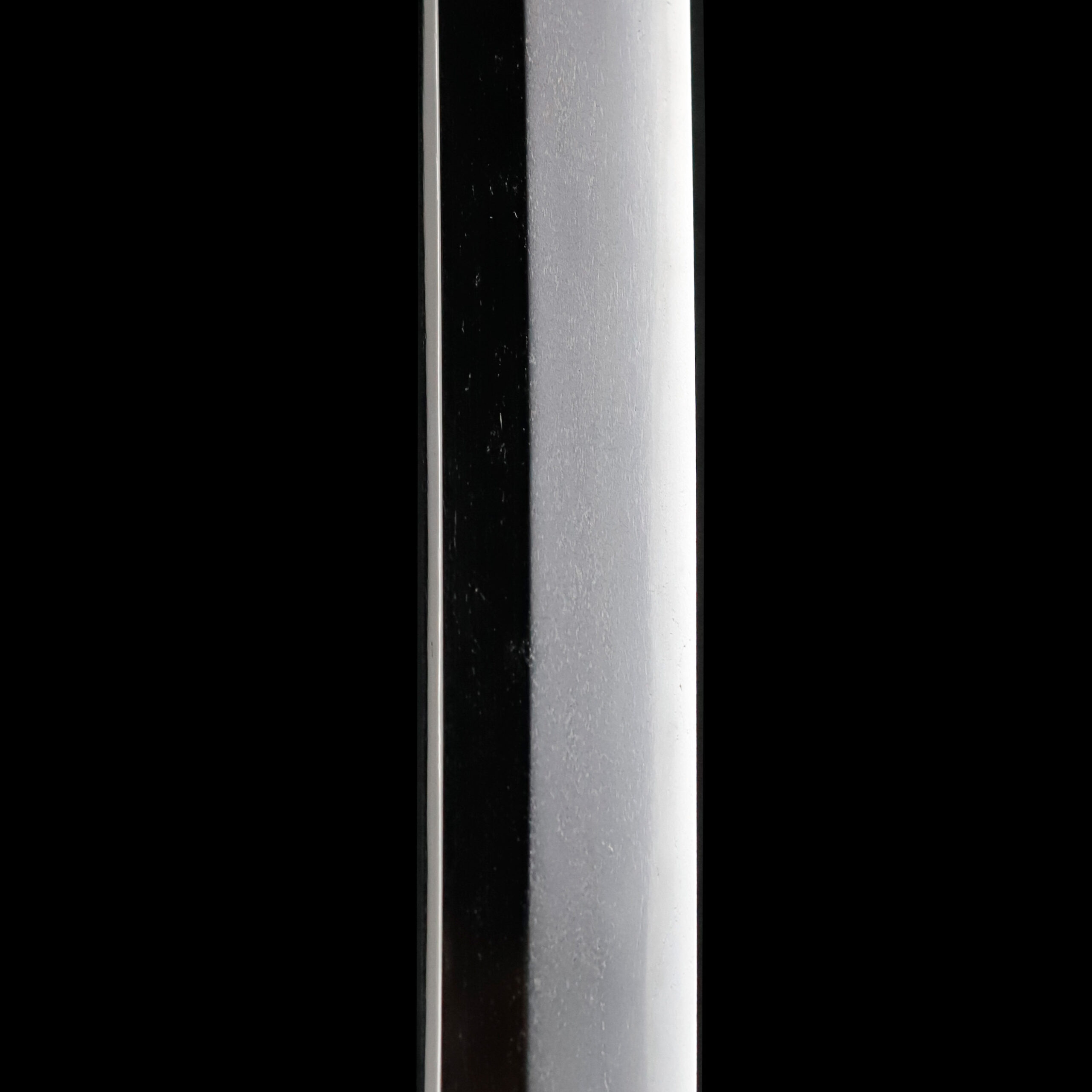
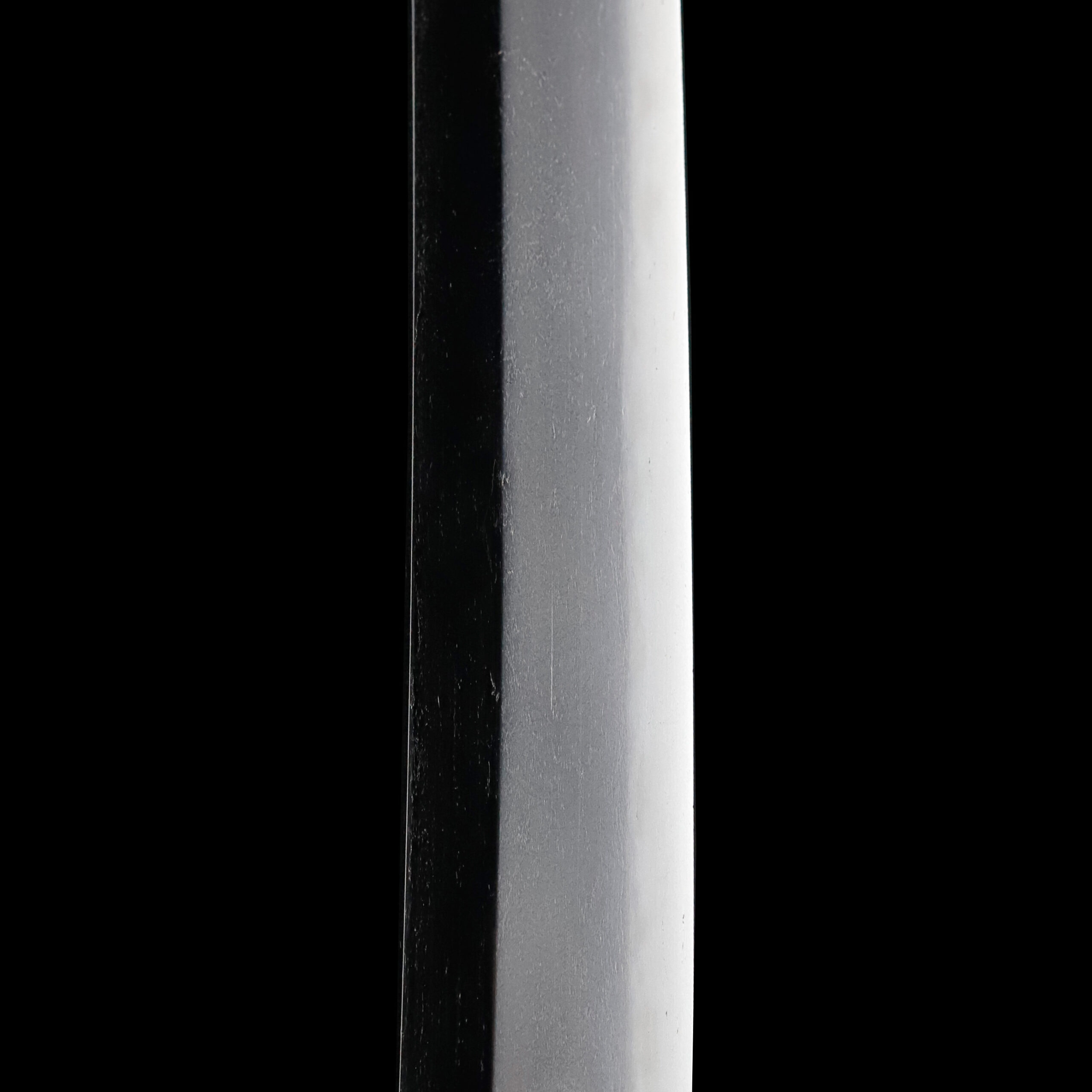
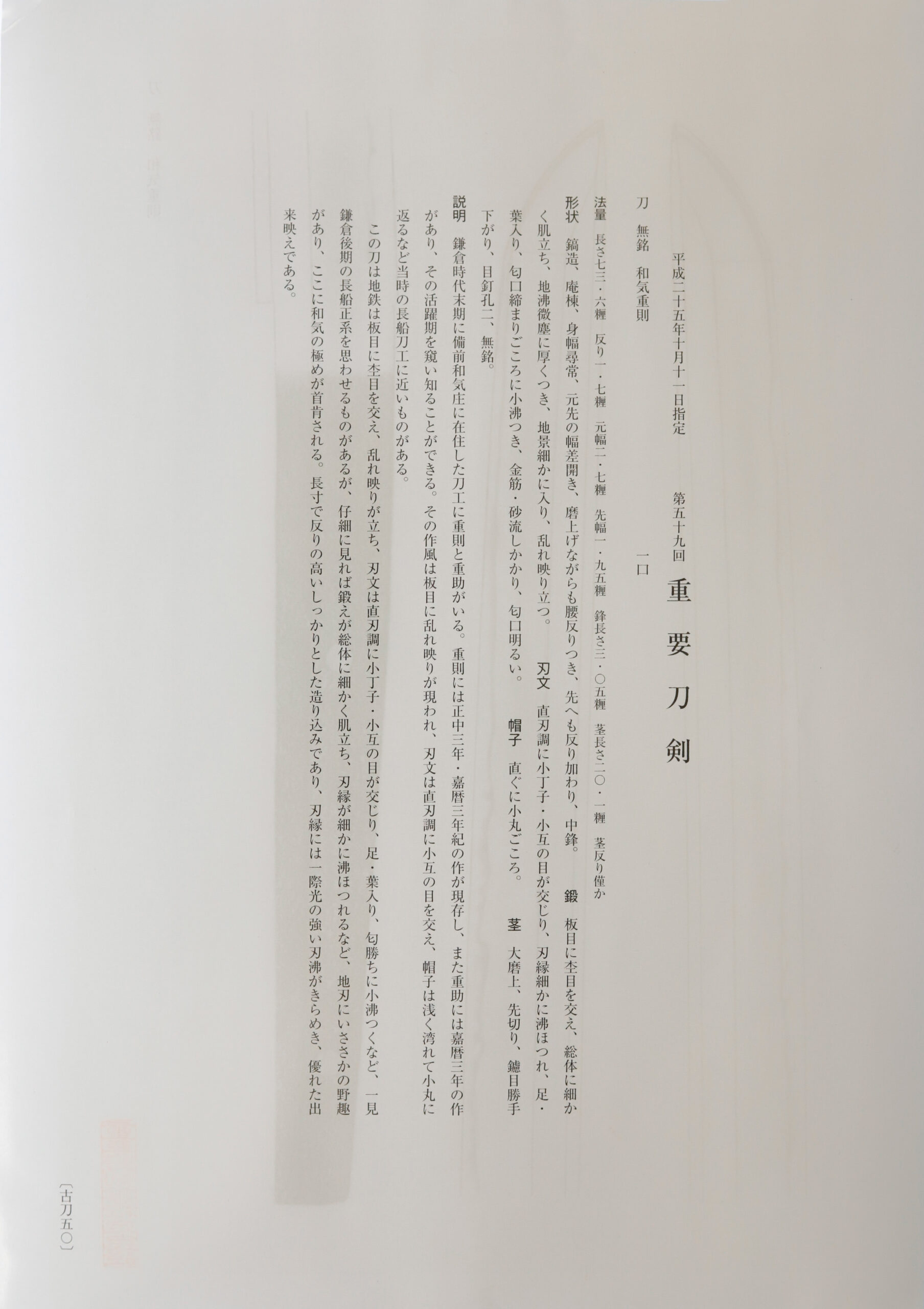
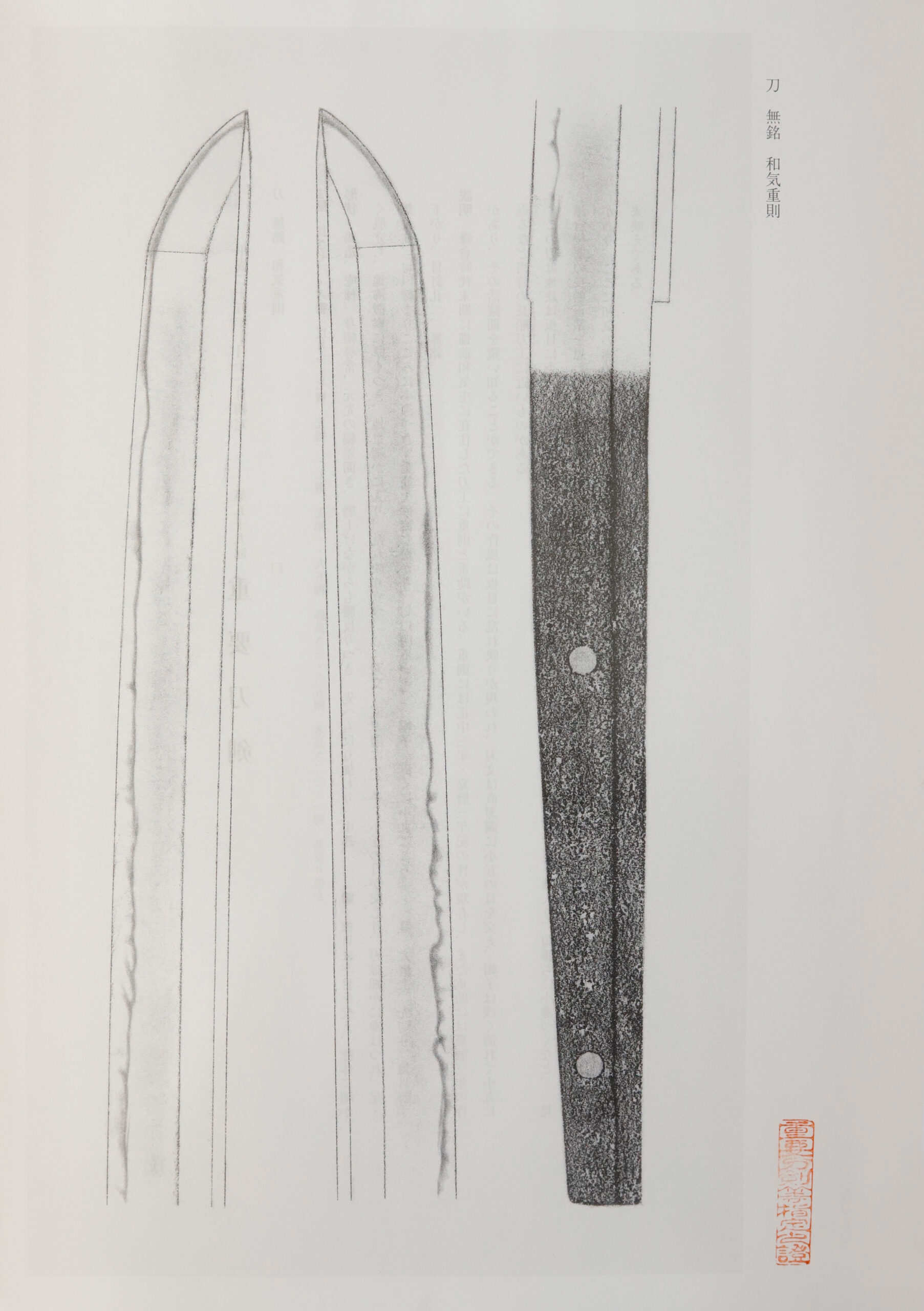
鎌倉時代末期に備前和気圧に在住した刀工に重則と重助がいる。重則には正中三年・嘉暦三年紀の作が現存し、また重助には嘉暦三年の作 があり、その活躍期を窺い知ることができる。その作風は板目に乱れ映りが現われ、刃文は直刃調に小互の目を交え、帽子は浅くれて小丸に 返るなど当時の長船刀工に近いものがある。 この刀は地鉄は板目に杢目を交え、乱れ映りが立ち、刃文は直刃調に小丁子・小互の目が交じり、足・葉入り、匂勝ちに小沸つくなど、一見 鎌倉後期の長船正系を思わせるものがあるが、仔細に見れば鍛えが総体に細かく肌立ち、刃縁が細かに沸ほつれるなど、地刃にいささかの野趣 があり、ここに和気の極めが首肯される。 長寸で反りの高いしっかりとした造り込みであり、刃縁には一際光の強い刃沸がきらめき、優れた出 来映えである。
Bizen Wake (和気), a Ko-Bizen-descended group near Osafune · 備前 · 1324-1326頃
刀剣大鑑 上位11%
重則は鎌倉時代末期、備前国和気庄に在住した刀工で、その活躍期は正中三年(元亨四年・一三二四)および嘉暦三年(一三二八)の年紀作によって定められる。説明書は同地のもう一工、重助と並べて両者を記し、和気を古備前刀工の故地推定地の一つに挙げる。一説に重則も古備前の流れを汲むとされるが、説明書はこれを詳らかでないとする。重則の現存作のうち四口が重要刀剣を通過しており、在銘の太刀三口と、和気重則と極めた大磨上無銘の刀一口である。これらは一貫した一作風を伝え、その作を説明書は当時の長船正系に近いものとし、最上手を真長・景光さながらと評するが、地刃にはより静かでいささか野趣のある性格があり、長船本流ではなく和気の工たることを示す。
鑑識の核は刃文にある。細直刃を基調とし、小互の目・小乱れ・小丁子のみを交えて、長船正系の高い丁子乱れには至らない。小足よく入り、無銘の刀には葉も入り、匂勝ちに小沸つく。匂口は締まりごころで時にうるみ、最も新しい一口では明るく、金筋・砂流しがかかり、最古の太刀では金筋が腰元に入る。説明書はまさにこの、こずんだ乱れに小互の目を交えるところを、和気一門の特色が現れる点とし、鎌倉末期の長船物に近似しつつもその満開には至らぬ刃と読む。
地鉄が鑑識のもう半ばを担う。小板目から板目に杢を交え、肌立ちごころに地沸つき、地景入り、地斑・大肌・澄肌を交える。この地に乱れ映りが明らかに立ち、これが重則を長船正系の傍に置く備前の地の継承である。無銘の刀は鍛えが総体に細かくやや肌立ち、刃縁に細かな沸ほつれを生じて地刃に野趣があり、説明書はまさにここに「ここに和気の極めが首肯される」[[c:1]]と記す。帽子は刃文の静けさに応じ、浅くのたれ或いは直ぐ調に小丸に返る。
四口は段階ではなく一つの作風を引く。姿は終始鎌倉末期の太刀で、鎬造、概ね細身、腰反りに踏張つき、小鋒から中鋒、いずれも磨上ないし大磨上である。在銘の作は棟寄りに銘を切り、第二十四回・第五十六回の太刀は二字銘の重則、第三十一回はやや細鏨の長銘、備州和氣住重則で一部朽ちる。第五十六回の在銘ながら細身の太刀を、説明書はその寸ではなく証として重んじ、和気重則の在銘品は稀有であり同工及び同派の作風を知る上で大変貴重な資料とする。第五十九回の無銘の刀はその対であり、銘ではなくその野趣ある刃縁の鑑識によって和気と極められた、しっかりとした長寸の一口である。
重則を分かつのは、近い手本に対する程度の差である。乱れ映りの地と直刃の小互の目は彼を鎌倉末期の備前刀工に置き、説明書は二度その作を当時の長船物に近いものとし、第三十一回の太刀を「真長・景光さながらの出来」[[c:2]]と読み、「重則の上々作と称してよく」[[c:3]]、銘文が少し朽ちる点も苦にならないとする。しかし同じ説明書は彼を本流から慎重に分かつ。こずんだ乱れ、絶えぬ小互の目、刃縁の野趣こそ和気の手の現れるところであり、長船正系と並びその手で作りながらも、それに完全には属さぬ古備前流の傍系の証である。
記録に残る四口はすべて重要刀剣の列にあり、国宝・重要文化財・特別重要のいずれもなく、これが重則の遺された全作である。在銘はさらに稀で、四口中三口に名があり一口は無銘の極めである。説明書は大名伝来を記さず、これらに所蔵機関の名も挙げず、在銘の和気重則はそれ自体が稀有であるから、在銘太刀三口の現存こそ注目の点である。本工の刀は容易に出会えるものではなく、現れれば重要刀剣の位にあり、著名な名としてよりも、なお記録の及ぶ小さな半ば未詳の備前一派の手を伝える証として貴ばれる。鎌倉末期備前の学徒にとってこの稀少さこそ魅力であり、現存する重則の各口は和気工房の一次資料であって、第五十九回の無銘の刀、すなわち「刃縁には一際光の強い刃沸がきらめき」[[c:4]]優れた出来映えを示す一口は、その回復された手の達し得た最良の証である。
重則の位置づけを、日本刀全体および伝統・時代・時期ごとに示します。各位(随一・屈指・有数・著名)は、NBTHK および文化庁による指定に加え、三作や名物帳などの歴史的栄誉を加味したものです。
各項目を選ぶと評価方法が表示されます。
備前伝 · 備前
現在1点販売中
和気は備前国にあった庄の名であり、鎌倉時代末期にこの地に住した刀工として、説示は重則と重助の二工を挙げる。両者の在銘の作は現存が稀有であるが、重則には正中三年・嘉暦三年・元亨四年紀の作が伝わり、重助には嘉暦元年・嘉暦三年紀の作が知られ、これによりおおよその活躍期を窺うことができる。和気の地は古備前刀工の故地の一つに数えられ、一説に両者を古備前の流れを汲む刀工とする見方もあるが、説示はこれを詳らかでないとし、確かな系譜とは断じていない。重則と重助は別個の工であり、説示はそれぞれの年紀作に即して両者を併記するにとどまる。地理的にも作風の上でも、説示は和気を当時の長船派に隣接する備前の一群として位置づけている。 作風について説示が繰り返し記すのは、小板目ないし板目に杢目・流れ肌を交え、肌立ちごころとなり、地沸がつき、乱れ映り、ないし淡い映りが立つ地鉄である。処々に地斑調の肌合を交える例もしばしば指摘される。刃文は直刃を基調とし、中直刃あるいは細直刃に小互の目・小丁子・小乱れを交え、小足・逆足が入り、匂口は締まりごころとなって匂出来を示すものが主体で、ところにより小沸がつき、金筋・砂流しのかかる作もある。帽子は浅くのたれ込んで小丸に返るものを定形とする。これらは同時期の長船物、わけても景光や真長を思わせる作域として説示が一貫して述べるところである。一方で、鍛えが総体に細かく肌立ち、刃縁が細かに沸ほつれるなど、地刃にいささかの野趣を帯びる点や、乱れがややこずみ小互の目を交える点が、長船正系と分かつ和気一門の特色として挙げられる。短刀には片落風・肩落互の目を交えた景光風の作も見え、平造のものが知られる。 鑑定にあたっては、乱れ映りの立つ地鉄に直刃調の刃を焼き、小互の目・小丁子を交えて長船物に近接しつつ、地刃に右の野趣やこずんだ乱れを残す点が和気極めの要点とされ、無銘作の所伝もこの作域によって首肯される。在銘作は重則・重助いずれも稀少で、二字銘を切るものや長銘を残すものがあり、嘉暦・正中・元亨の年紀を伴う数口が同派および両工の作風を知る基準作として説示に重んじられている。伝来の明らかなものとしては、重助の太刀が下総国結城藩主水野家に永く伝えられ、その旧鞘に元禄十四年十一月、徳川綱吉から水野勝長へ下賜された旨の由緒書を留める一口が知られる。和気は備前の主流たる長船に近接しながらも独自の趣を示す一群として、説示はこれを古刀備前の一翼に据えている。 詳しく見る →
鎌倉時代の備前
鎌倉時代は備前の頂点である。伝えでは一文字派の工が後鳥羽上皇の御番鍛冶に列し、世紀の半ばには光忠が長船派を興して、注文は公家からも武家政権からも流れ込んだ。国宝刀剣の数で備前に並ぶ国はない。
特別保存刀剣の中から、特に出来が優れ、国認定の重要美術品に準ずると判断された名品です。年に一度の重要刀剣審査で選ばれます。
極めて選別的で、日本に登録された約250万口の刀剣のうち、重要刀剣に達したものは12,307口(約203口に1口)にすぎません。
日本美術刀剣保存協会(NBTHK)は、1948年に設立され、文化庁の監督を受ける公益財団法人で、東京・刀剣博物館に本部を置きます。専門の審査員が出品作を直接審査し、美術的・歴史的価値に応じた鑑定書を発行します。NBTHKの鑑定書は、日本刀および刀装具の真正性を示す最も広く認知された基準です。
NBTHK公式サイトReturns/exchanges limited to defects caused by shipping (except willful misconduct or gross negligence by the company); customers must contact within 72 hours of receiving the product.
和気重則(伝) 刀 日本美術刀剣保存協会(NBTHK) 重要刀剣 指定品 【解説】 本作は、鎌倉時代末期(約700年前)に備前国(現在の岡山県)で活躍した和気重則(わけしげのり)の伝承を持つ名刀です。「和気」は同国の地名に由来します。重則の現存する有銘作には正中三年(1326年)や嘉暦三年(1328年)の年紀を持つものがあり、その作風は備前国最大の流派である長船派に近似しています。重則は国宗派に属する工と伝えられています。 備前国は中国山地に近く、日本刀の主原料である良質な砂鉄が豊富に産出されました。さらに吉井川の流域に位置したことで、刀剣製作に不可欠な水や炭(薪)の確保にも恵まれていました。こうした地勢的優位性が、備前鍛冶による高品質な洗練された刀造りを支えたのです。備前における作刀の歴史は古く、平安時代後期には「古備前」と呼ばれる職能集団によって備前伝の基礎が築かれました。 本刀は後世に大きく磨上げられていますが、現状でも二尺四寸三分(73.6cm)の長さを保っています。元の刃長は二尺六寸(80cm)を超えていたと推測され、当時の持ち主はこれほどの長刀を使いこなす手練れの武士であったことが伺えます。その製作年代から、当初は太刀として打たれた一振りです。 本作は、日本美術刀剣保存協会(NBTHK)により「重要刀剣」に指定されています。重要刀剣とは、特別保存刀剣よりもさらに上位の格付けであり、極めて保存状態が良く、美術的価値が特に高いと認められた真作にのみ与えられる称号です。重要刀剣の審査を受けるには、まず特別保存刀剣に合格していることが条件となります。現存する古刀の中でも重要刀剣に指定されるものは極めて稀であり、愛刀家にとって垂涎の逸品と言えます。 ※本作には、鍛え傷が数箇所見受けられます。あらかじめご了承ください。 【刀身】 長さ(Nagasa):73.6 cm 反り(Sori):1.7 cm 刃文(Hamon):焼入れによって刃先に現れる結晶構造。 地鉄(Jihada):折り返し鍛錬によって現れる鋼の表面模様。 茎(Nakago):刀身の柄に収まる部分。 鎺(Habaki):刀身を鞘の中に固定し、刀身が鞘の内側に触れるのを防ぐ金具。錆や欠けを防止する役割も持つ。 鑑定書:日本美術刀剣保存協会(NBTHK) 重要刀剣指定証(第13411号) NBTHKは、現代日本において最も権威ある刀剣鑑定機関の一つです。本刀は平成25年(2013年)10月11日に、日本の文化財として後世に継承すべき価値を持つ「重要刀剣」として指定されました。ご購入者様にはこの原本をお渡しいたします。ご希望があれば、鑑定書の内容を英訳したPDFファイルを作成することも可能です。 登録証番号:岐阜県 第81277号 本刀には岐阜県教育委員会発行の「銃砲刀剣類登録証」が付属しています。文化庁により、伝統的な鍛錬法で玉鋼を用いて製作された美術品として認められた刀剣です。日本国内において、この登録証と共に本刀を合法的に所有することが可能です。海外輸出の際は、この登録番号に基づき輸出監査証明を申請いたします。 (※海外発送の際、登録証原本は教育委員会へ返納する必要がありますが、写しを同封いたします。)
鎌倉時代末期に備前和気圧に在住した刀工に重則と重助がいる。重則には正中三年・嘉暦三年紀の作が現存し、また重助には嘉暦三年の作 があり、その活躍期を窺い知ることができる。その作風は板目に乱れ映りが現われ、刃文は直刃調に小互の目を交え、帽子は浅くれて小丸に 返るなど当時の長船刀工に近いものがある。 この刀は地鉄は板目に杢目を交え、乱れ映りが立ち、刃文は直刃調に小丁子・小互の目が交じり、足・葉入り、匂勝ちに小沸つくなど、一見 鎌倉後期の長船正系を思わせるものがあるが、仔細に見れば鍛えが総体に細かく肌立ち、刃縁が細かに沸ほつれるなど、地刃にいささかの野趣 があり、ここに和気の極めが首肯される。 長寸で反りの高いしっかりとした造り込みであり、刃縁には一際光の強い刃沸がきらめき、優れた出 来映えである。
NihontoWatch鎌倉時代末期に備前和気圧に在住した刀工に重則と重助がいる。重則には正中三年・嘉暦三年紀の作が現存し、また重助には嘉暦三年の作 があり、その活躍期を窺い知ることができる。その作風は板目に乱れ映りが現われ、刃文は直刃調に小互の目を交え、帽子は浅くれて小丸に 返るなど当時の長船刀工に近いものがある。 この刀は地鉄は板目に杢目を交え、乱れ映りが立ち、刃文は直刃調に小丁子・小互の目が交じり、足・葉入り、匂勝ちに小沸つくなど、一見 鎌倉後期の長船正系を思わせるものがあるが、仔細に見れば鍛えが総体に細かく肌立ち、刃縁が細かに沸ほつれるなど、地刃にいささかの野趣 があり、ここに和気の極めが首肯される。 長寸で反りの高いしっかりとした造り込みであり、刃縁には一際光の強い刃沸がきらめき、優れた出 来映えである。
Bizen Wake (和気), a Ko-Bizen-descended group near Osafune · 備前 · 1324-1326頃
刀剣大鑑 上位11%
重則は鎌倉時代末期、備前国和気庄に在住した刀工で、その活躍期は正中三年(元亨四年・一三二四)および嘉暦三年(一三二八)の年紀作によって定められる。説明書は同地のもう一工、重助と並べて両者を記し、和気を古備前刀工の故地推定地の一つに挙げる。一説に重則も古備前の流れを汲むとされるが、説明書はこれを詳らかでないとする。重則の現存作のうち四口が重要刀剣を通過しており、在銘の太刀三口と、和気重則と極めた大磨上無銘の刀一口である。これらは一貫した一作風を伝え、その作を説明書は当時の長船正系に近いものとし、最上手を真長・景光さながらと評するが、地刃にはより静かでいささか野趣のある性格があり、長船本流ではなく和気の工たることを示す。
鑑識の核は刃文にある。細直刃を基調とし、小互の目・小乱れ・小丁子のみを交えて、長船正系の高い丁子乱れには至らない。小足よく入り、無銘の刀には葉も入り、匂勝ちに小沸つく。匂口は締まりごころで時にうるみ、最も新しい一口では明るく、金筋・砂流しがかかり、最古の太刀では金筋が腰元に入る。説明書はまさにこの、こずんだ乱れに小互の目を交えるところを、和気一門の特色が現れる点とし、鎌倉末期の長船物に近似しつつもその満開には至らぬ刃と読む。
地鉄が鑑識のもう半ばを担う。小板目から板目に杢を交え、肌立ちごころに地沸つき、地景入り、地斑・大肌・澄肌を交える。この地に乱れ映りが明らかに立ち、これが重則を長船正系の傍に置く備前の地の継承である。無銘の刀は鍛えが総体に細かくやや肌立ち、刃縁に細かな沸ほつれを生じて地刃に野趣があり、説明書はまさにここに「ここに和気の極めが首肯される」[[c:1]]と記す。帽子は刃文の静けさに応じ、浅くのたれ或いは直ぐ調に小丸に返る。
四口は段階ではなく一つの作風を引く。姿は終始鎌倉末期の太刀で、鎬造、概ね細身、腰反りに踏張つき、小鋒から中鋒、いずれも磨上ないし大磨上である。在銘の作は棟寄りに銘を切り、第二十四回・第五十六回の太刀は二字銘の重則、第三十一回はやや細鏨の長銘、備州和氣住重則で一部朽ちる。第五十六回の在銘ながら細身の太刀を、説明書はその寸ではなく証として重んじ、和気重則の在銘品は稀有であり同工及び同派の作風を知る上で大変貴重な資料とする。第五十九回の無銘の刀はその対であり、銘ではなくその野趣ある刃縁の鑑識によって和気と極められた、しっかりとした長寸の一口である。
重則を分かつのは、近い手本に対する程度の差である。乱れ映りの地と直刃の小互の目は彼を鎌倉末期の備前刀工に置き、説明書は二度その作を当時の長船物に近いものとし、第三十一回の太刀を「真長・景光さながらの出来」[[c:2]]と読み、「重則の上々作と称してよく」[[c:3]]、銘文が少し朽ちる点も苦にならないとする。しかし同じ説明書は彼を本流から慎重に分かつ。こずんだ乱れ、絶えぬ小互の目、刃縁の野趣こそ和気の手の現れるところであり、長船正系と並びその手で作りながらも、それに完全には属さぬ古備前流の傍系の証である。
記録に残る四口はすべて重要刀剣の列にあり、国宝・重要文化財・特別重要のいずれもなく、これが重則の遺された全作である。在銘はさらに稀で、四口中三口に名があり一口は無銘の極めである。説明書は大名伝来を記さず、これらに所蔵機関の名も挙げず、在銘の和気重則はそれ自体が稀有であるから、在銘太刀三口の現存こそ注目の点である。本工の刀は容易に出会えるものではなく、現れれば重要刀剣の位にあり、著名な名としてよりも、なお記録の及ぶ小さな半ば未詳の備前一派の手を伝える証として貴ばれる。鎌倉末期備前の学徒にとってこの稀少さこそ魅力であり、現存する重則の各口は和気工房の一次資料であって、第五十九回の無銘の刀、すなわち「刃縁には一際光の強い刃沸がきらめき」[[c:4]]優れた出来映えを示す一口は、その回復された手の達し得た最良の証である。
重則の位置づけを、日本刀全体および伝統・時代・時期ごとに示します。各位(随一・屈指・有数・著名)は、NBTHK および文化庁による指定に加え、三作や名物帳などの歴史的栄誉を加味したものです。
各項目を選ぶと評価方法が表示されます。
備前伝 · 備前
現在1点販売中
和気は備前国にあった庄の名であり、鎌倉時代末期にこの地に住した刀工として、説示は重則と重助の二工を挙げる。両者の在銘の作は現存が稀有であるが、重則には正中三年・嘉暦三年・元亨四年紀の作が伝わり、重助には嘉暦元年・嘉暦三年紀の作が知られ、これによりおおよその活躍期を窺うことができる。和気の地は古備前刀工の故地の一つに数えられ、一説に両者を古備前の流れを汲む刀工とする見方もあるが、説示はこれを詳らかでないとし、確かな系譜とは断じていない。重則と重助は別個の工であり、説示はそれぞれの年紀作に即して両者を併記するにとどまる。地理的にも作風の上でも、説示は和気を当時の長船派に隣接する備前の一群として位置づけている。 作風について説示が繰り返し記すのは、小板目ないし板目に杢目・流れ肌を交え、肌立ちごころとなり、地沸がつき、乱れ映り、ないし淡い映りが立つ地鉄である。処々に地斑調の肌合を交える例もしばしば指摘される。刃文は直刃を基調とし、中直刃あるいは細直刃に小互の目・小丁子・小乱れを交え、小足・逆足が入り、匂口は締まりごころとなって匂出来を示すものが主体で、ところにより小沸がつき、金筋・砂流しのかかる作もある。帽子は浅くのたれ込んで小丸に返るものを定形とする。これらは同時期の長船物、わけても景光や真長を思わせる作域として説示が一貫して述べるところである。一方で、鍛えが総体に細かく肌立ち、刃縁が細かに沸ほつれるなど、地刃にいささかの野趣を帯びる点や、乱れがややこずみ小互の目を交える点が、長船正系と分かつ和気一門の特色として挙げられる。短刀には片落風・肩落互の目を交えた景光風の作も見え、平造のものが知られる。 鑑定にあたっては、乱れ映りの立つ地鉄に直刃調の刃を焼き、小互の目・小丁子を交えて長船物に近接しつつ、地刃に右の野趣やこずんだ乱れを残す点が和気極めの要点とされ、無銘作の所伝もこの作域によって首肯される。在銘作は重則・重助いずれも稀少で、二字銘を切るものや長銘を残すものがあり、嘉暦・正中・元亨の年紀を伴う数口が同派および両工の作風を知る基準作として説示に重んじられている。伝来の明らかなものとしては、重助の太刀が下総国結城藩主水野家に永く伝えられ、その旧鞘に元禄十四年十一月、徳川綱吉から水野勝長へ下賜された旨の由緒書を留める一口が知られる。和気は備前の主流たる長船に近接しながらも独自の趣を示す一群として、説示はこれを古刀備前の一翼に据えている。 詳しく見る →
鎌倉時代の備前
鎌倉時代は備前の頂点である。伝えでは一文字派の工が後鳥羽上皇の御番鍛冶に列し、世紀の半ばには光忠が長船派を興して、注文は公家からも武家政権からも流れ込んだ。国宝刀剣の数で備前に並ぶ国はない。
特別保存刀剣の中から、特に出来が優れ、国認定の重要美術品に準ずると判断された名品です。年に一度の重要刀剣審査で選ばれます。
極めて選別的で、日本に登録された約250万口の刀剣のうち、重要刀剣に達したものは12,307口(約203口に1口)にすぎません。
日本美術刀剣保存協会(NBTHK)は、1948年に設立され、文化庁の監督を受ける公益財団法人で、東京・刀剣博物館に本部を置きます。専門の審査員が出品作を直接審査し、美術的・歴史的価値に応じた鑑定書を発行します。NBTHKの鑑定書は、日本刀および刀装具の真正性を示す最も広く認知された基準です。
NBTHK公式サイトReturns/exchanges limited to defects caused by shipping (except willful misconduct or gross negligence by the company); customers must contact within 72 hours of receiving the product.
![Katana - Jūyō - 作 重則 - 刀[重則][日本美術刀剣保存協会]重要刀剣](/_next/image?url=https%3A%2F%2Fitbhfhyptogxcjbjfzwx.supabase.co%2Fstorage%2Fv1%2Fobject%2Fpublic%2Flisting-images%2Fworld-seiyudo%2FL31742%2F01.jpg&w=2560&q=90)