説明

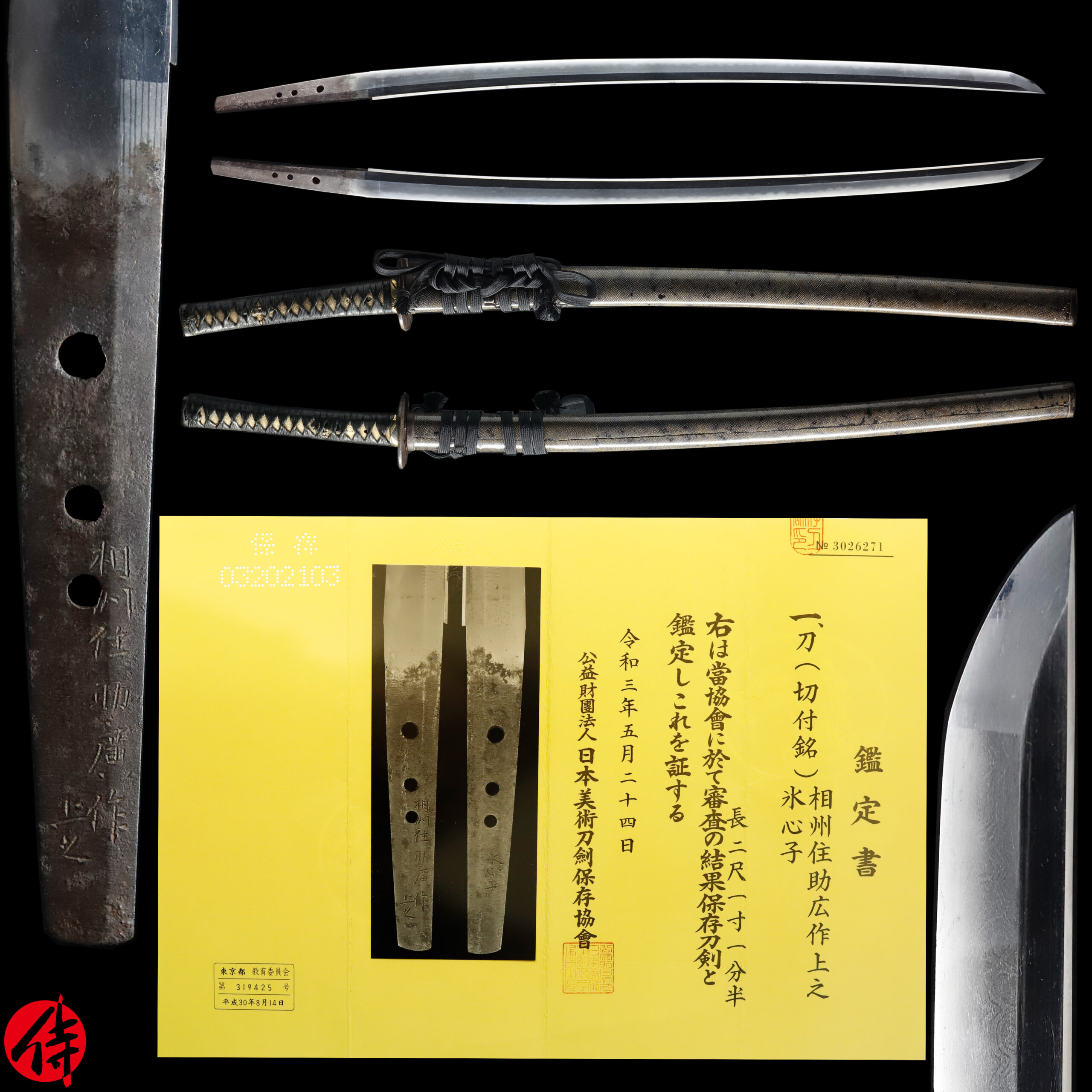
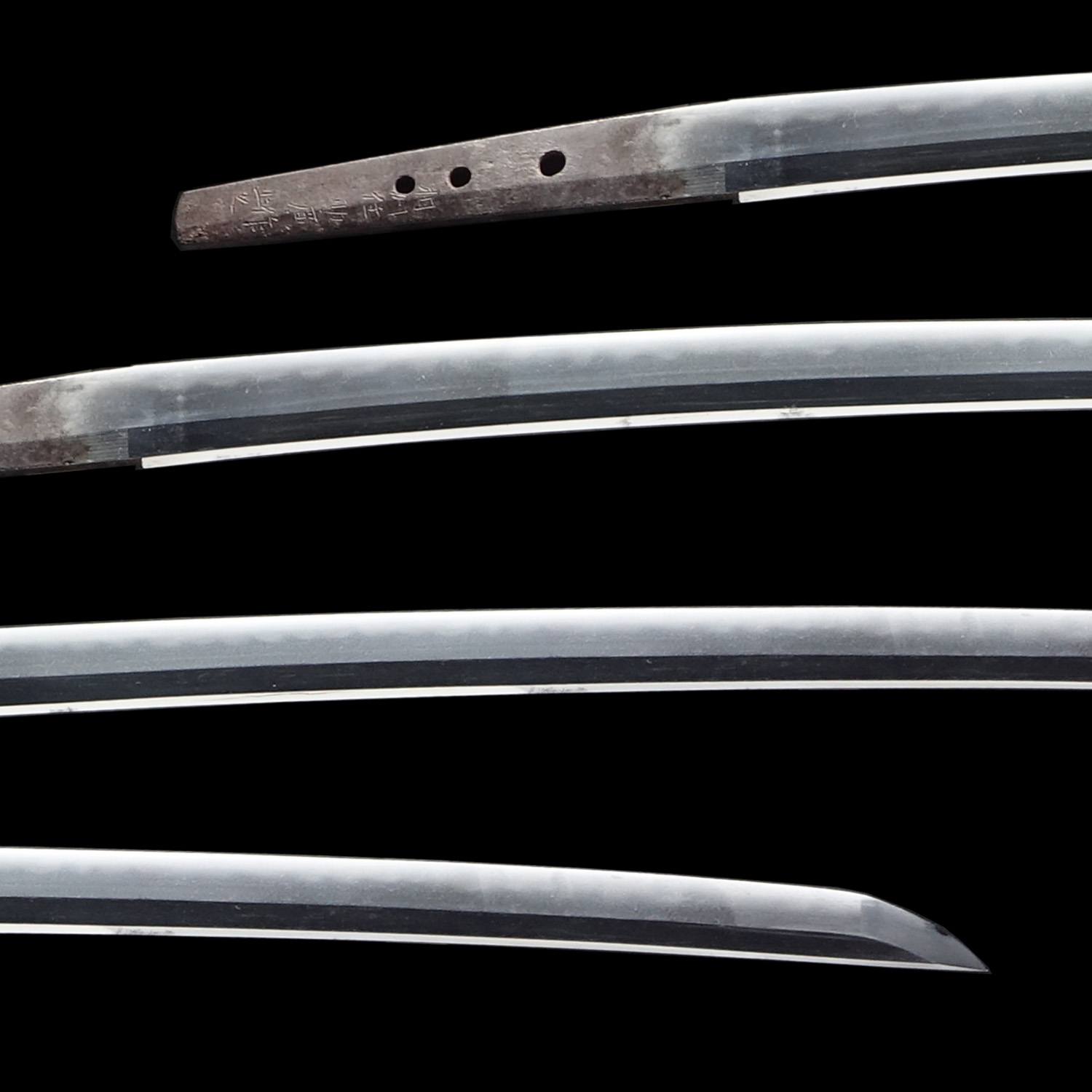
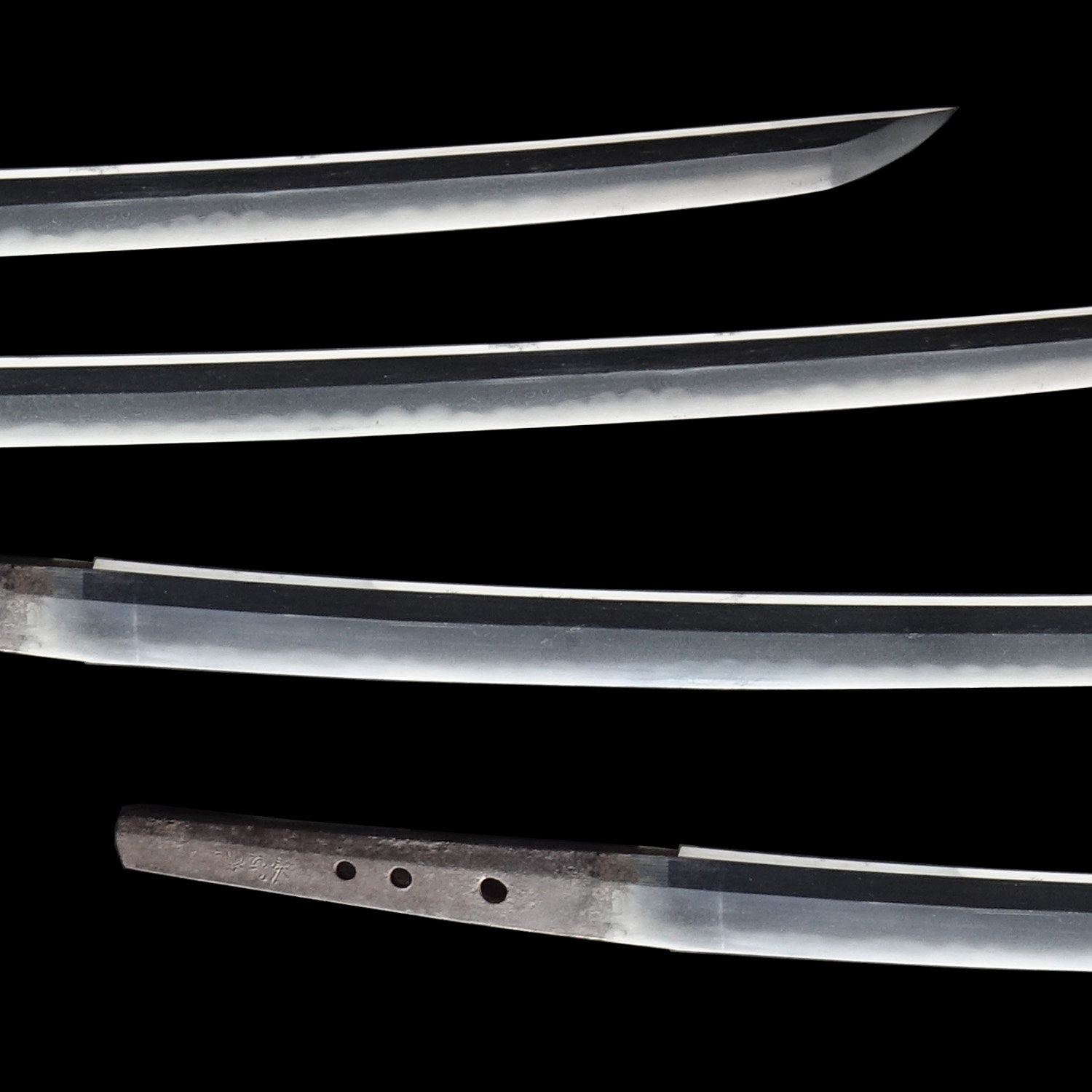
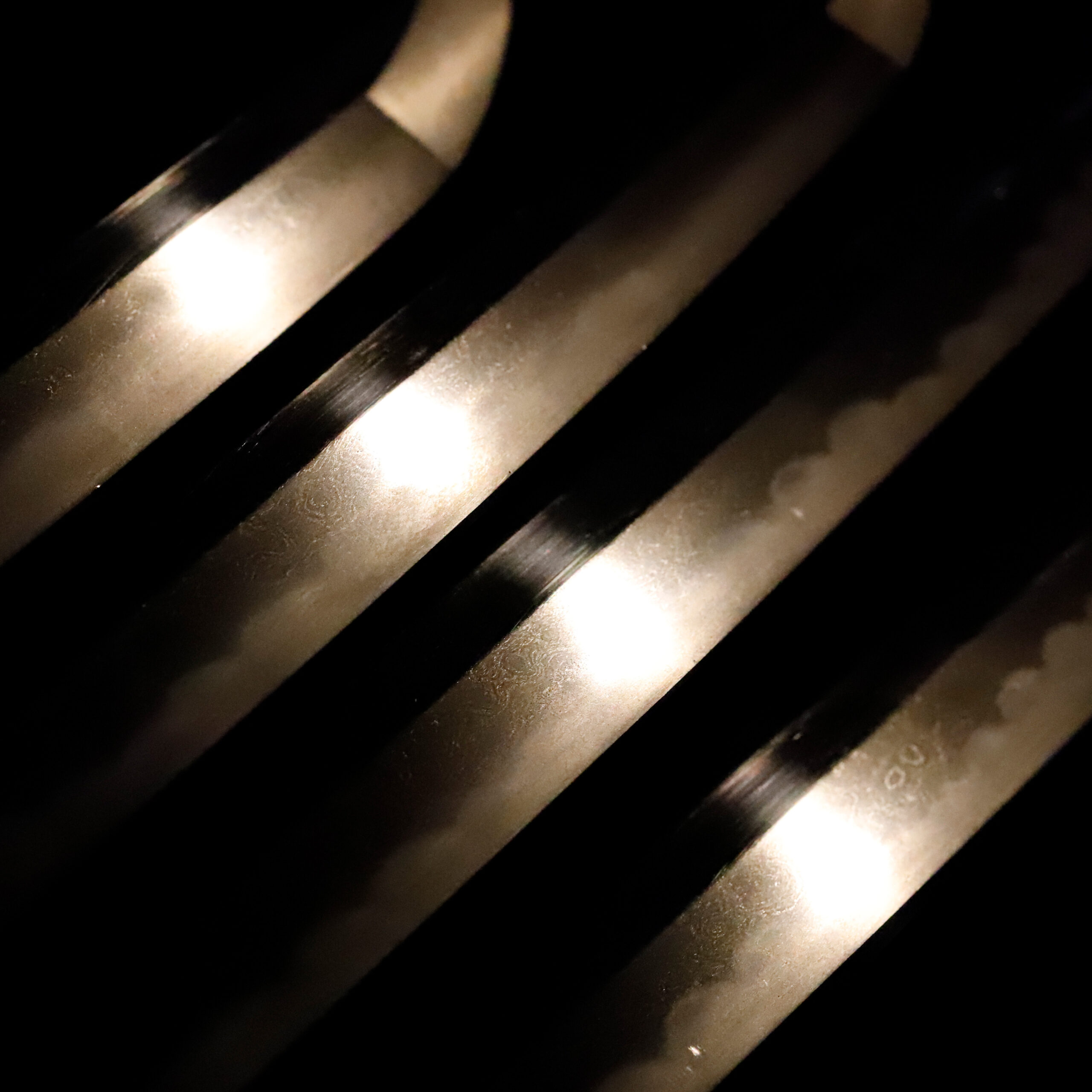
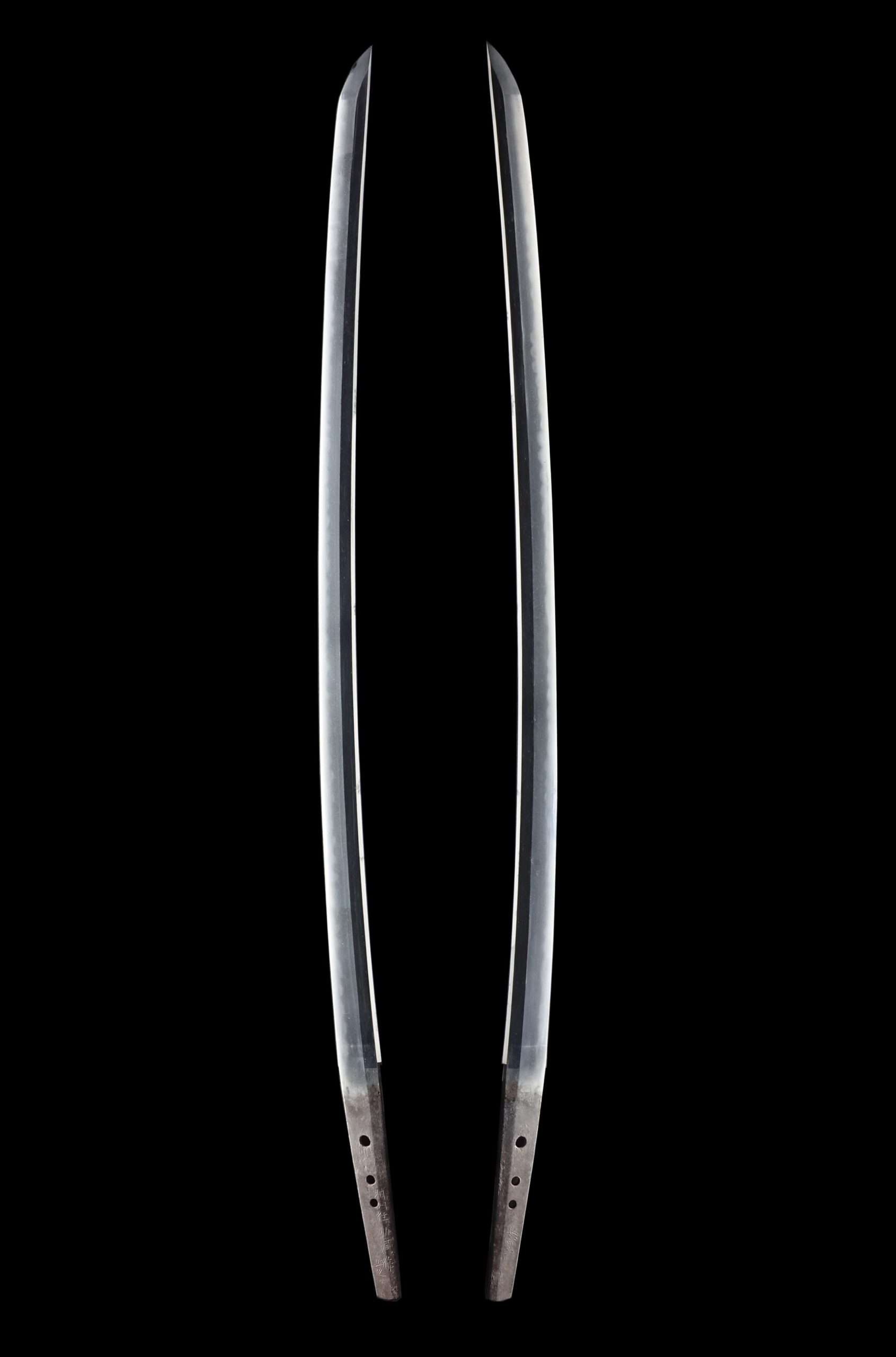
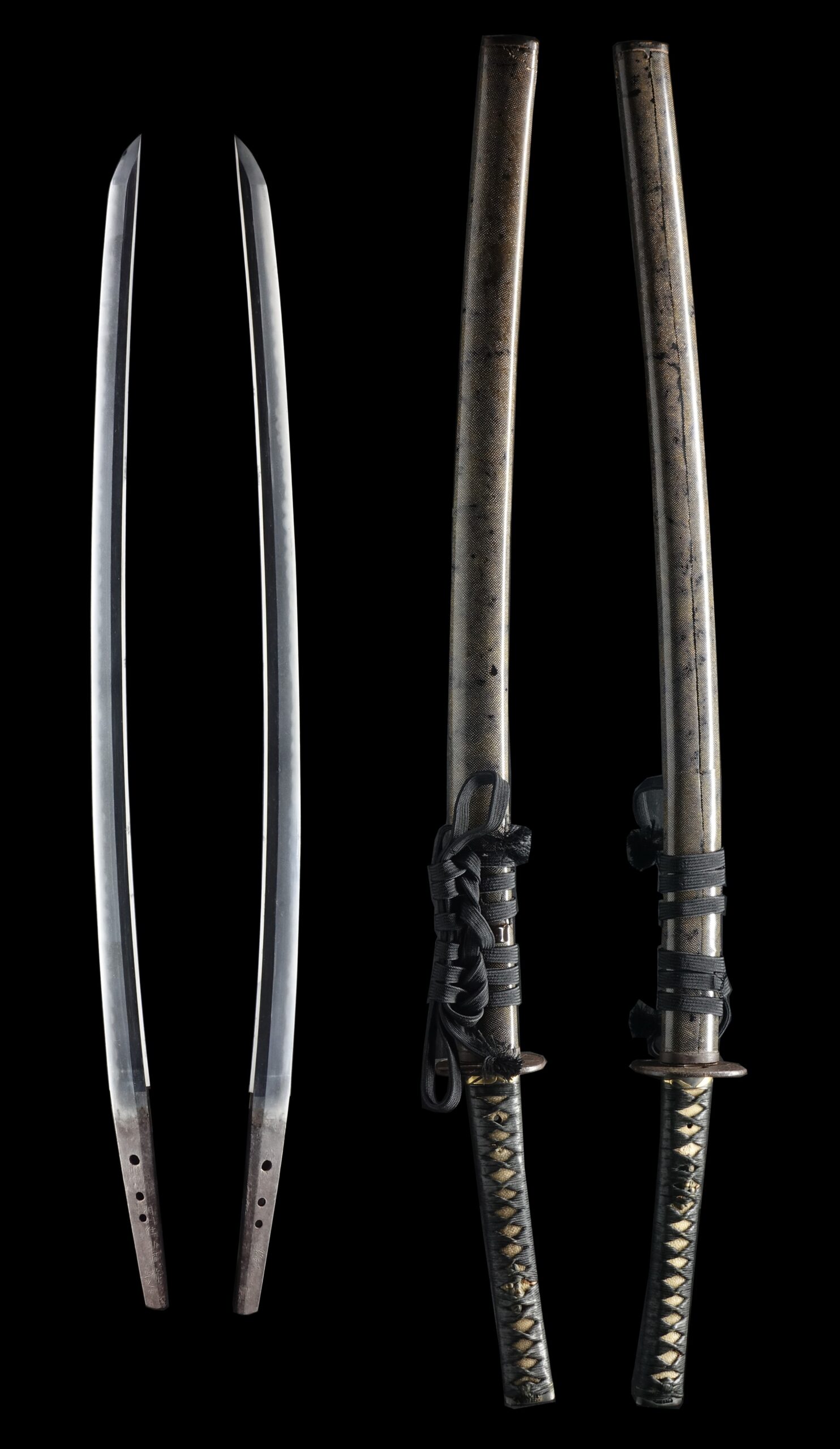
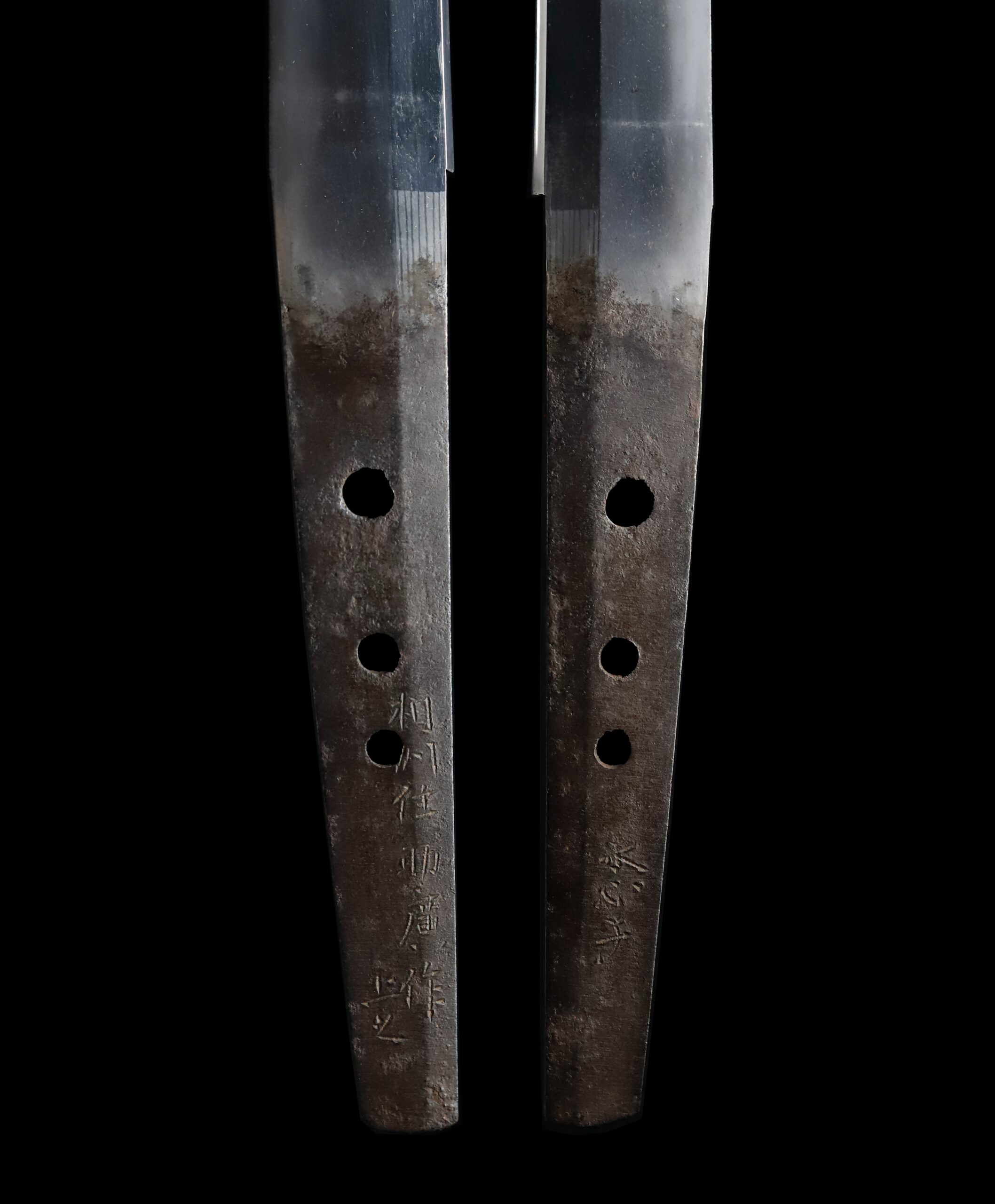
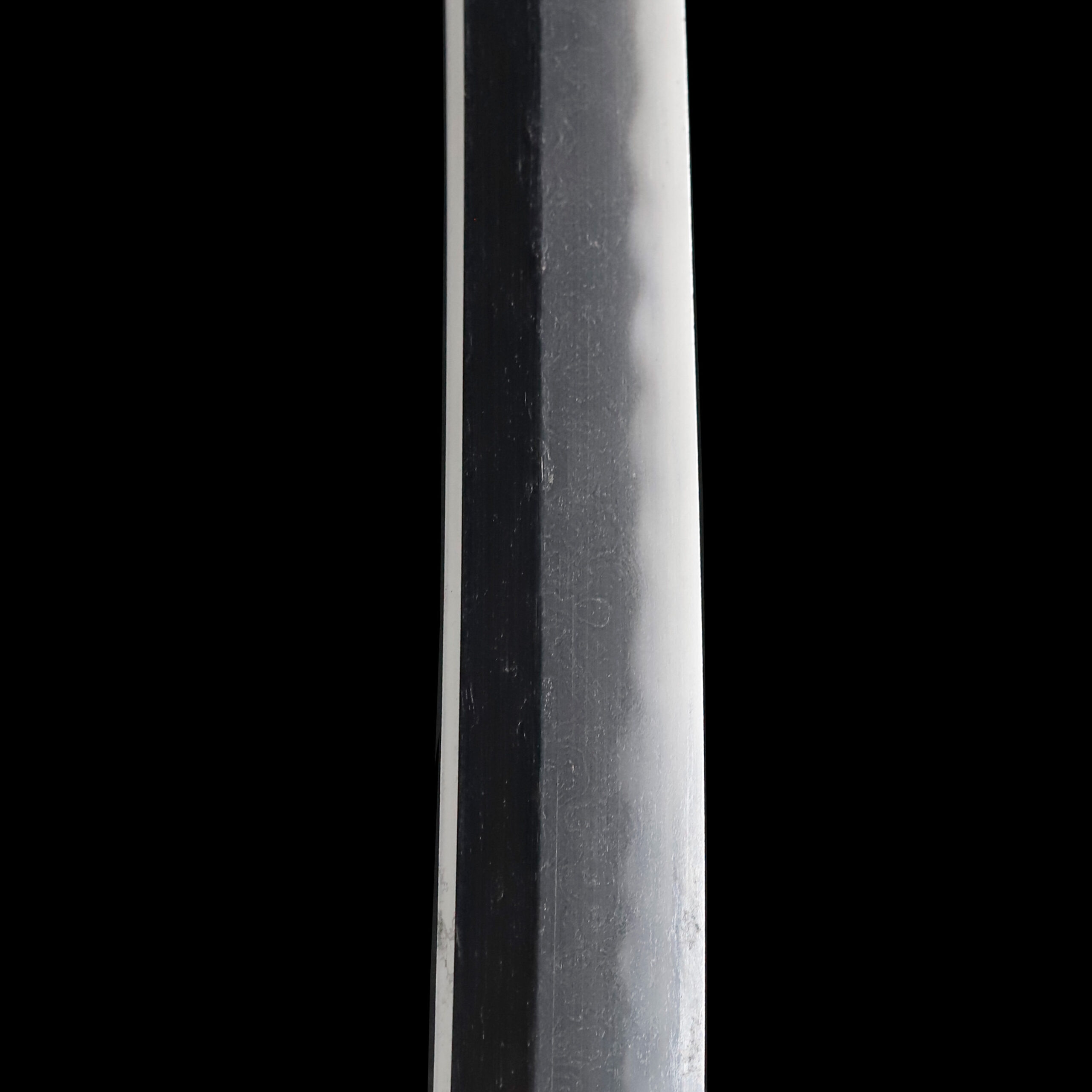
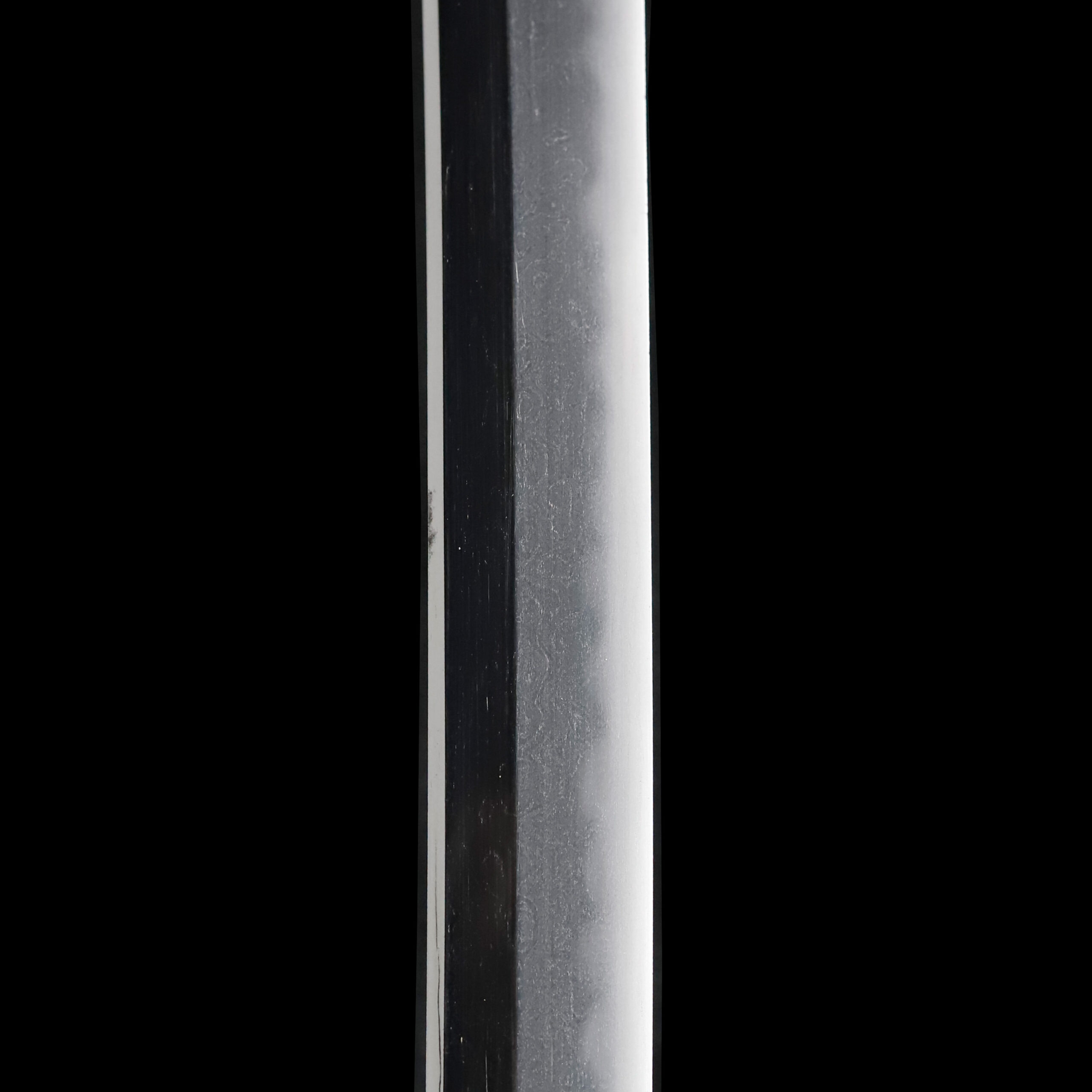
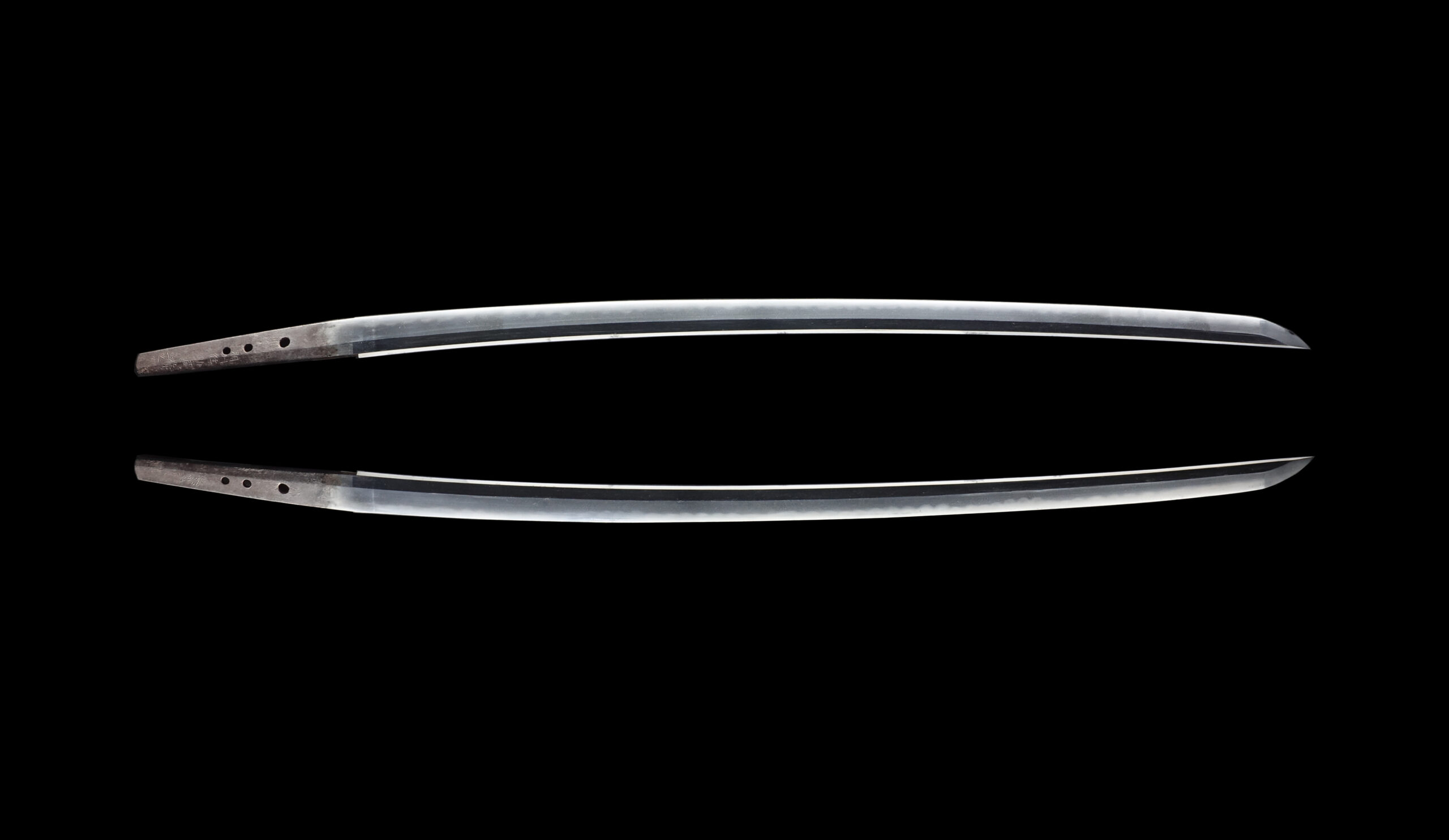
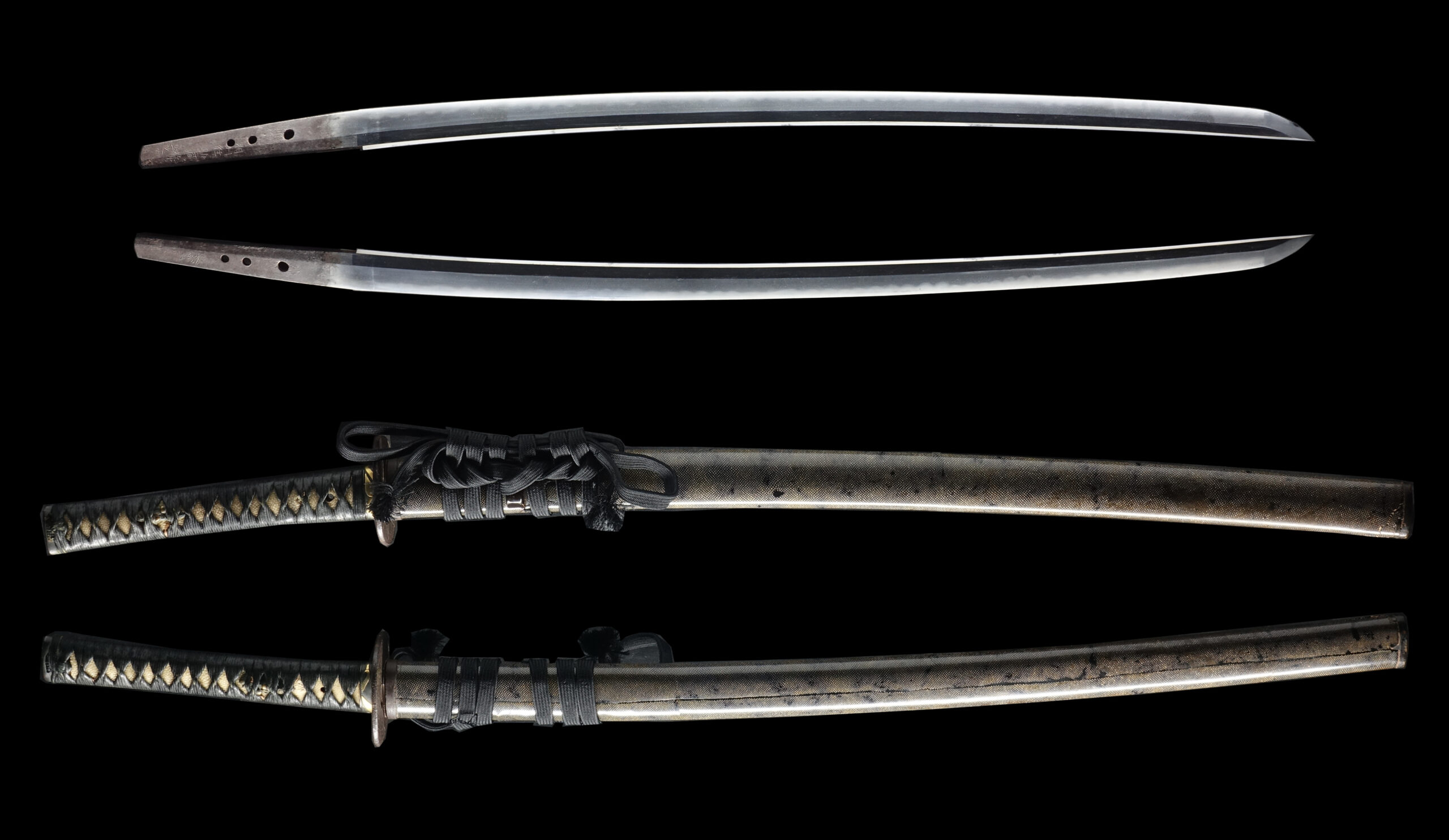
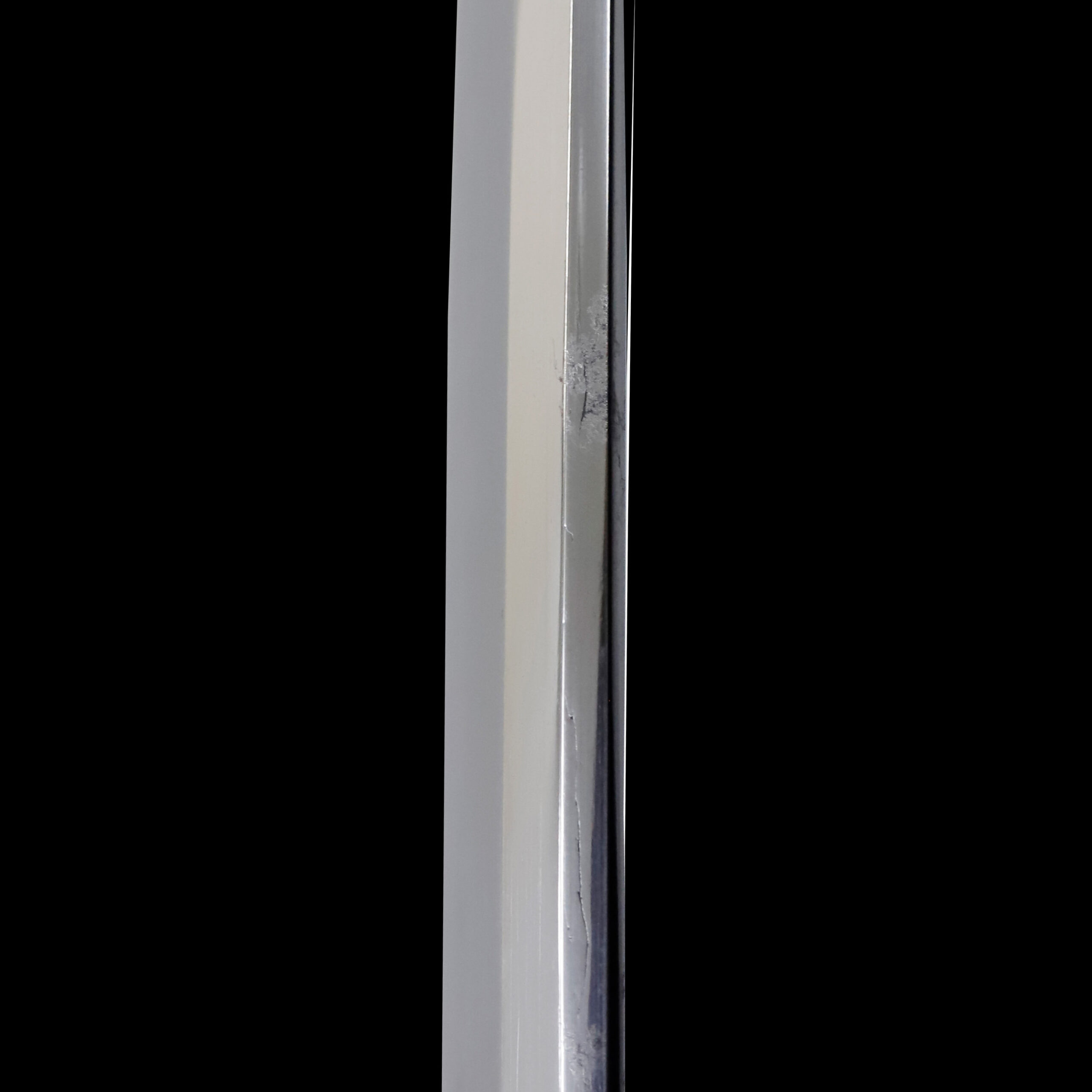
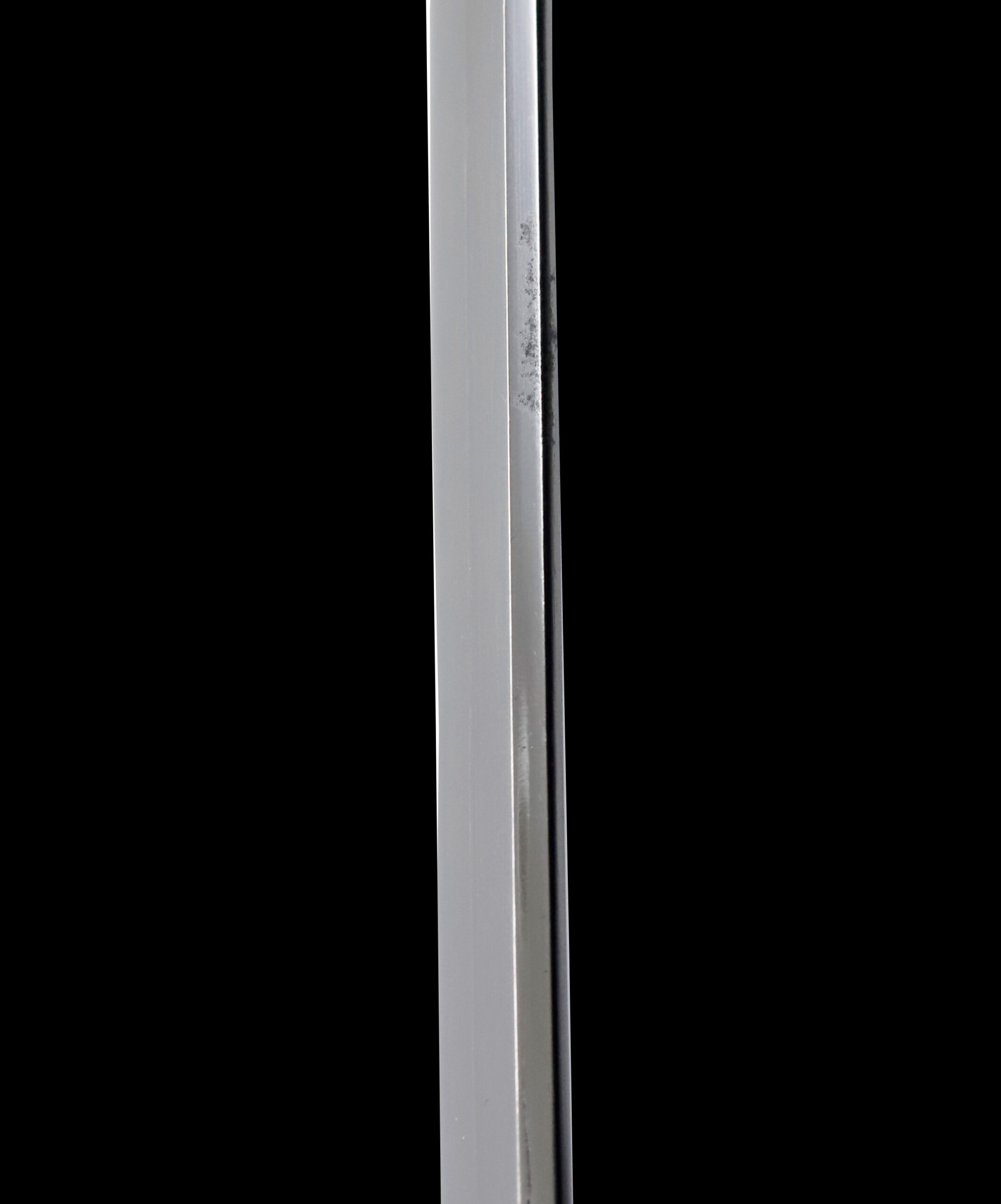
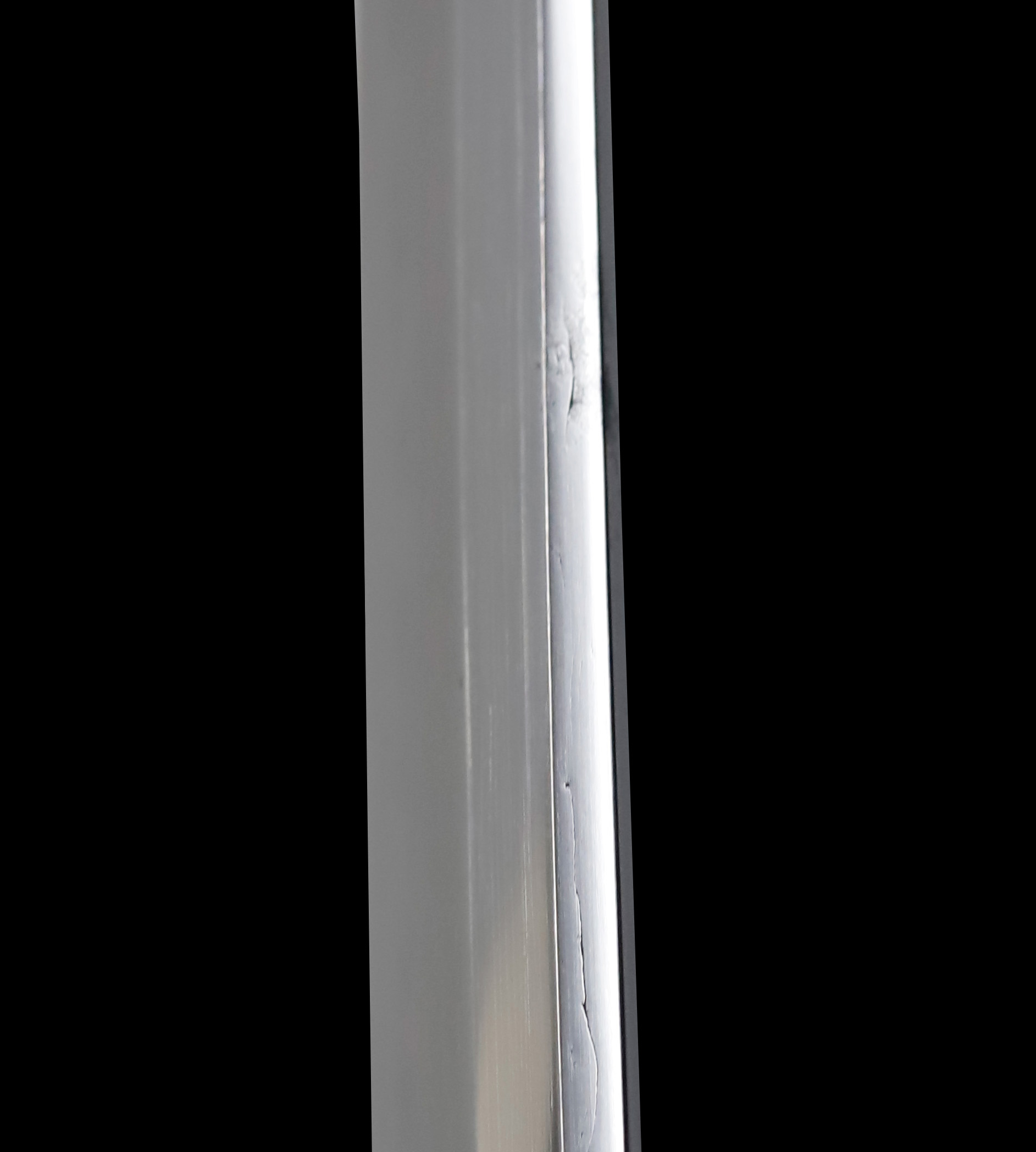
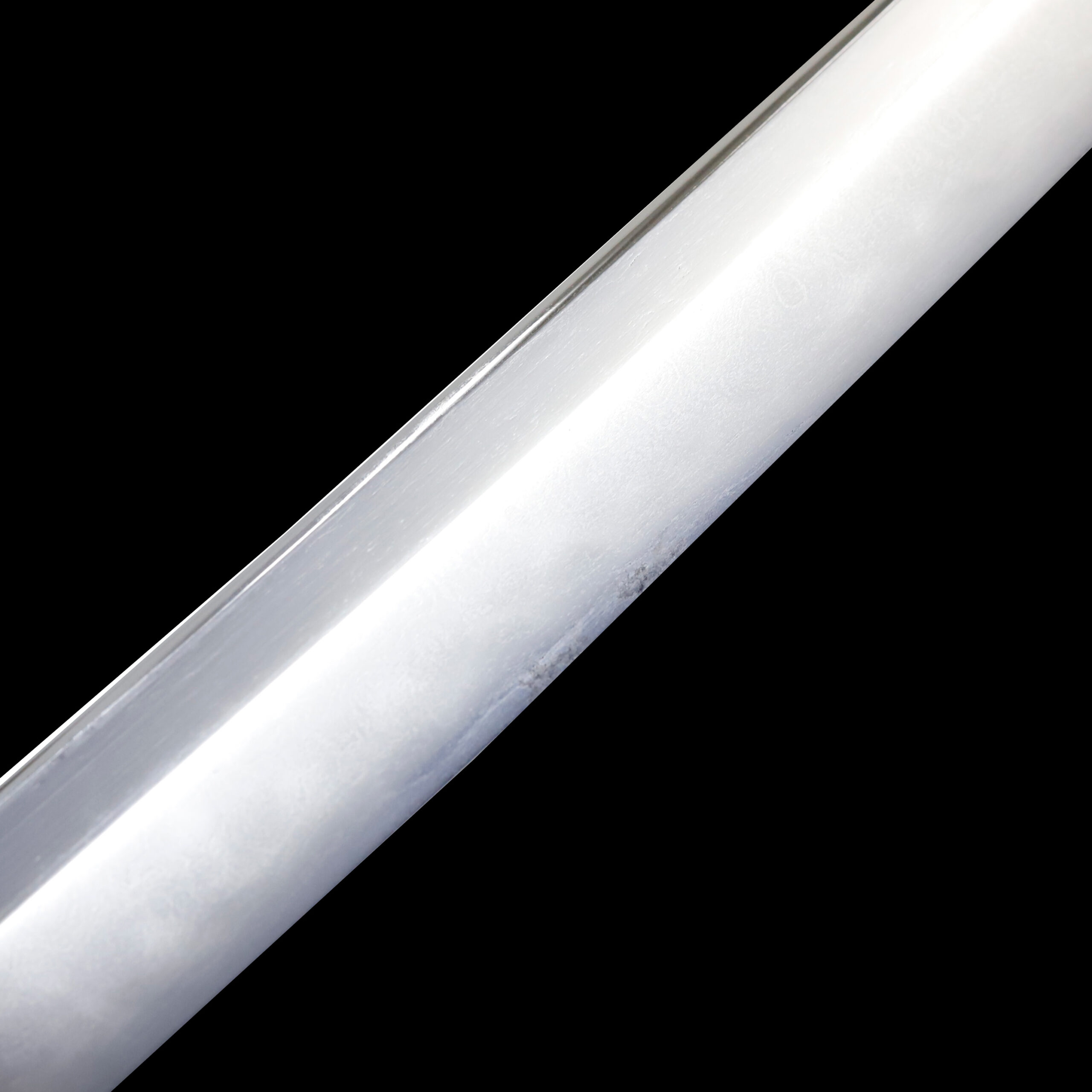
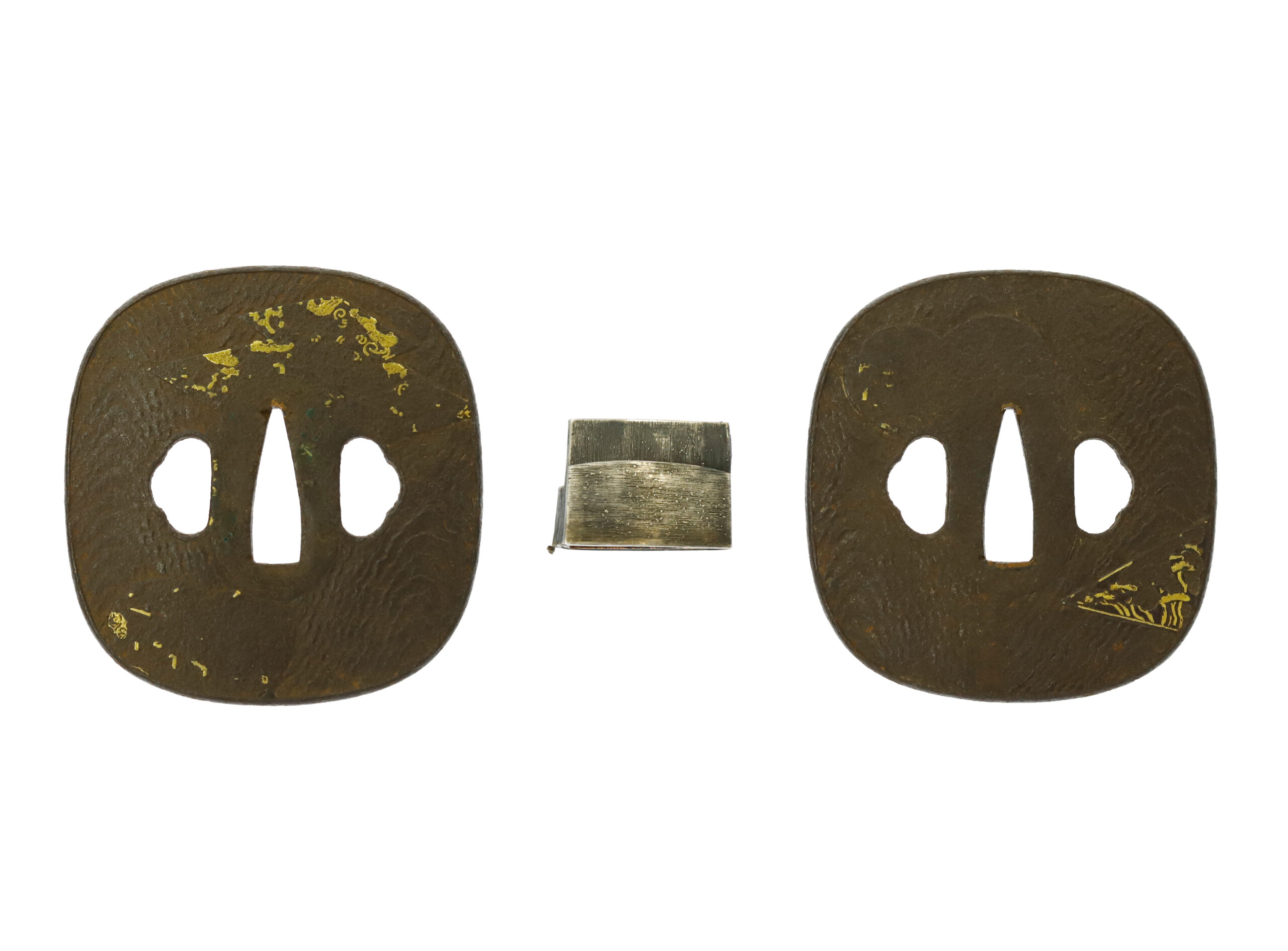
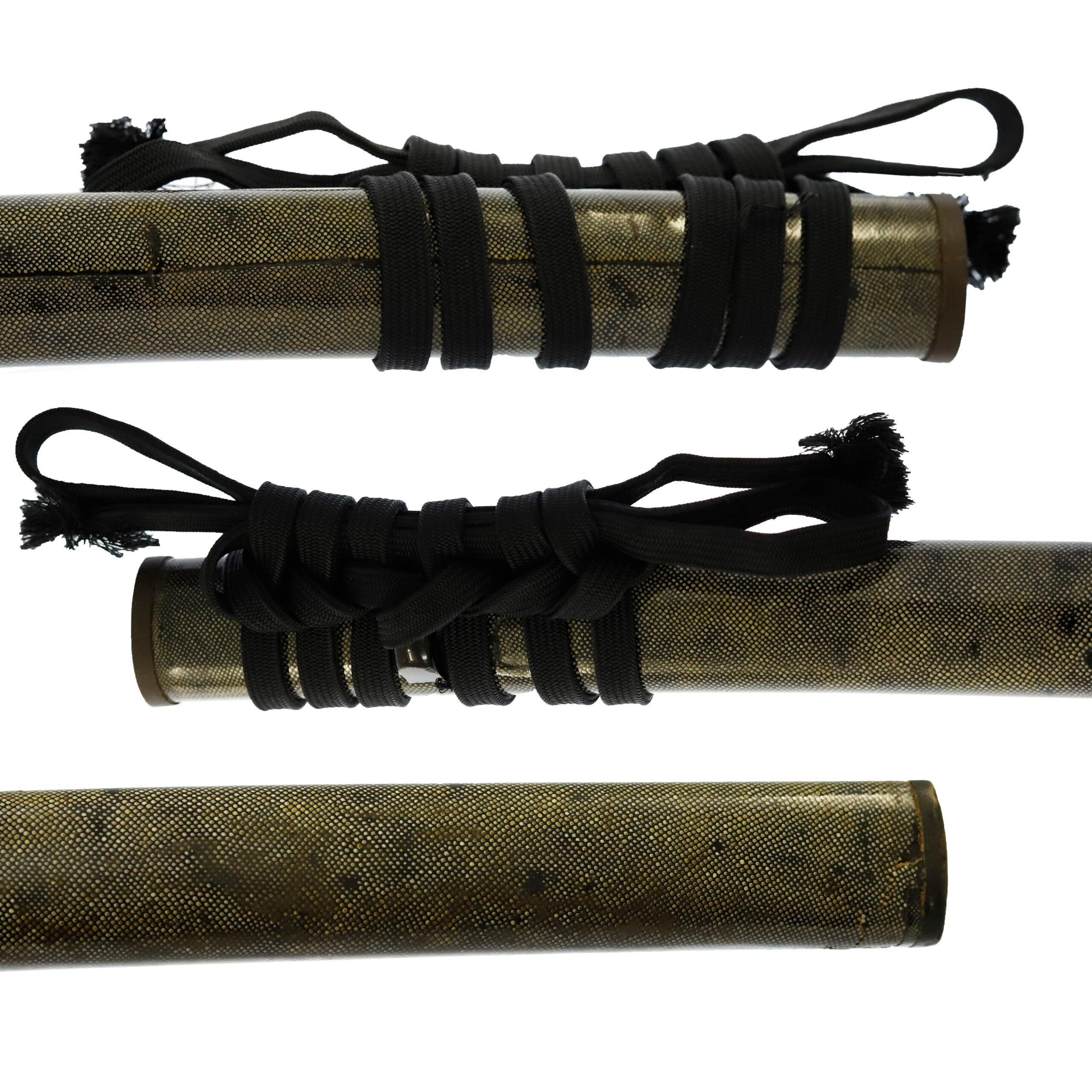
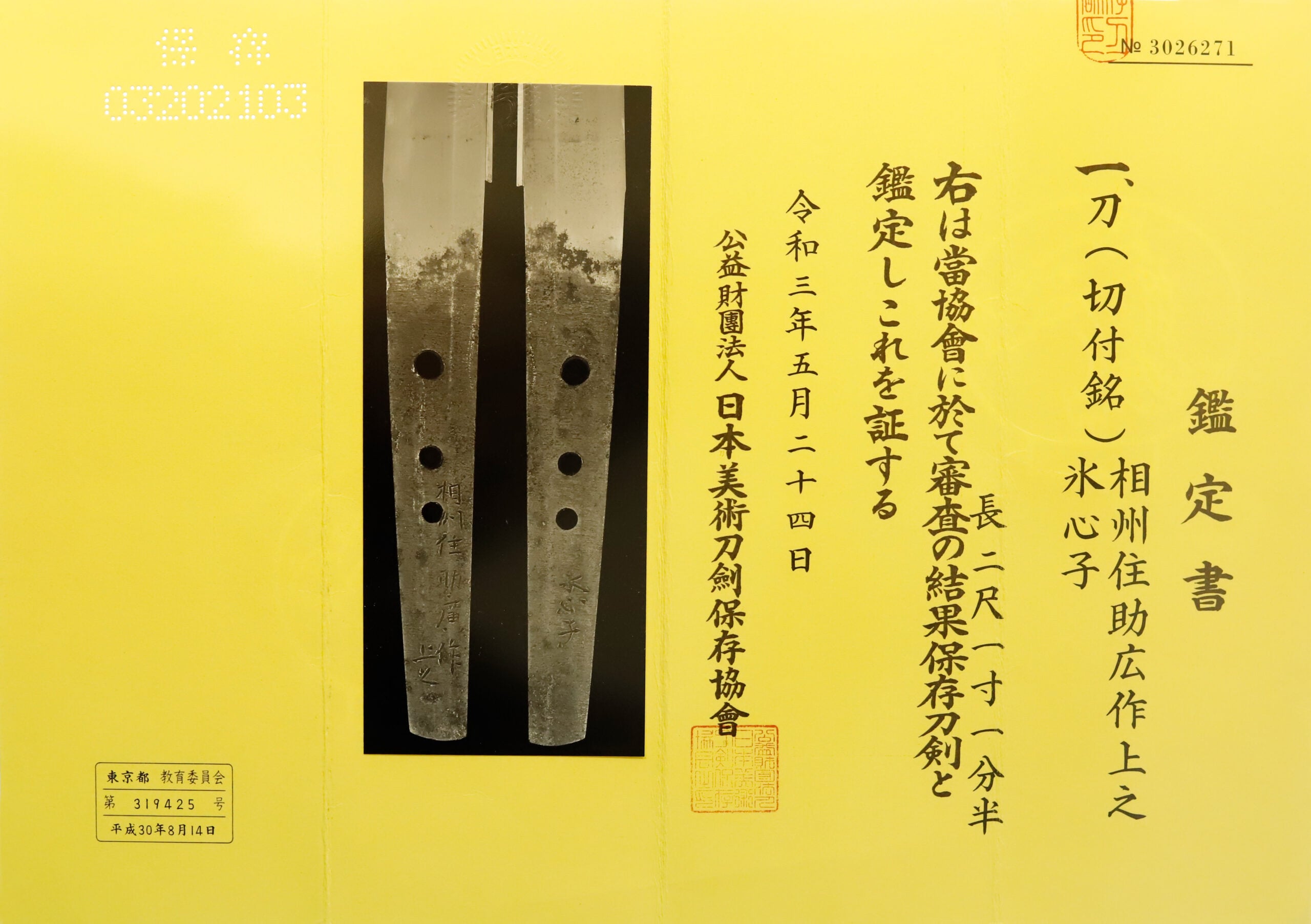
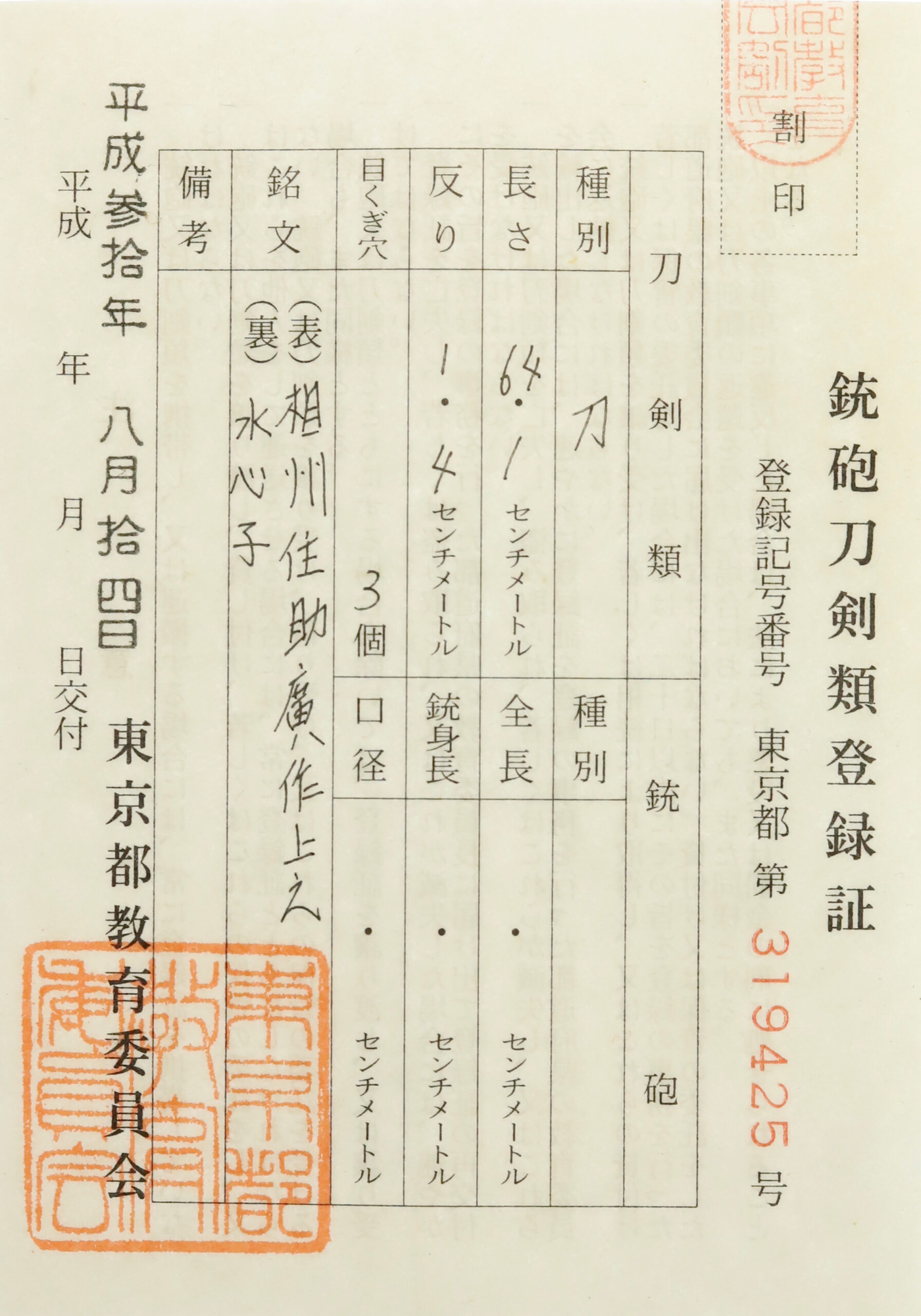
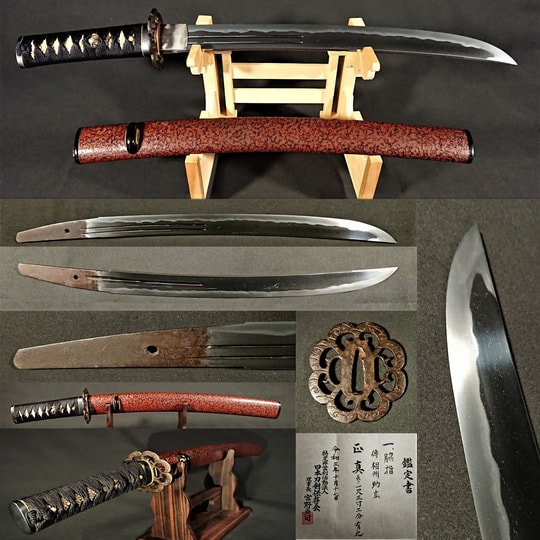
Antique Japanese Sword Katana Kiritsuke Mei Hyoshinshi Soushu Jyu Sukehiro with NBTHK Hozon Certificate 【Description】 Summary This blade has an inscription on the tang, saying that Hyoshinshi (氷心子) on one side and Soshu Jyu Sukehiro (相州住助広) on the other side. According to NBTHK that appraised this blade, these signature are Kiritsuke Mei. This means that Hyoshinshi, also known as Hyoshinshi Hideyo (氷心子秀世) was ordered by someone to do Suriage (shortening the blade) . And, the original signature was cut due to this act. Therefore, Hideyo engraved the name of the swordsmith who originally signed this blade. Both sides of the singatures were made by Hideyo. We would like to explain Hyoshinshi Hideyo and Soushu Jyu Sukehiro below. About Hyoshinshi Hideyo Hideyo’s birthname was Tamura Gunpei. He originally learned sword-forging techniques from the Ishido Unju Korekazu, also known as the 7th-gen Ishido Korekazu. Later on, he became an apprentice of Suishinshi Masahide (水心子正秀). Hideyo was active during 1818-1848. Korekazu and Masahide are two of the most famous swordsmiths at the end of the Edo period. He resided in Azabu town, Edo city. And he eventually became the son-in-law of Masahide. And Hideyo received the Hyoshinshi title. It is said that Hideyo often did a Daisaku for his master at the end of Masahide’s career. Daisaku is a regular act where an apprentice or a child of the swordsmith signed his master’s name with his master’s permission or forged a blade on behalf of the master. That means that his master highly acknowledged Hideyo’s craftsmanship. About Soushu Jyu Sukehiro Soushu Jyu Sukehiro is a swordsmith, who was active during the late Muromachi period in Soshu reigion (Today’s Kanagawa prefecture). Sukehiro forged blades with Soshu tradition, one of the five Japanese sword-forging traditions. Shoshu Den was born in the middle of the Kamakura period. Back then, the Yamato and Yamashiro traditions were highly developed, and there were a few renowned swordsmiths from those regions. However, the sword-forging practice was in its infancy in the Kanto area, where the Soshu region was located. At the beginning of the Kamakura government, which was established in 1185, the first Shogun, Minamoto Yoritomo, prioritized making a lot of rules to have its political stability. And he couldn’t afford to hire swordsmiths within the same region or train them. Therefore, the Kamakura government originally ordered weapons to the swordsmiths in the other areas, such as Yamato and Yamashiro. But, since the government was established, the demand for weapons increased exponentially in the government, and they had to figure out how to meet those demands from Samurai who served Kamakura shogunate. Then, the 5th head of the Shogun, Hojo Tokiyori, invited two renowned swordsmiths from other parts of Japan. They were Awataguchi Kunitsuna from Yamashiro province and Bizen Saburo Kunimune from Bizen province. And the 7th-gen Shogun Koreyasu Shino also invited Fukuoka Ichimonji Sukezane from Bizen province. It is said that those three swordsmiths played an essential role in creating the Soshu Den and making the foundation of the Soshu Den. Also another famous figure in the Soshu den is Intou Kunimitsu, an adopted son of Awataguchi Knitsuna. And Kunimitsu passed his excellent craftsmanship to Yukimitsu, his apprentice. And Masamune, one of the most famous swordsmiths in Japanese history, was an apprentice of Yukimitsu. And Masamune was the one that brought Shoshuden to nationwide fame. The tradition Masamune completed became an example of other swordsmiths who learned Soshu Den. Also, Soshu Den influenced many renowned swordsmiths during the Koto- Shinto era. One of examples is Inoue Shinkai from Osaka and Suishinshi Masahide from Edo. This blade is appraised as a Hozon Touken (保存刀剣) issued by NBTHK (Nihon Bijutsu Touken Hozon Kyokai: 日本美術刀剣保存協会). This authentication paper was only given to authentic Japanese swords, well preserved and high quality w

Antique Japanese Sword Katana Kiritsuke Mei Soushu Jyu Sukehiro NBTHK Hozon Certificate
売切れ
Hozon売切れ

Antique Japanese Sword Katana Kiritsuke Mei Soushu Jyu Sukehiro NBTHK Hozon Certificate

売却済

世界81社の刀剣商を横断追跡 · 価格履歴 · 売却アーカイブ

仕様

長さ

64.1 cm

反り

1.4 cm

作者について

Sukehiro助廣

刀剣商

サムライミュージアム

samuraimuseum.jp

売切れ