江戸は刀の目利きの時代である。本阿弥の鑑定、1719年の享保名物帳、盛んな刀剣書が、戦で抜かれることのなくなった刀を学問の対象へと変えていった。
 NihontoWatchNihontoWatch
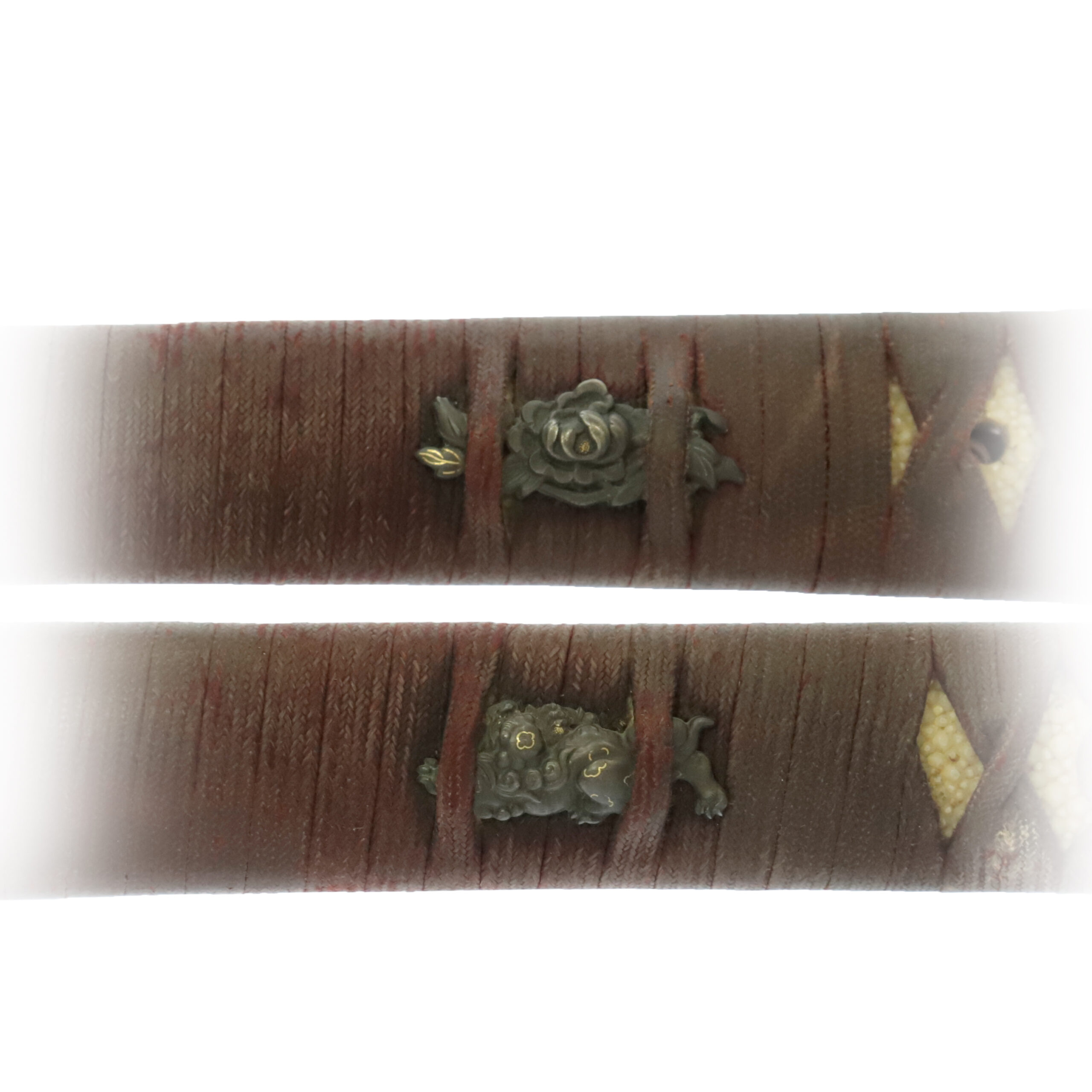
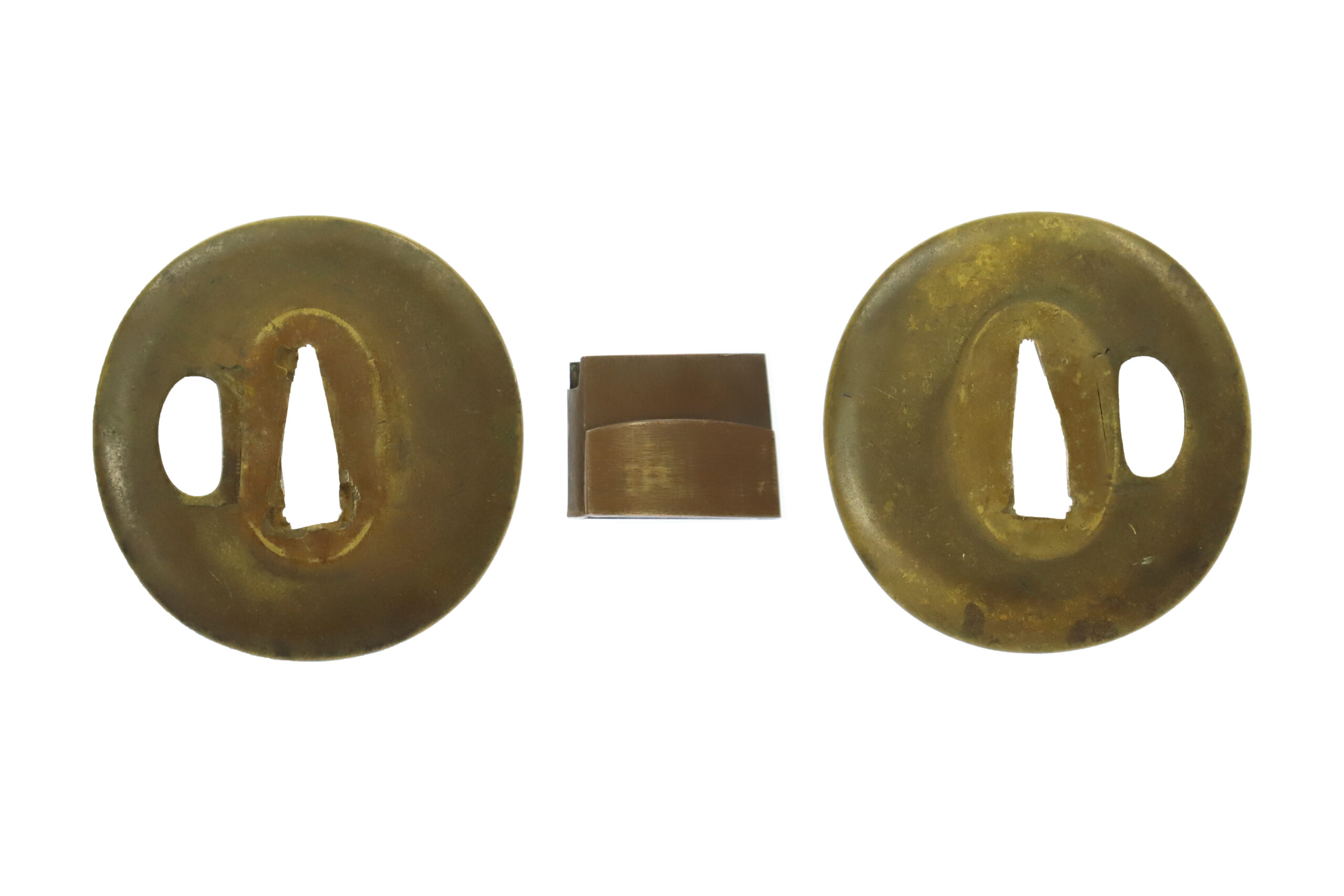
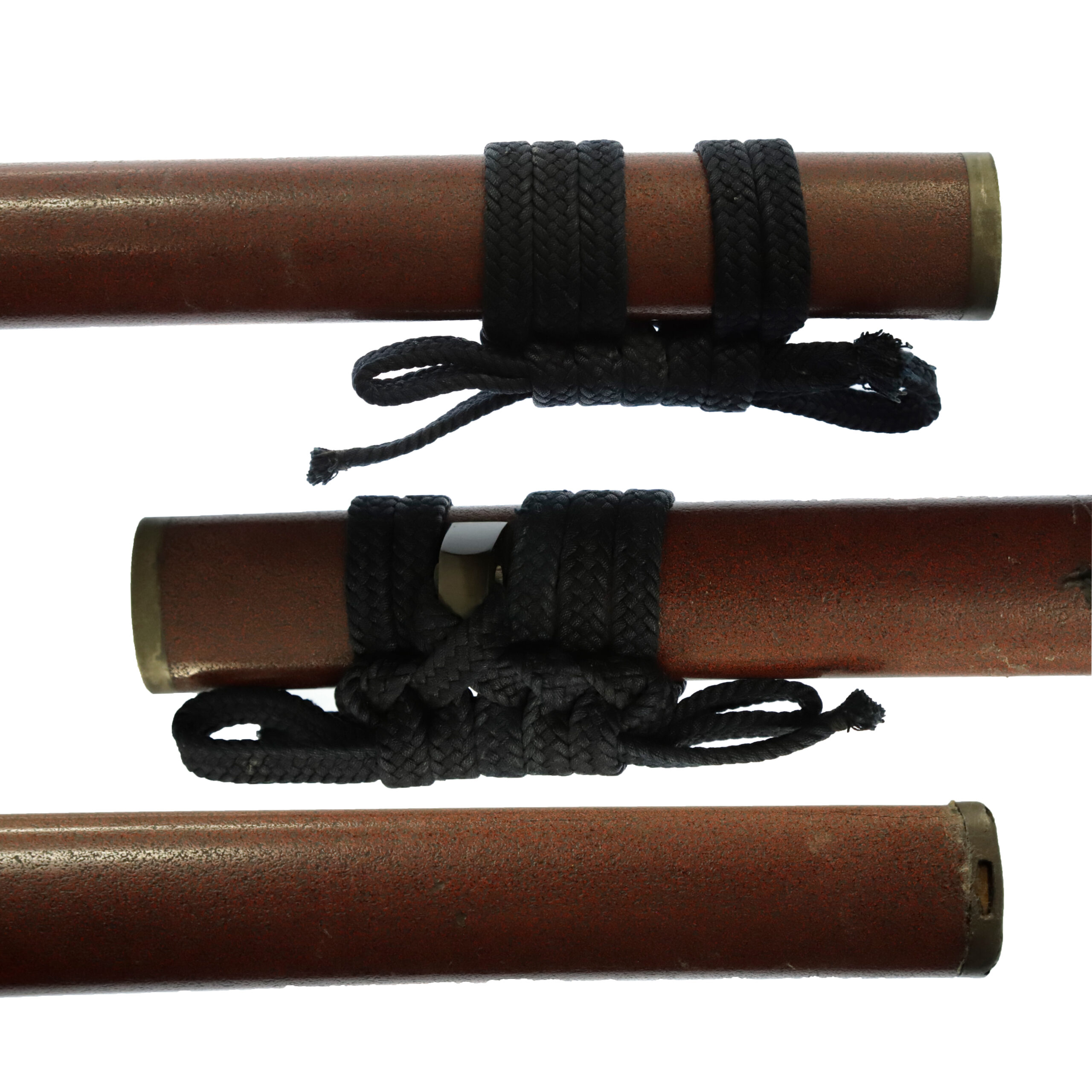
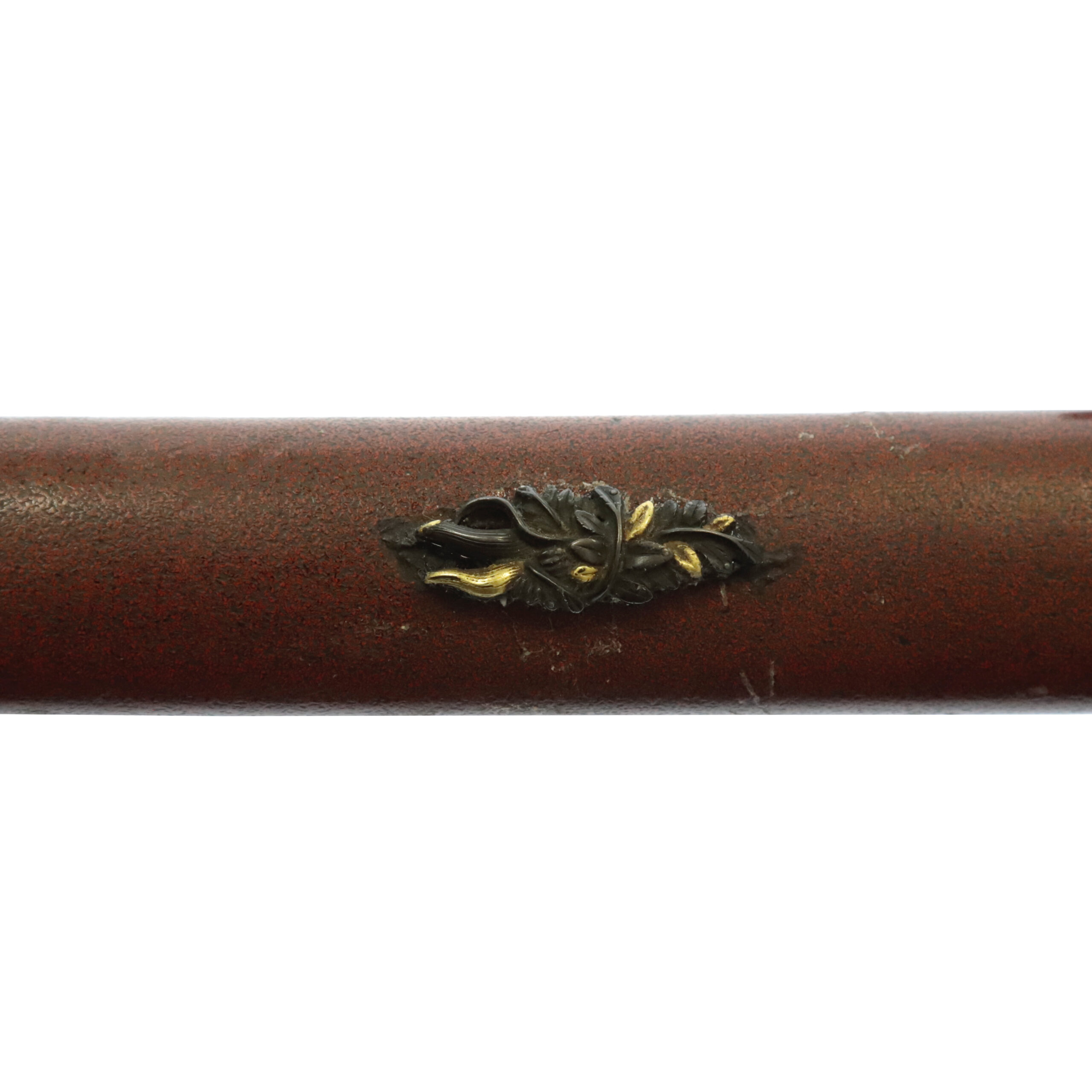
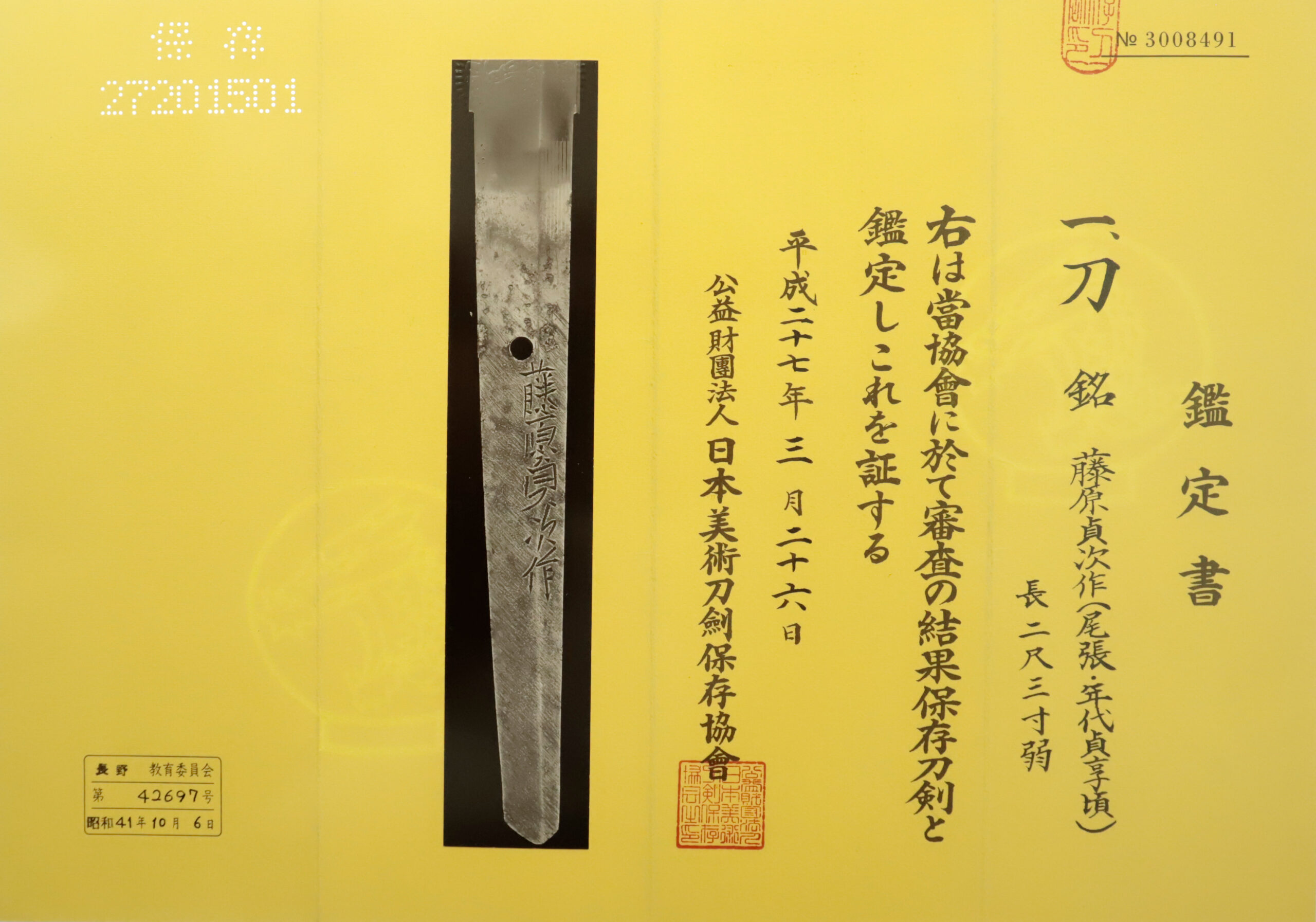
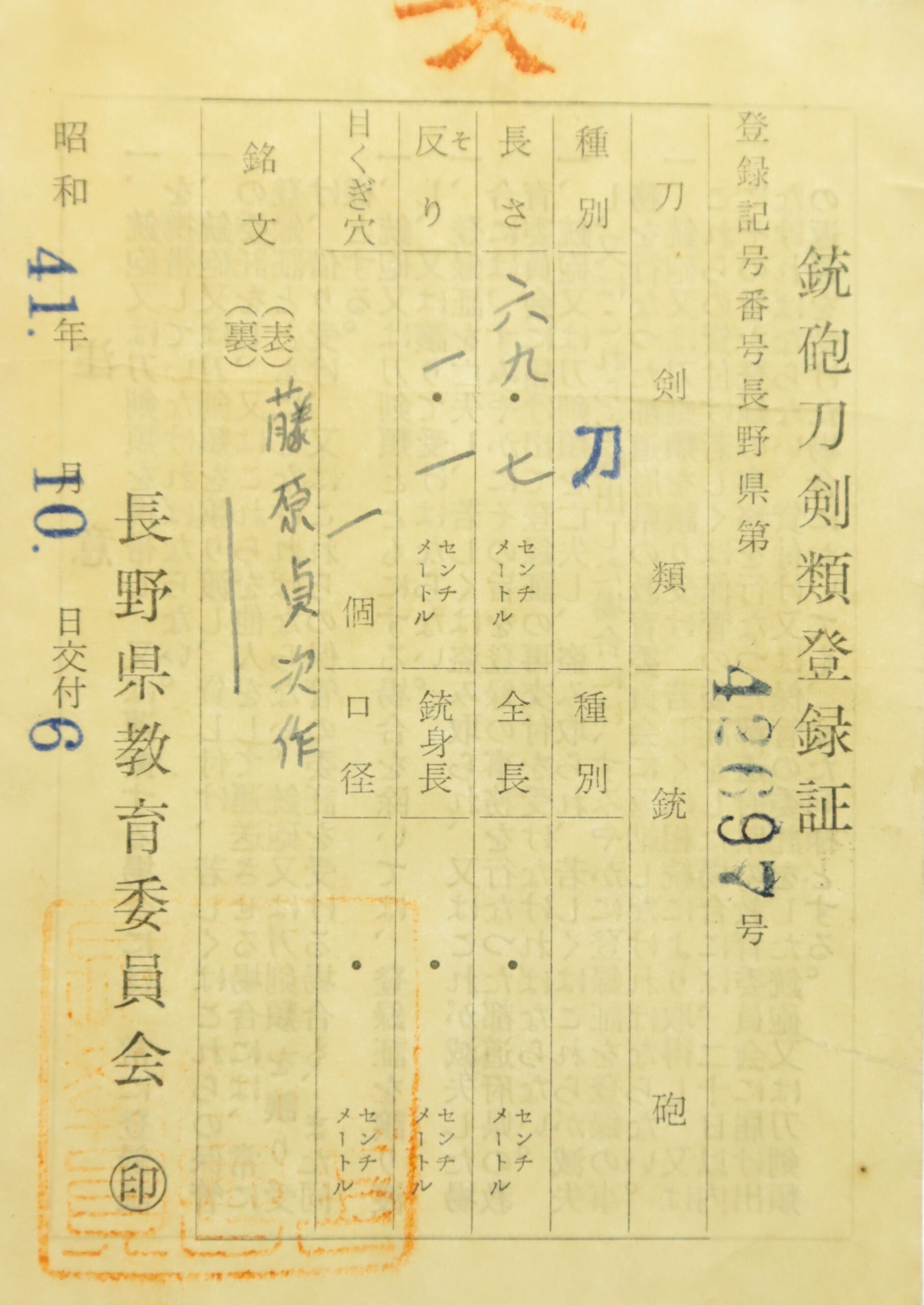
This blade was signed by Fujiwara Sadatsugu (藤原貞次) during the Jokyo era (1684-1688: Early Edo Period) in Owari province (today’s Aichi prefecture). It is said that Sadatsugu was active during the Kanbun-Genroku era (1661-1704: early-mid Edo period). His birthname was Hisaemon (久佐衛門)and he was an apprentice of Kawachi no Kami Sadayuki. Sadatsugu forged blades for Samurai who served Owari Mikawa domain. As Owari province was active in martial arts during the early-mid Edo period, there was much demand for swords among high-class Samurai. And there were quite a few renowned swordsmiths in Owari province, but many of them only forged blades for the Owari domain. Owari domain was known as Tokugawa Gosanke (徳川御三家) and had powerful political power, closely connected to Tokugawa Shogunate in Edo city. We assume this blade was originally made for a high-class Samurai in Owari province. Sadatsugu received the honorable official title of Kawachi no Kami from the emperor for his superb sword-forging techniques in his late career. This blade is appraised as a Hozon Touken (保存刀剣) issued by NBTHK (Nihon Bijutsu Touken Hozon Kyokai: 日本美術刀剣保存協会). *Please keep in mind that there is a couple of Kitae Kizu on the Mune (backbone of the blade) and blade. Tsuka and Menuki The theme of the Menuki is Botan (牡丹, peony) flower and Karajishi (唐獅子). The combination of Botan and Karajishi is called Karajishi Botan (唐獅子牡丹). Peony represents happiness, wealth, nobleness, and gorgeousness. This flower pattern has been treated as a good-omen motif; people regarded it as a rich harvest sign. As mentioned above, a peony is called the Botan in Japanese. When we write this flower’s name in Kanji characters, its second letter means mountain hermit medicine that would give us eternal youth. Based on the meaning of this letter, the peony pattern symbolizes eternal youth and longevity. About the Karajishi, the Shishi (獅子) means a lion in Japanese, and the Karajishi is a lion brought from the Continent to Japan in the Toh period (唐, Tang dynasty, 618-907). The Karajishi typically has curly hair for its head, neck, body, and tail. In Buddhism, the Karajishi is regarded as a symbol of wisdom, and the Monju Bosatu (文殊菩薩, Manjushri Bodhisattva) rides lions. According to a theory, the Kara-Jishi originates from the Komainu (狛犬, stone guardian dogs that exorcize evil spirits). There is a Houwa (法話, Buddhist monks tell the story of Buddhism in an easy-to-understand manner) that treats the Karajishi and this flower. The lion is called the king of the beasts. However, even this invincible animal has only one fear: a bug in the lion’s body. This pest grows in the lion’s hair and eventually breaks the skin and bites the flesh. Nevertheless, it dies if it is exposed to the night dew of a peony. Therefore, the lion rests under peony flowers at night, looking for a haven. The design of these sword mountings might have been quoted from this story. Authentication Paper They authenticated the blade on March 26th in the 27th year of Heisei (2015). They appraised it as Hozon Touken, the blade worth preserving for Japanese society.

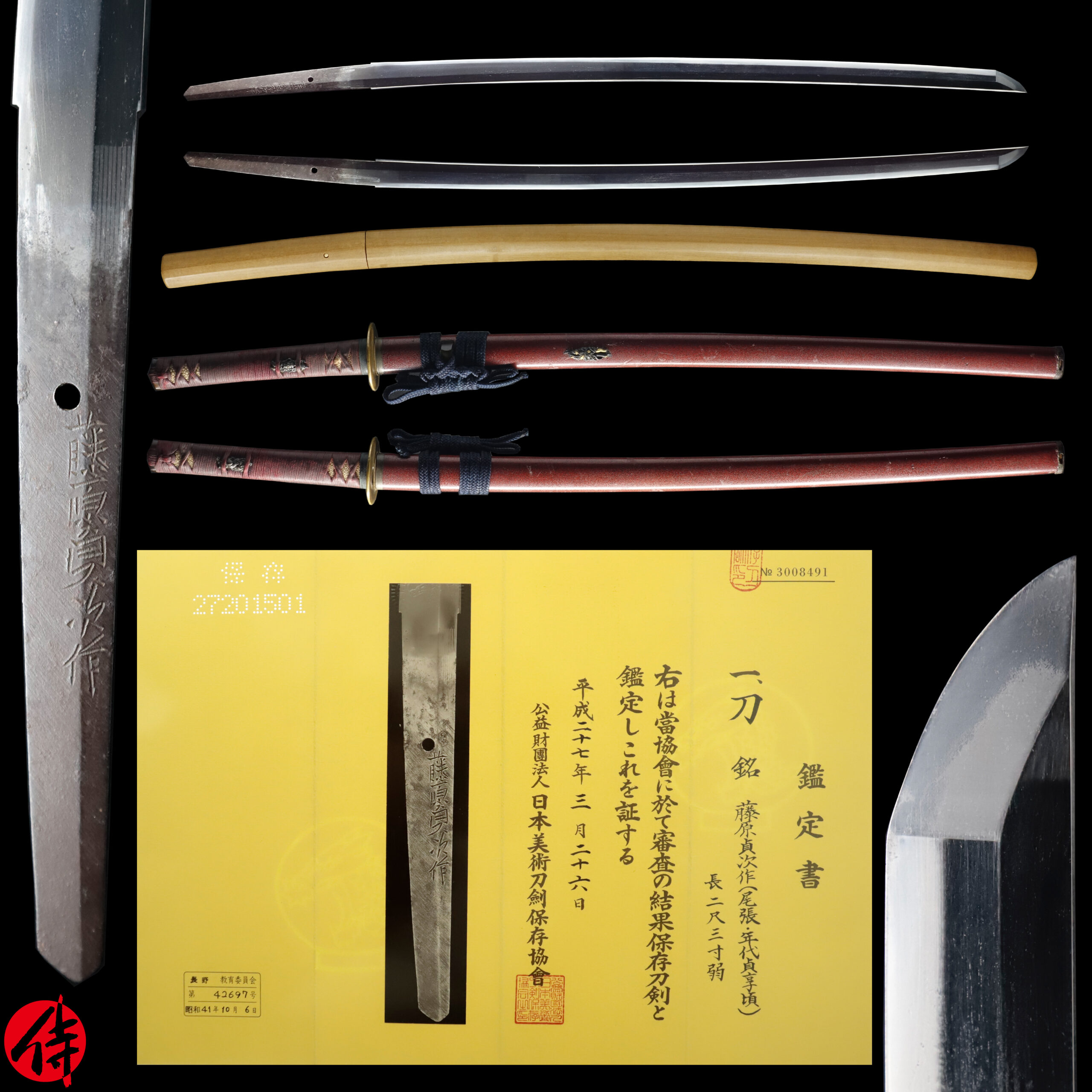
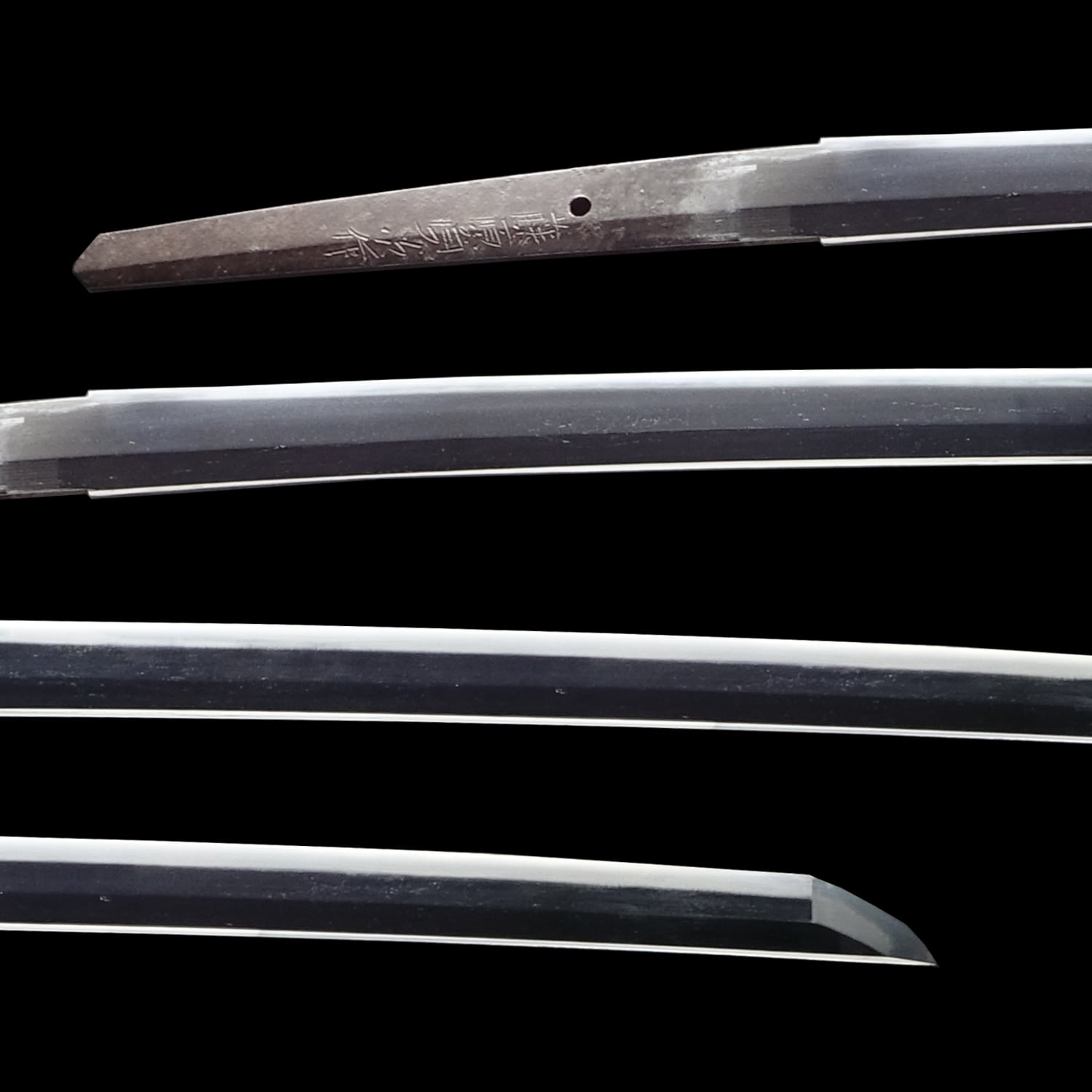
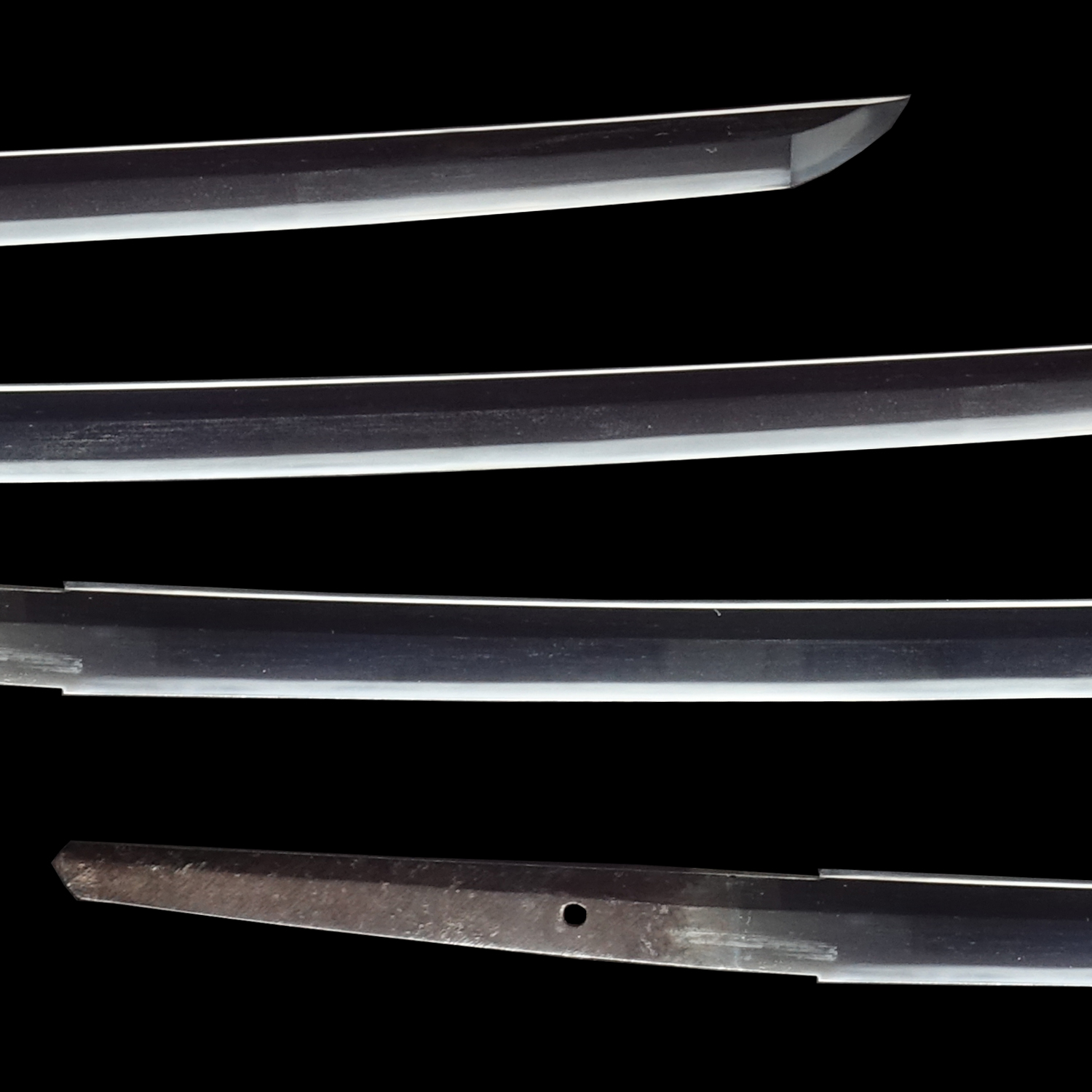
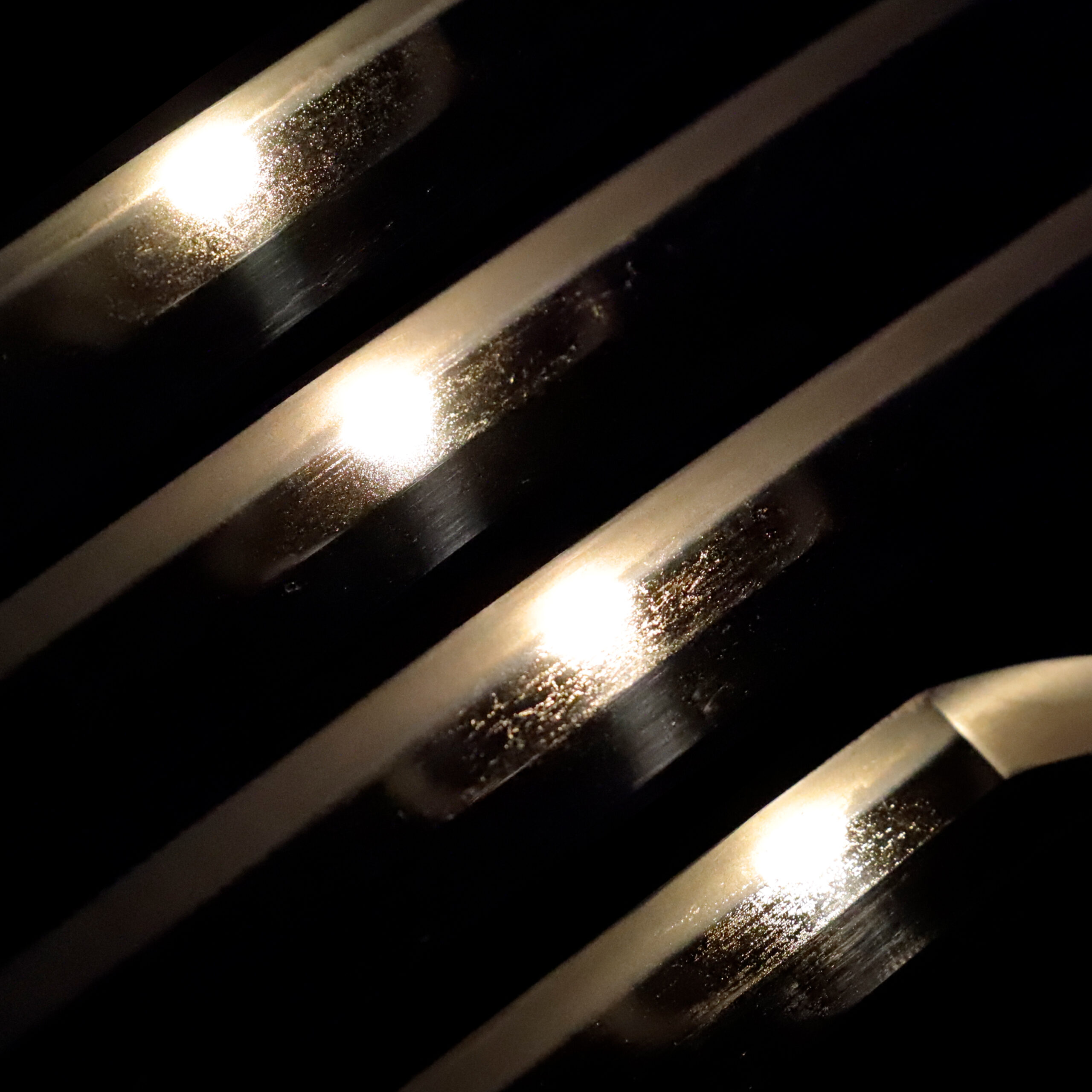

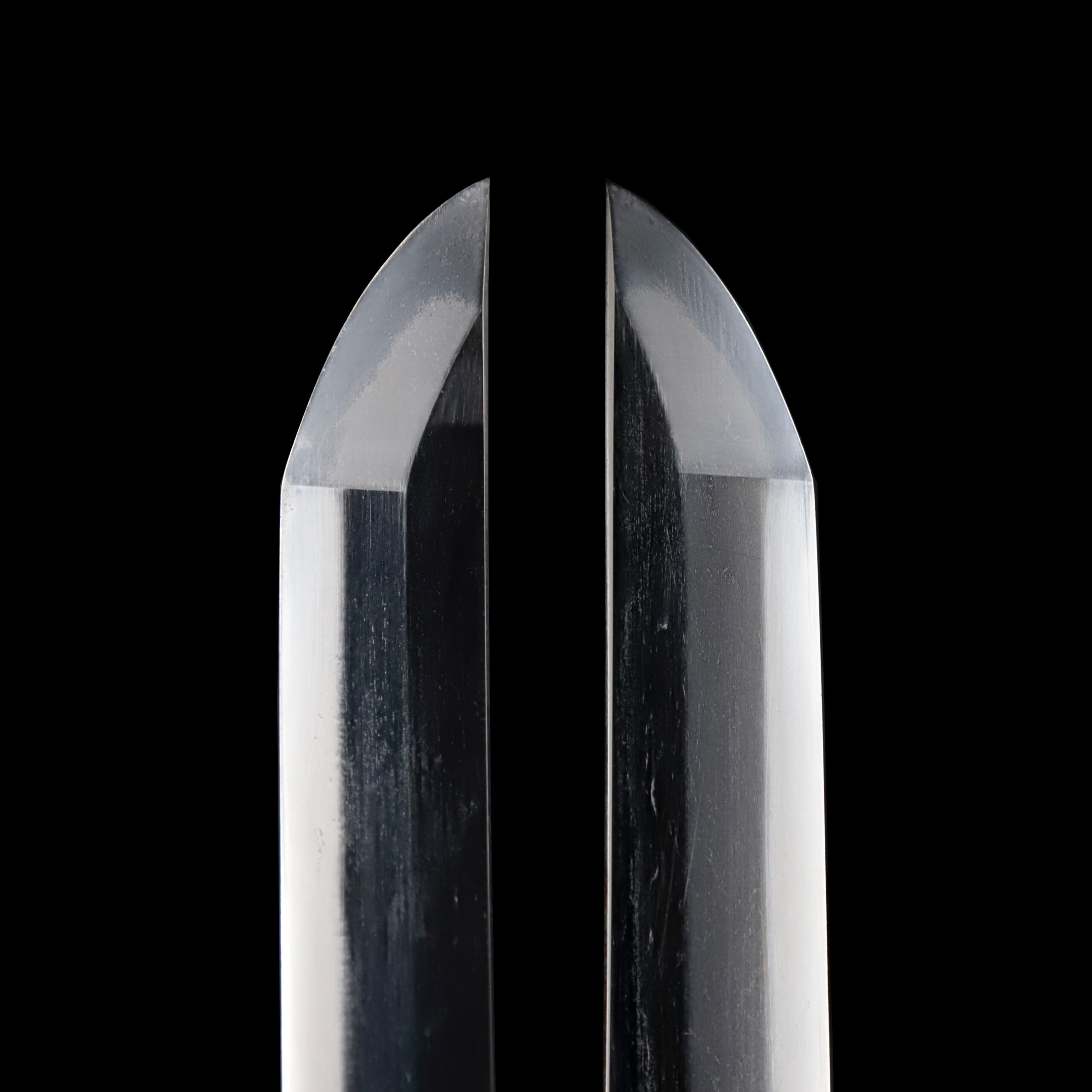
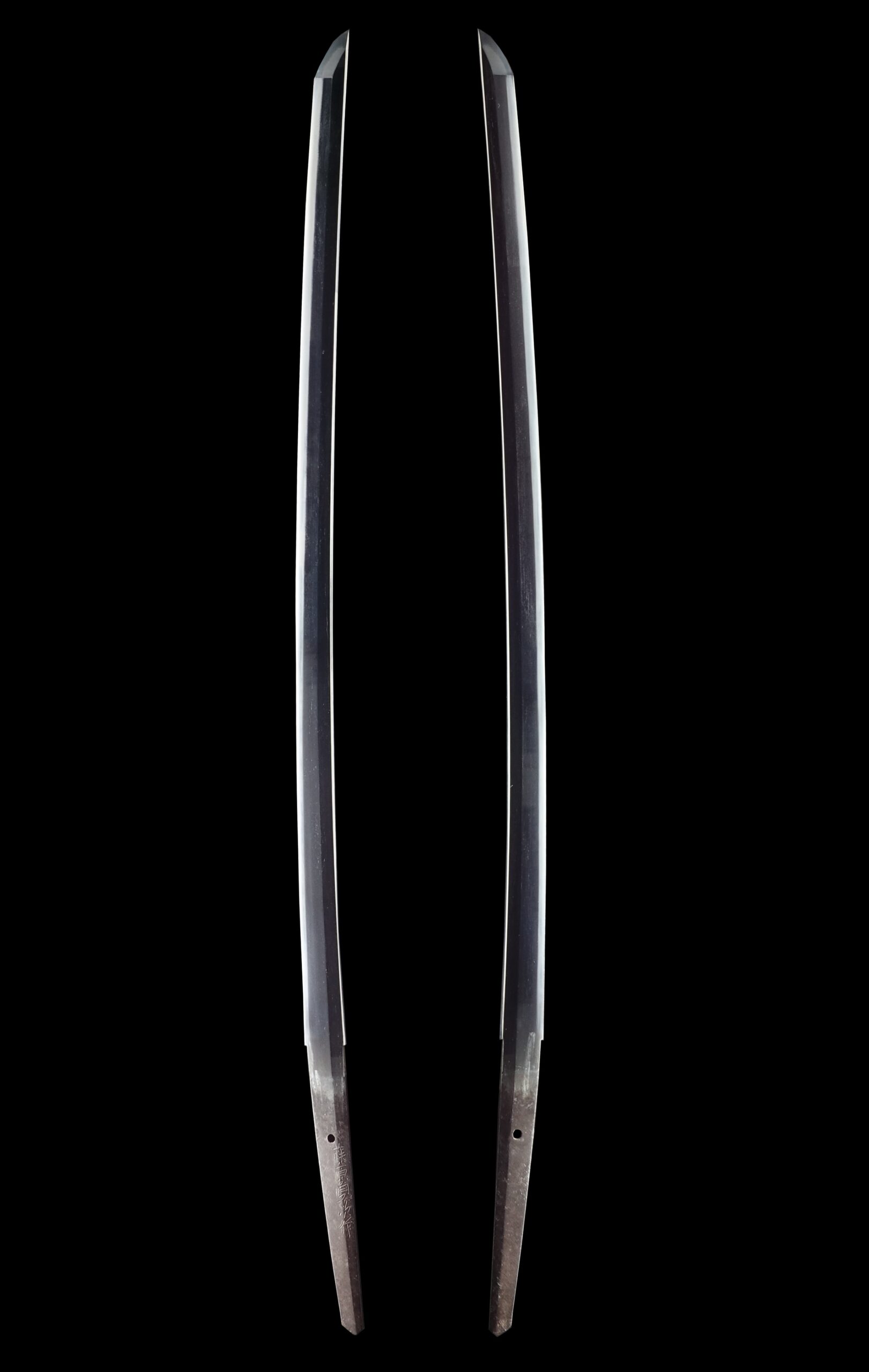
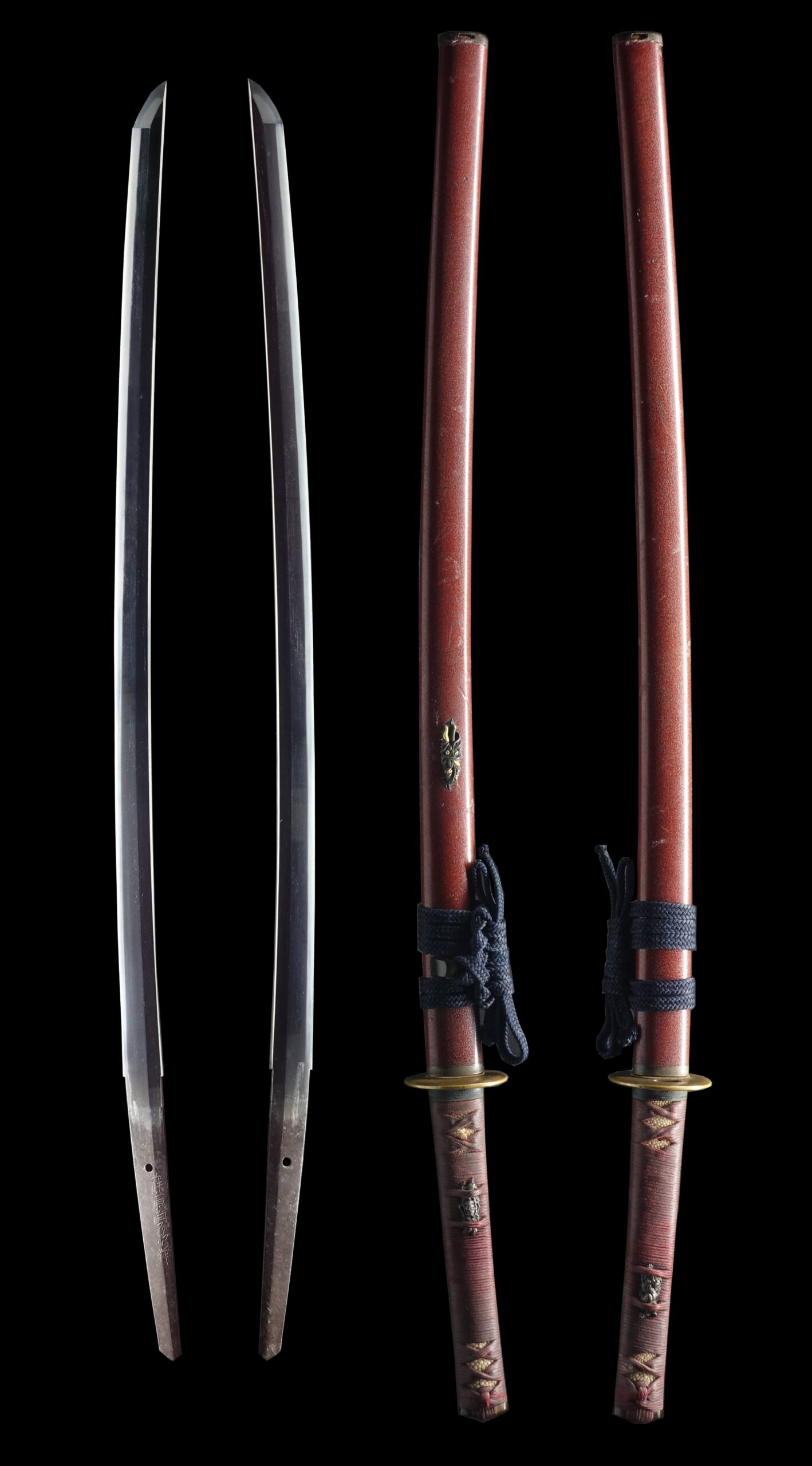
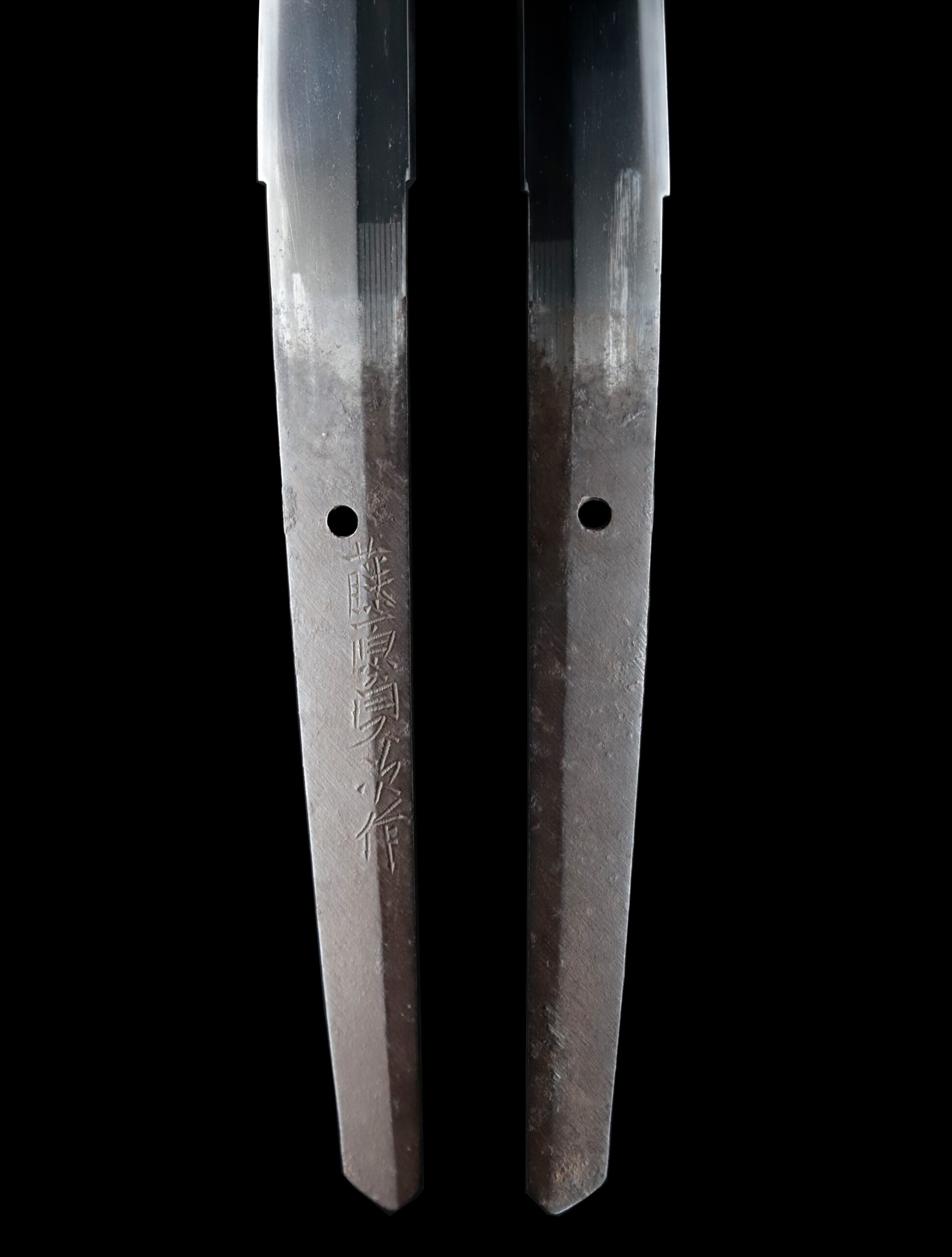
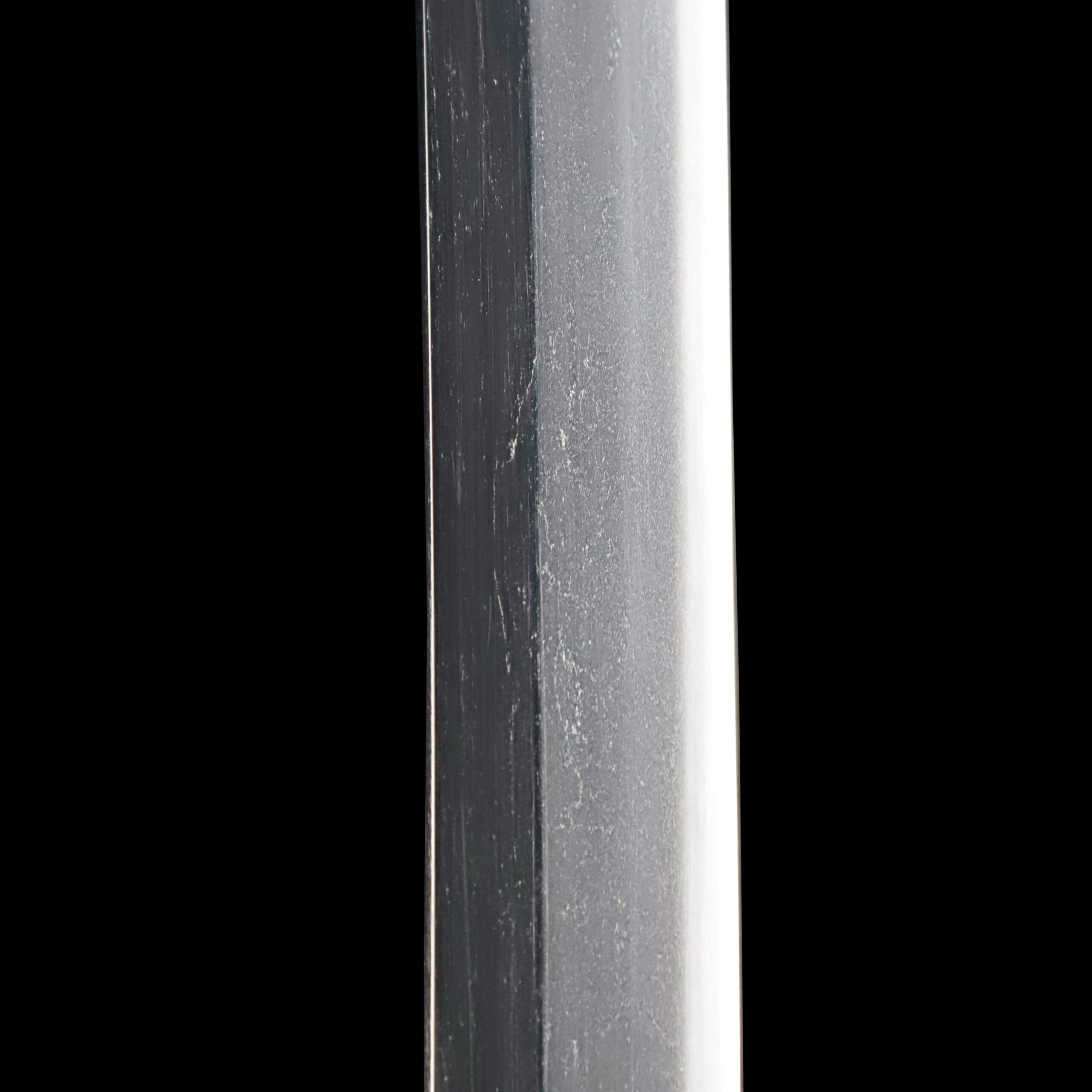
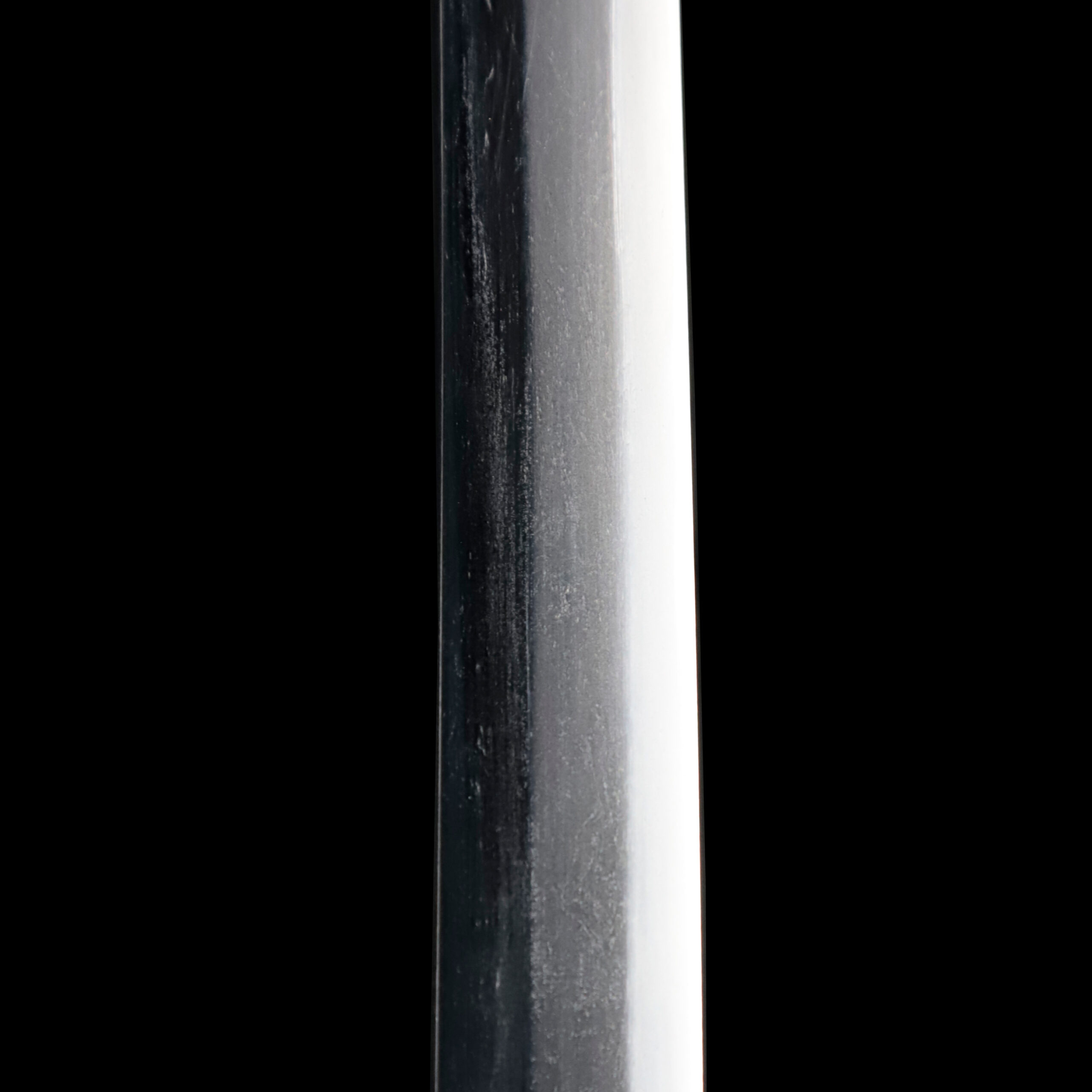
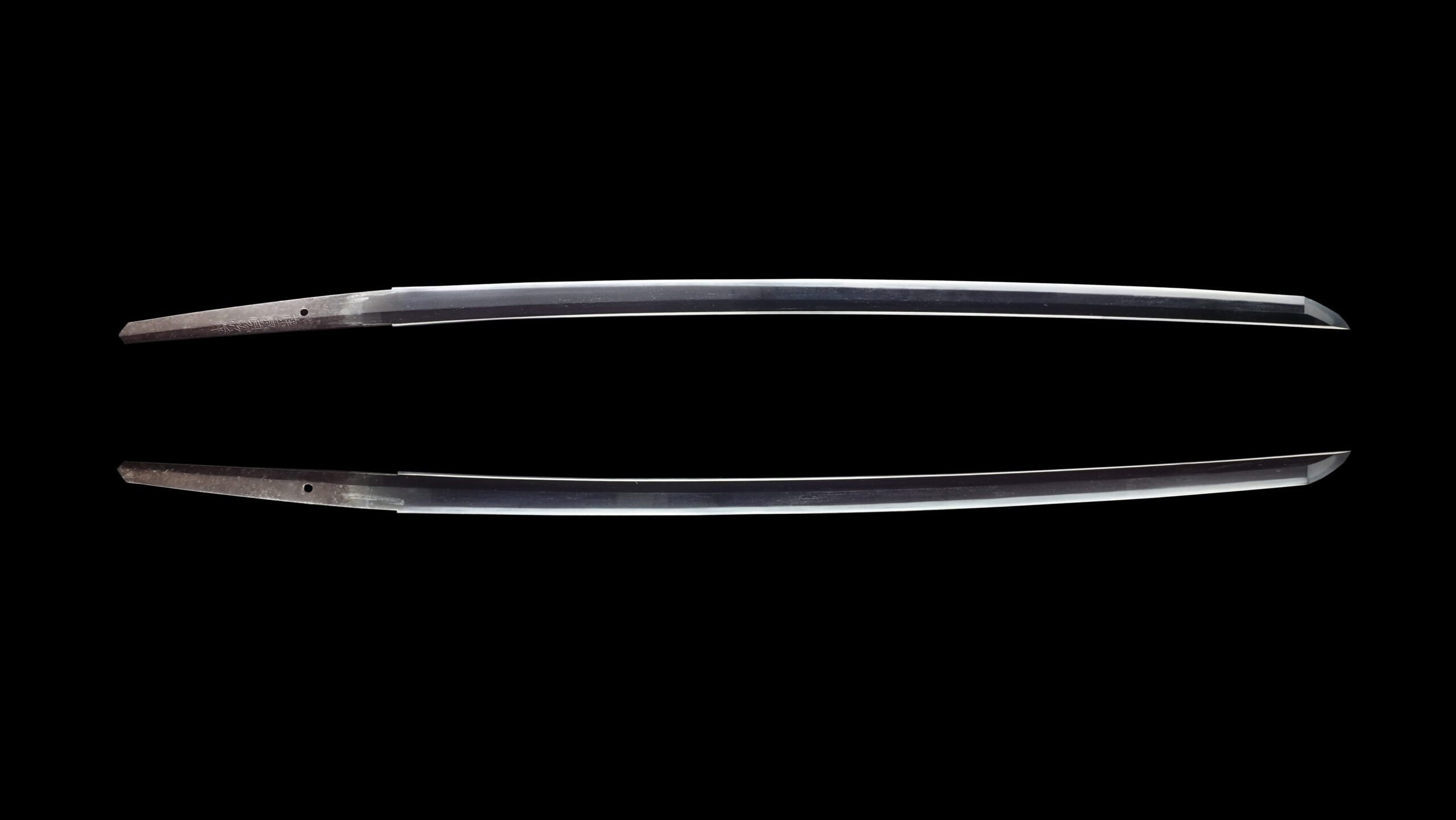
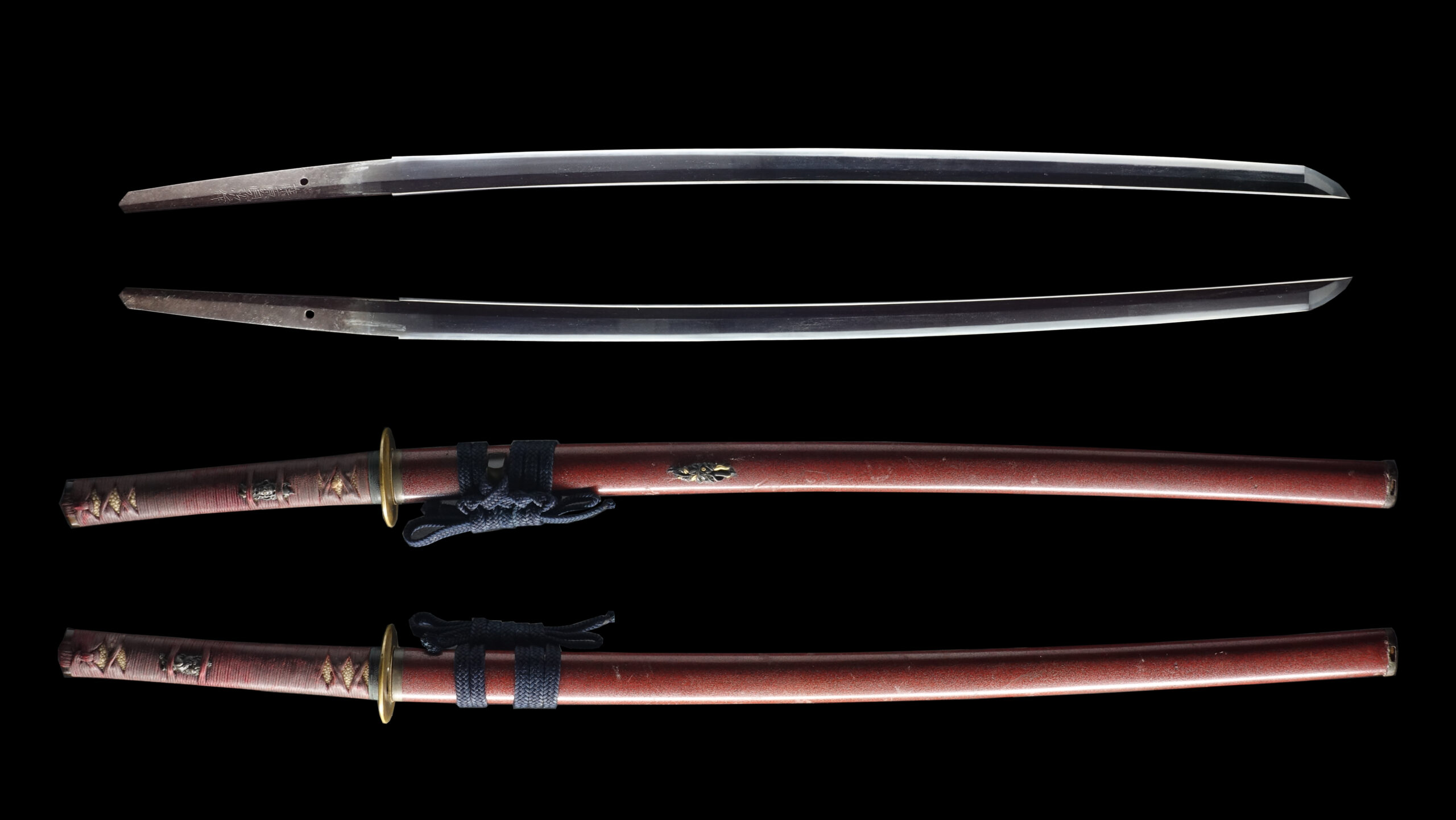

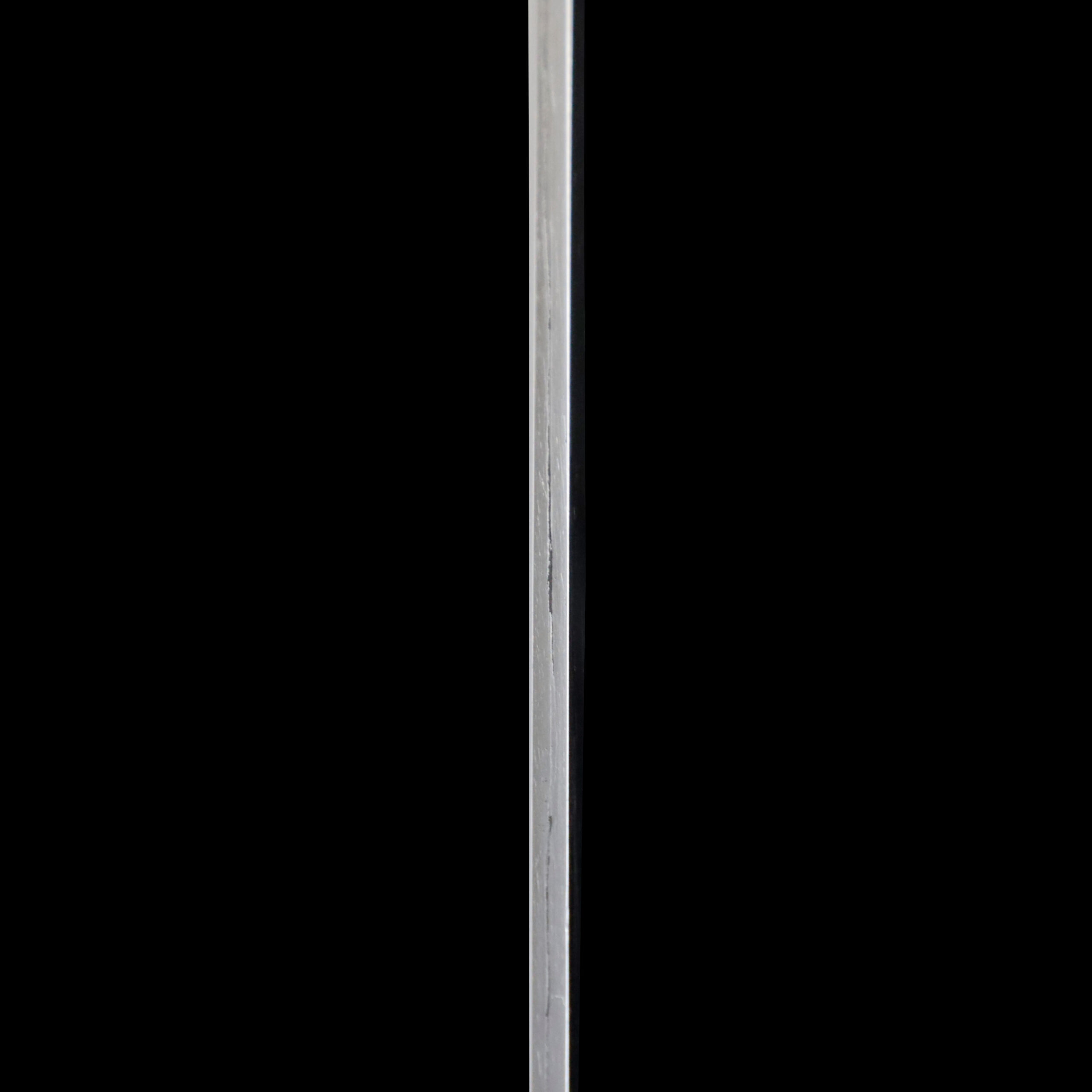
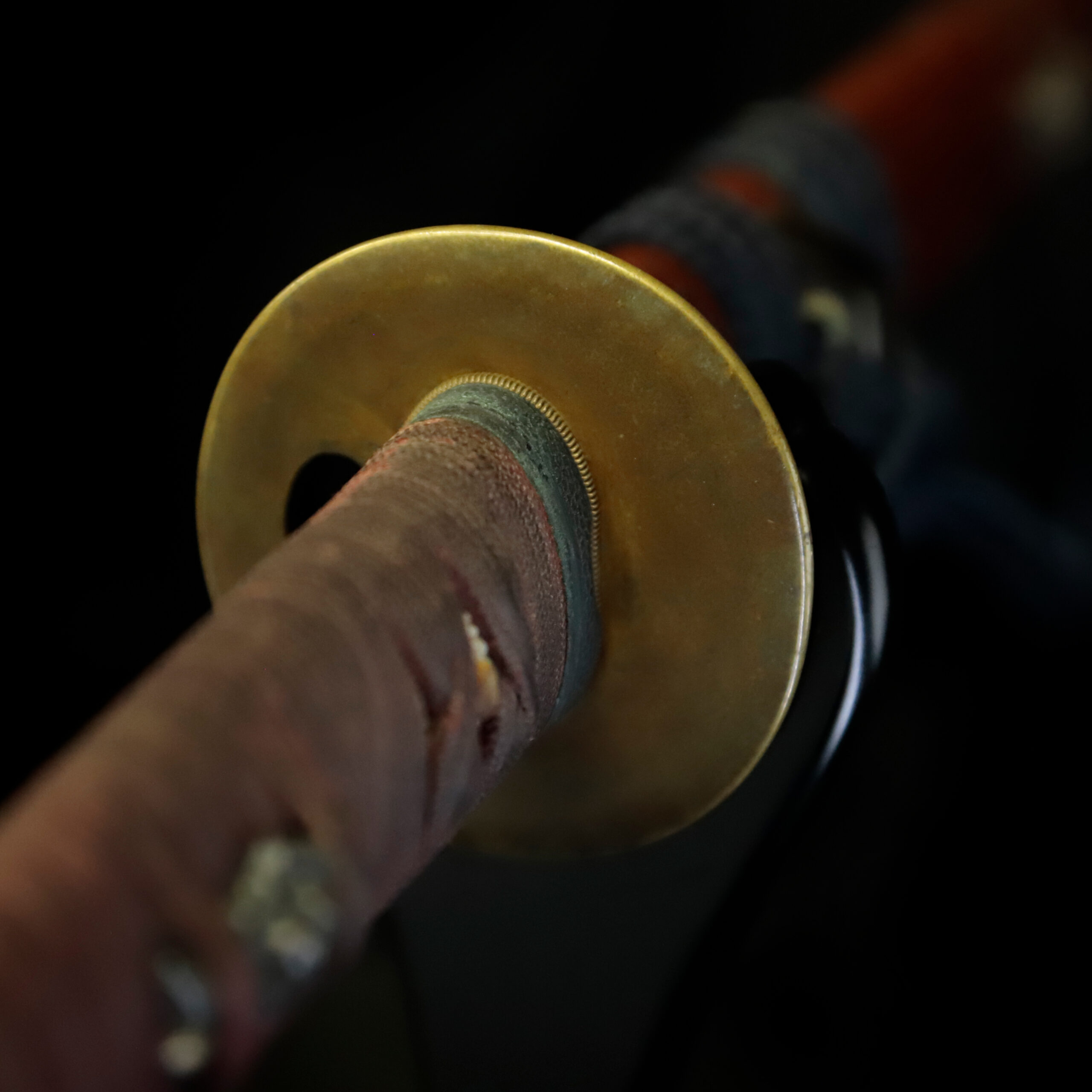
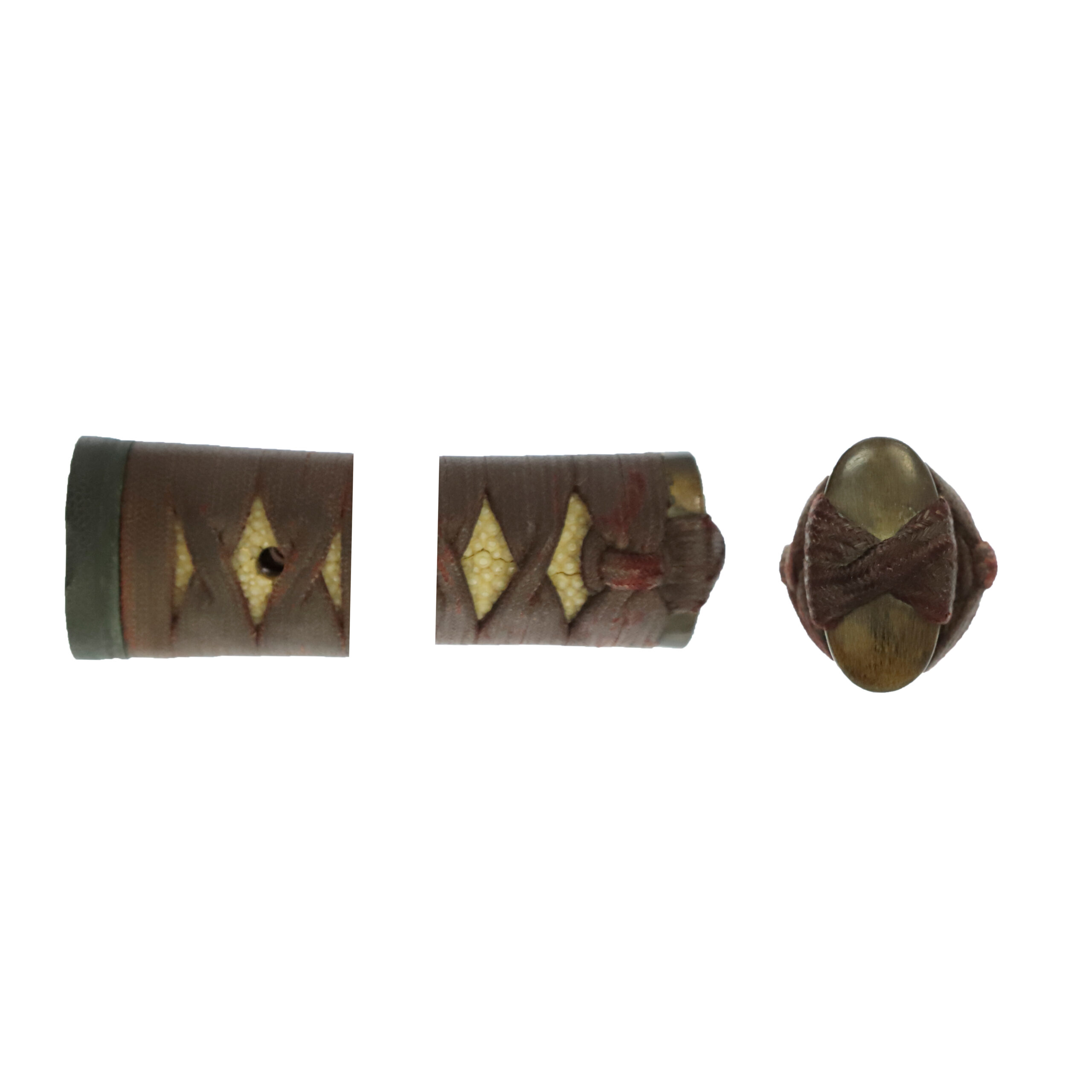
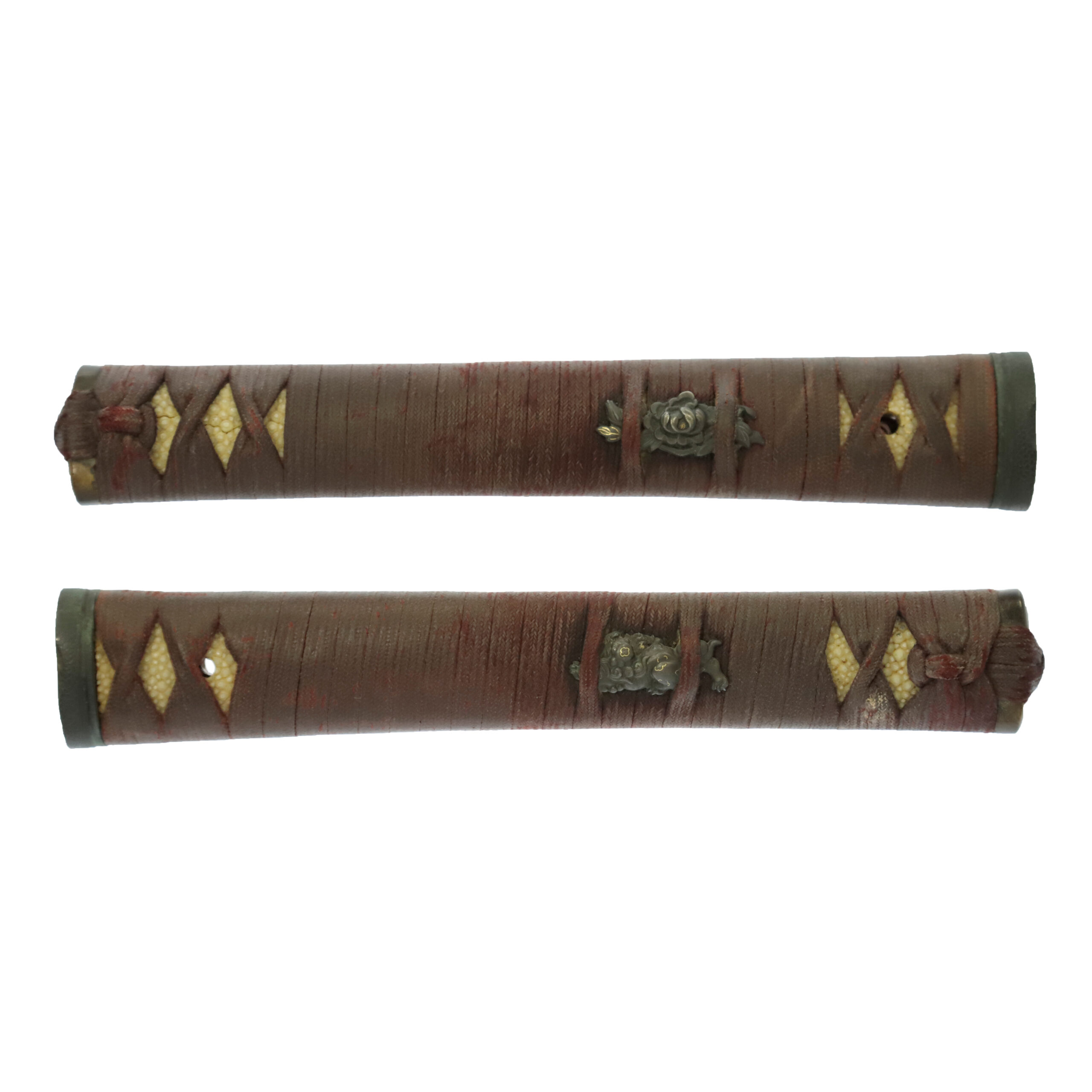
販売店の記載のまま
尾張 · 1661-1704頃
江戸時代
江戸は刀の目利きの時代である。本阿弥の鑑定、1719年の享保名物帳、盛んな刀剣書が、戦で抜かれることのなくなった刀を学問の対象へと変えていった。
銘が正しい、または無銘でも年代・国・系統を確実に指摘できる、保存に値する真正の作と鑑定されたものです。
日本美術刀剣保存協会(NBTHK)は、1948年に設立され、文化庁の監督を受ける公益財団法人で、東京・刀剣博物館に本部を置きます。専門の審査員が出品作を直接審査し、美術的・歴史的価値に応じた鑑定書を発行します。NBTHKの鑑定書は、日本刀および刀装具の真正性を示す最も広く認知された基準です。
NBTHK公式サイトReturns/exchanges limited to defects caused by shipping (except willful misconduct or gross negligence by the company); customers must contact within 72 hours of receiving the product.