徳川の泰平のもと、大小は法度の定める身分の制服となり、需要は城下町、とりわけ江戸に集まった。工芸は二つに分かれる。目利きのための華やかな鑑賞の作と、截断の結果を金象嵌に刻む実証の刀である。
 NihontoWatchNihontoWatch
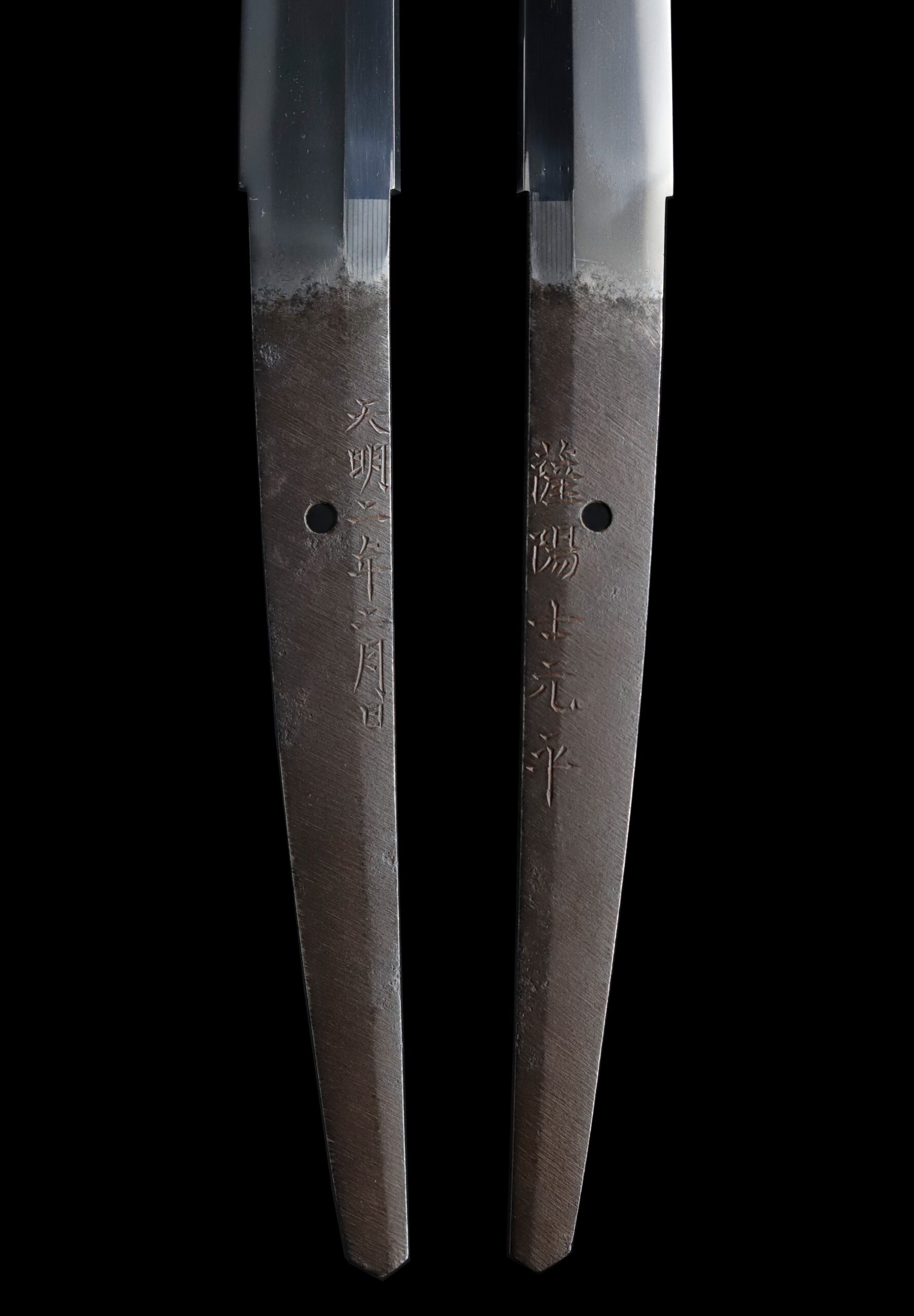
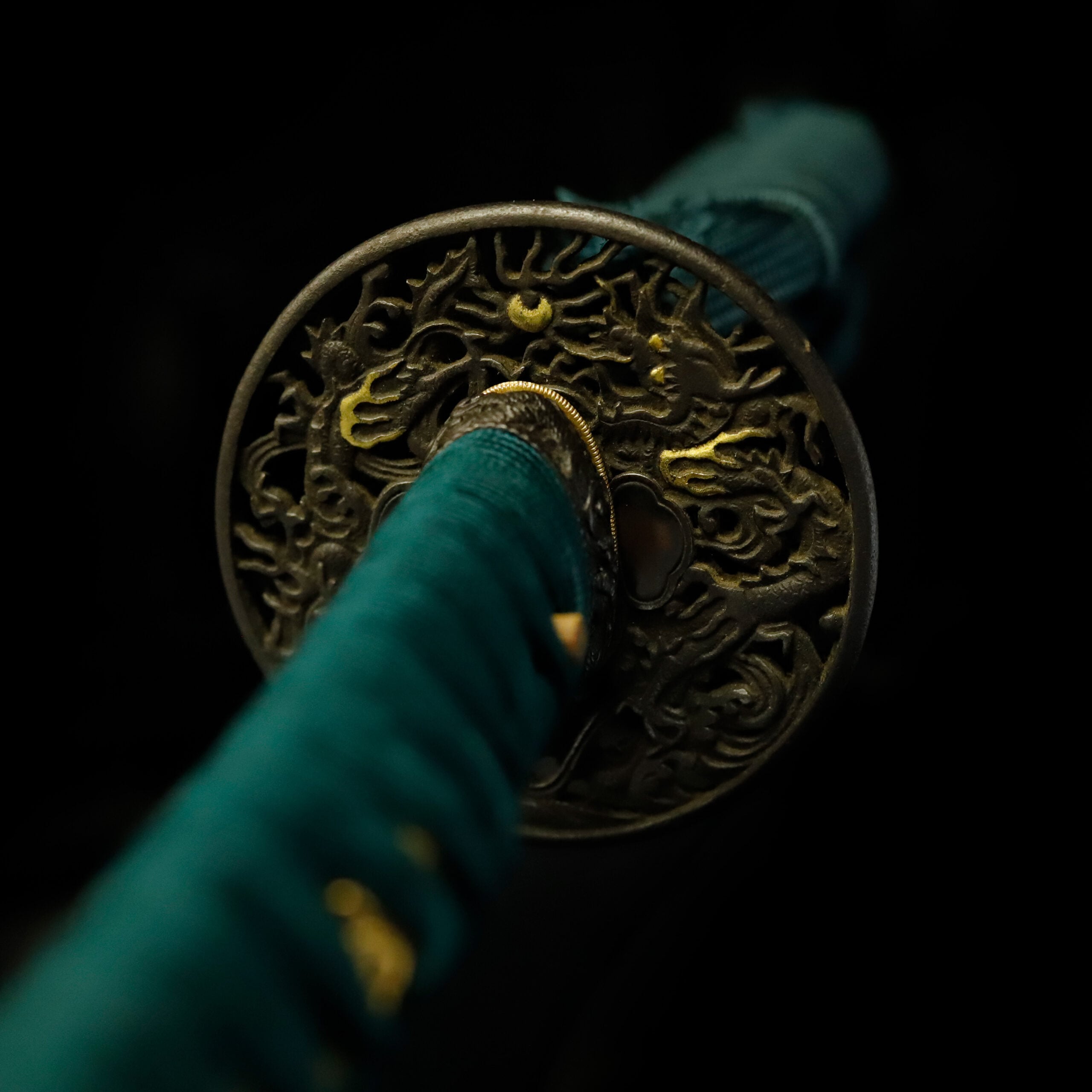
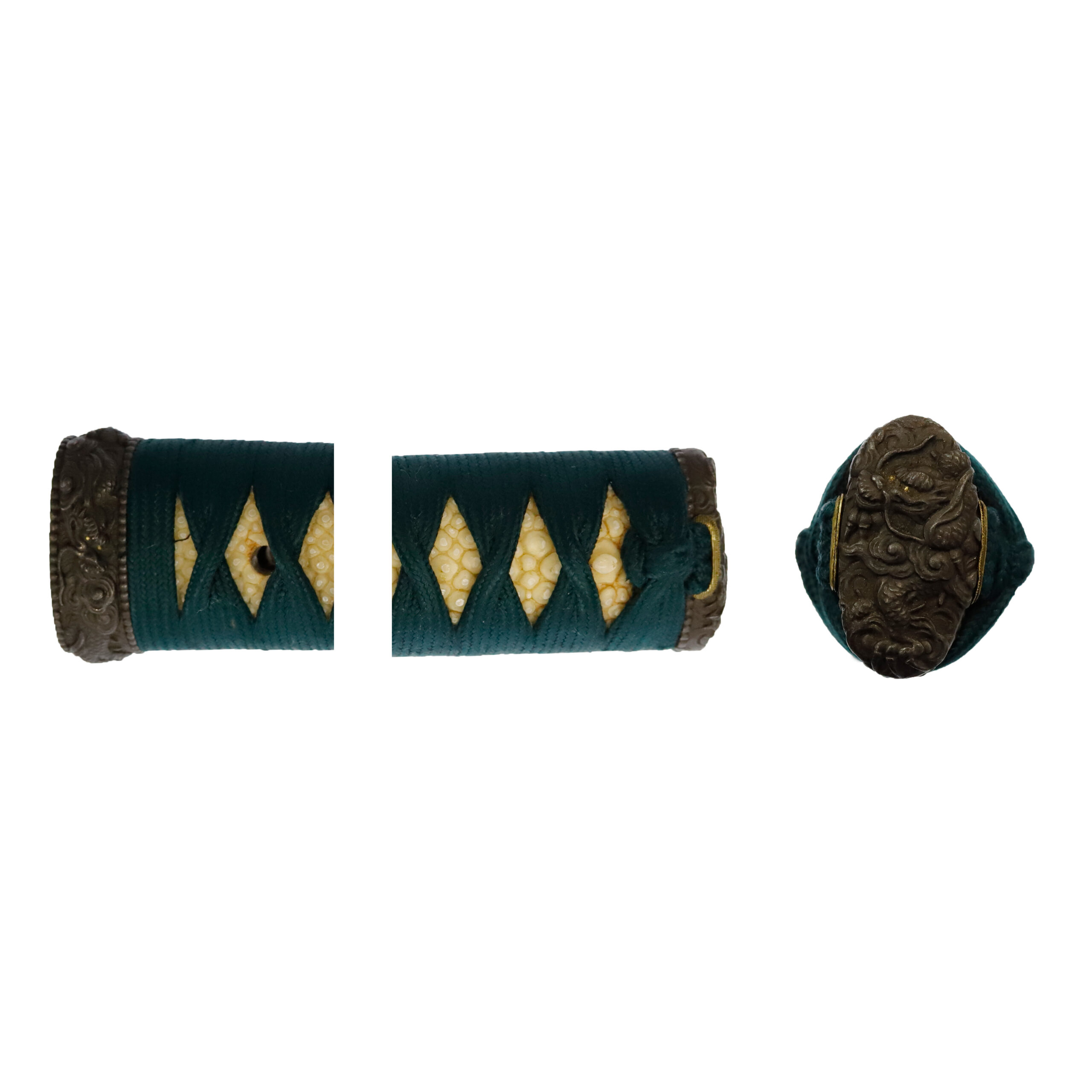
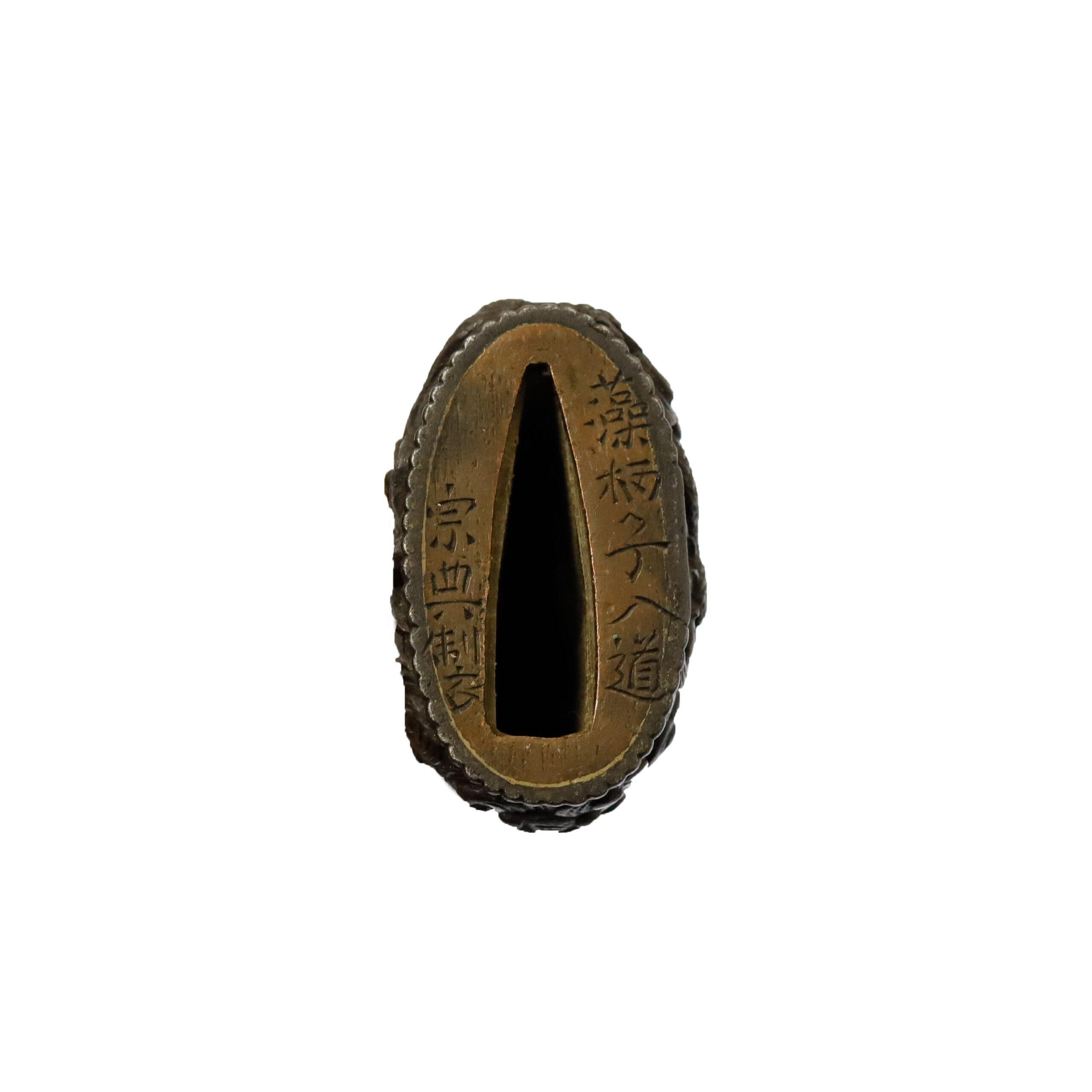
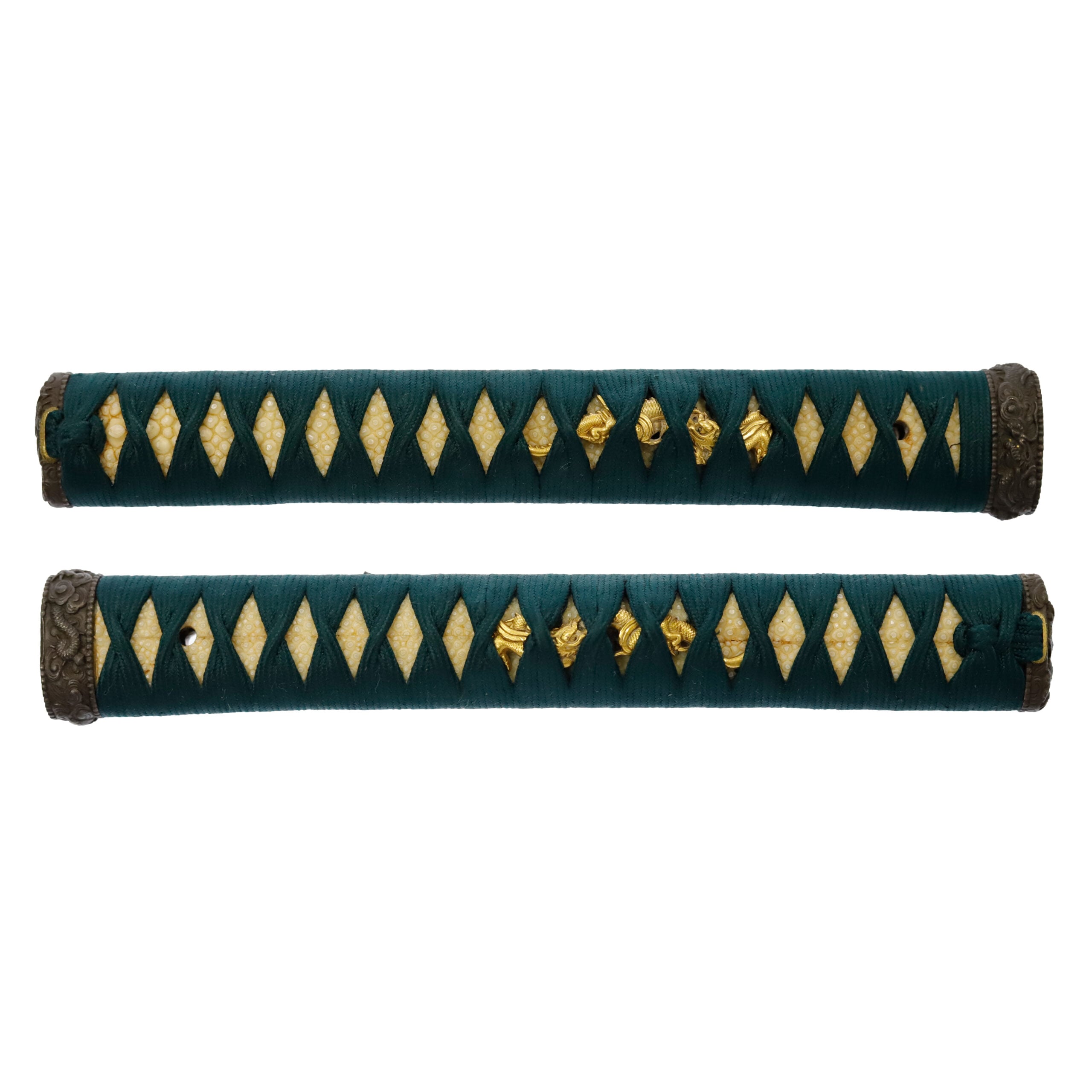
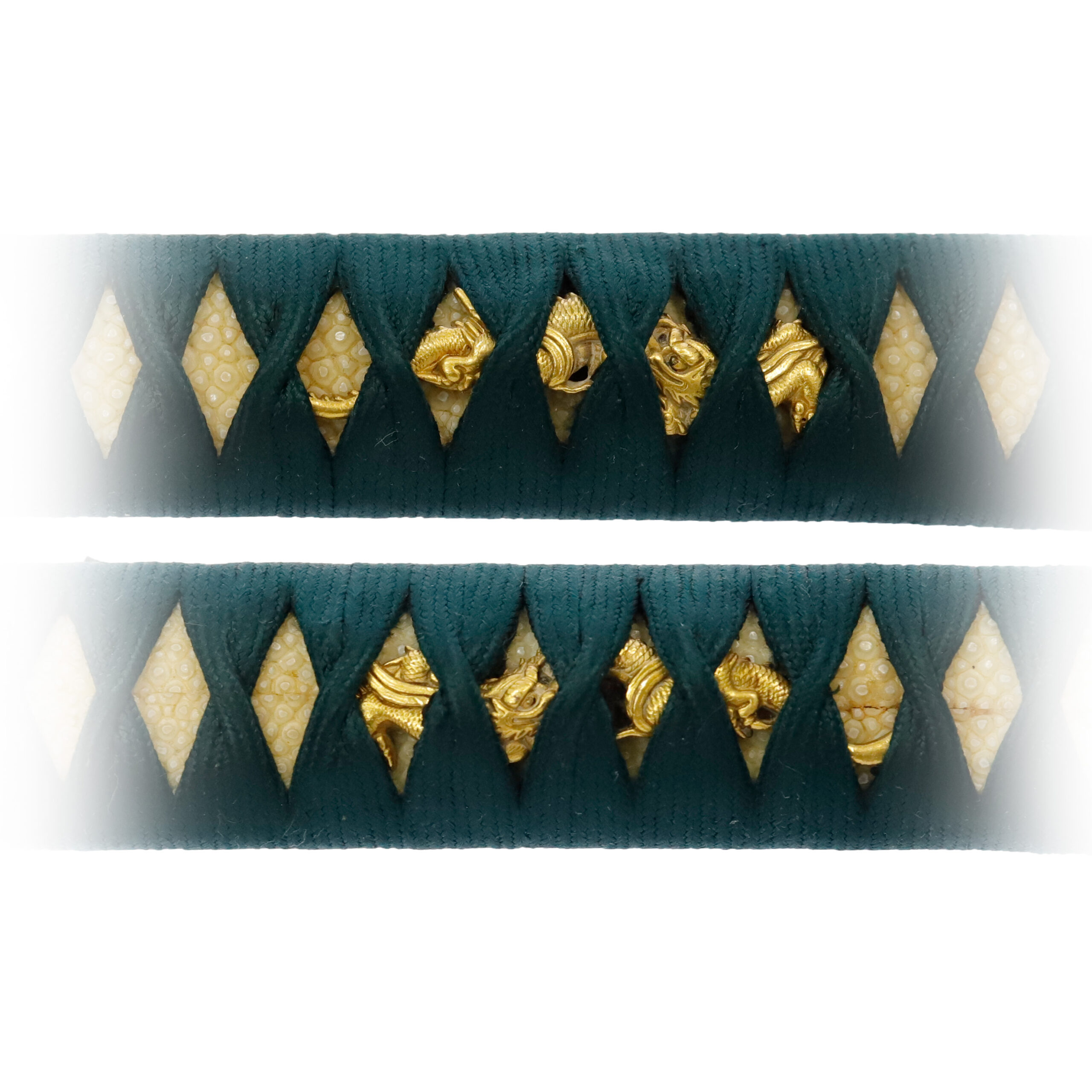
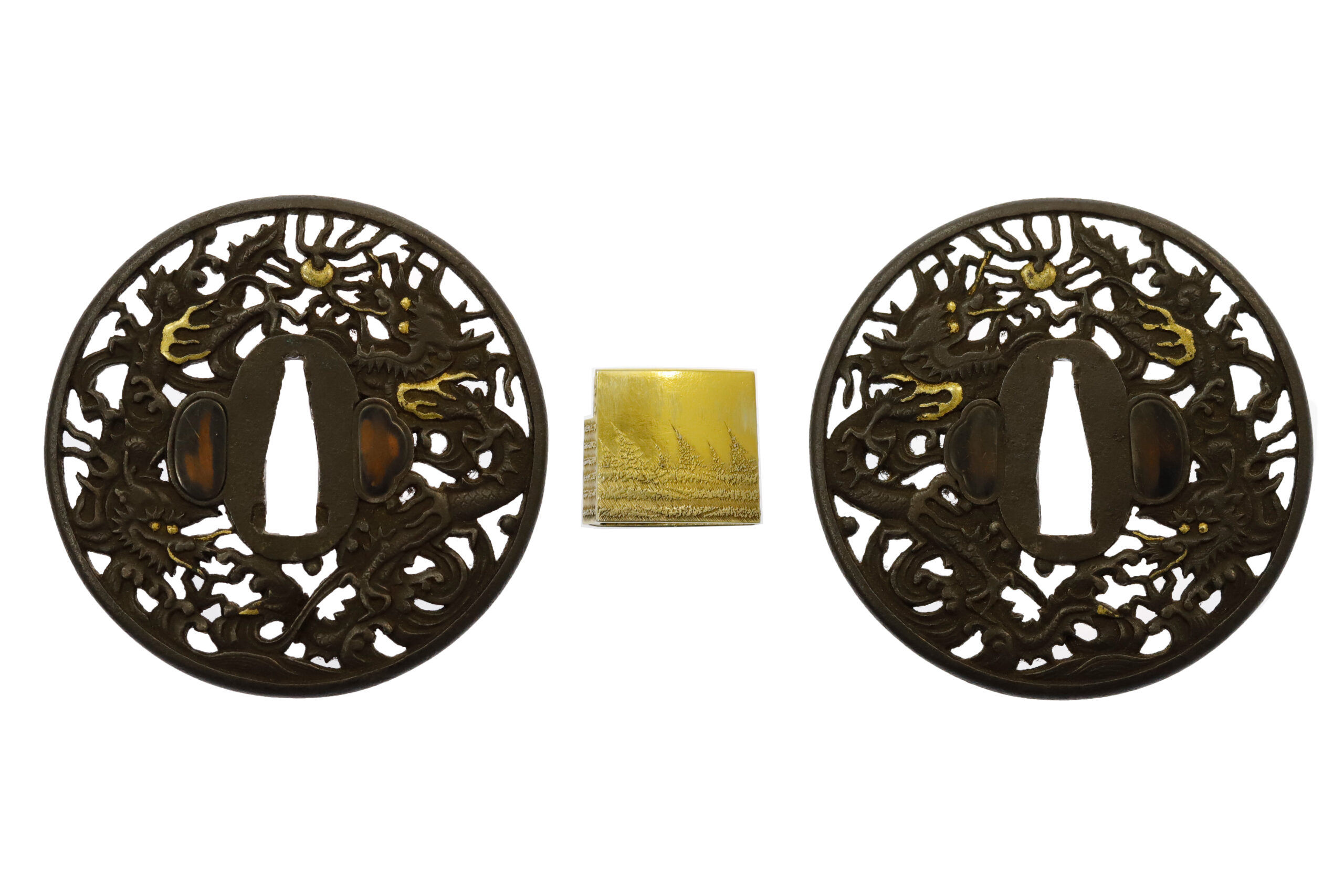
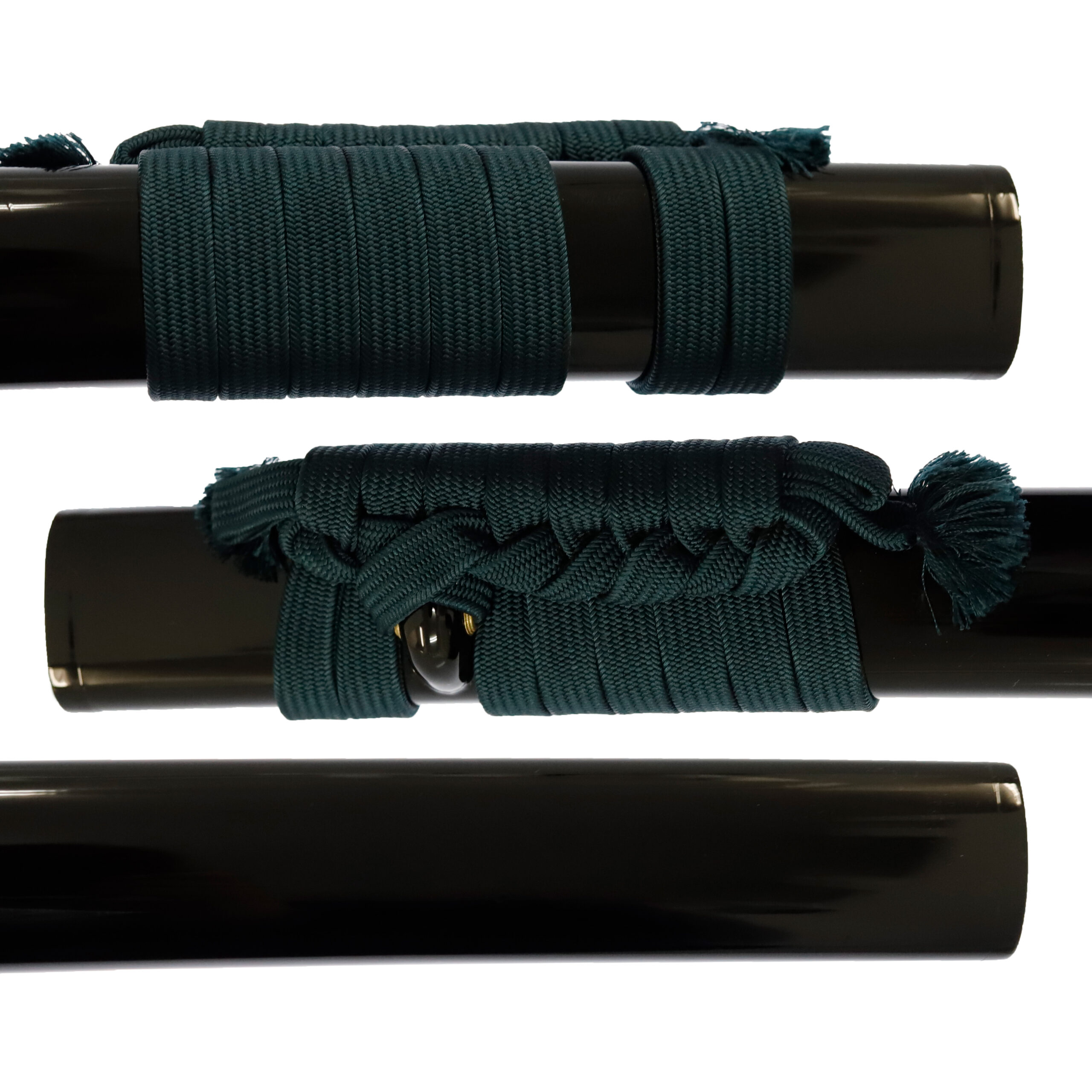
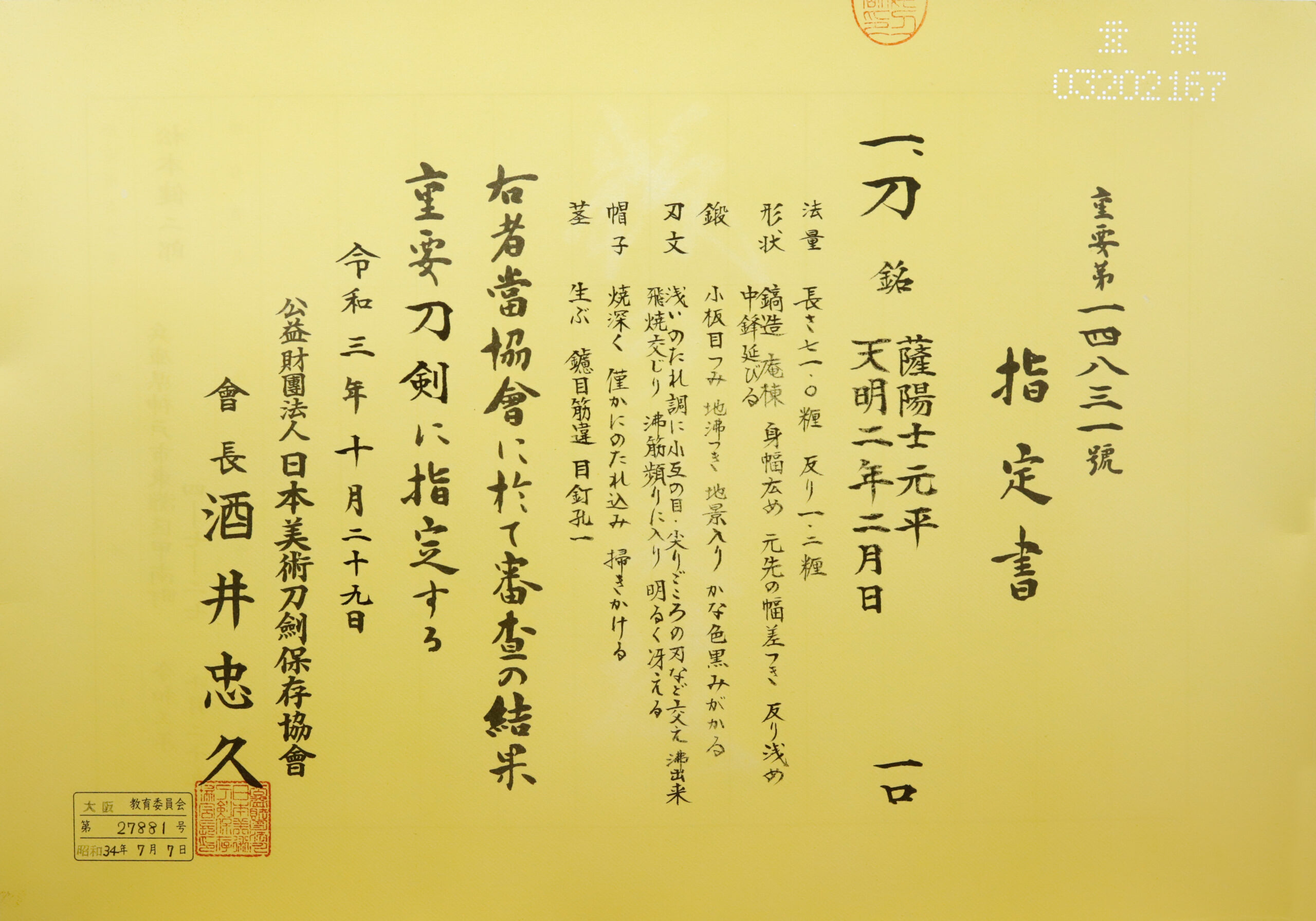
日本刀 銘 薩陽士元平(天明二年) 日本美術刀剣保存協会(NBTHK) 重要刀剣指定品 【解説】 本作は、天明二年(1782年)に薩陽士元平によって打たれた一振りです。元平は江戸時代後期、薩摩藩(現在の鹿児島県)を代表する名工の一人として知られています。「薩陽士」とは薩摩藩に仕える武士であることを意味しています。 元平は延享元年(1744年)十月、薩摩藩工・奥元直の長男として生まれました。本名を奥小左衛門といいます。当時の刀工の多くがそうであったように、彼もまた本名とは別に刀工としての銘を用いました。 若年期より父に作刀を学び、38歳の時には藩の専属刀工である「藩工」となりました。この事実は、彼の技量が藩内で高く評価されていたことを物語っています。さらに寛政元年(1789年)には「大和守」を受領しました。「守」とは、優れた技術を持つ刀工に対し朝廷より授けられる名誉ある官職です。元平は備前介助平をはじめ多くの門弟を育成したことでも知られ、その高い技術を求めて遠方からも多くの修行者が薩摩を訪れました。元平は特に相州伝の技法に精通しており、その作風は非常に洗練されています。 本作は、元平が30代後半に手掛けた一振りです。彼は文政九年(1826年)に84歳で没するまで、83歳という高齢に至るまで作刀を続けました。その生涯を通じて高品質な刀剣を打ち続けた背景には、並外れた生命力と情熱があったに違いありません。 薩摩藩は他藩に比べて武士の比率が非常に高く、島津氏のもとで強固な軍事力を誇っていました。そのような厳しい環境において、刀工として長く活躍し人気を博すには、極めて高い技量が求められました。元平はその期待に応え続けた稀代の名工です。 本作は、日本美術刀剣保存協会(NBTHK)により「重要刀剣」に指定されています。重要刀剣とは、特別保存刀剣よりもさらに上位の格付けであり、保存状態が極めて良好で、かつ美術的価値が特に高いと認められた真作にのみ与えられる称号です。重要刀剣の審査を受けるには、まず特別保存刀剣に指定されていることが条件となります。古刀・新刀を通じて重要刀剣に指定されるものは極めて稀であり、愛刀家にとって垂涎の逸品といえます。 【刀身】 長さ(Nagasa):71.0 cm 反り(Sori):1.2 cm 刃文(Hamon):焼入れによって刃先に現れる結晶構造。 地鉄(Jihada):折り返し鍛錬によって現れる鋼の表面模様。 茎(Nakago):刀身の柄に収まる部分。 日本の刀工は、柄内部での赤錆を防ぐために茎に黒錆を残します。この茎の錆色や経年変化は、専門家が製作年代を鑑定する際の重要な指標となります。 【拵】 拵(Koshirae):鞘、柄、鍔などを含めた刀装具一式。 本拵は「龍」を主題として一作に纏められています。龍は古来より神話や伝承に登場する想像上の生物であり、瑞祥(吉兆)の象徴とされてきました。その姿は「九似」とされ、角は鹿、頭は駱駝、眼は鬼、項は蛇、腹は蛟(みずち)、鱗は魚、爪は鷹、掌は虎、耳は牛に似ると伝えられています。その威厳ある姿から、龍はあらゆる生物の頂点に立つものと考えられてきました。龍の意匠は多くの刀装具に用いられており、当時の武士たちがこの気高い霊獣をいかに好んでいたかを物語っています。
奥元平は薩摩藩工で、奥元直の嫡男にあたり、通称を孝左衛門という。延享元年に生まれ、文政九年八十三歳で歿している。彼は当時同国の伯耆守正幸と並んで薩摩新々刀界の第一人者であり、寛政元年正幸と時を同じくして、大和守を受領している。作刀は明和年間より見られ、初め「薩陽士元平」、或は「薩藩臣奥元平」などと銘し、寛政元年受領後は、「奥大和守平朝臣元平」と銘するものが多い。作品は互の目乱れに小のたれ・尖り刃などを交えて、匂口が深く、荒沸がつき、金筋・砂流し等がかかるなど、相州伝の作柄を得意としている。 本作は、身幅が広く、元先の幅差が少しくつき、反りが浅めについて中鋒が延び、加えて肉置きが豊かで特に刃肉の目立つ薩摩刀の特色が表れ、手持ちの重い堅牢な姿態を示す。小板目肌がよくつんで、地沸が微塵に厚くつき、地景も細かに入るなど精良な鍛えに、刃文は浅いのたれ調に小互の目・尖りごころの刃など交え、処々乱れが間近く、芋蔓状の沸筋を見せるなど、元平の特徴が色濃く表れた典型作である。変化のある刃取りや刃中に豊富な働きが看取され、よく沸づくなど、姿態・地刃共に迫力が横溢する、同工出色の出来映えが示された雄刀である。
NihontoWatch
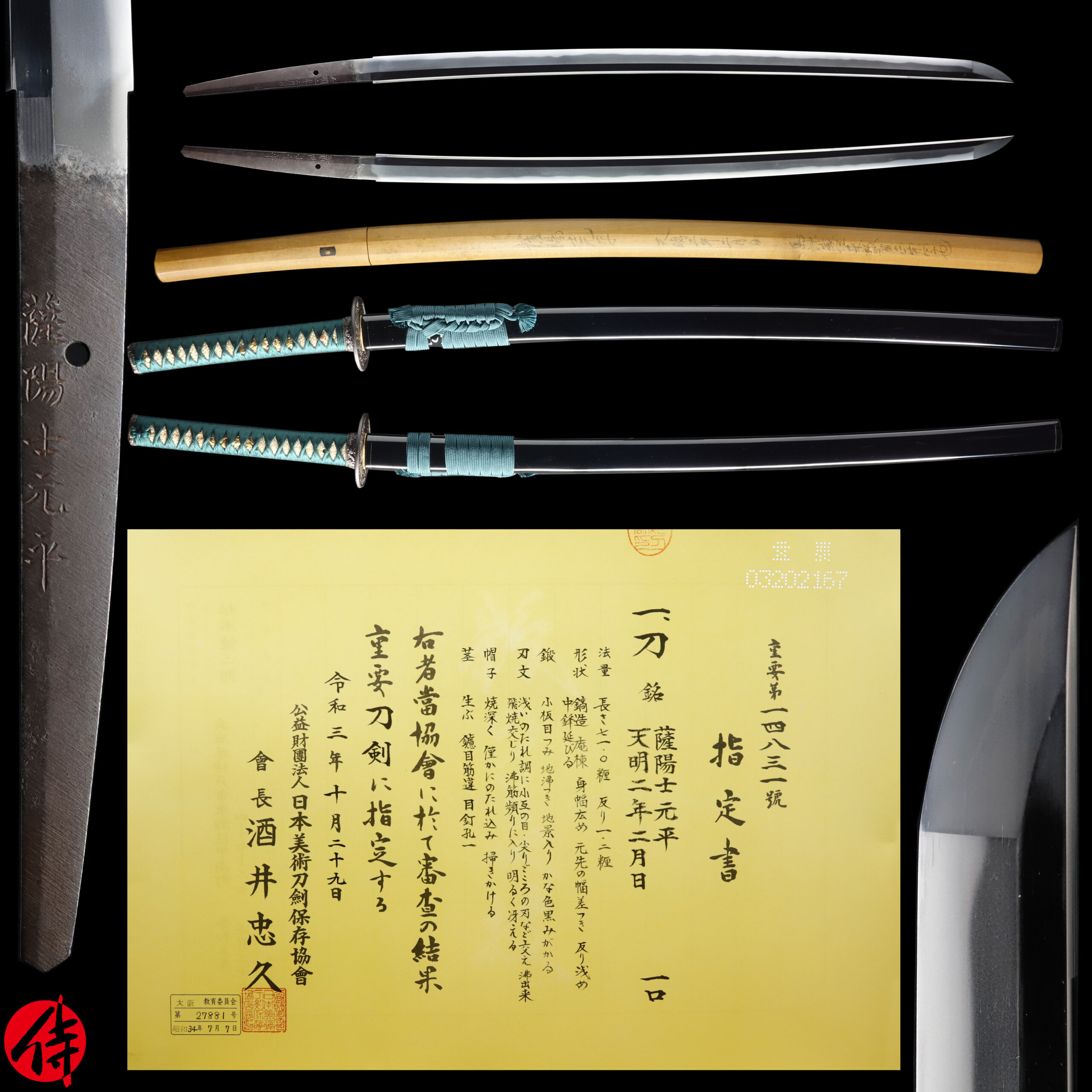
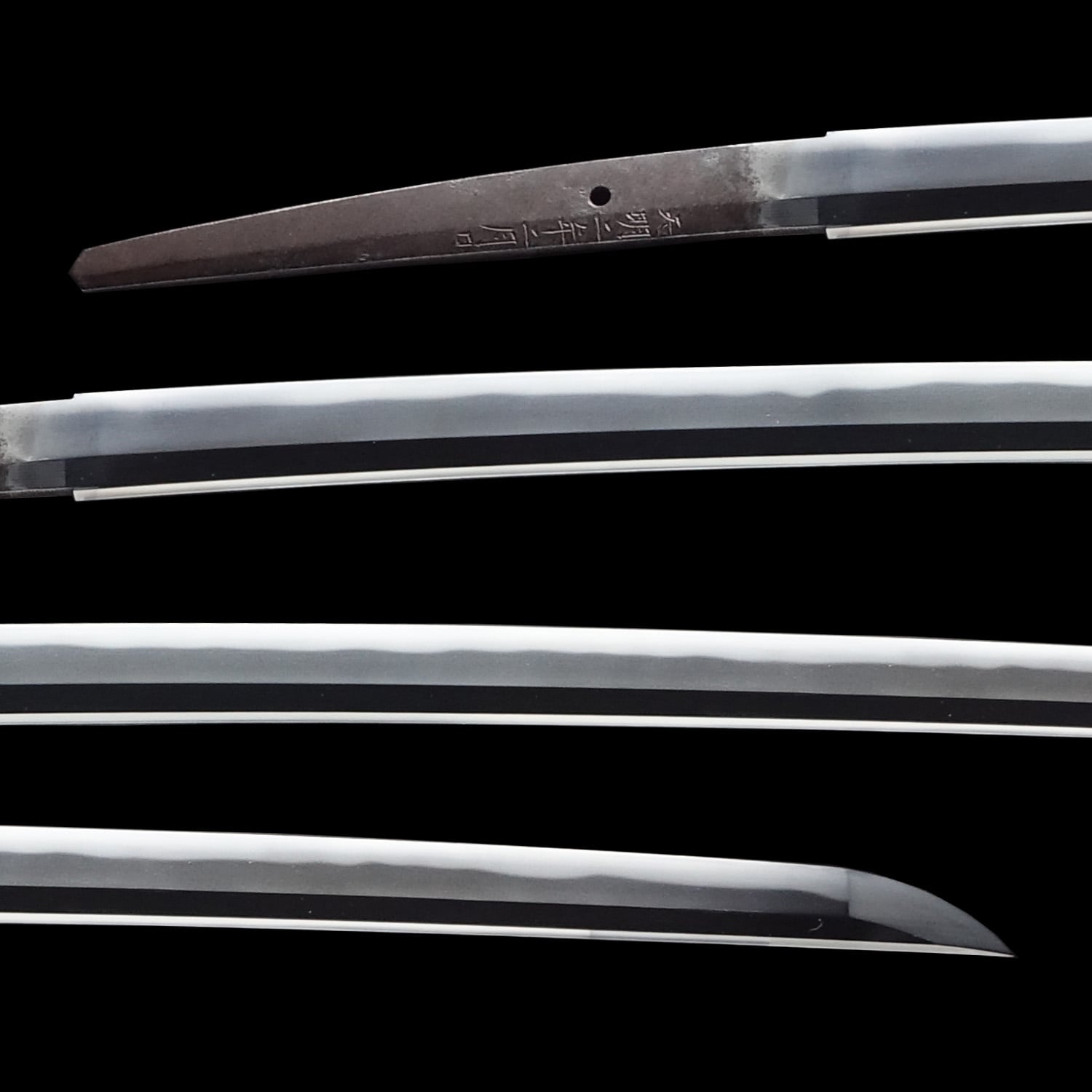
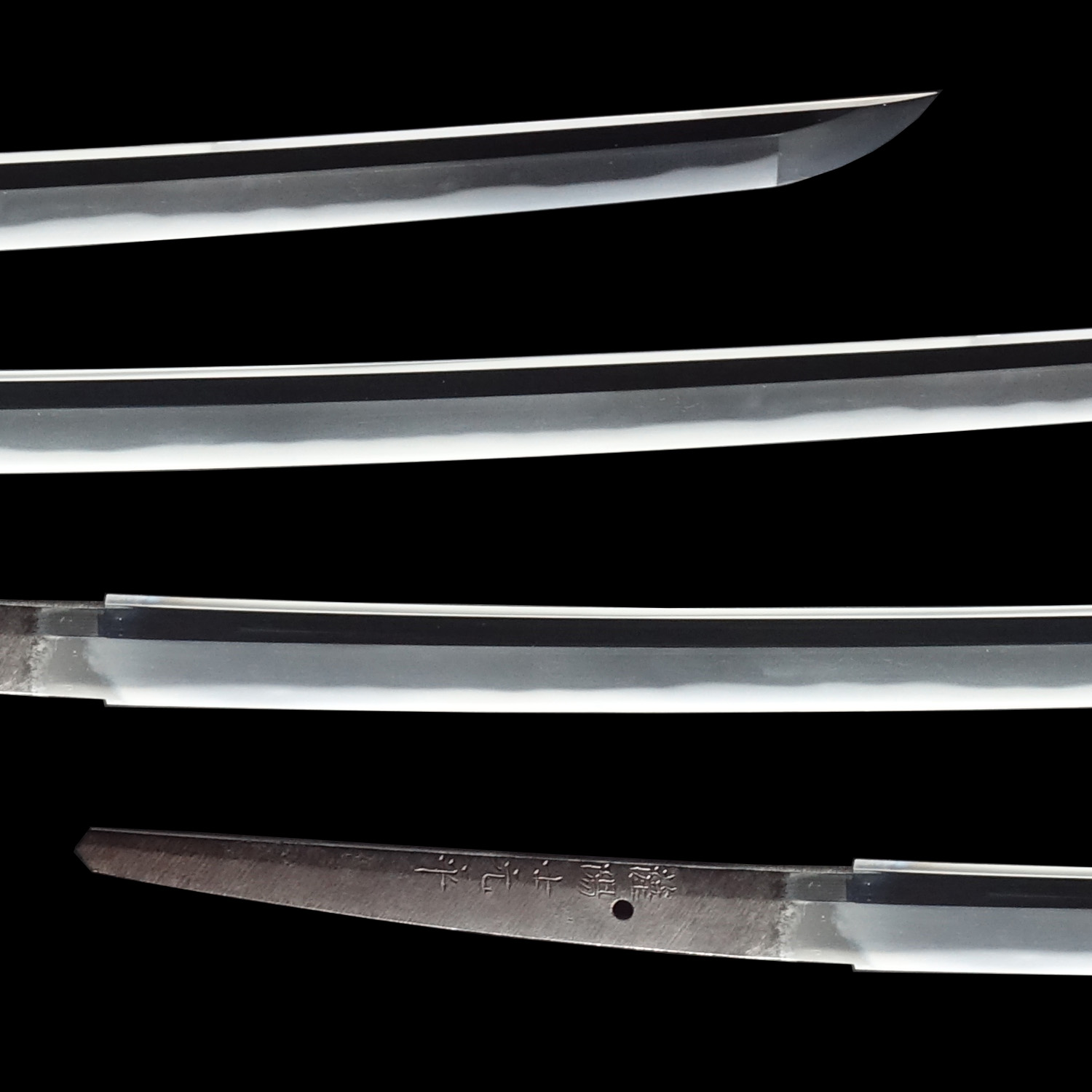
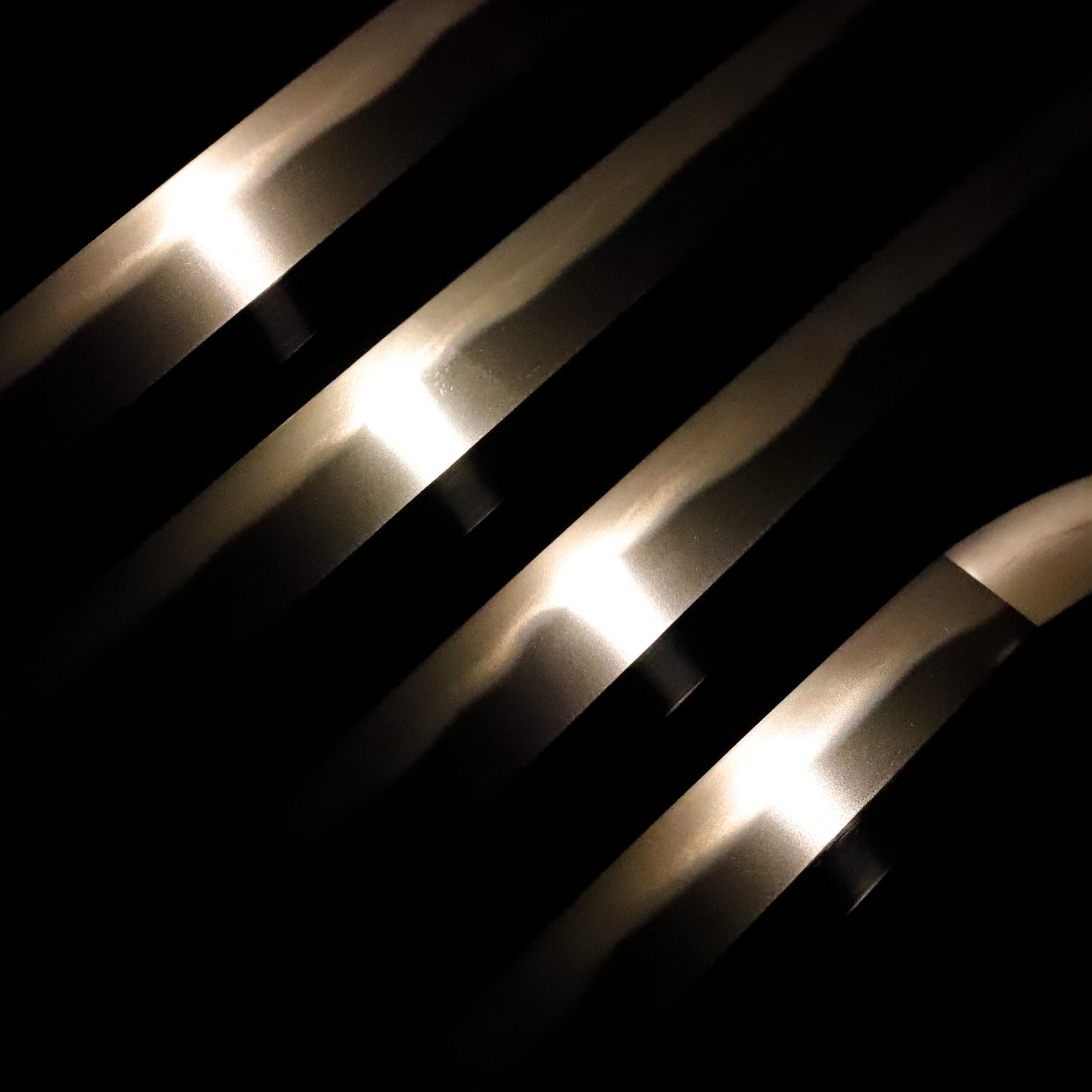
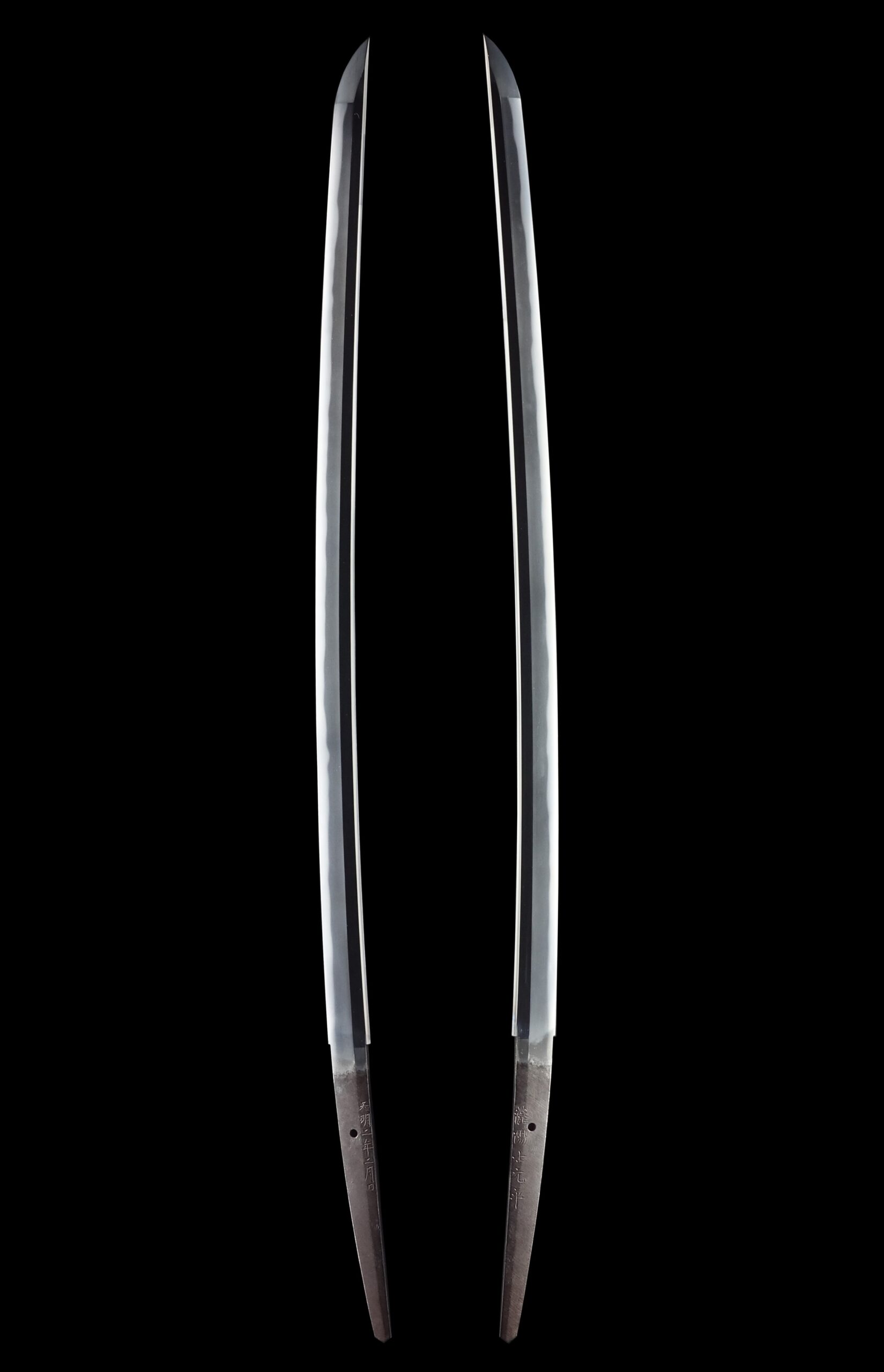
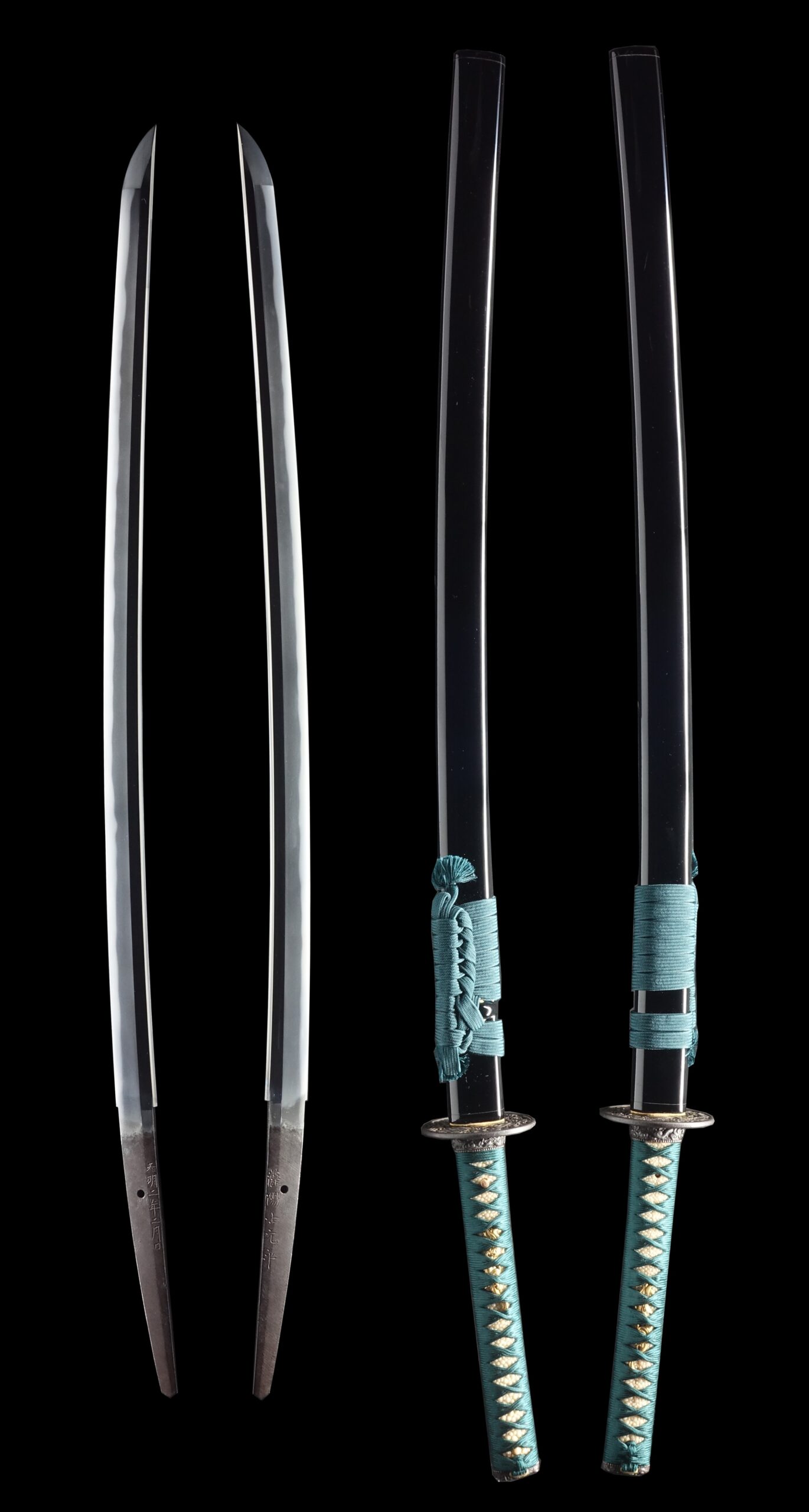
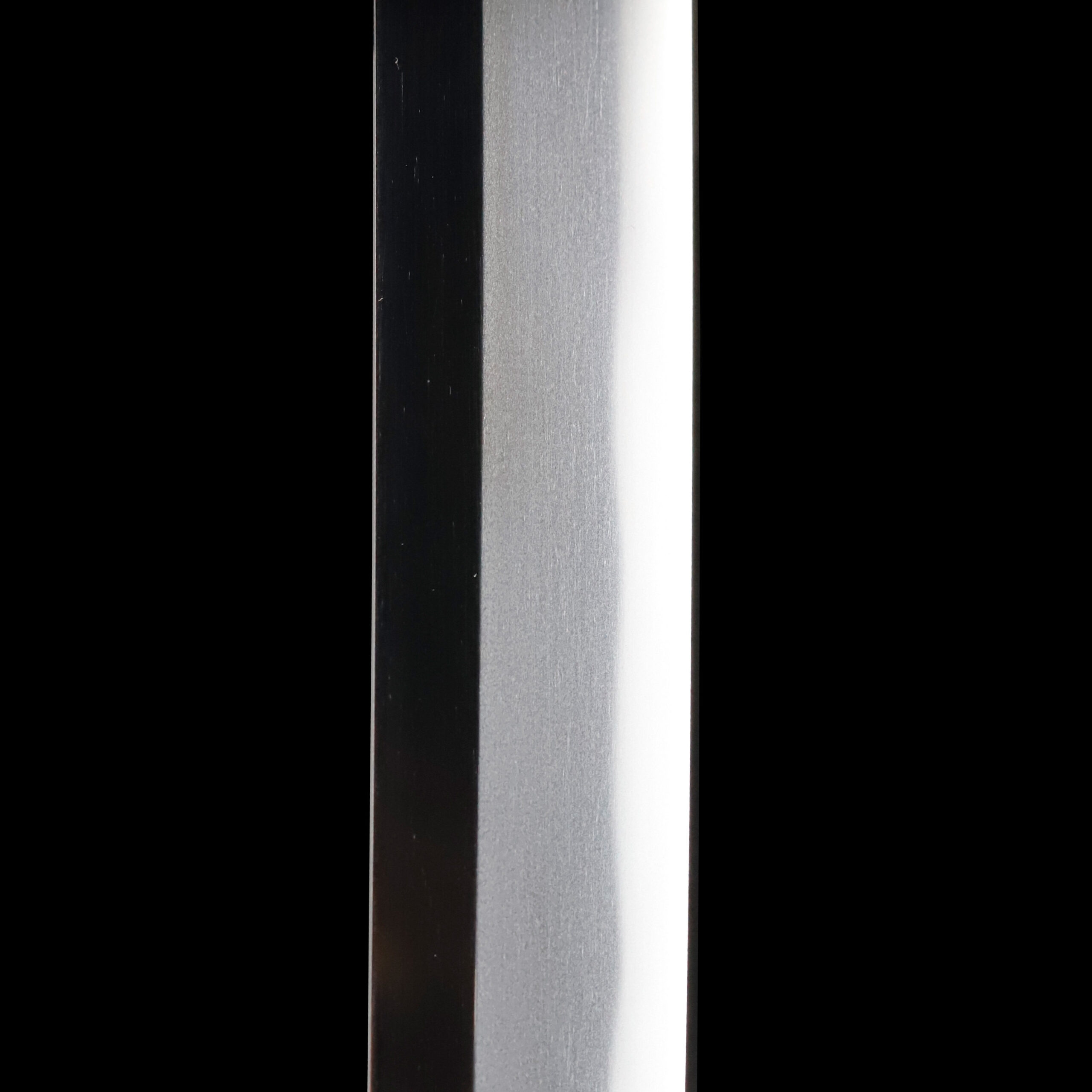
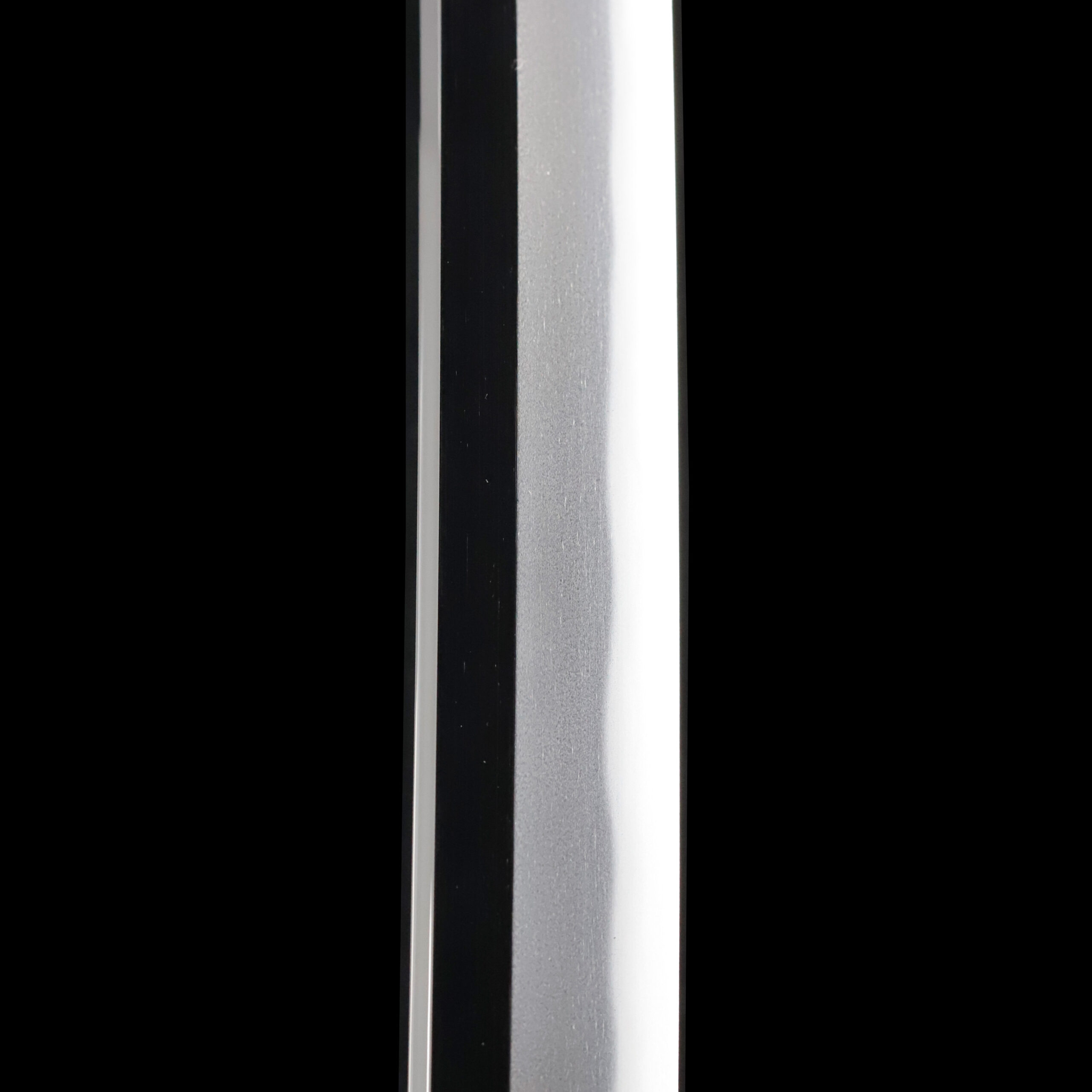
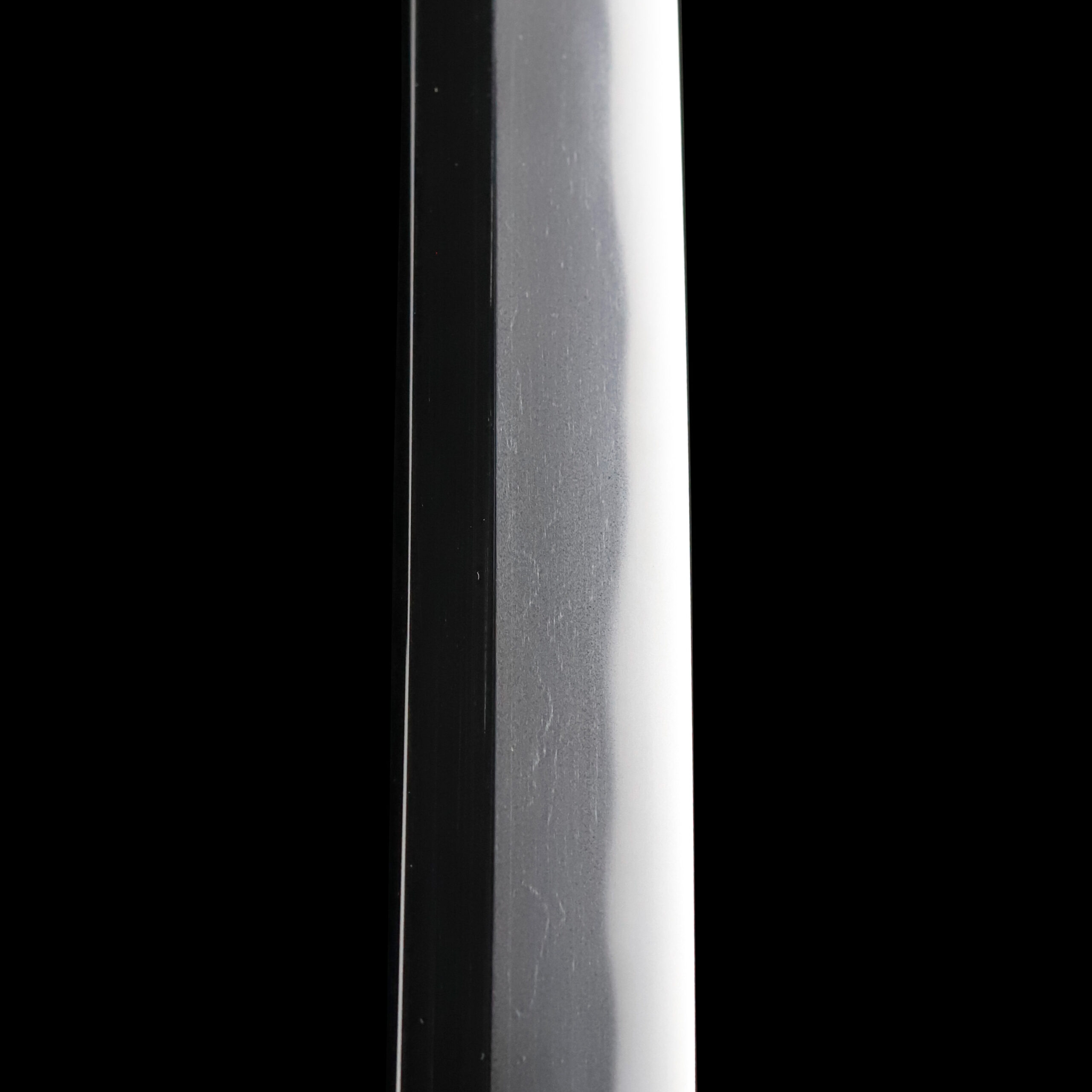
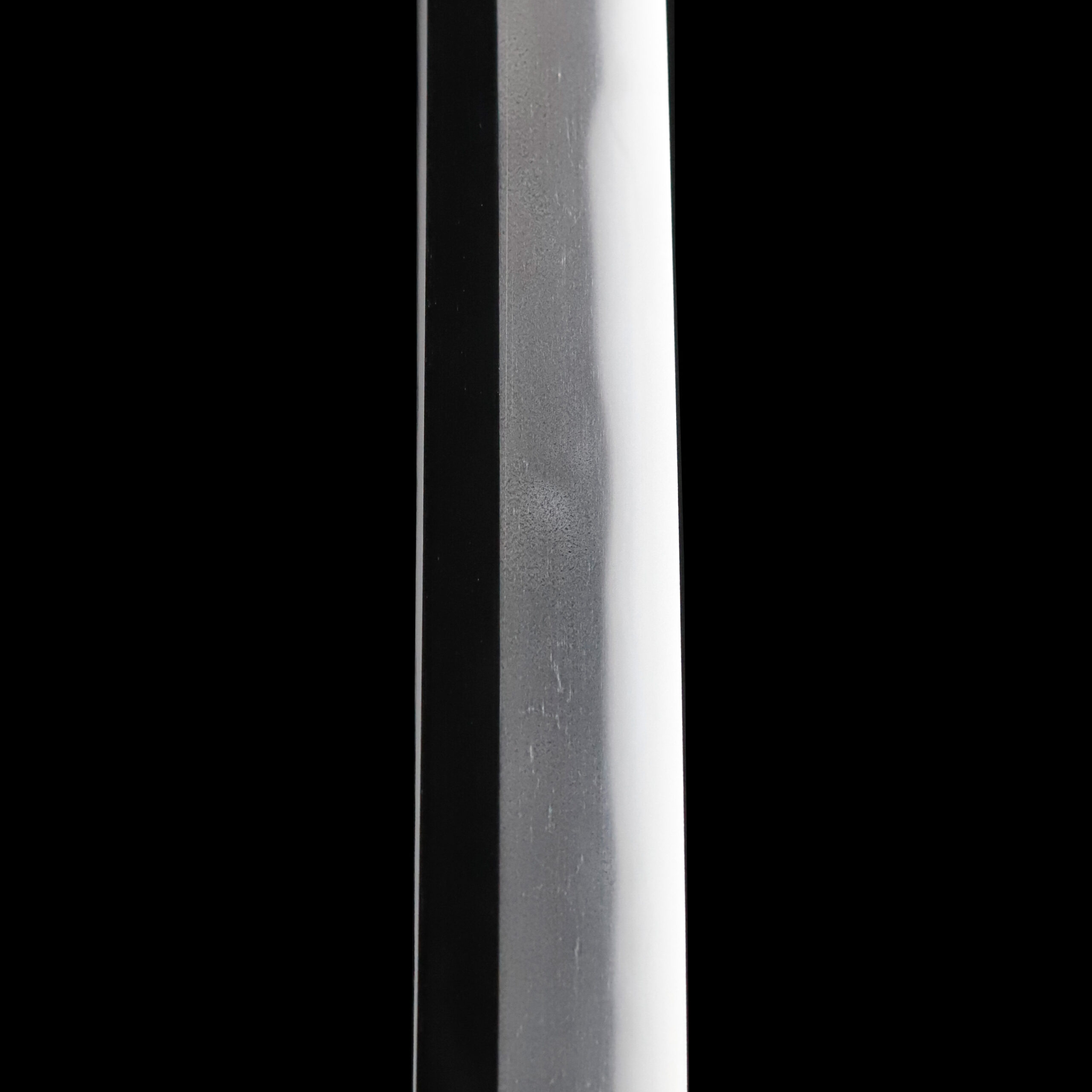
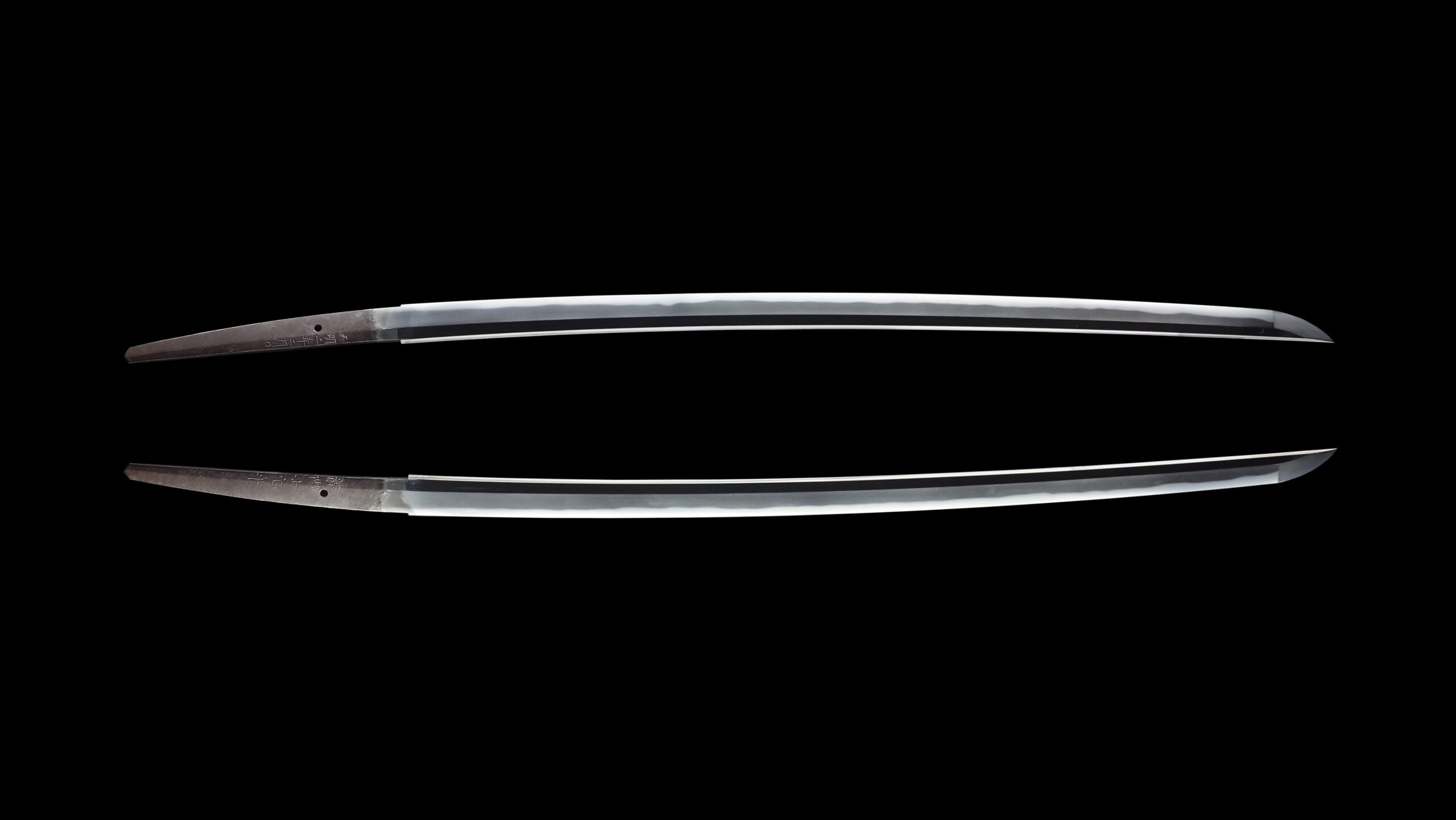
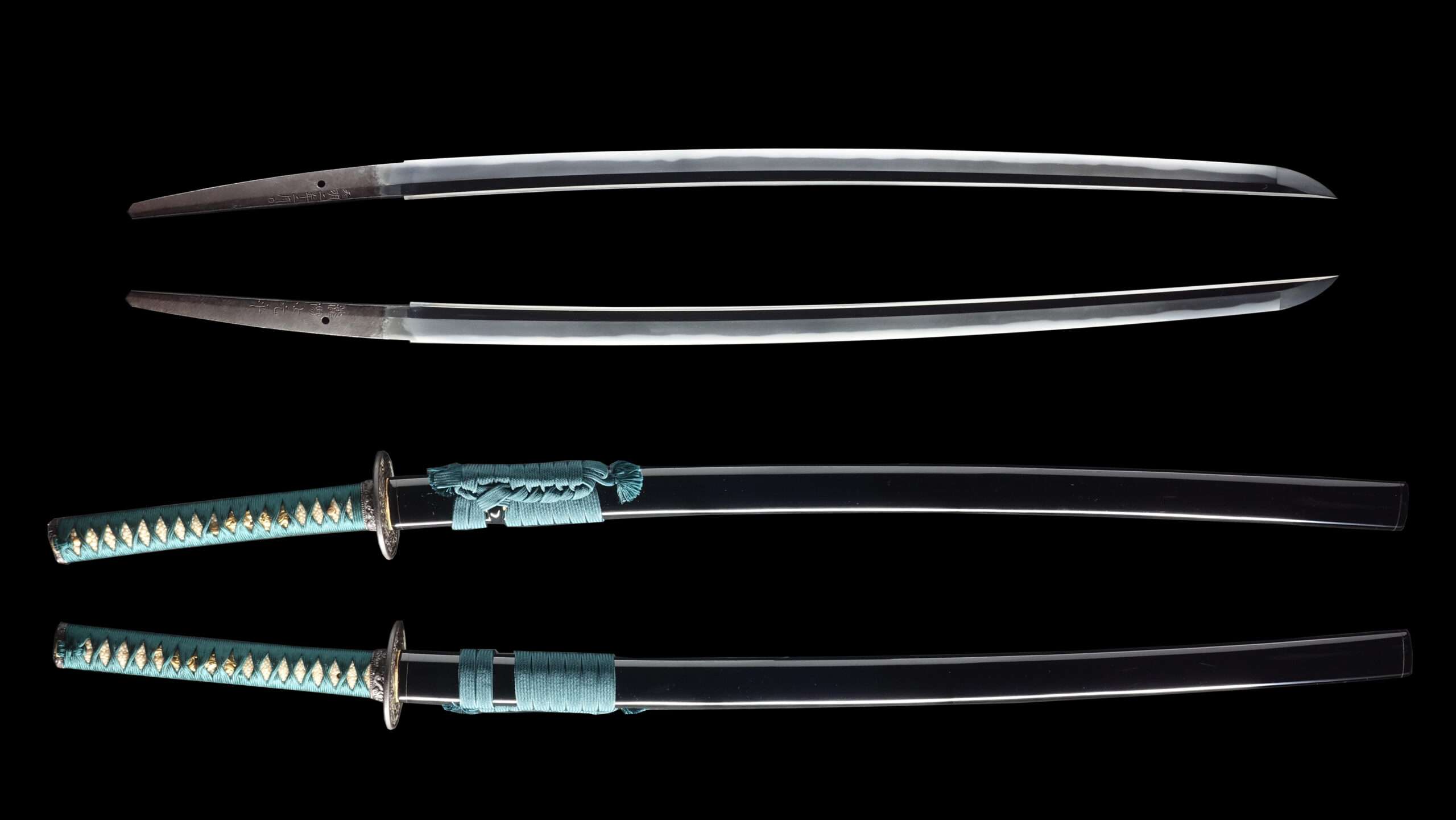
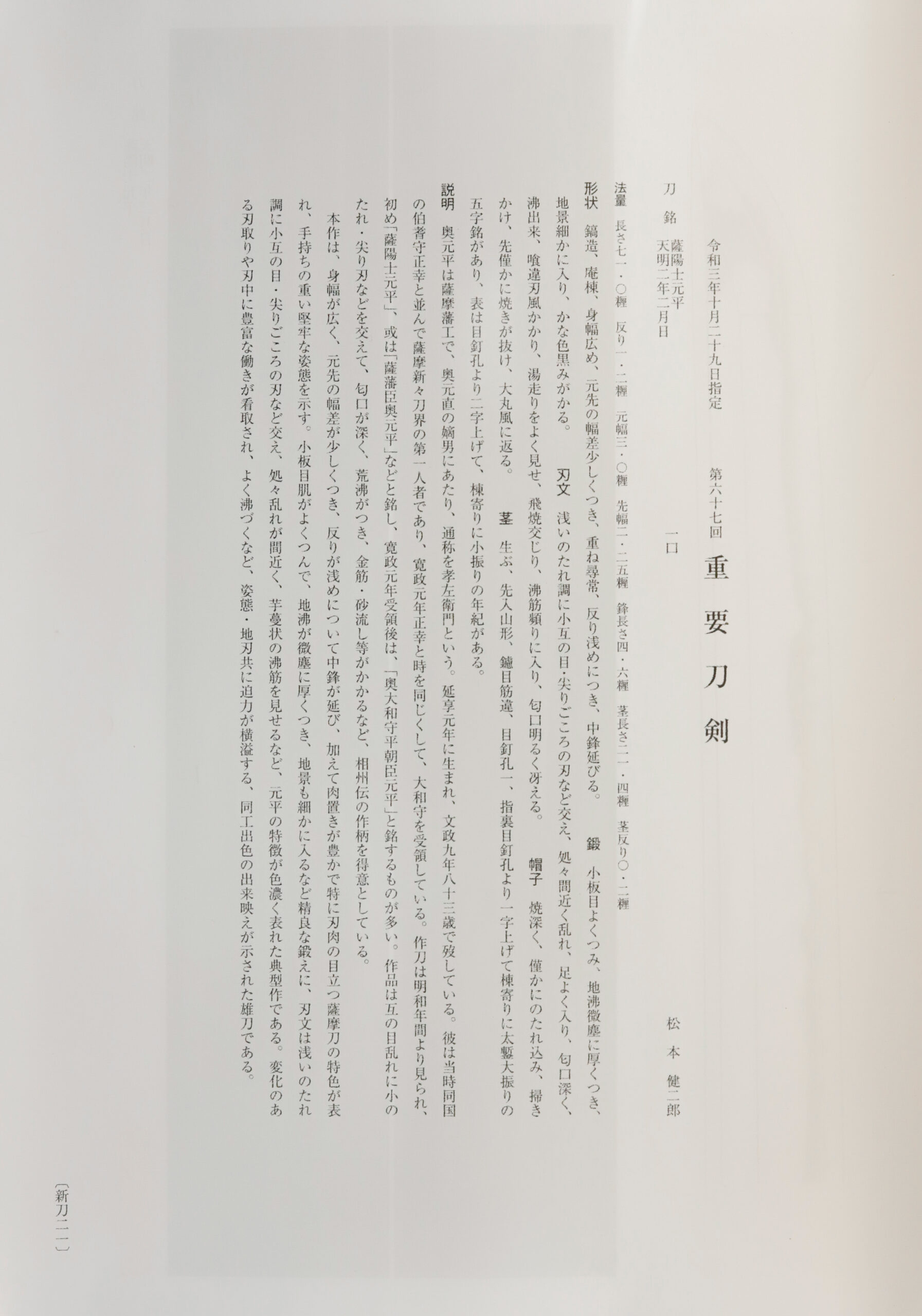
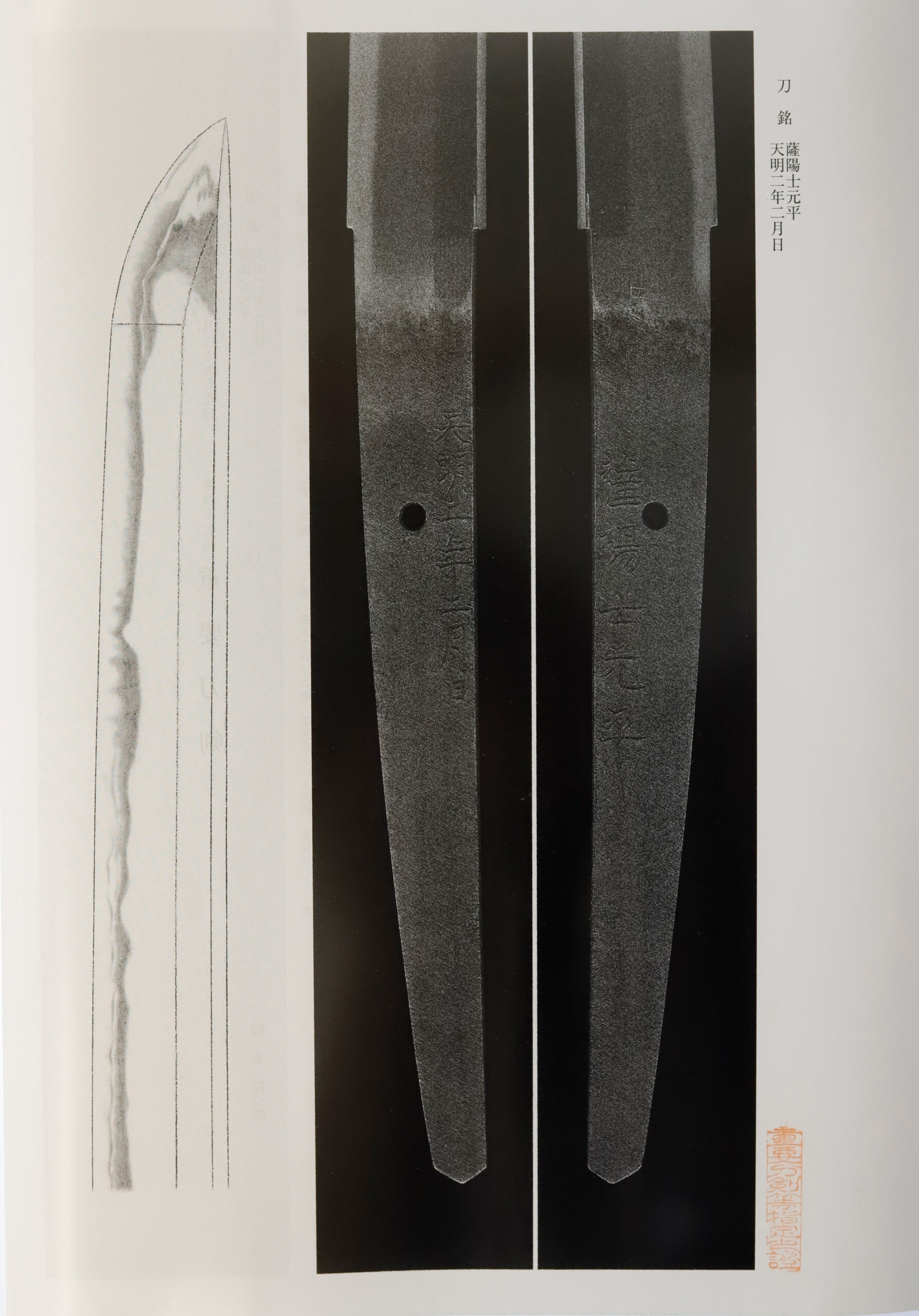
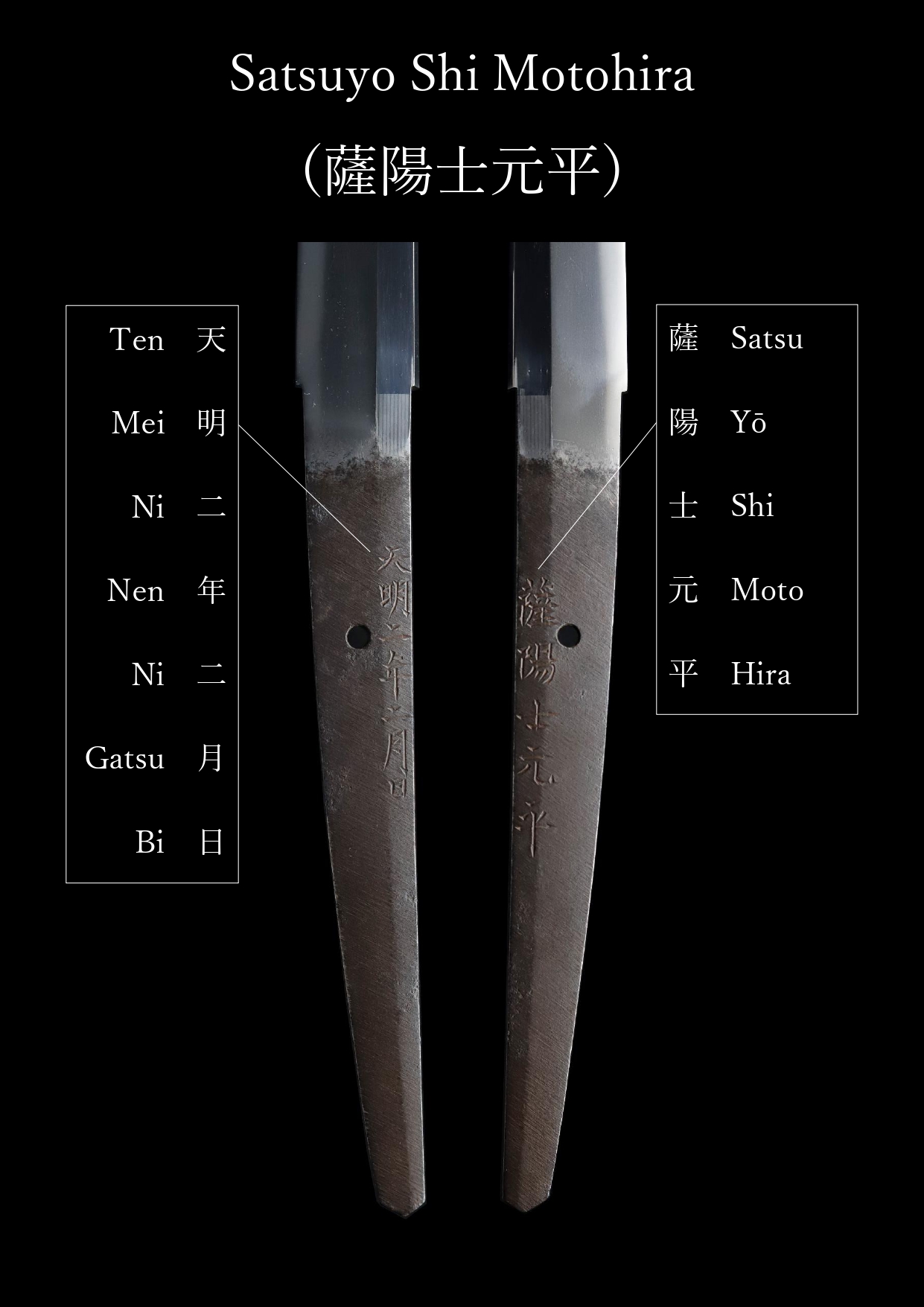
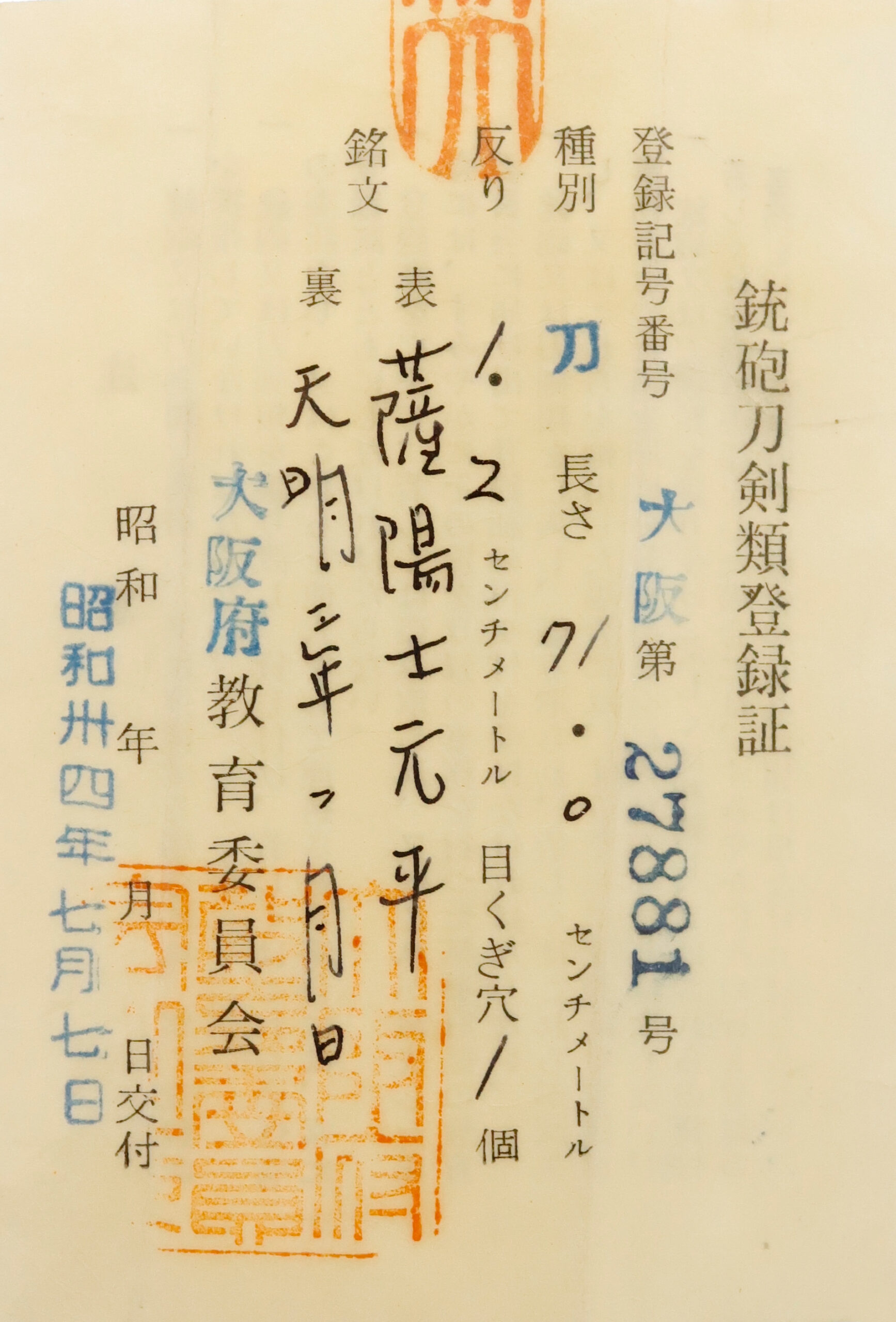
奥元平は薩摩藩工で、奥元直の嫡男にあたり、通称を孝左衛門という。延享元年に生まれ、文政九年八十三歳で歿している。彼は当時同国の伯耆守正幸と並んで薩摩新々刀界の第一人者であり、寛政元年正幸と時を同じくして、大和守を受領している。作刀は明和年間より見られ、初め「薩陽士元平」、或は「薩藩臣奥元平」などと銘し、寛政元年受領後は、「奥大和守平朝臣元平」と銘するものが多い。作品は互の目乱れに小のたれ・尖り刃などを交えて、匂口が深く、荒沸がつき、金筋・砂流し等がかかるなど、相州伝の作柄を得意としている。 本作は、身幅が広く、元先の幅差が少しくつき、反りが浅めについて中鋒が延び、加えて肉置きが豊かで特に刃肉の目立つ薩摩刀の特色が表れ、手持ちの重い堅牢な姿態を示す。小板目肌がよくつんで、地沸が微塵に厚くつき、地景も細かに入るなど精良な鍛えに、刃文は浅いのたれ調に小互の目・尖りごころの刃など交え、処々乱れが間近く、芋蔓状の沸筋を見せるなど、元平の特徴が色濃く表れた典型作である。変化のある刃取りや刃中に豊富な働きが看取され、よく沸づくなど、姿態・地刃共に迫力が横溢する、同工出色の出来映えが示された雄刀である。
Oku (Satsuma), shinshinto · 薩摩 · 1778-1789頃
藤代 上々作 · 刀剣大鑑 上位17%
現在7点販売中
奥元平、通称奥孝左衛門は、奥元直の嫡男として延享元年に生まれた。父に鍛刀を学んで夙に出藍の誉があり、明和年間より作刀を見、安永八・九年頃より急に作刀が多くなる。説明書は本工を一つの繰り返される併称で位置づける。「伯耆守正幸と並んで薩摩新々刀の双璧」[[c:1]]と称えられ、正幸より十一歳の後輩である。銘そのものがその経歴を写し、安永・天明初めは「薩陽士元平」、天明五年以後は「薩藩臣奥元平」、寛政元年に大和守を受領して後は「奥大和守平朝臣元平」[[c:2]]と切るものが多い。年紀は干支と「春」あるいは「秋」の季節のみを切る簡略なものが多く、説明書は「殆んどが太刀銘にきることも注意すべき」[[c:11]]とする。作歴は長く、歿年の文政九年、八十三歳の年紀と行年を切る作さえある。
本領は、説明書が本工得意の相州伝と称する身幅広く堂々たる刀である。体配は身幅広く平肉豊かに中鋒延び、刃文は浅いのたれ調の互の目乱れに尖りごころの刃を交え、時に腰開きの尖り刃となり、あるいは大互の目に広がる。匂深く、沸厚く強くつき荒沸を交え、これに頻りな砂流しと長い金筋がかかる。これが薩摩で芋蔓と称される沸の流れ筋であり、ある一口について説明書は、金筋が太く入って「芋蔓状の沸筋」を見せると記す。尖り刃と流れる蔓とが、丁子にあらず荒い沸に読む相州伝であり、本工を認める背骨である。
下地の地鉄は終始変らぬところである。よく練れた板目、多くは小板目つみて流れ肌を交え、地沸厚く地景入り、最上の作では明るく冴える。その上で帽子は乱れ込みあるいは直ぐに小丸に返り、先を掃きかけて最も覇気のある作では火焰風となる。説明書が茎そのものに鑑定点として挙げる一つの見どころがある。茎は殆んど生ぶで、舟形風に先を細くし剣形に近い茎先となり、その仕立が終生変らないと記し、太鏨の大振りの長銘を切り行年を添えるものが多い。
記録には二つの作風があり、穏やかな方は若年に限られない。最も早い安永から天明初めの作は、相州伝の手が現れる前の穏やかな作風を示す。浅いのたれ調の刃、時に広直刃が浅いのたれに湾れ、匂深く沸よくつき匂口明るく冴える。説明書は天明五年の作を前期作に見る真改風の浅いのたれ調とし、天明二年の作を「同工の前期作に見られる大阪新刀の真改風の出来」[[c:12]]とする。この作風は大和守受領の後にも繰り返される。寛政八年紀の刀は直刃調に浅くのたれ、砂流し・金筋かかり匂口冴え、説明書はこれを「彼の得意とする一作風である直刃調」[[c:6]]とし、恐らく大坂の井上真改などに倣ったもので、どこかに尖り刃風の焼のあるのが見どころの一つとする。寛政六年・寛政九年紀の作も直刃を基調とする。寛政五年紀の一口は別格で、板目流れて殆ど柾がかる地に細直刃を焼き、説明書は「柾目に直刃の大和伝」[[c:7]]とする。本間による御物台帳に所載の寛政八年紀、五十八歳の太刀も同じ方向にあり、板目殆ど柾がかる地に中直刃調の湾れを焼き、説明書はこれを彼の作としては頗るおとなしい出来で、いわゆる大和伝の太刀を摸したものとし、鞘書に「摸包永」とあると記す。この二口が、匂口の深い互の目に荒沸のつく常の作に対する例外である。この二口を除けば、下地の地沸厚い板目は本領に持ち込む鉄と同じで、直刃は同じ手を静かに保ったもの、別の伝ではない。またしばしば弟の元武・元安と合作し、彼らの単独銘は極めて少なく技も長兄に及ばないと説明書は記すが、二人・三人の合作銘が残りそれ自体貴重とされ、その出来は単独銘のものと変るところがない。
同国の中で本工を位置づけるのは、まさに極めの言う併称と説明書の立ち返る手である。まず年長の同郷の工正幸に対して読まれ、両者は薩摩新々刀の双璧として併べられる。そして説明書は同じ描写に立ち返る。その作刀は一般に「身幅が広く、堂々とした」[[c:9]]ものが多く、互の目乱れを得意として荒沸を交え華やかであり、そして「相州伝を得意」とされる工である。明るく匂深い互の目に尖り刃を交え、流れる芋蔓と火焰風の帽子とが、他と分かつ本工自身の描かれた見どころであり、借りものの比較ではない。本工は奥家の筆頭に立ち、この系の薩摩新々刀を読む手である。
収集の観点では、本工は薩摩末期の屈指の名であり、藤代の極めは上々作である。国宝はなく、重要文化財もない。現代の指定は重要刀剣の級を通じ、三十八口がこの級にあり、安永から歿年に及ぶ作歴にわたって殆んど生ぶ・在銘で、一口は松江松平家の伝来を持つ。指定を受けた作の多くは、私蔵のものを含めて取引されず保たれており、本工得意の相州伝の在銘の良品が市に出るのは時に、そして忍んで初めてであり、出た際には収集家にとって相応のものである。本工の作は、古伝の固く保たれた遺産に比べては、一流の新々刀の名工の中では比較的見出しやすいが、年紀と行年を切った覇気のある相州伝の刀はなお節目の収集であり、薩摩の学が末期の頂に至った証である。
元平の位置づけを、日本刀全体および伝法・時代・時期ごとに示します。各区分(随一・屈指・有数・著名)は、NBTHK および文化庁による指定に加え、三作や名物帳などの歴史的栄誉を加味したものです。
各項目を選ぶと評価方法が表示されます。
在銘年紀作が示す、確実に活動していた年代
大和伝 · 薩摩
現在32点販売中
薩摩国の刀工群は、南九州の地に拠り、島津家の庇護のもとに鍛刀した一団である。その源は古く、構成各工の説明書は大和に発する波平の系をその背後に置く。新刀の一平安代は、初め父一平安貞に法を習い、のちに波平本家の大和守安国の門に学んだと記され、薩摩の鉄が大和・波平の修業を地下に伏せていることを示す。記録に明らかな手としては、美濃氏房の子に出た伊豆守正房が元和・寛永の頃に薩州鹿児島に住し、薩摩鍛冶の渕源を成したとされる。これに続いて享保の頃、宮原清右衛門こと主水正正清と、玉置小市こと一平安代とが八代将軍徳川吉宗に召されて江戸で鍛え、その技を認められて茎に一葉葵紋を切ることを許された。この二工が薩摩新刀の双璧を成し、安代の養子安在が二代の一平として家を継いだ。時を下って新々刀の頃には、奥家の奥元平と伊地知家の伯耆守正幸とが同じく双璧として並び立ち、正良が伊地知家の名を襲い、正景が正幸の門から出て加治木島津家に抱えられた。皇室・徳川・島津・近衛の名がその伝来を貫き、この一国の工が藩の最上の家に直結していたことを語る。 作風は、構成各工が実際に記す共通の語法によって読まれる。背骨をなすのは志津に倣った相州伝であり、正清・元平・正幸・正良のいずれもがこれを最も得意とした手として説明書に名指される。よく練れて流れる板目に小のたれ・互の目を焼き、尖りごころの刃を交え、匂深く、沸が厚く強くつき、荒沸を顕著に交える。この静と動の二筋がこの群を貫く。安代と安在は穏やかなのたれ調の直刃、あるいは広直刃を多く焼き、正清と新々刀の双璧は尖り刃を交えた変化のある乱れを焼くが、いずれも沸を本領とする点で一つである。その刃の内を走るものこそ薩摩の名高い見どころで、説明書はこれを薩摩の芋蔓と称し、盛んな砂流しと長く太い金筋・沸筋が相絡んで連なる様を指す。地鉄はよくつんだ小板目あるいは流れごころの板目で、地沸厚く地景入り、正清・正良の地は枾がかって肌立ち、安代の地はことに黒みをおびる。帽子は乱れ込んで先尖り、あるいは直ぐに小丸・大丸へ返り、最も覇気ある作では掃きかけて火焰風となる。体配は身幅広く重ね厚く平肉豊かに中鋒延び、手持ち重く豪壮で、殆どが生ぶ茎に大振りの長銘を切る、薩摩の堂々たる構えである。 鑑定の勘所は、まずこの芋蔓の沸筋と黒める地鉄、そして頑健な造込みにあり、これらが当代の備前復古や大坂物の締まった沸と薩摩の手を分かつ。工の格は二対の双璧に集まる。新刀では正清と安代が並び、正清が古名刀に迫る志津風の乱れと焼頭に集まる湯走りの古色を見せ、安代が静かな直刃の内に長い芋蔓を走らせる。新々刀では元平と正幸が並び、ともに身幅広く堂々たる相州伝を本領とし、正幸は志津に倣う手を、元平は尖り刃を交えた華やかな互の目を得意とした。正良は師に優る出藍の誉を負い、安在は養父安代に頗る近似する手を継ぎ、正景は師正幸の志津風をよく伝え、正房は群の渕源として古来資料に貴ばれる。藤代の極めは安代を上々作、正清・元平・正良を上々作ないし上作、正幸を上作に置く。伝来は藩に固有のものが多く、正清・安代の刀は島津継豊より将軍吉宗や近衛家久に献ぜられ、家久は両工に白銀と六歌仙の歌を贈ってその文書も現存する。正幸の刀は鶴丸城の御用意刀として島津家に襲蔵され、分家樺山家には正幸自身の手になる薩摩拵を伴う一口が伝わる。これらの多くは旧家・機関に固く保たれて世に出ず、在銘の薩摩物が収集家のもとに現れるのは稀であり、現れたときには南九州の鍛刀が藩の庇護のもとに到達した頂を示す。 詳しく見る →
江戸時代
徳川の泰平のもと、大小は法度の定める身分の制服となり、需要は城下町、とりわけ江戸に集まった。工芸は二つに分かれる。目利きのための華やかな鑑賞の作と、截断の結果を金象嵌に刻む実証の刀である。
特別保存刀剣の中から、特に出来が優れ、国認定の重要美術品に準ずると判断された名品です。年に一度の重要刀剣審査で選ばれます。
極めて選別的で、日本に登録された約250万口の刀剣のうち、重要刀剣に達したものは12,354口(約202口に1口)にすぎません。
日本美術刀剣保存協会(NBTHK)は、1948年に設立され、文化庁の監督を受ける公益財団法人で、東京・刀剣博物館に本部を置きます。専門の審査員が出品作を直接審査し、美術的・歴史的価値に応じた鑑定書を発行します。NBTHKの鑑定書は、日本刀および刀装具の真正性を示す最も広く認知された基準です。
NBTHK公式サイトReturns/exchanges limited to defects caused by shipping (except willful misconduct or gross negligence by the company); customers must contact within 72 hours of receiving the product.