徳川の泰平のもと、大小は法度の定める身分の制服となり、需要は城下町、とりわけ江戸に集まった。工芸は二つに分かれる。目利きのための華やかな鑑賞の作と、截断の結果を金象嵌に刻む実証の刀である。
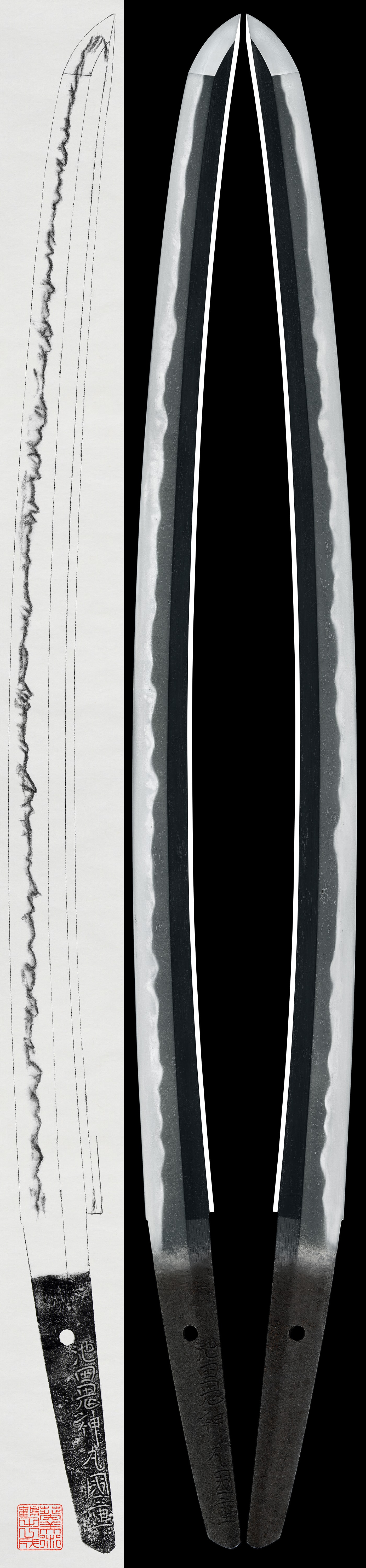
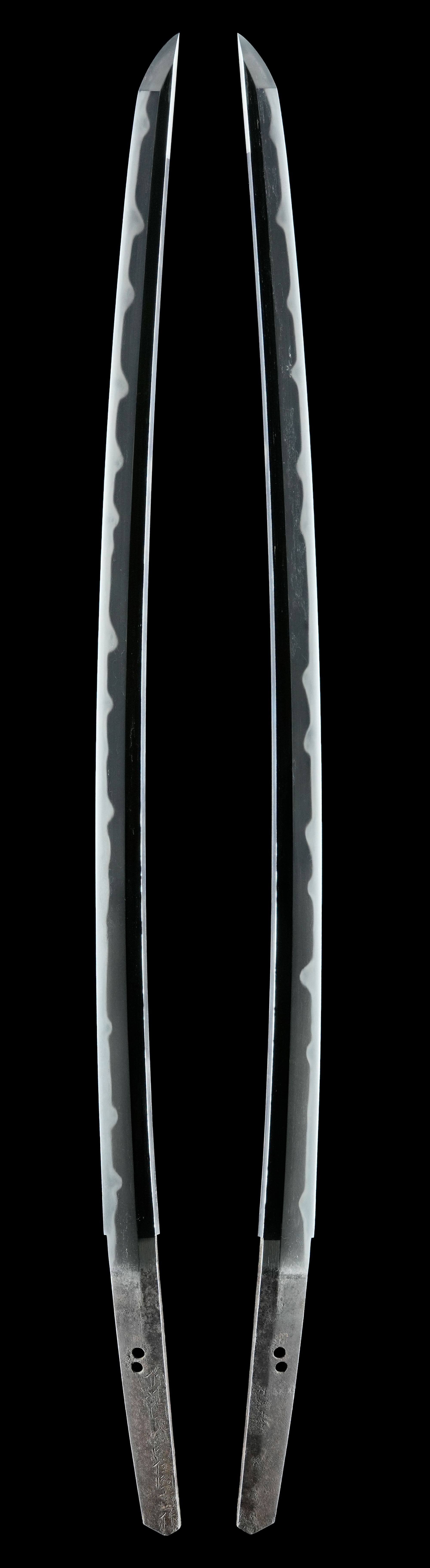
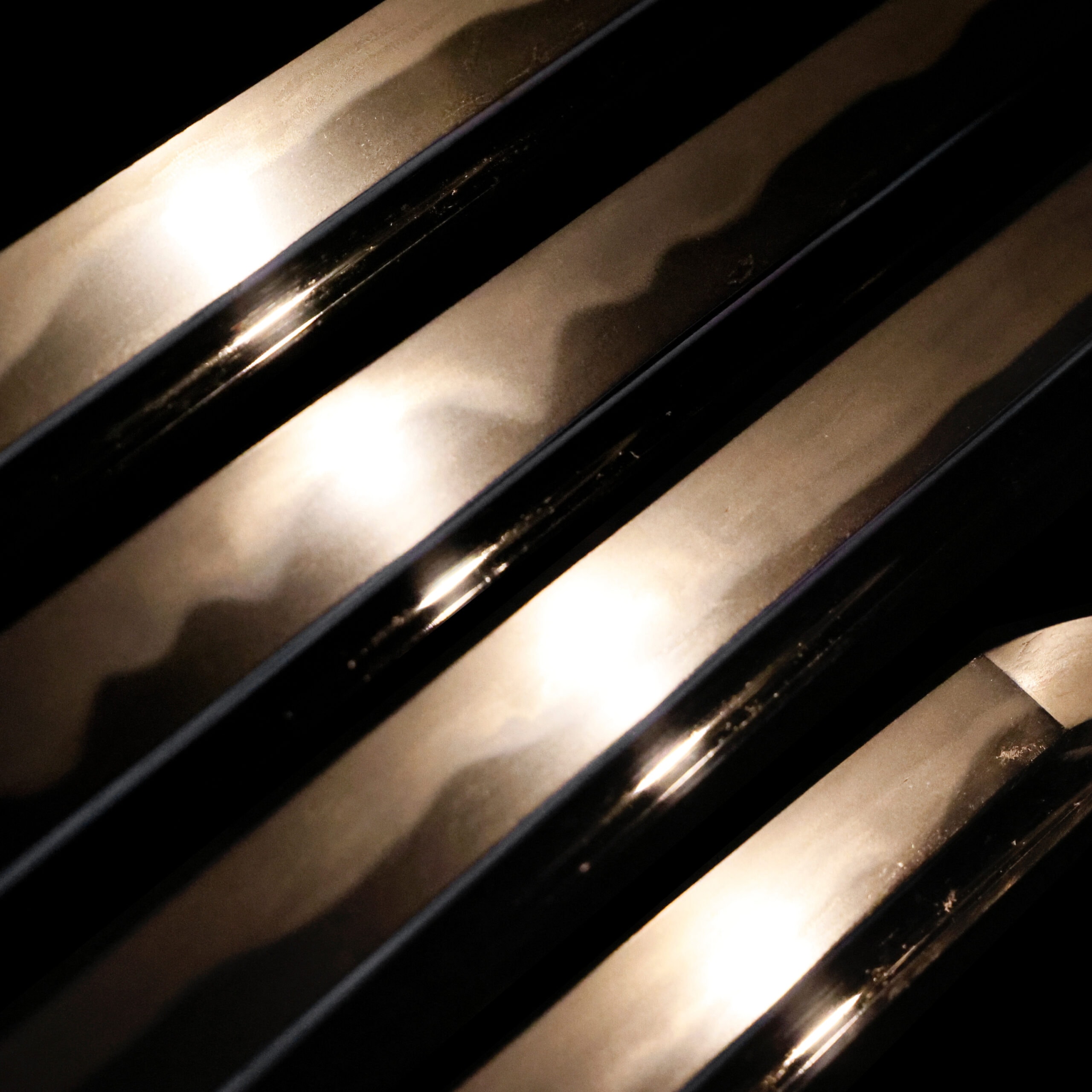
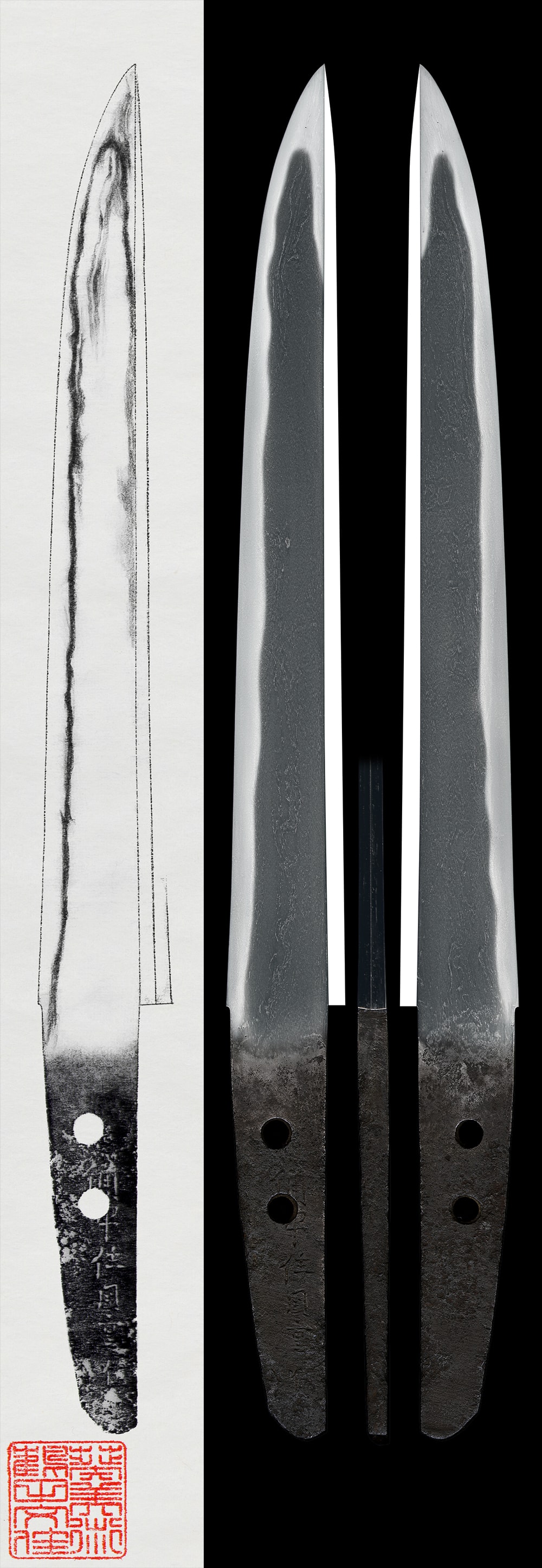
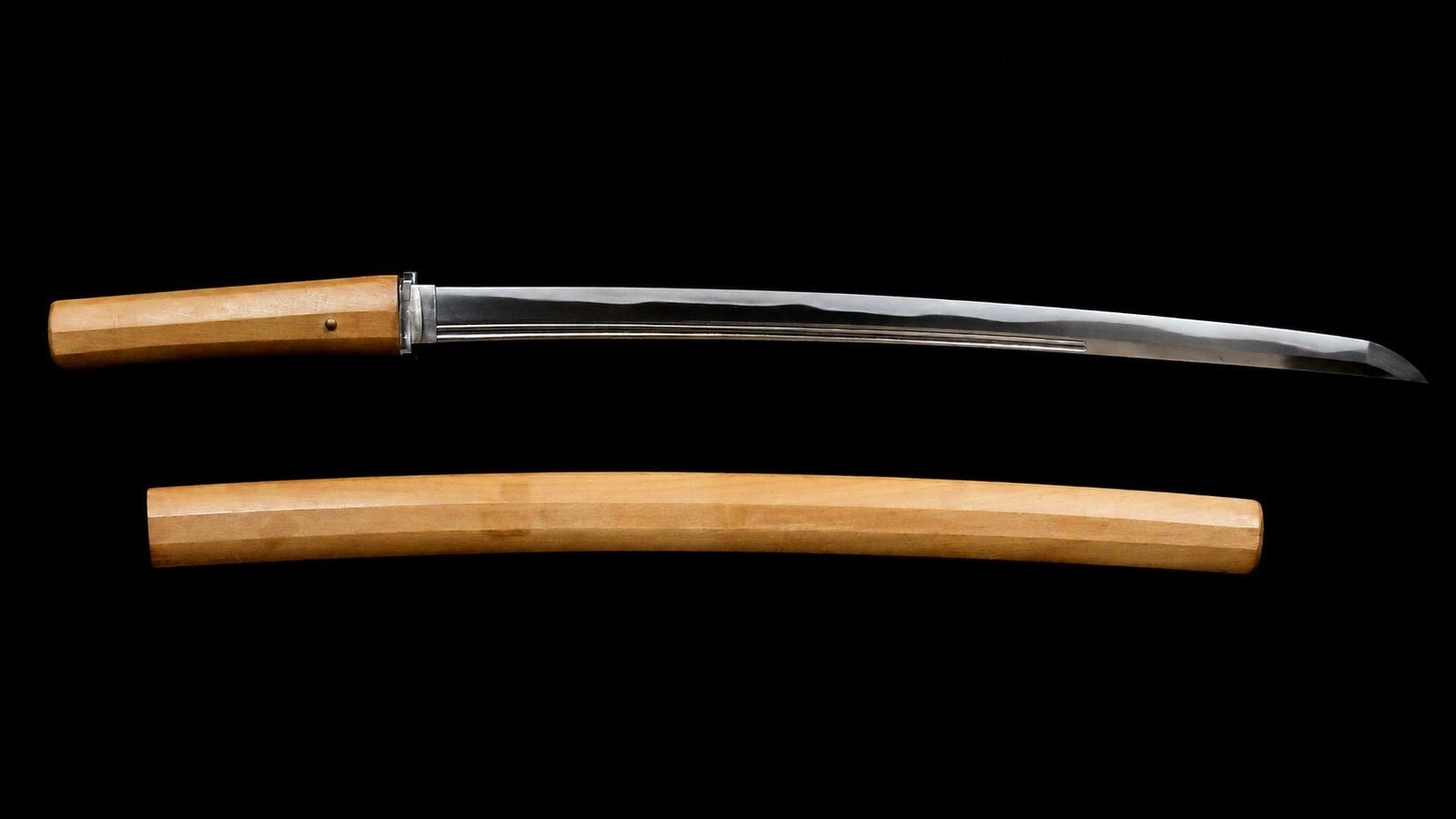
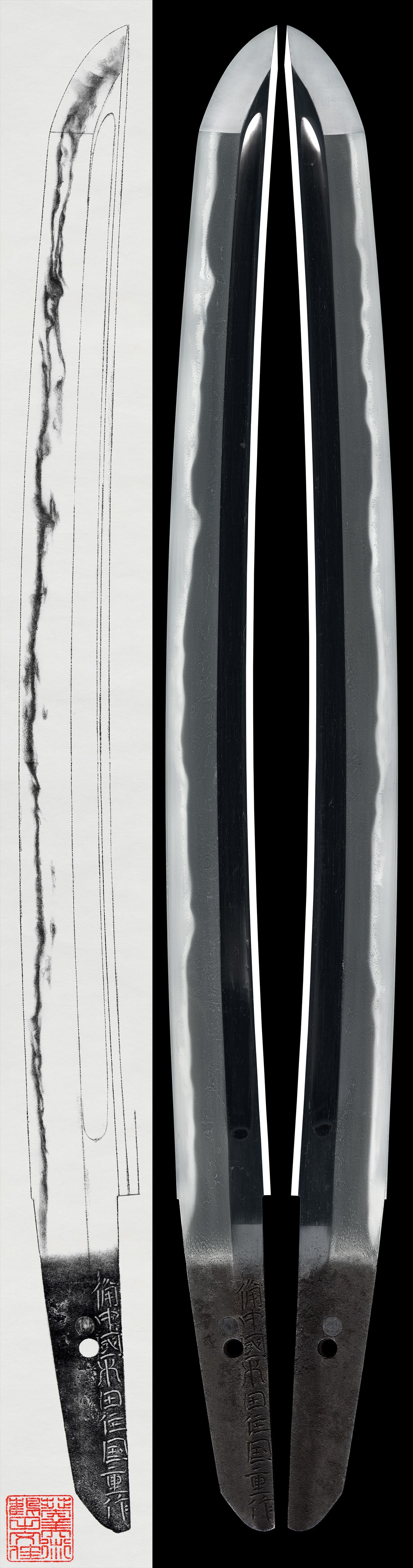
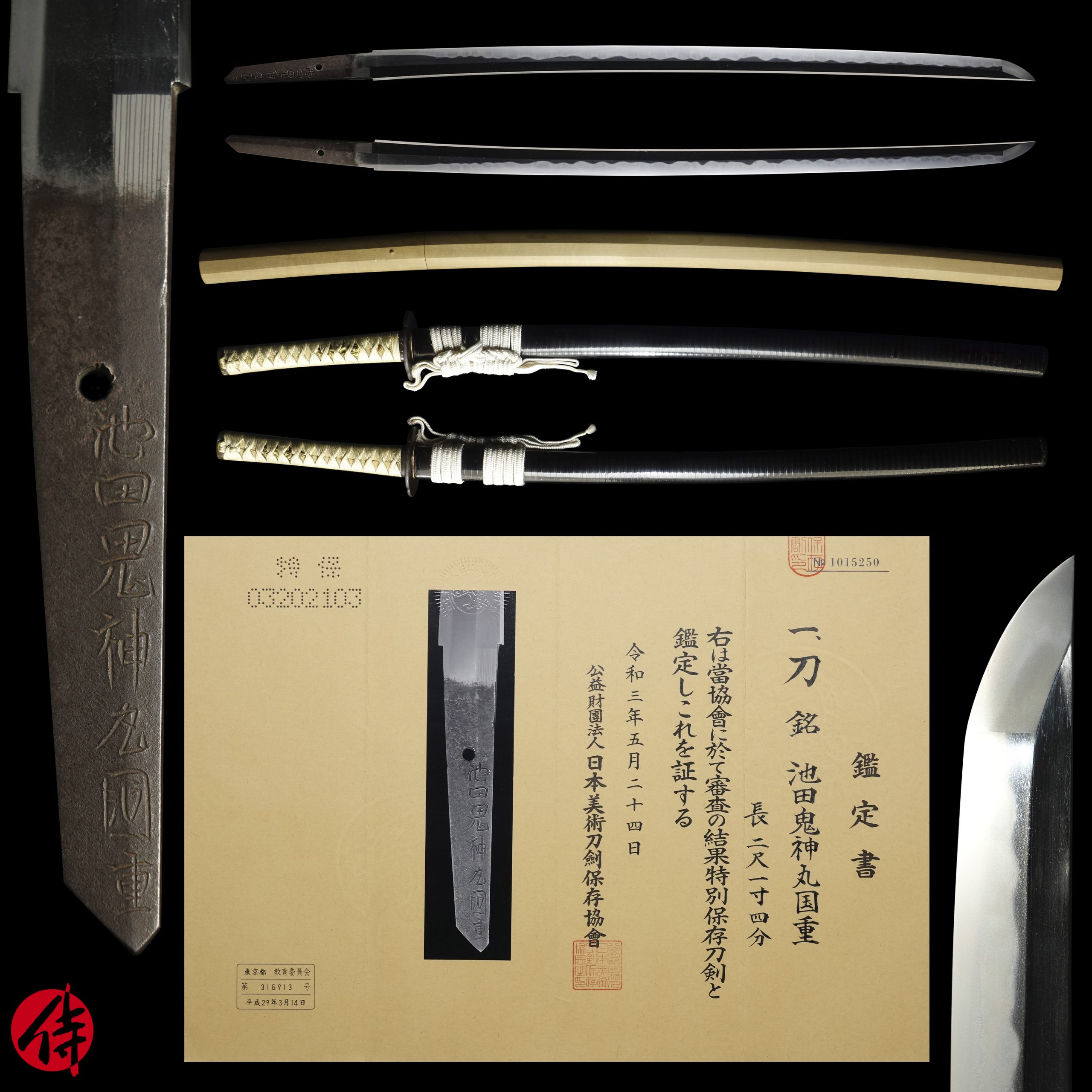
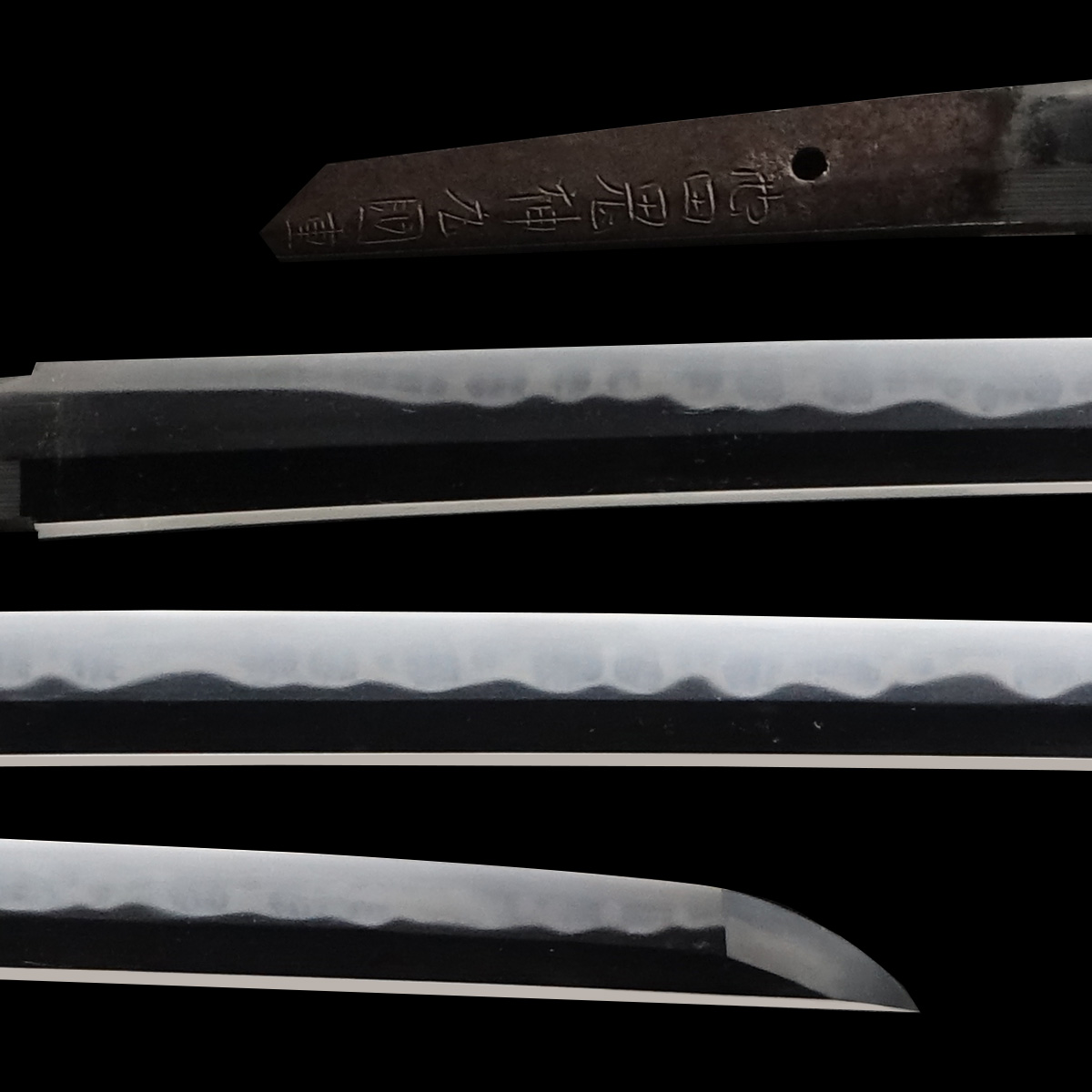
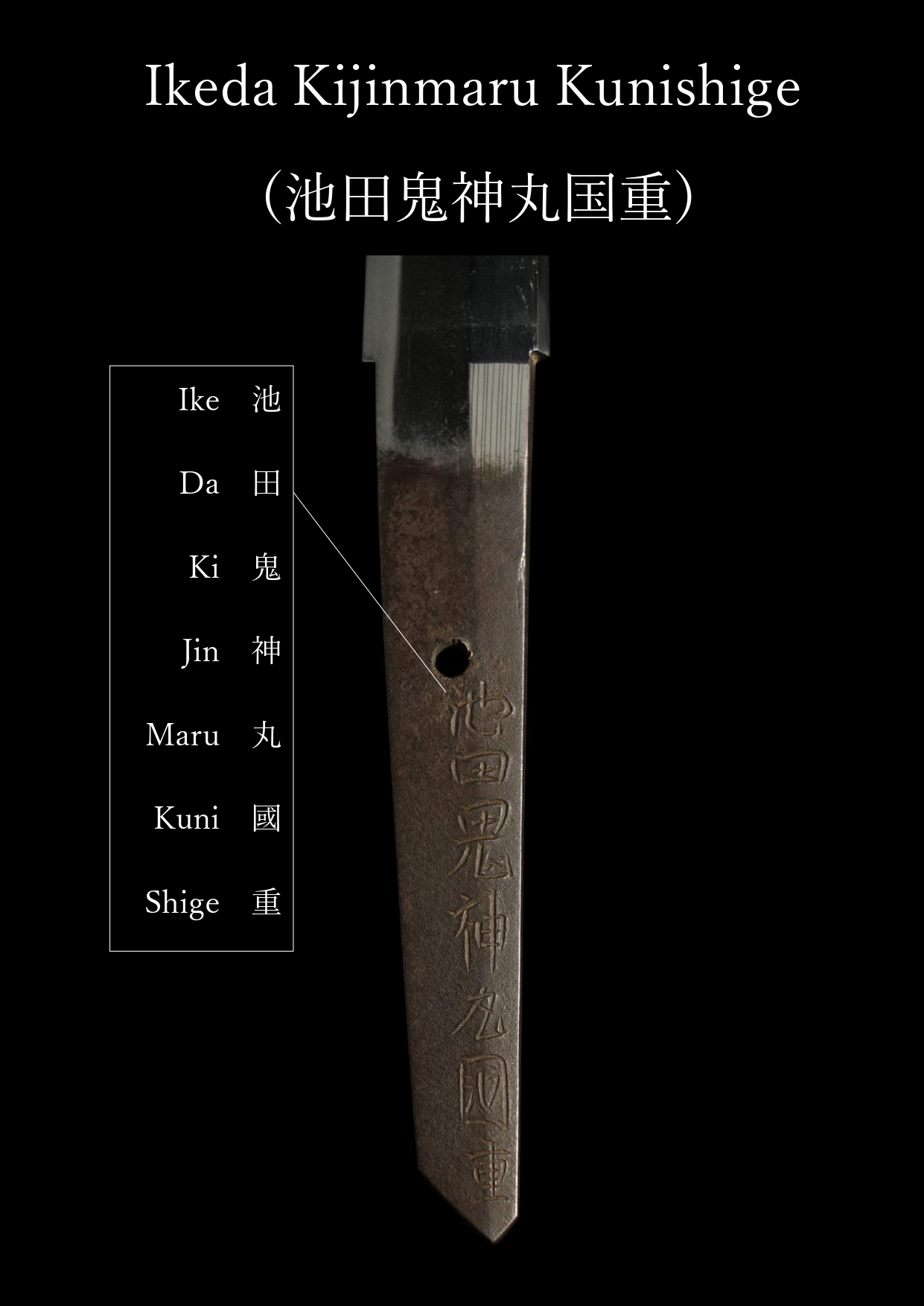
Antique Japanese Sword Katana Signed by Kijinmaru Kunishige with Tokubetsu Hozon Certificate 【Description】 Summary This blade was signed by Ikeda Kijinmaru Kunishige(池田鬼神丸国重), and according to NTHK’s appraisal, it was made during the Tenwa era(1681-1684: early Edo period). Based on his remaining works, Kunishige was active in sword-forging during 1661-1684(Kanbun-Tenwa era). His upbringing& career He was the son of Anzaemon Kunimitsu, who belonged to Mizuta school located in Bichu domain(today’s Okayama prefecture). Naturally, during his early career, he lived in this region, working for the school. Later on, he moved to Osaka to become an apprentice of the second-gen Kawachi no Kami Kunisuke . And, he learned the excellent sword-forging technique from Kunisuke. Then, he moved to many places while active in sword-forging, such as Edo, Akita to improve his craftsmanship. And he eventually settled in Ikeda city in Settsu province(today’s Osaka). Since then, Kunishige started to sign as Ikeda Kijinmaru Kunishige. The smith’s name Ikeda came from the city he lived. Based on these facts, we believe this blade was forged in Ikeda city, Settsu province. About Mizuta School Mizuta school was founded by the descendants of Ko AOE Tametsugu(古青江為次) in the late Muromachi period(1530-). Ko AOE Tametsugu is one of the most famous swordsmiths in the late Heian period-early Kamakura period(Late 12C-Early 13C). One of his works is designated as a national treasure of Japan. AOE(青江) is the name of the school Tametsugu belonged to. It was located in Kurashiki city, Okayama prefecture today. AOE school was prosperous during the Kamakura-Nanbokucho era(-Late 12C-Late 14C), but it almost disappeared in the Muromachi period. However, because of the descendants of Tametsugu, the Ko AOE-style sword became popular again and revitalized the school by changing its name to Bitchu Koku Mizuta school. The Bitchu Koku Mizuta school flourished from 1530-1700(The end of the Sengoku period to the mid-Edo period) in today’s Okayama prefecture. About 60 swordsmiths who belonged to Mizuta school and Kunishige were the most prestigious smith name only selected swords maker were allowed to use in this school. During the Edo period, many Kunishige swordsmiths moved to other parts of Japan. Ikeda Kijinmaru Kunishige is a good example. About the second-gen Kawachi no Kami Kunisuke The master Kijinmaru Kunishige worked for is the second-gen Kawachi no Kami Kunisuke(二代河内守国助). Kunisuke was one of the most well-known swordsmiths in Osaka during the early Edo period. The swordsmith’s name Kunisuke lasted three generations. He was famous for forging blades with the Kobushi Choji tempering line. Kobushi means fist in Japanese. This tempering line looks there are a lot of fists lining continuously. Kijinmaru Kunishige put Kobushi Choji on this blade so, he must have learned this complex technique from his master. The significance of the name “Kijinmaru” Kijinmaru is written as 鬼神丸, and 鬼神 means demon(鬼) god(神). However, when you take a closer look at the letter 鬼 on the signature, you can see the tiny difference from the original letter. On top of the square shape part, you can find ノ in the original, but his signature doesn’t have this part. It is said that ノ in this letter represent a demon’s horn, and a demon without this horn means he became a good god or god that helps people. We assume he signed Kijinmaru on his work, wishing his creation would be used for good deeds. The famous anecdote about Kijinmaru Kunishige The smith name Kijinmaru Kunishige has been very famous among Japanese people because it is said that Saito Hajime , a legendary figure in Shinsen-Gumi, owned one of his works. Saito Hajime (1842-1915) was a member of the renowned military unit Shinsen-Gumi at the end of the Edo period. He was present at the Boshin Wars, where Shinsen-Gumi had lost to the New Government Army. It was at that moment in history the New Government Party eventually demolished the Samu
 NihontoWatch
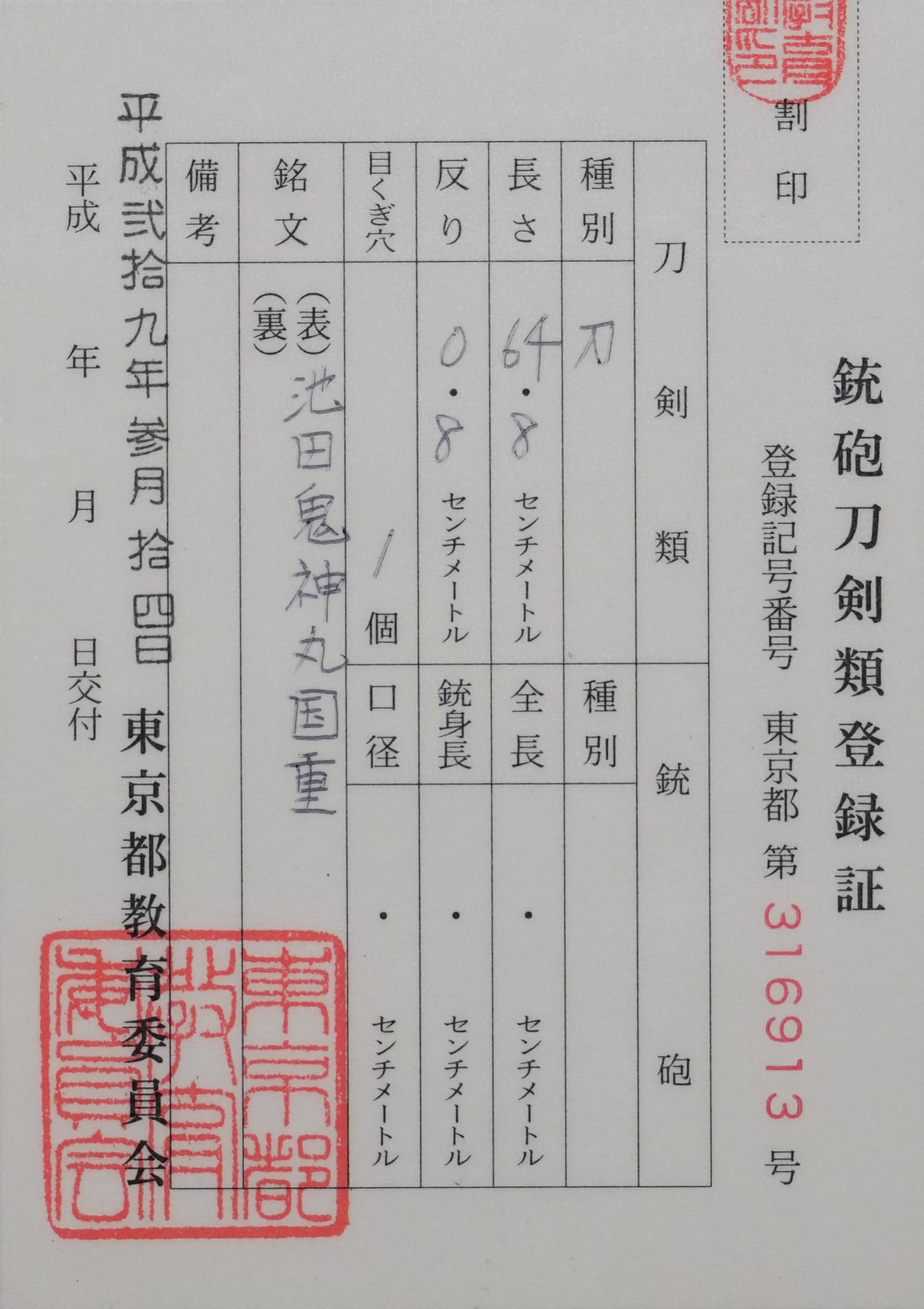
在銘 · Mizuta · 寛文 · 長さ 64.8cm · 反り 0.8cm
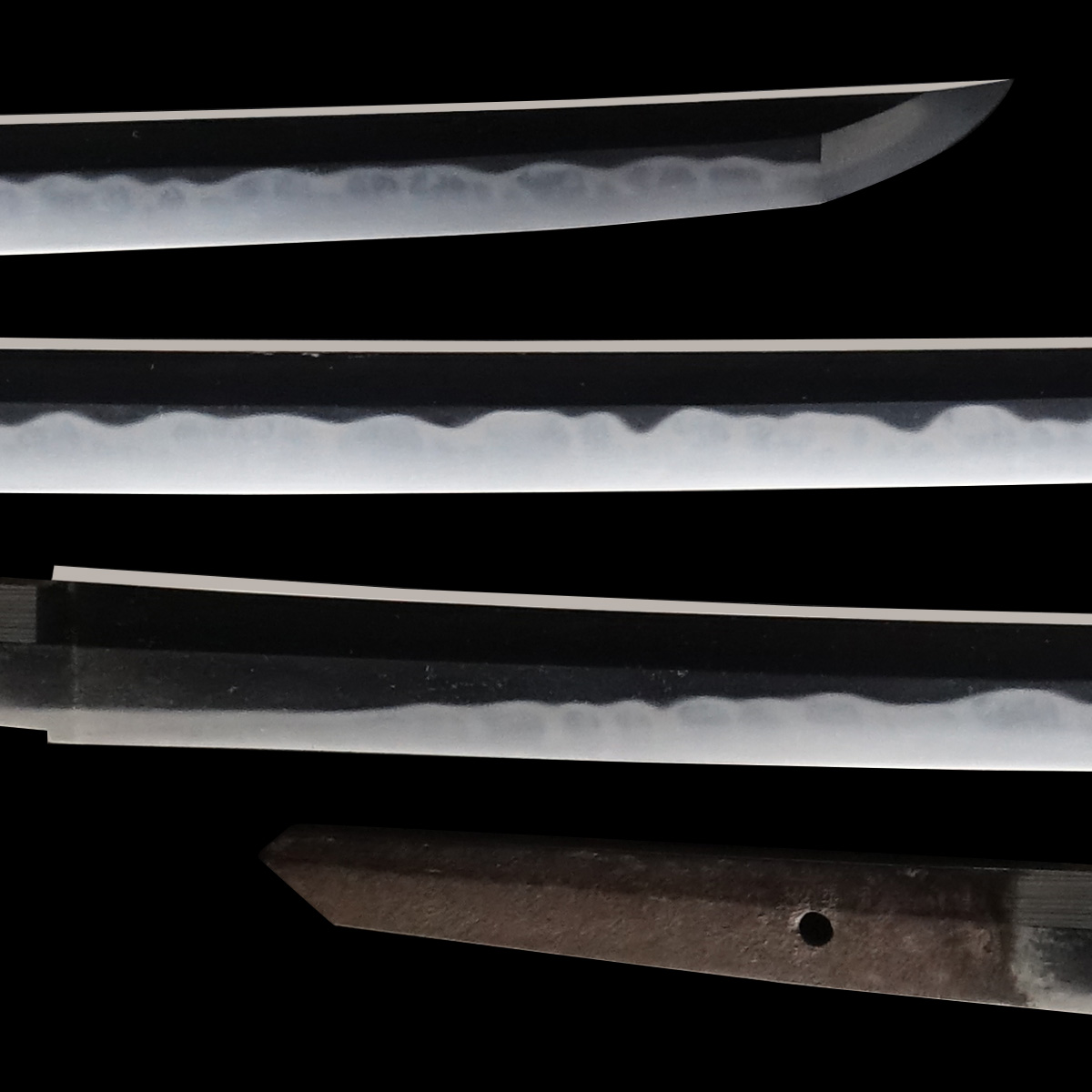
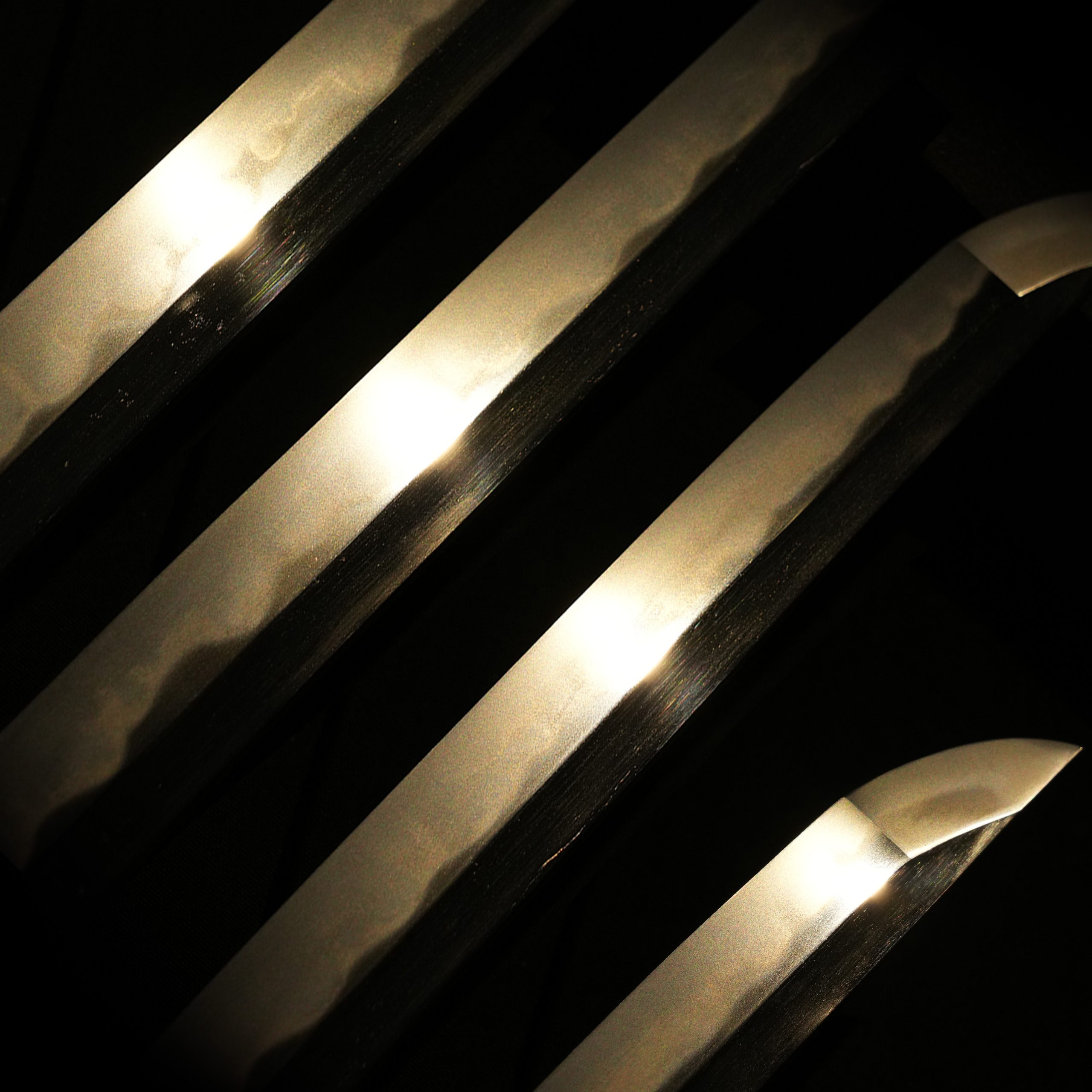
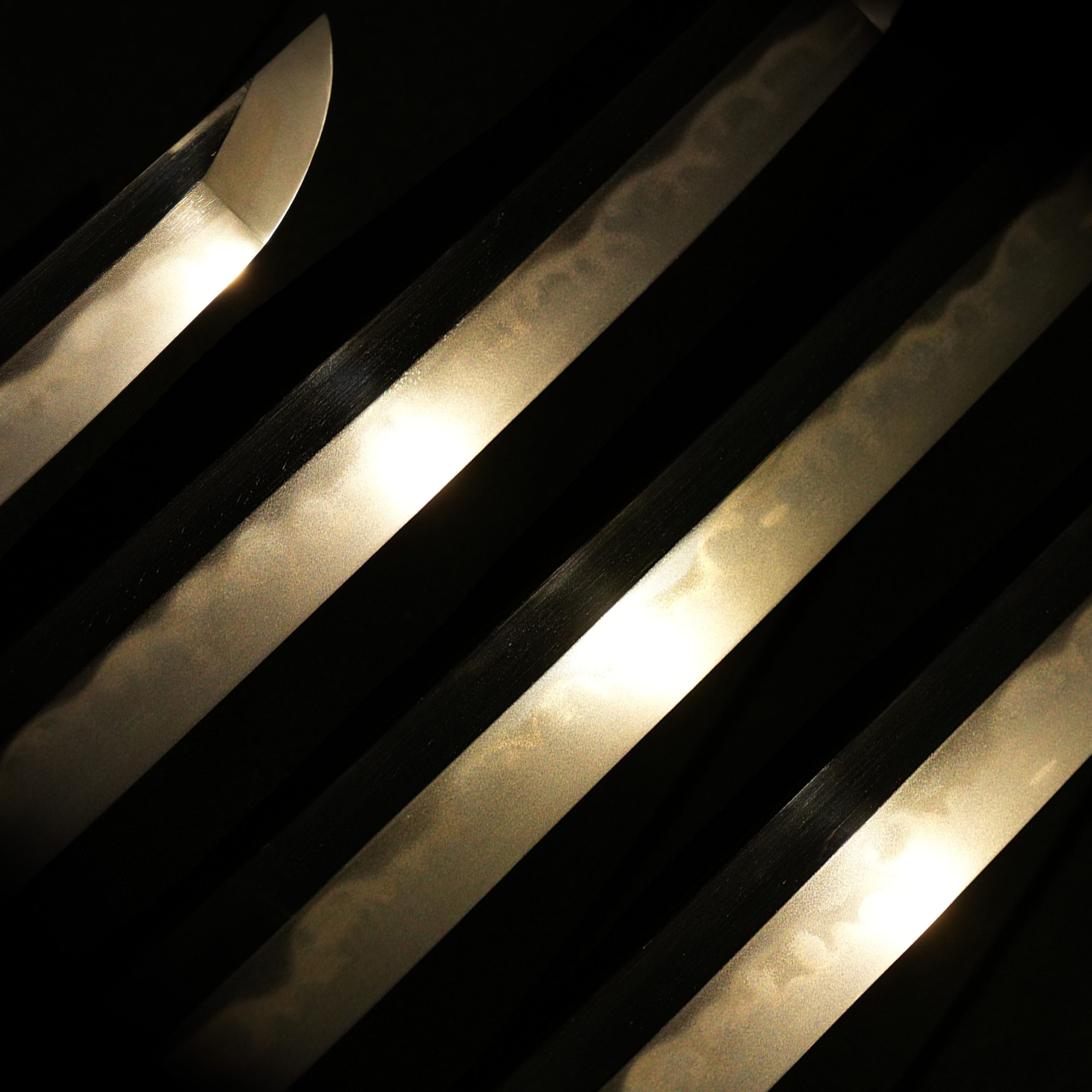
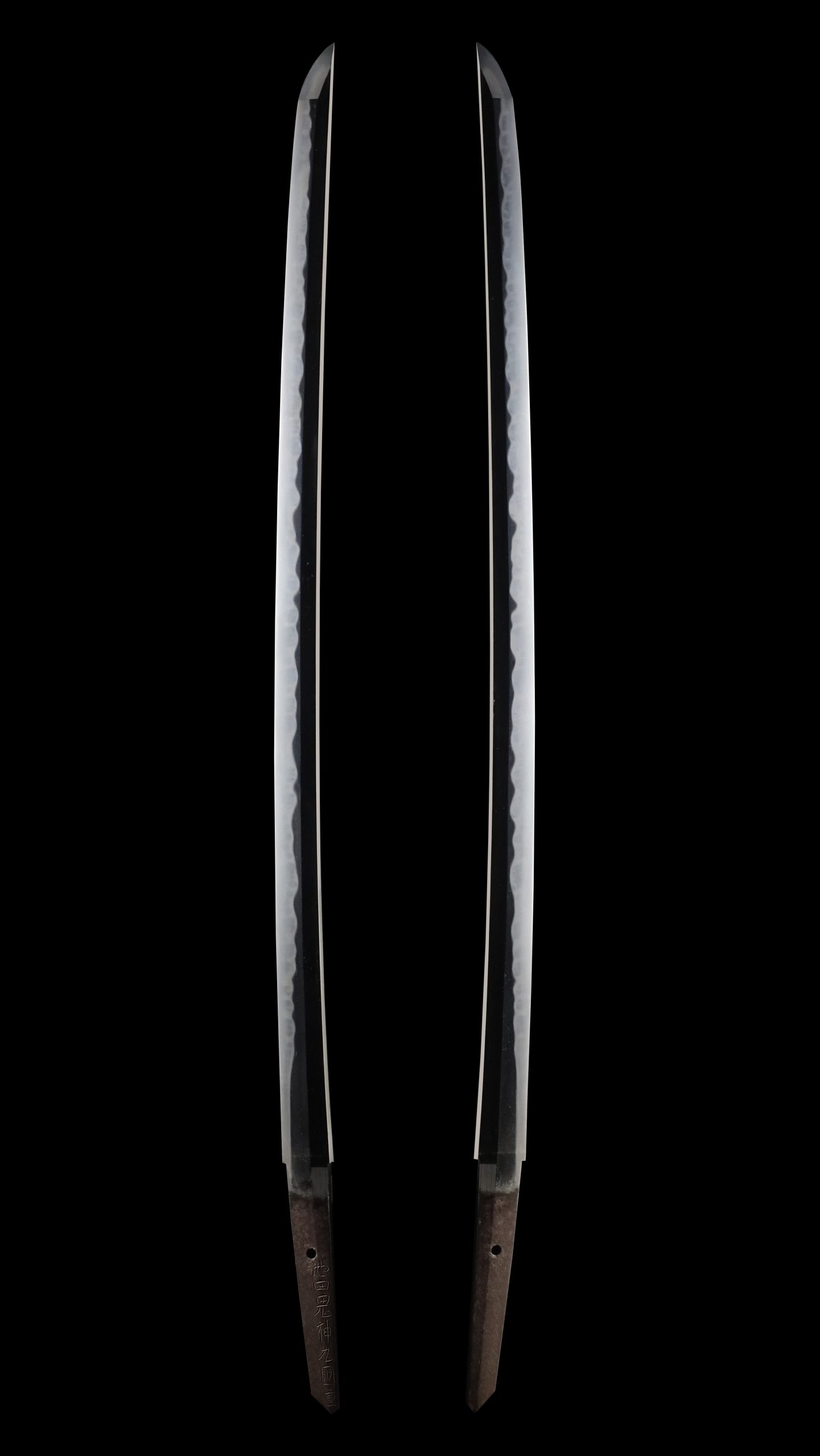
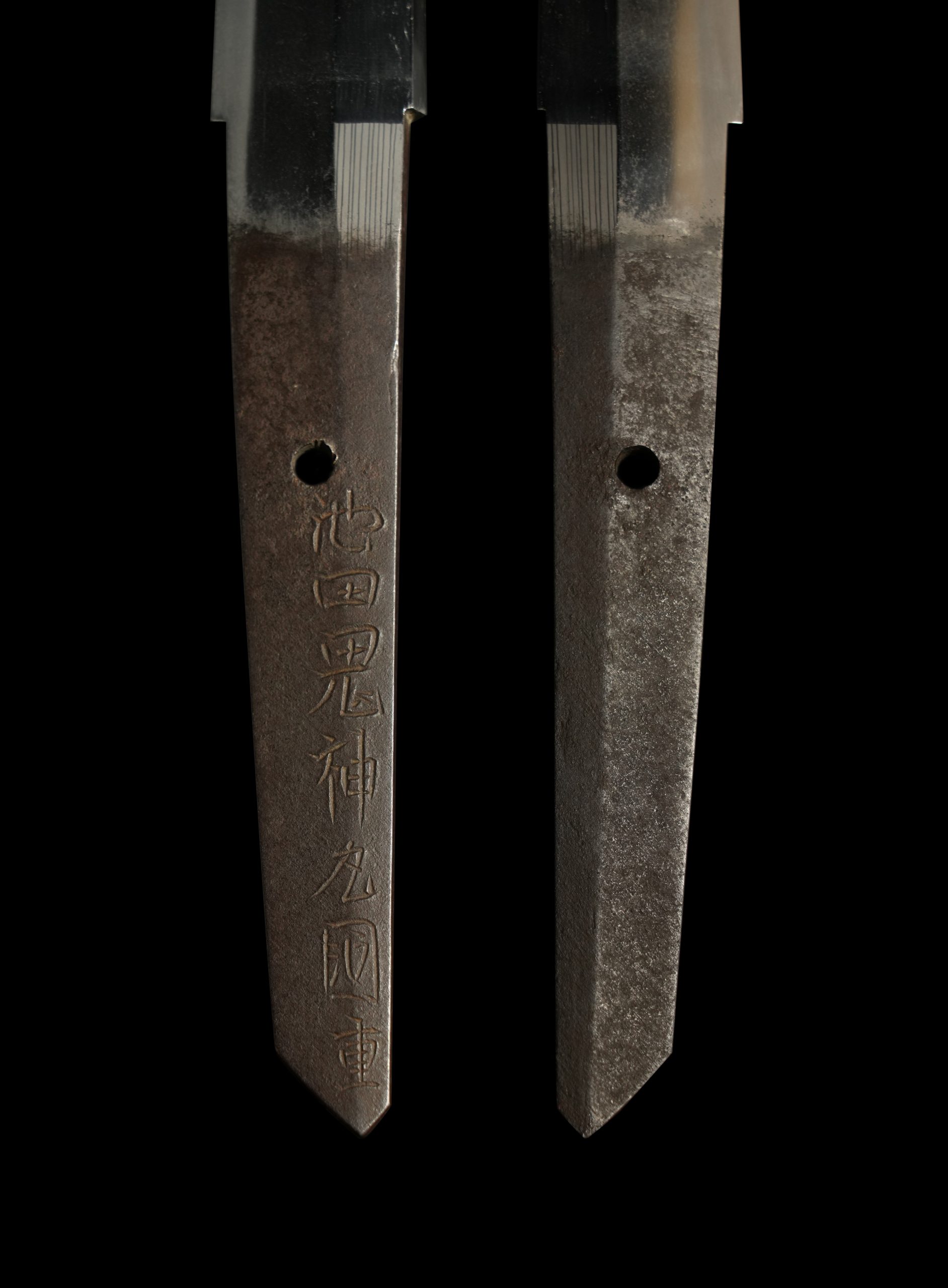
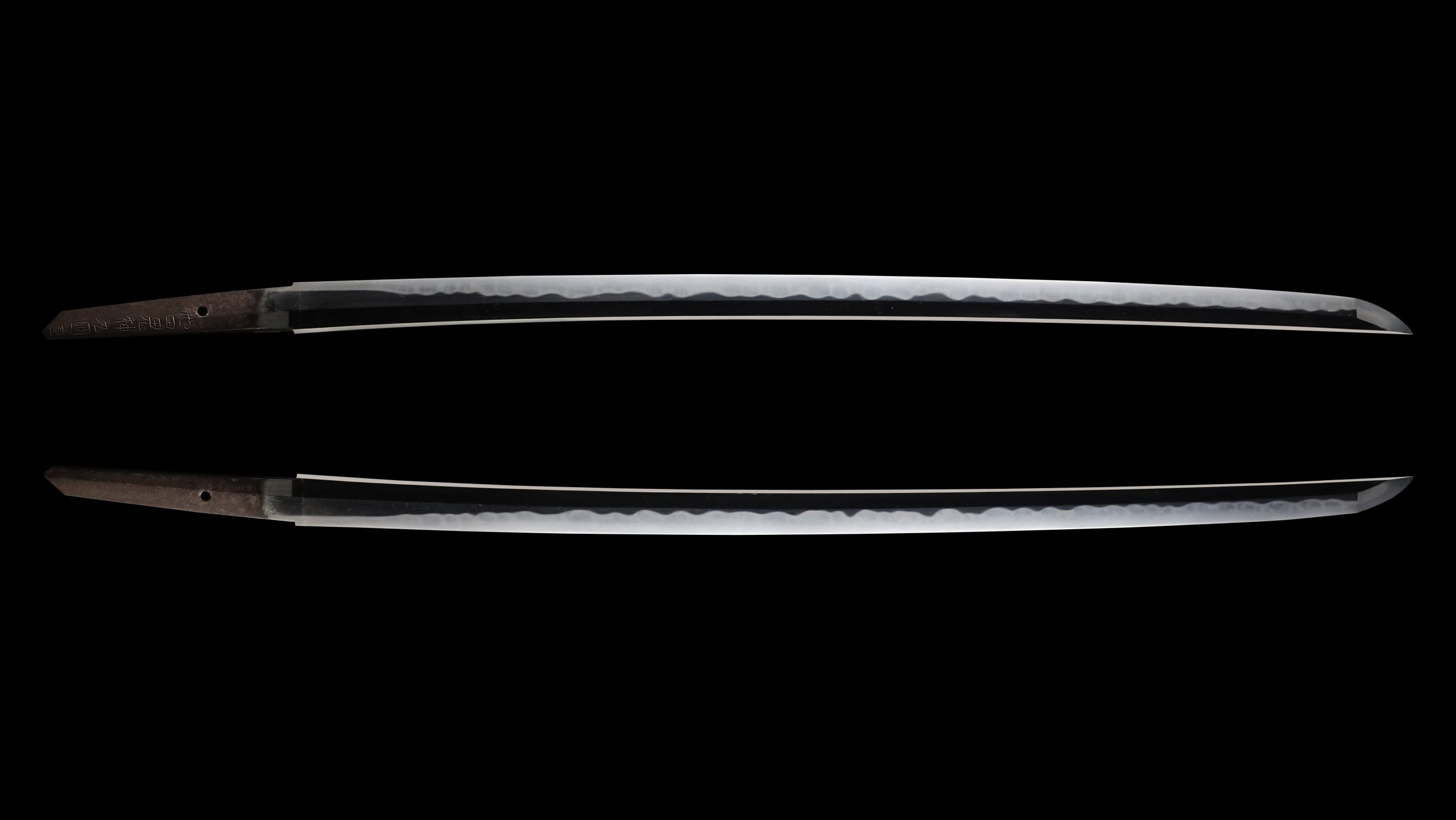
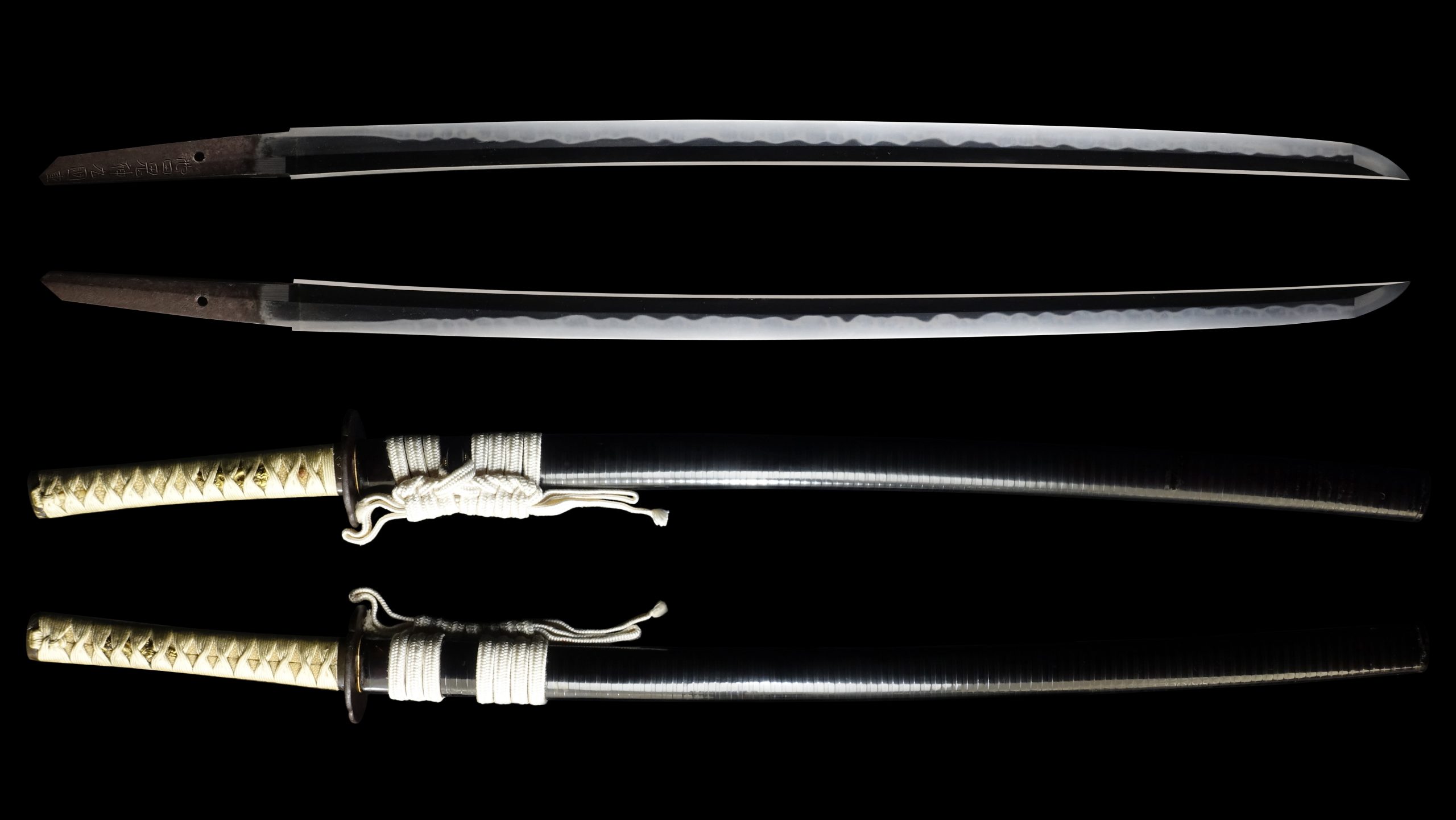
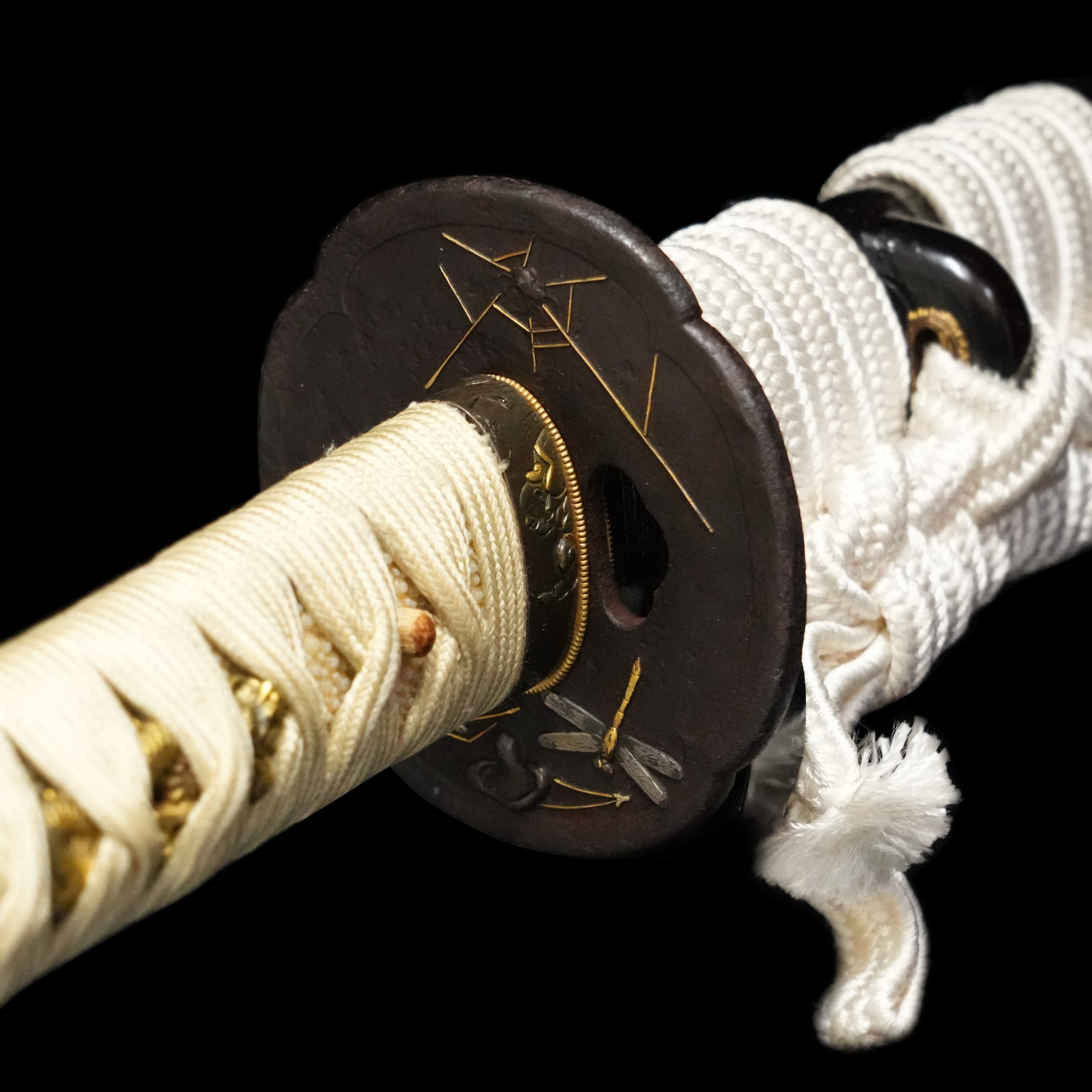
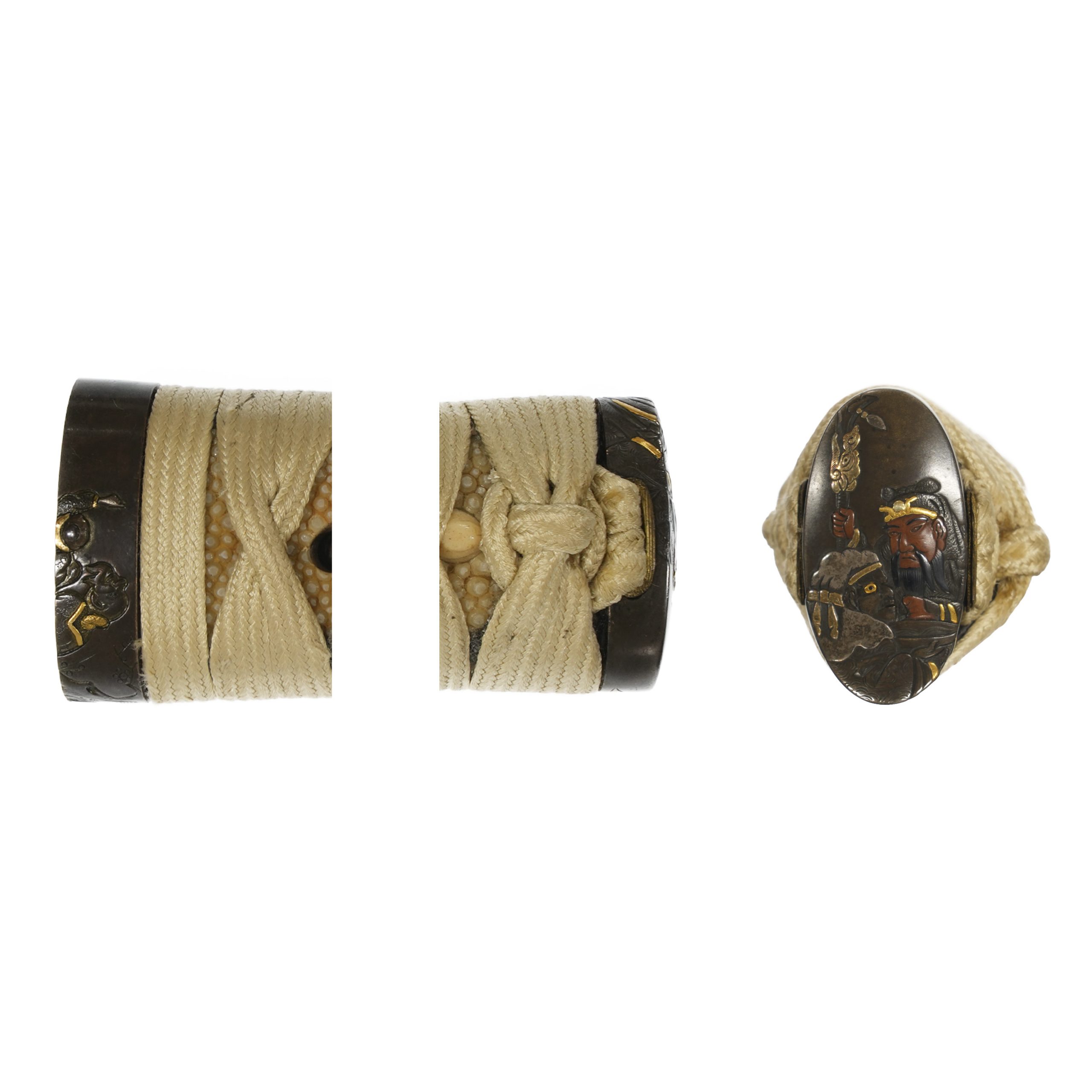
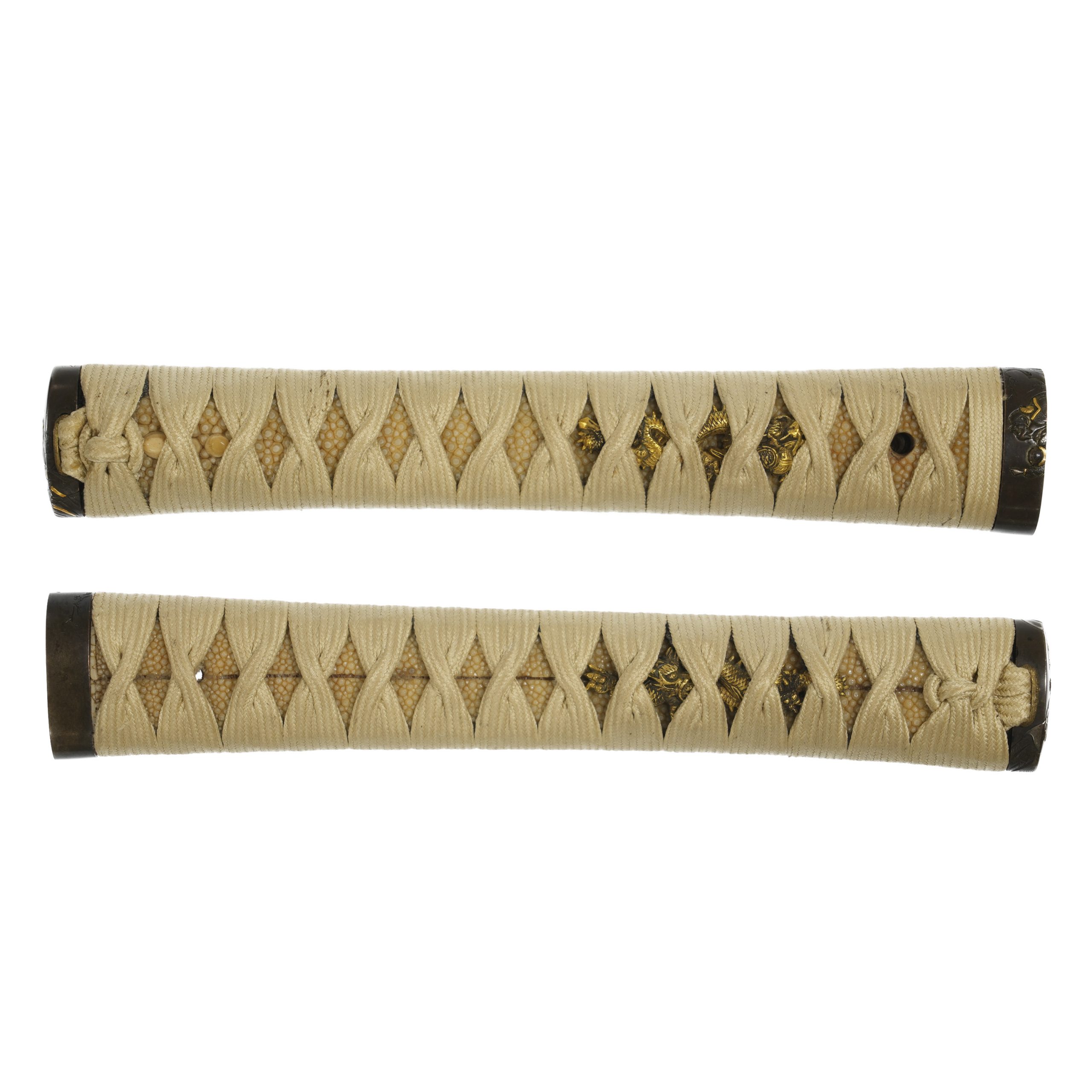
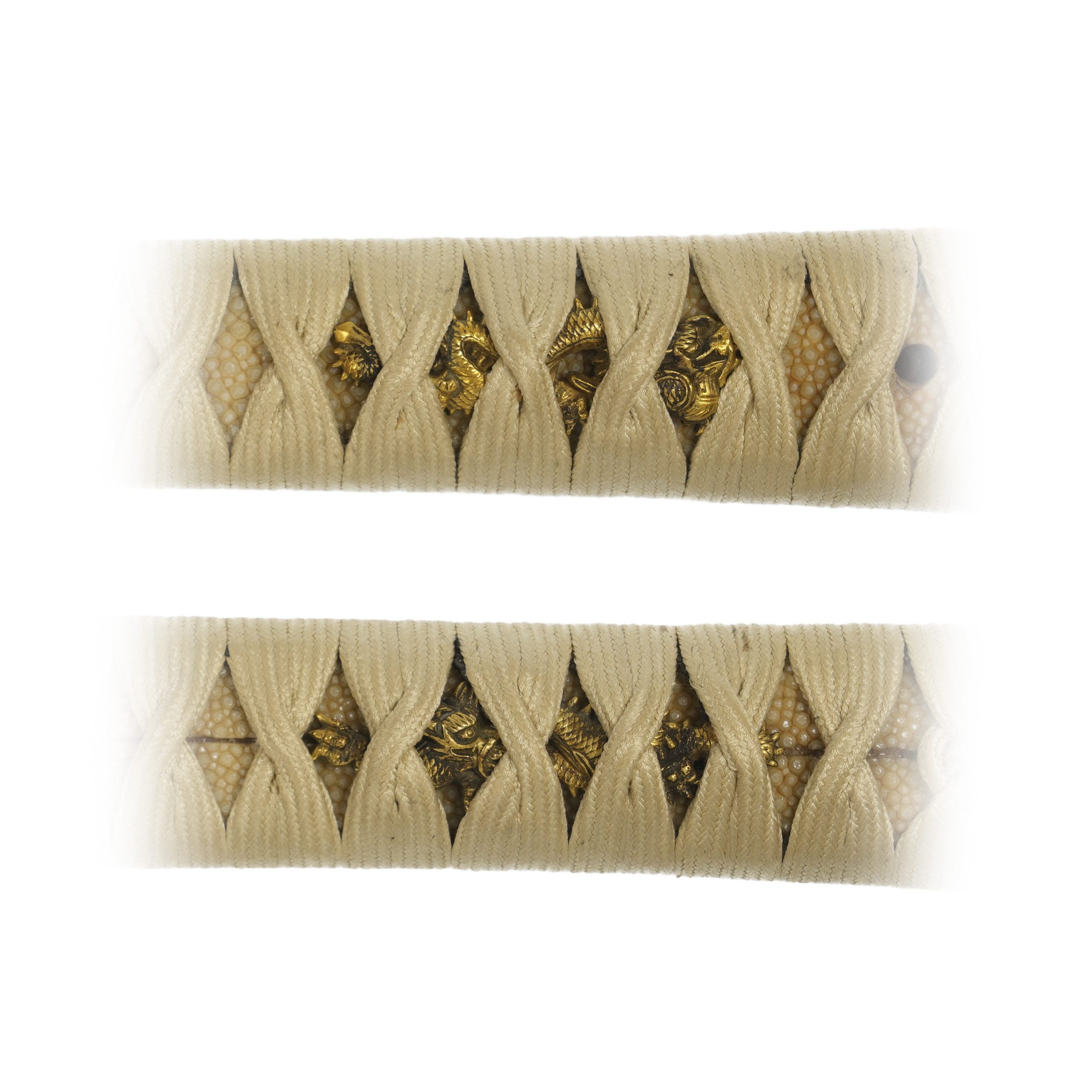
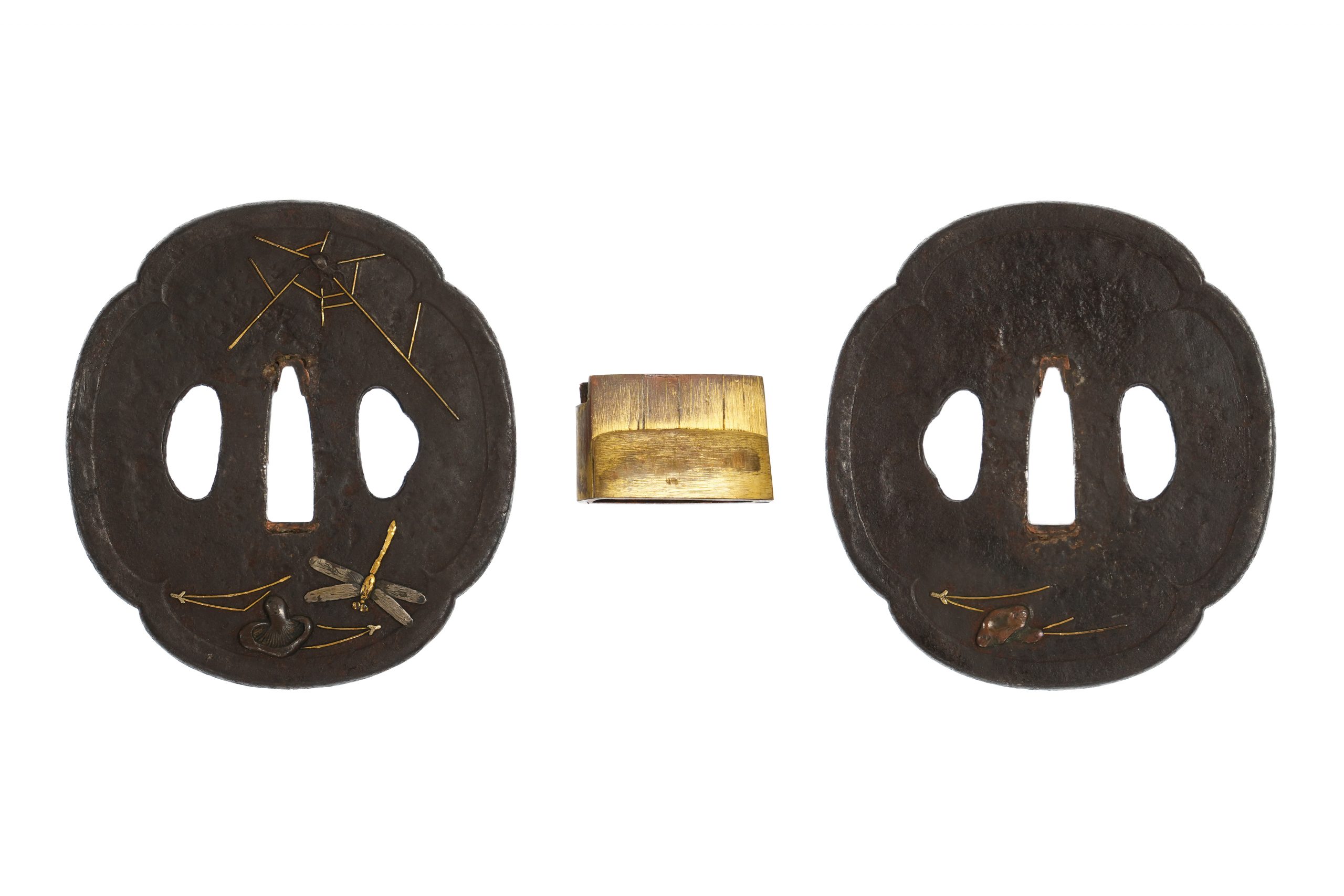
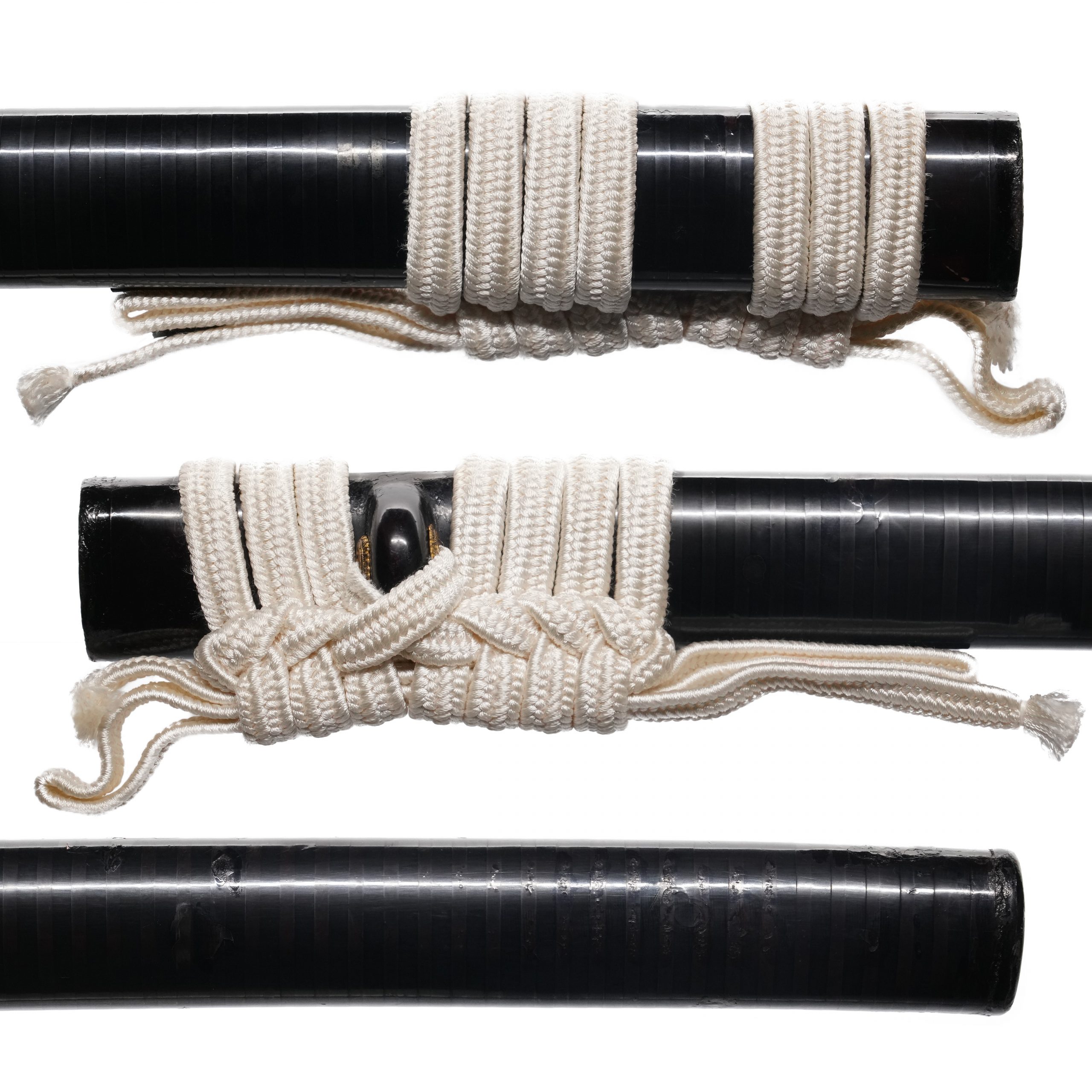
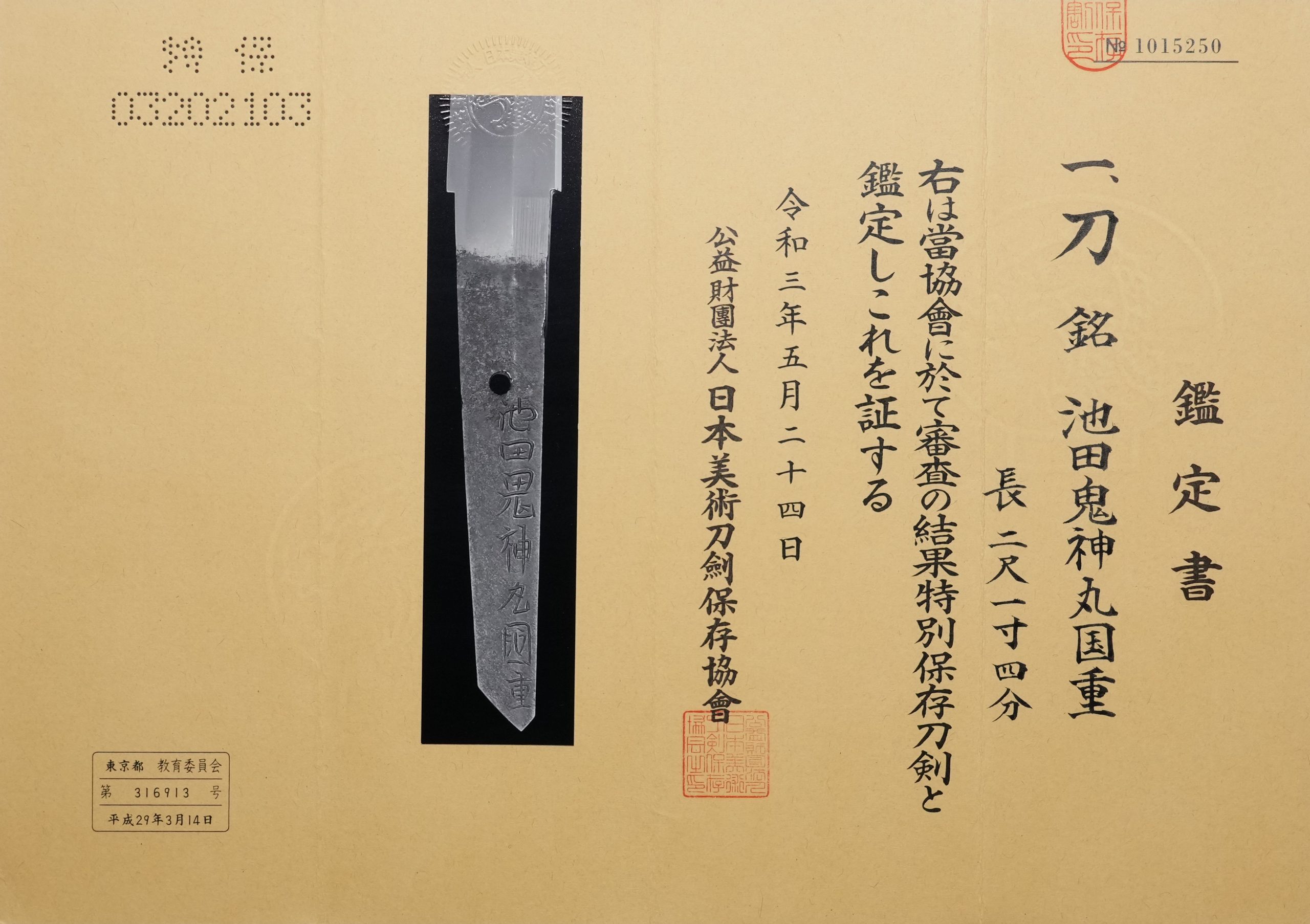
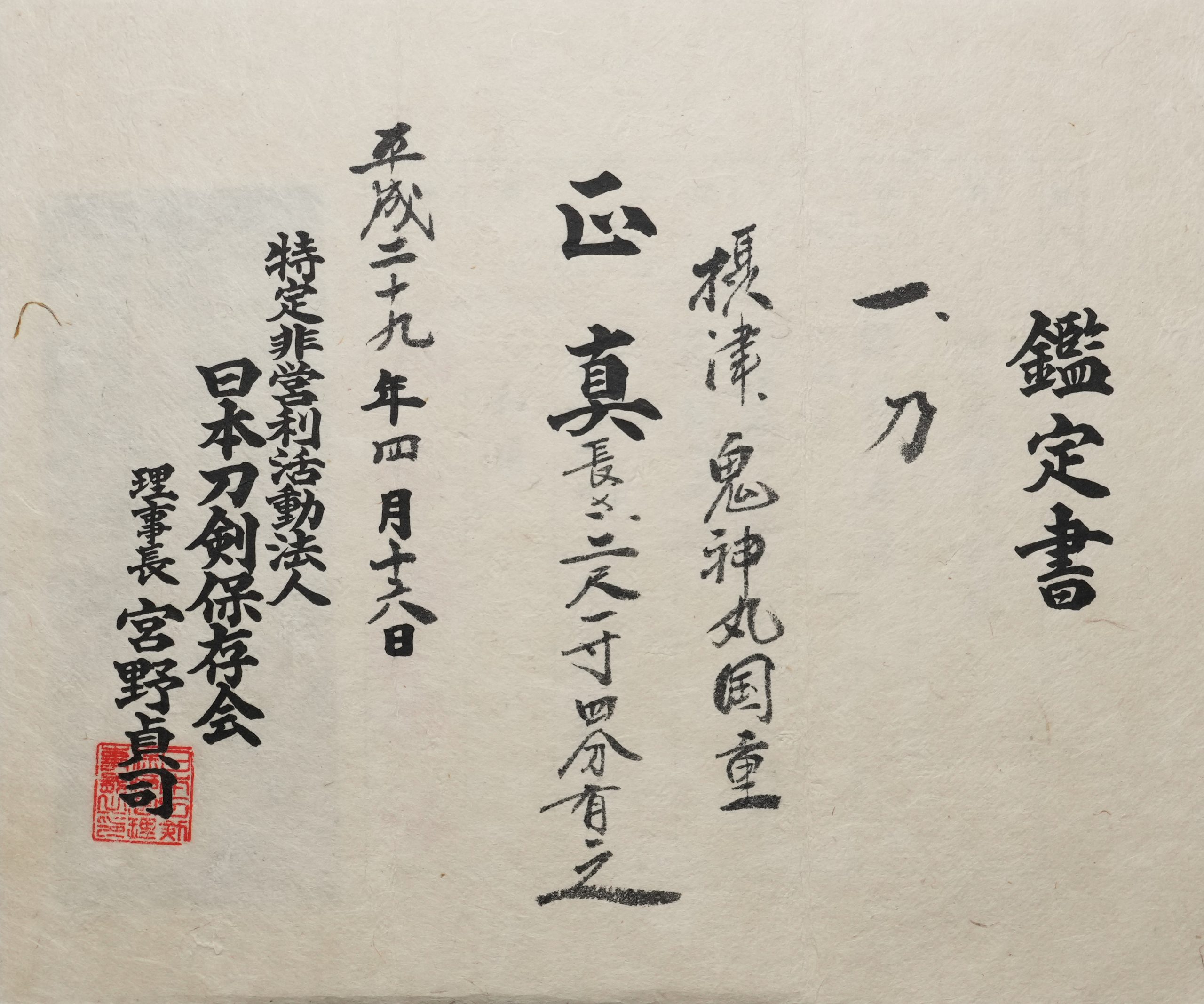
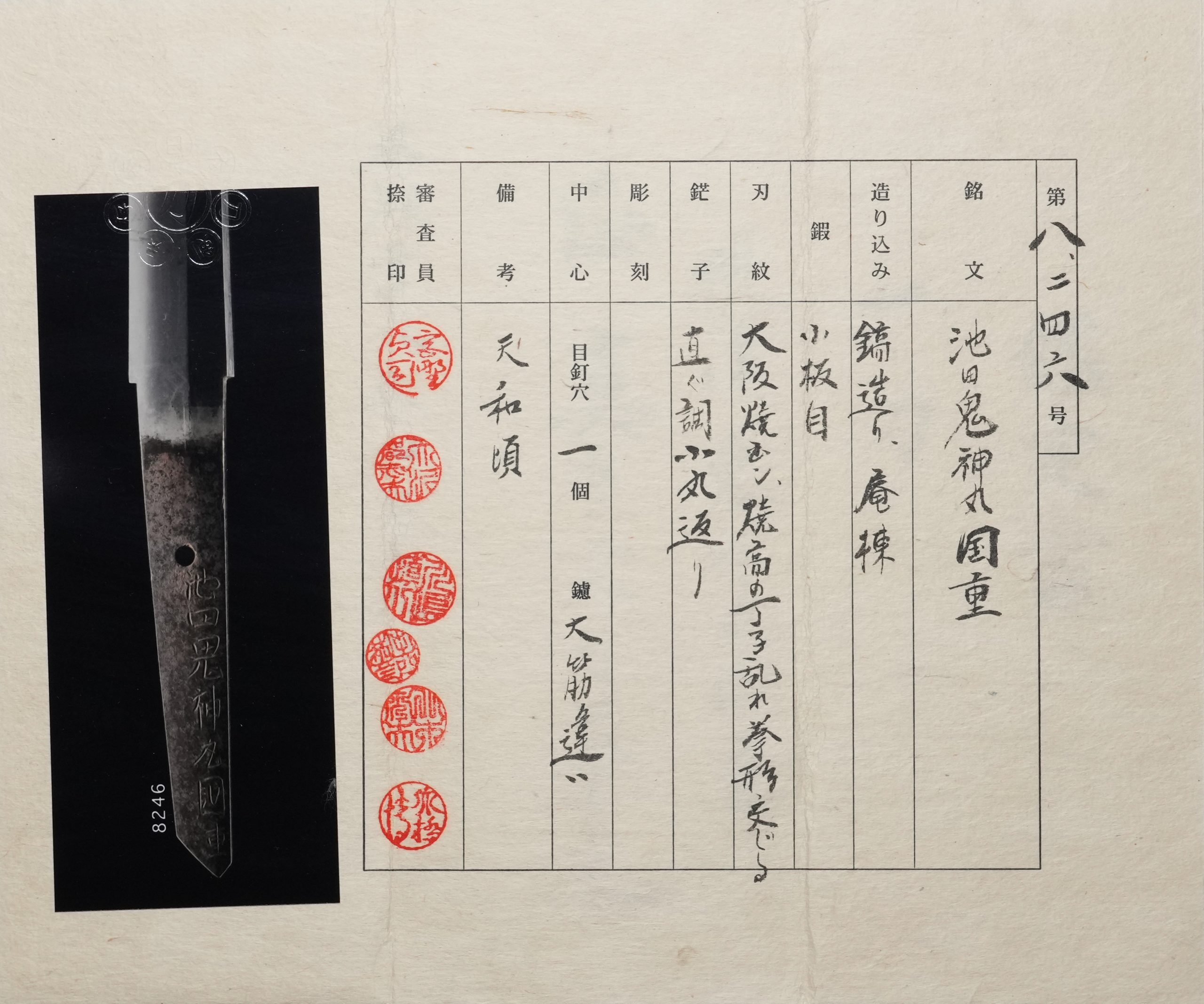
摂津 · 1661-1688頃
現在1点販売中
江戸時代
徳川の泰平のもと、大小は法度の定める身分の制服となり、需要は城下町、とりわけ江戸に集まった。工芸は二つに分かれる。目利きのための華やかな鑑賞の作と、截断の結果を金象嵌に刻む実証の刀である。
保存刀剣のうち、出来が一層優れ、保存状態も良好と認められたものです。再刃や、室町・江戸期の多くの無銘作は対象外となり、保存刀剣より高い基準が課されます。
日本美術刀剣保存協会(NBTHK)は、1948年に設立され、文化庁の監督を受ける公益財団法人で、東京・刀剣博物館に本部を置きます。専門の審査員が出品作を直接審査し、美術的・歴史的価値に応じた鑑定書を発行します。NBTHKの鑑定書は、日本刀および刀装具の真正性を示す最も広く認知された基準です。
NBTHK公式サイトReturns/exchanges limited to defects caused by shipping (except willful misconduct or gross negligence by the company); customers must contact within 72 hours of receiving the product.
Antique Japanese Sword Katana Signed by Kijinmaru Kunishige with Tokubetsu Hozon Certificate 【Description】 Summary This blade was signed by Ikeda Kijinmaru Kunishige(池田鬼神丸国重), and according to NTHK’s appraisal, it was made during the Tenwa era(1681-1684: early Edo period). Based on his remaining works, Kunishige was active in sword-forging during 1661-1684(Kanbun-Tenwa era). His upbringing& career He was the son of Anzaemon Kunimitsu, who belonged to Mizuta school located in Bichu domain(today’s Okayama prefecture). Naturally, during his early career, he lived in this region, working for the school. Later on, he moved to Osaka to become an apprentice of the second-gen Kawachi no Kami Kunisuke . And, he learned the excellent sword-forging technique from Kunisuke. Then, he moved to many places while active in sword-forging, such as Edo, Akita to improve his craftsmanship. And he eventually settled in Ikeda city in Settsu province(today’s Osaka). Since then, Kunishige started to sign as Ikeda Kijinmaru Kunishige. The smith’s name Ikeda came from the city he lived. Based on these facts, we believe this blade was forged in Ikeda city, Settsu province. About Mizuta School Mizuta school was founded by the descendants of Ko AOE Tametsugu(古青江為次) in the late Muromachi period(1530-). Ko AOE Tametsugu is one of the most famous swordsmiths in the late Heian period-early Kamakura period(Late 12C-Early 13C). One of his works is designated as a national treasure of Japan. AOE(青江) is the name of the school Tametsugu belonged to. It was located in Kurashiki city, Okayama prefecture today. AOE school was prosperous during the Kamakura-Nanbokucho era(-Late 12C-Late 14C), but it almost disappeared in the Muromachi period. However, because of the descendants of Tametsugu, the Ko AOE-style sword became popular again and revitalized the school by changing its name to Bitchu Koku Mizuta school. The Bitchu Koku Mizuta school flourished from 1530-1700(The end of the Sengoku period to the mid-Edo period) in today’s Okayama prefecture. About 60 swordsmiths who belonged to Mizuta school and Kunishige were the most prestigious smith name only selected swords maker were allowed to use in this school. During the Edo period, many Kunishige swordsmiths moved to other parts of Japan. Ikeda Kijinmaru Kunishige is a good example. About the second-gen Kawachi no Kami Kunisuke The master Kijinmaru Kunishige worked for is the second-gen Kawachi no Kami Kunisuke(二代河内守国助). Kunisuke was one of the most well-known swordsmiths in Osaka during the early Edo period. The swordsmith’s name Kunisuke lasted three generations. He was famous for forging blades with the Kobushi Choji tempering line. Kobushi means fist in Japanese. This tempering line looks there are a lot of fists lining continuously. Kijinmaru Kunishige put Kobushi Choji on this blade so, he must have learned this complex technique from his master. The significance of the name “Kijinmaru” Kijinmaru is written as 鬼神丸, and 鬼神 means demon(鬼) god(神). However, when you take a closer look at the letter 鬼 on the signature, you can see the tiny difference from the original letter. On top of the square shape part, you can find ノ in the original, but his signature doesn’t have this part. It is said that ノ in this letter represent a demon’s horn, and a demon without this horn means he became a good god or god that helps people. We assume he signed Kijinmaru on his work, wishing his creation would be used for good deeds. The famous anecdote about Kijinmaru Kunishige The smith name Kijinmaru Kunishige has been very famous among Japanese people because it is said that Saito Hajime , a legendary figure in Shinsen-Gumi, owned one of his works. Saito Hajime (1842-1915) was a member of the renowned military unit Shinsen-Gumi at the end of the Edo period. He was present at the Boshin Wars, where Shinsen-Gumi had lost to the New Government Army. It was at that moment in history the New Government Party eventually demolished the Samu
NihontoWatch在銘 · Mizuta · 寛文 · 長さ 64.8cm · 反り 0.8cm
摂津 · 1661-1688頃
現在1点販売中
江戸時代
徳川の泰平のもと、大小は法度の定める身分の制服となり、需要は城下町、とりわけ江戸に集まった。工芸は二つに分かれる。目利きのための華やかな鑑賞の作と、截断の結果を金象嵌に刻む実証の刀である。
保存刀剣のうち、出来が一層優れ、保存状態も良好と認められたものです。再刃や、室町・江戸期の多くの無銘作は対象外となり、保存刀剣より高い基準が課されます。
日本美術刀剣保存協会(NBTHK)は、1948年に設立され、文化庁の監督を受ける公益財団法人で、東京・刀剣博物館に本部を置きます。専門の審査員が出品作を直接審査し、美術的・歴史的価値に応じた鑑定書を発行します。NBTHKの鑑定書は、日本刀および刀装具の真正性を示す最も広く認知された基準です。
NBTHK公式サイトReturns/exchanges limited to defects caused by shipping (except willful misconduct or gross negligence by the company); customers must contact within 72 hours of receiving the product.