二世紀半の泰平のあいだ、刀は武器である以上に武士の身分の標章であった。江戸の実証と大坂の華やぎのように都市ごとの作風が育ち、時代の末には需要も細っていく。
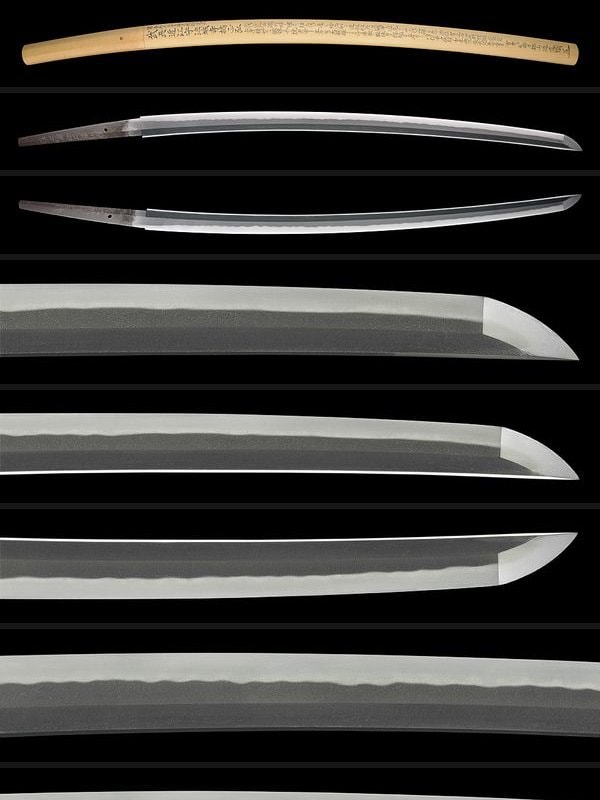
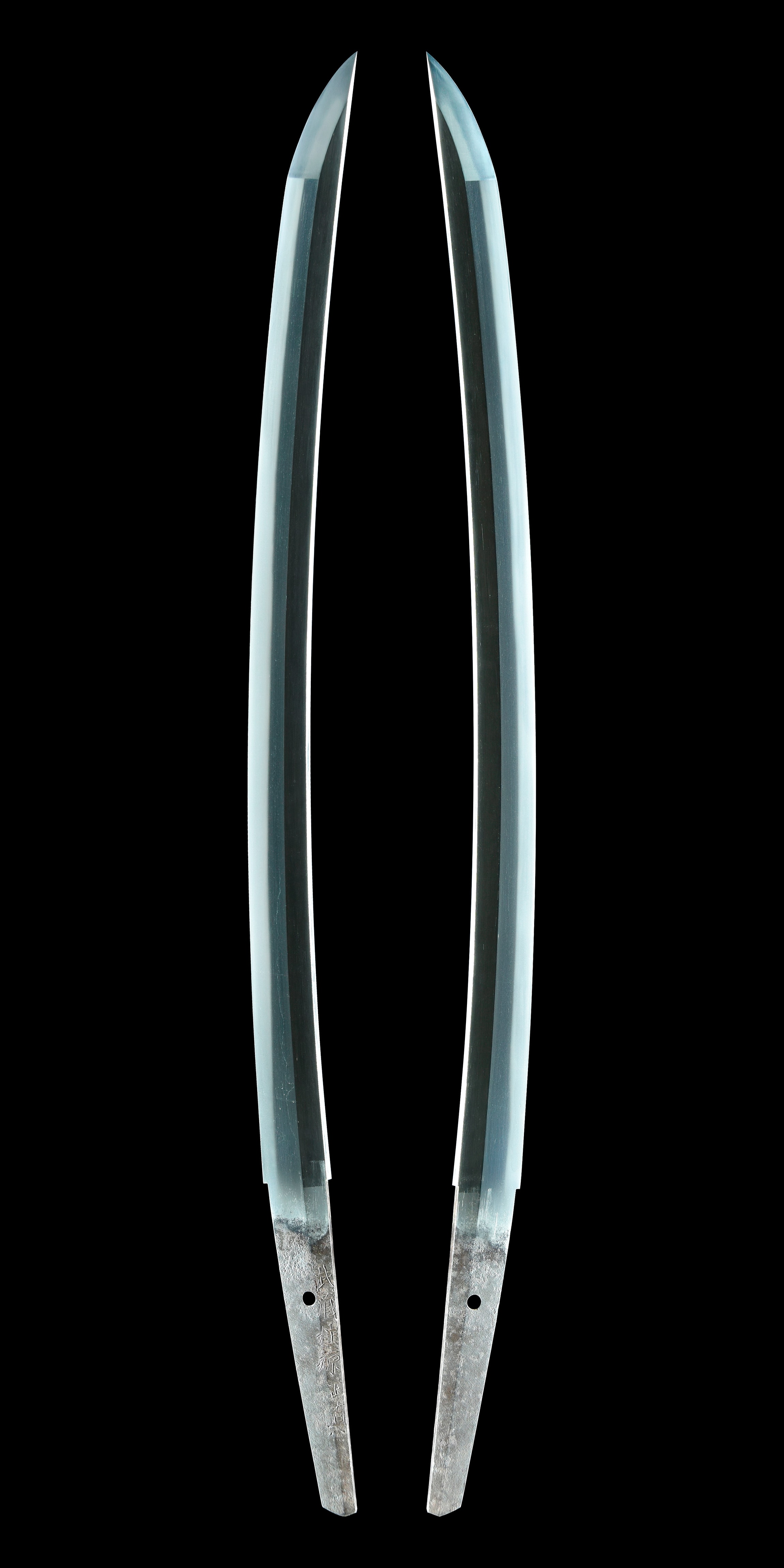
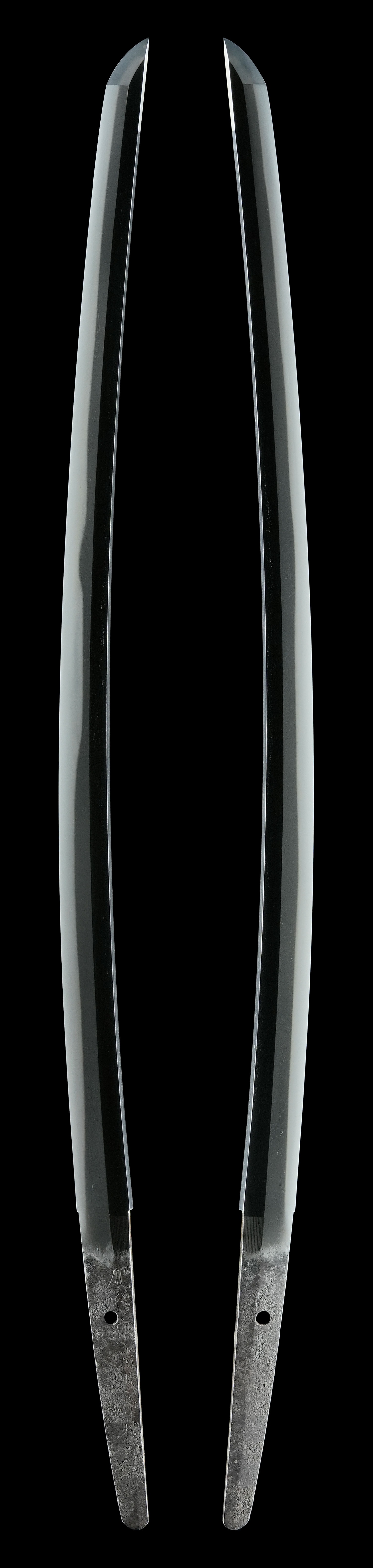
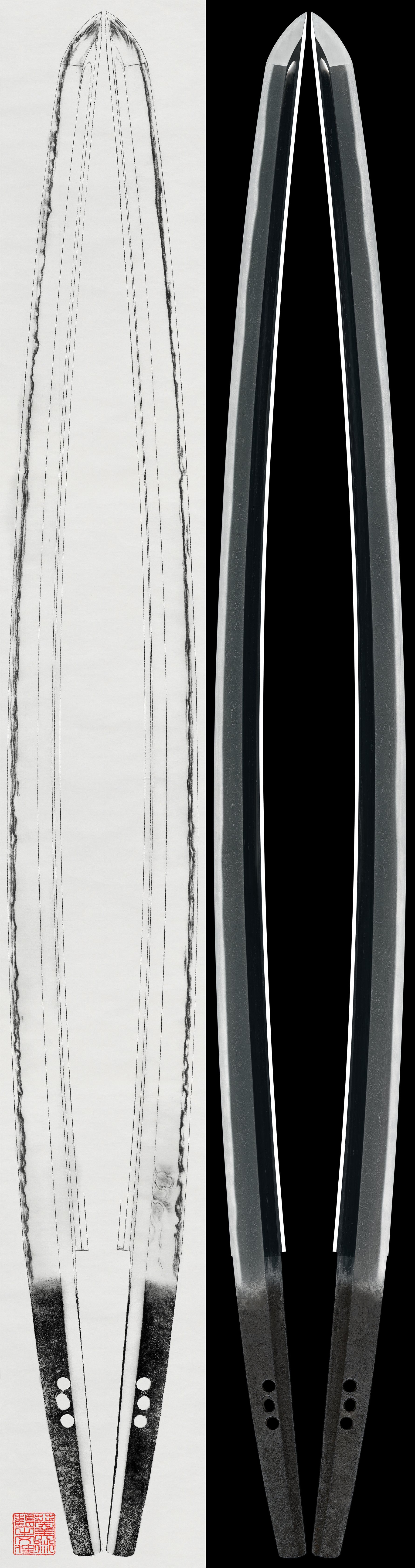
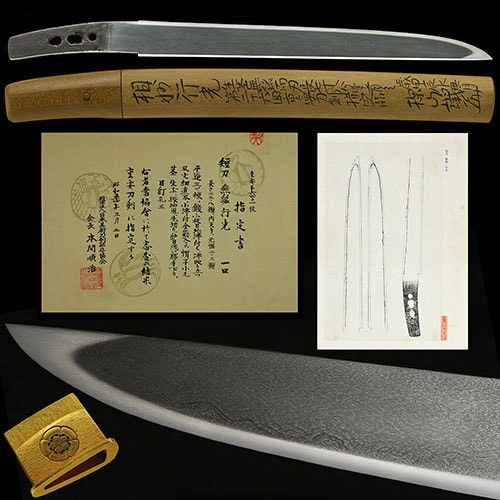
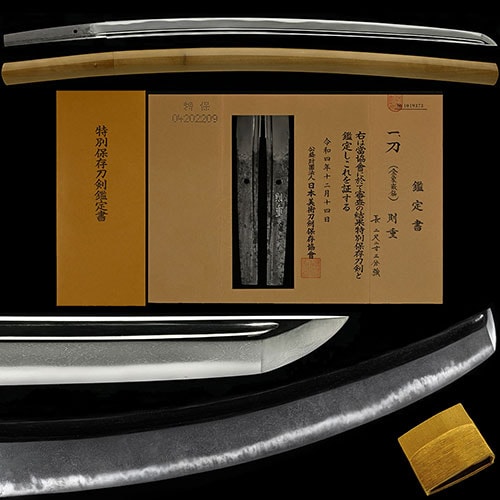
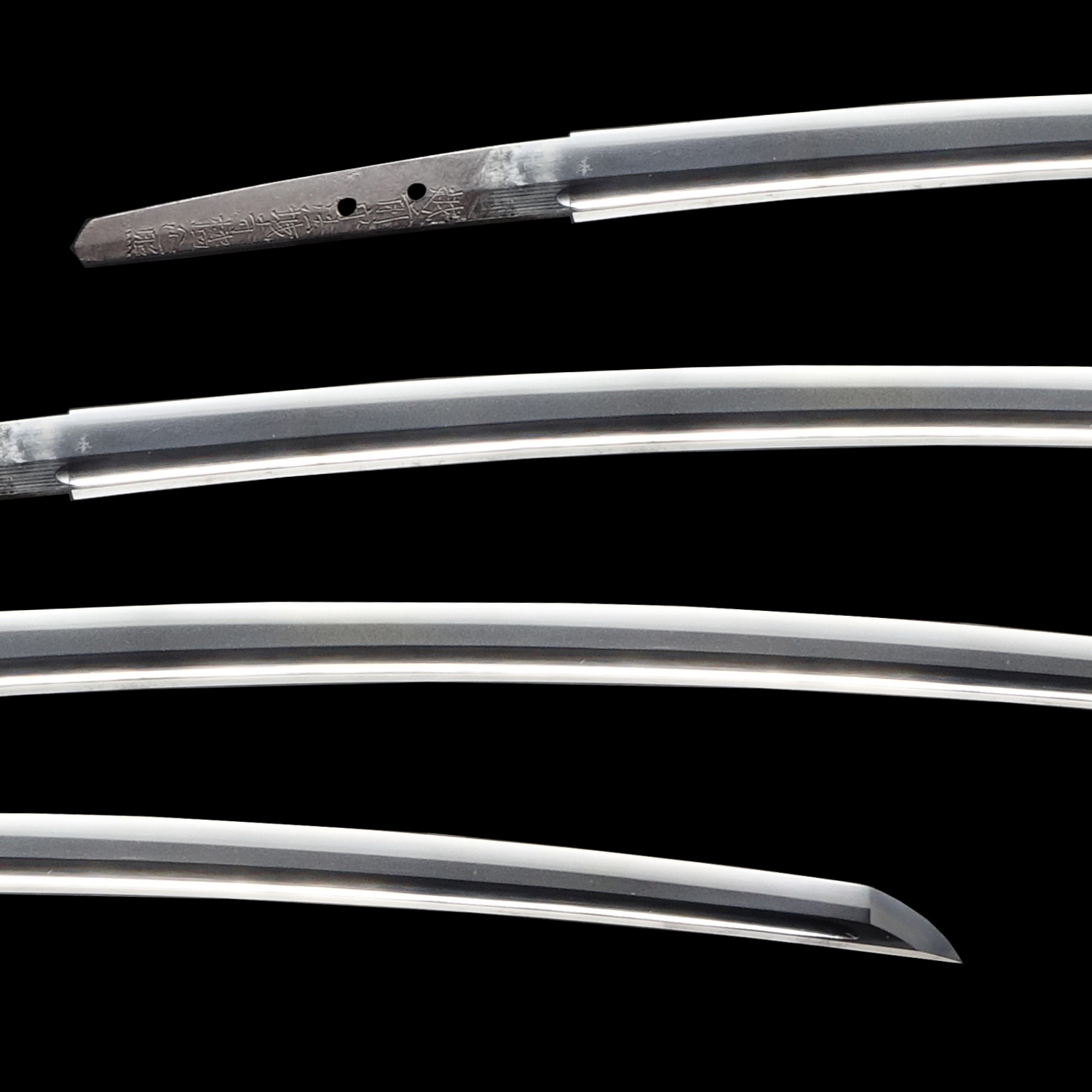
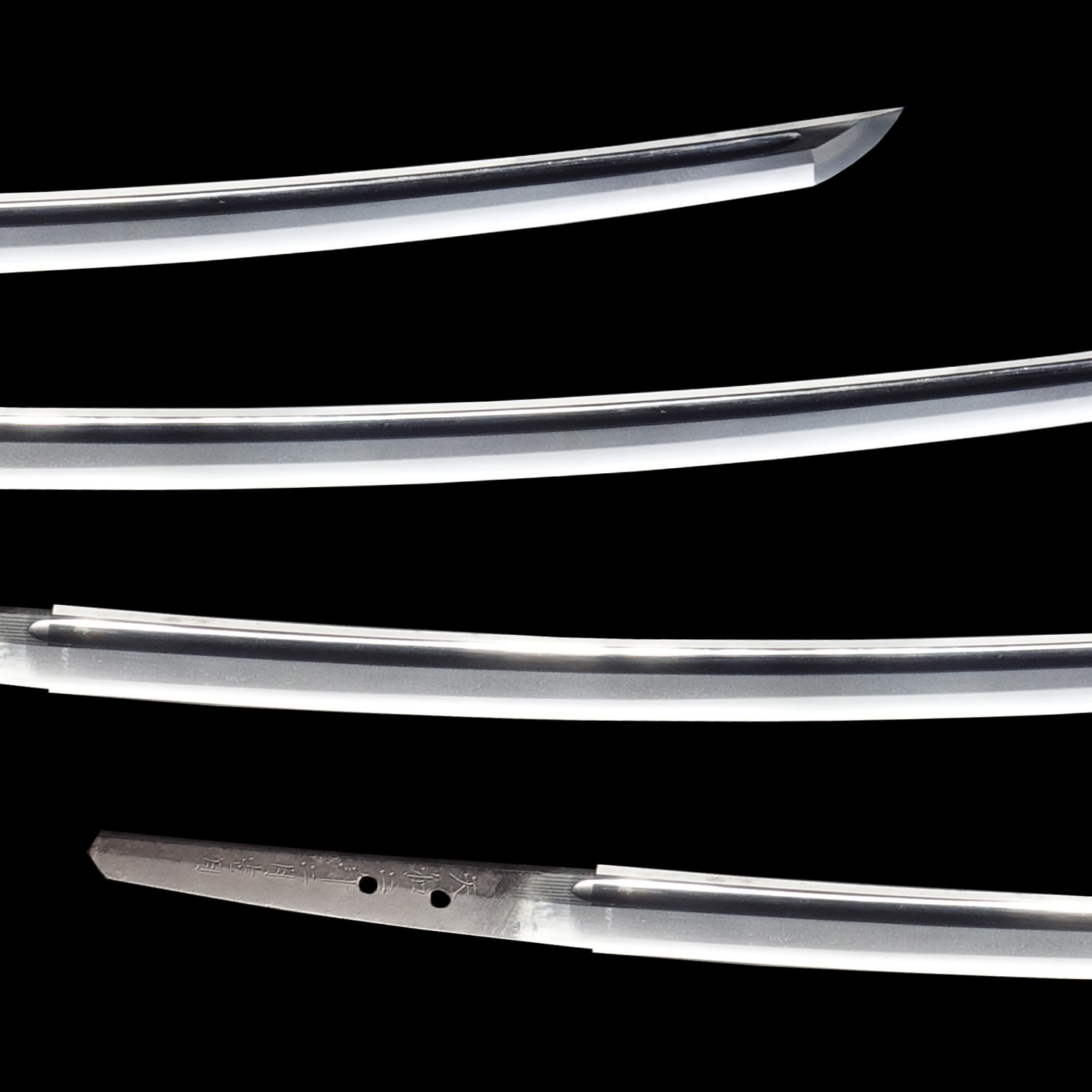
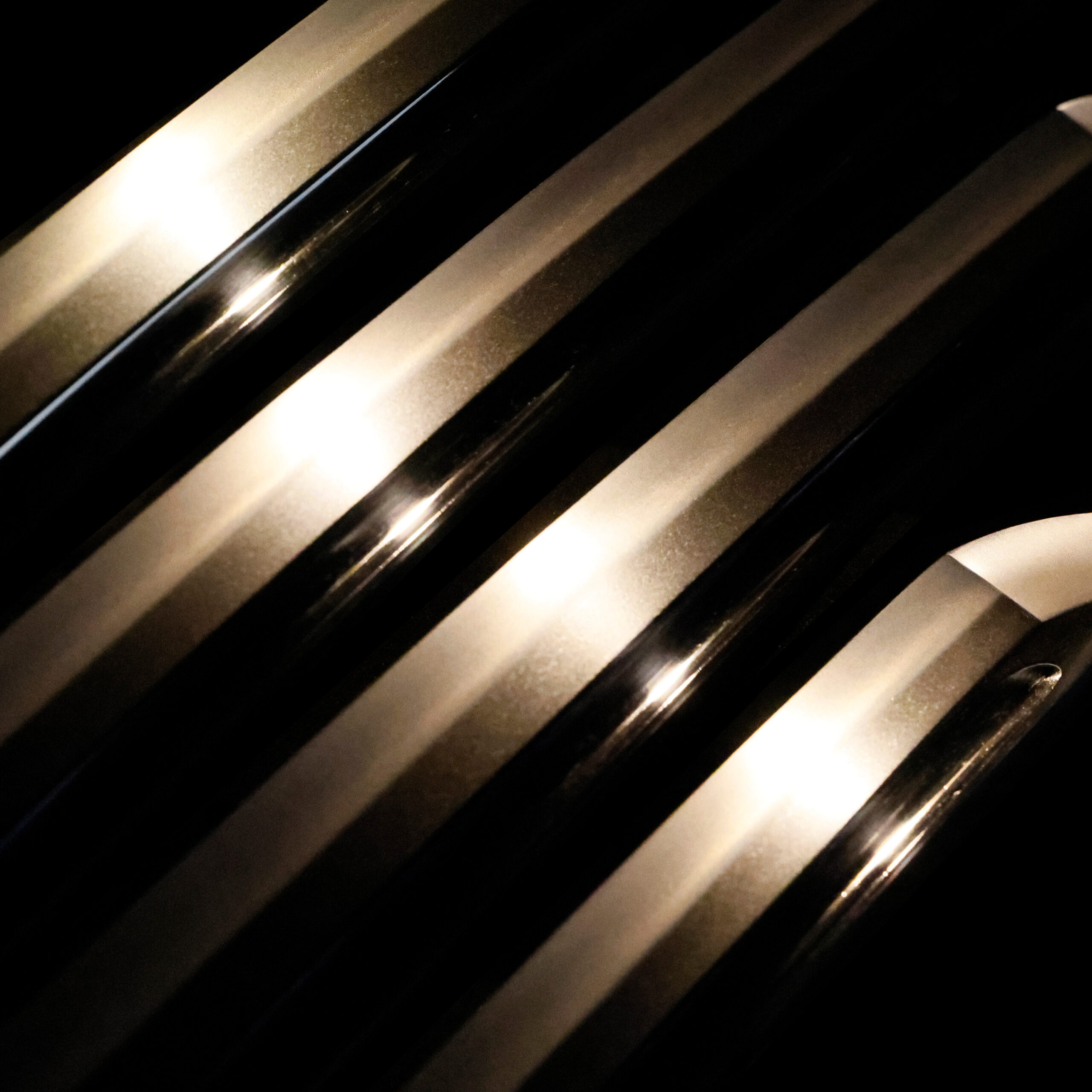
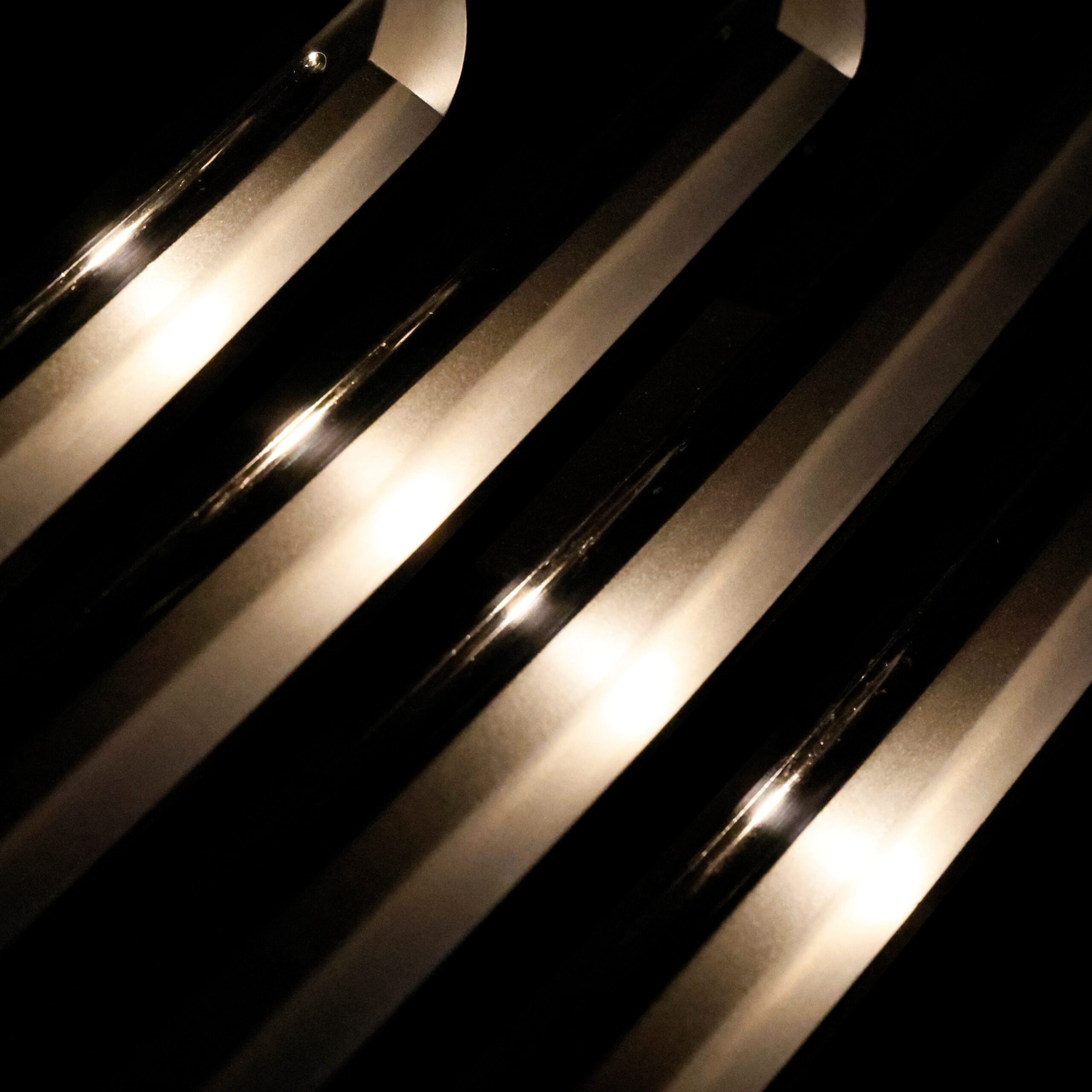
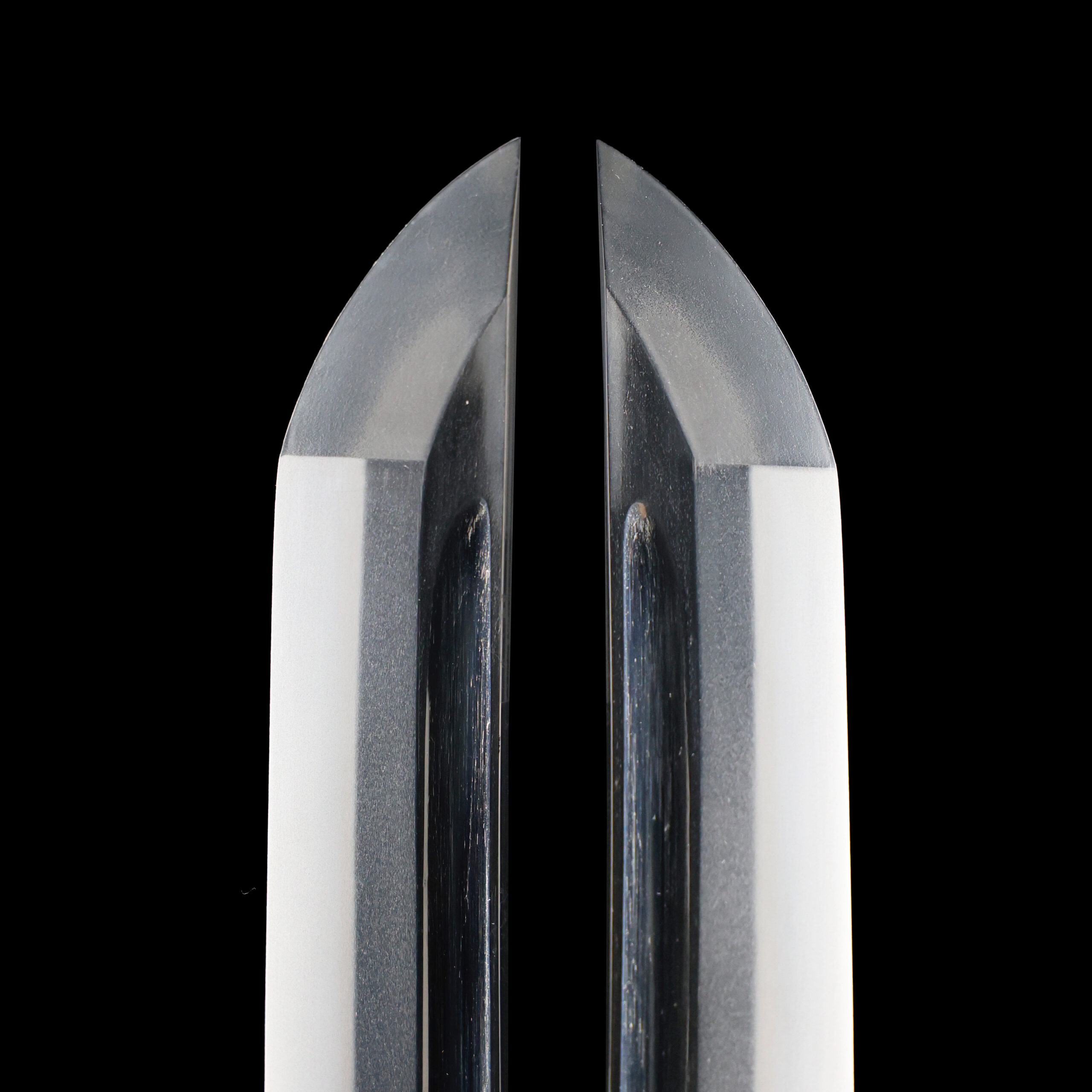
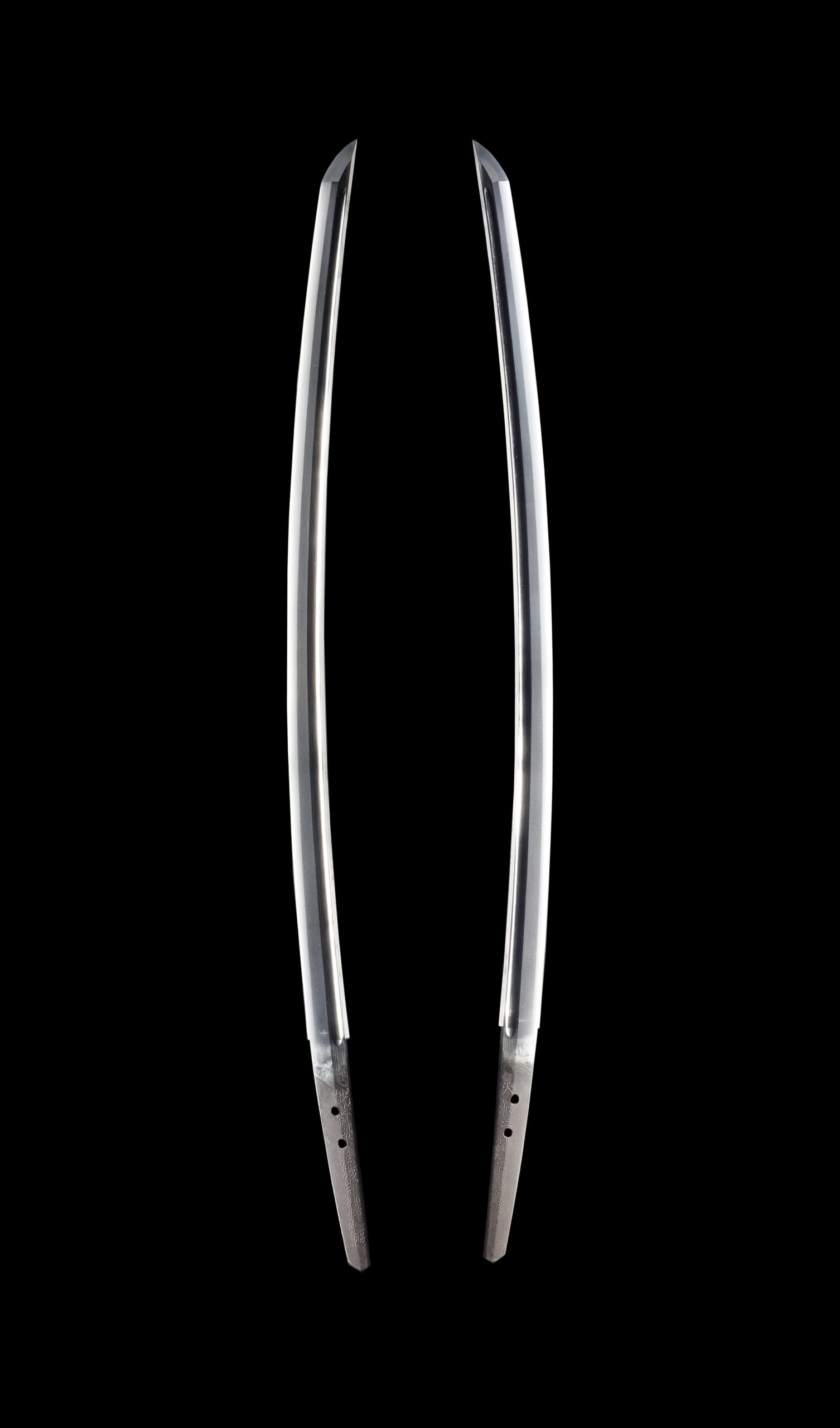
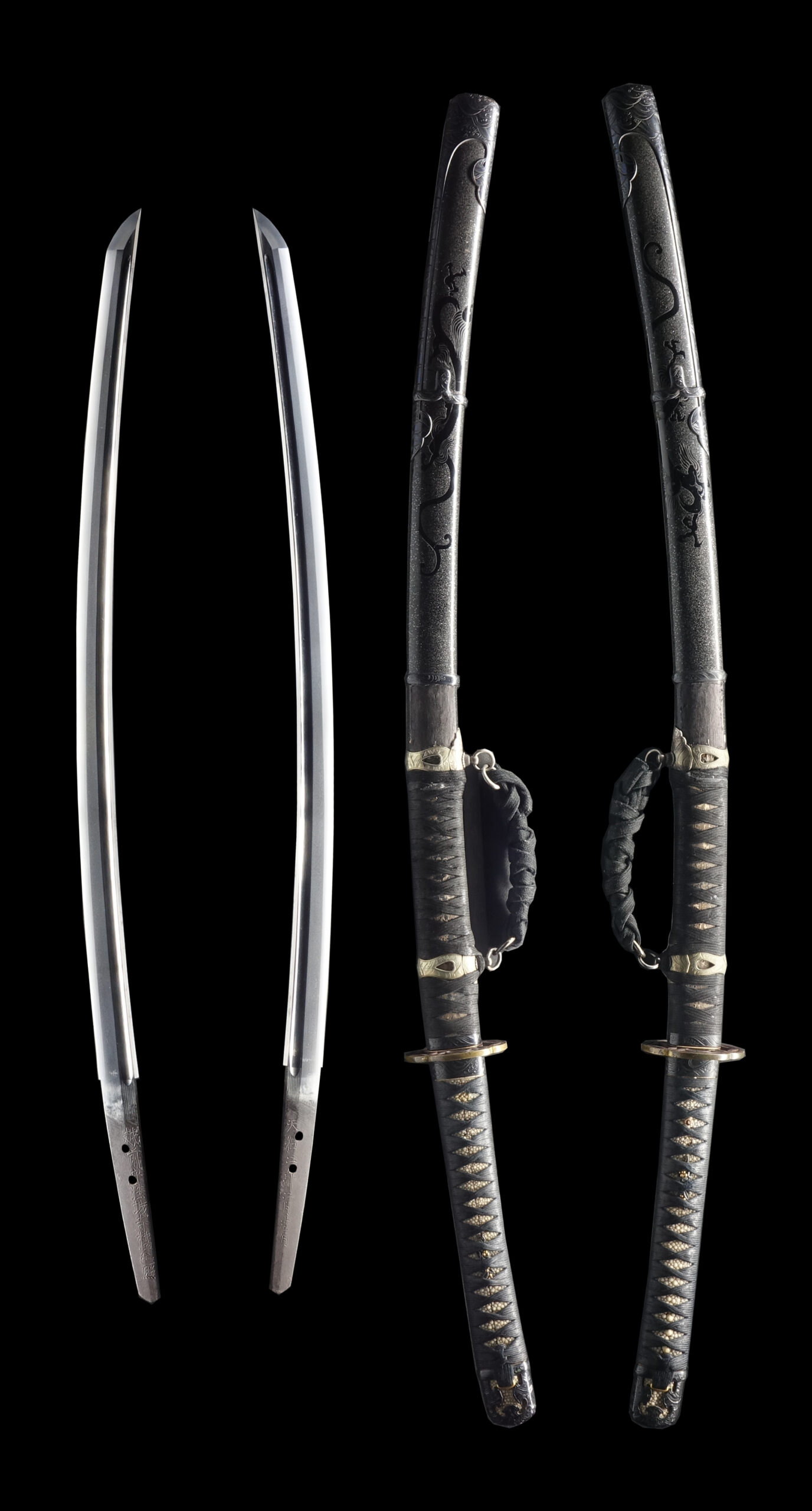
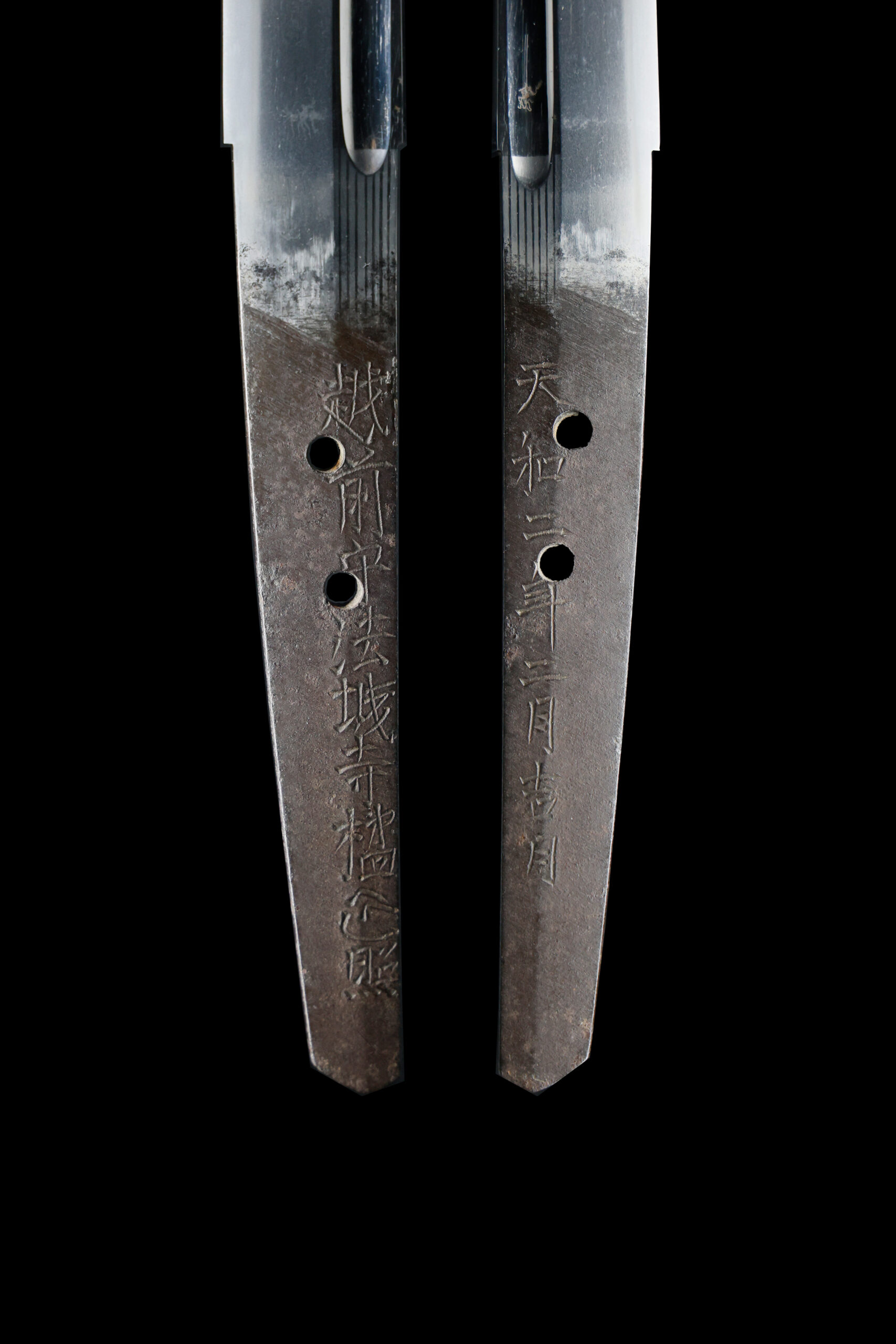
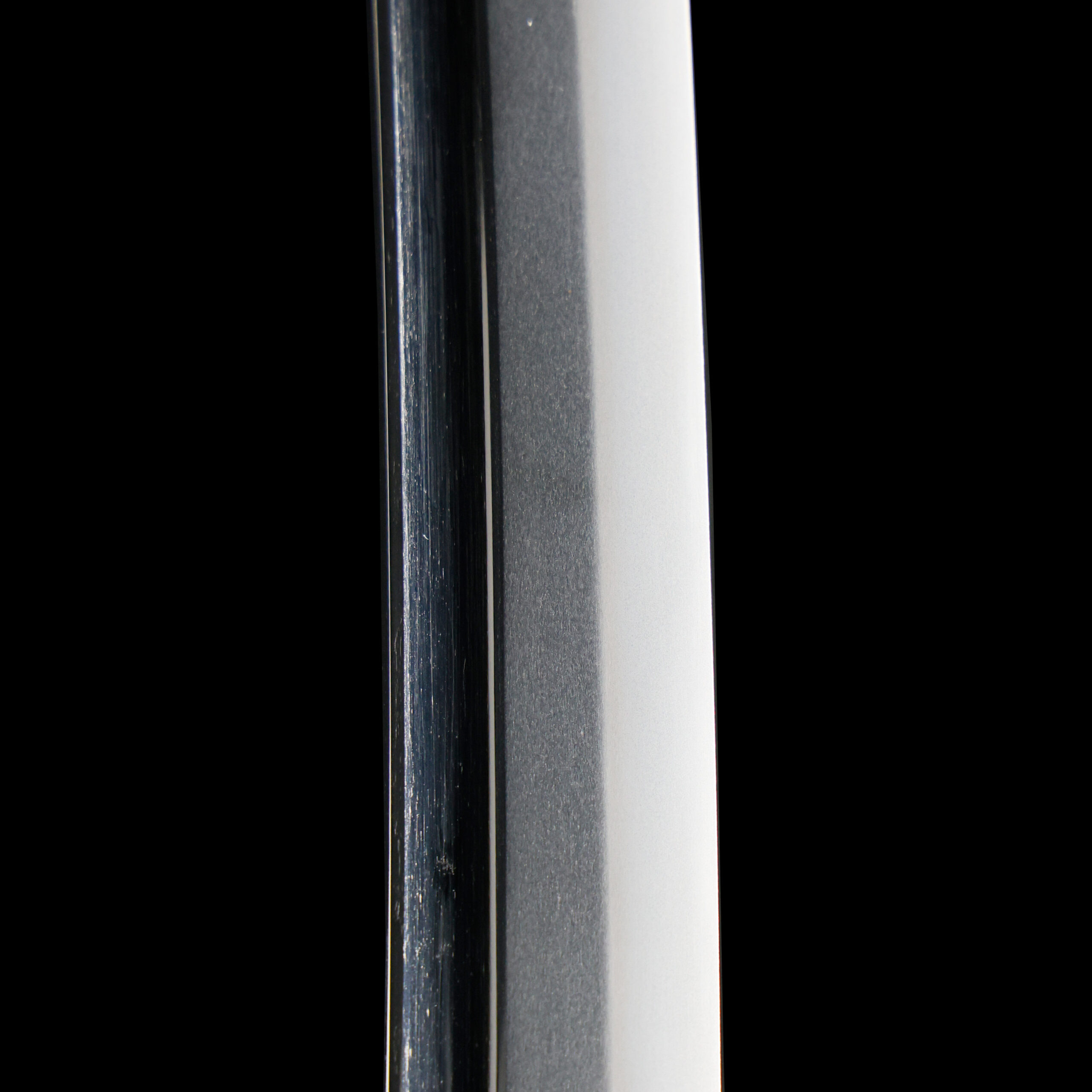
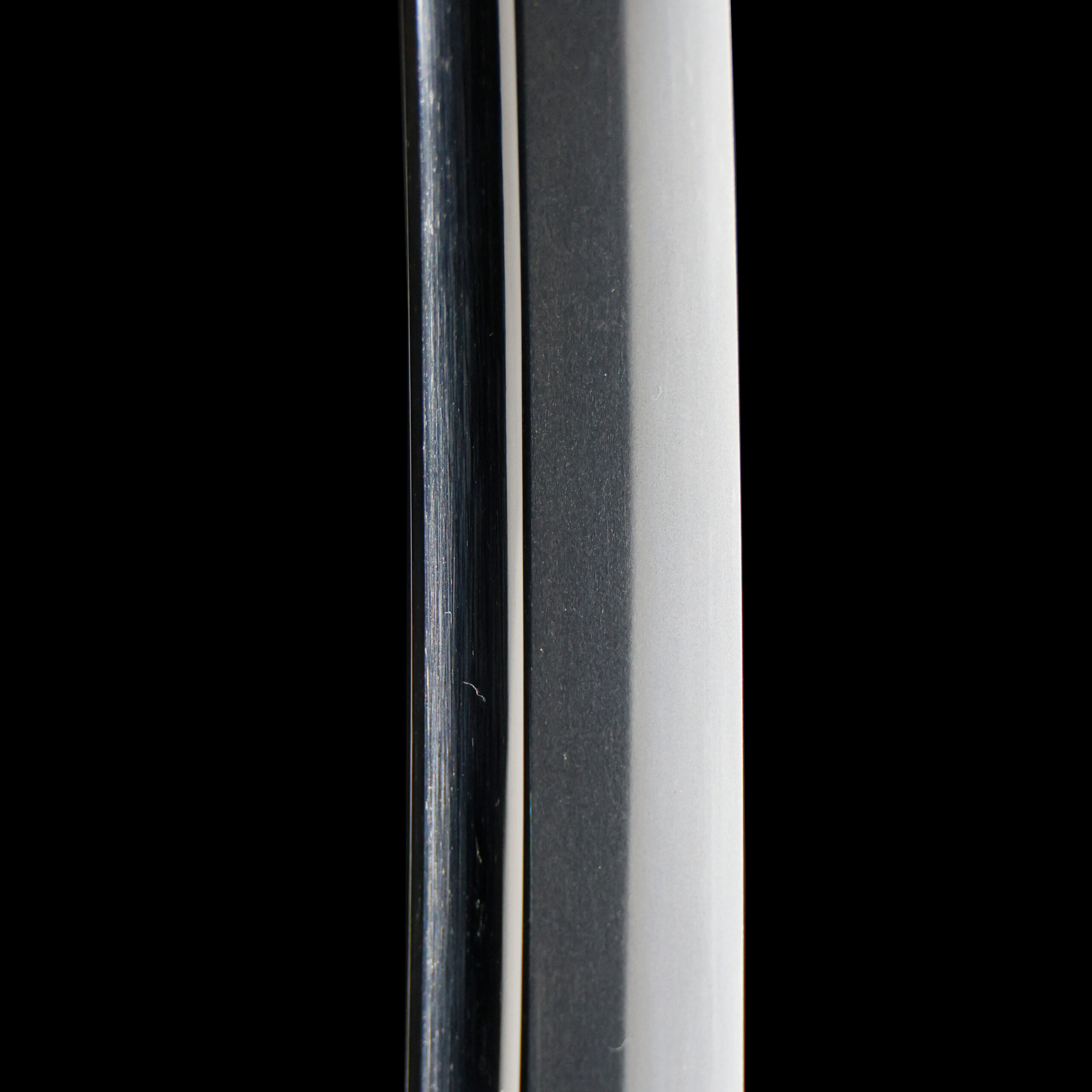
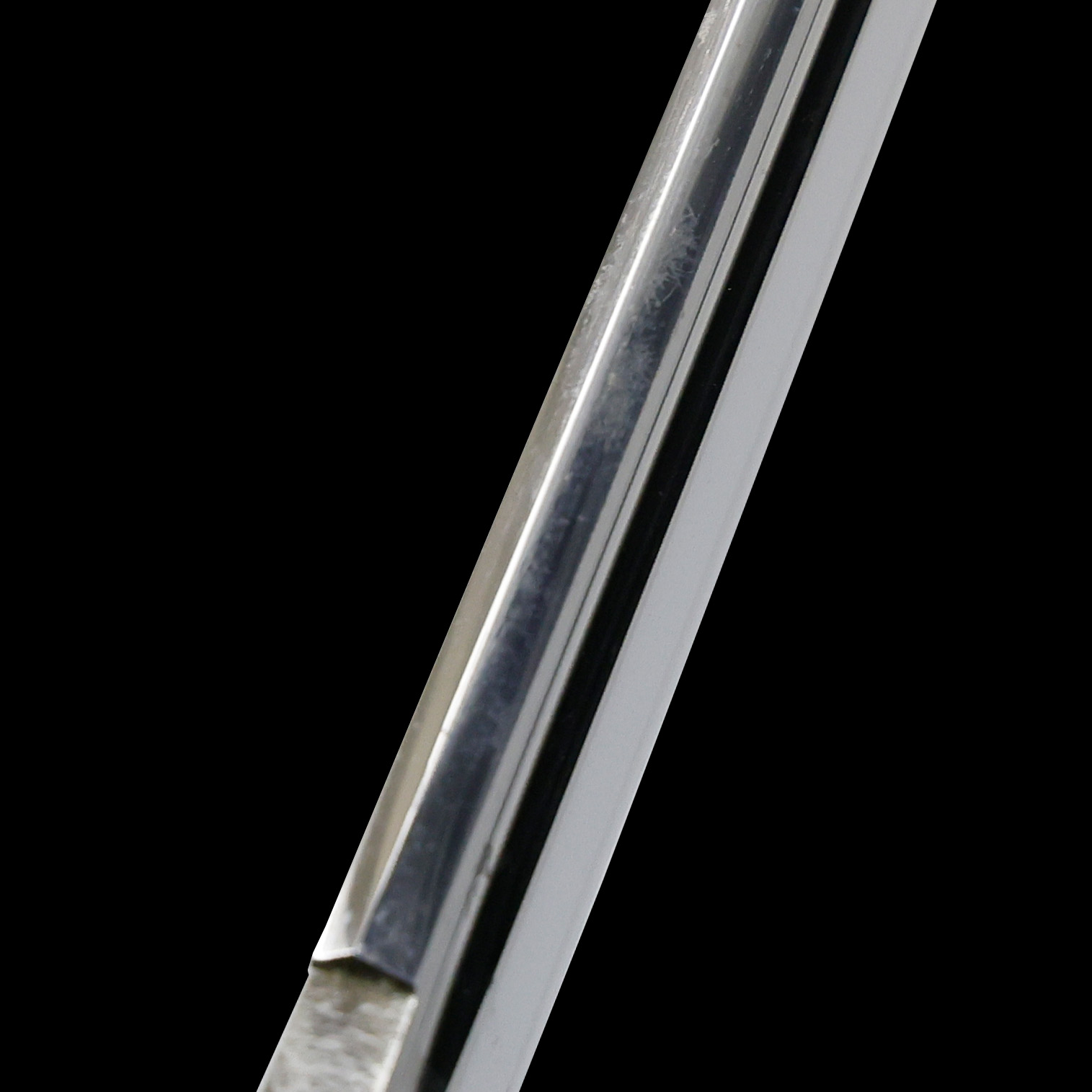
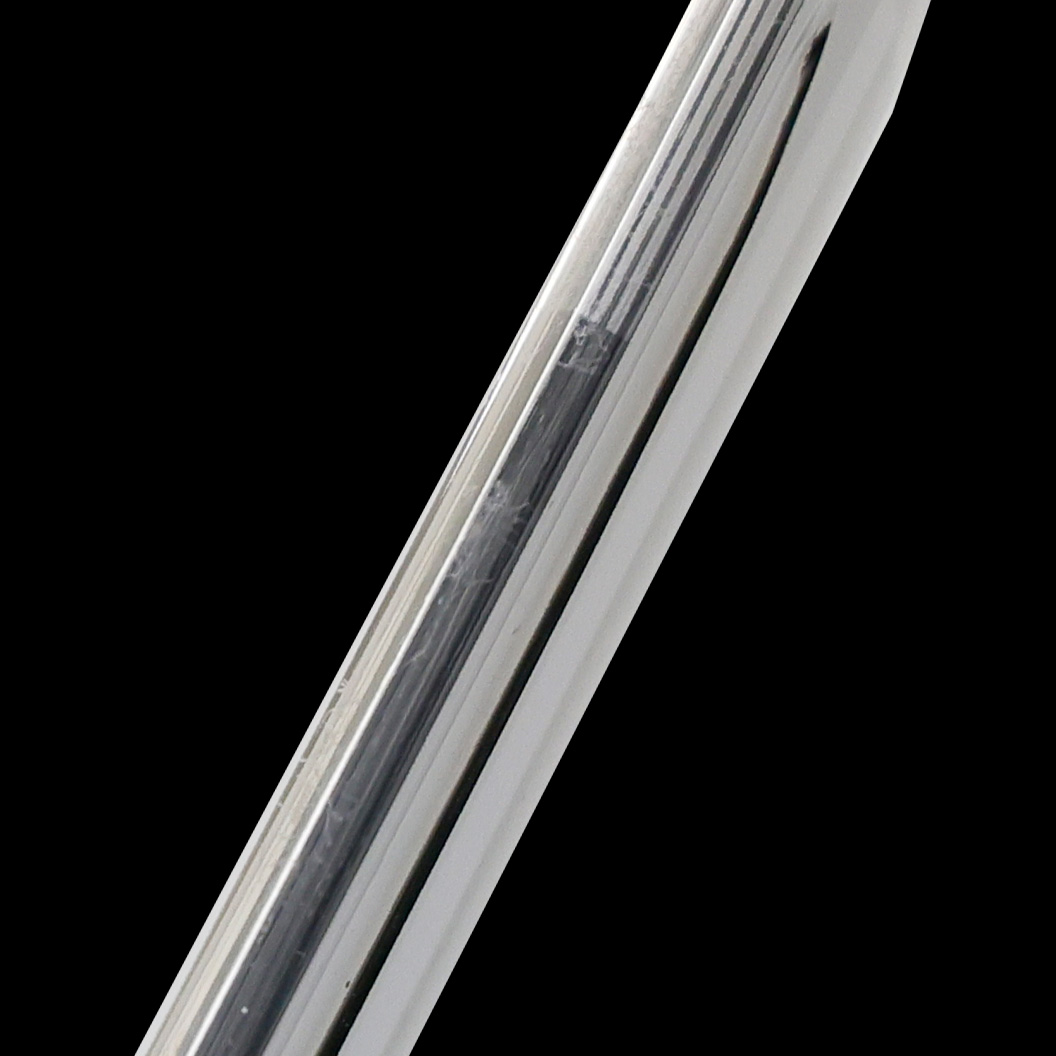
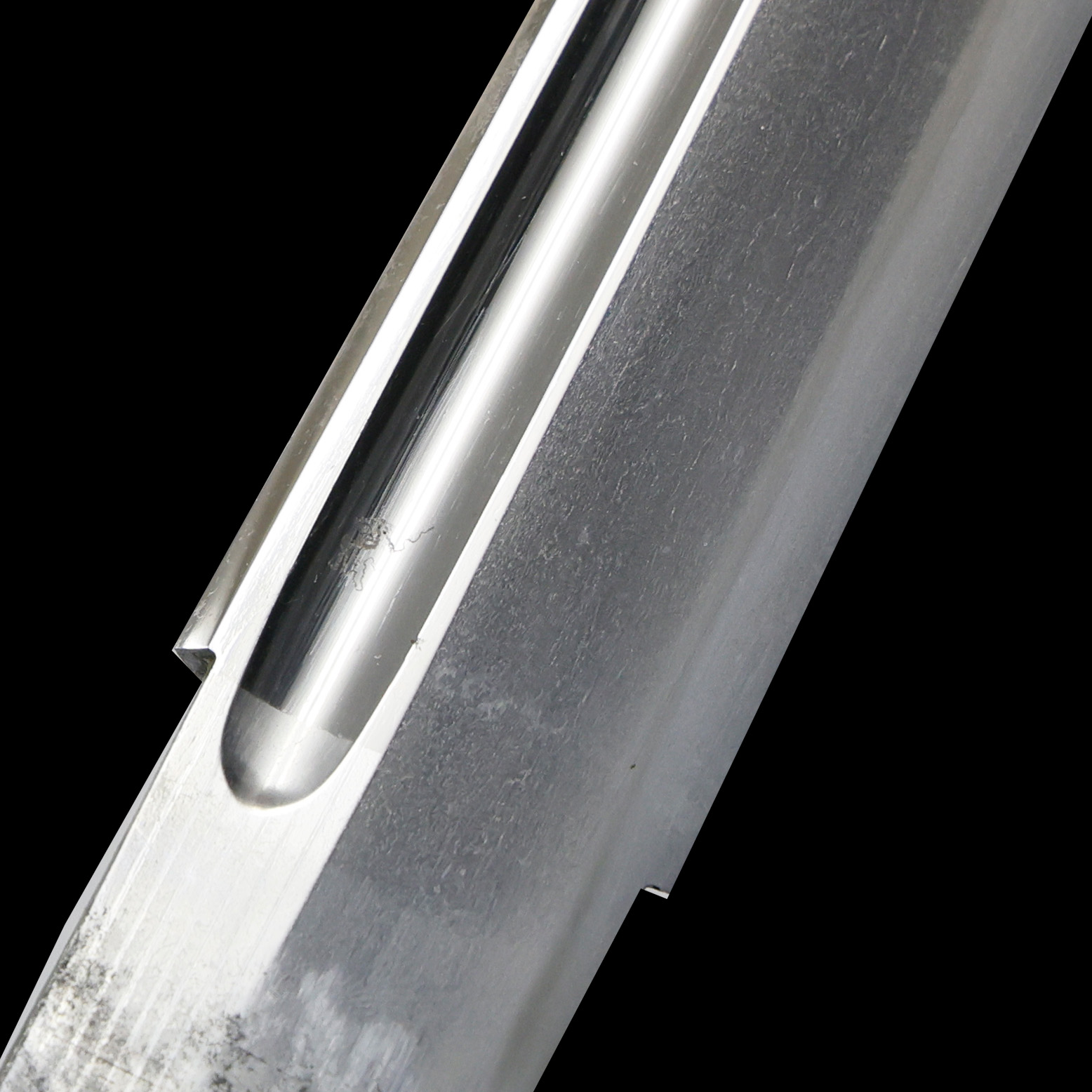
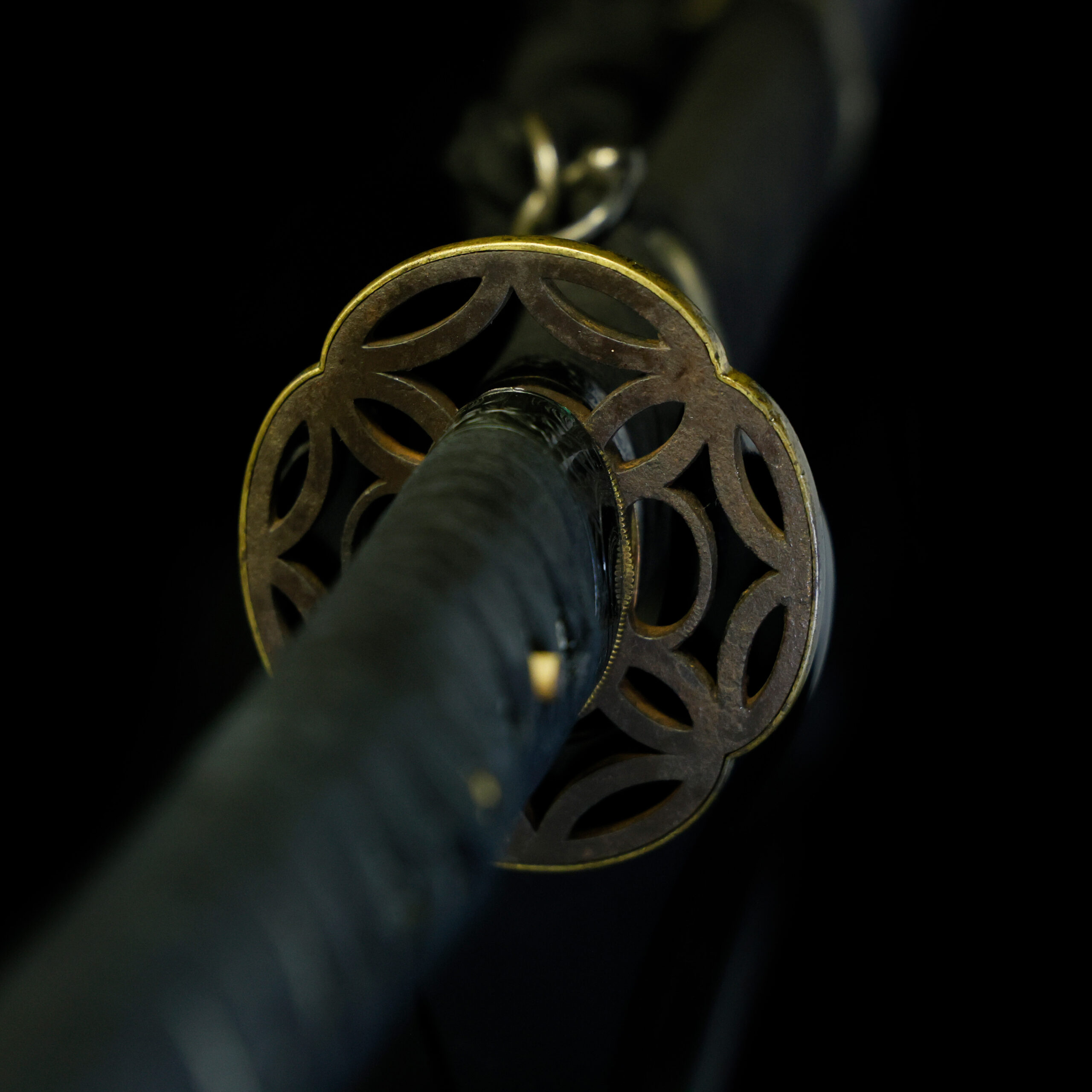
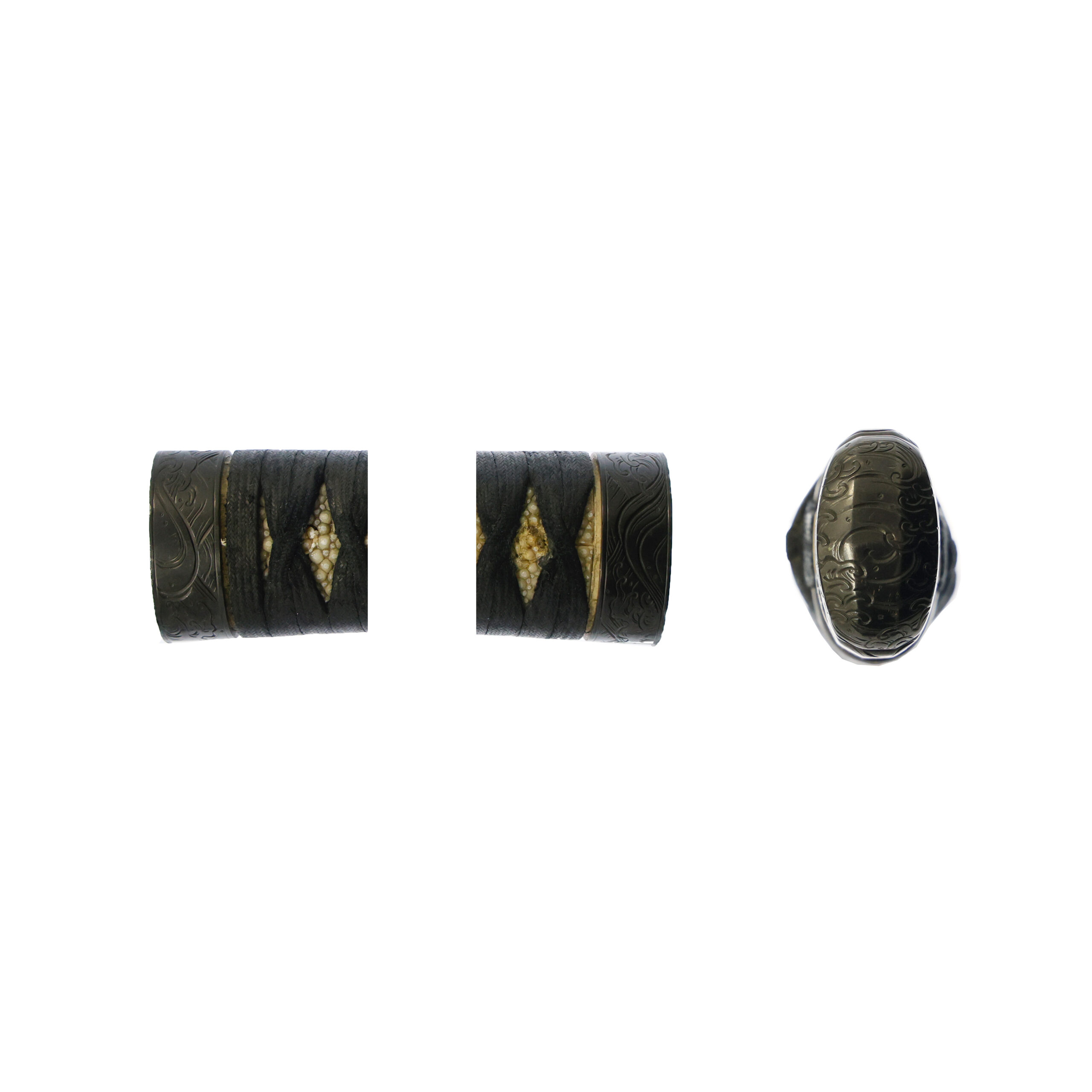
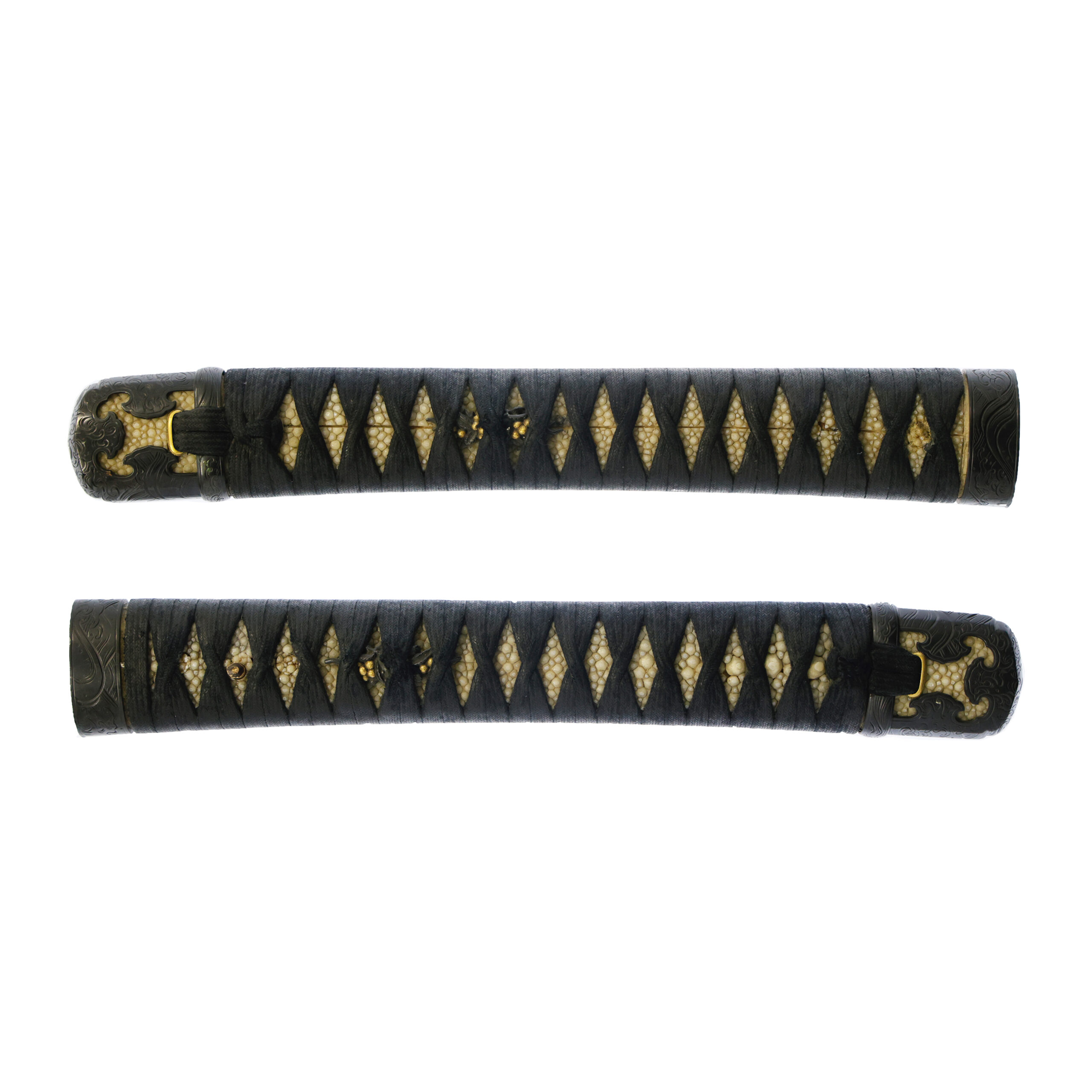
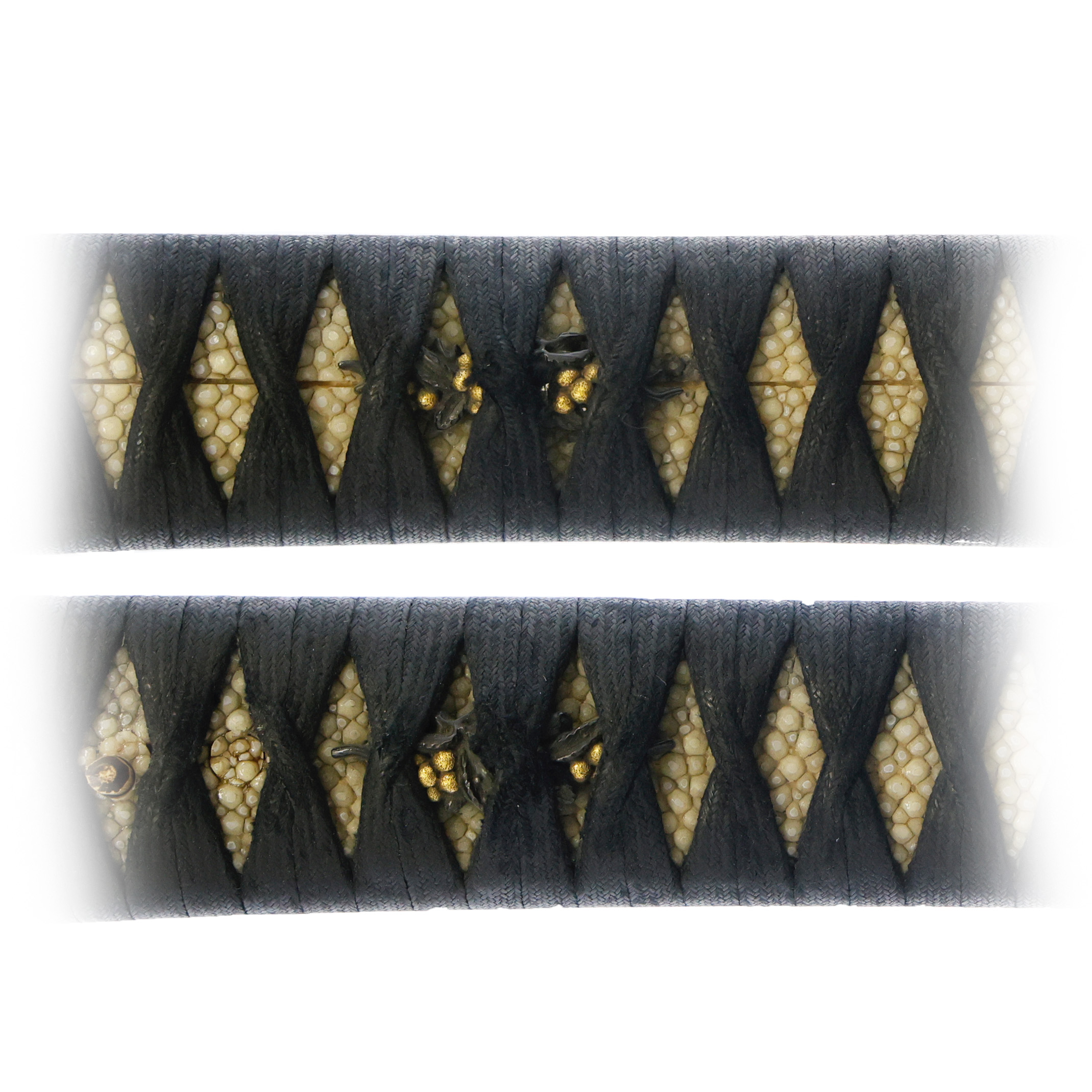
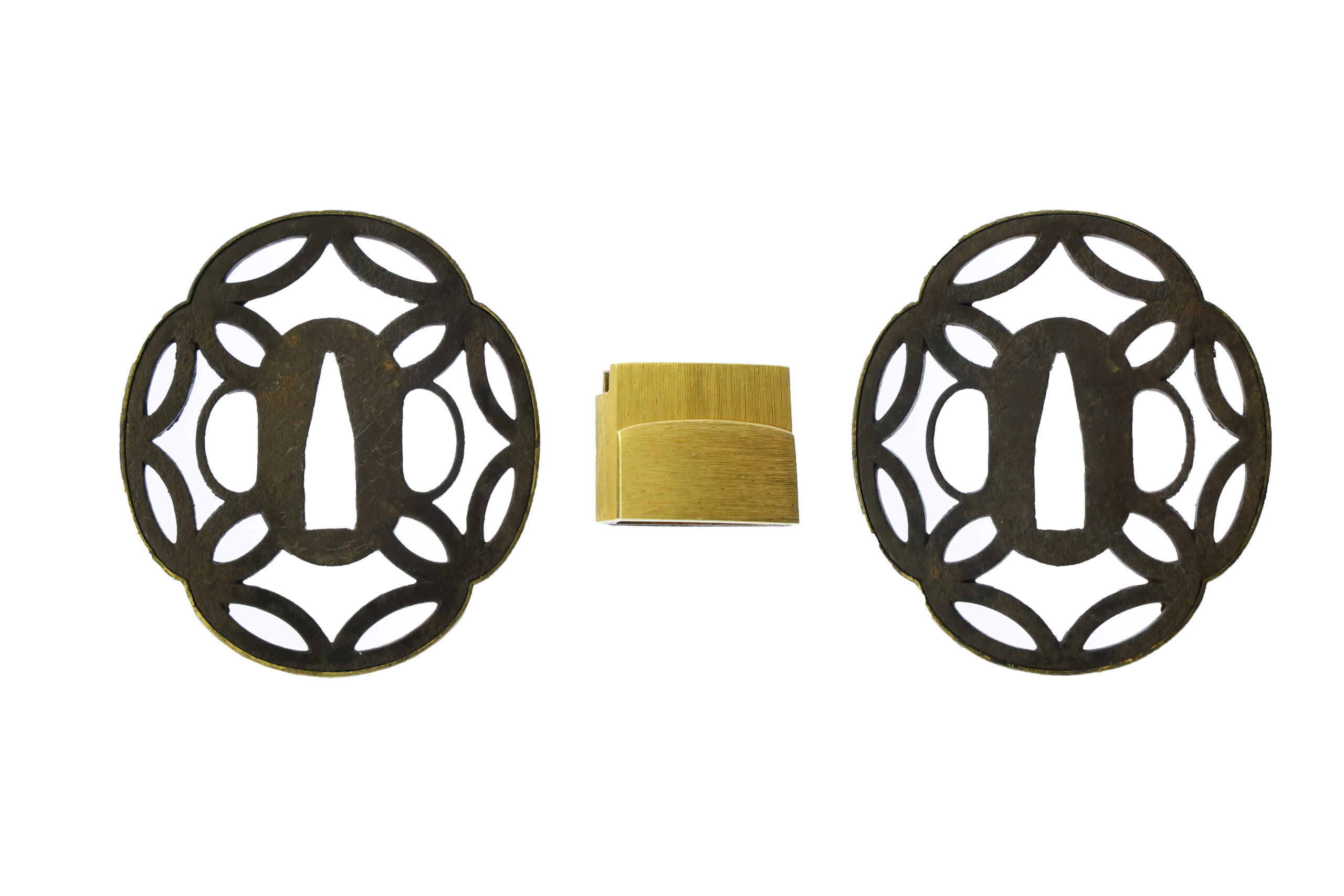
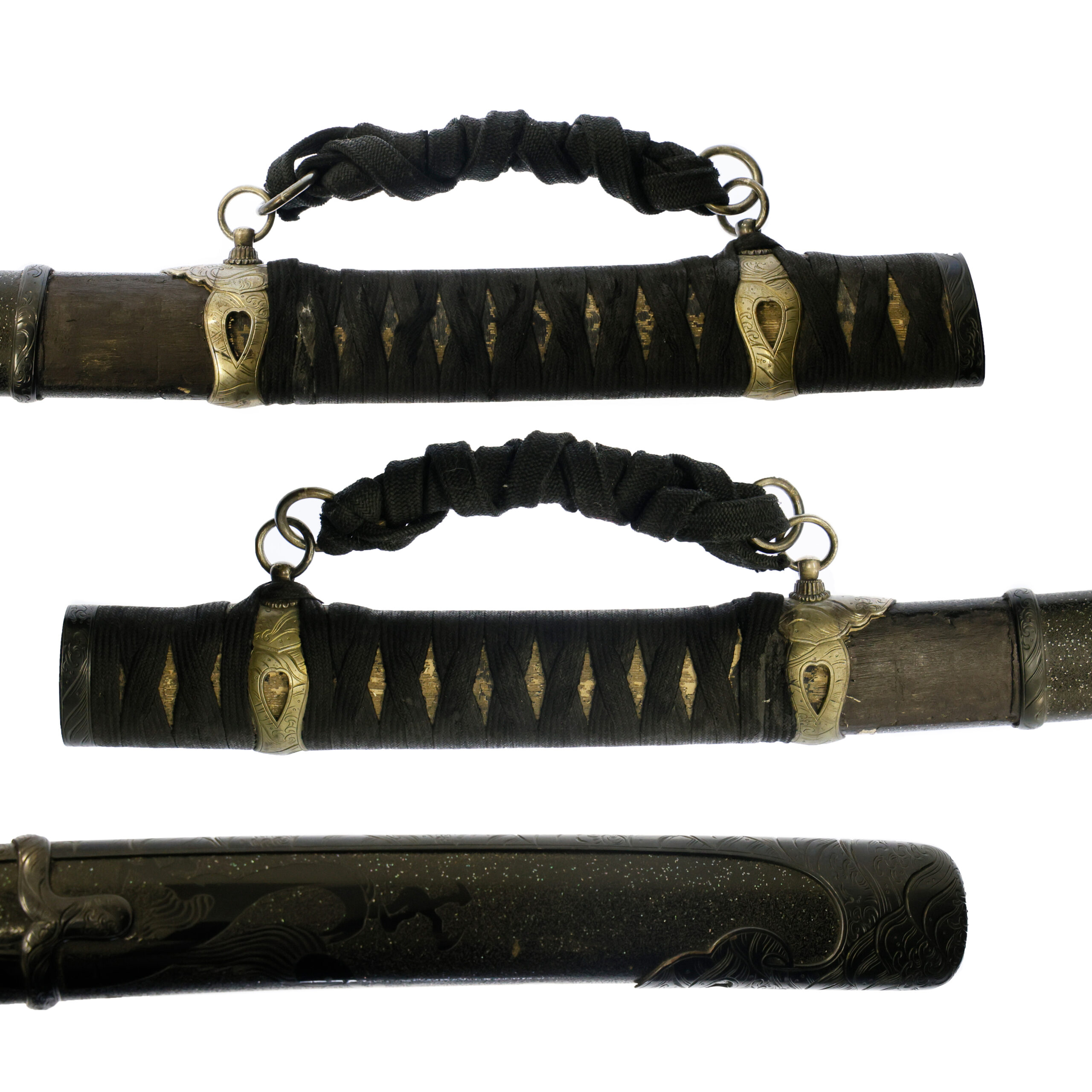
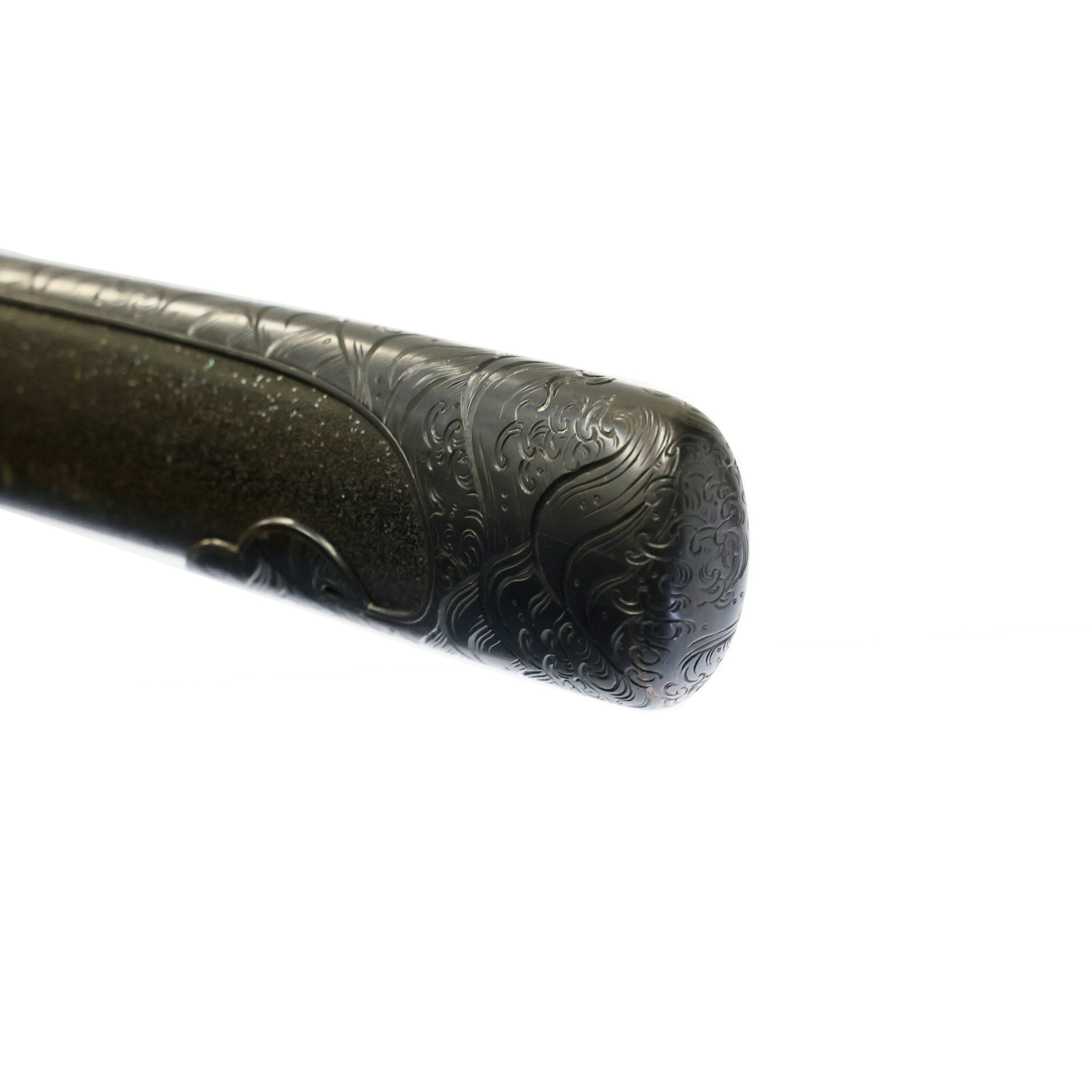
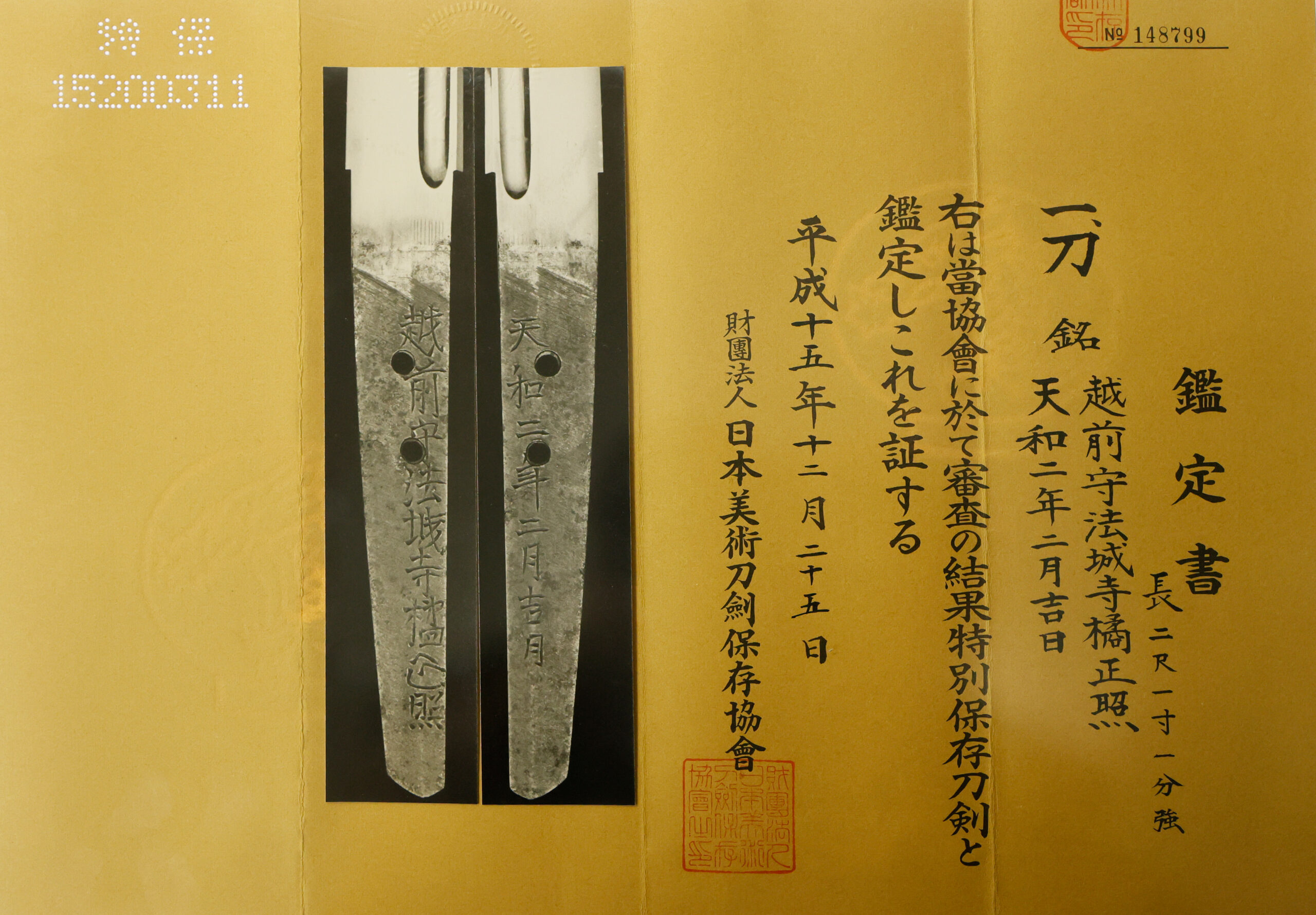
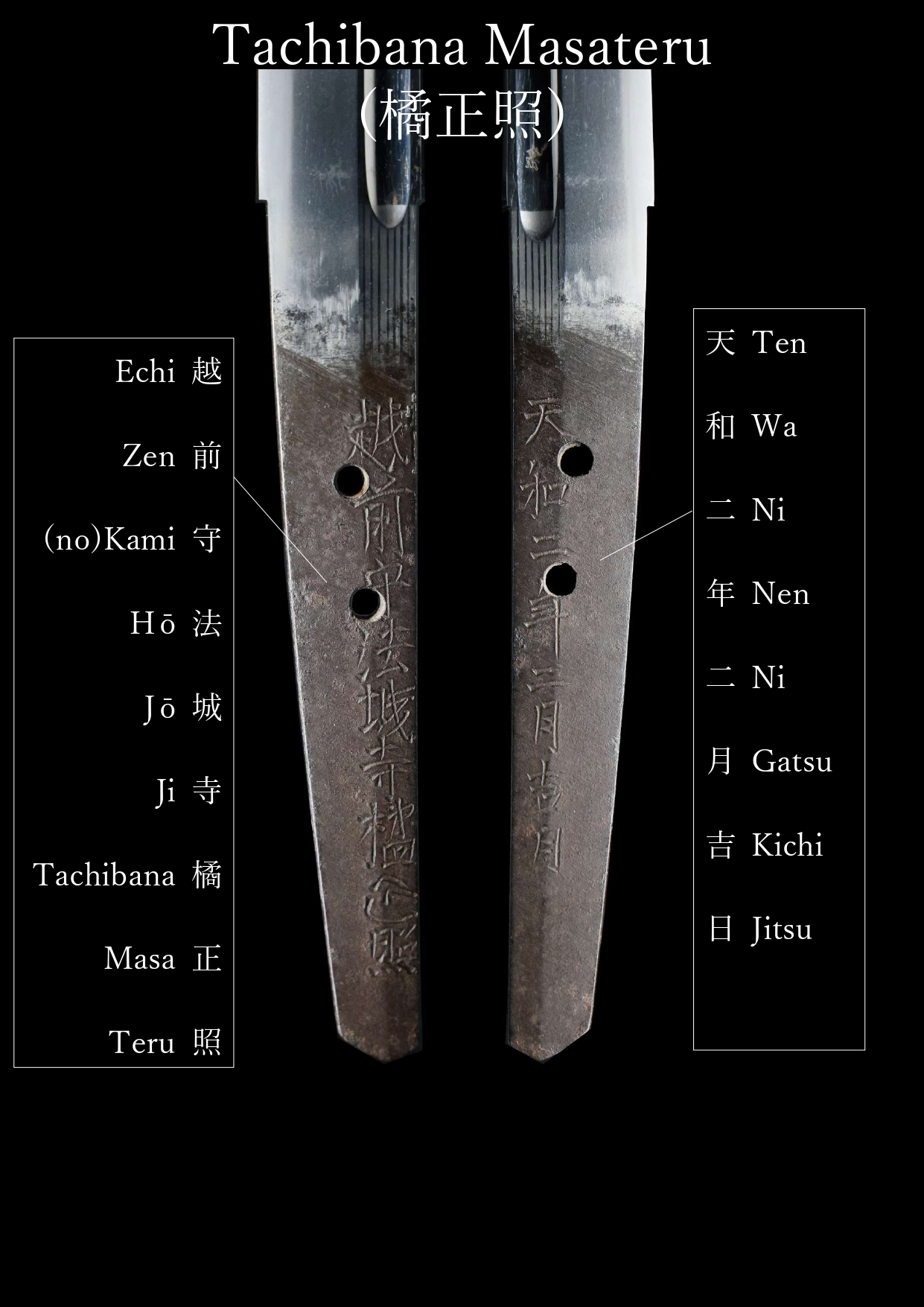
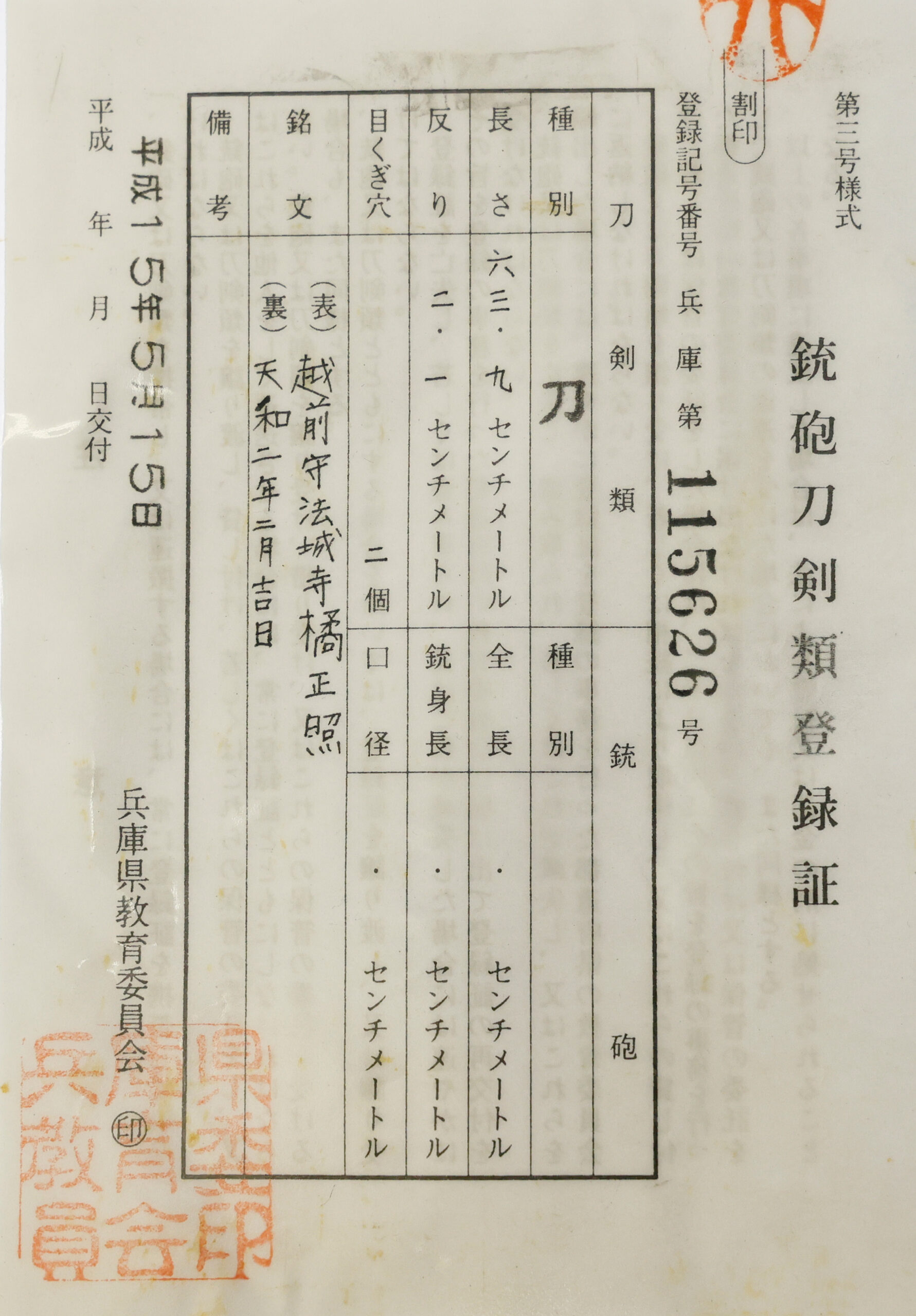
特別保存刀剣鑑定書付 越前守法城寺橘正照(天和二年) 【解説】 本作は、天和二年(1682年・江戸時代前期)に越前守法城寺橘正照(えちぜんのかみ ほうじょうじ たちばな まさてる)によって制作された一振りです。「法城寺」は彼が属した名門の流派を指し、「越前守」は卓越した技量を認められて授かった受領銘です。また「橘」は彼の本姓を現しています。 正照は当初、法城寺正弘に師事し、後に二代金道のもとでも修行を積んだと伝えられています。そのため、彼の作品の中には金道一門の特色である「菊紋」を茎(なかご)に刻んだものも見受けられます。後に越前守を受領し、羽後国秋田に居住したとされています。 江戸法城寺派は、但馬国の法城寺国光を祖とし、江戸で大きく発展した一派です。江戸石堂派とも血縁関係を通じて深く繋がり、共に隆盛を極めました。貞国、国正、正弘、正則、正次といった名工がひしめく同派の中でも、正照は殊に優れた技量を示し、数多くの優品を後世に遺しています。 また、上総介兼重、助九郎兼常、四代康継、出雲大掾吉武といった当時の名だたる刀匠たちとの合作銘も現存しており、彼が当時の刀剣界において極めて高い地位にあり、広範な交流を持っていたことが伺えます。 本作は、日本美術刀剣保存協会(NBTHK)より「特別保存刀剣」に鑑定されています。これは、保存状態が極めて良好であり、かつ美術的価値が特に高い真作の日本刀にのみ与えられる格付けです。 ※樋(ひ)の中および棟(むね)に、経年による僅かな薄錆が見受けられます。詳細なコンディションについては、お気軽にお問い合わせください。 【刀身】 長さ(Nagasa):63.9 cm 反り(Sori):2.1 cm 刃文(Hamon):焼入れによって刃先に現れる結晶構造。 地肌(Jihada):鍛錬の過程で生じる鋼の表面模様。 切先(Kissaki):刀身の先端部分。 茎(Nakago):柄に収まる茎の部分。日本刀の茎に残る黒錆は、内部の赤錆を防ぐ役割を果たします。この錆色や経年変化は、専門家が制作年代を特定する際の重要な指標となります。 【外装】 拵(Koshirae):鞘、柄、鍔などから構成される日本刀の外装。 縁頭(Fuchi-Kashira):柄の両端を保護し、装飾する一対の金具。 柄・目貫(Tsuka / Menuki):柄は握り部分、目貫はその装飾金具です。 本作の目貫は「葡萄(ぶどう)」を題材としています。葡萄は古来より多産、健康、長寿を象徴する瑞祥文様として親しまれてきました。 また、「葡萄(ぶどう)」という言葉は「武道」と同じ読みを持つことから、武士の心得である「武士道」に通じるとして、多くの侍に愛好された意匠でもあります。特に「葡萄に栗鼠(りす)」を組み合わせた「葡萄栗鼠」文様は、室町時代に日本へ伝来して以来、非常に人気の高い伝統的な図柄です。
 NihontoWatch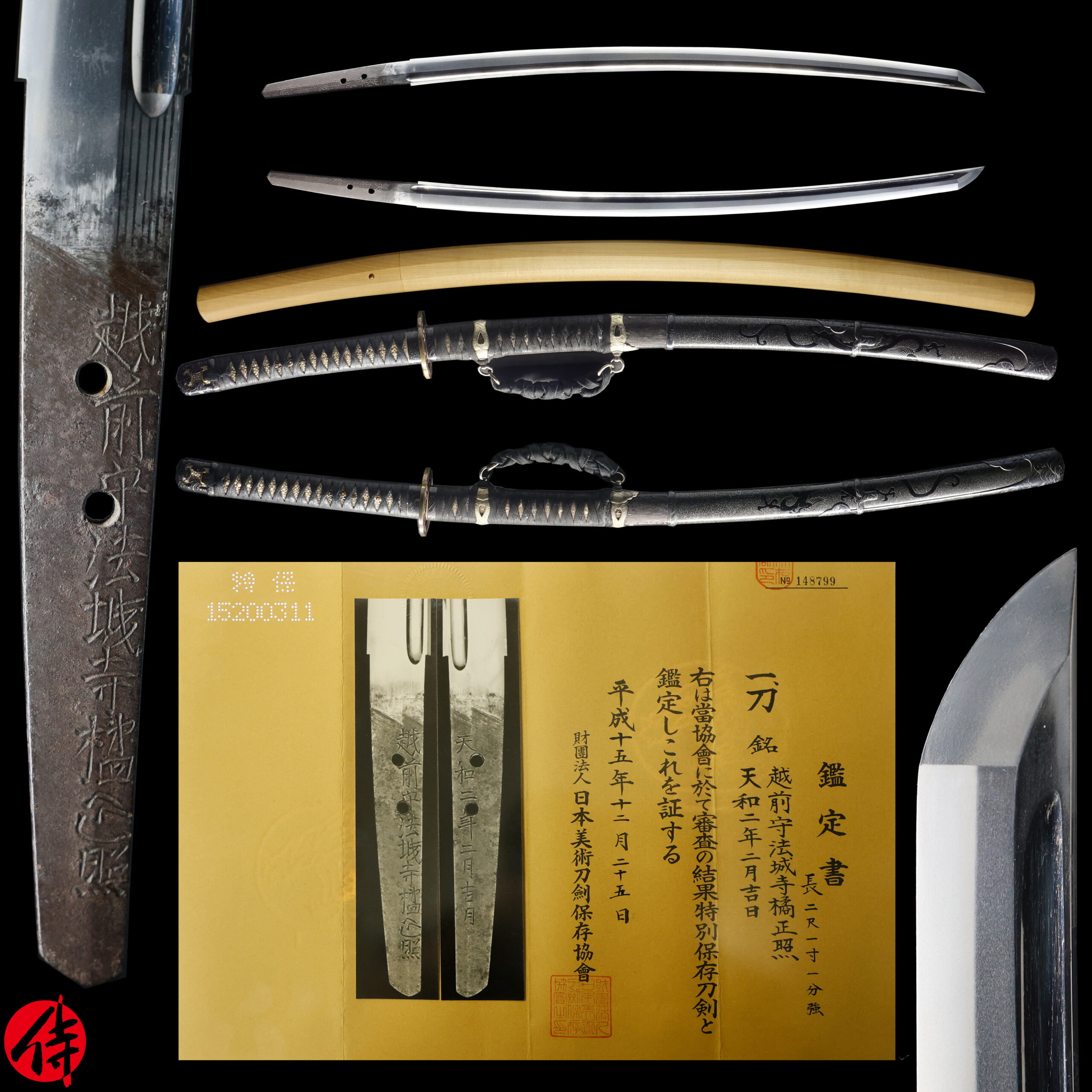
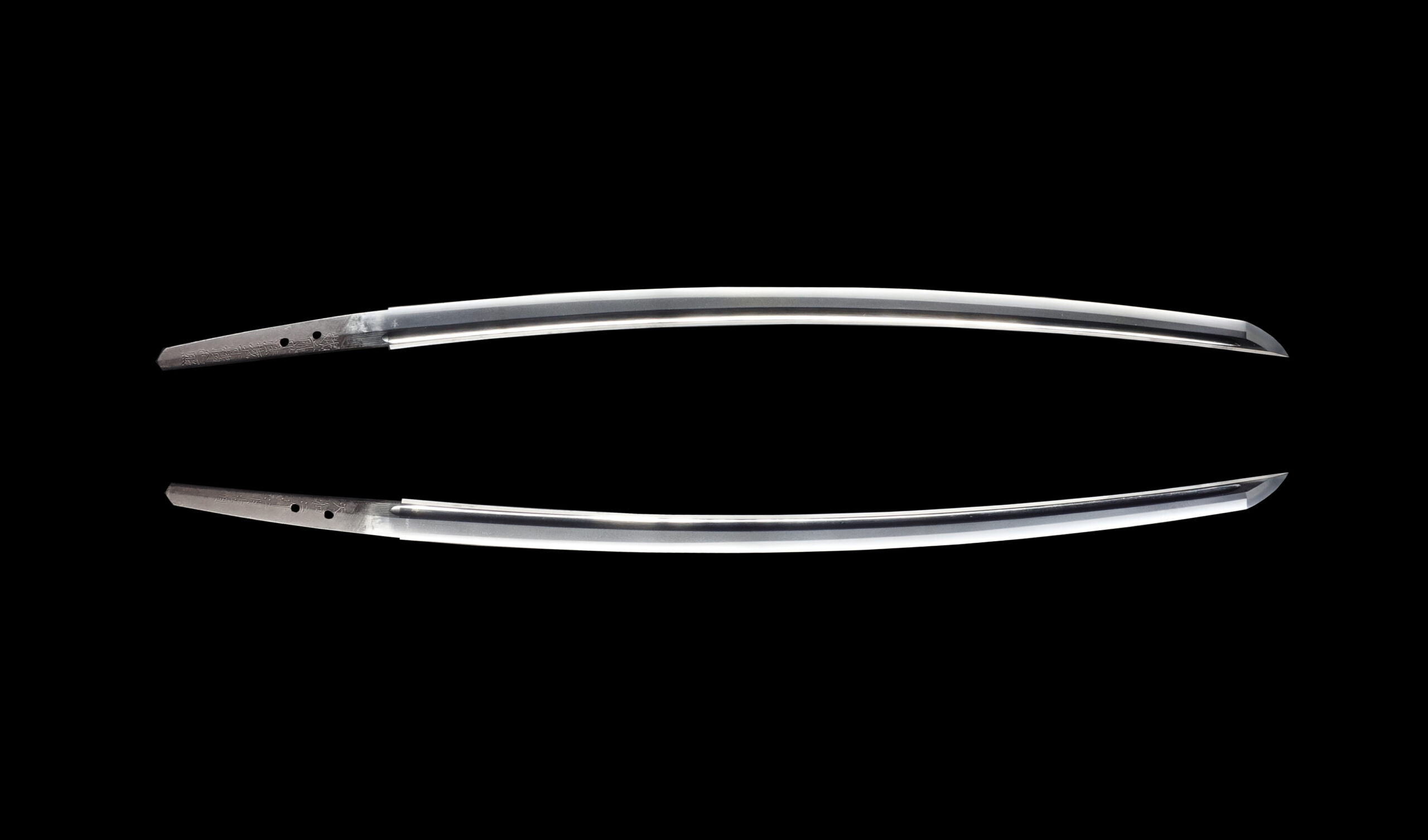
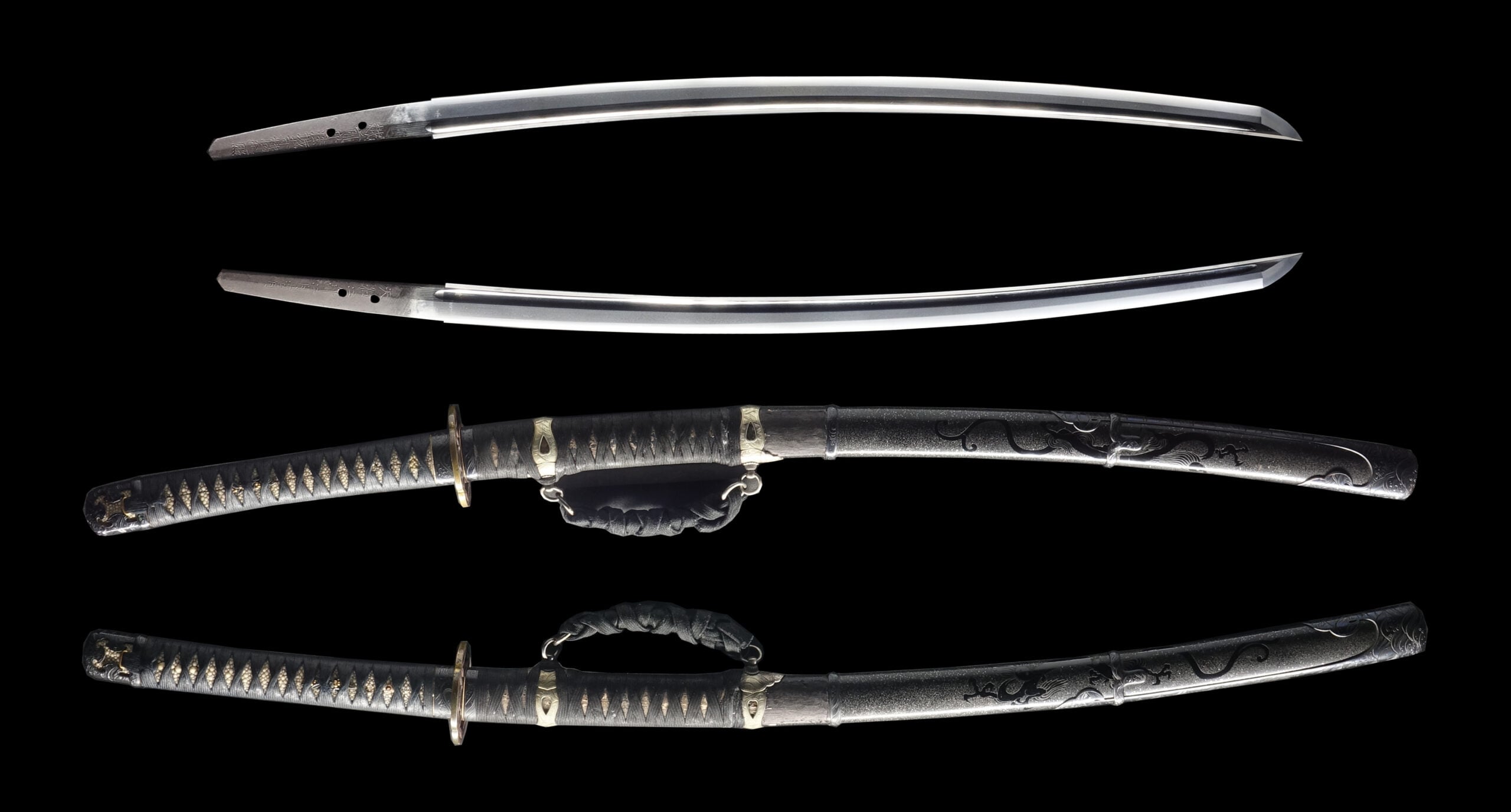
Hojoji (Edo, Shinto) · 武蔵 · 1684-1688頃
藤代 Jo saku · 刀剣大鑑 上位49%
現在1点販売中
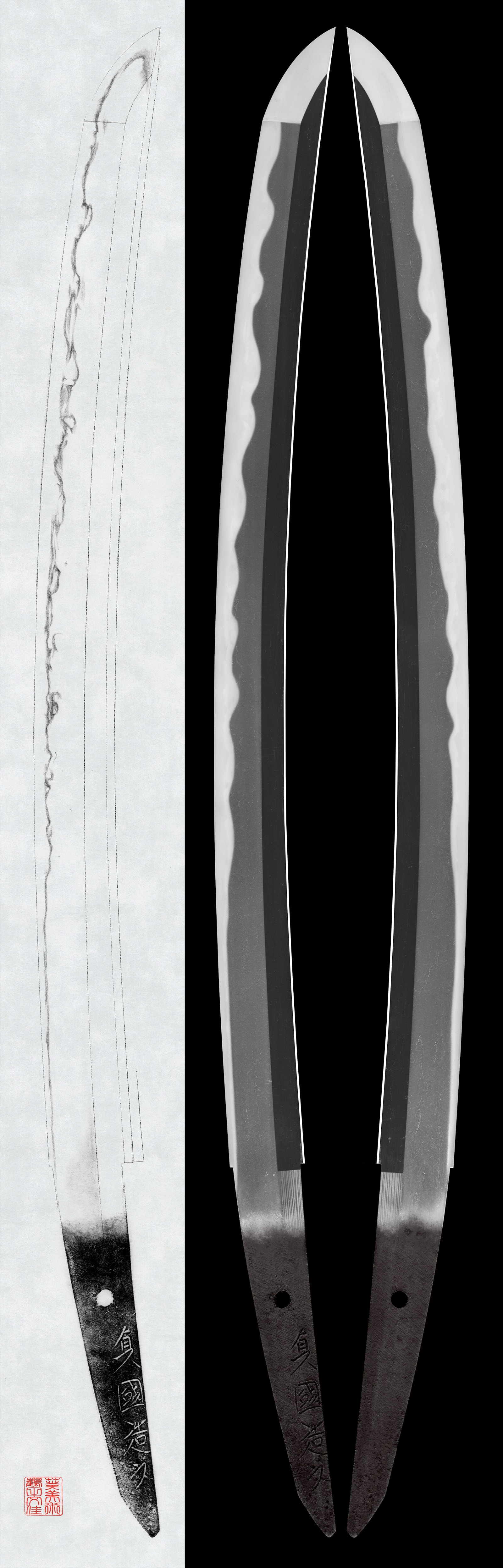
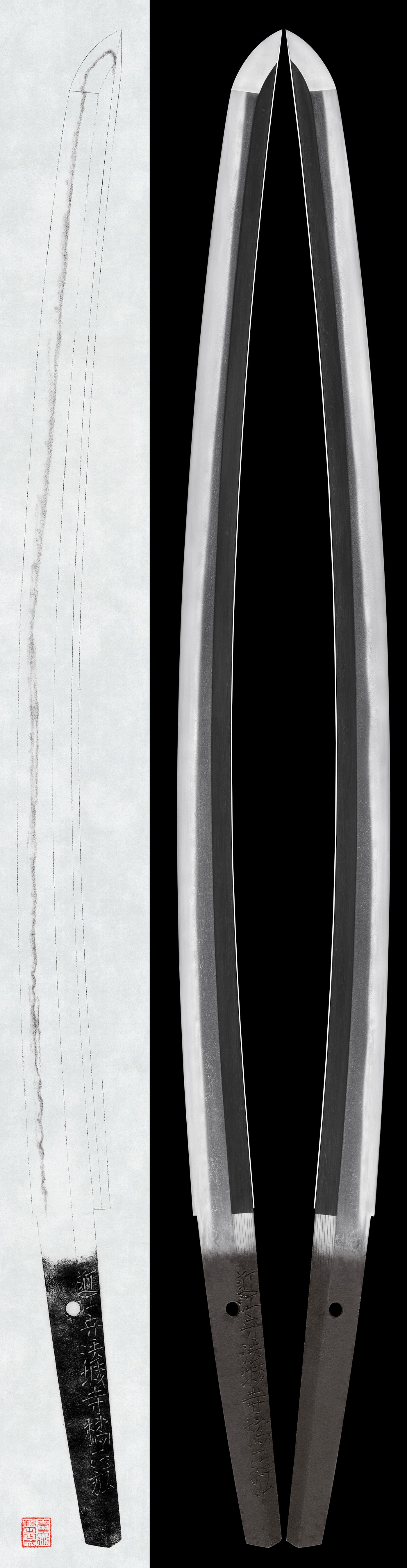
第三十一回の重要刀剣の刀について、公刊の説明はこれを彼の得意とした中直刃に焼き、匂深く小沸がよくつき、金筋が入り、匂口が明るいとし、「正照快心の一口」と結ぶ。越前守橘正照は江戸時代の法城寺一派の刀工で、相州伝系の同派は本源を但馬に持ち、その分流を新刀期の江戸に伝えた。公刊資料は、彼が法城寺正弘の門に学び、越前守を受領し、のちに羽後秋田に住したと伝え、「一門中の上手」に数える。長銘は指表、目釘孔の下棟寄りに切り、越前守法城寺橘正照と読み、少数の作には銘の上に菊花紋を毛彫にする。
彼の特色ある作風は、判者が得意と称する中直刃である。公刊資料は彼の直刃の作を「殊に直刃の作には優れたものがある」[[c:2]]とし、また「特に直刃の出来には優れたものがある」[[c:3]]と記し、その中直刃を「彼の得意とした中直刃」[[c:4]]と挙げる。刃文は中直刃を基調に互の目足が入り、放胆な作では直刃調が僅かにのたれ風をおび、上半に互の目足がさかんに入る。匂深く小沸がよくつき、刃縁処々ほつれ、細かに砂流しがかかって金筋が入り、総じて匂口は明るく冴える。帽子は直ぐに小丸へ返り、一口の裏は僅かに掃きかける。
鍛えは小板目に時に杢を交えてよくつみ、地鉄もよいと公刊の説明は記す。その地に地沸がつき、優品では微塵に細かによくつき、地景が入る。姿は典型的な寛文新刀の体配で、鎬造・庵棟、反り浅く中鋒つまり、元先の身幅に開きがあって踏張りごころも見られ、後年の一口は三ツ棟に反りやや深めとなる。彫物は表裏に施す作があり、一口は腰樋に添樋、一口は棒樋に添樋を丸留めにする。総体は公刊の評にいう「法城寺一派の典型的な出来口をあらわしている」[[c:5]]ものであり、「典型的な寛文新刀の姿を示し、地刃の出来も傑出している」[[c:6]]と記される。
この一様の作域の中に、作風の変化ではなく茎に係る一つの作域が際立つ。長銘の上に毛彫にした菊花紋である。公刊資料はこの紋の意味を「如何なる意味かが明白でなく」[[c:7]]とし、他の同作には殆んど見ないとして、これを初二代の問題の要とする。菊花紋を切ることは「同名二代と伝えられている」[[c:8]]が、公刊の説明は、直刃の匂立ちが見事である初代の傑作によって、それが初代以来のことであると判じ、その刀を「初代正照の傑作の一本」[[c:9]]と称する。在銘の刀は寛文頃から後年の江戸期に及び、菊花紋の一口は、正照自身の銘の下に前嶋八郎友次の金象嵌の二ツ胴・脇毛截断の銘を帯び、裏に出雲大掾藤原吉武の長銘を切って合作とする。
公刊資料は彼を対比ではなく、その一派と類似によって位置づける。法城寺派を長曽祢虎徹と何等かの関係にあるものとし、「殆んど虎徹を見るような作があり」[[c:10]]、地がねもよく、刃文は「互の目の刃文、直刃の刃文にも、匂深く小沸がよくついて明るく冴えた」[[c:11]]もので、帽子も虎徹によく似ているとする。互の目足を交えた中直刃、匂深く匂口明るい刃、つんだ小板目に微塵の地沸という自身の本領こそが、彼を一派中の上手の直刃の工たらしめており、判者が引く類似は上に向かう、すなわち沸づいた刃の江戸の名手に対してである。彼を囲む江戸法城寺の交わりは密で、「上総介兼重と助九郎兼常との三人合作の遺例が数口現存」[[c:12]]し、その他にも兼重・四代康継との合作、出雲大掾吉武との合作刀が遺り、これらの工が密接な関係にあったことが窺われる。
藤代の格付は作。指定は重要刀剣五口で、これより上の指定はない。四口が自身の在銘、一口は判者が初代の在銘作と読む菊花紋の刀である。国宝・重要文化財はなく、これらの刀に大名家への古い伝来も記録されないため、指定作の全ては流通の級にある。とはいえその数は売り物の数ではなく、指定刀の多くは私蔵・公蔵を問わず留め置かれ、在銘の越前守法城寺正照が市に出るのは折々のことに過ぎず、截断銘や合作銘を帯びた一口はなお稀である。公刊資料は彼の優れた直刃を法城寺一派の典型的な優品とし、第三十一回の刀を「正照快心の一口」、第四十回の刀を「同作中の優品」と評する。その域の一口は、蒐集家が稀に、辛抱して出会う類のものであり、明るい直刃に加えて江戸法城寺の記録における位置ゆえに価値づけられる。
正照の位置づけを、日本刀全体および伝統・時代・時期ごとに示します。各位(随一・屈指・有数・著名)は、NBTHK および文化庁による指定に加え、三作や名物帳などの歴史的栄誉を加味したものです。
各項目を選ぶと評価方法が表示されます。
相州伝 · 但馬
現在23点販売中
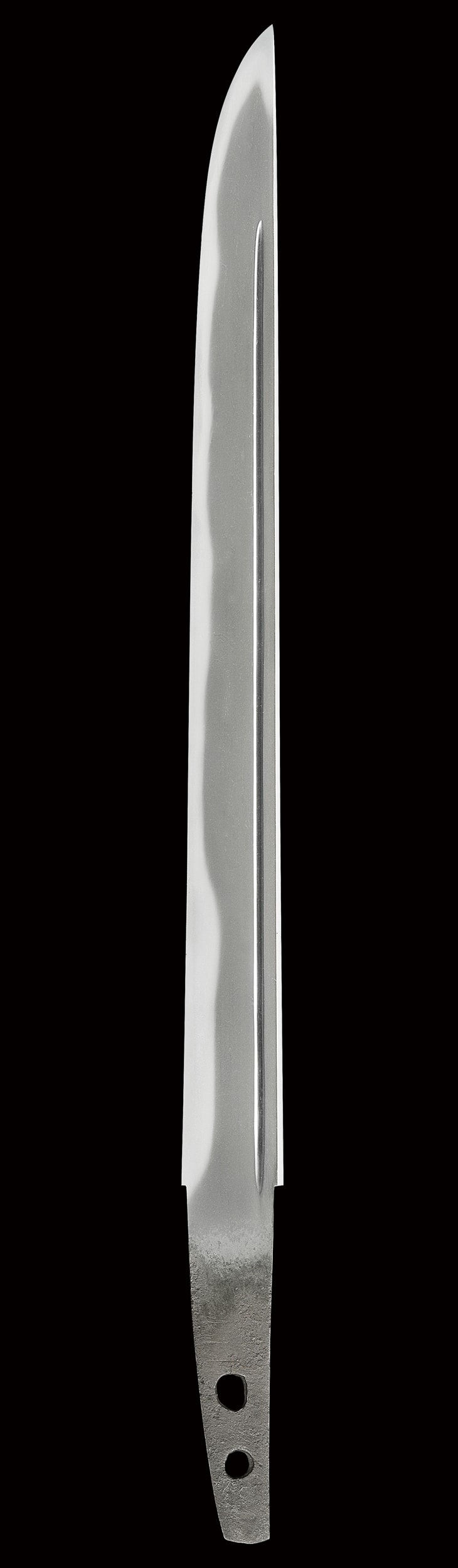
法城寺は但馬国の地名であり、この派の名はそこに発する。各工の説明書がまず立ち返るのは、南北朝期この地に住んだ薙刀の名手国光であって、国光のことを地名をもって法城寺と呼び習わしたと繰り返し記される。古刀の法城寺はこの国光を源とし、銘鑑に初・二代を挙げて初代を貞治、二代を応永とするが、有銘の太刀・薙刀は伝わらず、その盛名を担う薙刀および薙刀直しはことごとく無銘極めである。古来「相州貞宗の三哲の一人」[[c:1]]に数える伝を、説明書は引くたびに「多くの疑問があり、俄かに賛成出来ない」[[c:2]]「妥当を欠く」と退け、むしろ備前物の影響が強いと結ぶ。新刀期に至り、この但馬の流れを汲む一門が江戸に移って大いに栄えた。その初代を近江守正弘とし、これに直ぐ次ぐ貞国、吉次・正照・永国らの良工を輩出して、寛文・延宝の頃には江戸で最も多くの人数をもった鍛冶集団と呼ばれた。古刀の但馬法城寺と、江戸に分流した新刀の法城寺と、この二つの活動地・時代を一派の両端として読むべきである。 作風は古刀と新刀とで趣を異にする。古刀の無銘極めは、華やかな丁子乱れを焼いて一見備前一文字に見紛うほどでありながら、地刃の沸が一段と強く、大模様の鍛えに地景が入って肌立ち、刃中に金筋・砂流しを頻りにあしらう点で備前から分かたれる。地鉄は板目に大板目・流れ肌を交えて大模様に肌立ち、乱れ映りは鮮明な口少なく淡い口が多く、その淡さこそ但州法城寺の見どころと記される。在銘の短刀は趣を全く異にし、細直刃・中直刃に二重刃を交える手と、小のたれに互の目を交え砂流しさかんにかかる手とに分かれる。これに対し江戸新刀は、各工が一様に直刃を本領とする。正弘は匂深い直刃を得意とし、広直刃に小互の目を連れ、小沸むらなく厚くつき、二重刃をまま交え、地鉄は小板目をよくつめ地沸を微塵に厚くつけてかね明るい。貞国はこれに酷似して互の目を交え砂流しを走らせ、ただ地刃の冴えと匂口の力強さが正弘に僅かに及ばないとされる。吉次は一門中で互の目が最も目立ち、小のたれに数珠刃風の互の目を連ね、覇気に満ちた作域を示す。正照は中直刃に優れ、永国は直刃の焼出しより連なる互の目を一定の軸とする。帽子はおおむね直ぐに小丸へ返り先掃きかけるのを常とし、姿は鎬低く元先の幅差目立ち反り浅く中鋒つまる寛文新刀の体配を、各工がそれぞれの手で読んでいる。 鑑定の勘所は、この古刀と新刀の二つの面にそれぞれ立つ。古刀では、淡い乱れ映りと大模様に肌立つ鍛え、地刃の顕著な働きをもって備前と分かち、無銘極めの薙刀直しと在銘短刀との間に出来口の通うところを見出して一人の工に繋ぐのが眼目である。本間順治はこの手の薙刀直しを初代但州国光とし、無銘物には本阿弥光温・光忠ら代々の極めが付く。新刀では、各工の説明書がそろって長曽祢虎徹に近いことを記し、就中正弘を諸工のうち最も虎徹に近いとして、山野家の截断金象嵌を多く帯びる縁から法城寺一派と虎徹一門の相当近い関係を推す。判者が引く類比はみな上に向かい、貞国・吉次の優品は兼重ら江戸の名手に迫るとされ、その匂深く匂口明るい刃と微塵の地沸が、この一派を共通して支える。主要工の格は、古刀の国光が藤代上々作で重要文化財をも数えるのに対し、新刀の各工は上作ないし作に位し、その指定はおおむね重要刀剣の級にとどまる。伝来は、古刀国光の短刀が秋元家・前田家・徳松ゆかりの名物として伝わるのに対し、新刀の各工は大名家への古い伝来をほとんど記されず、山野家の截断銘がしばしば伝来の名を補う。市に現れるのは新刀の在銘作が折々のことに過ぎず、截断銘を帯びた出来のよい一口は、探すより俟つに値する。 詳しく見る →
江戸時代
二世紀半の泰平のあいだ、刀は武器である以上に武士の身分の標章であった。江戸の実証と大坂の華やぎのように都市ごとの作風が育ち、時代の末には需要も細っていく。
保存刀剣のうち、出来が一層優れ、保存状態も良好と認められたものです。再刃や、室町・江戸期の多くの無銘作は対象外となり、保存刀剣より高い基準が課されます。
日本美術刀剣保存協会(NBTHK)は、1948年に設立され、文化庁の監督を受ける公益財団法人で、東京・刀剣博物館に本部を置きます。専門の審査員が出品作を直接審査し、美術的・歴史的価値に応じた鑑定書を発行します。NBTHKの鑑定書は、日本刀および刀装具の真正性を示す最も広く認知された基準です。
NBTHK公式サイトReturns/exchanges limited to defects caused by shipping (except willful misconduct or gross negligence by the company); customers must contact within 72 hours of receiving the product.

![Katana - Tokuho - 作 國正 - 刀 [法城寺但馬守橘国正(良工)][日本美術刀剣保存協会]特別保存刀剣](/_next/image?url=https%3A%2F%2Fitbhfhyptogxcjbjfzwx.supabase.co%2Fstorage%2Fv1%2Fobject%2Fpublic%2Flisting-images%2Fworld-seiyudo%2FL1010048%2F01.jpg&w=2560&q=90)