売切れ
Tokuho売切れ
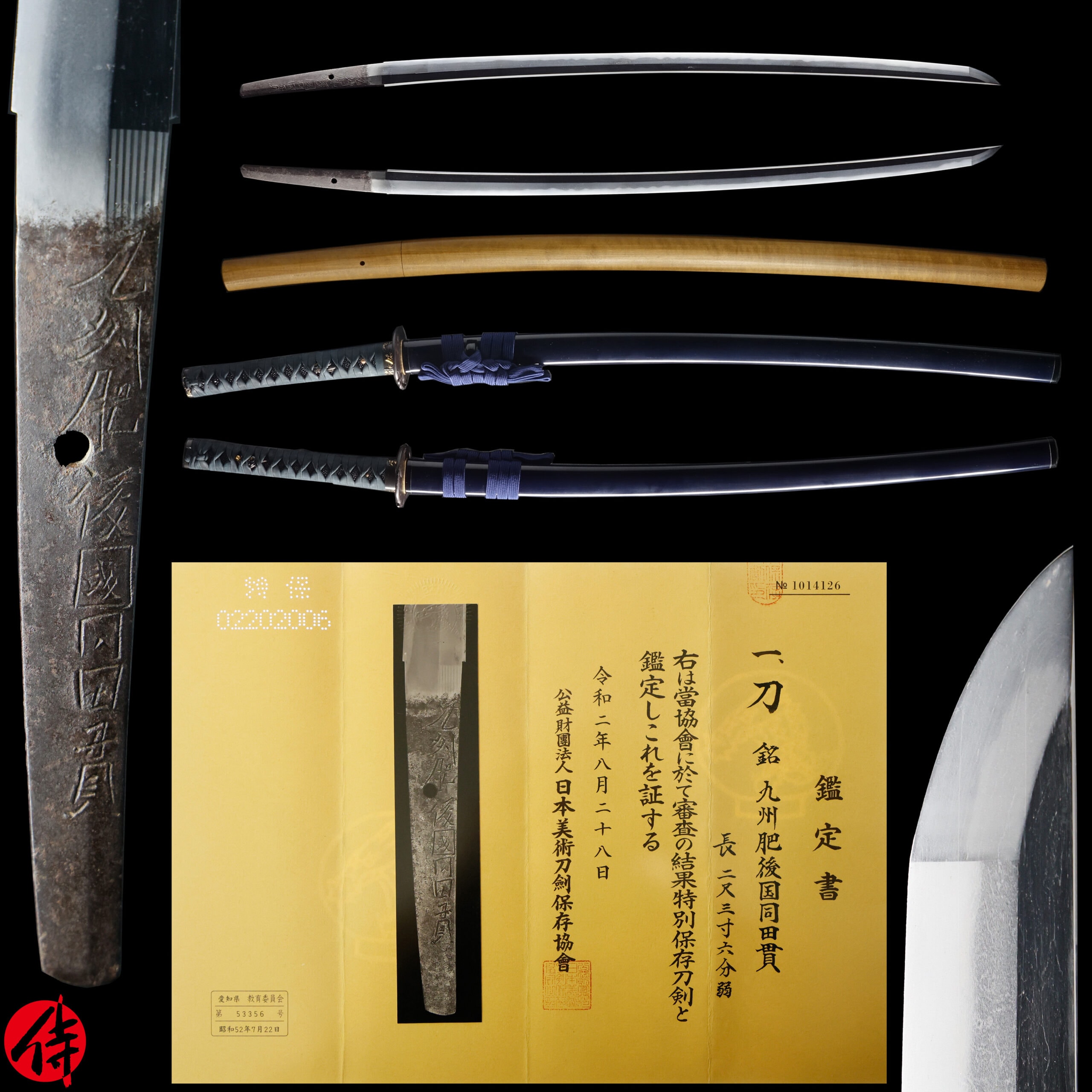
Antique Japanese Sword Katana Signed by Dotanuki NBTHK Tokubetsu Hozon Certificate
売却済
世界81社の刀剣商を横断追跡 · 価格履歴 · 売却アーカイブ
仕様
長さ
71.5 cm
反り
1.5 cm
Antique Japanese Sword Katana Signed by Dotanuki with Tokubetsu Hozon Certificate 【Description】 This blade was signed by Kyushu Higo Koku Dotanuki (九州肥後国同田貫). Dotanuki school is the descendant of Enju school at the end of the Muromachi period, and continued until the late Edo period. This blade is considered to have been forged around the Azuchi Momoyama period (the late 16th – early 17th century). The Dotanuki school was founded by Masakuni (正国), who was active during the Tensho era (1573–1592) in Higo province—part of Kyushu, in what is now Kumamoto Prefecture. He served under Kato Kiyomasa (加藤清正), the powerful feudal lord who ruled Higo at the time. It is said that Masakuni was a descendant of the Enjyu school that had forged blades for the Kikuchi family and flourished during the late Kamakura period-Nanbokucho period (Late 13th-Early 14th century). Kikuchi clan ruled the Higo domain for a long time, but the clan left the place at the end of the Muromachi period (late 15th-early 16th century). The influence of Enjyu school diminished. Eventually, the Fujiwara Kunikatsu and Nobuyoshi brothers, who belonged to a branch of the Enjyu school, revitalized the school by moving to a place called Dotanuki and forged blades. Their craftsmanship was acknowledged by Kato Kiyomasa, one of the most powerful feudal lords during the Warring State period. They received one letter from their lord Kiyomasa (Kiyo and Masa). Nobuyoshi changed his name to Masakuni (正国), and his older brother changed his name to Kiyokuni (清国). Masakuni founded the Dotakuni school under the auspice of the Kato clan. It is said that those who saw the swords made by Dotanuki were astonished by the tremendous cutting ability at that time, and the swords were very popular. The swords made by Dotanuki have been considered as the strongest swords for actual battle. During the active period of the ninth-gen Masakatsu, tenth- gen Munehiro, and the eleventh-gen Muneharu, the Dotanuki school is said to have flourished again as Shin Shin-To Dotanuki: Shin Shin To means the Japanese swords made after the late Edo period. It is appraised as a Tokubetsu Hozon Token (特別保存刀剣) issued by NBTHK (Nihon Bijutsu Touken Hozon Kyokai:日本美術刀剣保存協会). This authentication paper was only given to authentic Japanese swords, especially well preserved and high quality with artistic value. *Please keep in mind that there are a couple of Kitae Kizu on this blade. If you like to know the detailed condition, please feel free to contact us. 【Blade】 Cutting Edge Length(Nagasa) : 71.5 cm (28.1 inches) Curvature(Sori) : 1.5 cm (0.59 inches) Hamon : The crystalline structure which forms along the cutting edge of a blade as a result of the hardening process Jimon(Jihada) : visible steel surface pattern created by folding and hammering during forging process Kissaki : Kissaki is the tip of the Japanese sword. Nakago : Nakago is the tang of the Japanese sword. Japanese swordsmiths left the black rust on the tang because it prevents red rust while the tang is in its handle. And the discoloration of the tang was created over time, and it is a great indicator for a Japanese sword specialist to estimate when the sword was forged. Koshirae :Koshirae is the mounting of the Japanese sword. There are several parts that consist of Koshirae such as Saya (Scabbard), Tsuka (Handle), Tsuba (Handguard). Fuchi-Kashira : A pair of matching sword fittings that cover the upper and bottom parts of its sword hilt. This fuchigashira set features a bell cricket (鈴虫, suzumushi) on the kashira (pommel cap), and bamboo leaves on the fuchi (collar), matching the motif of the tsuba. In Japanese culture, the bell cricket is cherished as a symbol of autumn. Its clear, gentle chirping has long been appreciated for its poetic and emotional resonance, evoking a quiet sense of transience and beauty. Unlike in many Western cultures where insect sounds are considered noise, Japanese aesthetics regard insect sounds as “voices”—part of nature’s
 NihontoWatchBETA
売却済
世界81社の刀剣商を横断追跡 · 価格履歴 · 売却アーカイブ
71.5 cm
1.5 cm
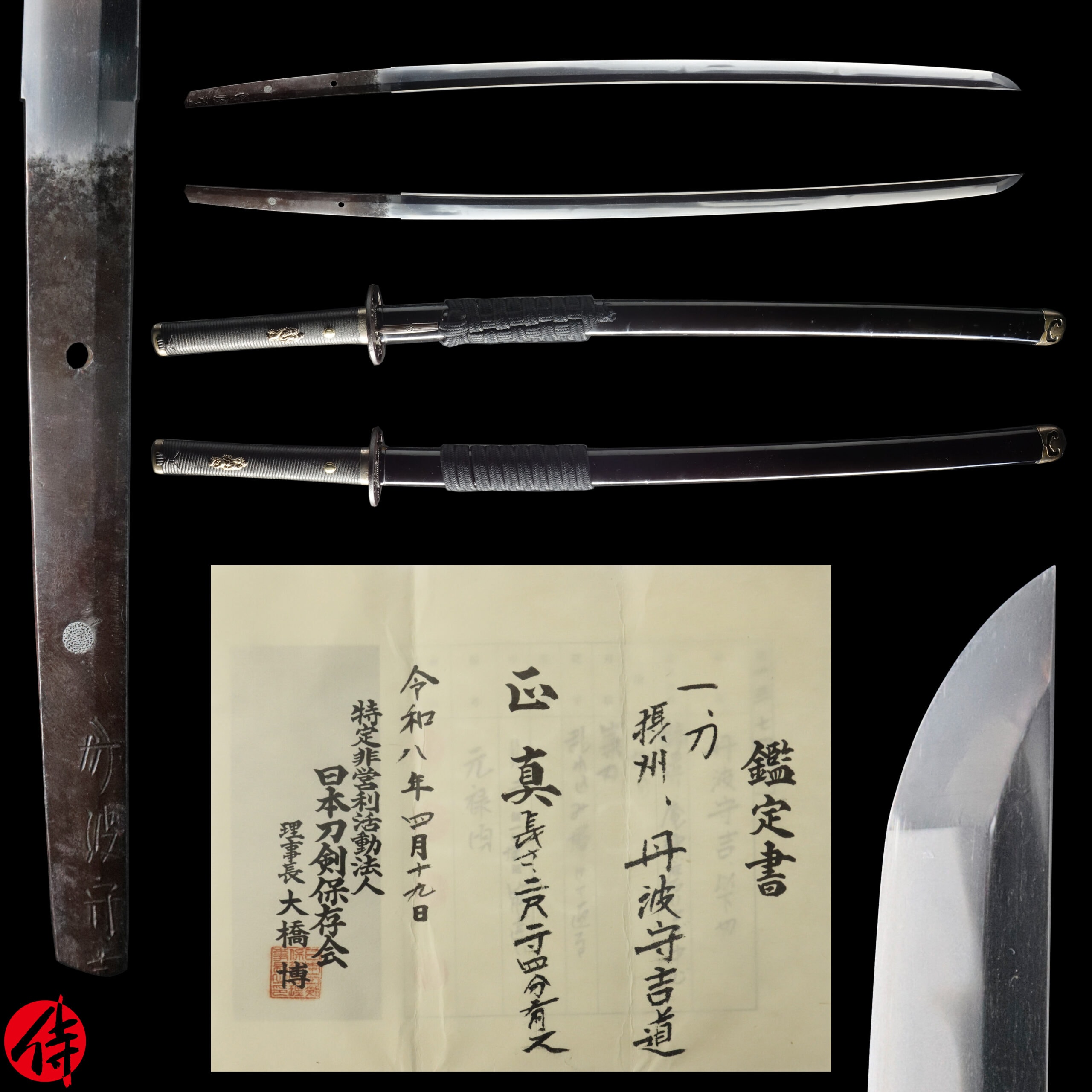
Mid Edo Katana signed by Tanba no Kami Yoshimichi for sale| Samurai Museum Shop E-mail FB Messenger Skip to content Menu Close Samurai Museum Shop Products Antique Japanese Sword Katana signed by Tanba no Kami Yoshimichi NTHK Kanteisho Certificate Updated: 22 Jun 2026 Antique Japanese Sword Katana signed by Tanba no Kami Yoshimichi NTHK Kanteisho Certificate
$7,441
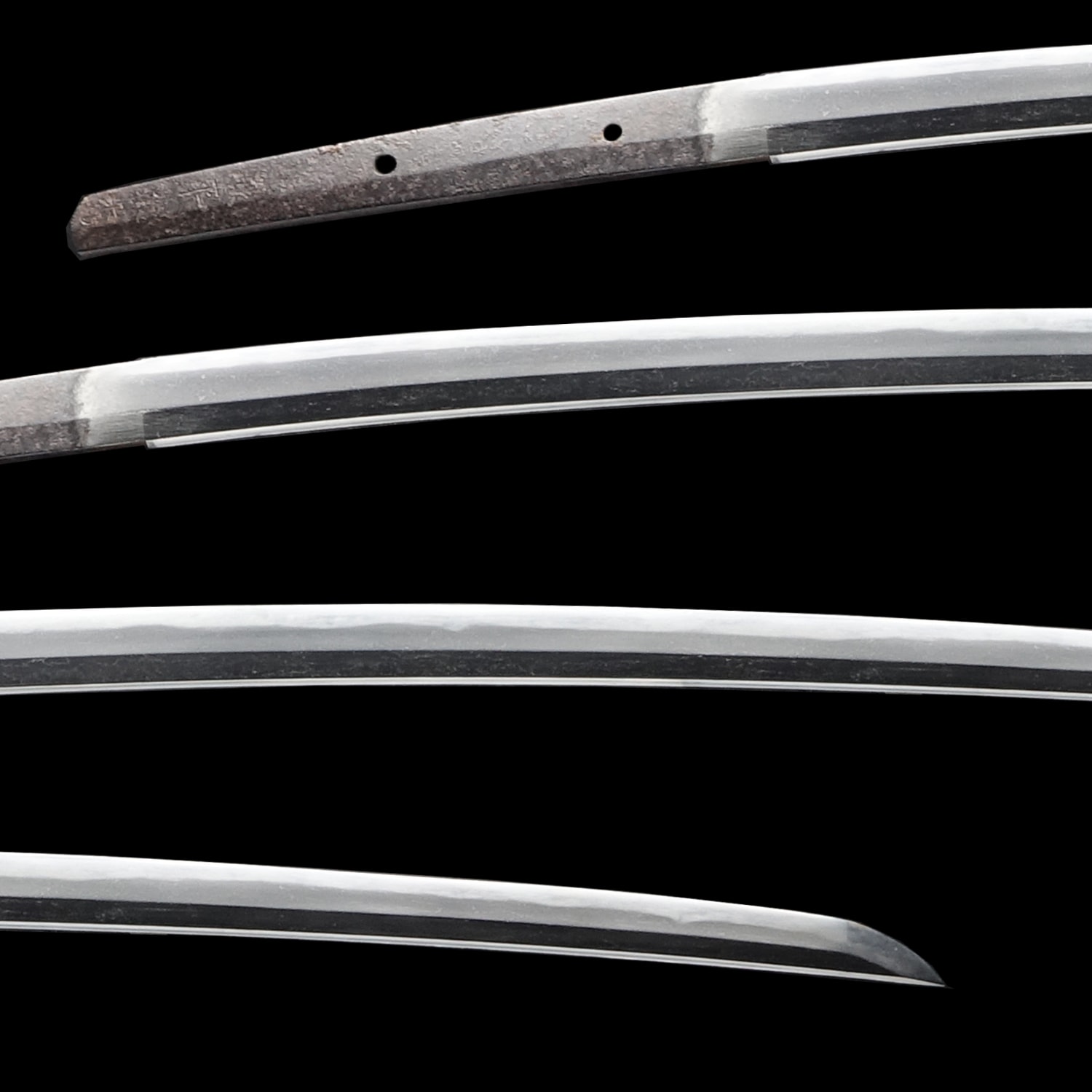
Muromachi Katana signed by Naminohira Yasuhide for sale
$7,751
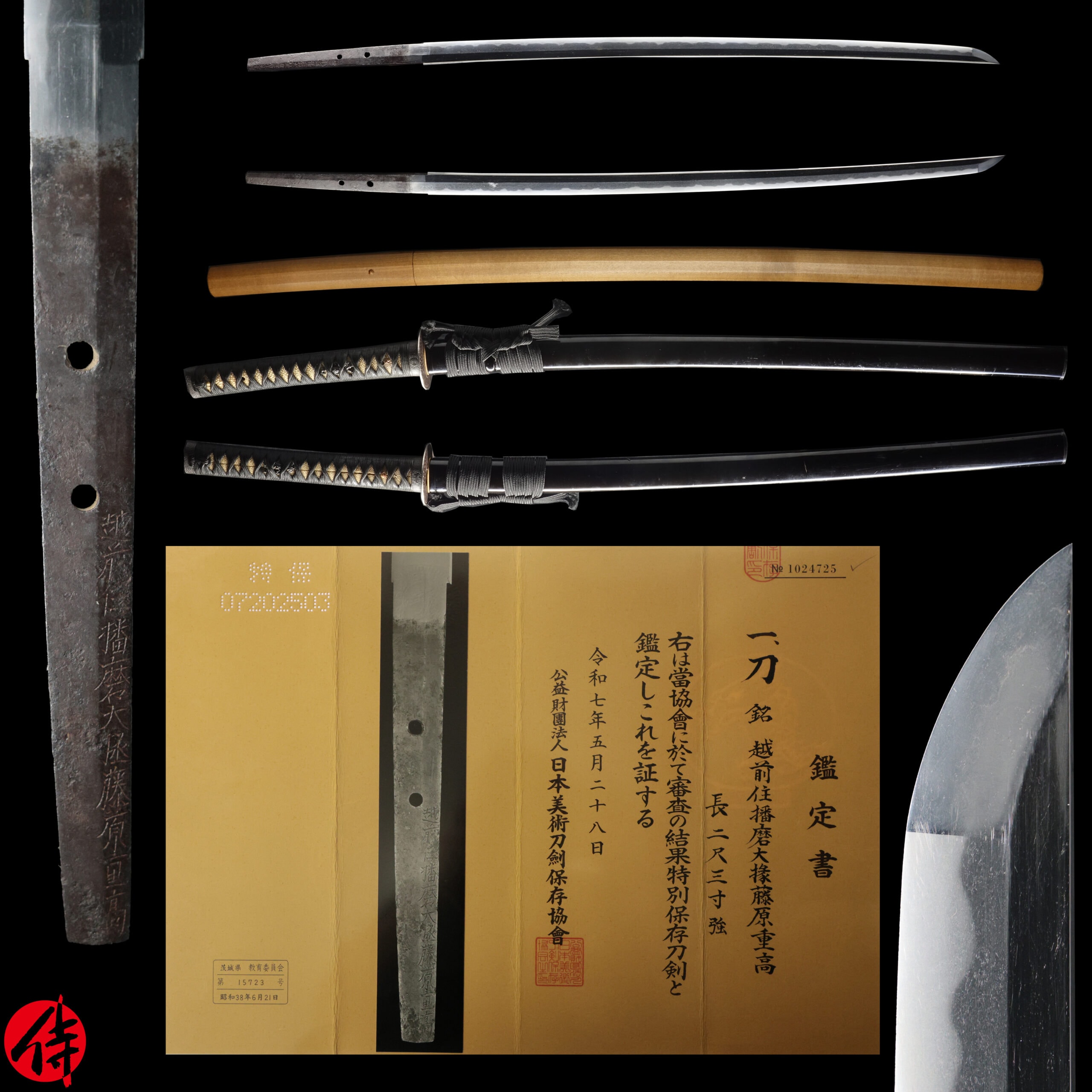
Early Edo Nihonto signed by Shigetaka for sale
$7,131
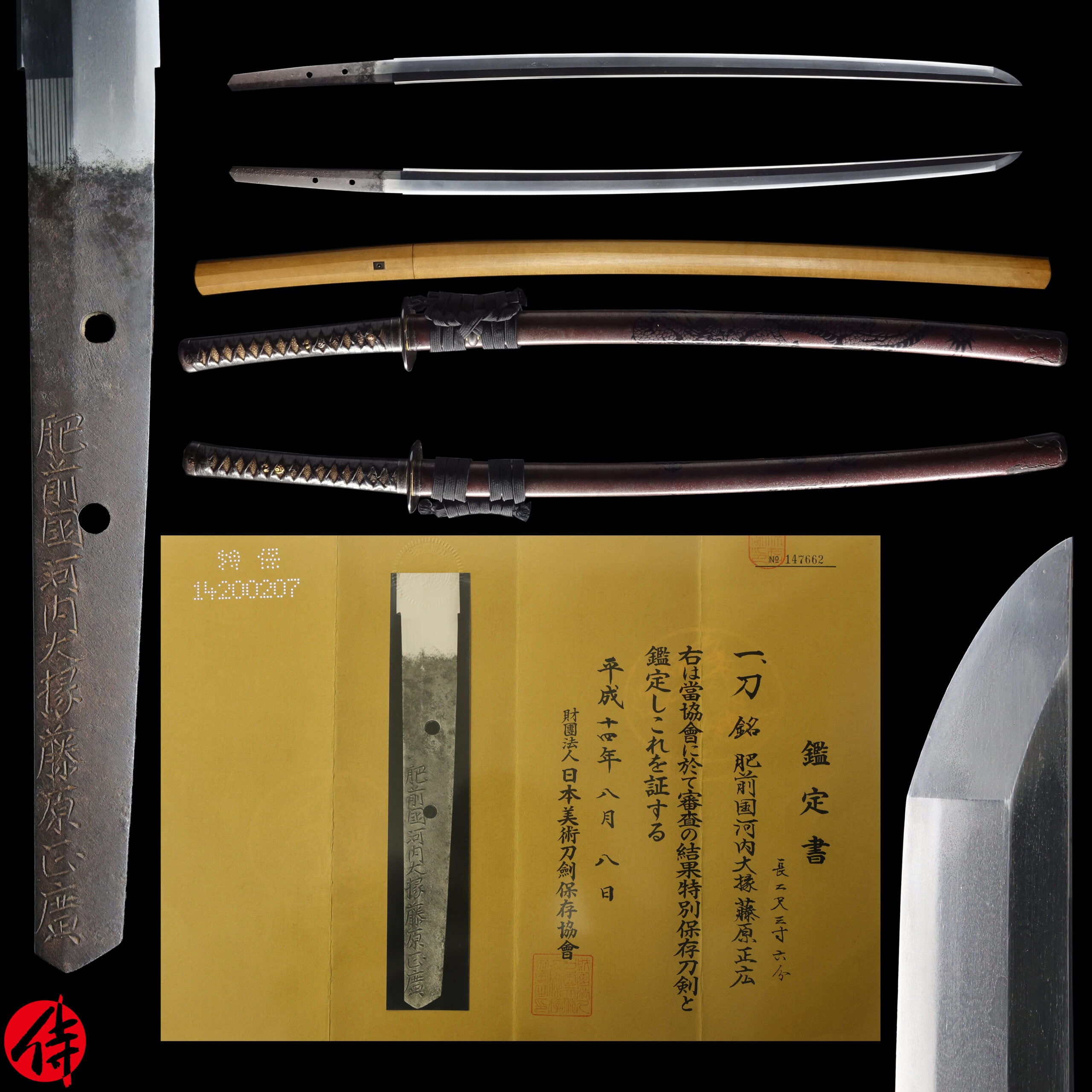
Antique Japanese Sword Katana Signed by Masahiro NBTHK Tokubetsu Hozon Certificate
$7,751
Antique Japanese Sword Katana Signed by Dotanuki with Tokubetsu Hozon Certificate 【Description】 This blade was signed by Kyushu Higo Koku Dotanuki (九州肥後国同田貫). Dotanuki school is the descendant of Enju school at the end of the Muromachi period, and continued until the late Edo period. This blade is considered to have been forged around the Azuchi Momoyama period (the late 16th – early 17th century). The Dotanuki school was founded by Masakuni (正国), who was active during the Tensho era (1573–1592) in Higo province—part of Kyushu, in what is now Kumamoto Prefecture. He served under Kato Kiyomasa (加藤清正), the powerful feudal lord who ruled Higo at the time. It is said that Masakuni was a descendant of the Enjyu school that had forged blades for the Kikuchi family and flourished during the late Kamakura period-Nanbokucho period (Late 13th-Early 14th century). Kikuchi clan ruled the Higo domain for a long time, but the clan left the place at the end of the Muromachi period (late 15th-early 16th century). The influence of Enjyu school diminished. Eventually, the Fujiwara Kunikatsu and Nobuyoshi brothers, who belonged to a branch of the Enjyu school, revitalized the school by moving to a place called Dotanuki and forged blades. Their craftsmanship was acknowledged by Kato Kiyomasa, one of the most powerful feudal lords during the Warring State period. They received one letter from their lord Kiyomasa (Kiyo and Masa). Nobuyoshi changed his name to Masakuni (正国), and his older brother changed his name to Kiyokuni (清国). Masakuni founded the Dotakuni school under the auspice of the Kato clan. It is said that those who saw the swords made by Dotanuki were astonished by the tremendous cutting ability at that time, and the swords were very popular. The swords made by Dotanuki have been considered as the strongest swords for actual battle. During the active period of the ninth-gen Masakatsu, tenth- gen Munehiro, and the eleventh-gen Muneharu, the Dotanuki school is said to have flourished again as Shin Shin-To Dotanuki: Shin Shin To means the Japanese swords made after the late Edo period. It is appraised as a Tokubetsu Hozon Token (特別保存刀剣) issued by NBTHK (Nihon Bijutsu Touken Hozon Kyokai:日本美術刀剣保存協会). This authentication paper was only given to authentic Japanese swords, especially well preserved and high quality with artistic value. *Please keep in mind that there are a couple of Kitae Kizu on this blade. If you like to know the detailed condition, please feel free to contact us. 【Blade】 Cutting Edge Length(Nagasa) : 71.5 cm (28.1 inches) Curvature(Sori) : 1.5 cm (0.59 inches) Hamon : The crystalline structure which forms along the cutting edge of a blade as a result of the hardening process Jimon(Jihada) : visible steel surface pattern created by folding and hammering during forging process Kissaki : Kissaki is the tip of the Japanese sword. Nakago : Nakago is the tang of the Japanese sword. Japanese swordsmiths left the black rust on the tang because it prevents red rust while the tang is in its handle. And the discoloration of the tang was created over time, and it is a great indicator for a Japanese sword specialist to estimate when the sword was forged. Koshirae :Koshirae is the mounting of the Japanese sword. There are several parts that consist of Koshirae such as Saya (Scabbard), Tsuka (Handle), Tsuba (Handguard). Fuchi-Kashira : A pair of matching sword fittings that cover the upper and bottom parts of its sword hilt. This fuchigashira set features a bell cricket (鈴虫, suzumushi) on the kashira (pommel cap), and bamboo leaves on the fuchi (collar), matching the motif of the tsuba. In Japanese culture, the bell cricket is cherished as a symbol of autumn. Its clear, gentle chirping has long been appreciated for its poetic and emotional resonance, evoking a quiet sense of transience and beauty. Unlike in many Western cultures where insect sounds are considered noise, Japanese aesthetics regard insect sounds as “voices”—part of nature’s
NihontoWatchBETA売却済
世界81社の刀剣商を横断追跡 · 価格履歴 · 売却アーカイブ
71.5 cm
1.5 cm
Mid Edo Katana signed by Tanba no Kami Yoshimichi for sale| Samurai Museum Shop E-mail FB Messenger Skip to content Menu Close Samurai Museum Shop Products Antique Japanese Sword Katana signed by Tanba no Kami Yoshimichi NTHK Kanteisho Certificate Updated: 22 Jun 2026 Antique Japanese Sword Katana signed by Tanba no Kami Yoshimichi NTHK Kanteisho Certificate
$7,441
Muromachi Katana signed by Naminohira Yasuhide for sale
$7,751
Early Edo Nihonto signed by Shigetaka for sale
$7,131
Antique Japanese Sword Katana Signed by Masahiro NBTHK Tokubetsu Hozon Certificate
$7,751
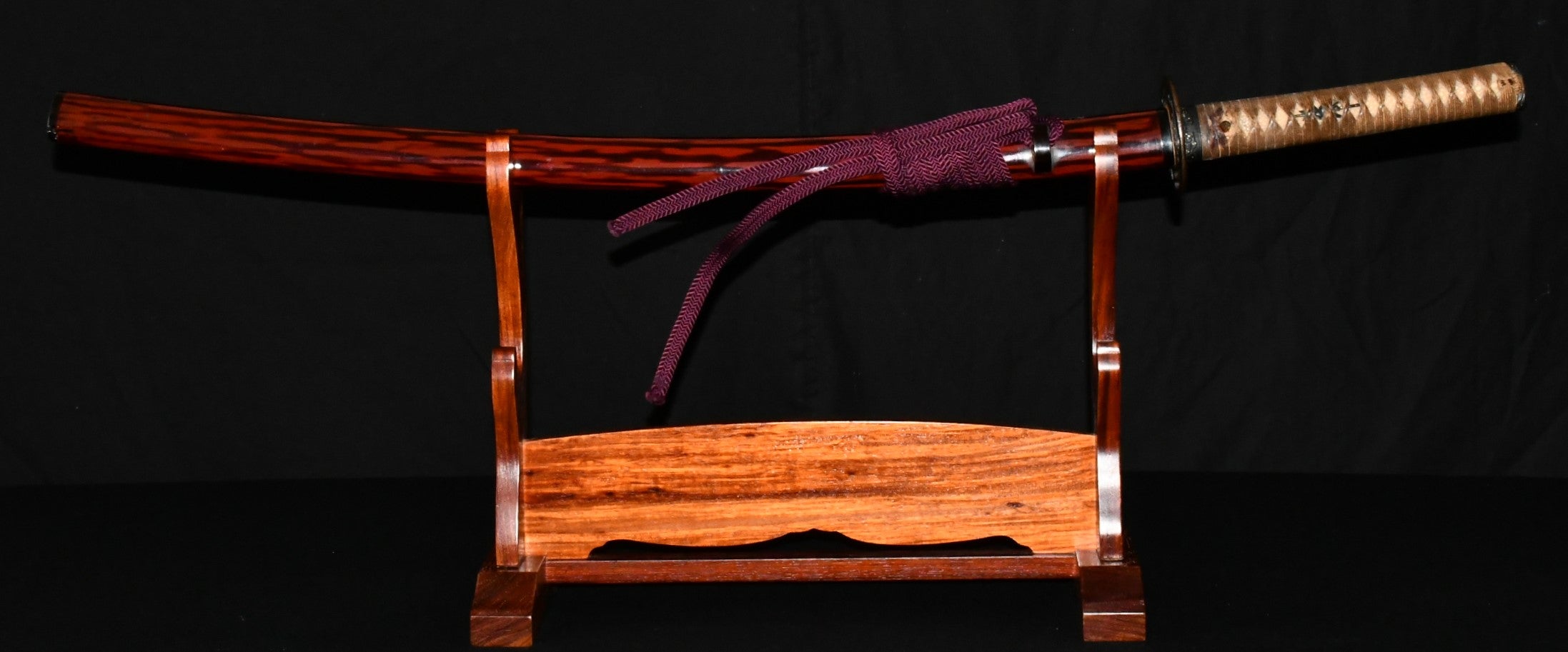
![Katana [Higo Doutanuki Kouzukenosuke][N.B.T.H.K] Jyuyo token](/_next/image?url=https%3A%2F%2Fitbhfhyptogxcjbjfzwx.supabase.co%2Fstorage%2Fv1%2Fobject%2Fpublic%2Flisting-images%2Fworld-seiyudo%2FL31893%2F00.jpg&w=2560&q=90)
