江戸は刀の目利きの時代である。本阿弥の鑑定、1719年の享保名物帳、盛んな刀剣書が、戦で抜かれることのなくなった刀を学問の対象へと変えていった。
 NihontoWatchNihontoWatch
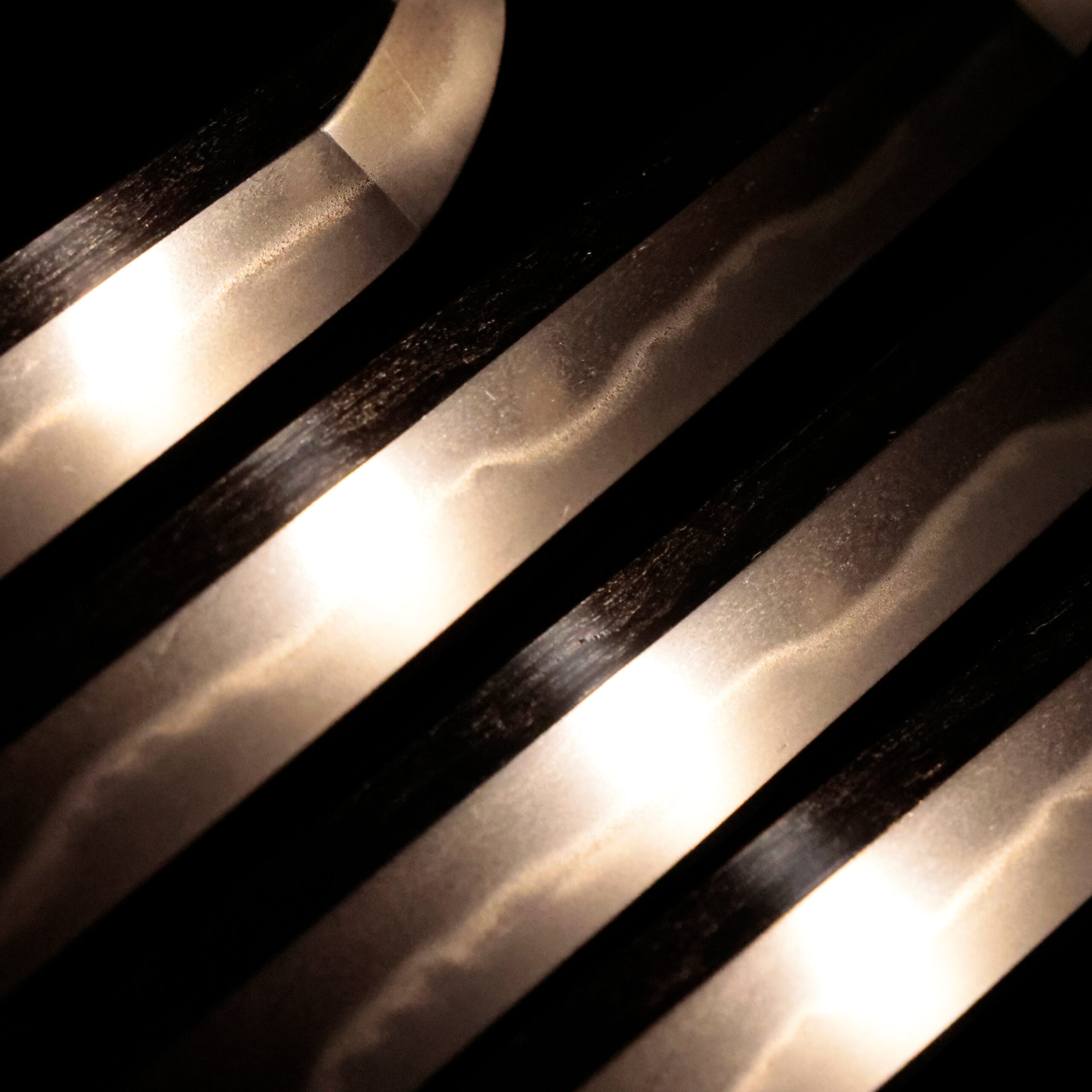
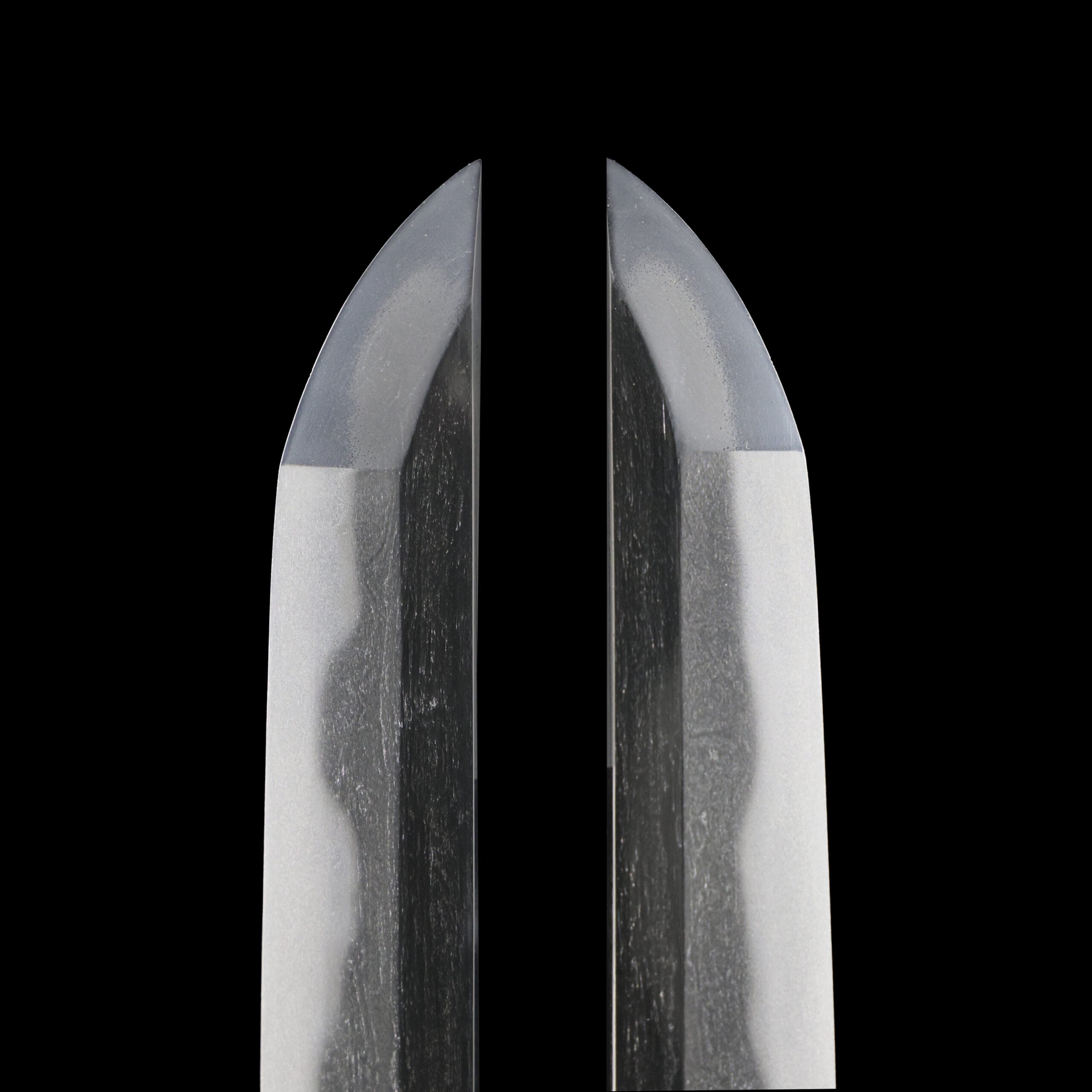
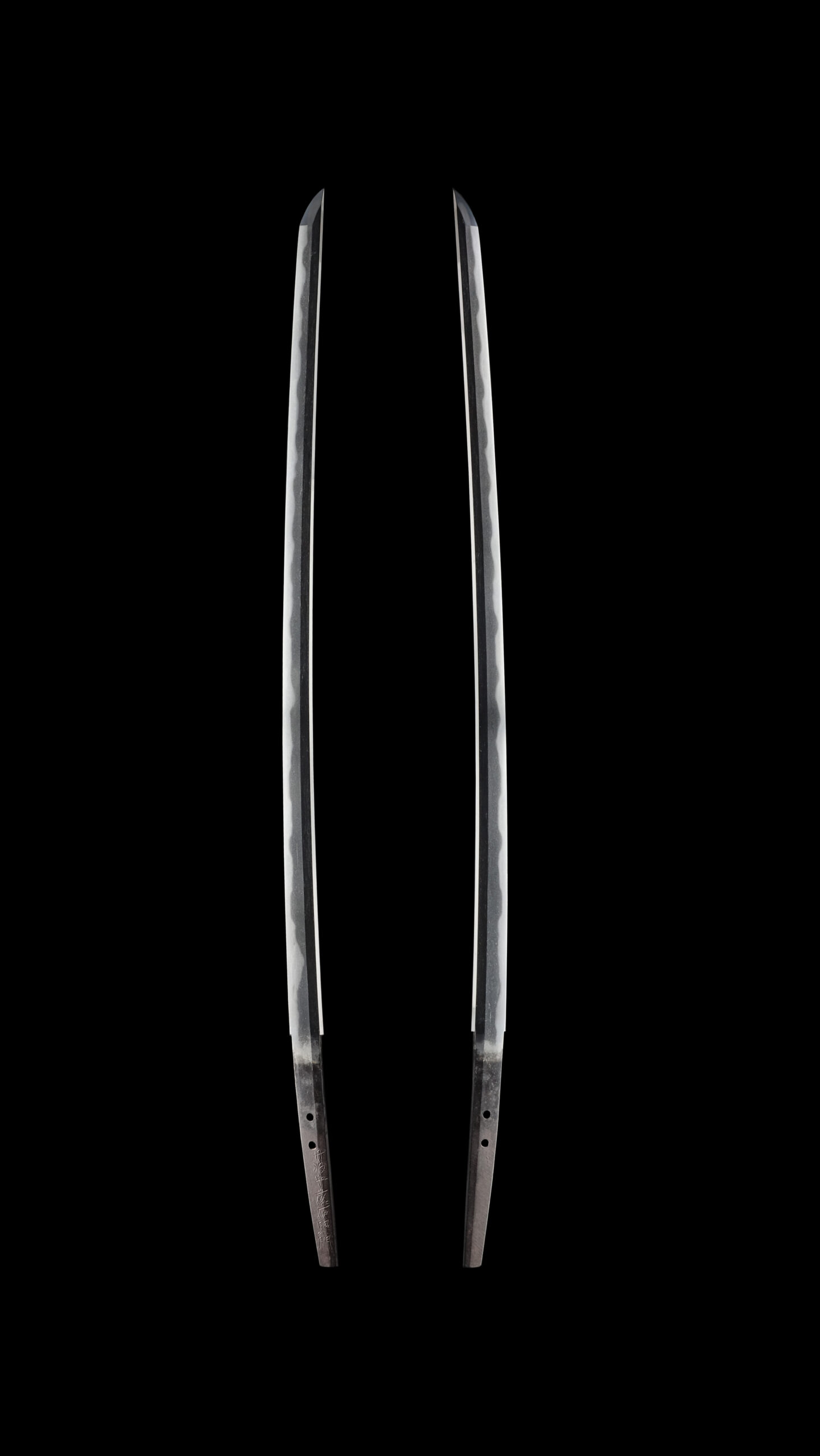
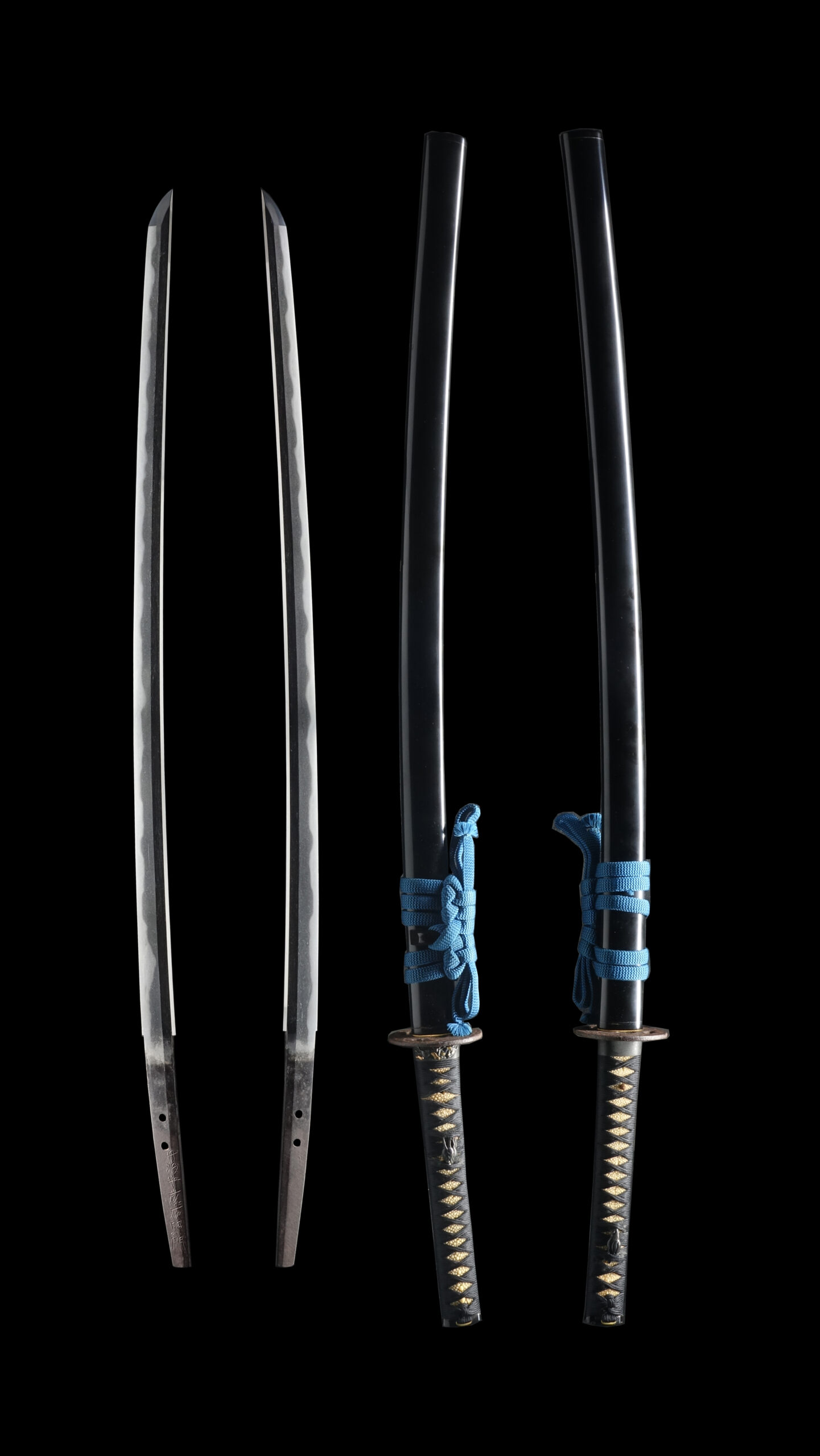
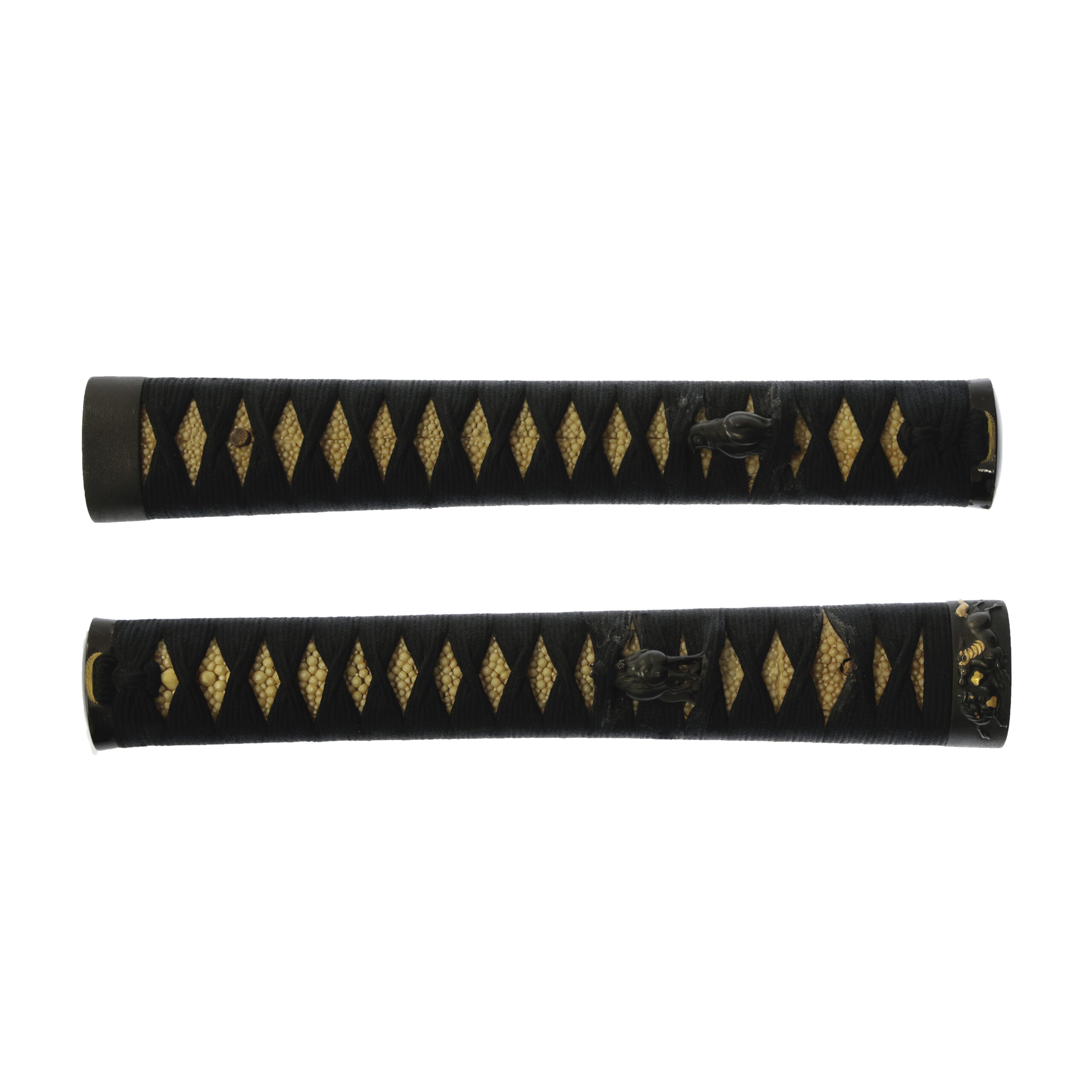
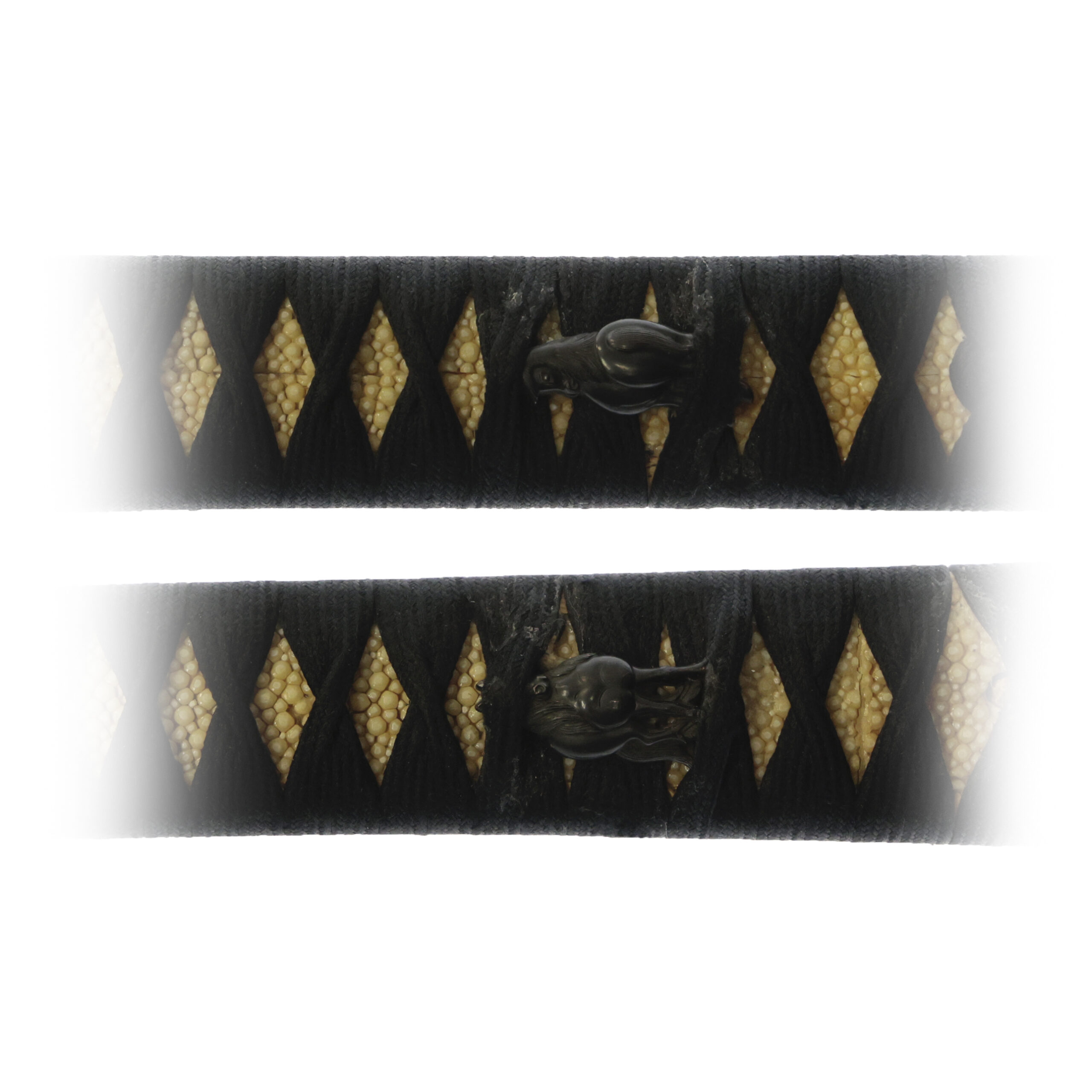
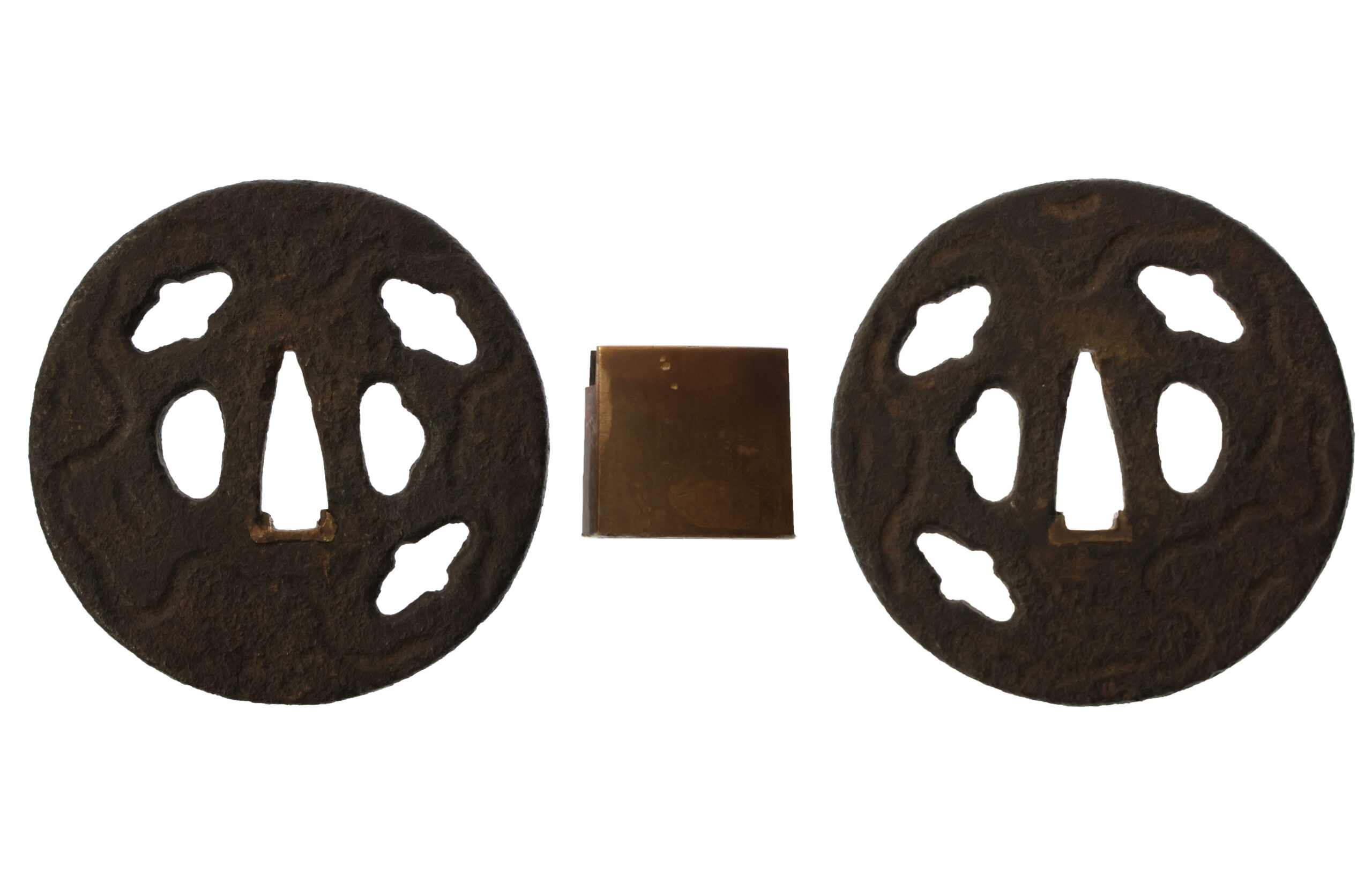
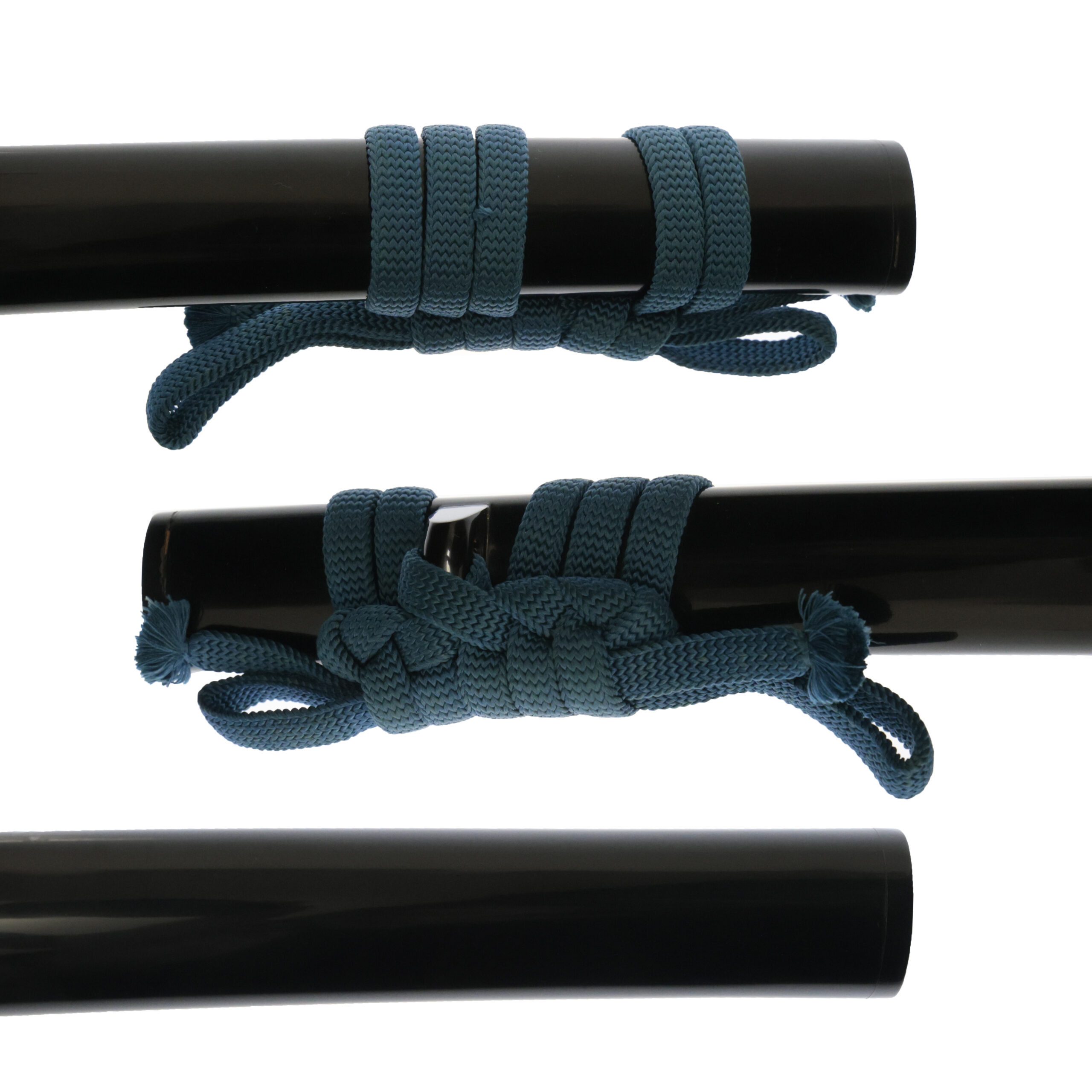
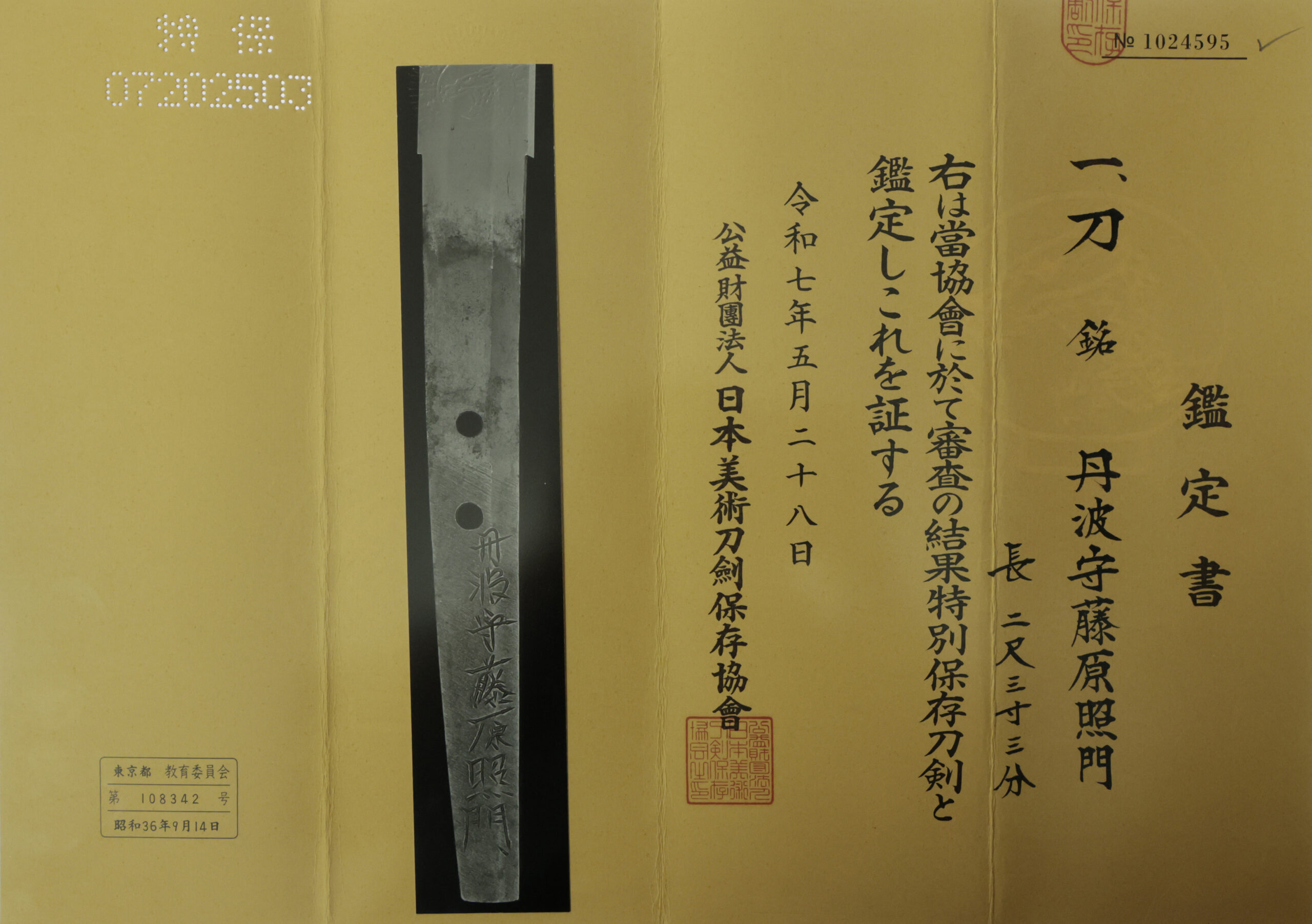
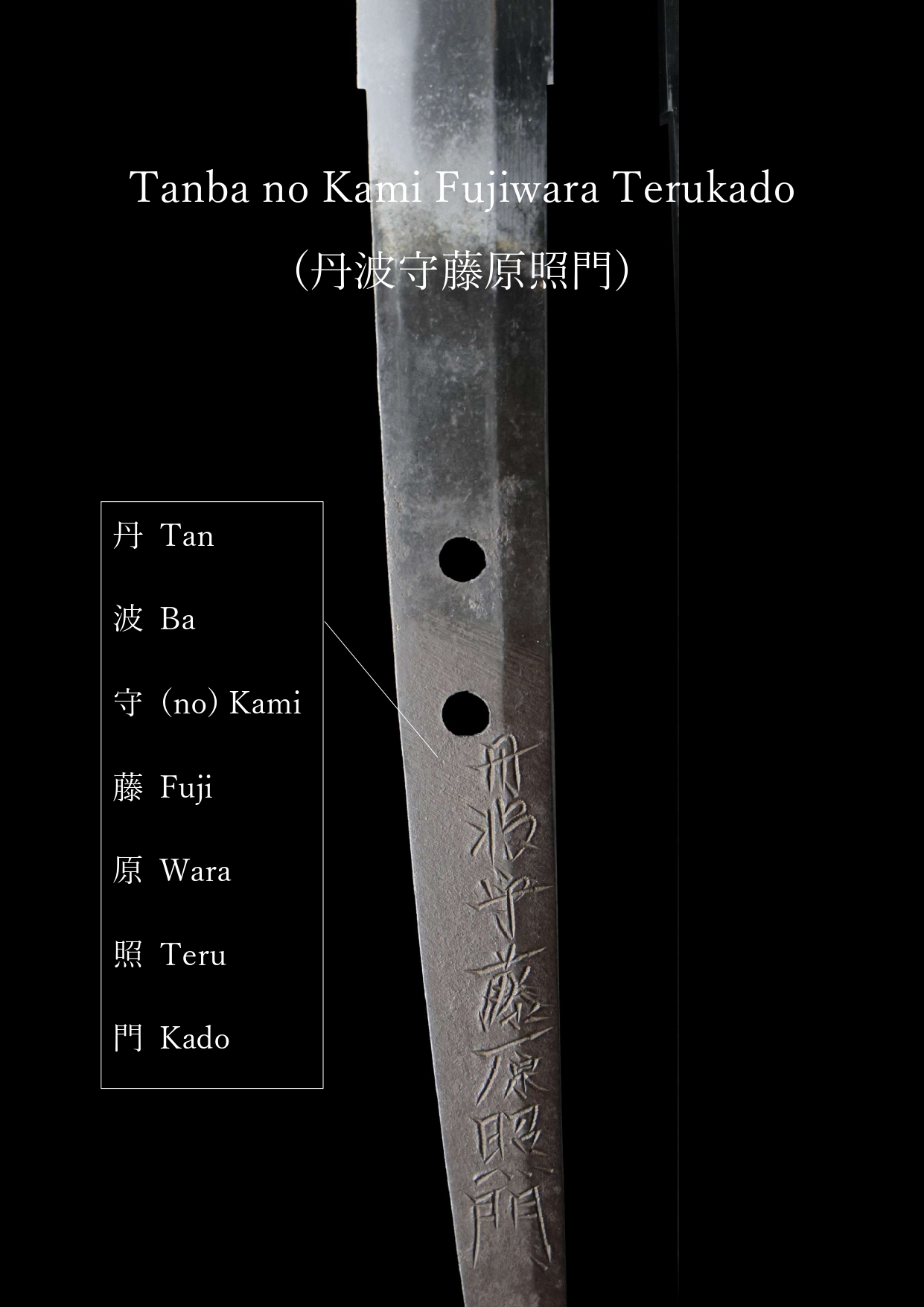
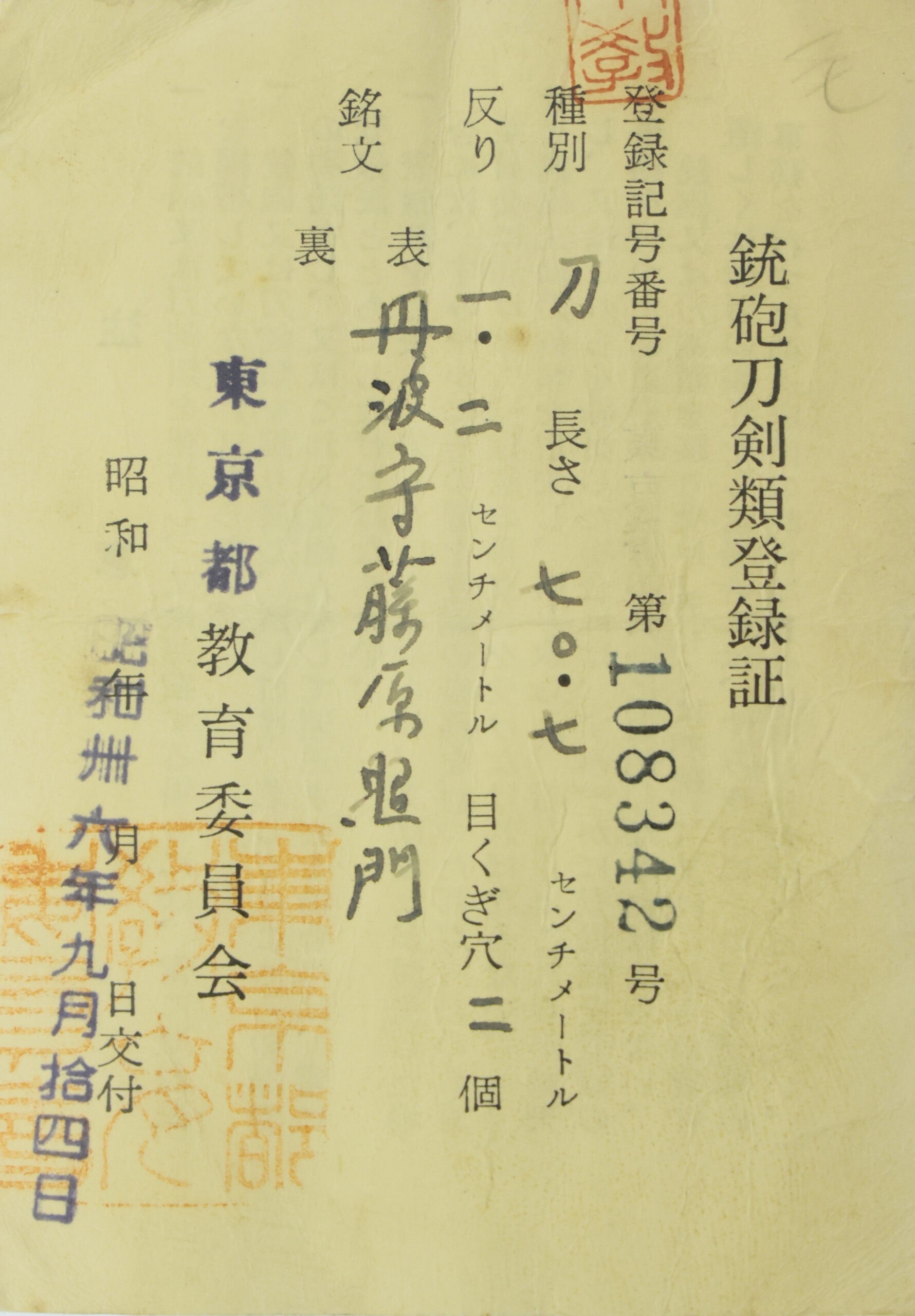
This blade was signed by Tanba no Kami Fujiwara Terukado(丹波守藤原照門). He was a famous swordsmith in the early Edo period (1658-1684: Manji-Tenna era). Terukado belonged to Yoshisada School, one of the seven prestigious schools in the Mino province. He first signed as Kanekado on his works. When the master of his school, Ujifusa, moved to Nagoya city, he took over the position, and he became the head of all the schools in the Seki city, located in Mino province. He received the honorable title of Tanba no Kami in 1659 and changed his name from Kanekado to Terukado. His work was so popular among high-class Samurai that he sometimes forged swords in Edo city(today’ Tokyo) or Ise city (Mie prefecture). Isami Kondo, a famous Samurai, who played an important role in Shinsengumi at the end of the Edo period, also owned a Katana forged by Terukado. The MINO swordsmiths style, also known as MINO-DEN, basically has the TOGARI(Pointed shapes protruding from the Hamon )in a classic straight line and random temper line with some white Utsuri. MINO-DEN had its origin from YAMATO-DEN in the late KAMAKURA period(1280-1330). It flourished in the MUROMACHI period(1333-1573) and continued until the EDO period(1603-1868). MINO-DEN especially prospered during Sengoku Jidai(Warring State period) due to the high demand for weapons. And the location of Mino province beat others. Akechi Mitsuhide controlled Mino province, and Nobunaga Oda ruled Owari province. Tokugawa Ieyasu was the lord of Suruga (Neighboring areas). There was high demand from those powerful feudal lords and their retainers. Furthermore, so many wars occurred between the Kanto region and the Kyoto area. Mino is located in the middle, making feudal lords feel convenient to order swords from MINO-DEN. The blades forged in MINO provinces also had the reputation of its practical design and sharpness. Many feudal lords demanded swords forged in the Mino province. The tradition of excellent sword forging skills had been passed to the Edo period, and Terukado is a good example. It is appraised as a Tokubetsu Hozon Token (特別保存刀剣) issued by NBTHK (Nihon Bijutsu Touken Hozon Kyokai:日本美術刀剣保存協会). Fuchi-Kashira The theme of this fuchi-kashira also features a horse motif, similar to the menuki. Delicate gold inlay highlights the eyes and parts of the body, adding an elegant touch to the design. Tsuka and Menuki The motif of this Menuki is the horse (馬: Uma). Horses have been around human life for a long time, not only as our food but also for transportation or carriage of luggage. In Japan, horses were thought of as vehicles for gods to be dedicated to shrines in ancient times. It is said it is the origin of Ema (絵馬, picture tablet used as an offering at a shrine) today. Horses had been used as a tool for rituals and festivals. After the age that Samurai appeared, wearing large armor or performing archery riding a hose became martial arts. Equestrian tactics became the pillar of military action and security activities. According to a theory, that is why the Japanese sword began to have a curve to make it suitable for slashing (the Japanese sword was straight in the beginning). Tsuba and Habaki This tsuba is a circular iron guard with a hammered surface and openwork design. Saya This scabbard is covered with black lacquer. Due to its high waterproof effect, lacquer has been used since ancient times in Asia. The blade of a Japanese sword is made of iron, and moisture is the greatest enemy of iron. For the purpose of carrying the blade without degrading it, people devised a method of coating the scabbard with lacquer. To prevent not only moisture but also rain and snow from penetrating the inside of the scabbard, it was necessary to apply multiple layers of lacquer. The Nurushi (塗師, lacquerers) was born precisely because advanced techniques were required to handle the complicated processes. Authentication Paper They authenticated the blade on May 28th in the 7th year of Reiwa (2025). They appraised it as Tokubetsu Hozon Touken, the blade especially worth preserving for Japanese society.
照門Terukado
取扱店 サムライミュージアム

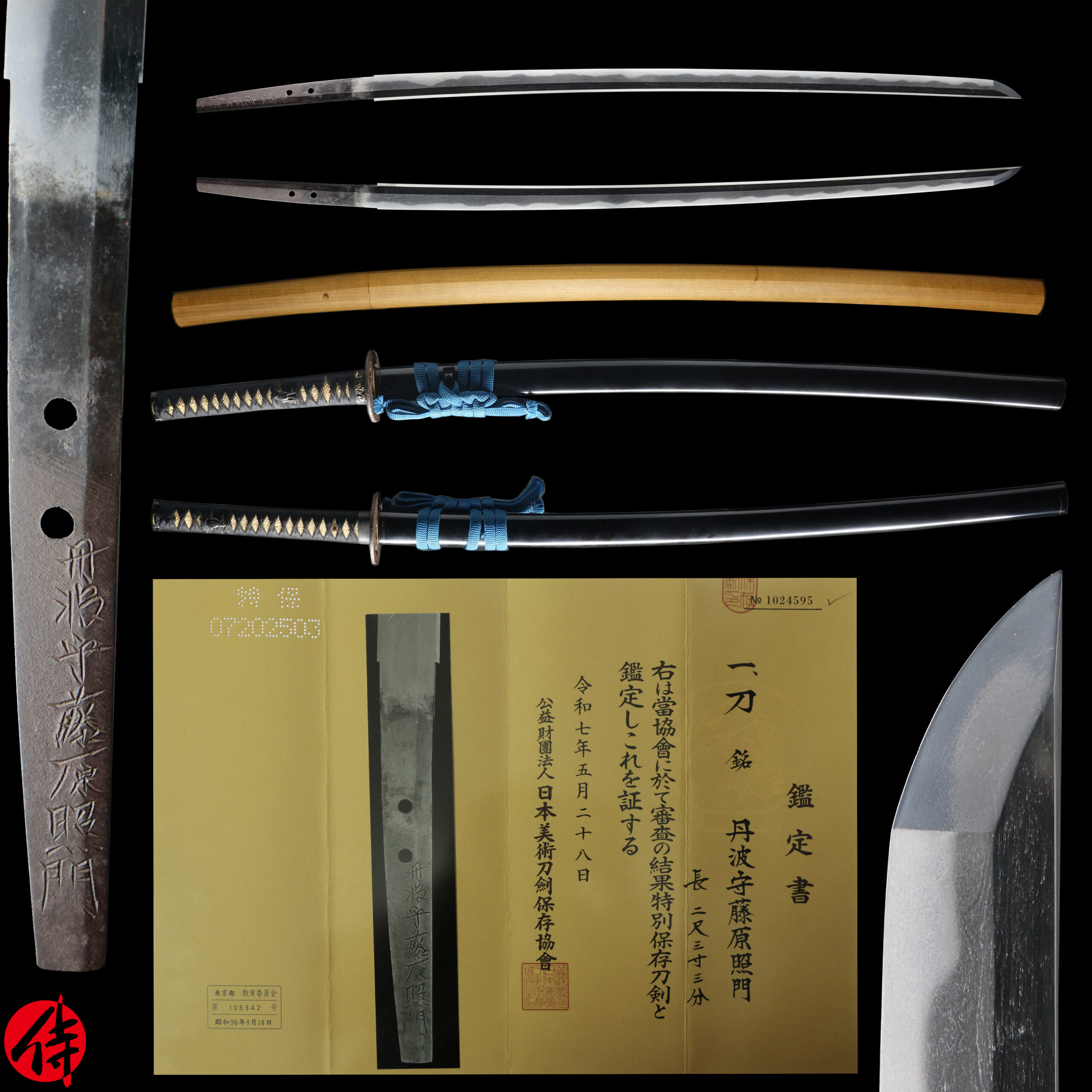
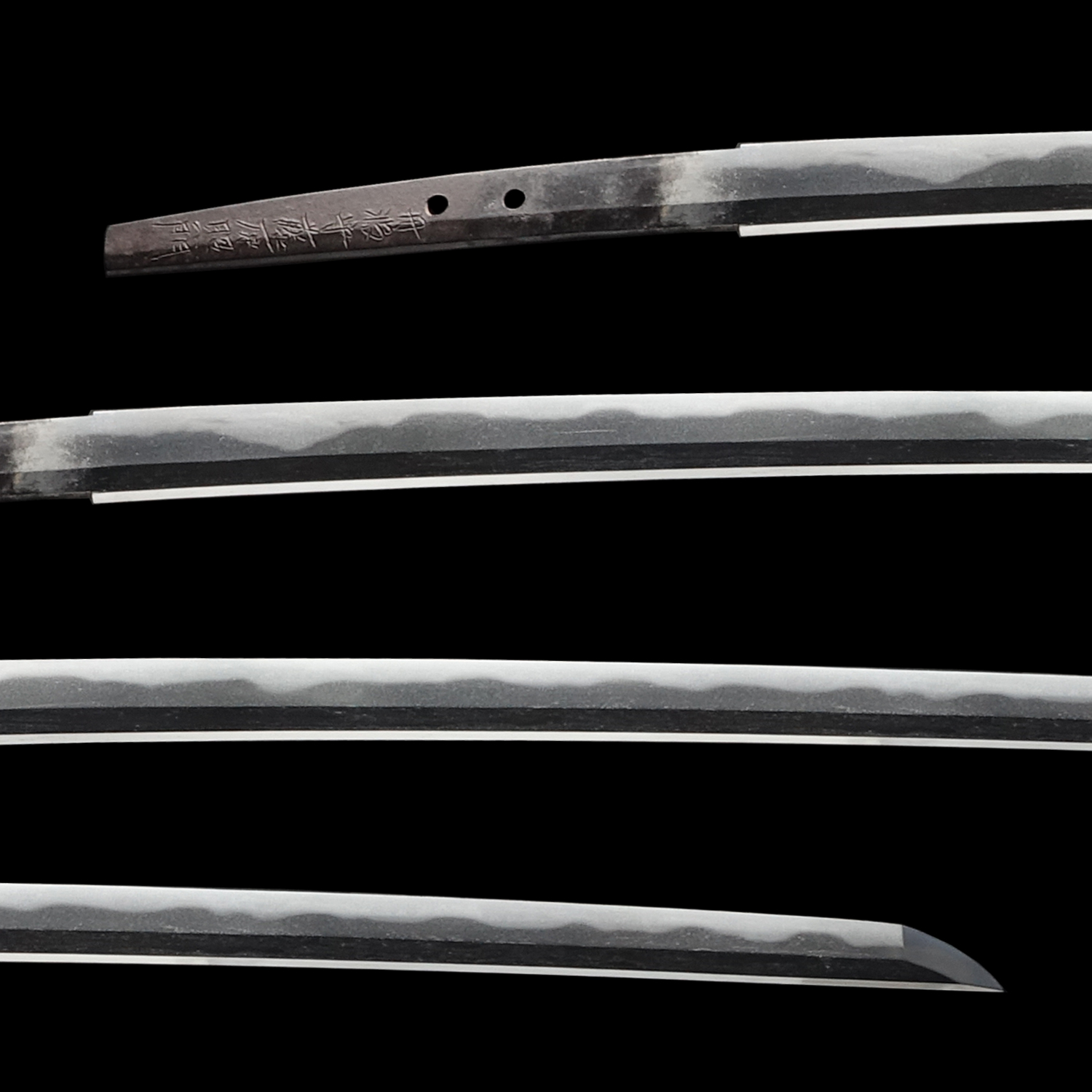
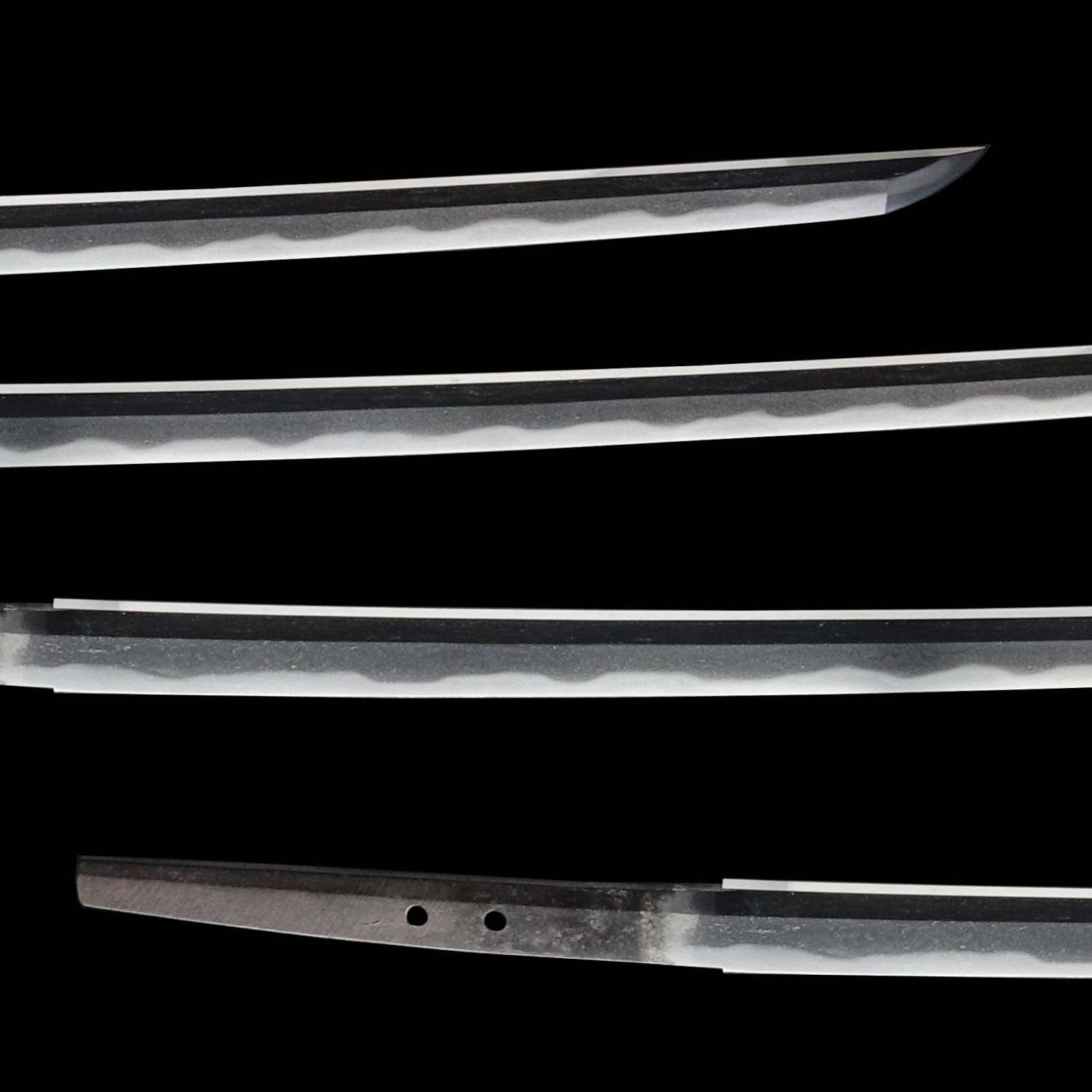
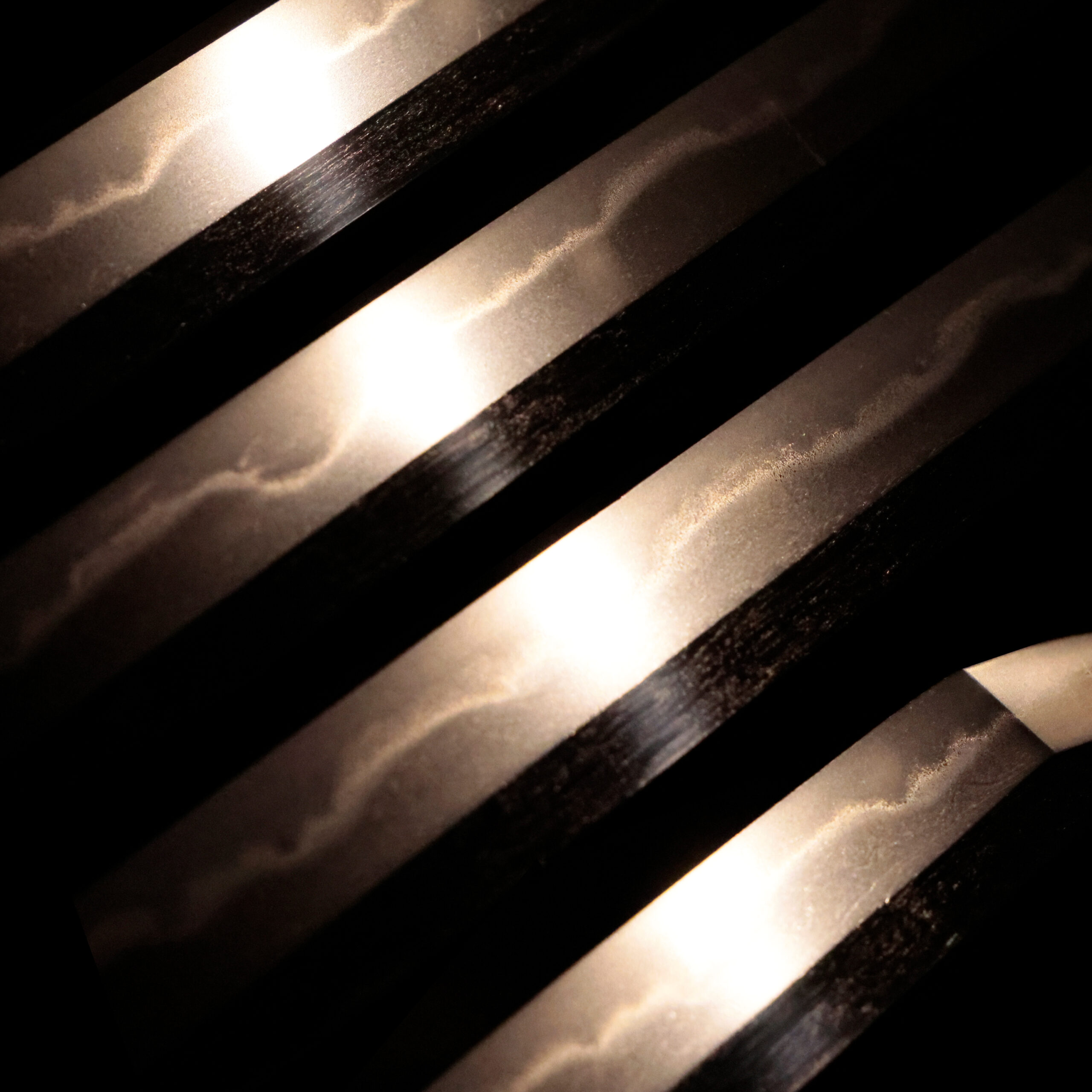
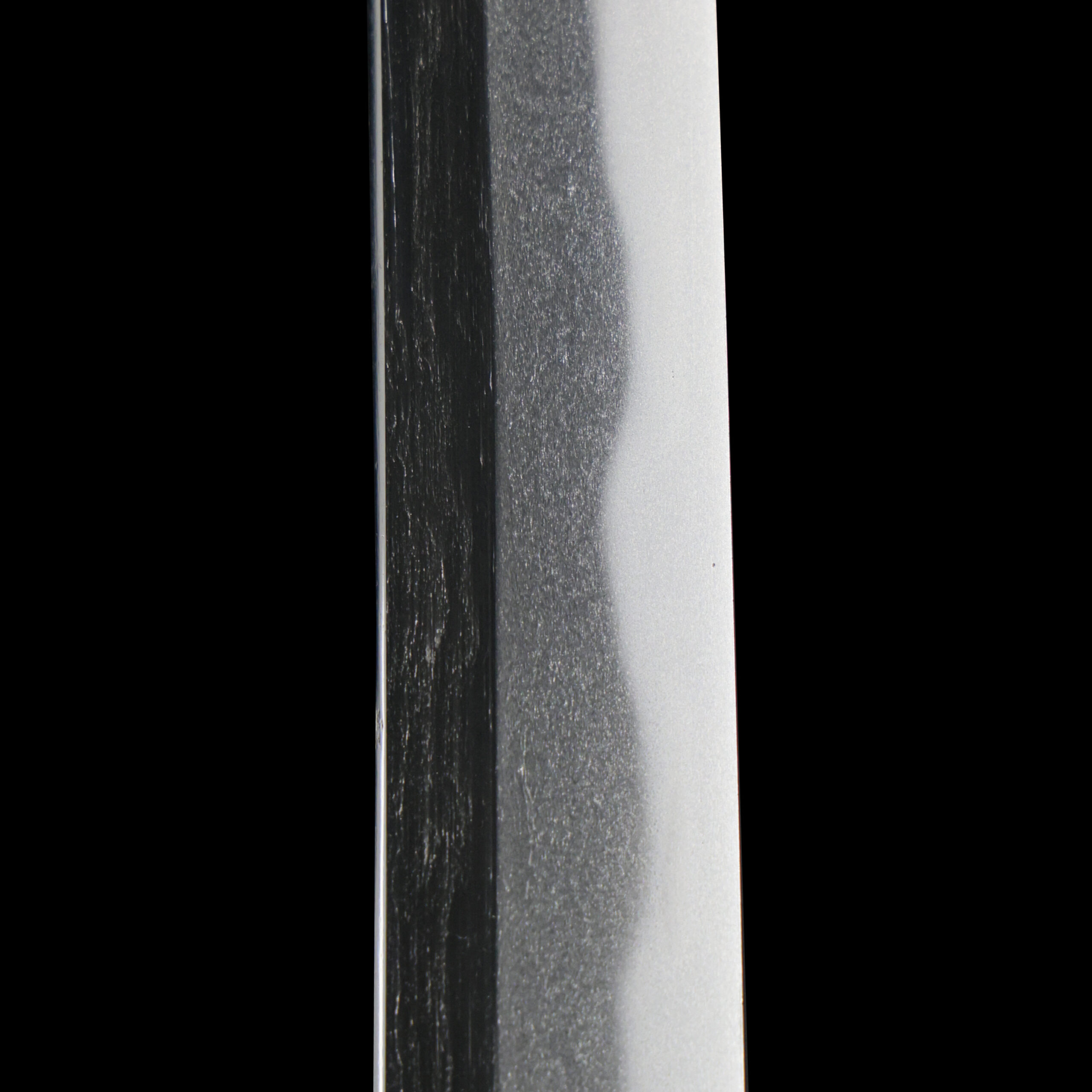
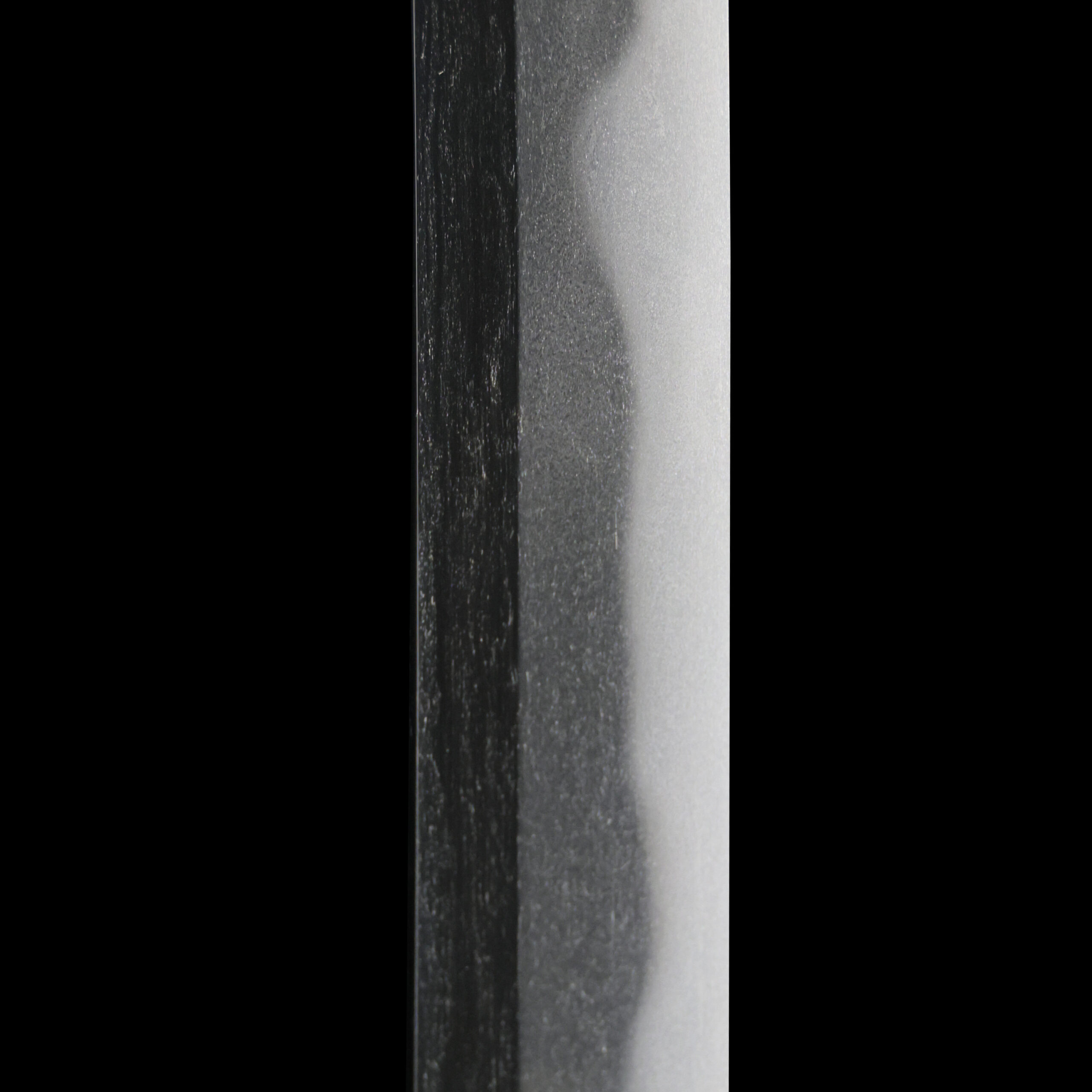
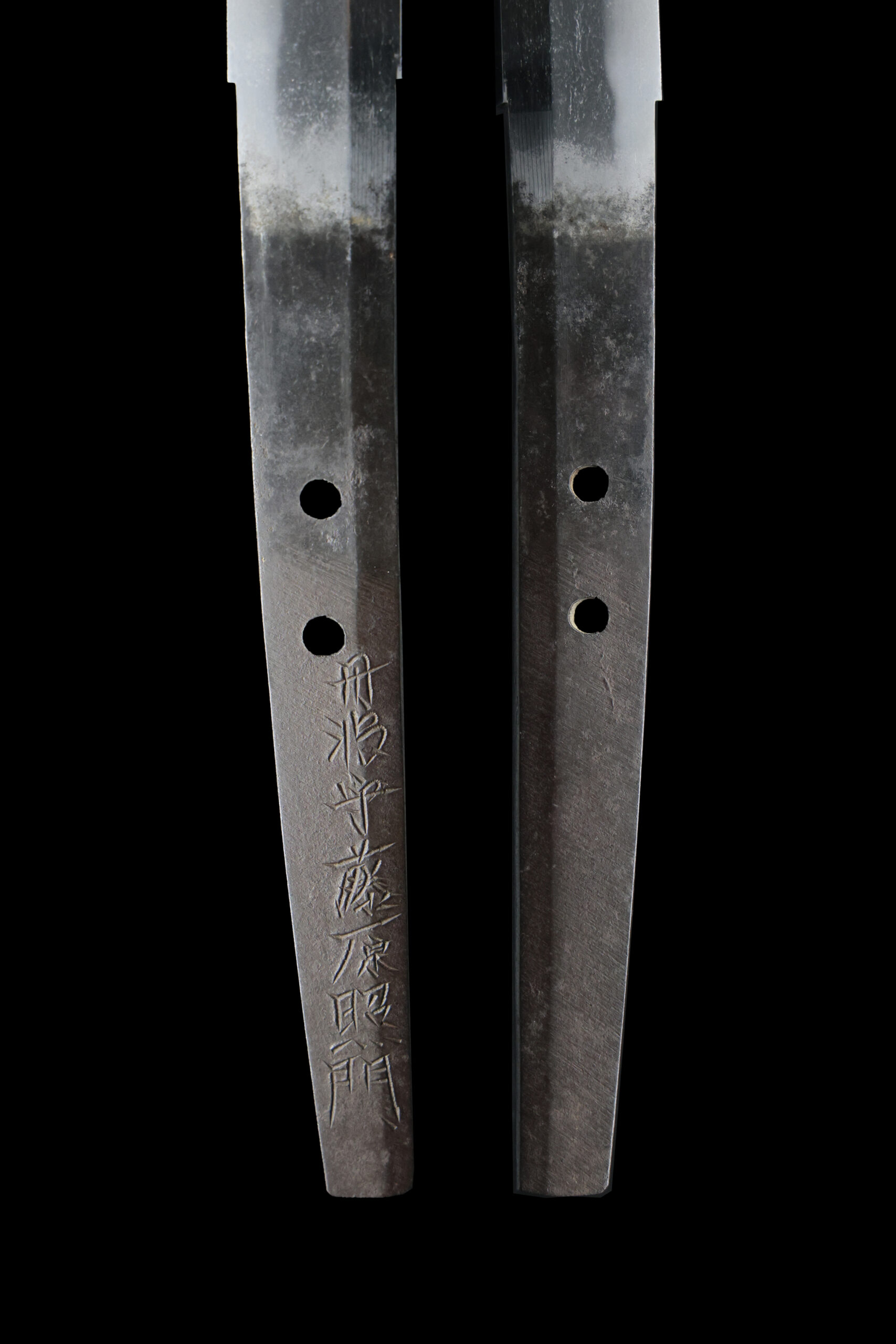
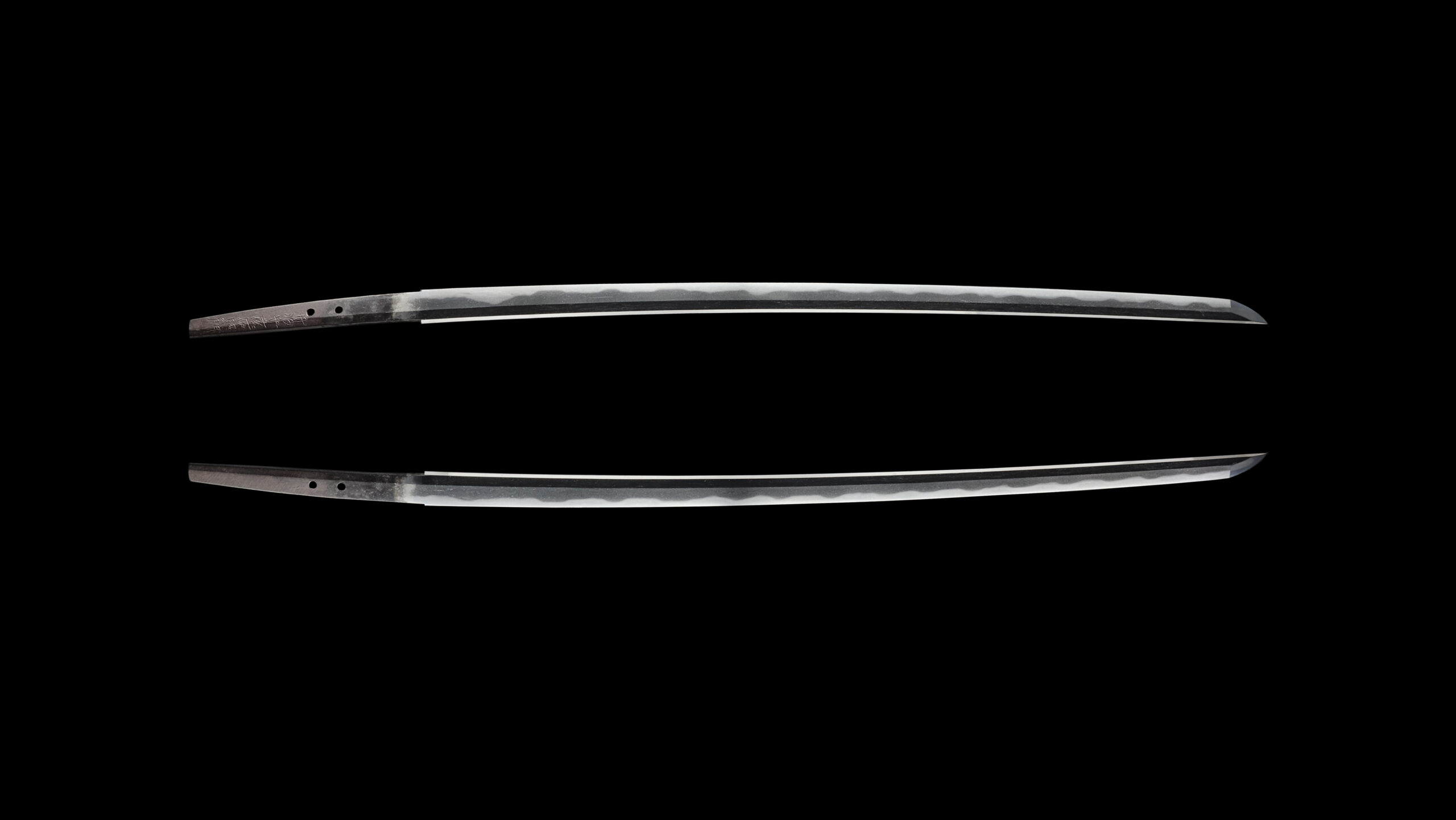
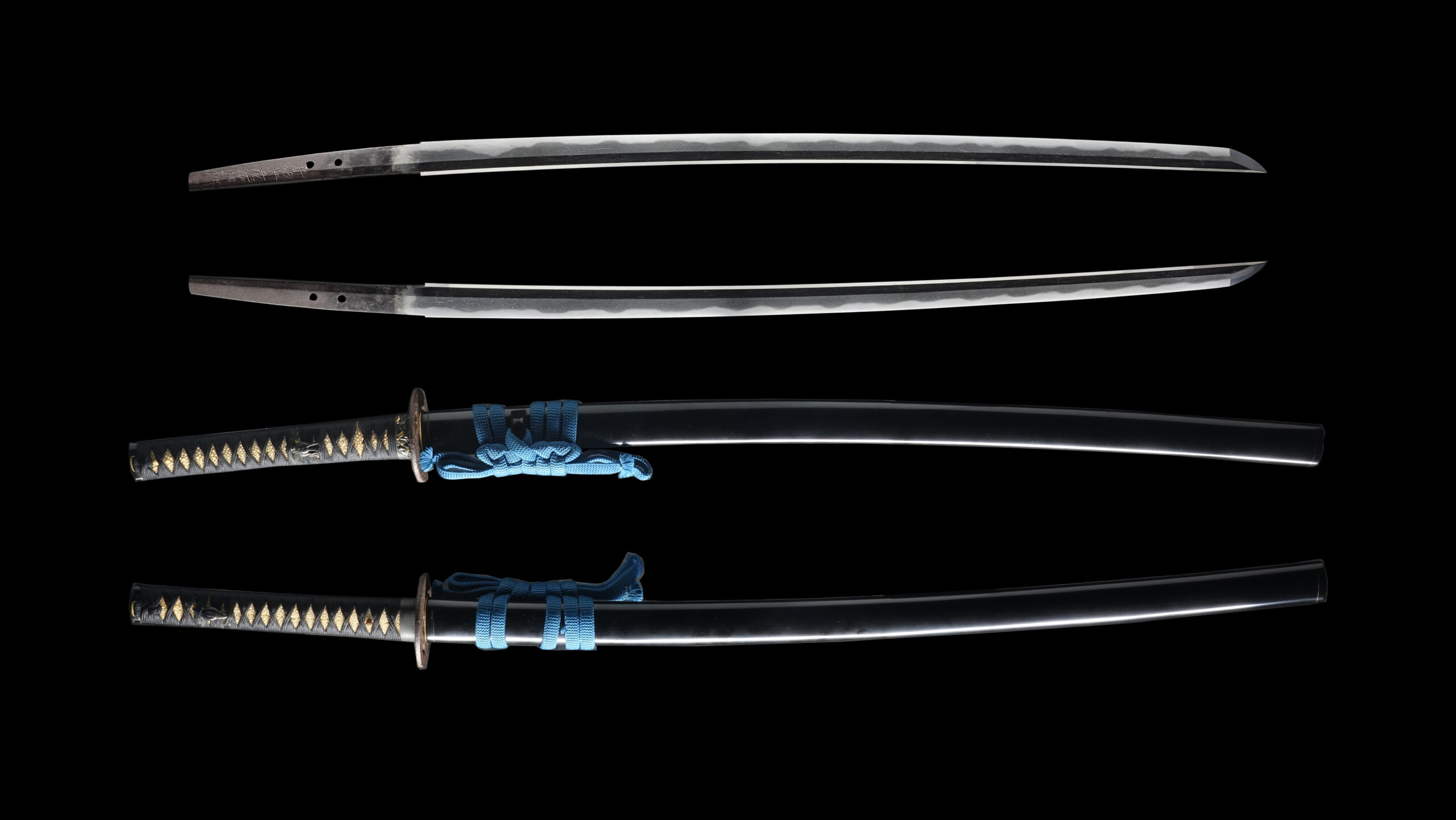
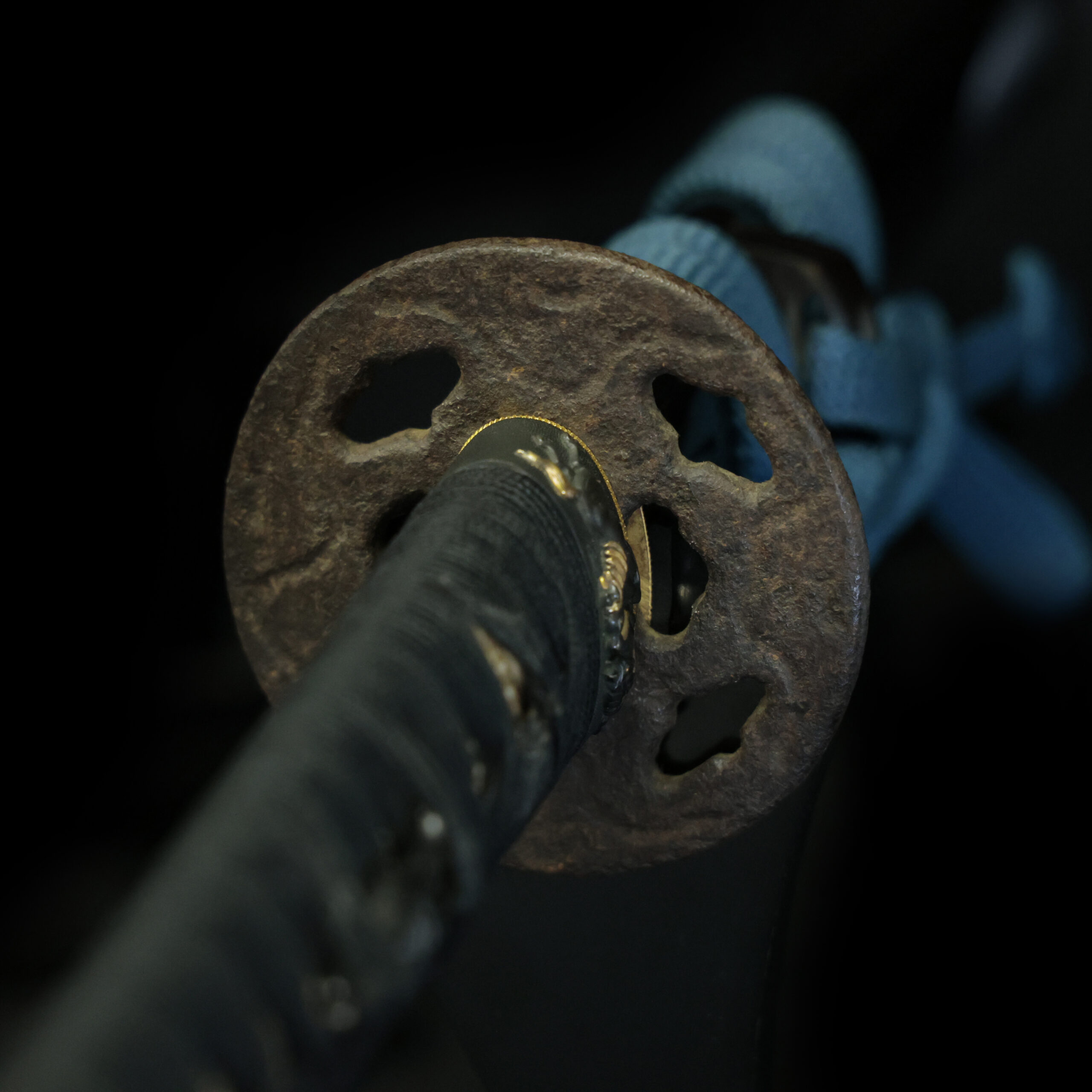
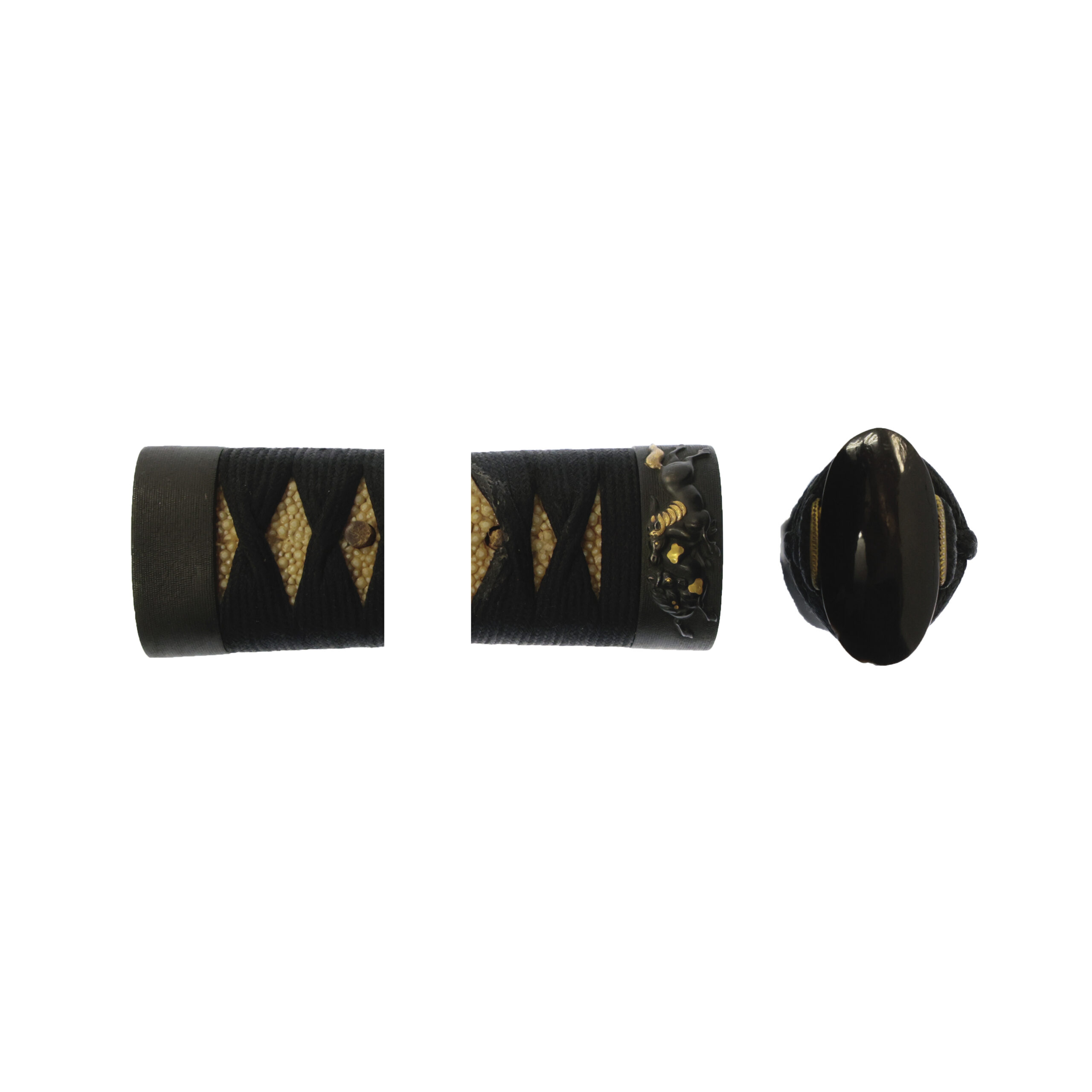
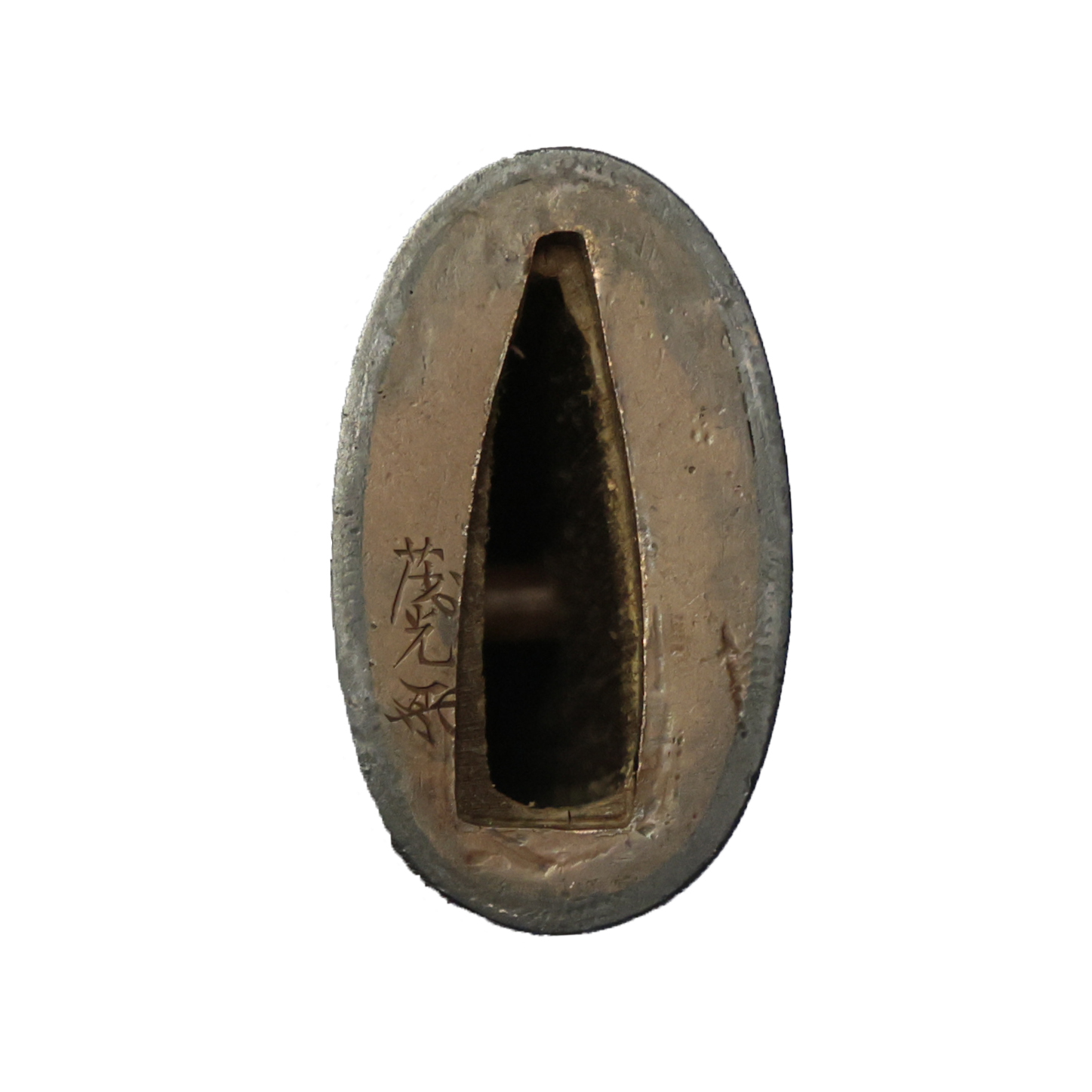
販売店の記載のまま
美濃 · 1658-1661頃
藤代 上作 · 刀剣大鑑 上位63%
現在1点販売中
江戸時代
江戸は刀の目利きの時代である。本阿弥の鑑定、1719年の享保名物帳、盛んな刀剣書が、戦で抜かれることのなくなった刀を学問の対象へと変えていった。
保存刀剣のうち、出来が一層優れ、保存状態も良好と認められたものです。再刃や、室町・江戸期の多くの無銘作は対象外となり、保存刀剣より高い基準が課されます。
日本美術刀剣保存協会(NBTHK)は、1948年に設立され、文化庁の監督を受ける公益財団法人で、東京・刀剣博物館に本部を置きます。専門の審査員が出品作を直接審査し、美術的・歴史的価値に応じた鑑定書を発行します。NBTHKの鑑定書は、日本刀および刀装具の真正性を示す最も広く認知された基準です。
NBTHK公式サイトReturns/exchanges limited to defects caused by shipping (except willful misconduct or gross negligence by the company); customers must contact within 72 hours of receiving the product.