江戸は刀の目利きの時代である。本阿弥の鑑定、1719年の享保名物帳、盛んな刀剣書が、戦で抜かれることのなくなった刀を学問の対象へと変えていった。
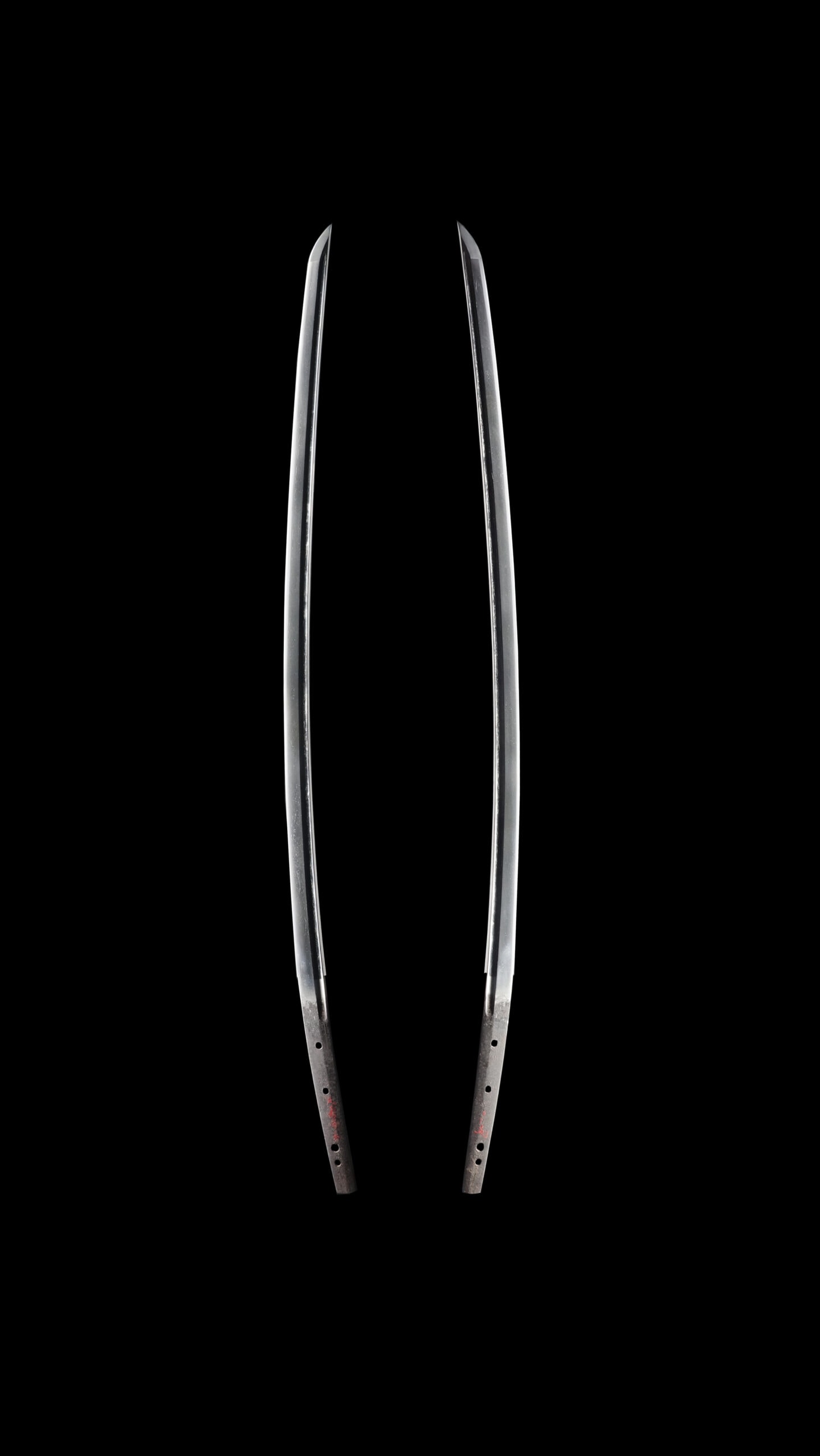
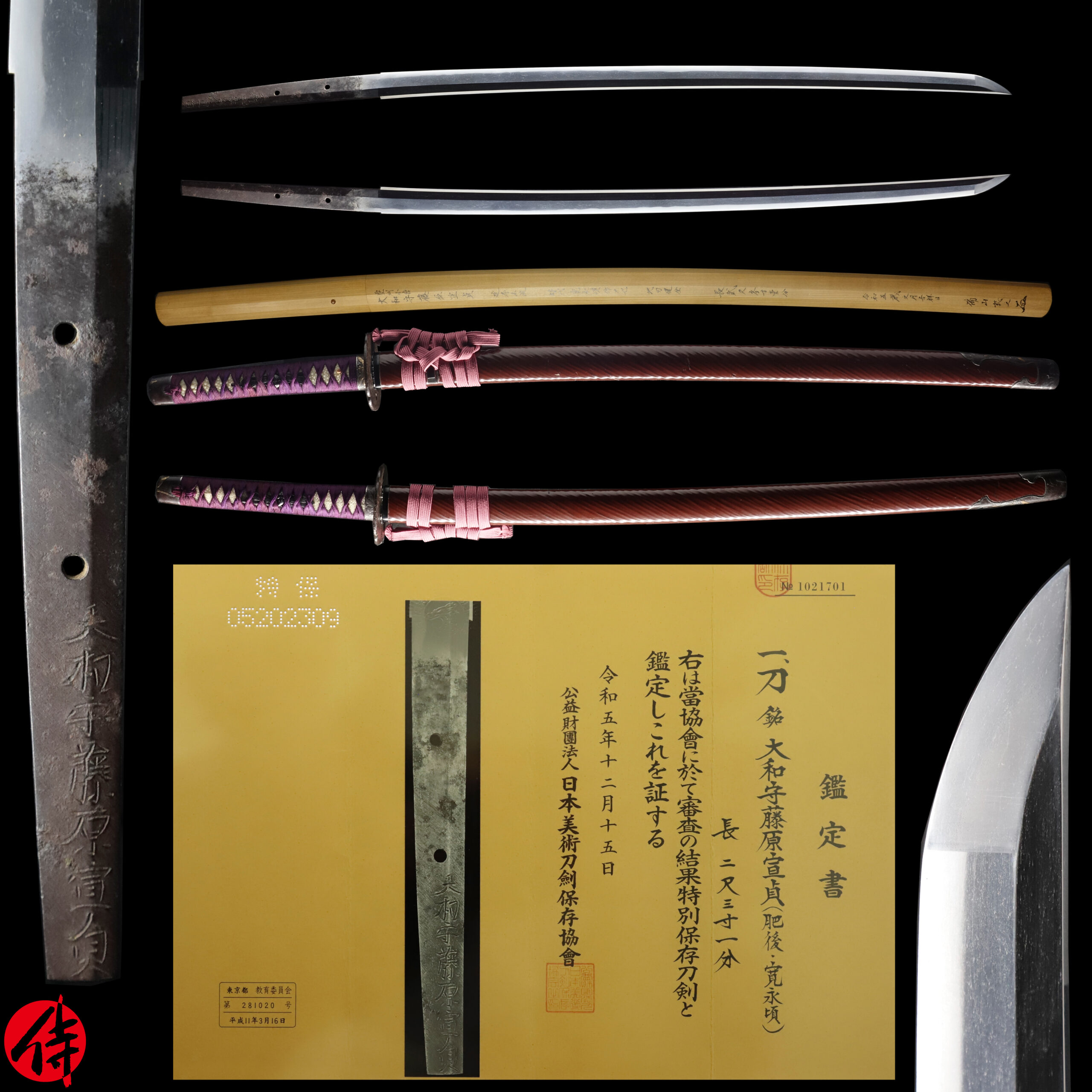
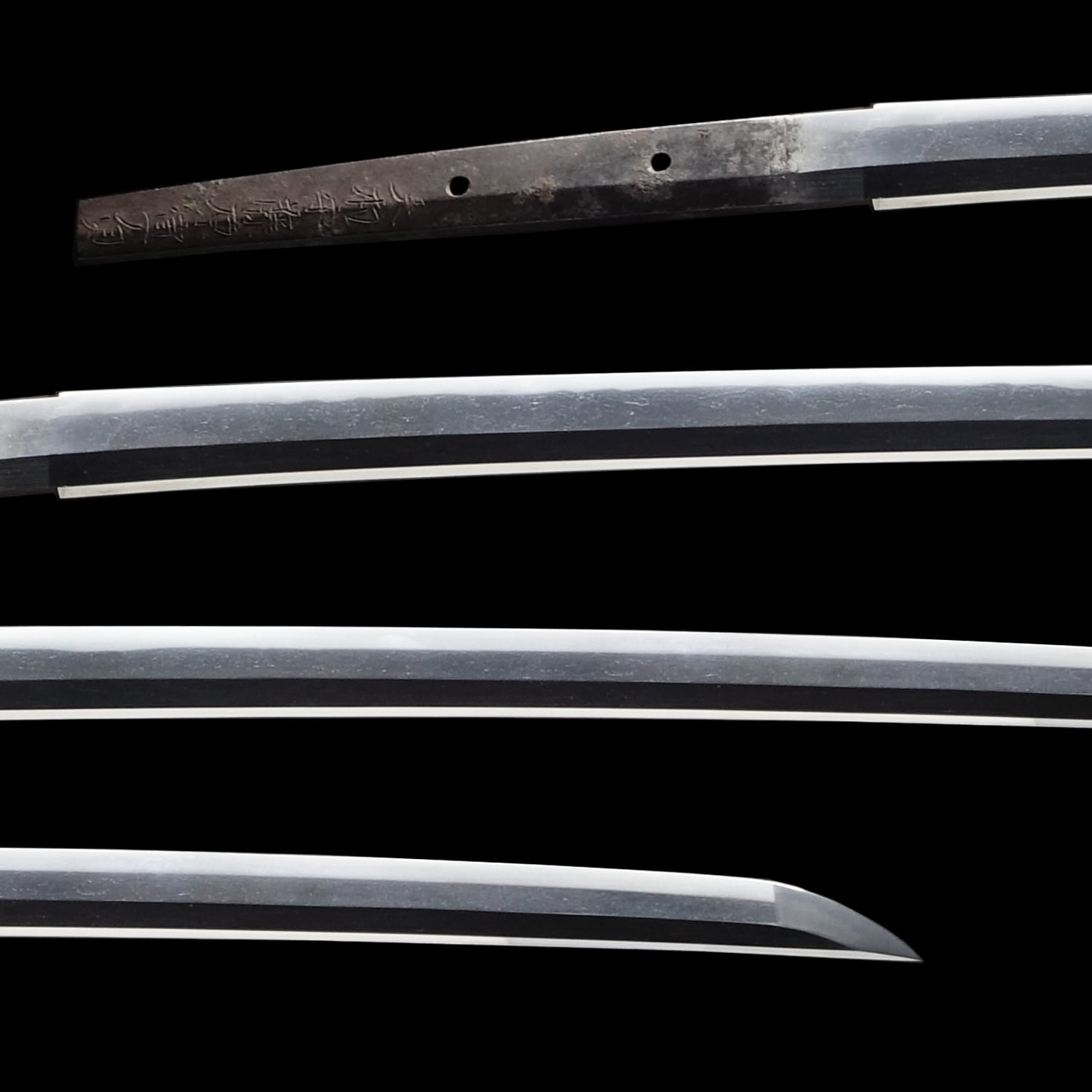
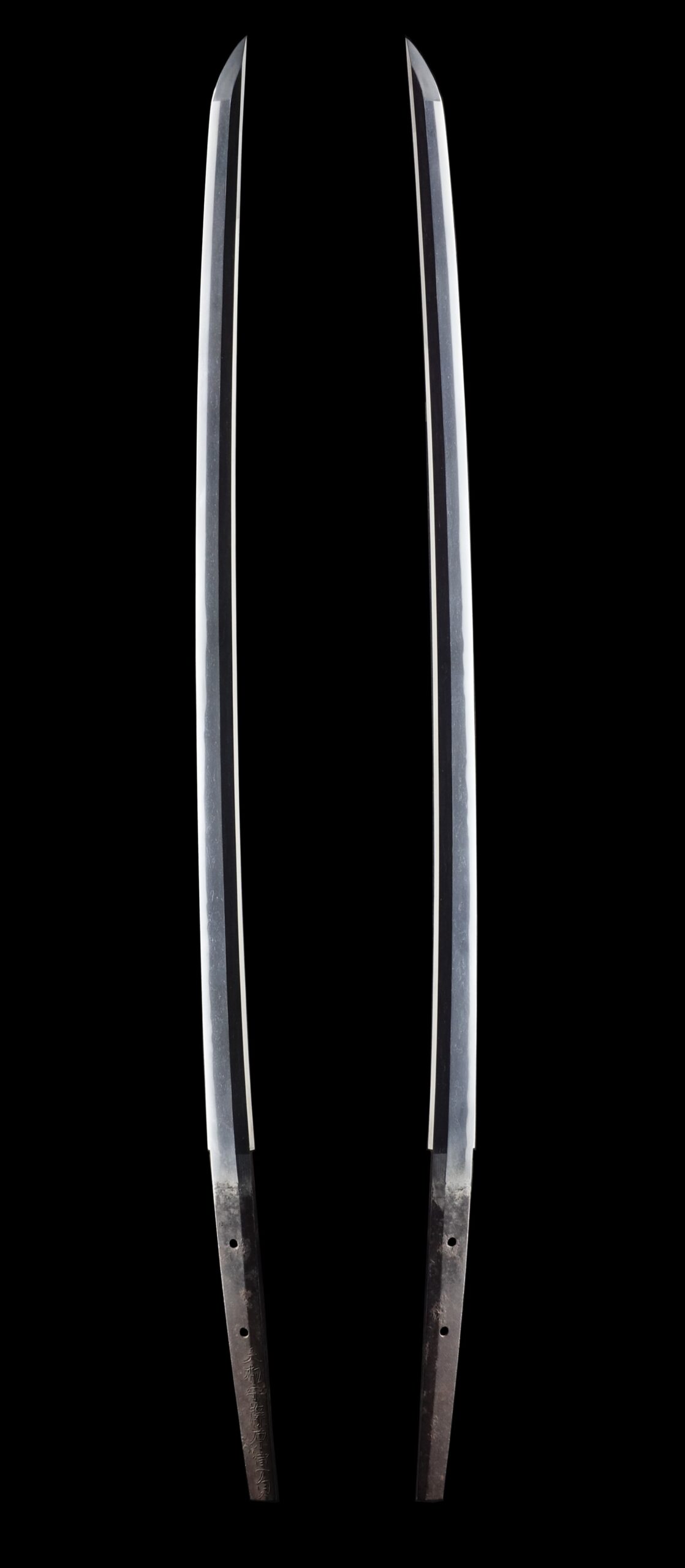
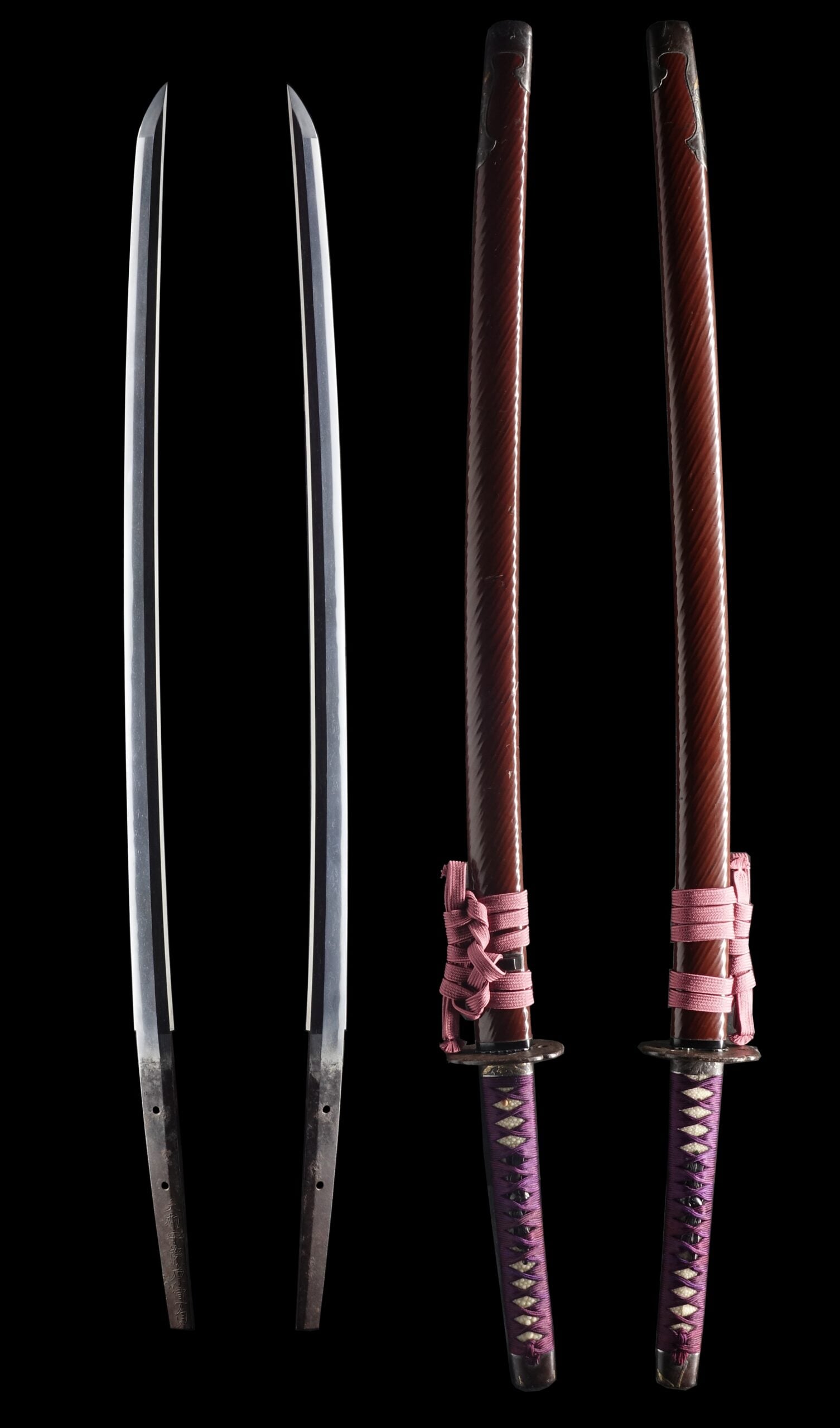
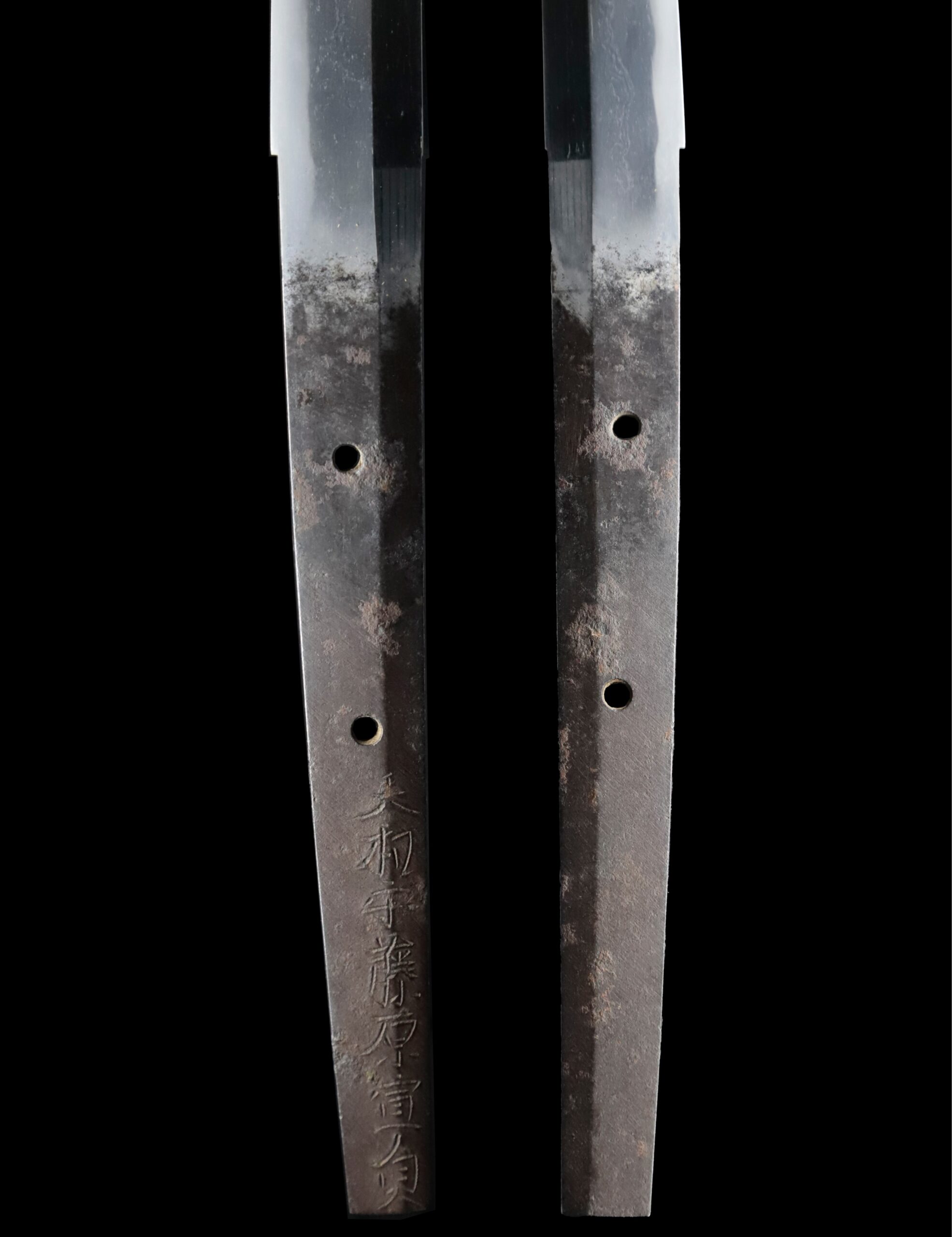
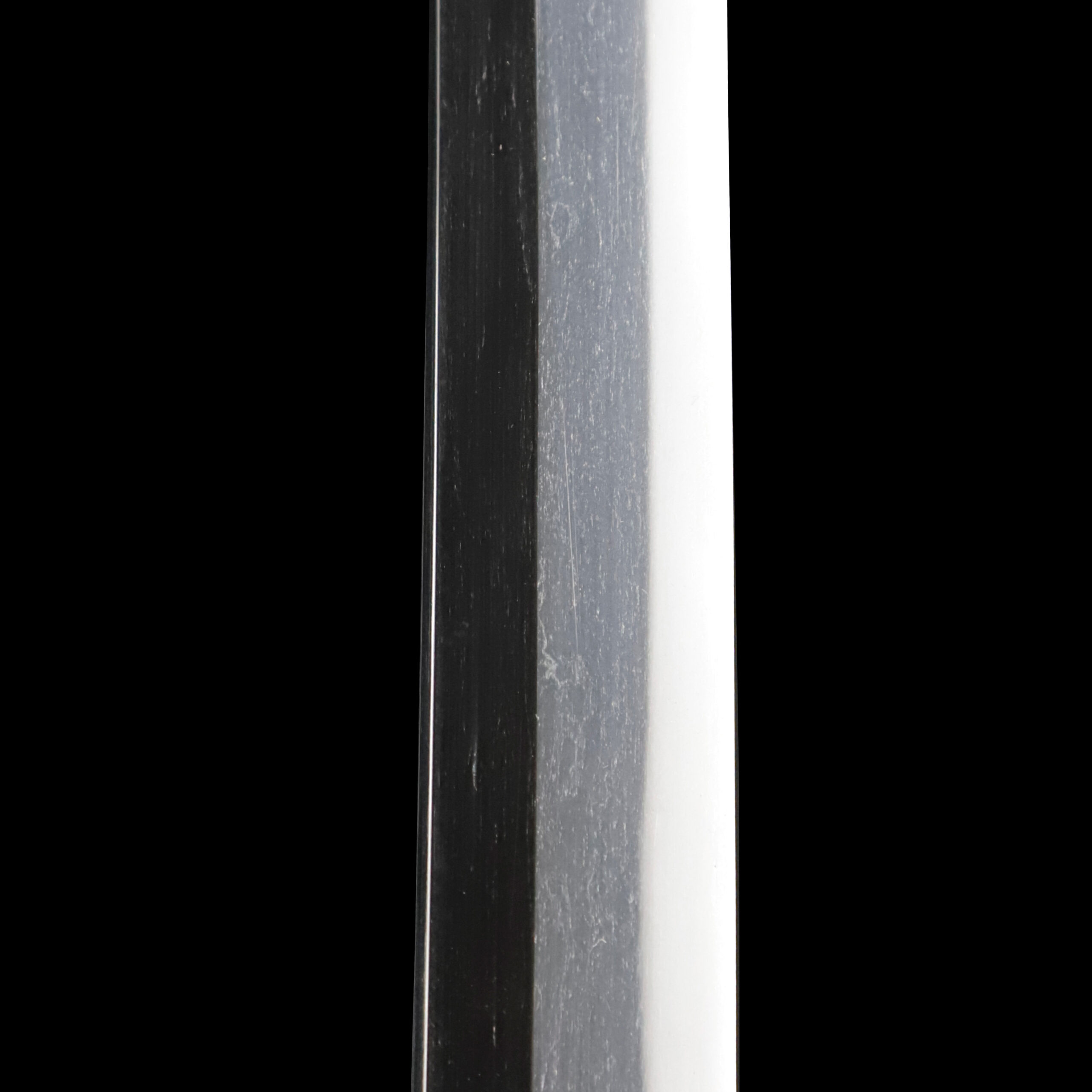
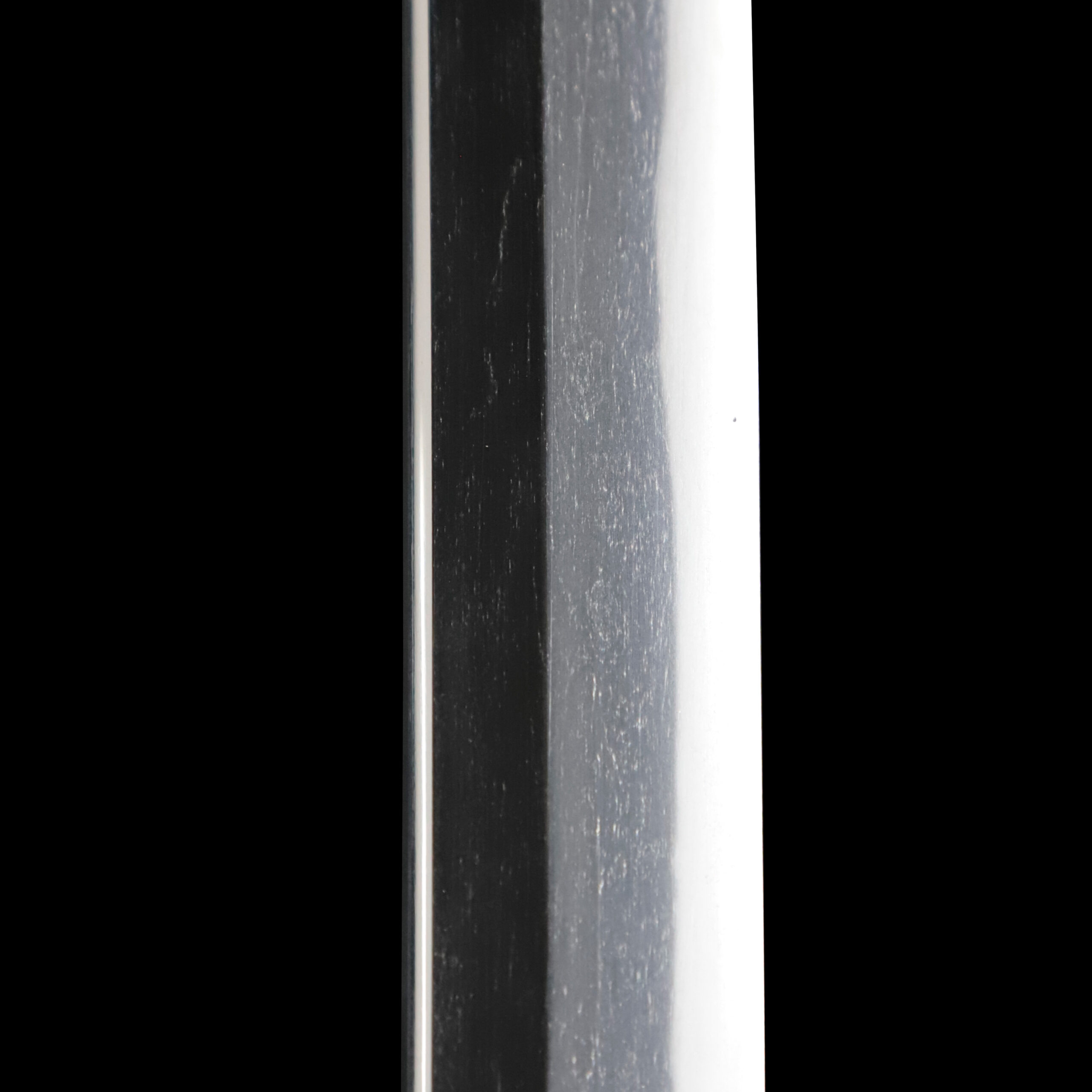
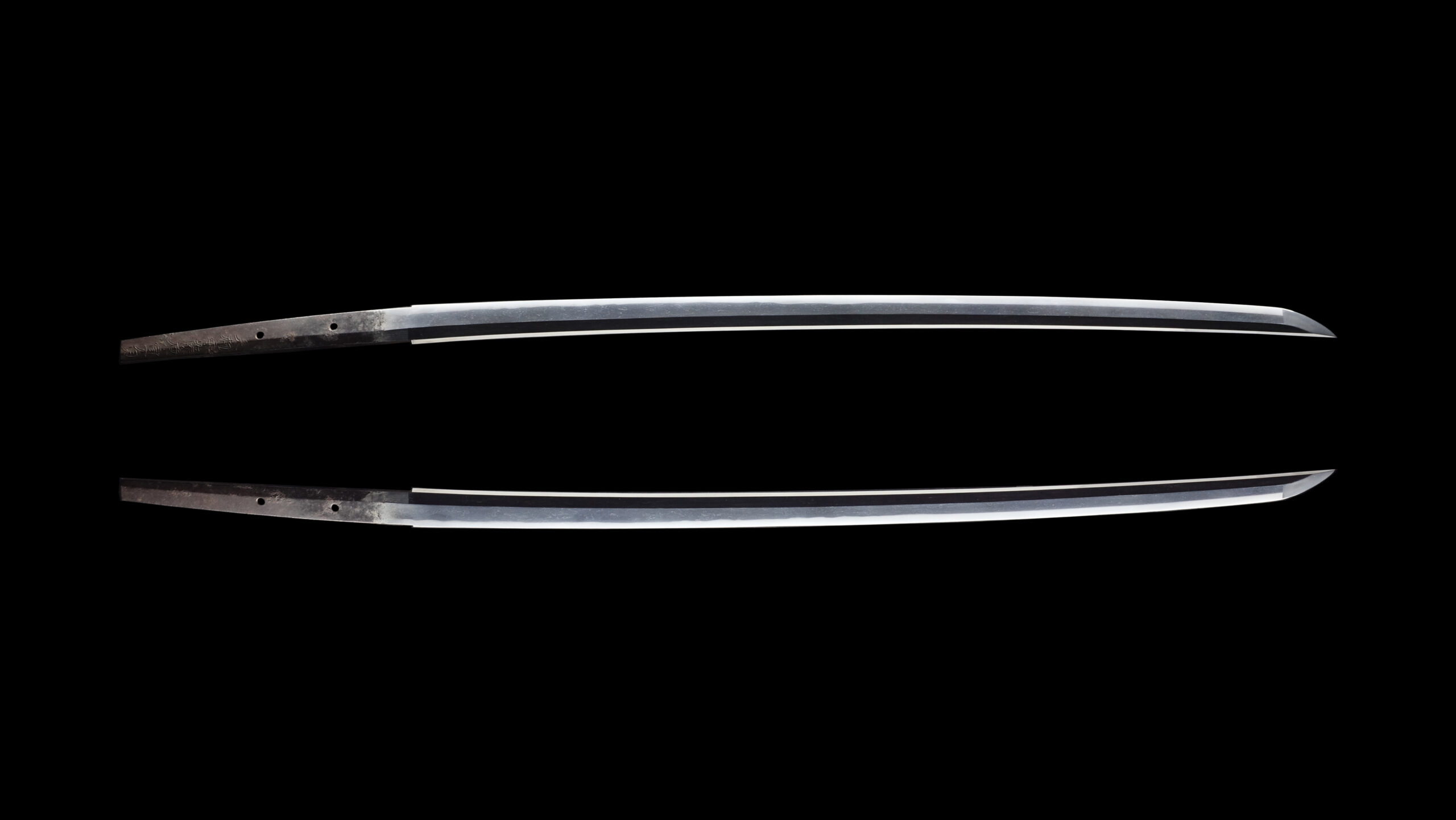
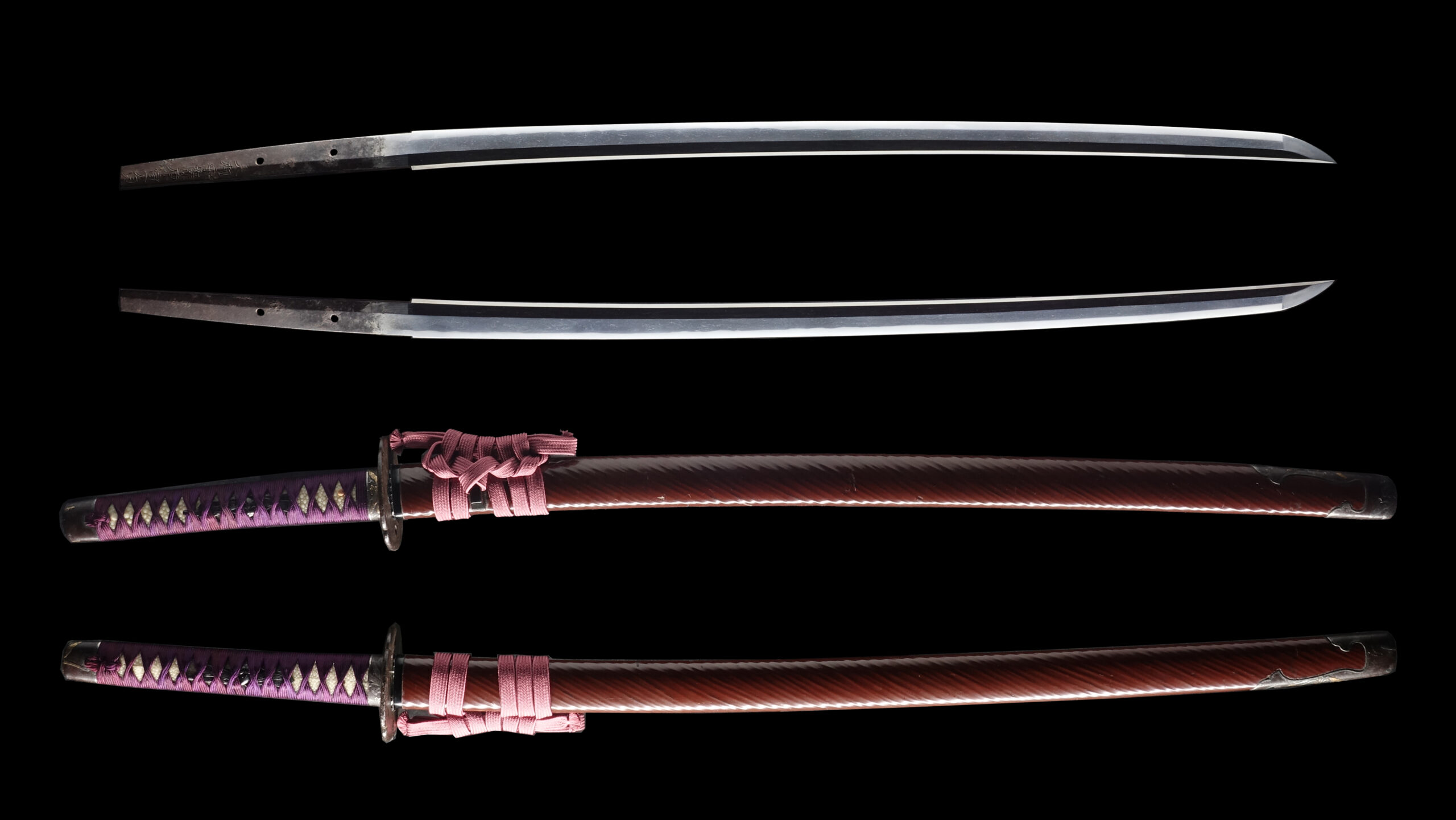
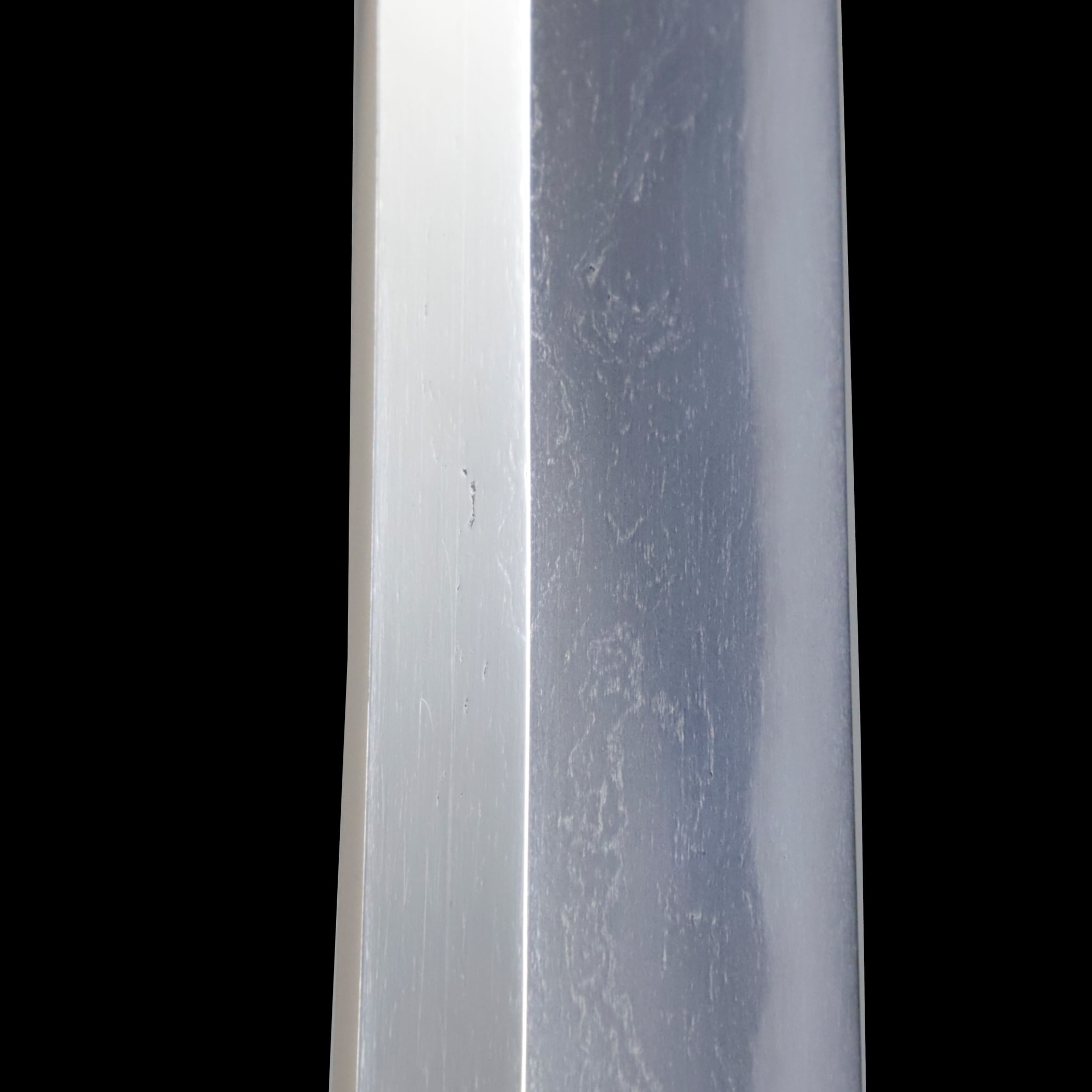
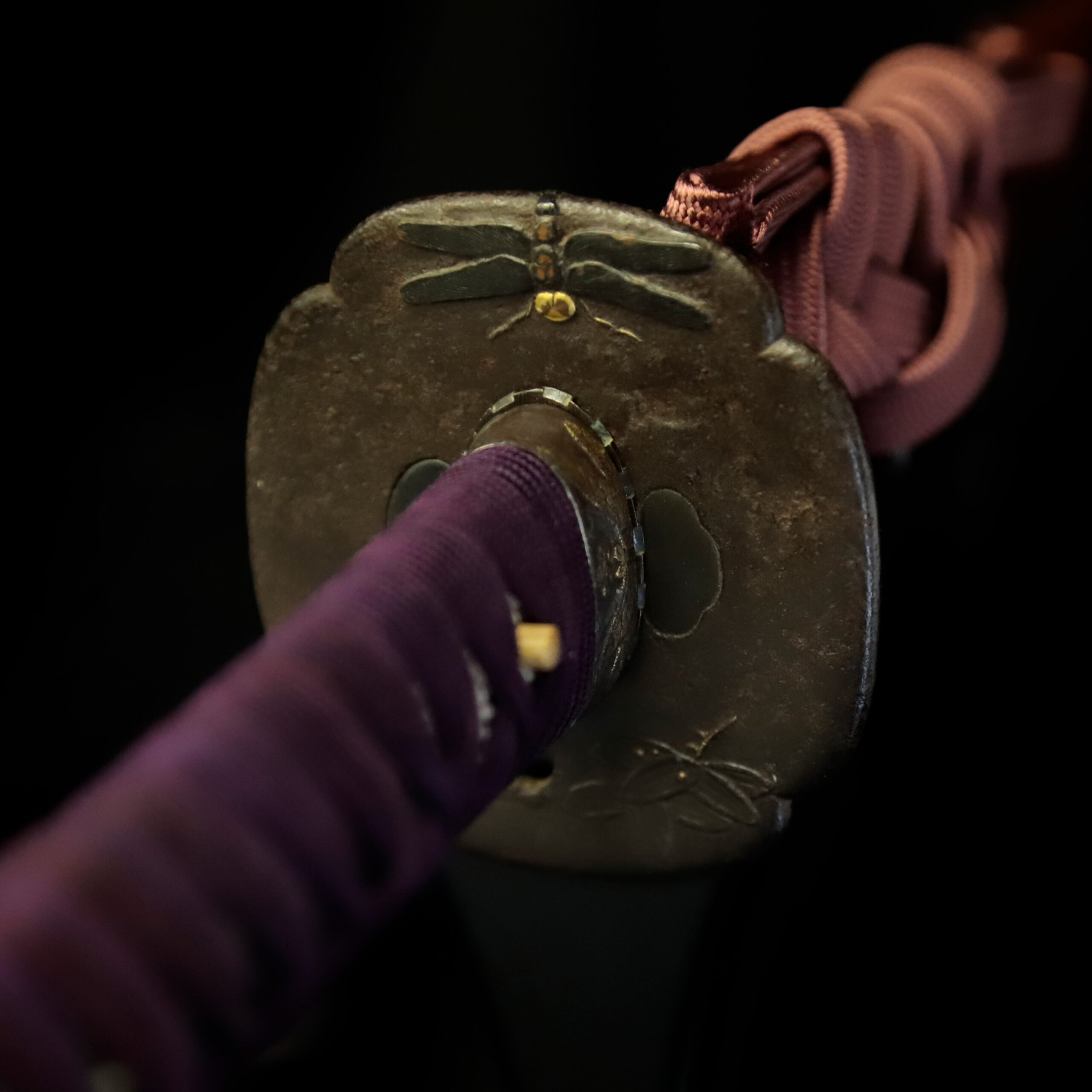
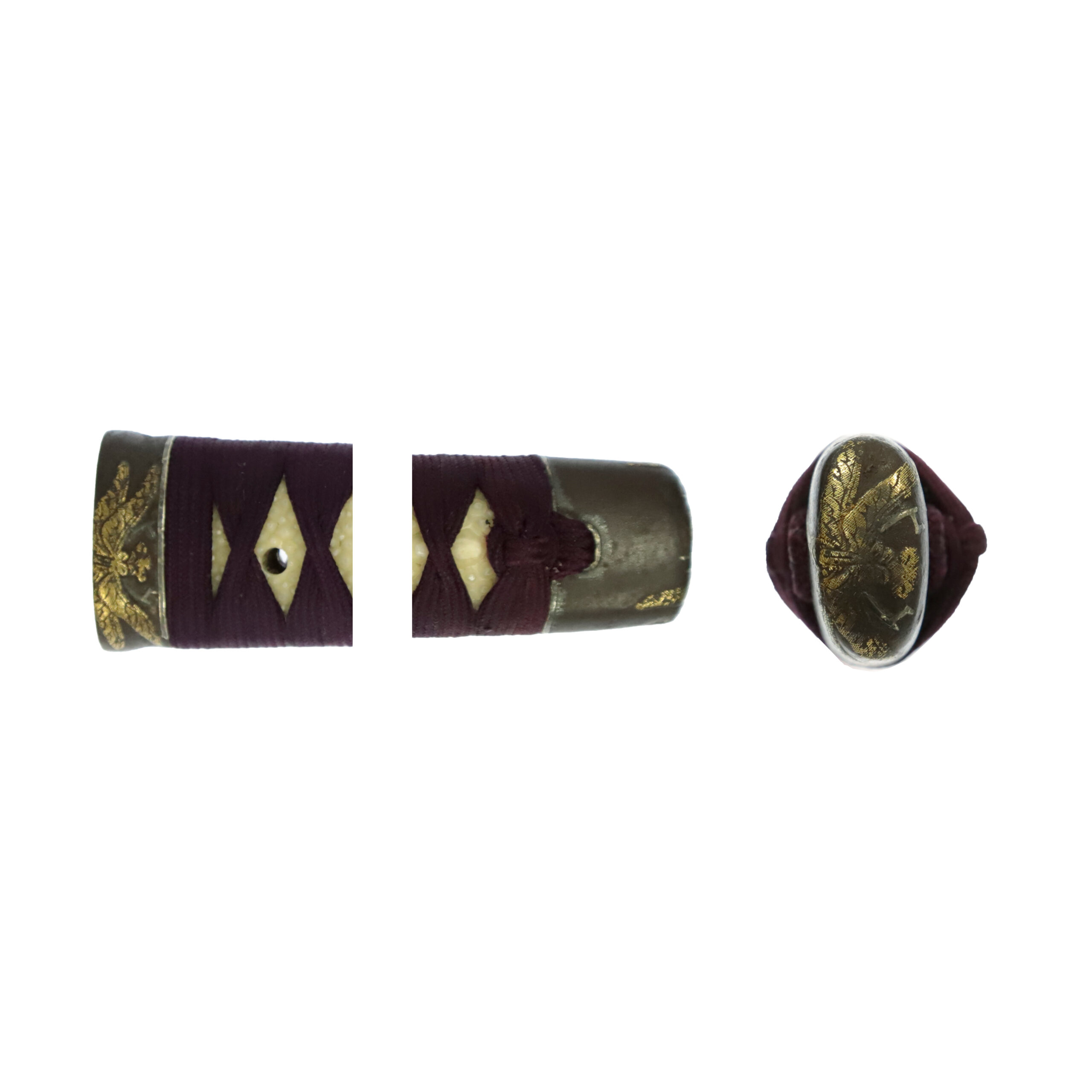
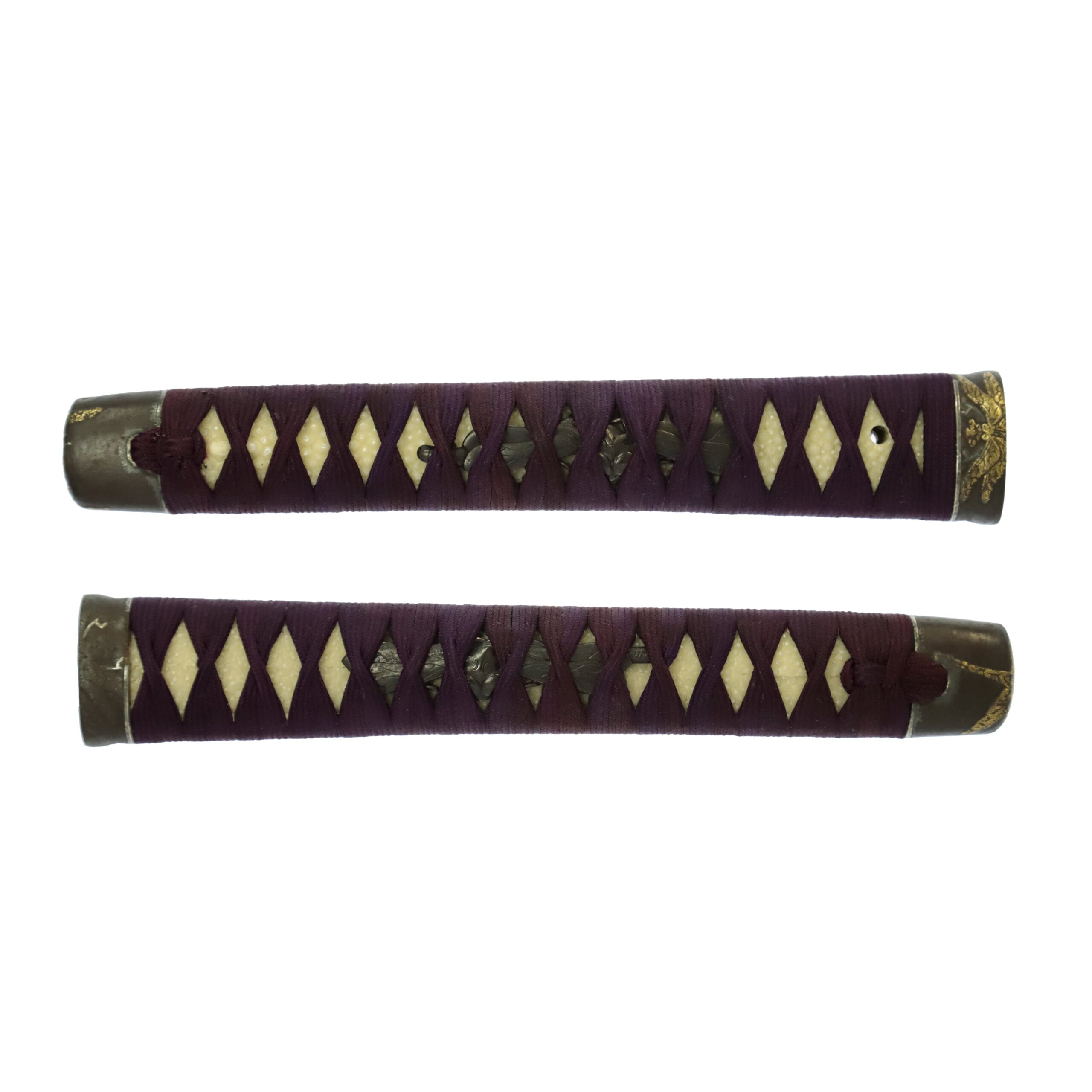
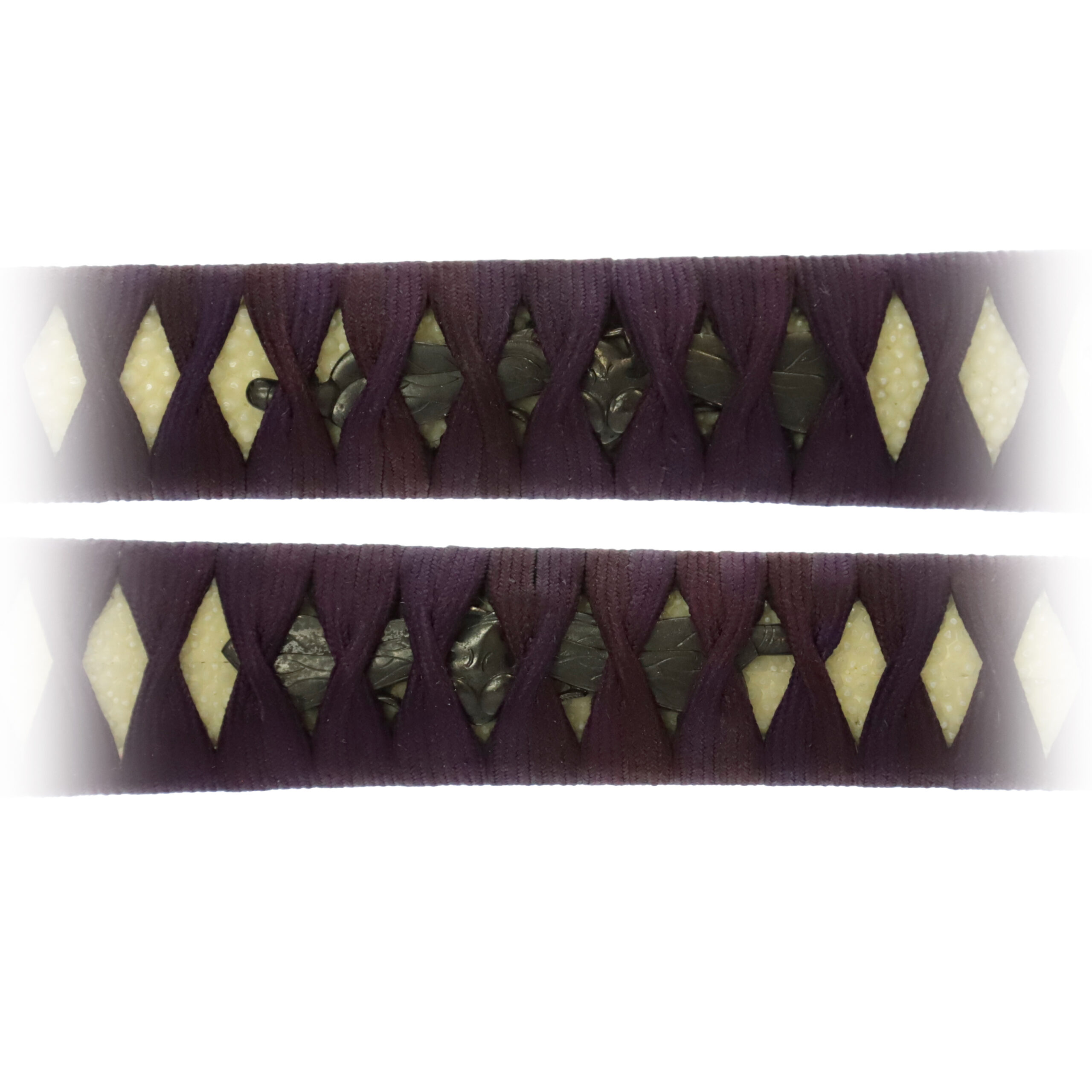
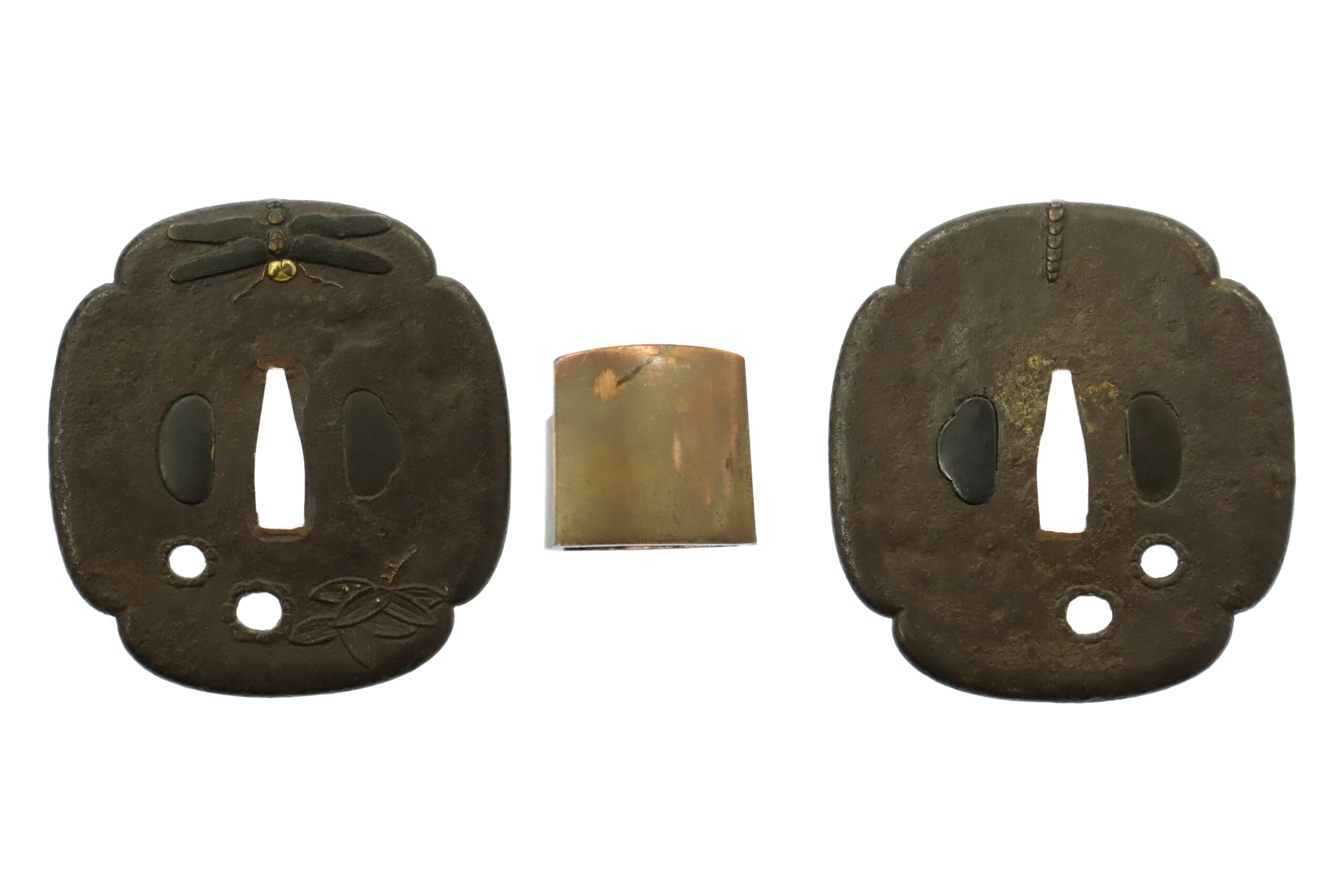
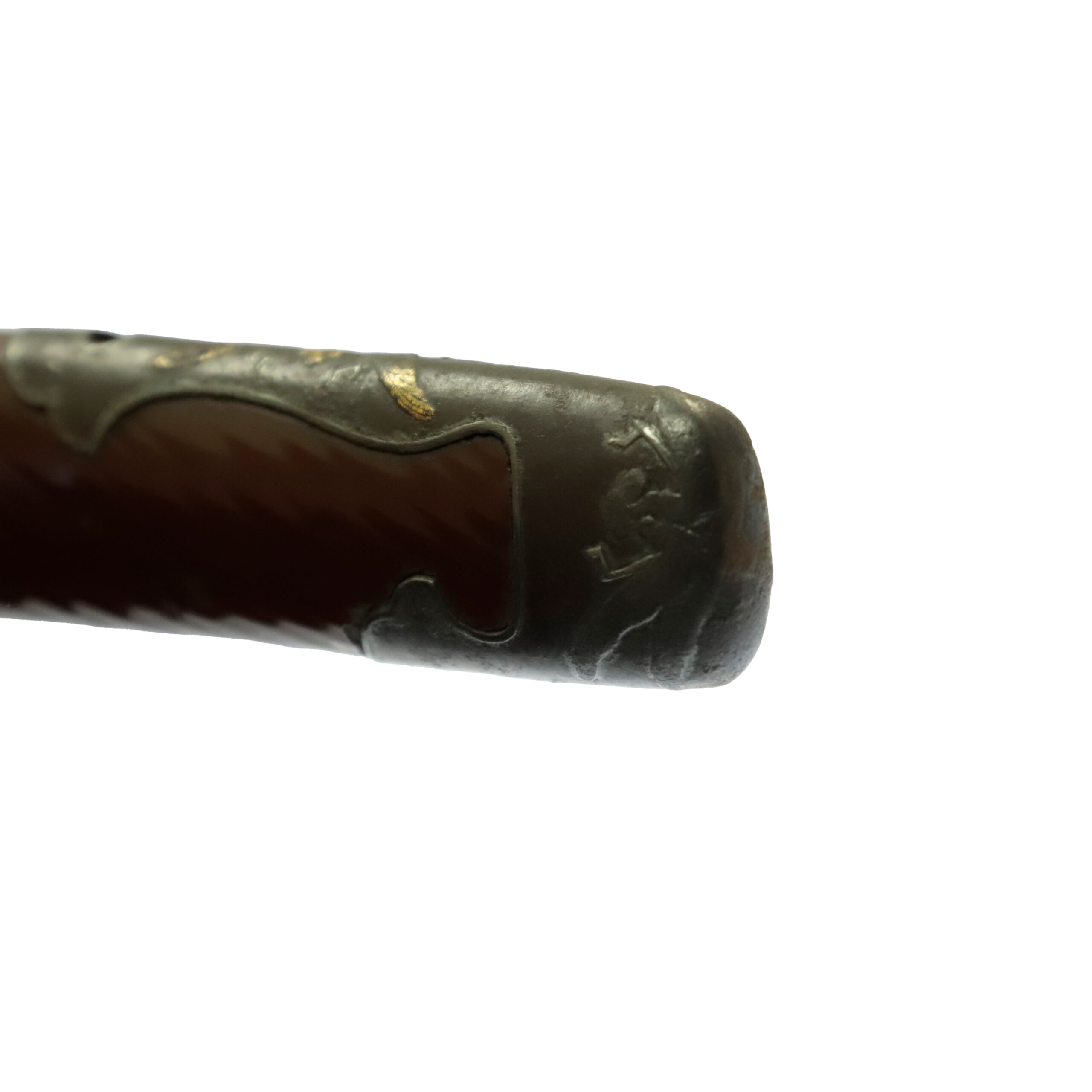
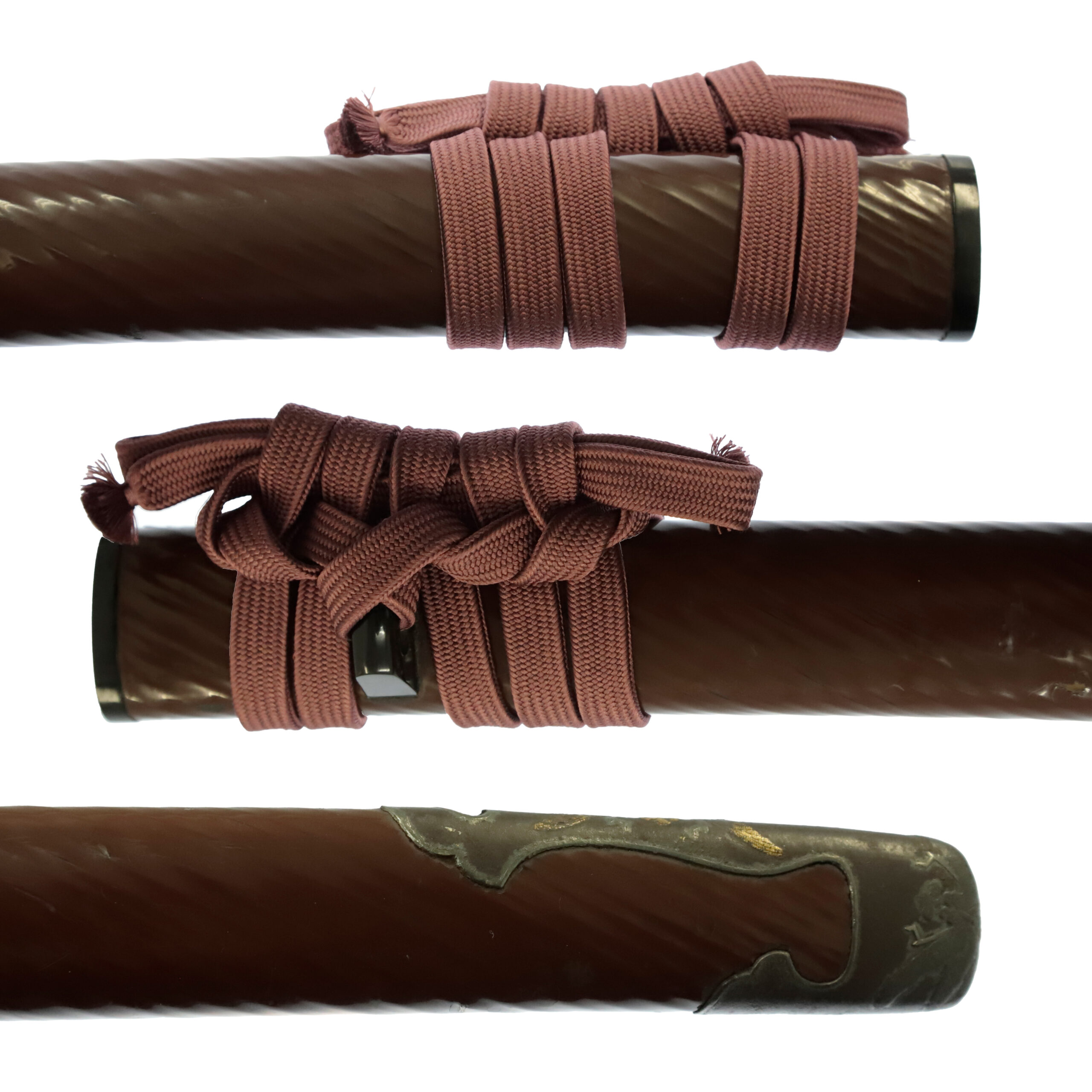
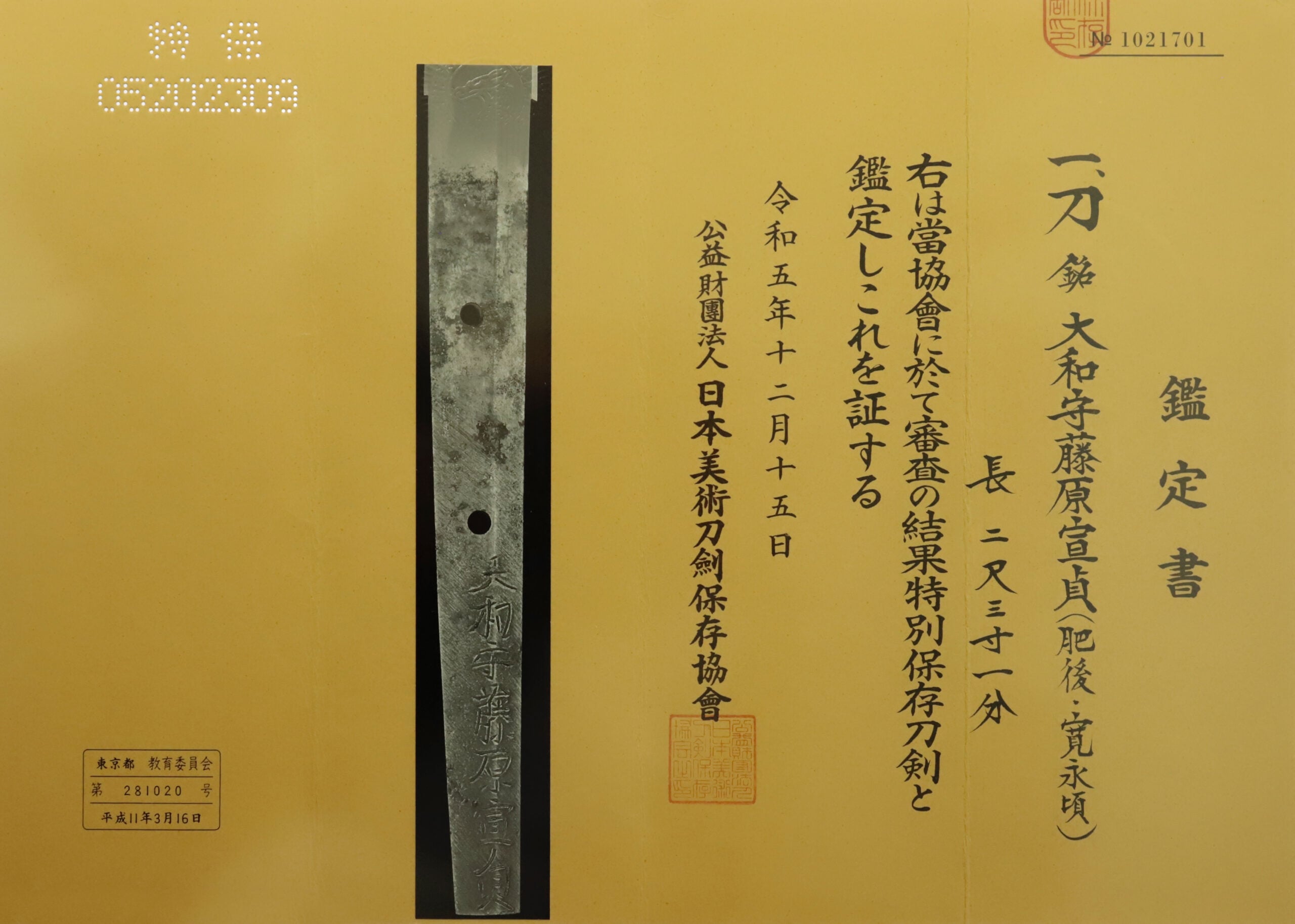
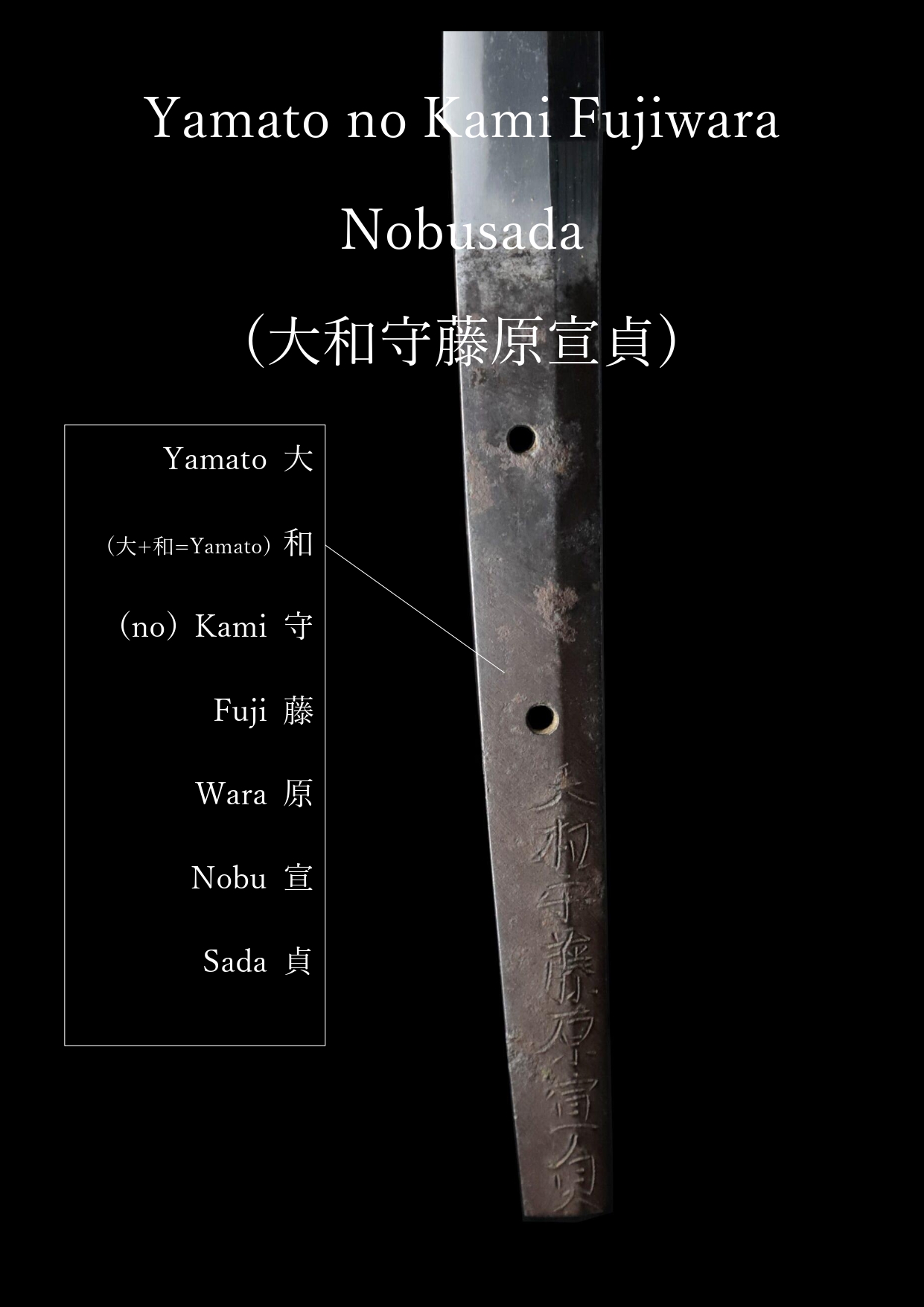
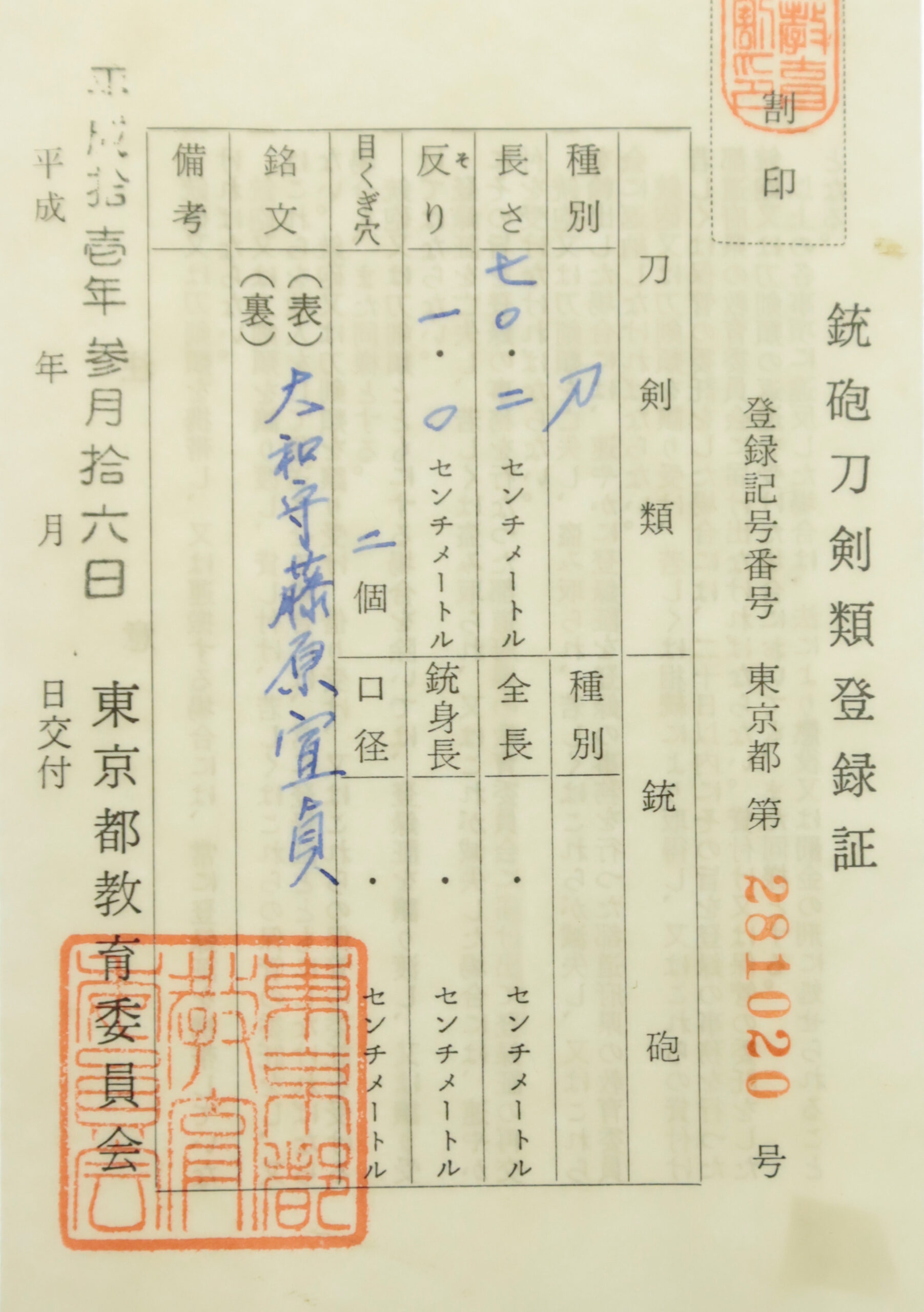
Antique Japanese Sword Katana Signed by Fujiwara Nobusada with Tokubetsu Hozon Certificate 【Description】 Summary This blade was signed by Yamato no Kami Fujiwara Nobusada (大和守藤原宣貞), who was especially active in Higo province (today’s Kumamoto prefecture) during the Kan-Ei era (1624-1644: Early Edo period). He is known as an offspring of the Enjyu (延寿) school members. The maker’s name, Nobusada, lasted two generations, and the first-gen created this blade because the second-gen was active during the Genroku era (1680-1709). It is said that the first-gen Nobusada also forged blades in Buzen (today’s Oita prefecture). He served Higo Hosokawa clan as an Okakaekaji. Hosokawa clan was a famous feudal lord who was the head of Kumamoto castle during the Edo period. Considering this fact, we presume Nobusada’s craftsmanship was highly acknowledged, and he must have forged blades for those who served this clan during the early Edo period. During his career, he received an honorable official title, Yamato no Kami for his excellent sword-forging techniques from the imperial court. What is Enjyu school? Enjyu (延寿) is the prestigious school’s name that flourished during the late Kamakura period-Nanbokucho period (Late 13th-Early 14th century) in Higo province (today’s Kumamoto prefecture). Enjyu school was founded by Kunimura (国村), who is said to have been the grandson of Rai Kuniyuki from Yamashiro province (today’s Kyoto prefecture). Kunimura and his apprentices moved from Yamashiro province to Higo province (today’s Kumamoto prefecture in Kyushu island) after being invited by the Kikuchi clan, who had an influential power in that region. It is said that the 10th head of the Kikuchi clan, Kikuchi Takefusa (菊池武房), had to find skilled swordsmiths who could forge strong swords to combat the Mongolian army. Back then, Japan was targeted by the Mongolian emperor, and Kyushu island is where the battle was taking place twice (1274 and 1281). To prepare for the second attack from the Mongols, Kikuchi Takefusa brought Kunimura and his apprentices from Kyoto. Since then, Kunimura and his sons served as Okakaekaji for this clan, exclusively forging swords for the Kikuchi clan, which ruled the Higo province back then. All the swordsmiths from Enjyu school used the letter “国” (Kuni) for their maker’s name. The descendant of this school founded the famous sword school named Dotanuki (同田貫). And there are descendants of the Enjyu school’s swordsmiths throughout the Edo period. That means Enjyu school had over 500 years of its history. When Enju school flourished in the Nanbokucho period, Japan was tumultuous because the imperial court was split into two sides (south and north). There were many conflicts, and many Samurai were deployed. And Enju school must have dedicated themselves to forging high-quality blades for those Samurai who fought in battles. The name “Enjyu” is written as 延寿 in Japanese. If you translate the word literally, it means extending life span, which was construed as good luck among feudal lords. Therefore, the swords were presented among Samurai as good gifts. Appraisal It is appraised as a Tokubetsu Hozon Token (特別保存刀剣) issued by NBTHK (Nihon Bijutsu Touken Hozon Kyokai:日本美術刀剣保存協会). This authentication paper was only given to authentic Japanese swords, especially well preserved and high quality with artistic value. *Please keep in mind that there are a couple of minor Kitae Kizu on this blade. If you like to know the detailed condition, please feel free to contact us. 【 Blade】 Cutting Edge Length(Nagasa) : 70.2 cm (27.6inches) Curvature(Sori) : 1 .0 cm (0.3 inches) Hamon : The crystalline structure which forms along the cutting edge of a blade as a result of the hardening process Jimon(Jihada) : visible steel surface pattern created by folding and hammering during forging process Kissaki : Kissaki is the tip of the Japanese sword. Nakago : Nakago is the tang of the Japanese sword. Japanese swordsmiths left the black rust on the ta
 NihontoWatch
在銘 · Enjyu · 寛永 · 長さ 70.2cm · 反り 1cm
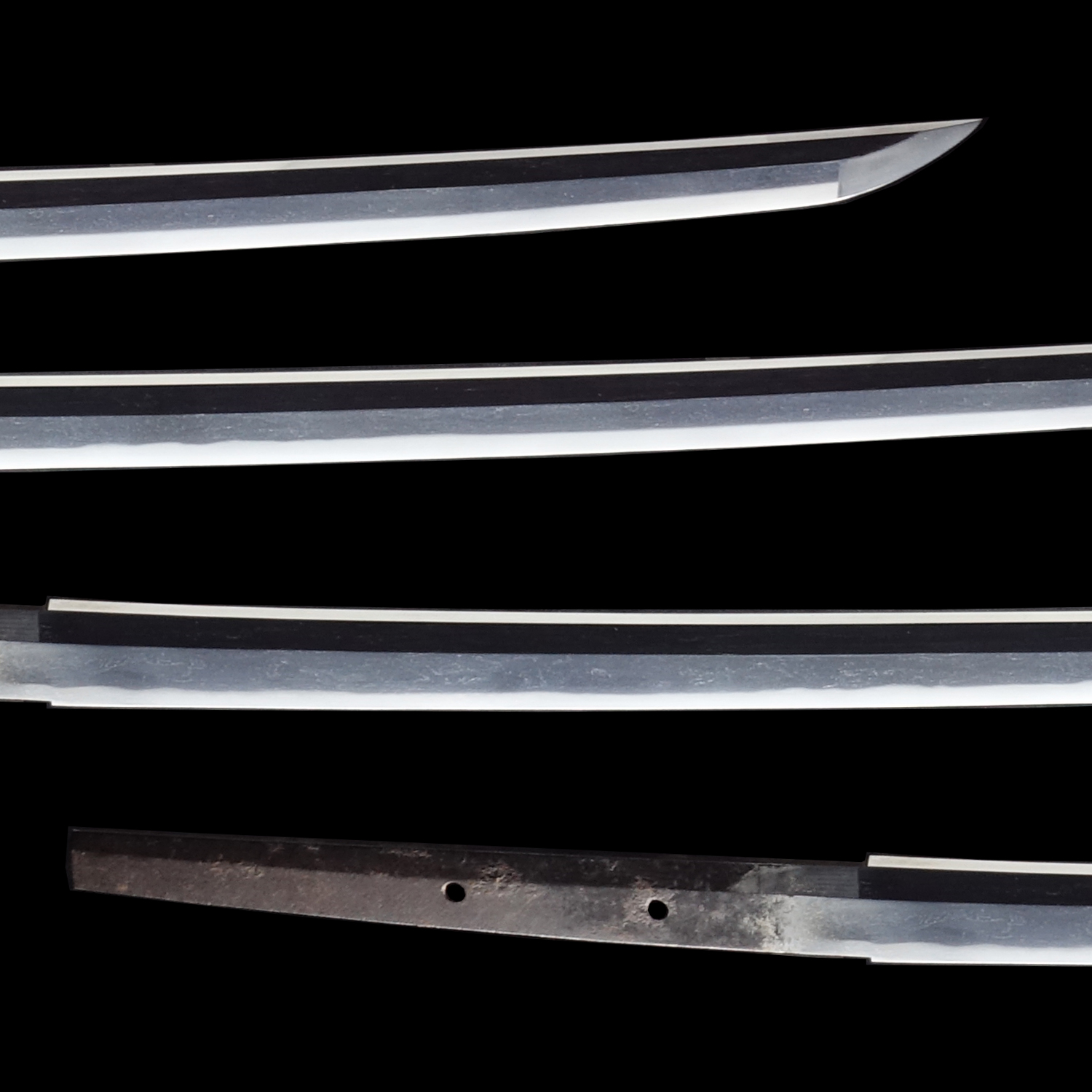
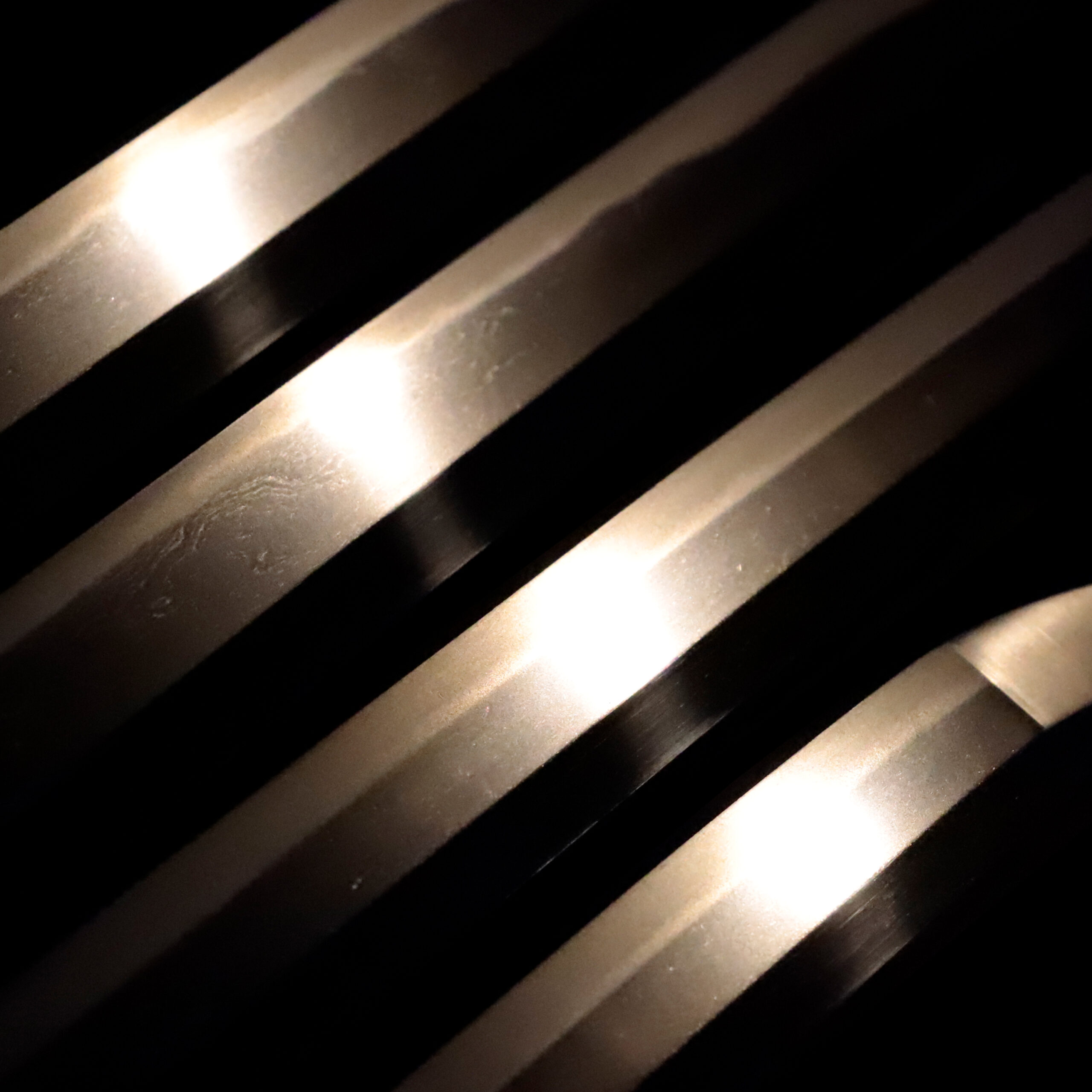
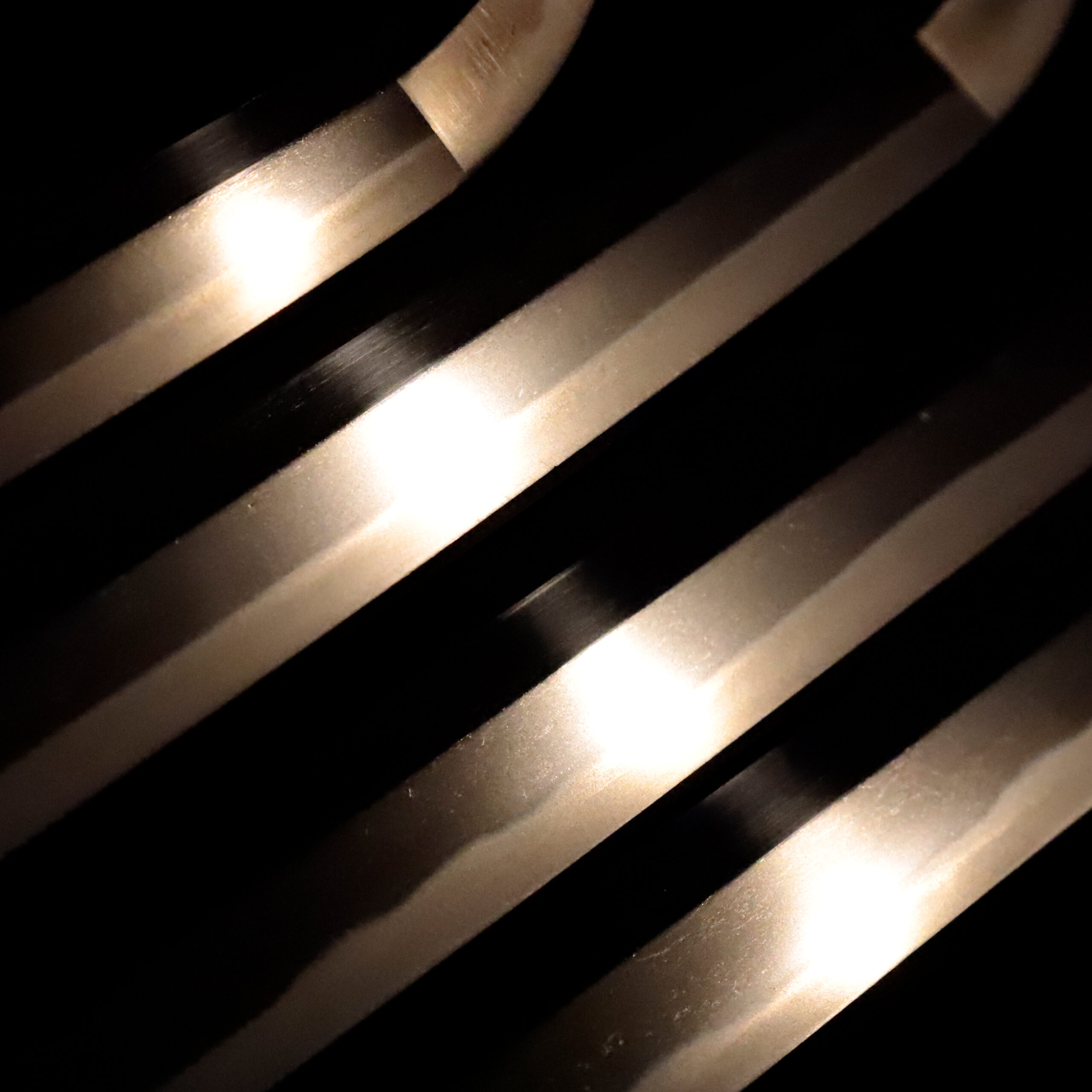
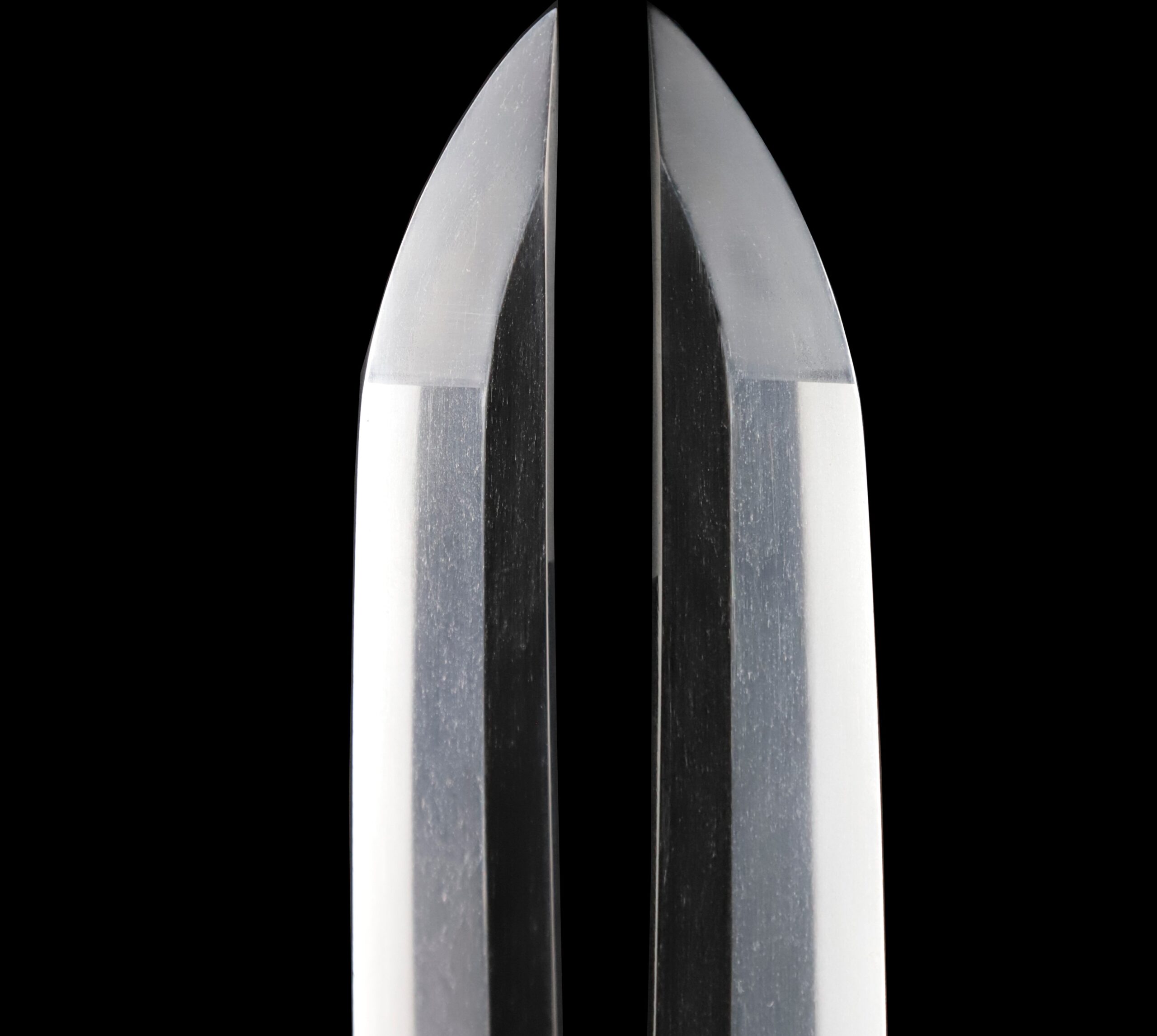
肥後 · 1624-1644頃
刀剣大鑑 上位76%
現在2点販売中
宣貞の位置づけを、日本刀全体および伝統・時代・時期ごとに示します。各位(随一・屈指・有数・著名)は、NBTHK および文化庁による指定に加え、三作や名物帳などの歴史的栄誉を加味したものです。
各項目を選ぶと評価方法が表示されます。
江戸時代
江戸は刀の目利きの時代である。本阿弥の鑑定、1719年の享保名物帳、盛んな刀剣書が、戦で抜かれることのなくなった刀を学問の対象へと変えていった。
保存刀剣のうち、出来が一層優れ、保存状態も良好と認められたものです。再刃や、室町・江戸期の多くの無銘作は対象外となり、保存刀剣より高い基準が課されます。
日本美術刀剣保存協会(NBTHK)は、1948年に設立され、文化庁の監督を受ける公益財団法人で、東京・刀剣博物館に本部を置きます。専門の審査員が出品作を直接審査し、美術的・歴史的価値に応じた鑑定書を発行します。NBTHKの鑑定書は、日本刀および刀装具の真正性を示す最も広く認知された基準です。
NBTHK公式サイトReturns/exchanges limited to defects caused by shipping (except willful misconduct or gross negligence by the company); customers must contact within 72 hours of receiving the product.
Antique Japanese Sword Katana Signed by Fujiwara Nobusada with Tokubetsu Hozon Certificate 【Description】 Summary This blade was signed by Yamato no Kami Fujiwara Nobusada (大和守藤原宣貞), who was especially active in Higo province (today’s Kumamoto prefecture) during the Kan-Ei era (1624-1644: Early Edo period). He is known as an offspring of the Enjyu (延寿) school members. The maker’s name, Nobusada, lasted two generations, and the first-gen created this blade because the second-gen was active during the Genroku era (1680-1709). It is said that the first-gen Nobusada also forged blades in Buzen (today’s Oita prefecture). He served Higo Hosokawa clan as an Okakaekaji. Hosokawa clan was a famous feudal lord who was the head of Kumamoto castle during the Edo period. Considering this fact, we presume Nobusada’s craftsmanship was highly acknowledged, and he must have forged blades for those who served this clan during the early Edo period. During his career, he received an honorable official title, Yamato no Kami for his excellent sword-forging techniques from the imperial court. What is Enjyu school? Enjyu (延寿) is the prestigious school’s name that flourished during the late Kamakura period-Nanbokucho period (Late 13th-Early 14th century) in Higo province (today’s Kumamoto prefecture). Enjyu school was founded by Kunimura (国村), who is said to have been the grandson of Rai Kuniyuki from Yamashiro province (today’s Kyoto prefecture). Kunimura and his apprentices moved from Yamashiro province to Higo province (today’s Kumamoto prefecture in Kyushu island) after being invited by the Kikuchi clan, who had an influential power in that region. It is said that the 10th head of the Kikuchi clan, Kikuchi Takefusa (菊池武房), had to find skilled swordsmiths who could forge strong swords to combat the Mongolian army. Back then, Japan was targeted by the Mongolian emperor, and Kyushu island is where the battle was taking place twice (1274 and 1281). To prepare for the second attack from the Mongols, Kikuchi Takefusa brought Kunimura and his apprentices from Kyoto. Since then, Kunimura and his sons served as Okakaekaji for this clan, exclusively forging swords for the Kikuchi clan, which ruled the Higo province back then. All the swordsmiths from Enjyu school used the letter “国” (Kuni) for their maker’s name. The descendant of this school founded the famous sword school named Dotanuki (同田貫). And there are descendants of the Enjyu school’s swordsmiths throughout the Edo period. That means Enjyu school had over 500 years of its history. When Enju school flourished in the Nanbokucho period, Japan was tumultuous because the imperial court was split into two sides (south and north). There were many conflicts, and many Samurai were deployed. And Enju school must have dedicated themselves to forging high-quality blades for those Samurai who fought in battles. The name “Enjyu” is written as 延寿 in Japanese. If you translate the word literally, it means extending life span, which was construed as good luck among feudal lords. Therefore, the swords were presented among Samurai as good gifts. Appraisal It is appraised as a Tokubetsu Hozon Token (特別保存刀剣) issued by NBTHK (Nihon Bijutsu Touken Hozon Kyokai:日本美術刀剣保存協会). This authentication paper was only given to authentic Japanese swords, especially well preserved and high quality with artistic value. *Please keep in mind that there are a couple of minor Kitae Kizu on this blade. If you like to know the detailed condition, please feel free to contact us. 【 Blade】 Cutting Edge Length(Nagasa) : 70.2 cm (27.6inches) Curvature(Sori) : 1 .0 cm (0.3 inches) Hamon : The crystalline structure which forms along the cutting edge of a blade as a result of the hardening process Jimon(Jihada) : visible steel surface pattern created by folding and hammering during forging process Kissaki : Kissaki is the tip of the Japanese sword. Nakago : Nakago is the tang of the Japanese sword. Japanese swordsmiths left the black rust on the ta
NihontoWatch在銘 · Enjyu · 寛永 · 長さ 70.2cm · 反り 1cm
肥後 · 1624-1644頃
刀剣大鑑 上位76%
現在2点販売中
宣貞の位置づけを、日本刀全体および伝統・時代・時期ごとに示します。各位(随一・屈指・有数・著名)は、NBTHK および文化庁による指定に加え、三作や名物帳などの歴史的栄誉を加味したものです。
各項目を選ぶと評価方法が表示されます。
江戸時代
江戸は刀の目利きの時代である。本阿弥の鑑定、1719年の享保名物帳、盛んな刀剣書が、戦で抜かれることのなくなった刀を学問の対象へと変えていった。
保存刀剣のうち、出来が一層優れ、保存状態も良好と認められたものです。再刃や、室町・江戸期の多くの無銘作は対象外となり、保存刀剣より高い基準が課されます。
日本美術刀剣保存協会(NBTHK)は、1948年に設立され、文化庁の監督を受ける公益財団法人で、東京・刀剣博物館に本部を置きます。専門の審査員が出品作を直接審査し、美術的・歴史的価値に応じた鑑定書を発行します。NBTHKの鑑定書は、日本刀および刀装具の真正性を示す最も広く認知された基準です。
NBTHK公式サイトReturns/exchanges limited to defects caused by shipping (except willful misconduct or gross negligence by the company); customers must contact within 72 hours of receiving the product.