二世紀半の泰平のあいだ、刀は武器である以上に武士の身分の標章であった。江戸の実証と大坂の華やぎのように都市ごとの作風が育ち、時代の末には需要も細っていく。
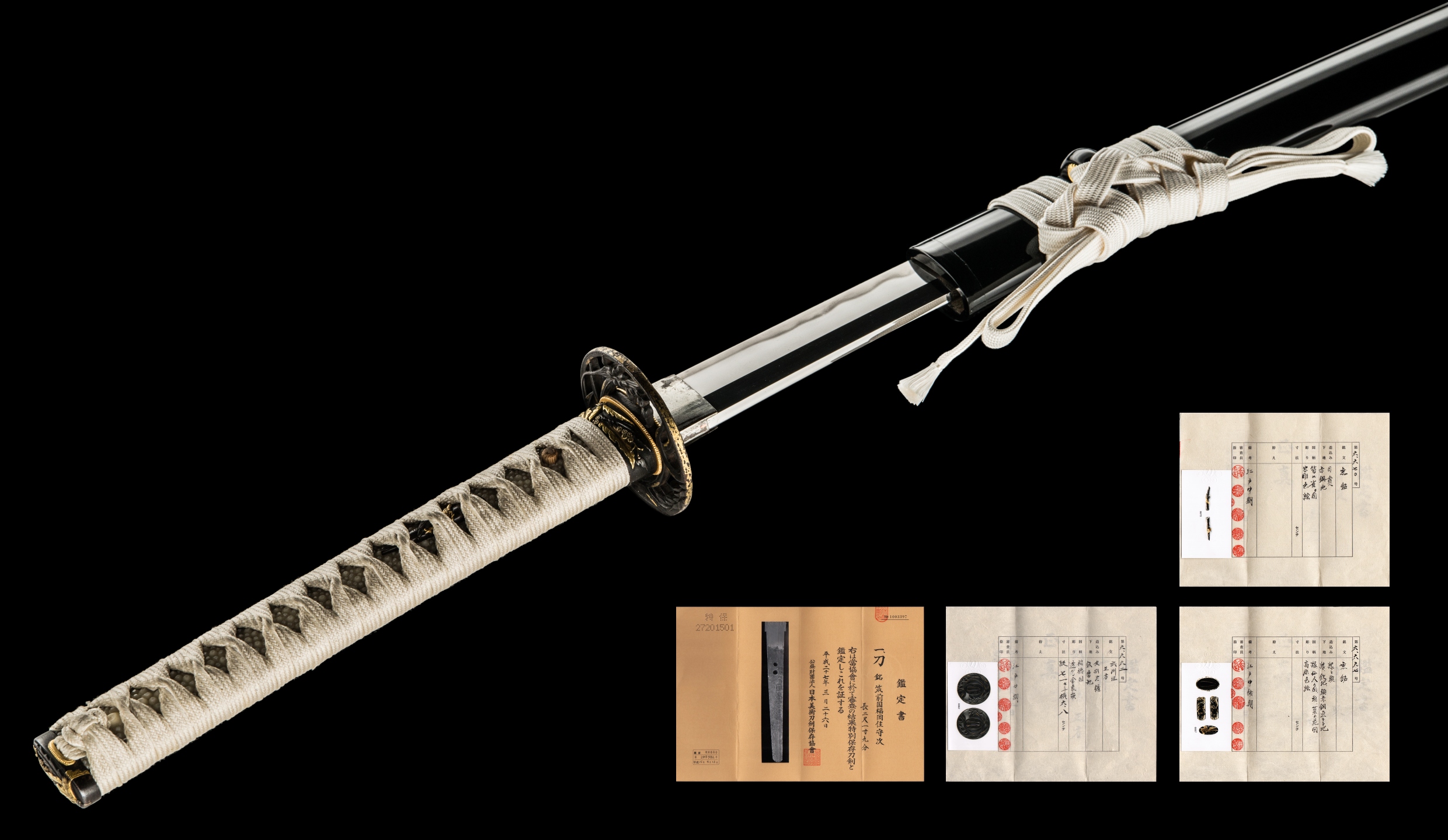
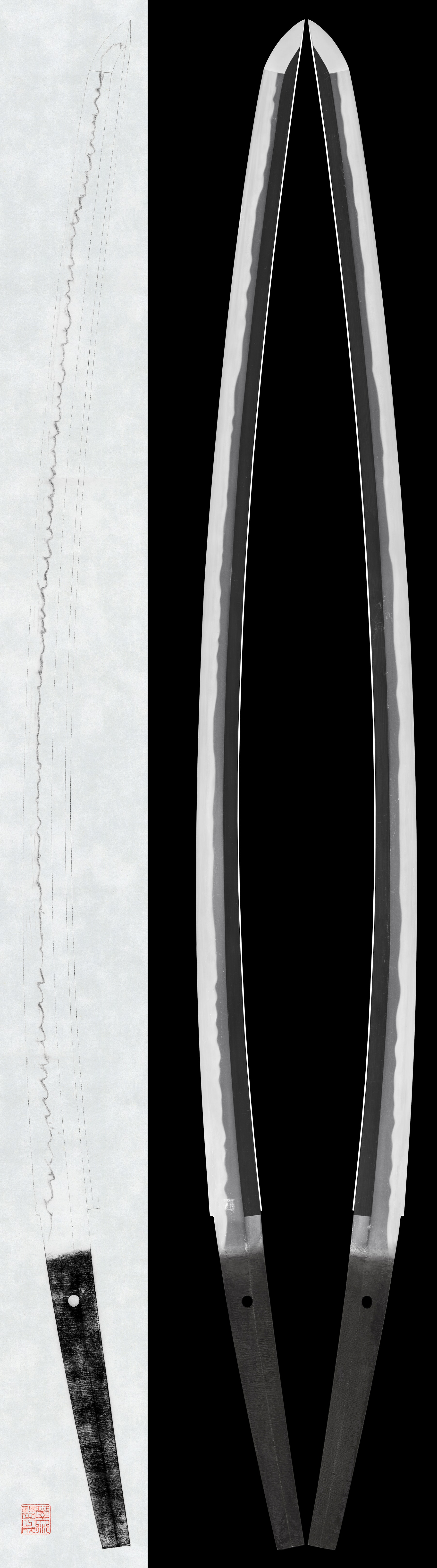
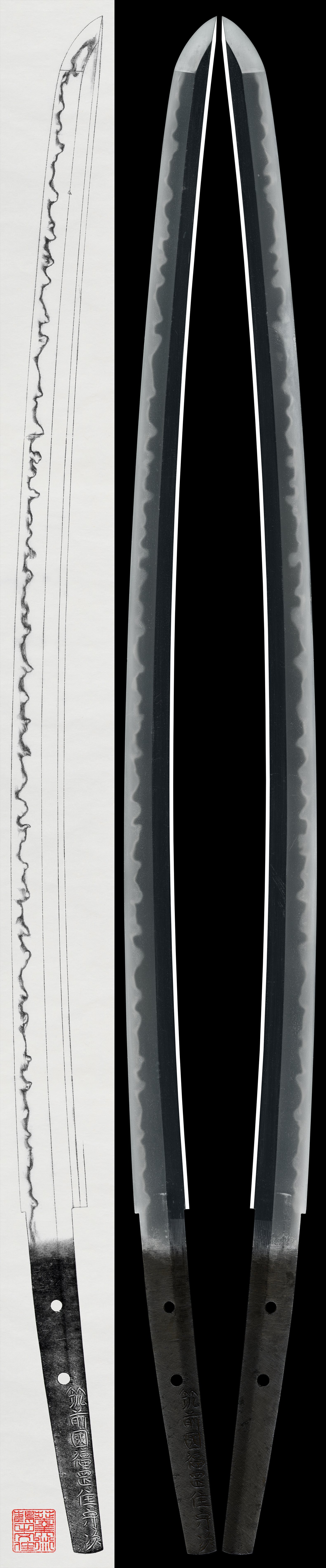
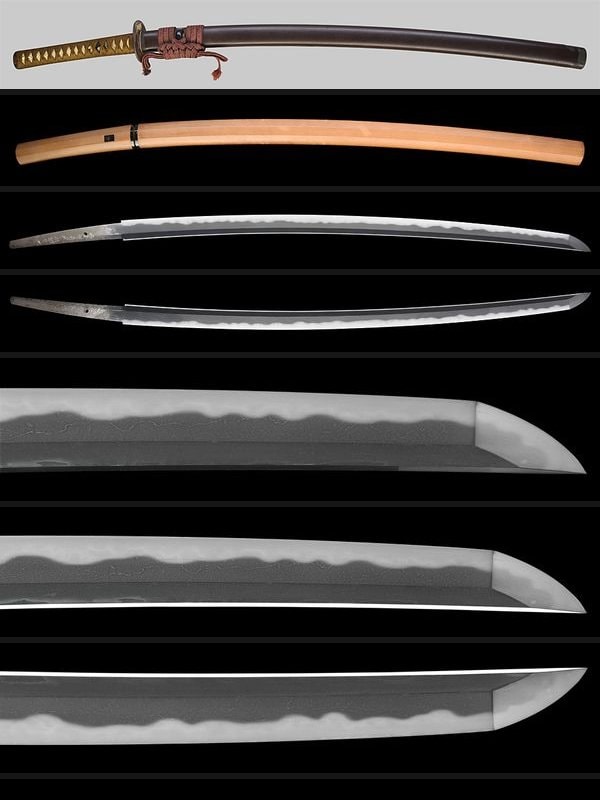
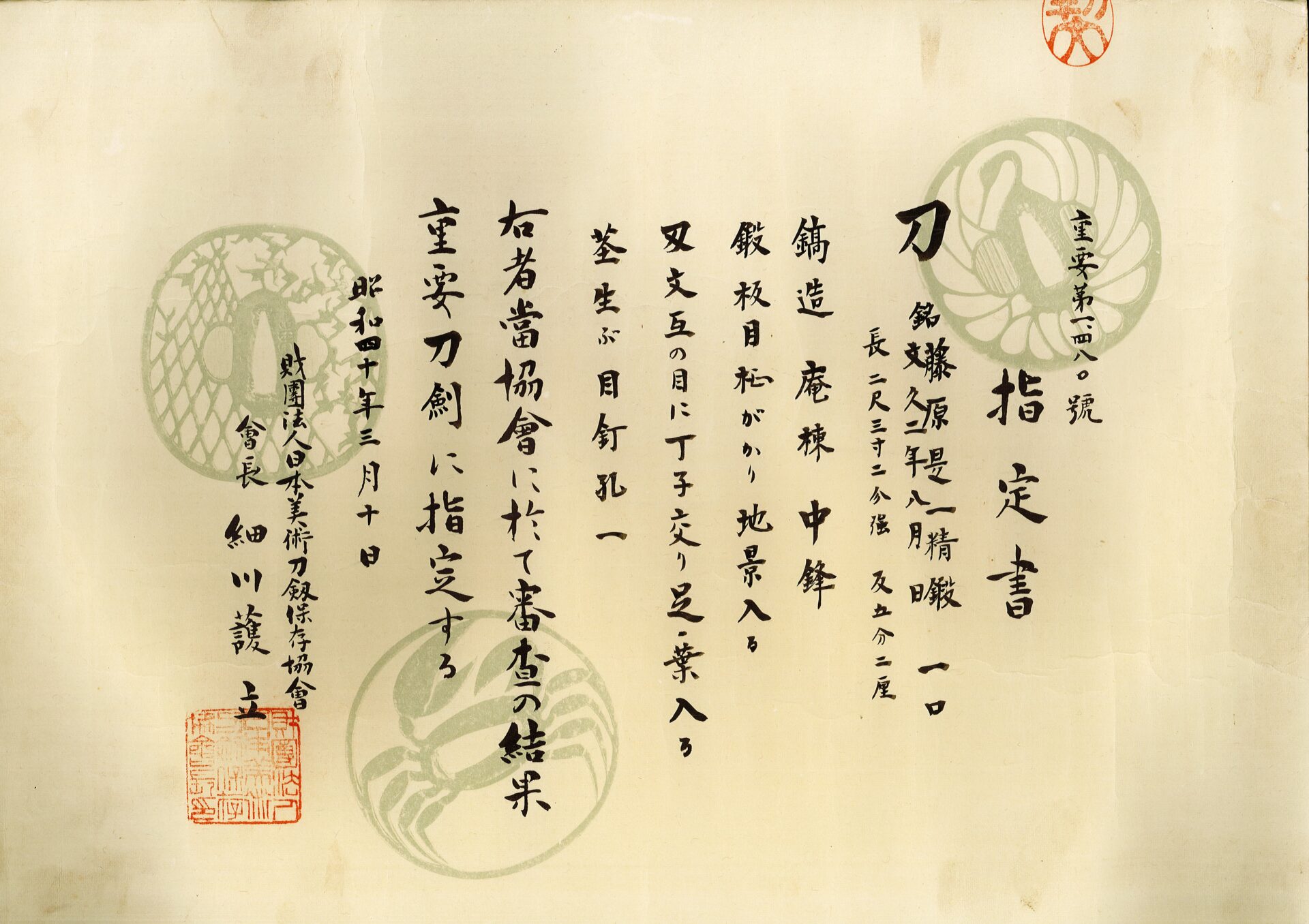
Skip to content ITEM# UJKA135 – Catalogue 24 – Sold A Chikuzen Moritsugu Katana (筑前国福岡住守次) Chikuzen Moritsugu is one of the finest smiths working in the Bizen tradition during the early Edo period. A cousin of Koretsugu – the founder of the Fukuoka Ishidô school, who trained under the great Ishido Korekazu – Moritsugu inherited both the lineage and the aesthetic sensibility of a school renowned for its lush, Bizen-derived choji-midare . The Fukuoka Ishidô smiths gave that tradition their own character: a hamon that slants ( saka ) and throws up distinctive squid-like peaks, with traces of ko-nie rather than the pure nioi-deki of the Bizen Ichimonji school. The nakago characters are chiselled in the school’s celebrated rounded style. The blade measures 66.45cm with ubu nakago and 1.2cm sori. The jihada is a tightly forged ko-itame with traces of masame and the clear shirake utsuri – the misty shadow hamon characteristic of the Bizen lineage – visible across the flat. The hamon is a flowing gunome choji midare with ko-nie and dancing sunagashi, certified NBTHK Tokubetsu Hozon in 2015. The sword is presented in a recently completed custom koshirae that pays tribute to the glory of rice – an agricultural and spiritual cornerstone of Japanese culture for more than 2,000 years, and during the Edo period the very currency by which samurai were paid. The open-work iron tsuba, signed by Masakata of Bushu (modern Tokyo, circa 1700s), depicts rice stalks with gold accents and carries NTHK-NPO Kanteishô papers. The fuchi-kashira and menuki – sparrows on bamboo shoots, symbols of bountiful harvest – are likewise certified Edo period and crafted from shakudo. White woven silk over white samekawa completes an ensemble of exceptional coherence. Item Number UJKA135 Sword Type Katana Swordsmith Chikuzen Moritsugu Swordsmith (JP) 筑前守次 Signature Chikuzen no Kuni Fukuoka Ju Moritsugu School Fukuoka Ishidô Province Chikuzen (Fukuoka city) Period Shintô – Edo period (Enpô era: 1673-1681)

新刀 · 筑前
現在2点販売中
福岡石堂は、筑前国福岡を本拠として新刀期に興った一派である。説示はこれを、筑前信国一派と並んで筑前新刀の双璧をなすものと位置づけ、是次・守次の二工をもって一派を代表する上手と記している。その出自は江戸石堂に遡る。代表工是次は寛永五年に生まれ、明暦元年に藩公黒田光之の命を受けて江戸へ上り、武蔵大掾左近是一の門に入って備前伝を修め、三年の後に帰国して黒田家に仕えた。守次は父利平の歿後、従兄の是次に師事し、是次の嫡男利次が父に先んじて歿したため嫡家を相続したと伝えられる。すなわち福岡石堂は、黒田藩の庇護のもとで是一を介して石堂の備前伝を承け、筑前の地に古一文字風の丁子を再興した分派にほかならない。是次は天和元年に五十三歳で歿し、守次は元禄十四年に六十九歳で歿したと説示は記す。 作風について説示が繰り返し挙げるのは、是一の影響を受けて鍛えに柾気を帯びる点である。地鉄は小板目あるいは板目がよくつみ、総体に流れて下半が強く流れ柾がかり、地沸が微塵につき、乱れ映り、ないし直ぐ状の映りが立つ。刃文は焼幅を広く取り、丁子乱れに互の目・小互の目・角ばる刃・尖りごころの刃など多種の刃を交えて華やかに乱れ、足・葉がよく入り、匂勝ちに小沸がつく。重花丁子や蛙子を交えるものもある。最も顕著な見どころは、丁子の乱れが総体に逆がかること、そして処々で焼頭が鎬にかかるほど焼幅が広く、刃中に俗に「烏賊の頭」と称される独特の丸い刃が交じる点である。さらに帽子の焼が深く、物打より上に飛焼・棟焼をさかんに交えること、銘を楷・行・隷書を交えた特色ある書風に切ることも見どころに数えられる。説示が名を挙げる工は、是次・守次のほか、守次とその子守昌の合作、そして守次の父利平である。 伝承と鑑定の要点として、説示は是次と守次の姿の差をしばしば注意する。是次には反りの浅い寛文新刀然とした造込みが多く、守次には比較的反りの深いものがよく見られるとし、これを同派の姿の特色とする。一方で、逆がかりが顕著でない作もあり、その場合でも柾がかる鍛え・立つ映り・「烏賊の頭」・深い帽子の焼によって同工同派と判ぜられる。代表作としては、寛文九年紀の長銘・年紀・注文者銘を備えた一口(注文者を讃岐香西氏の一族かと推する)、寛文六年紀の身幅極めて広い長寸の奉納刀、截断銘を伴う是次の作、「以南蛮鉄造之」の添銘を持つ守次の作、守次・守昌の合作で彫物を伴う一口などが説示に記され、年紀や截断銘・南蛮鉄銘はいずれも同派研究上の好資料とされる。かくして福岡石堂は、江戸石堂を介して備前伝を承け、柾がかる地鉄と逆がかる丁子という独自の風を筑前の地に確立した一派として位置づけられている。 詳しく見る →
二世紀半の泰平のあいだ、刀は武器である以上に武士の身分の標章であった。江戸の実証と大坂の華やぎのように都市ごとの作風が育ち、時代の末には需要も細っていく。
保存刀剣のうち、出来が一層優れ、保存状態も良好と認められたものです。再刃や、室町・江戸期の多くの無銘作は対象外となり、保存刀剣より高い基準が課されます。
日本美術刀剣保存協会(NBTHK)は、1948年に設立され、文化庁の監督を受ける公益財団法人で、東京・刀剣博物館に本部を置きます。専門の審査員が出品作を直接審査し、美術的・歴史的価値に応じた鑑定書を発行します。NBTHKの鑑定書は、日本刀および刀装具の真正性を示す最も広く認知された基準です。
NBTHK公式サイトAll swords come with a three-day inspection period beginning from the date of delivery. If not satisfied, the sword may be returned within this period for a full refund of the purchase price. Outside of this period, all sales are final. Swords purchased on a layaway payment plan are not eligible for the three-day inspection period.
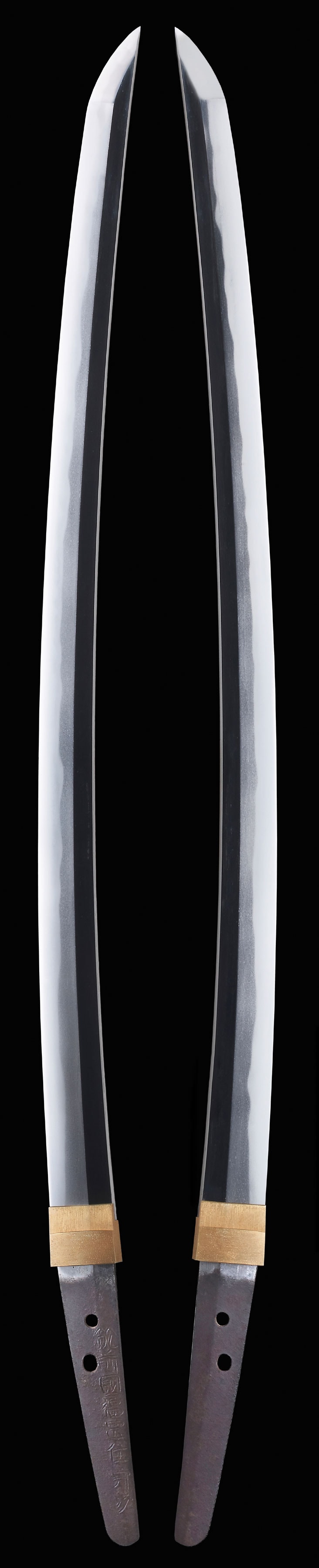
Skip to content ITEM# UJKA135 – Catalogue 24 – Sold A Chikuzen Moritsugu Katana (筑前国福岡住守次) Chikuzen Moritsugu is one of the finest smiths working in the Bizen tradition during the early Edo period. A cousin of Koretsugu – the founder of the Fukuoka Ishidô school, who trained under the great Ishido Korekazu – Moritsugu inherited both the lineage and the aesthetic sensibility of a school renowned for its lush, Bizen-derived choji-midare . The Fukuoka Ishidô smiths gave that tradition their own character: a hamon that slants ( saka ) and throws up distinctive squid-like peaks, with traces of ko-nie rather than the pure nioi-deki of the Bizen Ichimonji school. The nakago characters are chiselled in the school’s celebrated rounded style. The blade measures 66.45cm with ubu nakago and 1.2cm sori. The jihada is a tightly forged ko-itame with traces of masame and the clear shirake utsuri – the misty shadow hamon characteristic of the Bizen lineage – visible across the flat. The hamon is a flowing gunome choji midare with ko-nie and dancing sunagashi, certified NBTHK Tokubetsu Hozon in 2015. The sword is presented in a recently completed custom koshirae that pays tribute to the glory of rice – an agricultural and spiritual cornerstone of Japanese culture for more than 2,000 years, and during the Edo period the very currency by which samurai were paid. The open-work iron tsuba, signed by Masakata of Bushu (modern Tokyo, circa 1700s), depicts rice stalks with gold accents and carries NTHK-NPO Kanteishô papers. The fuchi-kashira and menuki – sparrows on bamboo shoots, symbols of bountiful harvest – are likewise certified Edo period and crafted from shakudo. White woven silk over white samekawa completes an ensemble of exceptional coherence. Item Number UJKA135 Sword Type Katana Swordsmith Chikuzen Moritsugu Swordsmith (JP) 筑前守次 Signature Chikuzen no Kuni Fukuoka Ju Moritsugu School Fukuoka Ishidô Province Chikuzen (Fukuoka city) Period Shintô – Edo period (Enpô era: 1673-1681)

新刀 · 筑前
現在2点販売中
福岡石堂は、筑前国福岡を本拠として新刀期に興った一派である。説示はこれを、筑前信国一派と並んで筑前新刀の双璧をなすものと位置づけ、是次・守次の二工をもって一派を代表する上手と記している。その出自は江戸石堂に遡る。代表工是次は寛永五年に生まれ、明暦元年に藩公黒田光之の命を受けて江戸へ上り、武蔵大掾左近是一の門に入って備前伝を修め、三年の後に帰国して黒田家に仕えた。守次は父利平の歿後、従兄の是次に師事し、是次の嫡男利次が父に先んじて歿したため嫡家を相続したと伝えられる。すなわち福岡石堂は、黒田藩の庇護のもとで是一を介して石堂の備前伝を承け、筑前の地に古一文字風の丁子を再興した分派にほかならない。是次は天和元年に五十三歳で歿し、守次は元禄十四年に六十九歳で歿したと説示は記す。 作風について説示が繰り返し挙げるのは、是一の影響を受けて鍛えに柾気を帯びる点である。地鉄は小板目あるいは板目がよくつみ、総体に流れて下半が強く流れ柾がかり、地沸が微塵につき、乱れ映り、ないし直ぐ状の映りが立つ。刃文は焼幅を広く取り、丁子乱れに互の目・小互の目・角ばる刃・尖りごころの刃など多種の刃を交えて華やかに乱れ、足・葉がよく入り、匂勝ちに小沸がつく。重花丁子や蛙子を交えるものもある。最も顕著な見どころは、丁子の乱れが総体に逆がかること、そして処々で焼頭が鎬にかかるほど焼幅が広く、刃中に俗に「烏賊の頭」と称される独特の丸い刃が交じる点である。さらに帽子の焼が深く、物打より上に飛焼・棟焼をさかんに交えること、銘を楷・行・隷書を交えた特色ある書風に切ることも見どころに数えられる。説示が名を挙げる工は、是次・守次のほか、守次とその子守昌の合作、そして守次の父利平である。 伝承と鑑定の要点として、説示は是次と守次の姿の差をしばしば注意する。是次には反りの浅い寛文新刀然とした造込みが多く、守次には比較的反りの深いものがよく見られるとし、これを同派の姿の特色とする。一方で、逆がかりが顕著でない作もあり、その場合でも柾がかる鍛え・立つ映り・「烏賊の頭」・深い帽子の焼によって同工同派と判ぜられる。代表作としては、寛文九年紀の長銘・年紀・注文者銘を備えた一口(注文者を讃岐香西氏の一族かと推する)、寛文六年紀の身幅極めて広い長寸の奉納刀、截断銘を伴う是次の作、「以南蛮鉄造之」の添銘を持つ守次の作、守次・守昌の合作で彫物を伴う一口などが説示に記され、年紀や截断銘・南蛮鉄銘はいずれも同派研究上の好資料とされる。かくして福岡石堂は、江戸石堂を介して備前伝を承け、柾がかる地鉄と逆がかる丁子という独自の風を筑前の地に確立した一派として位置づけられている。 詳しく見る →
二世紀半の泰平のあいだ、刀は武器である以上に武士の身分の標章であった。江戸の実証と大坂の華やぎのように都市ごとの作風が育ち、時代の末には需要も細っていく。
保存刀剣のうち、出来が一層優れ、保存状態も良好と認められたものです。再刃や、室町・江戸期の多くの無銘作は対象外となり、保存刀剣より高い基準が課されます。
日本美術刀剣保存協会(NBTHK)は、1948年に設立され、文化庁の監督を受ける公益財団法人で、東京・刀剣博物館に本部を置きます。専門の審査員が出品作を直接審査し、美術的・歴史的価値に応じた鑑定書を発行します。NBTHKの鑑定書は、日本刀および刀装具の真正性を示す最も広く認知された基準です。
NBTHK公式サイトAll swords come with a three-day inspection period beginning from the date of delivery. If not satisfied, the sword may be returned within this period for a full refund of the purchase price. Outside of this period, all sales are final. Swords purchased on a layaway payment plan are not eligible for the three-day inspection period.