二十世紀は二度この工芸を殺しかけた。戦時の歪みと、占領下の禁令である。1948年の日刀保設立と1953年の作刀再開が刀を美術として再建し、人間国宝と無鑑査がその頂に立つ。
 NihontoWatchNihontoWatch
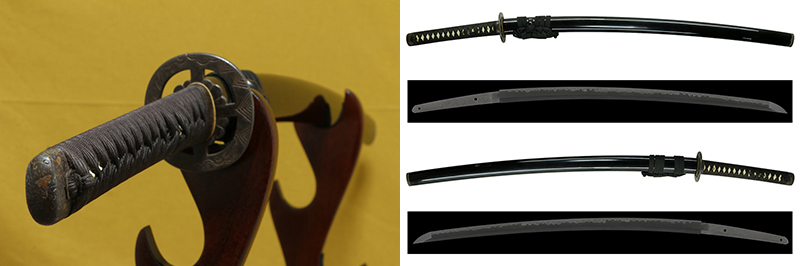
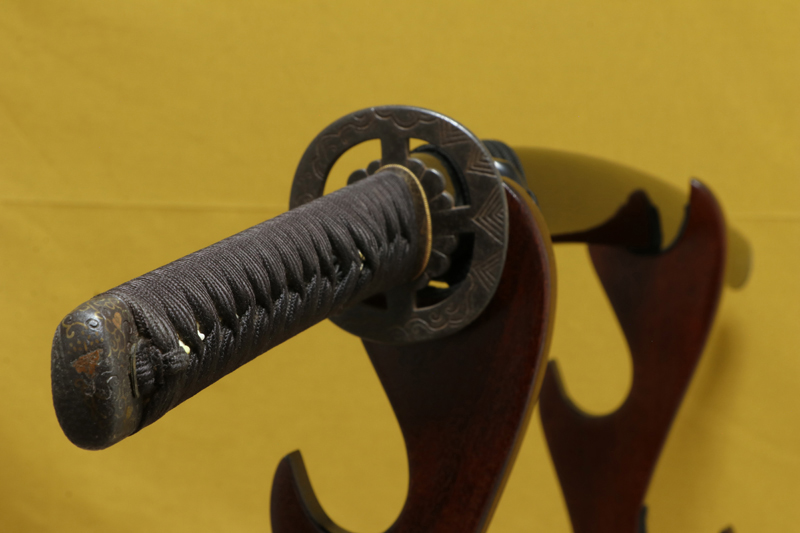
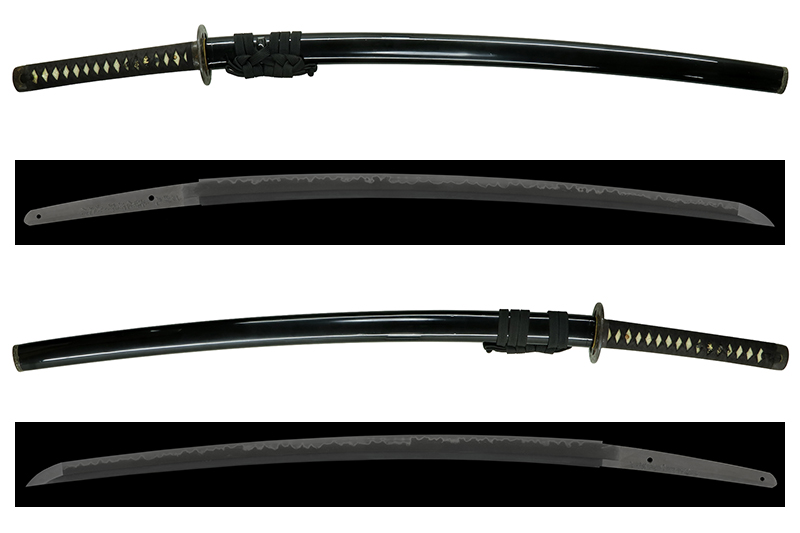
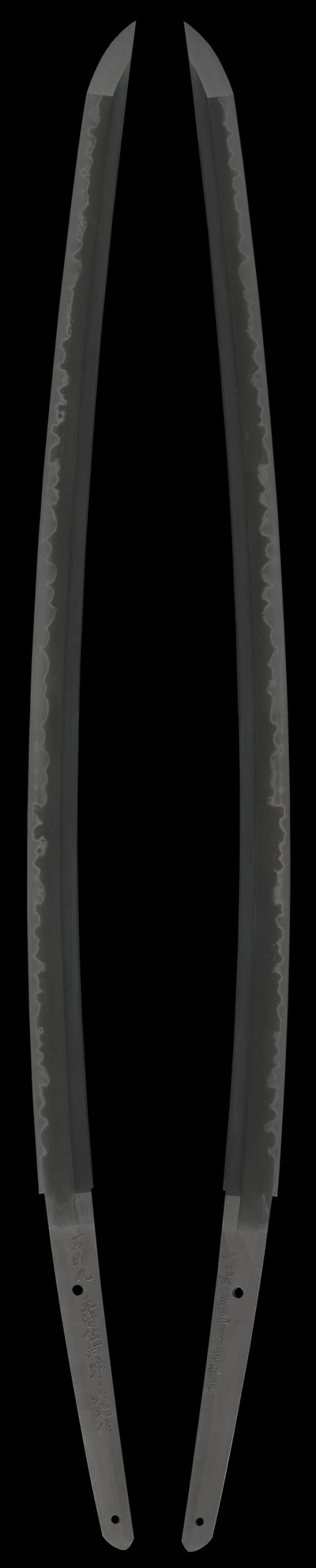
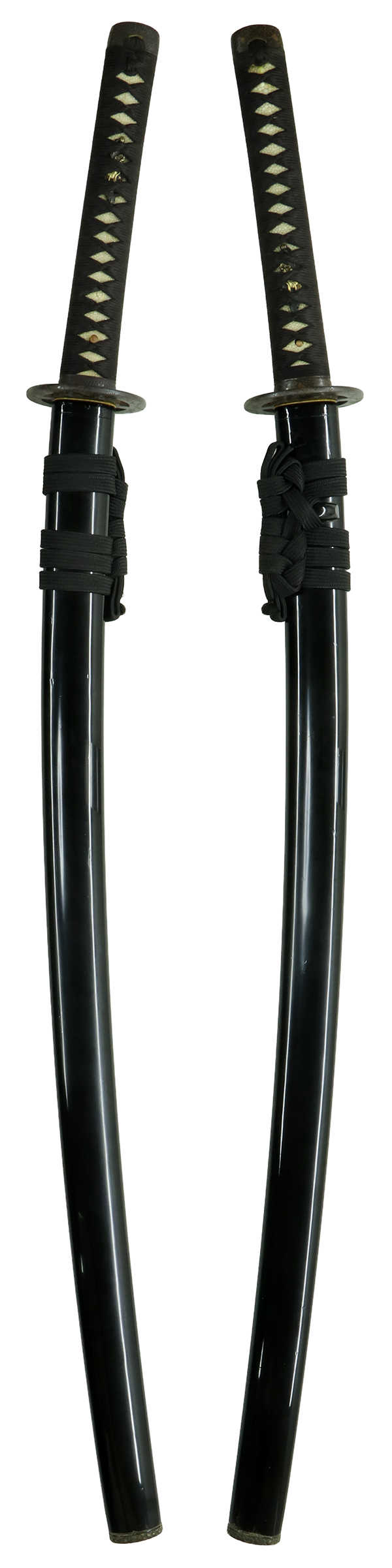
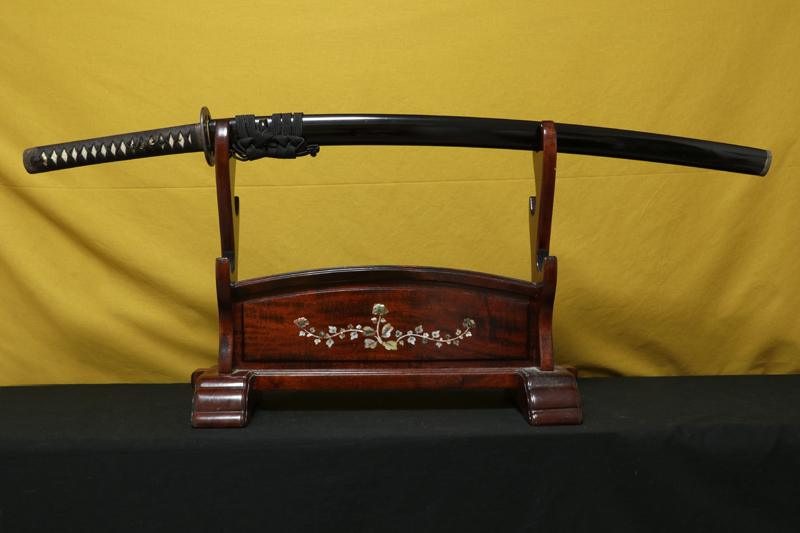
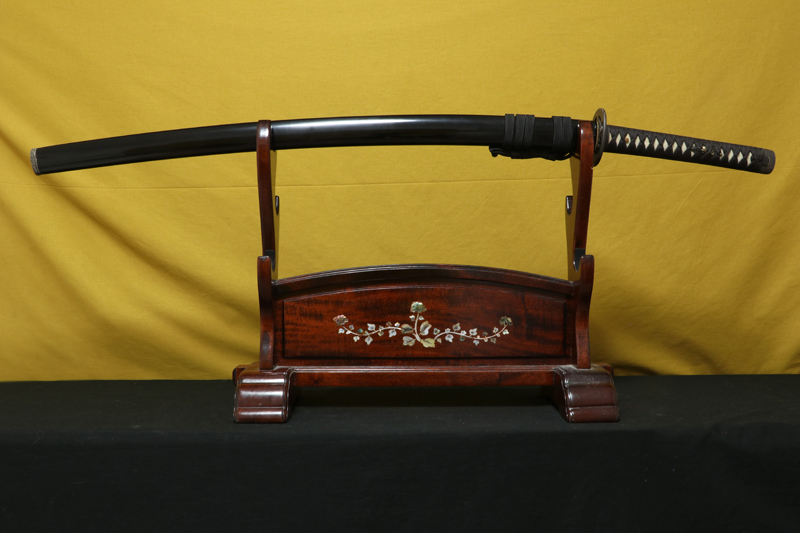
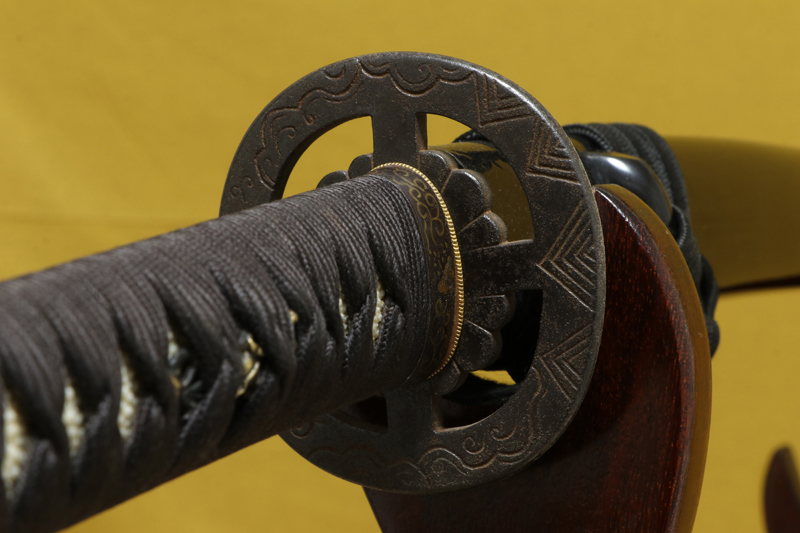
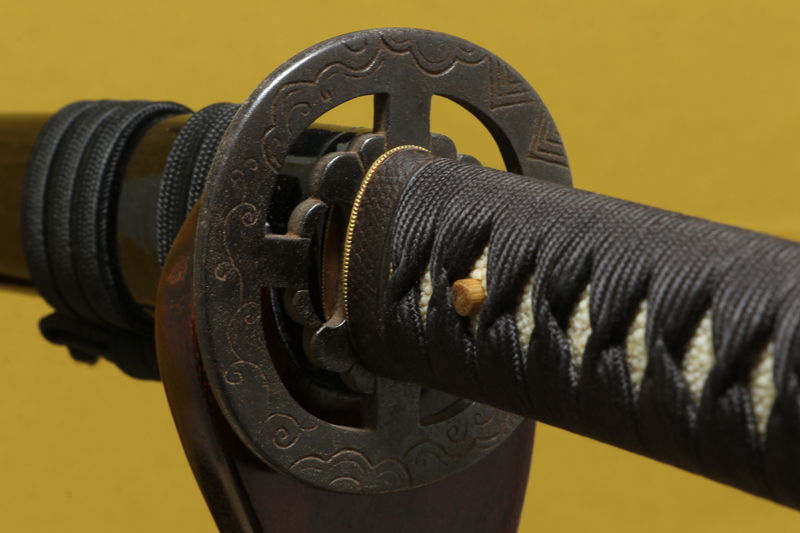
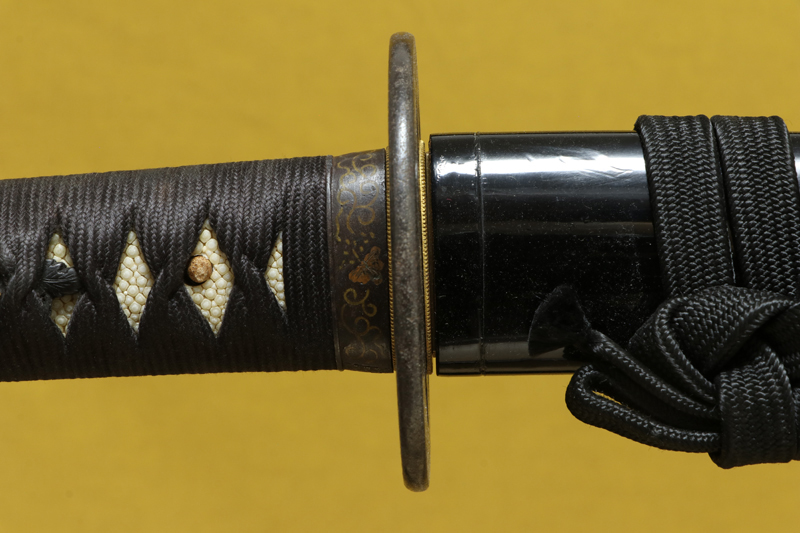
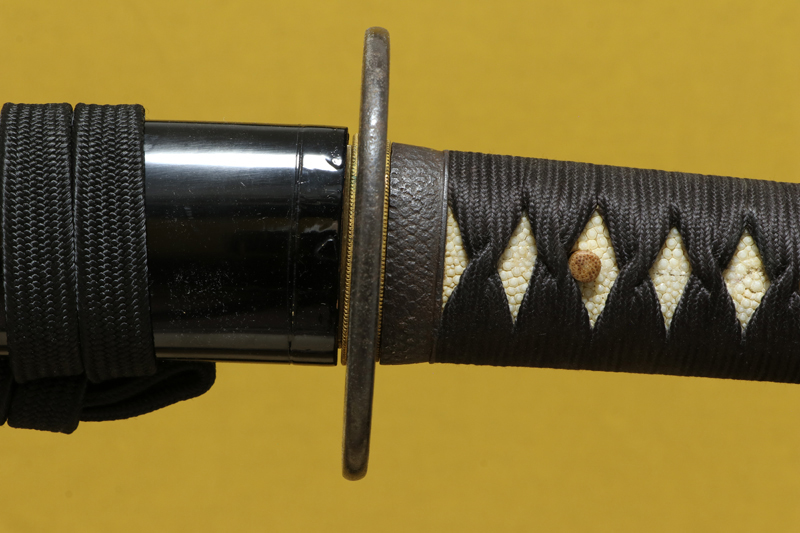
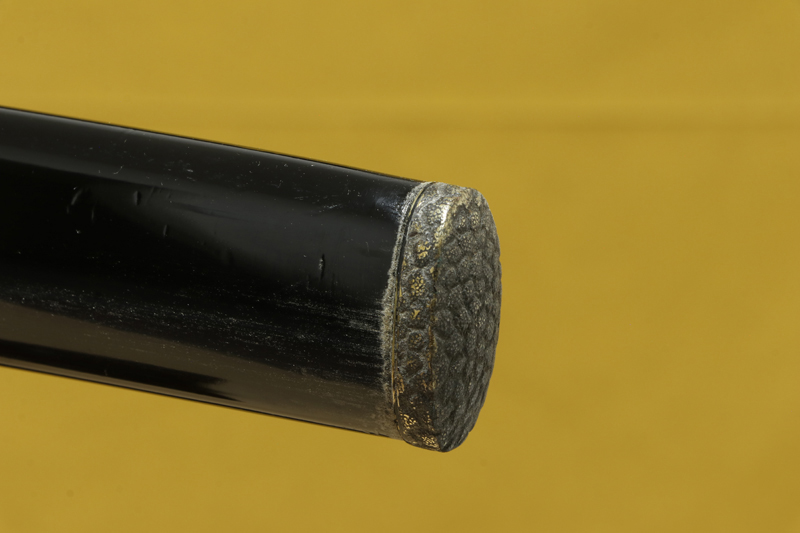
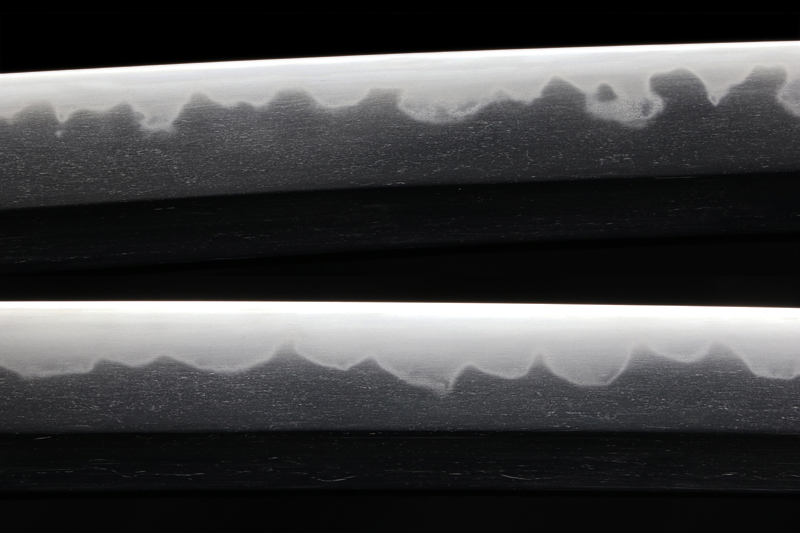
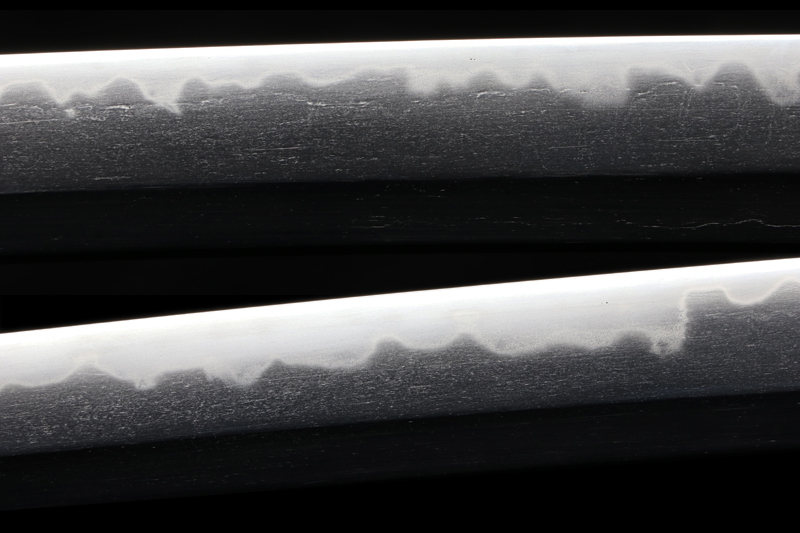
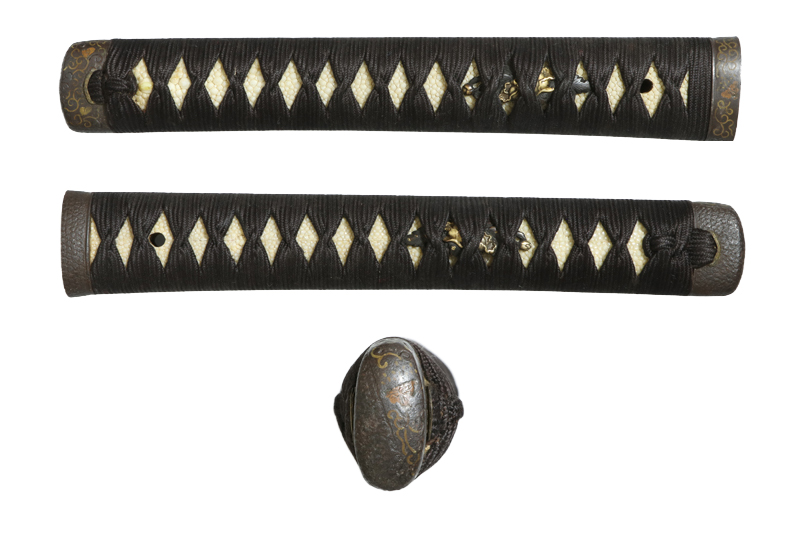
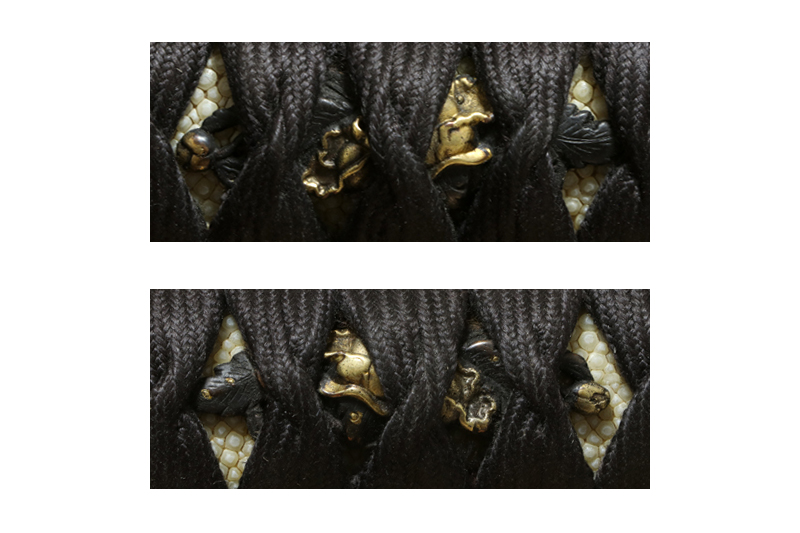
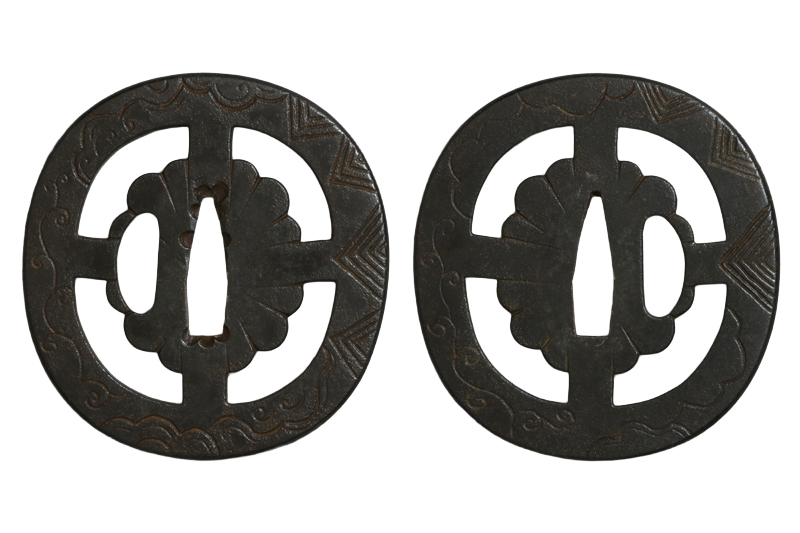
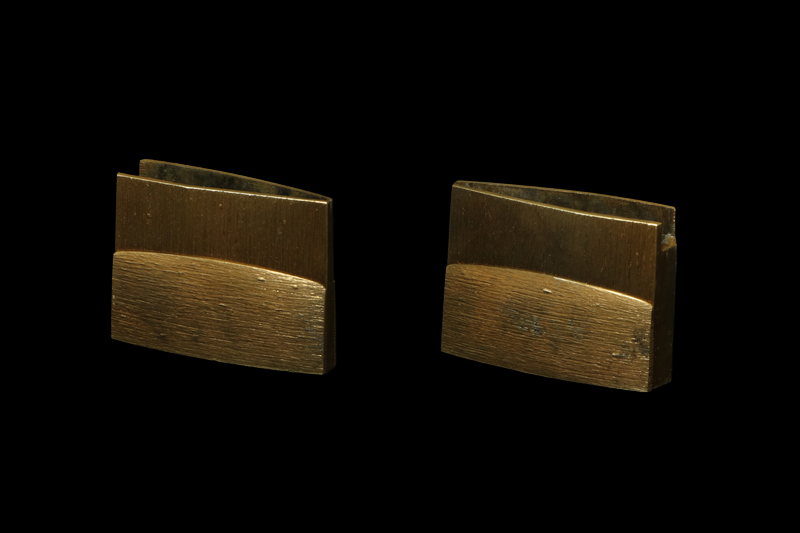
The Owazamono of the Heisei era Modern sword Ishikirimaru Buzen ju kono Sadamitsu saku. 伝説的な大業物として知られる豊前住河野貞光による一振で、身幅が広く、豪壮な姿を備えています。 居合や試斬に使用されたことはなく、新品同様のコンディションを保っています。 河野貞光刀匠の刀は市場に出回ることが少なく、きわめて貴重です。 ぜひこの機会にお求めください。 This is a magnificent sword by Buzen-ju Kono Sadamitsu, celebrated as a legendary maker of great cutting blades. With its wide mihaba and powerful, imposing sugata, it is a truly striking piece. It has never been used for iaido or test cutting, and remains in like-new condition. Swords by Kono Sadamitsu are rarely seen on the market, making this an especially valuable opportunity. Please take this chance to add it to your collection. 「刀姿 sword figure」 鎬造り庵棟、身幅広く重尋常、鳥居反りで中峰が伸びる。茎は生で化粧鑢がかかり、茎尻は刃上がりの栗尻。 Shinogi-zukuri construction with an iori-mune ridge. The blade has a wide mihaba (blade width) and standard thickness. It has a torii-zori curvature, with an extended chū-kissaki. The nakago is ubu (unaltered), finished with kesho-yasuri file marks. The nakago-jiri is a kurijiri shape with the ha-agari style. 「地鉄」 地鉄は板目肌が流れ柾心と成り、地沸付き、地景入る。 The jigane is an itame-hada grain flowing into a masame core, with ji-nie present and chikei appearing throughout. 「刃紋」 刃紋は互の目に飛び焼きを見せ、刃縁に砂流しかかり、刃中には金筋・葉が入る。帽子は乱れ込み、小丸に返る。 The hamon is a gunome pattern with areas of tobiyaki, while sunagashi appears along the habuchi. Within the tempered area, kinsuji and yō are visible. The bōshi enters a midare-komi pattern and turns back in a small rounded tip (komaru). 「特徴」 豊前住河野貞光。本名は河野博、昭和25年生まれ。福岡県京都町犀川にて鍛刀していましたが、惜しくも十数年前にお亡くなりになりました。師は人間国宝の月山貞一刀匠です。 月山貞一の門下の中でも腕前は高く、技量も優秀であったため、師より「貞」の一字を賜り、以後「貞光」と名乗るようになりました。地鉄造りの美しさは言うまでもなく、出来はもちろんのこと、彫物にも定評があります。 さらに貞光は、折れず曲がらずに良く斬れる日本刀を追求しており、斬味では大業物匠の中でも随一との評価を得ています。その凄まじい斬れ味から「今虎鉄」と呼ばれ、武道家からも絶大な人気を誇る刀匠です。貞光刀匠がご健在の頃は弊社の製品もよく製作していただきましたが、亡くなられてからは手放す方が少なく、滅多に市場には出回りません。業者のオークションでもほとんど見かけなくなりました。 本作は玉鋼を鍛えて作られた刀で、貞光刀匠の作品によく見られる居合用の刀とは異なります。多分、特注で作られたものでしょう。石断丸の銘も、注文主の意向で切られたものだと思います。 しかし、この刀は河野貞光刀匠本来の技術とセンスを発揮した作品で、板目肌が流れ柾心となった地鉄に、沸出来の見事な互の目を焼いています。以前に販売した平造りの刀も同じ地鉄でした。 また研磨は高級な差し込み研ぎをかけられており、見事な刃紋が際立っています。もちろん鍛え割れ等の傷はありません。 拵は古い金具を使って作られたもので、この刀身に合わせて力強く、また上品さも兼備えた打刀拵です。 この刀は居合や試斬では使われておらず、新品同様です。 河野貞光刀匠の玉鋼で作られた刀は、見る機会はほとんどなく、貴重です。是非、この機会にあなたのコレクションに加えてください。 Buzen-jū, Kōno Sadamitsu. His real name was Kōno Hiroshi, and he was born in 1950. He forged swords in Saigawa, Miyako Town, Fukuoka Prefecture, but sadly passed away a little over ten years ago. His teacher was the swordsmith Gassan Sadakazu, a Living National Treasure. Among the disciples of Gassan Sadakazu, he was particularly highly skilled and exceptionally talented. In recognition of his ability, his master bestowed upon him the character “Sada” (貞) from his own name, and from that point on he took the name Sadamitsu. Needless to say, the beauty of his forged steel surface (jihada) is remarkable; not only is the workmanship excellent, but his carvings are also highly acclaimed. Furthermore, Sadamitsu pursued the ideal Japanese sword—one that would not break, not bend, and cut superbly well. In terms of cutting ability, he was regarded as one of the very best even among master swordsmiths known for producing excellent cutting blades. Because of this extraordinary sharpness, he came to be called “Modern Kotetsu,” and he enjoyed tremendous popularity among martial artists as well. While Swordsmith Sadamitsu was still alive, he often produced pieces for our company. Since his passing, however, very few owners are willing to part with his works, and they rarely appear on the market. They are now seldom even seen at dealers’ auctions. This work is a sword forged from tamahagane, and unlike the iai-use swords often seen among Sadamitsu’s works, this piece appears to have been made as a special order. The inscription “Ishidanmaru” was also probably carved at the request of the customer. However, this sword is a work that fully demonstrates Swordsmith Kōno Sadamitsu’s true skill and artistic sensibility. The steel shows an itame-hada grain flowing into a masame core, and it is tempered with a magnificent gunome hamon in nie-deki. A hira-zukuri sword we sold previously had the same kind of steel. In addition, the blade has been given a high-grade sashikomi polish, which makes the splendid temper pattern stand out beautifully. Of course, there are no flaws such as forging openings or cracks. The koshirae was made using antique fittings, resulting in an uchigatana mounting that is both powerful and refined, perfectly suited to this blade. This sword has never been used for iaidō or tameshigiri, and remains in like-new condition. Swords made of tamahagane by Swordsmith Kōno Sadamitsu are extremely rare and seldom seen. Please take this opportunity to add this exceptional piece to your collection. 「拵 Koshirae」 拵のコンディションは良好です。 新品の正絹下緒(長寸、黒)が付属します。 ハバキ(habaki) :銀無垢二重の金鍍金。 鍔(tsuba) :鉄地十字に菊の図。切羽台と小柄の穴が大きいので、町後期の鍔かも知れません。 縁頭(futikasira):鉄地ですが、表裏で意匠が違います。表は蔦唐草の象嵌、裏は鱗地です。 目貫(menuki) :赤銅地芍薬の図。 柄(tsuka) :鮫は親粒が付き巻鮫。柄巻きは正絹黒の諸捻り巻き。 鐺(kojiri) : 鉄地鱗の図。 鞘(saya) :黒呂。 「刀剣の状態 condition of blade」 研:良好です。 傷:欠点に成るような傷は有りません。

豊前 · 1950-2013頃
現在2点販売中
昭和から現代へ 断絶と再生
二十世紀は二度この工芸を殺しかけた。戦時の歪みと、占領下の禁令である。1948年の日刀保設立と1953年の作刀再開が刀を美術として再建し、人間国宝と無鑑査がその頂に立つ。
ご購入頂いた商品の到着してから3日以内であれば返金もしくは交換対応をいたします。返品時の送料と返金する際の振込手数料はお客様のご負担とさせていただきます。