江戸は刀の目利きの時代である。本阿弥の鑑定、1719年の享保名物帳、盛んな刀剣書が、戦で抜かれることのなくなった刀を学問の対象へと変えていった。
 NihontoWatchNihontoWatch
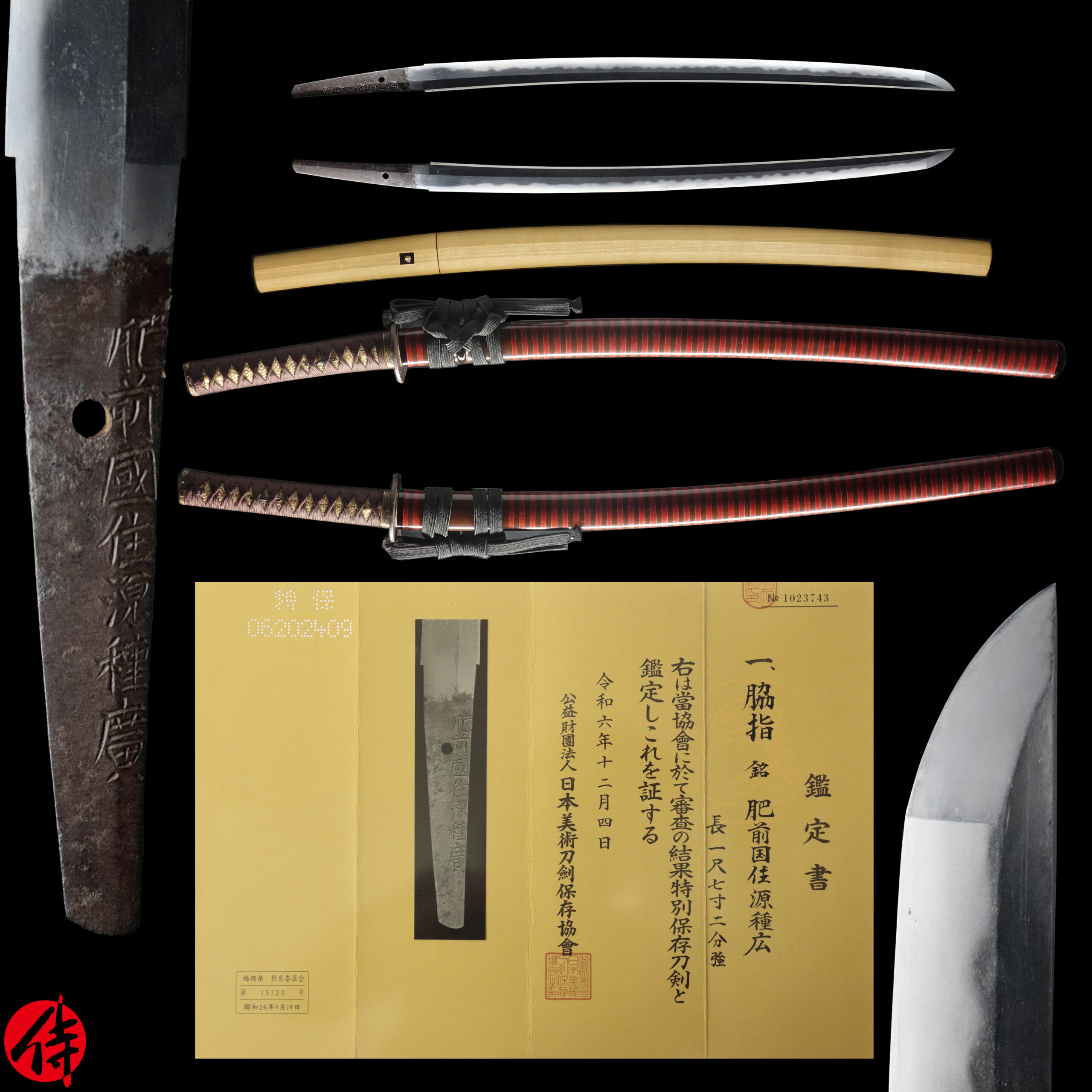
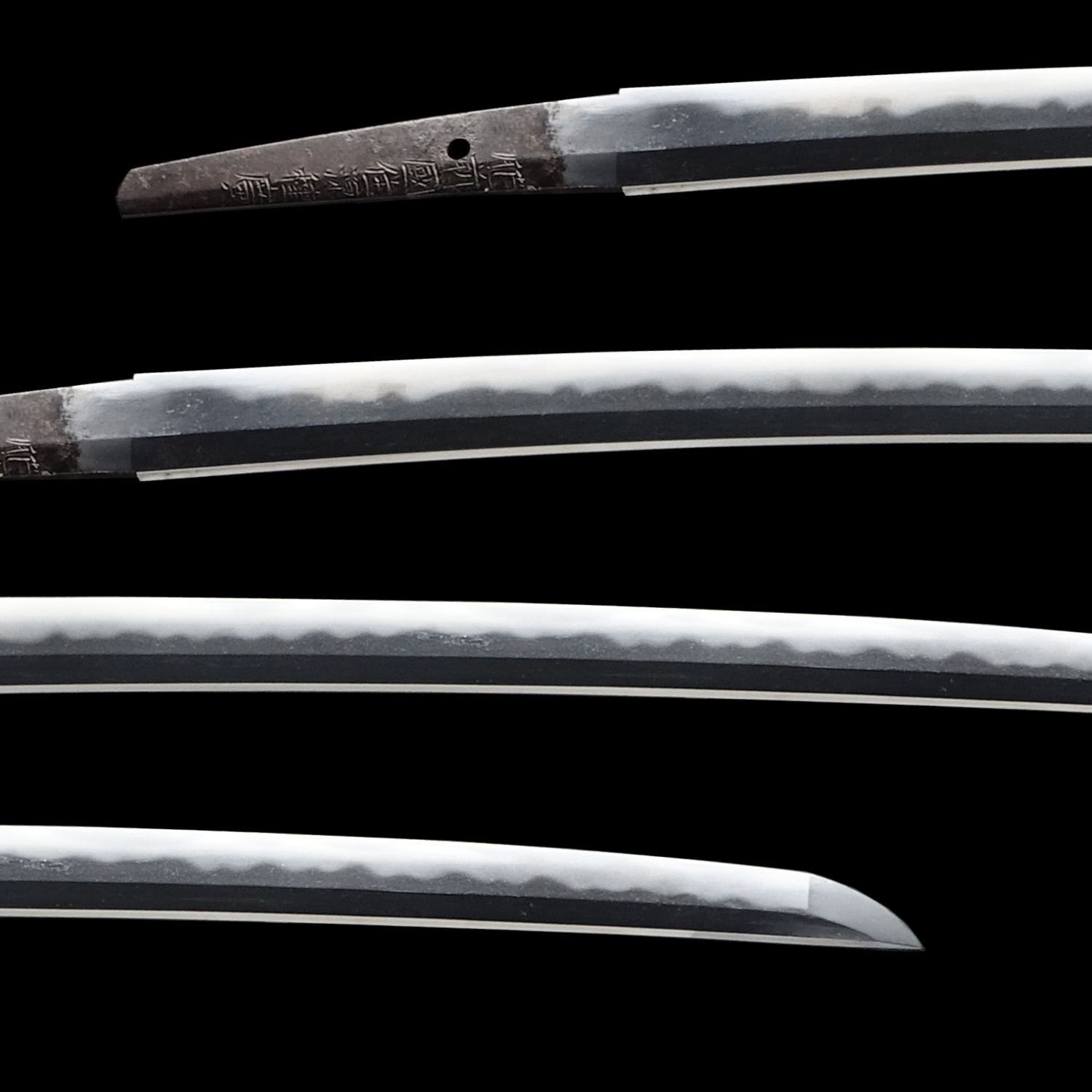
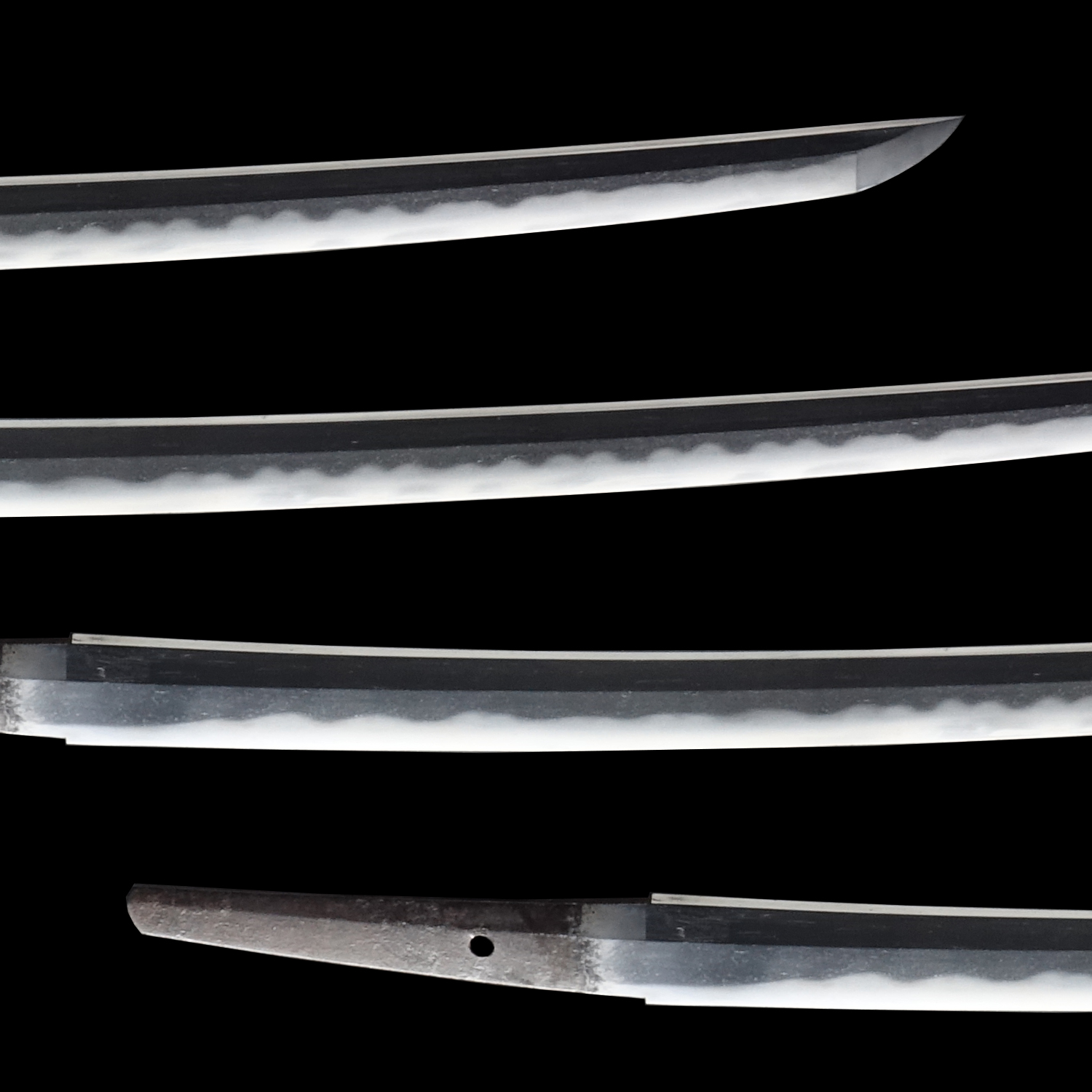
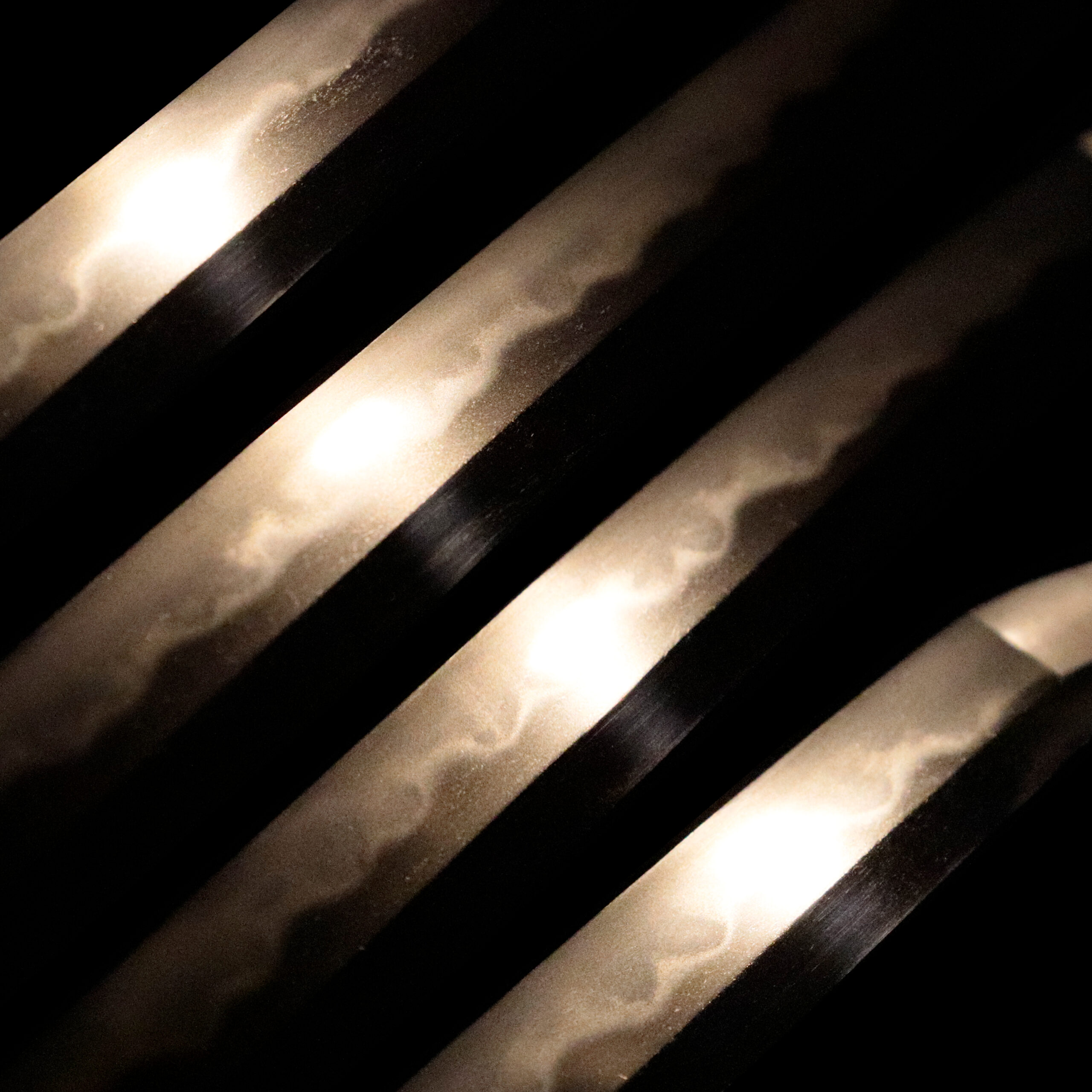
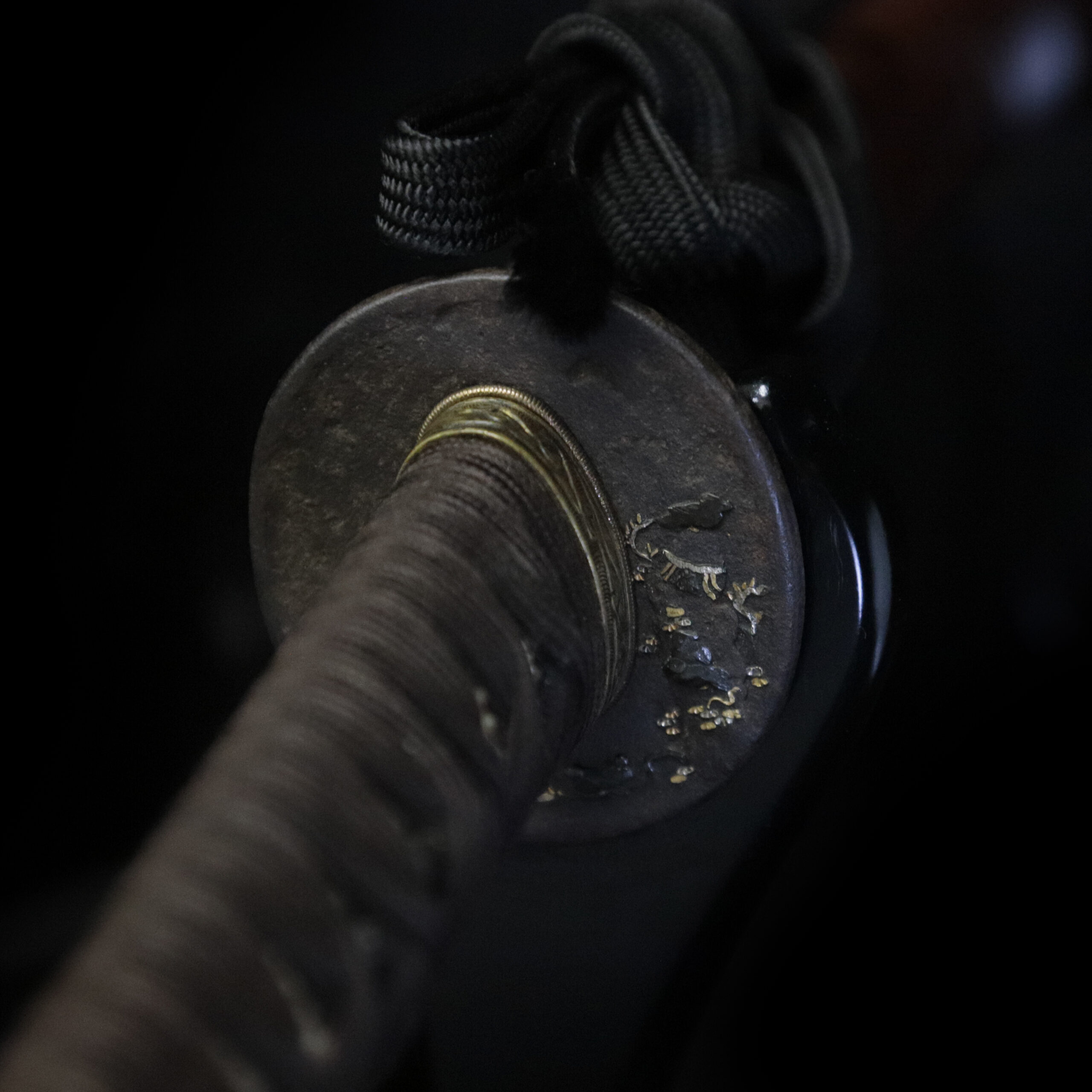
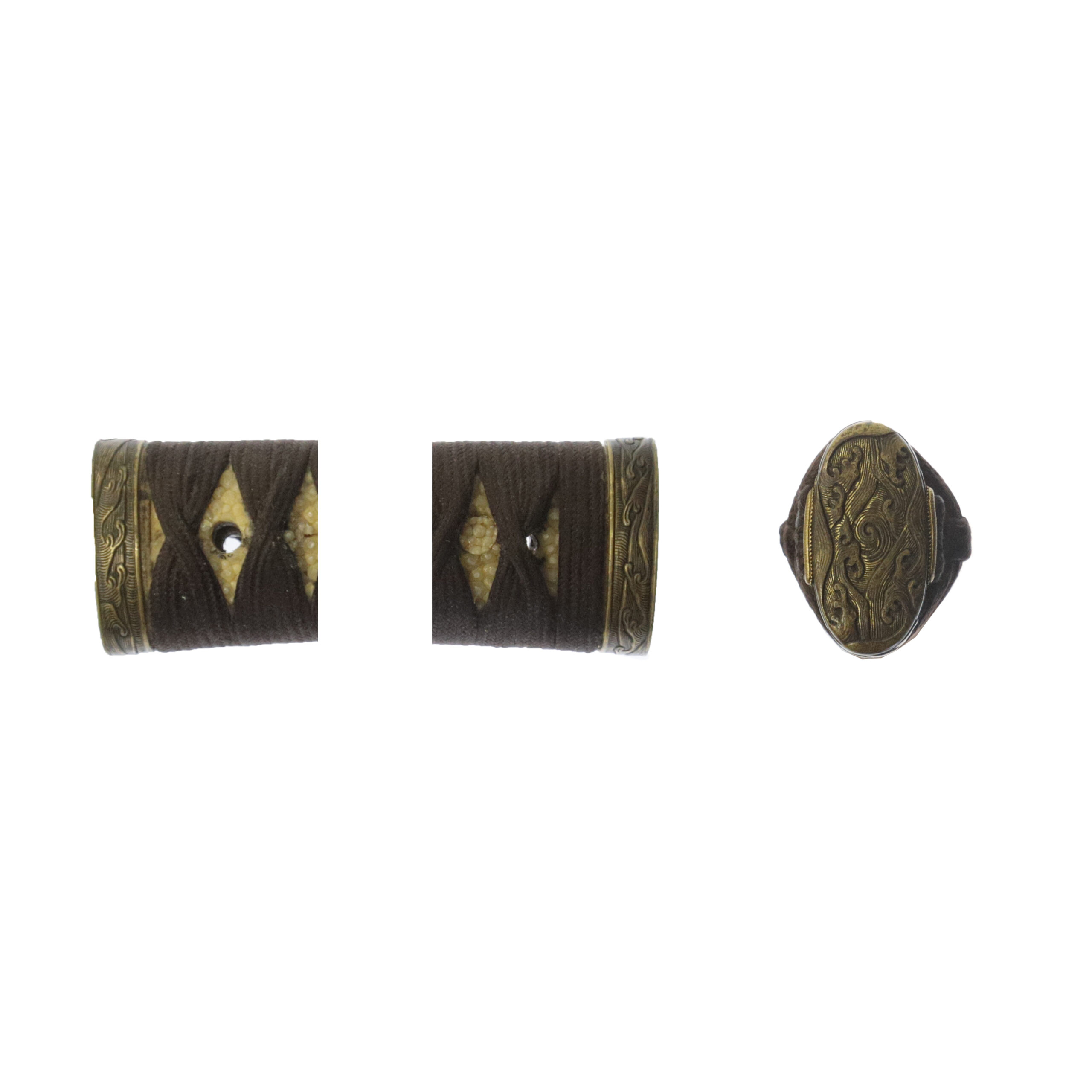
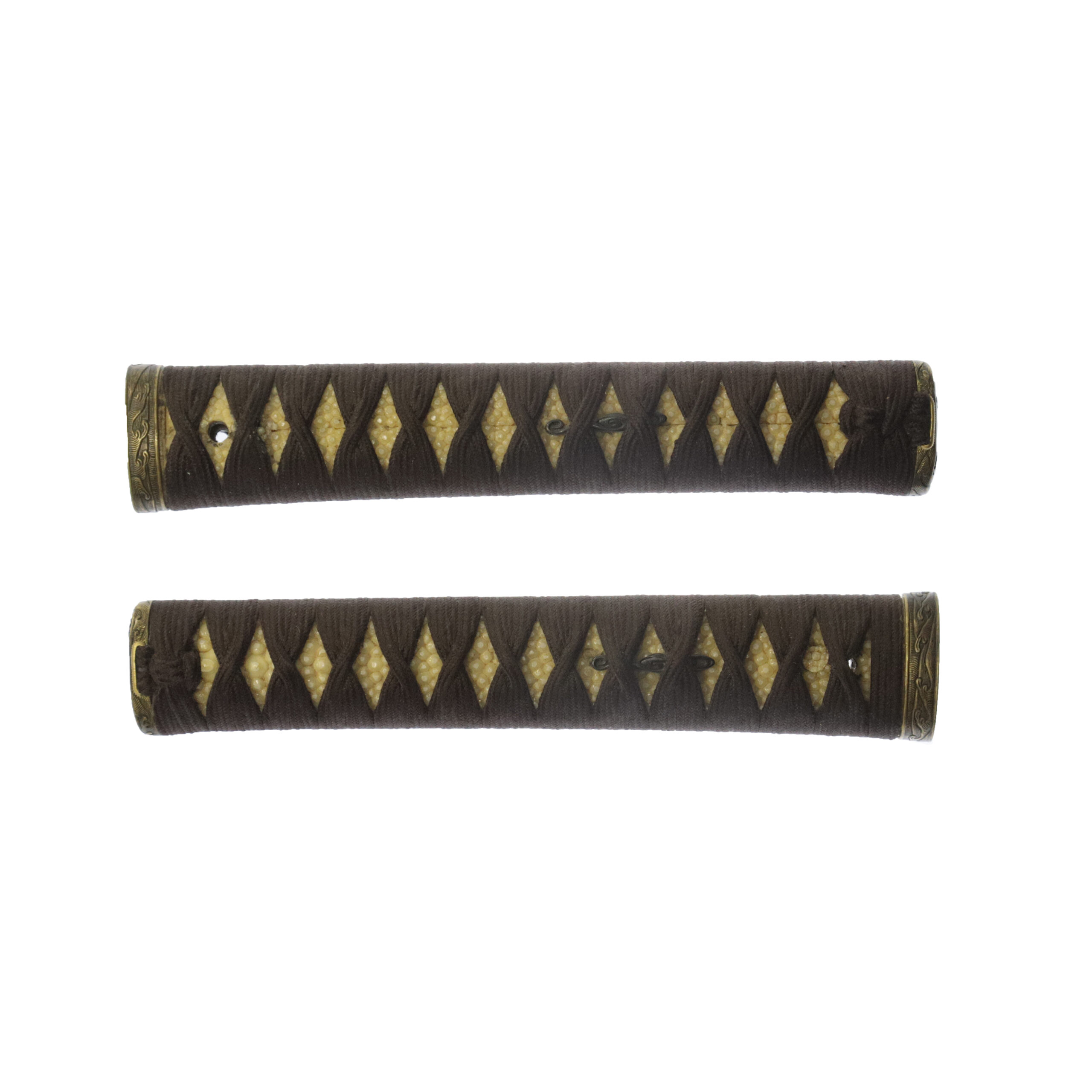
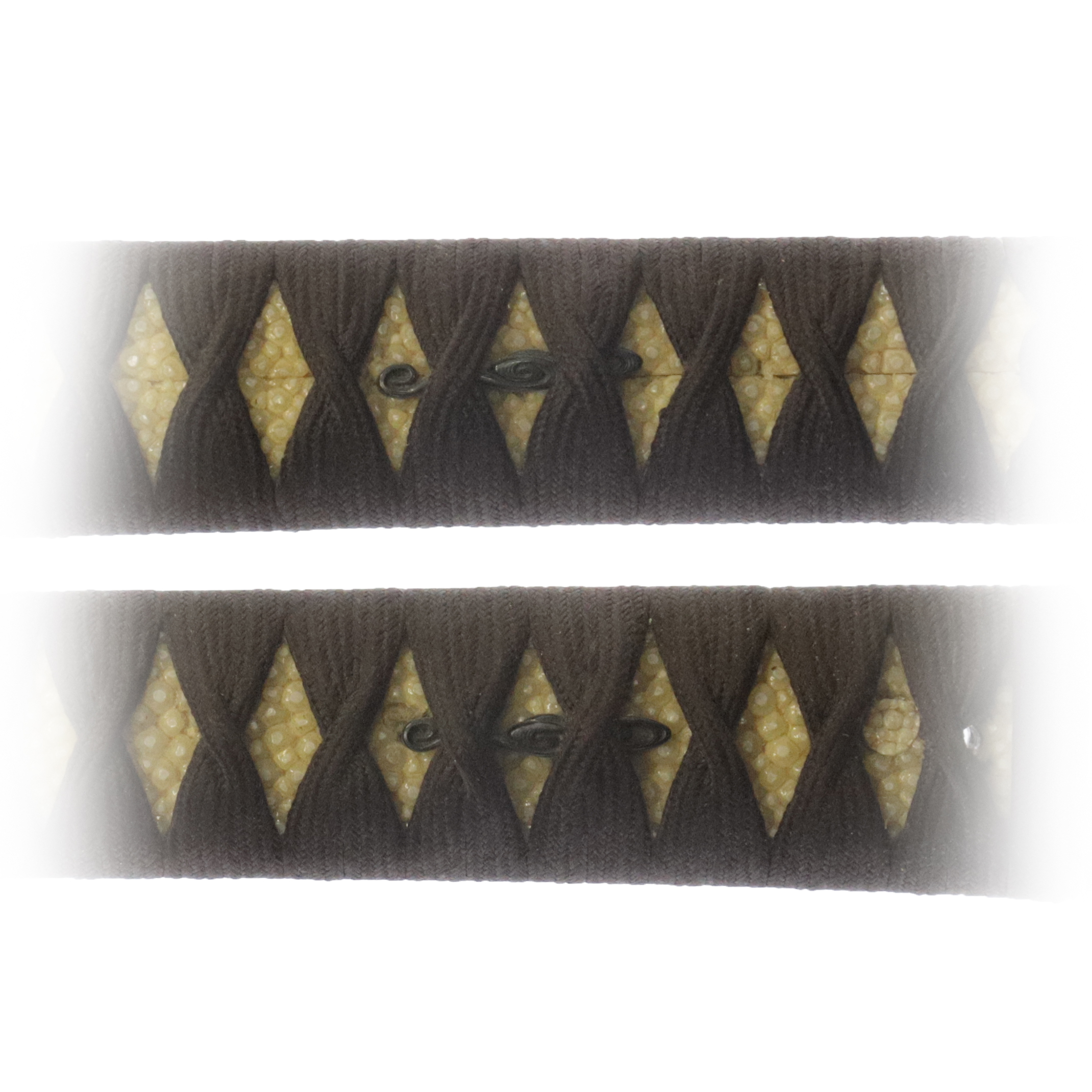
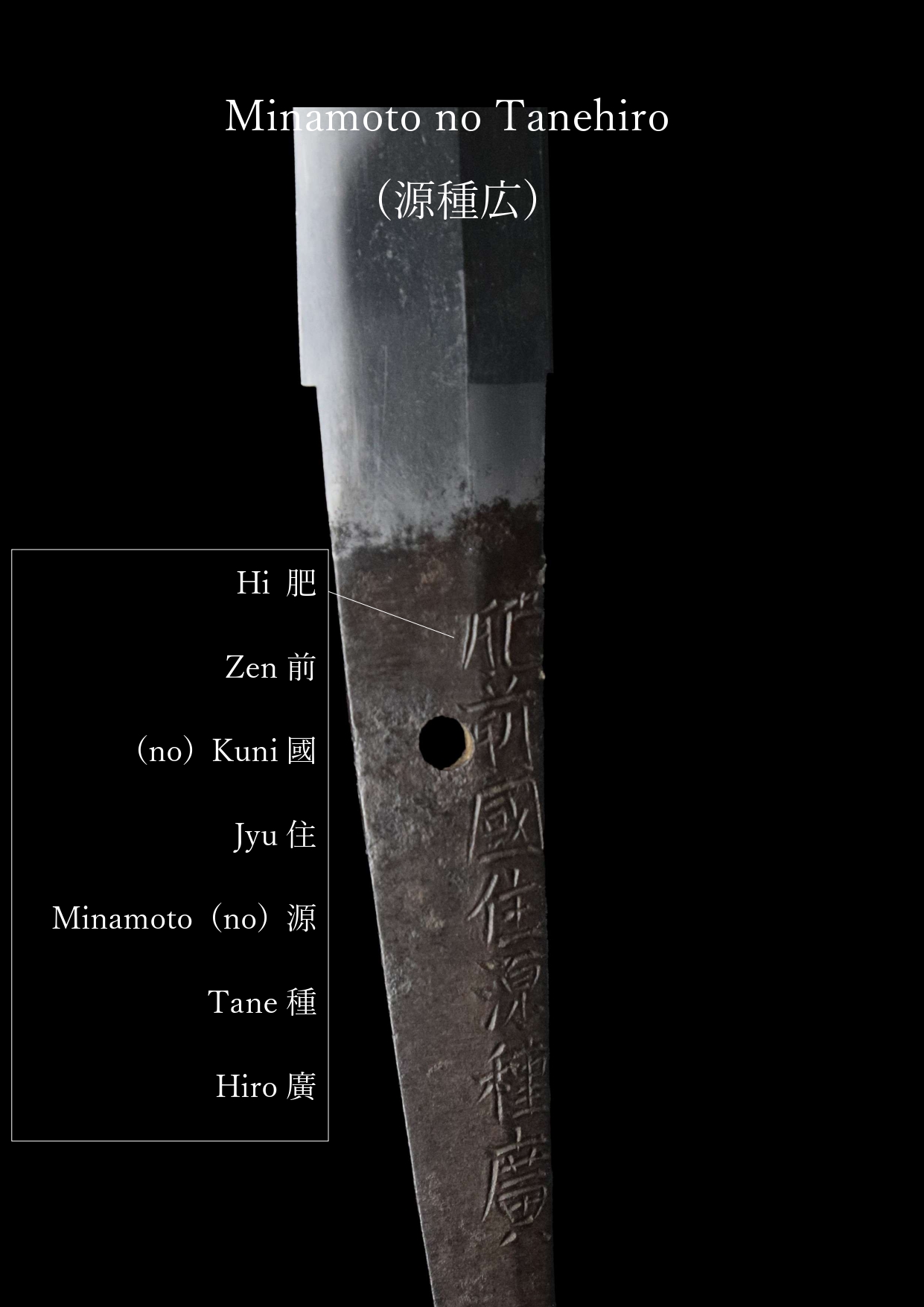
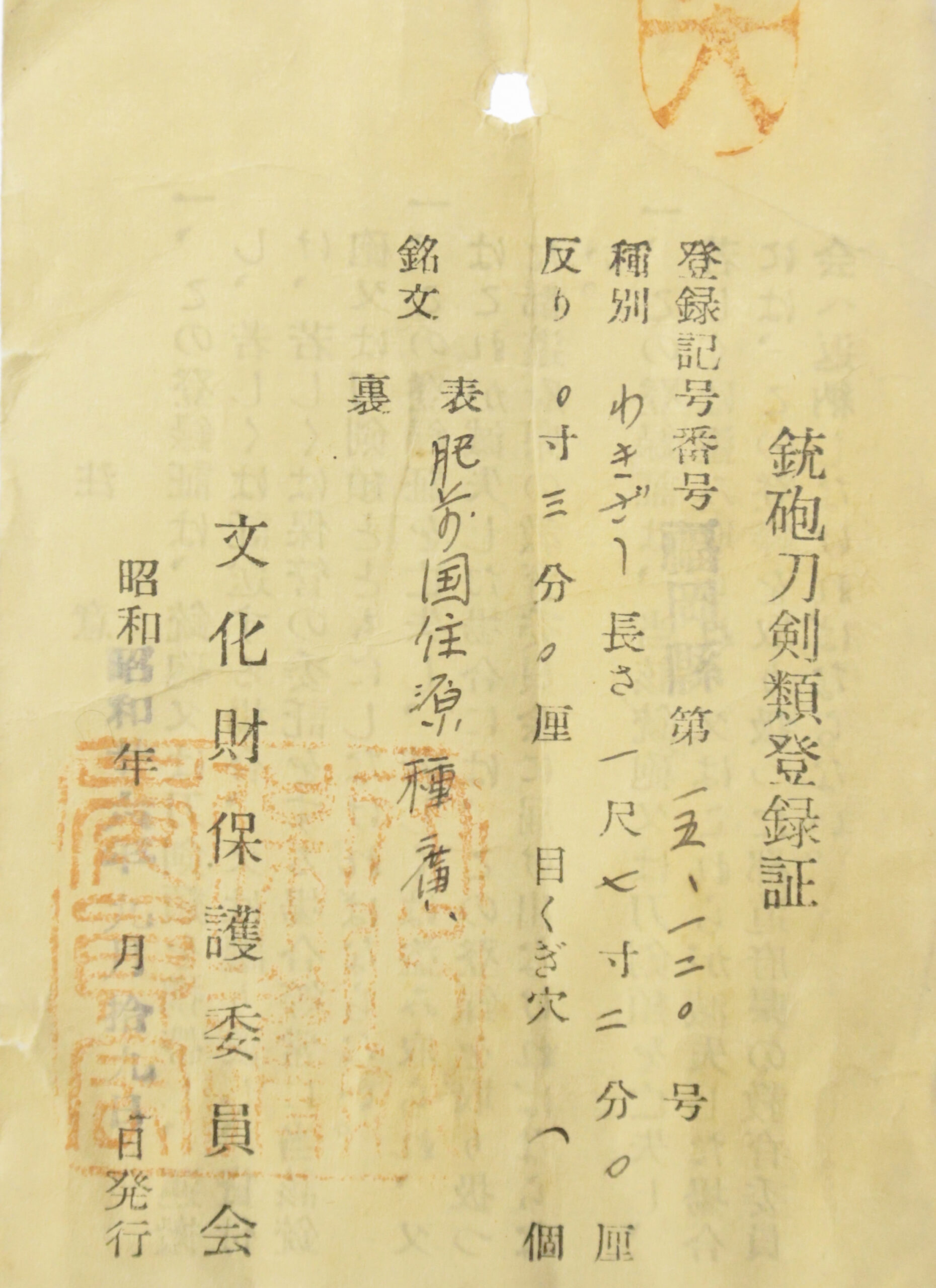
Summary This blade was signed by “Hizen no Kuni Jū Minamoto no Tanehiro” (肥前国住源種広), a swordsmith active during the early Edo period, around the Kan’ei era (1624–1644). The name Tanehiro was passed down through two generations during the Edo period, and we assume this blade was forged by the first-generation Tanehiro. He is also known to have later received the honorary court title of “Higo Daijō” (肥後大掾). The title “Daijō” was an honorary court rank granted to distinguished swordsmiths and artisans, signifying prestige and official recognition of their skill and status. Historical records also indicate that Tanehiro belonged to the Ichita lineage of swordsmiths, who were active in Hirado, in present-day Nagasaki Prefecture, and used the name “Ichita(市太)” as part of their lineage tradition. The Ichita lineage is regarded as a separate tradition from the mainstream Tadayoshi school, which dominated Hizen sword production. Because of this, blades forged by the Ichita lineage possess distinctive characteristics in their hamon and jigane that differ from those of the Tadayoshi tradition. Hizen Province Swordsmiths of Hizen Province worked under the patronage of the Nabeshima clan. Hizen swordsmiths became especially famous for producing beautifully refined jigane (steel surface patterns), known collectively as Hizen-tō. It is said that they achieved this distinctive quality by skillfully using and mixing high-quality imported steel from the Netherlands. It is appraised as a Tokubetsu Hozon Token (特別保存刀剣) issued by NBTHK (Nihon Bijutsu Touken Hozon Kyokai: 日本美術刀剣保存協会). *Please keep in mind that there are a a couple of Kitae Kizu on this blade. Fuchi-Kashira The theme of this Fuchi-Kashira is the hatō-zu motif (波濤図), a traditional Japanese design depicting turbulent ocean waves. The wave motif symbolizes the dynamic and ever-changing power of nature, as well as resilience, strength, and the ability to overcome adversity. Such patterns were favored in sword fittings because the movement of water was seen as a metaphor for a Samurai’s unyielding spirit and determination. Tsuka and Menuki The theme of this menuki appears to be Suimon (水紋), or water ripples. In Japanese art and sword fittings, water motifs often symbolize purity, fluidity, adaptability, and the constant flow of nature. This water motif may also relate to the traditional Kikusui-mon (菊水紋), a design combining chrysanthemums and flowing water. The chrysanthemum symbolizes longevity and nobility, while flowing water represents purity and continuity. Together, the Kikusui motif came to embody wishes for long life, protection from misfortune, and enduring prosperity, and was widely used in Japanese decorative arts and family crests. Tsuba and Habaki This square tsuba features a depiction of a small bird alongside plum blossoms. While the exact species is difficult to determine, in Japan, the bird most commonly associated with plum blossoms (梅, ume) is the Japanese bush warbler (鶯, uguisu). The combination of “plum blossoms and the warbler” (梅に鶯) is one of the most beloved pairings in traditional Japanese aesthetics, alongside “pines and cranes” (松に鶴) and “bamboo and sparrows” (竹に雀). This motif is regarded as a symbol of spring’s arrival and natural harmony and has long been featured in paintings and decorative arts. Furthermore, since the time of the Man’yōshū (万葉集, Japan’s oldest anthology of poetry), numerous waka poems have celebrated plum blossoms and the warbler. This elegant imagery, deeply rooted in Japanese sensibilities, has been cherished by many, from Heian-period aristocrats to generations of admirers. The sight of plum blossoms heralding spring and the clear song of the warbler has long been regarded as a refined and poetic scene. Saya This saya (scabbard) features a decorative lacquer technique known as Fuemaki-nuri (笛巻塗). The name literally means “flute-wrap lacquer” and refers to a method in which thin cords or strings are wrapped around the scabbard before being coated with multiple layers of lacquer. Once dried and polished, the surface reveals a textured, ridged pattern reminiscent of the wrapping found on a traditional Japanese flute (fue, 笛). *Please note that there is some minor wear on the Saya due to age. Authentication Paper They authenticated the blade on December 4th in the 6th year of Reiwa (2024). They appraised it as Tokubetsu Hozon Touken, the blade especially worth preserving for Japanese society.

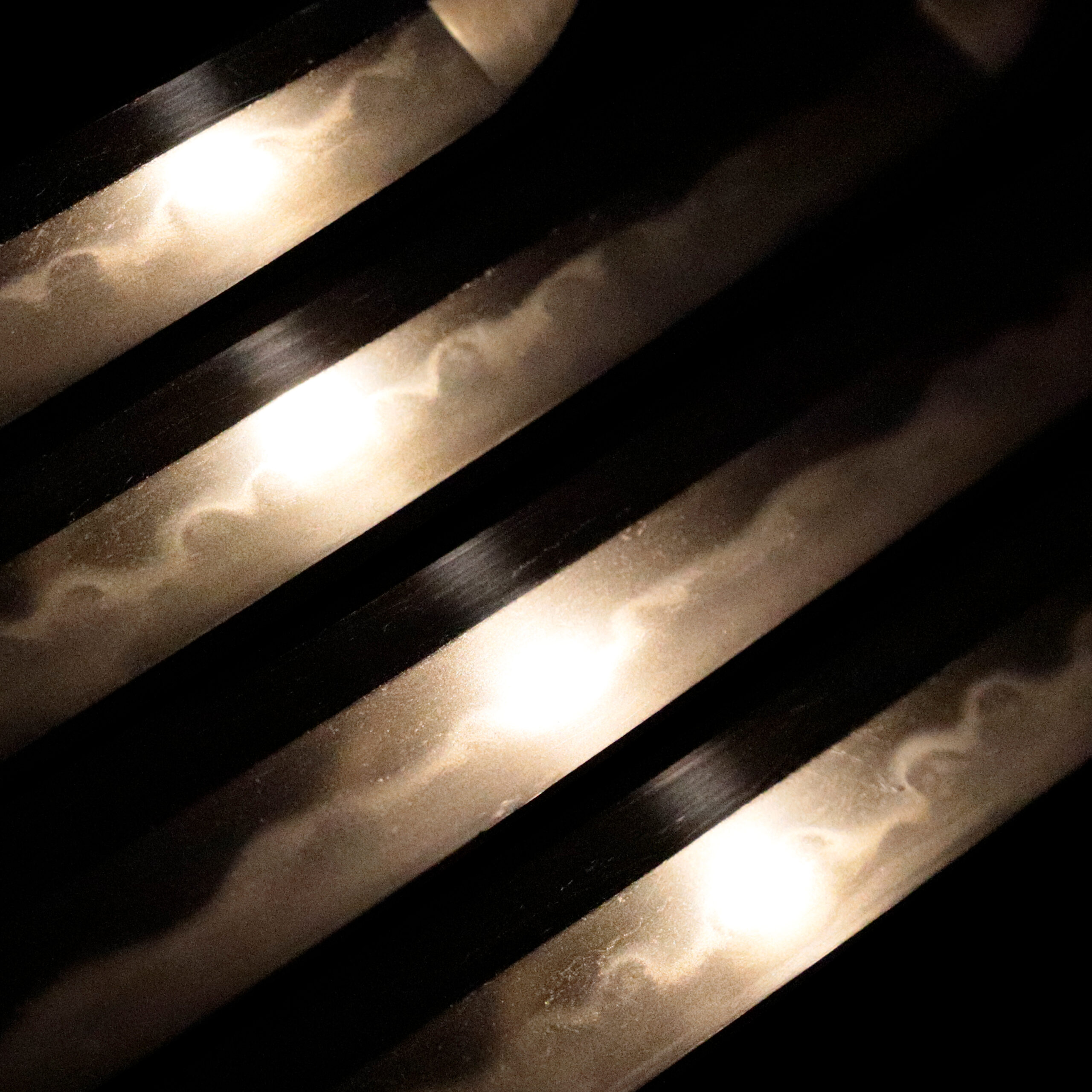
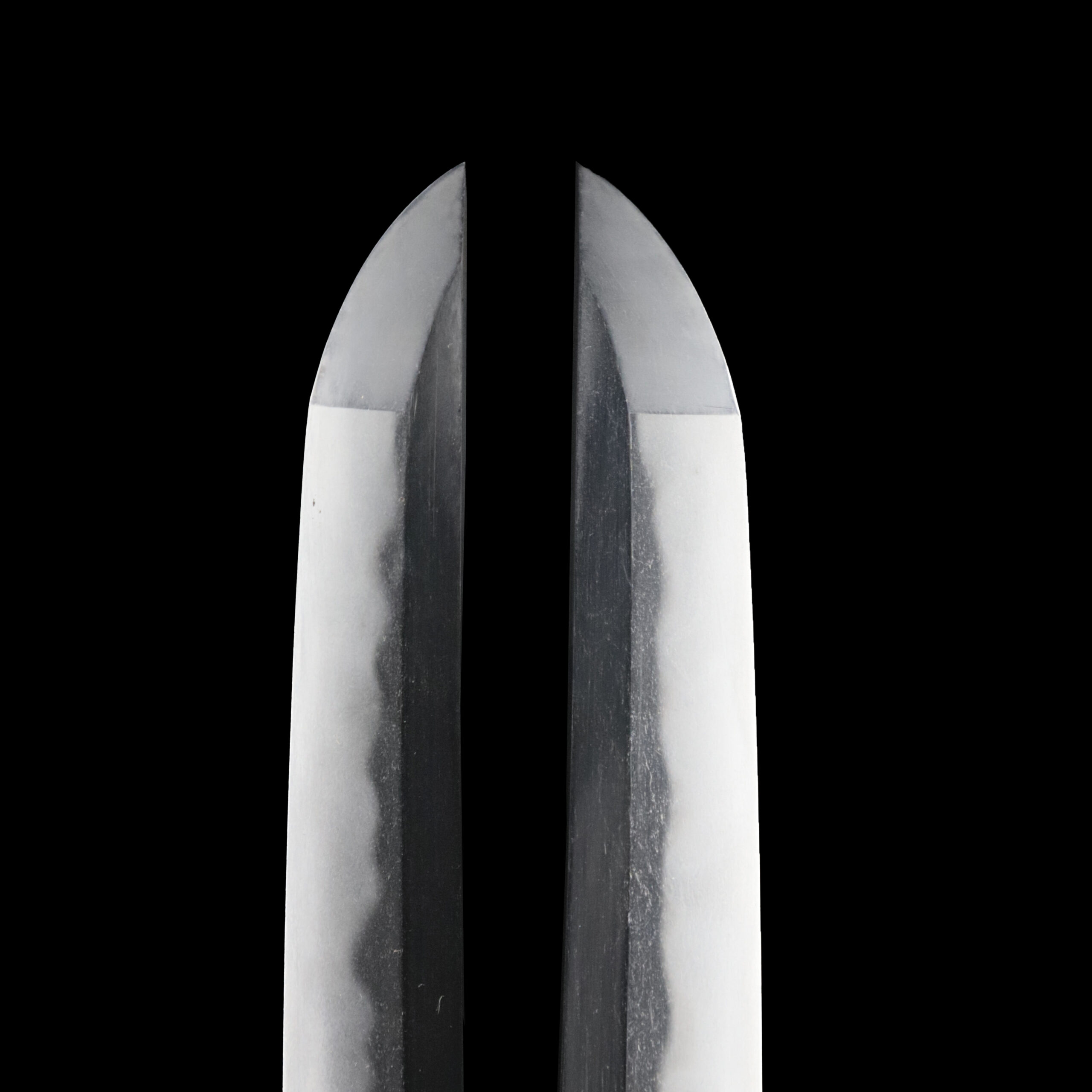
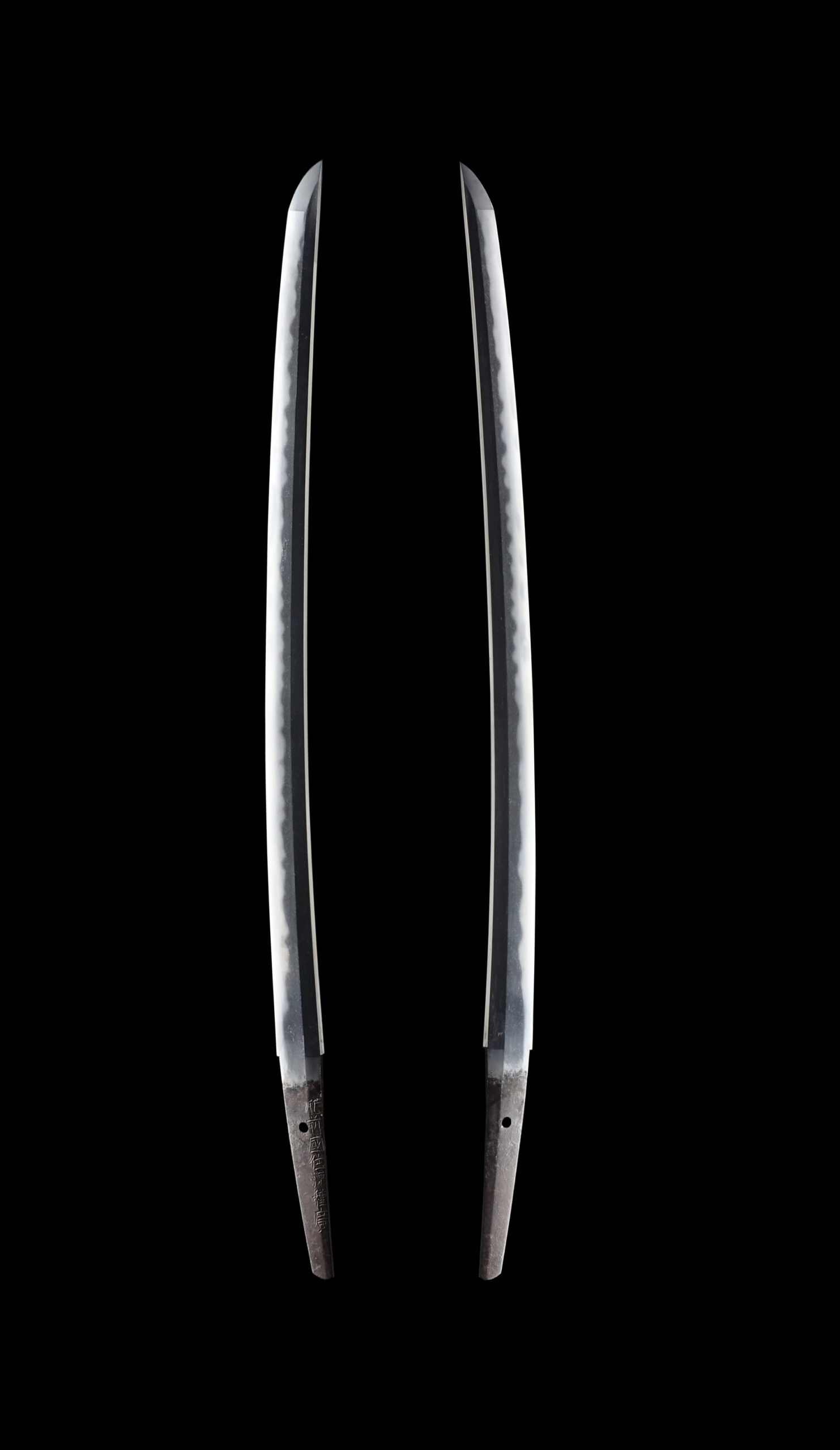
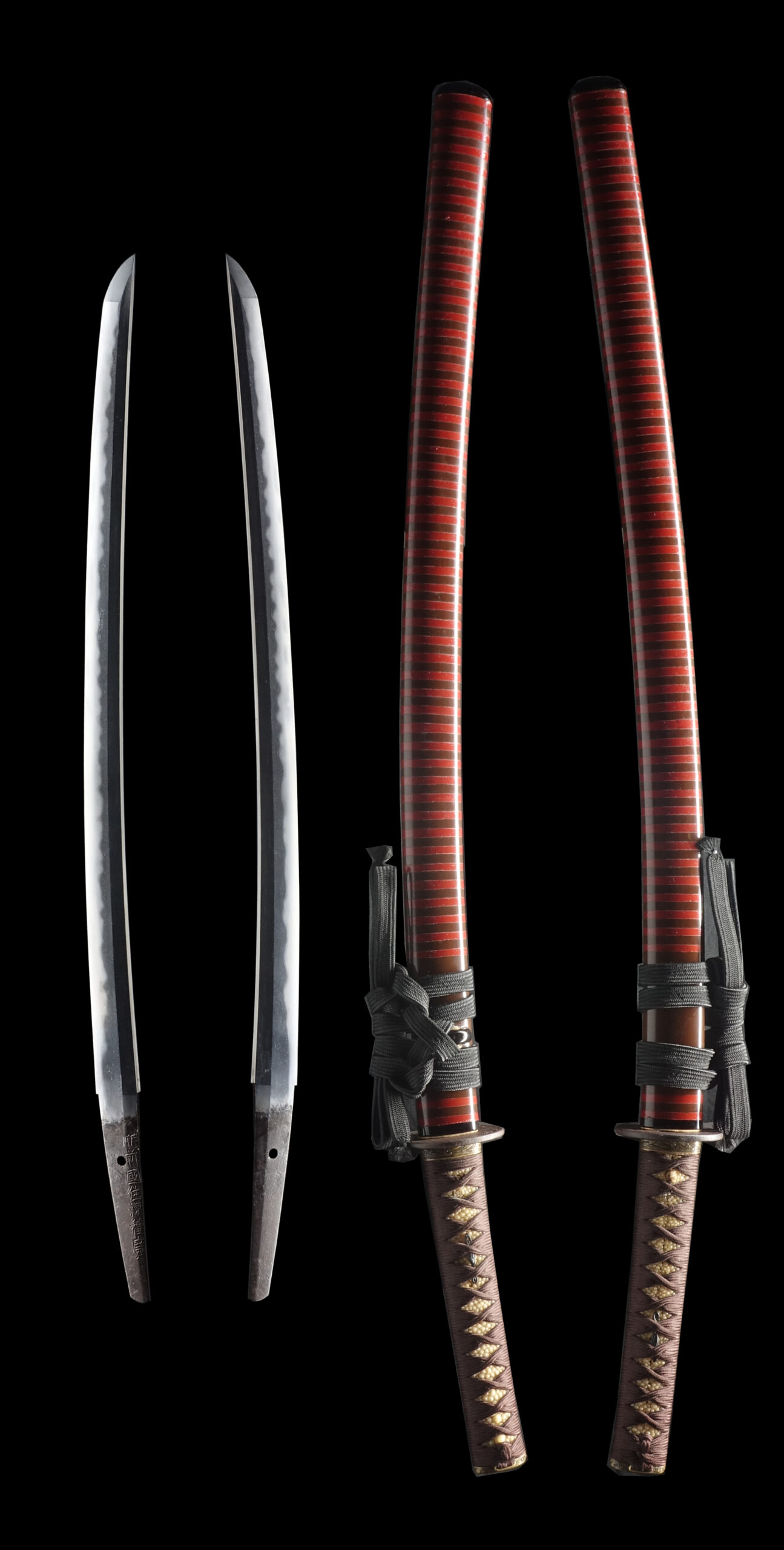
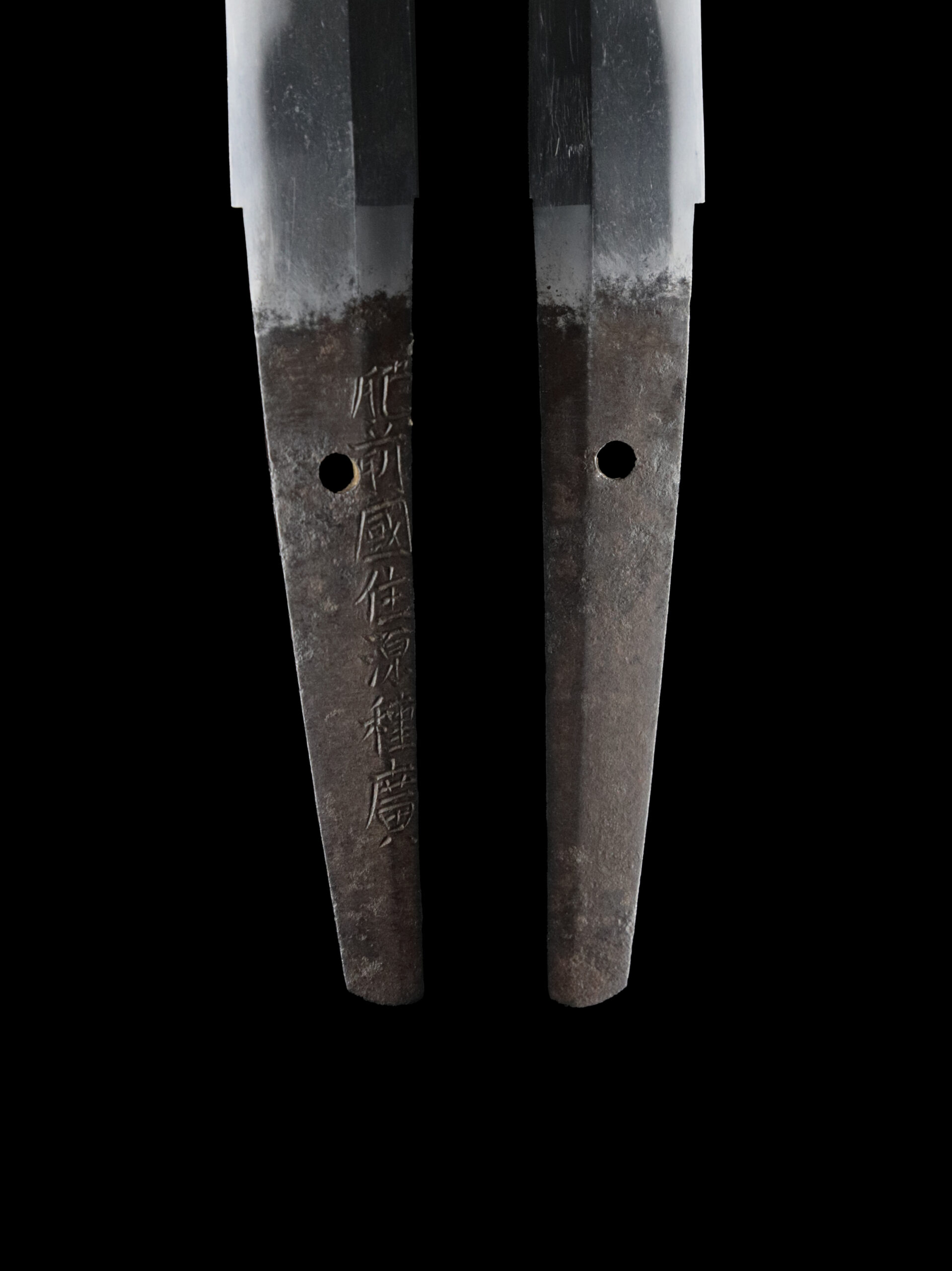
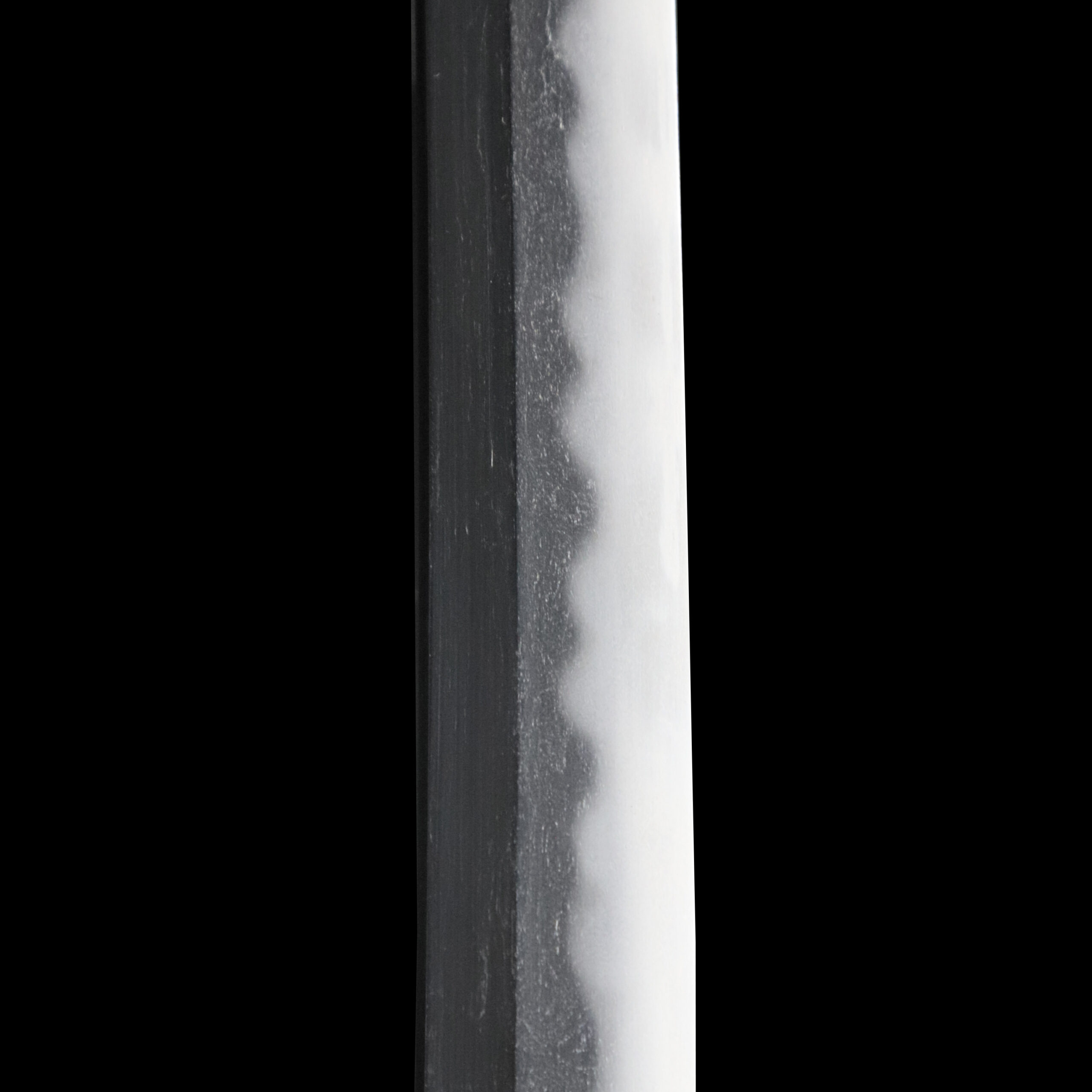
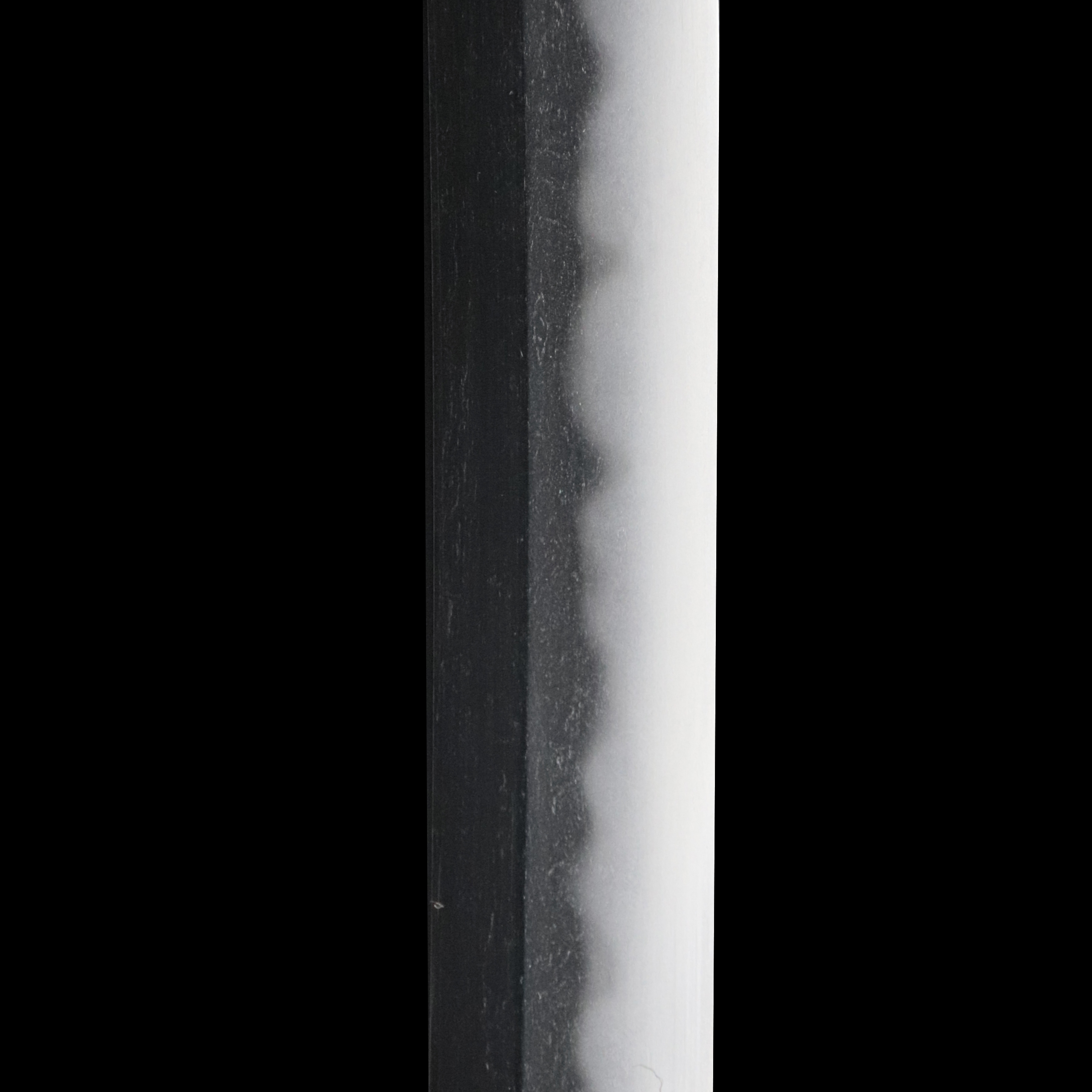
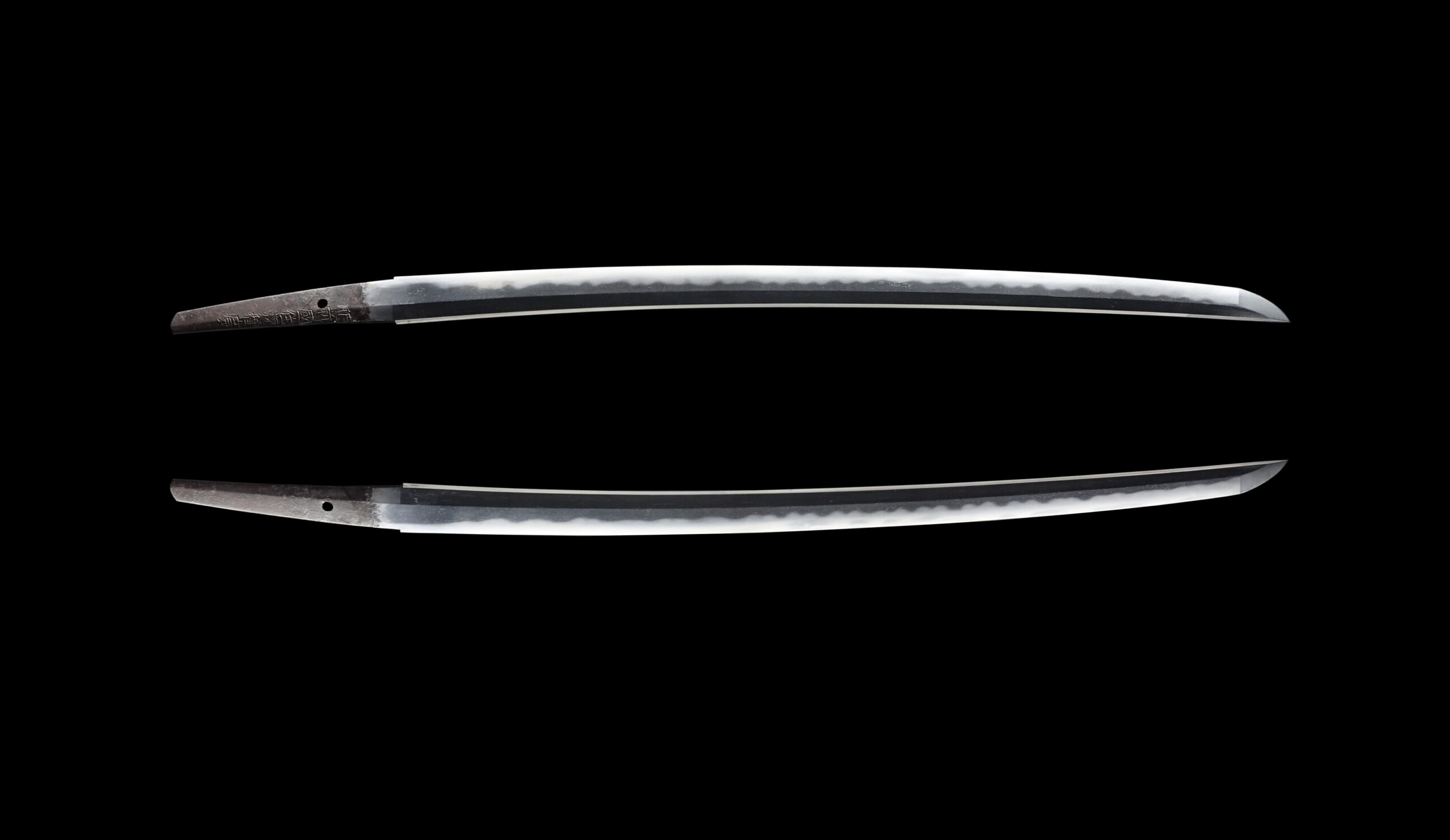
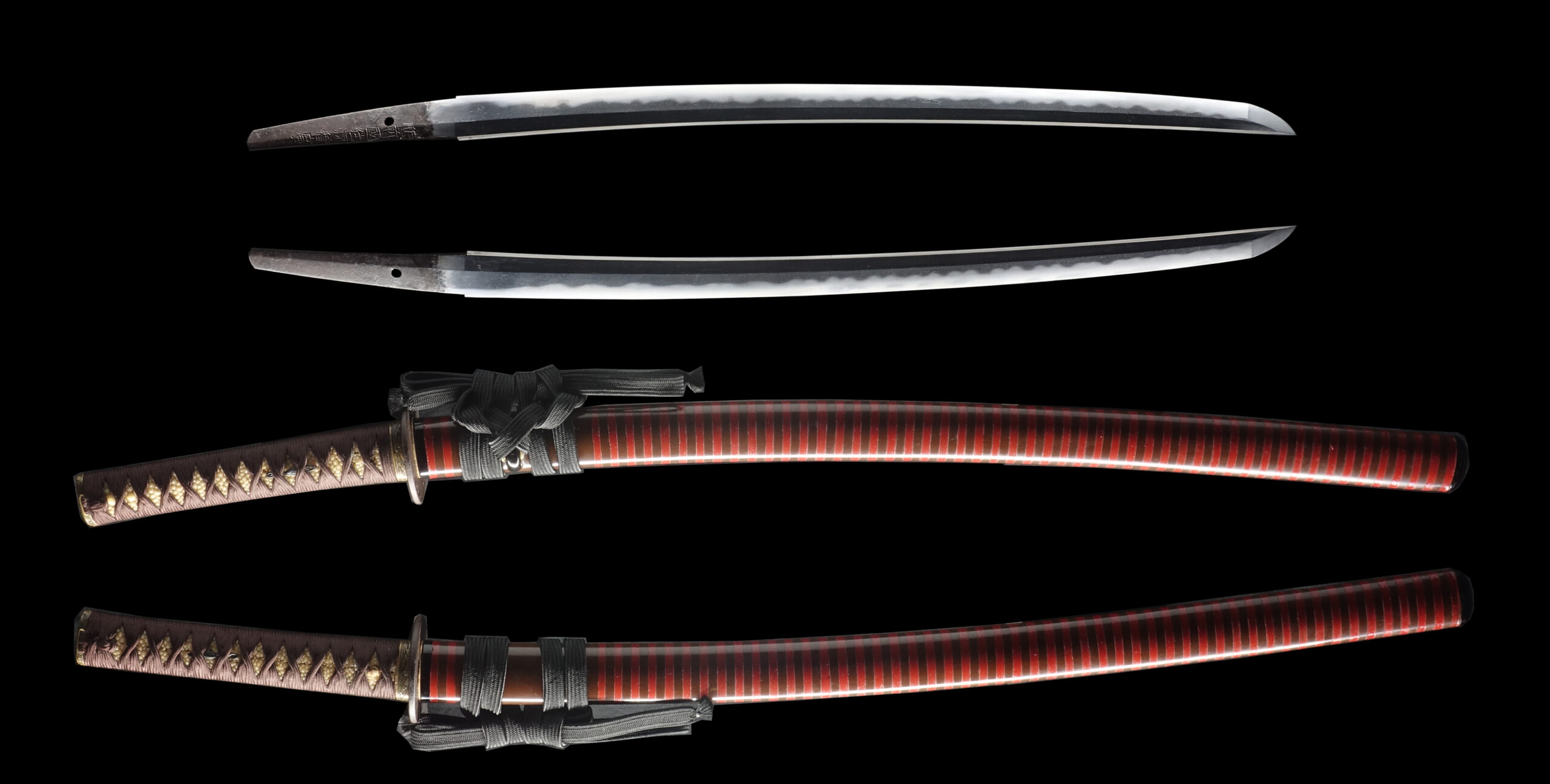
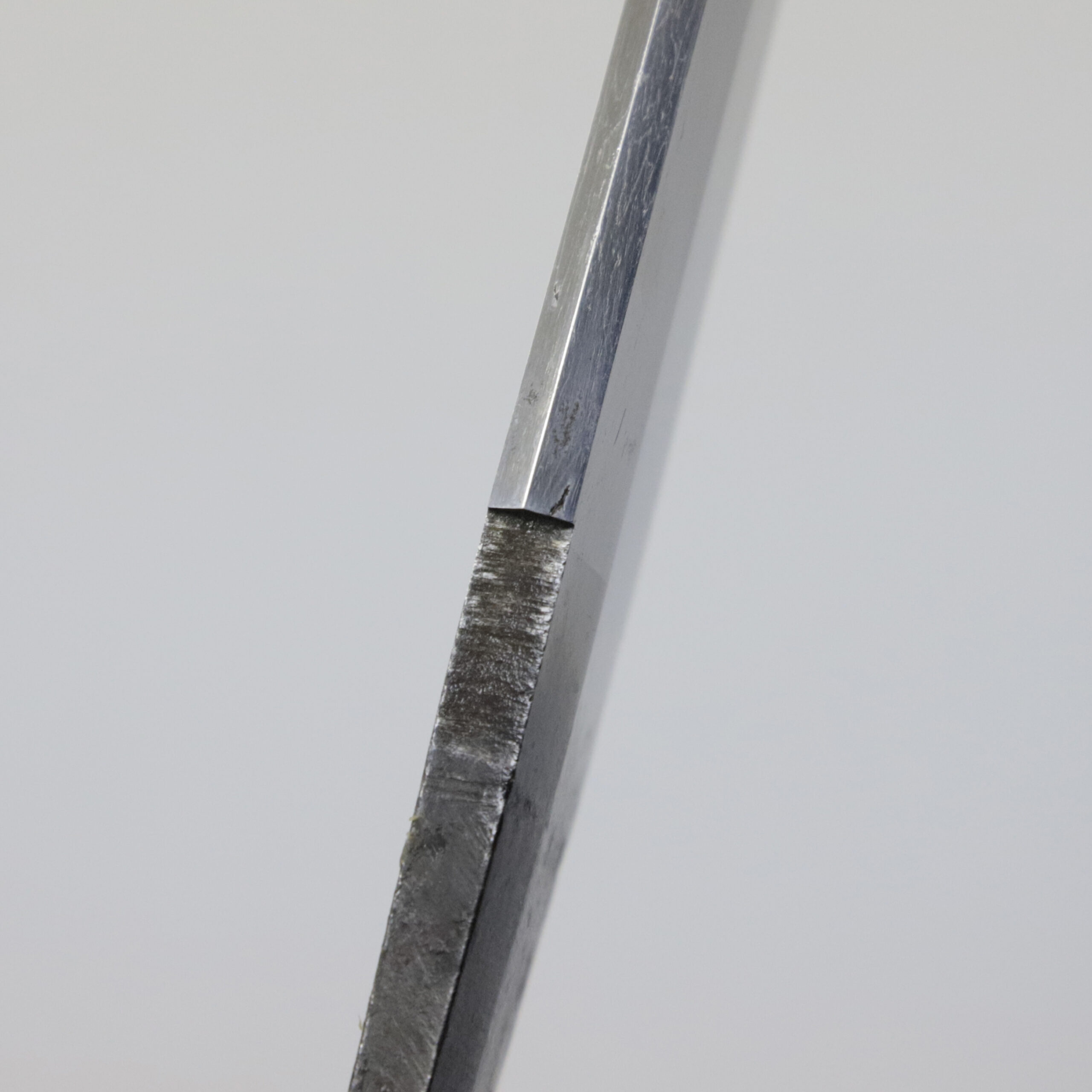
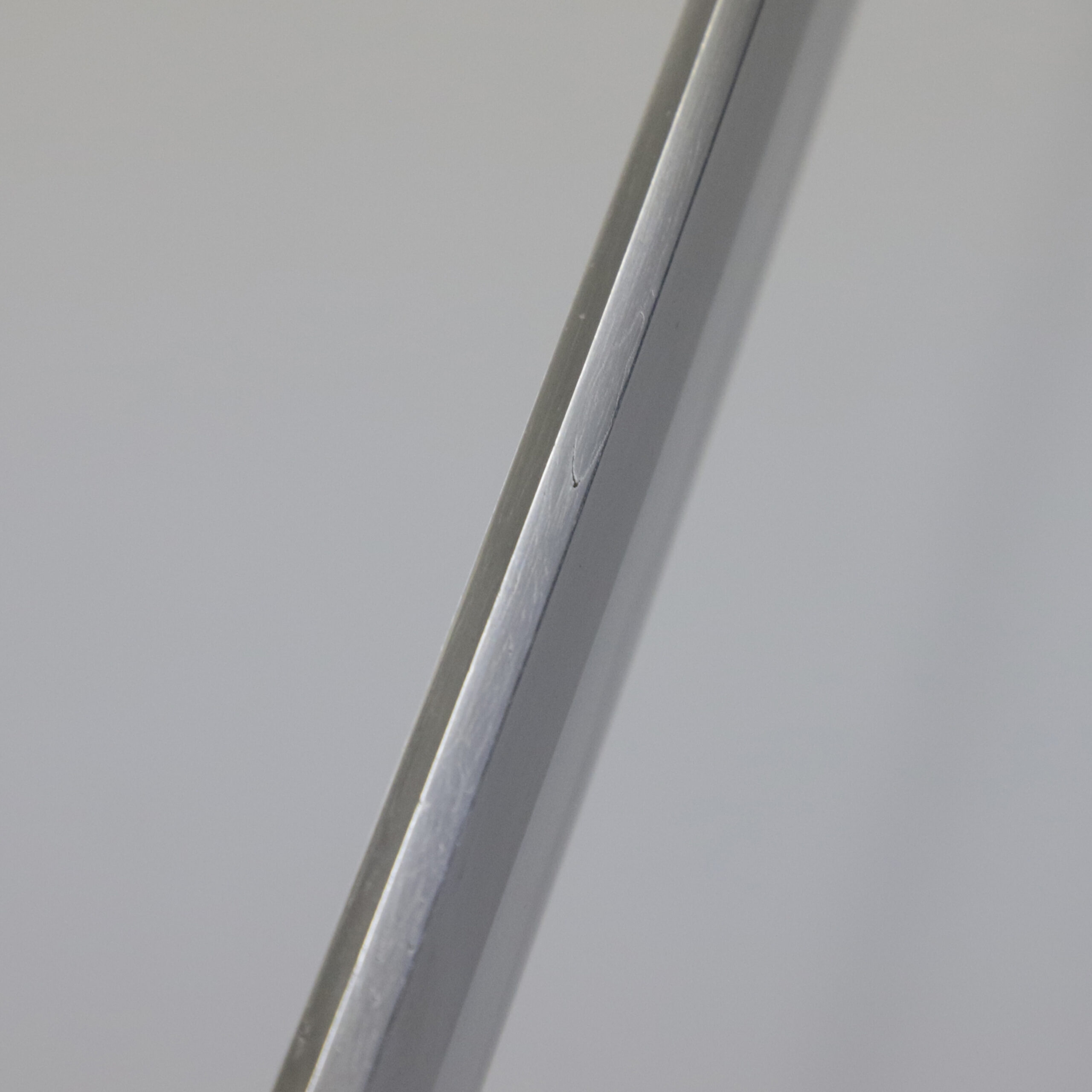
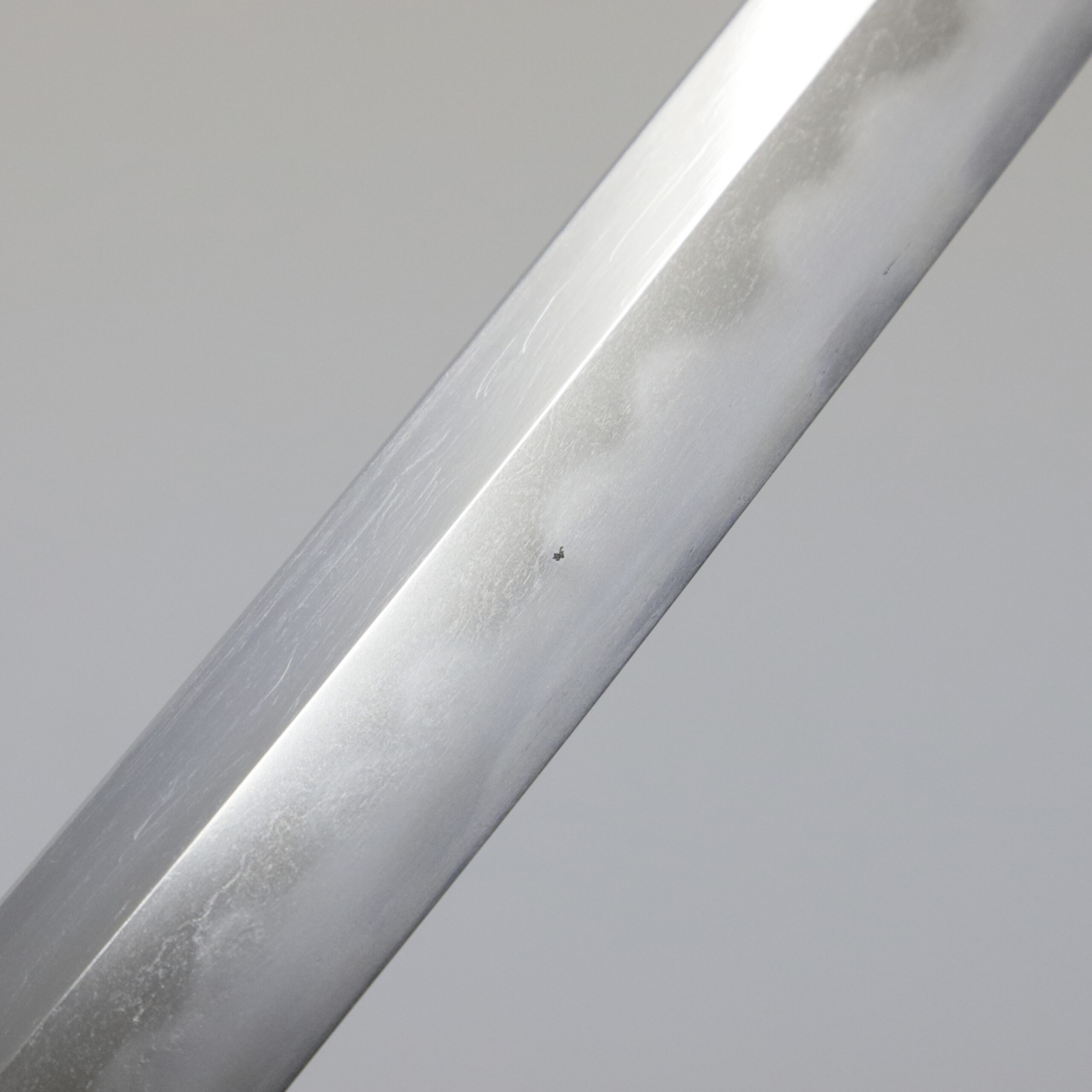
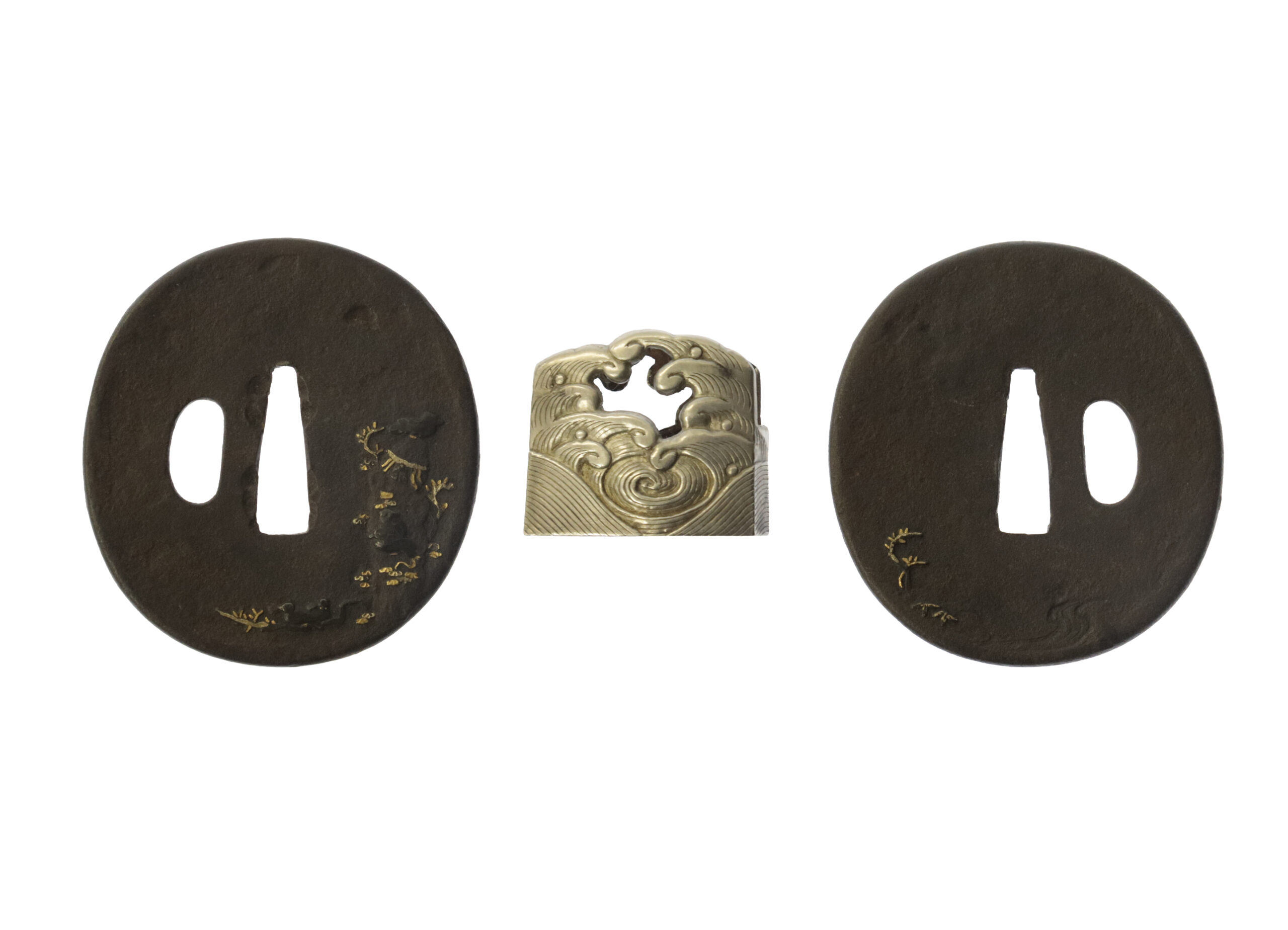
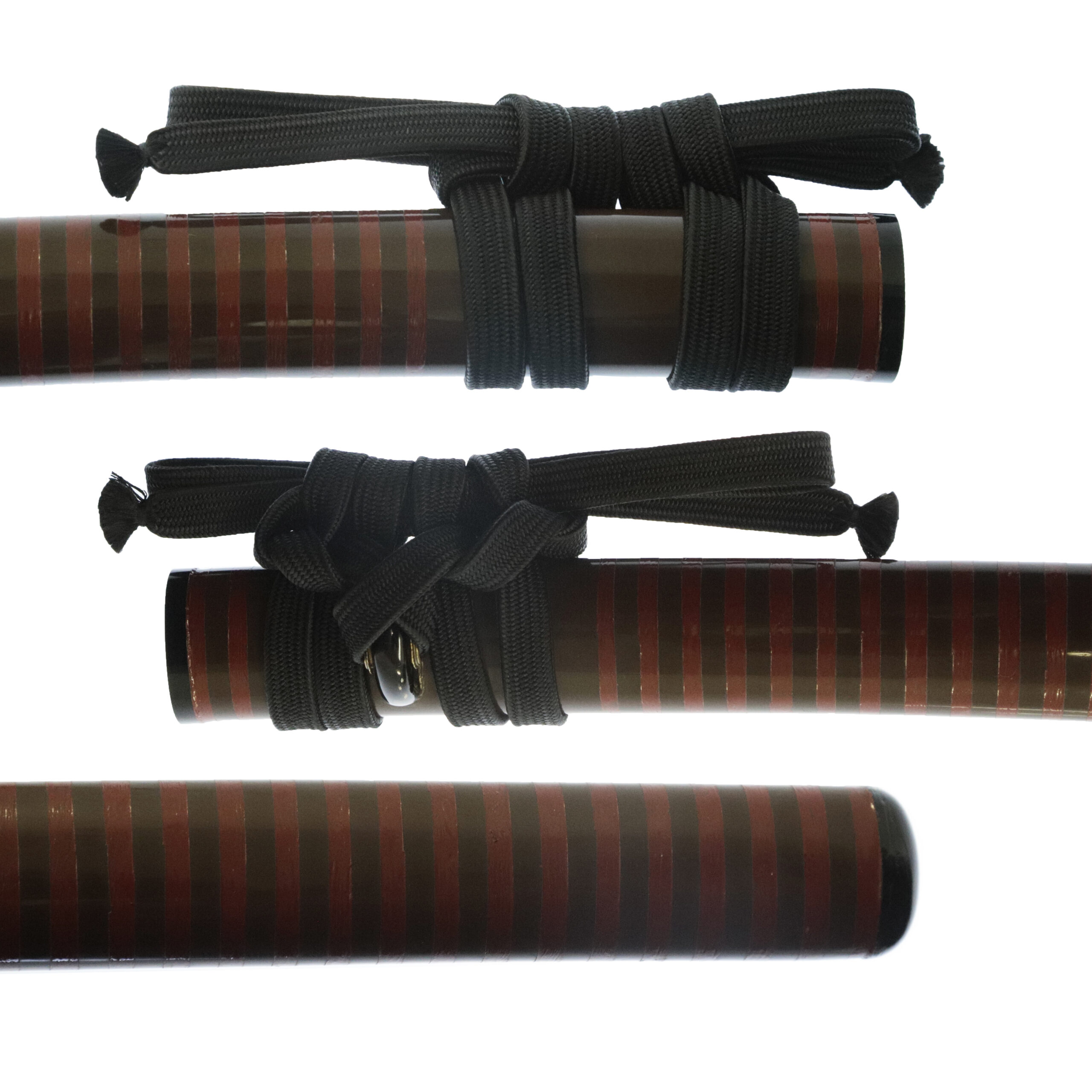
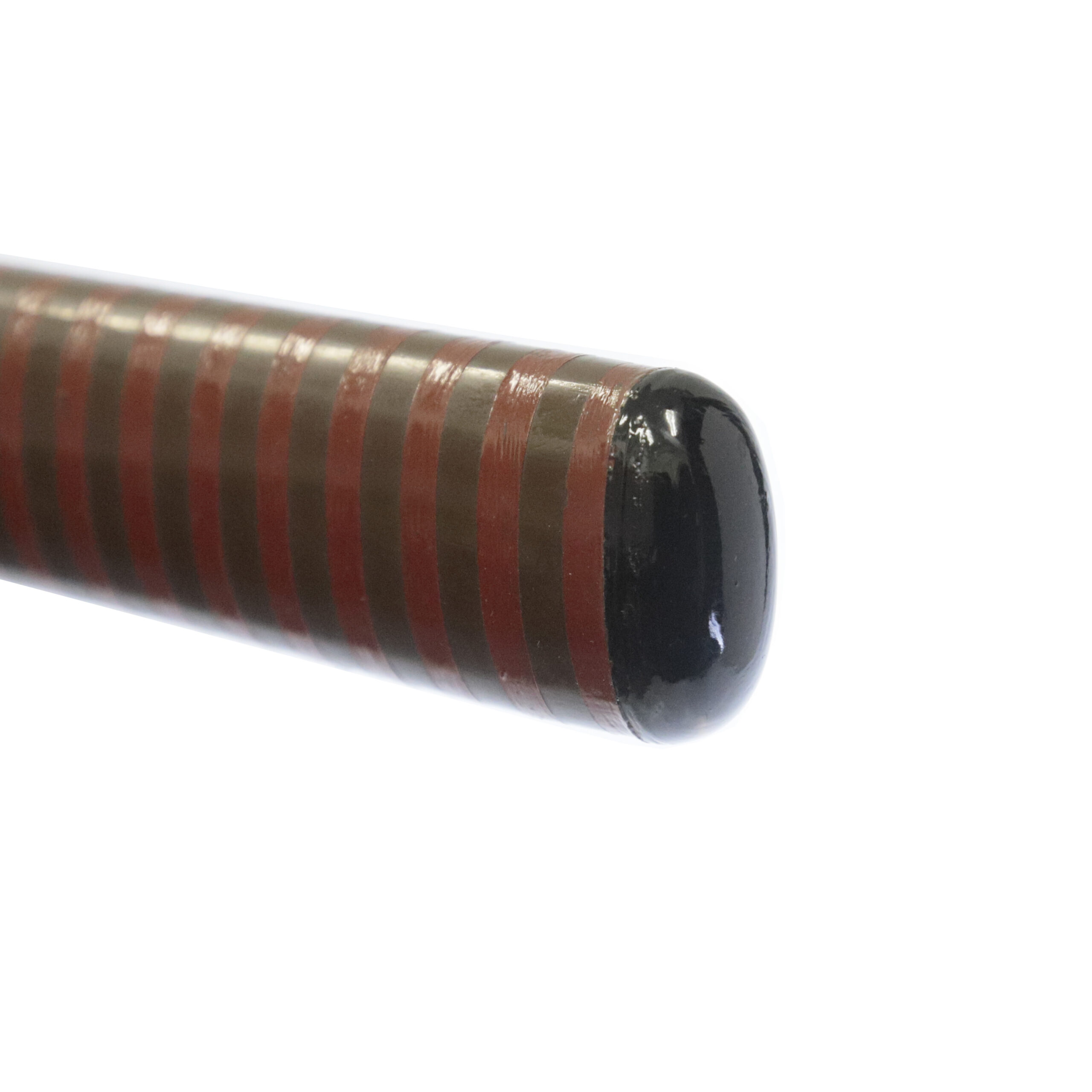
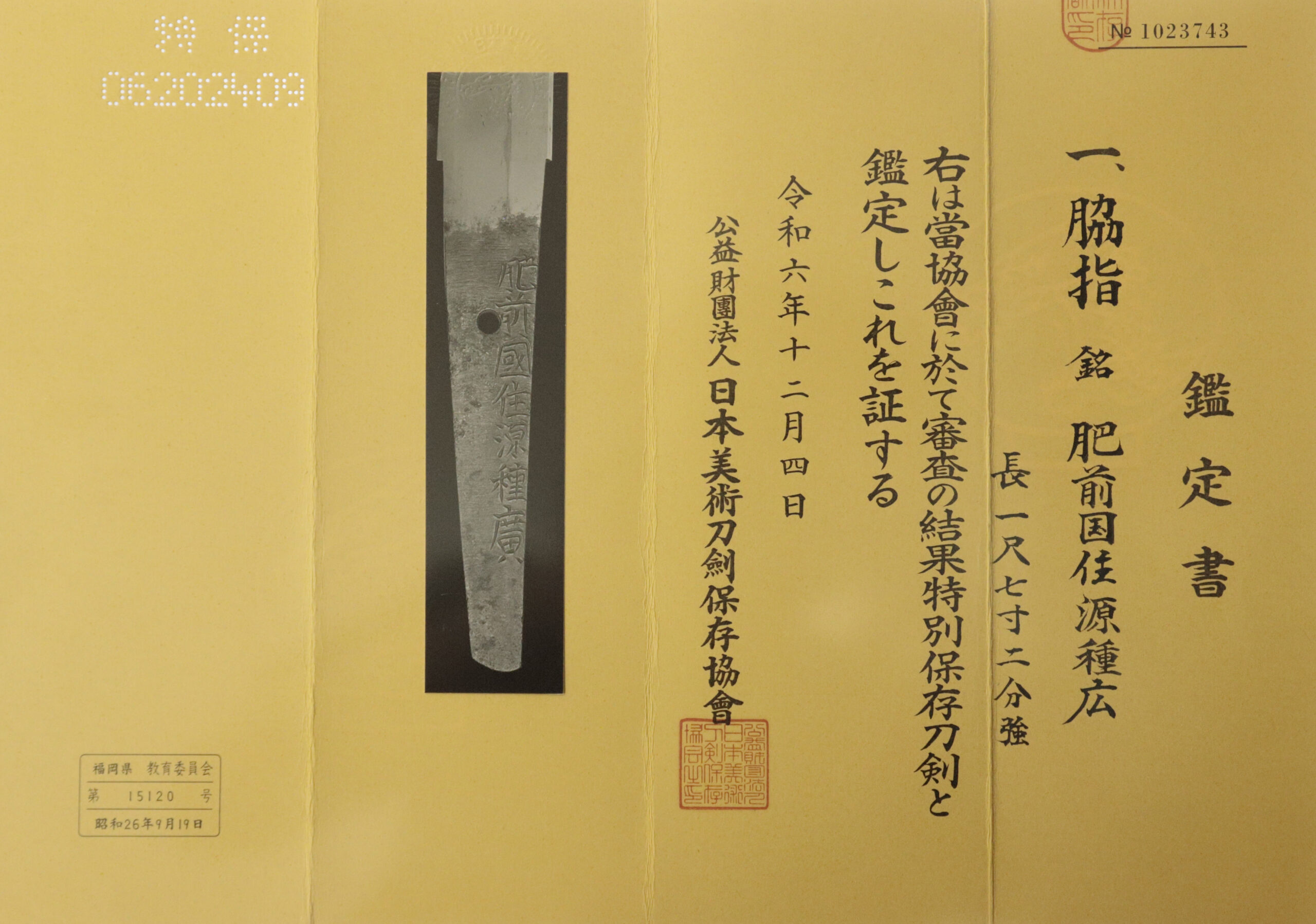
販売店の記載のまま
肥前 · 1624-1644頃
種廣の位置づけを、日本刀全体および伝法・時代・時期ごとに示します。各区分(随一・屈指・有数・著名)は、NBTHK および文化庁による指定に加え、三作や名物帳などの歴史的栄誉を加味したものです。
各項目を選ぶと評価方法が表示されます。
江戸時代
江戸は刀の目利きの時代である。本阿弥の鑑定、1719年の享保名物帳、盛んな刀剣書が、戦で抜かれることのなくなった刀を学問の対象へと変えていった。
保存刀剣のうち、出来が一層優れ、保存状態も良好と認められたものです。再刃や、室町・江戸期の多くの無銘作は対象外となり、保存刀剣より高い基準が課されます。
日本美術刀剣保存協会(NBTHK)は、1948年に設立され、文化庁の監督を受ける公益財団法人で、東京・刀剣博物館に本部を置きます。専門の審査員が出品作を直接審査し、美術的・歴史的価値に応じた鑑定書を発行します。NBTHKの鑑定書は、日本刀および刀装具の真正性を示す最も広く認知された基準です。
NBTHK公式サイトReturns/exchanges limited to defects caused by shipping (except willful misconduct or gross negligence by the company); customers must contact within 72 hours of receiving the product.