二十世紀は二度この工芸を殺しかけた。戦時の歪みと、占領下の禁令である。1948年の日刀保設立と1953年の作刀再開が刀を美術として再建し、人間国宝と無鑑査がその頂に立つ。
 NihontoWatchNihontoWatch
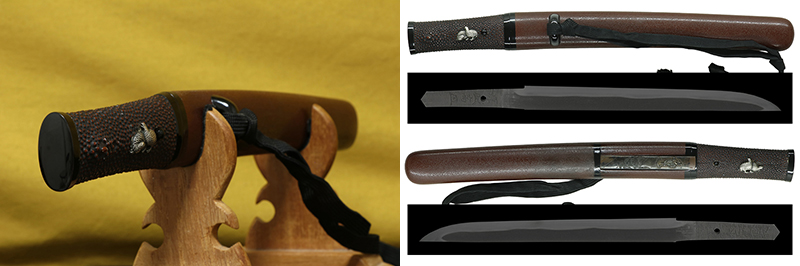
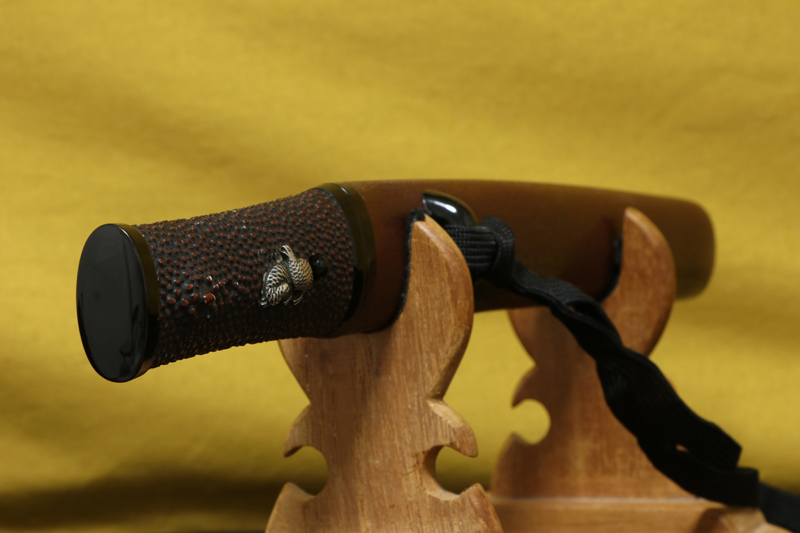
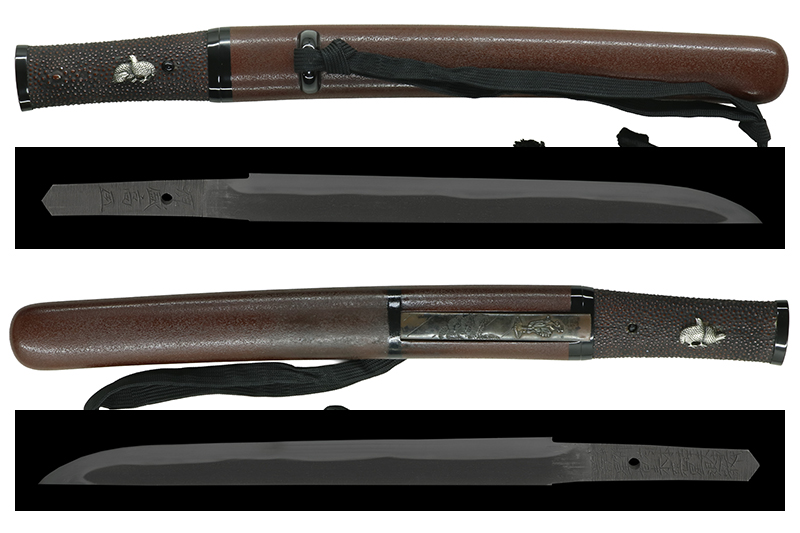
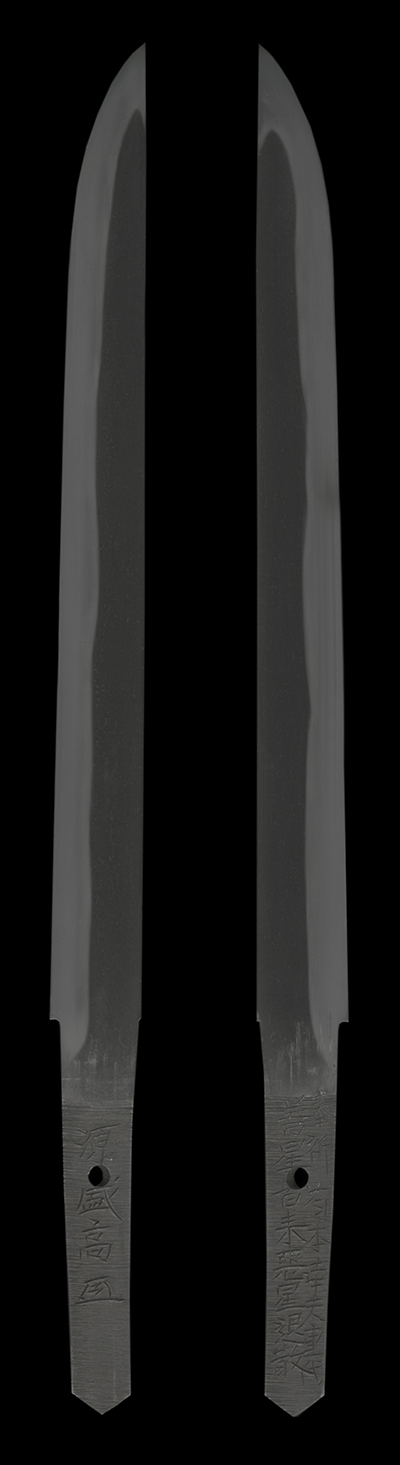
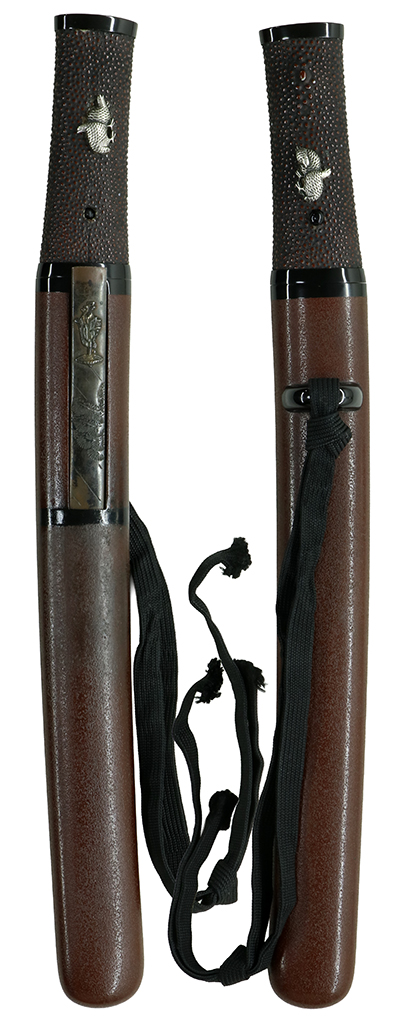
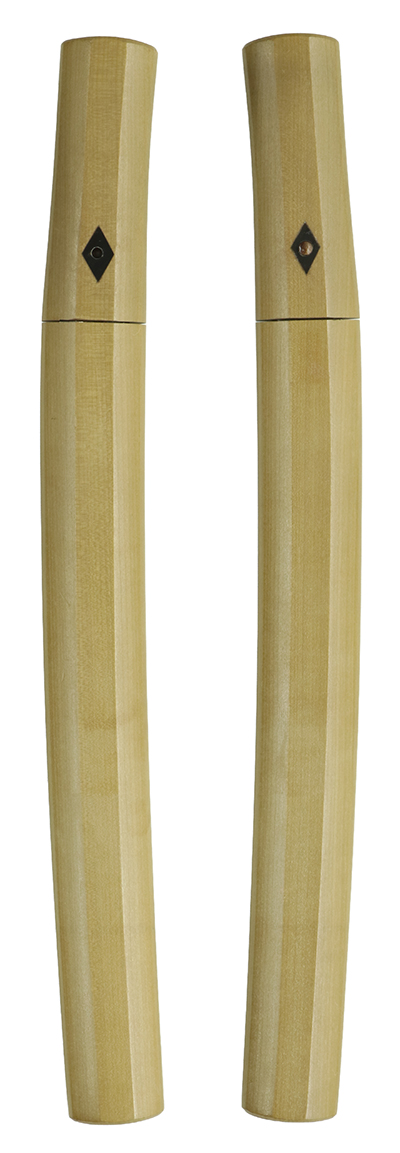
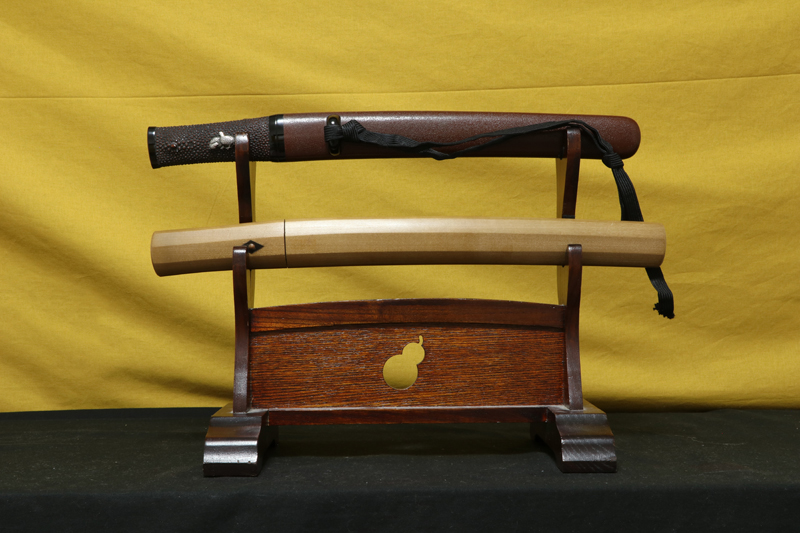
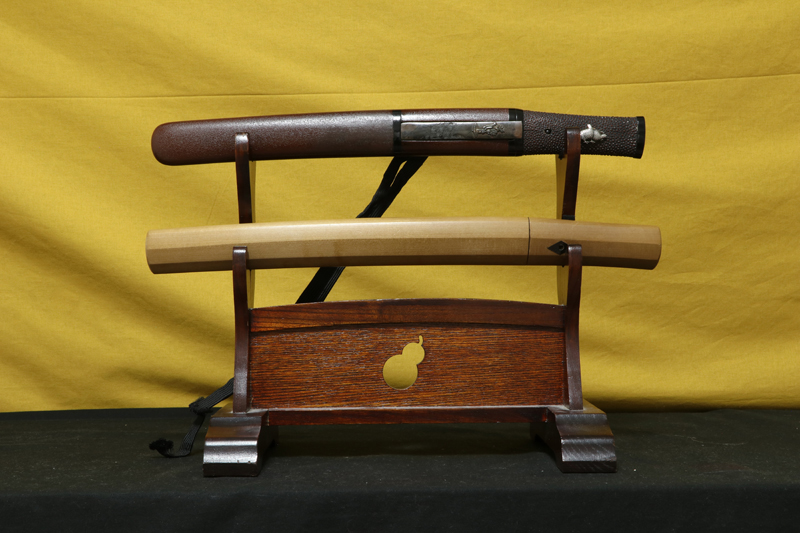
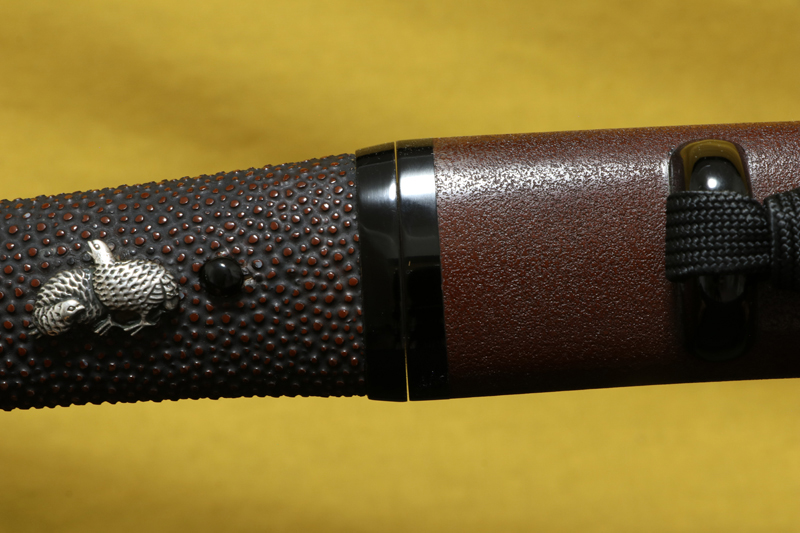
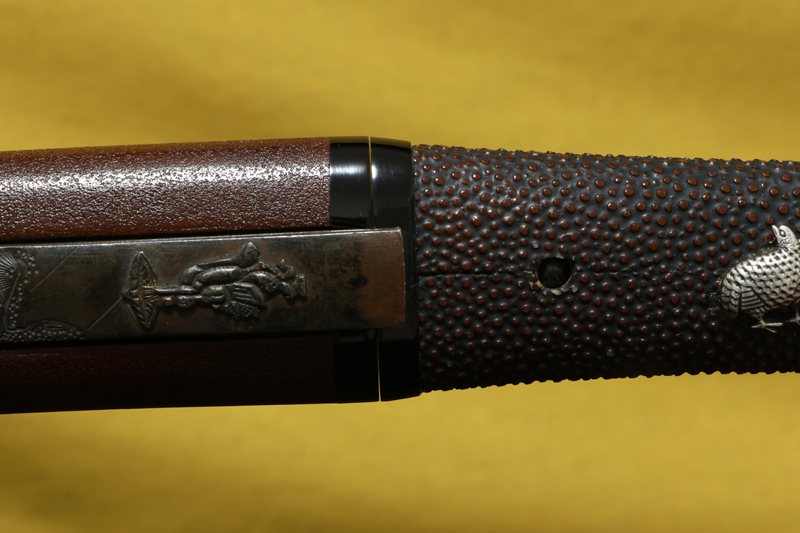
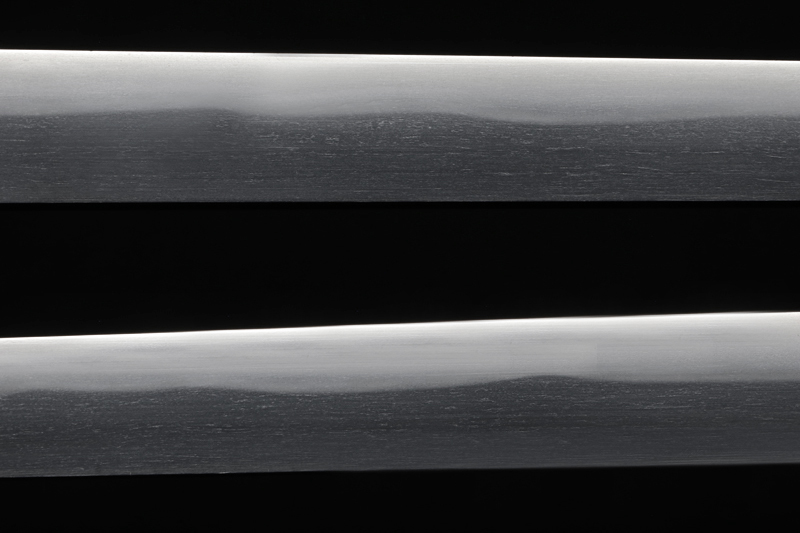
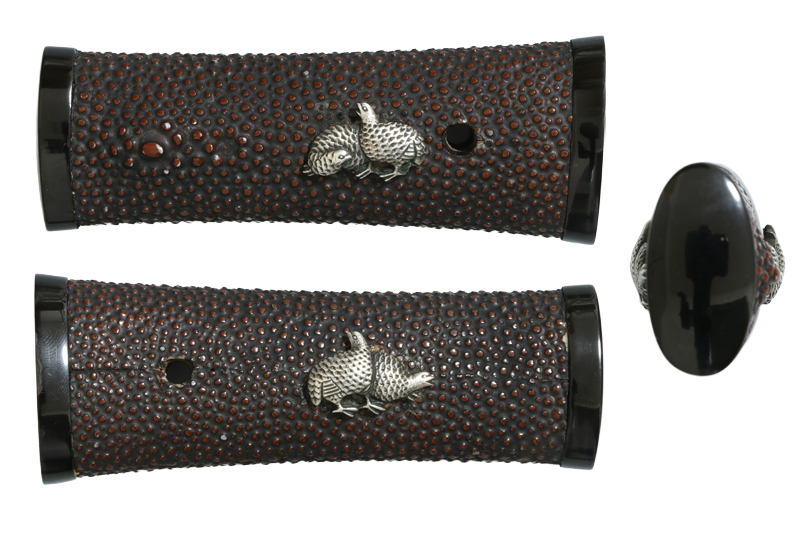
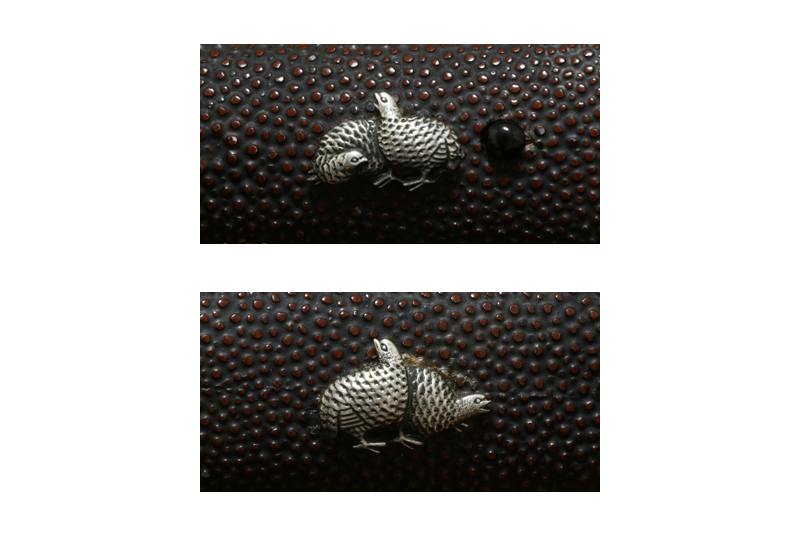
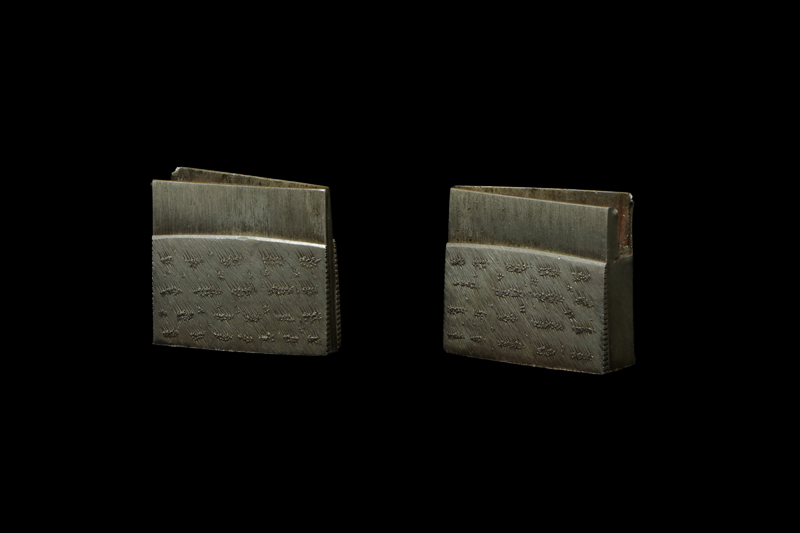
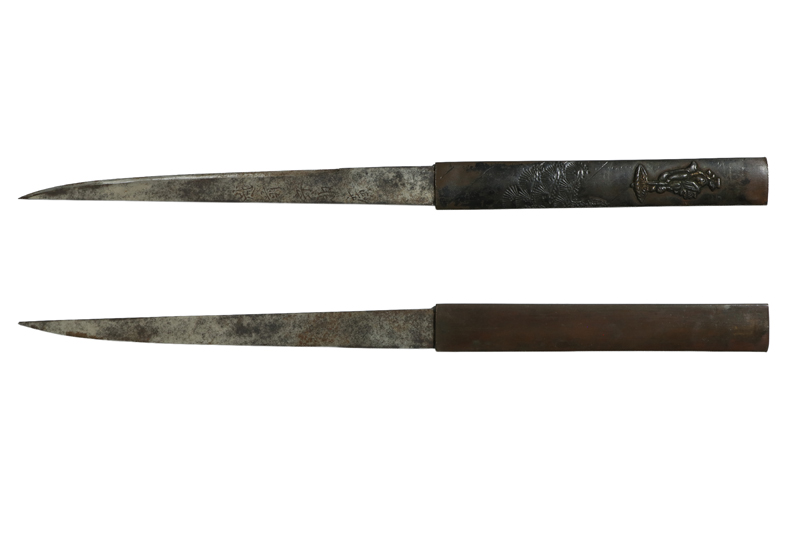
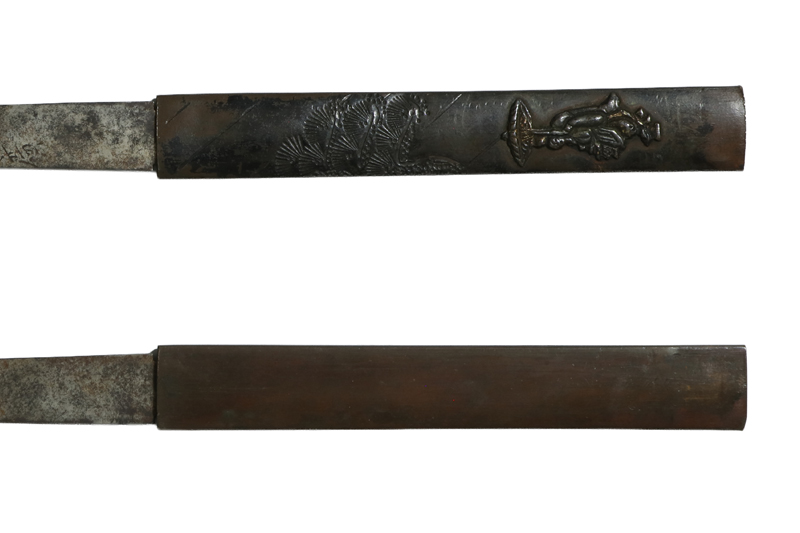
Modern sword Moritaka(Kongohyoe Moritaka、the 12th generation) with Aikuchi-koshirae. 熊本を代表する名工、十二代金剛兵衛盛高の作品。 本作は守護短刀として作られたもので、オリジナルの合口拵を備えた見どころ多い優品です。 A work by the distinguished Kumamoto master, the 12th-generation Kongobei Moritaka. This piece was made as a protective tantō and is an excellent example, noteworthy for its many fine features and for retaining its original aikuchi koshirae. 「刀姿 sword figure」 平造り庵棟、身幅重尋常、反り無し中鋒、茎は生で切鑢がかかり、茎尻は卒塔婆形。 Hira-zukuri construction with an iori-mune; standard width and thickness; no curvature, with a medium-sized kissaki. The tang is ubu, finished with kiri yasurime file marks, and the tang end is in sotoba-gata form. 「地鉄 jigane」 地鉄は板目肌が流れ柾心と成り、地沸付く。 The jigane is a flowing itame grain with traces of masame toward the core, and is covered with ji-nie. 「刃紋 hamon」 刃紋は湾れ刃、刃縁は微塵に沸が付き砂流しかかり、刃中は金筋が働く。釯子は乱れ込み尖り返る。 The hamon is notare-ba (gently undulating), with the habuchi covered in fine nie and showing sunagashi activity. Within the tempered area, kinsuji can be seen. The boshi turns into midare-komi and returns in a pointed form. 「特徴 detailed」 源盛高(本名・盛高良夫)は、明治41年10月30日生まれ、熊本県八代市在住。父である11代盛高に師事し、昭和2年、父の業を継いで12代盛高となった。 昭和8年には、武永近吾延寿太郎宣繁師より十文字槍の鍛法を伝授され、昭和10年には西日本展優秀賞・市長賞、ならびに新作日本刀展陸軍大臣賞を受賞。 昭和16年より将校用軍刀を鍛錬し、昭和19年から終戦までは刀工養成に従事した。 戦後も、昭和27年の講和記念刀制作をはじめ、昭和45年には坂田文部大臣守護太刀を鍛錬し、さらに菊池川砂鉄による自家製鋼で船山古墳出土刀を復元して熊本県立美術館へ納入するなど、数々の功績を残した九州を代表する刀匠である。 また、その銘は**「金剛兵衛盛高」、「金剛兵衛宗家盛高靖博」**とも切る。 金剛兵衛盛高の大初代は、文永の役に際し、蒙古襲来に備えて大宰府の宝満山(金剛界宝満)の聖地を兵衛する願いから金剛兵衛を称したとされる。 以後、代々修験鍛冶として家名を継承し、寛永年間には八代の妙見宮司坊神宮司に移住、妙見宮鍛冶座の司となった。 盛高良夫師をもって12代を数え、大初代より27代に当たると伝えられている。 本作は、守護短刀として作られたものです。よく鍛えられた柾目肌に、湾れ刃を焼き上げた逸品です。刀身にはヒケがありますが、錆はなく、コンディションは概ね良好です。拵はオリジナルの合口拵で、こちらもコンディション良好です。 Minamoto Moritaka (real name: Moritaka Yoshio) was born on October 30, 1908, and lived in Yatsushiro City, Kumamoto Prefecture. He studied under his father, the 11th-generation Moritaka, and in 1927 (Showa 2) succeeded to his father’s craft, becoming the 12th-generation Moritaka. In 1933 (Showa 8), he was taught the forging techniques for the jumonji-yari (cross-shaped spear) by Takenaga Kingo Enju Tarō Nobushige. In 1935 (Showa 10), he received the Excellence Award and the Mayor’s Award at the West Japan Exhibition, as well as the Army Minister’s Award at the New Japanese Sword Exhibition. From 1941 (Showa 16), he forged military swords for officers, and from 1944 (Showa 19) until the end of the war, he was engaged in the training of swordsmiths. After the war, he continued his distinguished career. His achievements included the forging of a Peace Treaty Commemorative Sword in 1952 (Showa 27); the forging of a protective tachi for Minister of Education Sakata in 1970 (Showa 45); and the reproduction of a sword excavated from the Funayama Kofun, using self-made steel produced from iron sand from the Kikuchi River, which was then delivered to the Kumamoto Prefectural Museum of Art. Through these and many other accomplishments, he came to be recognized as one of Kyushu’s leading swordsmiths. He also signed his works with the inscriptions “Kongohyoe Moritaka” and “Kongohyoe Sōke Moritaka Yasuhiro.” It is said that the founding ancestor of Kongohyoe Moritaka, at the time of the Bunei Campaign (the Mongol invasions), took the name Kongohyoe out of a vow to protect the sacred ground of Mount Hōman in Dazaifu (Kongōkai Hōman) against the Mongol threat. Thereafter, the family name was handed down through the generations as a line of shugen swordsmiths. During the Kan’ei era (1624–1644), the family moved to Jingūji, the residence of the priestly administrators of Myōken Shrine in Yatsushiro, where they became the heads of the Myōken Shrine forge guild. With Master Moritaka Yoshio, the line reached its 12th generation, and he is said to represent the 27th generation from the original founder. This piece was made as a protective tantō. It is an excellent work, featuring a well-forged straight grain pattern (masame-hada) and a gently undulating temper line (notare-ba). Although there are some surface scratches on the blade, there is no rust, and its overall condition is generally good. The mounting is the original aikuchi koshirae, which is also in good condition. 「拵 koshirae」 合口拵、白鞘、つなぎ。 鎺(habaki) :銀無垢二重。 目貫(menuki) :銀無垢鶉の図。 小柄(kotsuka) : 素銅地松に法師の図。 柄(tsuka) :鮫は親粒が付き、焦げ茶染の出し鮫。 鞘(saya) :焦げ茶色石目。 「刀身の状態 condition of blade」 研:ヒケは有りますが錆は無く、概ね良好です 傷: 欠点に成るような傷は有りません。

肥後 · 1908-1982頃
昭和から現代へ 断絶と再生
二十世紀は二度この工芸を殺しかけた。戦時の歪みと、占領下の禁令である。1948年の日刀保設立と1953年の作刀再開が刀を美術として再建し、人間国宝と無鑑査がその頂に立つ。
ご購入頂いた商品の到着してから3日以内であれば返金もしくは交換対応をいたします。返品時の送料と返金する際の振込手数料はお客様のご負担とさせていただきます。