後世のほとんどの権威が、鎌倉を日本刀の黄金時代と呼ぶ。最初の武家政権が注文主となり、諸伝統が同時に最盛期を迎え、伝えでは諸国の名工が後鳥羽上皇の御所に月番で伺候した。
 NihontoWatchNihontoWatch
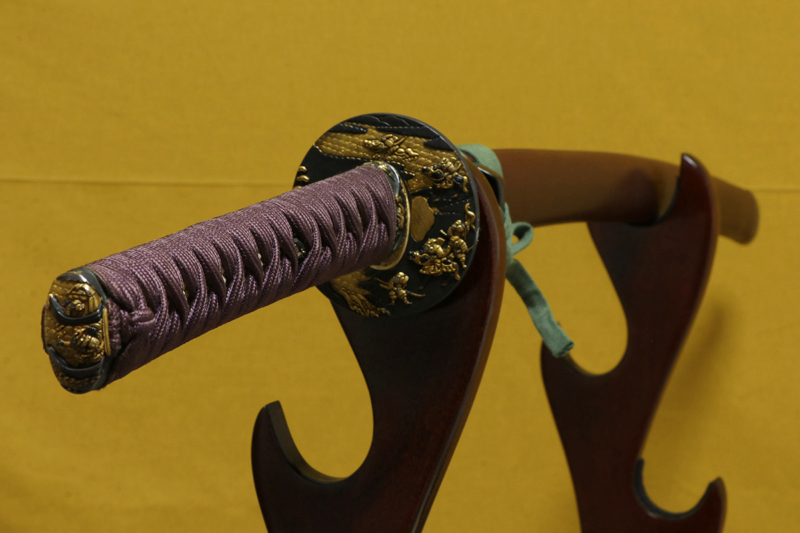
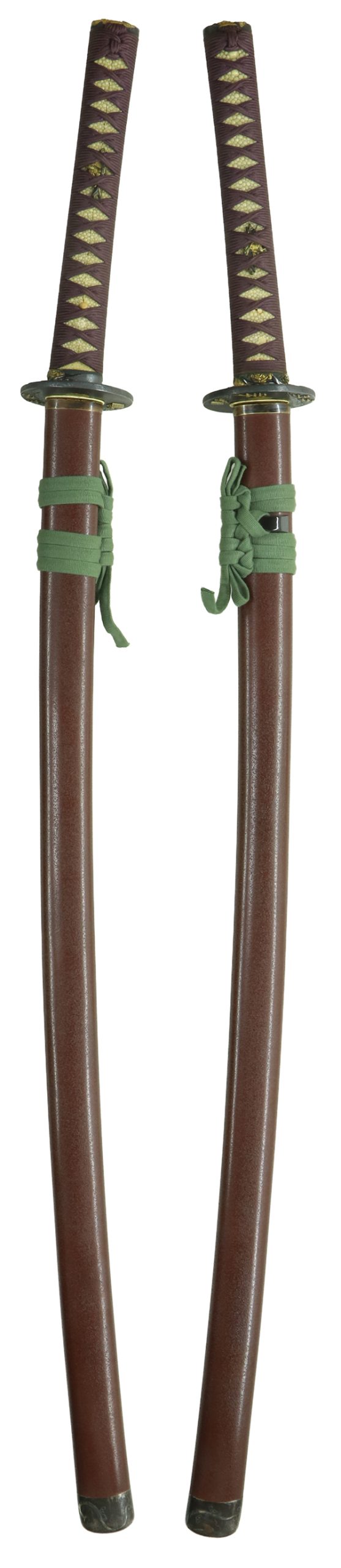
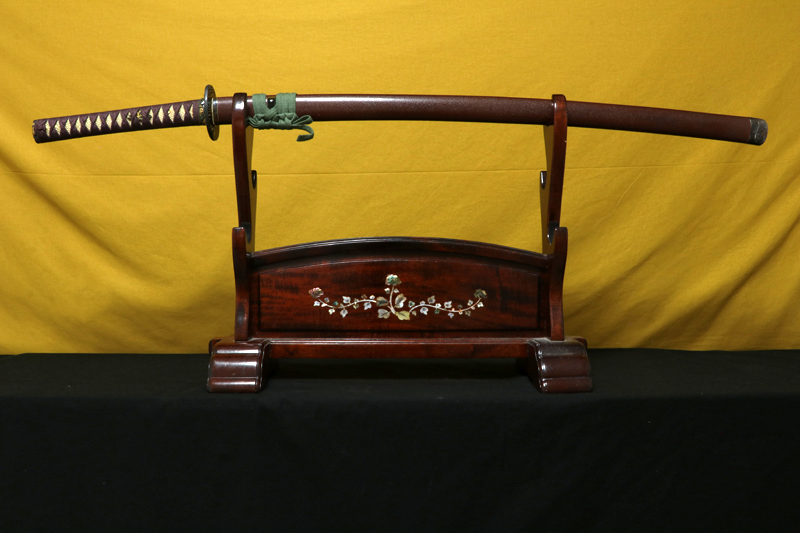
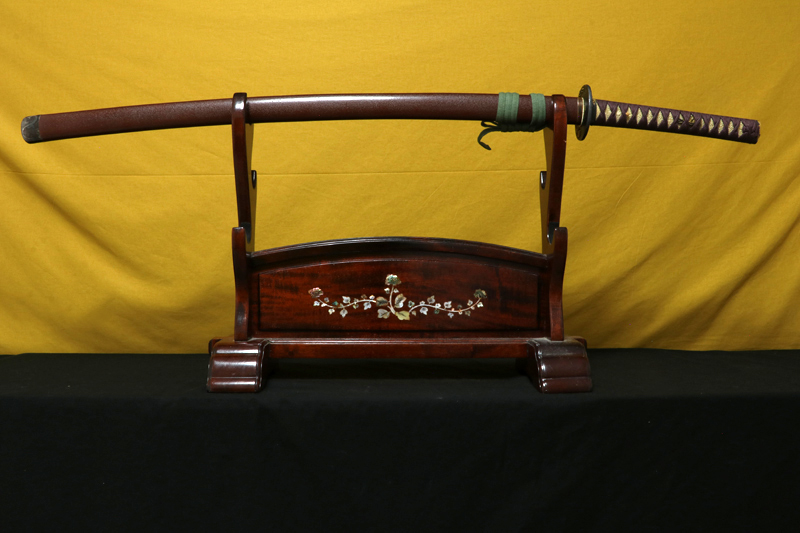
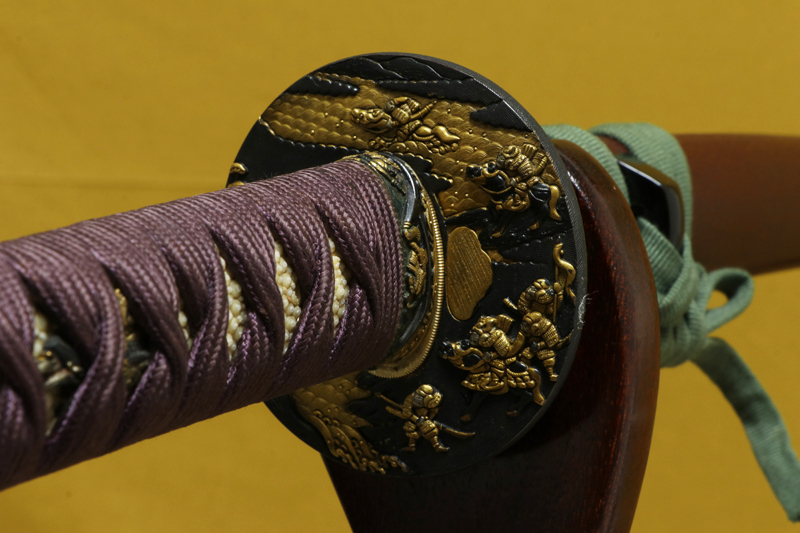
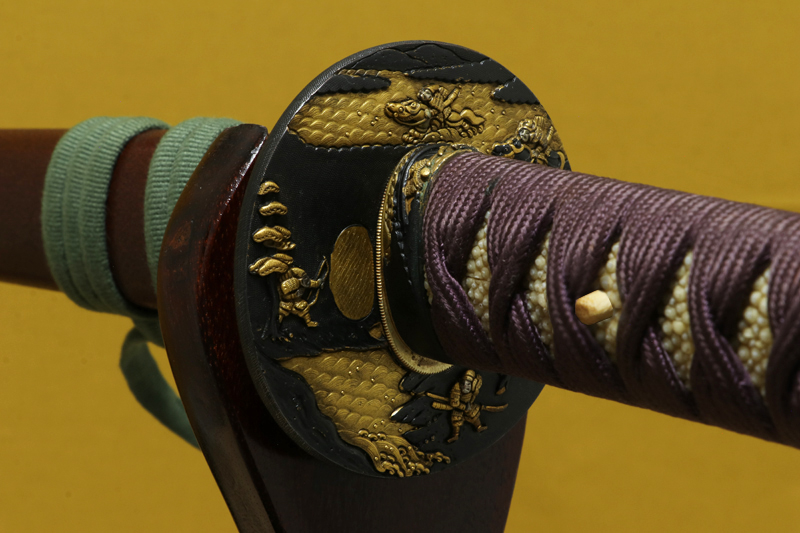
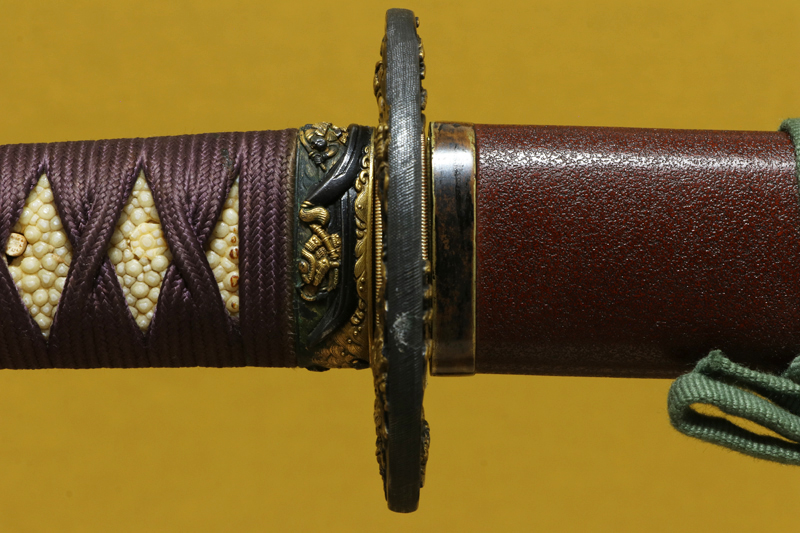
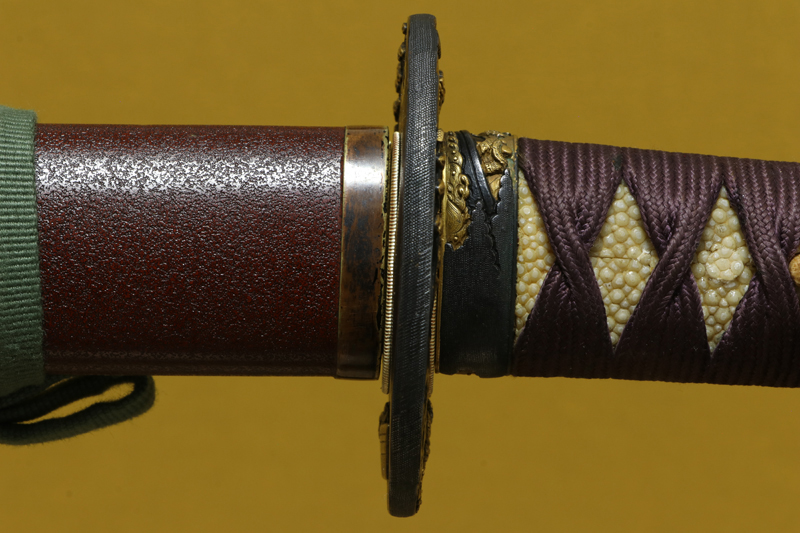
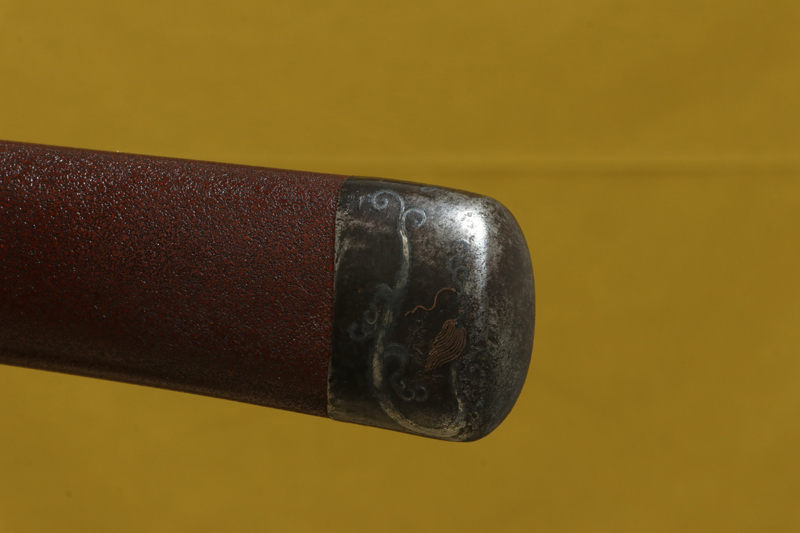
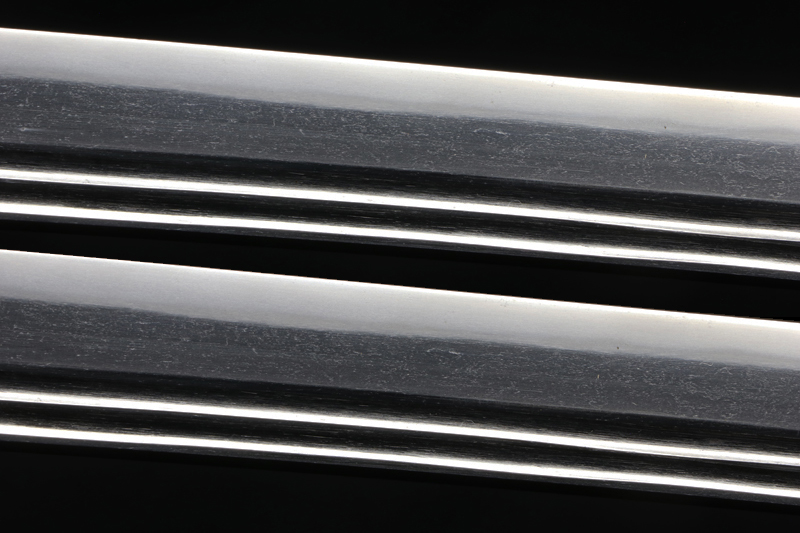
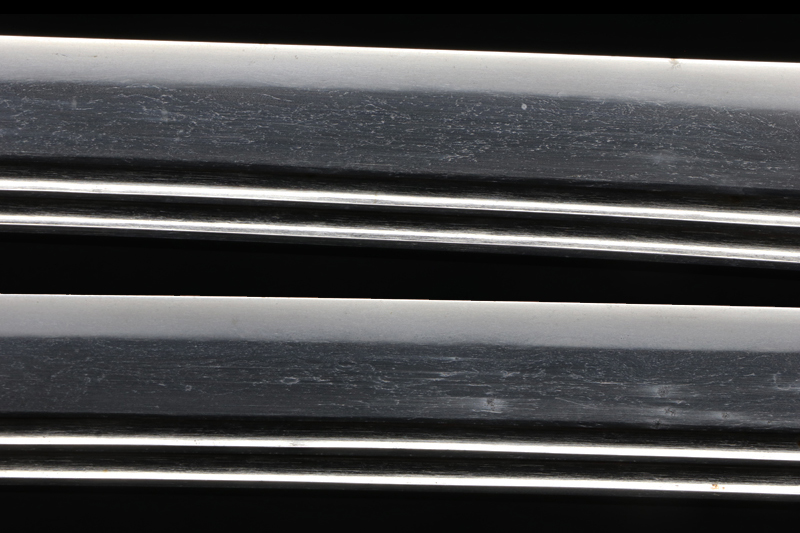
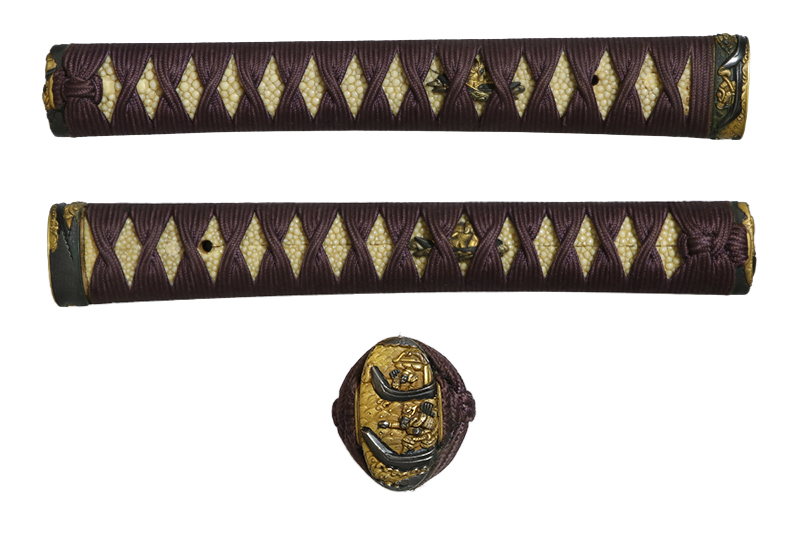
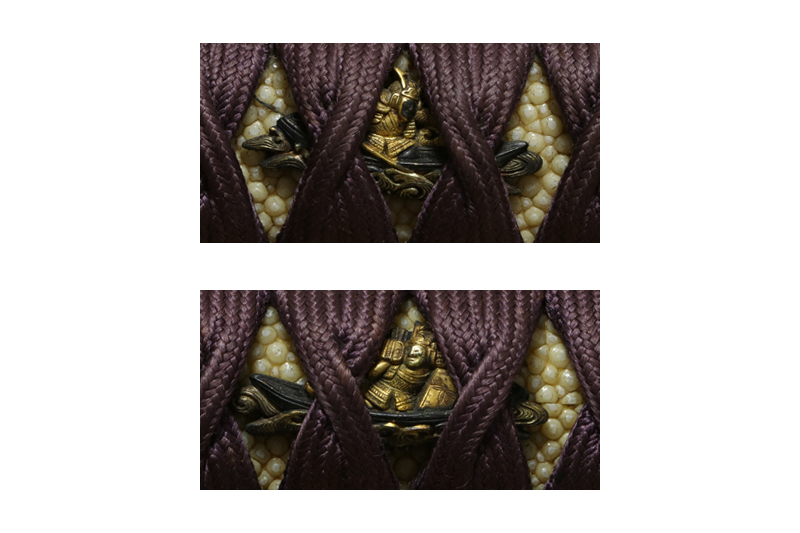
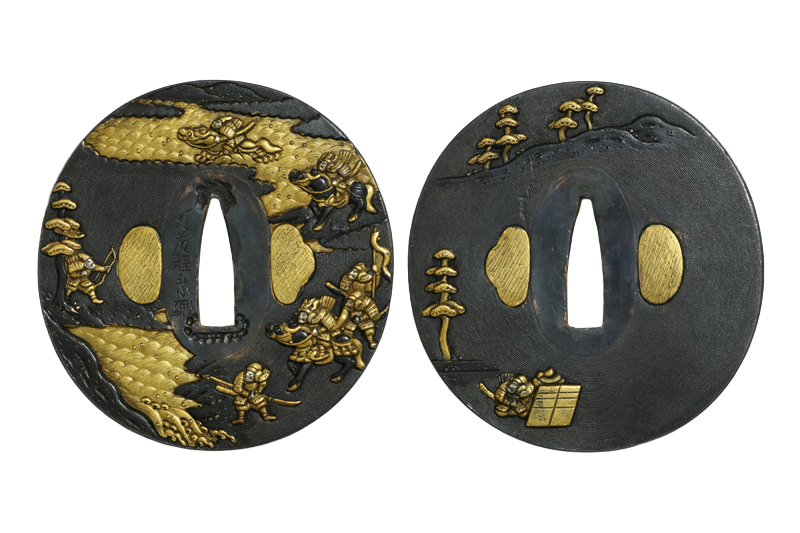
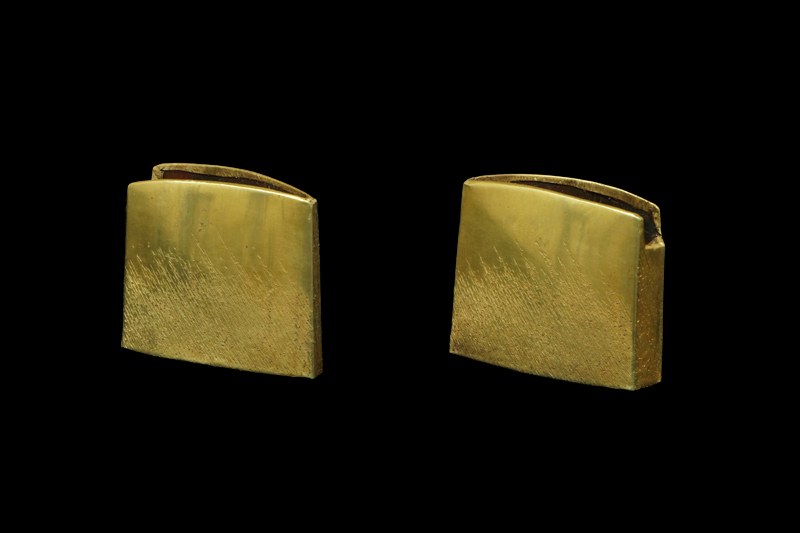
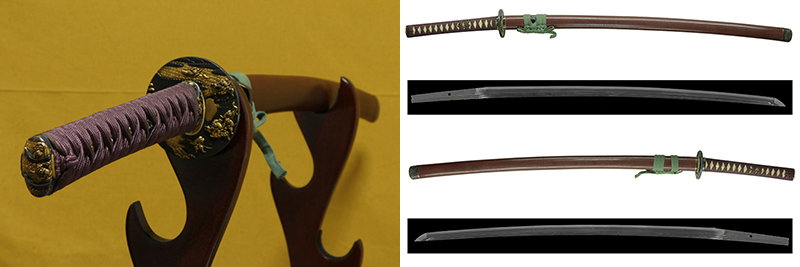
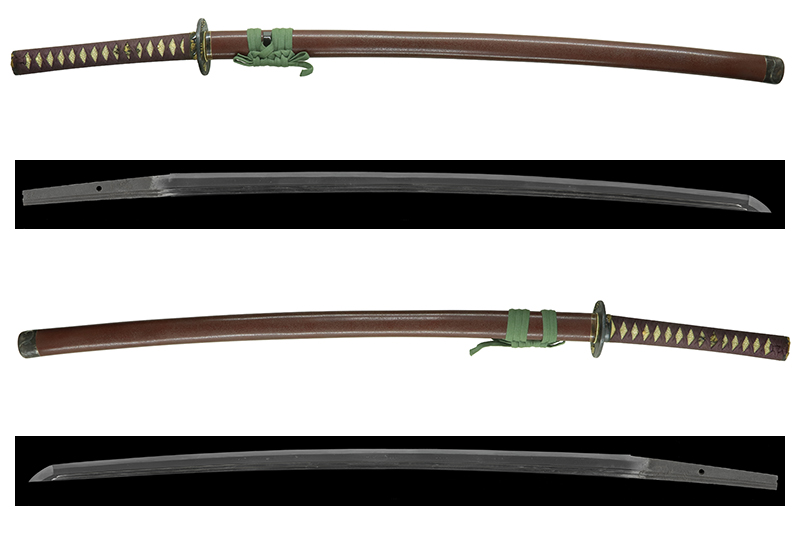
Koto Mumei with Koshirae. 鎌倉時代後期から南北朝時代の山城伝と推測される無銘の古刀です。 板目肌に小互の目乱れを焼き、小錆はありますが地肌は良好。 宇治川・壇ノ浦合戦図の豪華な拵を備え、状態良好。 コレクションに最適で、NBTHKの鑑定も楽しみな逸品です。 This is an unsigned Koto katana, believed to be a work of the Yamashiro tradition from the late Kamakura to Nanbokucho period. The blade features an itame-hada with a ko-gunome-midare hamon. Despite minor rust spots, the jihada remains clearly visible. The magnificent koshirae features scenes from the Battles of Uji River and Dan-no-ura and is in excellent condition. An excellent collector’s piece and a promising candidate for NBTHK appraisal. 「刀姿 sword figure」 鎬造り庵棟、身幅やや細く重尋常、鳥居反り小鋒。茎は大磨り上げで鑢目は筋違い、栗尻は栗尻。 Shinogi-zukuri with an iori-mune, slightly narrow mihaba, standard kasane, torii-zori, and ko-kissaki. The nakago is o-suriage, with sujikai yasuri-me and a kurijiri nakago-jiri. 「彫り物 carving」 彫り物は表裏に二筋樋が茎尻に掻き通しとなる。 The horimono consists of futasuji-hi on both sides, extending through to the end of the nakago (kaki-toshi). 「地鉄 jigane」 地鉄は板目肌に小板目が交じり、地沸付く。 The jigane is itame-hada mixed with ko-itame, with ji-nie. 「刃紋 hamon」 刃文は直刃調小互の目、刃縁小沸付き小足入る、刃中は金筋が働く。釯子は刃文なりに入り尖り僅かに返る。 The hamon is suguha-based ko-gunome, with ko-nie along the habuchi and small ashi. Kinsuji can be seen within the hamon. The boshi follows the hamon, becoming pointed with a slight kaeri. 「特徴 detailed」 本作は無銘の古刀で、元々は鎌倉時代後期から南北朝時代にかけて製作された、刃長二尺六寸ほどの太刀であったと推測されます。刀姿や地刃の特徴から、山城伝の太刀であった可能性が考えられます。 地鉄は板目肌で、小互の目乱れを焼いた一振りです。古研ぎのため小さな錆が見られますが、地肌はよく鑑賞できます。 拵は大変素晴らしく、縁頭・鍔は宇治川合戦を題材とした一作金具で統一され、目貫には壇ノ浦合戦の図が施されています。また、切羽には素銅地に金着せを用いるなど、細部にまでこだわった豪華な仕立てです。意匠・細工ともに見応えがあり、保存状態も良好です。 古刀ならではの魅力と、源平合戦を題材とした豪華な拵を兼ね備えた、鑑賞・コレクションに最適な一振りです。NBTHKの鑑定に出してみるのも楽しみな逸品です。 This is an unsigned Koto katana, believed to have originally been a tachi measuring approximately 2 shaku 6 sun (78.8 cm), dating from the late Kamakura to Nanbokucho period. Judging from its sugata, jigane, and hamon, it is possibly a work of the Yamashiro tradition. The blade features an itame-hada with a ko-gunome-midare hamon. Although there are a few small rust spots due to the old polish, the jihada remains clearly visible. The koshirae is particularly magnificent. The fuchi-kashira and tsuba form a matching set by the same craftsman, depicting scenes from the famous Battle of Uji River, while the menuki feature scenes from the Battle of Dan-no-ura. The seppa are made of copper with gold foil covering, reflecting the exceptional attention to detail. The craftsmanship and design are impressive, and the entire koshirae is in excellent condition. Combining the historical charm of a Koto blade with magnificent koshirae featuring scenes from the Genpei War, this is an outstanding sword for appreciation and collection. It is also a fascinating candidate for NBTHK appraisal. 「拵 Koshirae」 ハバキ(habaki) :素銅地金着一重の腰祐乗。 鍔(Tsuba) :赤銅魚子地宇治川合戦図金象嵌(銘:後藤程乗 花押)。 縁頭(FuchiKashira) :赤銅魚子地宇治川合戦図金象嵌(銘:後藤程乗 花押)。 目貫(menuki) :赤銅地壇ノ浦の図金象嵌。 切羽(seppa) : 素銅地金着。 柄(Tsuka) :鮫は親粒が付く。柄巻きは正絹焦げ茶色の諸摘み巻き。 鞘(Saya) :乾漆焦げ茶の石目。 鐺(kojiri) : 鉄地龍の図。 「刀剣の状態 condition of blade」 研:古研ぎのため小さな錆が見られますが、地肌はよく鑑賞できます。 傷:欠点に成るような傷は有りません。
取扱店 儀平屋
この品の現在有効な鑑定書は確認できませんでした。審査に出されたことがあるか、出せるかを刀剣商にお尋ねください。 — Hoshi


鎌倉時代
後世のほとんどの権威が、鎌倉を日本刀の黄金時代と呼ぶ。最初の武家政権が注文主となり、諸伝統が同時に最盛期を迎え、伝えでは諸国の名工が後鳥羽上皇の御所に月番で伺候した。
刀剣商の出品ページで鑑定書を確認できませんでした。日本刀および刀装具は通常、日刀保(または日本刀剣保存会)の鑑定を受けます。鑑定書がない場合、極めは刀剣商の見解にとどまり、第三者による確認は行われていません。ご購入前に刀剣商へ鑑定書の有無をお問い合わせのうえ、慎重にご判断ください。
ご購入頂いた商品の到着してから3日以内であれば返金もしくは交換対応をいたします。返品時の送料と返金する際の振込手数料はお客様のご負担とさせていただきます。
¥350,000