応仁の乱が足利の体制を砕いた後、戦国の一世紀はほとんどすべての国を武装させた。この時代は選ぶ目に報いる。並の作は多いが、その傍らには第一級の注文打ちが立っている。
 NihontoWatchNihontoWatch
Katana in Shirasaya (NBTHK Hozon Token) (Consignment Sale) (We divide 4 sections for each sword as Saijyo Saku, Jyojyo Saku, Jyo Saku and Regular Saku). This blade is ranked as Jyo Saku among works attributed to the Kanabo School. Shape: A well-proportioned katana that has undergone suriage (shortening) and machi-okuri (relocation of the notches). The blade has relatively deep curvature and an elongated kissaki. Bo-hi grooves are carved on both sides of the blade. Jigane: Beautifully refined and well-forged ko-itame hada with clearly visible grain patterns. Hamon: Suguha mixed with ko-gunome, featuring ashi activity. The boshi displays midarekomi. Features: The Kanabo School was a group of Japanese swordsmiths based in Nara (Nanto), Yamato Province, who were active from the late Muromachi period (Sengoku period) through the Edo period (Shinto period). This particular katana displays the distinctive hamon of the Kanabo School, featuring ko-gunome-midare with abundant ko-ashi activity. The blade also has an elongated boshi, further enhancing its distinctive appearance. Historical Background: Practicality and Excellent Cutting Ability: The Kanabo School specialized in swords designed for actual combat, emphasizing strength, durability, and excellent cutting performance rather than decorative appearance. During the late Koto period, their swords were highly regarded as Wazamono, known for their exceptional sharpness and cutting ability. Outstanding Production of Yari and Naginata: In addition to tachi and uchigatana, the Kanabo School was particularly skilled in producing naginata and yari. Among their notable works were jumonji-yari (cross-shaped spears), including those associated with Kakuzenbo In'ei, the founder of the Hozoin-ryu school of spear fighting. Representative swordsmiths of the school include Nanto Ju Kanabo Hyoe no Jo Masatsugu, Masanaga, and Masasada. Their works are characterized by wide mihaba, thick kasane, and robust construction, reflecting their emphasis on strength and practical use. The jigane often displays flowing itame or mokume hada mixed with masame, producing a prominent grain pattern. Many examples also feature abundant ji-nie, contributing to the distinctive appearance of the steel. NBTHK Hozon Token (Certificate awaiting issuance).
取扱店 葵美術

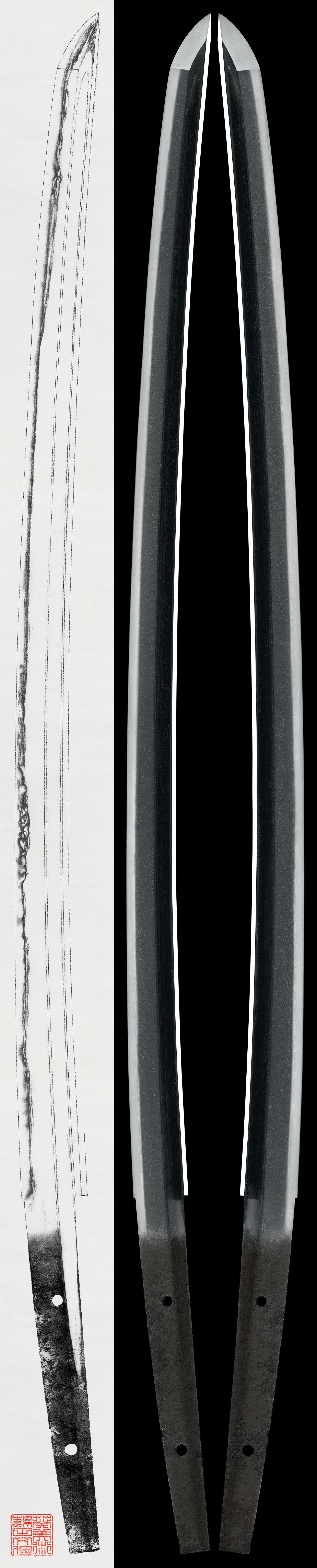


販売店の記載のまま
(翻訳なし) 店主の原文のまま表示しています。正確さの確認を通った翻訳のみを表示します。
摂津 · 1684-1688頃
現在1点販売中
室町時代
応仁の乱が足利の体制を砕いた後、戦国の一世紀はほとんどすべての国を武装させた。この時代は選ぶ目に報いる。並の作は多いが、その傍らには第一級の注文打ちが立っている。
銘が正しい、または無銘でも年代・国・系統を確実に指摘できる、保存に値する真正の作と鑑定されたものです。
日本美術刀剣保存協会(日刀保)は、1948年に設立され、文化庁の監督を受ける公益財団法人で、東京・刀剣博物館に本部を置きます。専門の審査員が出品作を直接審査し、美術的・歴史的価値に応じた鑑定書を発行します。日刀保の鑑定書は、日本刀および刀装具の真正性を示す最も広く認知された基準です。
日刀保公式サイト返品をご希望の場合、お客様が受領されてから3日以内にお知らせください。この期間を過ぎますとキャンセルはお受けできかねますので何卒ご了承ください。なお当社へのご返送は、5営業日以内の発送をお願いしております。なおキャンセルは販売した当時の状態がそのまま保持されている事が条件となりますのでお取り扱いには十分ご注意下さい。
Auction status: live on sword-auction.com.