1853年のペリー来航は徳川の泰平をほどき、二世紀ぶりに実用刀の大量需要を生んだ。四谷正宗と呼ばれた清麿はその前夜に世を去り、宗次や行秀が最後の好況を担った。
 NihontoWatchNihontoWatch
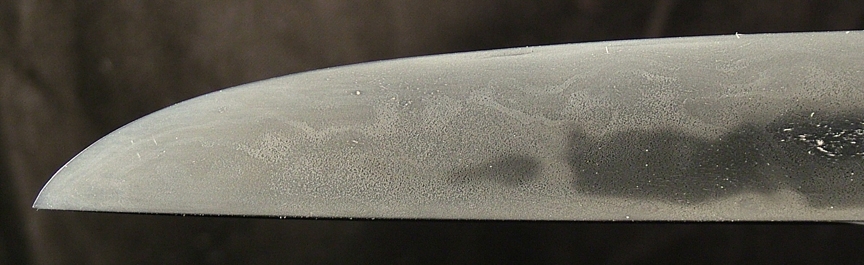
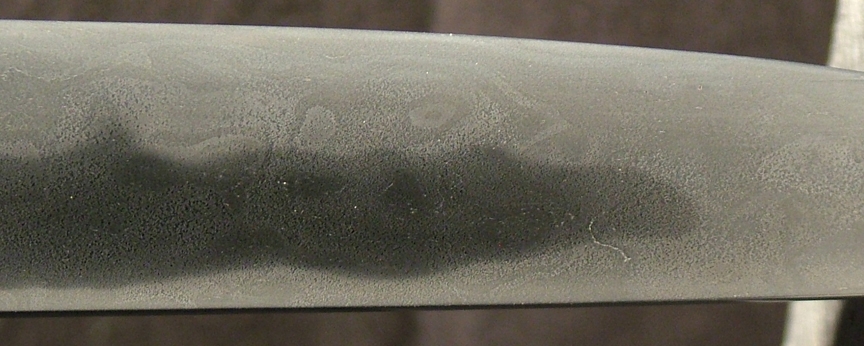
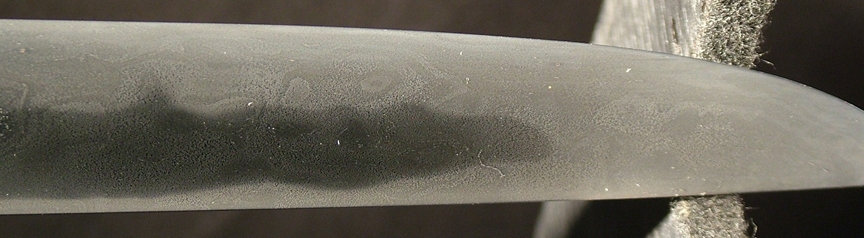
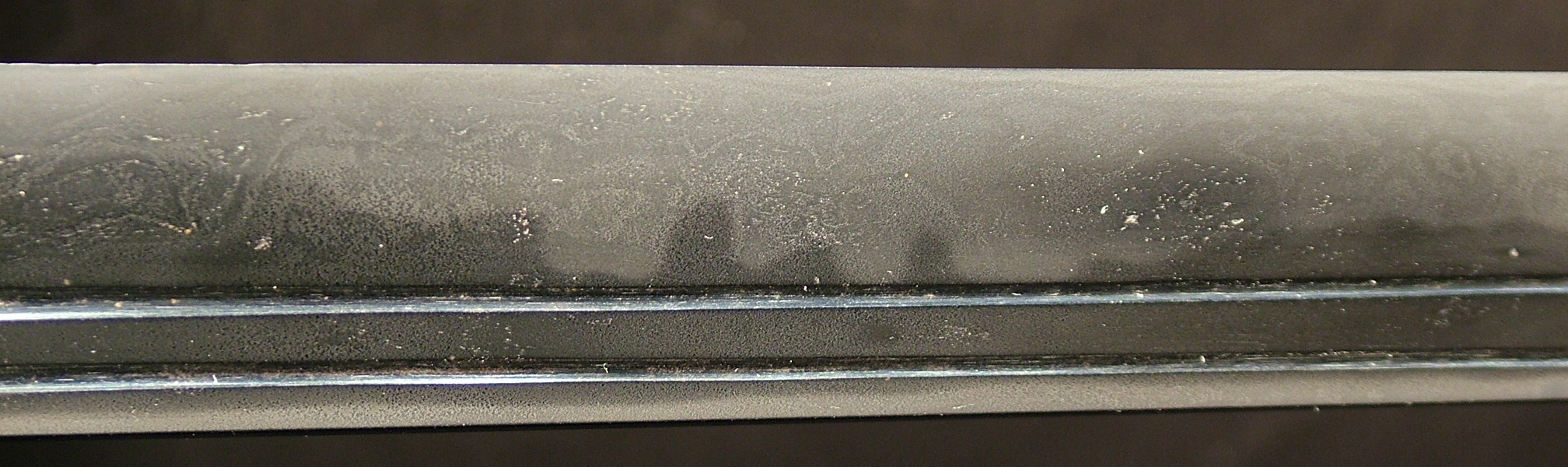
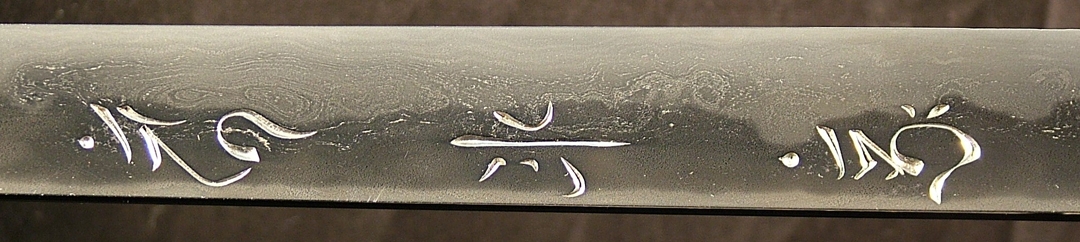
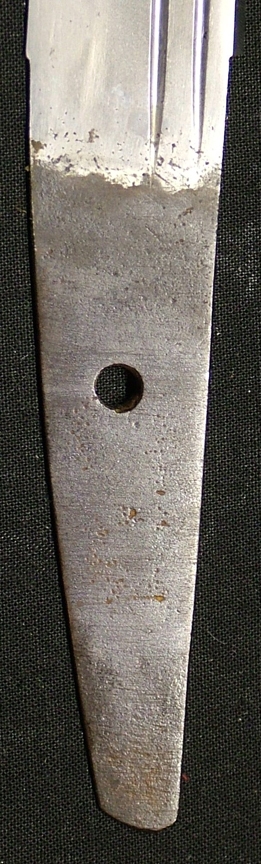
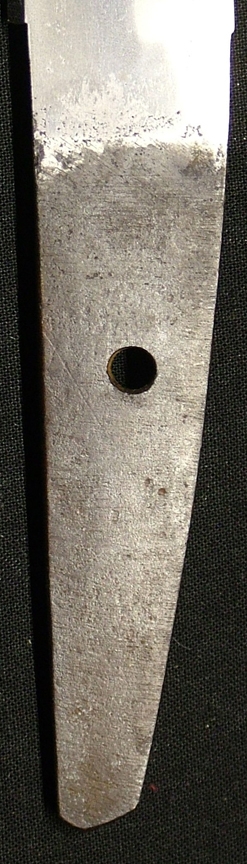
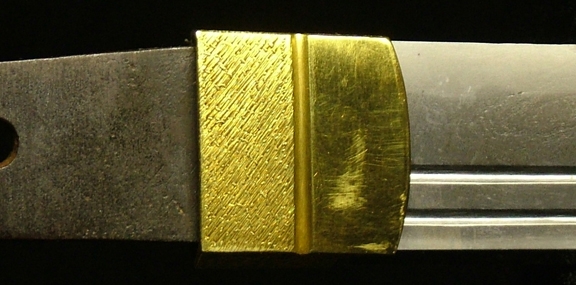
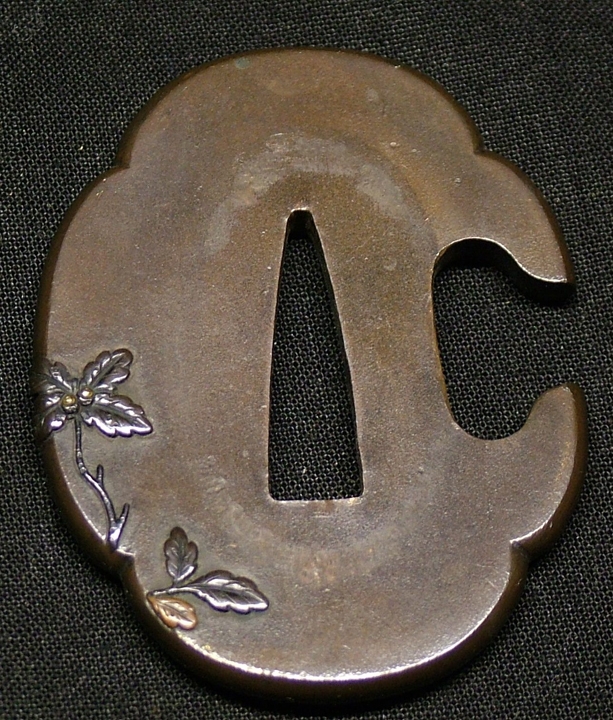
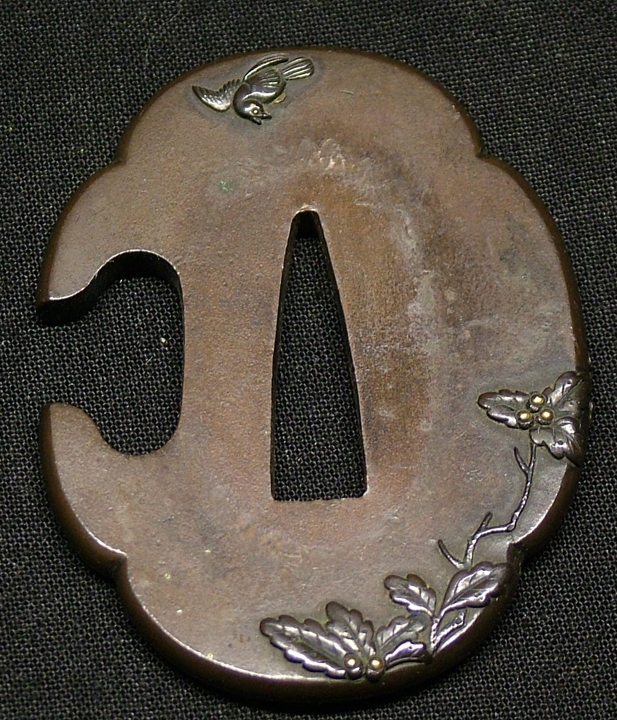
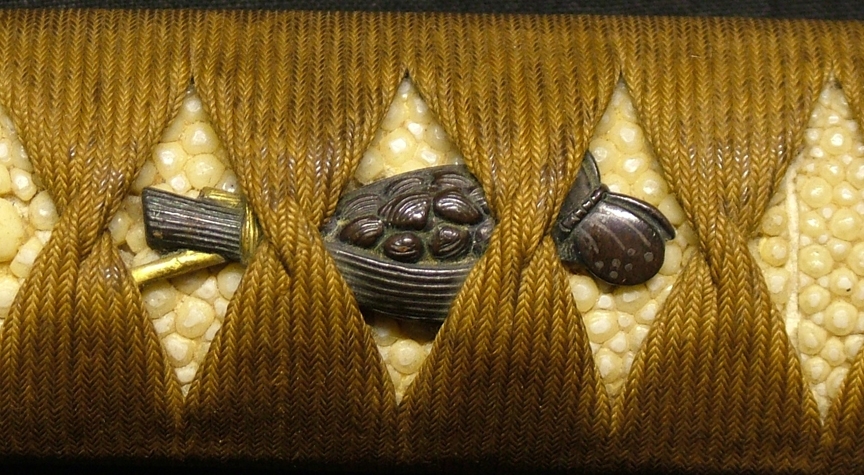
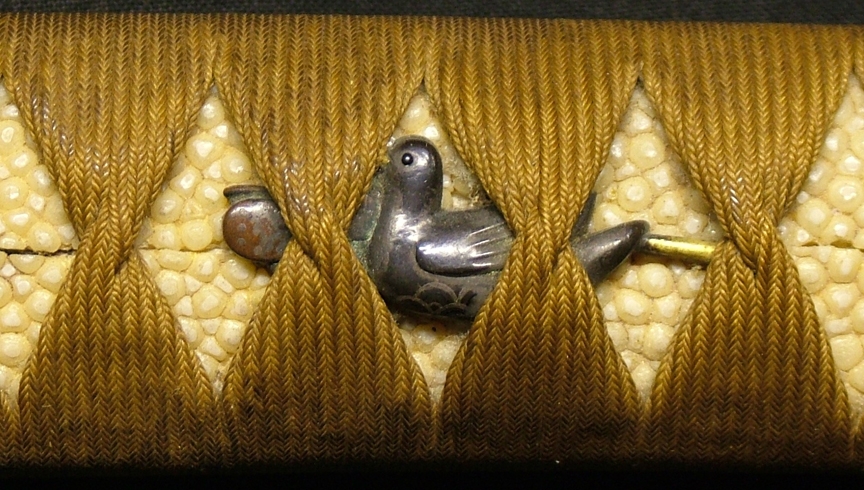
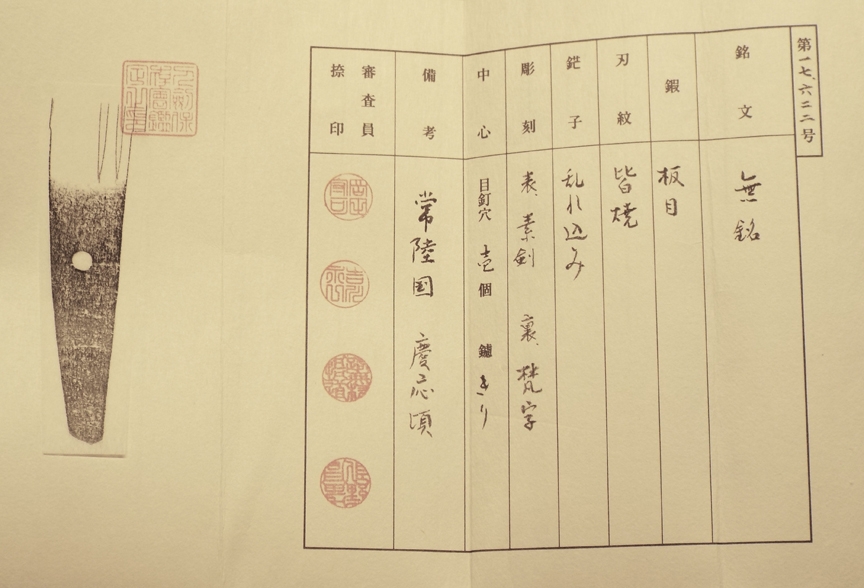
TANTO NTHK KANTEISHO – DEN SHINKEI TANEMITSU c. 1861 SHIRASAYA / KOSHIRAE TANEMITSU Tanto attributed to Den Shinkei Tanemitsu. Tanemitsu was a student of Noatane and his works are said to resemble his teacher’s. Fujishiro’s rates Tanemisu’s works as Chujosaku. His works can be seen in the Nihonto Koza pg. 108, Fujishiros pg. 146, and the Shinshinto Taikan pg. 231. From Sesko’s, Swordsmiths of Japan (2015): TANEMITSU (胤光), Bunkyū (文久, 1861-1864), Hitachi – “Shinkei Tanemitsu” (心慶胤光), “Shinkei Tanemitsu tsukuru” (心慶胤光造), “Tsuchiura-shin Nagao Shinkei Fujiwara Tanemitsu” (土浦臣長尾心慶藤原胤光), real name Nagao Eikichi (長尾栄吉), he was born on the 14th day of the fourth month Tenpō three (天保, 1832) as oldest son of Sudo Kume ́emon (須藤粂右衛門) in the village of Nakatate (中館) in Hitachi ́s Makabe district (真壁郡), he studied under Taikei Naotane (大慶直胤) and used the gō Shinkei (心慶), on the seventh day of the seventh month Ansei one (安政, 1854) he succeeded as head of Monju Kanesada’s (文珠包定) Nagao family (長尾), Kanesada worked for the Tsuchiura fief (土浦藩) but his lineage had ended during the Genroku era (元禄, 1688-1704) with its 2nd gen., Tanemitsu tried to revive this lineage, from the fifth year of Ansei (1858) onwards he worked in front of the gates of Tsuchiura Castle (土浦城) but with the Meiji era he moved to the town of Manabe (真鍋), there he died on the eleventh day of the twelfth month Meiji 34 (明治, 1901) at the age of 70, his posthumous Buddhist name is Seisō Dōei (清叟道栄), he worked mostly in the Bizen style of his master Naotane but also some excellent Sōshū blades are extant, he also signed in the archaic reisho script (隷書), some blades bear horimono, chūjō-saku The workmanship seen in this blade is quite nice and atypical for Shinshinto. The Hada exhibited is Itame with areas of swirling Mokume and not the standard muji seen in so many works from this period. The Hamon is listed on the worksheet as Hitatsura. Nie and ji-nie literally cover the blade. There are chikei, and sunagashi. There are Bonji Horimono on the Ura side and a Suken Horimono on the Omote. Sword comes with koshirae and shirasaya.






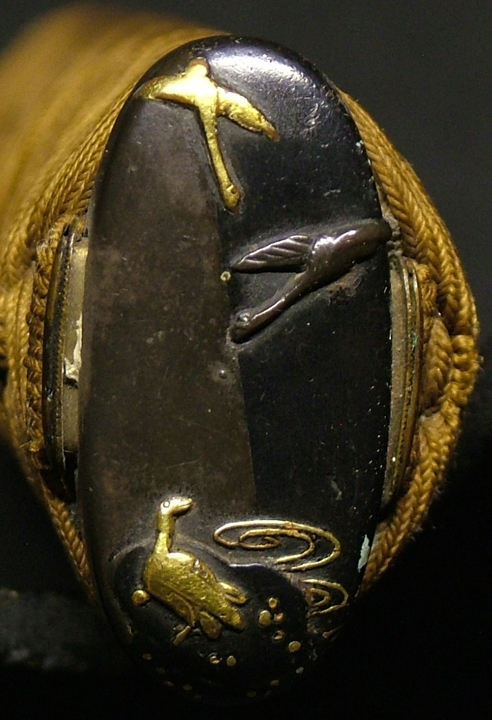
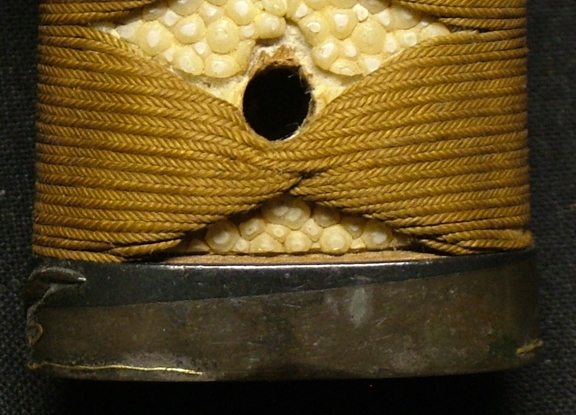
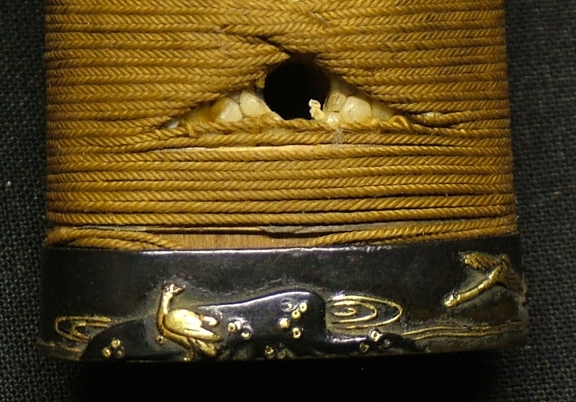
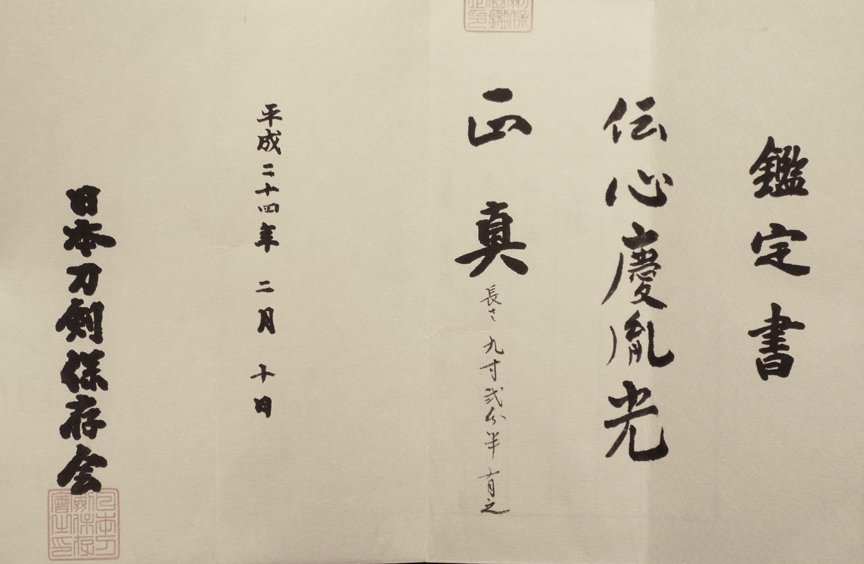
販売店の記載のまま
常陸 · 1865-1868頃
刀剣大鑑 上位76%
現在1点販売中
幕末 最後の需要
1853年のペリー来航は徳川の泰平をほどき、二世紀ぶりに実用刀の大量需要を生んだ。四谷正宗と呼ばれた清麿はその前夜に世を去り、宗次や行秀が最後の好況を担った。
NTHKの中心的な鑑定書で、相応の出来を備えた作に発行されます。在銘作は銘の正真を、無銘作は審査員による刀工・流派の極めを示します。点数を記す詳細な審査表が付されます。
NTHK(日本刀剣保存会)は、NBTHK(1948年設立)に先立つ1910年に創立された、日本で最も古い刀剣鑑定団体です。長く会を率いた会長の没後、NTHKとNTHK-NPOの二つに分かれ、いずれも審査を続けています。NTHKの鑑定書は、点数と審査員の所見を併記する詳細な審査表が特徴で、特に無銘作の極めに定評があります。
All swords sold for $5000 USD or less are considered final! Swords above the $5000 range may be returned for any reason within 48 hrs. Buyer will receive a full refund minus shipping/handling, insurance and or any fees incurred in shipping or sale.