二十世紀は二度この工芸を殺しかけた。戦時の歪みと、占領下の禁令である。1948年の日刀保設立と1953年の作刀再開が刀を美術として再建し、人間国宝と無鑑査がその頂に立つ。
 NihontoWatchNihontoWatch
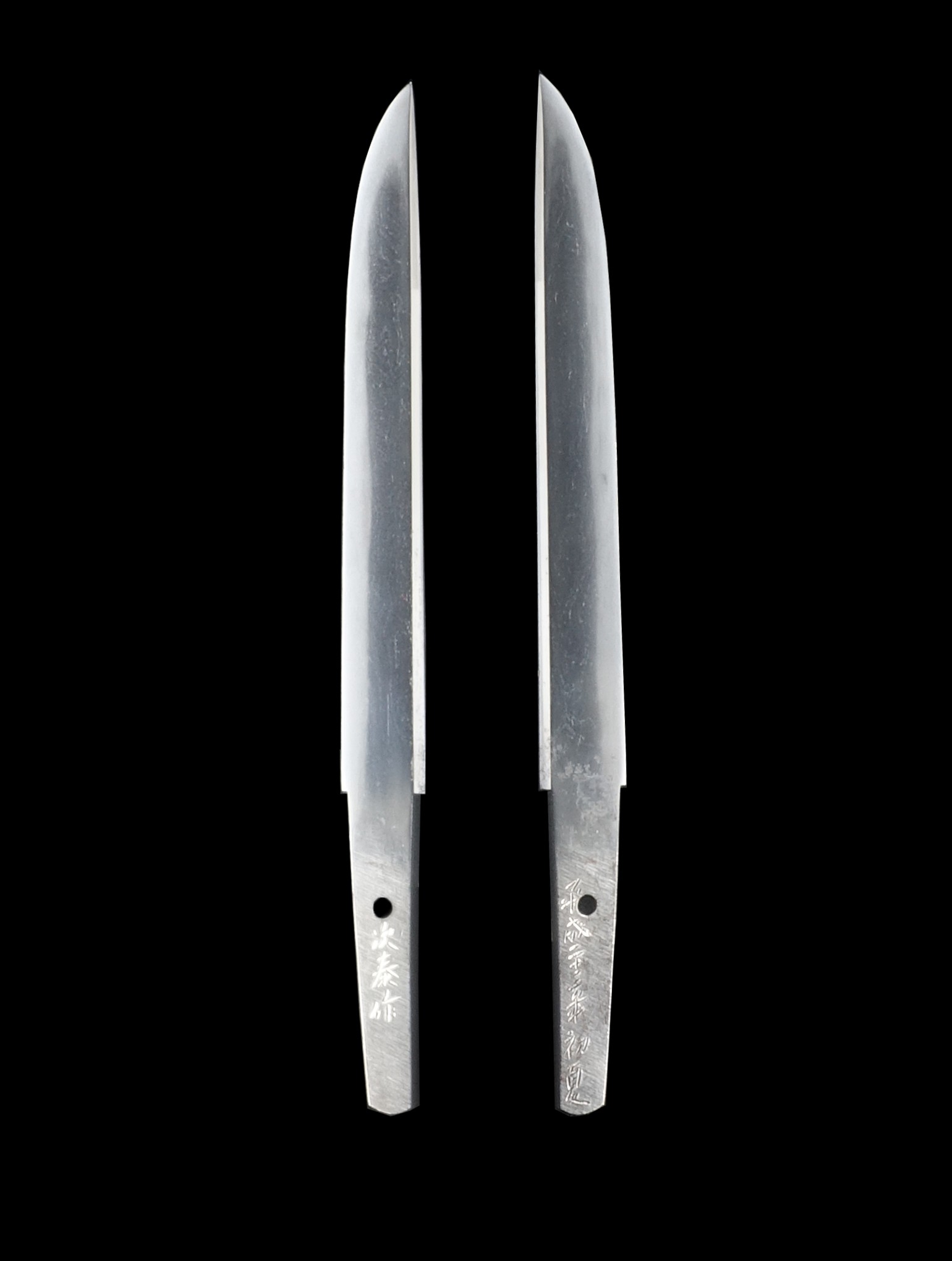
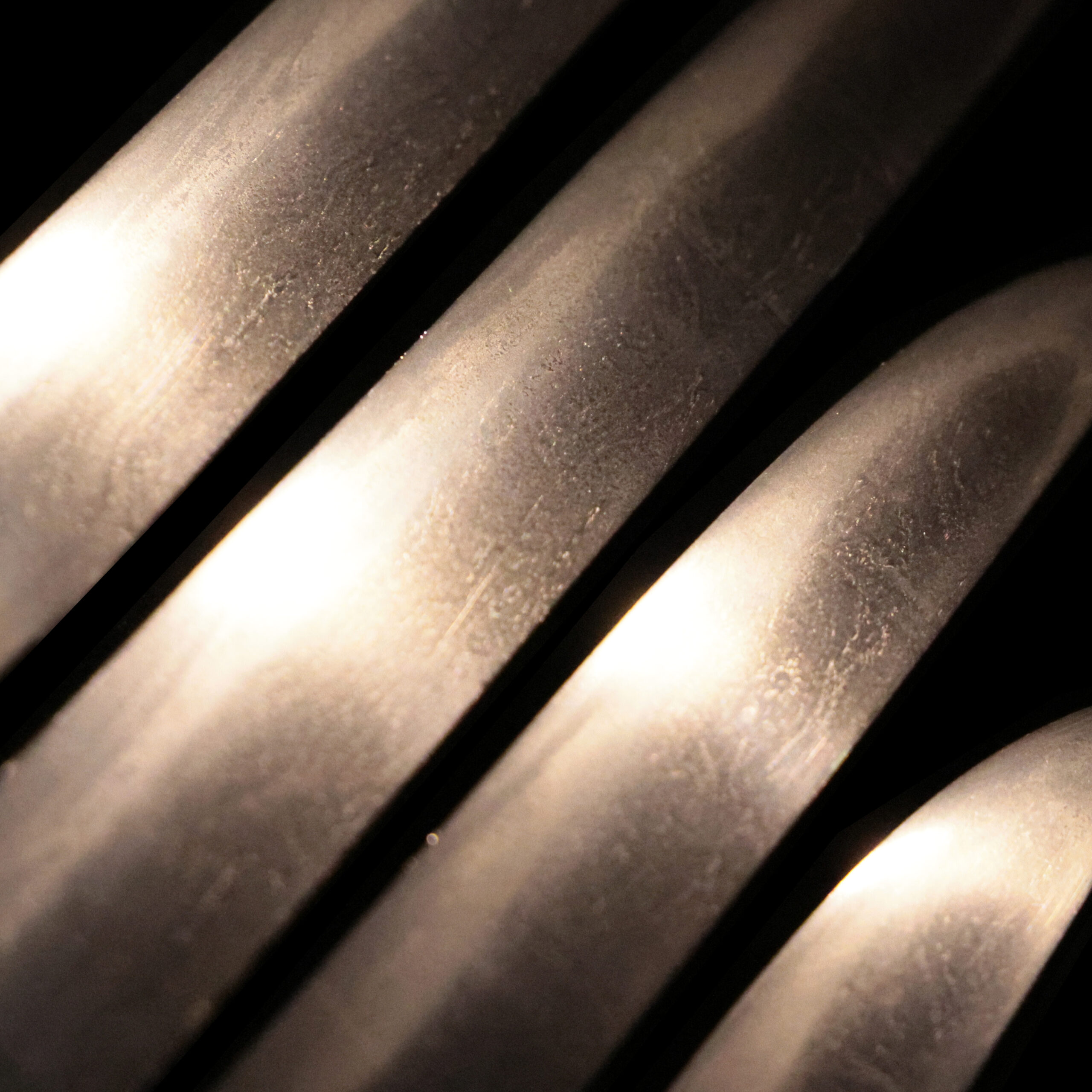
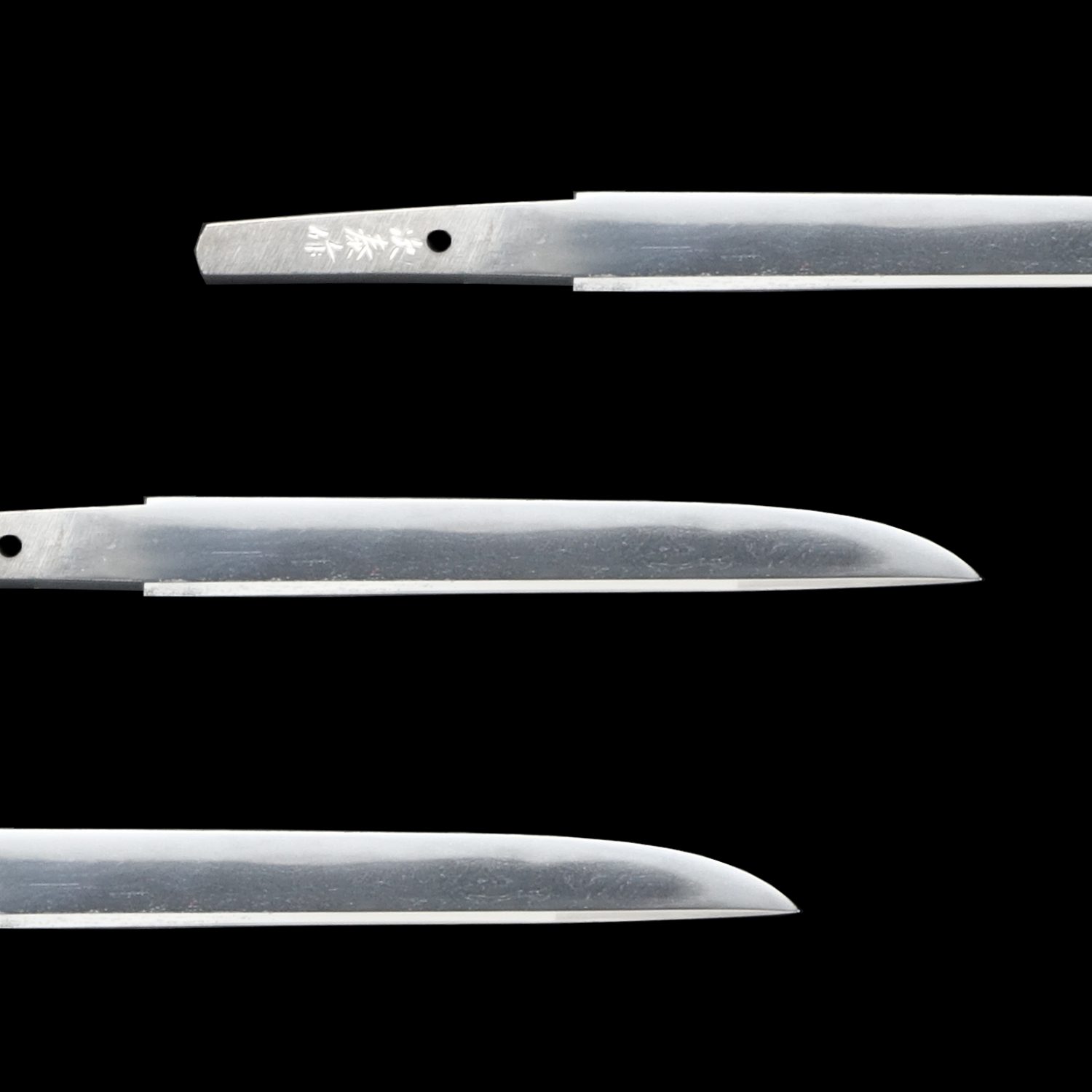
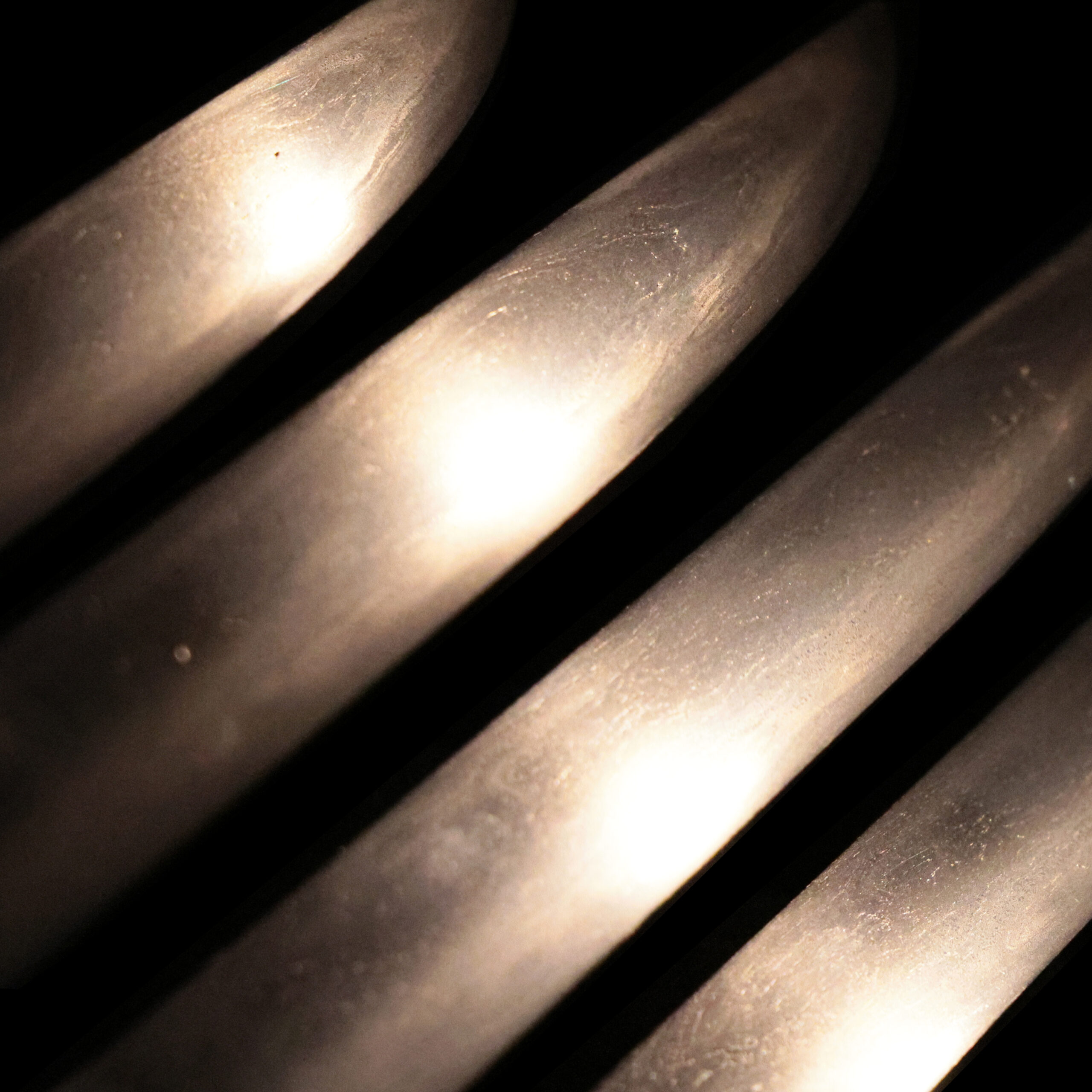
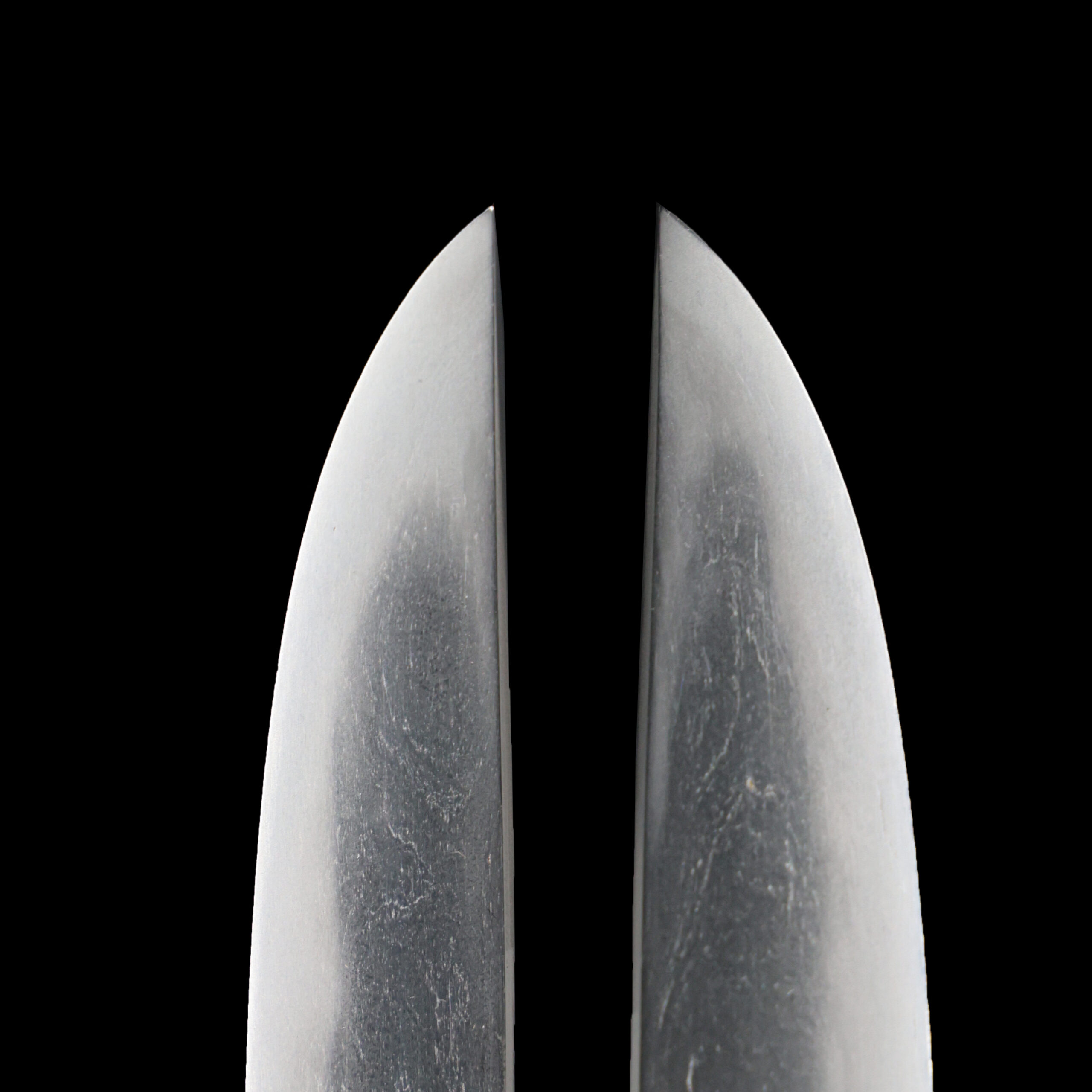
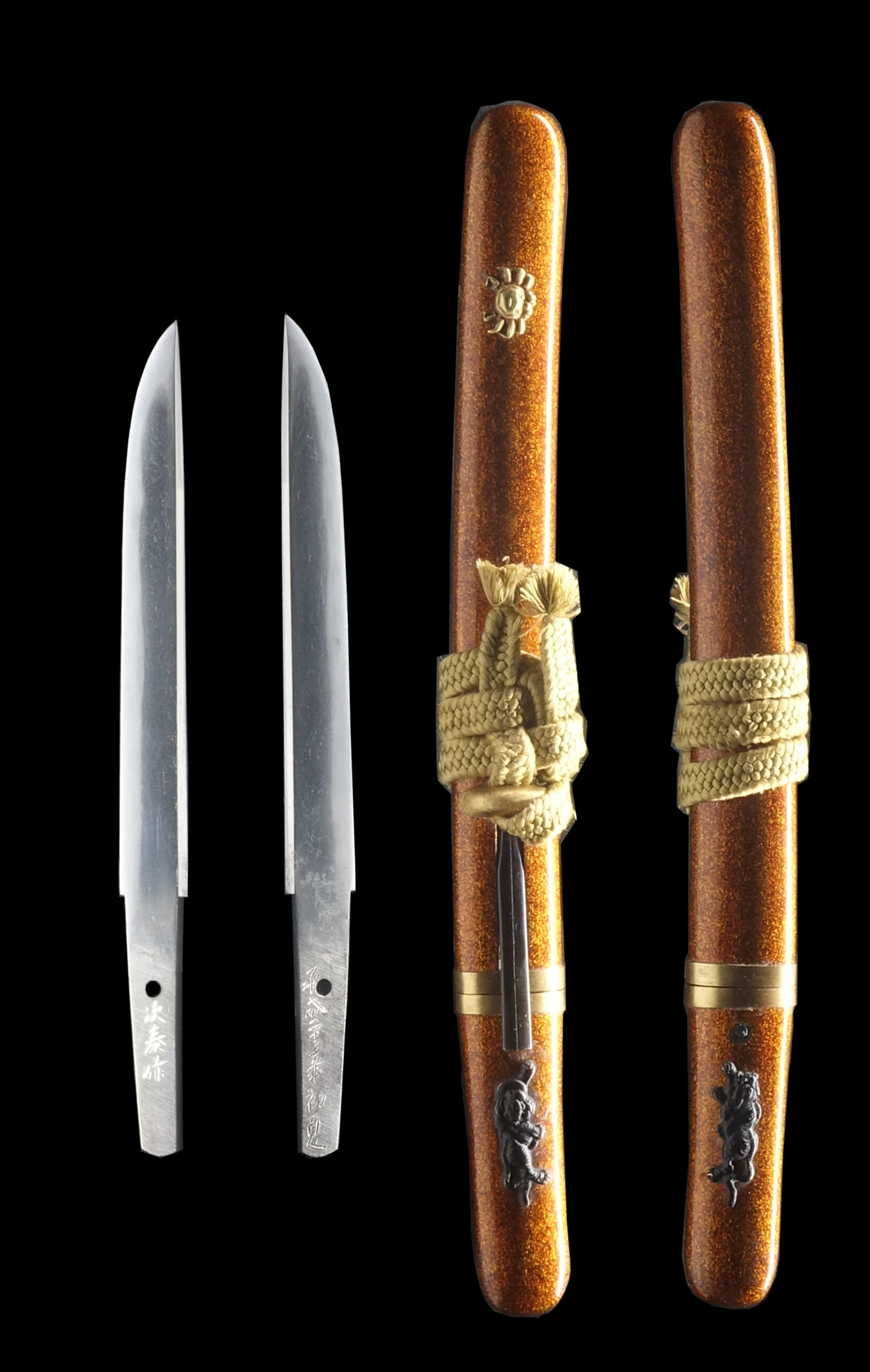
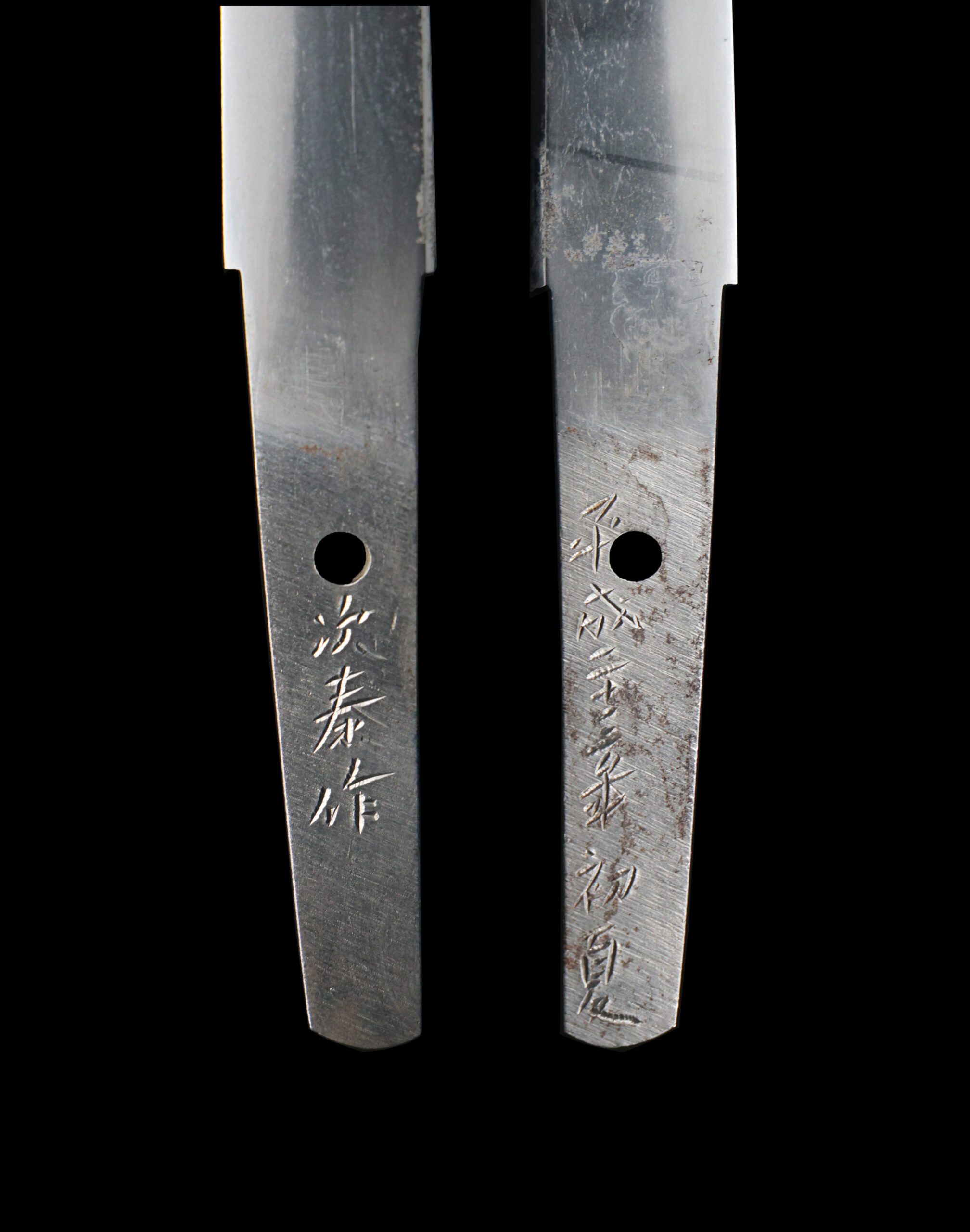
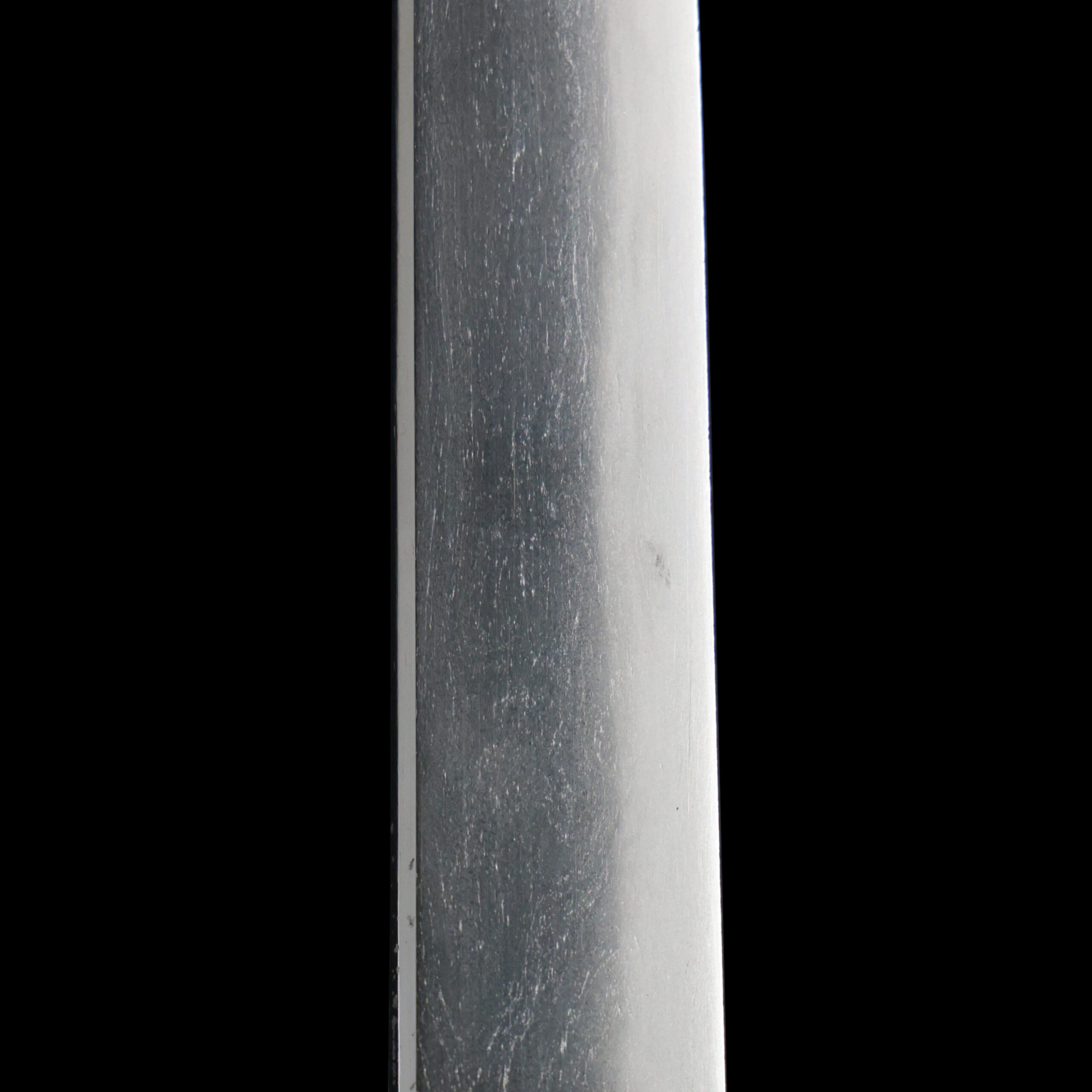
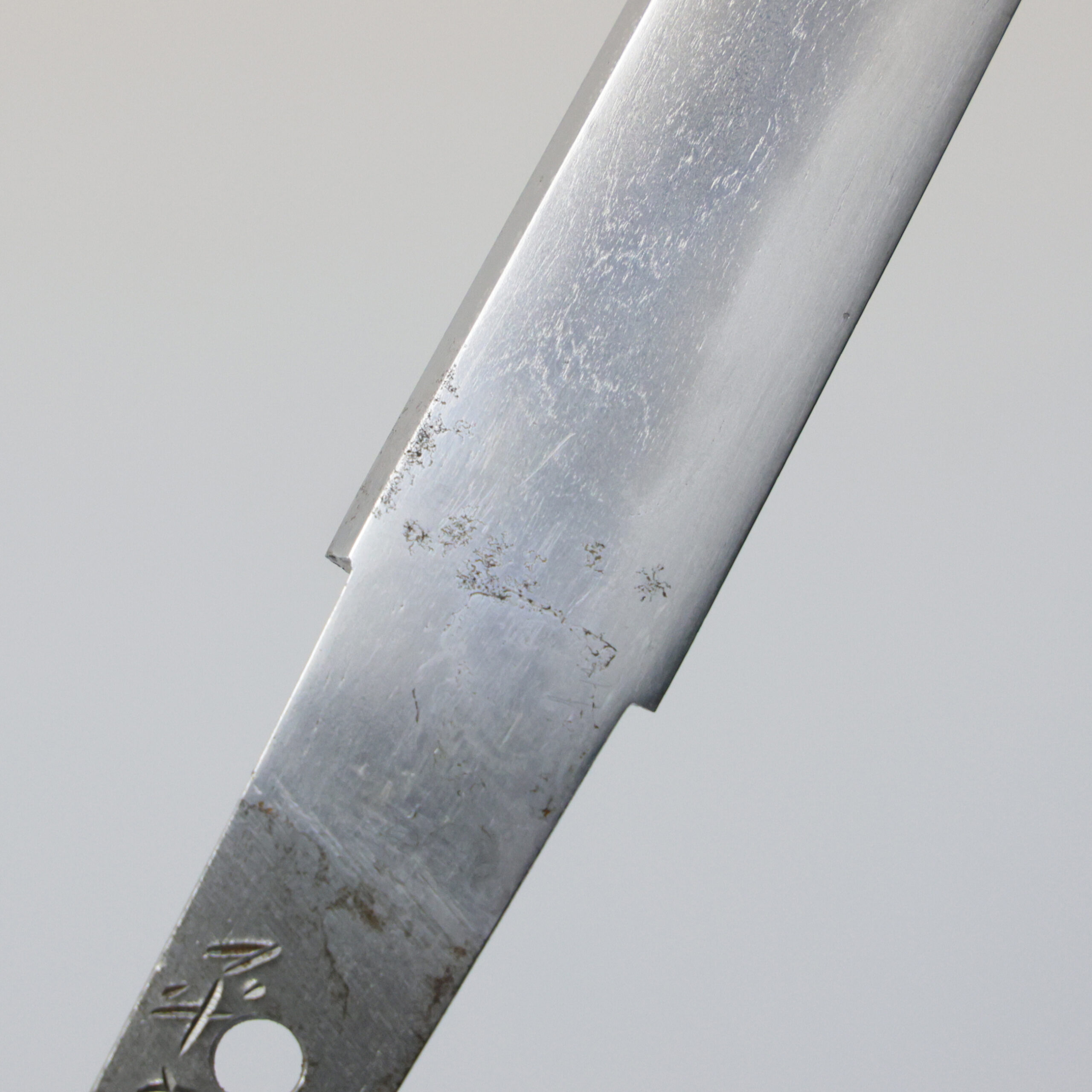
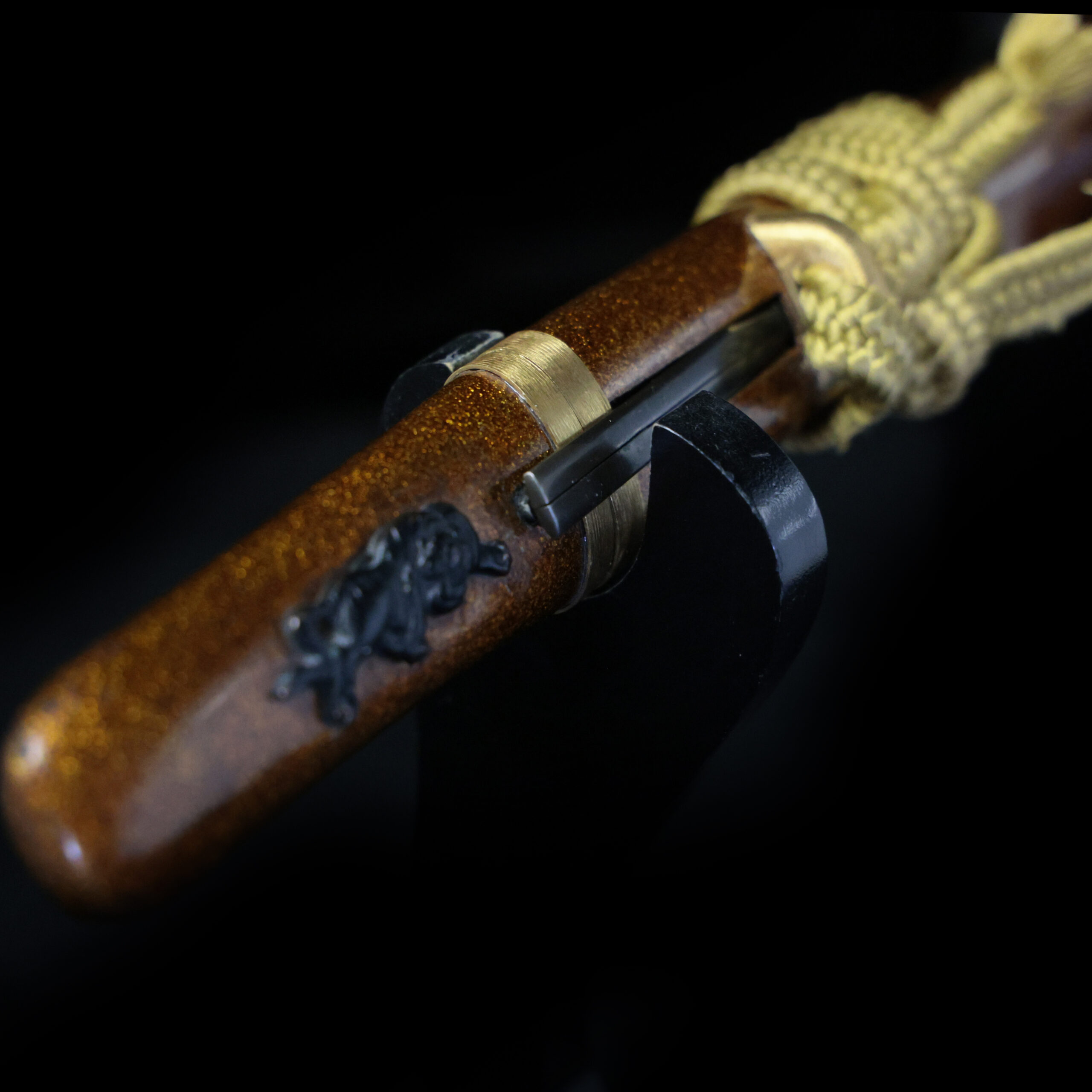
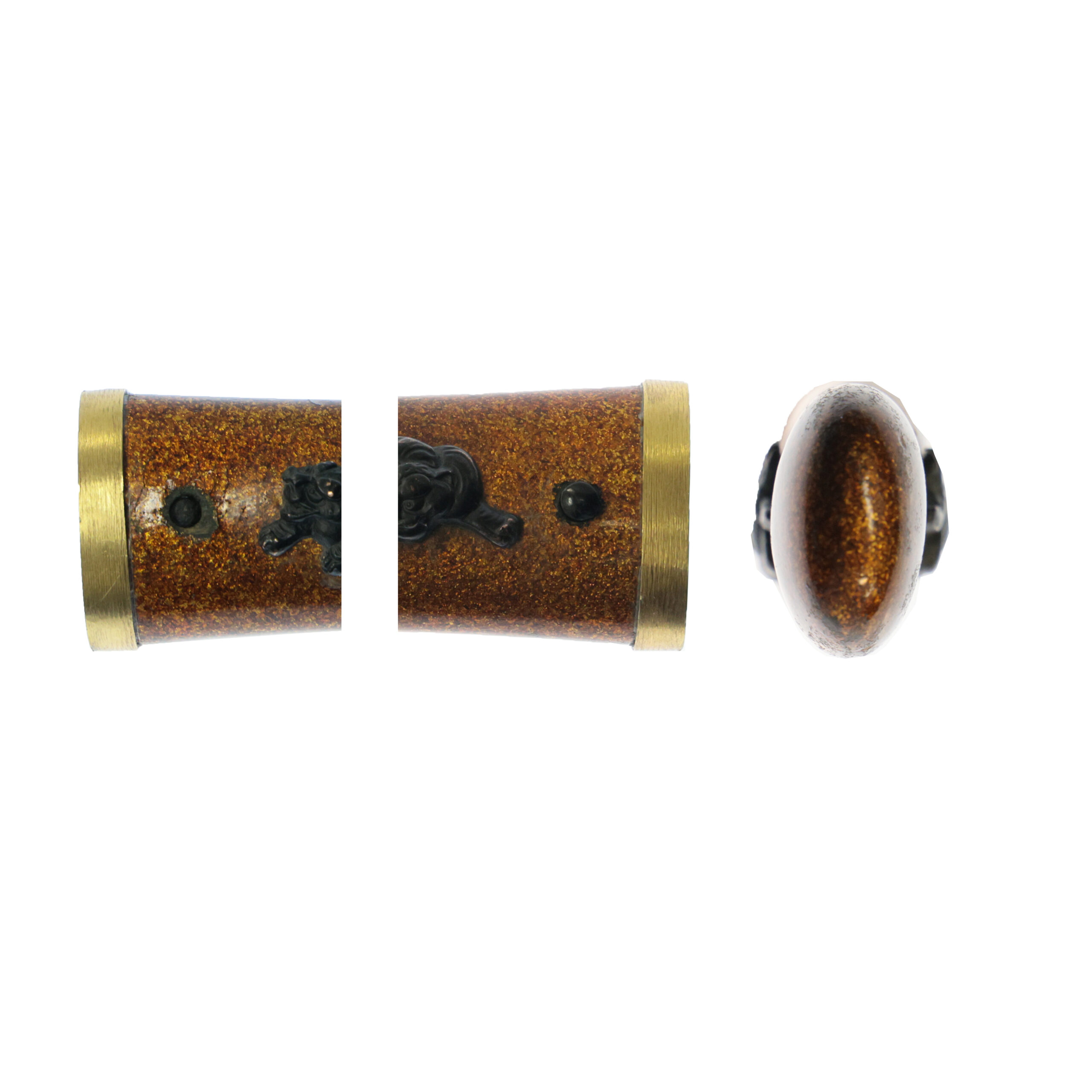
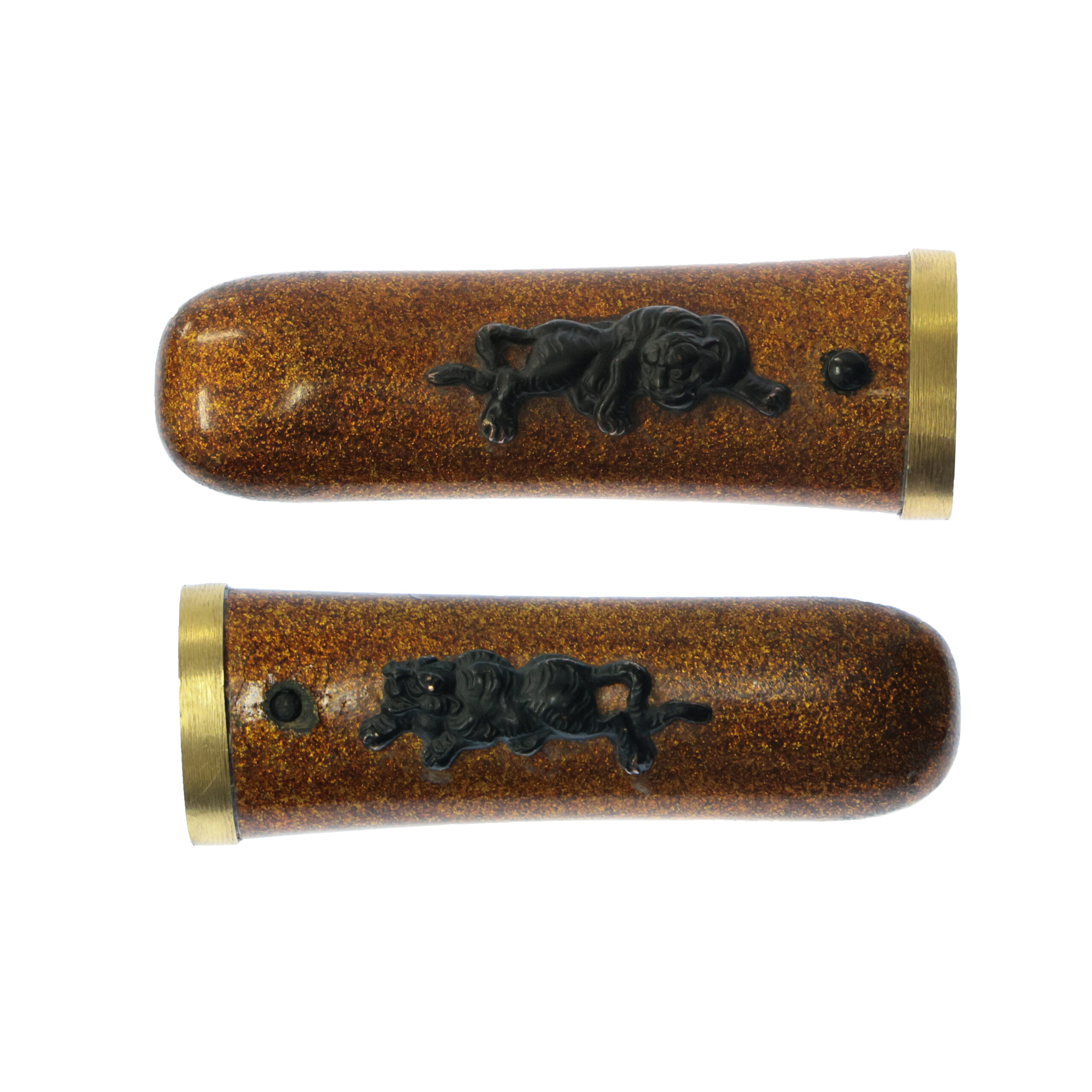
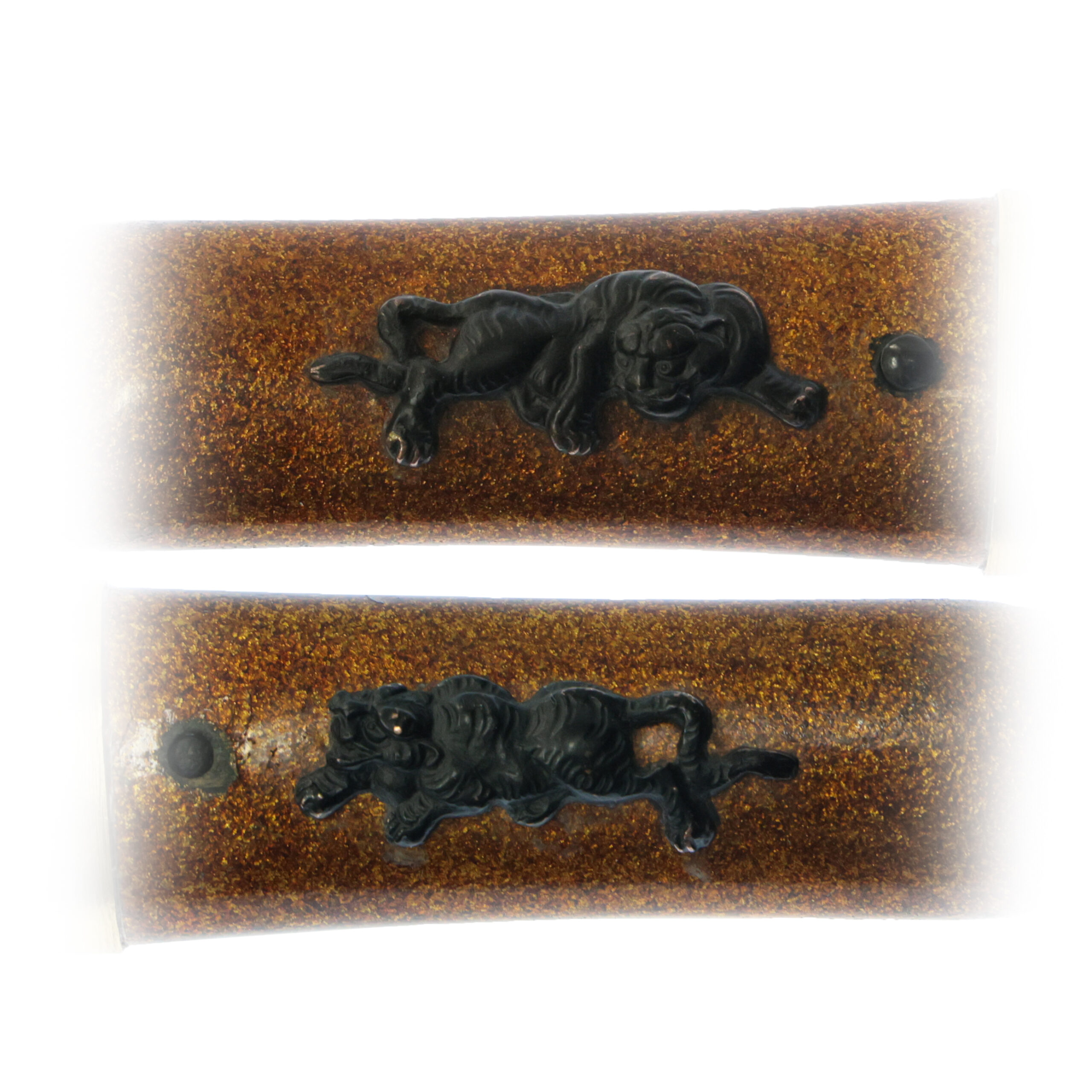
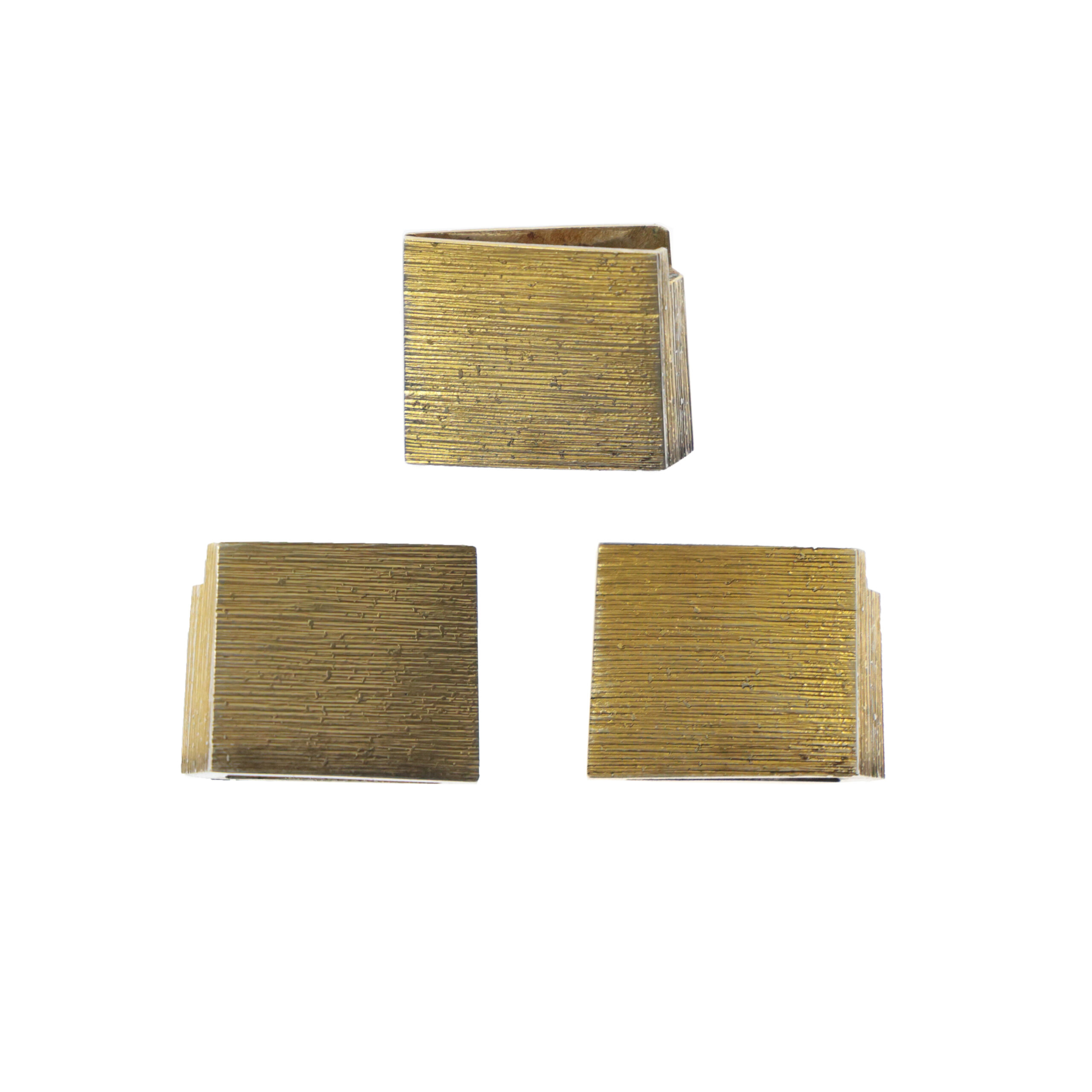
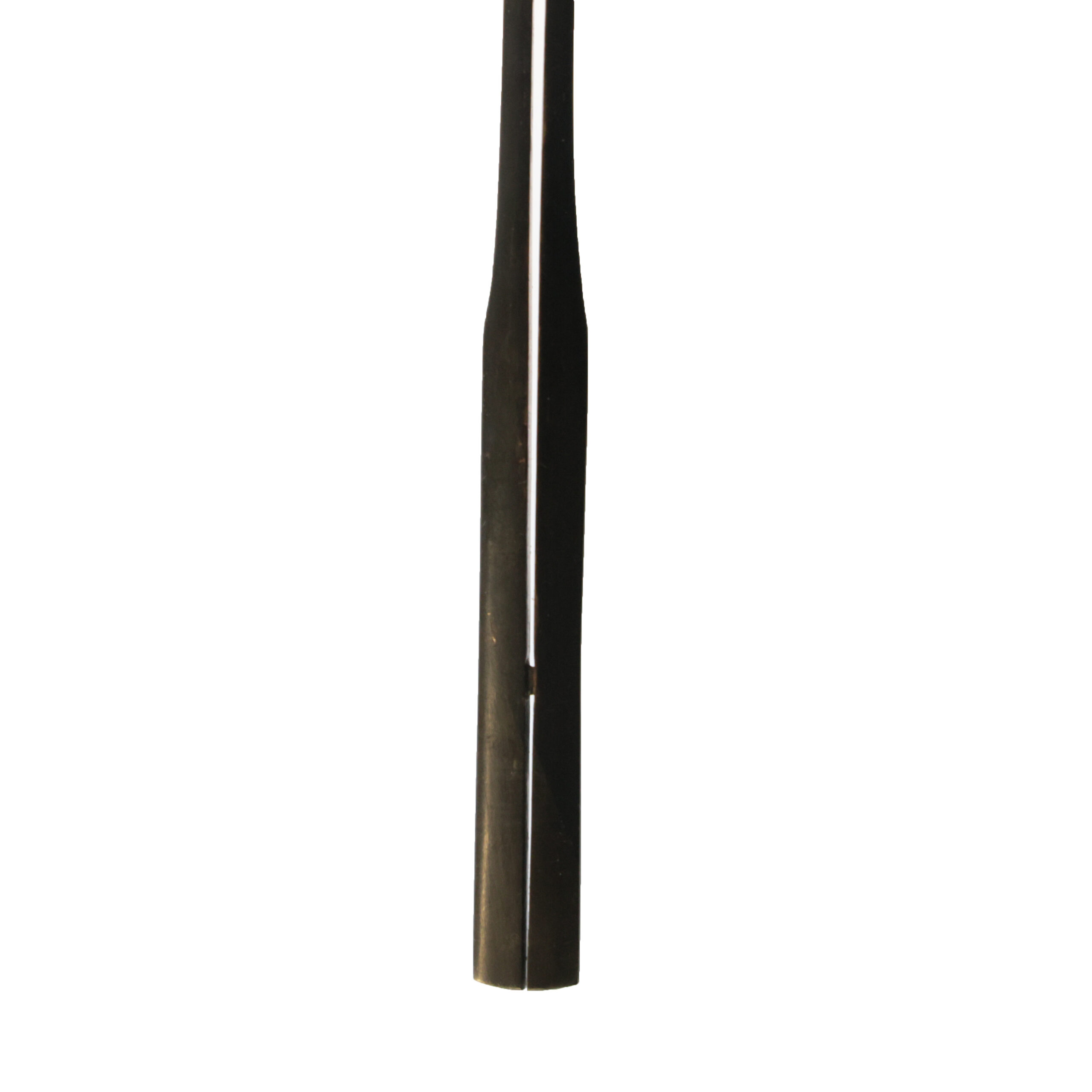
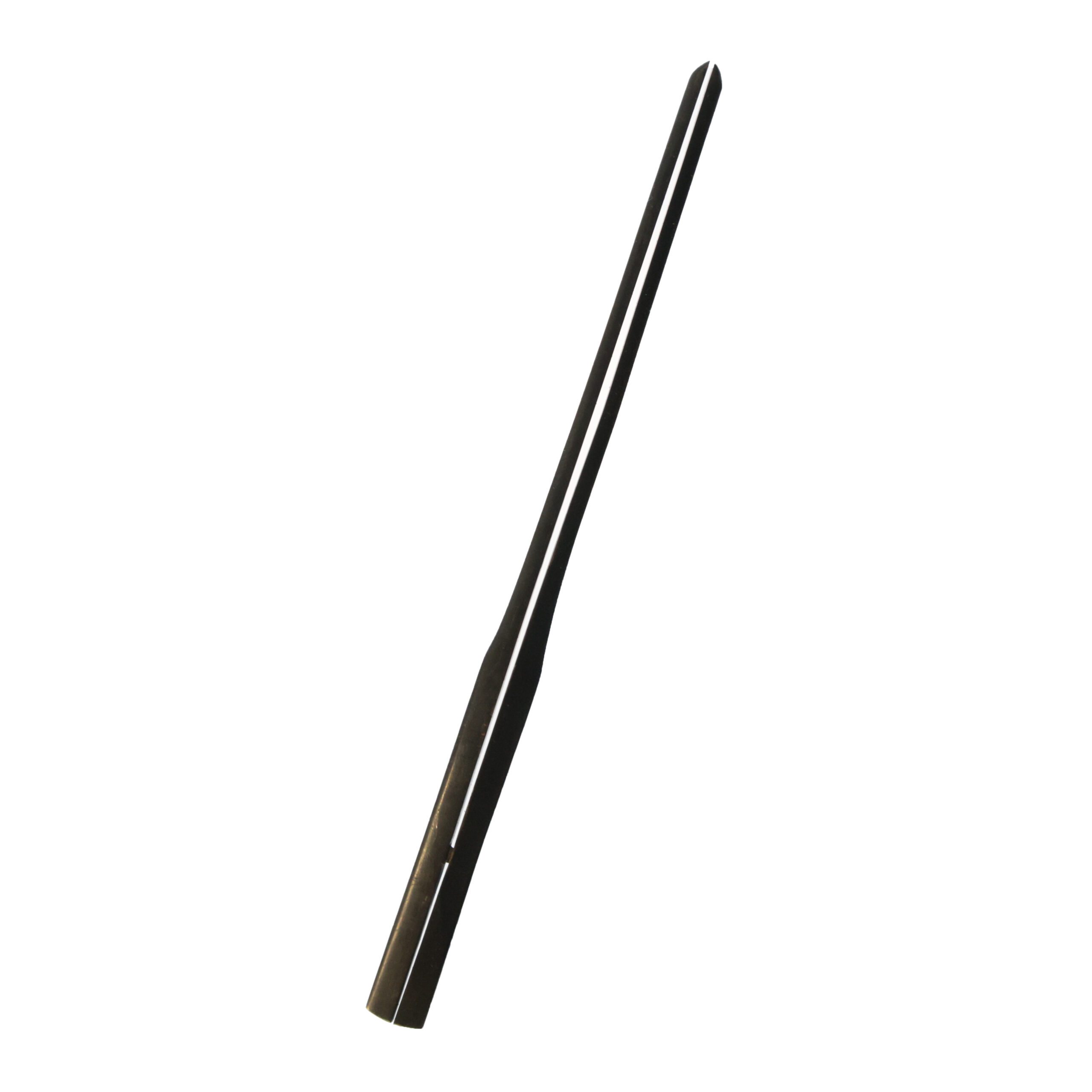
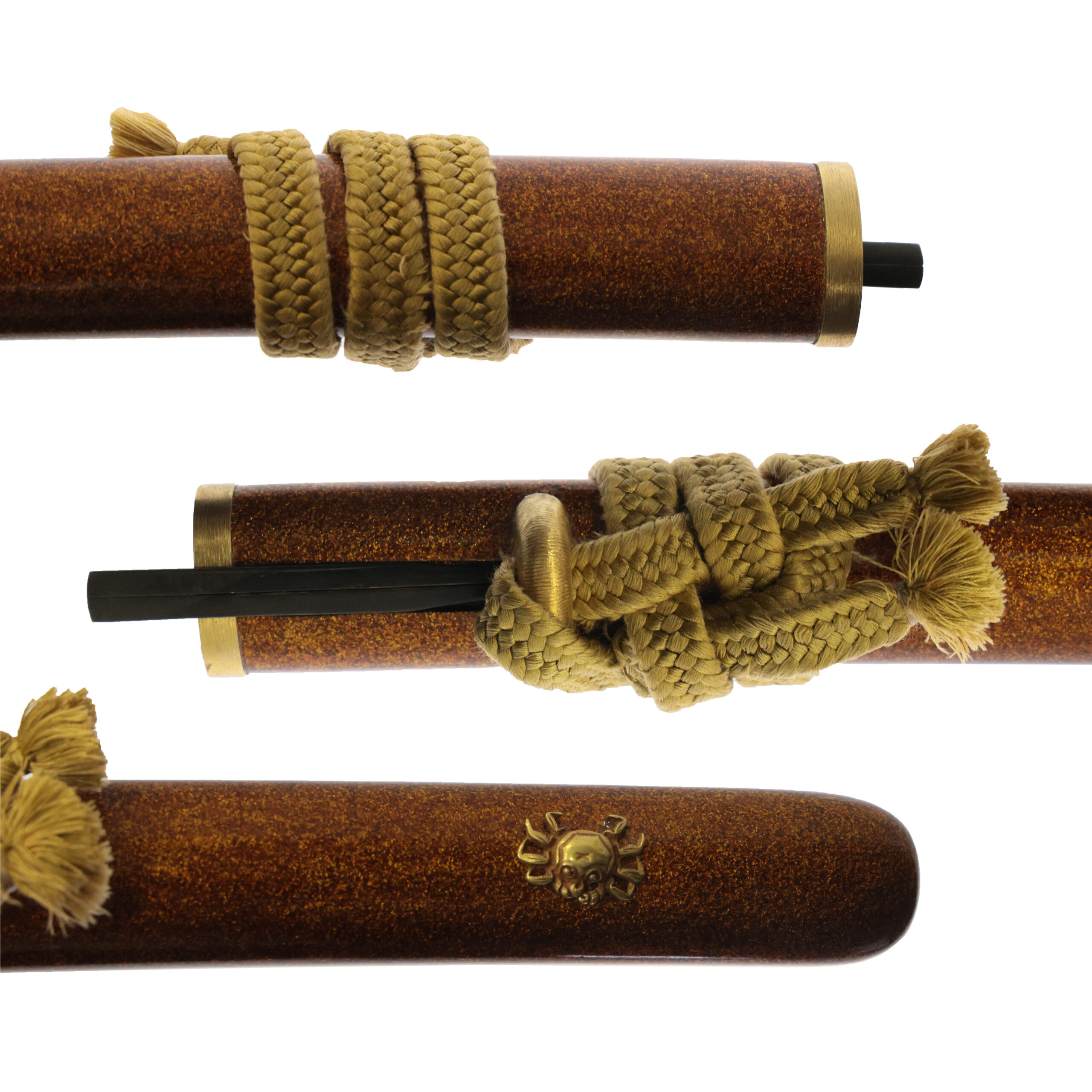
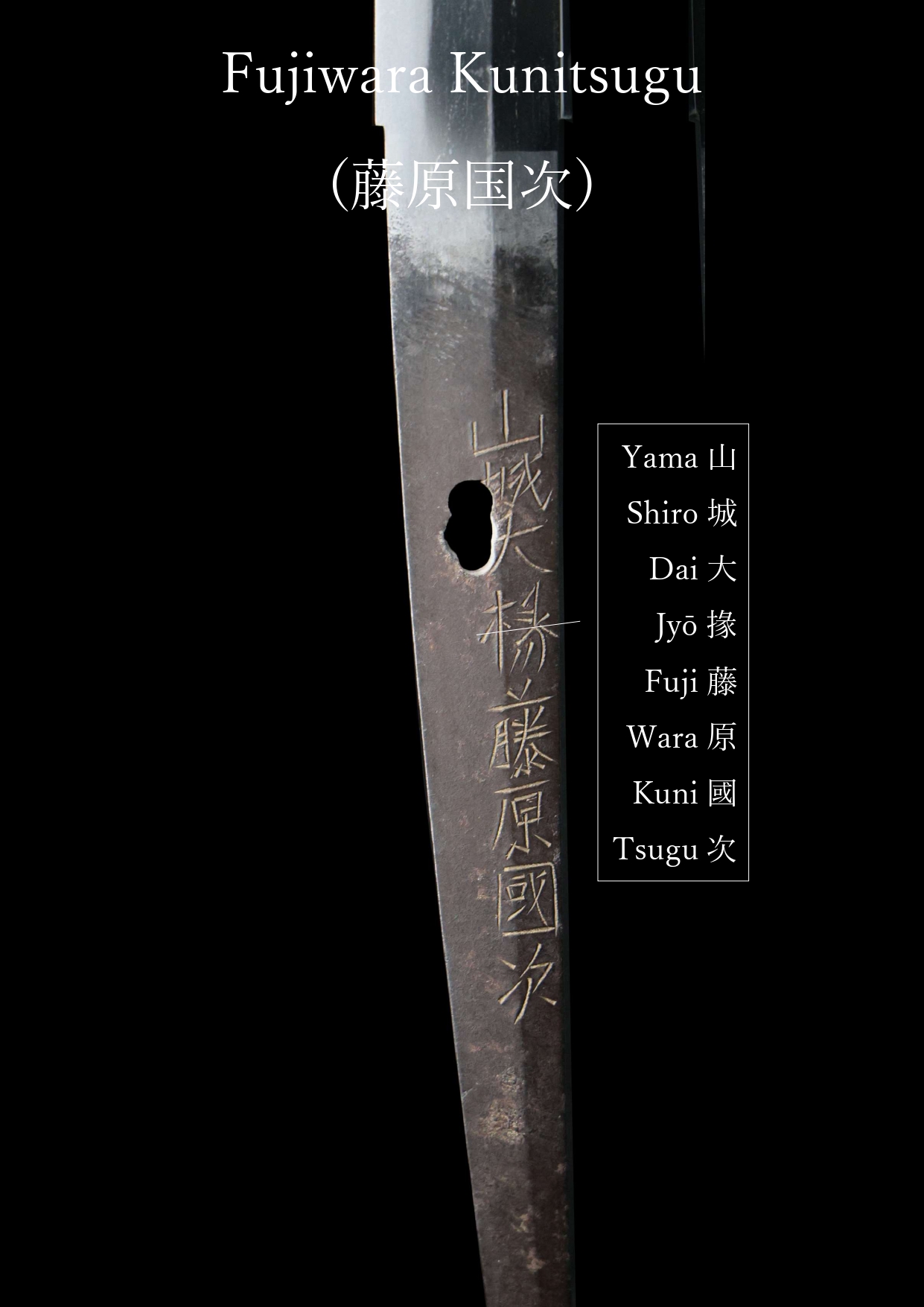
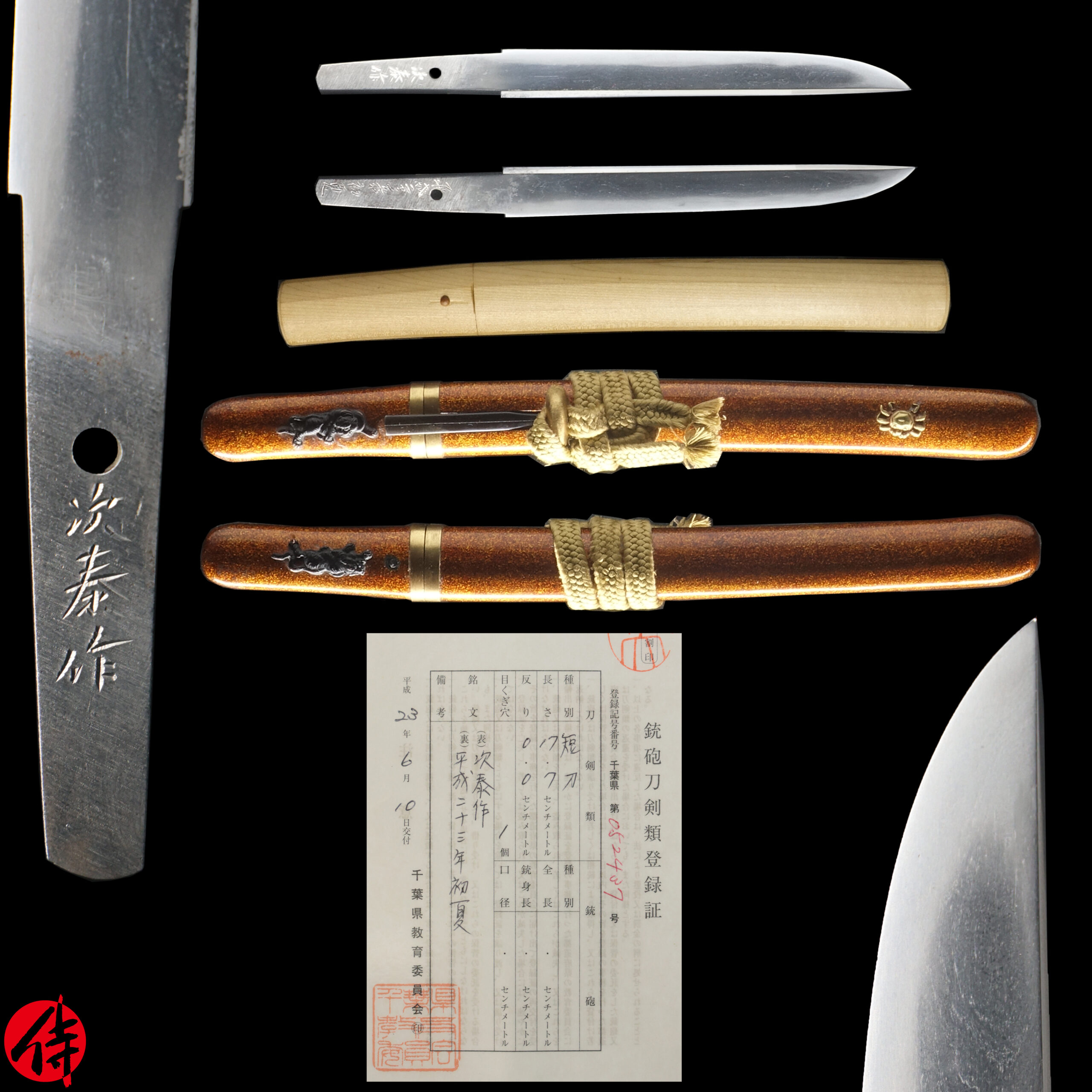
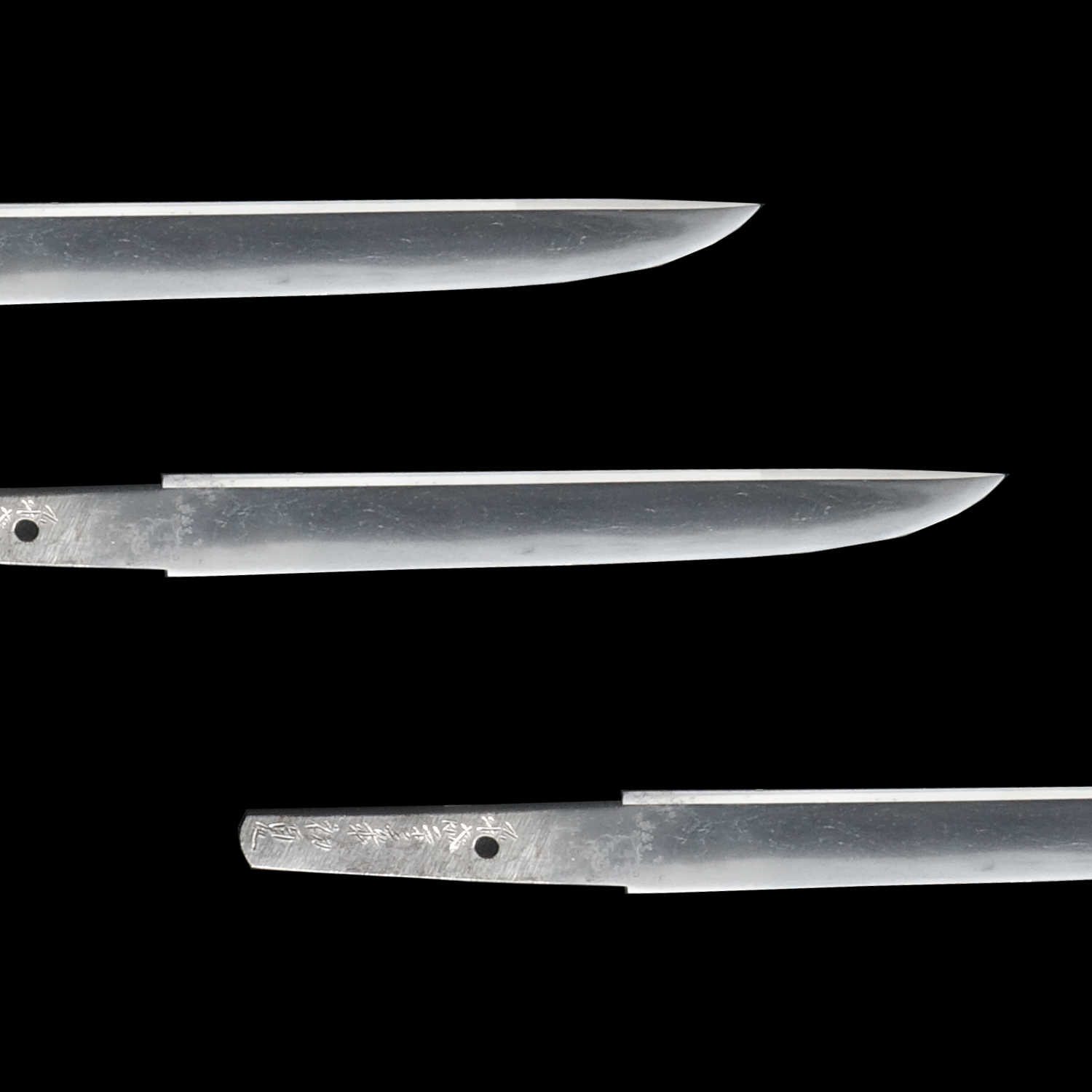
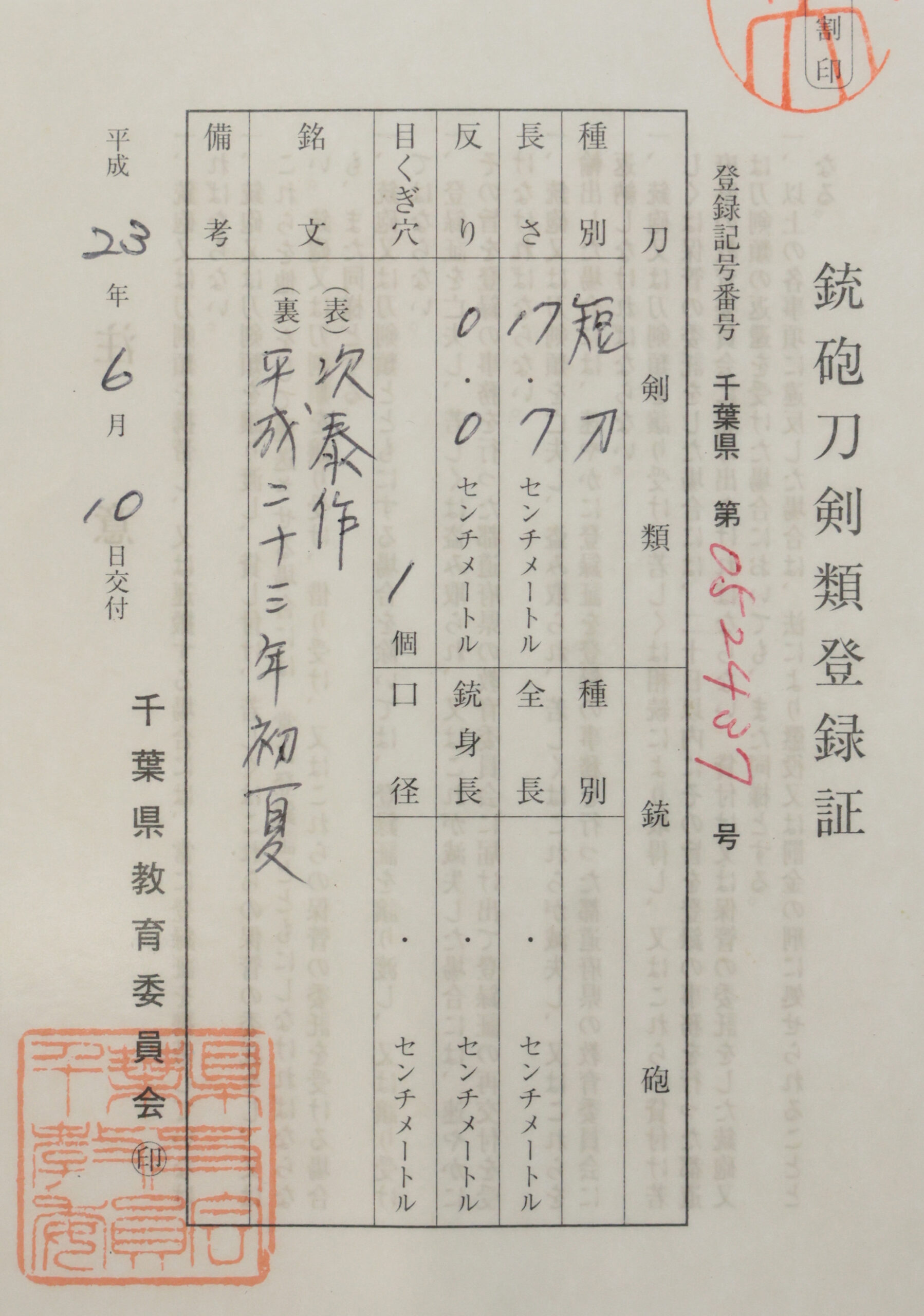
This blade was signed by Tsuguyasu (次泰) in the early summer of the 23rd year of Heisei era (2011). Born Matsuda Shuji (松田周二) in Kitami, Hokkaido, in 1948, he studied fine arts at Hokkaido University of Education before pursuing a career as a swordsmith. At his workshop in Chiba City, Tsuguyasu has devoted much of his career to recreating the blades of the Ko-Bizen, or “Old Bizen,” tradition. In 1996, his work drew widespread attention when he was credited with reviving a forging technique believed to have fallen out of use some 800 years earlier, during the Kamakura period. In 2009, Tsuguyasu attained mukansa (無鑑査) status, a distinction that allows a master swordsmith’s work to be exhibited without competitive judging. In 2015, Chiba Prefecture designated him a holder of an Intangible Cultural Property in recognition of his swordmaking skills. Among his notable commissions was a tachi (太刀), a traditional long sword, for the ring-entering ceremony of Hakuhō, a grand champion of sumo. Tanto (短刀) Japan has a long history of traditions related to the Japanese sword, many of which have been passed down for generations. One such custom is the practice of giving a tanto (small dagger ) as a protective charm to someone dearly cherished. These daggers are known as “Mamori-gatana” (守り刀), or “protective swords.” Mamori-gatana are often presented to newborn children, brides, or daughters to protect them from harm. They may also be placed near the head or chest of a deceased person as a spiritual safeguard. A specific type of protective dagger, called a “Makura-gatana” (枕刀) or “pillow sword,” was traditionally placed beside one’s pillow during sleep to ward off evil spirits. This practice dates back to the time of the samurai and was especially common in warrior households. The scabbard (saya) of this particular tanto is lacquered in bright red, a color believed to have protective qualities in Japanese culture. About Modern Swordsmith There are around 150-200 swordsmiths in Japan today. To legally produce Japanese swords, one needs to pass the national exam given by the Agency for Cultural Affairs(Bunka-Cho) and receive the license. Before taking the exam, one must finish his or her apprenticeship under a licensed master for more than five years. Those who practice Iaido(居合道) tend to use those modern swords, and there are modern Japanese sword collectors nationwide. Modern Japanese sword makers are researching old ways to forge swords and trying to recreate ancient-style swords. They are the ones who keep the tradition of Japanese history alive. *Please keep in mind that there is noticeable rust on the Mune (backbone of the blade. Koshirae The scabbard mouth fitting (koiguchi, 鯉口), hilt collar (fuchi, 縁), cord knob (kurikata, 栗形), and decorative metalwork on the scabbard are all made of 18-karat gold, an alloy containing 75% pure gold. The fittings weigh 21.04 g in total, with an estimated pure gold content of 14.84–16.12 g. Tsuka and Menuki This menuki features a tiger (tora, 虎), a classic motif in Japanese sword fittings. Admired for its strength and courage, the tiger was traditionally believed to ward off evil spirits, and its image served as a protective talisman. The kanji 虎, meaning “tiger,” can also evoke the animal’s vigor and vitality. A tiger motif could therefore express a wish for a boy to grow up strong and healthy. Kougai This item is an antique Kougai (笄), which was used to arrange or fix the hairstyle of Samurai. The Kougai is usually stored in the Kougai Hitsu. The Kozuka (小柄) is often stored at the other side of the scabbard. Saya This scabbard (saya, 鞘) is decorated with crab-shaped metalwork against a softly shimmering nashiji (梨地) lacquer ground. The term nashiji, meaning “pear skin,” refers to the fine speckling that gives the lacquer its distinctive appearance. In Japanese culture, the crab is an auspicious motif. Its many offspring evoke fertility, safe childbirth, and the prosperity of future generations. Its pincers are said to cut away misfortune and sever harmful ties, while the shedding of its shell symbolizes renewal, recovery, and fresh beginnings. The warm luster of the gold complements the subtle shimmer of the nashiji lacquer and brings the crab motif into focus. Registration Number It is called Jyu Hou Touken Rui Torokusho (銃砲刀剣類登録証).

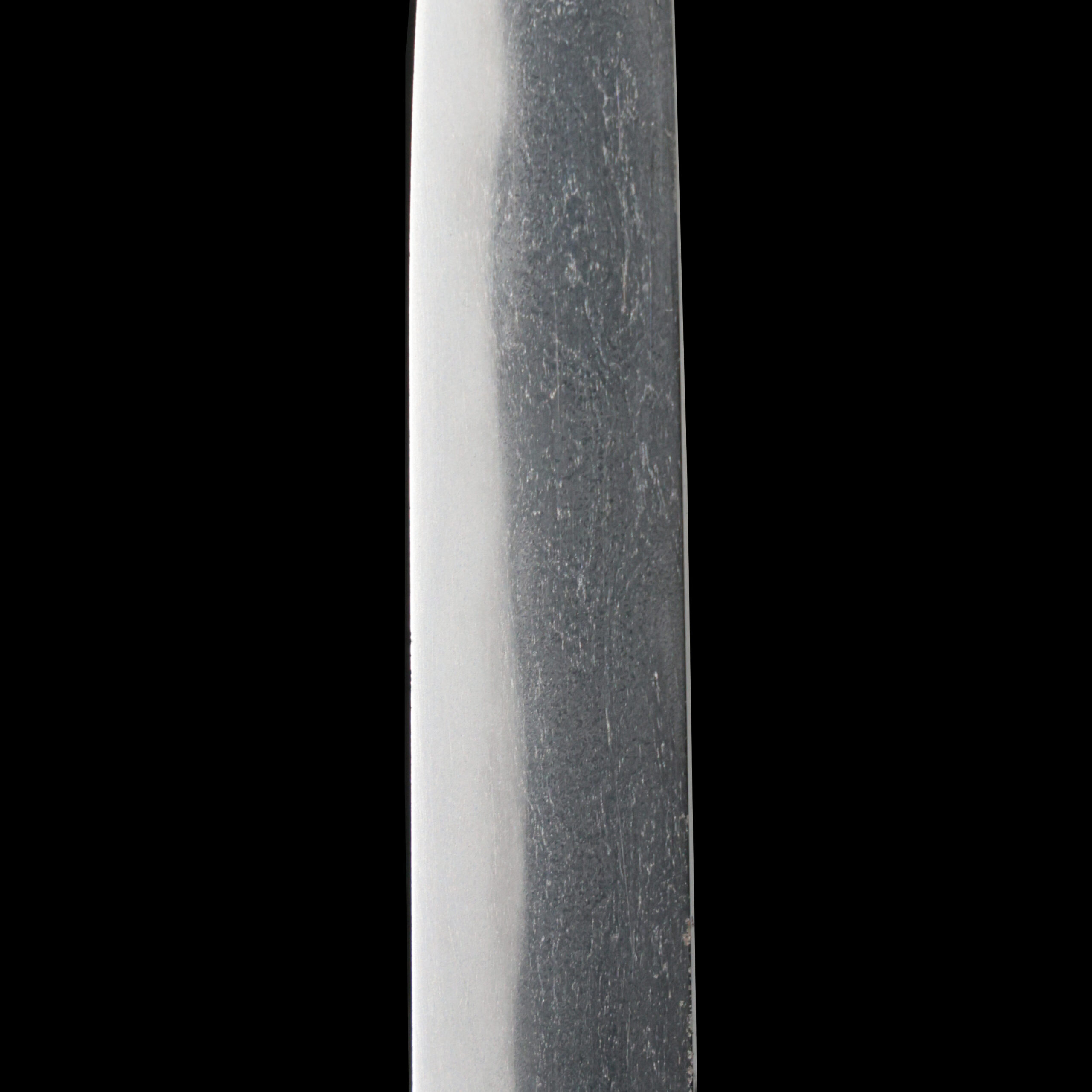
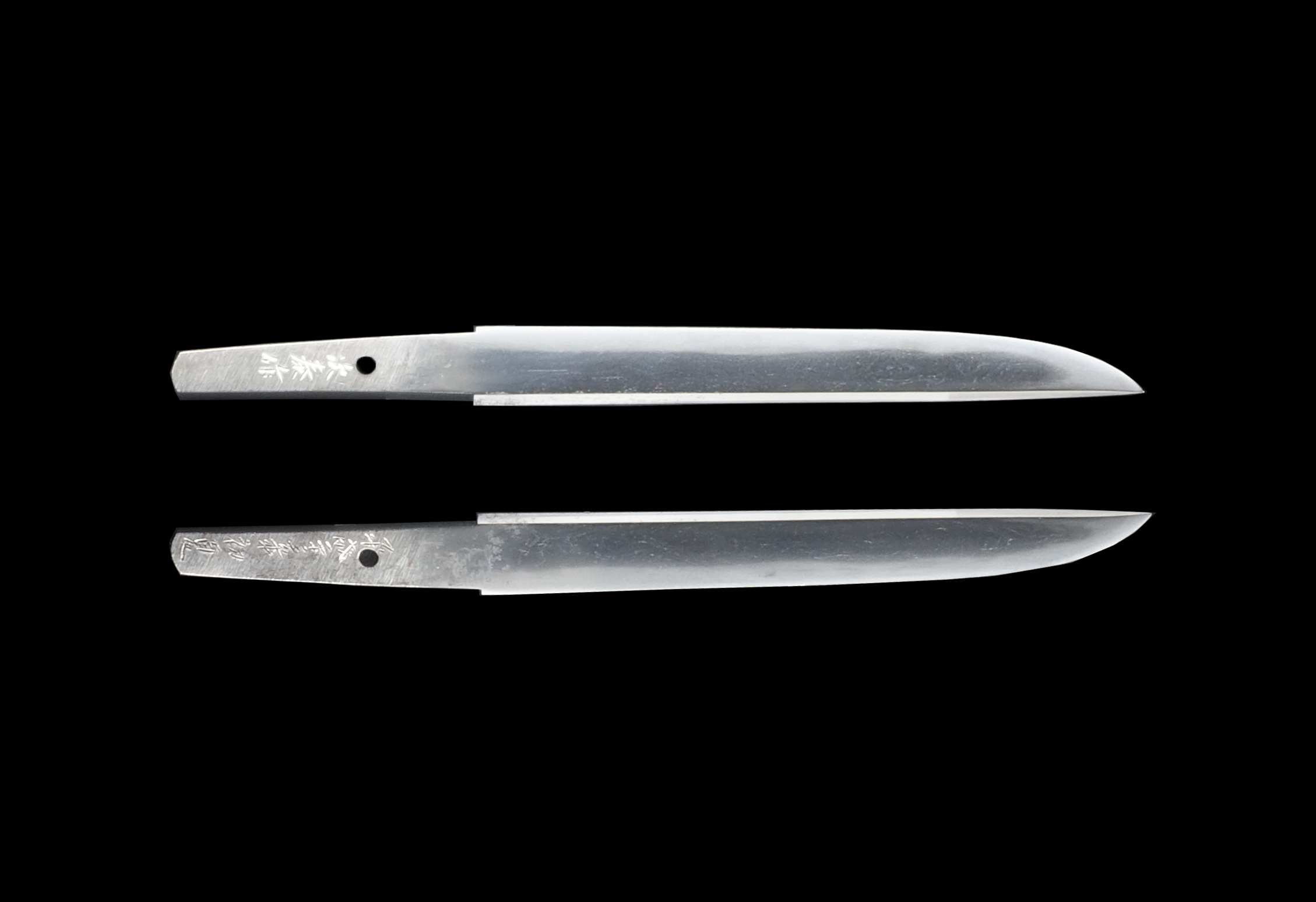
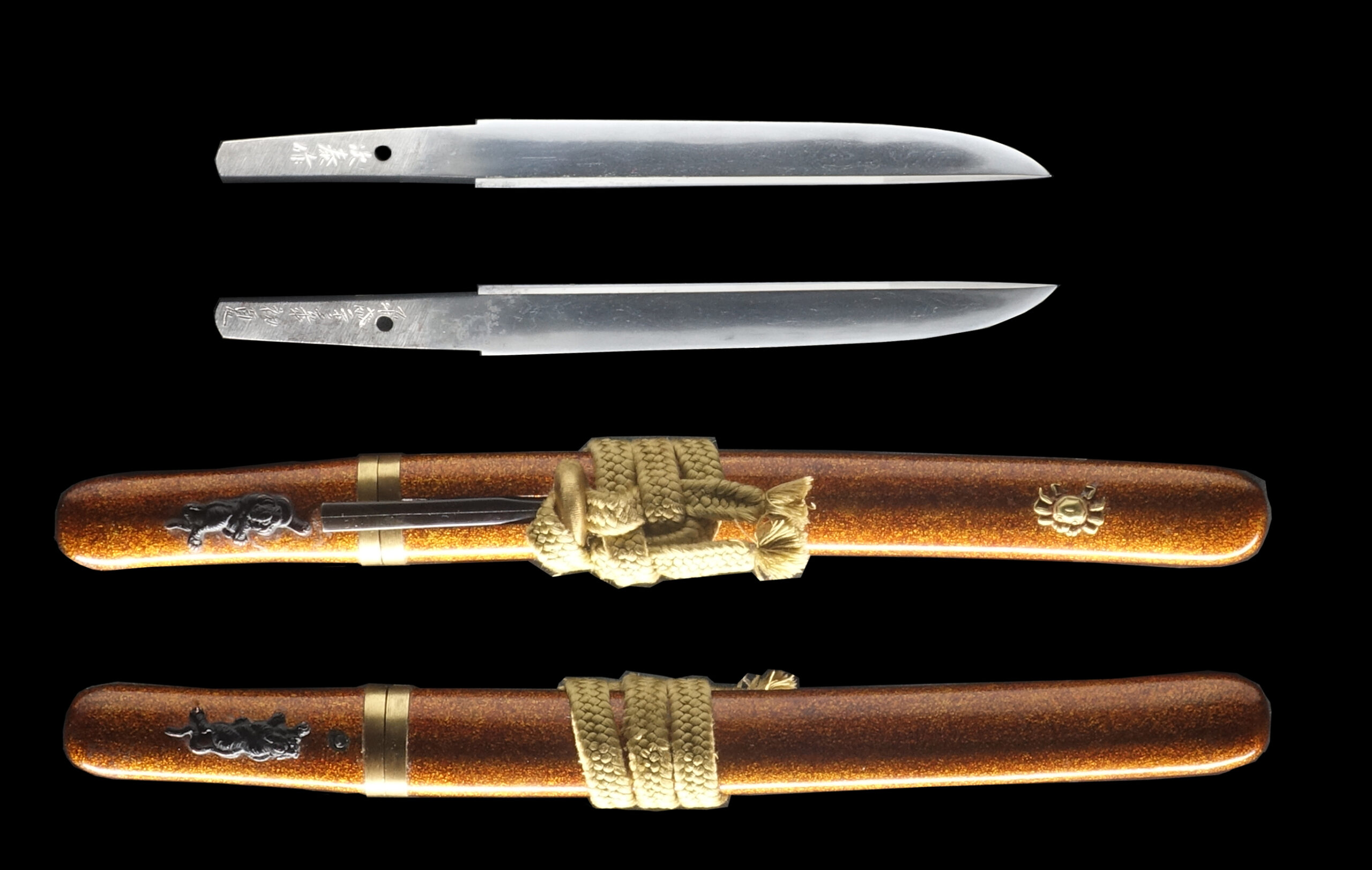
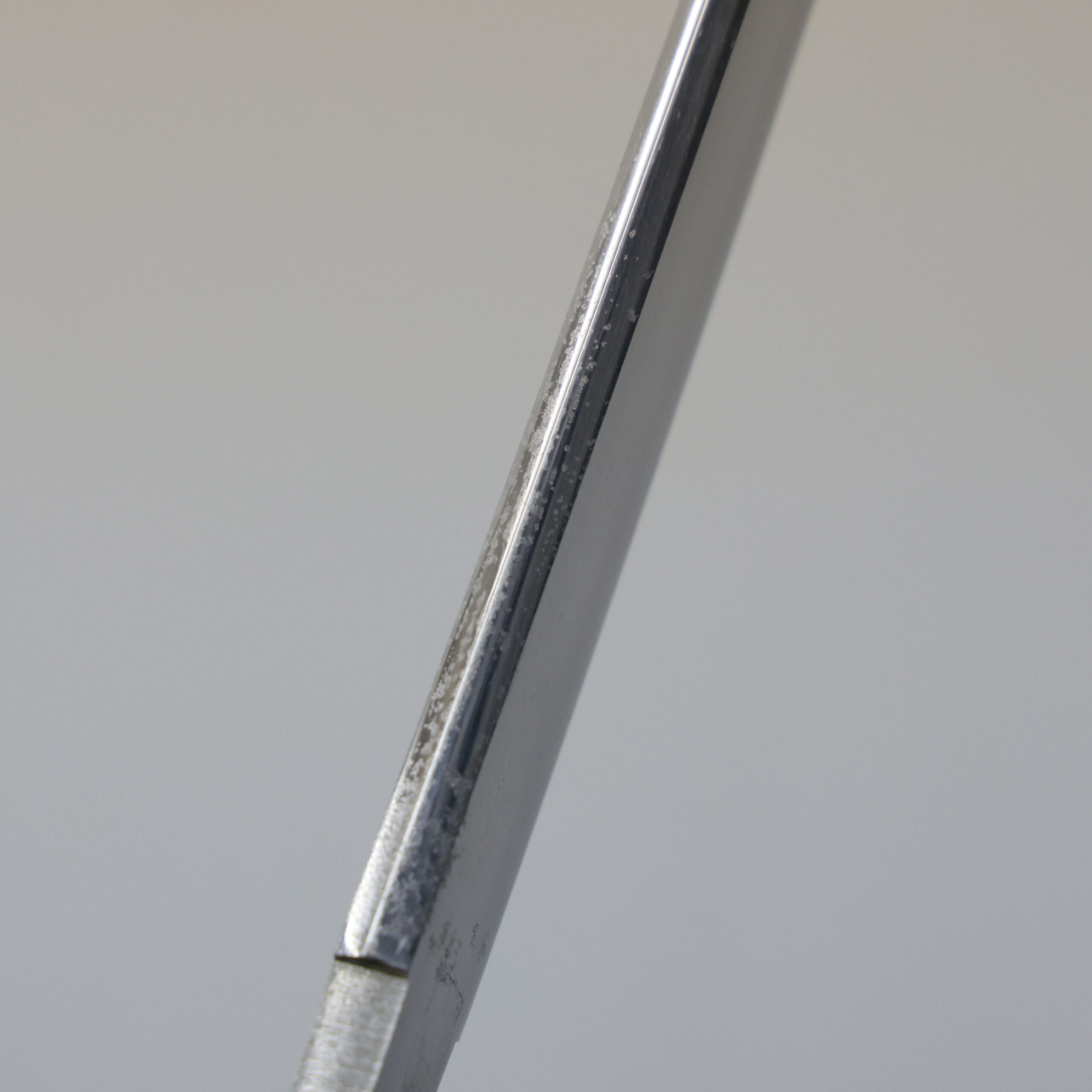
販売店の記載のまま
(翻訳なし) 店主の原文のまま表示しています。正確さの確認を通った翻訳のみを表示します。
下総 · 1980-2026頃
現在2点販売中
昭和から現代へ 断絶と再生
二十世紀は二度この工芸を殺しかけた。戦時の歪みと、占領下の禁令である。1948年の日刀保設立と1953年の作刀再開が刀を美術として再建し、人間国宝と無鑑査がその頂に立つ。
刀剣商の出品ページで鑑定書を確認できませんでした。日本刀および刀装具は通常、日刀保(または日本刀剣保存会)の鑑定を受けます。鑑定書がない場合、極めは刀剣商の見解にとどまり、第三者による確認は行われていません。ご購入前に刀剣商へ鑑定書の有無をお問い合わせのうえ、慎重にご判断ください。
Returns/exchanges limited to defects caused by shipping (except willful misconduct or gross negligence by the company); customers must contact within 72 hours of receiving the product.
¥820,000