二十世紀は二度この工芸を殺しかけた。戦時の歪みと、占領下の禁令である。1948年の日刀保設立と1953年の作刀再開が刀を美術として再建し、人間国宝と無鑑査がその頂に立つ。
 NihontoWatchNihontoWatch
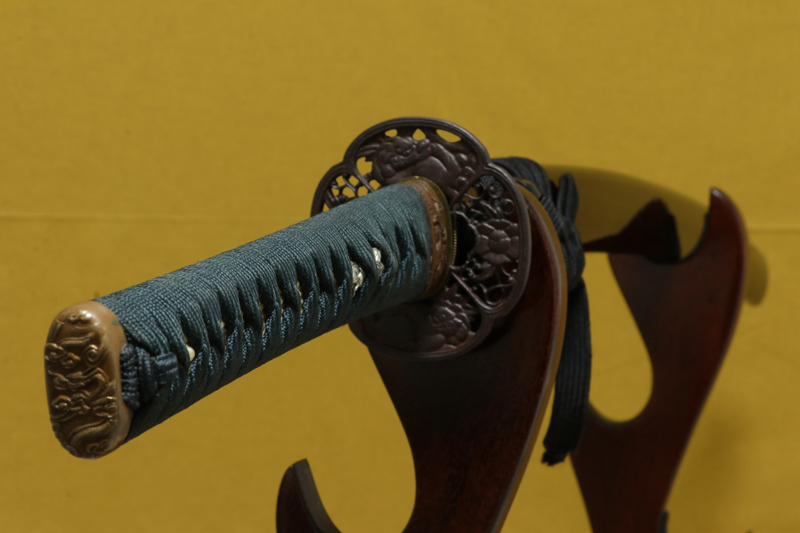
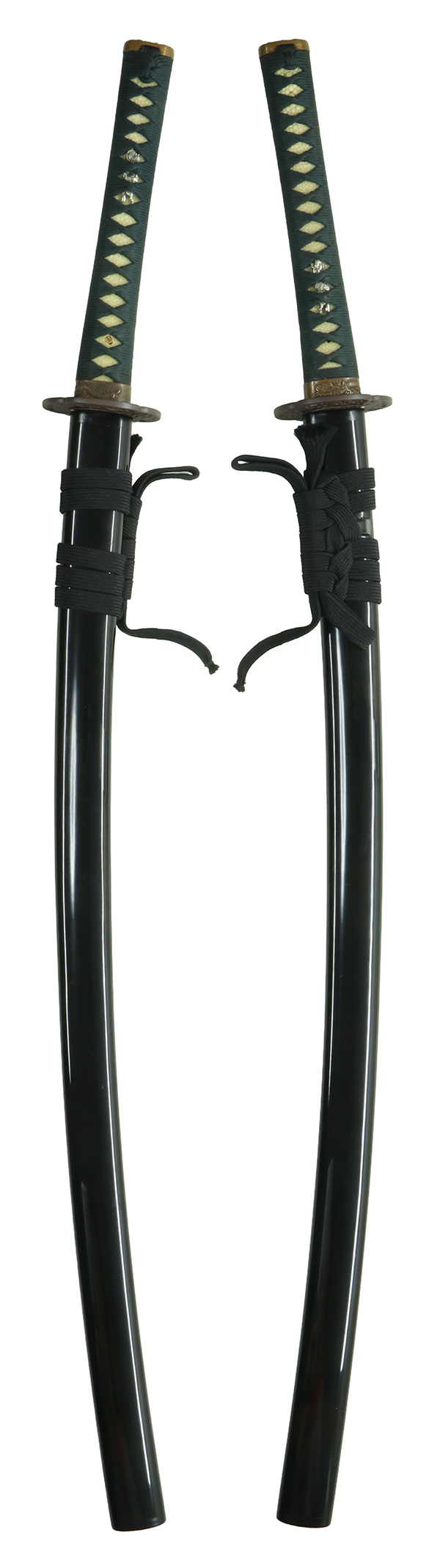
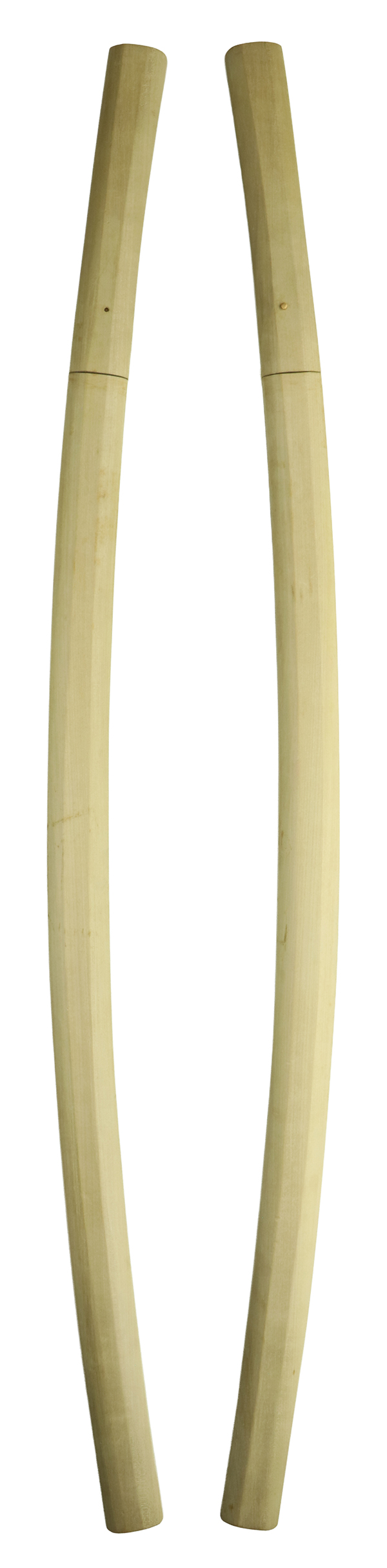
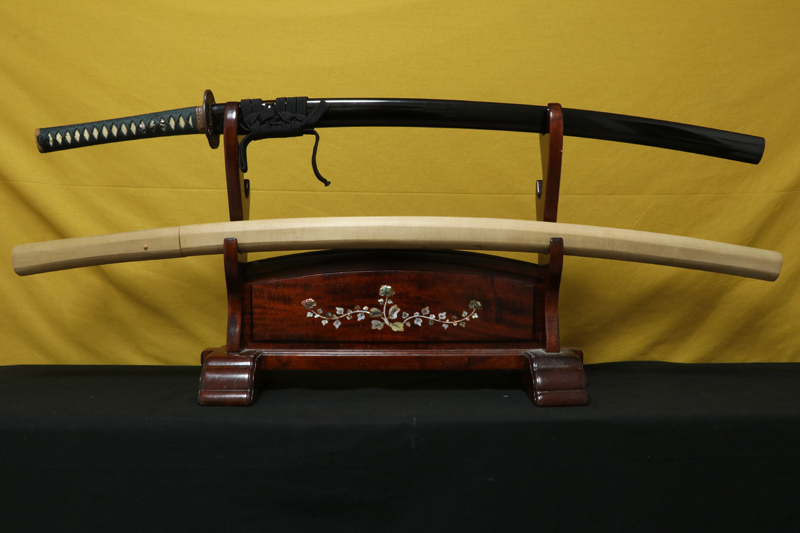
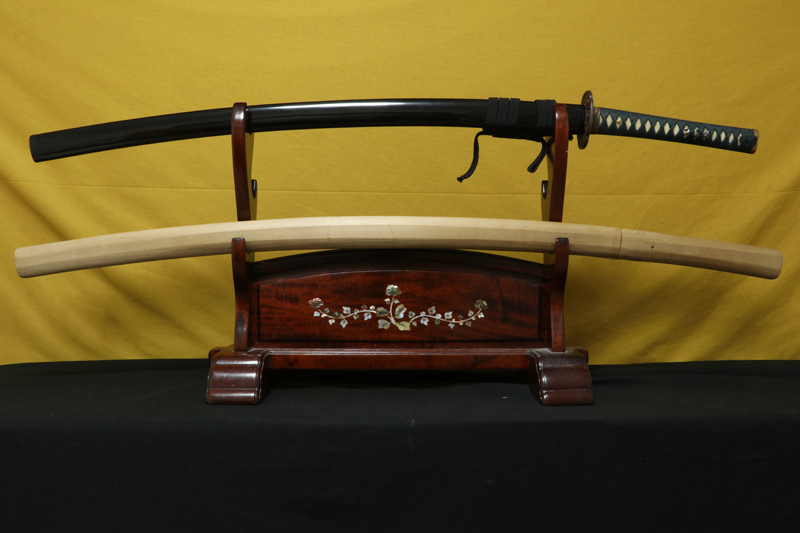
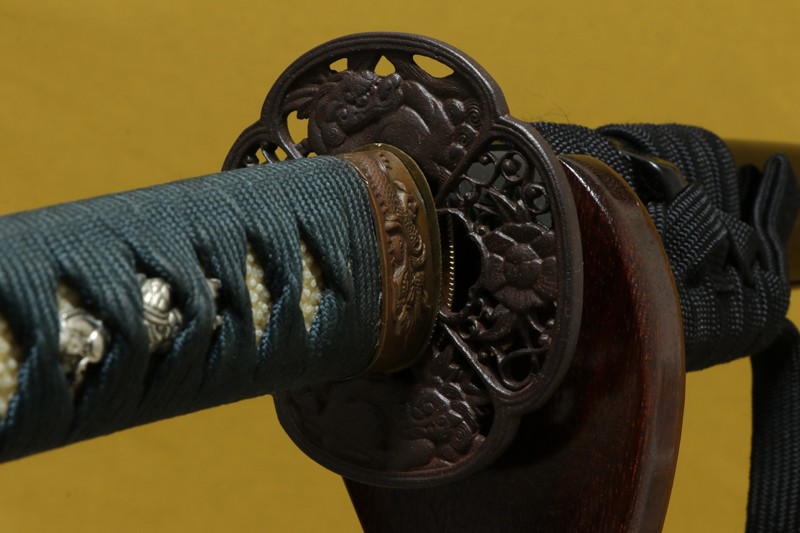
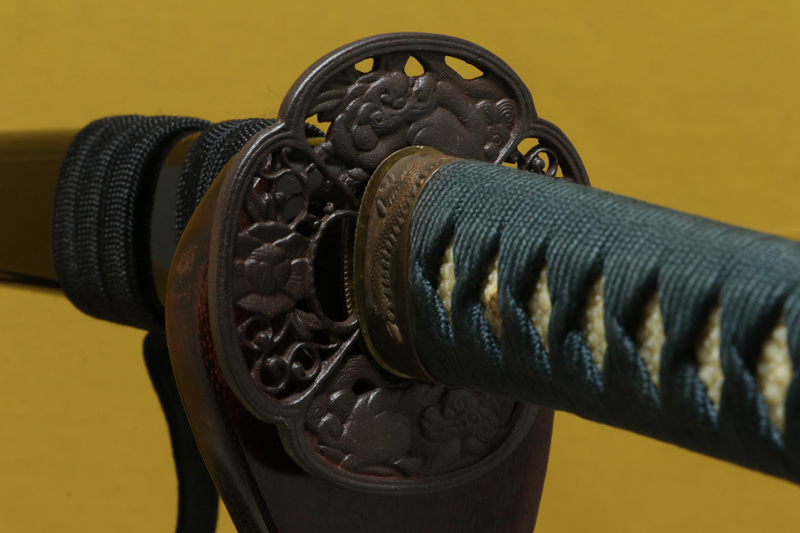
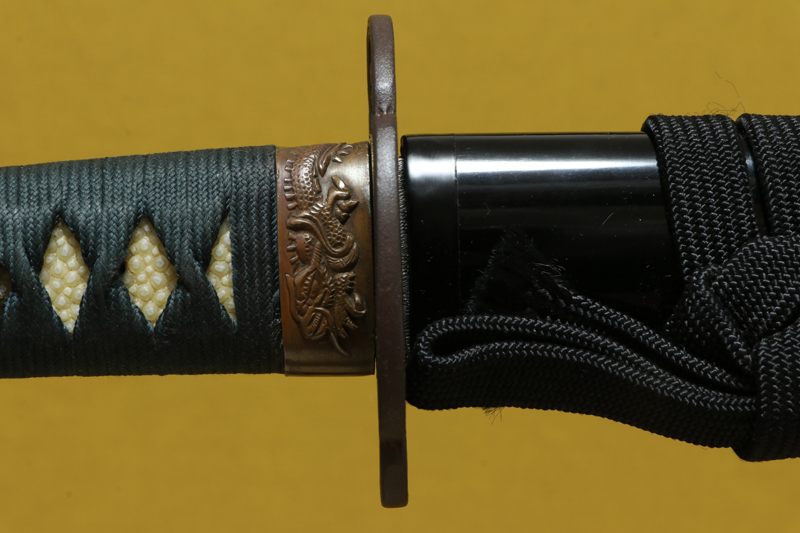
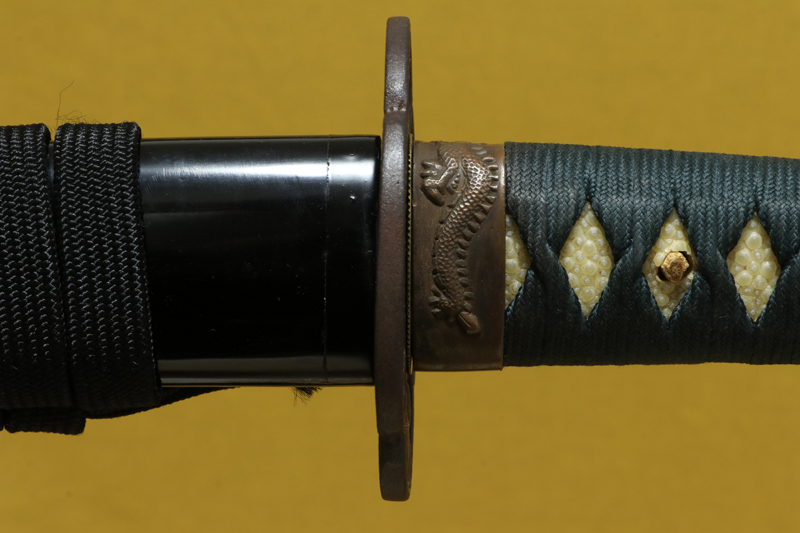
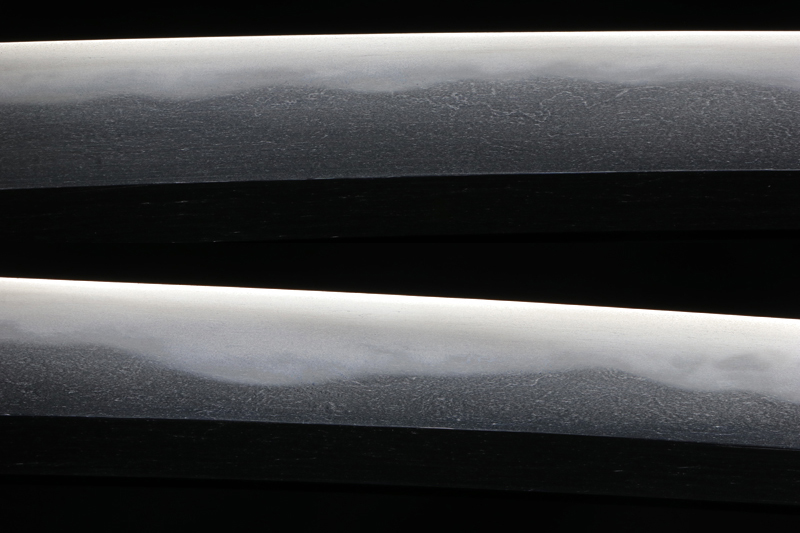
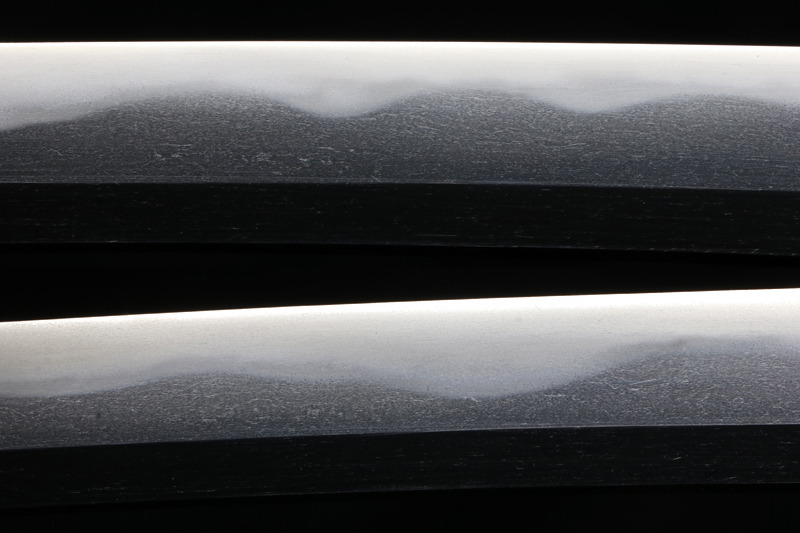
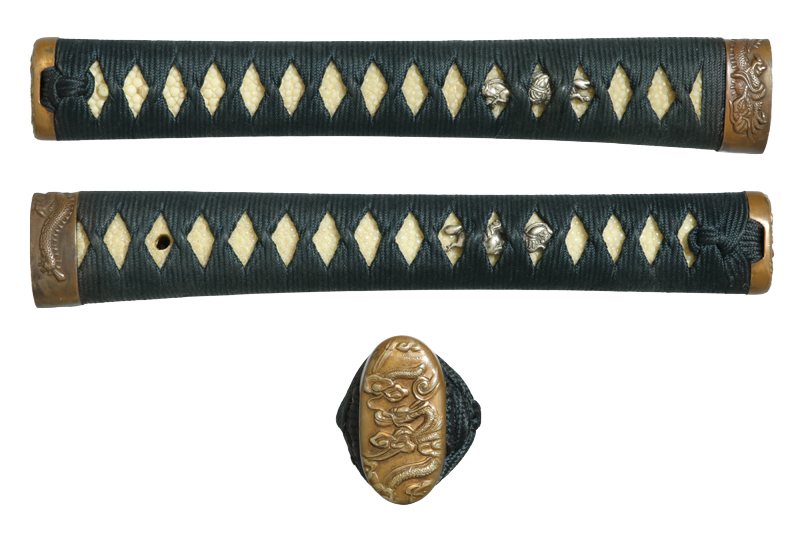
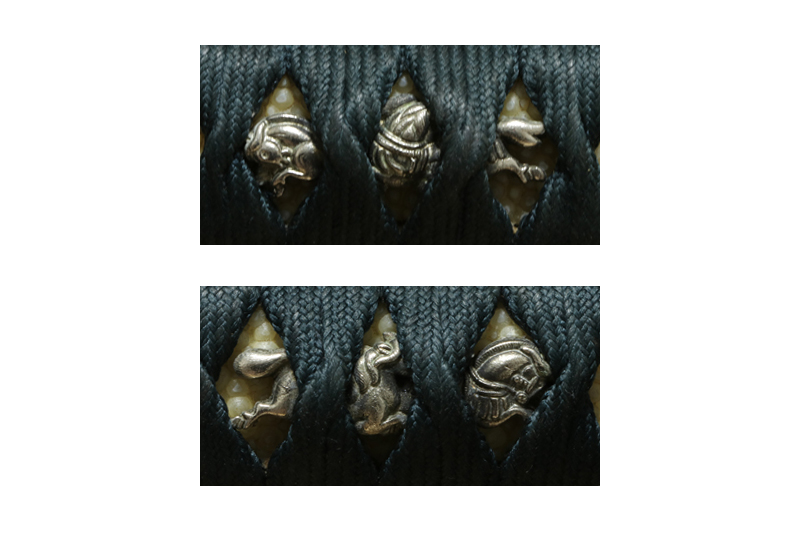
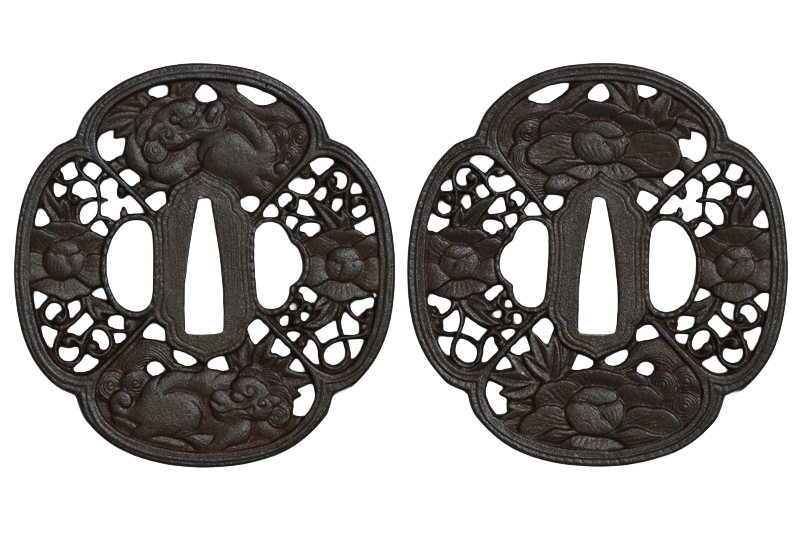
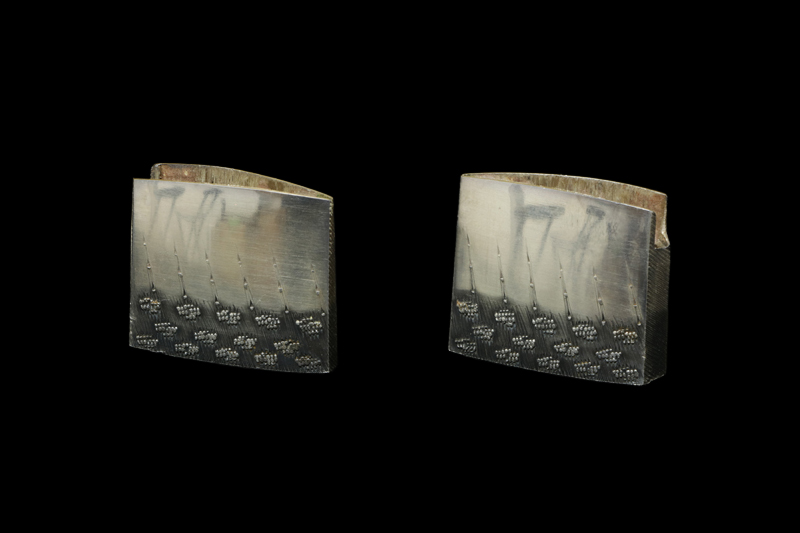
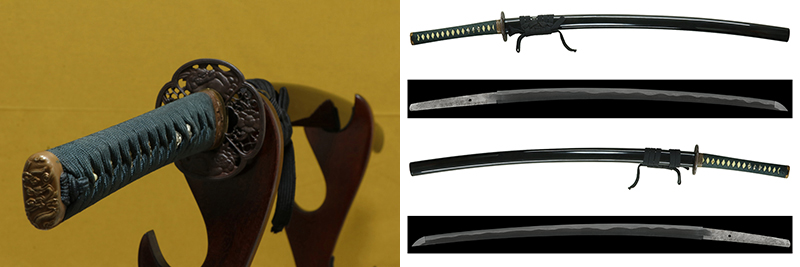
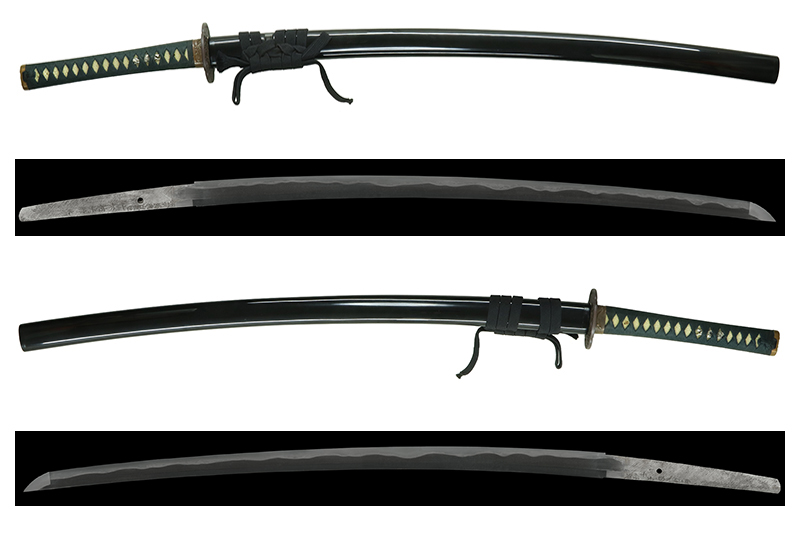
Modern sword Gosyu Suzuka sanroku ju Takeshita Sukemitsu kore tsukuru with Koshirae and Shirosaya. 竹下祐光は、新作名刀展に通算11回入選した実力派刀匠です。 本作は32歳の時の上作で、流れ柾がかった板目肌に働き豊かな互の目乱れを焼いた優品です。 刀身・拵ともに状態良好で、居合・試斬での使用歴はありません。 鑑賞・コレクションはもちろん、居合や試斬にもおすすめの逸品です。 Takeshita Sukemitsu was a highly skilled swordsmith whose works were selected 11 times for the Shinsaku Meito Exhibition. Forged when he was just 32 years old, this outstanding sword features itame-hada flowing into masame and a magnificent gunome-midare hamon with abundant activity. Both the blade and koshirae are in excellent condition, with no history of use in Iaido or tameshigiri. An exceptional piece for appreciation and collection, it is also highly recommended for Iaido and tameshigiri. 「刀姿 sword figure」 鎬造、庵棟、身幅重尋常、鳥居反り中鋒、茎は生で化粧鑢がかかる、茎尻は刃上がりの栗尻。 Shinogi-zukuri, iori-mune, standard mihaba and kasane, torii-zori, and chu-kissaki. The nakago is ubu with kesho-yasuri file marks, ending in a ha-agari kurijiri. 「地鉄 jigane」 地鉄は板目肌が流れ柾と成り、地沸付き地景が入る。 The jigane is itame-hada flowing into masame, with ji-nie and chikei. 「刃紋 hamon」 刃紋は互の目乱れ、刃縁沸付き砂流しかかり、刃中は稲妻が働く。鋩子は乱れこみ小丸に返る。 The hamon is gunome-midare. The habuchi is lined with nie, with sunagashi activity appearing. Within the blade, inazuma activity is present. The bōshi is midare-komi, turning back in a small komaru form. 「特徴 detailed」 竹下祐光(本名・竹下善自)は、大正4年(1915年)5月20日、滋賀県蒲生郡日野町大窪清水町に生まれました。父・栄太郎祐光に鍛刀を学び、のちに大阪の沖芝正次刀匠に師事。父の刀匠銘である「祐光」を継承しました。 昭和16年(1941年)、文部省後援の日本刀展に入選し、昭和18年(1943年)には特選を受賞。戦時中は陸軍受命刀匠としても活躍しました。昭和29年(1954年)に作刀承認を受け、昭和39年(1964年)から昭和45年(1970年)まで、日本美術刀剣保存協会主催の新作名刀展に7回連続入選。通算11回の入選を果たした実力派刀匠です。晩年には岡山県高梁市三沢(旧手荘町)へ移住し、鍛刀を続けました。 本作は、岡山への移住前、故郷の滋賀県日野町で鍛えられた、祐光刀匠32歳の時の作品です。力強さと繊細さを兼ね備え、破綻のない見事な出来栄えを示す優品です。 刀身は、流れ柾がかった板目肌に地景が入り、地鉄の鍛えも見事です。刃文は働き豊かな互の目乱れを焼き、躍動感にあふれた素晴らしい仕上がりとなっています。刀身のコンディションも良好です。 拵は、品質の高い現代物の金具を用いて丁寧に仕立てられており、保存状態も良好です。 本刀は、祐光刀匠の作品の中でも上作に位置づけられる、完成度の高い一振りです。 美術刀剣として製作されたもので、居合や試斬での使用歴はありません。 鑑賞・コレクションに最適なのはもちろん、居合や試斬にもお使いいただける、おすすめの逸品です。 Takeshita Sukemitsu (real name: Takeshita Zenji) was born on May 20, 1915, in Hino, Shiga Prefecture. He first studied sword forging under his father, Eitaro Sukemitsu, and later trained under the swordsmith Okishiba Masatsugu in Osaka, eventually inheriting his father’s smith name, Sukemitsu. In 1941, he was selected for the Japanese Sword Exhibition sponsored by the Ministry of Education and received a Special Prize in 1943. During World War II, he served as an officially commissioned swordsmith for the Imperial Japanese Army. He received official authorization to forge swords in 1954 and was selected for the NBTHK Shinsaku Meito Exhibition seven consecutive times from 1964 to 1970, achieving a total of 11 selections. In his later years, he moved to Takahashi, Okayama Prefecture, where he continued forging swords. This sword was forged in his hometown of Hino, Shiga Prefecture, when Sukemitsu was just 32 years old, before his relocation to Okayama. It is an outstanding work that combines strength and refinement, demonstrating exceptional craftsmanship and flawless execution. The blade features beautifully forged itame-hada flowing into masame, with visible chikei. The hamon is a magnificent gunome-midare with abundant activity, creating a dynamic and impressive appearance. The blade is in excellent condition. The koshirae is carefully assembled with high-quality modern fittings and is also in excellent condition. This sword ranks among Sukemitsu’s finest works, displaying exceptional craftsmanship and artistic quality. Originally forged as an art sword, it has never been used for Iaido or tameshigiri. An excellent choice for appreciation and collection, it is also suitable for Iaido and tameshigiri. A highly recommended piece. 「拵 koshirae」 ハバキ(habaki):銀無垢一重の牡丹祐乗。 鍔 (tsuba):鉄地牡丹獅子透かし。 縁頭 (fuchikashira):素銅地龍の図。 目貫 (menuki) :銀地馬の図。 柄 (tsuuka):鮫は親粒が付き、柄糸は納戸色の諸捻り巻き。 鞘 (saya):黒呂、白鞘。 「刀身の状態 condition of blade」 研:良好です。 傷:欠点に成るような傷は有りません。


備中 · 1926-2019頃
現在1点販売中
昭和から現代へ 断絶と再生
二十世紀は二度この工芸を殺しかけた。戦時の歪みと、占領下の禁令である。1948年の日刀保設立と1953年の作刀再開が刀を美術として再建し、人間国宝と無鑑査がその頂に立つ。
刀剣商の出品ページで鑑定書を確認できませんでした。日本刀および刀装具は通常、日刀保(または日本刀剣保存会)の鑑定を受けます。鑑定書がない場合、極めは刀剣商の見解にとどまり、第三者による確認は行われていません。ご購入前に刀剣商へ鑑定書の有無をお問い合わせのうえ、慎重にご判断ください。
ご購入頂いた商品の到着してから3日以内であれば返金もしくは交換対応をいたします。返品時の送料と返金する際の振込手数料はお客様のご負担とさせていただきます。
¥450,000