二世紀半の泰平のあいだ、刀は武器である以上に武士の身分の標章であった。江戸の実証と大坂の華やぎのように都市ごとの作風が育ち、時代の末には需要も細っていく。
 NihontoWatchNihontoWatch
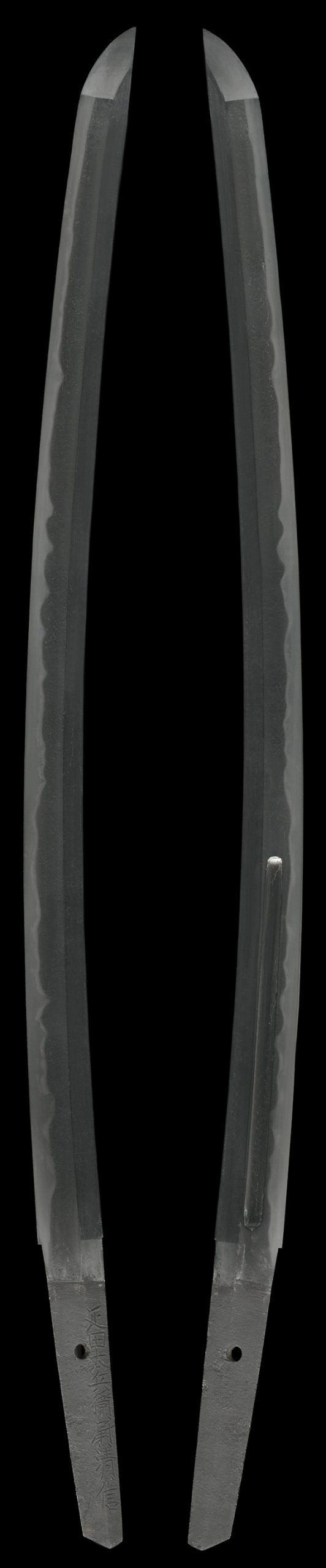
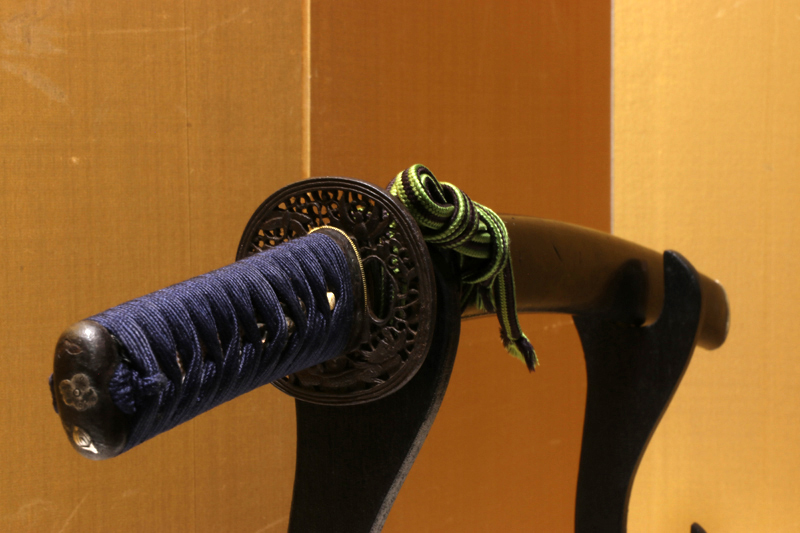
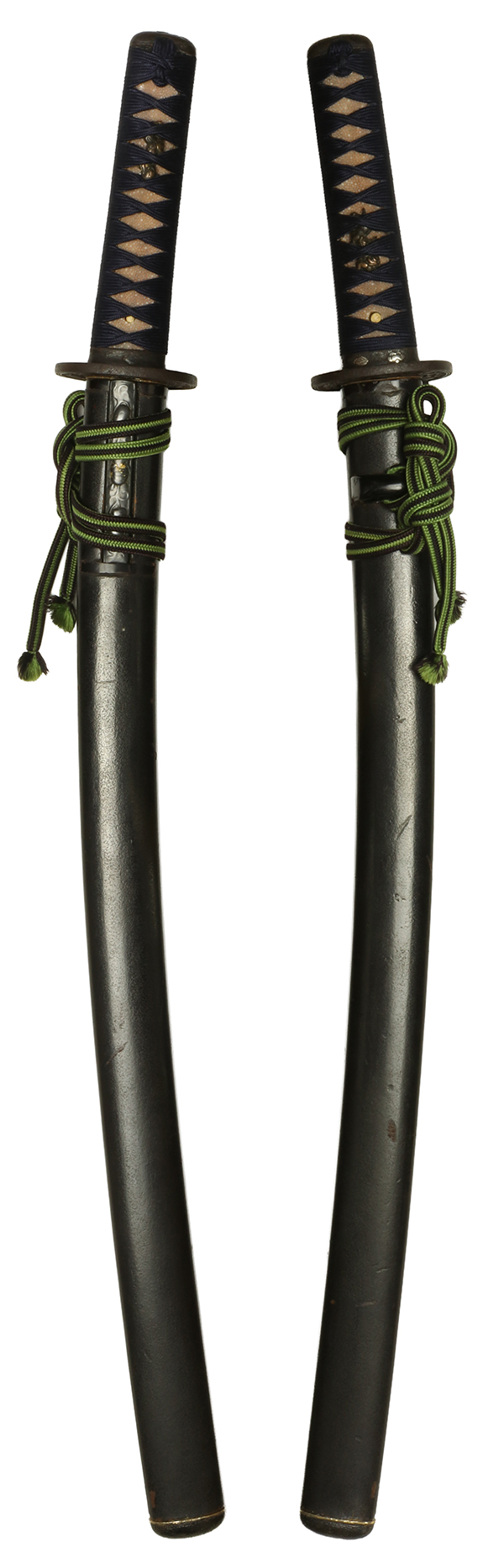
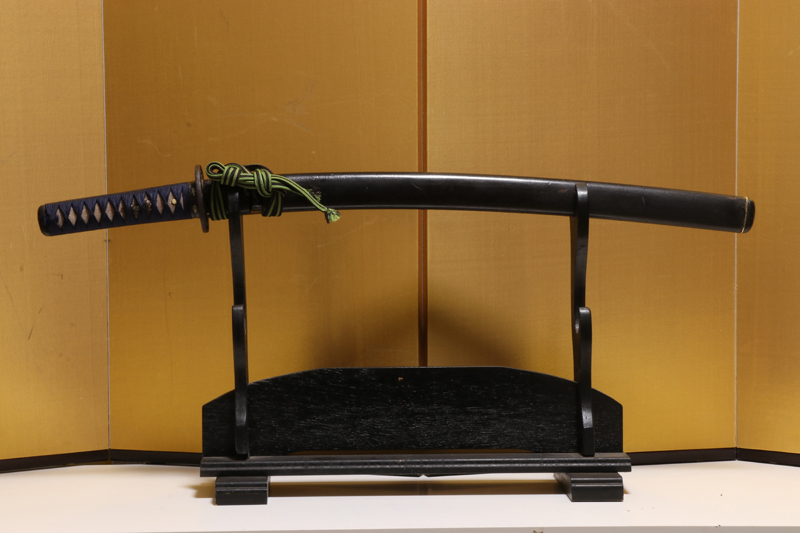
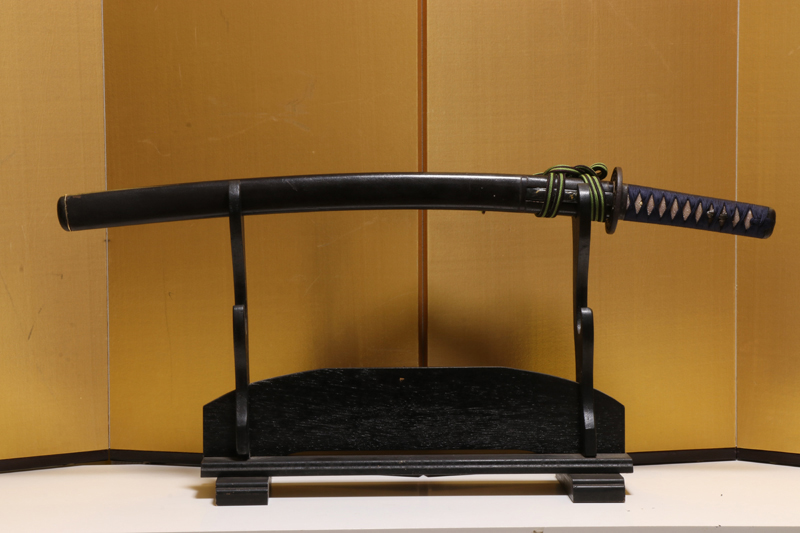
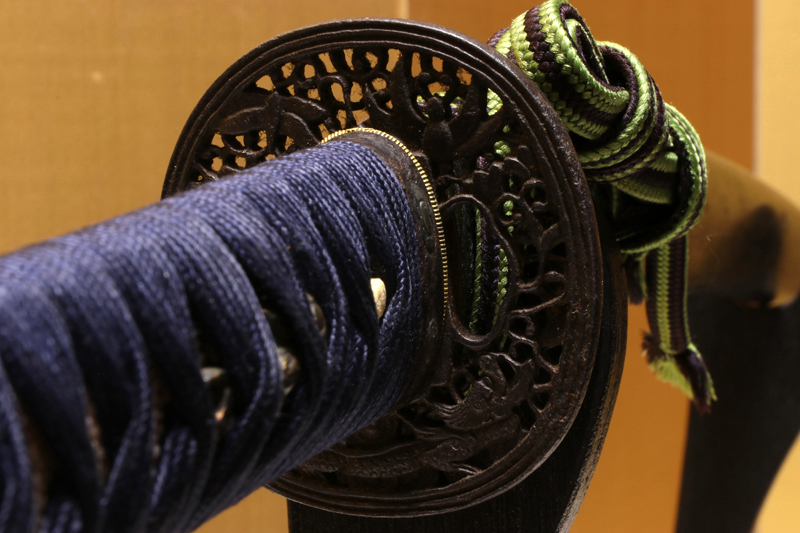
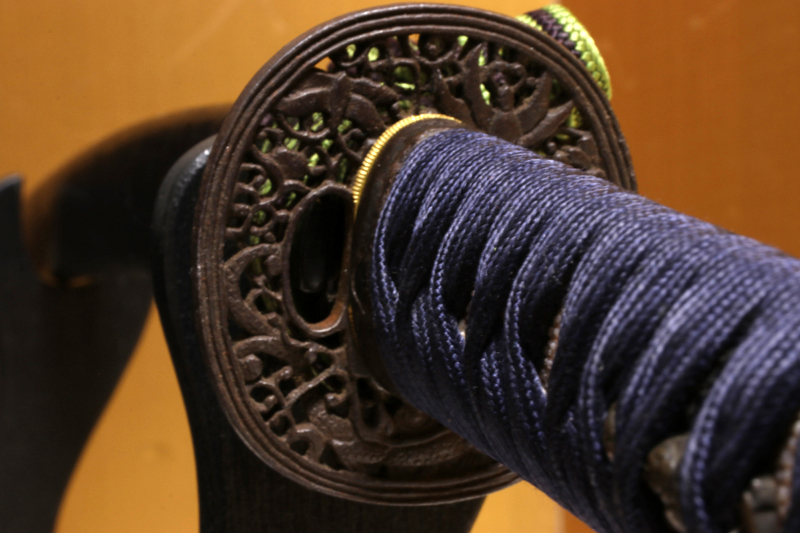
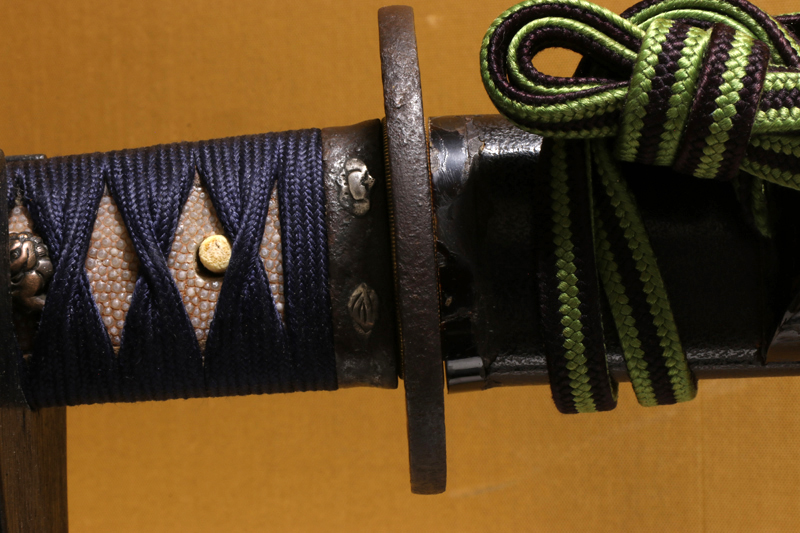
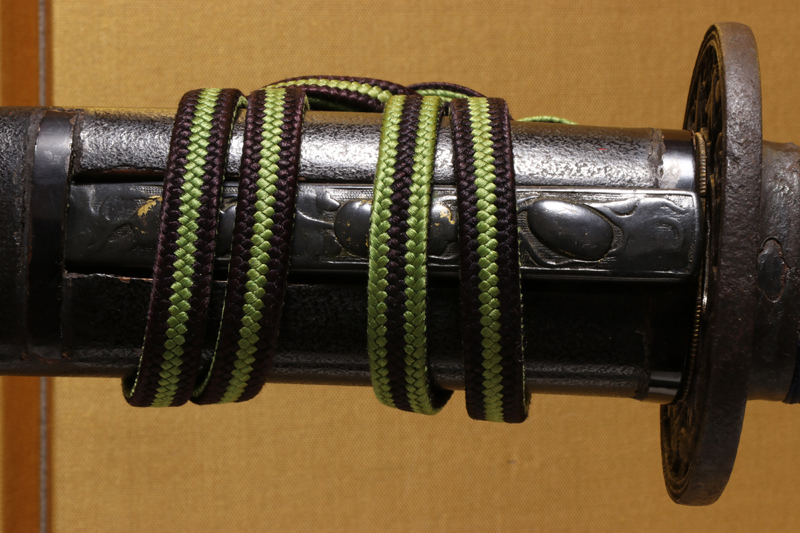
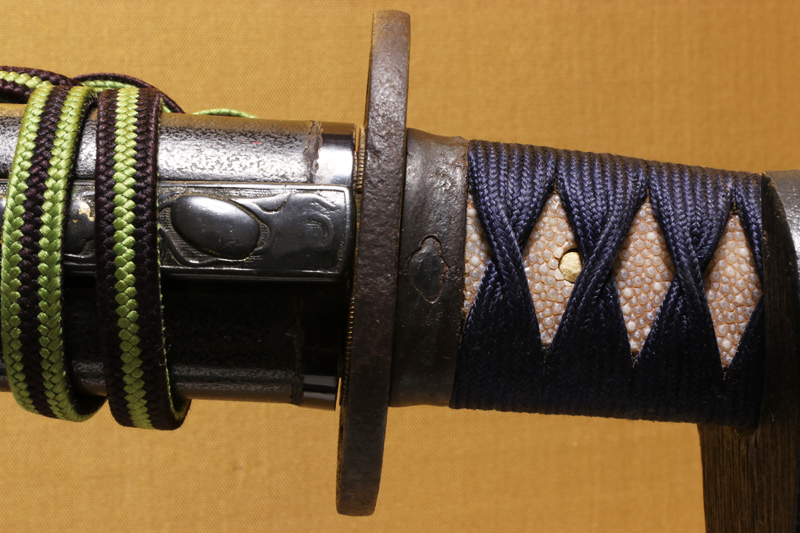
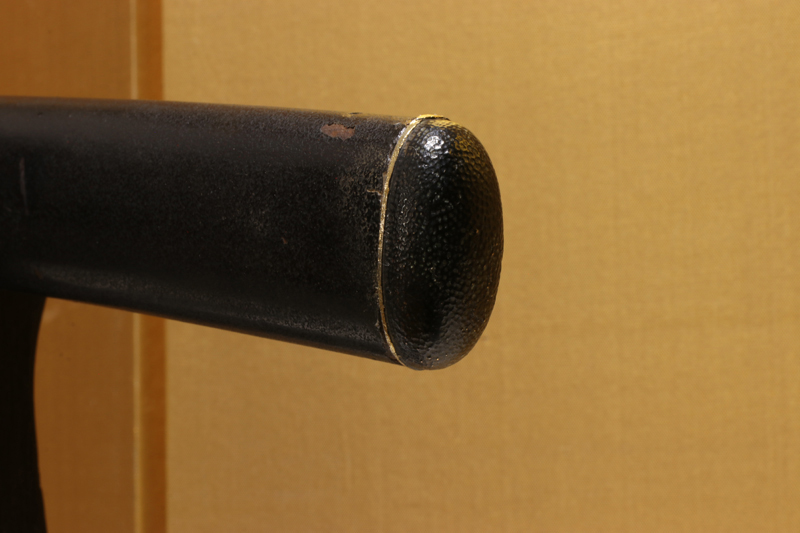
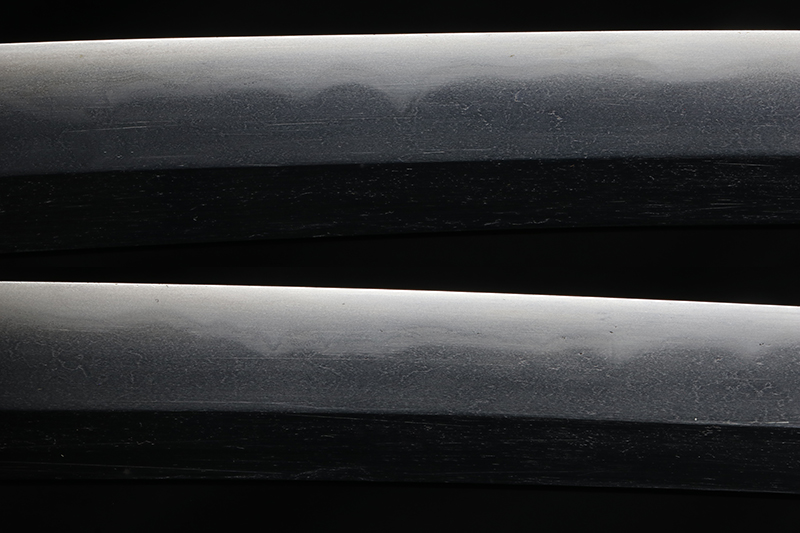
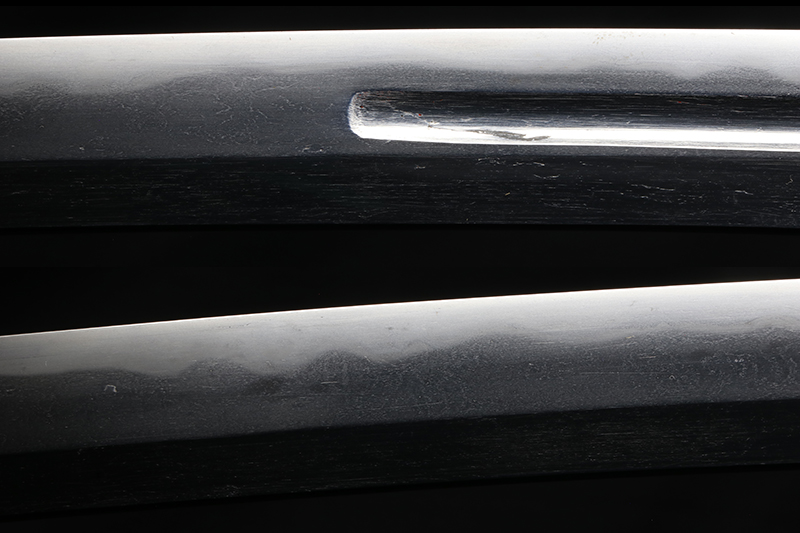
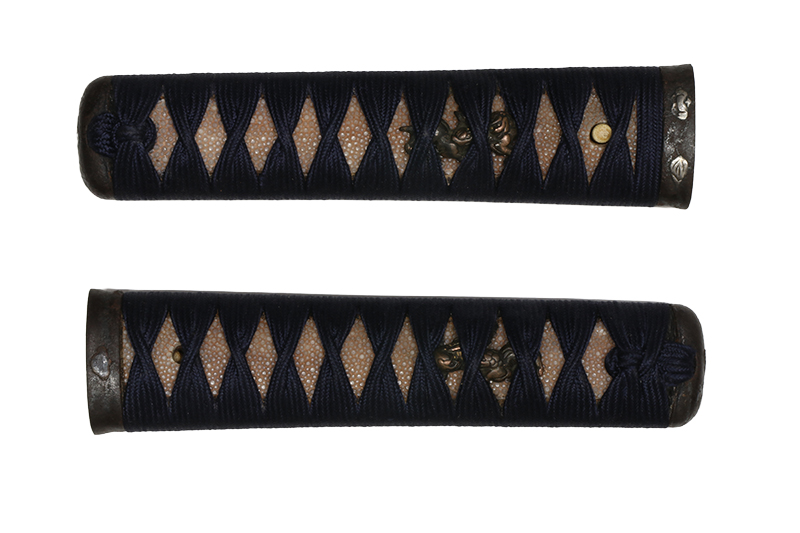
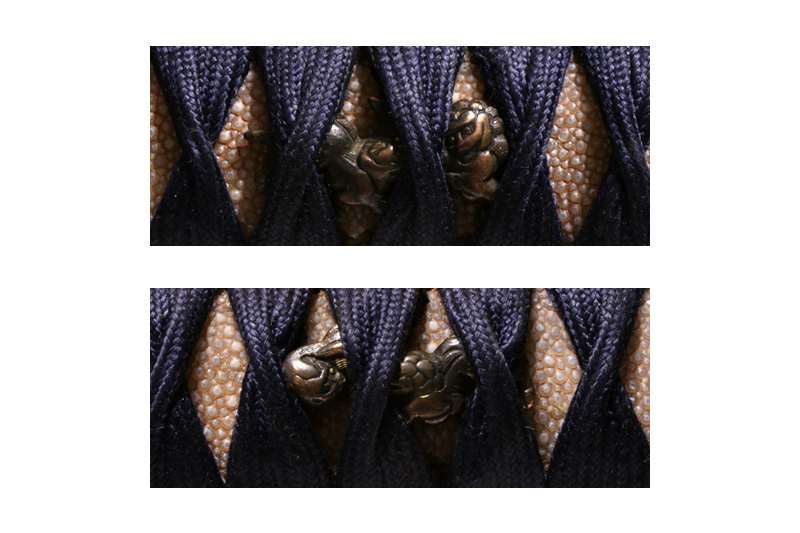
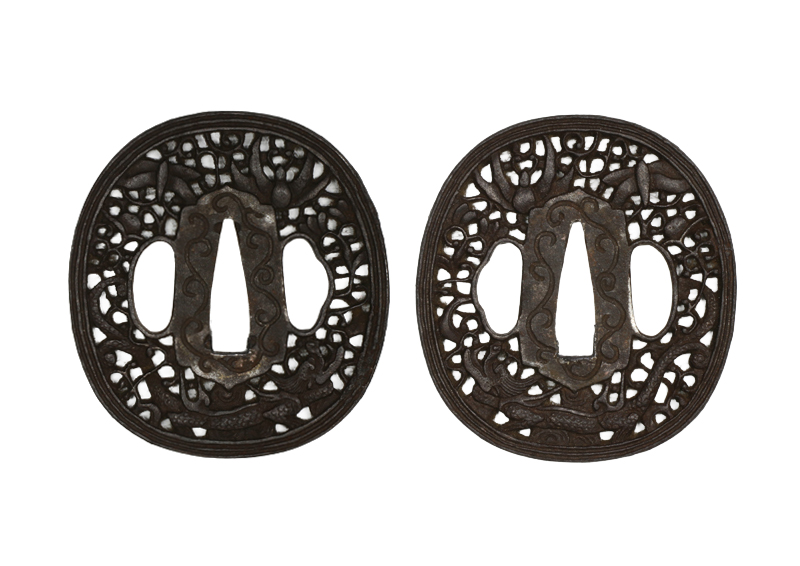
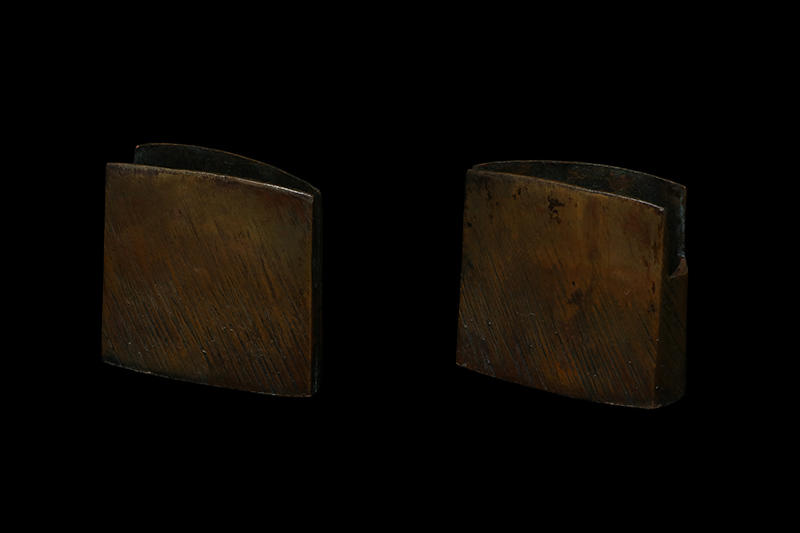
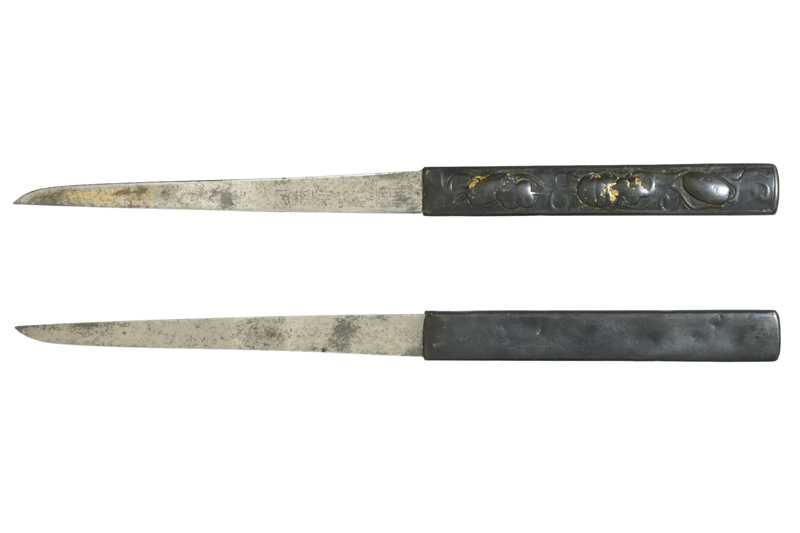
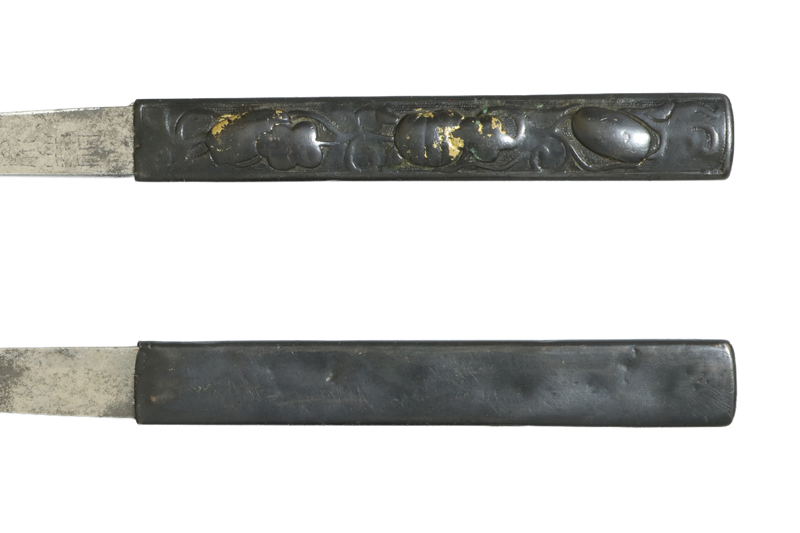
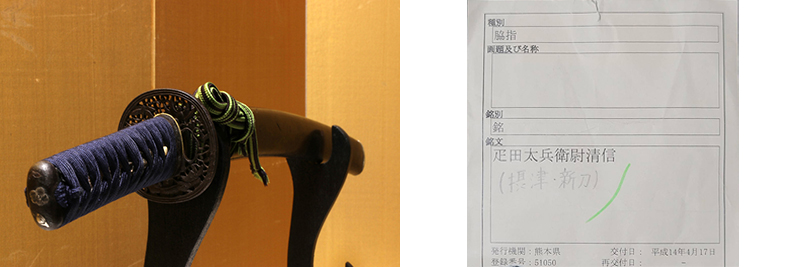
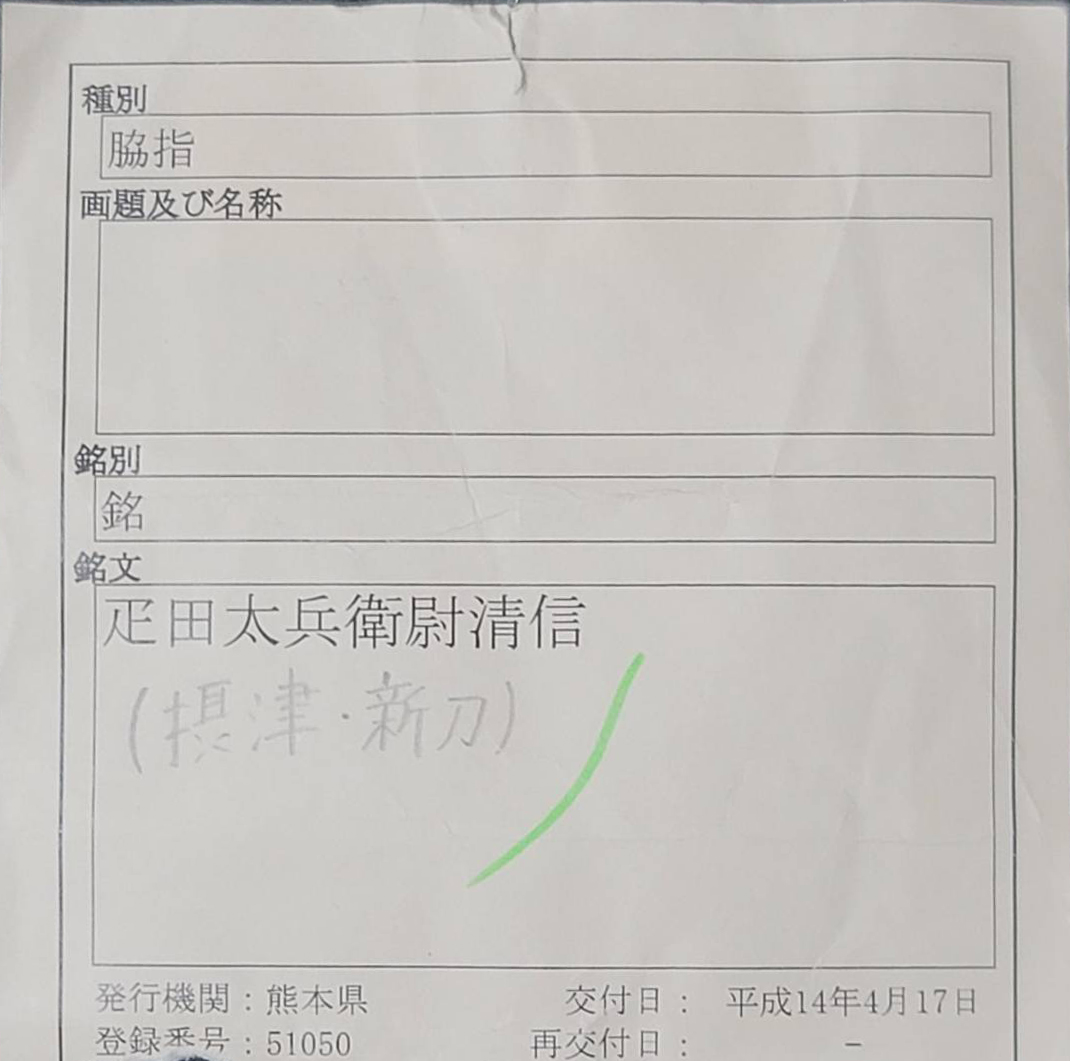
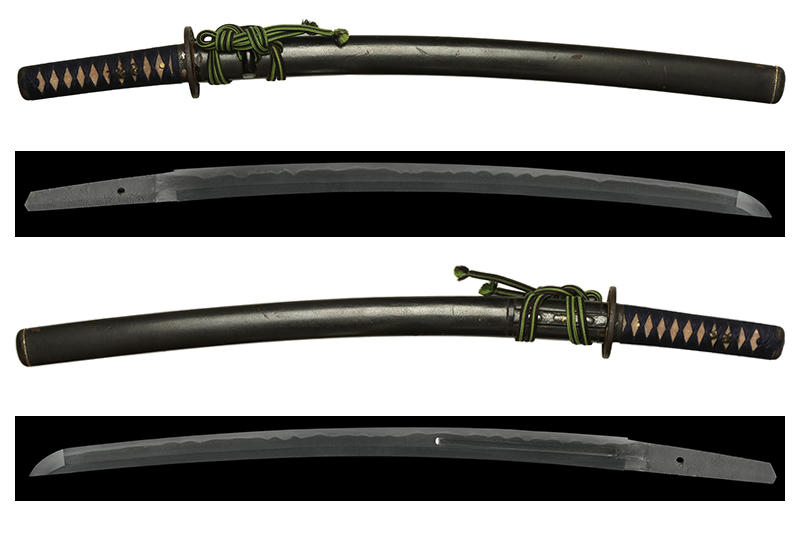
Hozon Token Hikita Tahyouenojo Kiyonobu with Koshirae 江戸時代初期の摂津国の刀工・疋田太兵衛尉清信の在銘脇差です。 小板目肌に働き豊かな互の目乱れを焼いた優品。樋中に小さな割れがありますが、古研ぎながら地刃は良好です。 幕末期の拵は柄糸を巻き替え済み。鞘に塗りの剥がれはありますが、状態は概ね良好です。 保存刀剣認定の希少な拵付き脇差です。 鑑定書は届き次第発送します。 A signed wakizashi by Hikita Ta兵衛尉 Kiyonobu, a swordsmith active in Settsu Province during the early Edo period. A fine blade featuring ko-itame hada and an active gunome-midare hamon. There is a small ware inside the bo-hi, but the jihada and hamon remain clearly visible despite the old polish. The late Edo-period koshirae has been rewrapped. The saya shows some lacquer loss but is in generally good condition. A rare wakizashi with koshirae, certified as NBTHK Hozon Token. The certificate will be sent separately upon arrival. 「体配 sugata」 鎬造り庵棟、身幅重尋常、鳥居反り中鋒。茎は生で筋違い鑢がかかり、茎尻は入山形。 Shinogi-zukuri, iori-mune, with standard mihaba and kasane, torii-zori, and chu-kissaki. The nakago is ubu, with sujikai yasuri and an iriyamagata nakagojiri. 「彫物 carving」 彫物は差裏に一筋樋が鎺下から20cmほど彫られる。 Horimono: A single groove (hitosuji-hi) is carved on the sashi-ura side, extending approximately 20 cm from beneath the habaki. 「地鉄 jigane」 地鉄は小板目肌が刃寄りで流れ柾ががり、地沸付く。 The jigane is ko-itame hada, becoming flowing masame near the cutting edge, with ji-nie. 「刃紋 hamon」 刃文は沸出来の互の目に尖り刃を交え、刃縁には小沸が付き、砂流しがかかる。刃中には金筋が働く。帽子は乱れ込み、小丸に返る。 The hamon is nie-deki gunome mixed with togari-ba, with ko-nie and sunagashi along the habuchi and kinsuji within the ha. The boshi is midare-komi with a ko-maru kaeri. 「特徴 detailed」 疋田太兵衛尉清信は、江戸時代初期に摂津国で活躍した刀工で、「清光」とも銘を切りました。 本作は、よく鍛えられた小板目肌に、働き豊かな互の目乱れを焼いた出来の良い脇差です。樋中に小さな割れがありますが、その他に目立つ傷や欠点はありません。古研ぎのため多少の汚れや曇りはあるものの、地刃はよく鑑賞できます。 拵は幕末期のもので、傷んでいた柄糸は巻き替え済みです。鞘には数か所に塗りの剥がれがありますが、割れはなく、時代を考慮すれば保存状態は概ね良好です。 なお、保存刀剣鑑定書は現在未到着のため、届き次第、別途発送いたします。 保存刀剣に認定された拵付きの脇差は貴重で、特に江戸時代初期の在銘作は流通数が少なく、入手の機会も限られています。 鑑賞・コレクションにおすすめの希少な一振りです。ぜひこの機会をお見逃しなく! Hikita Tahyouenojo Kiyonobu was a swordsmith active in Settsu Province during the early Edo period. He also signed his works “Kiyomitsu.” This wakizashi features a finely forged ko-itame hada and an attractive gunome-midare hamon rich in activity. There is a small ware (lamination opening) inside the bo-hi, but no other significant flaws. Although the old polish shows some staining and cloudiness, the jihada and hamon remain clearly visible. The koshirae dates from the late Edo period, and the damaged tsuka-ito has been replaced. The saya has some areas of lacquer loss but no cracks, and its overall condition is good considering its age. The NBTHK Hozon Token certificate has not yet arrived and will be sent separately as soon as it is received. Wakizashi with koshirae and Hozon Token certification are highly desirable, especially signed examples from the early Edo period, which are increasingly difficult to find. A rare and appealing piece for appreciation and collection. Don’t miss this opportunity! 「拵 Koshirae」 ハバキ(habaki) :素銅地一重の斜め鑢。 鍔(tsuba) :鉄地龍図南蛮鍔。 縁頭(futikasira):鉄地桜の図銀象嵌 目貫(menuki) :素銅地金色絵獅子の図。 鐺(kojiri) :掃除色絵。 小柄(kotsuka) :赤銅地瓜の図。 柄(tsuka) :柄巻は正絹紺色の諸撮み巻。 鞘(saya) : 黒石目。 「刀剣の状態 condition of blade」 研:古研ぎのため多少の汚れや曇りはあるものの、地刃はよく鑑賞できます。 傷:樋中に小さな割れがありますが、その他欠点に成るような傷は有りません。

摂津 · 1680-1700頃
藤代 中作
現在1点販売中
江戸時代
二世紀半の泰平のあいだ、刀は武器である以上に武士の身分の標章であった。江戸の実証と大坂の華やぎのように都市ごとの作風が育ち、時代の末には需要も細っていく。
銘が正しい、または無銘でも年代・国・系統を確実に指摘できる、保存に値する真正の作と鑑定されたものです。
日本美術刀剣保存協会(日刀保)は、1948年に設立され、文化庁の監督を受ける公益財団法人で、東京・刀剣博物館に本部を置きます。専門の審査員が出品作を直接審査し、美術的・歴史的価値に応じた鑑定書を発行します。日刀保の鑑定書は、日本刀および刀装具の真正性を示す最も広く認知された基準です。
日刀保公式サイトご購入頂いた商品の到着してから3日以内であれば返金もしくは交換対応をいたします。返品時の送料と返金する際の振込手数料はお客様のご負担とさせていただきます。
¥270,000