大和を支えた大寺の力は室町を通じて衰え、諸派もこれとともに細った。末手掻が古風な柾目を量産のうちに伝えている。1567年の東大寺大仏殿の炎上が、寺院の時代の幕を引いた。
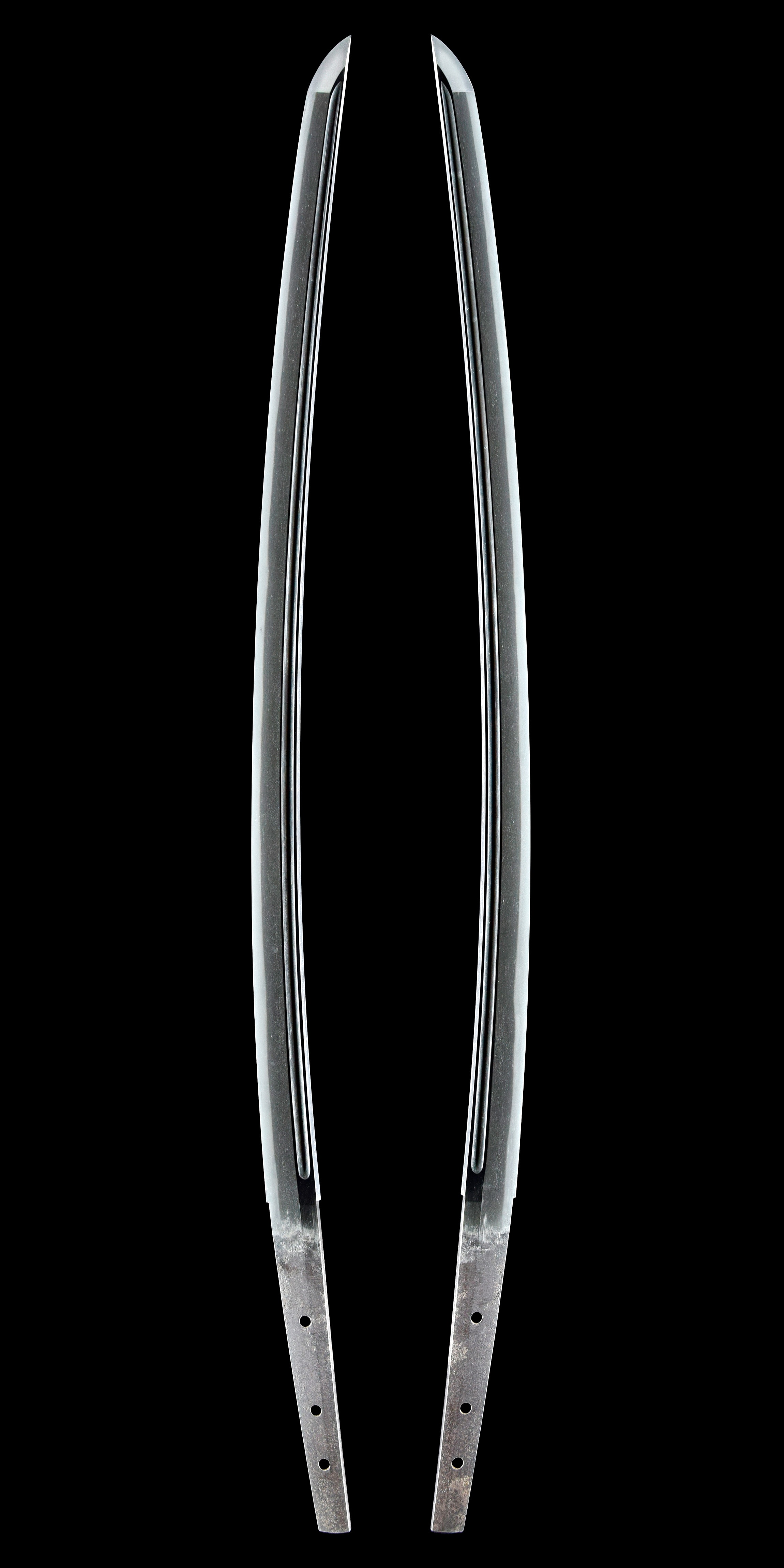
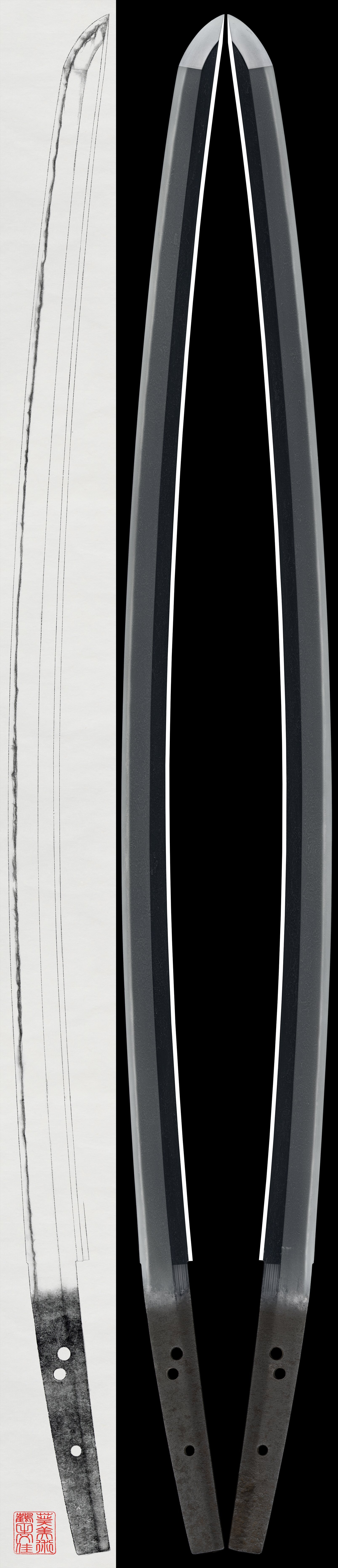
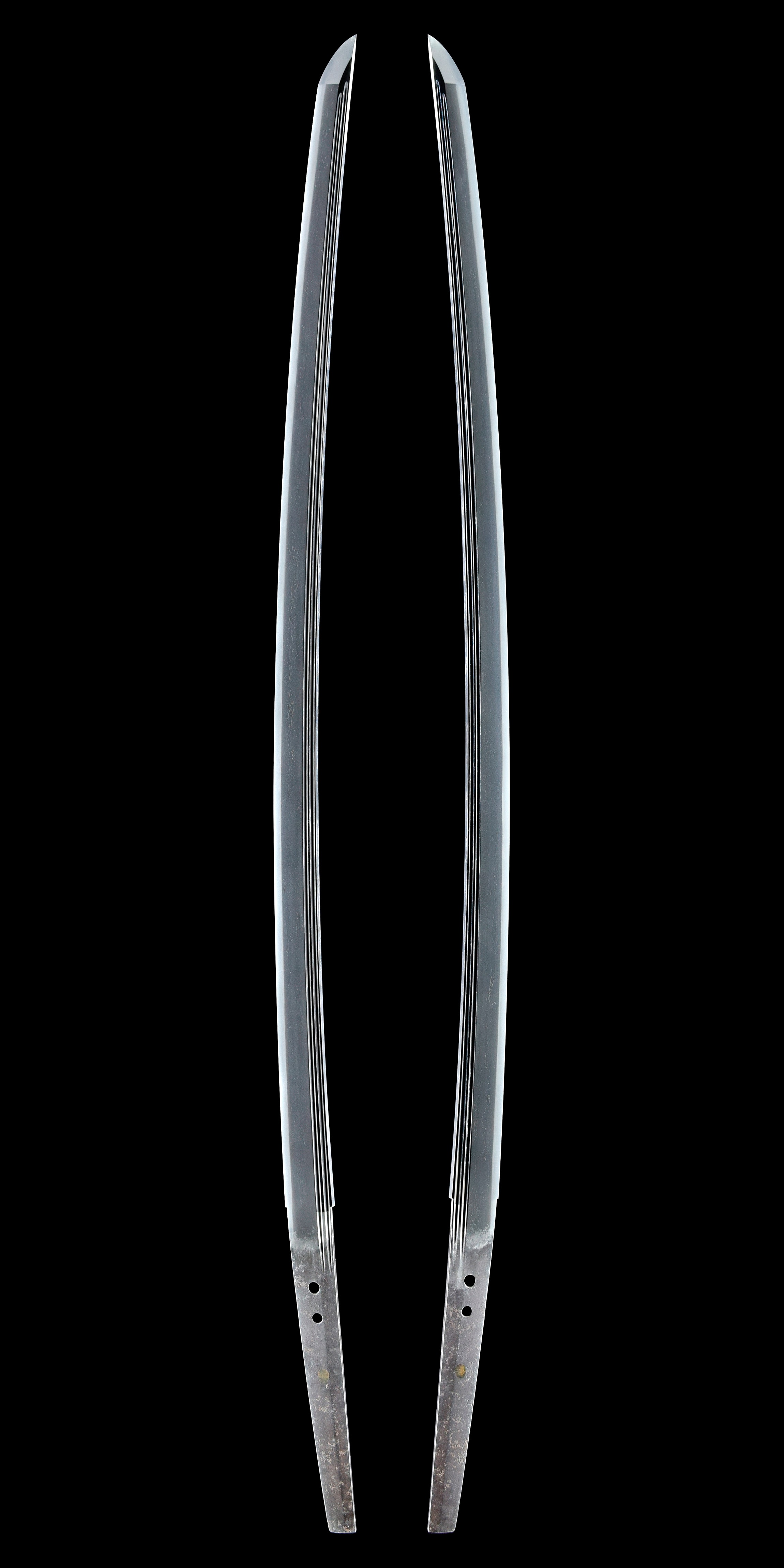
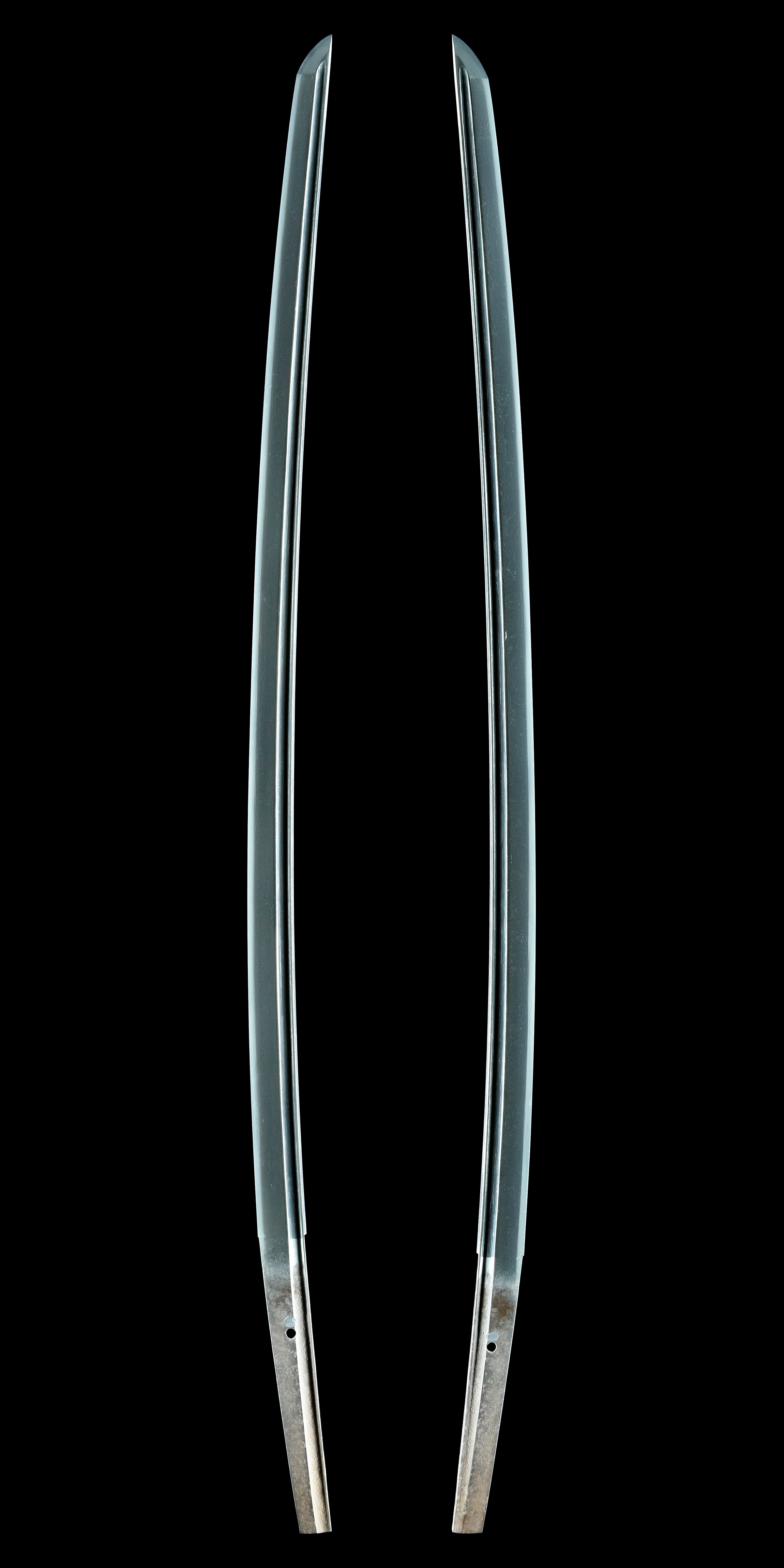
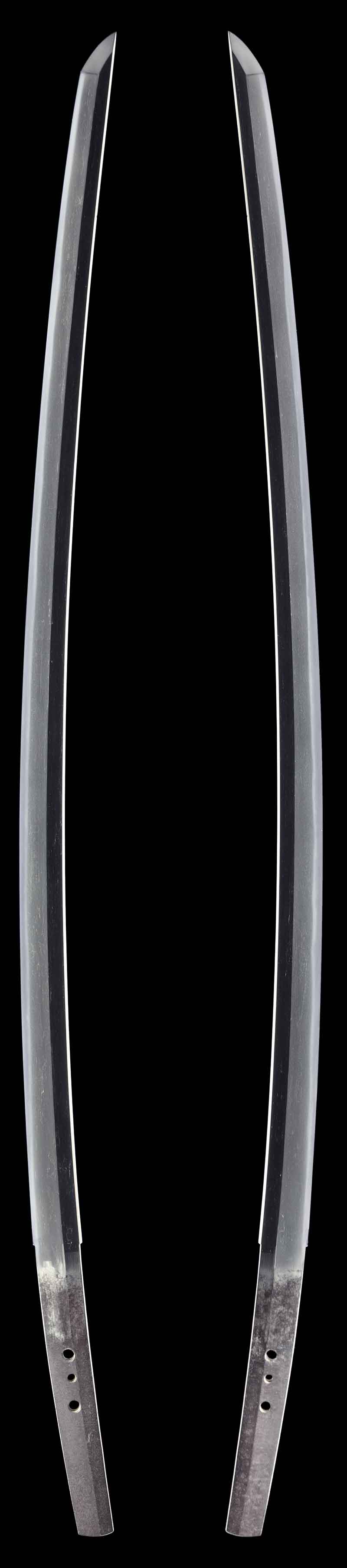
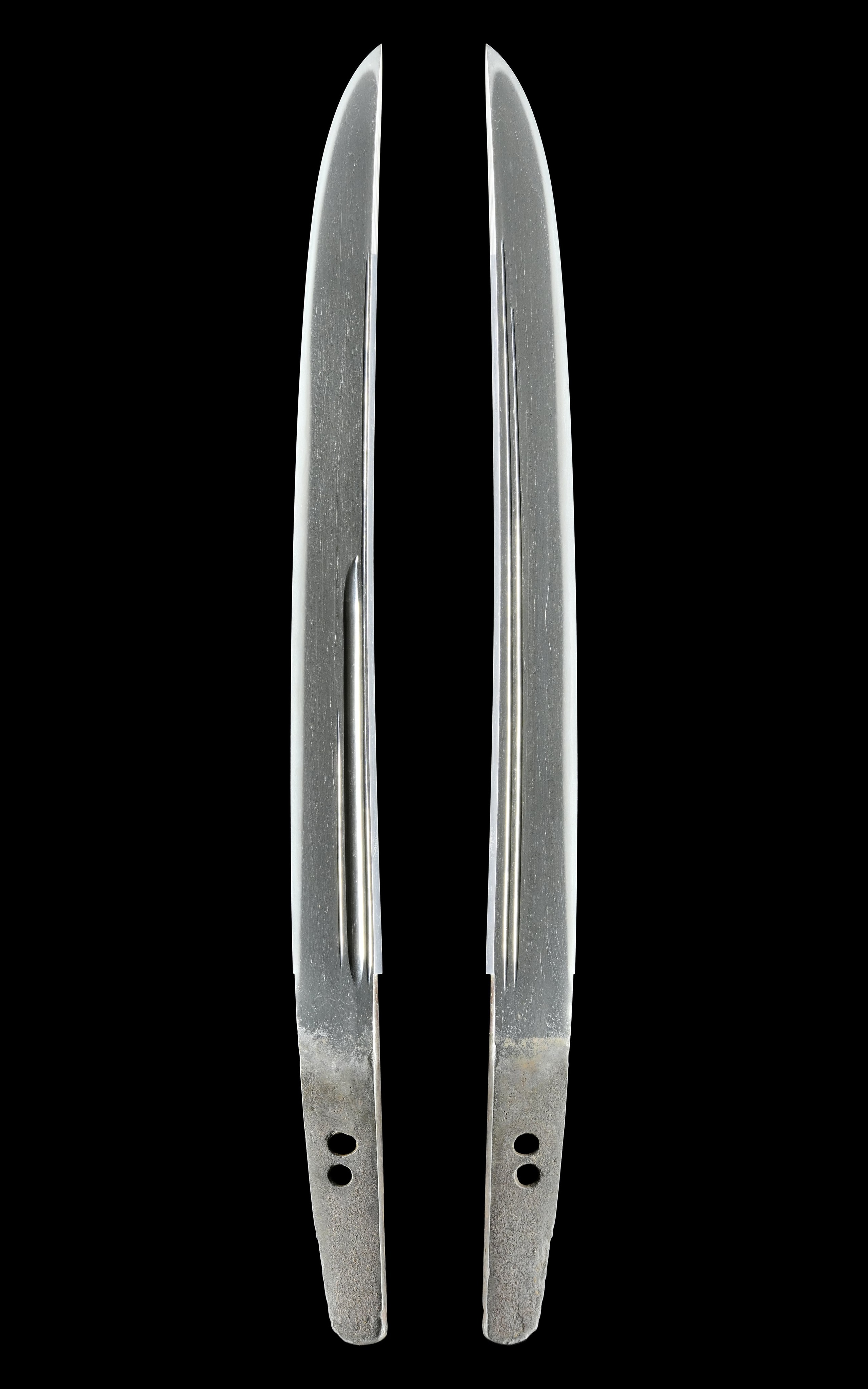
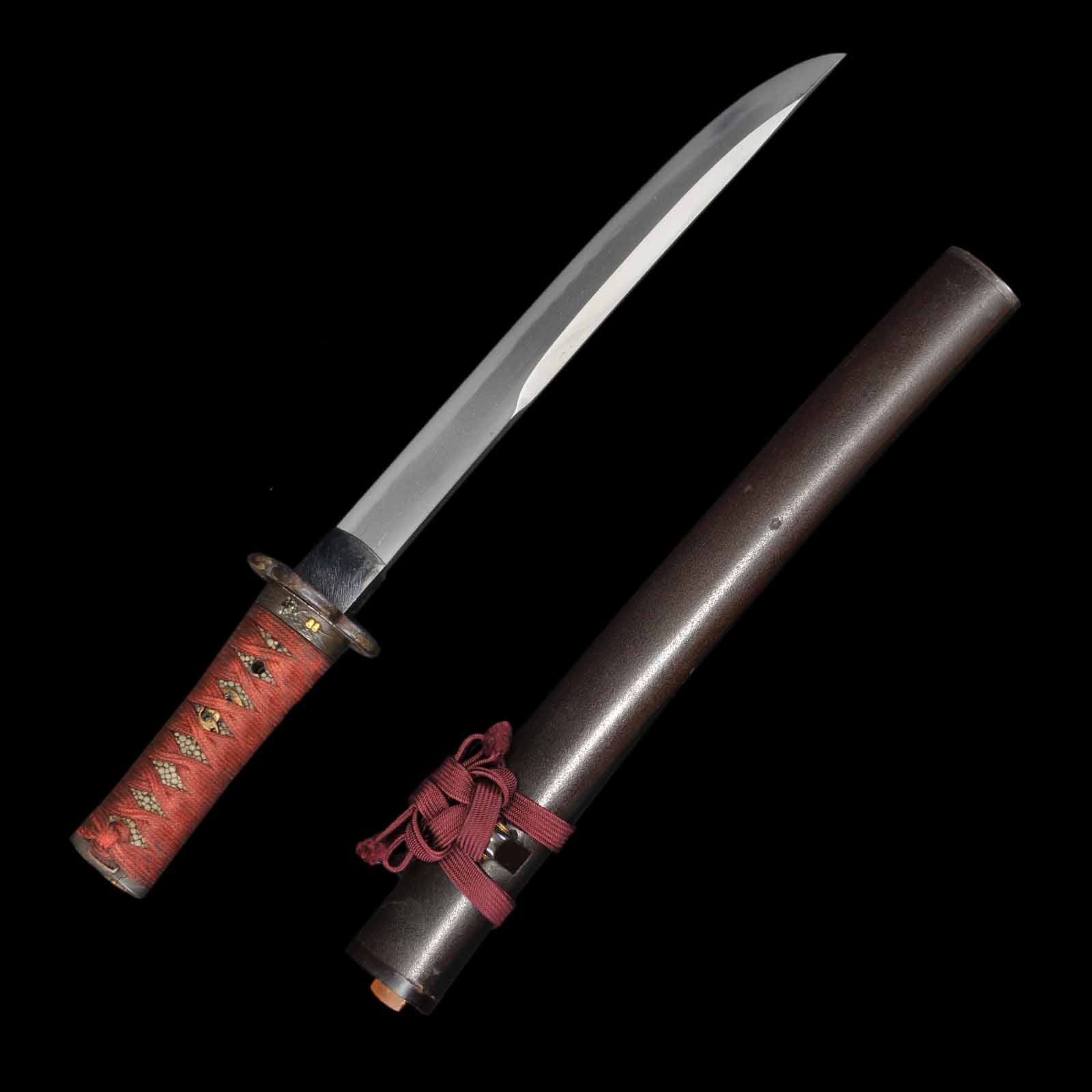
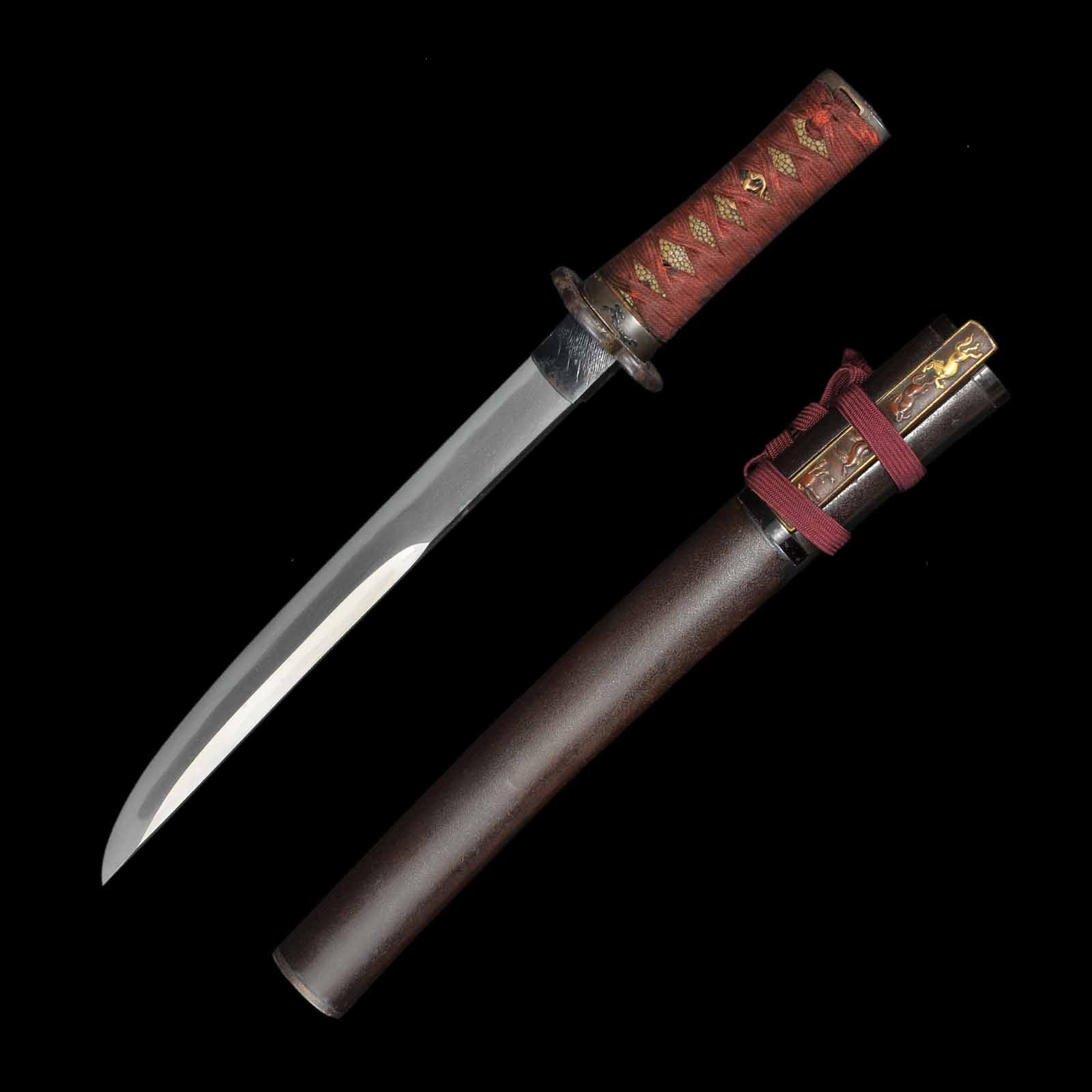
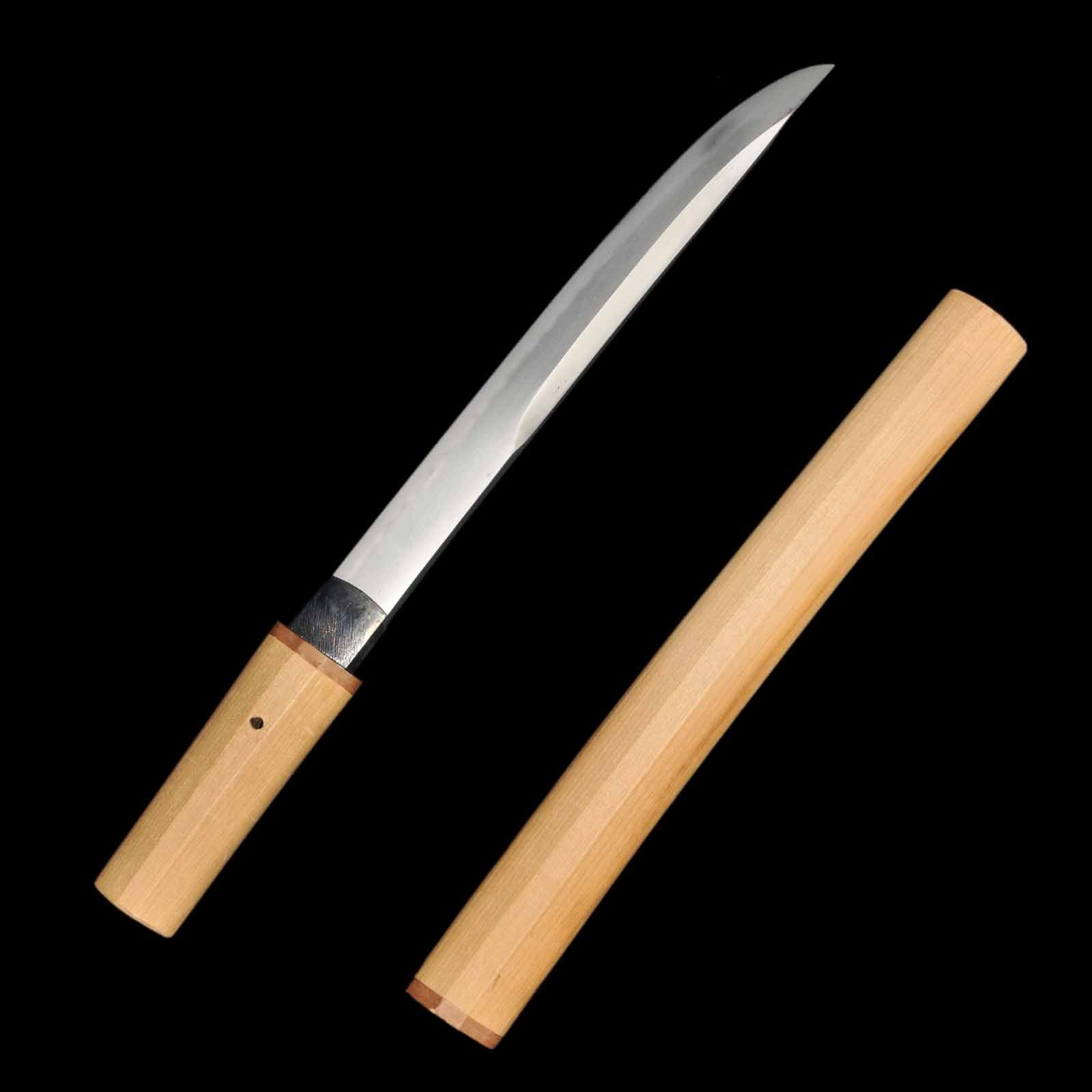
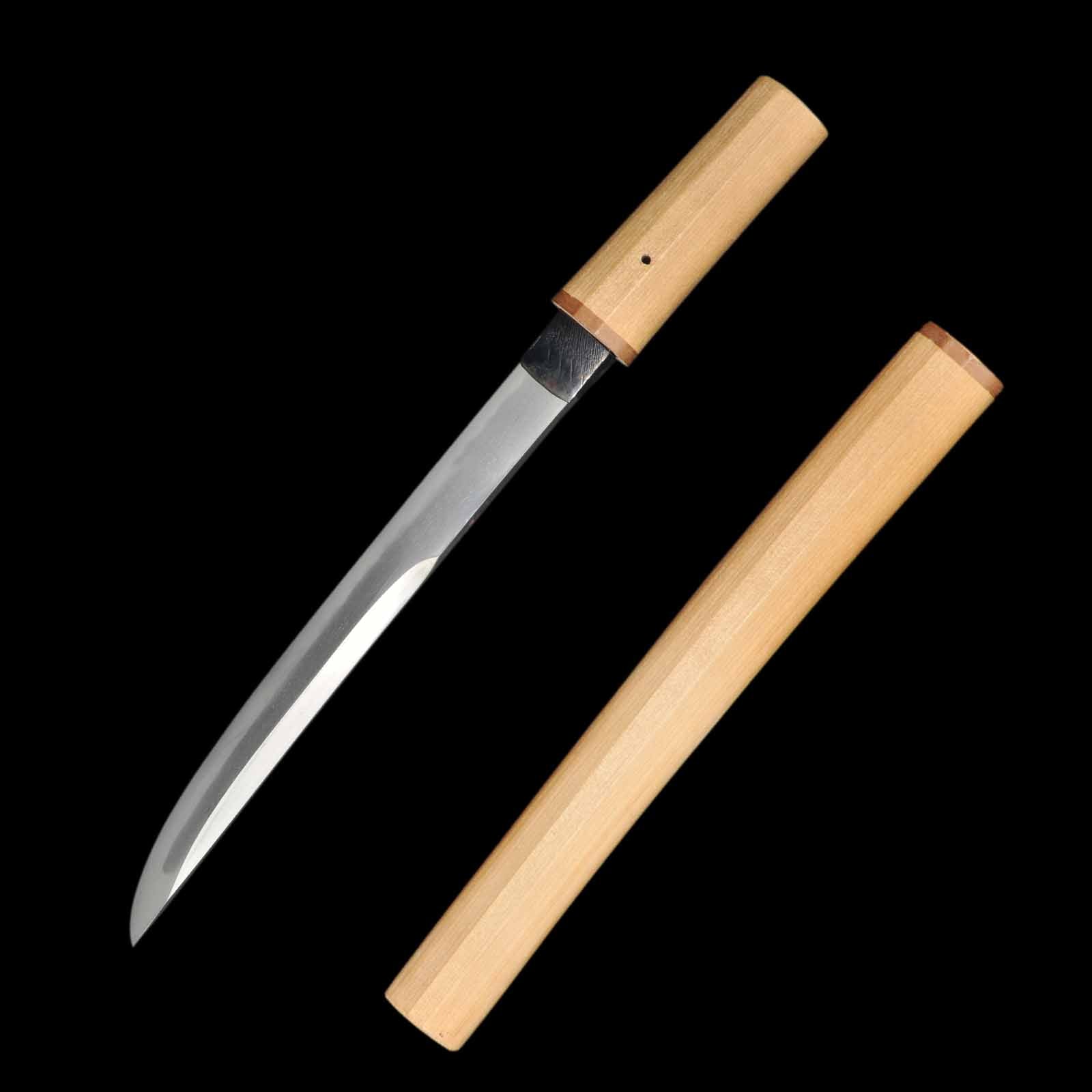
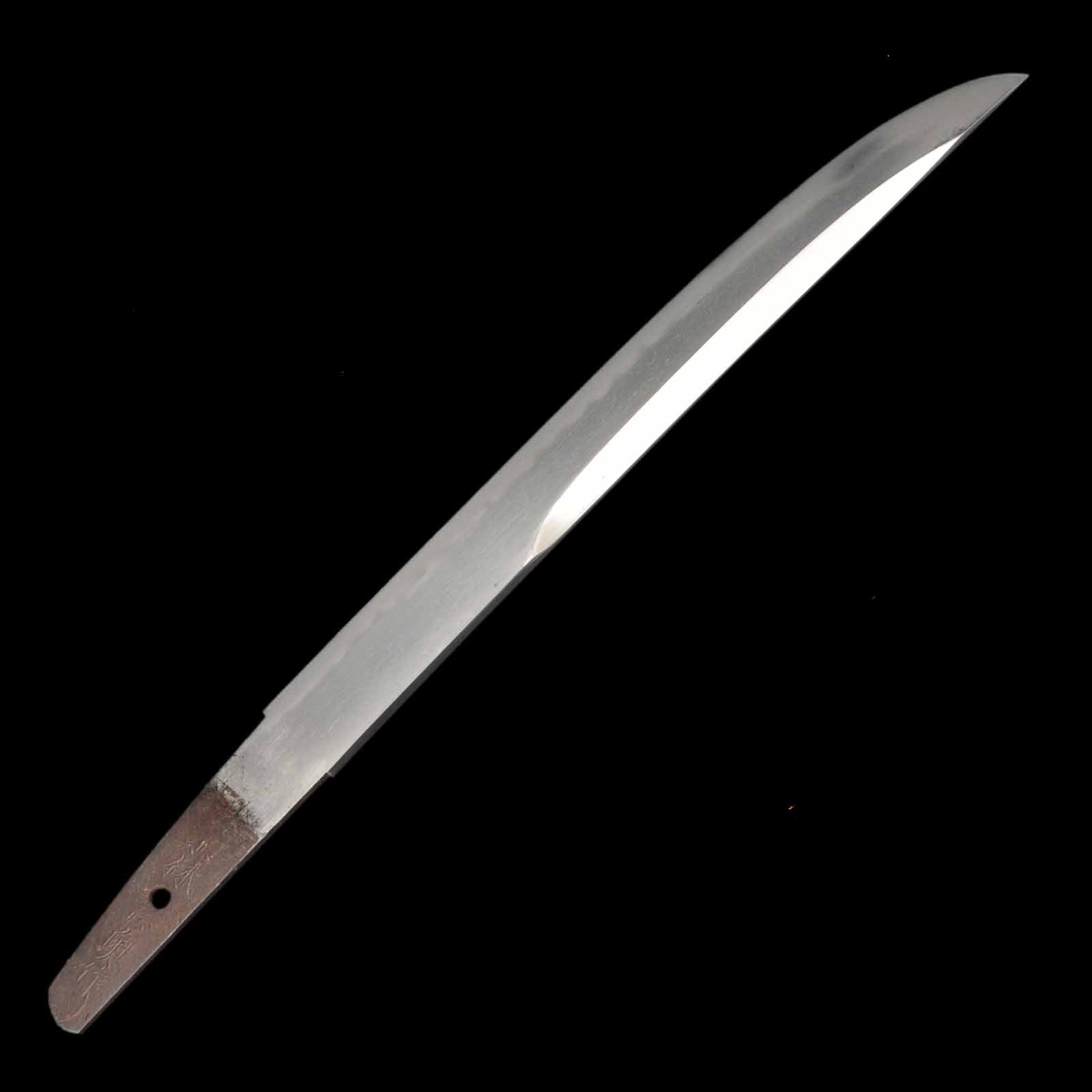
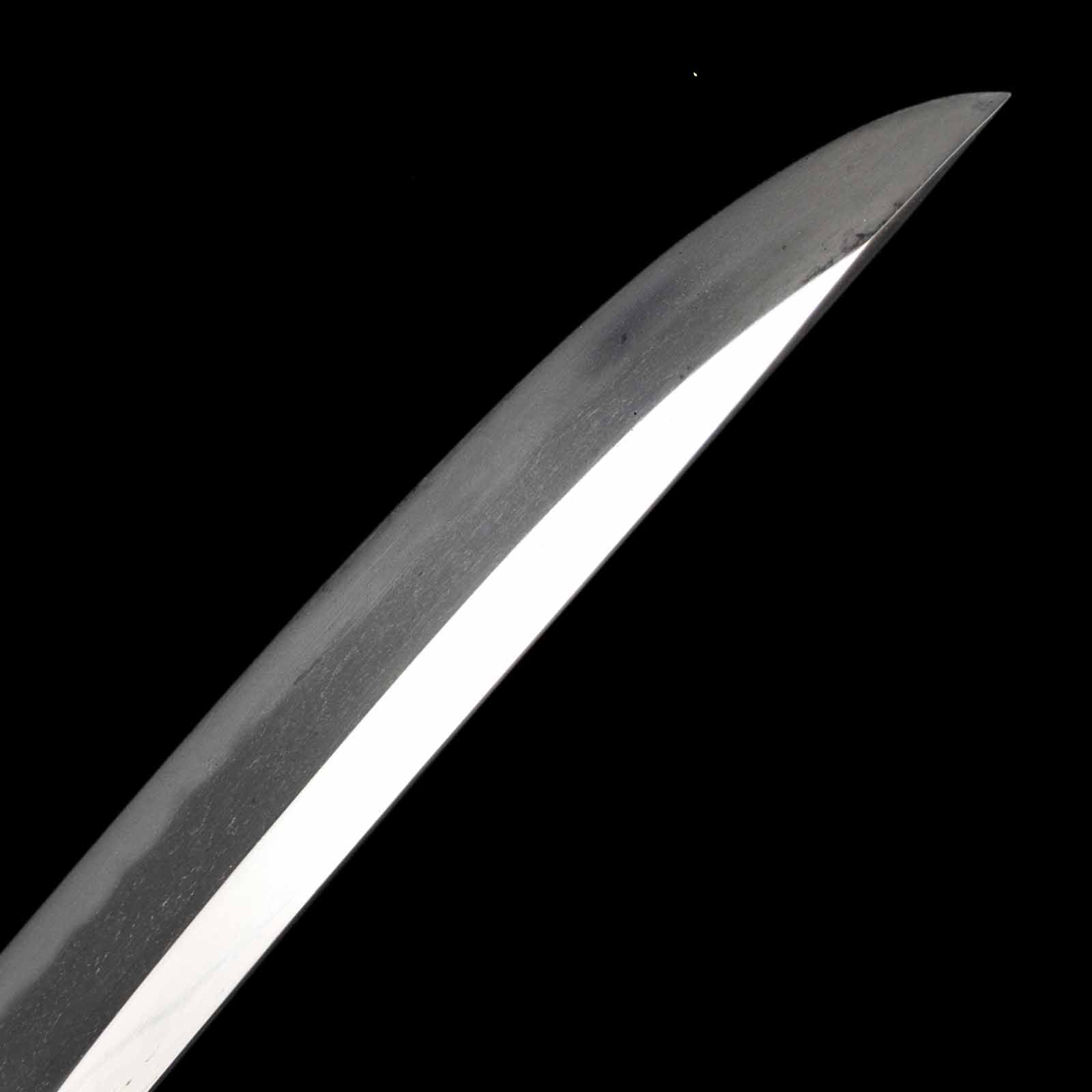
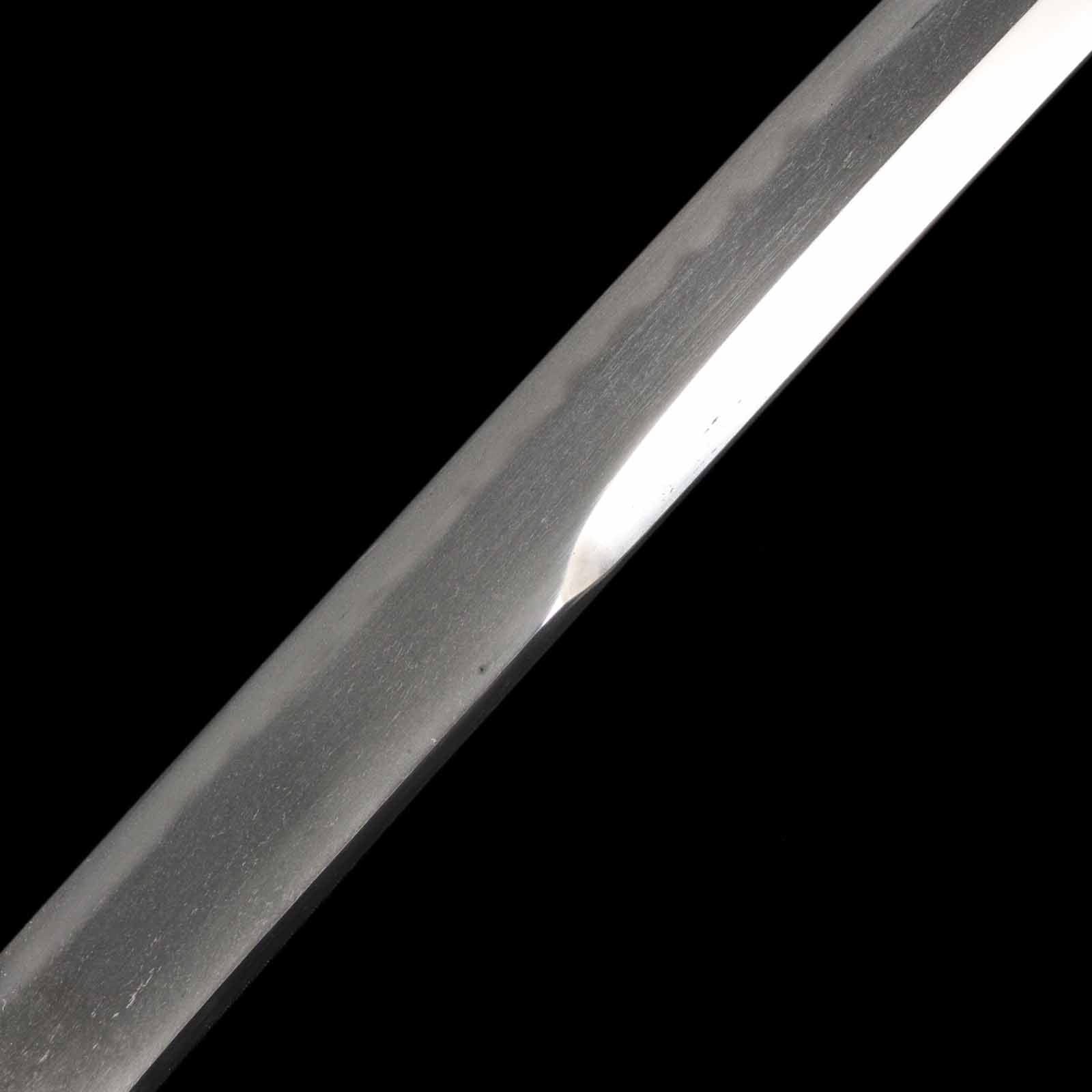
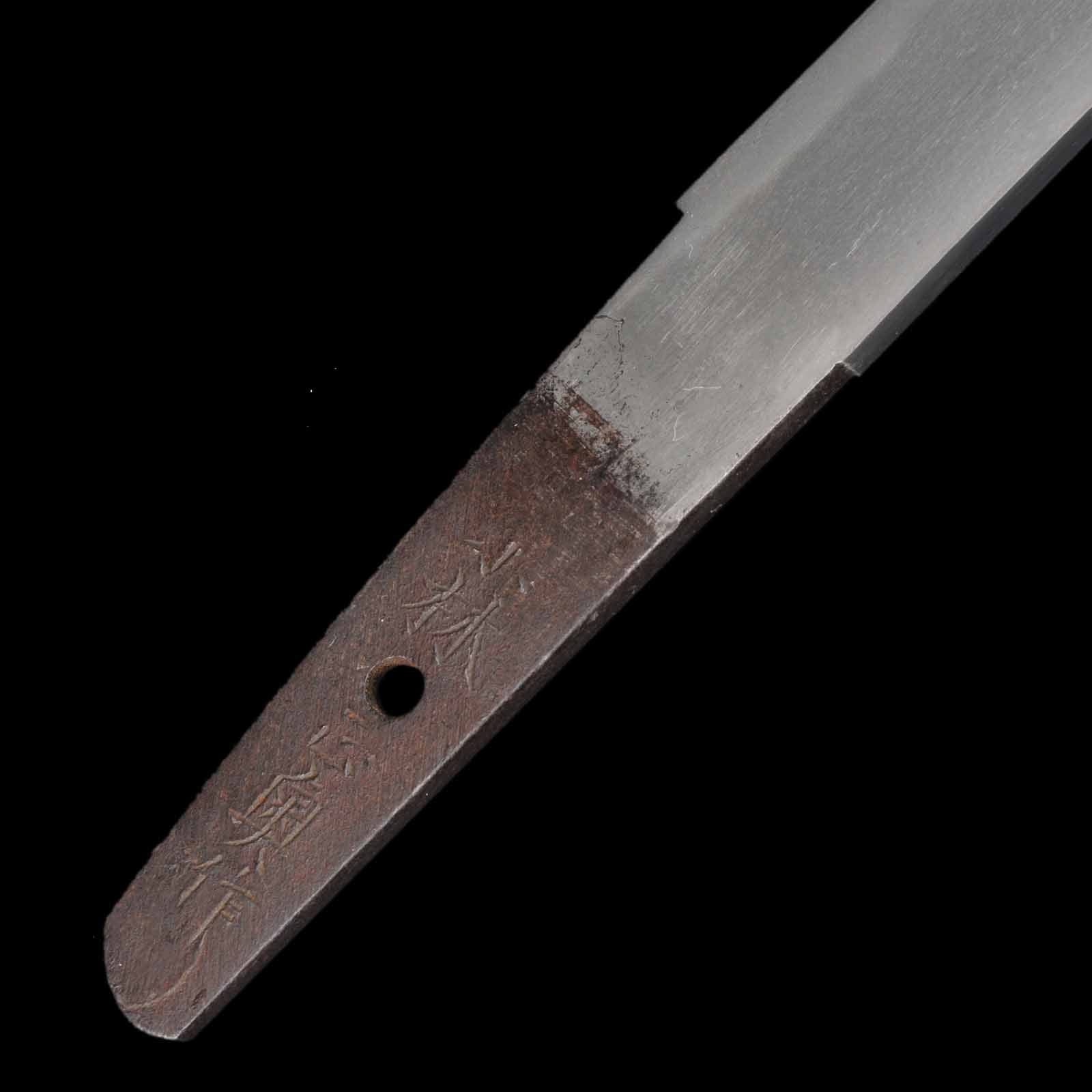
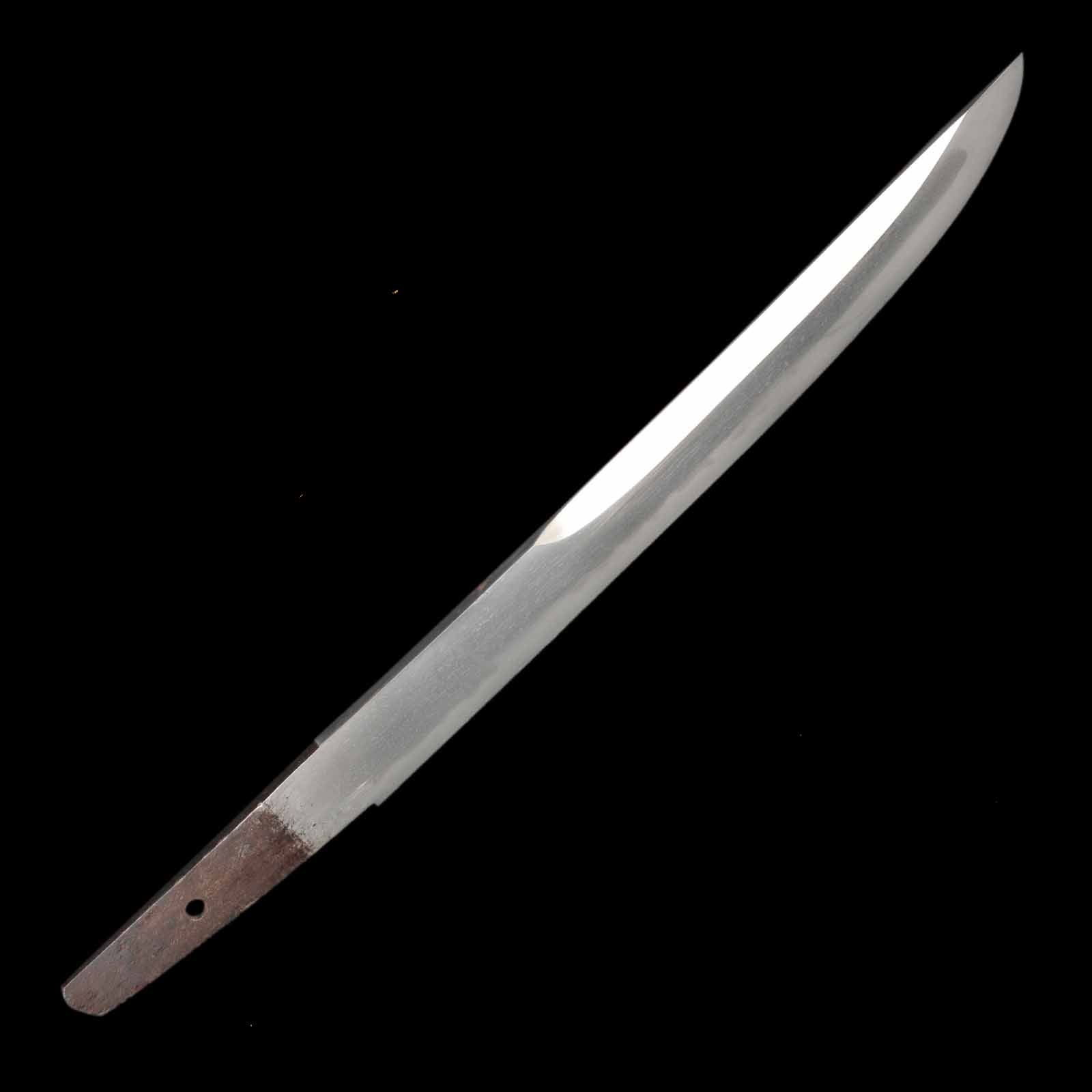
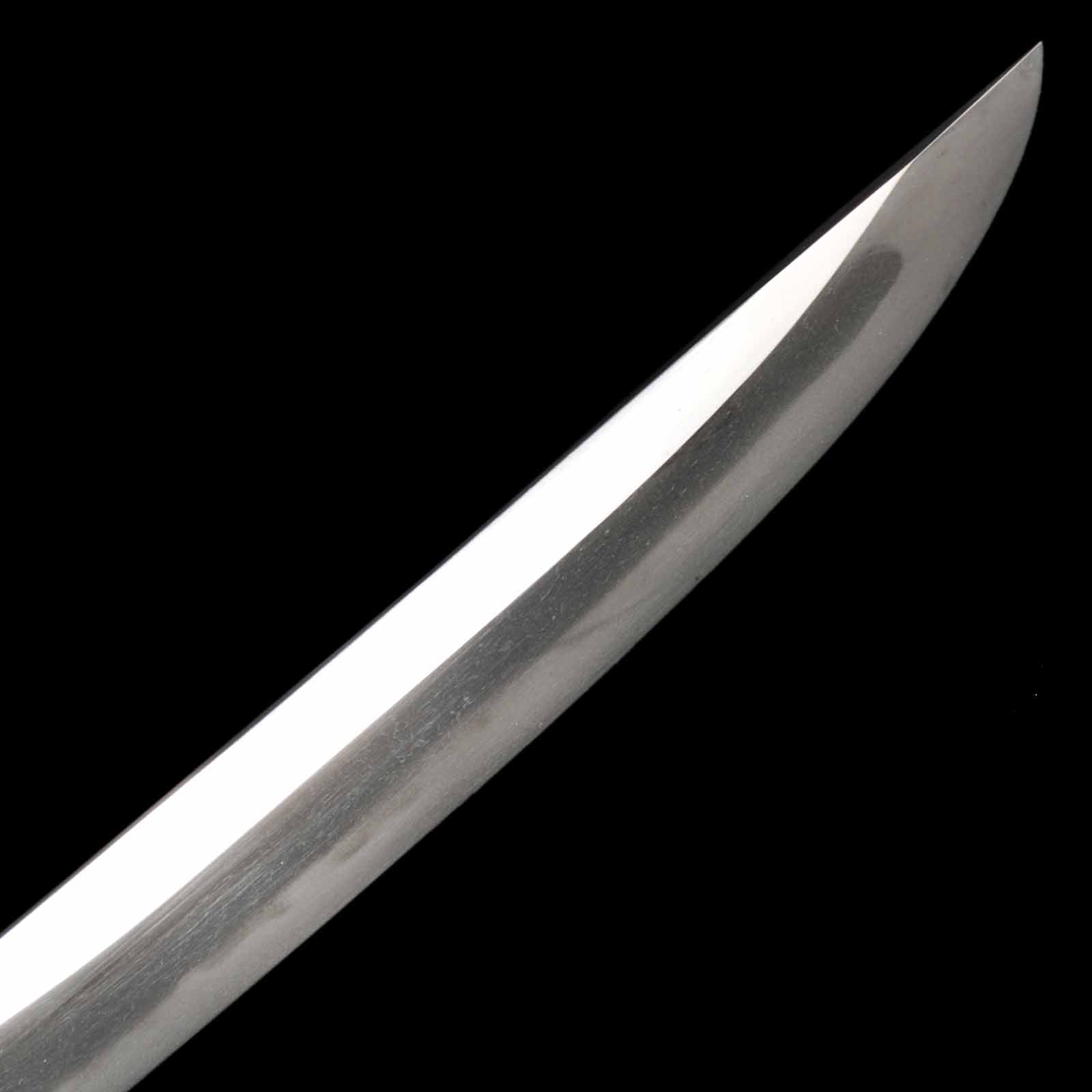
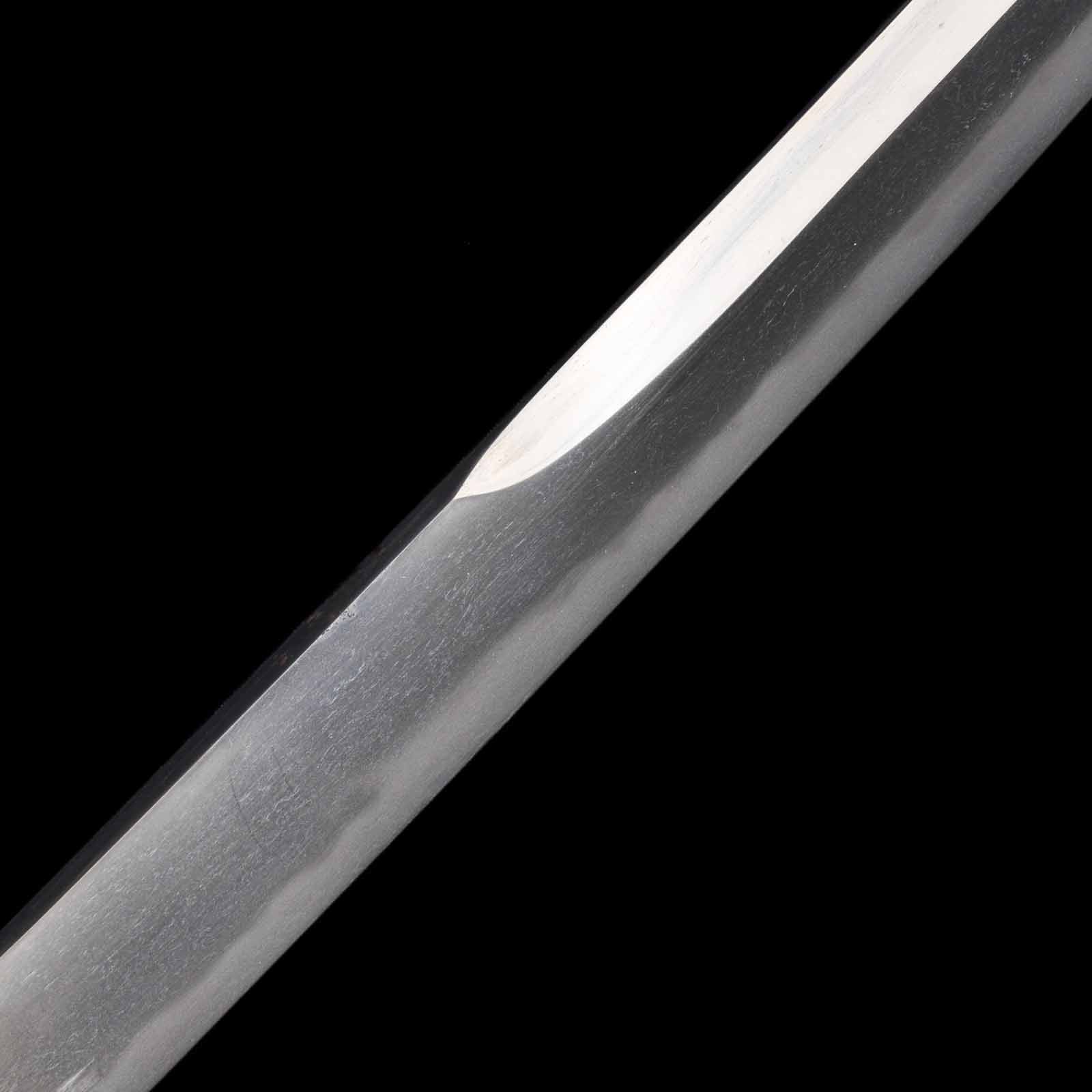
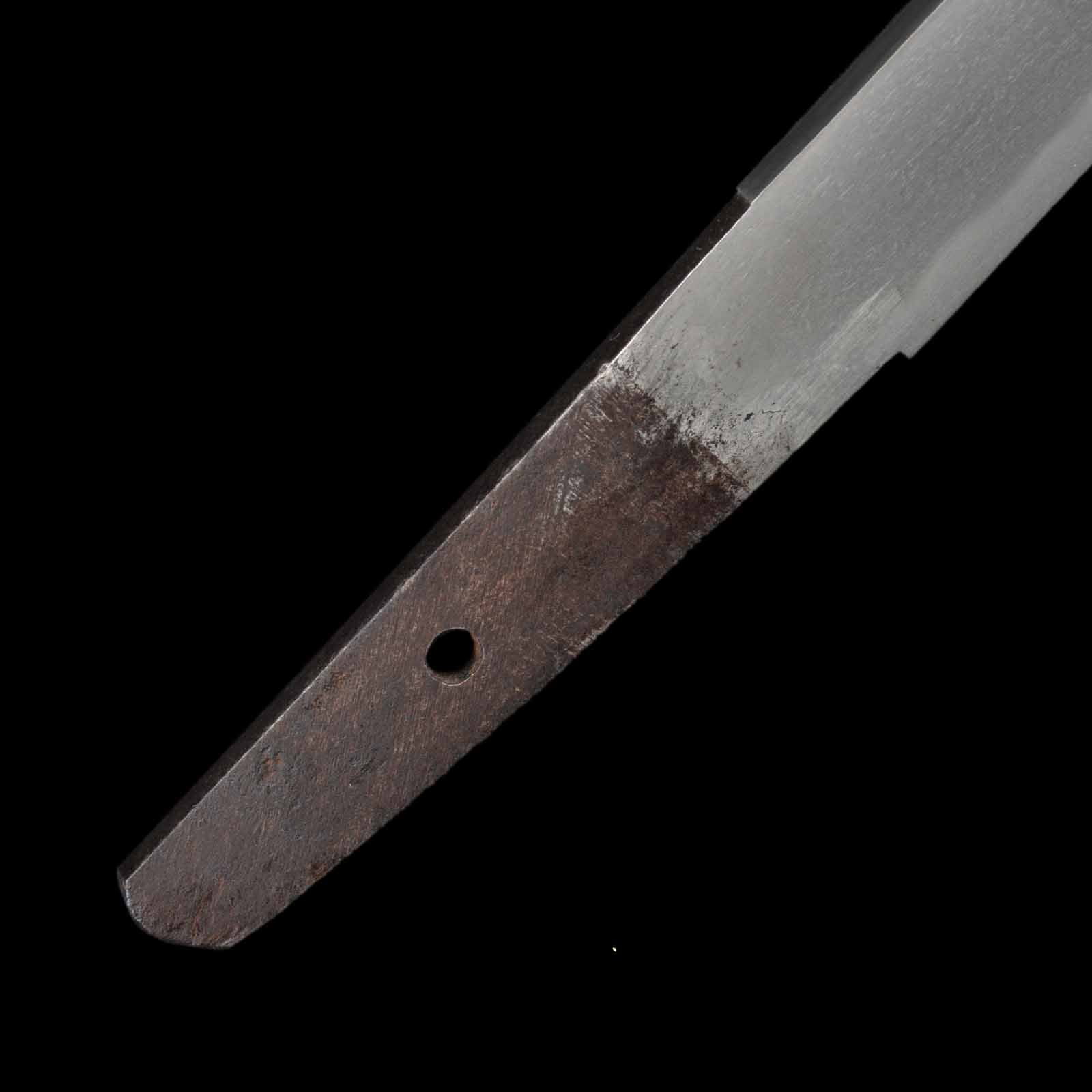
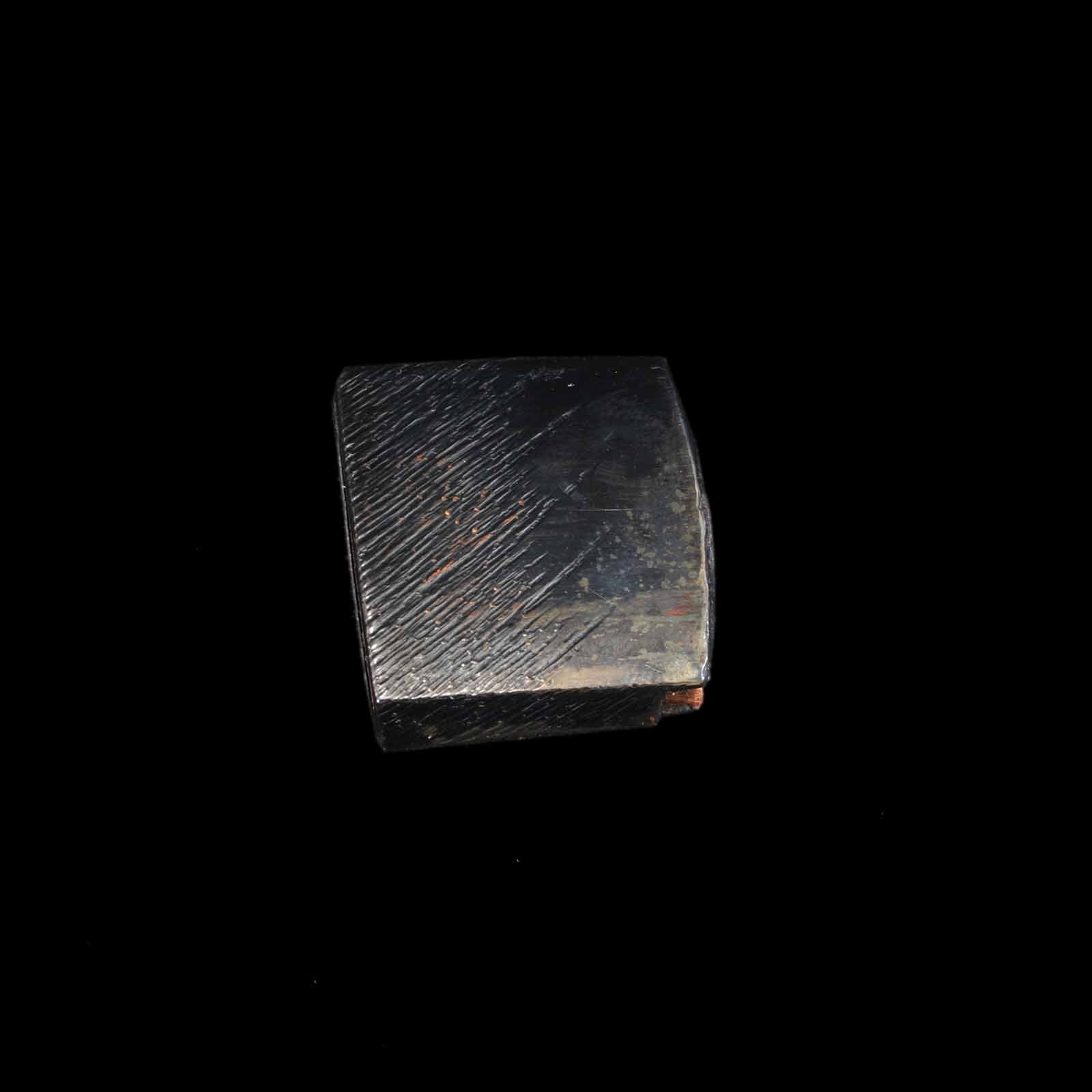
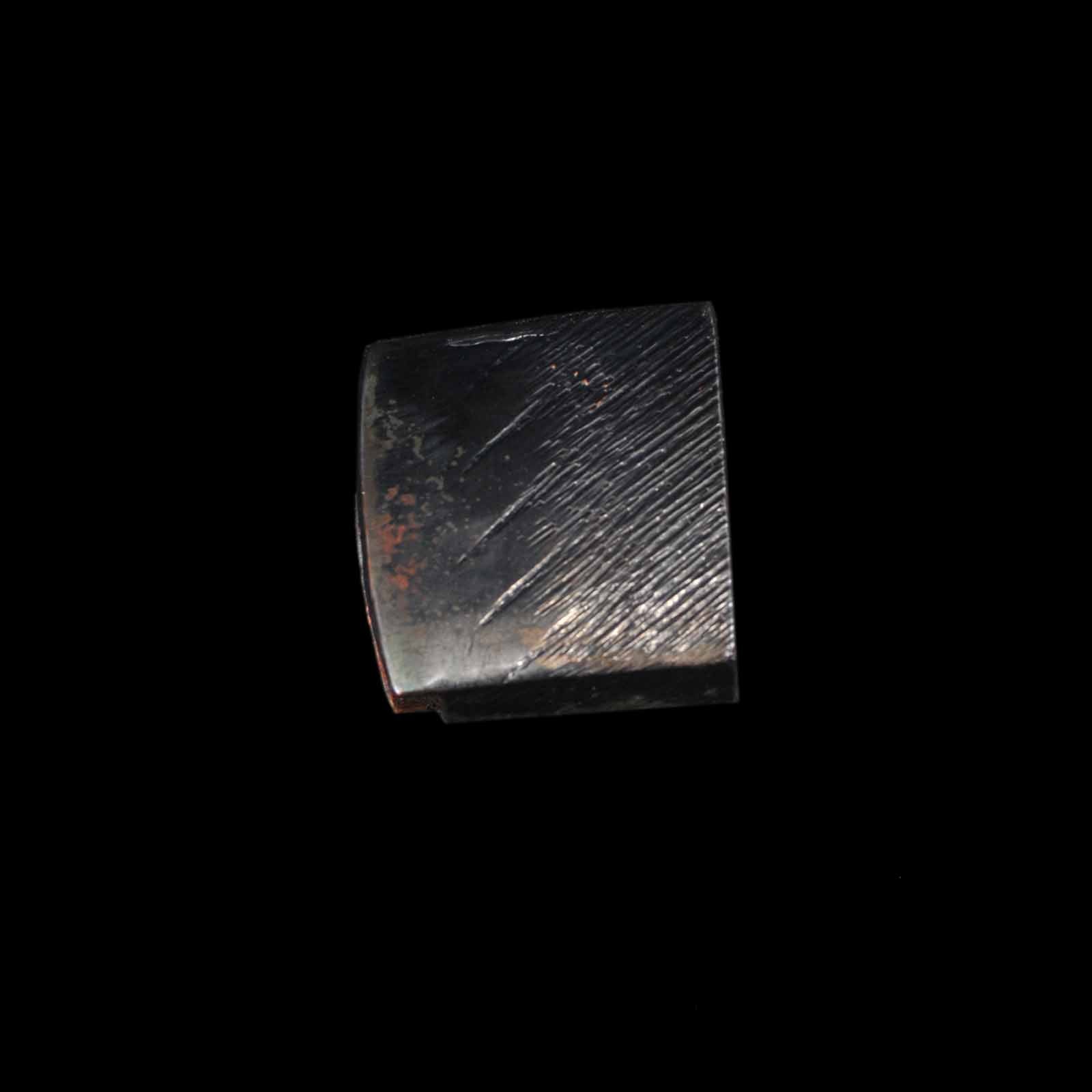
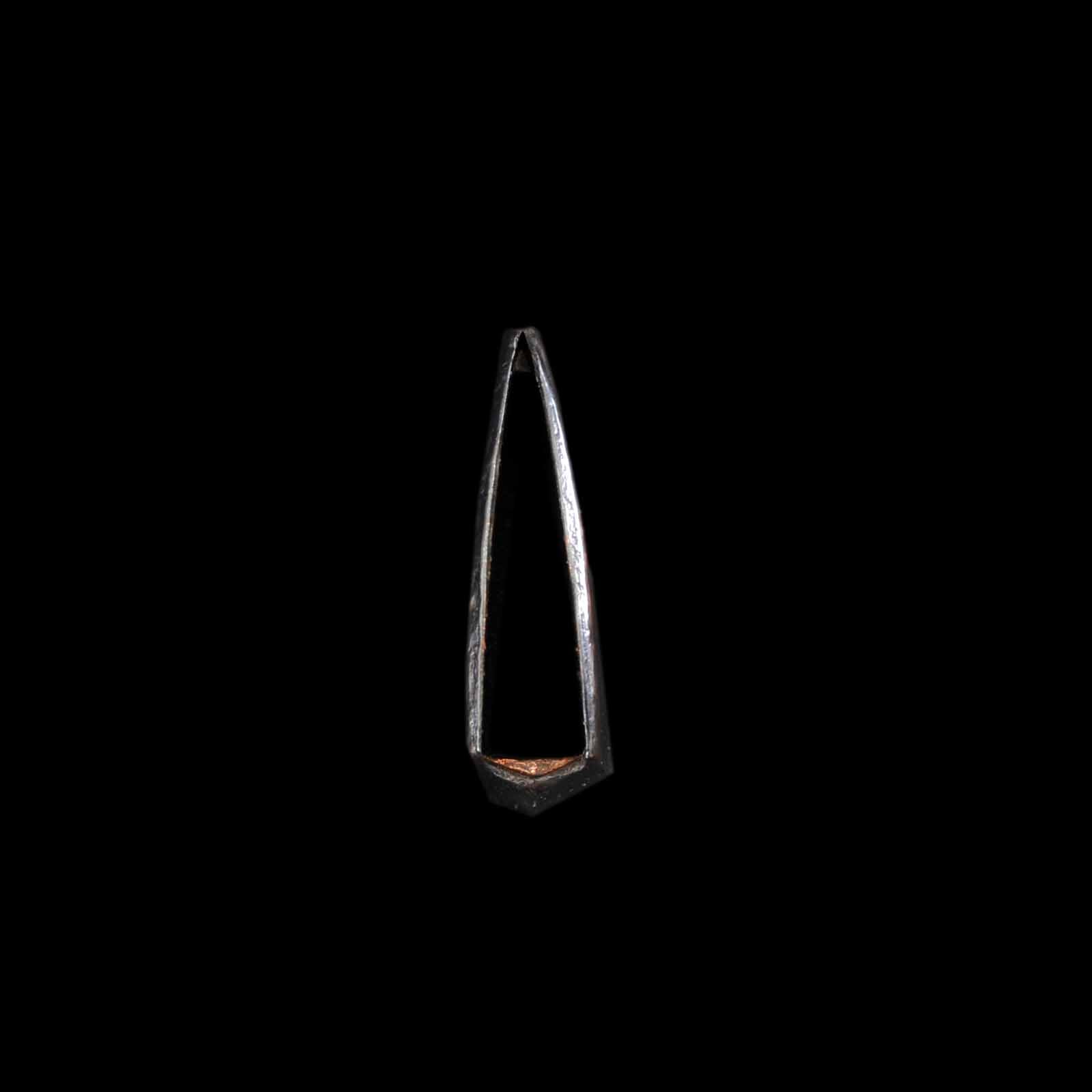
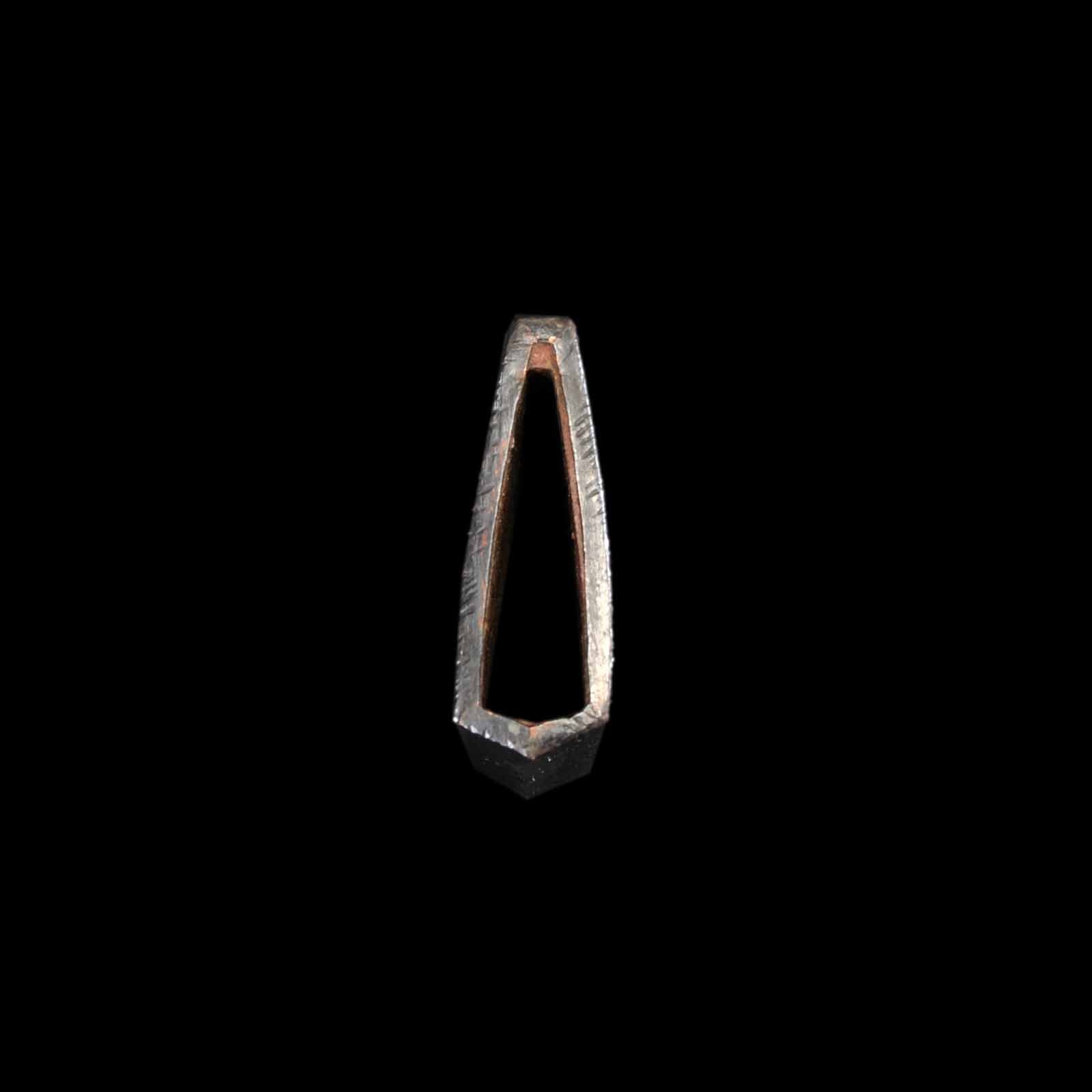
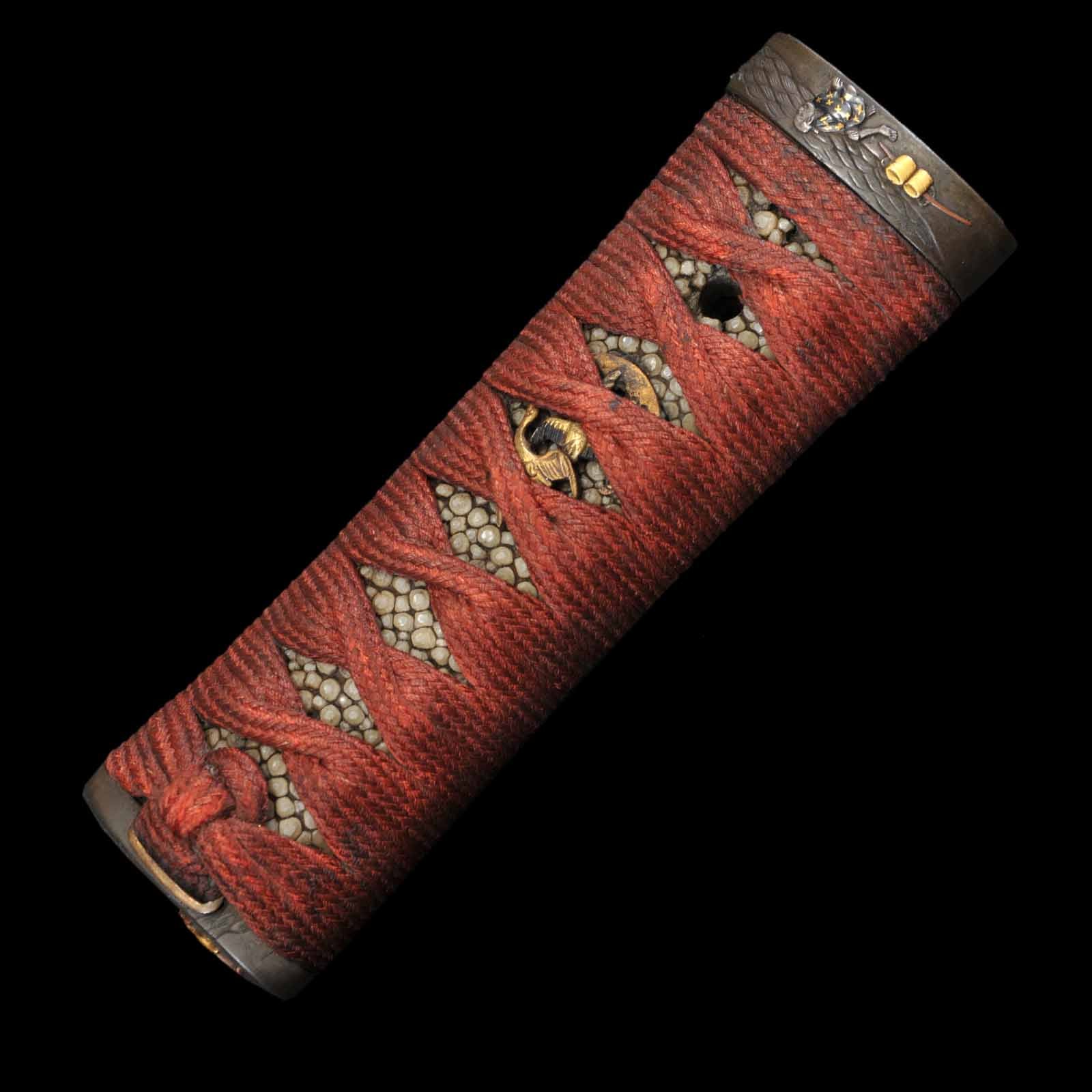
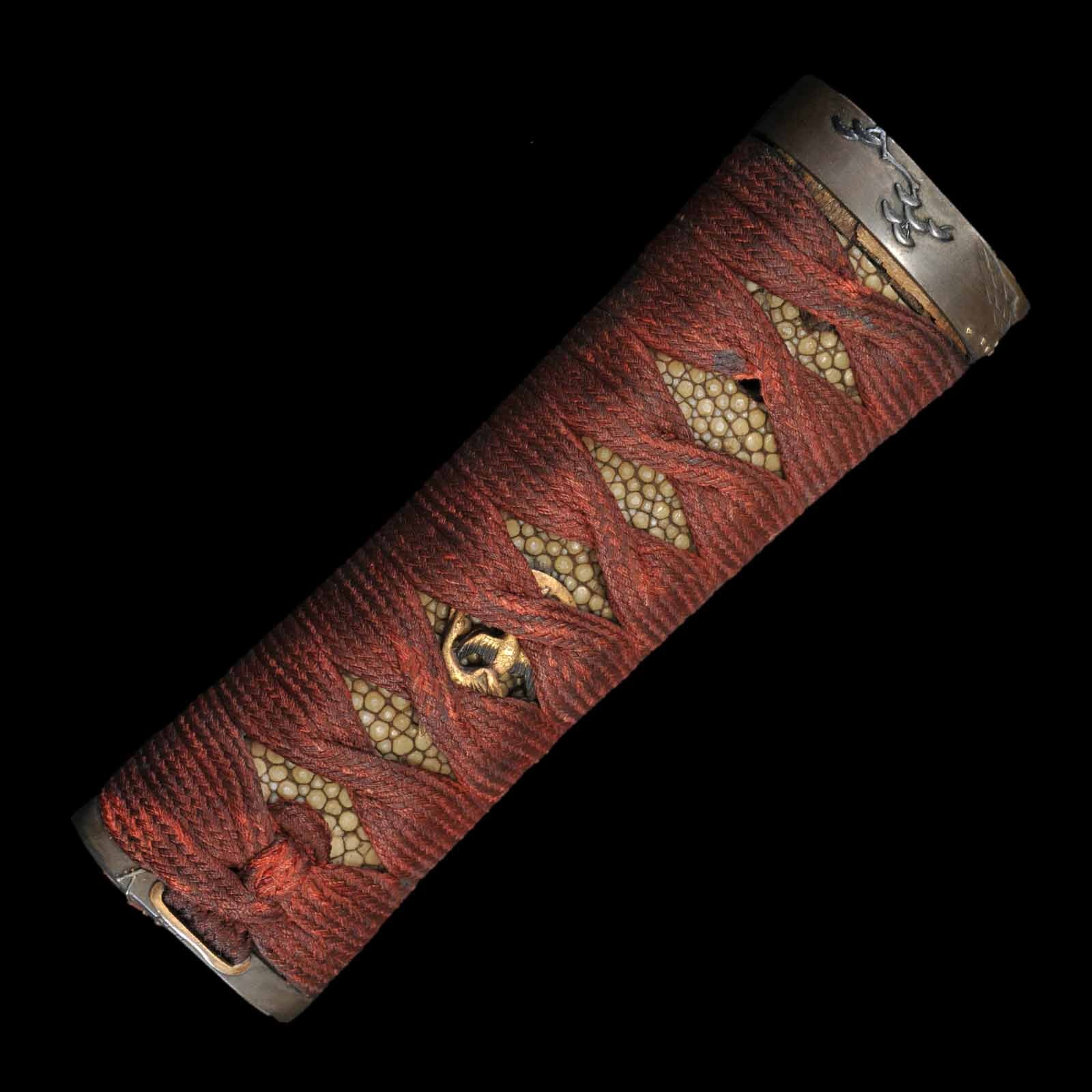
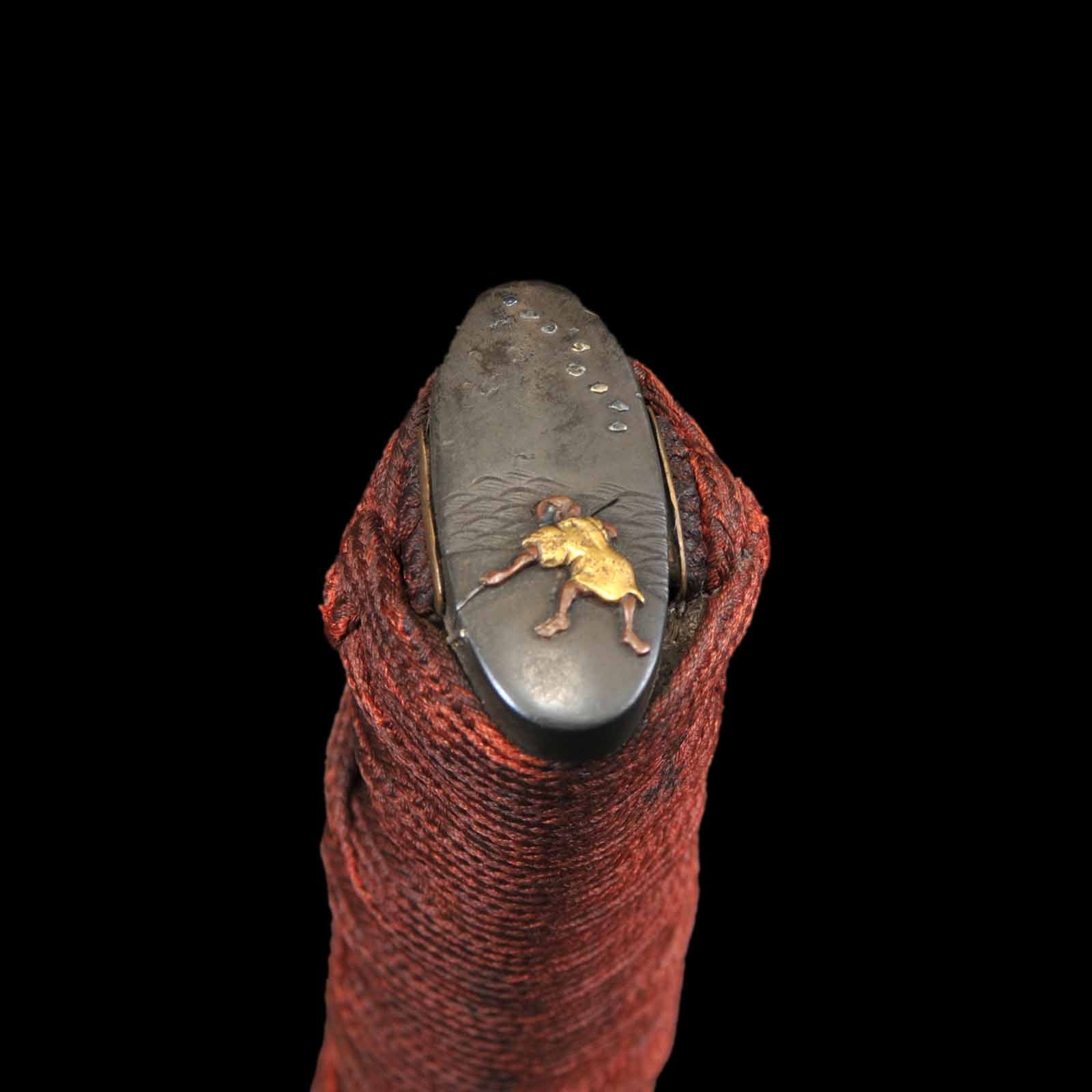
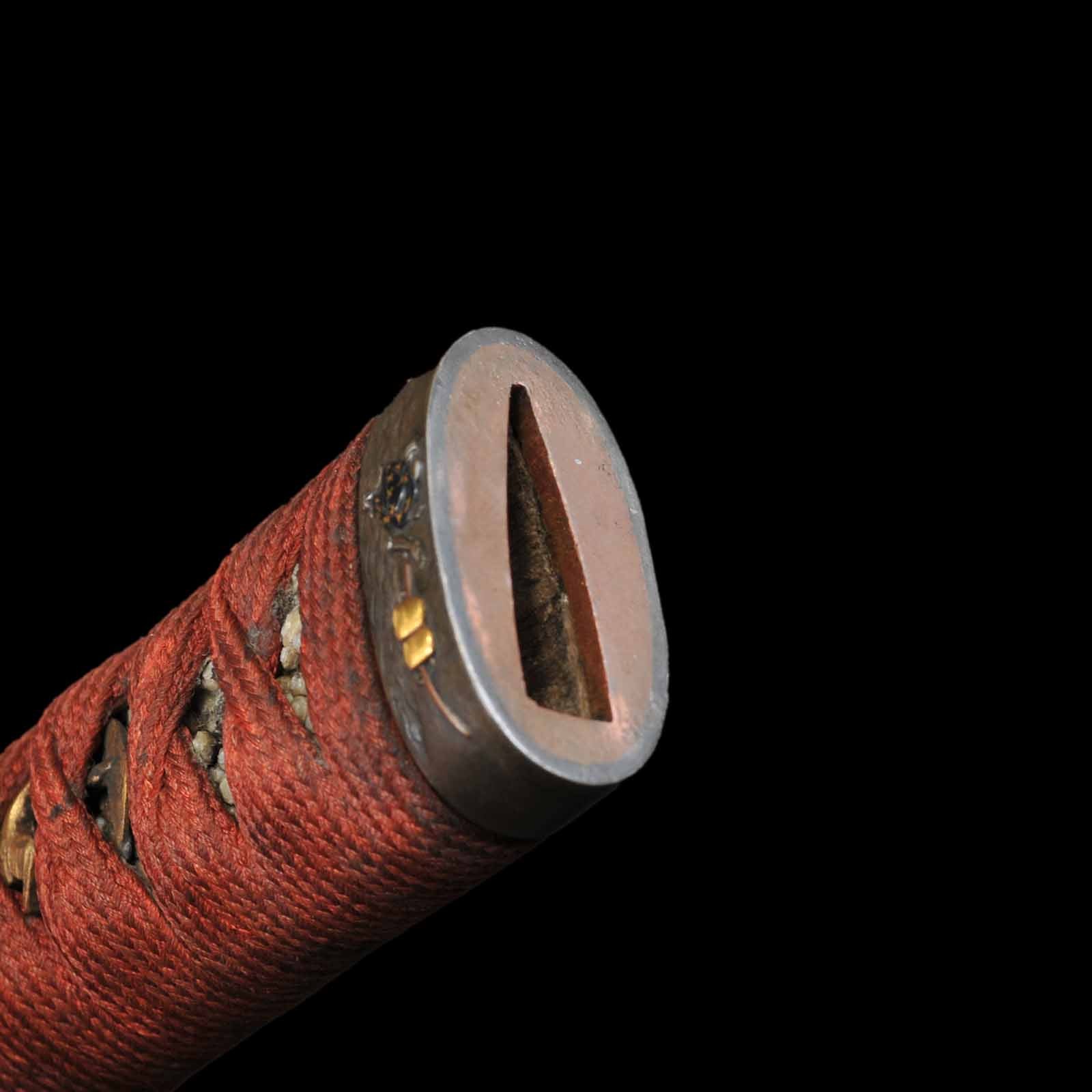
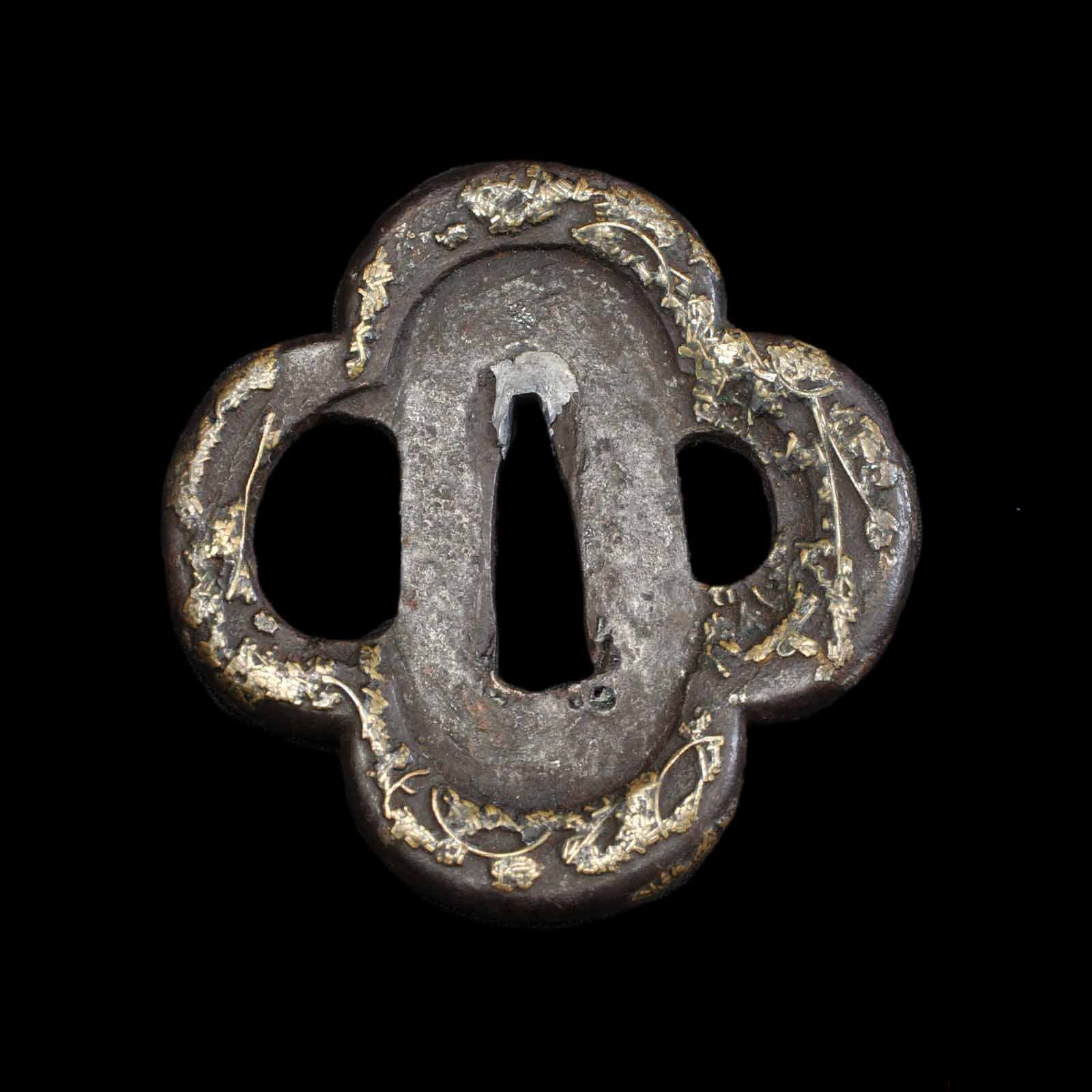
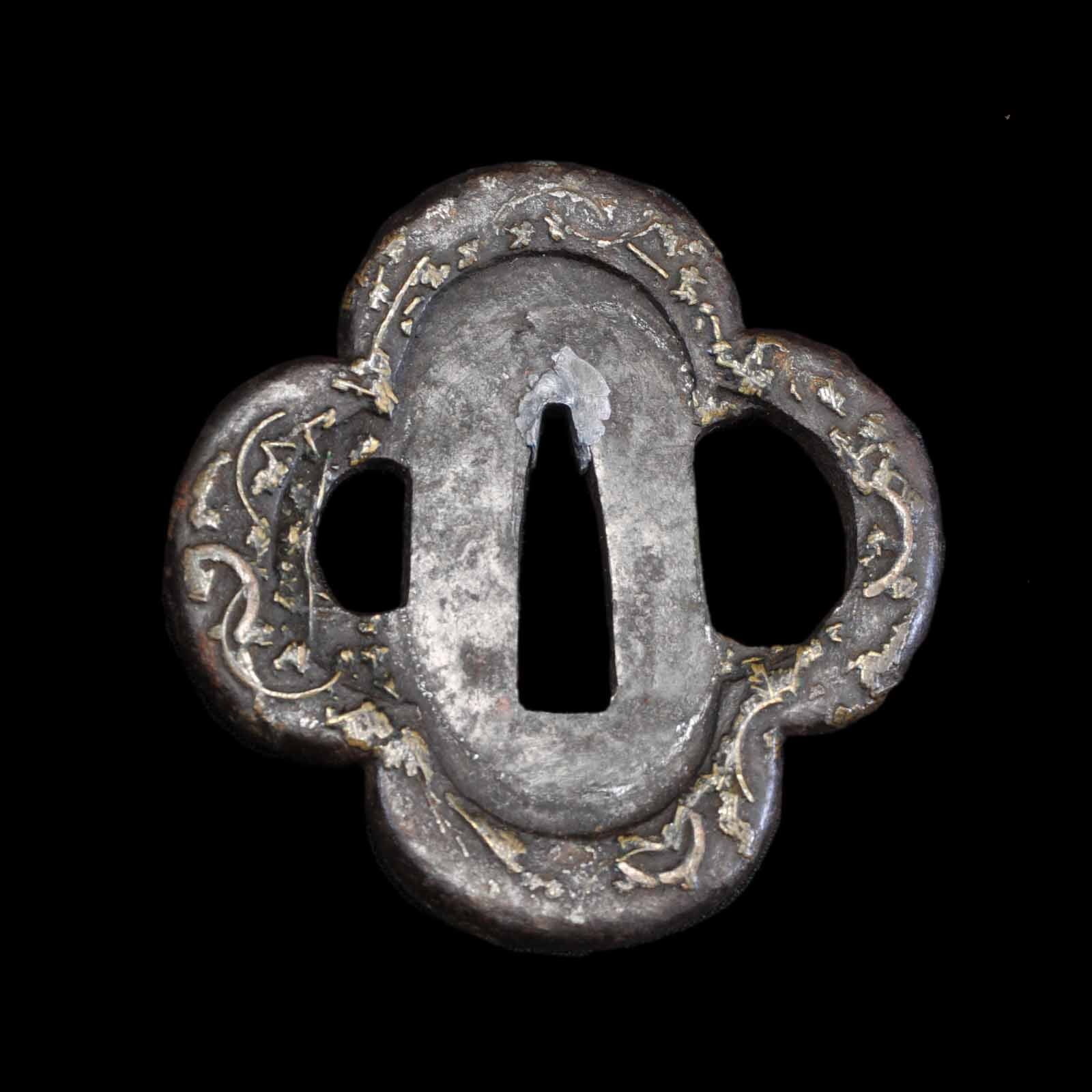
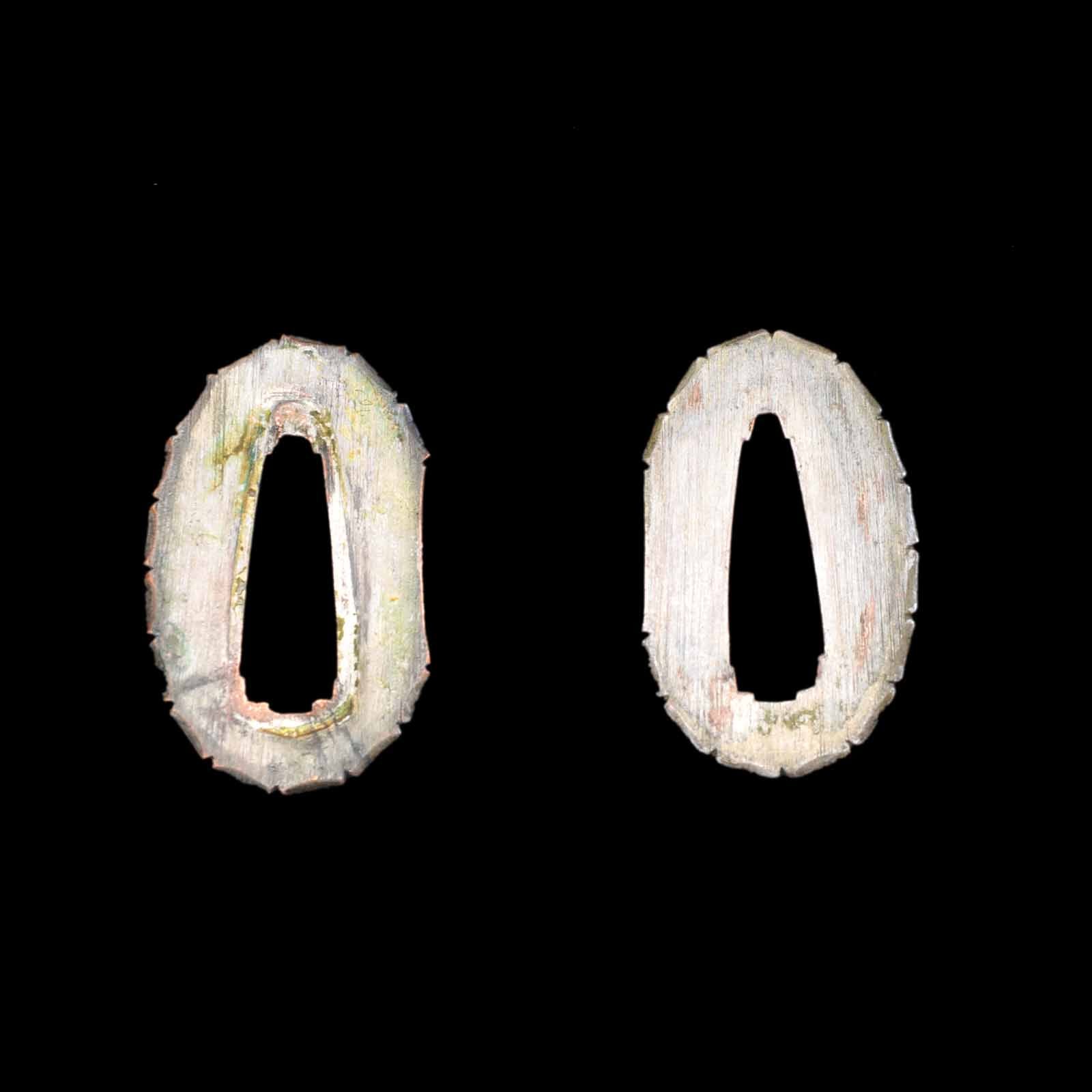
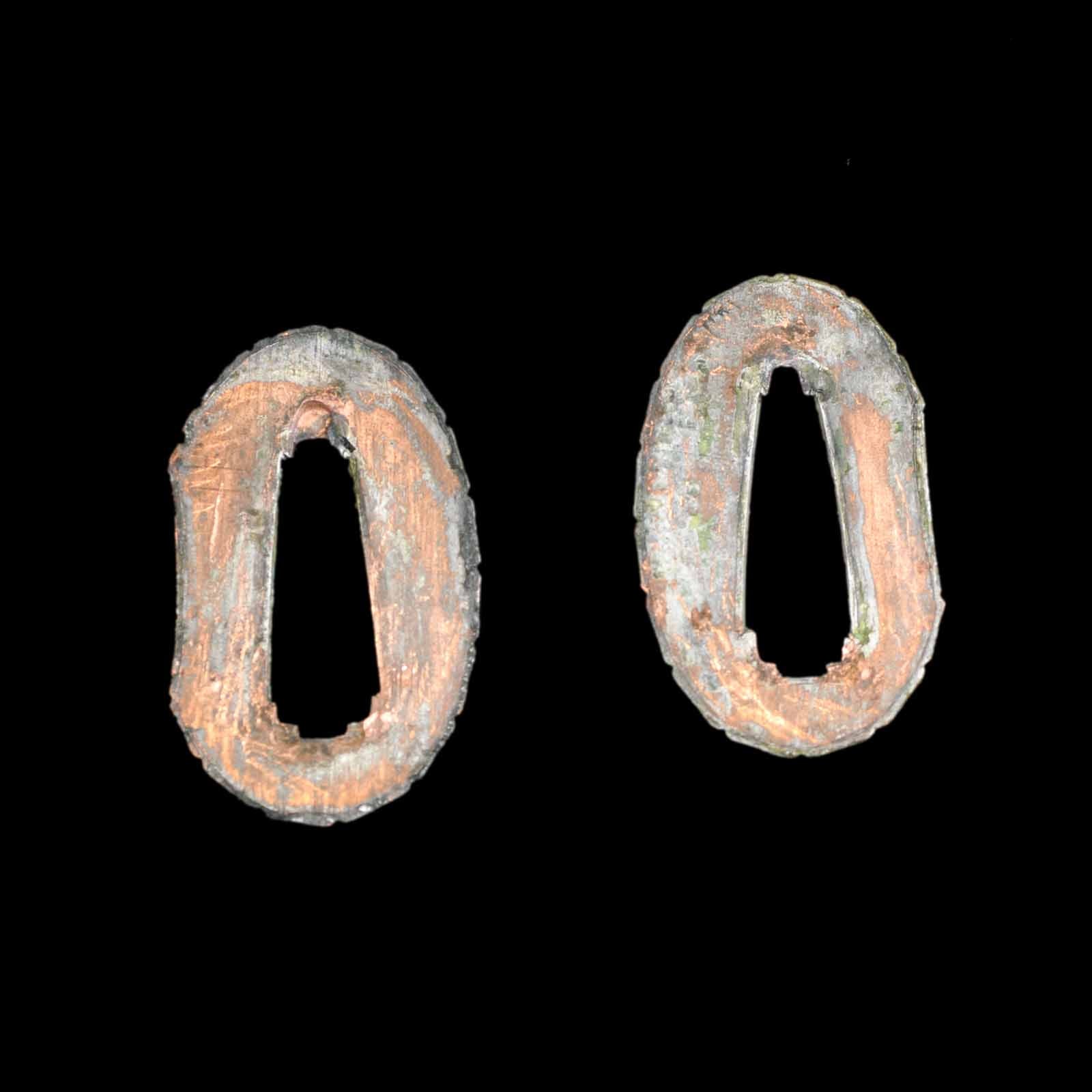
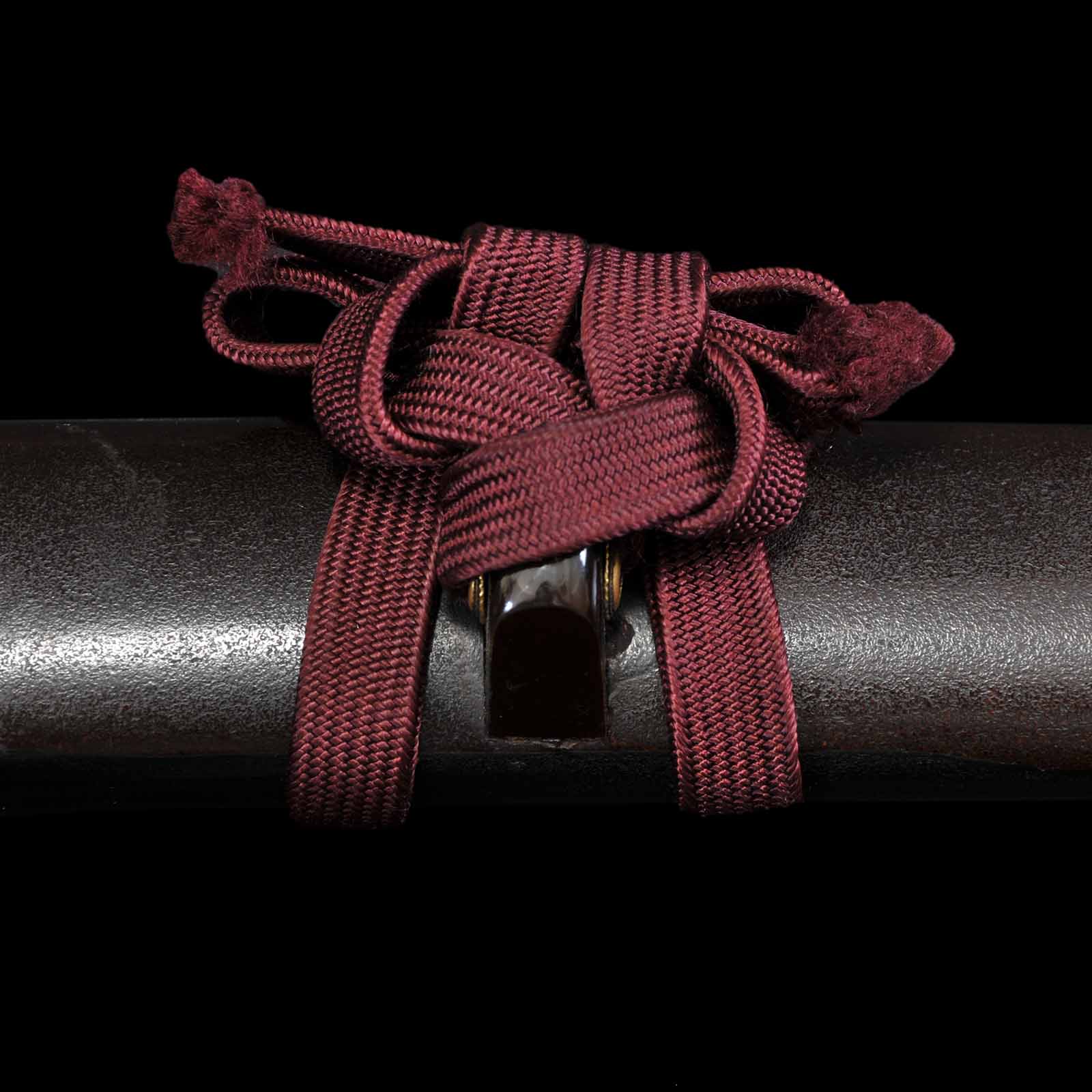
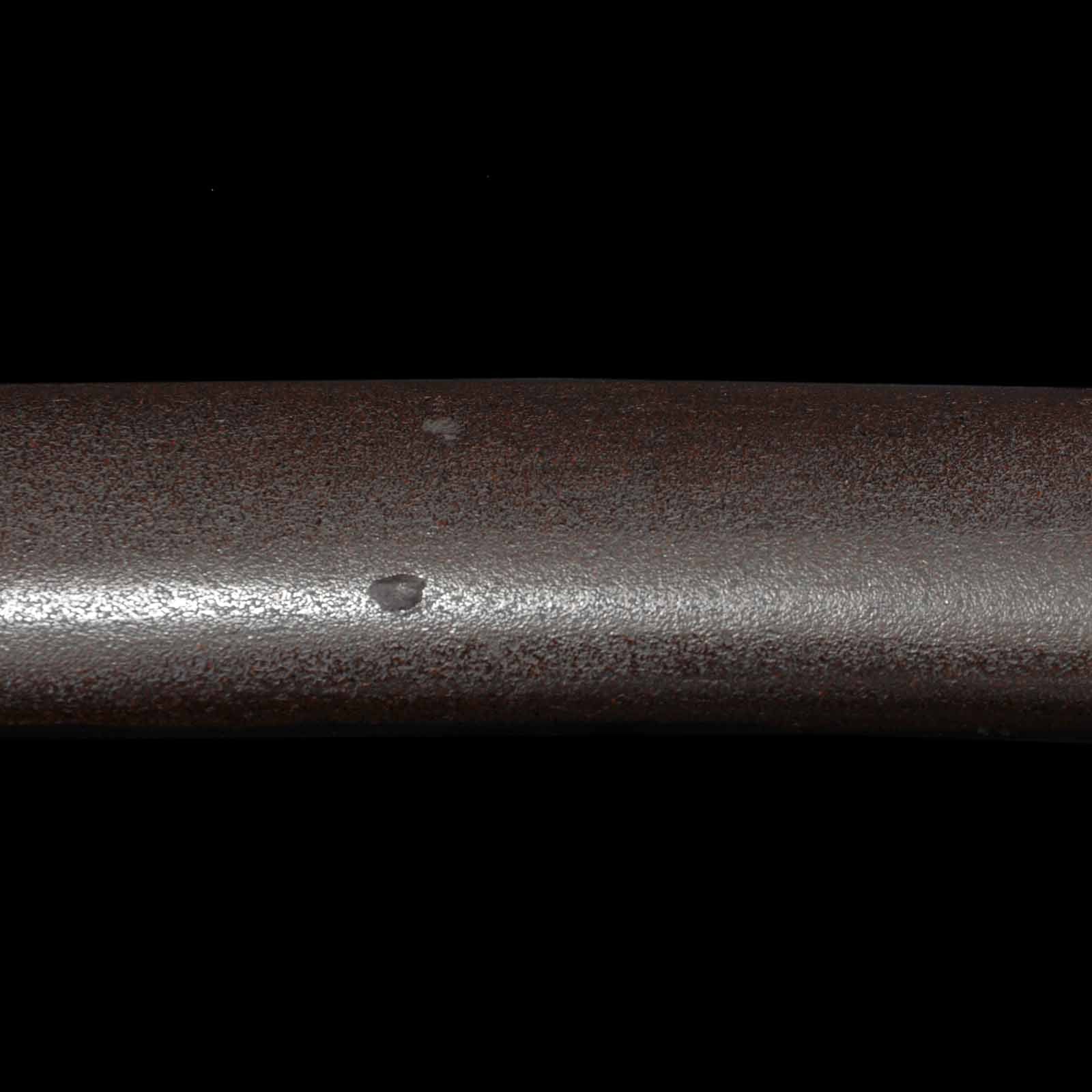
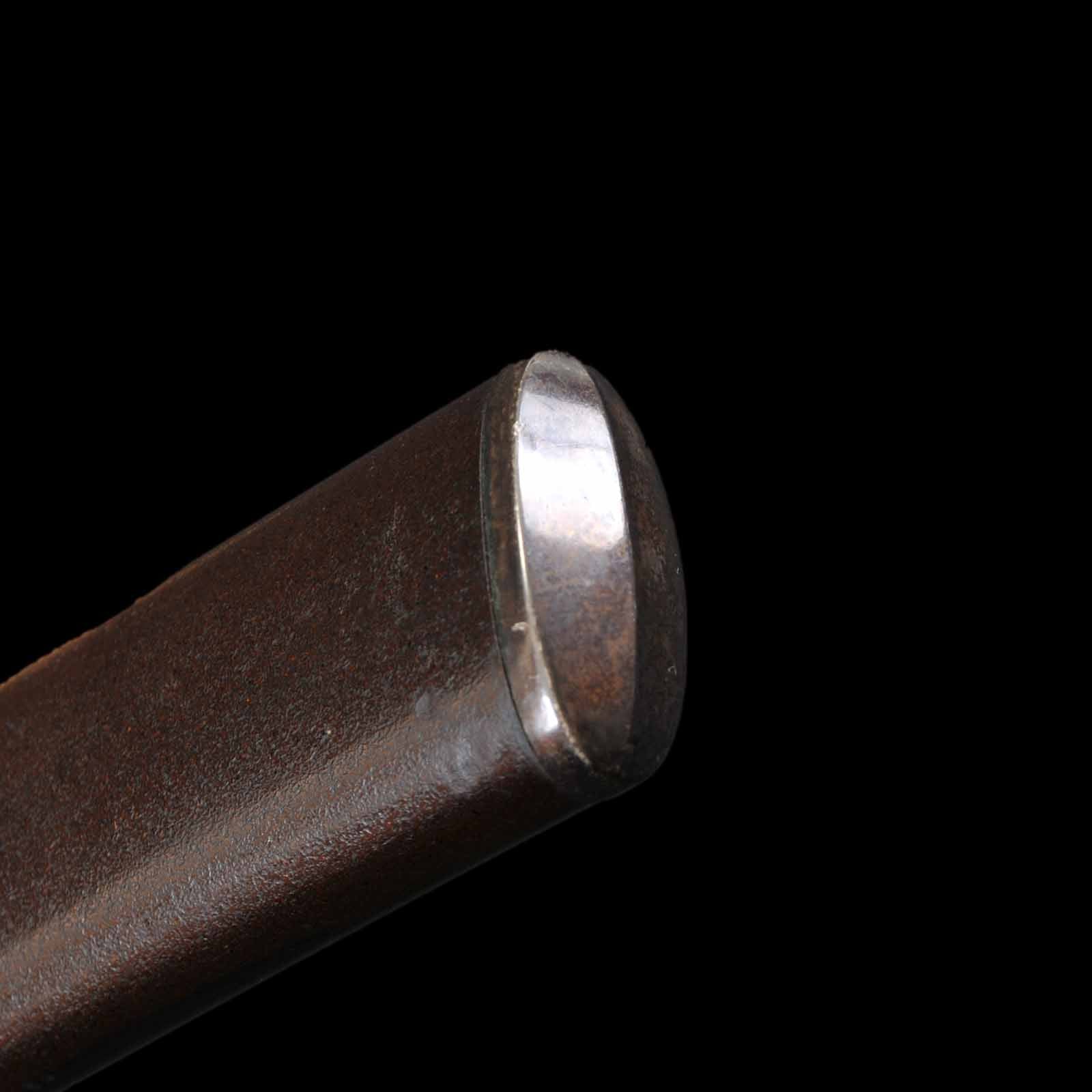
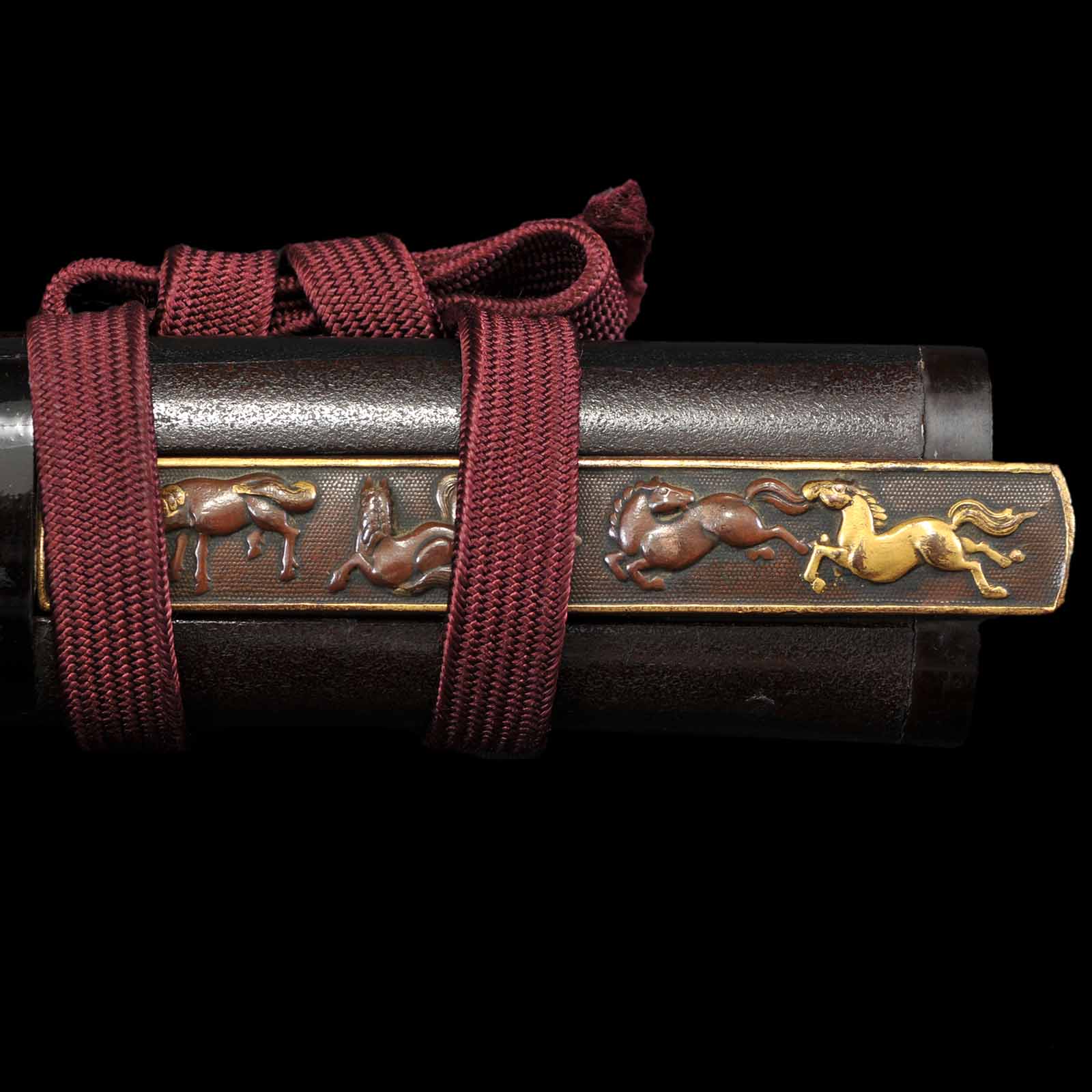
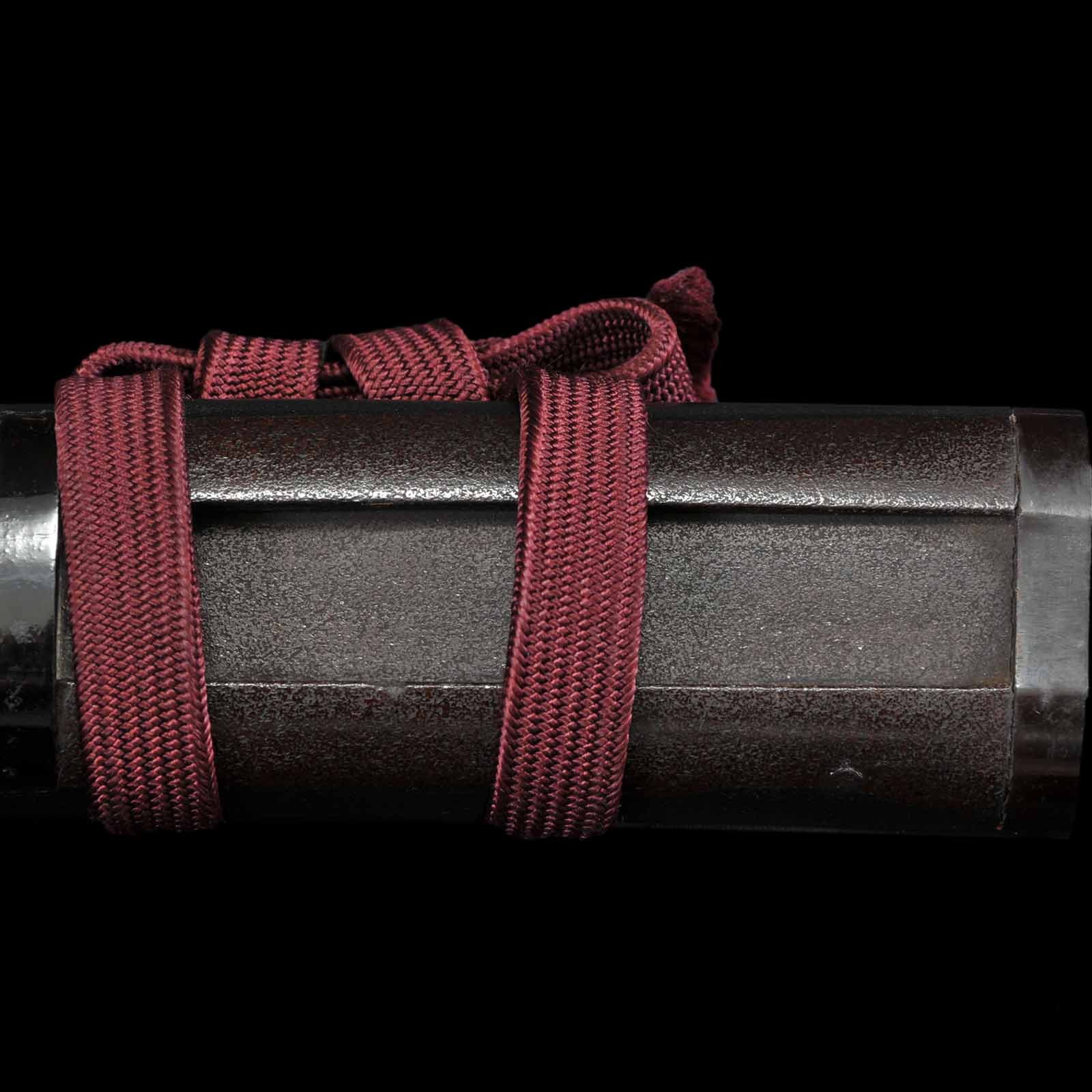
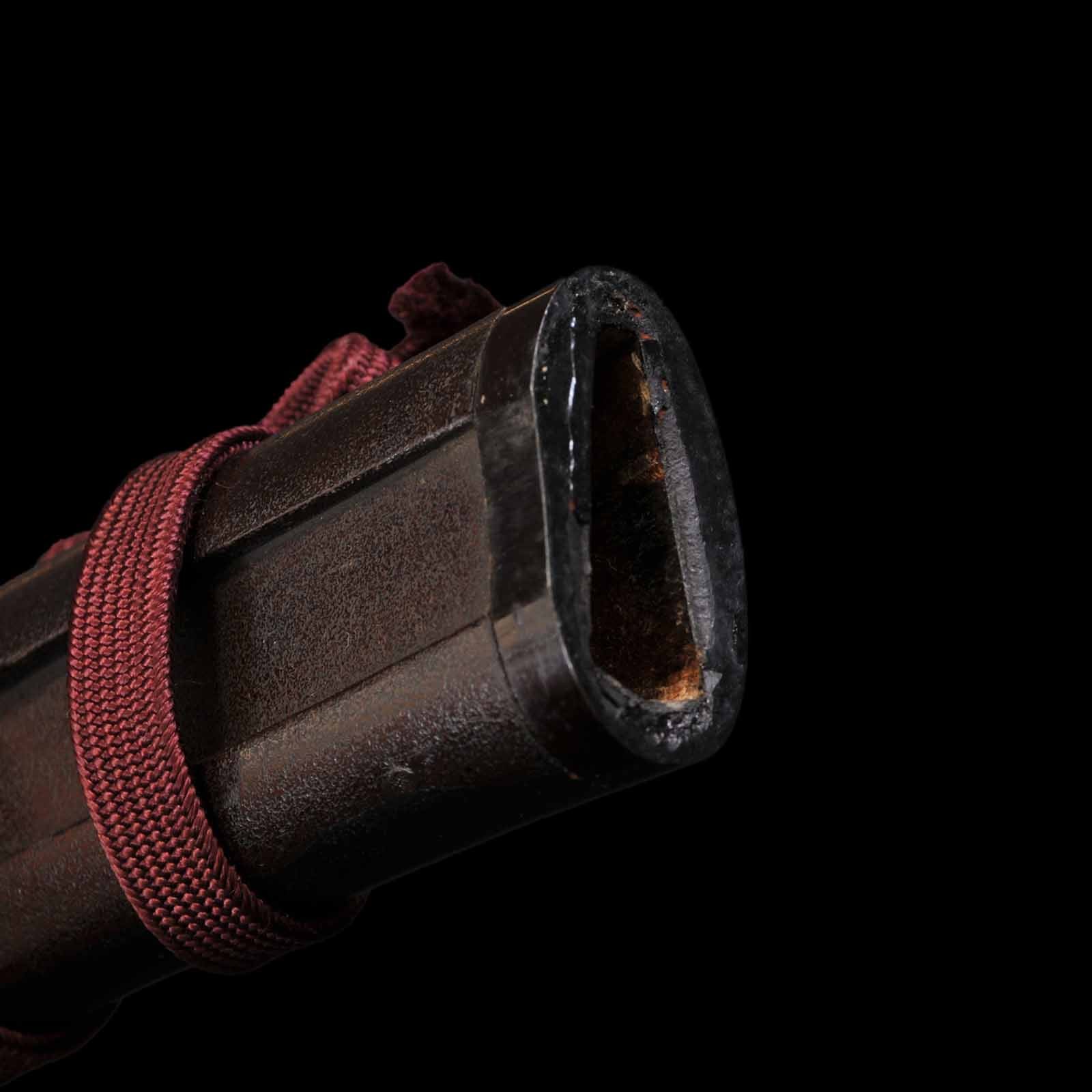
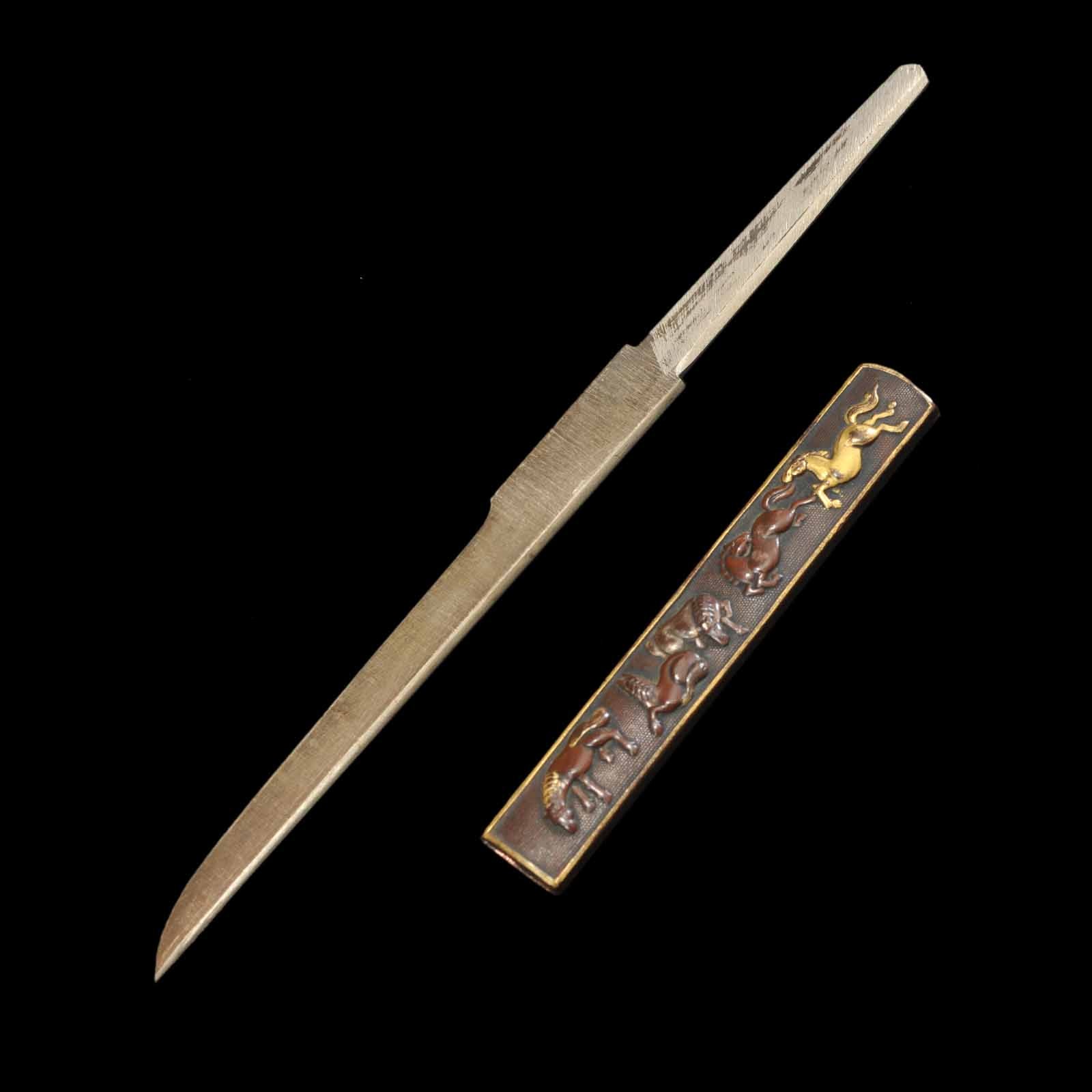
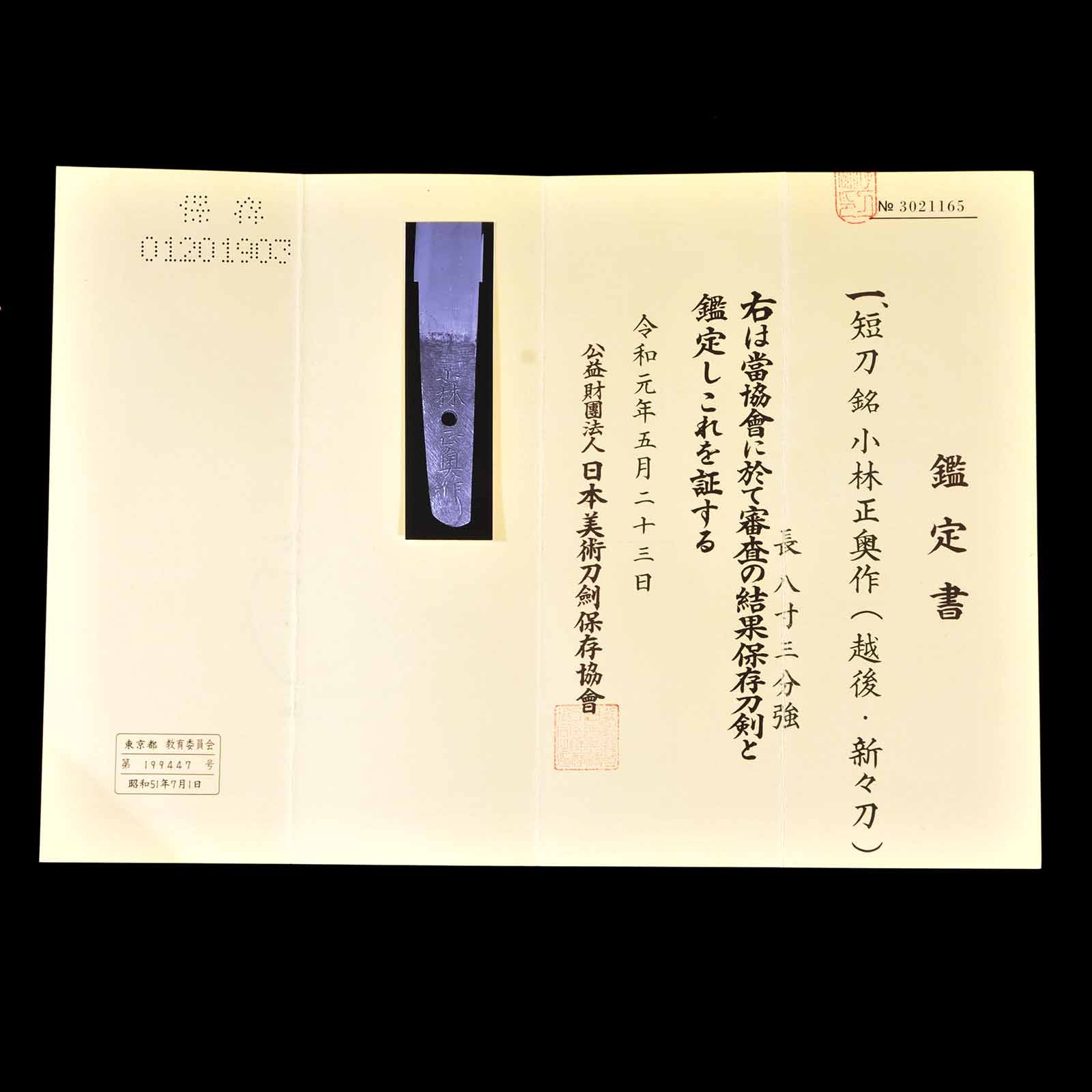
Unokubi zukuri tanto by Kobayashi Masaoku, a master craftsman active in the country of Echigo in the late Edo period (1603-1868) during the Shinsinto period, has just arrived. Regarding the preservation condition, there are no flaws on the blade, but there is a small rust on the mune, about 6 cm from the munemachi. It is an old polishing, but overall it is well polished and can be enjoyed for appreciation right away. The hada is well packed itame and the hamon is characterized by a relaxed gunome. The sword is called unokubi-zukuri because the structure of the blade is shaped with the shinogi shaved off, and when viewed from the mune side, it just resembles the neck of a water bird, the cormorant, hence the name. Because of the excellent state of preservation of the sword, the Society for Preservation of Japanese Art Swords recognized this piece as a work of great value for preservation for future generations, and issued a hozon certificate of authenticity in May 2019. In addition, this tanto comes with a full package tanto koshirae equipped with a kozuka. The koshirae is in very good condition and has an atmosphere that suggests it would have been carried by a samurai in the late Edo period. The metal fittings and tsukamaki are of the period, and the koshirae alone is worth admiring. It is a piece that can be enjoyed from the day it arrives in your possession, and its relatively good state of preservation makes it well worth adding to your collection. We urge you to buy yours before they are sold out. Blade length: 25.5 cm Curvature: 0.2 cm Number of Mekugi hole: 1 Motohaba: 25.7 mm Motokasane: 5.8 mm Signature: Kobayashi Masaoku Saku(front) Era: Shinshinto Structure: Unokubi-zukuri Jigane: Itame Hamon: Gunome Boshi: O-maru ni Kaeru Weight(without Saya): 190 g Nakago: Ubu Koshirae: Tanto Koshirae/Shirasaya Original Registration No.: Tokyo 199447 Please contact us if the katana you are looking for is not listed here.
 NihontoWatch
在銘 · 新々刀 · 長さ 25.5cm · 反り 0.2cm
大和伝 · 備後
時期区分: 末三原· 1394–1596
現在4点販売中
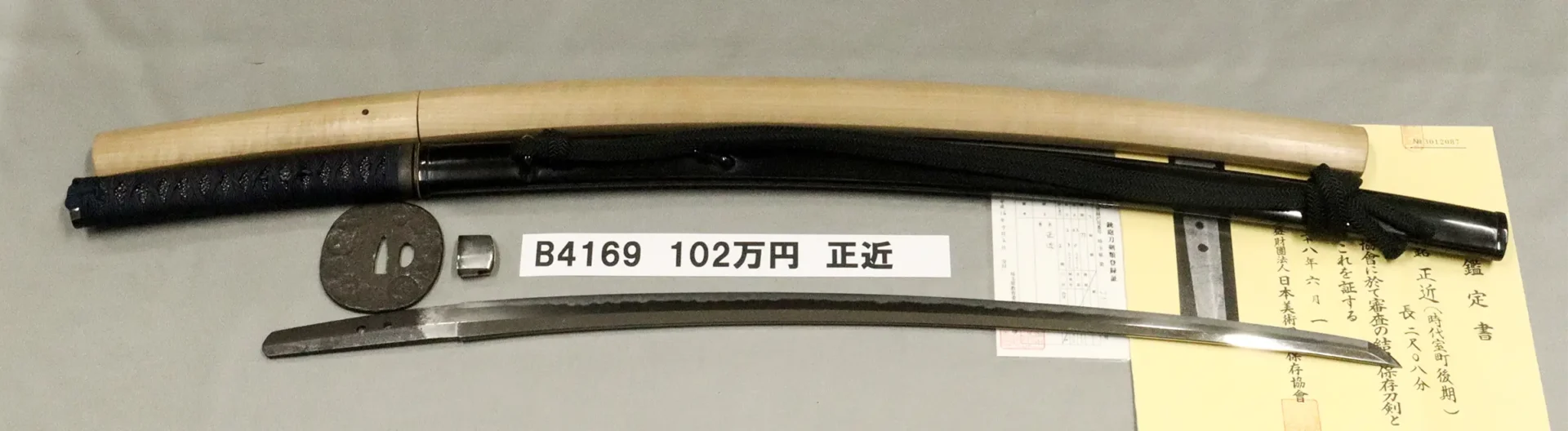
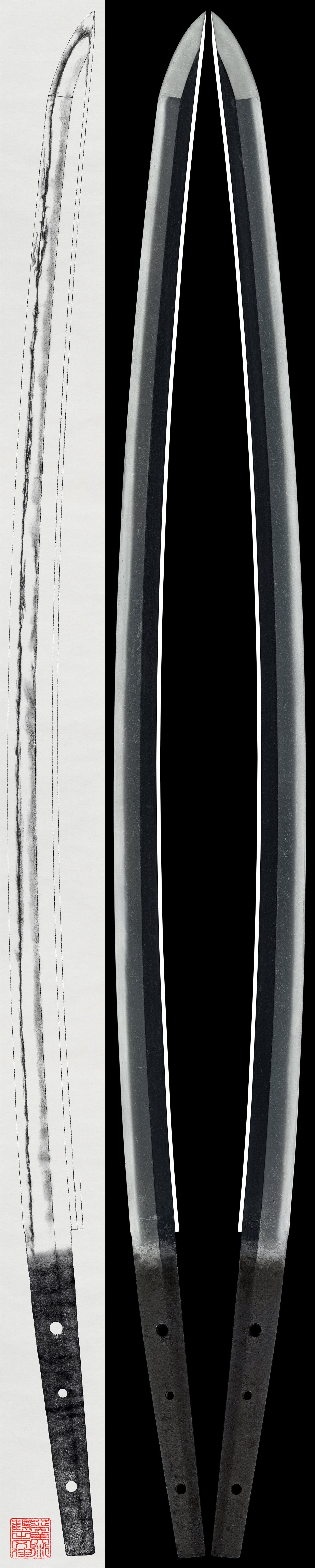
末三原は、備後三原派のうち室町時代に下る後期の諸工を汎称するものである。鎌倉末期から南北朝期に正家・正広らを中心として展開した古三原の作風を引き継ぎながら、その系統は室町時代を通じて備後国に存続した。備後国にはこの時期、三原のほか国分寺、法華一乗、鞆、辰房、五阿弥といった諸派が並び立って栄えており、なかでも法華一乗派は三原あるいは国分寺の一派と伝え、応永頃を初代として室町末期に及ぶ同名数代の工を擁した。法華一乗派の作風は概ね三原風を示すと伝えられ、室町期の備後鍛冶のなかで三原系の作域がなお広く受け継がれていたことが窺われる。草戸千軒の地に活躍した金次や、正盛をはじめとする貝三原の工など、この期の作者は地名や姓を冠して銘するものが多い。 末三原の作風は、古三原以来の地刃の特質を残しつつ、室町期相応の姿に移っている。鍛えは板目に杢や流れ肌が交じり、処々柾がかって総体に肌立ちごころとなり、地沸がつき、白け映りが立つ。刃文は直刃調から小互の目の連れて乱れるものまでを焼き、足が入り、小沸がつき、砂流しや金筋のかかるものがあって、焼を低く穏やかに焼くなかに大和気質が窺われる。帽子は乱れ込んで掃きかけ、あるいは焼詰風となるものがある。姿は身幅の割に寸が延びごころとなる短刀や、先反りのついた室町期の太刀姿を示すものが見られ、堂々として精美に整った古三原の体配に比べると、肌合がやや粗く立ち、匂口も沈みごころとなって、全体の調子が緩んでくる点に時代の下降が認められる。資料の限られるなかではあるが、こうした作風の弛緩が古三原と末三原とを分かつ一つの目安となる。 鑑定の上では、白け映りの立つ肌立ちごころの地鉄と、焼の低い直刃調に小互の目を交えた穏やかな刃文、掃きかけや焼詰の帽子といった大和系の名残を捉えつつ、肌の粗さと姿の崩れから室町の所為を読むことが要点となる。この期の主要な工としては、正盛をはじめとする貝三原の諸工、法華一乗の一乗・吉次・信兼ら、また草戸の金次などが知られ、いずれも在銘の遺例が乏しく、年紀作や生ぶ茎の在銘品はとりわけ資料性が高い。伝来の上でも、これらの作は備後鍛冶の一端を伝える遺品として珍重されてきた。 詳しく見る →
大和を支えた大寺の力は室町を通じて衰え、諸派もこれとともに細った。末手掻が古風な柾目を量産のうちに伝えている。1567年の東大寺大仏殿の炎上が、寺院の時代の幕を引いた。
銘が正しい、または無銘でも年代・国・系統を確実に指摘できる、保存に値する真正の作と鑑定されたものです。
日本美術刀剣保存協会(NBTHK)は、1948年に設立され、文化庁の監督を受ける公益財団法人で、東京・刀剣博物館に本部を置きます。専門の審査員が出品作を直接審査し、美術的・歴史的価値に応じた鑑定書を発行します。NBTHKの鑑定書は、日本刀および刀装具の真正性を示す最も広く認知された基準です。
NBTHK公式サイトAs a general rule, returns/exchanges are not accepted on Japanese sword orders unless damaged upon delivery. Other items: returns/exchanges accepted within 7 days of delivery. Cancellation for personal reasons incurs a 30% restocking fee (70% refunded). Return shipping must be prepaid and insured by the buyer; shipping/handling fees are non-refundable. Contact katana@tozando.co.jp to initiate a return.
Unokubi zukuri tanto by Kobayashi Masaoku, a master craftsman active in the country of Echigo in the late Edo period (1603-1868) during the Shinsinto period, has just arrived. Regarding the preservation condition, there are no flaws on the blade, but there is a small rust on the mune, about 6 cm from the munemachi. It is an old polishing, but overall it is well polished and can be enjoyed for appreciation right away. The hada is well packed itame and the hamon is characterized by a relaxed gunome. The sword is called unokubi-zukuri because the structure of the blade is shaped with the shinogi shaved off, and when viewed from the mune side, it just resembles the neck of a water bird, the cormorant, hence the name. Because of the excellent state of preservation of the sword, the Society for Preservation of Japanese Art Swords recognized this piece as a work of great value for preservation for future generations, and issued a hozon certificate of authenticity in May 2019. In addition, this tanto comes with a full package tanto koshirae equipped with a kozuka. The koshirae is in very good condition and has an atmosphere that suggests it would have been carried by a samurai in the late Edo period. The metal fittings and tsukamaki are of the period, and the koshirae alone is worth admiring. It is a piece that can be enjoyed from the day it arrives in your possession, and its relatively good state of preservation makes it well worth adding to your collection. We urge you to buy yours before they are sold out. Blade length: 25.5 cm Curvature: 0.2 cm Number of Mekugi hole: 1 Motohaba: 25.7 mm Motokasane: 5.8 mm Signature: Kobayashi Masaoku Saku(front) Era: Shinshinto Structure: Unokubi-zukuri Jigane: Itame Hamon: Gunome Boshi: O-maru ni Kaeru Weight(without Saya): 190 g Nakago: Ubu Koshirae: Tanto Koshirae/Shirasaya Original Registration No.: Tokyo 199447 Please contact us if the katana you are looking for is not listed here.
NihontoWatch在銘 · 新々刀 · 長さ 25.5cm · 反り 0.2cm
大和伝 · 備後
時期区分: 末三原· 1394–1596
現在4点販売中
末三原は、備後三原派のうち室町時代に下る後期の諸工を汎称するものである。鎌倉末期から南北朝期に正家・正広らを中心として展開した古三原の作風を引き継ぎながら、その系統は室町時代を通じて備後国に存続した。備後国にはこの時期、三原のほか国分寺、法華一乗、鞆、辰房、五阿弥といった諸派が並び立って栄えており、なかでも法華一乗派は三原あるいは国分寺の一派と伝え、応永頃を初代として室町末期に及ぶ同名数代の工を擁した。法華一乗派の作風は概ね三原風を示すと伝えられ、室町期の備後鍛冶のなかで三原系の作域がなお広く受け継がれていたことが窺われる。草戸千軒の地に活躍した金次や、正盛をはじめとする貝三原の工など、この期の作者は地名や姓を冠して銘するものが多い。 末三原の作風は、古三原以来の地刃の特質を残しつつ、室町期相応の姿に移っている。鍛えは板目に杢や流れ肌が交じり、処々柾がかって総体に肌立ちごころとなり、地沸がつき、白け映りが立つ。刃文は直刃調から小互の目の連れて乱れるものまでを焼き、足が入り、小沸がつき、砂流しや金筋のかかるものがあって、焼を低く穏やかに焼くなかに大和気質が窺われる。帽子は乱れ込んで掃きかけ、あるいは焼詰風となるものがある。姿は身幅の割に寸が延びごころとなる短刀や、先反りのついた室町期の太刀姿を示すものが見られ、堂々として精美に整った古三原の体配に比べると、肌合がやや粗く立ち、匂口も沈みごころとなって、全体の調子が緩んでくる点に時代の下降が認められる。資料の限られるなかではあるが、こうした作風の弛緩が古三原と末三原とを分かつ一つの目安となる。 鑑定の上では、白け映りの立つ肌立ちごころの地鉄と、焼の低い直刃調に小互の目を交えた穏やかな刃文、掃きかけや焼詰の帽子といった大和系の名残を捉えつつ、肌の粗さと姿の崩れから室町の所為を読むことが要点となる。この期の主要な工としては、正盛をはじめとする貝三原の諸工、法華一乗の一乗・吉次・信兼ら、また草戸の金次などが知られ、いずれも在銘の遺例が乏しく、年紀作や生ぶ茎の在銘品はとりわけ資料性が高い。伝来の上でも、これらの作は備後鍛冶の一端を伝える遺品として珍重されてきた。 詳しく見る →
大和を支えた大寺の力は室町を通じて衰え、諸派もこれとともに細った。末手掻が古風な柾目を量産のうちに伝えている。1567年の東大寺大仏殿の炎上が、寺院の時代の幕を引いた。
銘が正しい、または無銘でも年代・国・系統を確実に指摘できる、保存に値する真正の作と鑑定されたものです。
日本美術刀剣保存協会(NBTHK)は、1948年に設立され、文化庁の監督を受ける公益財団法人で、東京・刀剣博物館に本部を置きます。専門の審査員が出品作を直接審査し、美術的・歴史的価値に応じた鑑定書を発行します。NBTHKの鑑定書は、日本刀および刀装具の真正性を示す最も広く認知された基準です。
NBTHK公式サイトAs a general rule, returns/exchanges are not accepted on Japanese sword orders unless damaged upon delivery. Other items: returns/exchanges accepted within 7 days of delivery. Cancellation for personal reasons incurs a 30% restocking fee (70% refunded). Return shipping must be prepaid and insured by the buyer; shipping/handling fees are non-refundable. Contact katana@tozando.co.jp to initiate a return.


![Tanto - Jūyō - by Ko-Mihara Masahiro - 日本刀 刀 短刀 銘 正広 第[回]重要刀剣指定品(日本美術刀剣保存協会)](/_next/image?url=https%3A%2F%2Fitbhfhyptogxcjbjfzwx.supabase.co%2Fstorage%2Fv1%2Fobject%2Fpublic%2Flisting-images%2Fsamurai-museum%2FL396744%2F06.jpg&w=2560&q=90)