NihontoWatch MonNihontoWatch
マーケット
事典
鑑定
NihontoWatch MonNihontoWatch
マーケット
事典
鑑定

説明

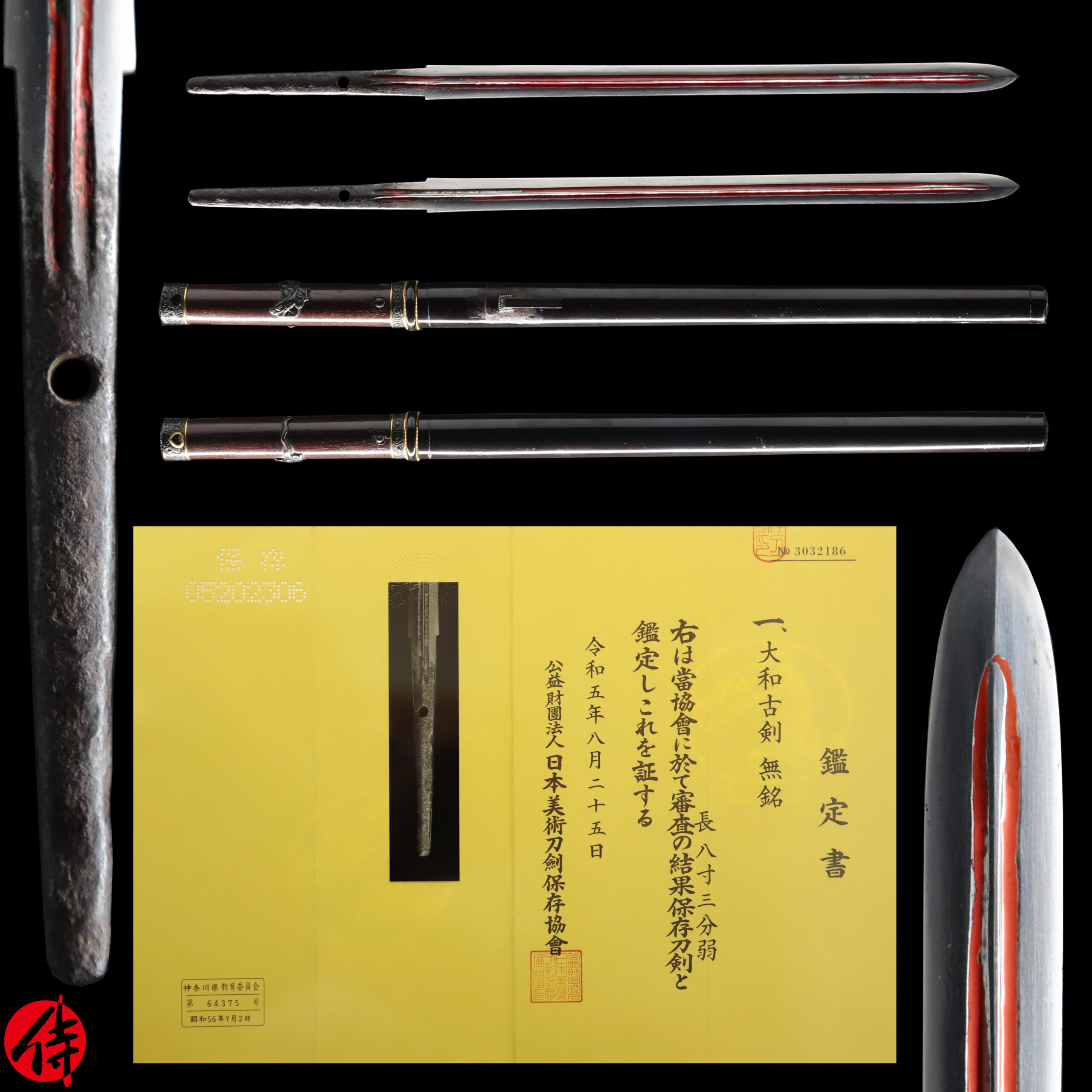
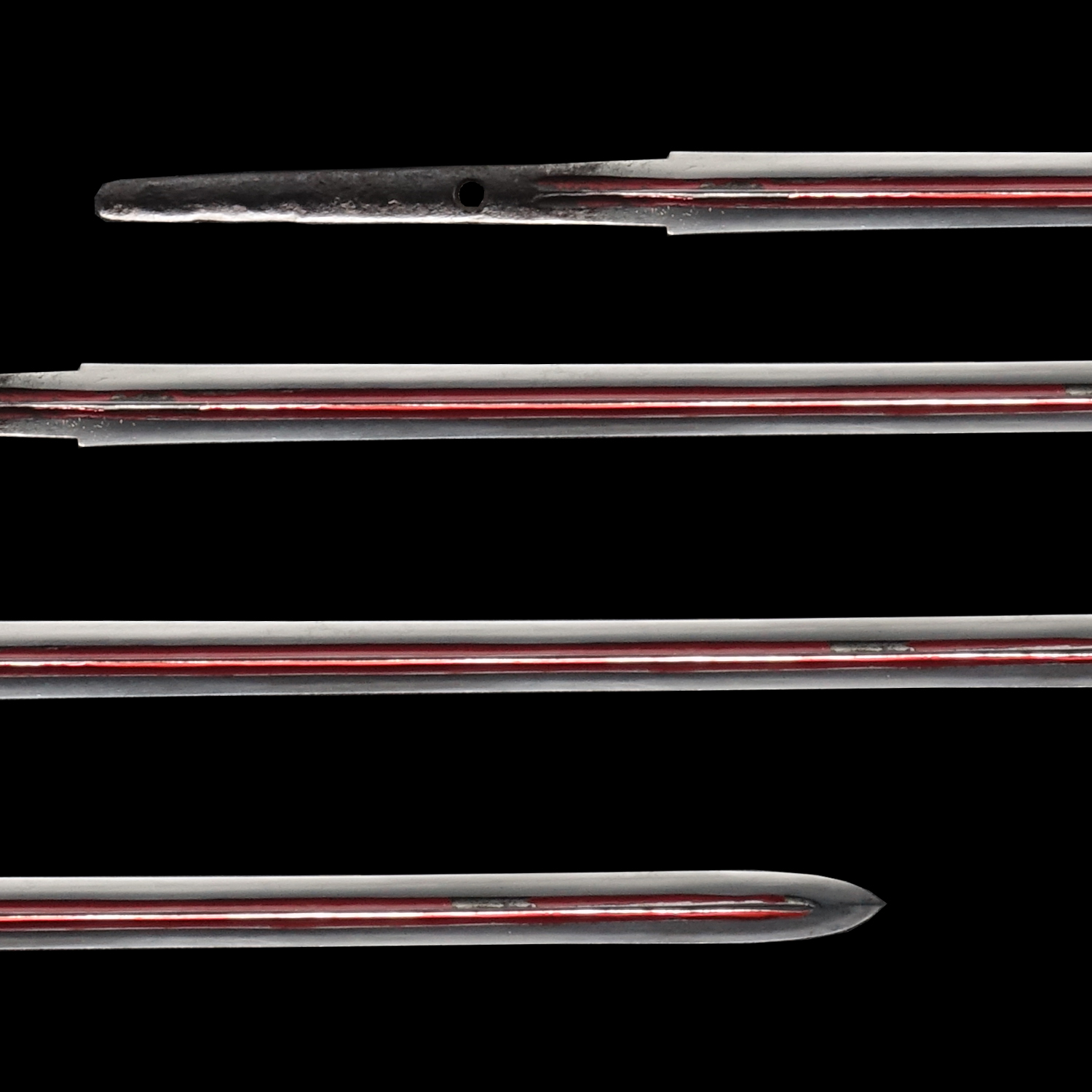
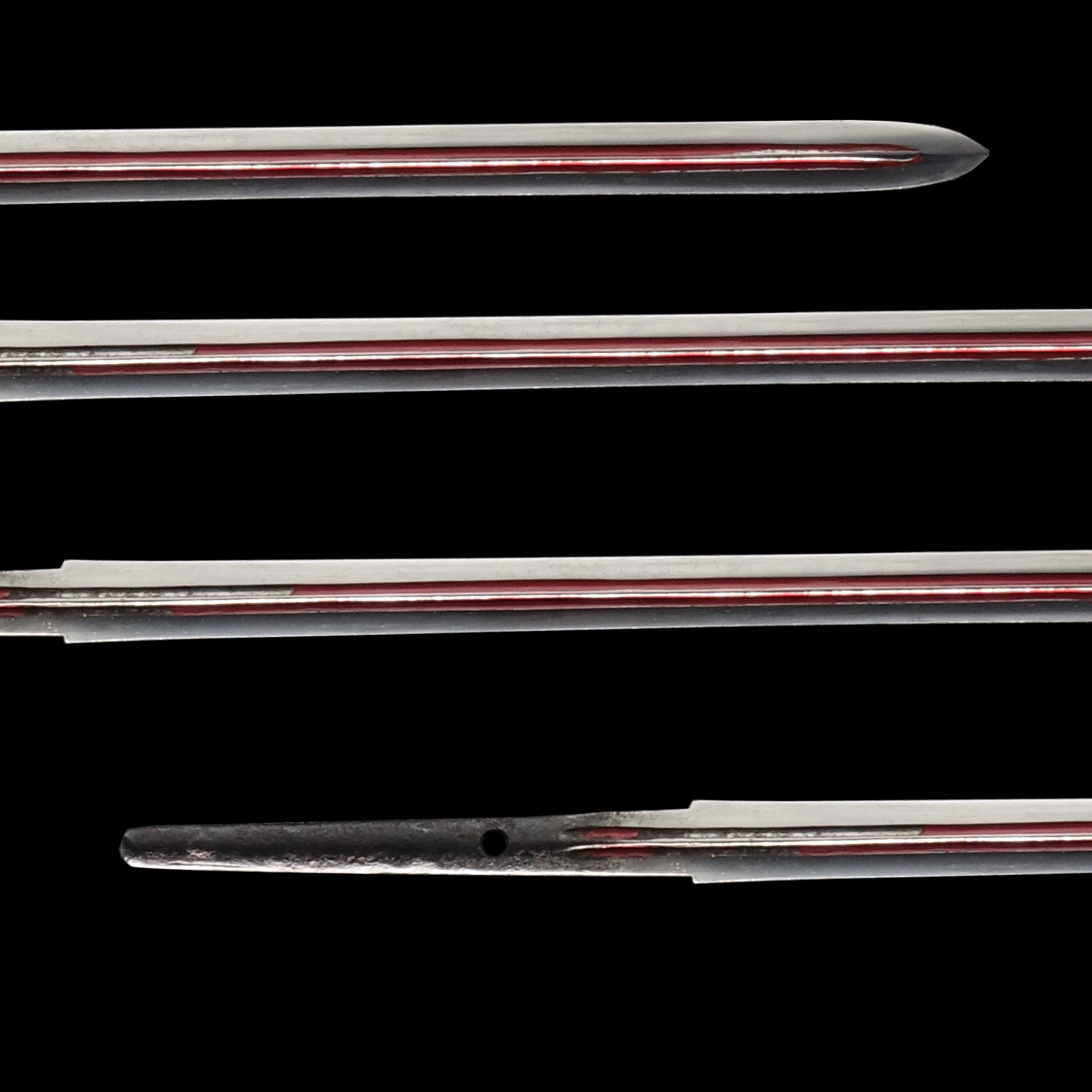
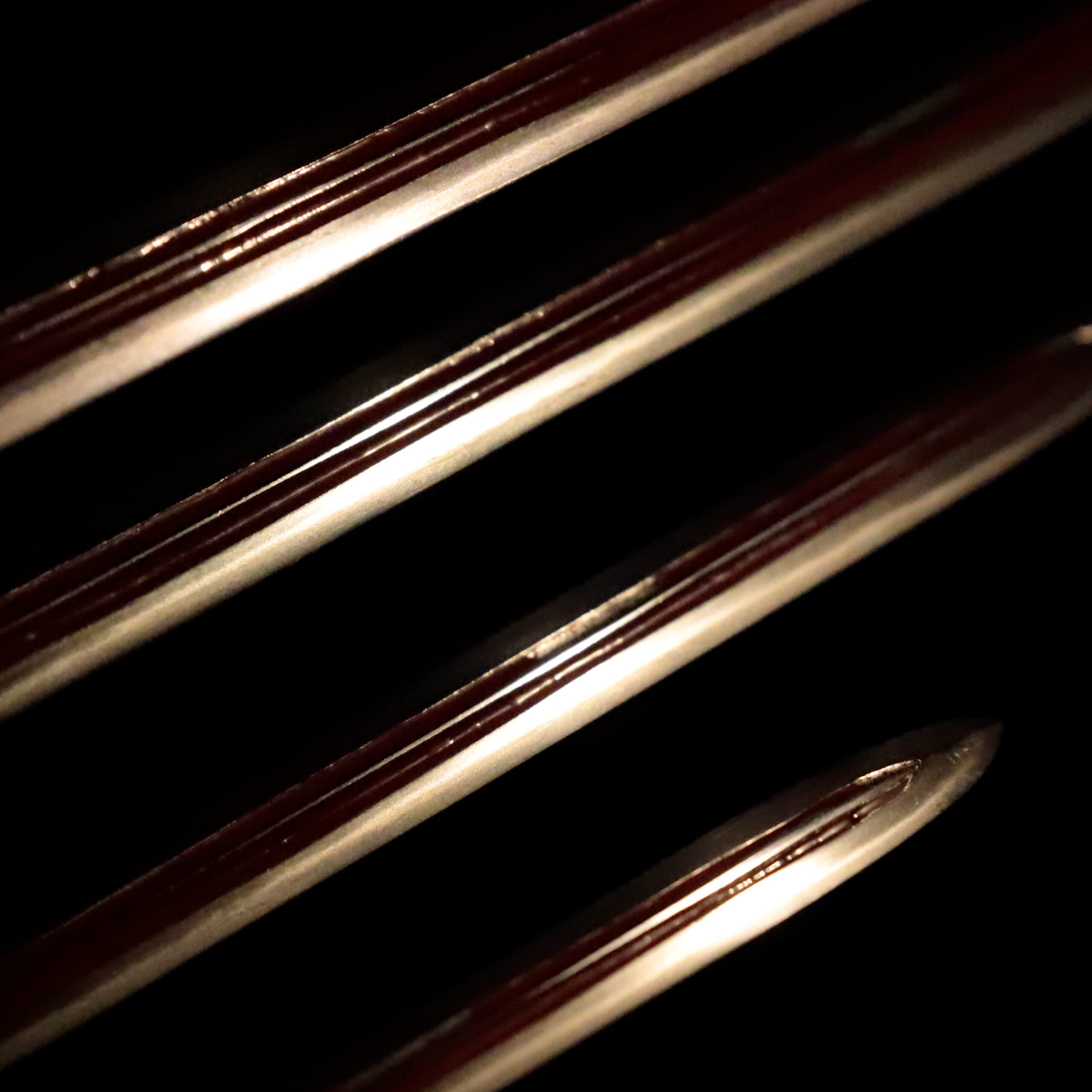
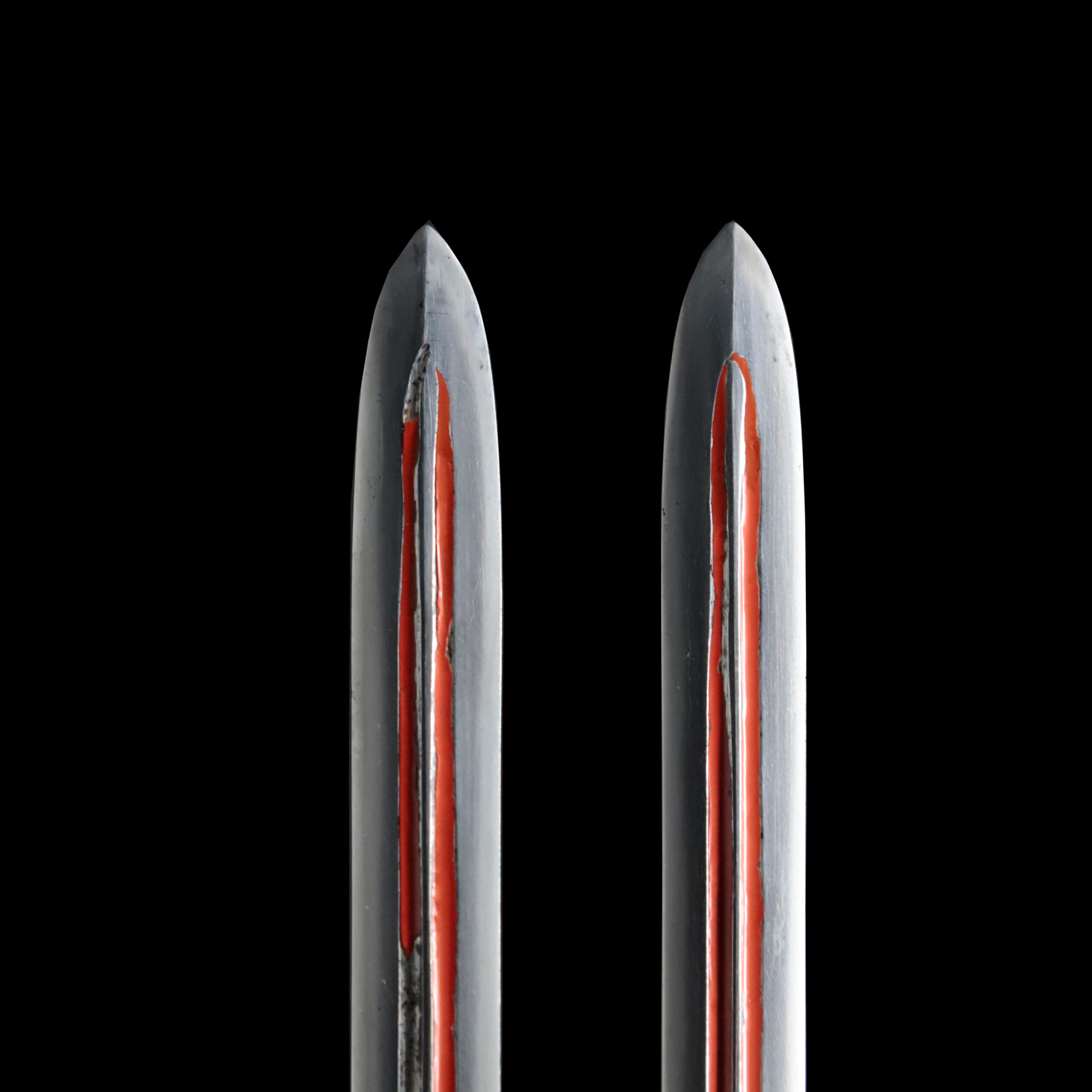
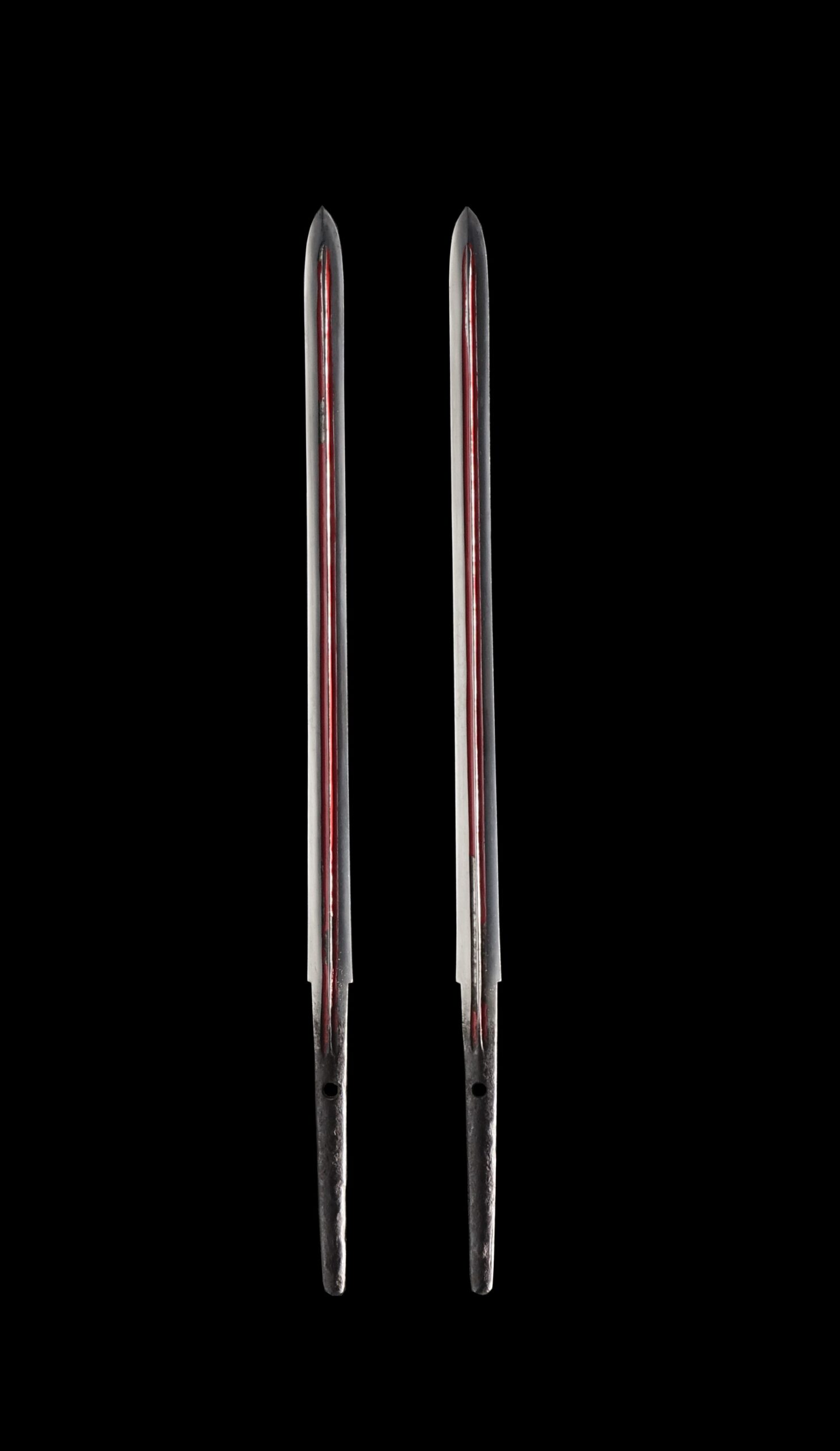
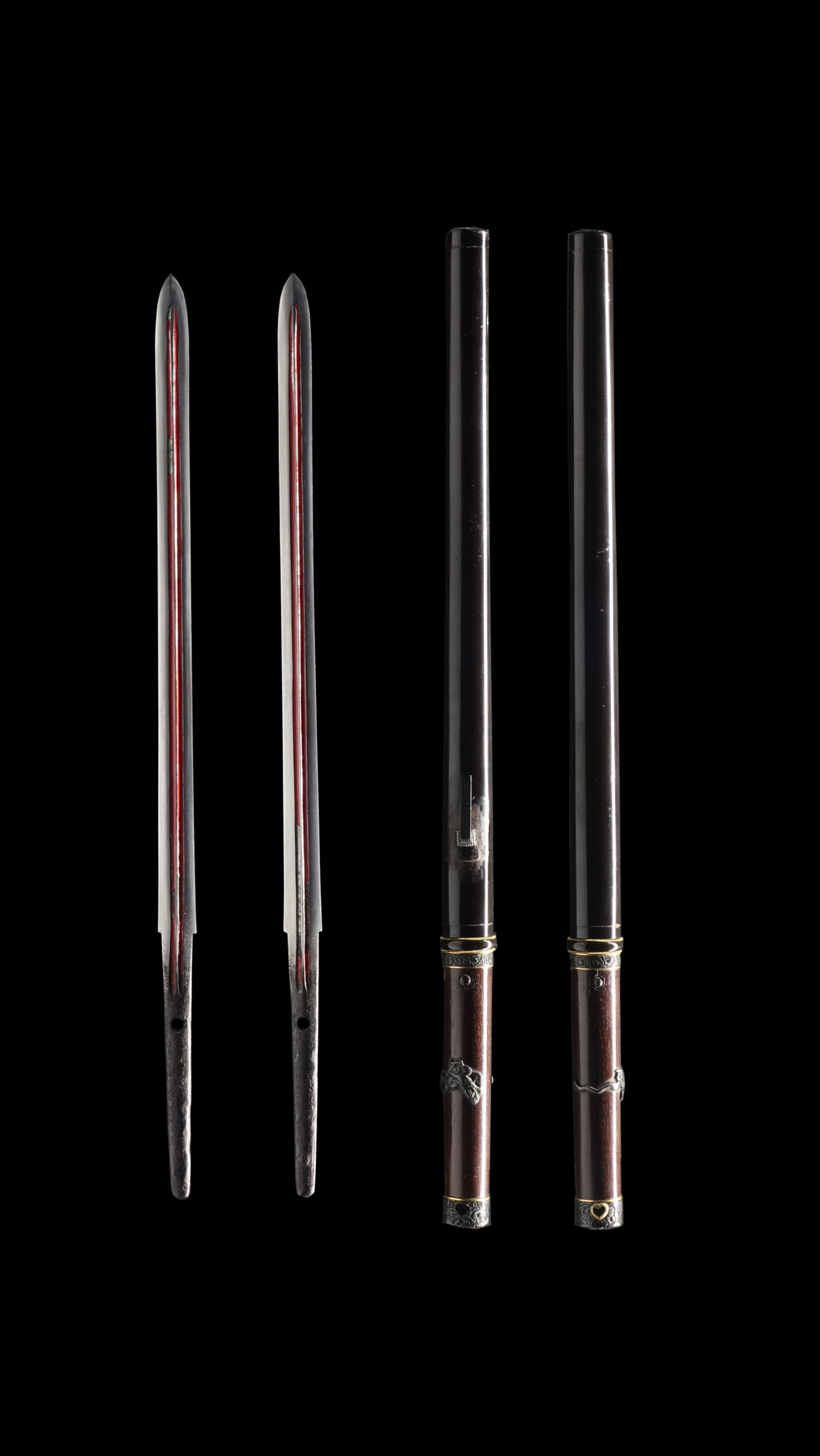
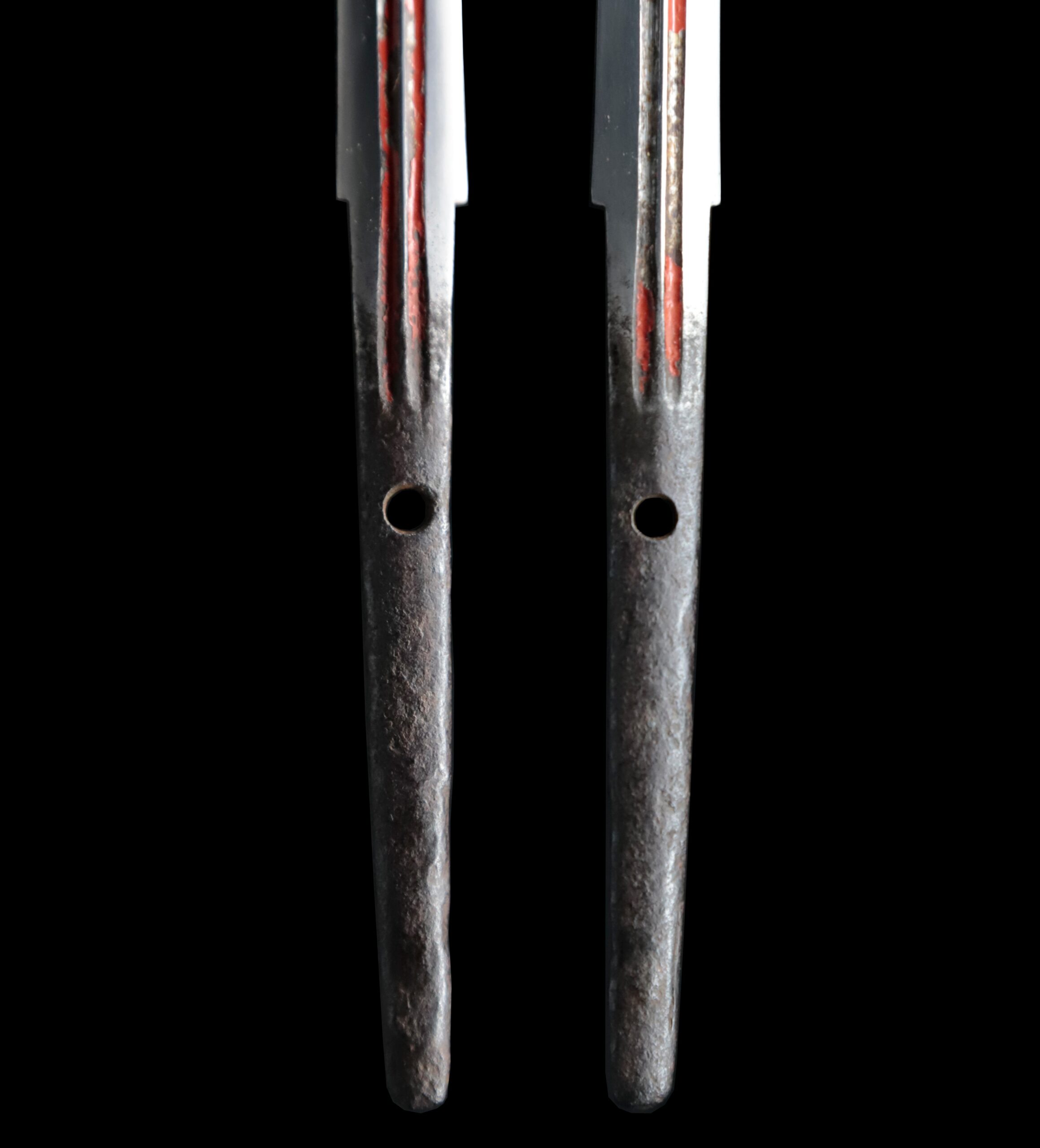
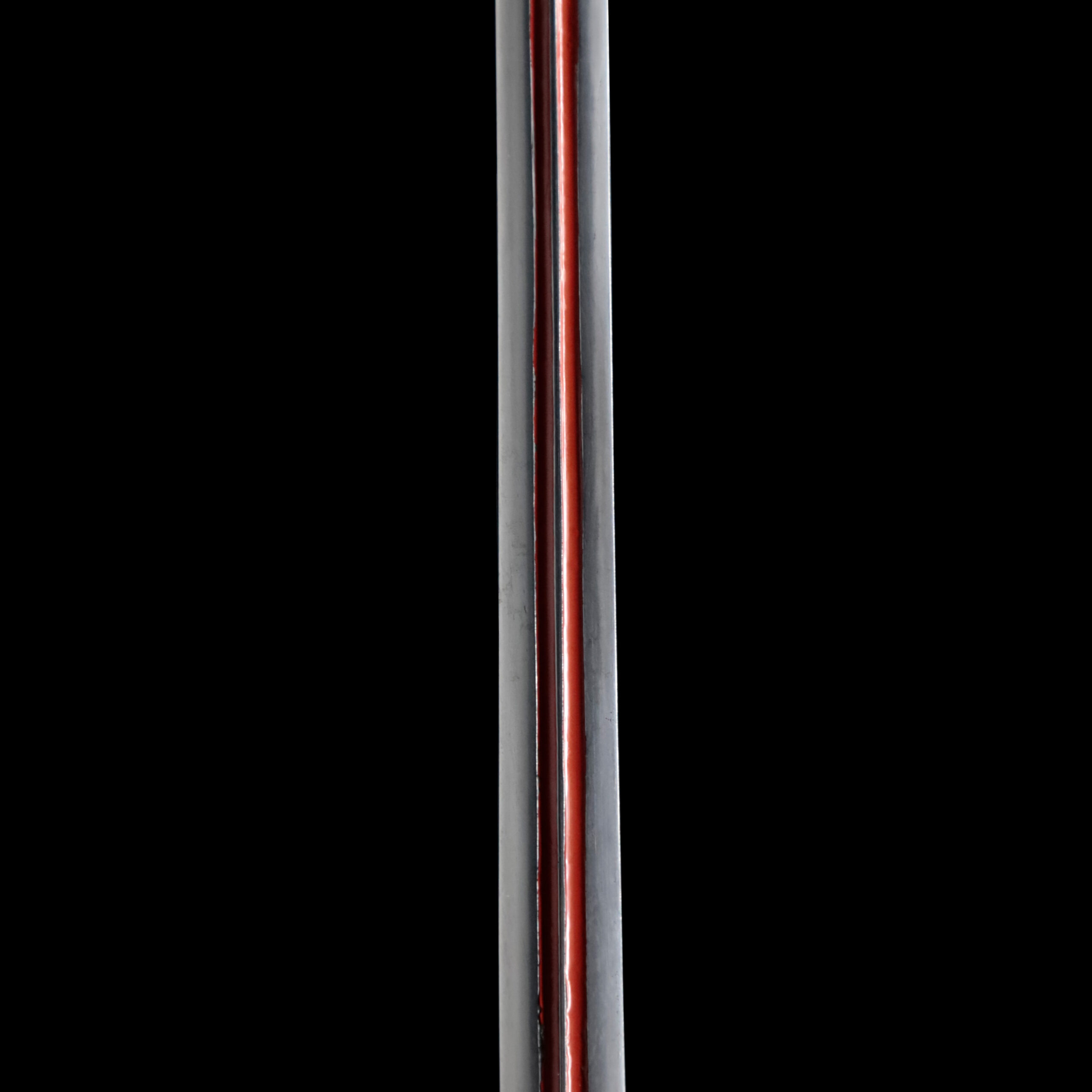
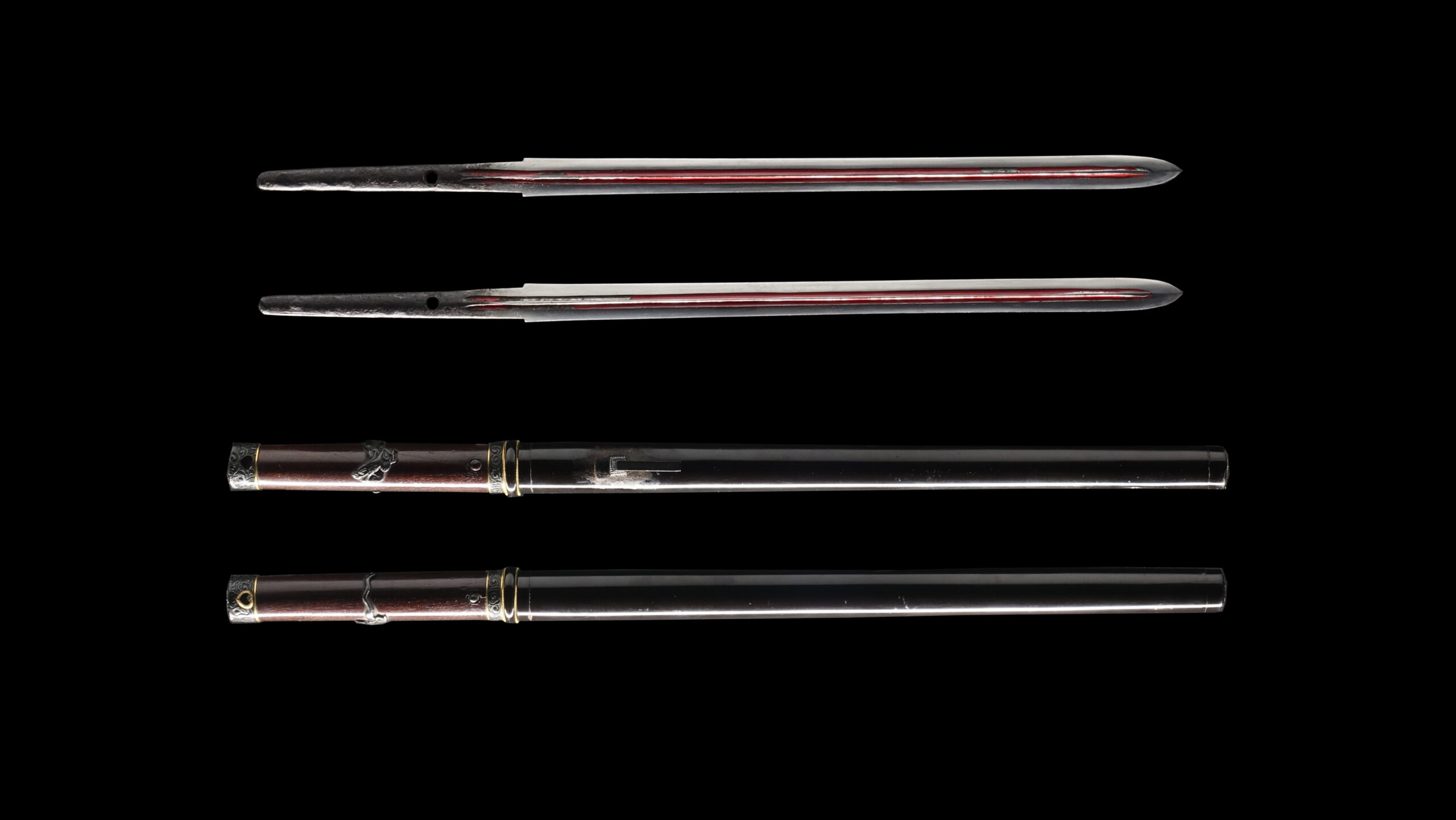
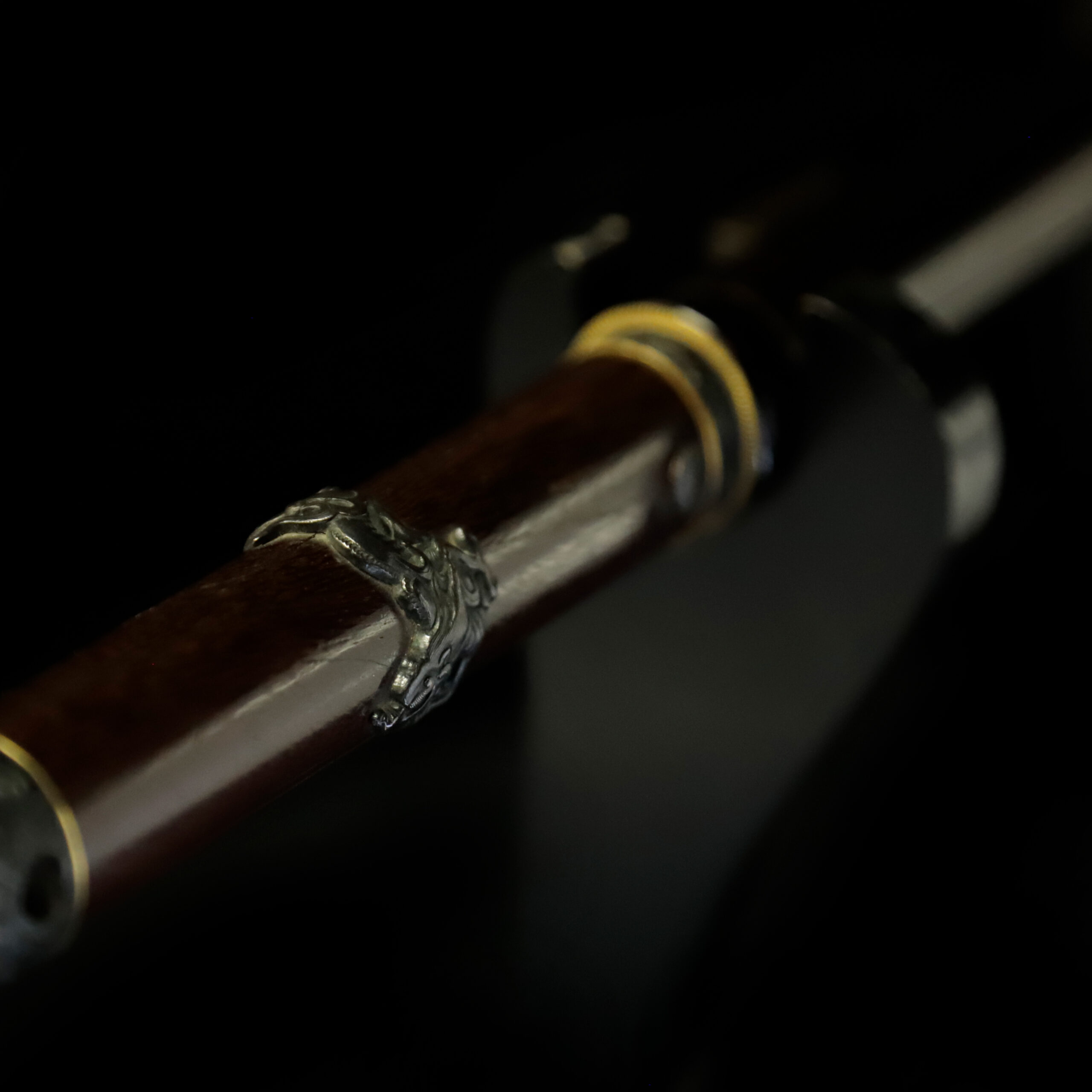
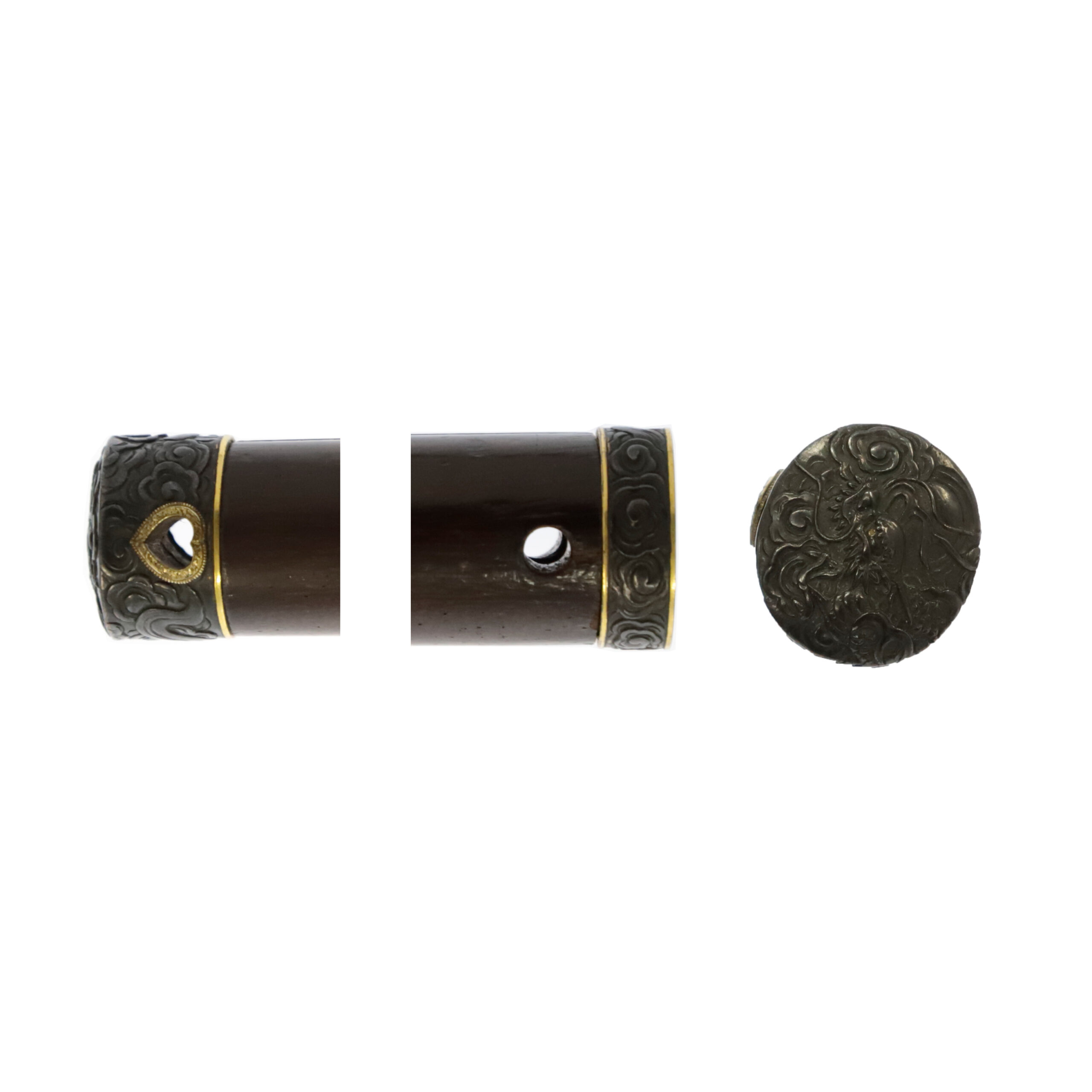
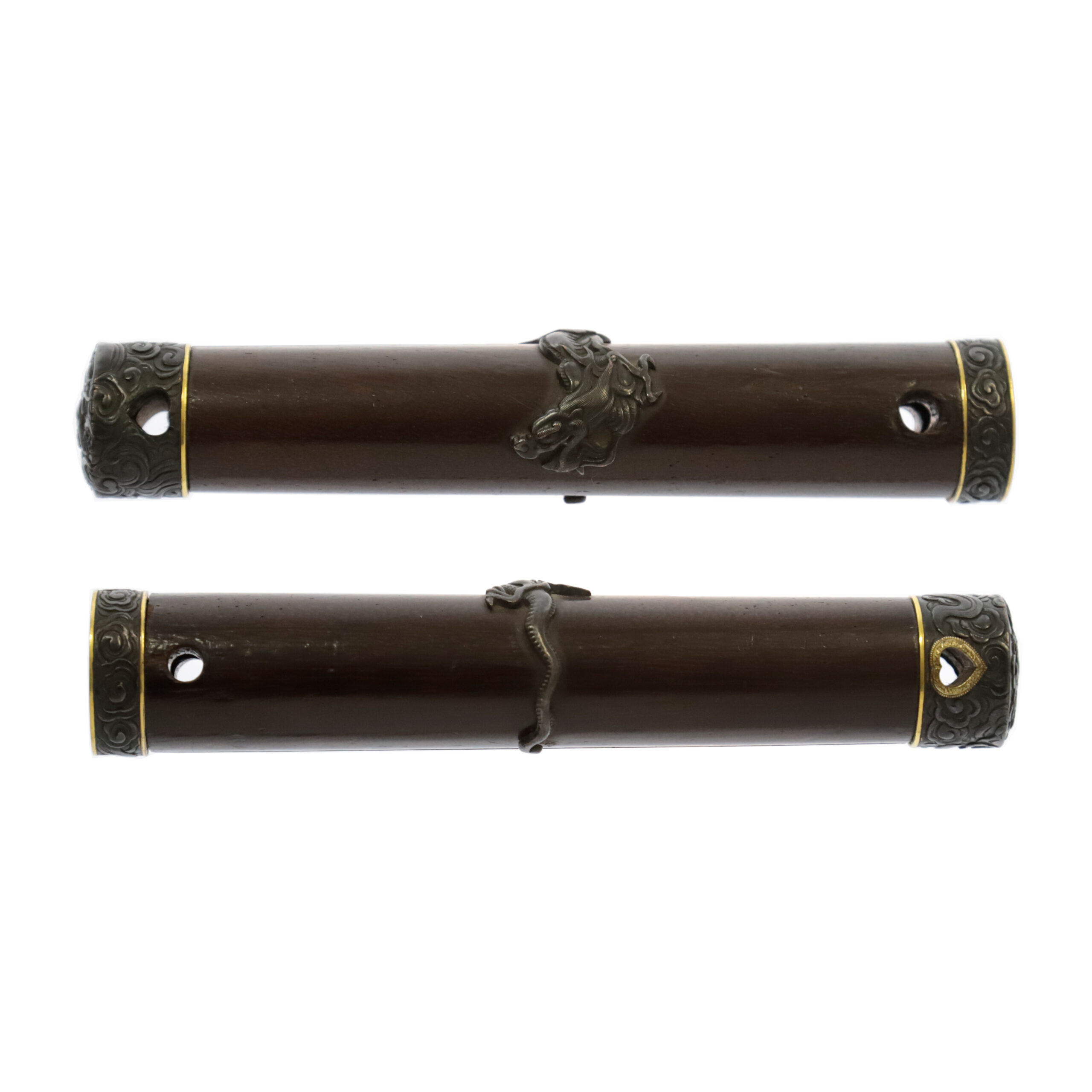
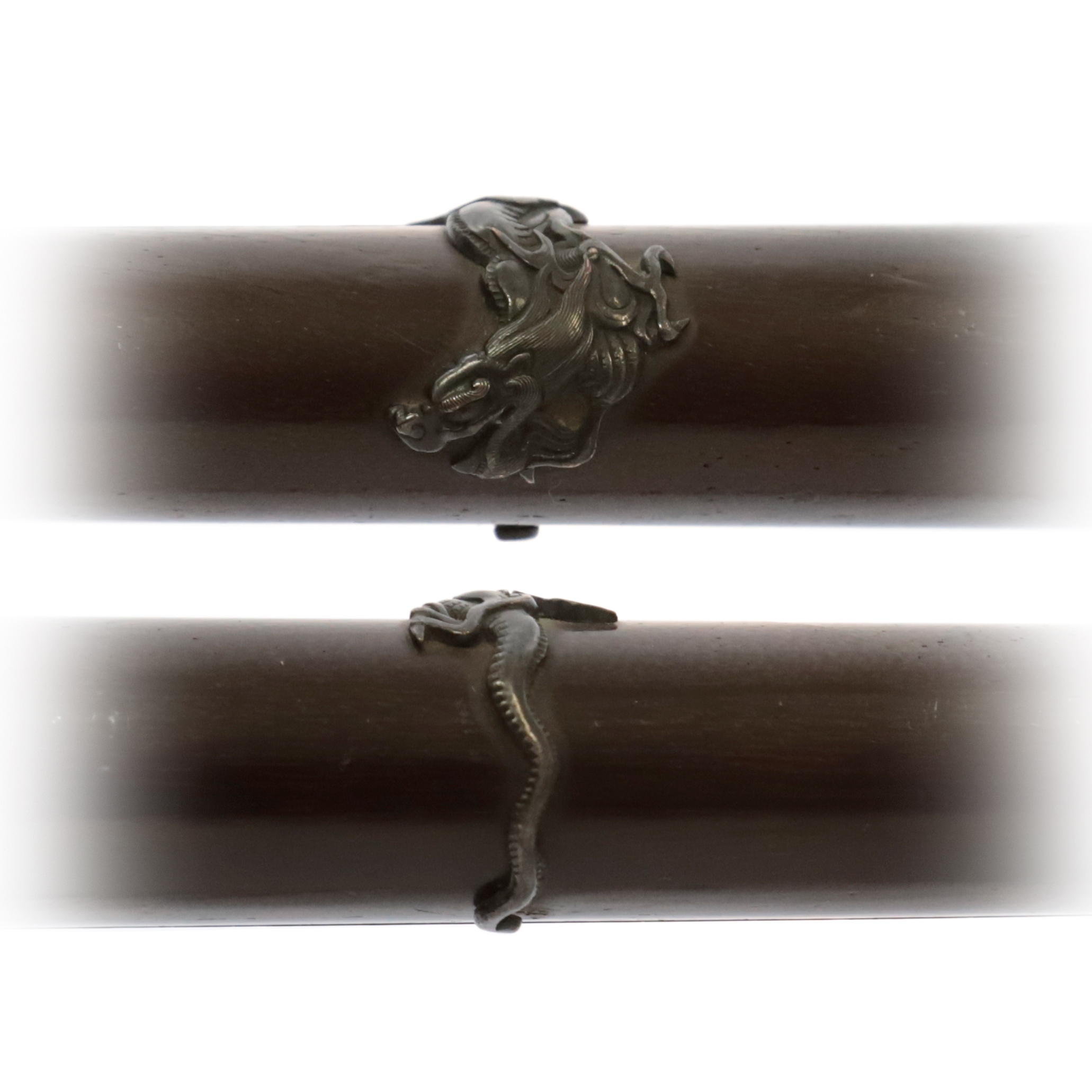
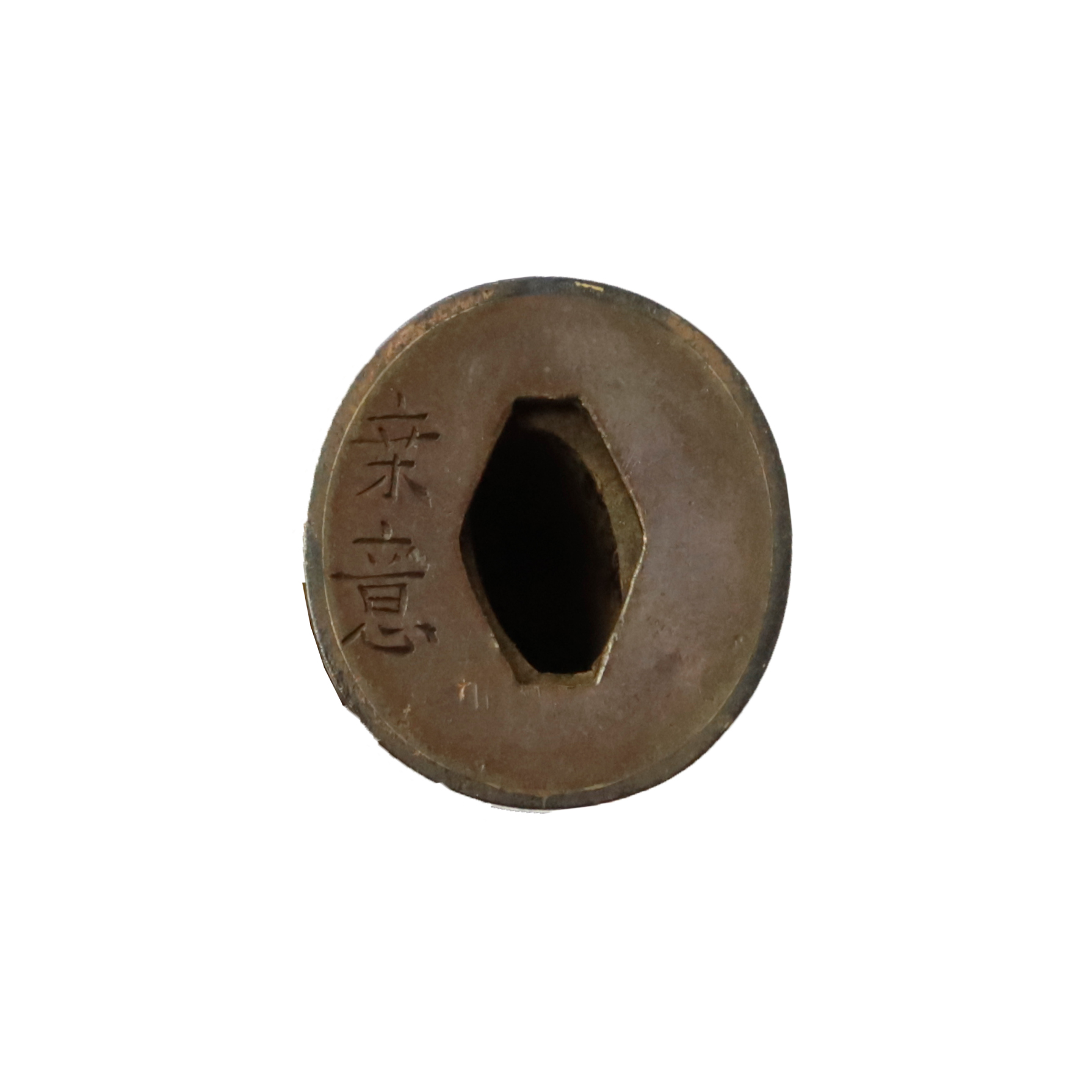
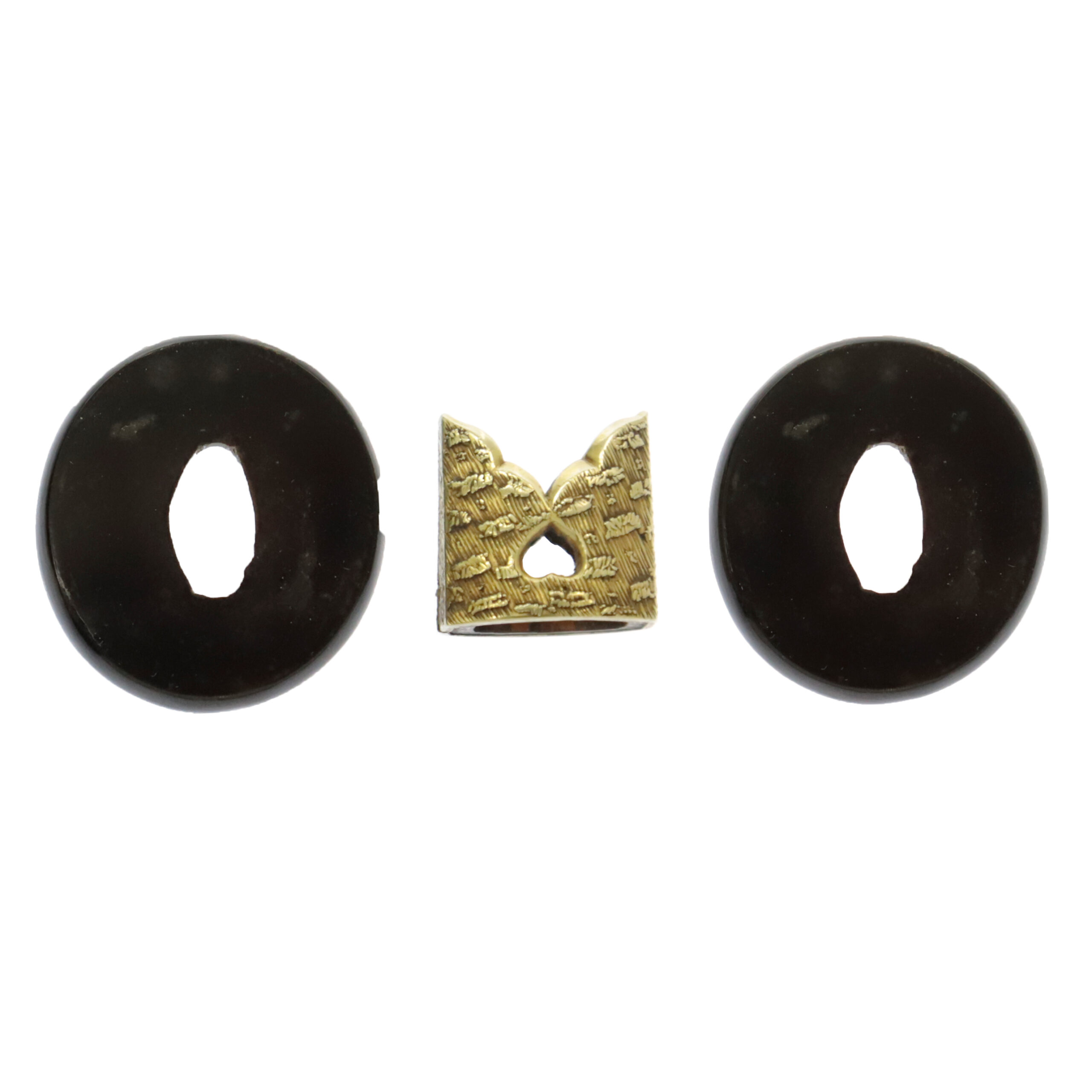
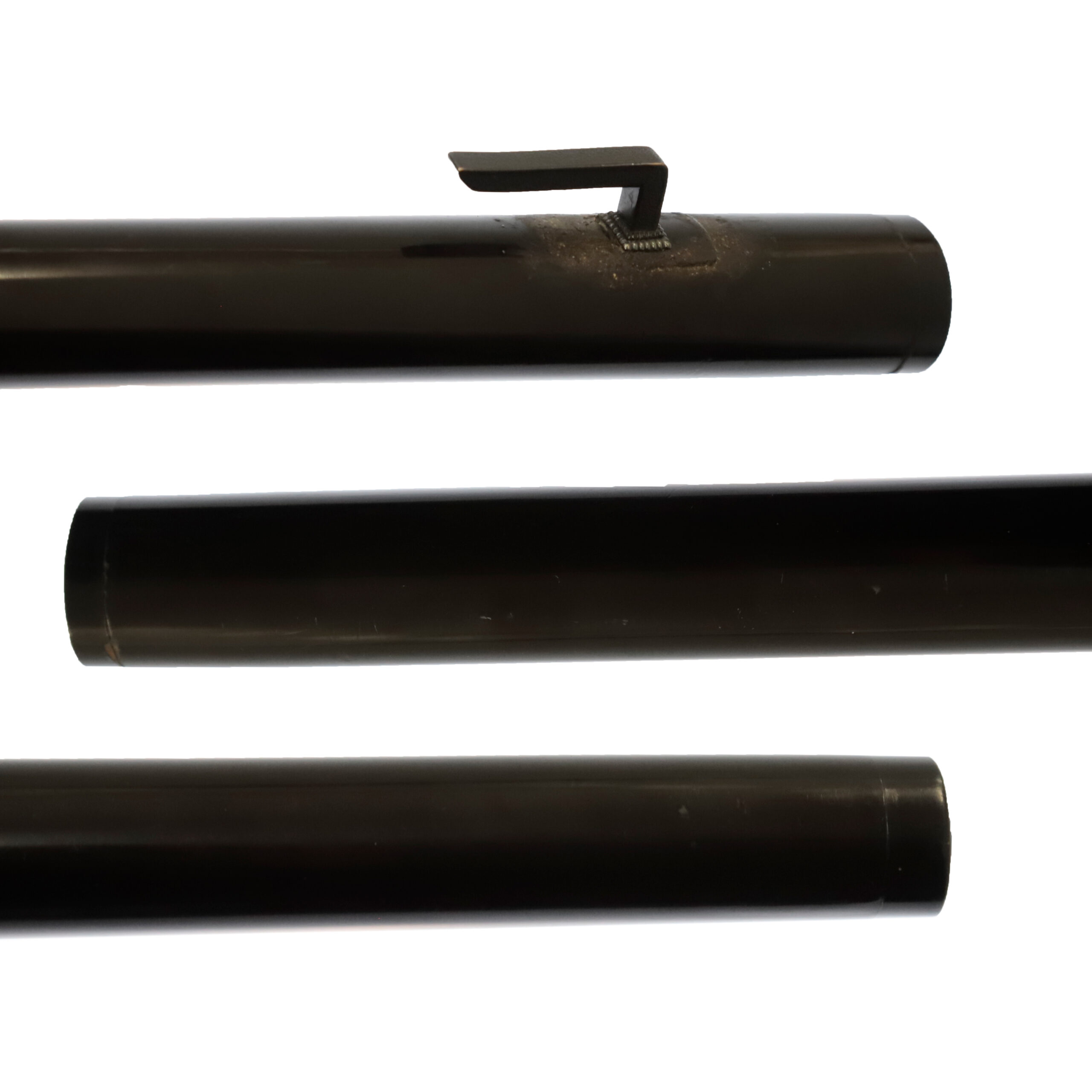
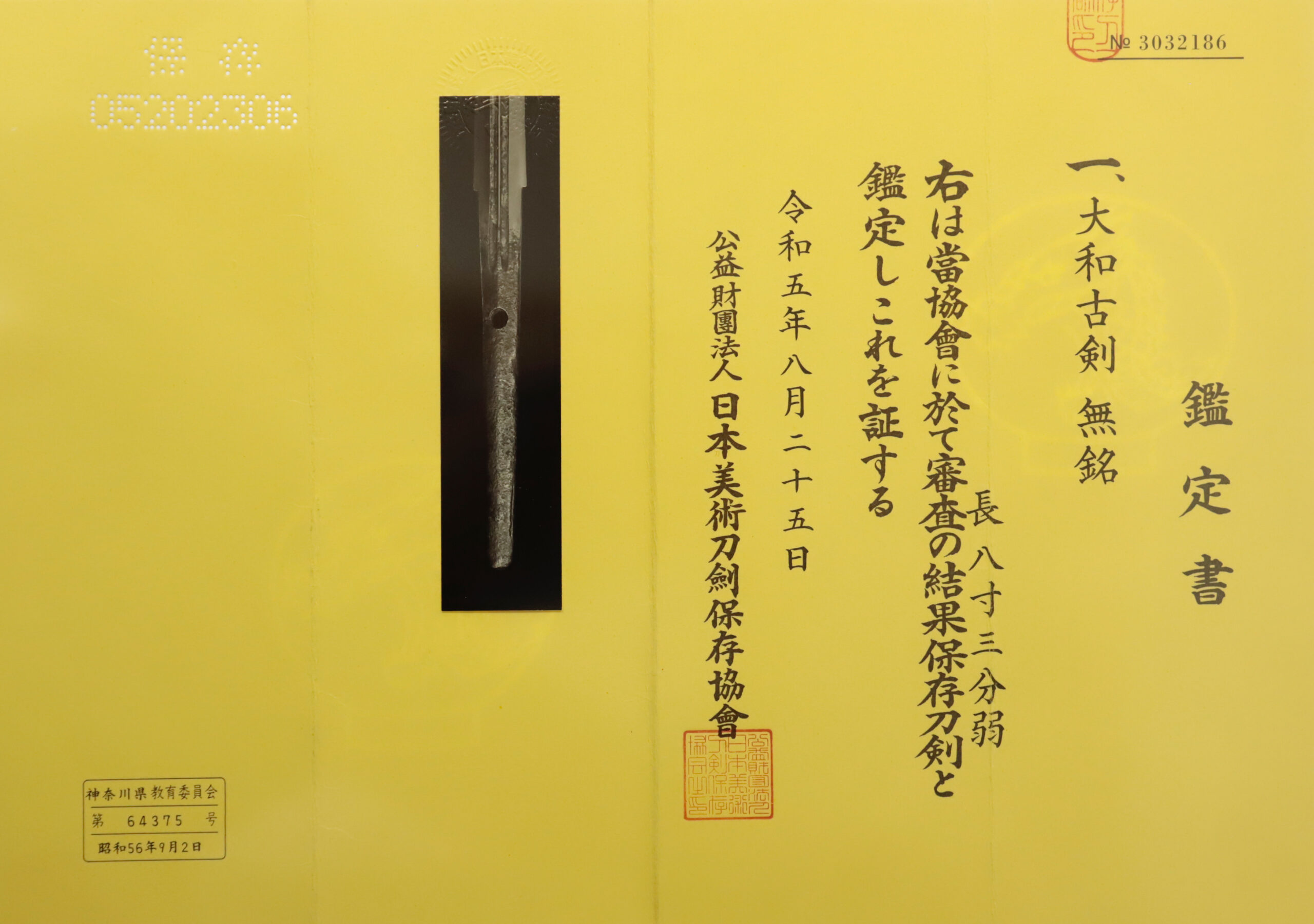
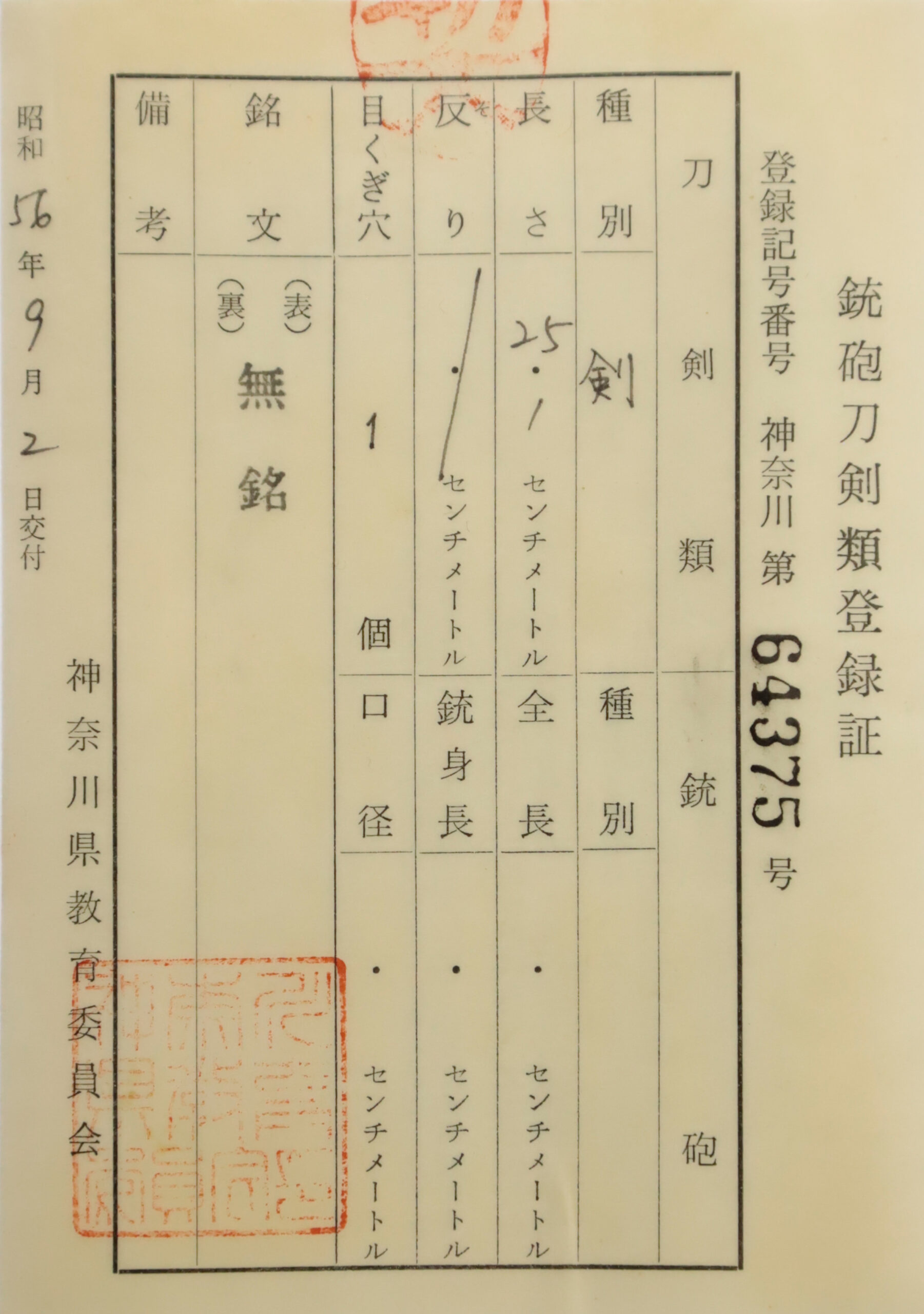
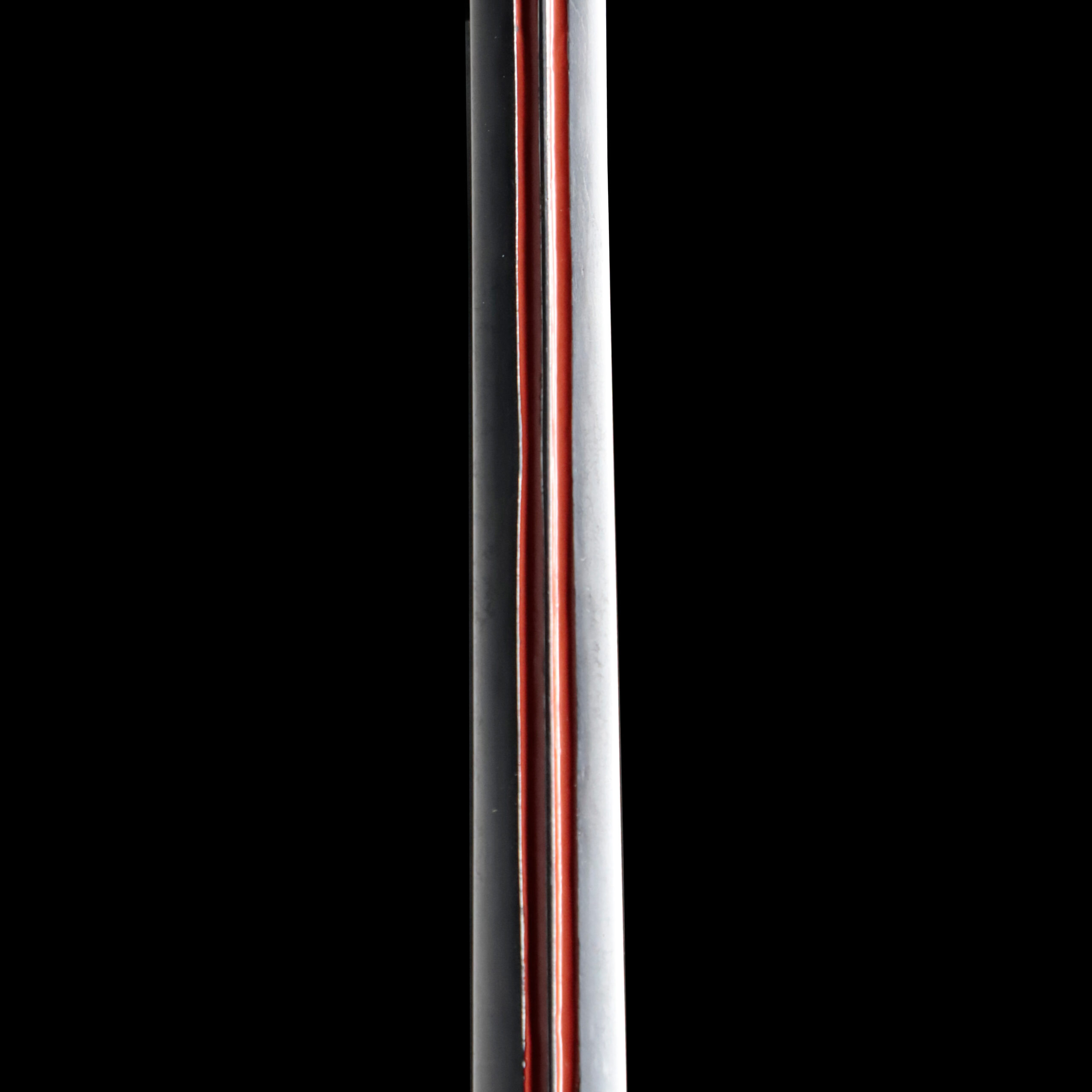
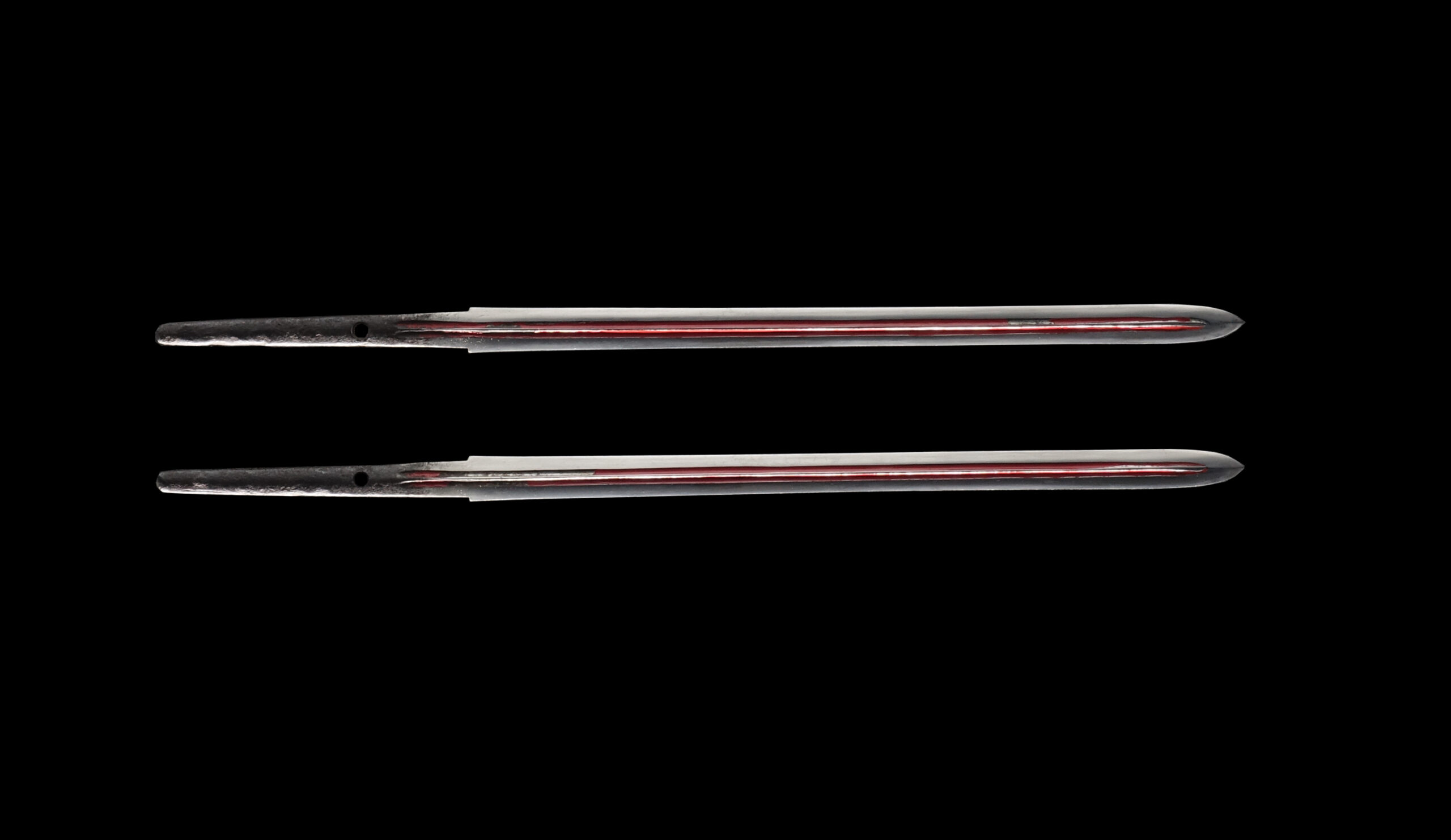
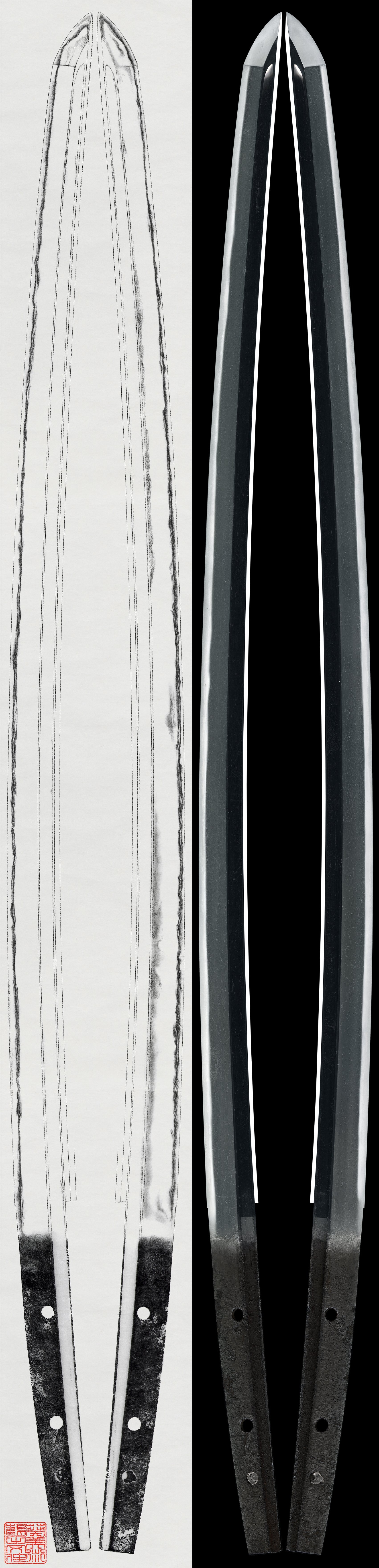
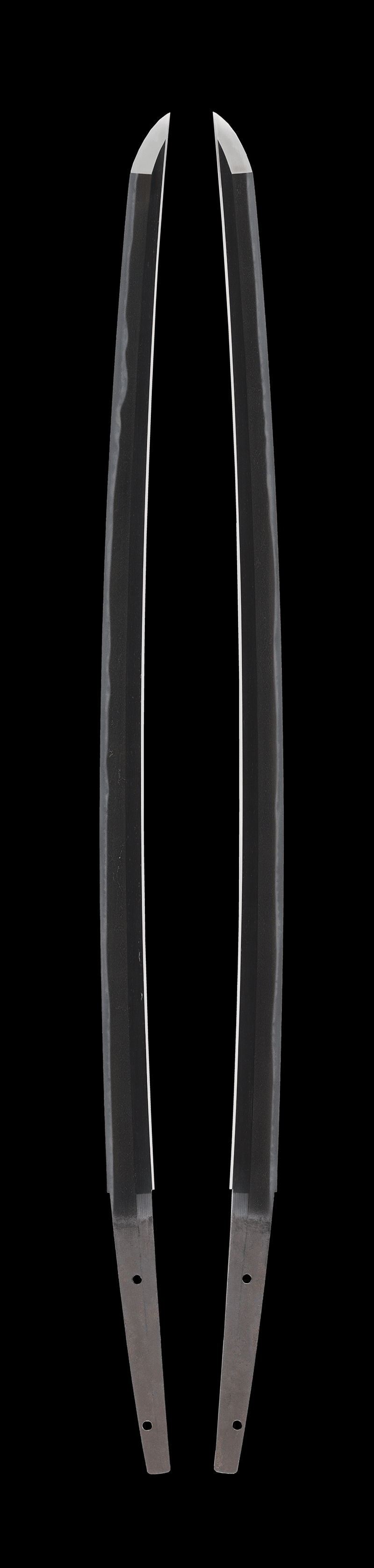
Antique Japanese Sword Tsurugi Attributed to Yamato Koken with NBTHK Hozon Certificate 【Description】 Summary This blade is unsigned and attributed to Yamato Koken (大和古剣). A sword called Ken or Tsurugi (剣) is a type of weapon with a double-edged and straight sword blade. It is distinguished from a single-edged sword called Katana. Yamato Koken is a general term for unsigned swords made before the Nanbokucho period (the 14th century) regardless of the region where they were forged. This is because swords at that time were generally made in the Yamato style, not only by swordsmiths in Yamato province (today’s Nara prefecture), known for YAMATO-DEN, but also by swordsmiths from other countries. In Yamato province, during the Heian period (794-1185), a group of monks who participated in direct petitions and political disputes to protect Buddhism became a powerful force. The Yamato Kaji, swordsmiths belonging to the great temples such as Todaiji and Kofukuji, forged blades to meet the demands of the monks. Also, it is said that swords were respected as a Buddhist tool to take refuge to Fudo Myo-O (不動明王, acalanātha), the god deeply worshiped by Samurai warriors. This blade is appraised as a Hozon Touken (保存刀剣) issued by NBTHK (Nihon Bijutsu Touken Hozon Kyokai: 日本美術刀剣保存協会). This authentication paper was only given to authentic Japanese swords, well preserved and high quality with artistic value. *Please keep in mind that there are a few visisble Kitae Kizu on this blade. If you like to know the detailed condition, please feel free to contact us. 【Blade】 Cutting Edge Length (Nagasa) : 25.1 cm (9.88 inches) Curvature (Sori) : 0 cm (0 inches) Hamon : The crystalline structure which forms along the cutting edge of a blade as a result of the hardening process. Jimon (Jihada) : Visible steel surface pattern created by folding and hammering during forging process. Kissaki : Kissaki is the tip of the Japanese sword. Nakago : Nakago is the tang of the Japanese sword. Japanese swordsmiths left the black rust on the tang because it prevents red rust while the tang is in its handle. And the discoloration of the tang was created over time, and it is a great indicator for a Japanese sword specialist to estimate when the sword was forged. Koshirae : Koshirae is the mounting of the Japanese sword. There are several parts that consist of Koshirae such as Saya (Scabbard), Tsuka (Handle), Tsuba (Handguard). Fuchi-Kashira : A pair of matching sword fittings that cover the upper and bottom parts of its sword hilt. The Unryu (雲竜) theme is depicted on this Fuchi Kashira. This design is a combination of dragons and clouds. Clouds bring blessed rain and snow, and their movements significantly affect the day’s weather. Due to its supernatural power, a theory says that gods, spirits, and dragons dwell in the clouds. In Japan, there is a belief that dragons are worshipped as water gods. Since rice cultivation has flourished in this country, people always treat water as an essential resource. We imagine some people wished for a plentiful harvest in this combination. From such a religious aspect, we could infer that dragon designs were familiar to people. Initially, dragons were imaginary creatures found in ancient foreign traditions and myths. Furthermore, it is regarded as a symbolic beast of auspicious signs. Its body is likened to nine animals: antlers are deer, the head is a camel, eyes are demons, the neck is a snake, the belly is the Mizuchi (蛟, a mythical animal in Japan that looks like a snake and has a horn and four legs), scales are fish, claws are falcons, palms are tigers and ears are cows. A dragon was thought to reign at the top of all animals because of its odd appearance. Based on our experiences, there are lots of dragon-designed sword mountings. It shows that many Samurai warriors favored this dignified beast motif. Tsuka and Menuki : Tsuka is the handle of the Japanese sword and Menuki is its decoration. This handle has a dragon wrapped around

NihontoWatch MonNihontoWatch
MarketEncyclopediaKantei
刀剣›Antique Japanese Sword Tsurugi Attributed to Yamato Koken NBTHK Hozon Certificate
剣保存
Yamato Koken

Antique Japanese Sword Tsurugi Attributed to Yamato Koken NBTHK Hozon Certificate

無銘 · Yamato · 南北朝 · 長さ 25.1cm
売却済
保存
刀身だけで刀工を見抜けますか? 本日の鑑定 →
Yamato Koken — 1 of 22
Yamato Koken — 2 of 22
Yamato Koken — 3 of 22
Yamato Koken — 4 of 22
Yamato Koken — 5 of 22
Yamato Koken — 6 of 22
Yamato Koken — 7 of 22
Yamato Koken — 8 of 22
Yamato Koken — 9 of 22
Yamato Koken — 10 of 22
Yamato Koken — 11 of 22
Yamato Koken — 12 of 22
Yamato Koken — 13 of 22
Yamato Koken — 14 of 22
Yamato Koken — 15 of 22
Yamato Koken — 16 of 22
Yamato Koken — 17 of 22
Yamato Koken — 18 of 22
Yamato Koken — 19 of 22
Yamato Koken — 20 of 22
Yamato Koken — 21 of 22
Yamato Koken — 22 of 22
1 / 22
1 / 22
Yamato Koken — 1 of 22Yamato Koken — 2 of 22Yamato Koken — 3 of 22Yamato Koken — 4 of 22Yamato Koken — 5 of 22Yamato Koken — 6 of 22Yamato Koken — 7 of 22Yamato Koken — 8 of 22Yamato Koken — 9 of 22Yamato Koken — 10 of 22Yamato Koken — 11 of 22Yamato Koken — 12 of 22Yamato Koken — 13 of 22Yamato Koken — 14 of 22Yamato Koken — 15 of 22Yamato Koken — 16 of 22Yamato Koken — 17 of 22Yamato Koken — 18 of 22Yamato Koken — 19 of 22Yamato Koken — 20 of 22Yamato Koken — 21 of 22Yamato Koken — 22 of 22
保存
刀身だけで刀工を見抜けますか? 本日の鑑定 →
法量・詳細
刀工
Yamato Koken
種別
剣
活動期
南北朝
国
大和
銘
無銘
法量
長さ 25.1cm
説明

Antique Japanese Sword Tsurugi Attributed to Yamato Koken with NBTHK Hozon Certificate 【Description】 Summary This blade is unsigned and attributed to Yamato Koken (大和古剣). A sword called Ken or Tsurugi (剣) is a type of weapon with a double-edged and straight sword blade. It is distinguished from a single-edged sword called Katana. Yamato Koken is a general term for unsigned swords made before the Nanbokucho period (the 14th century) regardless of the region where they were forged. This is because swords at that time were generally made in the Yamato style, not only by swordsmiths in Yamato province (today’s Nara prefecture), known for YAMATO-DEN, but also by swordsmiths from other countries. In Yamato province, during the Heian period (794-1185), a group of monks who participated in direct petitions and political disputes to protect Buddhism became a powerful force. The Yamato Kaji, swordsmiths belonging to the great temples such as Todaiji and Kofukuji, forged blades to meet the demands of the monks. Also, it is said that swords were respected as a Buddhist tool to take refuge to Fudo Myo-O (不動明王, acalanātha), the god deeply worshiped by Samurai warriors. This blade is appraised as a Hozon Touken (保存刀剣) issued by NBTHK (Nihon Bijutsu Touken Hozon Kyokai: 日本美術刀剣保存協会). This authentication paper was only given to authentic Japanese swords, well preserved and high quality with artistic value. *Please keep in mind that there are a few visisble Kitae Kizu on this blade. If you like to know the detailed condition, please feel free to contact us. 【Blade】 Cutting Edge Length (Nagasa) : 25.1 cm (9.88 inches) Curvature (Sori) : 0 cm (0 inches) Hamon : The crystalline structure which forms along the cutting edge of a blade as a result of the hardening process. Jimon (Jihada) : Visible steel surface pattern created by folding and hammering during forging process. Kissaki : Kissaki is the tip of the Japanese sword. Nakago : Nakago is the tang of the Japanese sword. Japanese swordsmiths left the black rust on the tang because it prevents red rust while the tang is in its handle. And the discoloration of the tang was created over time, and it is a great indicator for a Japanese sword specialist to estimate when the sword was forged. Koshirae : Koshirae is the mounting of the Japanese sword. There are several parts that consist of Koshirae such as Saya (Scabbard), Tsuka (Handle), Tsuba (Handguard). Fuchi-Kashira : A pair of matching sword fittings that cover the upper and bottom parts of its sword hilt. The Unryu (雲竜) theme is depicted on this Fuchi Kashira. This design is a combination of dragons and clouds. Clouds bring blessed rain and snow, and their movements significantly affect the day’s weather. Due to its supernatural power, a theory says that gods, spirits, and dragons dwell in the clouds. In Japan, there is a belief that dragons are worshipped as water gods. Since rice cultivation has flourished in this country, people always treat water as an essential resource. We imagine some people wished for a plentiful harvest in this combination. From such a religious aspect, we could infer that dragon designs were familiar to people. Initially, dragons were imaginary creatures found in ancient foreign traditions and myths. Furthermore, it is regarded as a symbolic beast of auspicious signs. Its body is likened to nine animals: antlers are deer, the head is a camel, eyes are demons, the neck is a snake, the belly is the Mizuchi (蛟, a mythical animal in Japan that looks like a snake and has a horn and four legs), scales are fish, claws are falcons, palms are tigers and ears are cows. A dragon was thought to reign at the top of all animals because of its odd appearance. Based on our experiences, there are lots of dragon-designed sword mountings. It shows that many Samurai warriors favored this dignified beast motif. Tsuka and Menuki : Tsuka is the handle of the Japanese sword and Menuki is its decoration. This handle has a dragon wrapped around

歴史的背景

南北朝時代

›

二つの朝廷、六十年の戦、そして刀剣史上もっとも劇的な姿。幅広の刀身、延びた切先、後代に磨上げられて雄大な刀となった大太刀。相州風がこの時代の様式であった。

南北朝時代 →

NBTHK鑑定書
保存刀剣Hozon Tōken
›

銘が正しい、または無銘でも年代・国・系統を確実に指摘できる、保存に値する真正の作と鑑定されたものです。

NBTHKについて›

日本美術刀剣保存協会(NBTHK)は、1948年に設立され、文化庁の監督を受ける公益財団法人で、東京・刀剣博物館に本部を置きます。専門の審査員が出品作を直接審査し、美術的・歴史的価値に応じた鑑定書を発行します。NBTHKの鑑定書は、日本刀および刀装具の真正性を示す最も広く認知された基準です。

NBTHK公式サイト→
販売店
サ
サムライミュージアム
🇯🇵日本から発送
›
✓認証販売店samuraimuseum.jp
✓海外発送可✓英語対応PayPalクレジットカード
返品ポリシー

Returns/exchanges limited to defects caused by shipping (except willful misconduct or gross negligence by the company); customers must contact within 72 hours of receiving the product.

サムライミュージアムの出品一覧を見る→販売店サイトでこの商品を見る→

Yamato派の作

葵美術
重要
Katana - Jūyō - 作 当麻派 - 刀:無銘(伝大麻)第17回重要刀剣指定Katana - Jūyō - 作 当麻派 - 刀:無銘(伝大麻)第17回重要刀剣指定

刀

作当麻派
68.4cm·鎌倉
¥3,500,000
飯田高遠堂
特別保存
Katana - Tokuho - 作 大和志津派 - 刀剣Katana - Tokuho - 作 大和志津派 - 刀剣

刀

作大和志津派
71.8cm·鎌倉
¥2,200,000
あやかし堂
保存
Yari - Hozon - 作 金房派 - 片鎌槍 金房Yari - Hozon - 作 金房派 - 片鎌槍 金房

槍

作金房派
21.8cm·貞享
¥550,000
十拳
保存
Katana - Hozon - 作 包保 - 刀/陸奥守包保(左陸奥)Katana - Hozon - 作 包保 - 刀/陸奥守包保(左陸奥)

刀

作包保
65.2cm·正保
¥650,000

刀剣

  • 刀
  • 脇差
  • 短刀
  • 太刀
  • 薙刀
  • 槍
  • 日本刀の販売
  • サムライソード

刀装具

  • 鍔
  • 縁頭
  • 小柄
  • 目貫
  • 鍔(ソードガード)

甲冑武具

  • 兜
  • 甲冑
  • 甲冑・武具一覧

鑑定別

  • 特重
  • 重要
  • 特別保存
  • 保存

リソース

  • 刀剣商一覧
  • 刀工一覧
  • 誌上鑑定
  • すべて見る
Nihontowatch© 2026
利用規約プライバシーCookie運営者情報
売切れ

説明

Antique Japanese Sword Tsurugi Attributed to Yamato Koken with NBTHK Hozon Certificate 【Description】 Summary This blade is unsigned and attributed to Yamato Koken (大和古剣). A sword called Ken or Tsurugi (剣) is a type of weapon with a double-edged and straight sword blade. It is distinguished from a single-edged sword called Katana. Yamato Koken is a general term for unsigned swords made before the Nanbokucho period (the 14th century) regardless of the region where they were forged. This is because swords at that time were generally made in the Yamato style, not only by swordsmiths in Yamato province (today’s Nara prefecture), known for YAMATO-DEN, but also by swordsmiths from other countries. In Yamato province, during the Heian period (794-1185), a group of monks who participated in direct petitions and political disputes to protect Buddhism became a powerful force. The Yamato Kaji, swordsmiths belonging to the great temples such as Todaiji and Kofukuji, forged blades to meet the demands of the monks. Also, it is said that swords were respected as a Buddhist tool to take refuge to Fudo Myo-O (不動明王, acalanātha), the god deeply worshiped by Samurai warriors. This blade is appraised as a Hozon Touken (保存刀剣) issued by NBTHK (Nihon Bijutsu Touken Hozon Kyokai: 日本美術刀剣保存協会). This authentication paper was only given to authentic Japanese swords, well preserved and high quality with artistic value. *Please keep in mind that there are a few visisble Kitae Kizu on this blade. If you like to know the detailed condition, please feel free to contact us. 【Blade】 Cutting Edge Length (Nagasa) : 25.1 cm (9.88 inches) Curvature (Sori) : 0 cm (0 inches) Hamon : The crystalline structure which forms along the cutting edge of a blade as a result of the hardening process. Jimon (Jihada) : Visible steel surface pattern created by folding and hammering during forging process. Kissaki : Kissaki is the tip of the Japanese sword. Nakago : Nakago is the tang of the Japanese sword. Japanese swordsmiths left the black rust on the tang because it prevents red rust while the tang is in its handle. And the discoloration of the tang was created over time, and it is a great indicator for a Japanese sword specialist to estimate when the sword was forged. Koshirae : Koshirae is the mounting of the Japanese sword. There are several parts that consist of Koshirae such as Saya (Scabbard), Tsuka (Handle), Tsuba (Handguard). Fuchi-Kashira : A pair of matching sword fittings that cover the upper and bottom parts of its sword hilt. The Unryu (雲竜) theme is depicted on this Fuchi Kashira. This design is a combination of dragons and clouds. Clouds bring blessed rain and snow, and their movements significantly affect the day’s weather. Due to its supernatural power, a theory says that gods, spirits, and dragons dwell in the clouds. In Japan, there is a belief that dragons are worshipped as water gods. Since rice cultivation has flourished in this country, people always treat water as an essential resource. We imagine some people wished for a plentiful harvest in this combination. From such a religious aspect, we could infer that dragon designs were familiar to people. Initially, dragons were imaginary creatures found in ancient foreign traditions and myths. Furthermore, it is regarded as a symbolic beast of auspicious signs. Its body is likened to nine animals: antlers are deer, the head is a camel, eyes are demons, the neck is a snake, the belly is the Mizuchi (蛟, a mythical animal in Japan that looks like a snake and has a horn and four legs), scales are fish, claws are falcons, palms are tigers and ears are cows. A dragon was thought to reign at the top of all animals because of its odd appearance. Based on our experiences, there are lots of dragon-designed sword mountings. It shows that many Samurai warriors favored this dignified beast motif. Tsuka and Menuki : Tsuka is the handle of the Japanese sword and Menuki is its decoration. This handle has a dragon wrapped around

NihontoWatch MonNihontoWatch
MarketEncyclopediaKantei
刀剣›Antique Japanese Sword Tsurugi Attributed to Yamato Koken NBTHK Hozon Certificate
剣保存
Yamato Koken

Antique Japanese Sword Tsurugi Attributed to Yamato Koken NBTHK Hozon Certificate

無銘 · Yamato · 南北朝 · 長さ 25.1cm
売却済
保存
刀身だけで刀工を見抜けますか? 本日の鑑定 →
Yamato Koken — 1 of 22
Yamato Koken — 2 of 22
Yamato Koken — 3 of 22
Yamato Koken — 4 of 22
Yamato Koken — 5 of 22
Yamato Koken — 6 of 22
Yamato Koken — 7 of 22
Yamato Koken — 8 of 22
Yamato Koken — 9 of 22
Yamato Koken — 10 of 22
Yamato Koken — 11 of 22
Yamato Koken — 12 of 22
Yamato Koken — 13 of 22
Yamato Koken — 14 of 22
Yamato Koken — 15 of 22
Yamato Koken — 16 of 22
Yamato Koken — 17 of 22
Yamato Koken — 18 of 22
Yamato Koken — 19 of 22
Yamato Koken — 20 of 22
Yamato Koken — 21 of 22
Yamato Koken — 22 of 22
1 / 22
1 / 22
Yamato Koken — 1 of 22Yamato Koken — 2 of 22Yamato Koken — 3 of 22Yamato Koken — 4 of 22Yamato Koken — 5 of 22Yamato Koken — 6 of 22Yamato Koken — 7 of 22Yamato Koken — 8 of 22Yamato Koken — 9 of 22Yamato Koken — 10 of 22Yamato Koken — 11 of 22Yamato Koken — 12 of 22Yamato Koken — 13 of 22Yamato Koken — 14 of 22Yamato Koken — 15 of 22Yamato Koken — 16 of 22Yamato Koken — 17 of 22Yamato Koken — 18 of 22Yamato Koken — 19 of 22Yamato Koken — 20 of 22Yamato Koken — 21 of 22Yamato Koken — 22 of 22
保存
刀身だけで刀工を見抜けますか? 本日の鑑定 →
法量・詳細
刀工
Yamato Koken
種別
剣
活動期
南北朝
国
大和
銘
無銘
法量
長さ 25.1cm
説明

Antique Japanese Sword Tsurugi Attributed to Yamato Koken with NBTHK Hozon Certificate 【Description】 Summary This blade is unsigned and attributed to Yamato Koken (大和古剣). A sword called Ken or Tsurugi (剣) is a type of weapon with a double-edged and straight sword blade. It is distinguished from a single-edged sword called Katana. Yamato Koken is a general term for unsigned swords made before the Nanbokucho period (the 14th century) regardless of the region where they were forged. This is because swords at that time were generally made in the Yamato style, not only by swordsmiths in Yamato province (today’s Nara prefecture), known for YAMATO-DEN, but also by swordsmiths from other countries. In Yamato province, during the Heian period (794-1185), a group of monks who participated in direct petitions and political disputes to protect Buddhism became a powerful force. The Yamato Kaji, swordsmiths belonging to the great temples such as Todaiji and Kofukuji, forged blades to meet the demands of the monks. Also, it is said that swords were respected as a Buddhist tool to take refuge to Fudo Myo-O (不動明王, acalanātha), the god deeply worshiped by Samurai warriors. This blade is appraised as a Hozon Touken (保存刀剣) issued by NBTHK (Nihon Bijutsu Touken Hozon Kyokai: 日本美術刀剣保存協会). This authentication paper was only given to authentic Japanese swords, well preserved and high quality with artistic value. *Please keep in mind that there are a few visisble Kitae Kizu on this blade. If you like to know the detailed condition, please feel free to contact us. 【Blade】 Cutting Edge Length (Nagasa) : 25.1 cm (9.88 inches) Curvature (Sori) : 0 cm (0 inches) Hamon : The crystalline structure which forms along the cutting edge of a blade as a result of the hardening process. Jimon (Jihada) : Visible steel surface pattern created by folding and hammering during forging process. Kissaki : Kissaki is the tip of the Japanese sword. Nakago : Nakago is the tang of the Japanese sword. Japanese swordsmiths left the black rust on the tang because it prevents red rust while the tang is in its handle. And the discoloration of the tang was created over time, and it is a great indicator for a Japanese sword specialist to estimate when the sword was forged. Koshirae : Koshirae is the mounting of the Japanese sword. There are several parts that consist of Koshirae such as Saya (Scabbard), Tsuka (Handle), Tsuba (Handguard). Fuchi-Kashira : A pair of matching sword fittings that cover the upper and bottom parts of its sword hilt. The Unryu (雲竜) theme is depicted on this Fuchi Kashira. This design is a combination of dragons and clouds. Clouds bring blessed rain and snow, and their movements significantly affect the day’s weather. Due to its supernatural power, a theory says that gods, spirits, and dragons dwell in the clouds. In Japan, there is a belief that dragons are worshipped as water gods. Since rice cultivation has flourished in this country, people always treat water as an essential resource. We imagine some people wished for a plentiful harvest in this combination. From such a religious aspect, we could infer that dragon designs were familiar to people. Initially, dragons were imaginary creatures found in ancient foreign traditions and myths. Furthermore, it is regarded as a symbolic beast of auspicious signs. Its body is likened to nine animals: antlers are deer, the head is a camel, eyes are demons, the neck is a snake, the belly is the Mizuchi (蛟, a mythical animal in Japan that looks like a snake and has a horn and four legs), scales are fish, claws are falcons, palms are tigers and ears are cows. A dragon was thought to reign at the top of all animals because of its odd appearance. Based on our experiences, there are lots of dragon-designed sword mountings. It shows that many Samurai warriors favored this dignified beast motif. Tsuka and Menuki : Tsuka is the handle of the Japanese sword and Menuki is its decoration. This handle has a dragon wrapped around

歴史的背景

南北朝時代

›

二つの朝廷、六十年の戦、そして刀剣史上もっとも劇的な姿。幅広の刀身、延びた切先、後代に磨上げられて雄大な刀となった大太刀。相州風がこの時代の様式であった。

南北朝時代 →

NBTHK鑑定書
保存刀剣Hozon Tōken
›

銘が正しい、または無銘でも年代・国・系統を確実に指摘できる、保存に値する真正の作と鑑定されたものです。

NBTHKについて›

日本美術刀剣保存協会(NBTHK)は、1948年に設立され、文化庁の監督を受ける公益財団法人で、東京・刀剣博物館に本部を置きます。専門の審査員が出品作を直接審査し、美術的・歴史的価値に応じた鑑定書を発行します。NBTHKの鑑定書は、日本刀および刀装具の真正性を示す最も広く認知された基準です。

NBTHK公式サイト→
販売店
サ
サムライミュージアム
🇯🇵日本から発送
›
✓認証販売店samuraimuseum.jp
✓海外発送可✓英語対応PayPalクレジットカード
返品ポリシー

Returns/exchanges limited to defects caused by shipping (except willful misconduct or gross negligence by the company); customers must contact within 72 hours of receiving the product.
サムライミュージアムの出品一覧を見る→販売店サイトでこの商品を見る→

Yamato派の作

葵美術
重要
Katana - Jūyō - 作 当麻派 - 刀:無銘(伝大麻)第17回重要刀剣指定Katana - Jūyō - 作 当麻派 - 刀:無銘(伝大麻)第17回重要刀剣指定

刀

作当麻派
68.4cm·鎌倉
¥3,500,000
飯田高遠堂
特別保存
Katana - Tokuho - 作 大和志津派 - 刀剣Katana - Tokuho - 作 大和志津派 - 刀剣

刀

作大和志津派
71.8cm·鎌倉
¥2,200,000
あやかし堂
保存
Yari - Hozon - 作 金房派 - 片鎌槍 金房Yari - Hozon - 作 金房派 - 片鎌槍 金房

槍

作金房派
21.8cm·貞享
¥550,000
十拳
保存
Katana - Hozon - 作 包保 - 刀/陸奥守包保(左陸奥)Katana - Hozon - 作 包保 - 刀/陸奥守包保(左陸奥)

刀

作包保
65.2cm·正保
¥650,000

刀剣

  • 刀
  • 脇差
  • 短刀
  • 太刀
  • 薙刀
  • 槍
  • 日本刀の販売
  • サムライソード

刀装具

  • 鍔
  • 縁頭
  • 小柄
  • 目貫
  • 鍔(ソードガード)

甲冑武具

  • 兜
  • 甲冑
  • 甲冑・武具一覧

鑑定別

  • 特重
  • 重要
  • 特別保存
  • 保存

リソース

  • 刀剣商一覧
  • 刀工一覧
  • 誌上鑑定
  • すべて見る
Nihontowatch© 2026
利用規約プライバシーCookie運営者情報
売切れ
NihontoWatch MonNihontoWatch
マーケット
事典
鑑定
NihontoWatch MonNihontoWatch
マーケット
事典
鑑定