新刀の時代は、その大部分が京都で発明された。埋忠明寿の工房が運動を育て、堀川国広が一世代を鍛え、鎚を持たぬ本阿弥家が名刀の意味を司った。
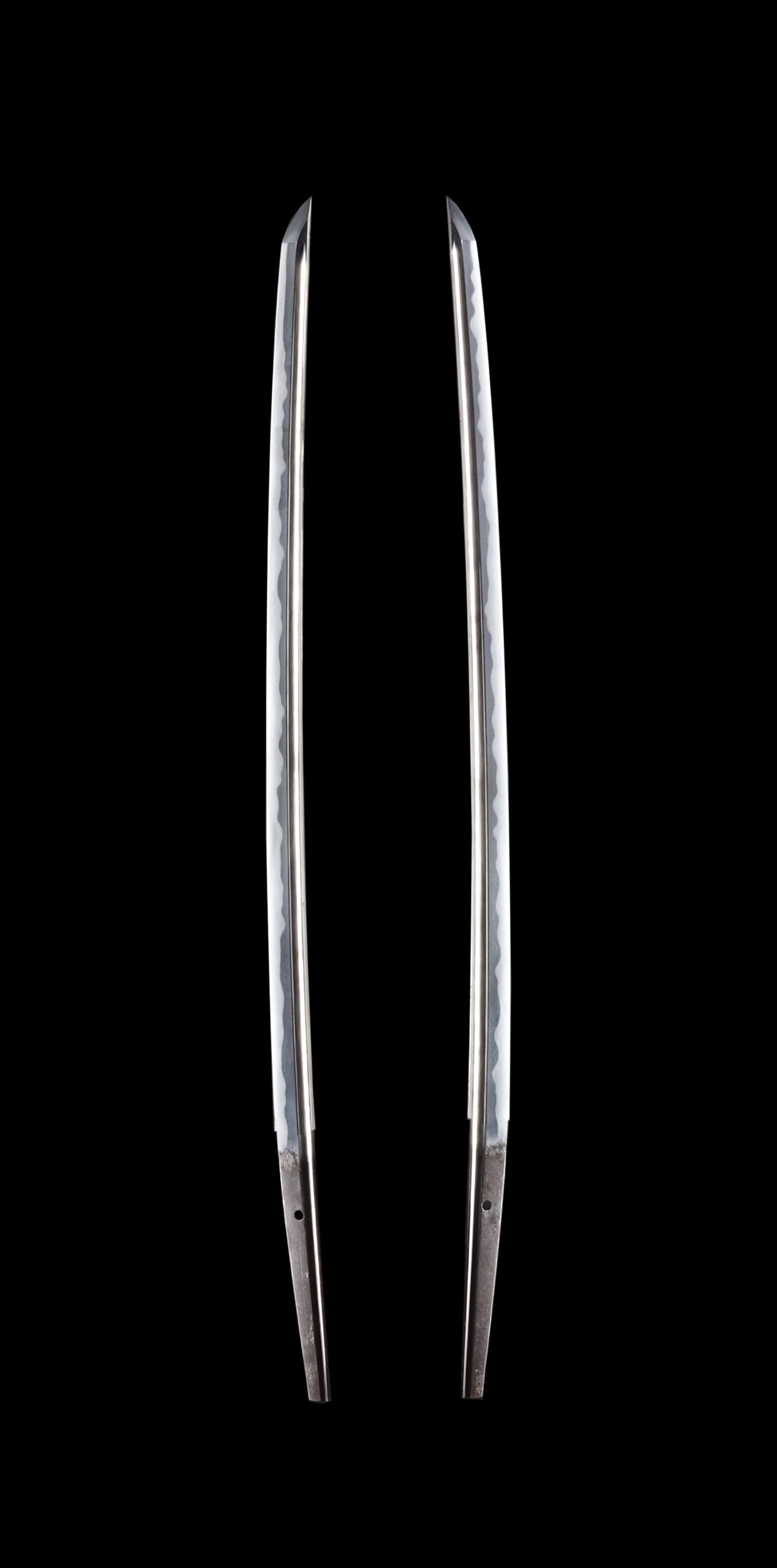
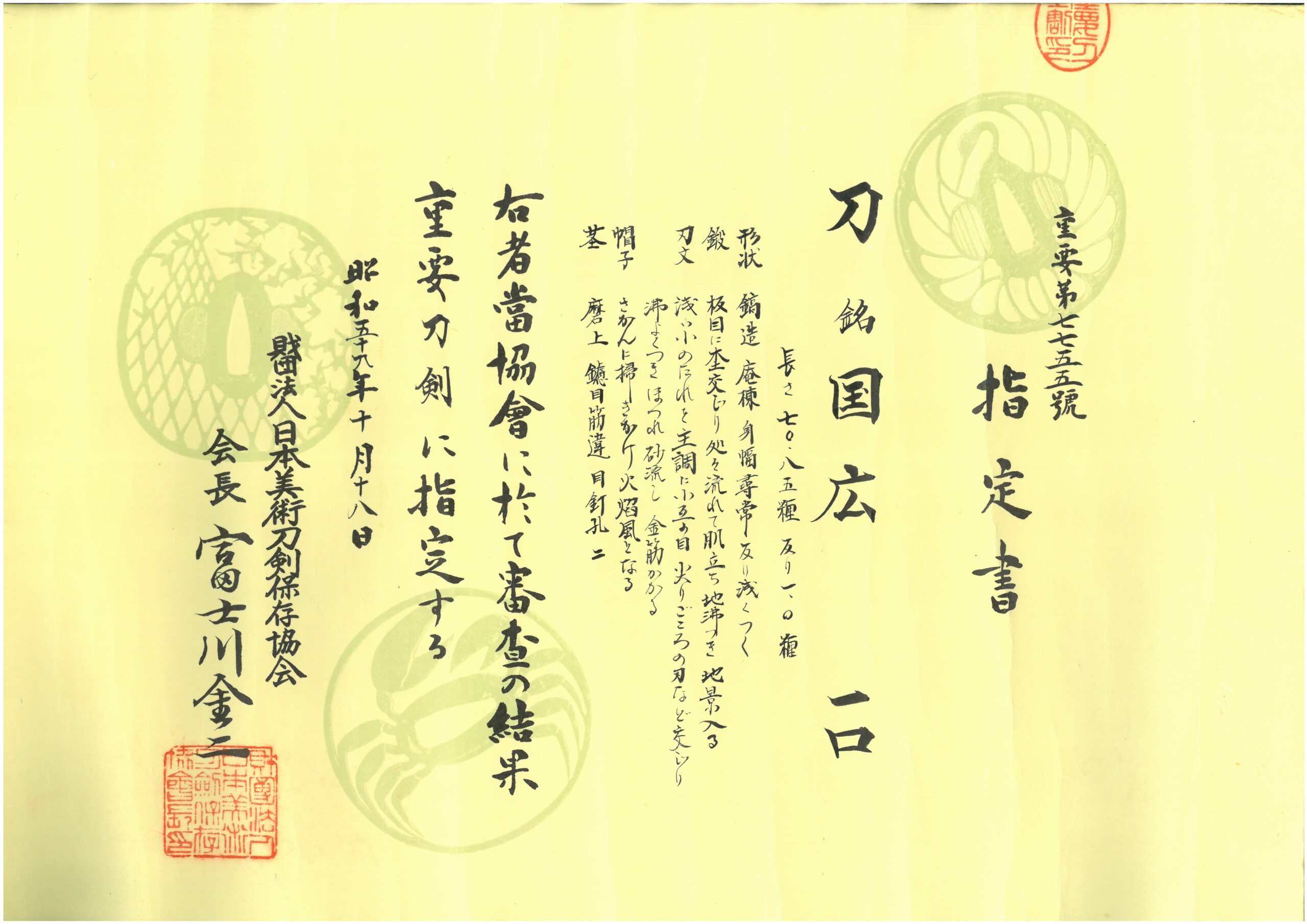
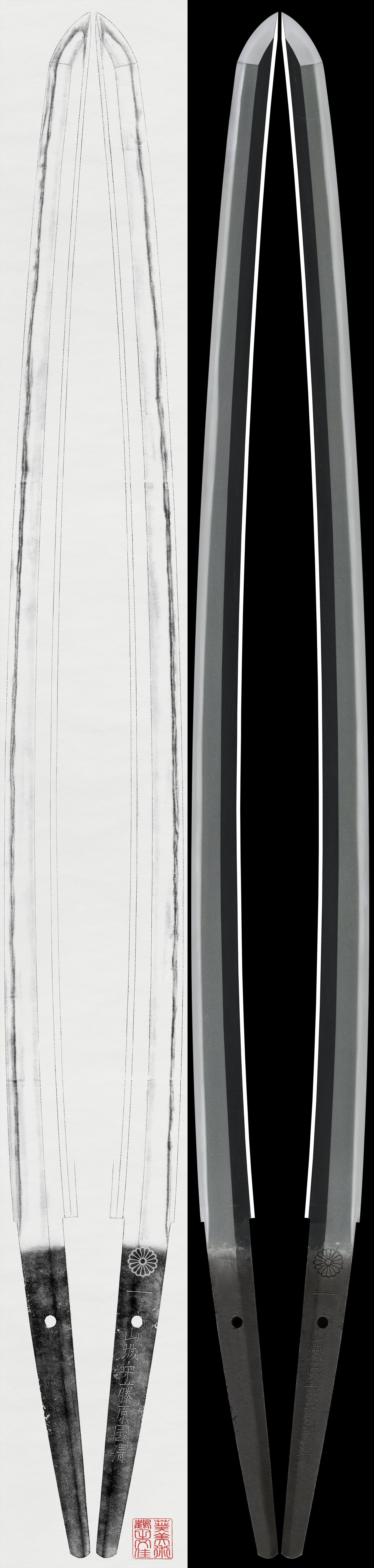
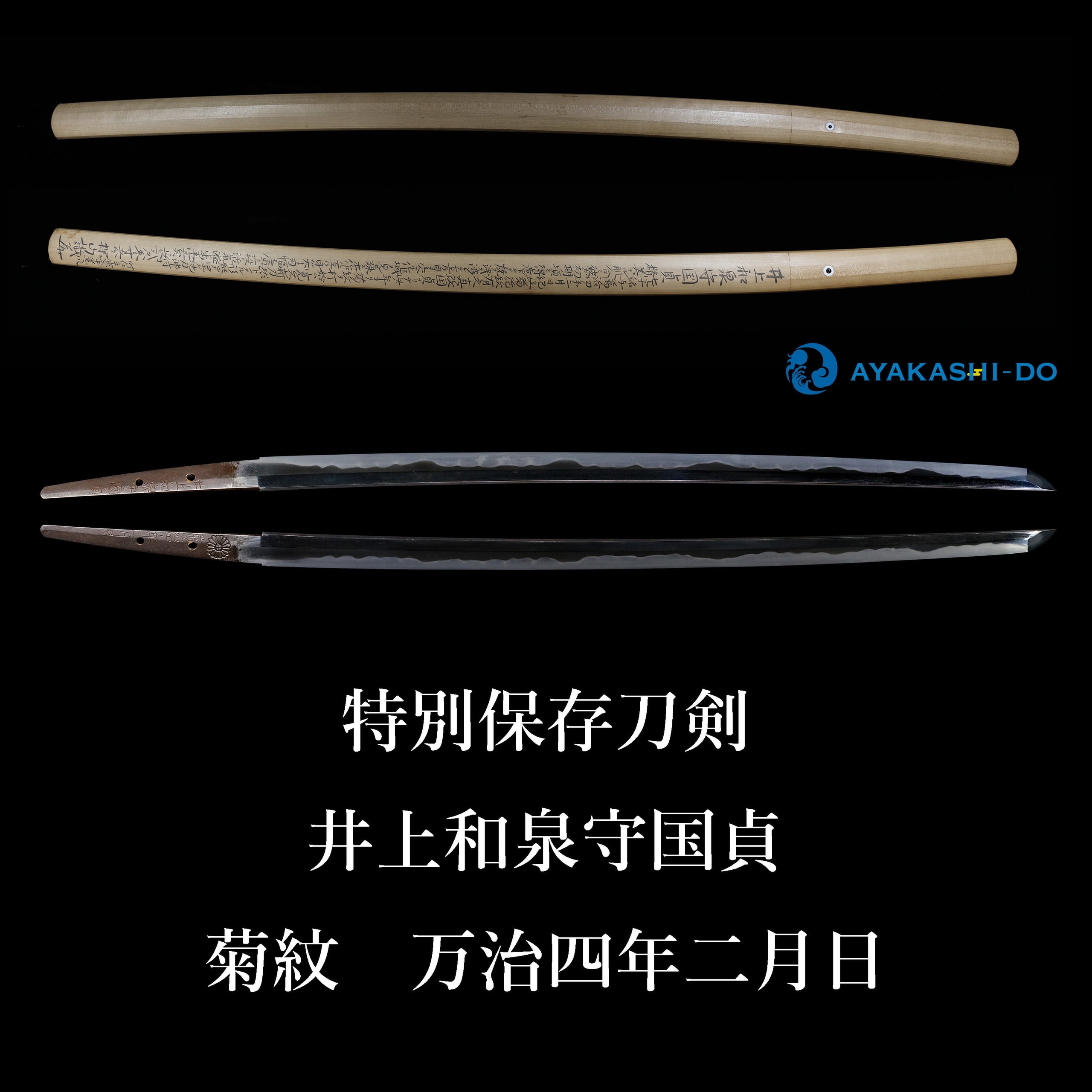
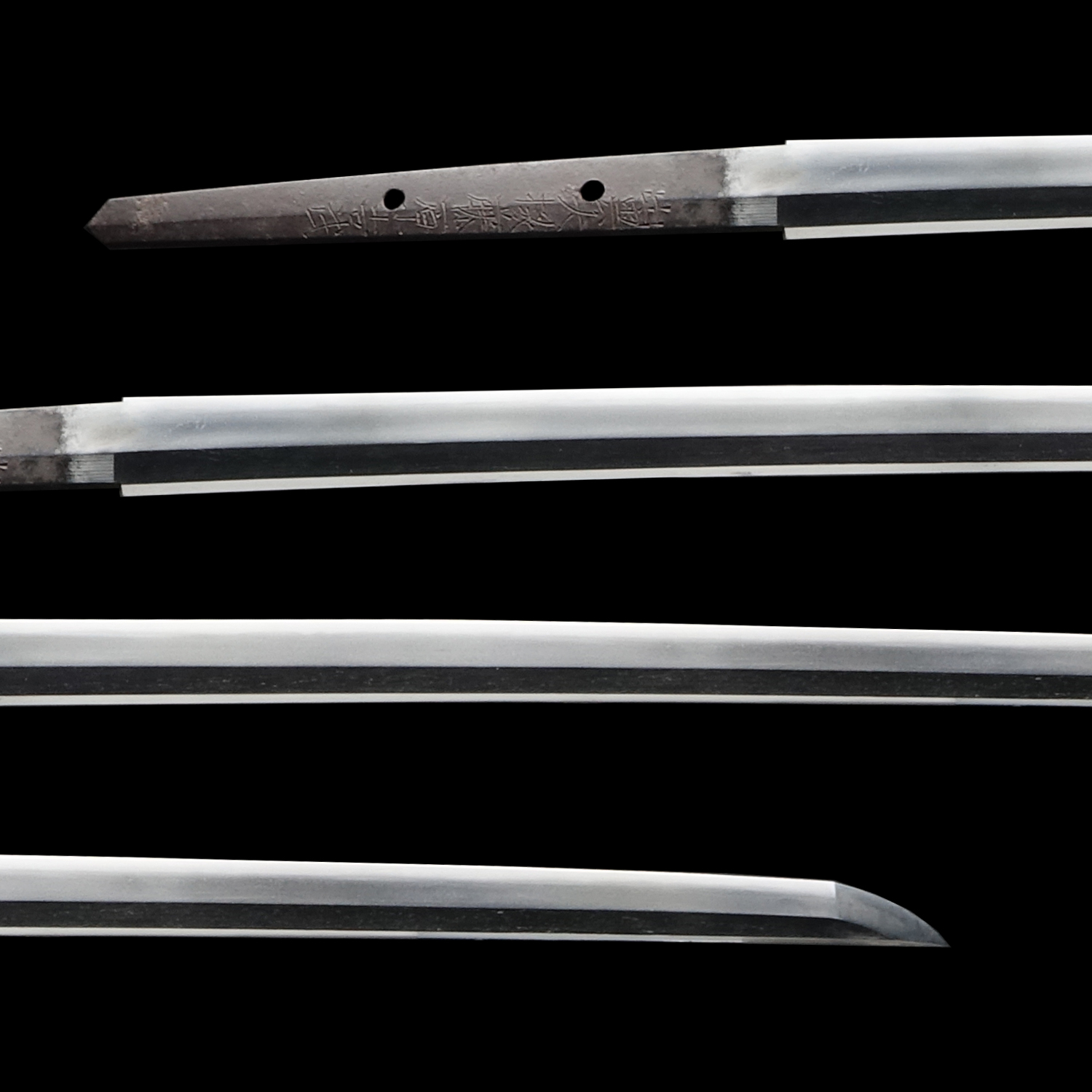
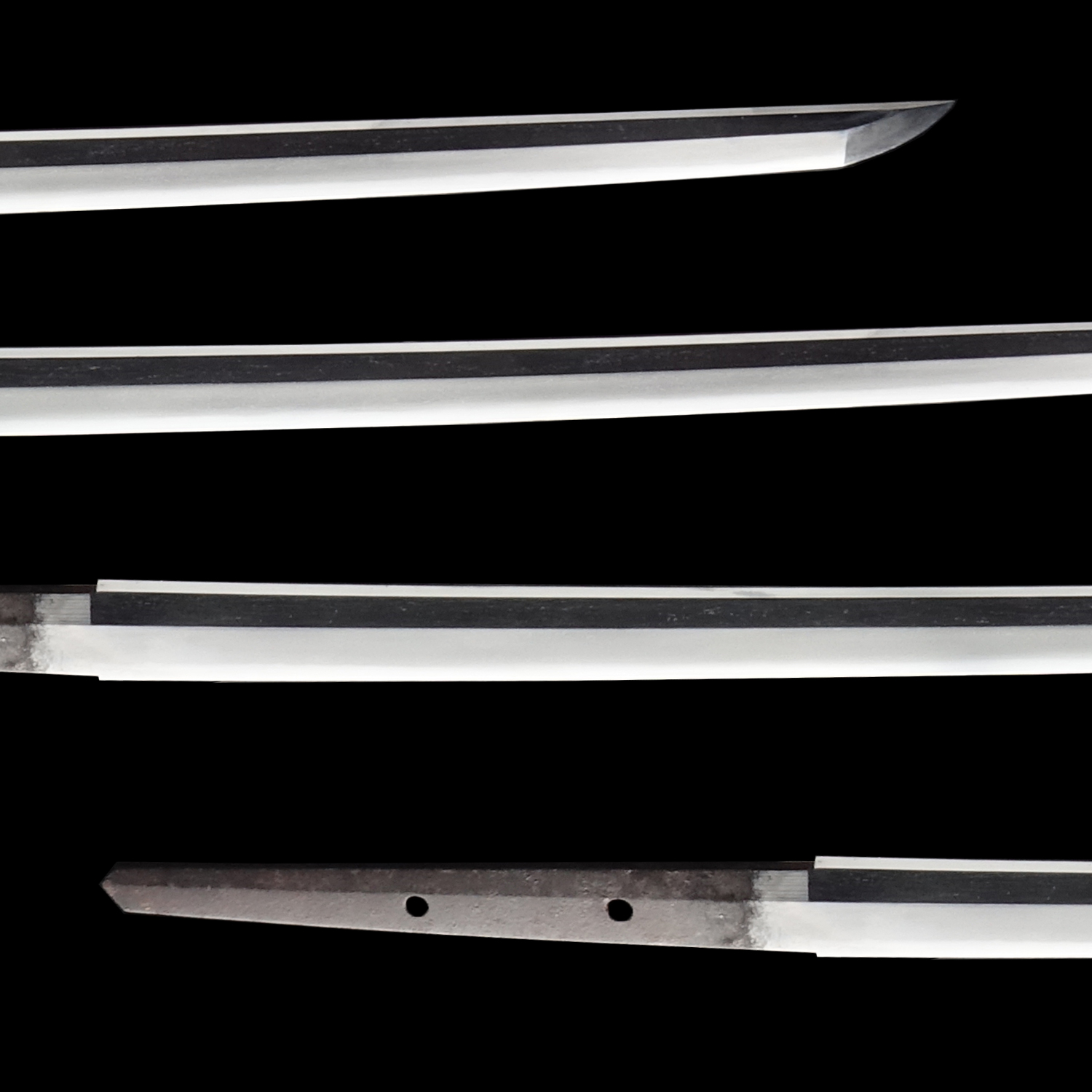
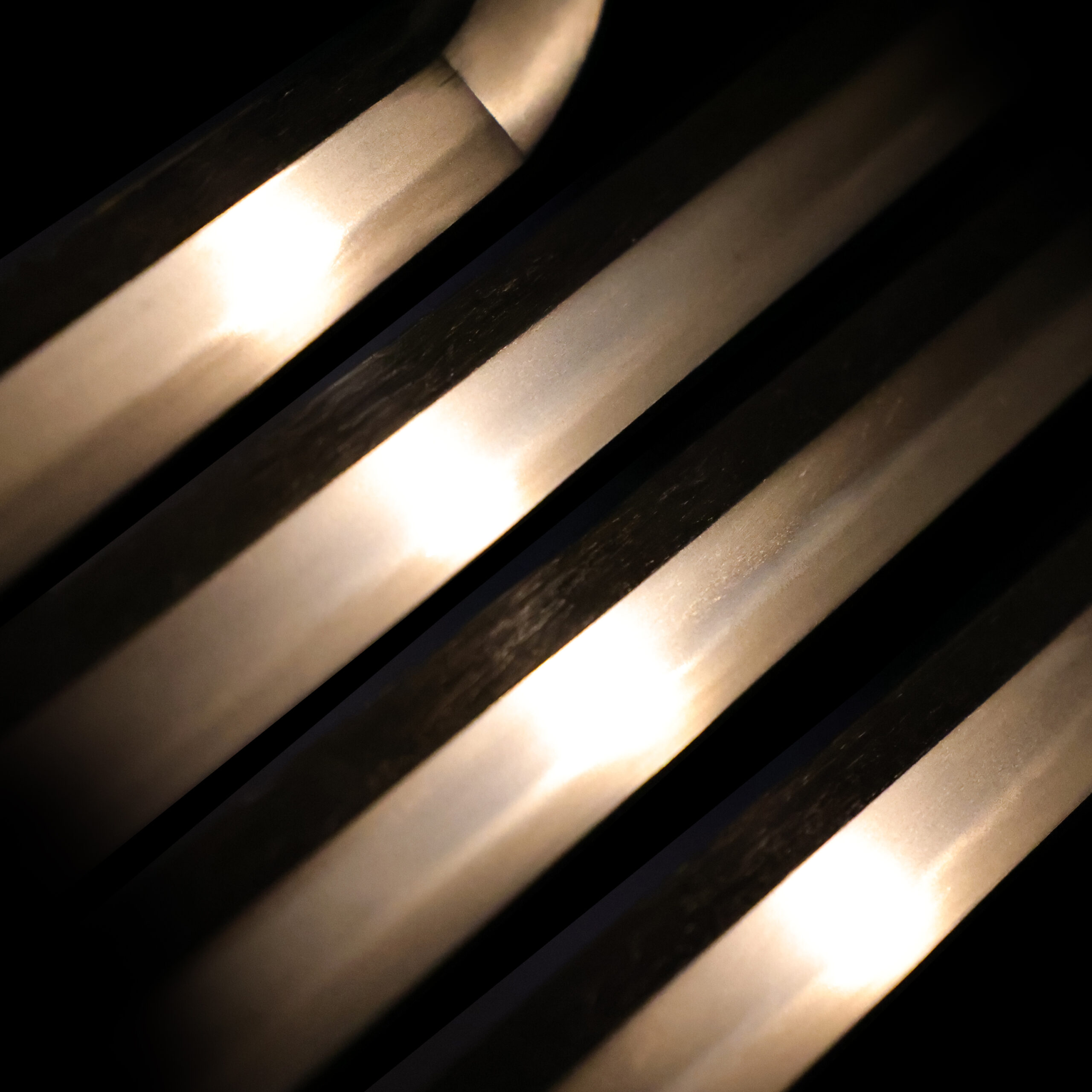
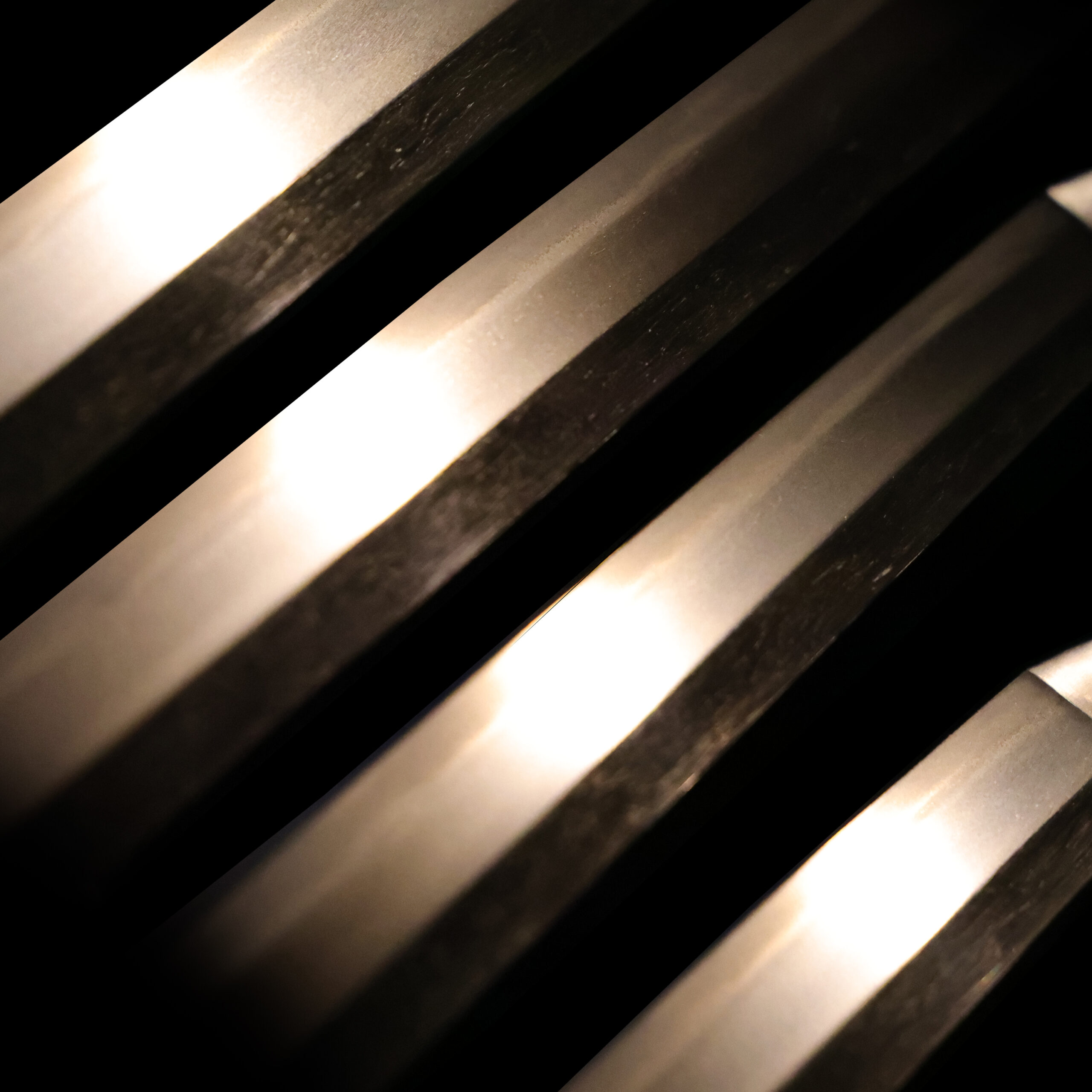
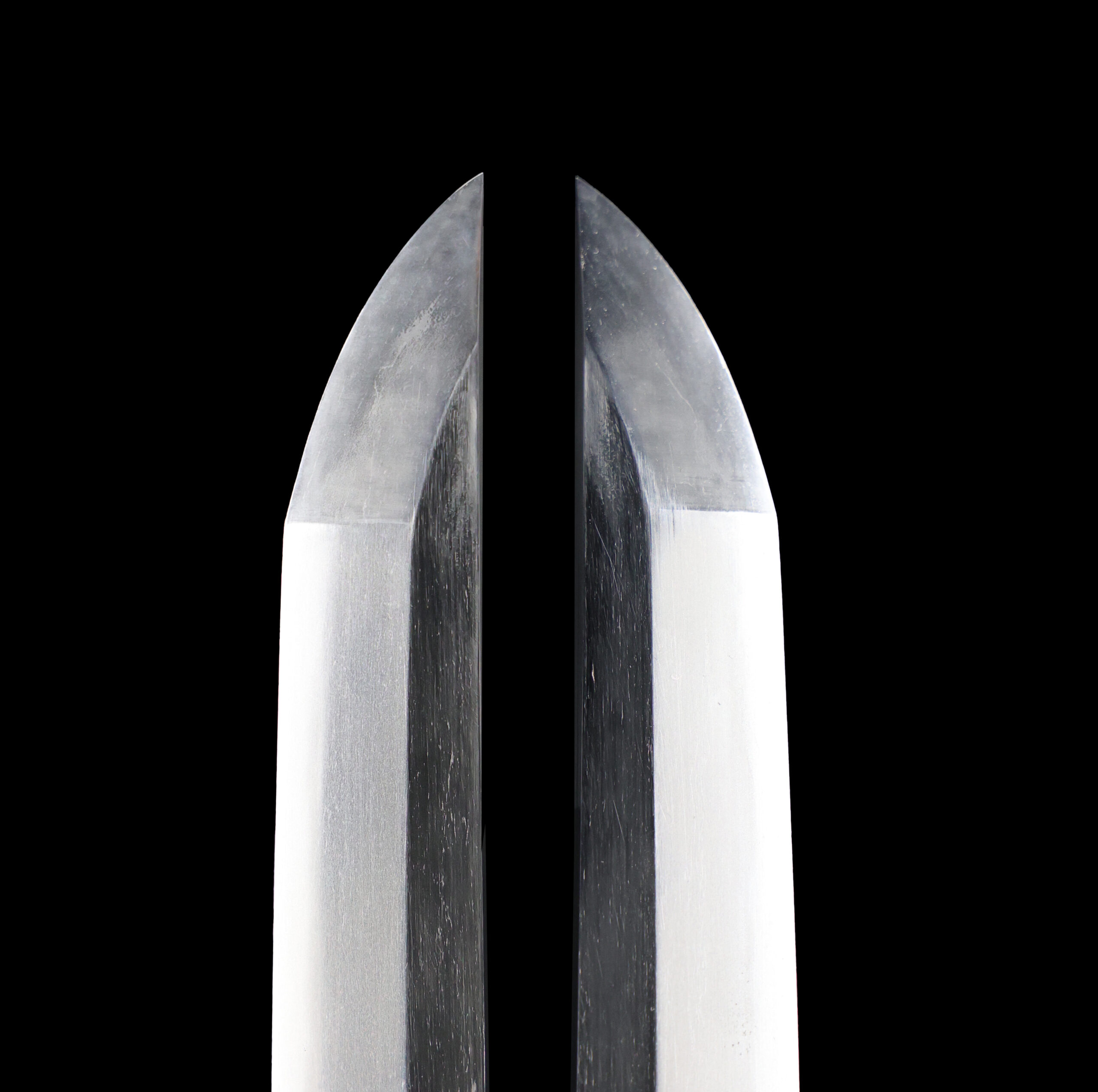
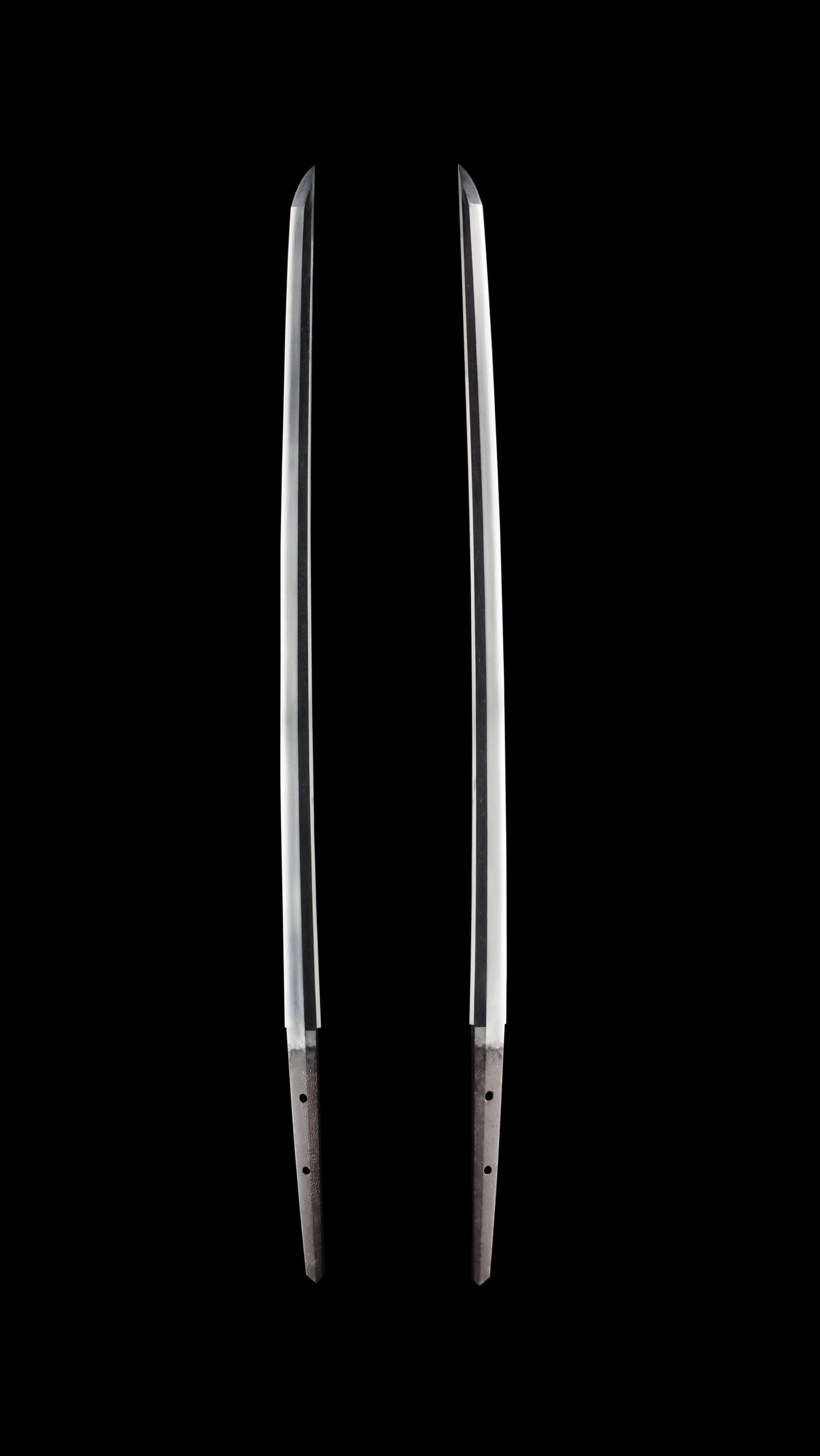
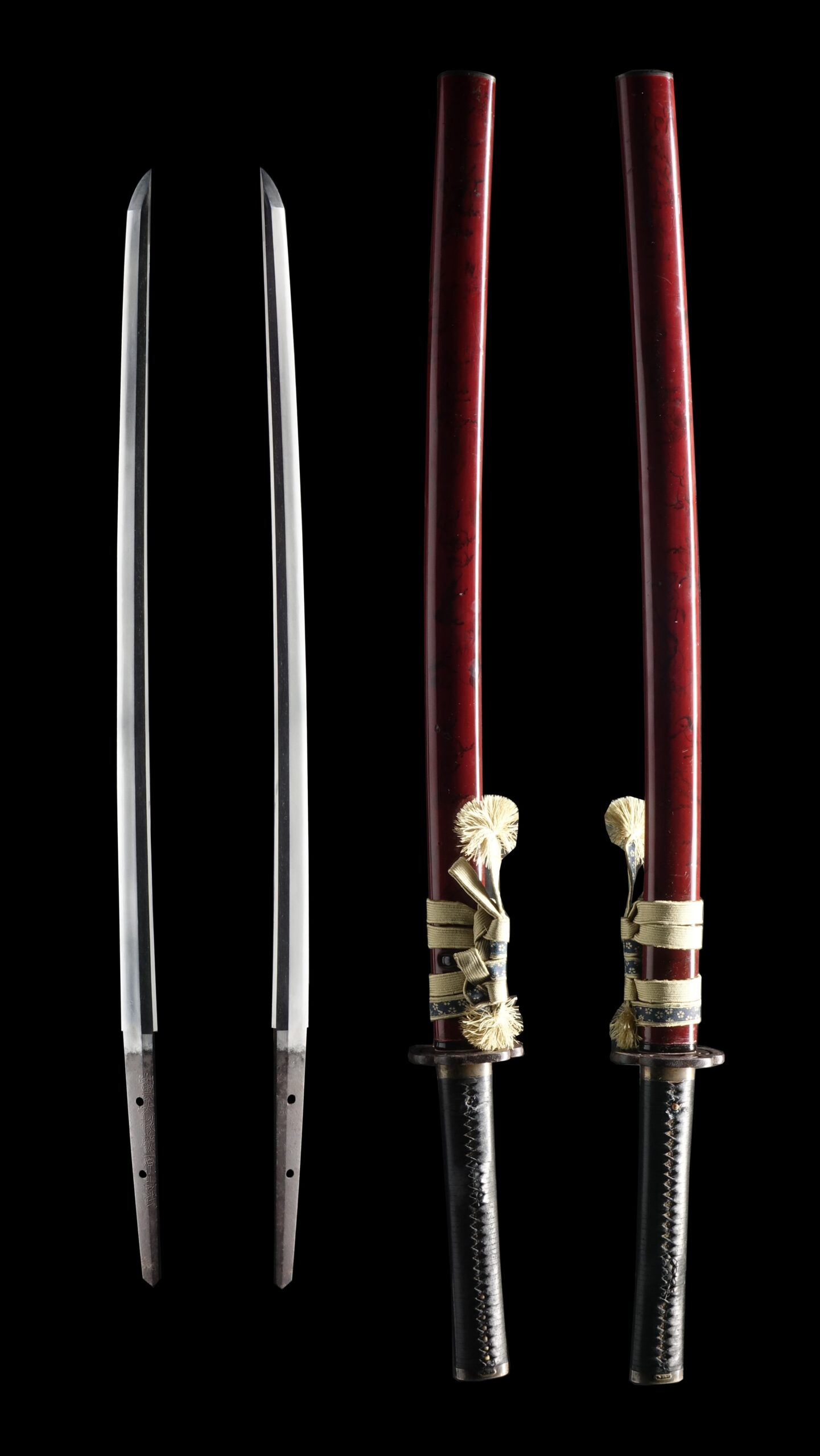
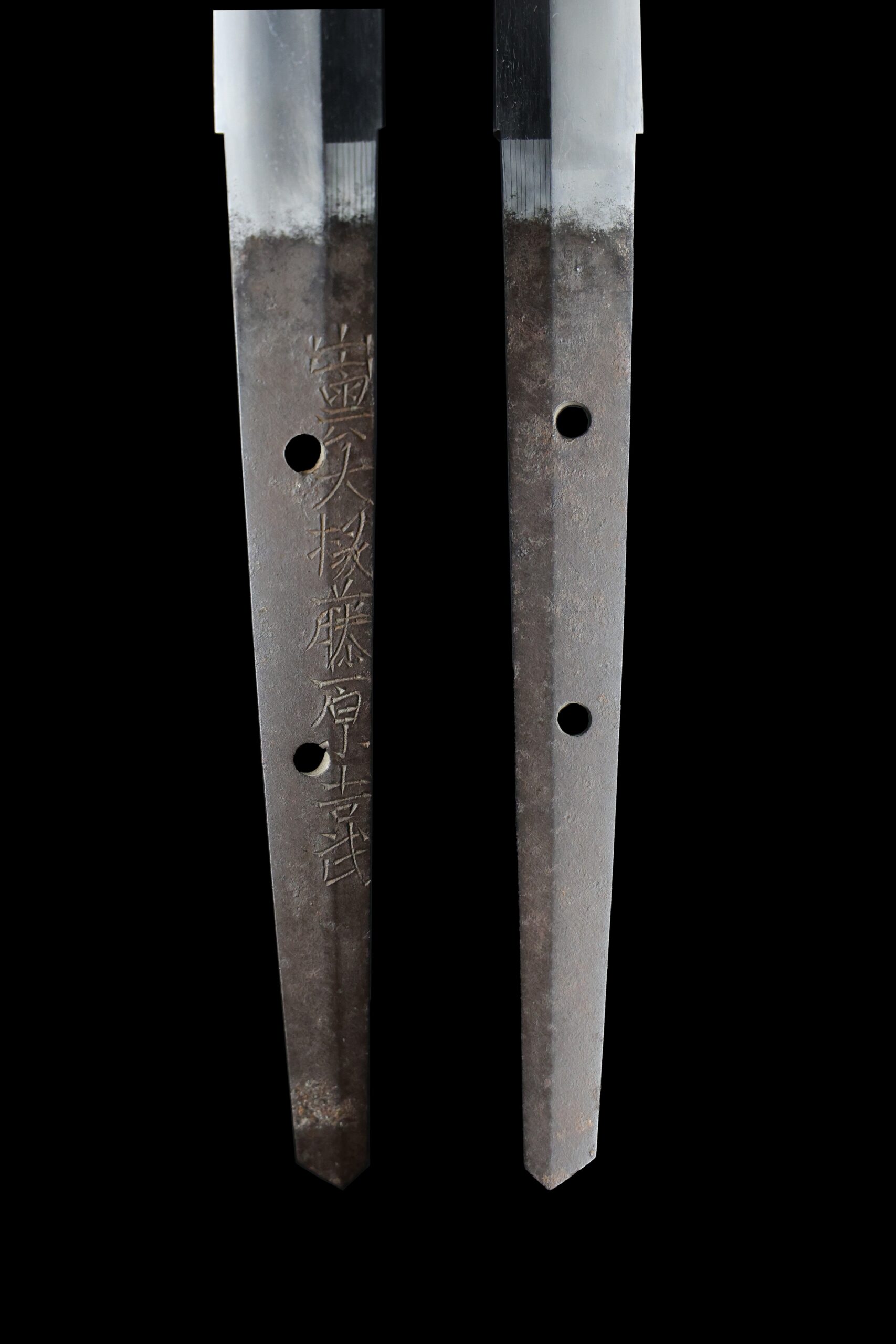
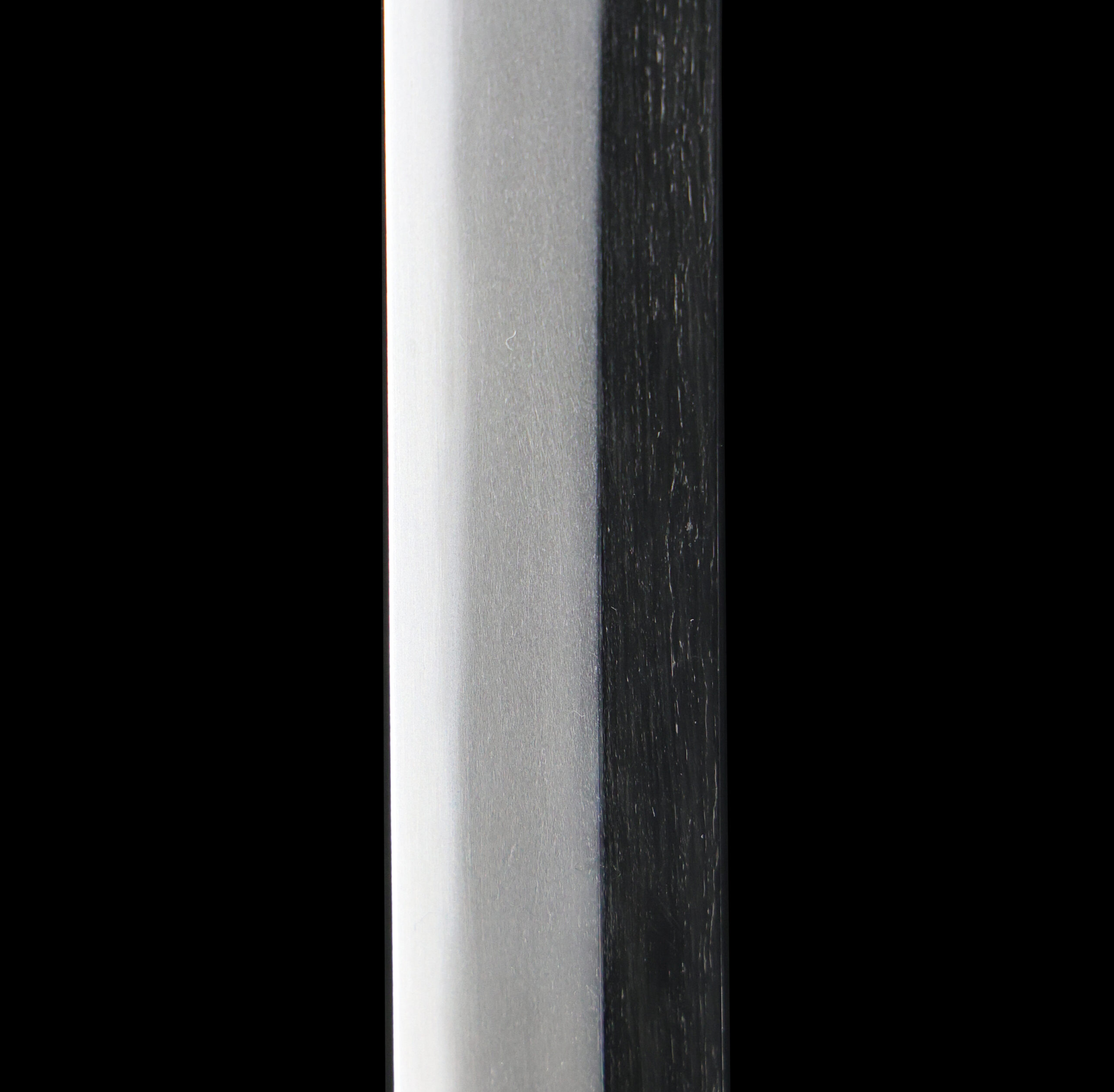
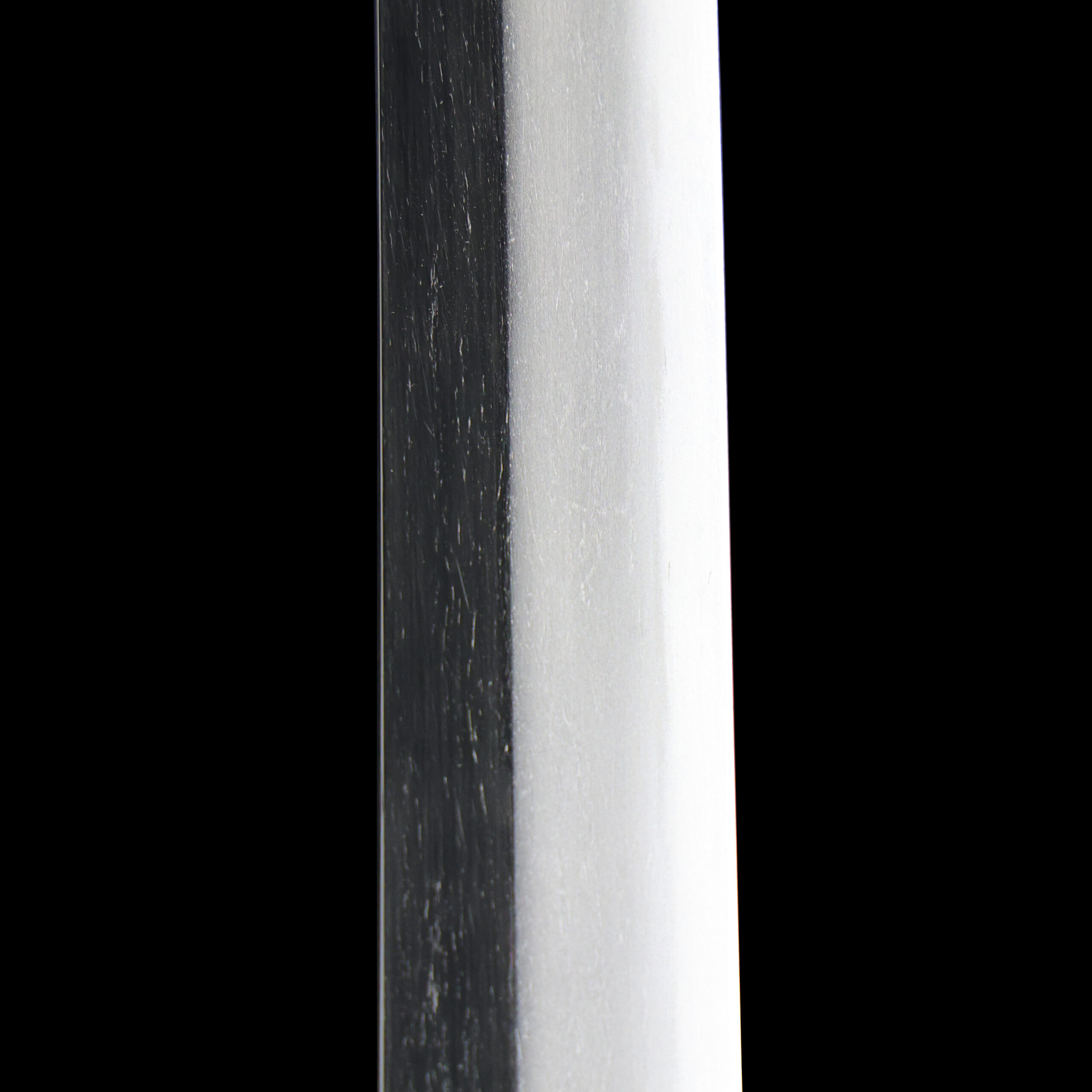
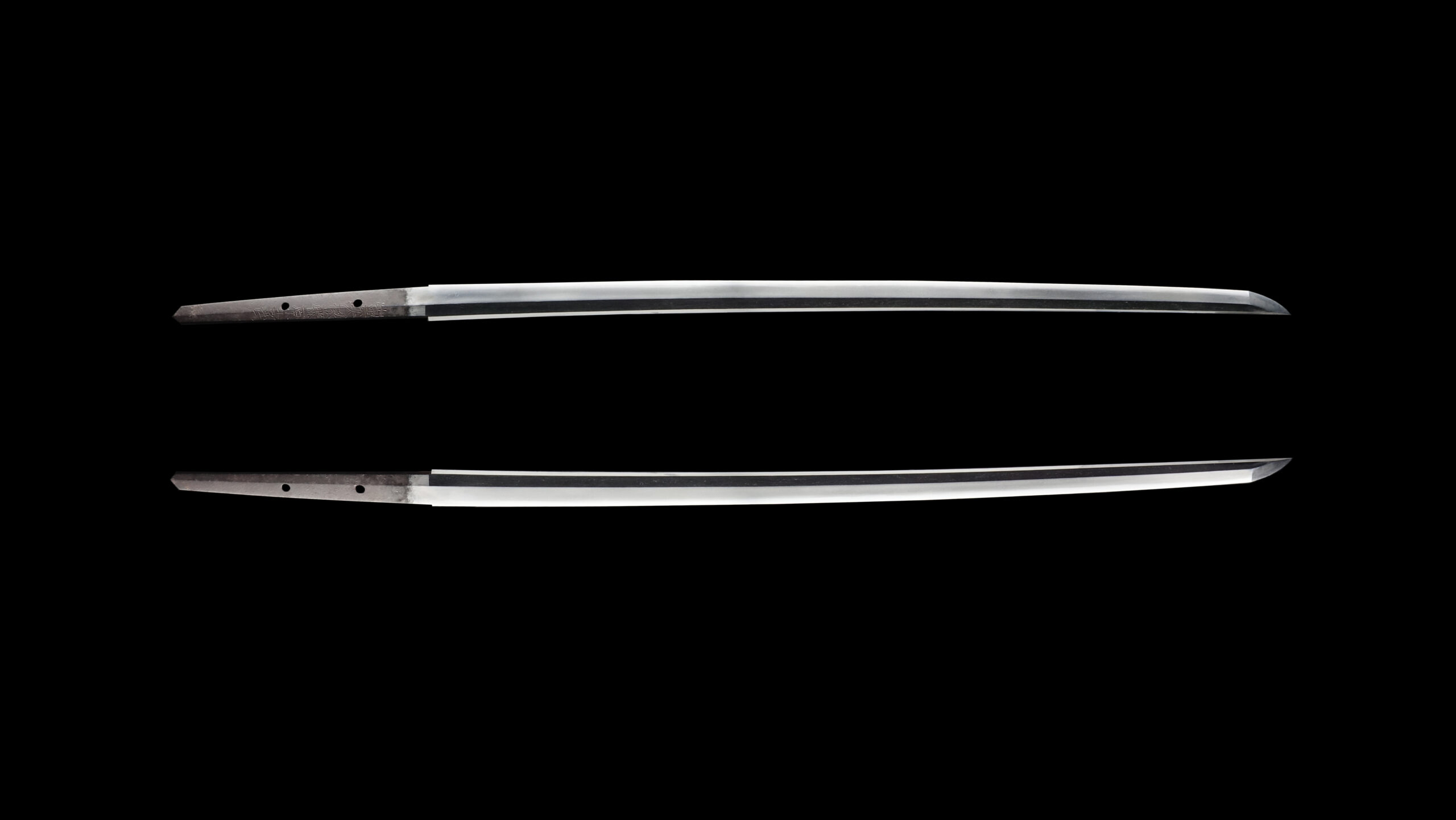
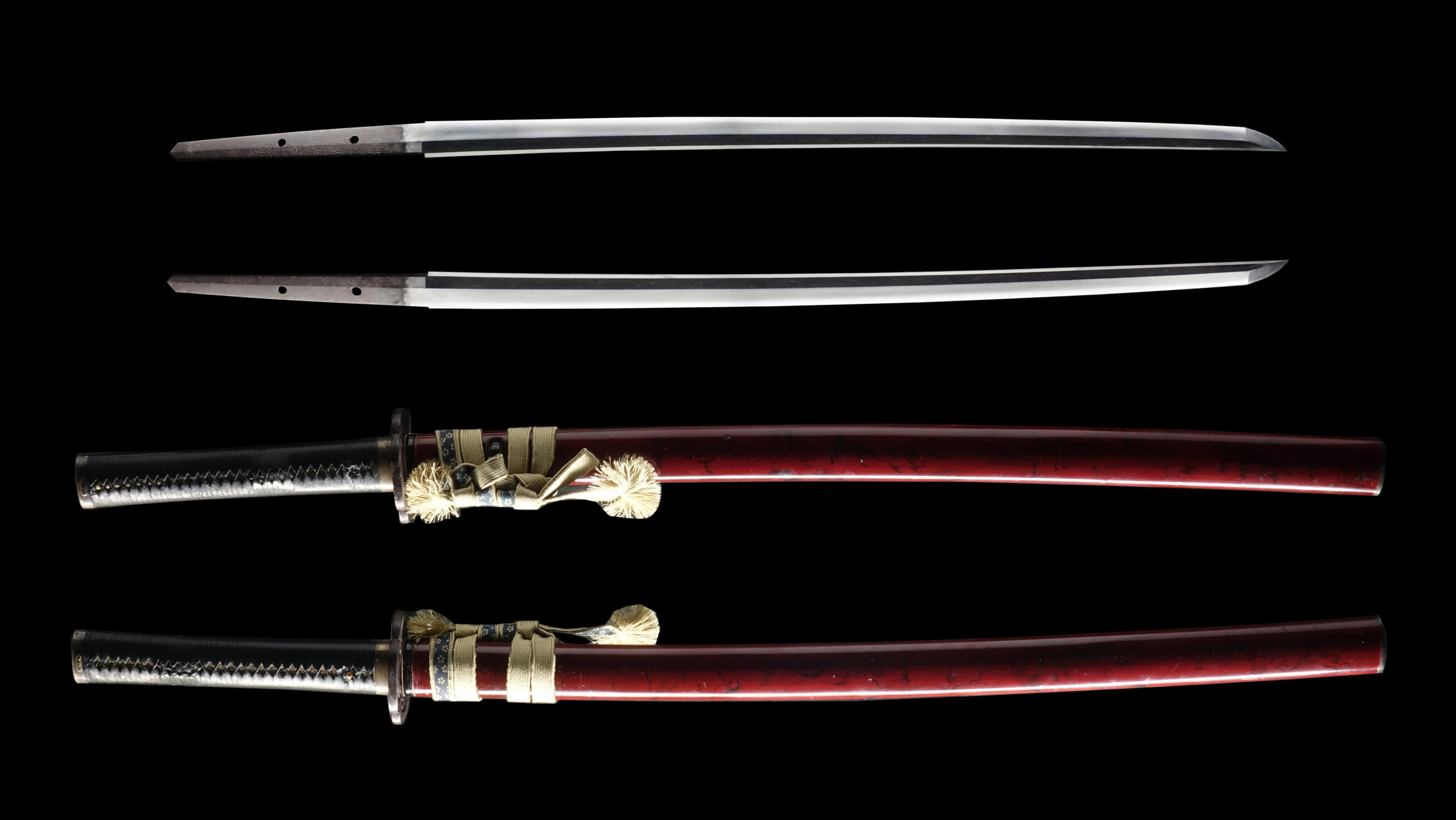
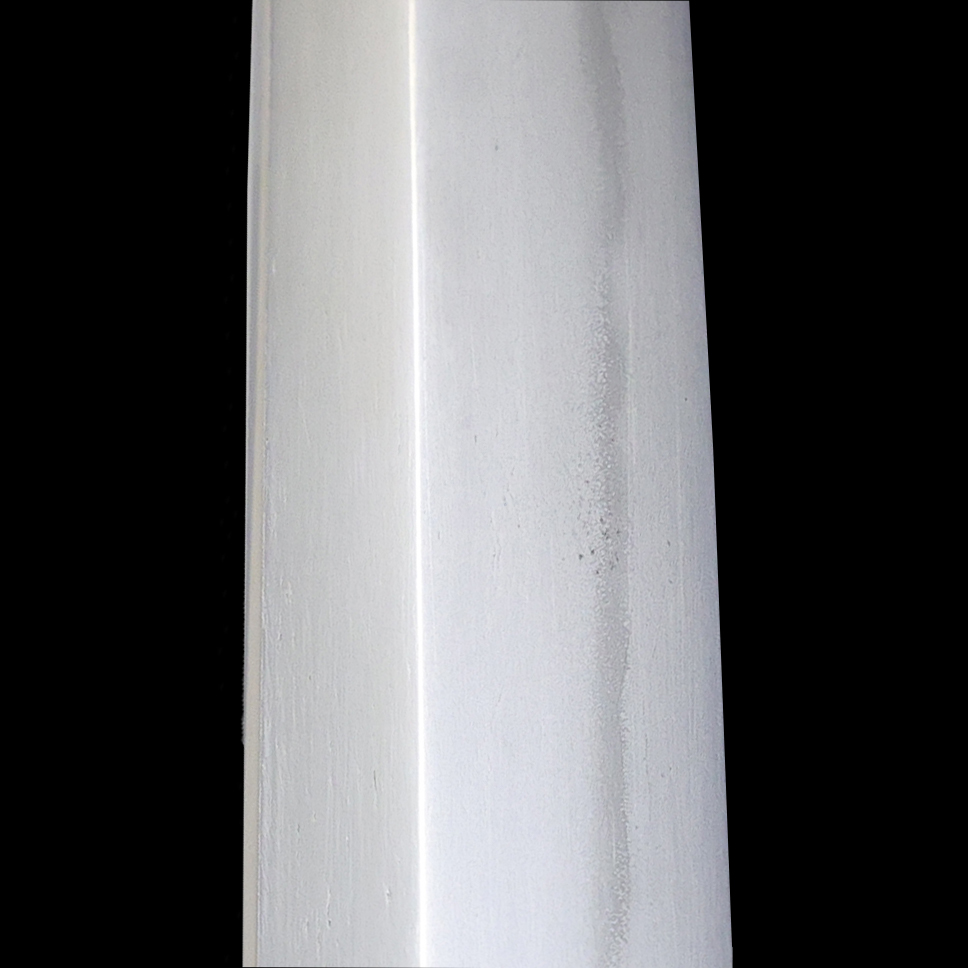
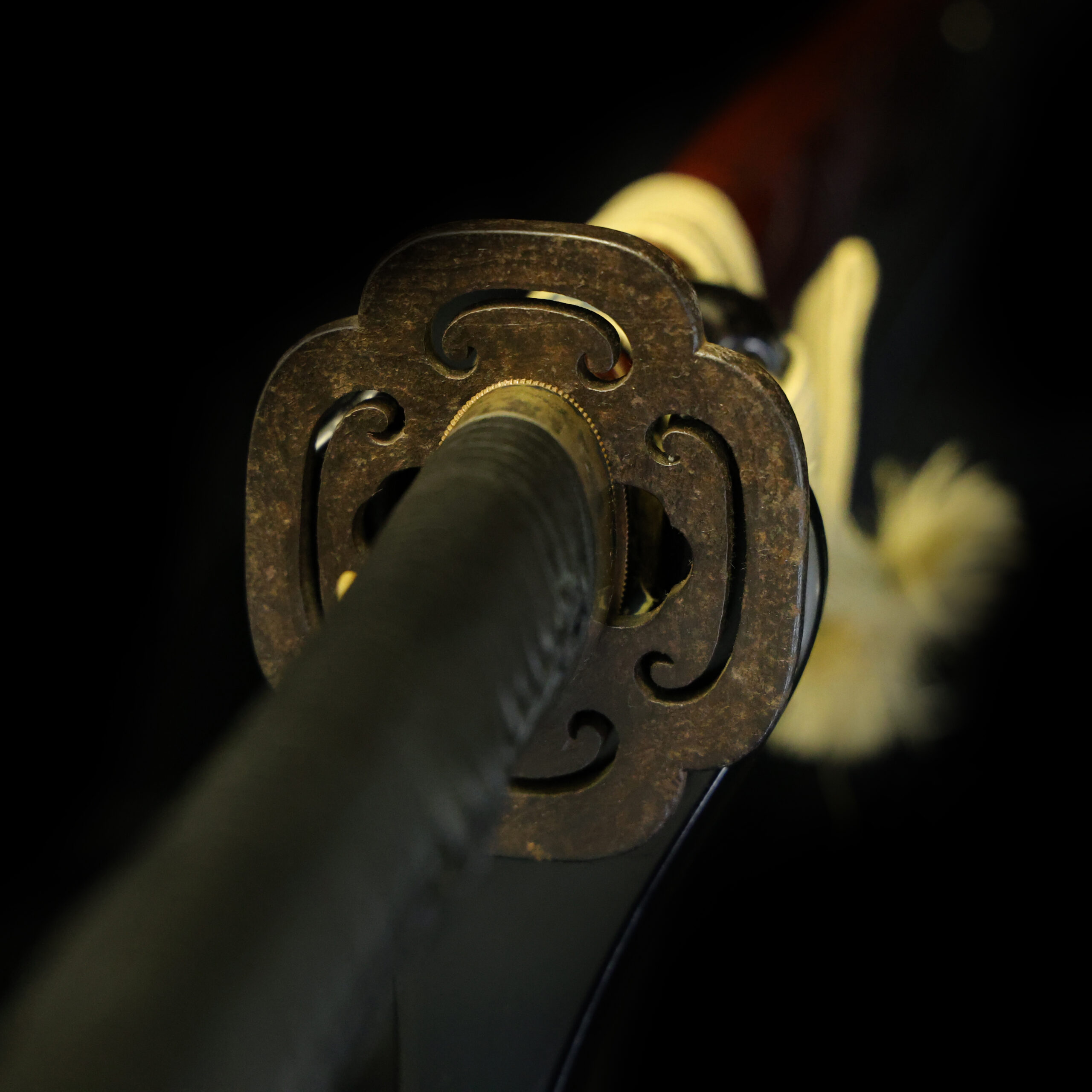
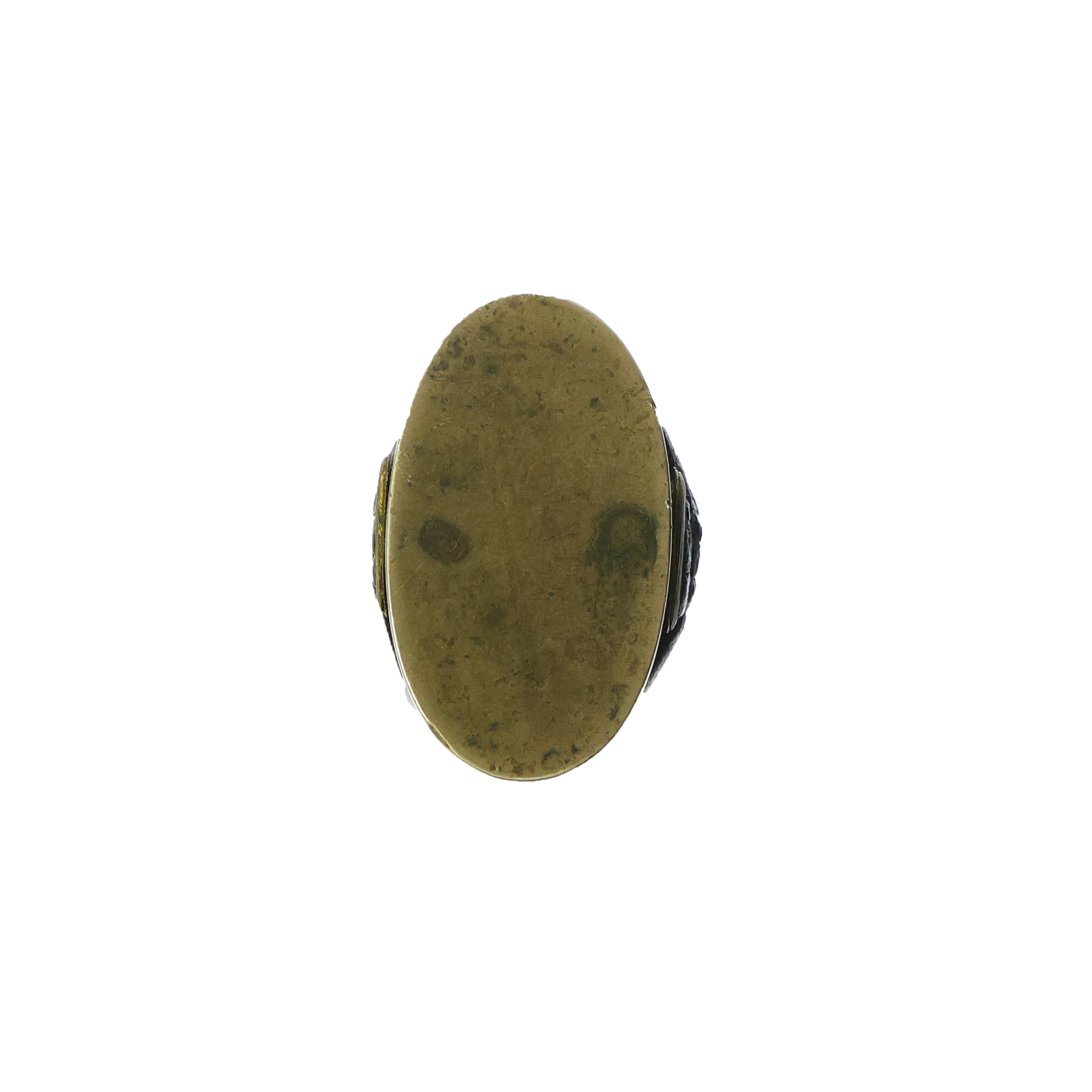
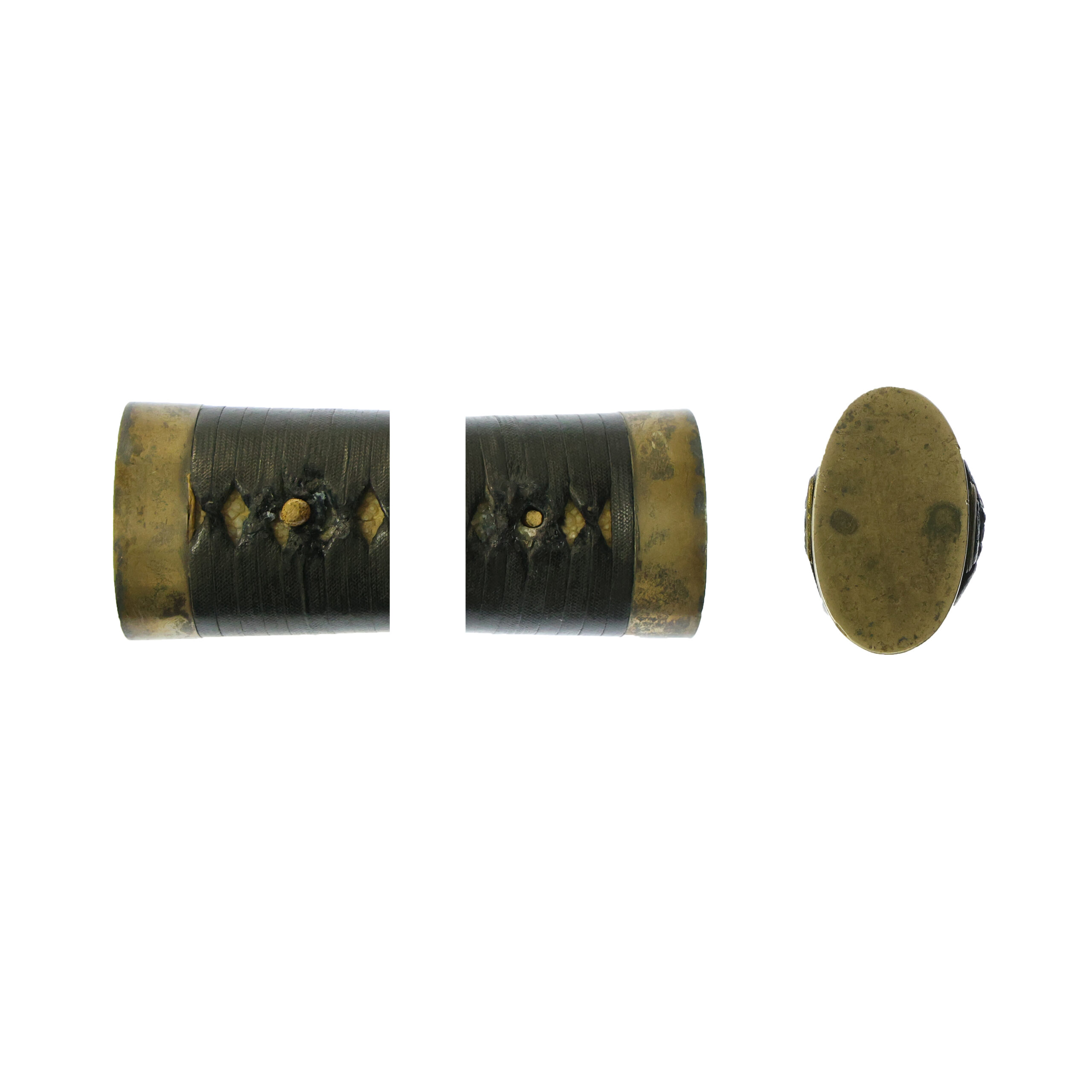
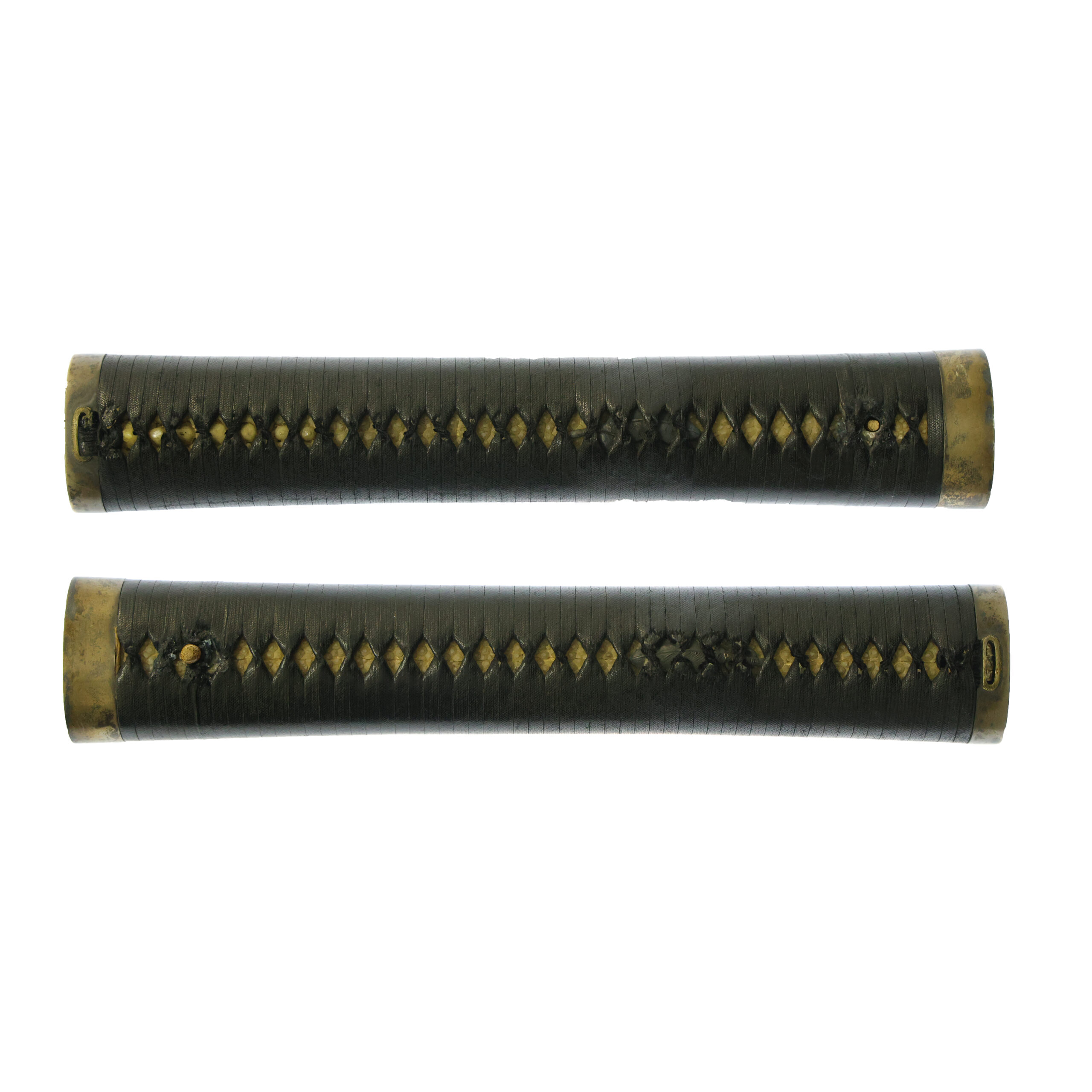
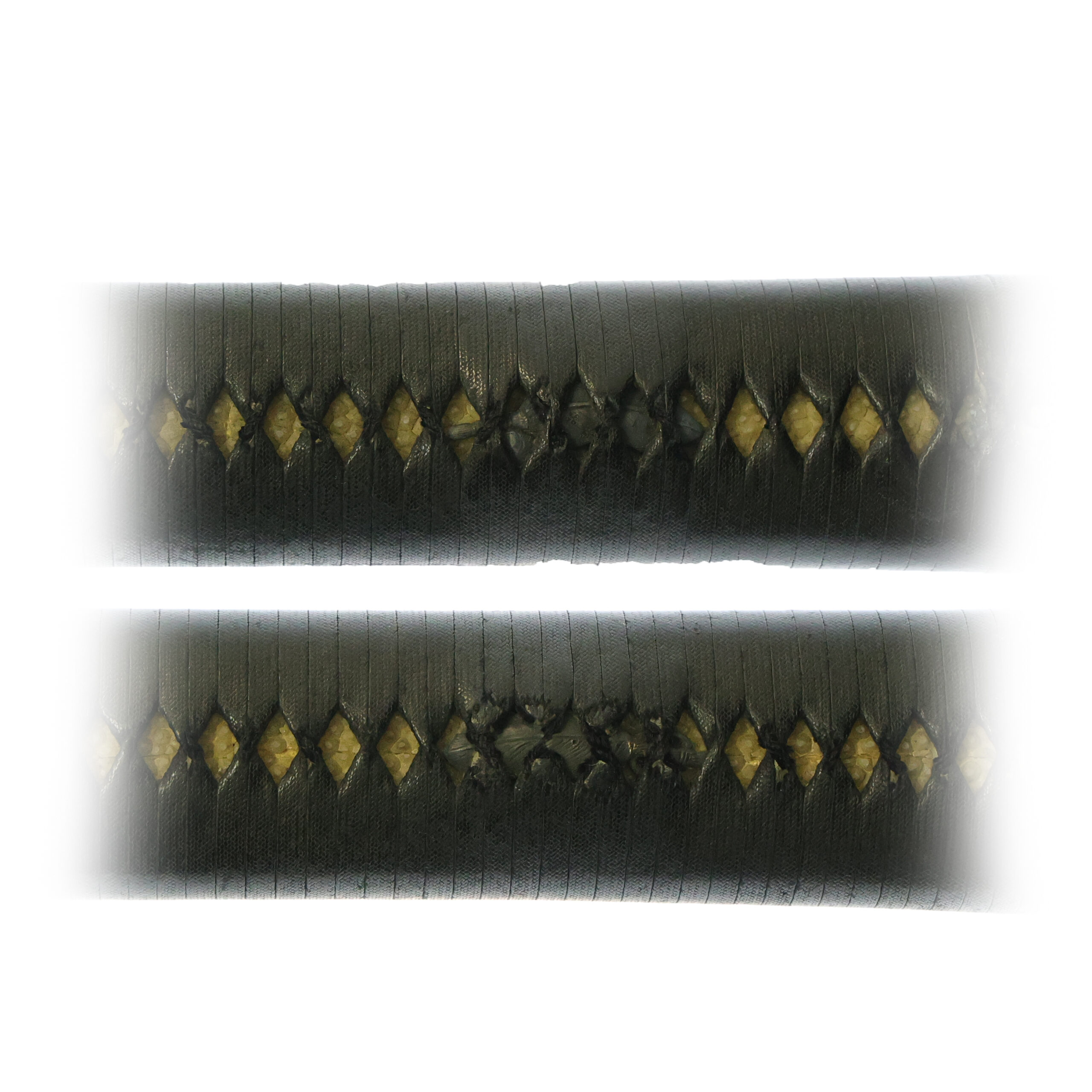
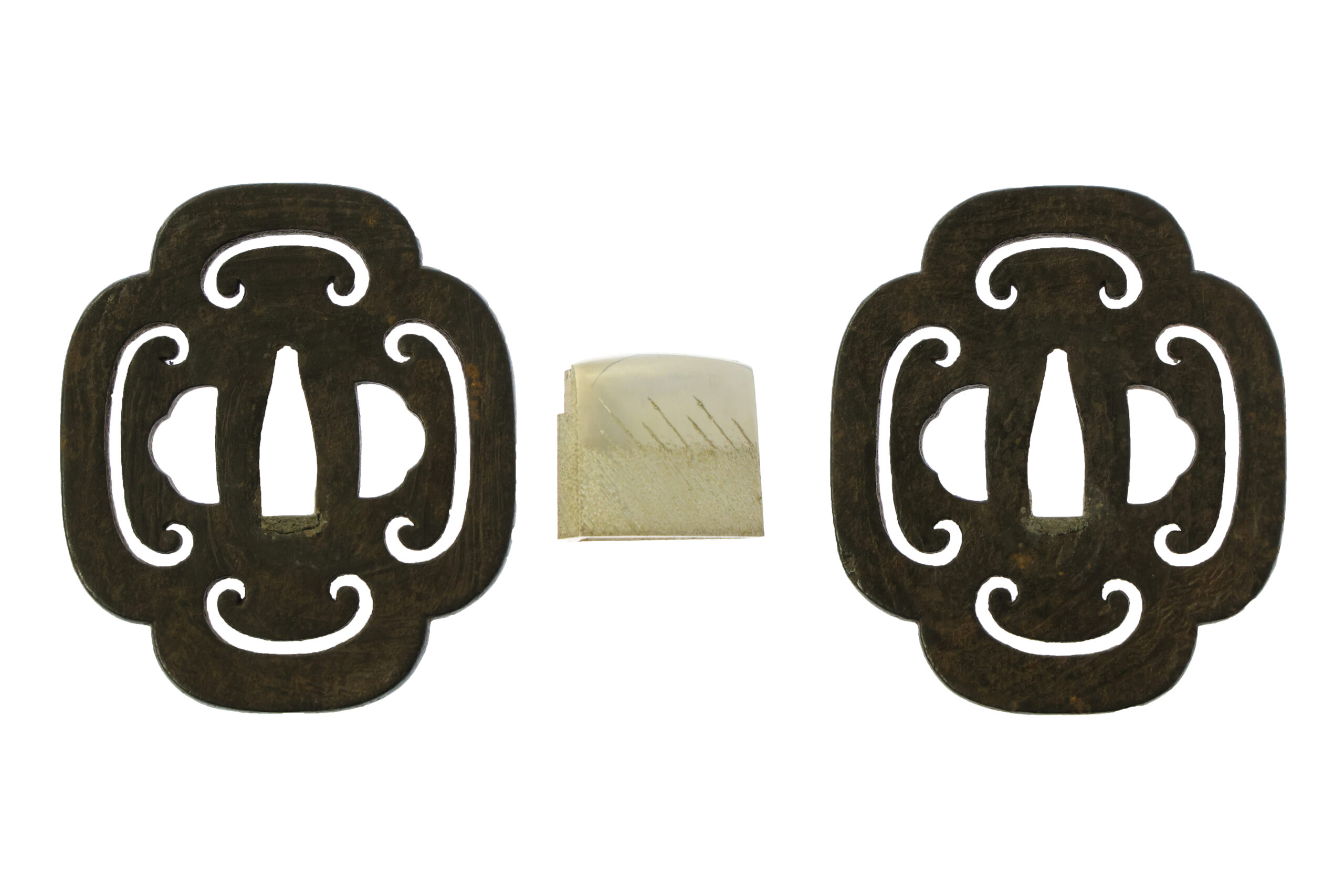
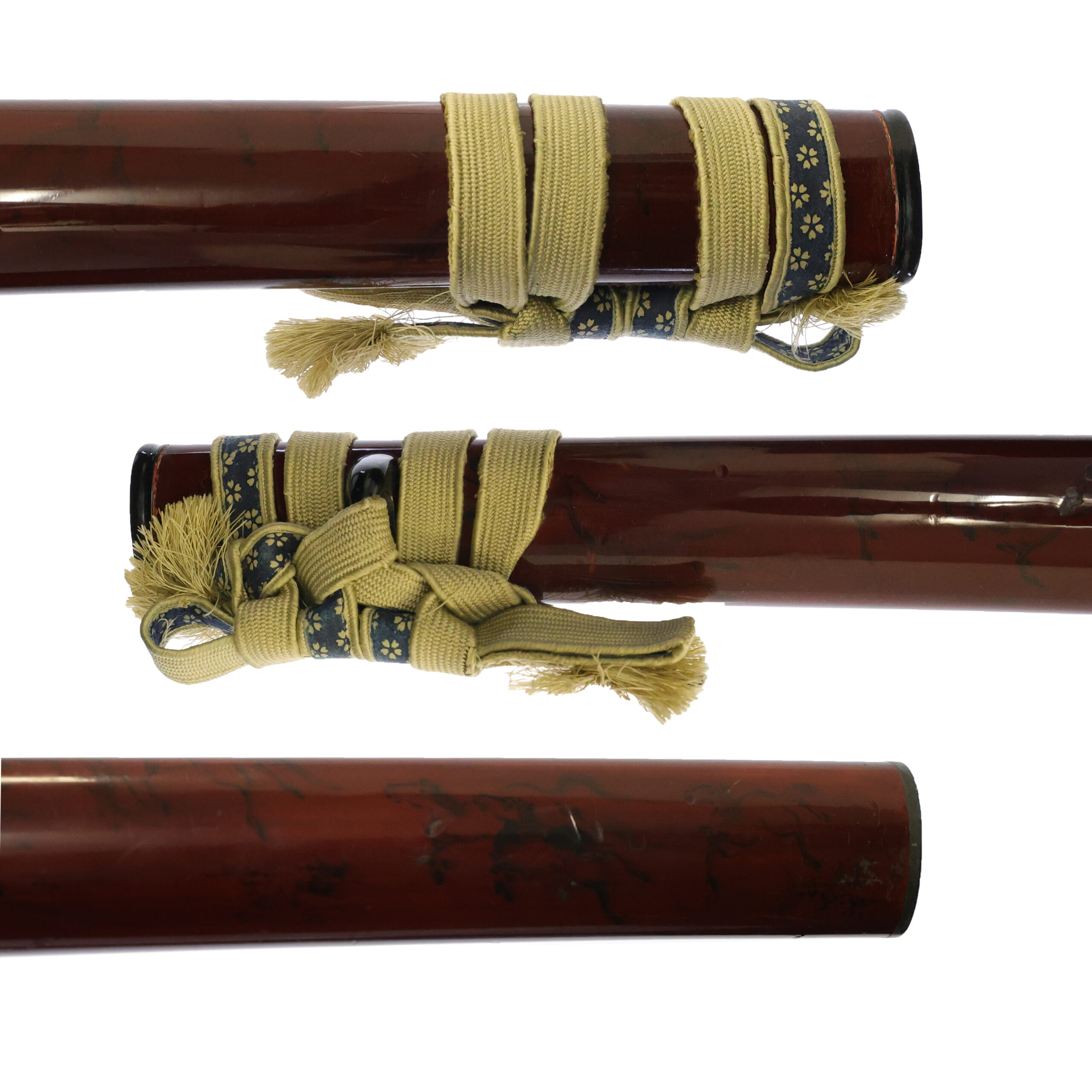
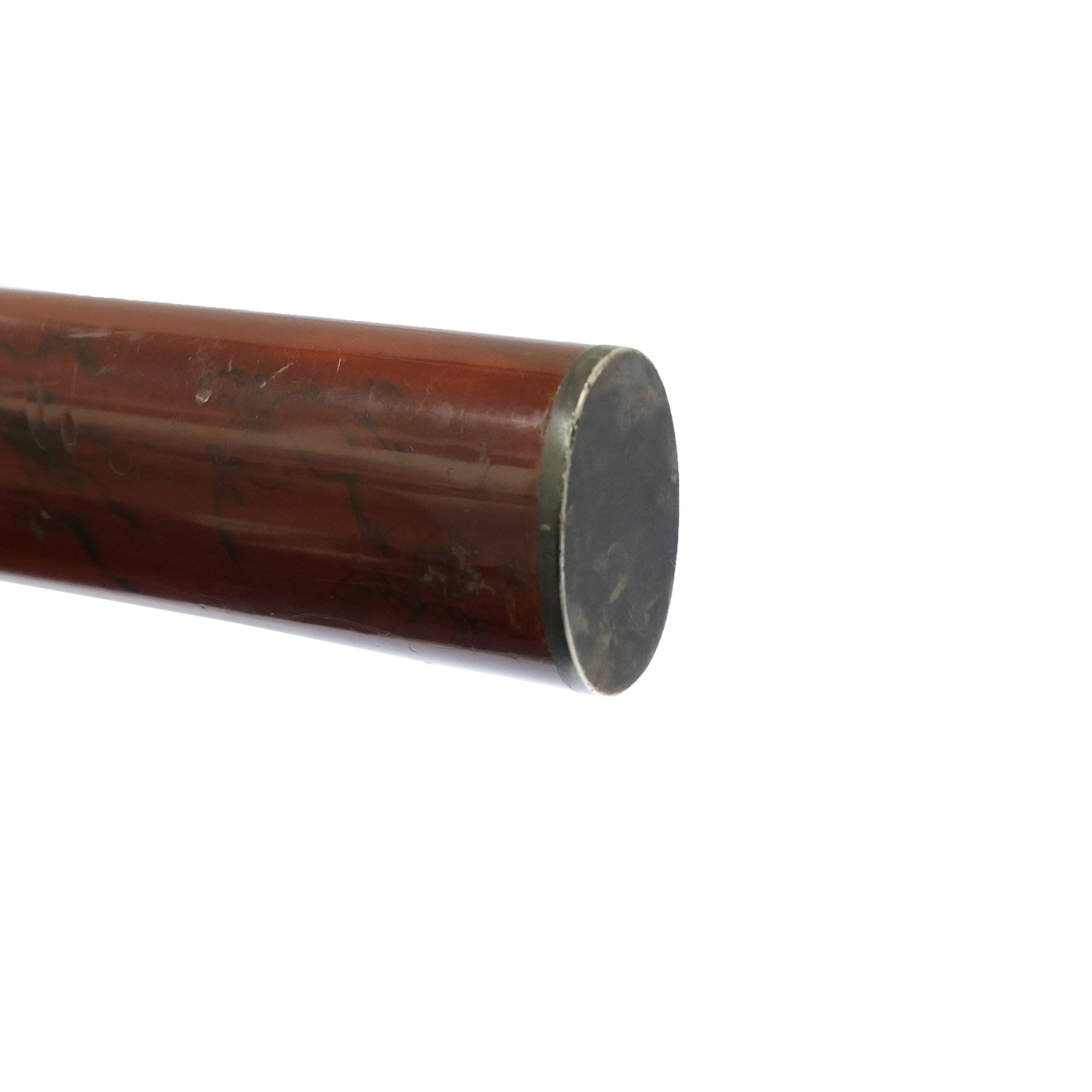
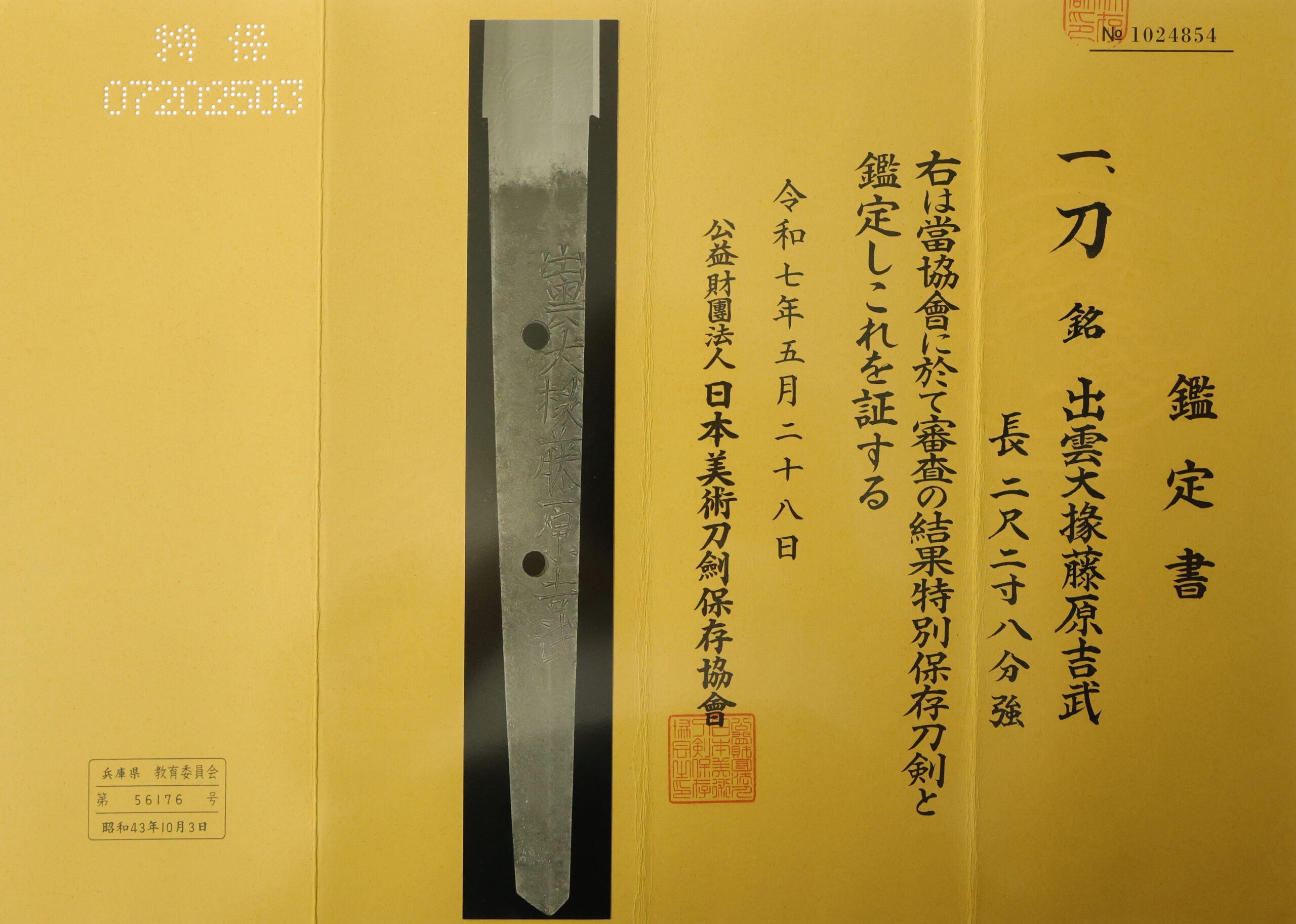
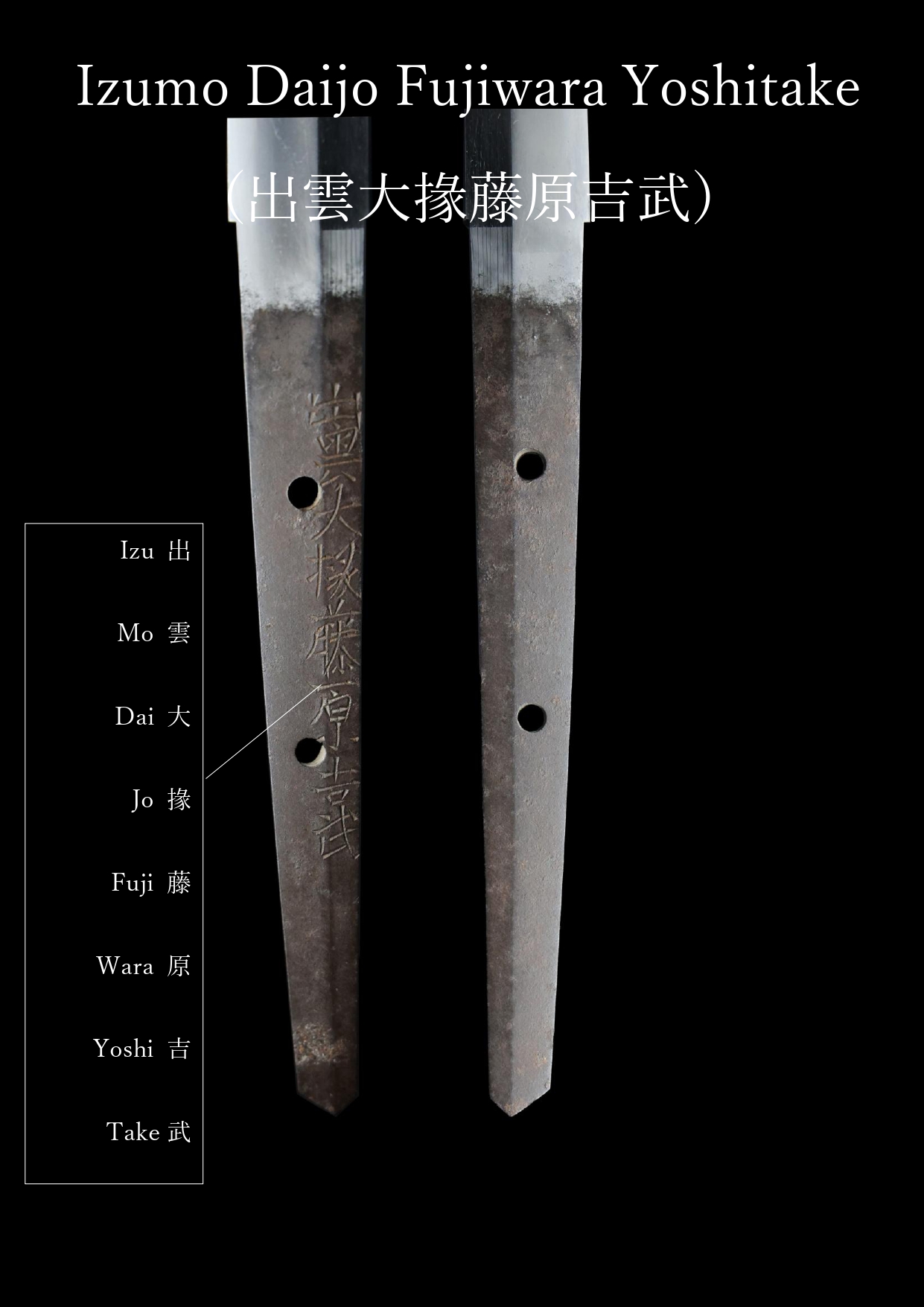
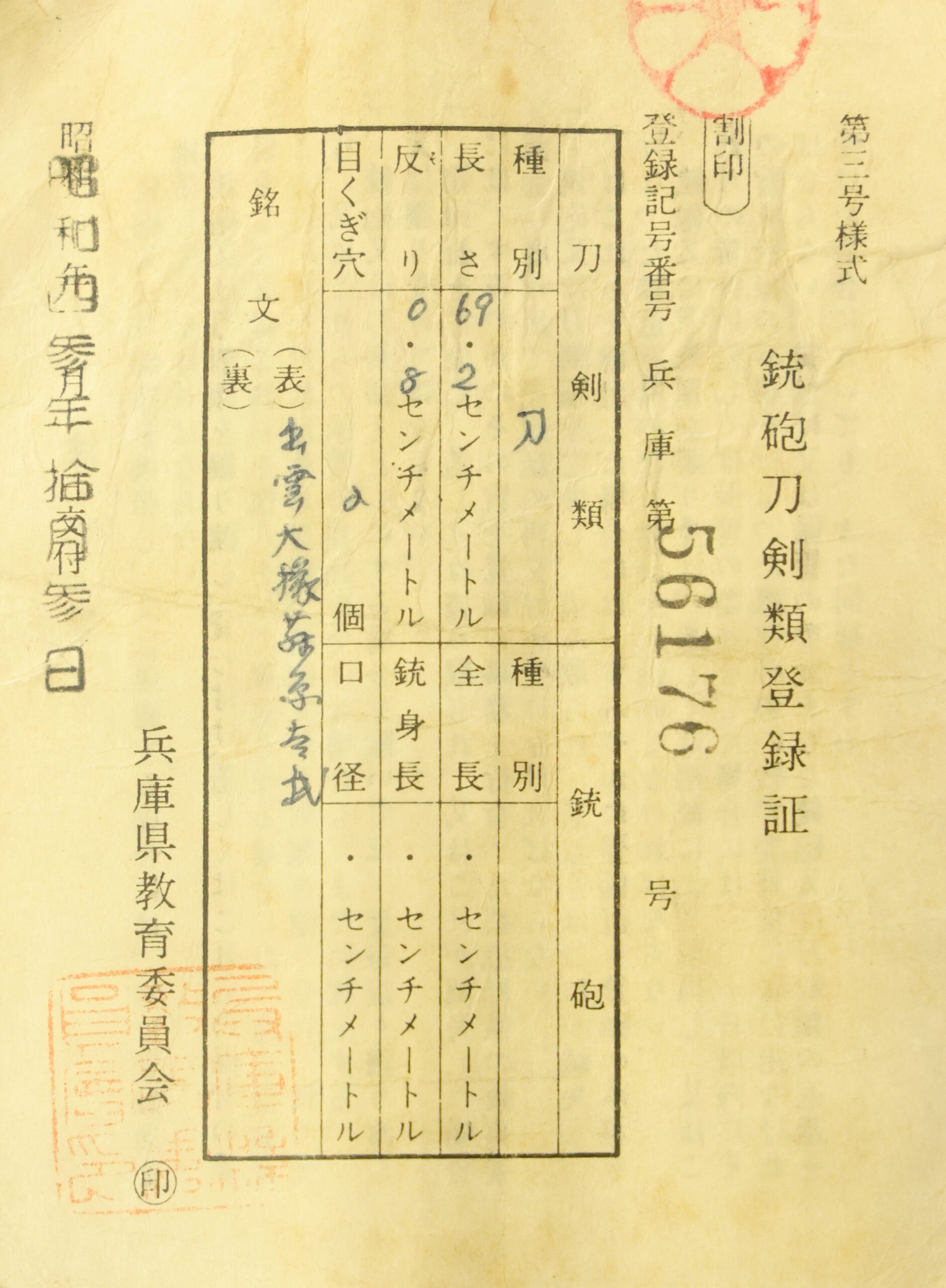
特別保存刀剣鑑定書付 刀:銘 出雲大掾藤原吉武 【解説】 本作は、出雲大掾藤原吉武(いずものだいじょうふじわらよしたけ)による一振りです。吉武の名は三代にわたり受け継がれていますが、本作は万治から天和年間(1658-1681年)にかけて活躍した初代の手によるものです。 吉武は、安土桃山時代の名工・三条吉則の末裔である堀河国武の子として生まれました。父と共に、堀河国広の高弟として知られる堀河国路(ほりかわくにみち)に師事し、その作刀技術を学びました。 当初は山城国(現在の京都)にて堀河派の職人として活動していましたが、後に江戸へ移住。朝廷より「出雲大掾」を受領し、後年には「和泉守」へと転じました。江戸移住後は、当時隆盛を極めていた法城寺派の工らとも交流を深め、その作風に影響を与え合っています。 本作は、日本美術刀剣保存協会(NBTHK)より「特別保存刀剣」に認定されています。これは、保存状態が極めて良好であり、かつ美術的価値の高い真作の日本刀にのみ与えられる貴重な鑑定書です。 ※刀身には数箇所、鍛え傷(きたえきず)が見受けられます。詳細なコンディションについては、お気軽にお問い合わせください。 【刀身】 長さ(Nagasa):69.2 cm 反り(Sori):0.8 cm 刃文(Hamon):焼入れによって刃先に現れる結晶構造。 地文(Jihada):鍛錬の過程で折り返し重ねられた鋼が作り出す表面の模様。 切先(Kissaki):刀身の先端部分。 茎(Nakago):柄に収まる中心(なかご)部分。 中心に施された黒錆は、内部の赤錆を防ぐ役割を果たします。経年による中心の錆色は、専門家が制作年代を特定する際の重要な指標となります。 【外装】 拵(Koshirae):鞘、柄、鐔などから構成される日本刀の外装。 縁頭(Fuchi-Kashira):柄の両端を保護し、装飾する一対の金具。 柄・目貫(Tsuka / Menuki):柄は握り部分、目貫はその装飾金具。 本品の目貫には「鷹の羽」が意匠されています。鷹は古来より鷹狩りに用いられる知的な鳥であり、皇室や貴族、そして高位の武士の間で親しまれてきました。そのため、支配者の権威の象徴とされています。戦国時代、武士にとって立身出世は最大の目標であり、鷹はその象徴として多くの武士に愛好されました。 また、鷹の羽は武士の主要な武器である「矢」の羽としても用いられました。矢は勝敗や戦場を想起させるものであり、武士が鷹の羽の意匠を好んだのは自然な流れと言えるでしょう。今日でも多くの家紋にこのモチーフが採用されています。 鐔・鎺(Tsuba / Habaki):鐔は手を守る護拳、鎺は刀身を鞘の中に固定し、刀身が鞘の内側に触れて錆びたり欠けたりするのを防ぐ金具です。 本品の鐔は「四ツ木瓜(よつもっこう)」形をしています。木瓜紋の由来は、鳥の巣の中にある卵の形を模したものと言われ、植物の木瓜を輪切りにした断面にも似ていることからその名がつきました。本作のような四ツ木瓜形は、古来より鐔の形状として最も親しまれているものの一つです。
 NihontoWatch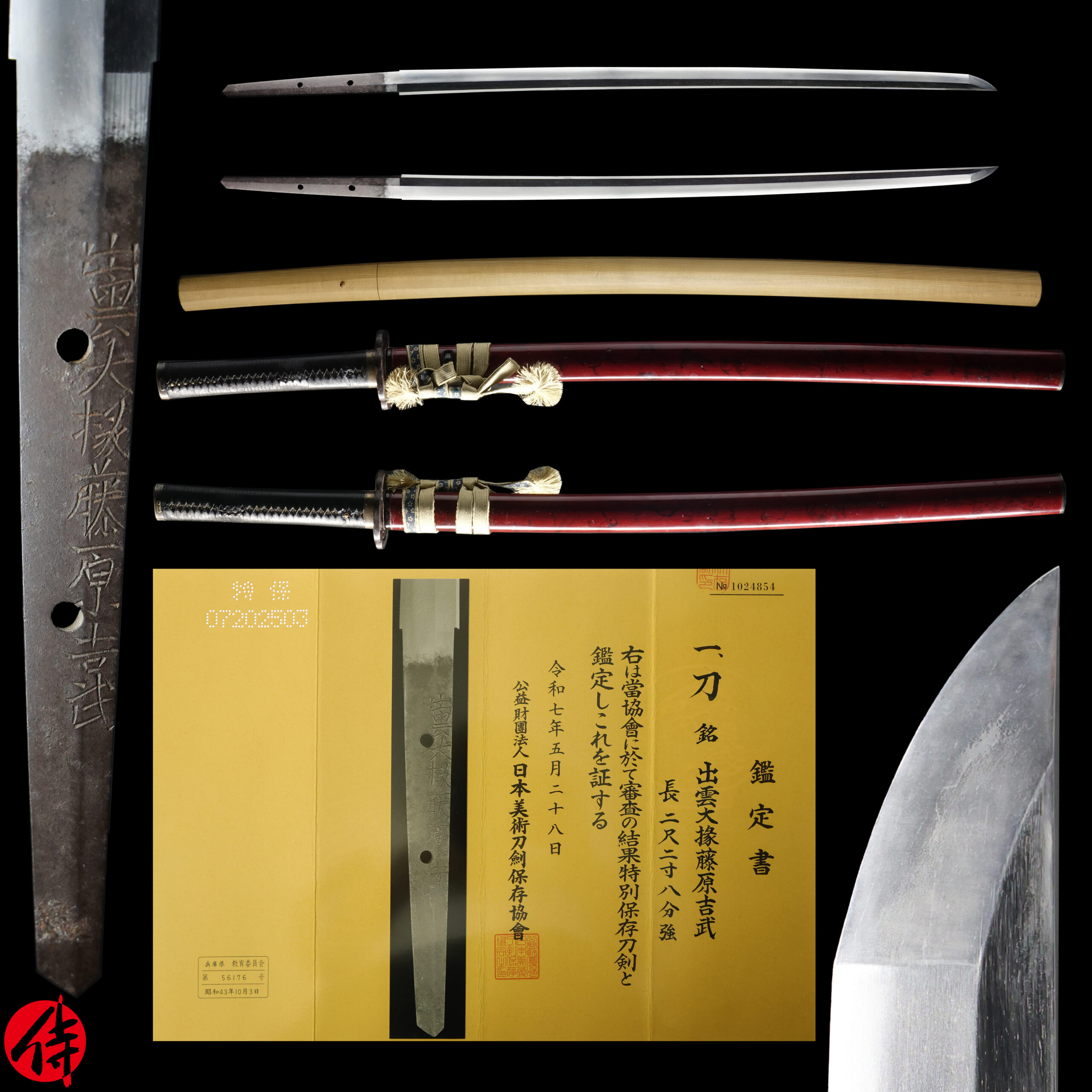
新刀 · 山城
現在76点販売中
堀川派は、山城国京都の一条堀川を本拠として、十六世紀末から十七世紀初頭にかけて成立した新刀期の一門である。祖の堀川国広はもと日向飫肥の城主伊東家に仕えた武士で、主家没落の後は諸国を遍歴して鍛刀の技を磨き、足利学校打や美濃大道との合作などにその足跡を銘文へ残した。慶長四年(一五九九)以後は京一条堀川に定住し、多くの俊秀を糾合してこれを育てた。その門からは出羽大掾国路、和泉守国貞(親国貞)、河内守国助、越後守国儔、大隅掾正弘、堀川国安らが輩出する。国広以前の関や末相州の作風を経て、定住後の一門は相州伝、就中、志津や貞宗、左文字の復興を共通の理想に掲げた。慶長新刀の姿に南北朝期の大太刀を磨上げた趣を写し、明寿と並んで新刀の創始を称えられる祖を戴いて、この派は京の鍛冶を改めた起点に立つ。 一門の作風は、地鉄にまず標識を持つ。板目に杢や大板目を交えて肌立つ、いわゆる「ザングリとした」枯れた肌合を呈し、地沸が微塵に厚くつき、地景が細かに頻りに入る。区際より斜めに立つ水影は国広自身の手癖で、正弘や国安、国正にも伝わる。刃は浅いのたれを基調に互の目や尖り刃を交えて沸厚く、金筋や砂流しがかかり、処々に湯走りや飛焼を見せ、匂口が沈みごころとなるのが一派に通じる癖である。刃区を深く焼き込む態も国広に始まり門弟へ及ぶ。この共通の地刃の上に、各工は己の差を置く。国路は肌立ちザングリと枯れた地に厚く荒い沸の志津写しを焼き、浅くのたれ込んで先の尖る三品帽子を見せて、一門中随一の器用人と称された。国安は受領銘を用いず必ず二字に切り、左利きゆえに逆筋違の鑢目を切る唯一の工で、その手は最も祖に近い。正弘は大乱れを焼かず、焼を低く刃取りを抑えて目立つ杢を交え、作風も銘字の藤原の二字に至るまで祖に酷似する。国儔はかえって末関に向かい、頭の丸い互の目と締った匂口に兼之を思わせる美濃の一脈を担った。弘幸は一門ただ一人切り鑢を用い、黒みをおびた鉄に古作大和を想わせる直刃を本領とした。 蒐集家が堀川派を求める理由は、鑑定の勘所と、祖と高弟の格にある。在銘作を主体とし、慶長打は太鏨肩落の大振り二字銘や、日州古屋住から洛陽一条堀川住に至る受領銘を交えるため、銘そのものが工と時を定める手懸りとなる。国広の刀は、ザングリの地、斜めの水影、沈む匂口という手癖を写し物の中にすら宿し、相州伝復興の理想を最も高く体現する。高弟もまた、それぞれの極めの言うところで分かたれる。国路の三品帽子と長い金筋、国安の二字銘と逆鑢、正弘の抑えた焼と目立つ杢、国儔の頭の丸い互の目、弘幸の切り鑢と黒い鉄は、いずれも対手から借りた特徴ではなく己の地刃から引かれた標識である。代表作には伝後水尾天皇御寄進の拵を具して幡枝八幡宮に伝わる奉納太刀があり、伝来は日向伊東家、岡山藩家老伊木家、土佐山内家、大島津家、豊臣秀頼、皇室に及ぶ。最晩年の国広作は弟子の代作代銘と読まれるが、師の監督は厳重で偽物とは全く異なる。そして親国貞と河内守国助は国儔に学んで大坂へ下り、大坂新刀の草創に立った。国貞の嗣は井上真改として、その名を一層名高い世代へと継ぐ。京の堀川に始まった相州伝復興の手は、かくして後世の新刀へと流れていった。 詳しく見る →
京 新刀の源流
新刀の時代は、その大部分が京都で発明された。埋忠明寿の工房が運動を育て、堀川国広が一世代を鍛え、鎚を持たぬ本阿弥家が名刀の意味を司った。
保存刀剣のうち、出来が一層優れ、保存状態も良好と認められたものです。再刃や、室町・江戸期の多くの無銘作は対象外となり、保存刀剣より高い基準が課されます。
日本美術刀剣保存協会(NBTHK)は、1948年に設立され、文化庁の監督を受ける公益財団法人で、東京・刀剣博物館に本部を置きます。専門の審査員が出品作を直接審査し、美術的・歴史的価値に応じた鑑定書を発行します。NBTHKの鑑定書は、日本刀および刀装具の真正性を示す最も広く認知された基準です。
NBTHK公式サイトReturns/exchanges limited to defects caused by shipping (except willful misconduct or gross negligence by the company); customers must contact within 72 hours of receiving the product.


![Wakizashi - Tokuho - 作 堀川派 - 脇差[出羽大掾藤原国路(良業物)][日本美術刀剣保存協会]特別保存刀剣](/_next/image?url=https%3A%2F%2Fitbhfhyptogxcjbjfzwx.supabase.co%2Fstorage%2Fv1%2Fobject%2Fpublic%2Flisting-images%2Fworld-seiyudo%2FL31422%2F00.jpg&w=2560&q=90)