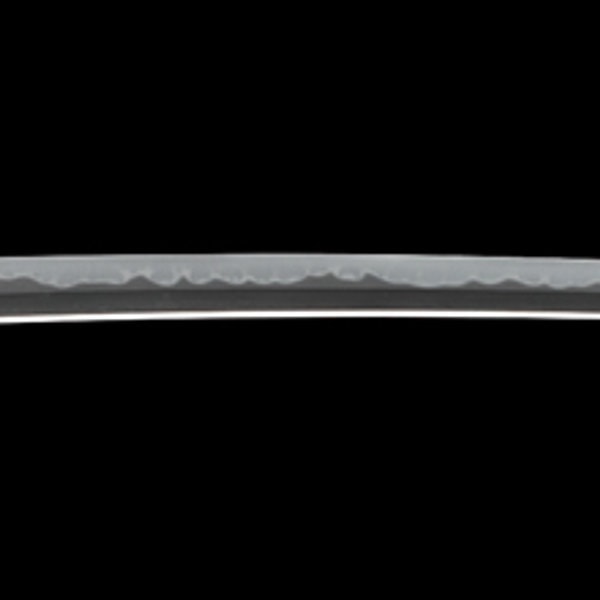
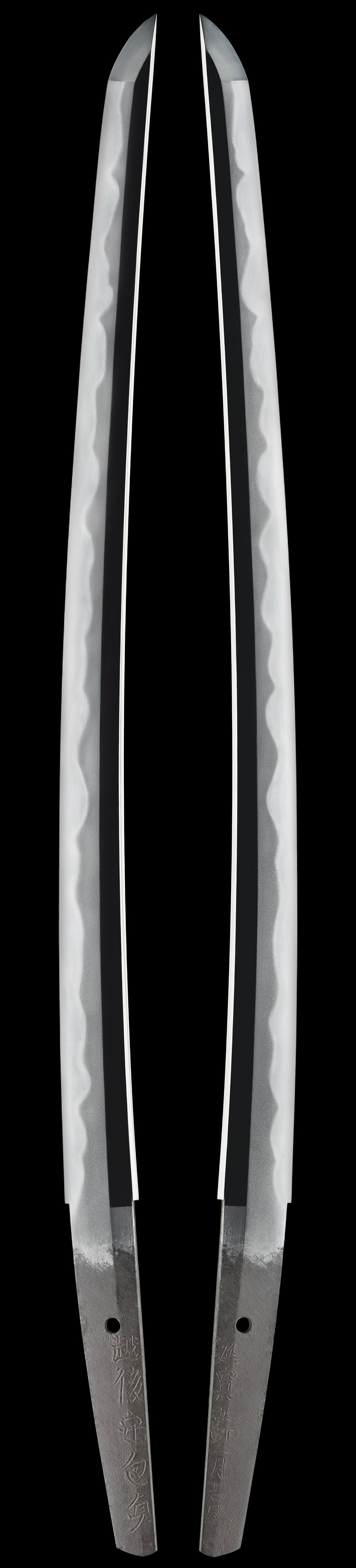
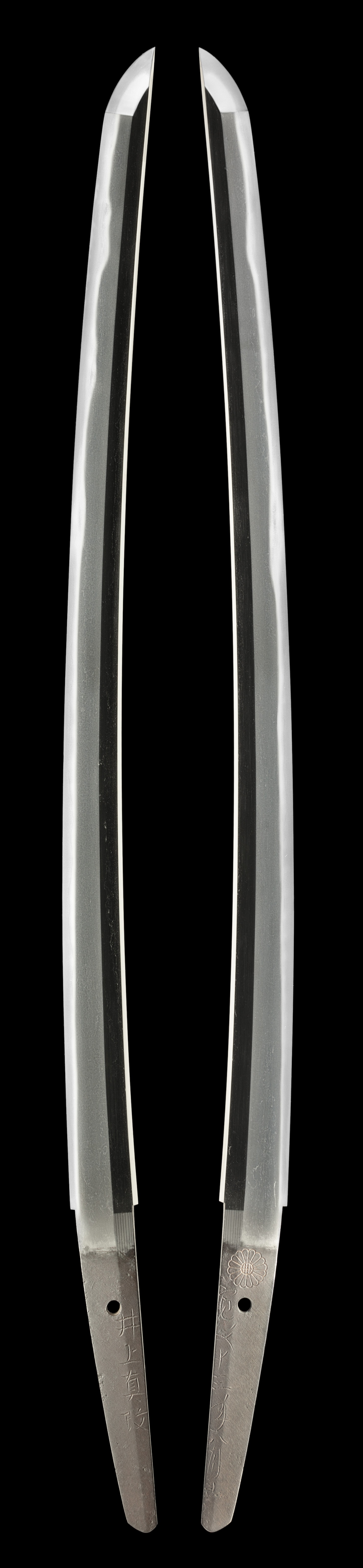
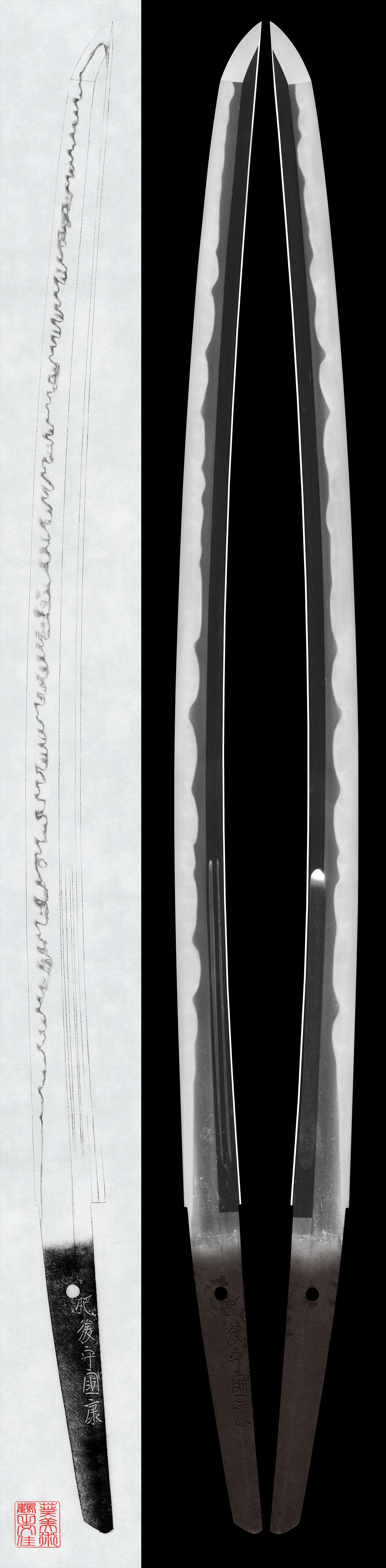
大坂は町人の都であり、刀も金の流れに従った。脇差一腰しか許されぬ町人のための贅沢な作、助広の濤瀾乱れ、大坂正宗と呼ばれた真改。率直に言えば、見られるために作られた刀である。
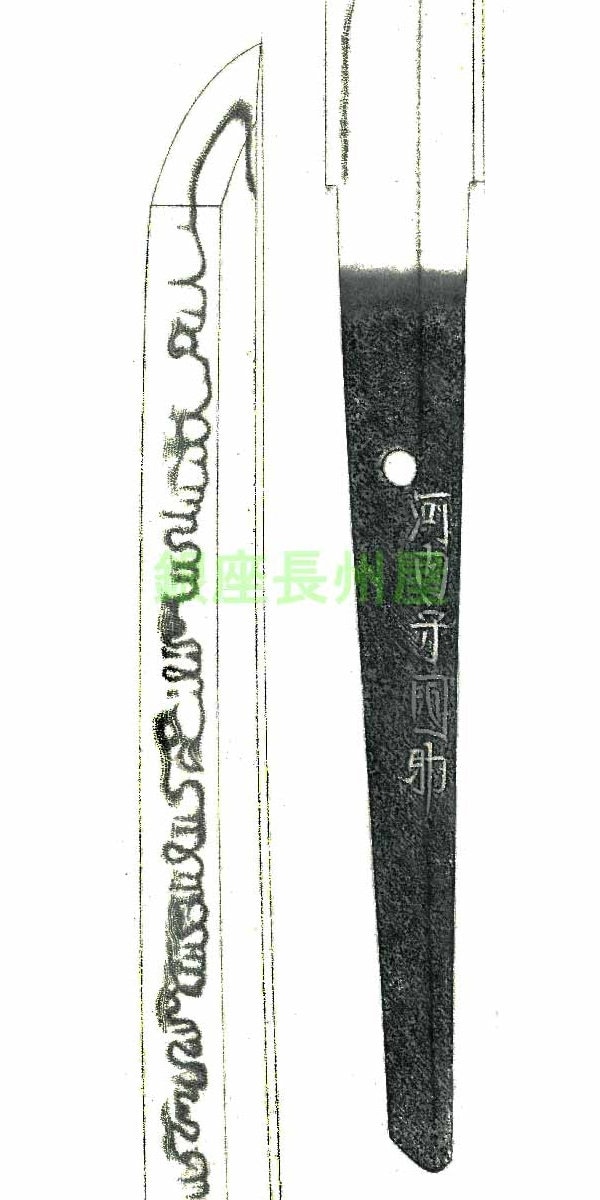
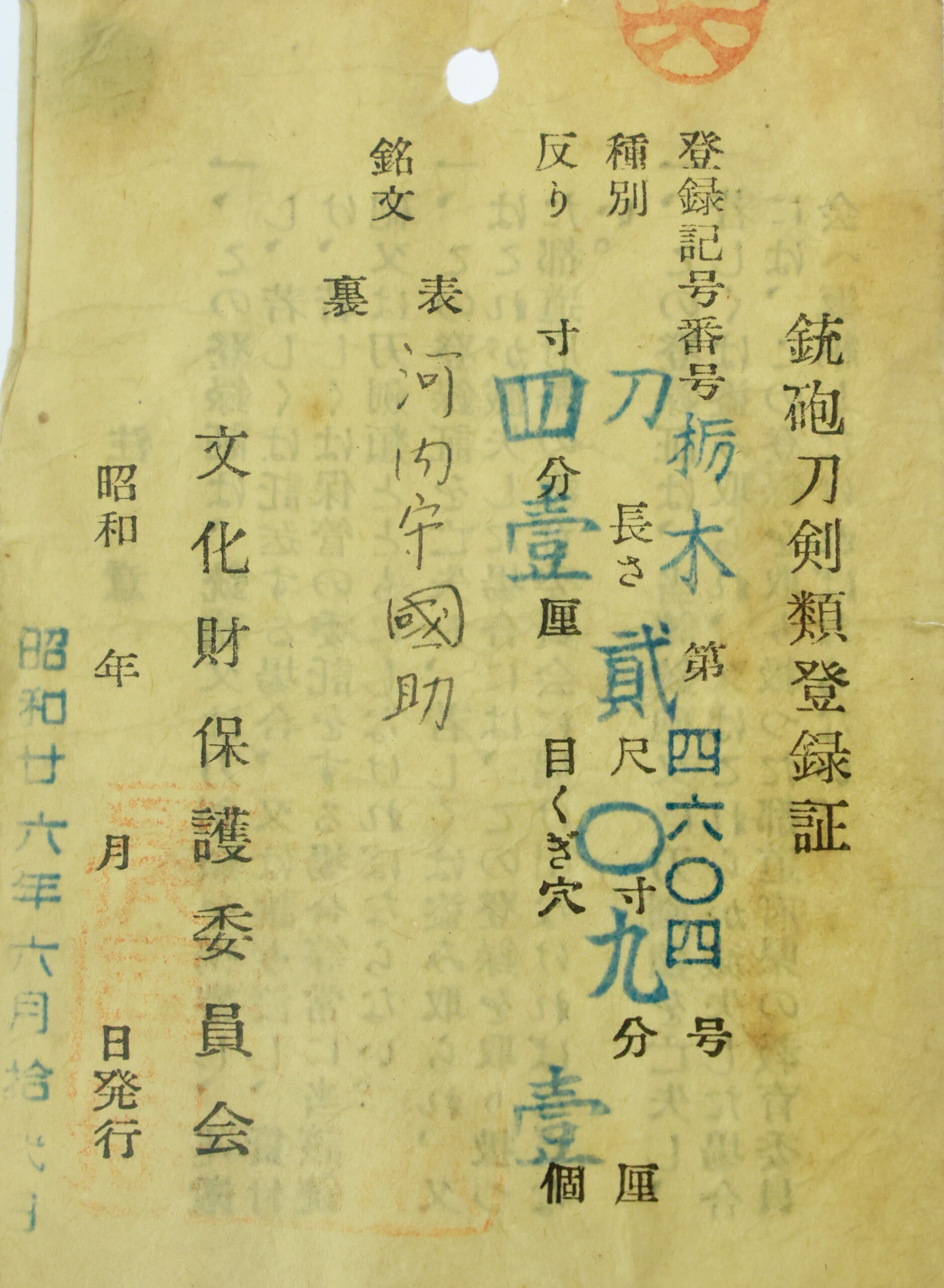
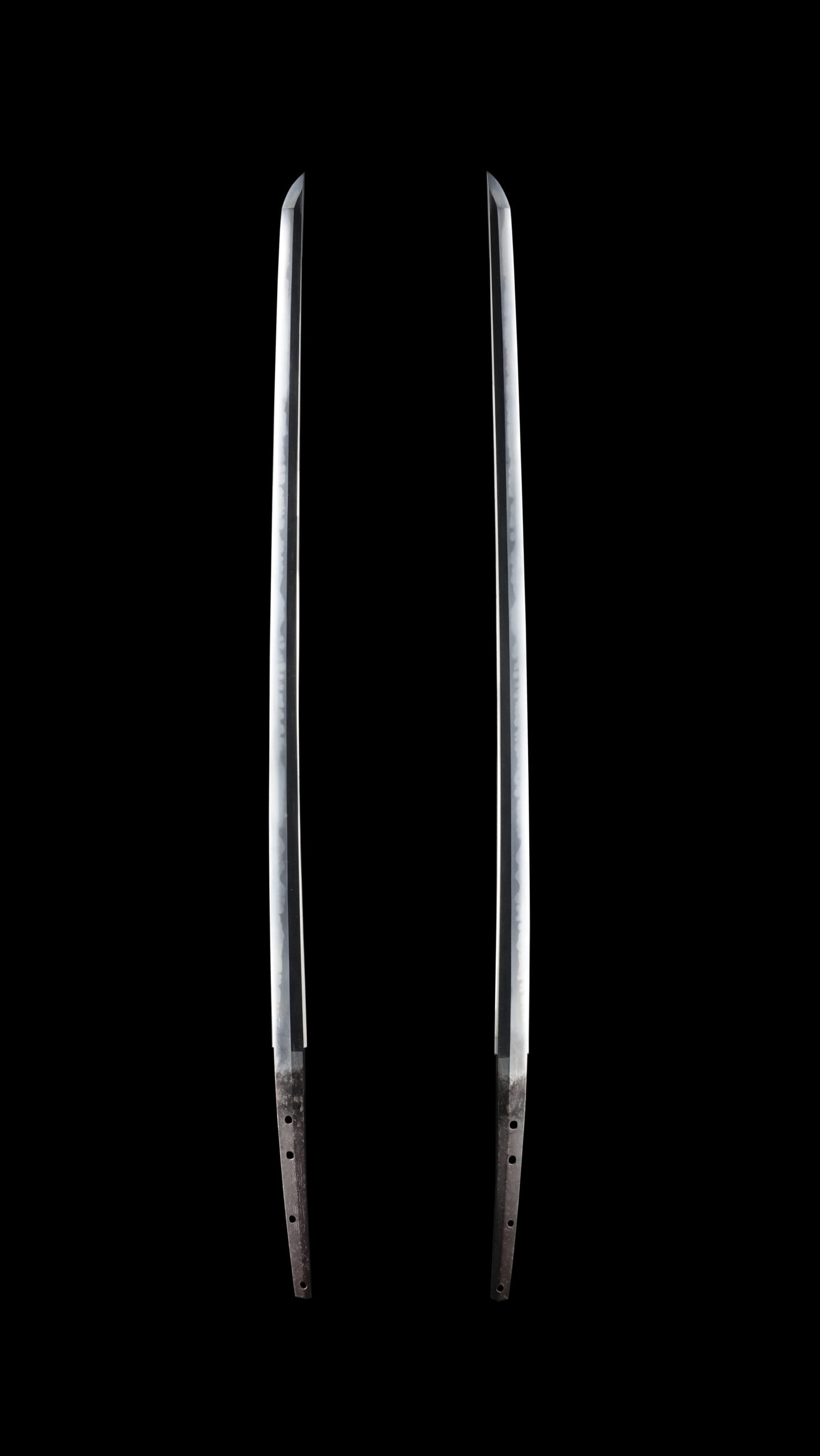
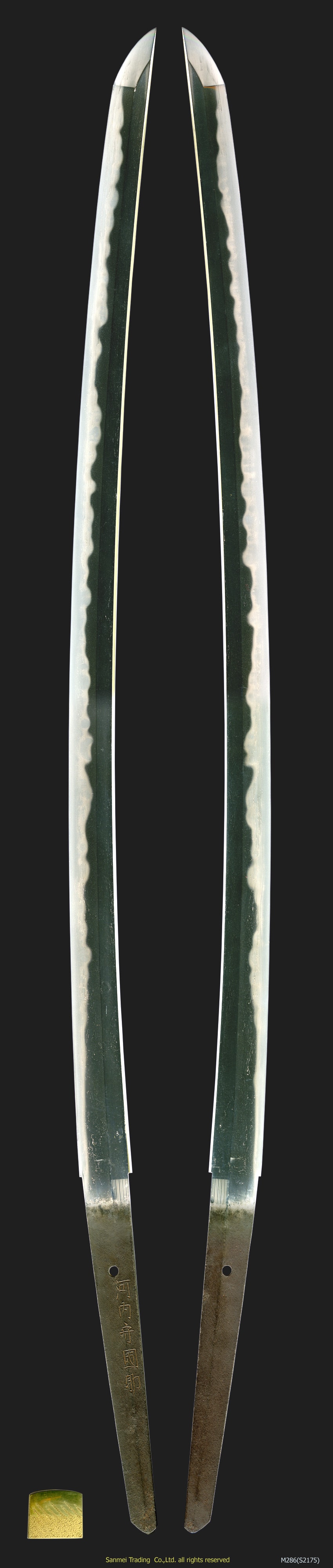
Antique Japanese Sword Katana signed by Fujiwara Kawachi no Kami Kunisuke with NBTHK JUYO TOKEN Certificate 【Description】 This blade was signed by Kawachi no Kami Kunisuke (河内守国助). Based on the characteristic of the blade, NBTHK authenticated this blade as a work of the second-gen Kunisuke, who was active in sword-forging during 1658-1673 (the early Edo period). Kunisuke was one of the most well-known swordsmiths in Osaka during the early Edo period. There were three generations of Kunisuke in total. Since the second-gen was active between the first and the third-gen Kunisuke, he was also called Naka Kawachi (中河内). Kawachi is the short term of Kawachi no Kami, the honorable title given to this swordsmith, and Naka means the middle in Japanese. He was famous for forging blades with the Kobushi Choji tempering line. Kobushi means fist in Japanese. This tempering line looks there are a lot of fists lining continuously. This blade has Kobushi Choji Hamon. The first-gen Kunisuke was born in Ise province (today’s Mie province) and served Seki Kazumasa, the head of Kameyama Castle. However, after the Seki clan was destroyed, he moved to Kyoto. He became an apprentice of Horikawa Kunihiro, one of the most famous swordsmiths during the early Edo period. After Kunihiro deceased, Kunisuke learned the sword-forging technique from Echigo no Kami Kunitomo. Eventually, he moved to Osaka with Izumi no Kami Kunisada to become an independent sword maker in the seventh year of Kaenei (1630). It is said that he played an essential role in making Osaka Shinto movement. the superb craftsmanship of the first-gen was passed down to the second-gen Kunisuke. The blades forged by the second-gen Kunisuke are categorized as Osaka Shinto. Shinto is Japanese Sword terminology that refers to the swords forged during 1596-1781. The blades made in the Osaka area during this period are called Osaka Shinto. There are many famous swordsmiths in this Osaka Shinto era. After Hideyoshi Toyotomi built Osaka castle, Osaka city flourished as a castle town and became the business center. Many swordsmiths moved to Osaka to look for better opportunities. They not only forged swords for those Samurai who lived in Osaka but also for feudal lords nationwide. Ikanshi Tadatsuna (Awataguchi Omi no Kami Tadatsuna), Inoue Shinkai, and Tsuda Sukehiro are the most famous among many swordsmiths. One of the most notable characteristics of Osaka Shinto is its beauty in Jigane. Jigane is a visible steel surface pattern created by folding and hammering during the forging process), which made it possible by the location of Osaka. Osaka had close access to the Tamahagane (special carbon steel to make Japanese swords) production sites. The swordsmiths residing in Osaka were able to get high-quality carbon steel from these sites. Appraisal This blade is appraised as a JUYO TOKEN (重要刀剣) issued by NBTHK (Nihon Bijutsu Touken Hozon Kyokai: 日本美術刀剣保存協会). This authentication paper was only given to authentic Japanese swords, exceptionally well preserved and of high quality with artistic value. JUYO is one rank higher than Tokubetsu Hozon. To be eligible for a Juyo Token, it needs to be appraised as a Tokubetsu Hozon Token first. It is extremely rare for an antique Japanese sword to be appraised as JUYO TOKEN, and it is highly desirable among Japanese sword collectors. 【 Blade】 Cutting Edge Length (Nagasa) : 63.2 cm (24.8 inches) Curvature (Sori) : 1.3 cm (0.51 inches) Hamon : The crystalline structure which forms along the cutting edge of a blade as a result of the hardening process. Jimon (Jihada) : Visible steel surface pattern created by folding and hammering during forging process. Kissaki : Kissaki is the tip of the Japanese sword. Nakago : Nakago is the tang of the Japanese sword. Japanese swordsmiths left the black rust on the tang because it prevents red rust while the tang is in its handle. And the discoloration of the tang was created over time, and it is a great indicator for a Japane
在銘 · 元和〜正保 · 長さ 63.2cm · 反り 1.3cm
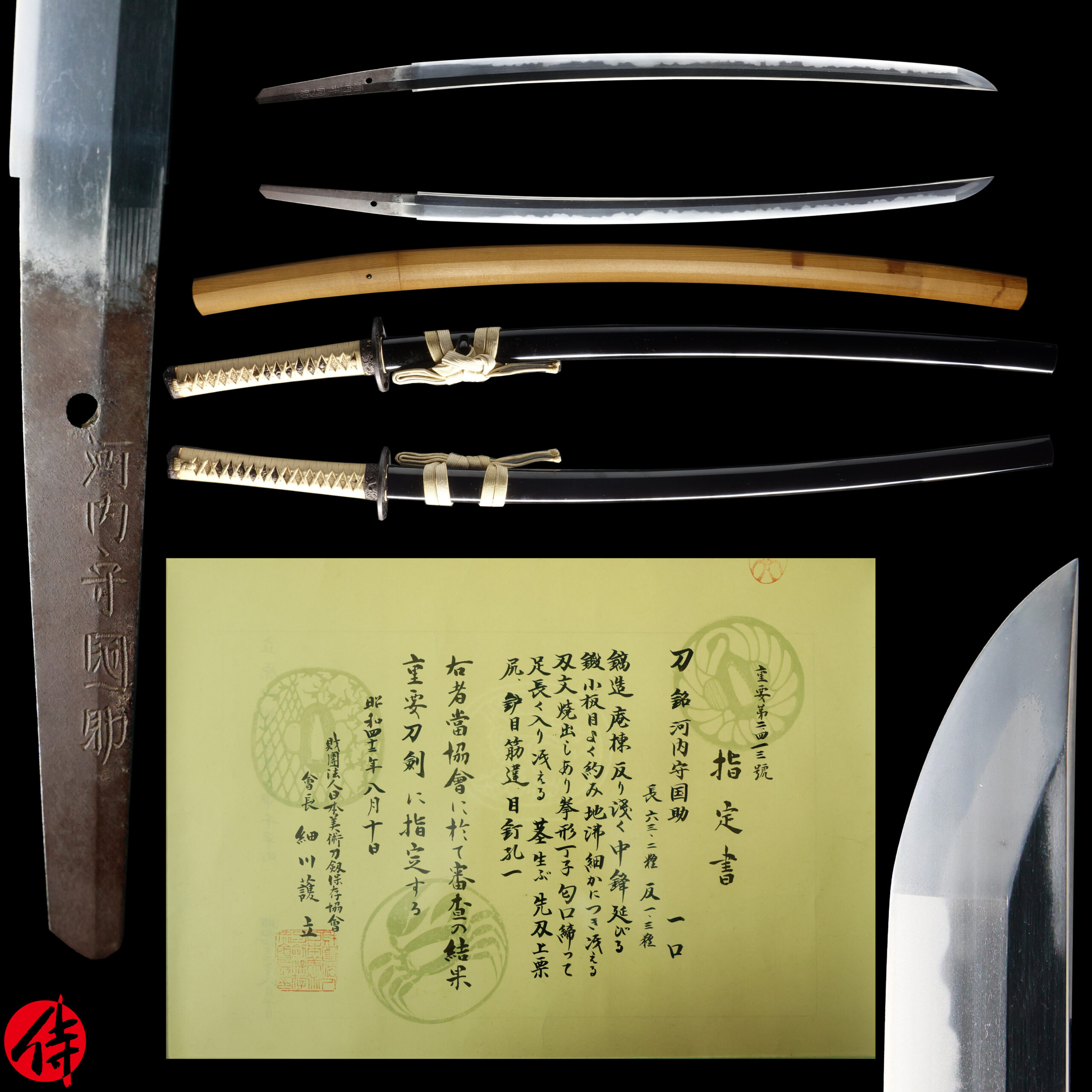
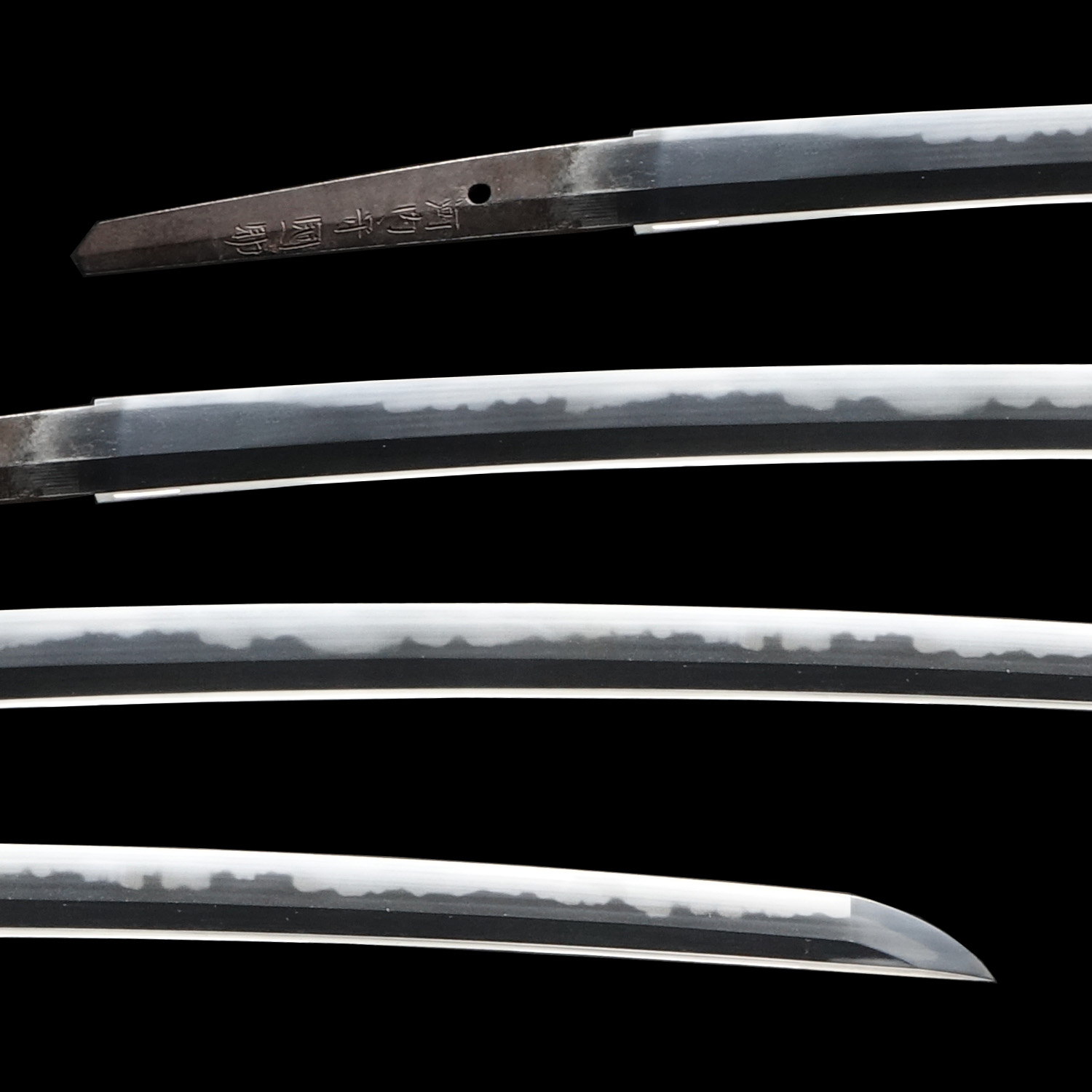
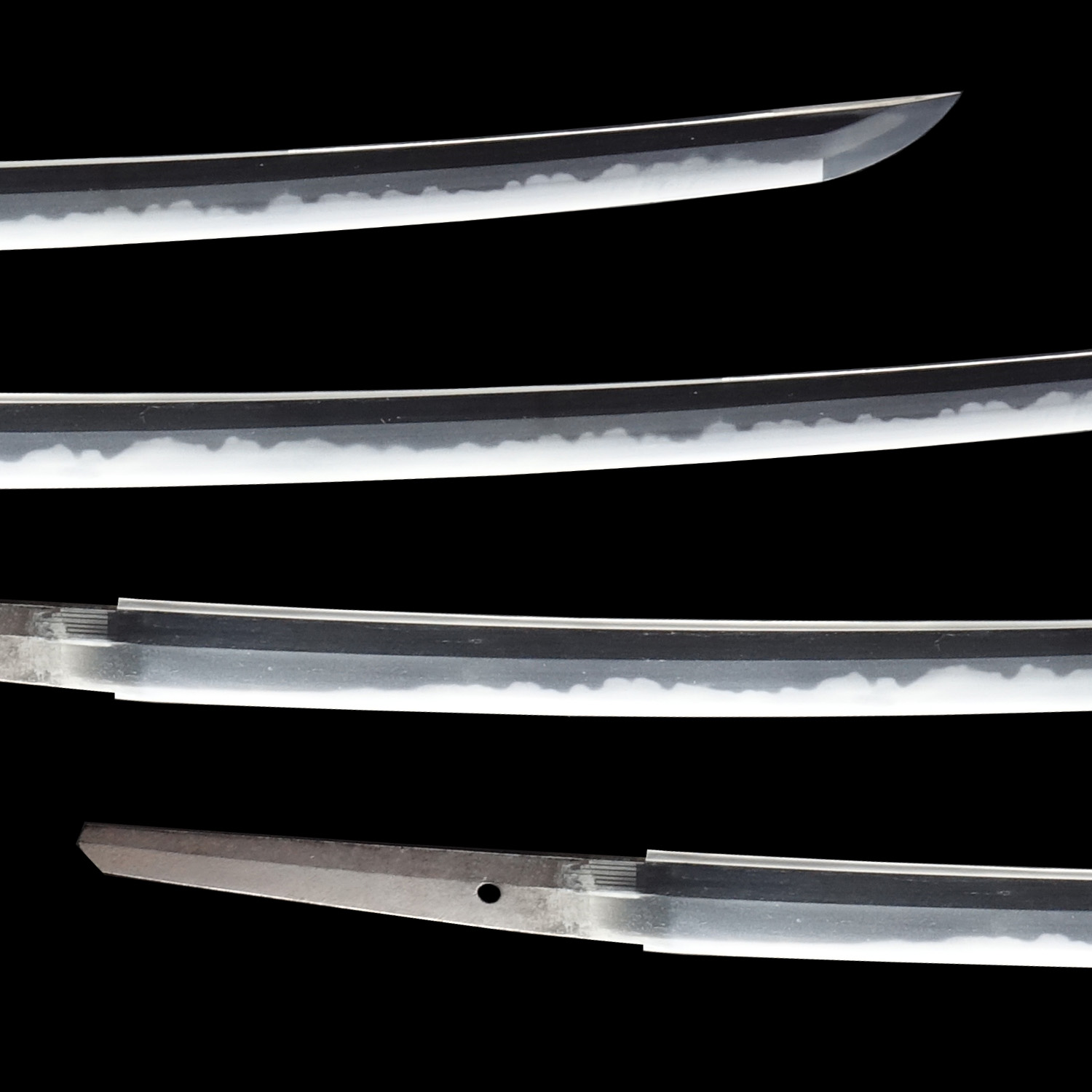
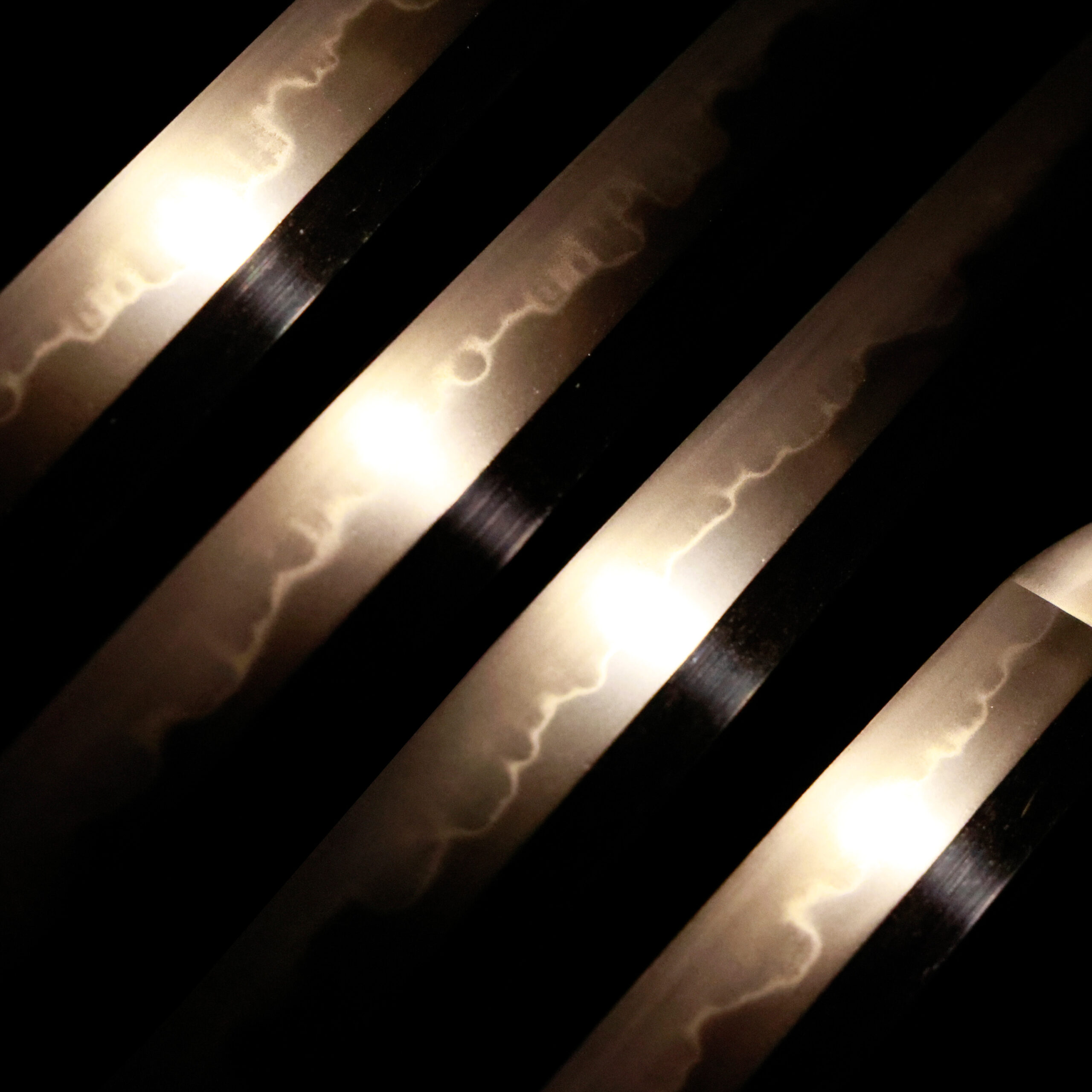
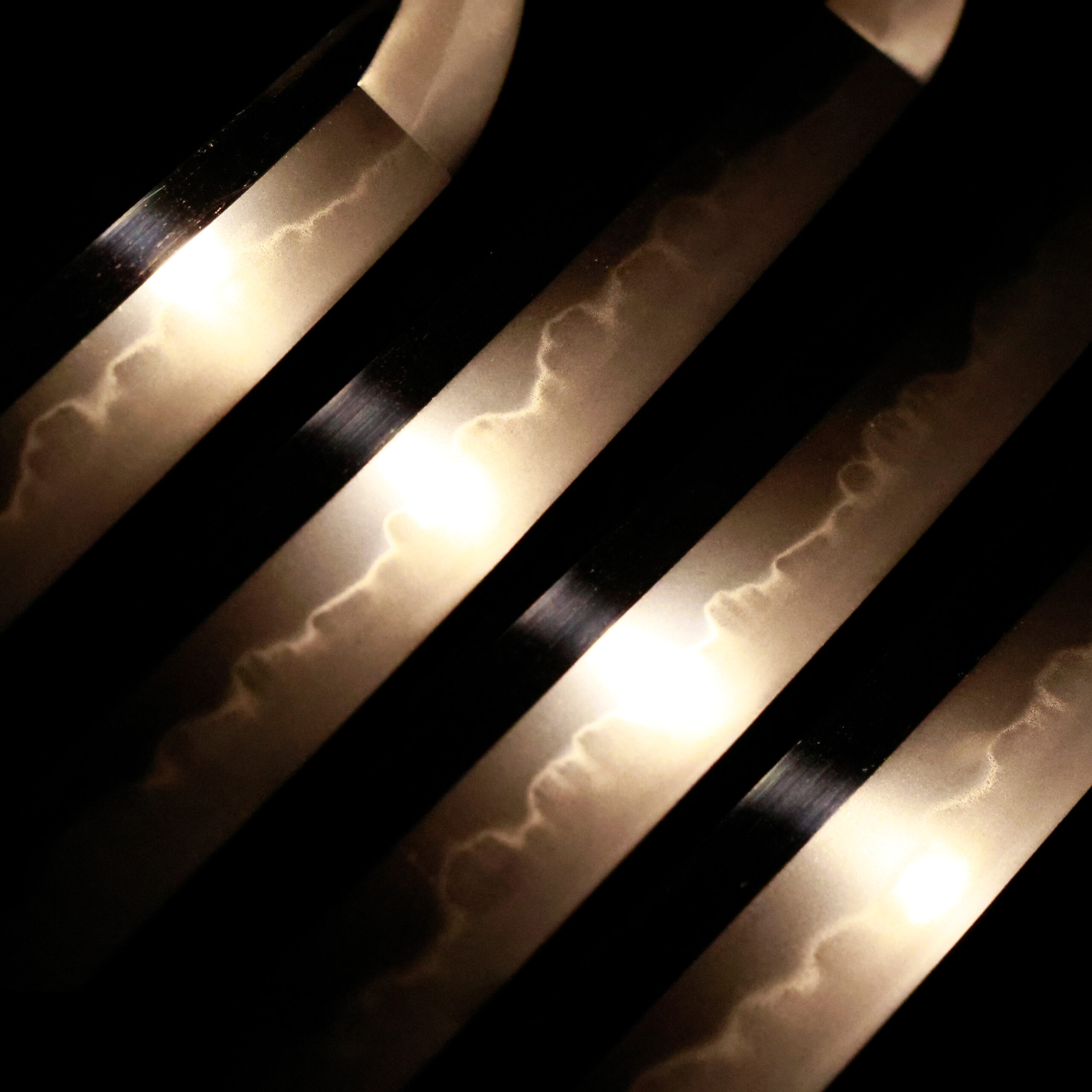
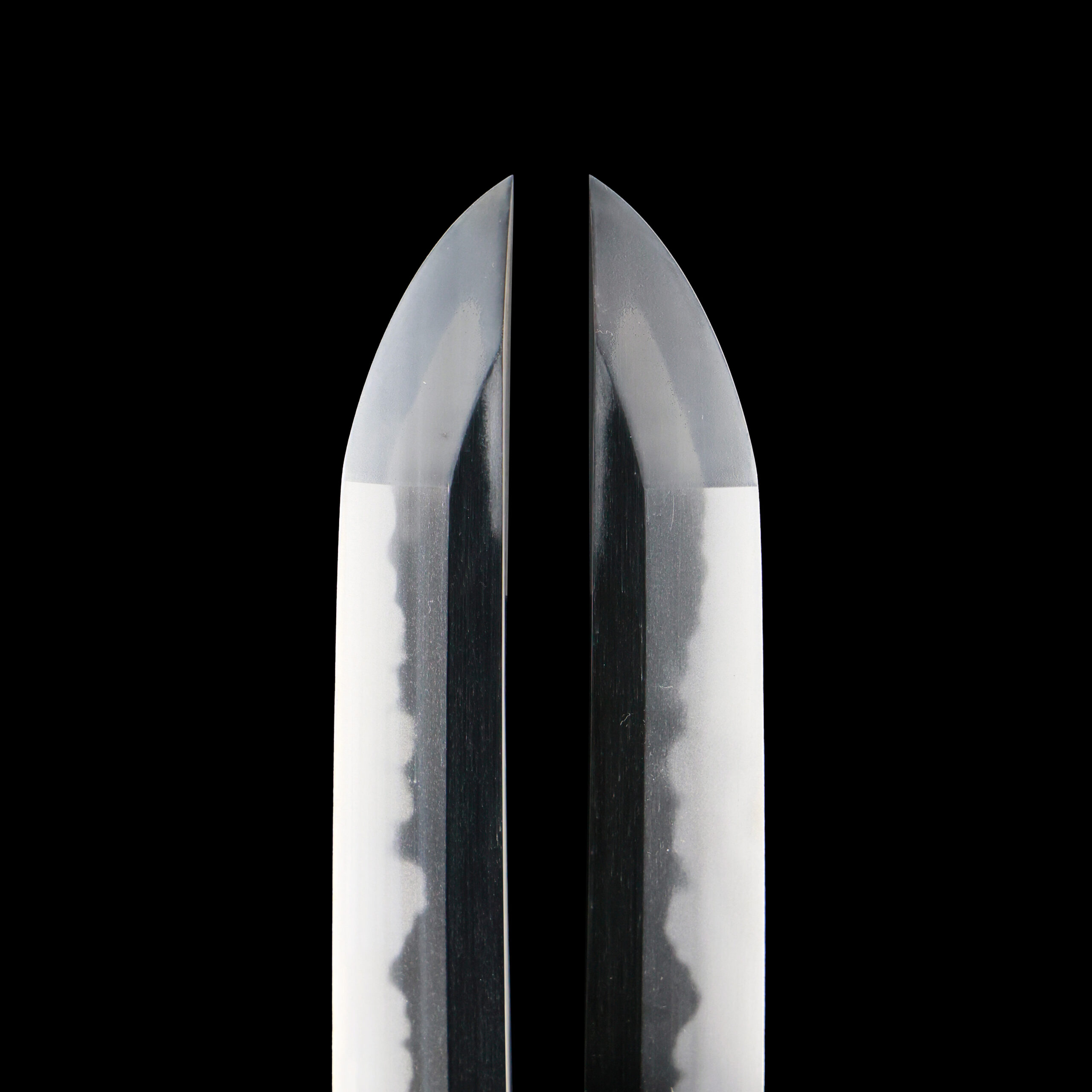
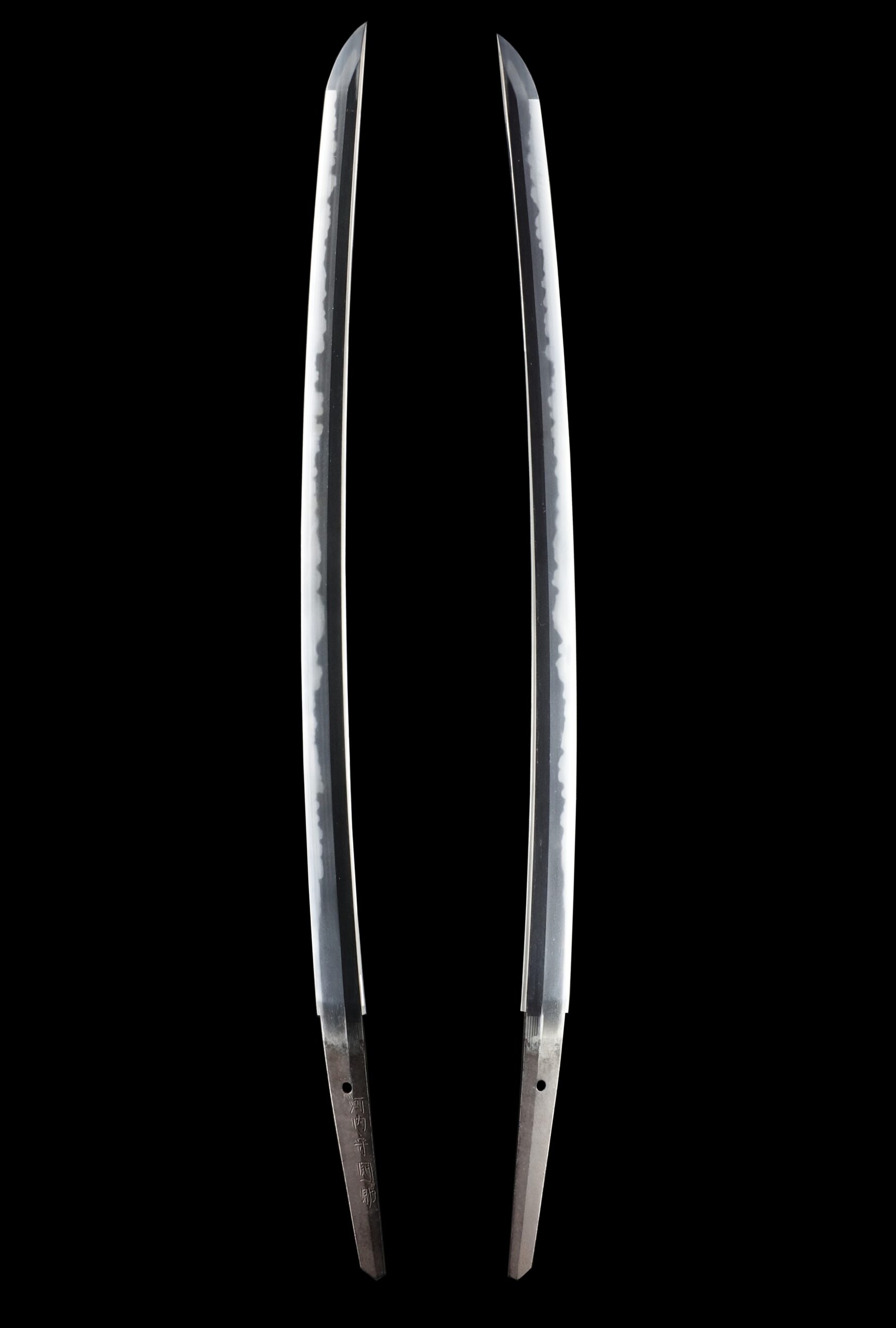
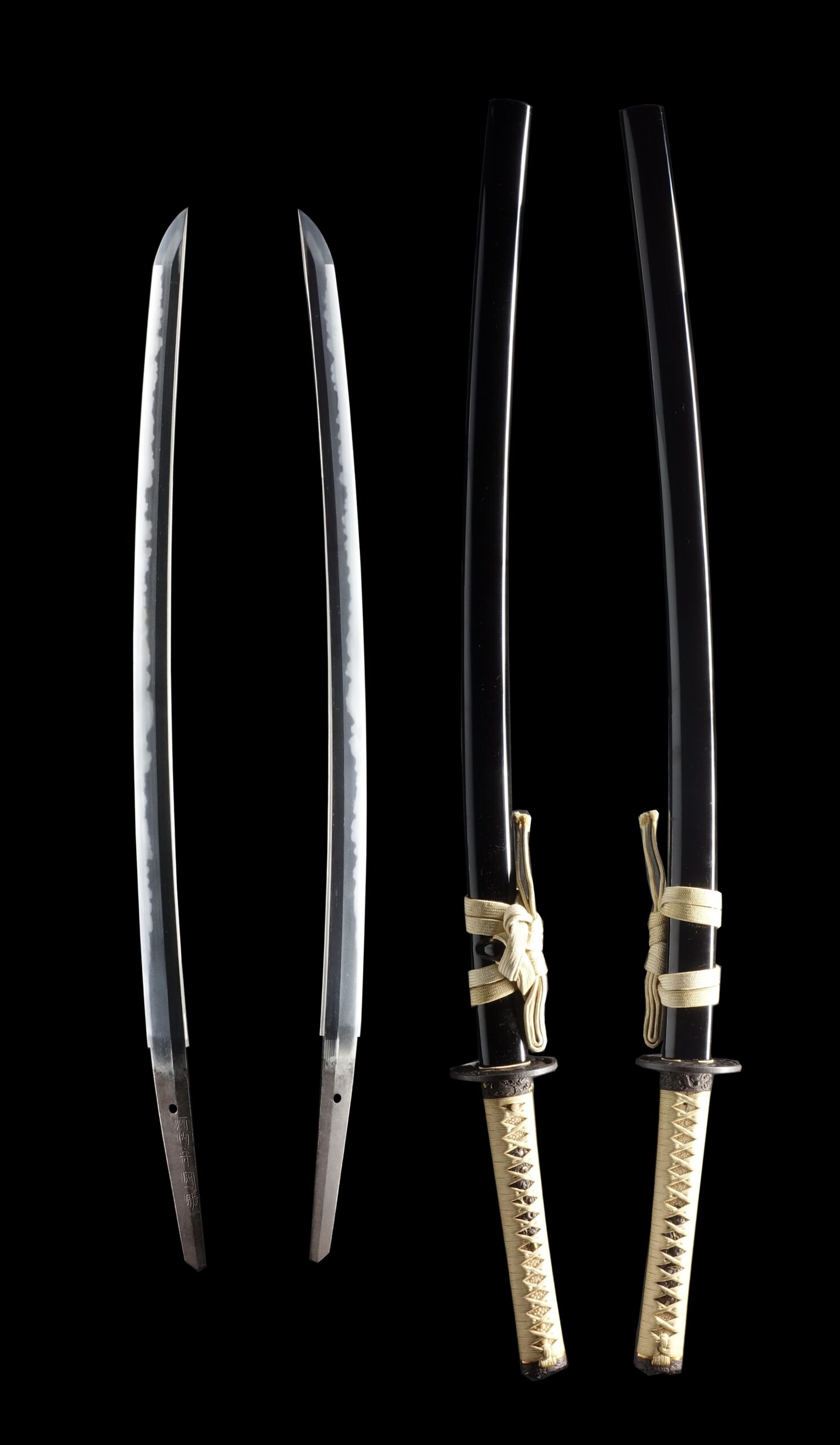
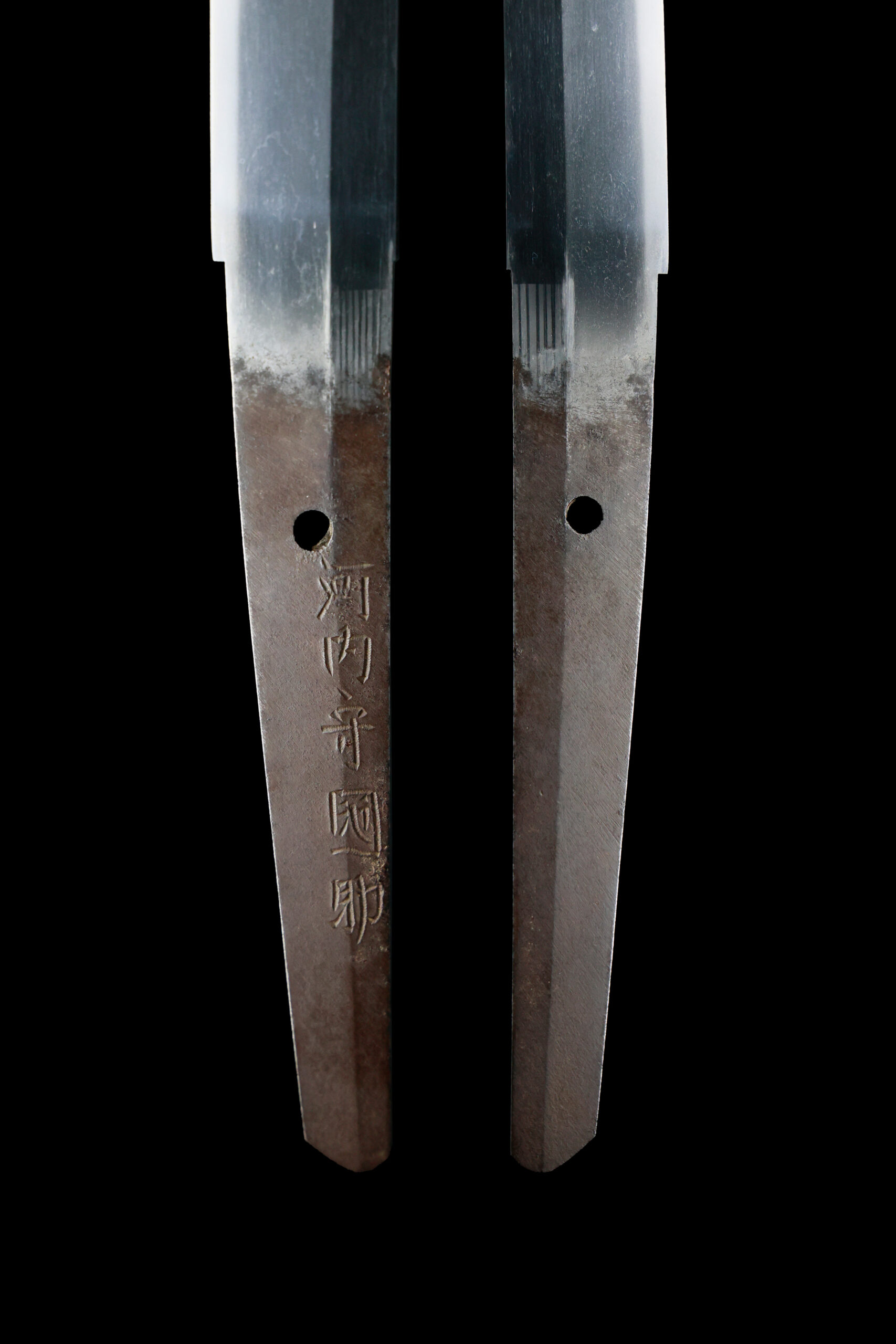
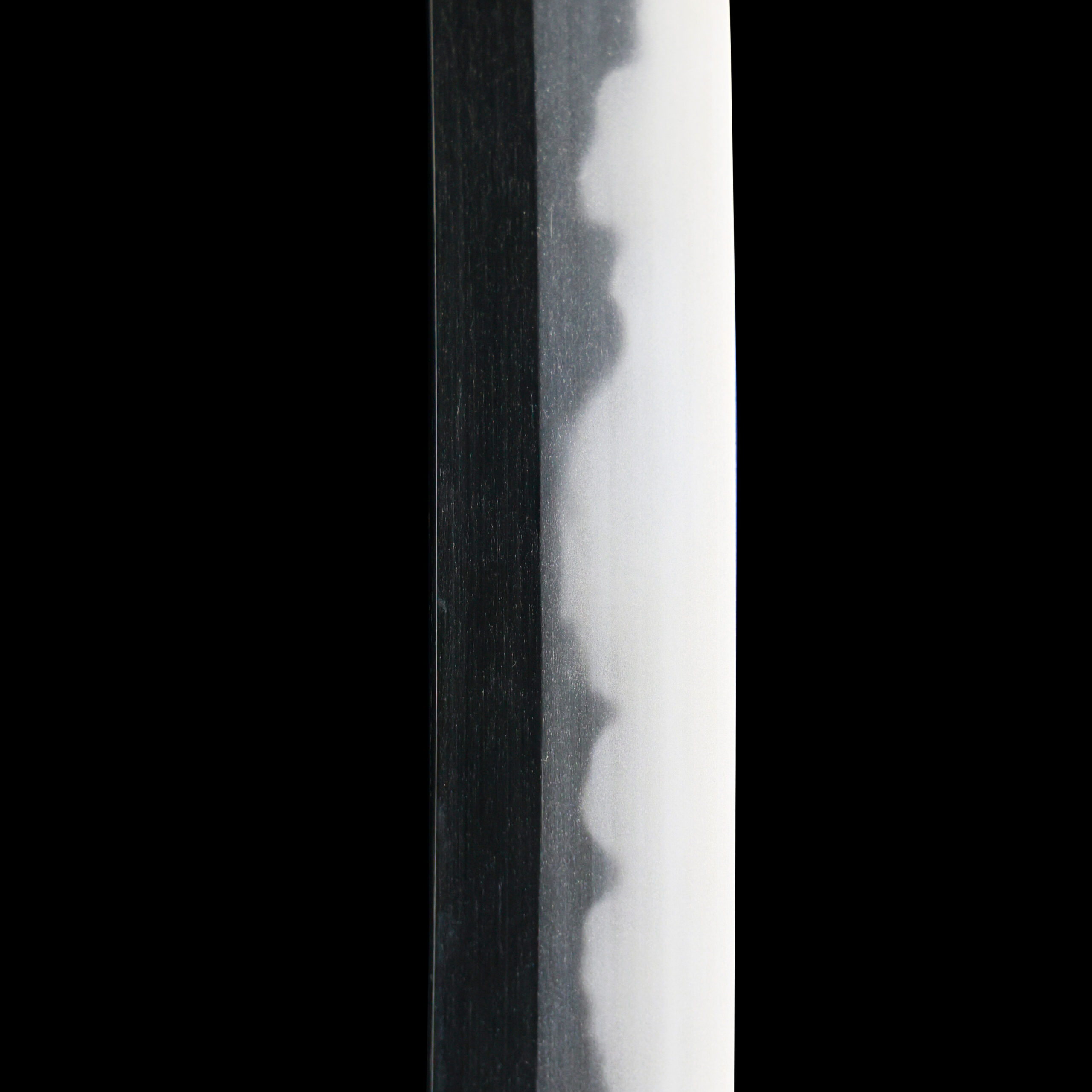
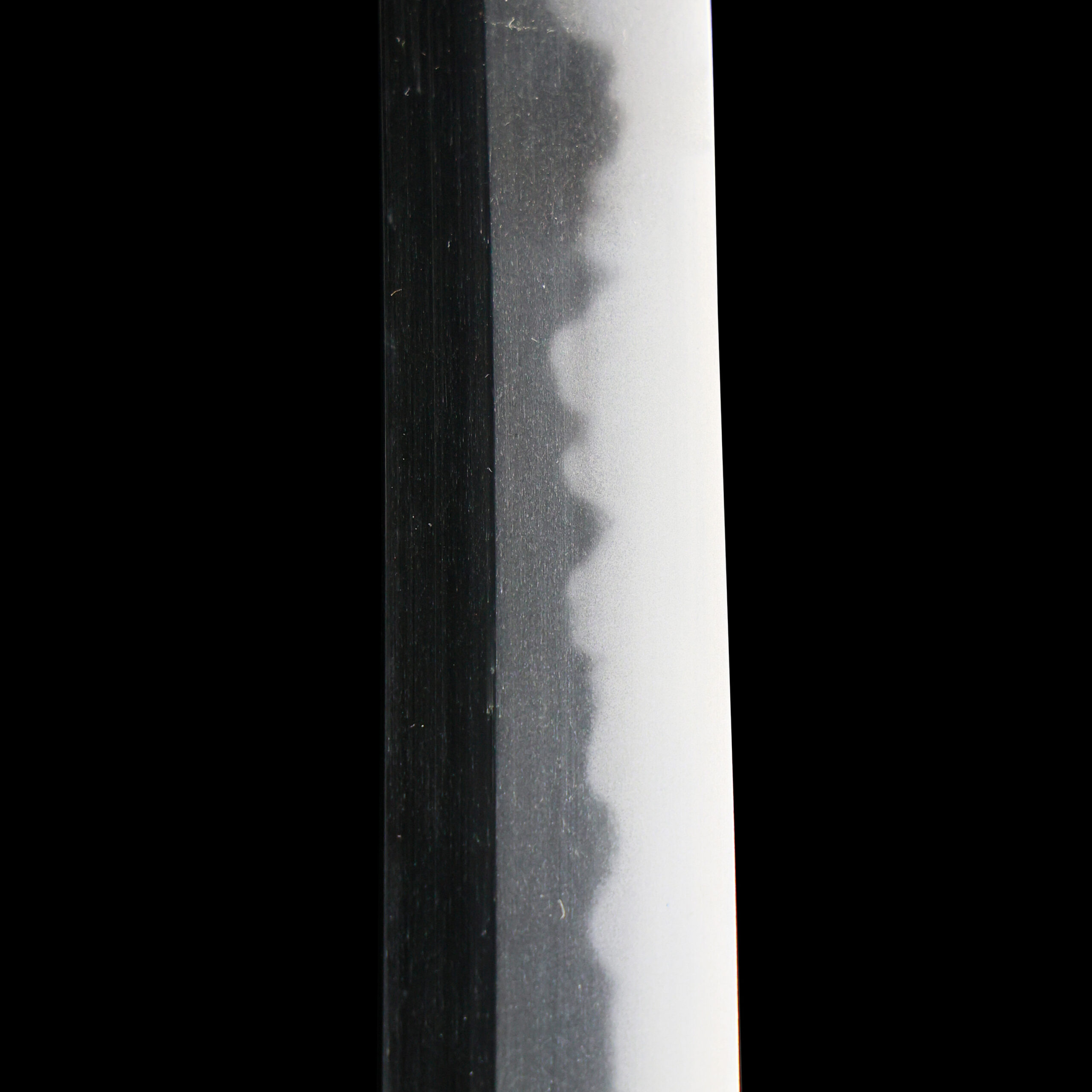
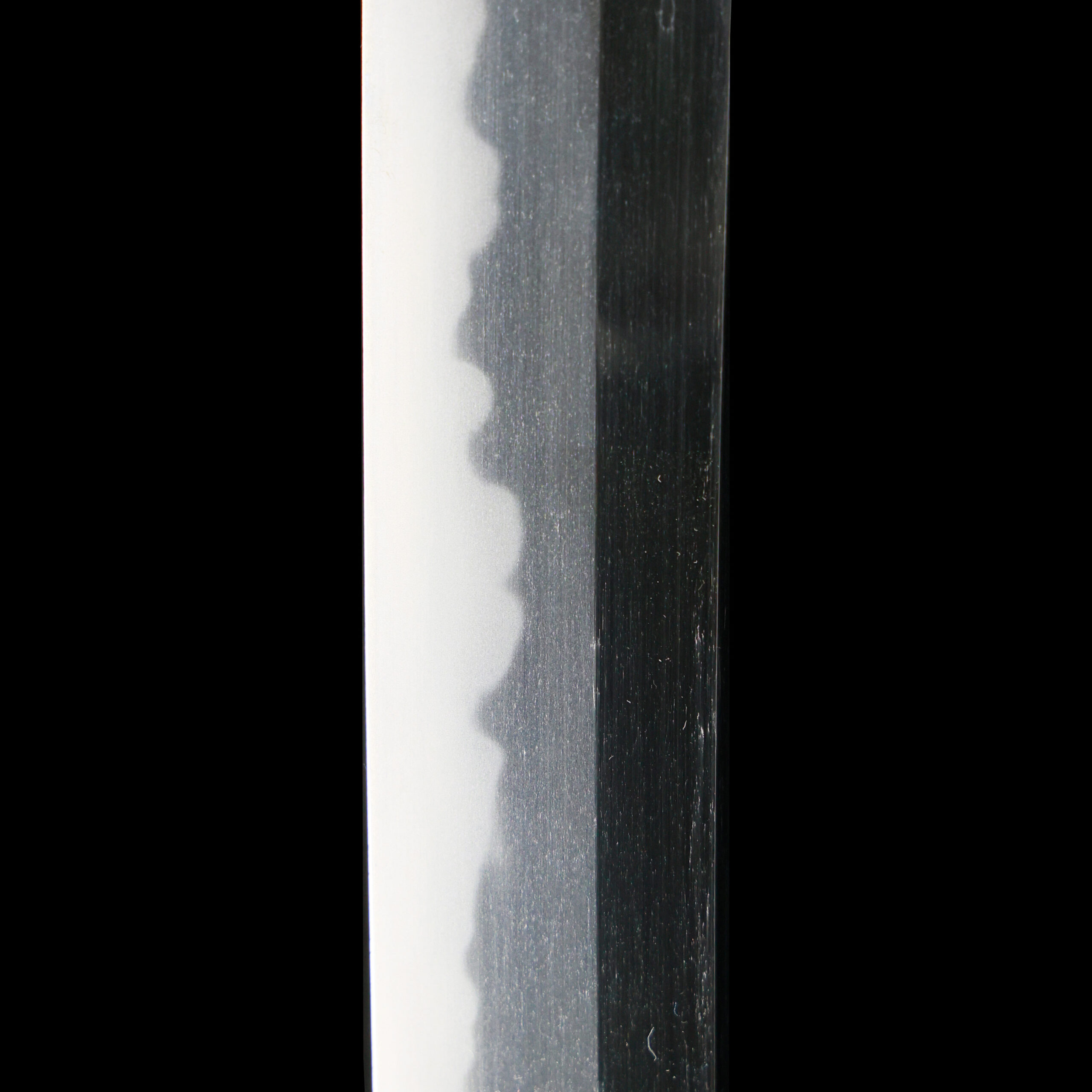
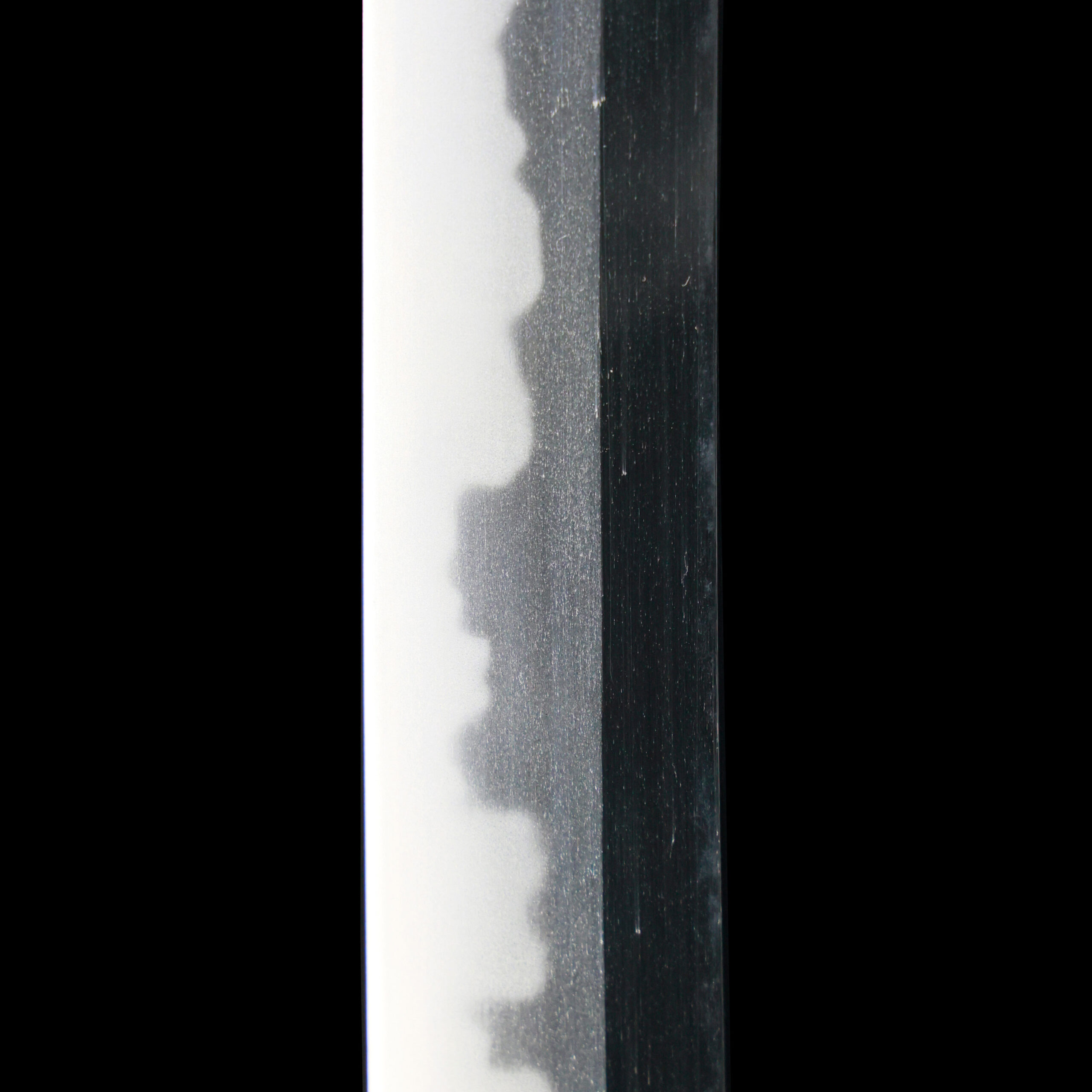
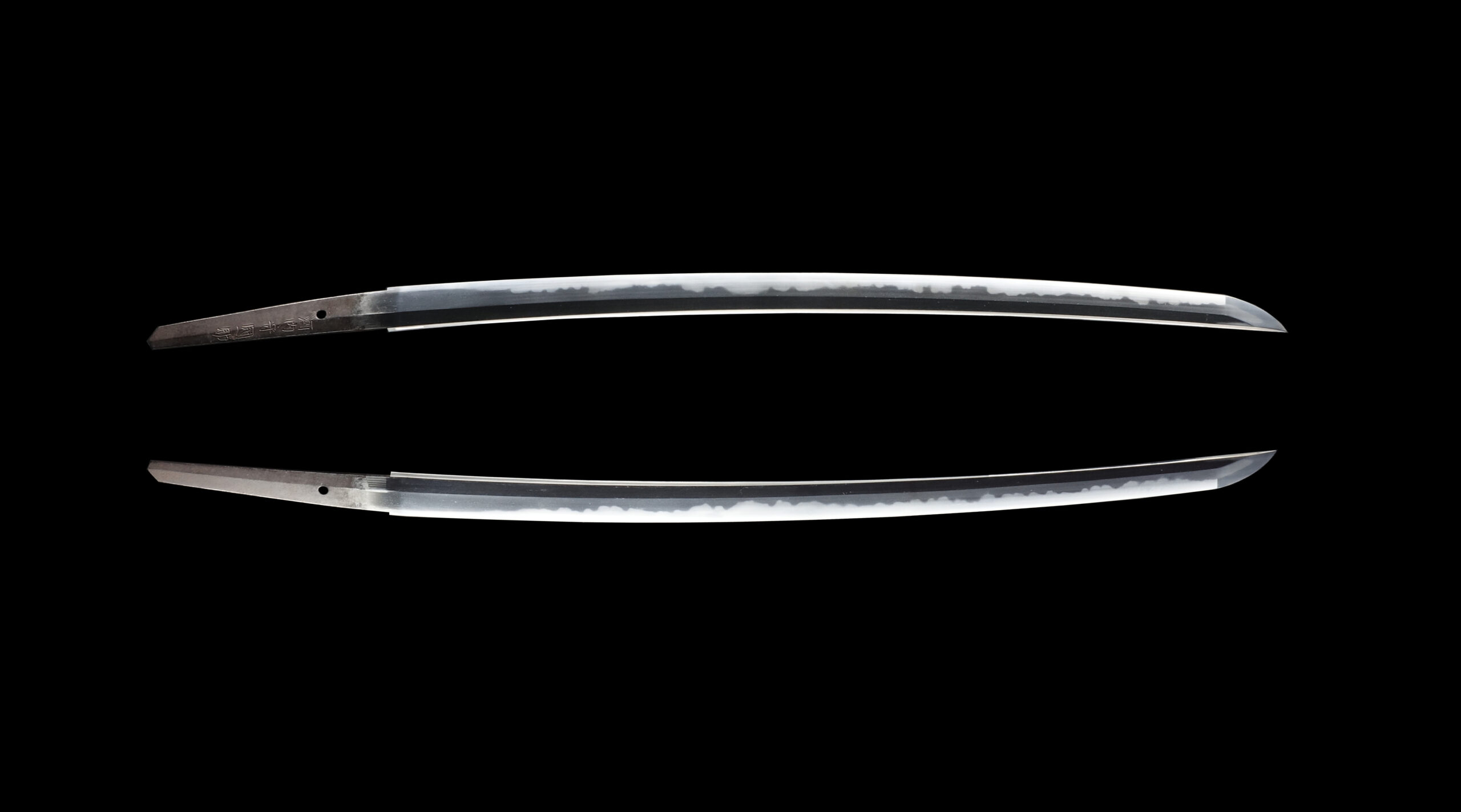
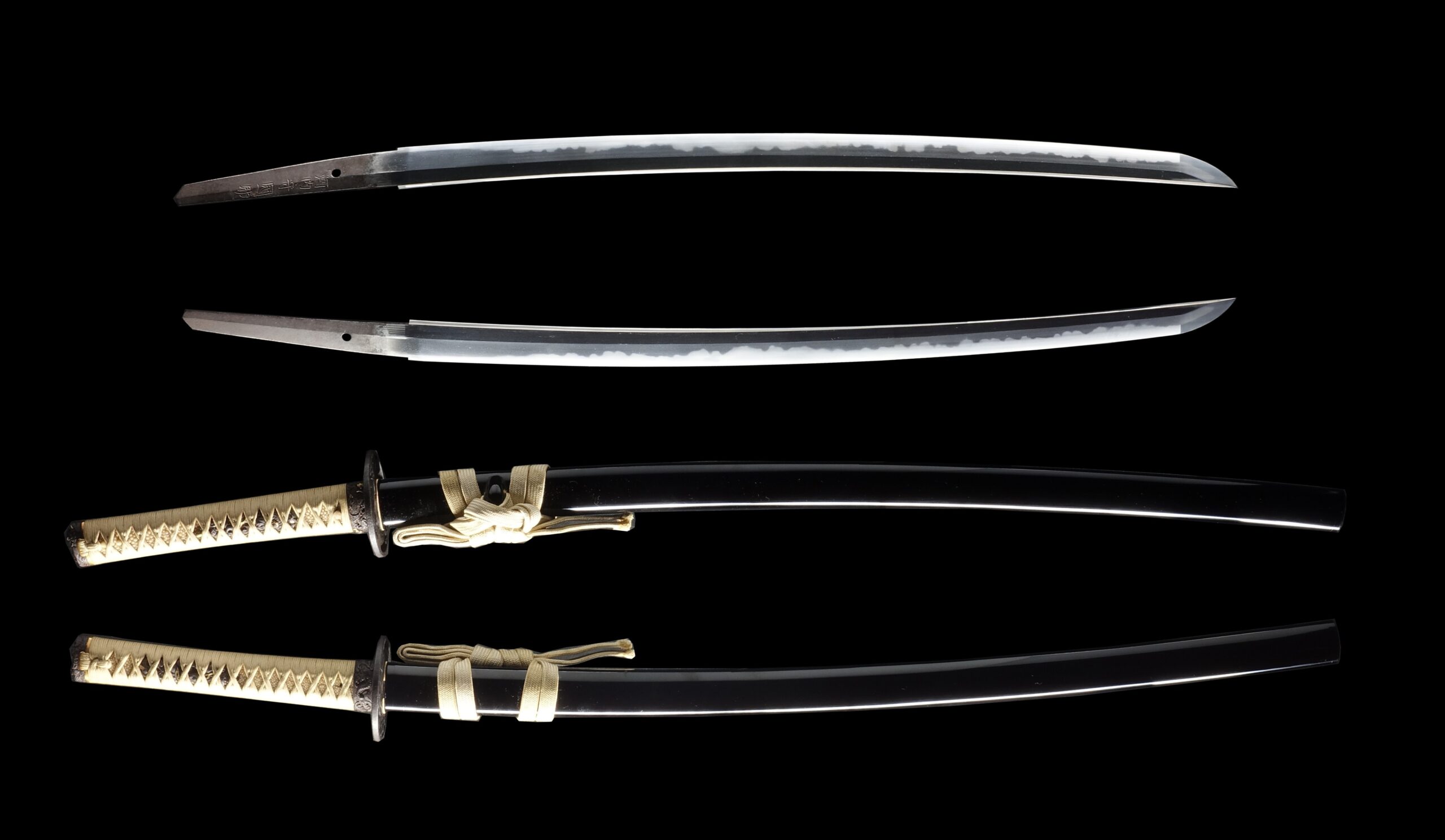
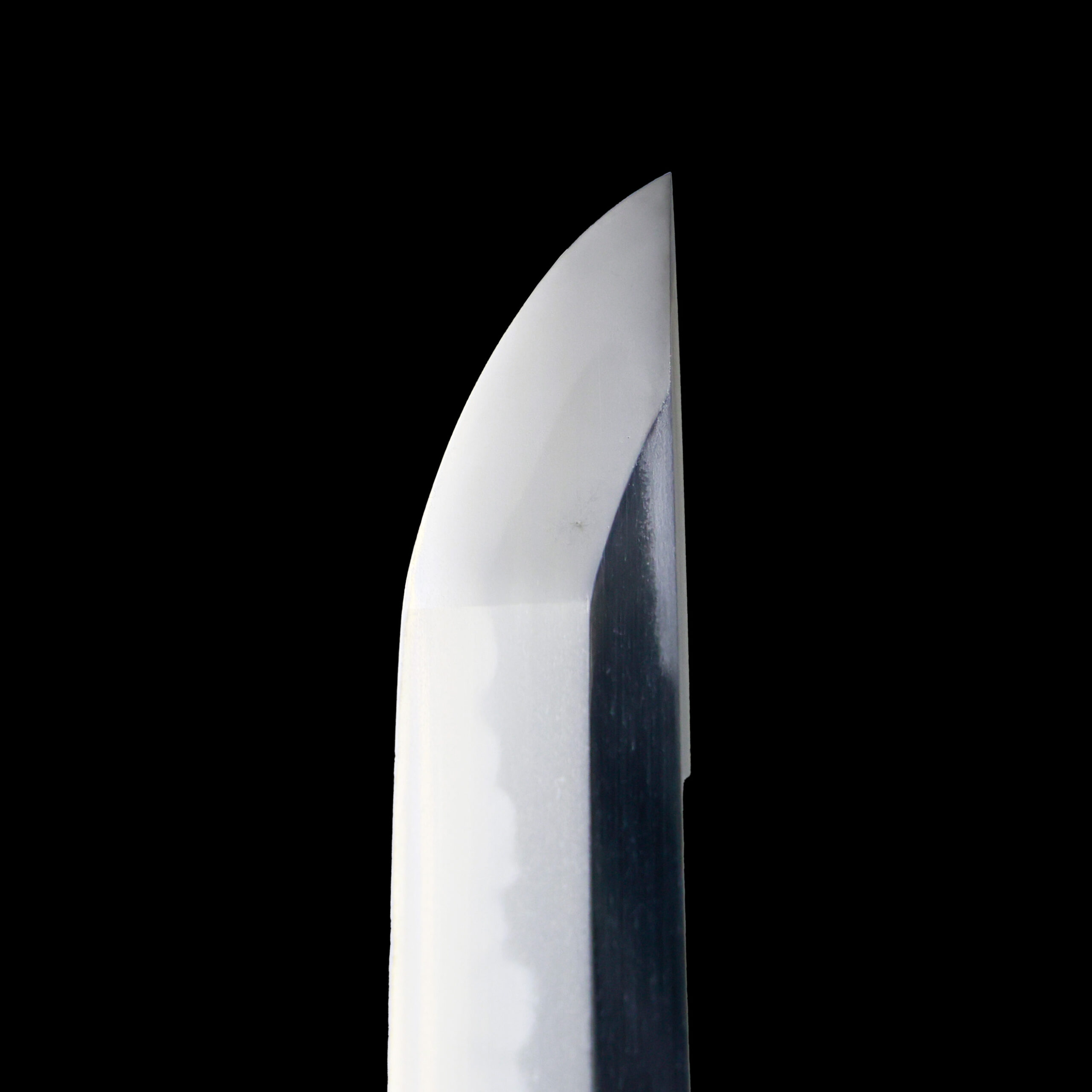
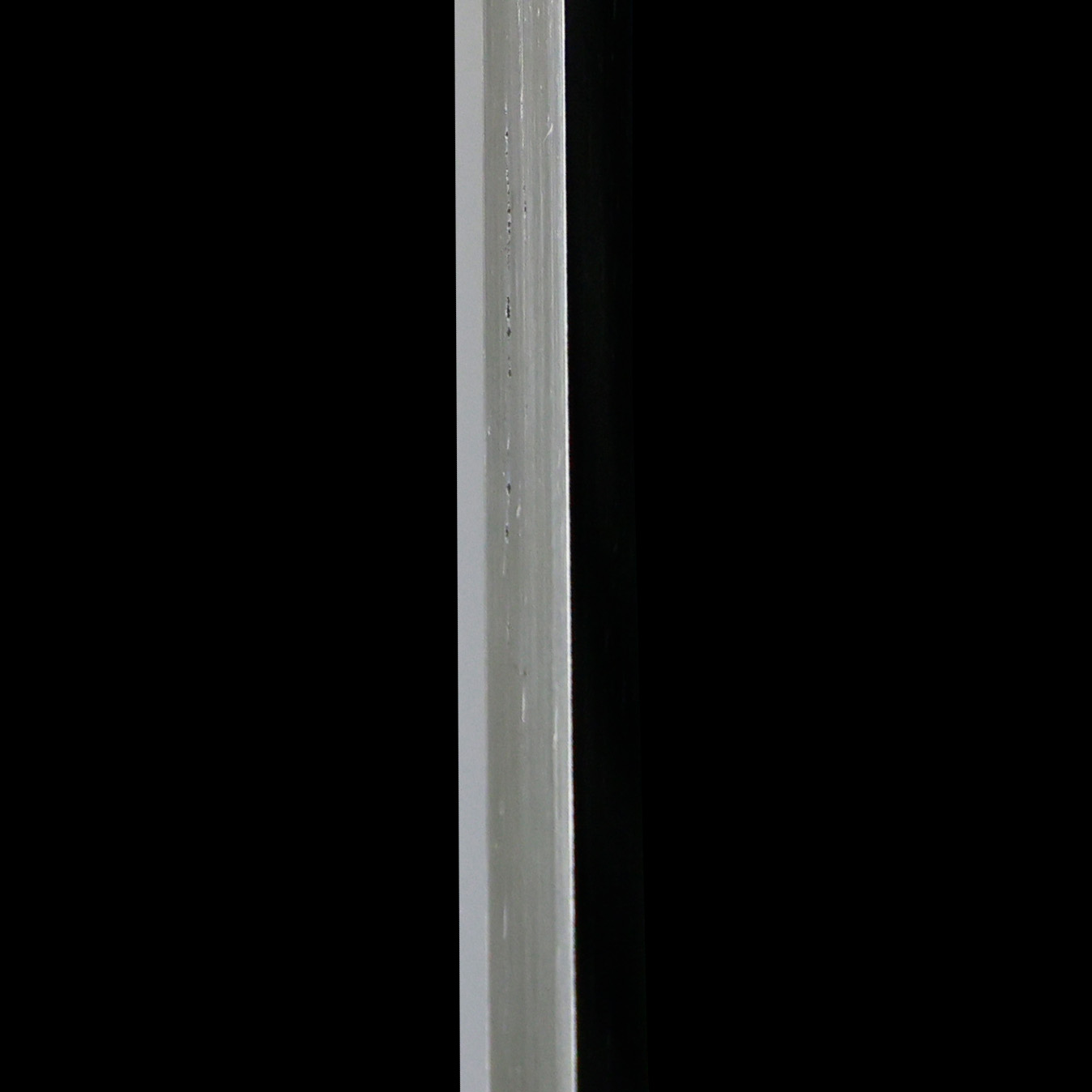
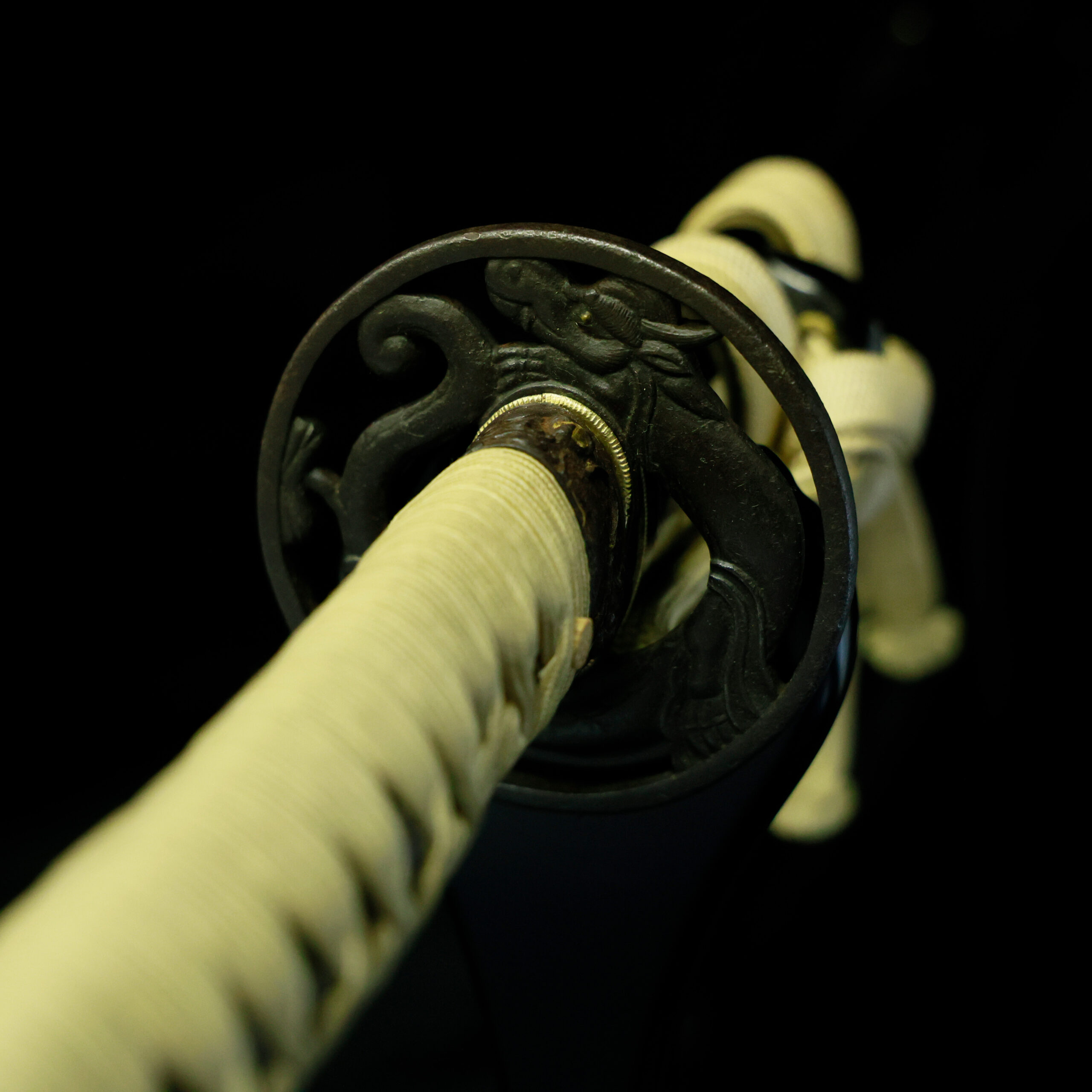
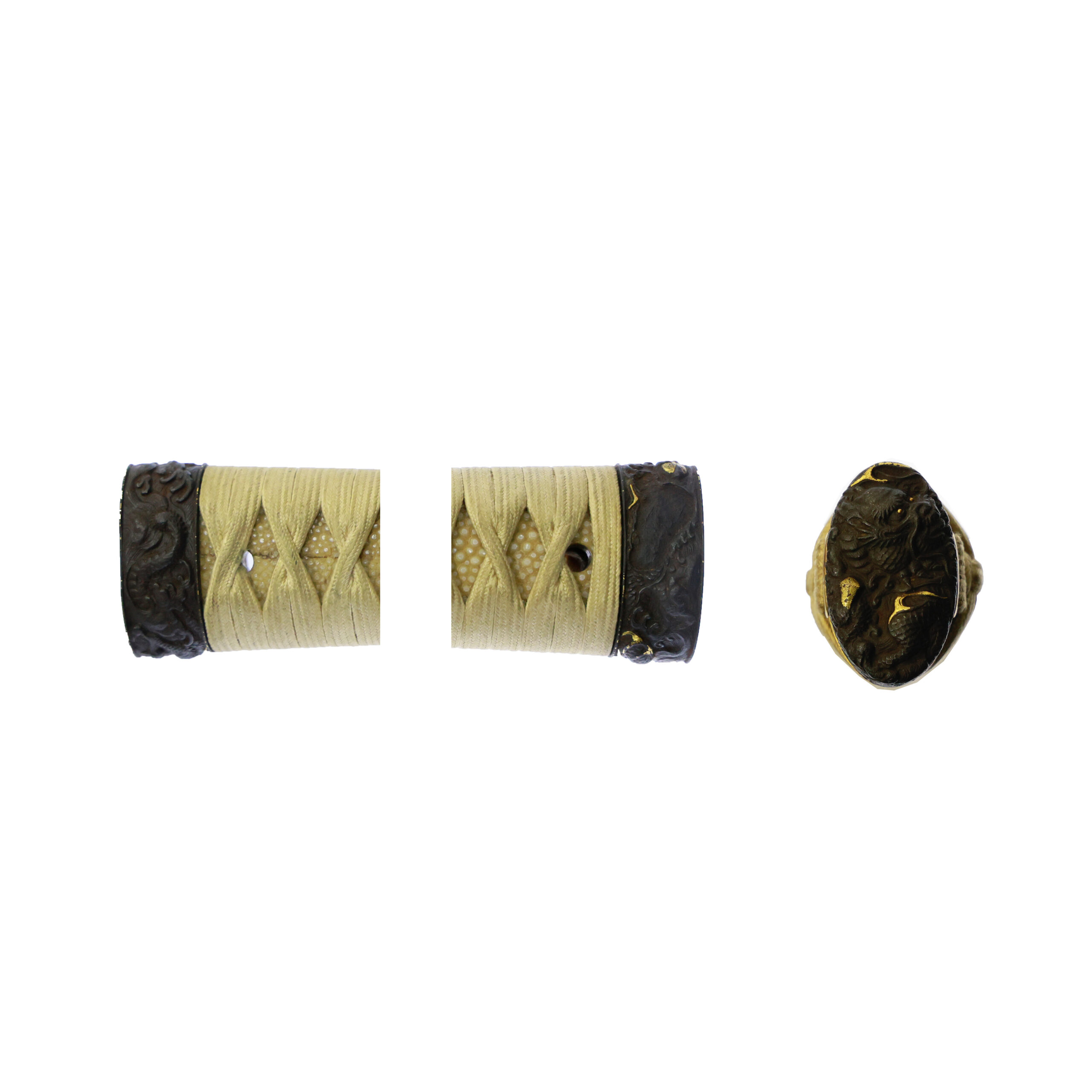
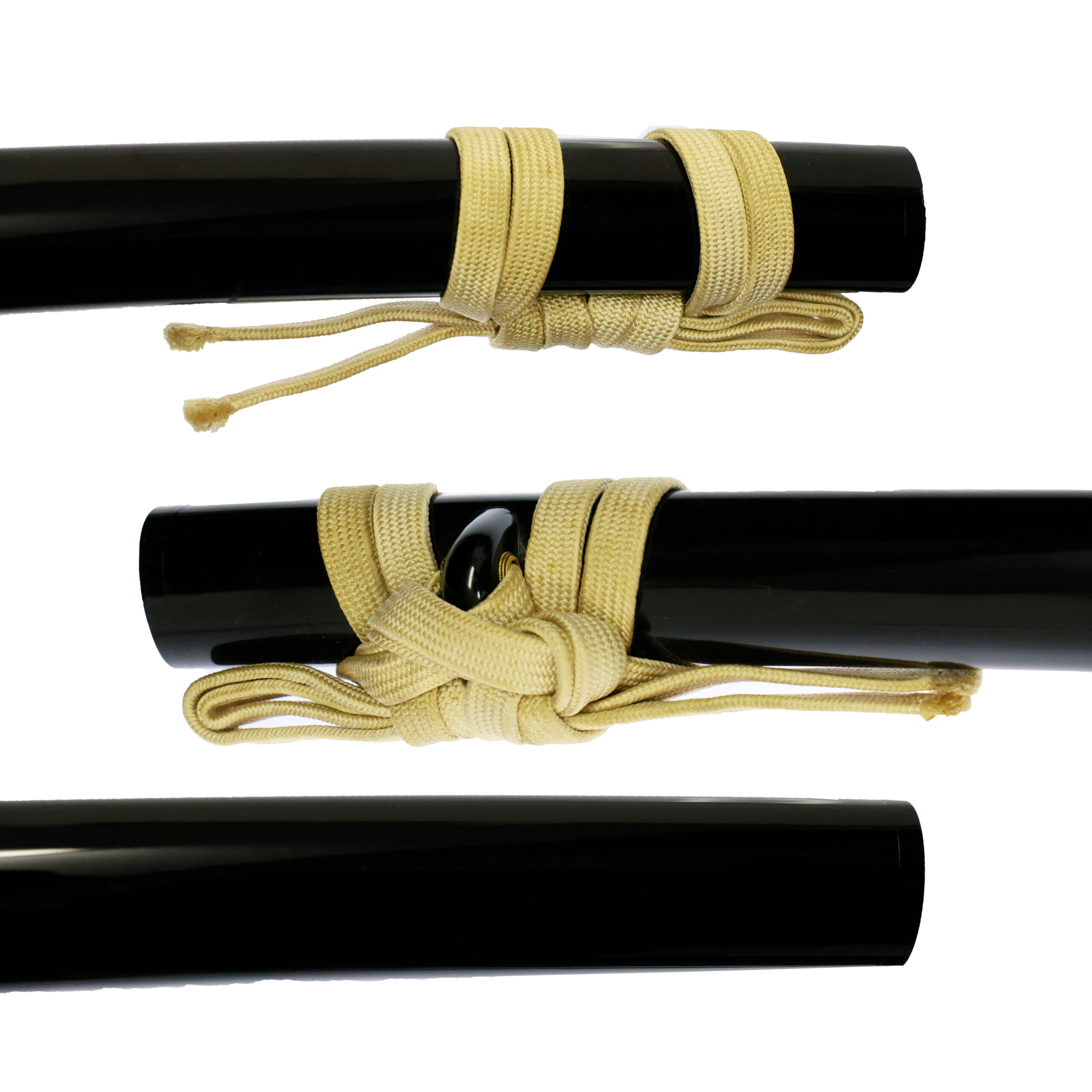
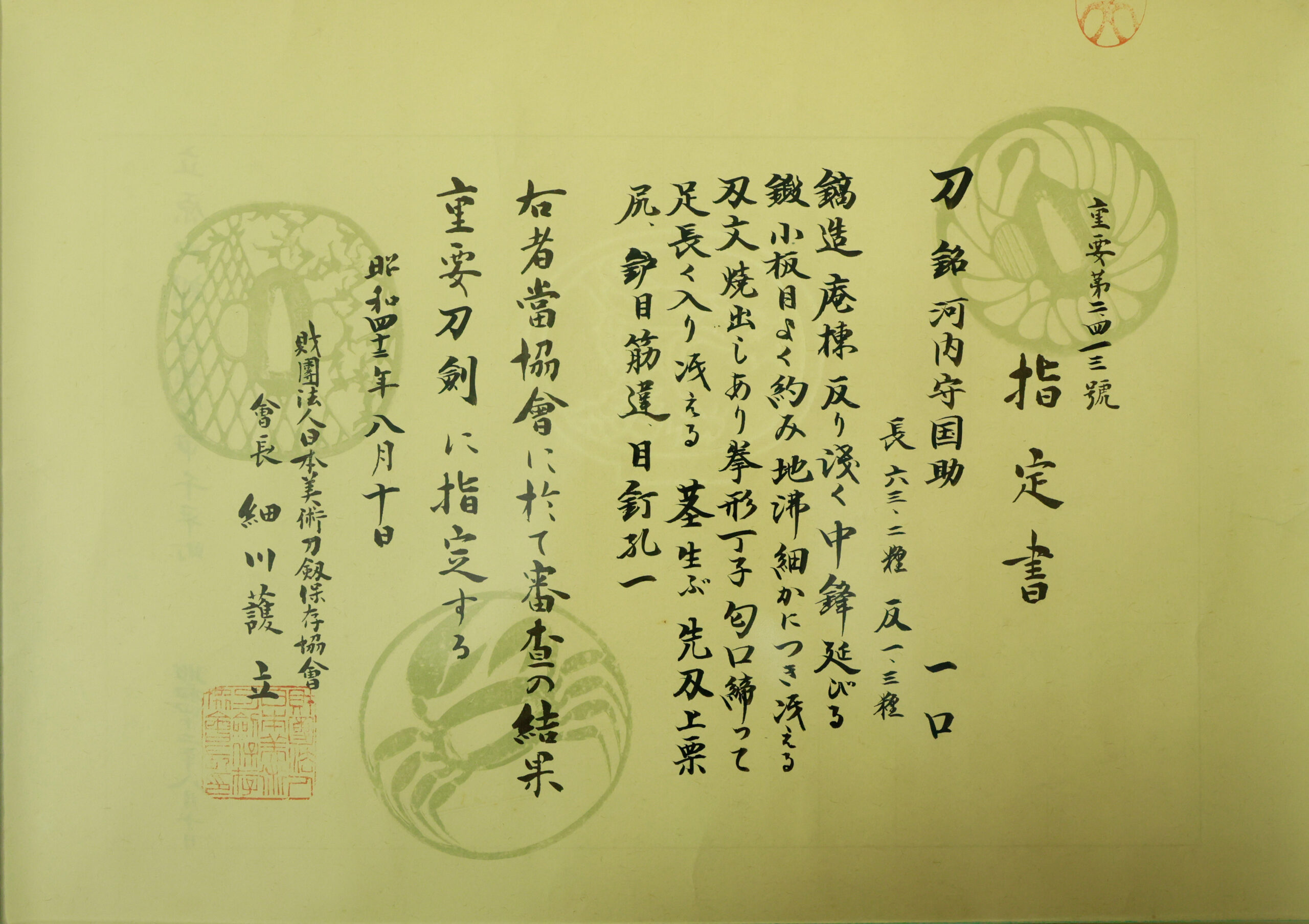
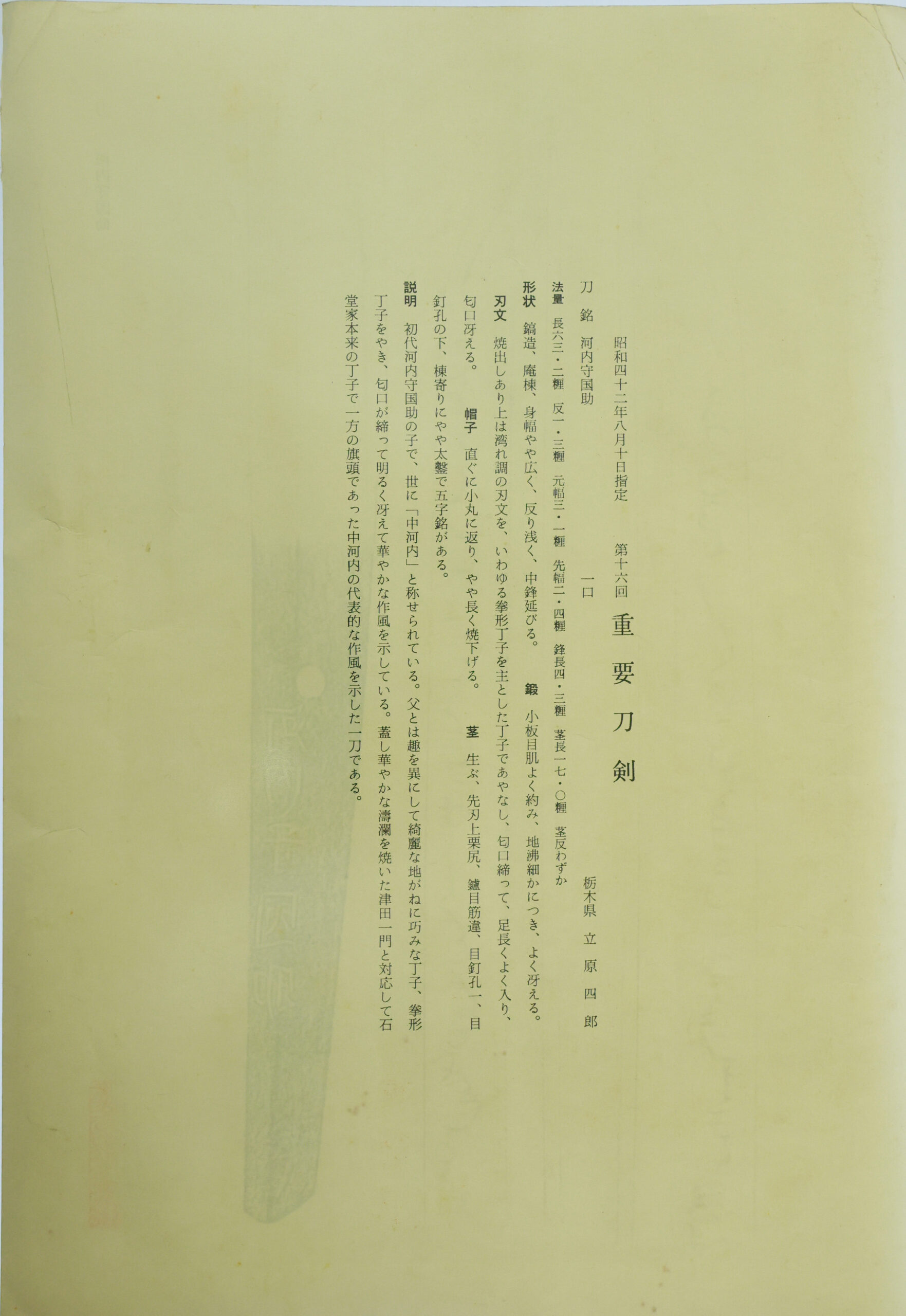
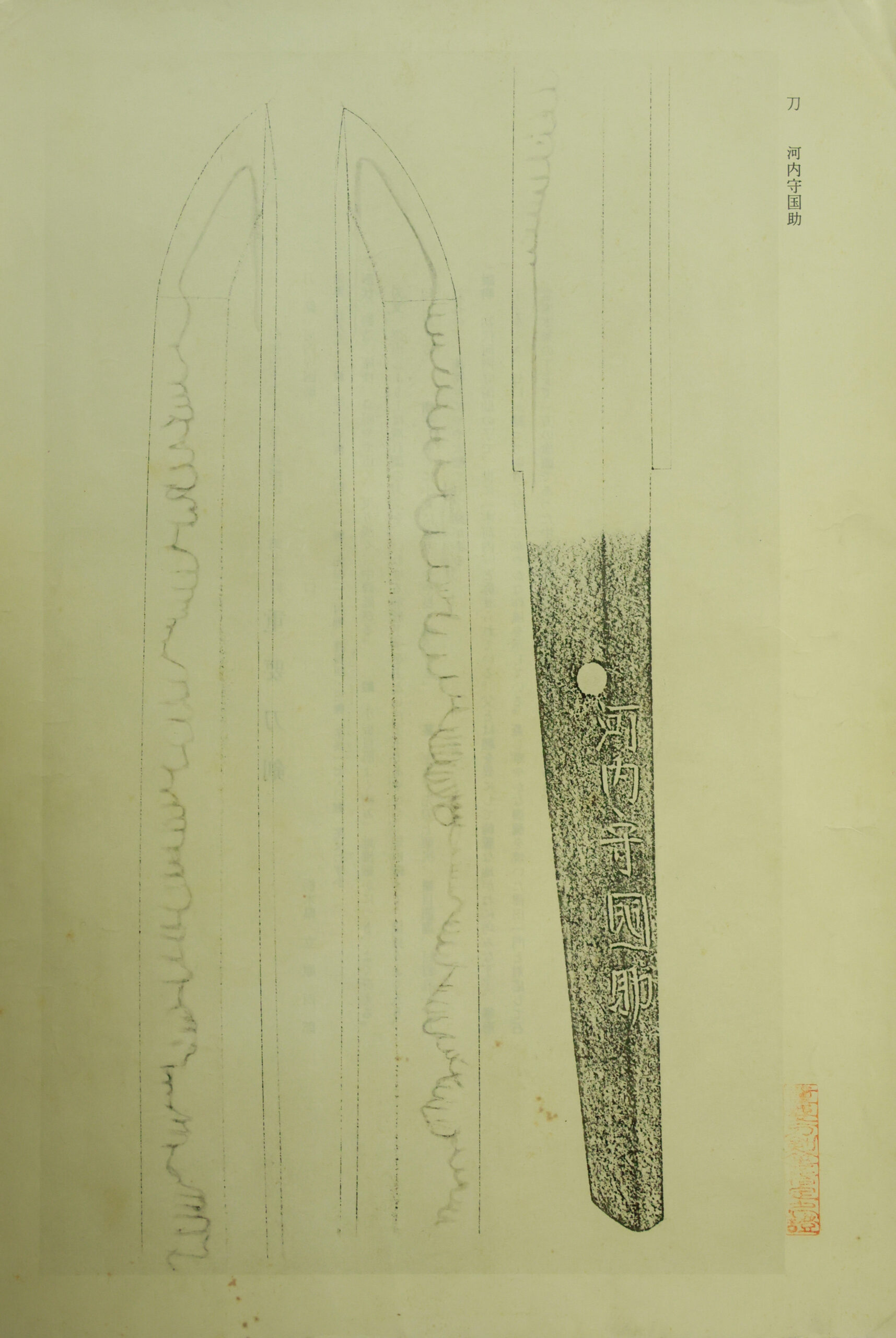
初代河内守国助の子で、世に「中河内」と称せられている。父とは趣を異にして綺麗な地がねに巧みな丁子、拳形 丁子をやき、匂口が締って明るく冴えて華やかな作風を示している。蓋し華やかな濤欄を焼いた津田一門と対応して石 堂家本来の丁子で一方の旗頭であった中河内の代表的な作風を示した一刀である。
Osaka Shinto (nidai Kawachi-no-kami Kunisuke, 'Naka-Kawachi') · 摂津 · 1658-1663頃
藤代 Jo saku · 刀剣大鑑 上位31%
現在9点販売中
二代河内守国助、俗に「中河内」と呼ばれるこの工は、大坂新刀初期を代表する丁子の名手であり、一門にその最も見分けやすい刃を与えた人である。初代河内守国助の子で、初代は堀川国広の末弟子に数えられ、慶長十九年師の没後、国貞と共に大坂へ移住した。然るに国助家は元来勢州石堂の出であり、その血脈が二代を決定づけた。寛文・万治の頃に活躍し、父の堀川風を離れて純然たる石堂風の丁子を焼いた。説明書はこれを端的に、「全く石堂風の丁子を焼いて堀川系の作風は見られない」[[c:1]]と記す。万治四年紀の一刀があり、名の活躍期を正しく定め、資料価値をも高めている。
その手は華やかな丁子乱れに、彼独得の握り拳形の丁子を交えるもので、「世に「拳形丁子」と称せられる彼独特の握り拳形の丁子」と説明される。これがこの工最大の見どころであり、何よりもまず彼を識別させる特色である。刃は匂勝ちに小沸がつき、足長くよく入って葉を交え、匂口は明るく冴える。作の約束は元にある。如何に乱れた出来であっても、元に直ぐの長い焼出しがあり、これを彼は一貫して守る。帽子はこれに応じて直ぐに小丸に返り、先しばしば掃きかける。
地鉄は彼の標識の後半であり、極めが最も賞でた半ばである。小板目肌のよくつんだ細かな鍛えに地沸つき、処々細かな地景が入って、大坂らしい精美にして明るい地となる。或る一刀の説明はこれを「大坂新刀らしい精美且つ明るいかね」[[c:2]]と評する。典型作についてはただ「地がねはよく整って美しい点が見どころ」[[c:3]]と記し、よく整った地鉄の美しさそのものを見どころとする。これこそ綺麗に詰った大坂の地であり、父が堀川より受け継いだザングリ風の鍛えとは正反対のもので、子を父から分かつ際に説明書の引く対比である。
この一個の明確な作風の中に、説明書は変化を記している。典型作は代表作と読まれ、焼幅を広く取って拳形丁子を基に華やかに乱れる中に本領が遺憾なく発揮される。数少ない作はこれを離れ、拳形丁子があまり見られず、刃が沸づいて金筋・砂流しが目立ち、砂流しが長い足の途中にかかって「恰も丁子足を砂流しが切っているかのような態」[[c:4]]を見せる。或る一刀ではこれに「同国の一竿子忠綱を想わせるもの」[[c:5]]があるとし、同工としては比較的珍しいが破綻なく整然と焼かれた華やかな出来と評する。また別の作では常の品より沸が強く、刃文に変化があり、中河内としては珍しいと記される。一門に通じる態として、腰の上に富士をおもわせる刃がまま見られ、彼及び後代の作に時折現れると注される。
その作を分かつものは、他派に何が無いかではなく、彼自身の特色から読み取られる。明るく詰った大坂の小板目、直ぐの長い焼出し、その上に彼独りの握り拳形の頭を戴く華やかな丁子であり、近年の指定説明はこれを端的に「本工の創始となる拳形丁子」[[c:6]]と名指す。忠綱を想わせる態は借り物ではなく、沸づいた珍しき作にのみ引かれる比較で、常に彼自身の整然たる作域へ立ち返る。一門に置けば、彼は数代続いた国助の名の頂点として著名であり、大坂新刀初期の丁子の中心的存在で、石堂の丁子が大坂において確たる形を得たのはこの工を通じてである。横手下より焼きを低くして帽子を直ぐに焼く態は、大坂物によく見受けられると説明書が添える通り、その手はこの地方の文法の只中にある。
現存の記録は重要刀剣指定の刀九口に及び、いずれも河内守国助と銘し、いずれも反り浅く中鋒の詰まった寛文新刀の堂々たる体配を示す。藤代の位列では上作、刀剣鑑定書たる刀工大鑑にも相応の評価を受け、新刀の名工中、第二の格に位する名手の証である。その作に国宝・重要文化財はなく、大名伝来も記録に伝わらない。これらは名物の重宝というより、多作の大坂の名工のよく出来た実用の刀である。蒐集家にとってはこれが、最上の名に手の届かぬのとは異なる位置に彼を据える。指定作は折々、市場の上層に現れ、直ぐの長い焼出しから紛れもない握り拳形の丁子へと開き、明るくよく整った大坂の地鉄を備えた在銘の刀は、大坂新刀初期が提供しうる最も満ち足りた一口の一つである。
國助の位置づけを、日本刀全体および伝統・時代・時期ごとに示します。各位(随一・屈指・有数・著名)は、NBTHK および文化庁による指定に加え、三作や名物帳などの歴史的栄誉を加味したものです。
各項目を選ぶと評価方法が表示されます。
在銘年紀作が示す、確実に活動していた年代
新刀 · 摂津
現在78点販売中
大坂新刀は、商都大坂を本拠として江戸前期から中期にかけて興隆した摂津の一門である。その草創は京の堀川一門にあり、堀川国広の門に学んだ和泉守国貞、親国貞こと国貞と河内守国助とが、慶長十九年に師の没した後そろって大坂へ下り、この地に鍛刀の家を興した。国助は伝に伊勢国の出にして石堂の流れを汲み、堀川より受け継いだ枯れた肌合とともに、古備前を慕う石堂の丁子をこの地にもたらした。そこへ大和文殊系の包保・包道に承けた越後守包貞が摂州に居を構え、肥後菊池より出て井上真改の門を叩いた貞則のごとき遊歴の工も加わって、堀川と石堂と文殊の脈が大坂の地で一つの作域に結ばれていった。やがて親国貞の子真改、津田越前守助広、一竿子忠綱らがあらわれ、寛文・延宝・元禄の頃にこの一門は最も華やぐ。 一門の作風は、まず明るく冴える大坂鍛えに標識を持つ。鍛えはよくつんだ無地風の小板目で、地沸が微塵に厚くつき、地景が細かにさかんに入り、鉄色は明るく潤う。その地の上に、刃区を直ぐに焼き出し、その上から己の刃文を起こすのが一門に通じる約束で、収集家のいう大坂焼出しである。匂口は終始深く明るく冴え、刃縁は締まる。この共通の文法の上に、各工はおのおのの差を置く。井上真改は華やかな乱れを焼かず、よくつんだ精美な地に浅いのたれを帯びた沸深き直刃を本領とし、相州の郷義弘への意図的な写しにその沸の妙味を尽くして、大坂正宗と称された。津田助広は波濤のごとくうねる濤瀾刃を創始し、真改の小沸の直刃と並んで両大関と仰がれる。一竿子忠綱は揃った長足の丁子に簾刃の濤瀾を交え、何にもまして真の倶利迦羅や鯉の滝上りを刻んだ一竿子彫をもって分かたれる。河内守国助の家は丁子の旗頭で、二代中河内は握り拳の頭を戴く拳形丁子を創始して新刀一文字と賞され、その弟肥後守国康や四男国輝もこの石堂の丁子と津田風の濤瀾を担った。越後守包貞は助広に倣う濤瀾に片山乱れと文珠の砂流しを通わせ、貞則は師真改の沸深き直刃をよく継いだ。共通するのは明るい匂口と直ぐの焼出し、異なるのは真改の沈める沸、助広の濤瀾、国助一門の丁子という、地の上に置かれた手の差である。 収集家が大坂新刀を求める理由は、鑑定の勘所が明快で、主要工の格が高いことにある。明るく冴える大坂鍛えと、刃を起こす直ぐの焼出しという二つの見どころは、地と刃のいずれにも紛れなく現れて工と作域を定める手懸りとなり、真改の沸深き郷写し、忠綱の一竿子彫、中河内の拳形丁子といった各工独自の標識が、そこに重なって名を分かつ。一門の作はおおむね在銘年紀で、銘そのものが時の標識となるため、由緒の確かさをもって賞翫される。真改や助広や忠綱の最上手は市に現れることが稀で、現れれば一頭地を抜く出来事となるが、包貞・国助・国康・国輝のごとき名手の在銘作は、辛抱をもって相応に相見え、大坂新刀へ分け入る手近な入口を提供する。来歴の知られる作は谷干城や山内家、皇室の蔵を経て近代に伝わり、美術刀剣としての魅力は、真改の沸と助広の濤瀾が後世の刀鍛冶に及ぼした影響とともに、商都大坂が新刀期に成し遂げた一個の到達を今に伝える。 詳しく見る →
大坂 町人の都の刀
大坂は町人の都であり、刀も金の流れに従った。脇差一腰しか許されぬ町人のための贅沢な作、助広の濤瀾乱れ、大坂正宗と呼ばれた真改。率直に言えば、見られるために作られた刀である。
特別保存刀剣の中から、特に出来が優れ、国認定の重要美術品に準ずると判断された名品です。年に一度の重要刀剣審査で選ばれます。
極めて選別的で、日本に登録された約250万口の刀剣のうち、重要刀剣に達したものは12,307口(約203口に1口)にすぎません。
日本美術刀剣保存協会(NBTHK)は、1948年に設立され、文化庁の監督を受ける公益財団法人で、東京・刀剣博物館に本部を置きます。専門の審査員が出品作を直接審査し、美術的・歴史的価値に応じた鑑定書を発行します。NBTHKの鑑定書は、日本刀および刀装具の真正性を示す最も広く認知された基準です。
NBTHK公式サイトReturns/exchanges limited to defects caused by shipping (except willful misconduct or gross negligence by the company); customers must contact within 72 hours of receiving the product.
Antique Japanese Sword Katana signed by Fujiwara Kawachi no Kami Kunisuke with NBTHK JUYO TOKEN Certificate 【Description】 This blade was signed by Kawachi no Kami Kunisuke (河内守国助). Based on the characteristic of the blade, NBTHK authenticated this blade as a work of the second-gen Kunisuke, who was active in sword-forging during 1658-1673 (the early Edo period). Kunisuke was one of the most well-known swordsmiths in Osaka during the early Edo period. There were three generations of Kunisuke in total. Since the second-gen was active between the first and the third-gen Kunisuke, he was also called Naka Kawachi (中河内). Kawachi is the short term of Kawachi no Kami, the honorable title given to this swordsmith, and Naka means the middle in Japanese. He was famous for forging blades with the Kobushi Choji tempering line. Kobushi means fist in Japanese. This tempering line looks there are a lot of fists lining continuously. This blade has Kobushi Choji Hamon. The first-gen Kunisuke was born in Ise province (today’s Mie province) and served Seki Kazumasa, the head of Kameyama Castle. However, after the Seki clan was destroyed, he moved to Kyoto. He became an apprentice of Horikawa Kunihiro, one of the most famous swordsmiths during the early Edo period. After Kunihiro deceased, Kunisuke learned the sword-forging technique from Echigo no Kami Kunitomo. Eventually, he moved to Osaka with Izumi no Kami Kunisada to become an independent sword maker in the seventh year of Kaenei (1630). It is said that he played an essential role in making Osaka Shinto movement. the superb craftsmanship of the first-gen was passed down to the second-gen Kunisuke. The blades forged by the second-gen Kunisuke are categorized as Osaka Shinto. Shinto is Japanese Sword terminology that refers to the swords forged during 1596-1781. The blades made in the Osaka area during this period are called Osaka Shinto. There are many famous swordsmiths in this Osaka Shinto era. After Hideyoshi Toyotomi built Osaka castle, Osaka city flourished as a castle town and became the business center. Many swordsmiths moved to Osaka to look for better opportunities. They not only forged swords for those Samurai who lived in Osaka but also for feudal lords nationwide. Ikanshi Tadatsuna (Awataguchi Omi no Kami Tadatsuna), Inoue Shinkai, and Tsuda Sukehiro are the most famous among many swordsmiths. One of the most notable characteristics of Osaka Shinto is its beauty in Jigane. Jigane is a visible steel surface pattern created by folding and hammering during the forging process), which made it possible by the location of Osaka. Osaka had close access to the Tamahagane (special carbon steel to make Japanese swords) production sites. The swordsmiths residing in Osaka were able to get high-quality carbon steel from these sites. Appraisal This blade is appraised as a JUYO TOKEN (重要刀剣) issued by NBTHK (Nihon Bijutsu Touken Hozon Kyokai: 日本美術刀剣保存協会). This authentication paper was only given to authentic Japanese swords, exceptionally well preserved and of high quality with artistic value. JUYO is one rank higher than Tokubetsu Hozon. To be eligible for a Juyo Token, it needs to be appraised as a Tokubetsu Hozon Token first. It is extremely rare for an antique Japanese sword to be appraised as JUYO TOKEN, and it is highly desirable among Japanese sword collectors. 【 Blade】 Cutting Edge Length (Nagasa) : 63.2 cm (24.8 inches) Curvature (Sori) : 1.3 cm (0.51 inches) Hamon : The crystalline structure which forms along the cutting edge of a blade as a result of the hardening process. Jimon (Jihada) : Visible steel surface pattern created by folding and hammering during forging process. Kissaki : Kissaki is the tip of the Japanese sword. Nakago : Nakago is the tang of the Japanese sword. Japanese swordsmiths left the black rust on the tang because it prevents red rust while the tang is in its handle. And the discoloration of the tang was created over time, and it is a great indicator for a Japane
在銘 · 元和〜正保 · 長さ 63.2cm · 反り 1.3cm
初代河内守国助の子で、世に「中河内」と称せられている。父とは趣を異にして綺麗な地がねに巧みな丁子、拳形 丁子をやき、匂口が締って明るく冴えて華やかな作風を示している。蓋し華やかな濤欄を焼いた津田一門と対応して石 堂家本来の丁子で一方の旗頭であった中河内の代表的な作風を示した一刀である。
Osaka Shinto (nidai Kawachi-no-kami Kunisuke, 'Naka-Kawachi') · 摂津 · 1658-1663頃
藤代 Jo saku · 刀剣大鑑 上位31%
現在9点販売中
二代河内守国助、俗に「中河内」と呼ばれるこの工は、大坂新刀初期を代表する丁子の名手であり、一門にその最も見分けやすい刃を与えた人である。初代河内守国助の子で、初代は堀川国広の末弟子に数えられ、慶長十九年師の没後、国貞と共に大坂へ移住した。然るに国助家は元来勢州石堂の出であり、その血脈が二代を決定づけた。寛文・万治の頃に活躍し、父の堀川風を離れて純然たる石堂風の丁子を焼いた。説明書はこれを端的に、「全く石堂風の丁子を焼いて堀川系の作風は見られない」[[c:1]]と記す。万治四年紀の一刀があり、名の活躍期を正しく定め、資料価値をも高めている。
その手は華やかな丁子乱れに、彼独得の握り拳形の丁子を交えるもので、「世に「拳形丁子」と称せられる彼独特の握り拳形の丁子」と説明される。これがこの工最大の見どころであり、何よりもまず彼を識別させる特色である。刃は匂勝ちに小沸がつき、足長くよく入って葉を交え、匂口は明るく冴える。作の約束は元にある。如何に乱れた出来であっても、元に直ぐの長い焼出しがあり、これを彼は一貫して守る。帽子はこれに応じて直ぐに小丸に返り、先しばしば掃きかける。
地鉄は彼の標識の後半であり、極めが最も賞でた半ばである。小板目肌のよくつんだ細かな鍛えに地沸つき、処々細かな地景が入って、大坂らしい精美にして明るい地となる。或る一刀の説明はこれを「大坂新刀らしい精美且つ明るいかね」[[c:2]]と評する。典型作についてはただ「地がねはよく整って美しい点が見どころ」[[c:3]]と記し、よく整った地鉄の美しさそのものを見どころとする。これこそ綺麗に詰った大坂の地であり、父が堀川より受け継いだザングリ風の鍛えとは正反対のもので、子を父から分かつ際に説明書の引く対比である。
この一個の明確な作風の中に、説明書は変化を記している。典型作は代表作と読まれ、焼幅を広く取って拳形丁子を基に華やかに乱れる中に本領が遺憾なく発揮される。数少ない作はこれを離れ、拳形丁子があまり見られず、刃が沸づいて金筋・砂流しが目立ち、砂流しが長い足の途中にかかって「恰も丁子足を砂流しが切っているかのような態」[[c:4]]を見せる。或る一刀ではこれに「同国の一竿子忠綱を想わせるもの」[[c:5]]があるとし、同工としては比較的珍しいが破綻なく整然と焼かれた華やかな出来と評する。また別の作では常の品より沸が強く、刃文に変化があり、中河内としては珍しいと記される。一門に通じる態として、腰の上に富士をおもわせる刃がまま見られ、彼及び後代の作に時折現れると注される。
その作を分かつものは、他派に何が無いかではなく、彼自身の特色から読み取られる。明るく詰った大坂の小板目、直ぐの長い焼出し、その上に彼独りの握り拳形の頭を戴く華やかな丁子であり、近年の指定説明はこれを端的に「本工の創始となる拳形丁子」[[c:6]]と名指す。忠綱を想わせる態は借り物ではなく、沸づいた珍しき作にのみ引かれる比較で、常に彼自身の整然たる作域へ立ち返る。一門に置けば、彼は数代続いた国助の名の頂点として著名であり、大坂新刀初期の丁子の中心的存在で、石堂の丁子が大坂において確たる形を得たのはこの工を通じてである。横手下より焼きを低くして帽子を直ぐに焼く態は、大坂物によく見受けられると説明書が添える通り、その手はこの地方の文法の只中にある。
現存の記録は重要刀剣指定の刀九口に及び、いずれも河内守国助と銘し、いずれも反り浅く中鋒の詰まった寛文新刀の堂々たる体配を示す。藤代の位列では上作、刀剣鑑定書たる刀工大鑑にも相応の評価を受け、新刀の名工中、第二の格に位する名手の証である。その作に国宝・重要文化財はなく、大名伝来も記録に伝わらない。これらは名物の重宝というより、多作の大坂の名工のよく出来た実用の刀である。蒐集家にとってはこれが、最上の名に手の届かぬのとは異なる位置に彼を据える。指定作は折々、市場の上層に現れ、直ぐの長い焼出しから紛れもない握り拳形の丁子へと開き、明るくよく整った大坂の地鉄を備えた在銘の刀は、大坂新刀初期が提供しうる最も満ち足りた一口の一つである。
國助の位置づけを、日本刀全体および伝統・時代・時期ごとに示します。各位(随一・屈指・有数・著名)は、NBTHK および文化庁による指定に加え、三作や名物帳などの歴史的栄誉を加味したものです。
各項目を選ぶと評価方法が表示されます。
在銘年紀作が示す、確実に活動していた年代
新刀 · 摂津
現在78点販売中
大坂新刀は、商都大坂を本拠として江戸前期から中期にかけて興隆した摂津の一門である。その草創は京の堀川一門にあり、堀川国広の門に学んだ和泉守国貞、親国貞こと国貞と河内守国助とが、慶長十九年に師の没した後そろって大坂へ下り、この地に鍛刀の家を興した。国助は伝に伊勢国の出にして石堂の流れを汲み、堀川より受け継いだ枯れた肌合とともに、古備前を慕う石堂の丁子をこの地にもたらした。そこへ大和文殊系の包保・包道に承けた越後守包貞が摂州に居を構え、肥後菊池より出て井上真改の門を叩いた貞則のごとき遊歴の工も加わって、堀川と石堂と文殊の脈が大坂の地で一つの作域に結ばれていった。やがて親国貞の子真改、津田越前守助広、一竿子忠綱らがあらわれ、寛文・延宝・元禄の頃にこの一門は最も華やぐ。 一門の作風は、まず明るく冴える大坂鍛えに標識を持つ。鍛えはよくつんだ無地風の小板目で、地沸が微塵に厚くつき、地景が細かにさかんに入り、鉄色は明るく潤う。その地の上に、刃区を直ぐに焼き出し、その上から己の刃文を起こすのが一門に通じる約束で、収集家のいう大坂焼出しである。匂口は終始深く明るく冴え、刃縁は締まる。この共通の文法の上に、各工はおのおのの差を置く。井上真改は華やかな乱れを焼かず、よくつんだ精美な地に浅いのたれを帯びた沸深き直刃を本領とし、相州の郷義弘への意図的な写しにその沸の妙味を尽くして、大坂正宗と称された。津田助広は波濤のごとくうねる濤瀾刃を創始し、真改の小沸の直刃と並んで両大関と仰がれる。一竿子忠綱は揃った長足の丁子に簾刃の濤瀾を交え、何にもまして真の倶利迦羅や鯉の滝上りを刻んだ一竿子彫をもって分かたれる。河内守国助の家は丁子の旗頭で、二代中河内は握り拳の頭を戴く拳形丁子を創始して新刀一文字と賞され、その弟肥後守国康や四男国輝もこの石堂の丁子と津田風の濤瀾を担った。越後守包貞は助広に倣う濤瀾に片山乱れと文珠の砂流しを通わせ、貞則は師真改の沸深き直刃をよく継いだ。共通するのは明るい匂口と直ぐの焼出し、異なるのは真改の沈める沸、助広の濤瀾、国助一門の丁子という、地の上に置かれた手の差である。 収集家が大坂新刀を求める理由は、鑑定の勘所が明快で、主要工の格が高いことにある。明るく冴える大坂鍛えと、刃を起こす直ぐの焼出しという二つの見どころは、地と刃のいずれにも紛れなく現れて工と作域を定める手懸りとなり、真改の沸深き郷写し、忠綱の一竿子彫、中河内の拳形丁子といった各工独自の標識が、そこに重なって名を分かつ。一門の作はおおむね在銘年紀で、銘そのものが時の標識となるため、由緒の確かさをもって賞翫される。真改や助広や忠綱の最上手は市に現れることが稀で、現れれば一頭地を抜く出来事となるが、包貞・国助・国康・国輝のごとき名手の在銘作は、辛抱をもって相応に相見え、大坂新刀へ分け入る手近な入口を提供する。来歴の知られる作は谷干城や山内家、皇室の蔵を経て近代に伝わり、美術刀剣としての魅力は、真改の沸と助広の濤瀾が後世の刀鍛冶に及ぼした影響とともに、商都大坂が新刀期に成し遂げた一個の到達を今に伝える。 詳しく見る →
大坂 町人の都の刀
大坂は町人の都であり、刀も金の流れに従った。脇差一腰しか許されぬ町人のための贅沢な作、助広の濤瀾乱れ、大坂正宗と呼ばれた真改。率直に言えば、見られるために作られた刀である。
特別保存刀剣の中から、特に出来が優れ、国認定の重要美術品に準ずると判断された名品です。年に一度の重要刀剣審査で選ばれます。
極めて選別的で、日本に登録された約250万口の刀剣のうち、重要刀剣に達したものは12,307口(約203口に1口)にすぎません。
日本美術刀剣保存協会(NBTHK)は、1948年に設立され、文化庁の監督を受ける公益財団法人で、東京・刀剣博物館に本部を置きます。専門の審査員が出品作を直接審査し、美術的・歴史的価値に応じた鑑定書を発行します。NBTHKの鑑定書は、日本刀および刀装具の真正性を示す最も広く認知された基準です。
NBTHK公式サイトReturns/exchanges limited to defects caused by shipping (except willful misconduct or gross negligence by the company); customers must contact within 72 hours of receiving the product.
初代河内守国助の子で、世に「中河内」と称せられている。父とは趣を異にして綺麗な地がねに巧みな丁子、拳形 丁子をやき、匂口が締って明るく冴えて華やかな作風を示している。蓋し華やかな濤欄を焼いた津田一門と対応して石 堂家本来の丁子で一方の旗頭であった中河内の代表的な作風を示した一刀である。
初代河内守国助の子で、世に「中河内」と称せられている。父とは趣を異にして綺麗な地がねに巧みな丁子、拳形 丁子をやき、匂口が締って明るく冴えて華やかな作風を示している。蓋し華やかな濤欄を焼いた津田一門と対応して石 堂家本来の丁子で一方の旗頭であった中河内の代表的な作風を示した一刀である。



![Katana - Jūyō - 作 國助 - Katana [Kawachinokami Kunisuke][N.B.T.H.K] Jyuyo Token](/_next/image?url=https%3A%2F%2Fitbhfhyptogxcjbjfzwx.supabase.co%2Fstorage%2Fv1%2Fobject%2Fpublic%2Flisting-images%2Fworld-seiyudo%2FL31915%2F00.jpg&w=2560&q=90)