応仁の乱が足利の体制を砕いた後、戦国の一世紀はほとんどすべての国を武装させた。この時代は選ぶ目に報いる。並の作は多いが、その傍らには第一級の注文打ちが立っている。
 NihontoWatchNihontoWatch
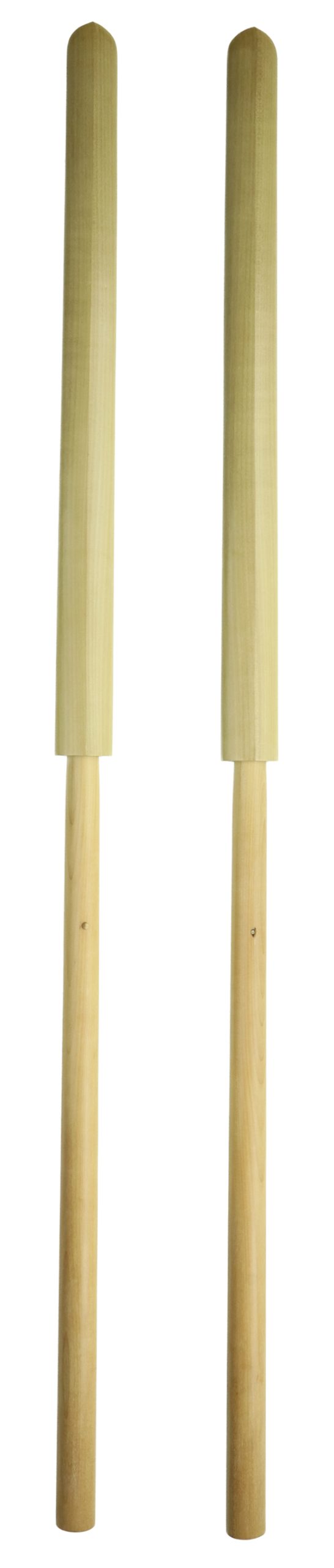
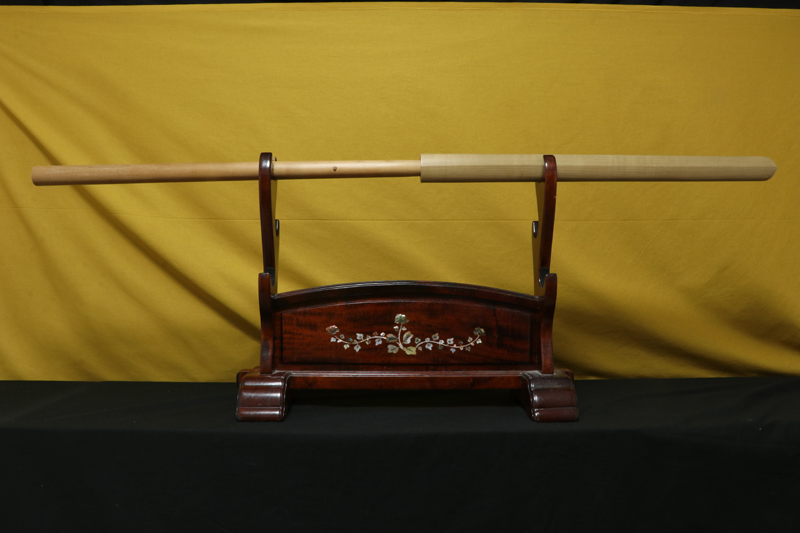
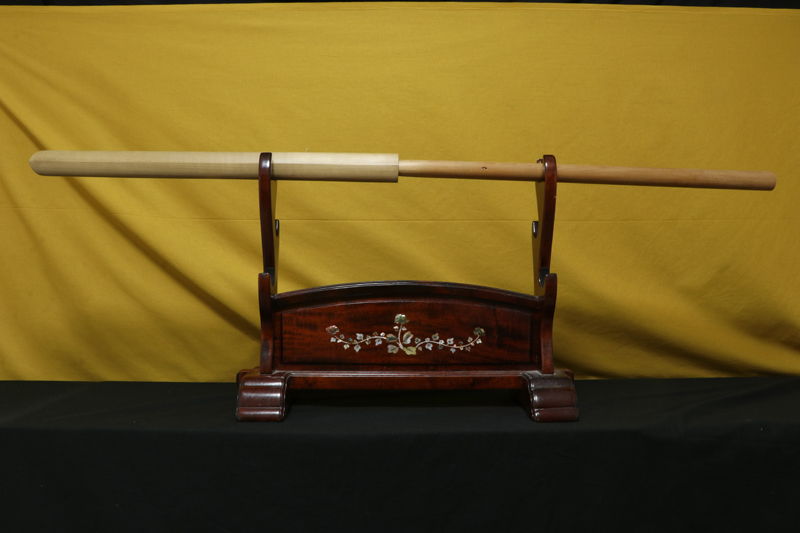
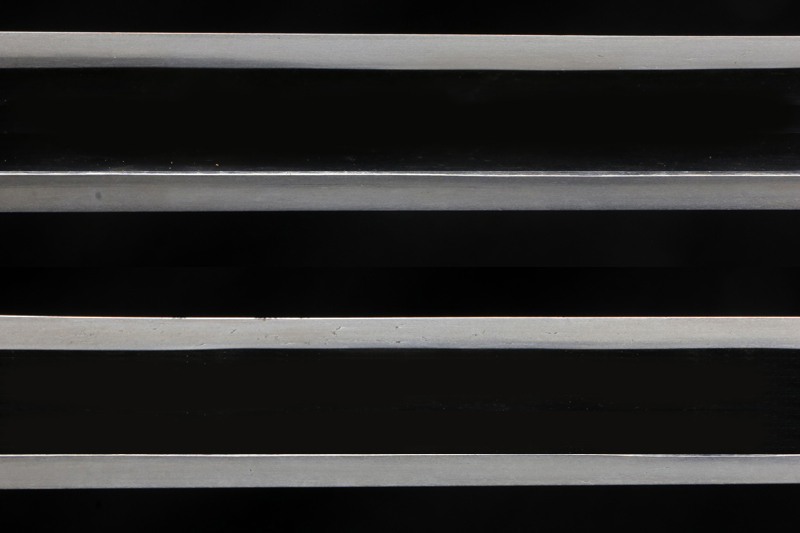
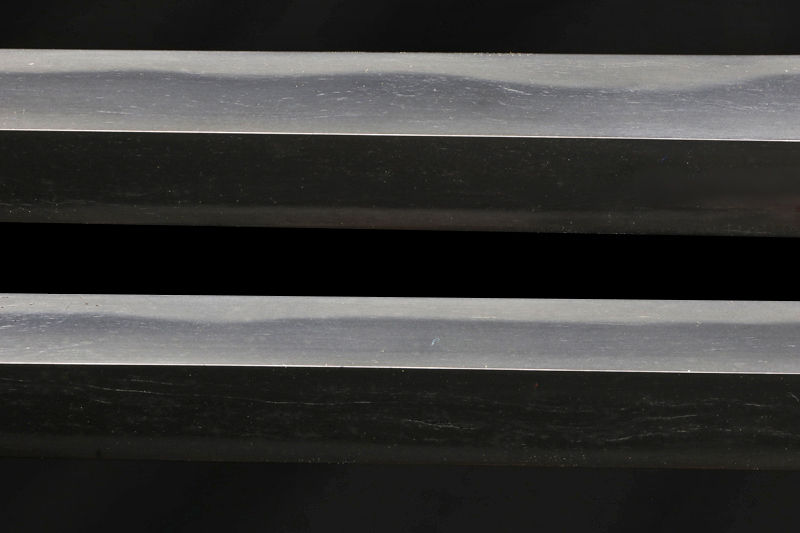
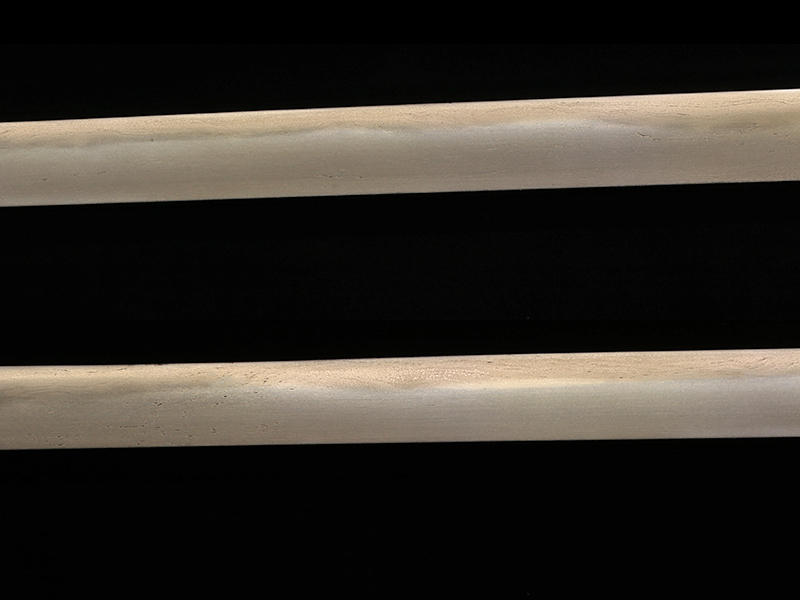
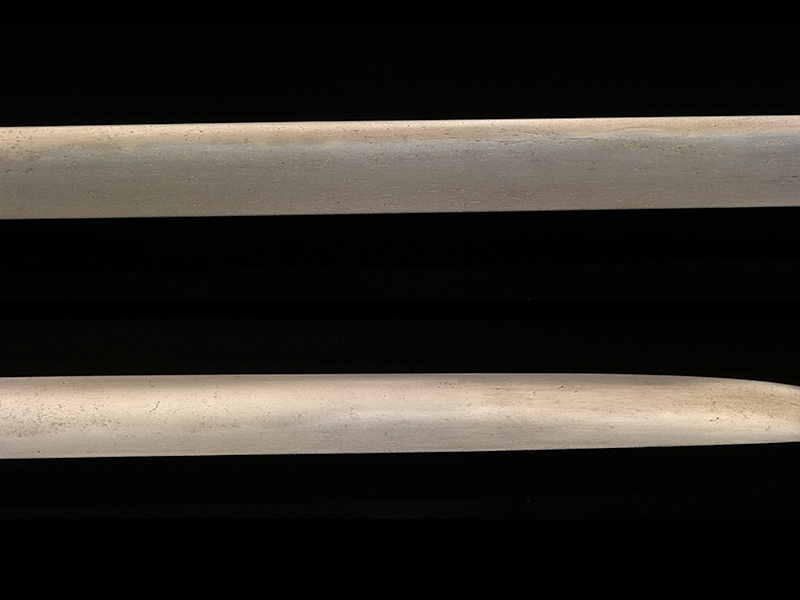
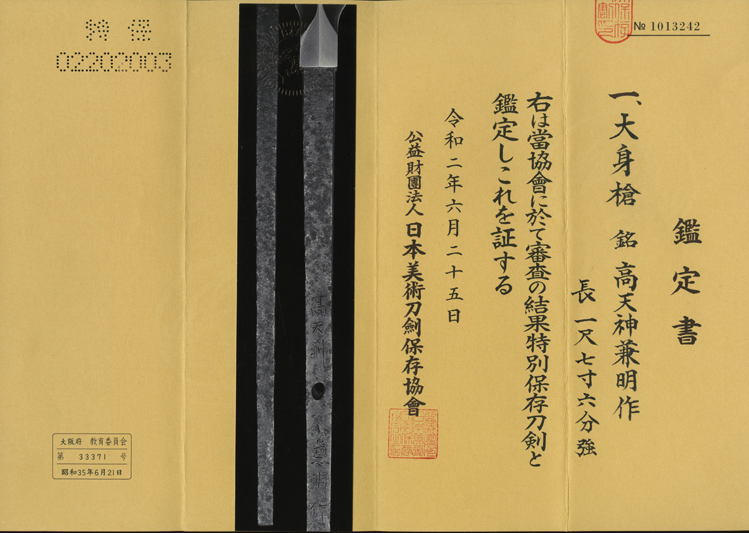
Tokubetsu Hozon Token Owazamono Takatenjin Kaneaki(Toraaki) saku 高天神兼明は、美濃国関出身の刀工で、武田信虎から偏諱を賜り「虎明」と改銘したと伝えられる、大業物の名工です。 本作は室町時代後期の大身槍で、流れ柾がかった板目肌に互の目乱れを焼いた優品。古研ぎによる曇りや小傷はありますが、錆はなく、地刃もよく鑑賞できます。 現存作が少ない高天神兼明の中でも、大身槍は極めて稀少で、コレクションにおすすめの貴重な一振りです。 Takatenjin Kaneaki was a swordsmith from Seki in Mino Province, renowned for the exceptional cutting ability of his blades and ranked as an O-Wazamono smith. He is said to have received a character from Takeda Nobutora’s name and subsequently changed his smith name to “Toraaki.” This piece is a large yari (omi-yari) dating from the late Muromachi period, featuring itame-hada flowing into masame-hada and a gunome-midare hamon. Although the old polish shows some cloudiness and minor flaws, there is no rust, and the jihada and hamon remain clearly visible. Very few works by Takatenjin Kaneaki survive, and a large yari by this smith is exceptionally rare. This is a valuable and highly collectible piece. 「刀姿 sword figure」 平三角造り、螻蛄首が延びる。茎は筋違い鑢がかかり、茎尻は一文字。 Hira-sankaku-zukuri, with an elongated kerakubi (neck). The nakago (tang) has been slightly shortened at the tip and features sujikai yasurime (diagonal file marks), with an ichimonji (straight-cut) nakago-jiri. 「彫物 carving」 彫物は螻蛄首の裏側に不動明王の梵字が彫られる。 A Sanskrit character (bonji) representing Fudo Myo-o is carved on the ura (reverse) side of the kerakubi (neck). 「地鉄 jigane」 地鉄は板目肌が流れ柾となり、地沸付き鉄冴える。 The jihada is itame-hada flowing into masame-hada, with ji-nie and bright, clear steel. 「刃紋 hamon」 刃文は互の目乱れ、刃縁沸付き砂流しかかり、刃中は金筋が働き二重刃となる。 The hamon is gunome-midare with nie along the habuchi and sunagashi. Kinsuji appear within the hamon, accompanied by nijuba (double hamon). 「特徴 detailed」 高天神兼明、本名・右衛門四郎。美濃国関の出身で、後に駿河国の高天神城下へ移住しました。天文年間頃には武田信虎の招きにより甲府へ移り、信虎から偏諱を賜って「虎明」と改銘したと伝えられています。 本作は室町時代後期の大身槍で、板目肌が流れて柾目がかった地鉄に、互の目乱れを焼いた一振りです。地鉄には肌立つ部分や小傷が見られますが、古研ぎによる多少の曇りはあるものの、地刃はよく鑑賞でき、錆もありません。 高天神兼明は優れた切れ味を誇る大業物として知られていますが、現存する作品は少なく、市場に出る機会も滅多にありません。ましてや大身槍となれば極めて珍しく、資料的価値も高い貴重な一振りです。 高天神兼明の希少な大身槍を入手できる、またとない機会です。ぜひこの機会にコレクションへお加えください。 Takatenjin Kaneaki, whose real name was Uemon Shiro, was originally from Seki in Mino Province. He later moved to the castle town of Takatenjin in Suruga Province. Around the Tenbun era (1532–1555), he was invited to Kofu by Takeda Nobutora, who granted him a character from his own name, prompting Kaneaki to change his smith name to “Toraaki.” This piece is a large yari (omi-yari) dating from the late Muromachi period. The blade features an itame-hada that flows into masame-hada, with a gunome-midare hamon. The jihada shows some areas of pronounced grain and minor flaws. Although the old polish has become slightly cloudy, the jihada and hamon remain clearly visible, and there is no rust. Takatenjin Kaneaki is renowned for the exceptional cutting ability of his blades and is ranked as an O-Wazamono swordsmith. However, very few of his works survive, and they rarely appear on the market. A large yari by this smith is exceptionally rare, making this an extremely valuable piece of historical and collectible significance. This is a rare opportunity to acquire an exceptionally scarce omi-yari by Takatenjin Kaneaki. Don’t miss the chance to add this remarkable piece to your collection. 「拵 Koshirae」 鞘(saya) :白鞘。 「刀剣の状態 condition of blade」 研:古研ぎのため曇っていますが、地刃は良く見えます。 傷:少し肌立ったところが有りますが、大きな鍛え割れは有りません。


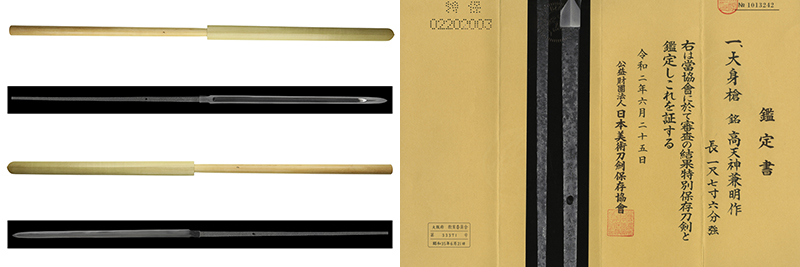
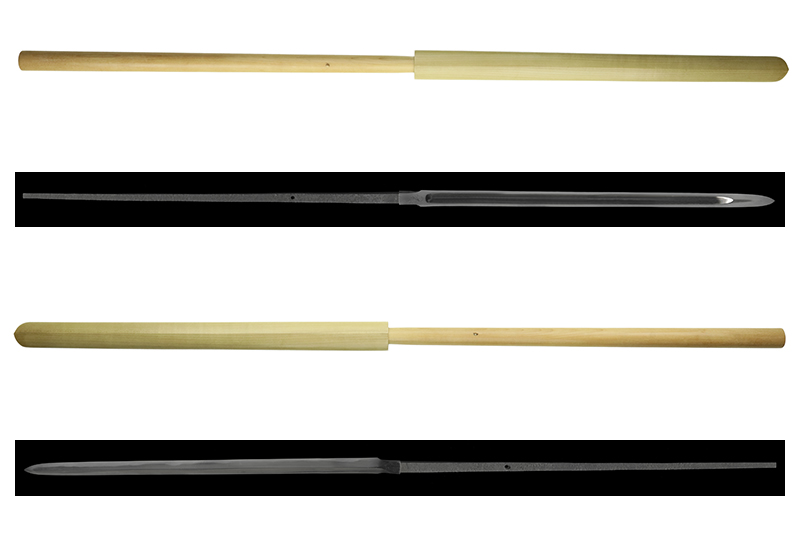
室町時代
応仁の乱が足利の体制を砕いた後、戦国の一世紀はほとんどすべての国を武装させた。この時代は選ぶ目に報いる。並の作は多いが、その傍らには第一級の注文打ちが立っている。
保存刀剣のうち、出来が一層優れ、保存状態も良好と認められたものです。再刃や、室町・江戸期の多くの無銘作は対象外となり、保存刀剣より高い基準が課されます。
日本美術刀剣保存協会(NBTHK)は、1948年に設立され、文化庁の監督を受ける公益財団法人で、東京・刀剣博物館に本部を置きます。専門の審査員が出品作を直接審査し、美術的・歴史的価値に応じた鑑定書を発行します。NBTHKの鑑定書は、日本刀および刀装具の真正性を示す最も広く認知された基準です。
NBTHK公式サイトご購入頂いた商品の到着してから3日以内であれば返金もしくは交換対応をいたします。返品時の送料と返金する際の振込手数料はお客様のご負担とさせていただきます。
¥600,000