NihontoWatch MonNihontoWatch
Market
Encyclopedia
Kantei
NihontoWatch MonNihontoWatch
Market
Encyclopedia
Kantei

Description

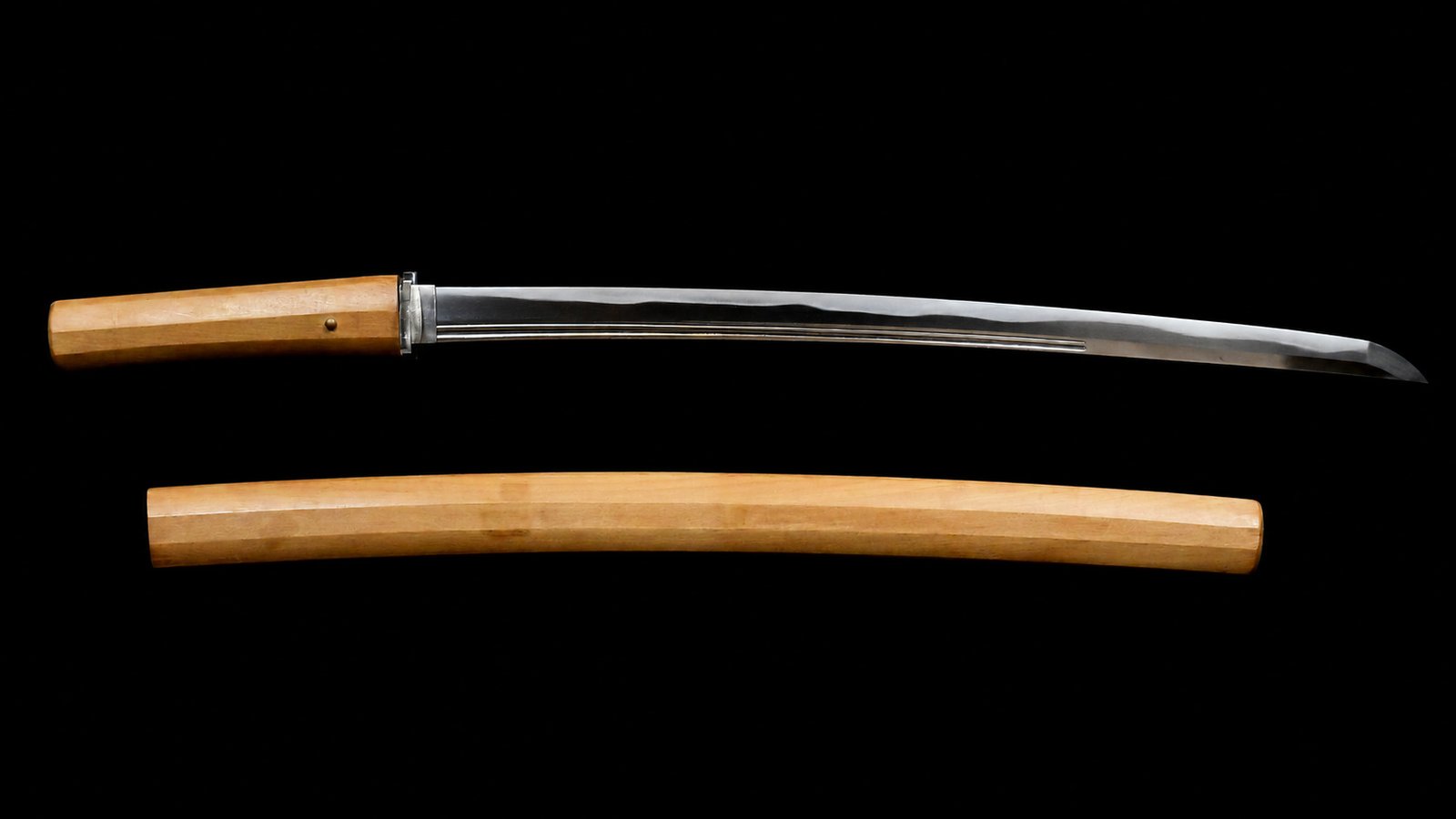
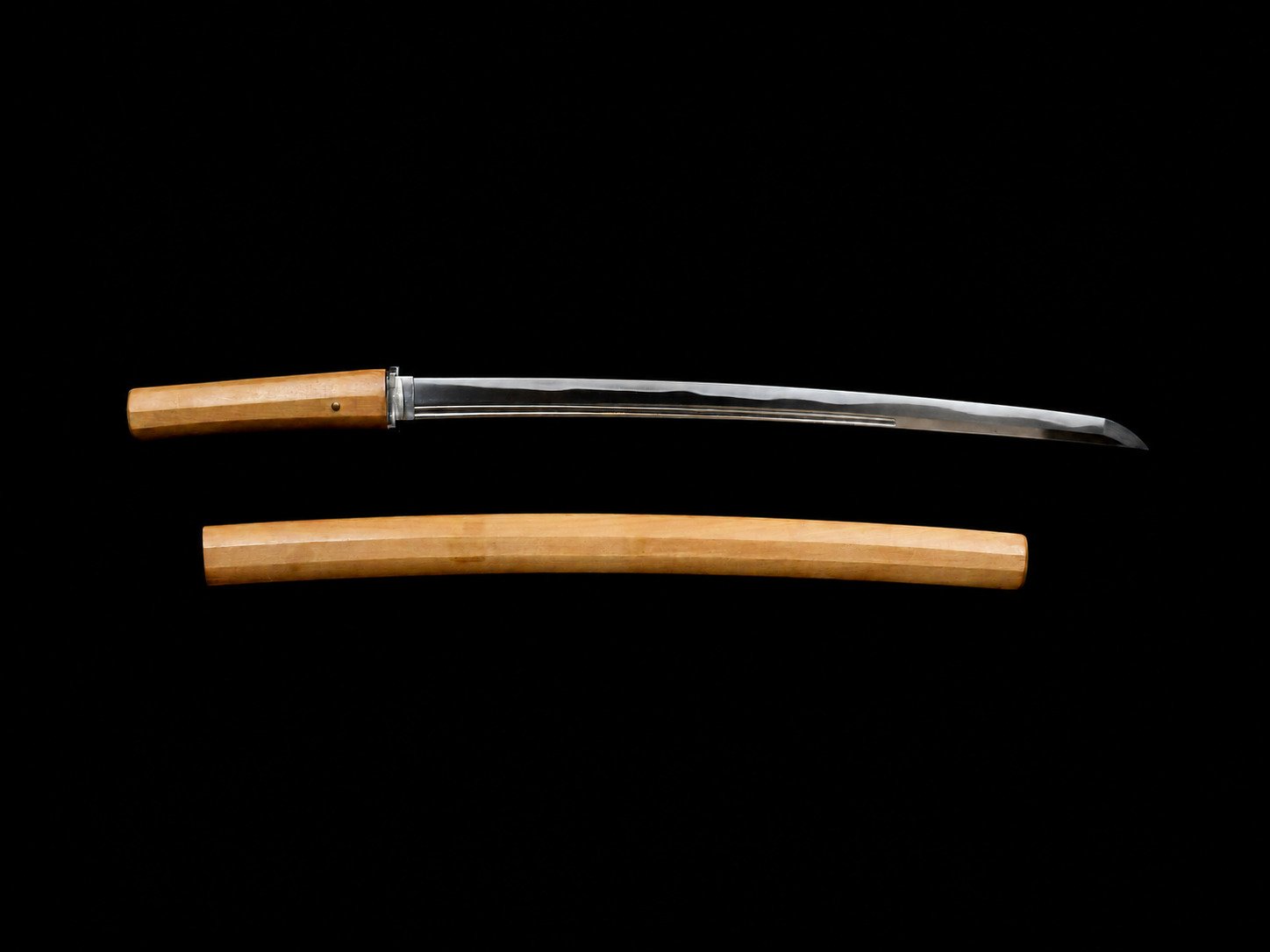
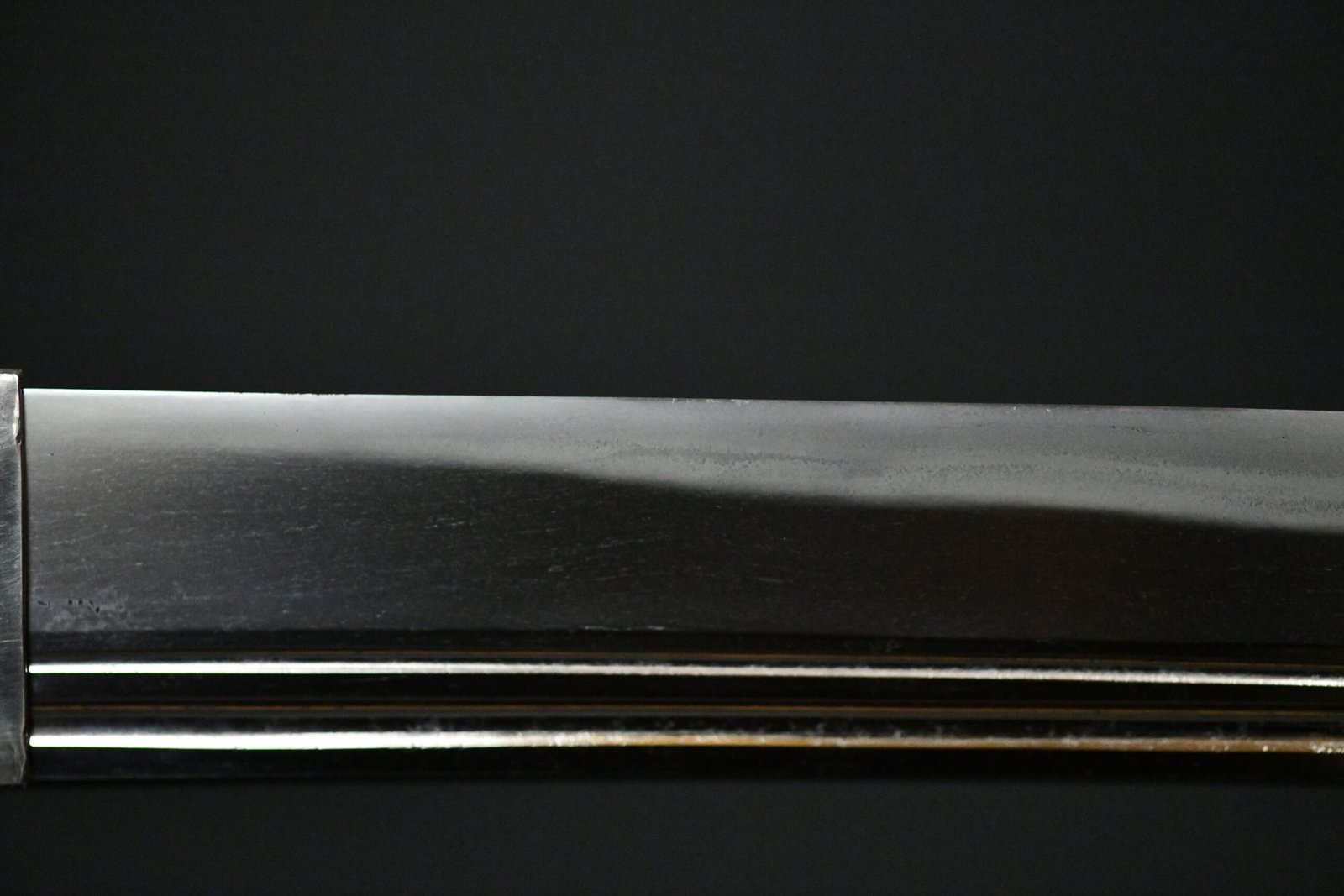
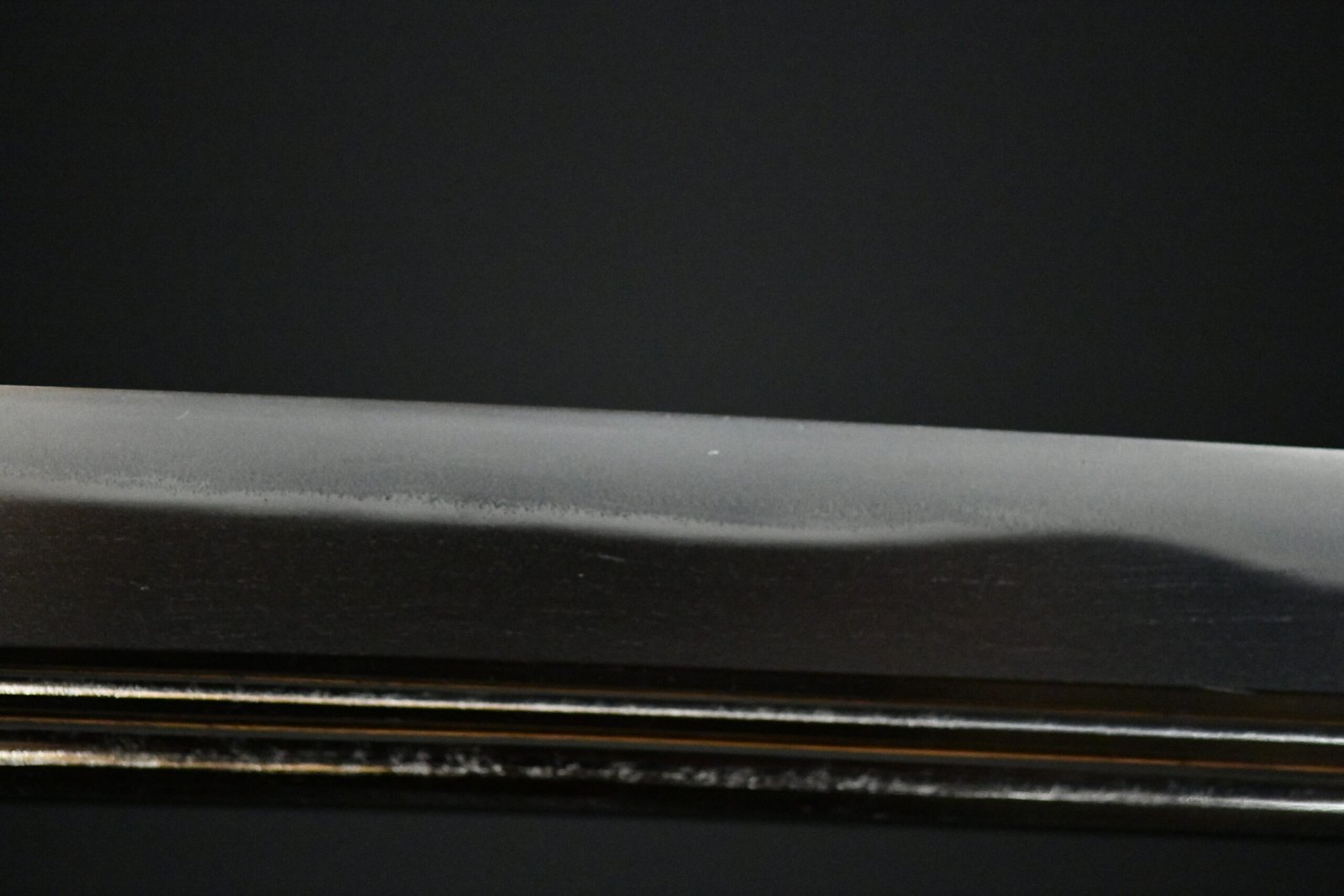
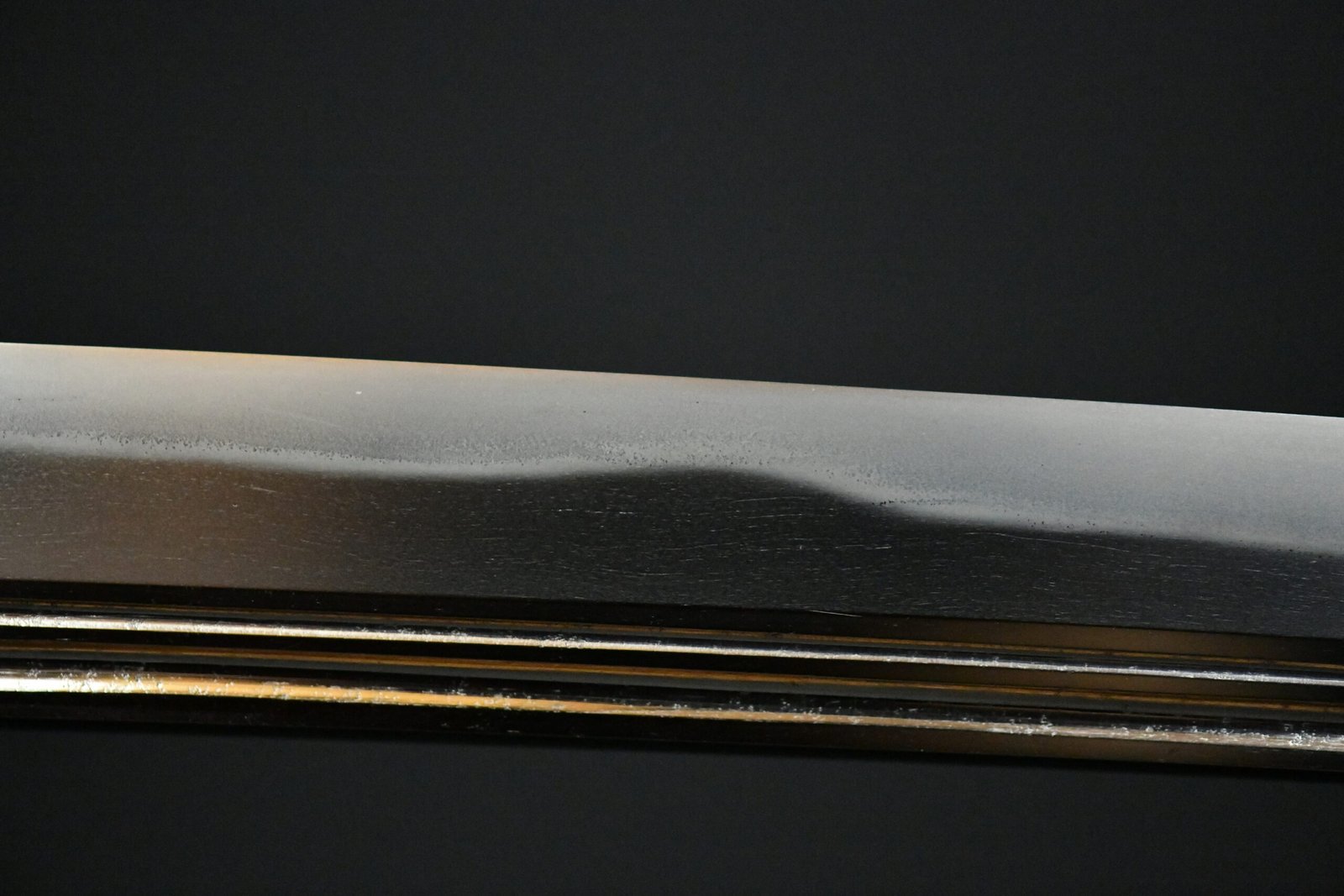
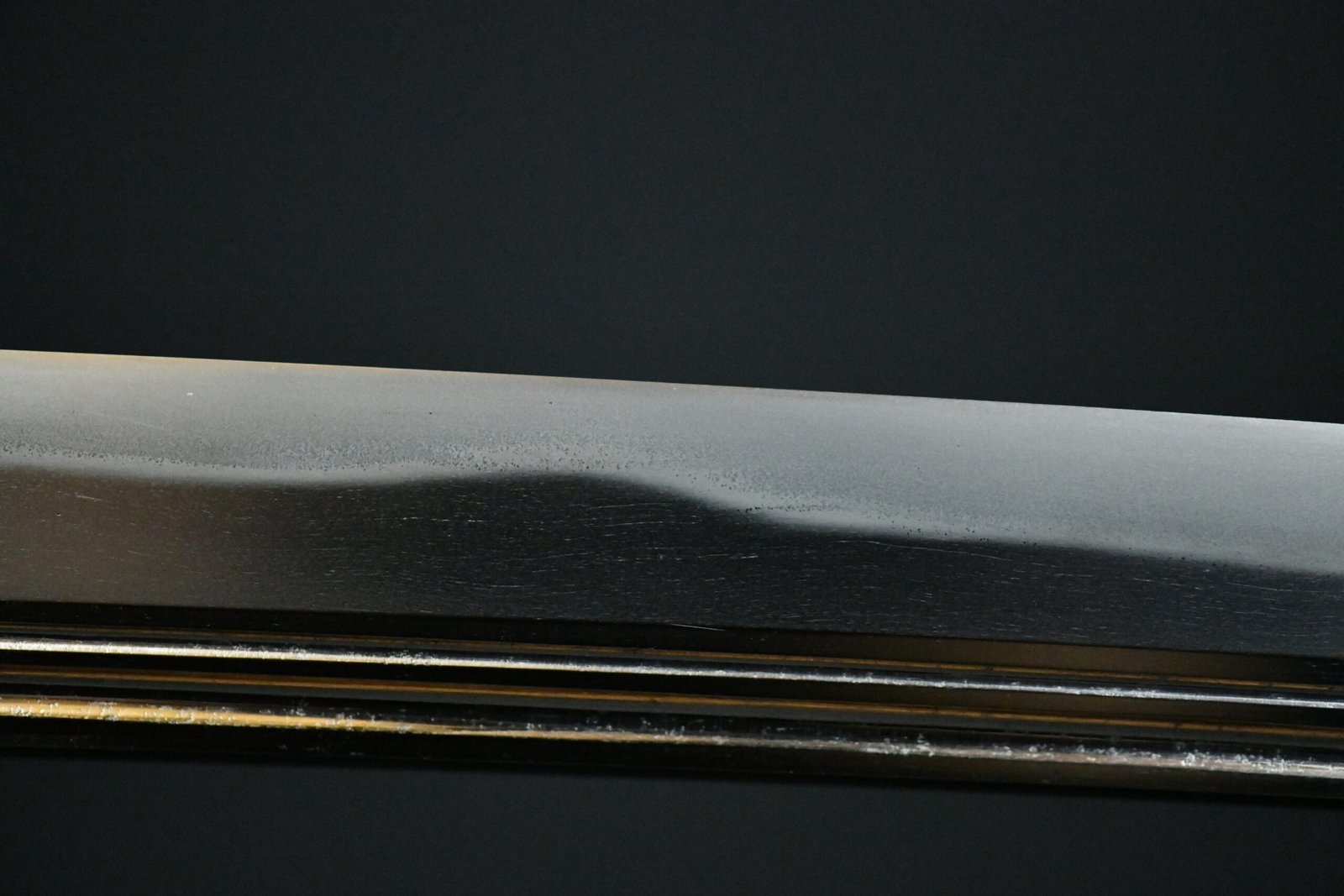
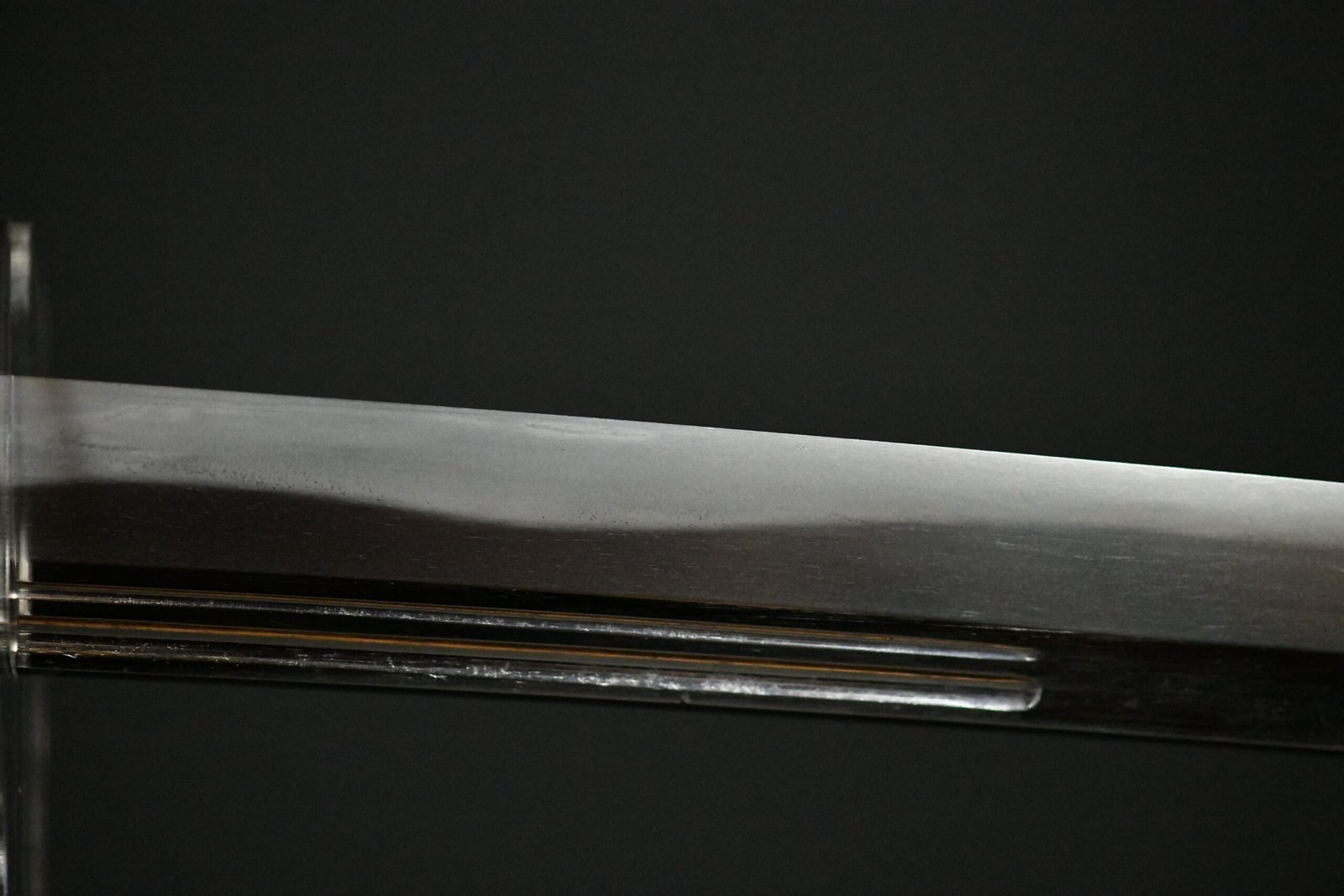
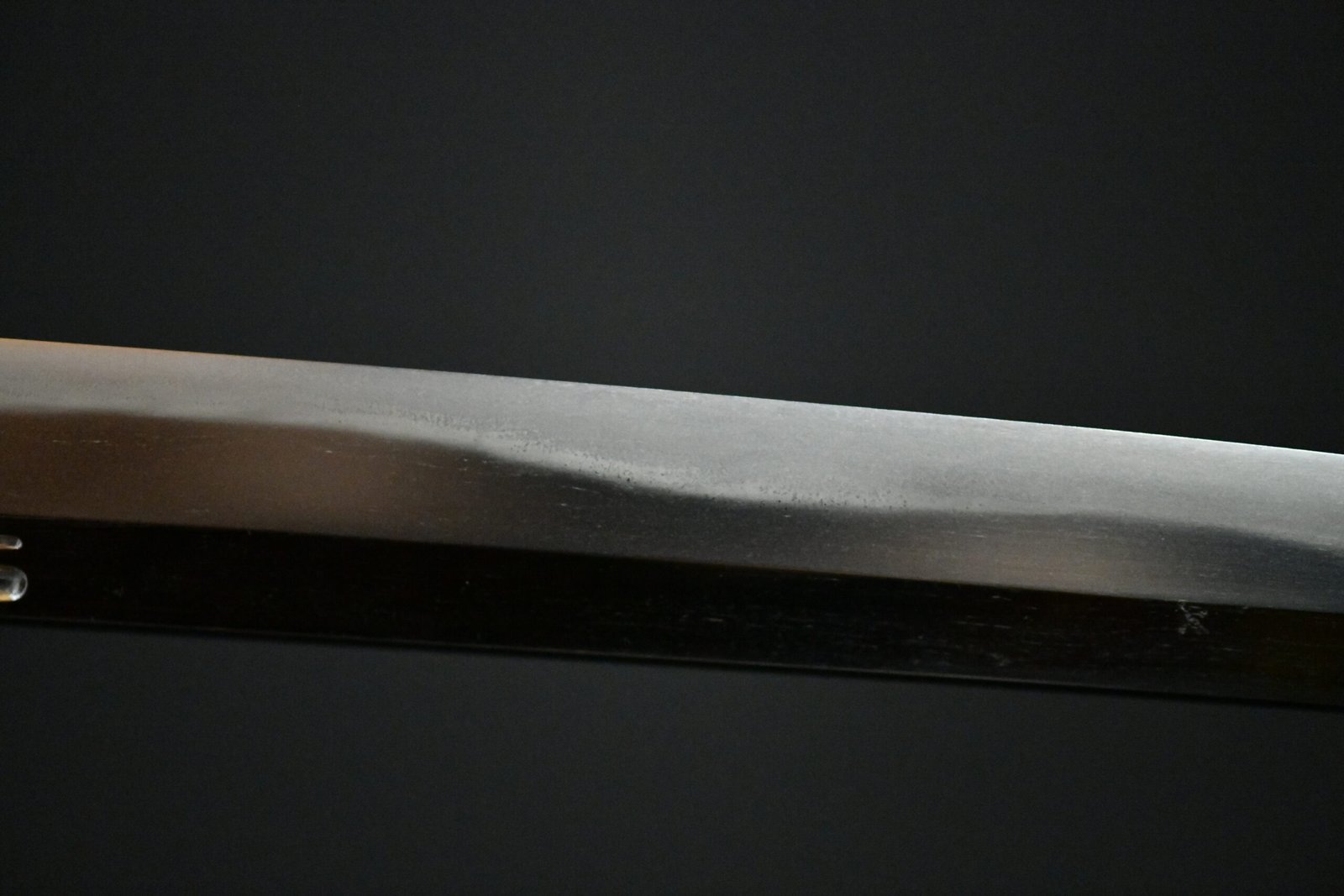
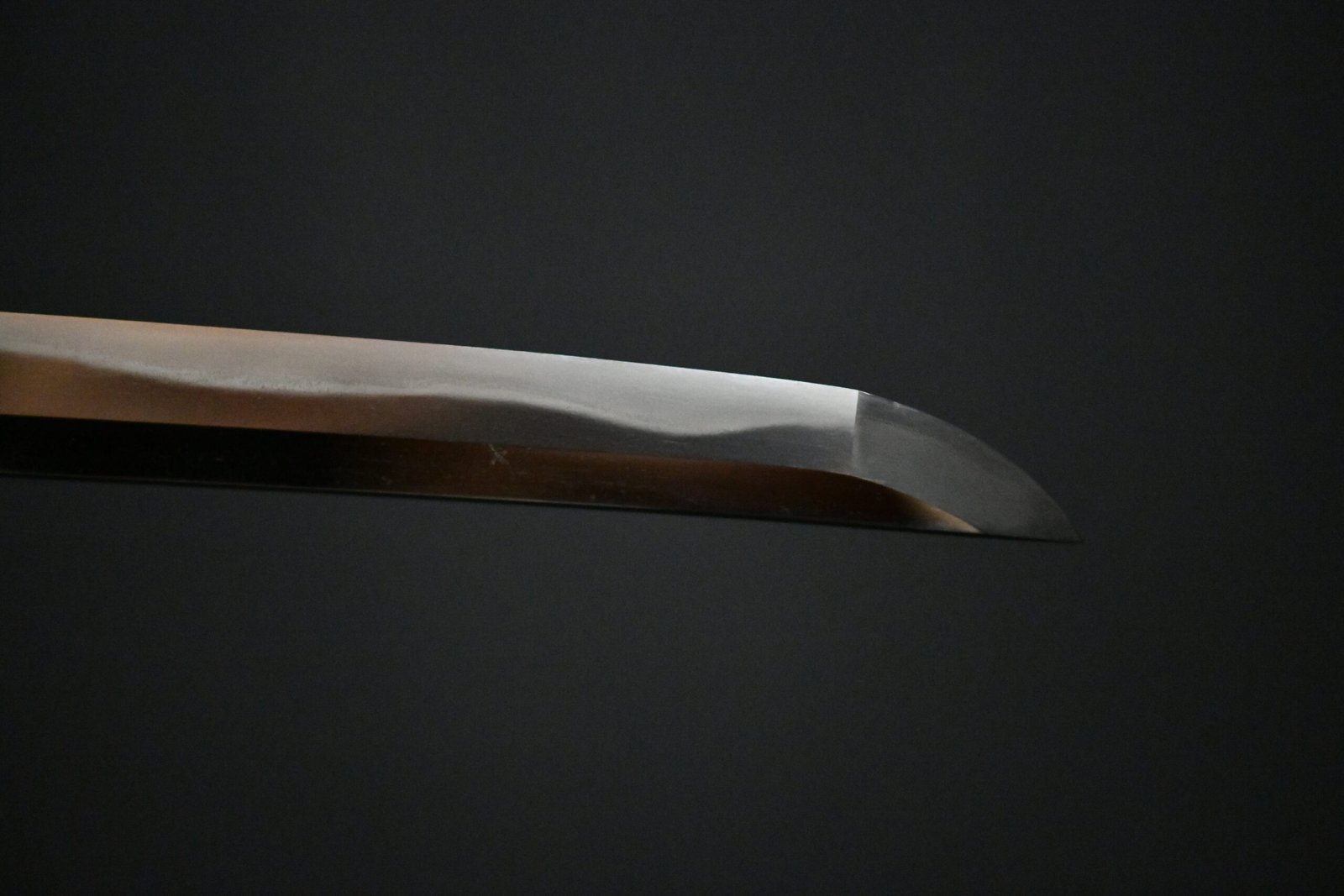
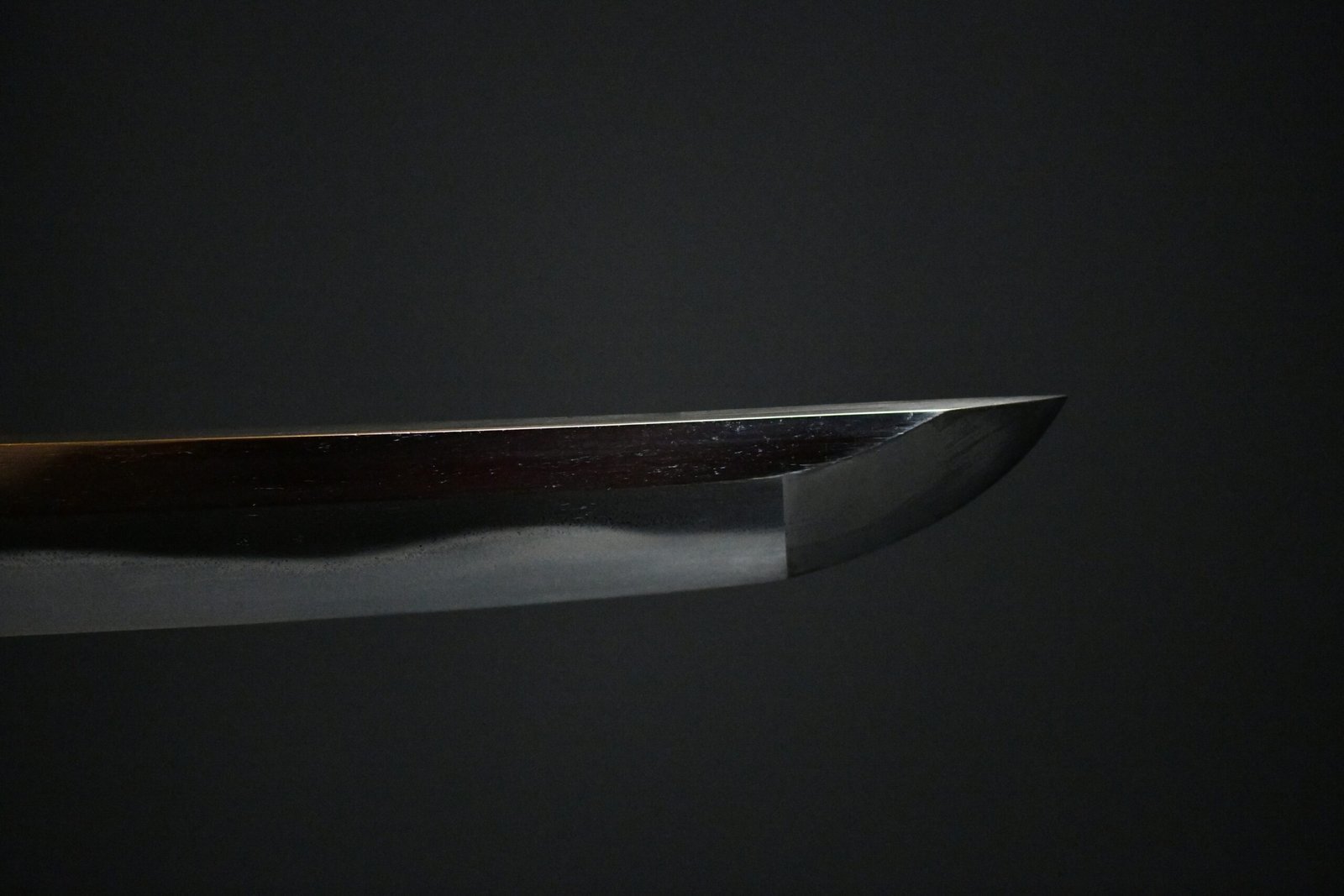
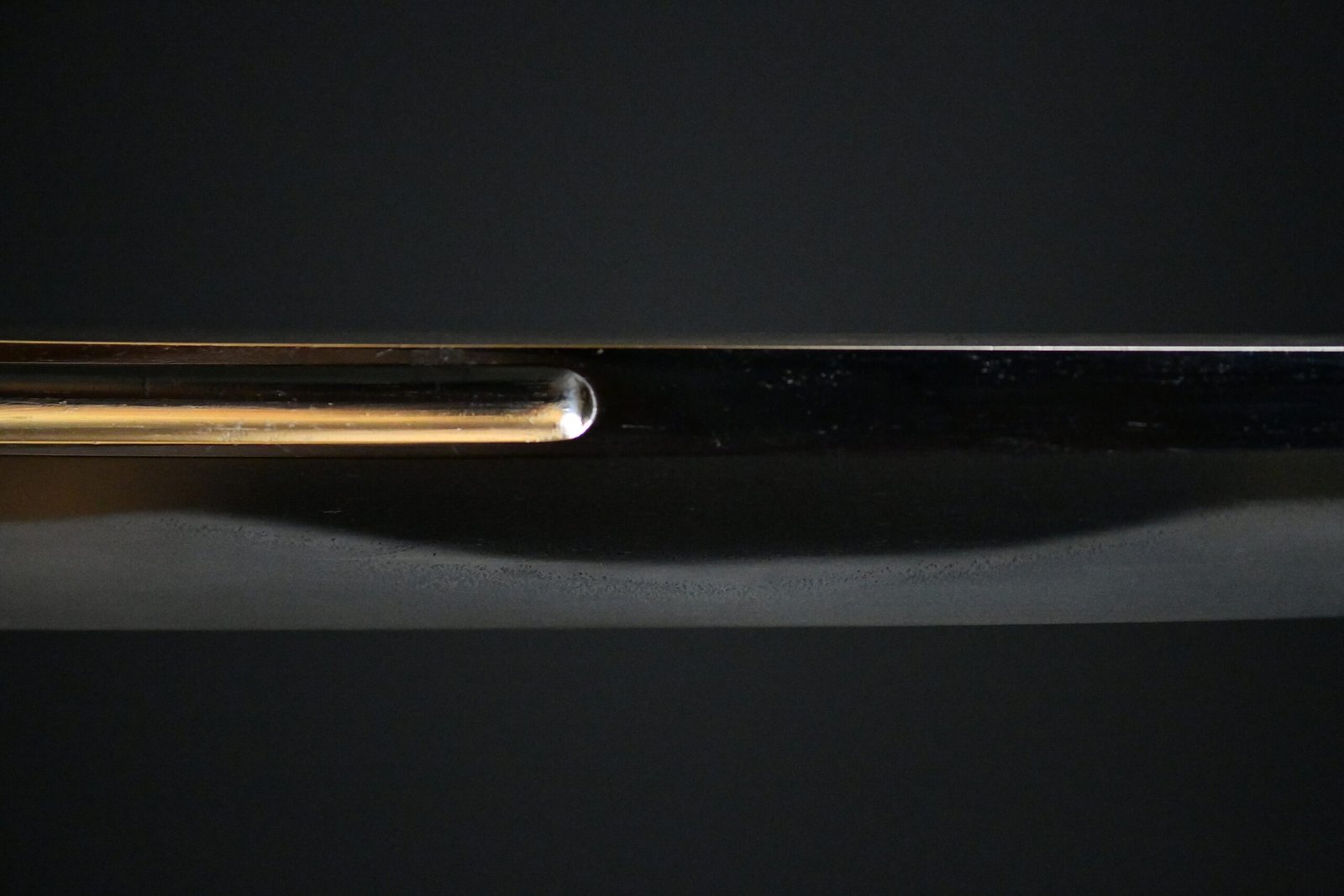
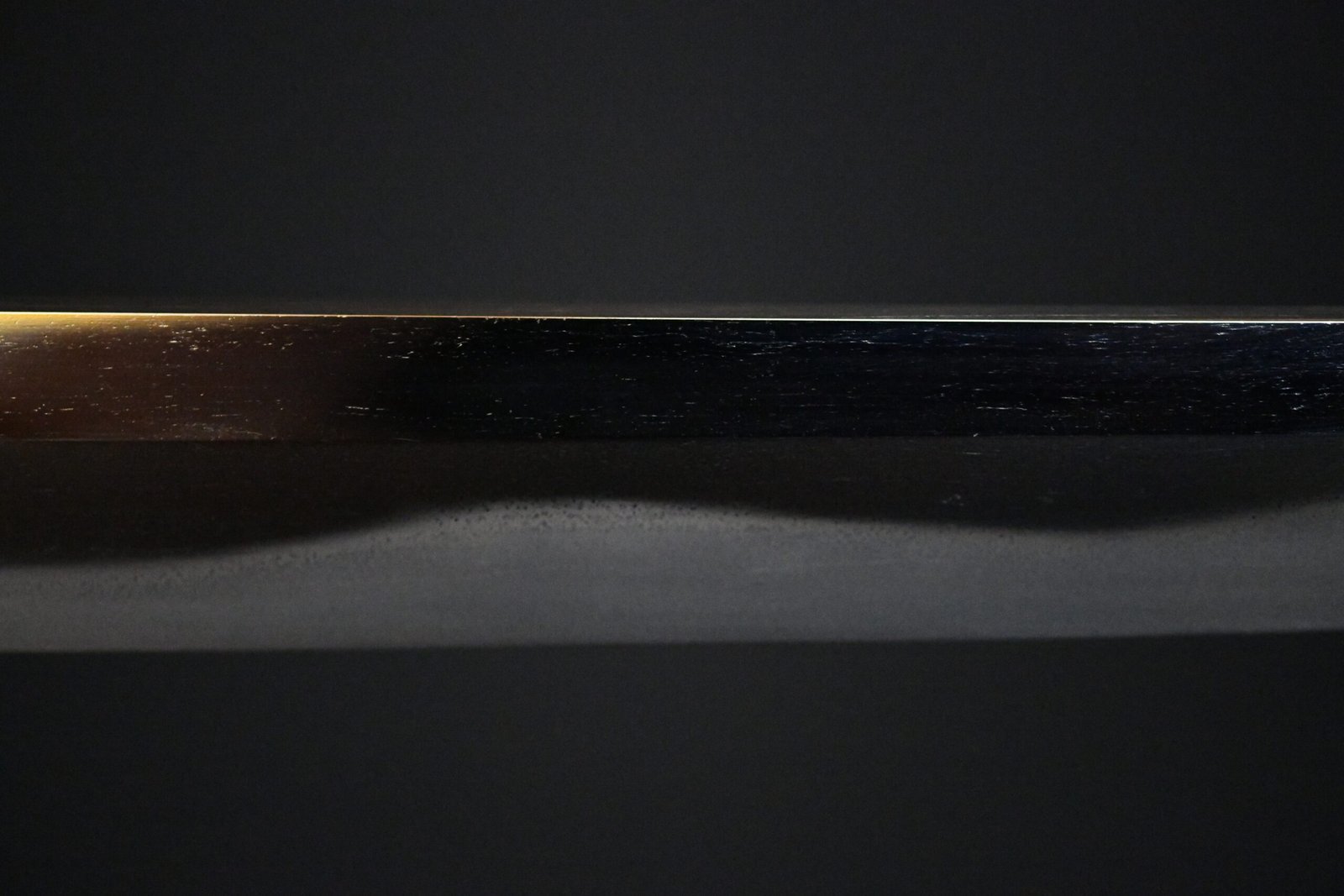
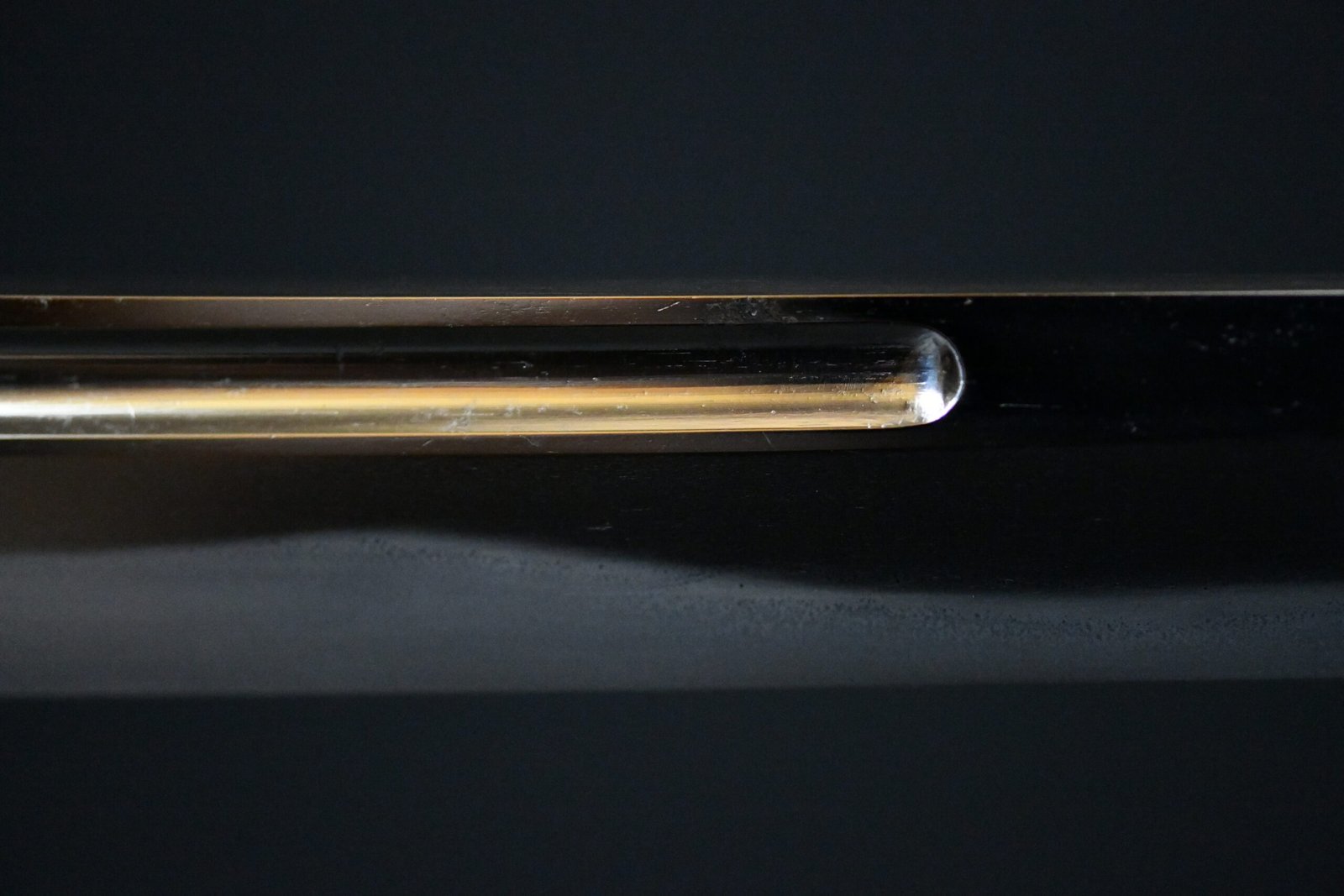
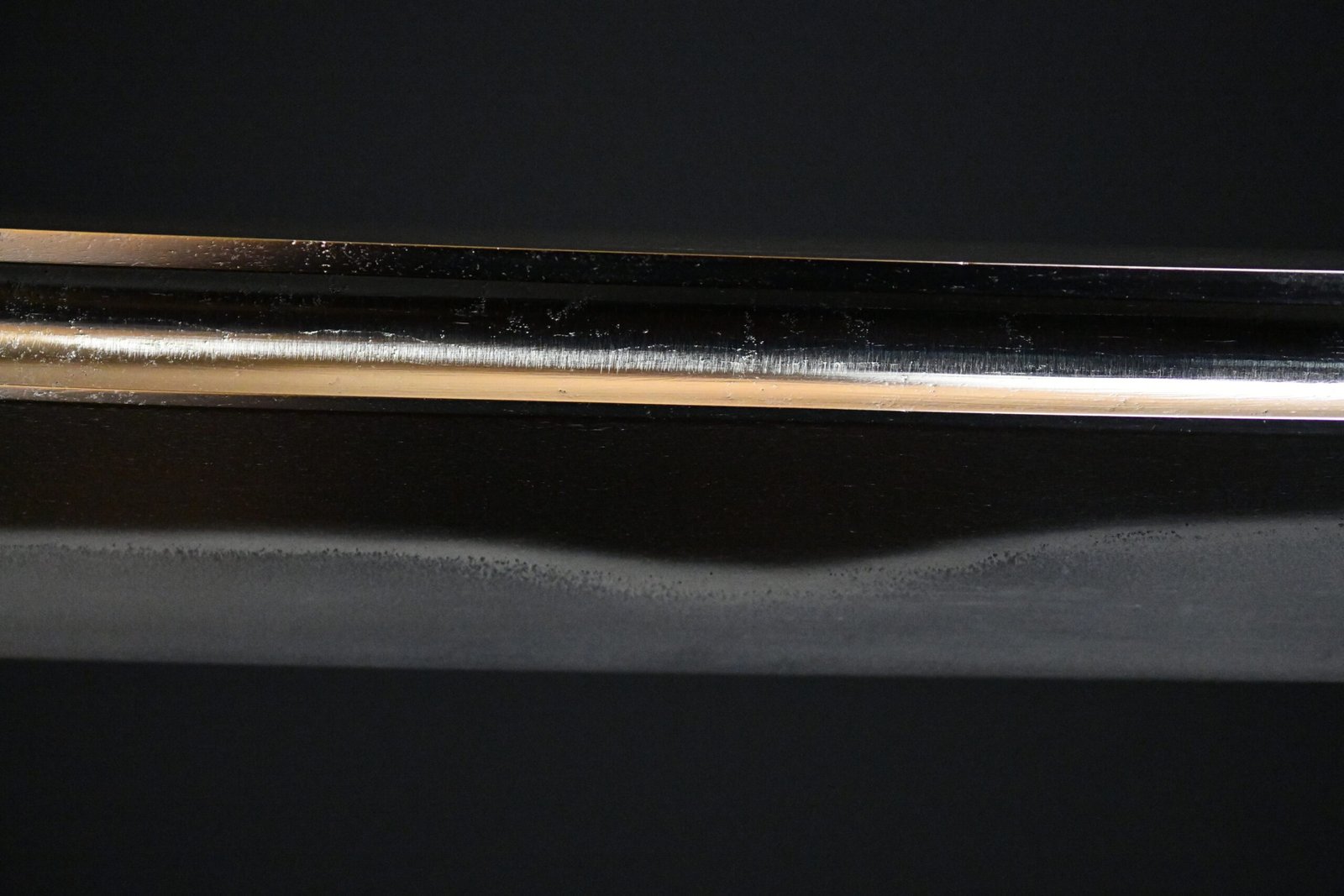
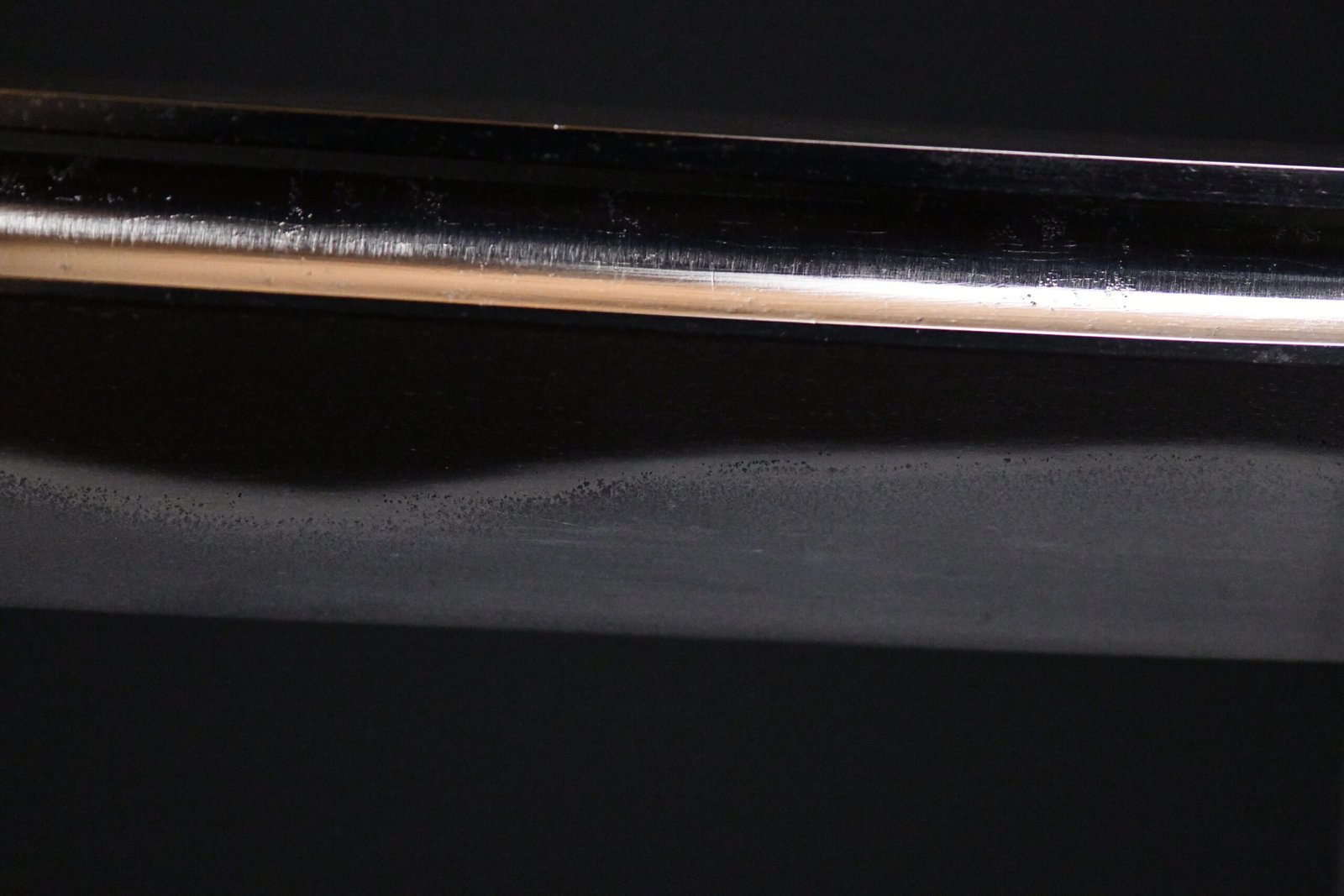
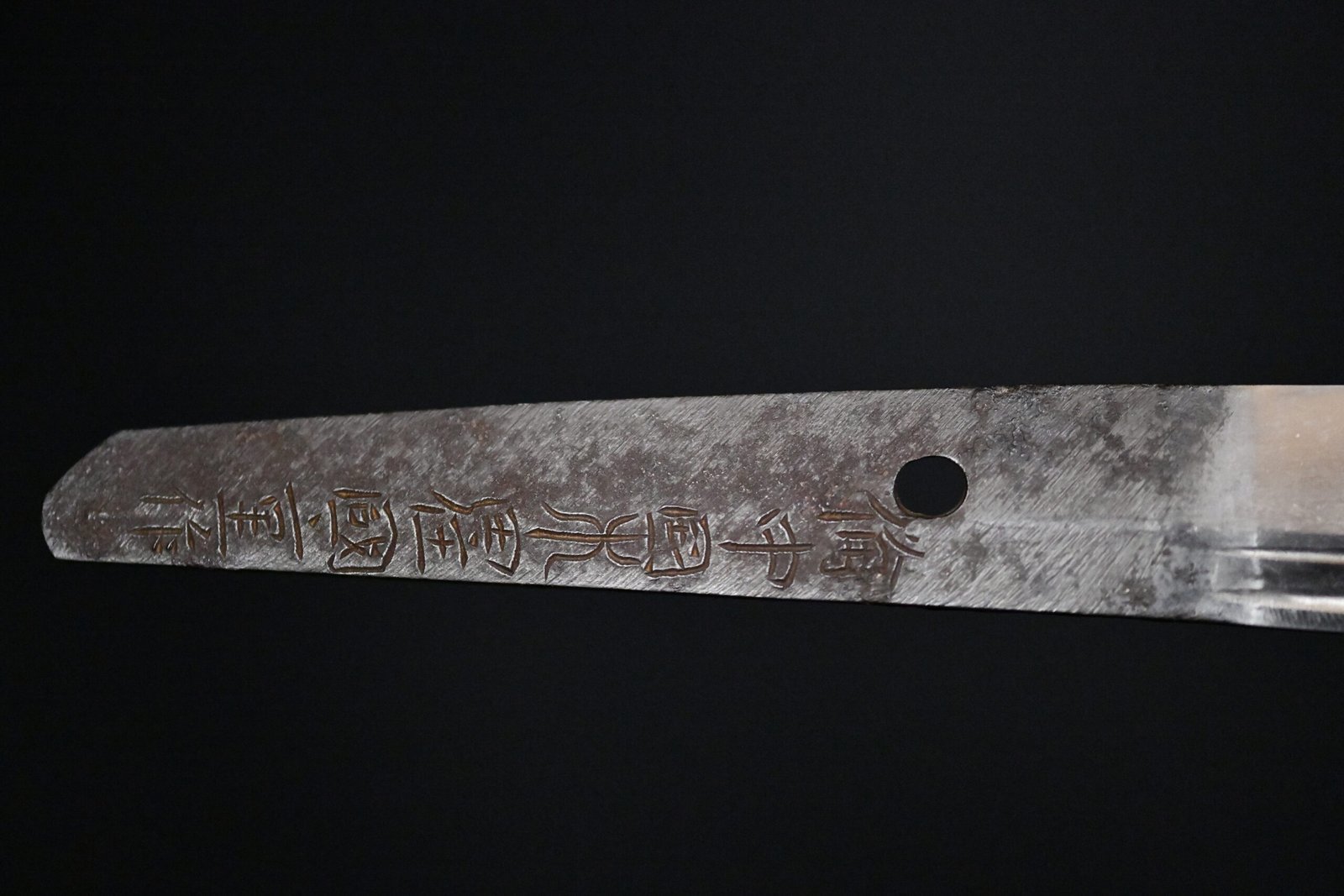
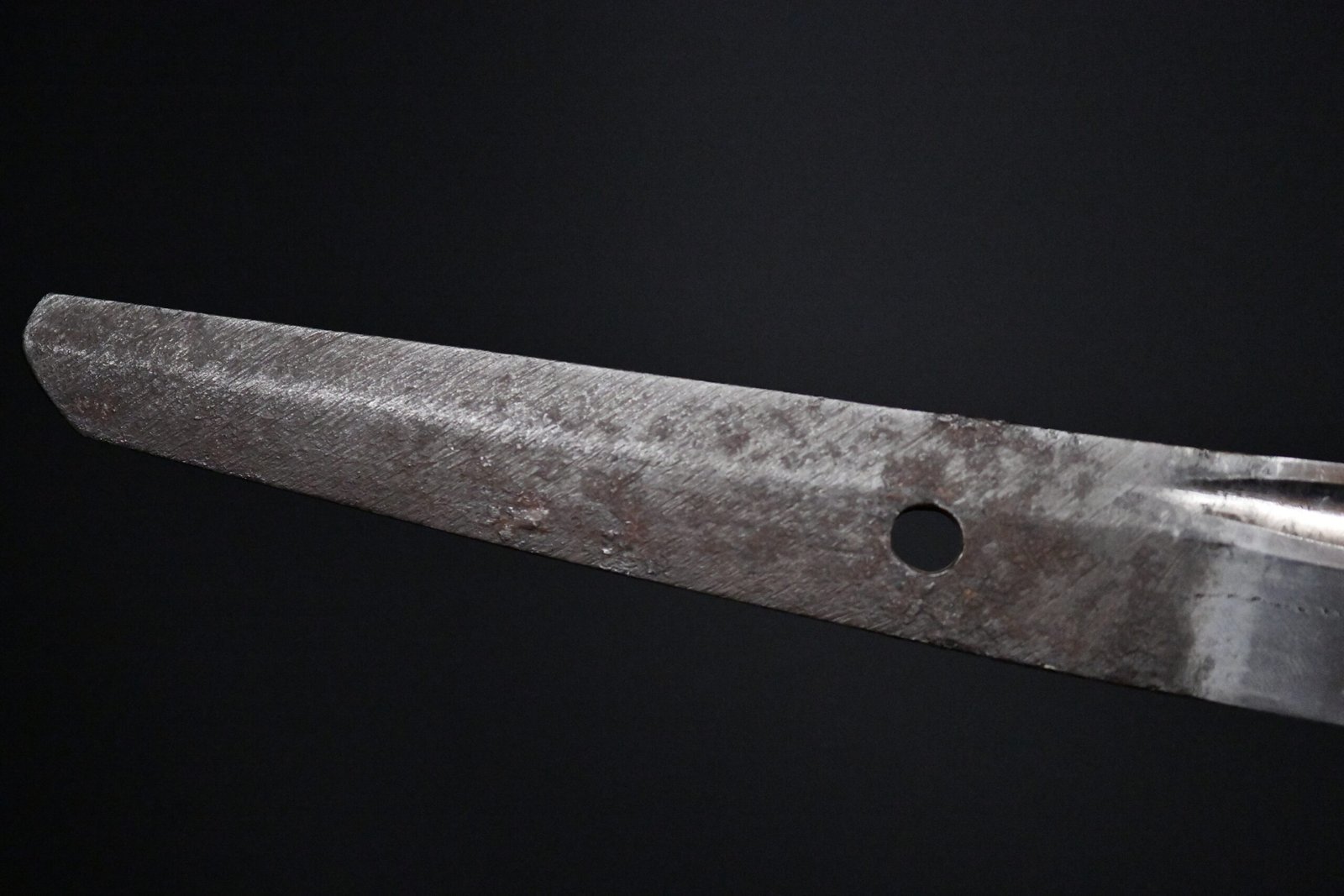
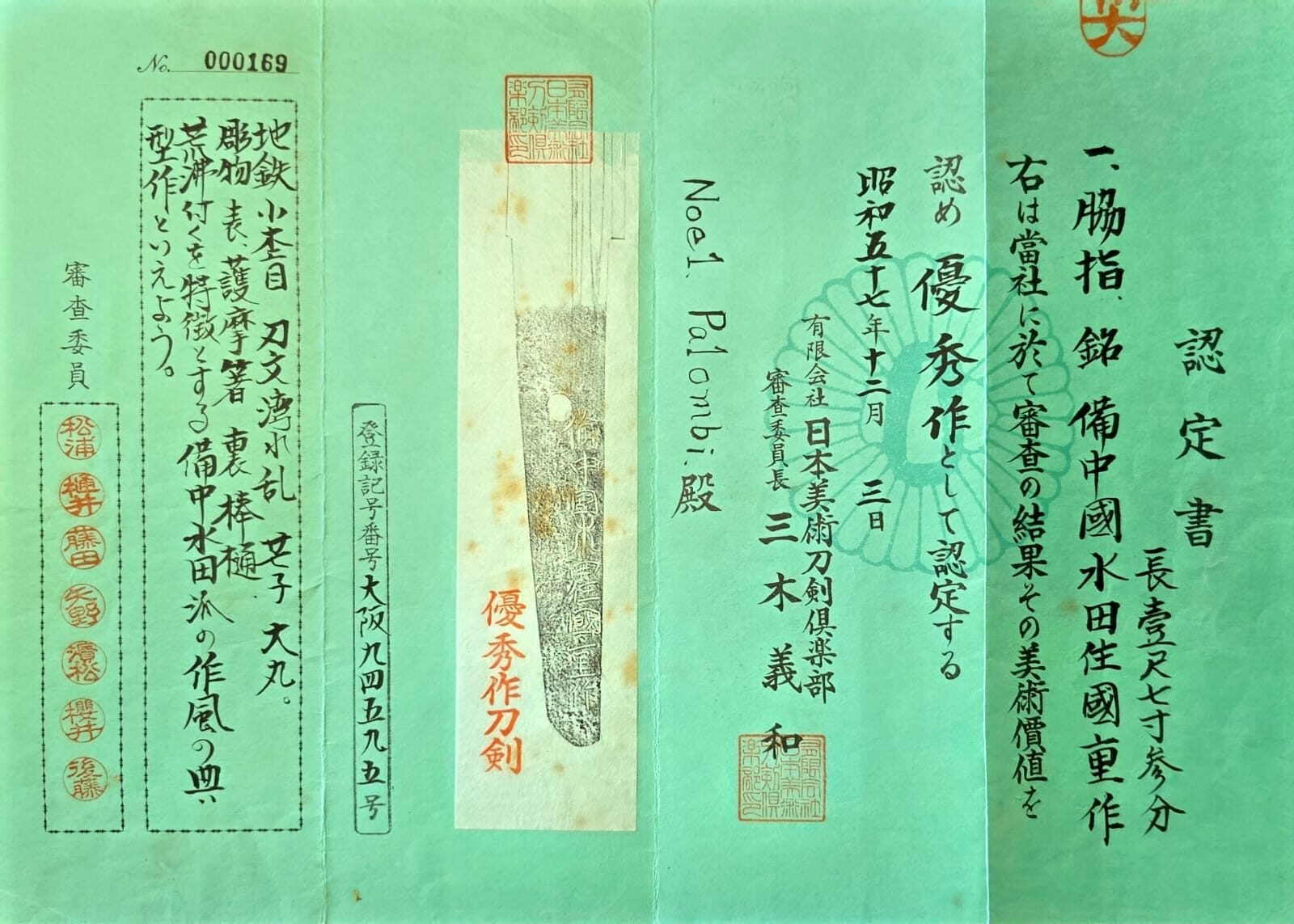
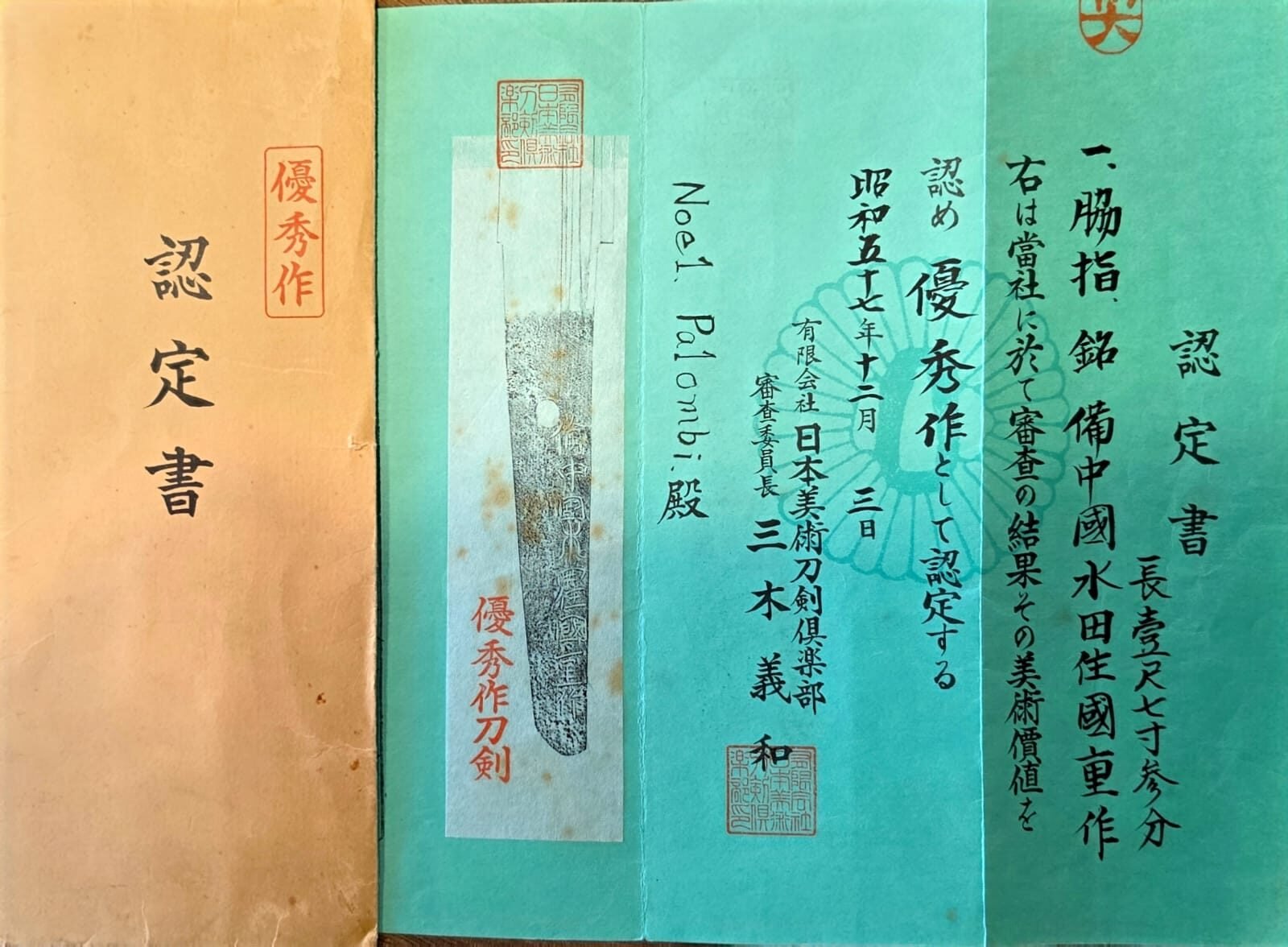
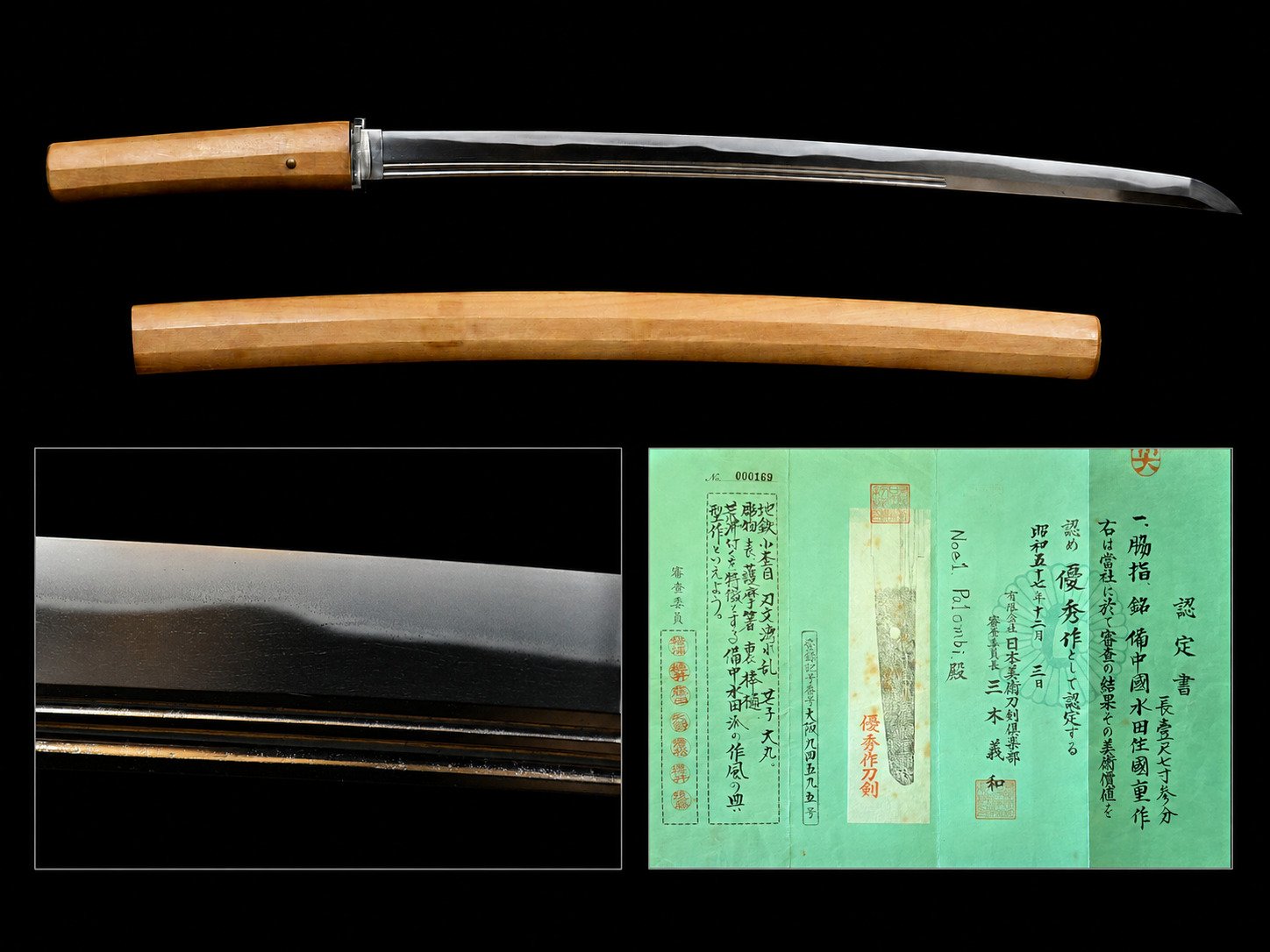
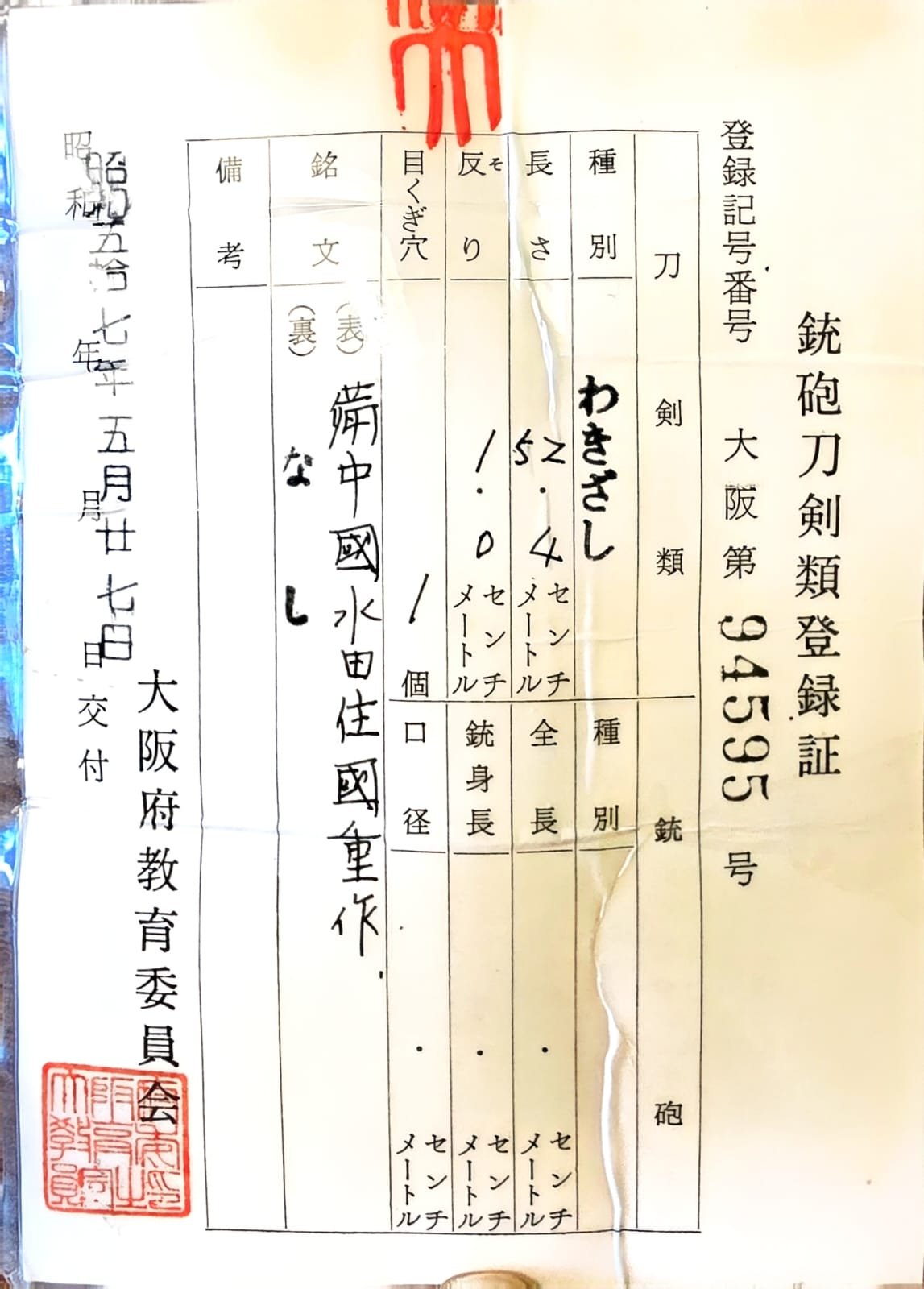
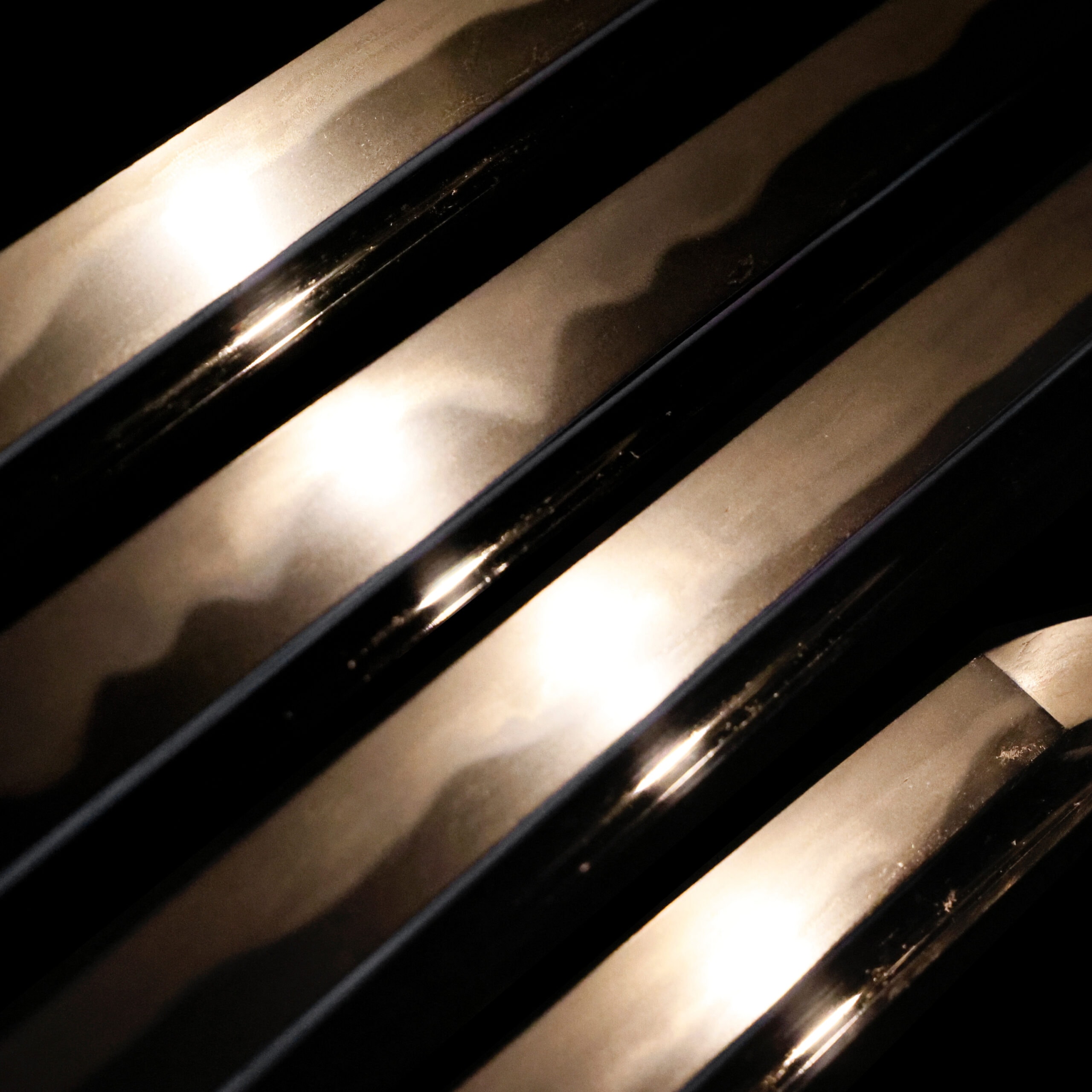
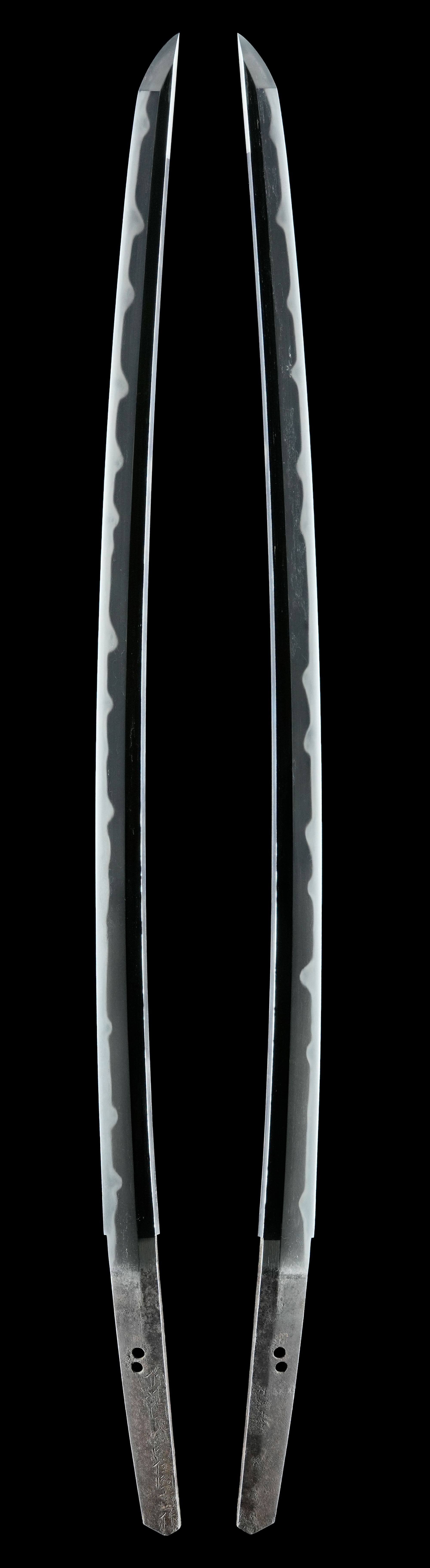
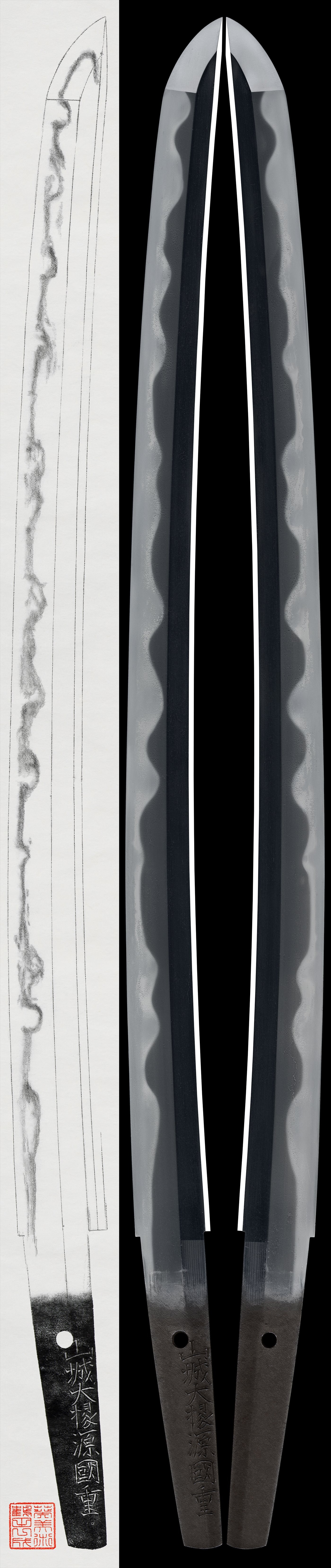
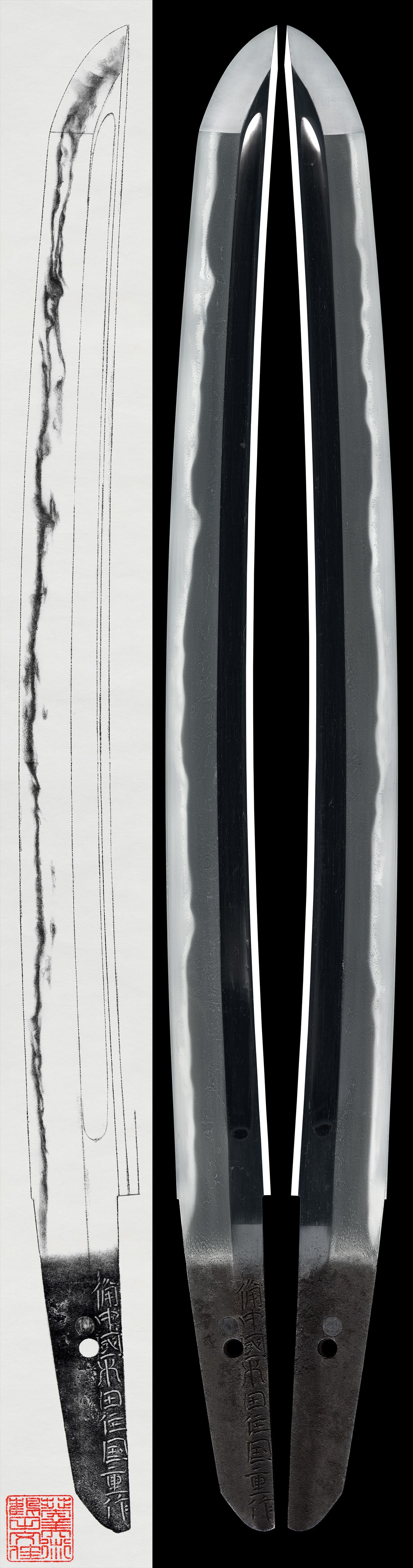
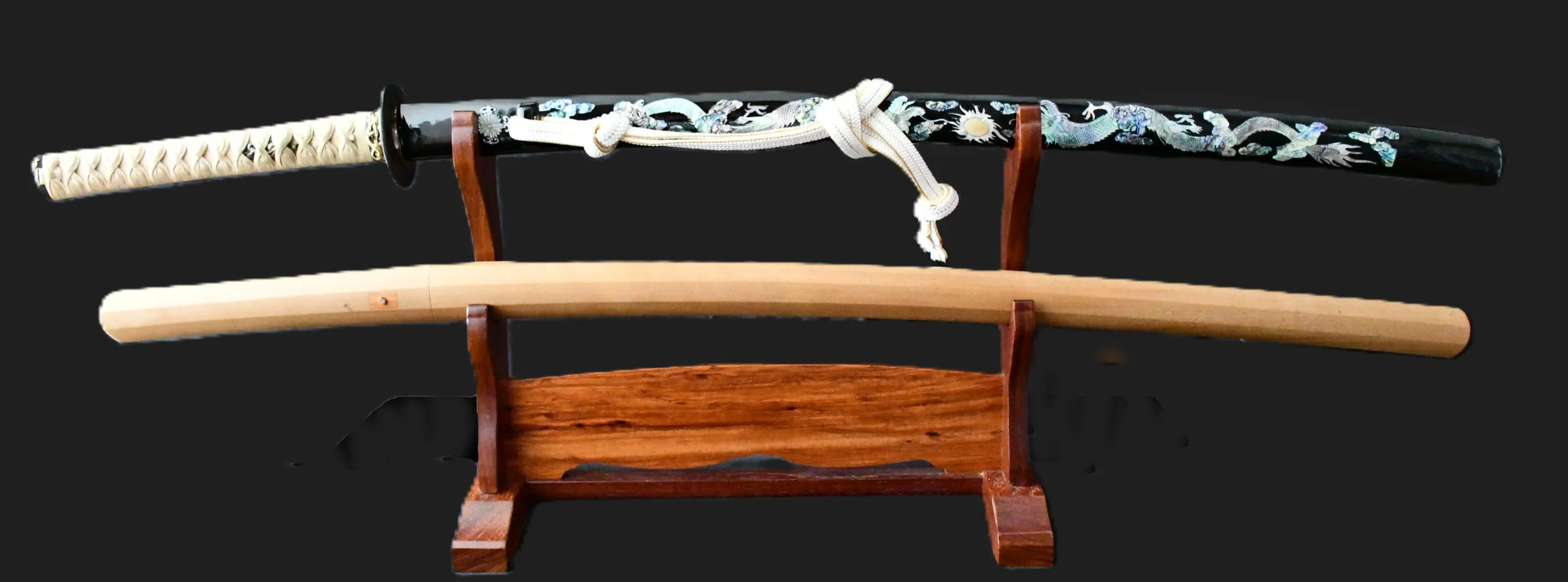
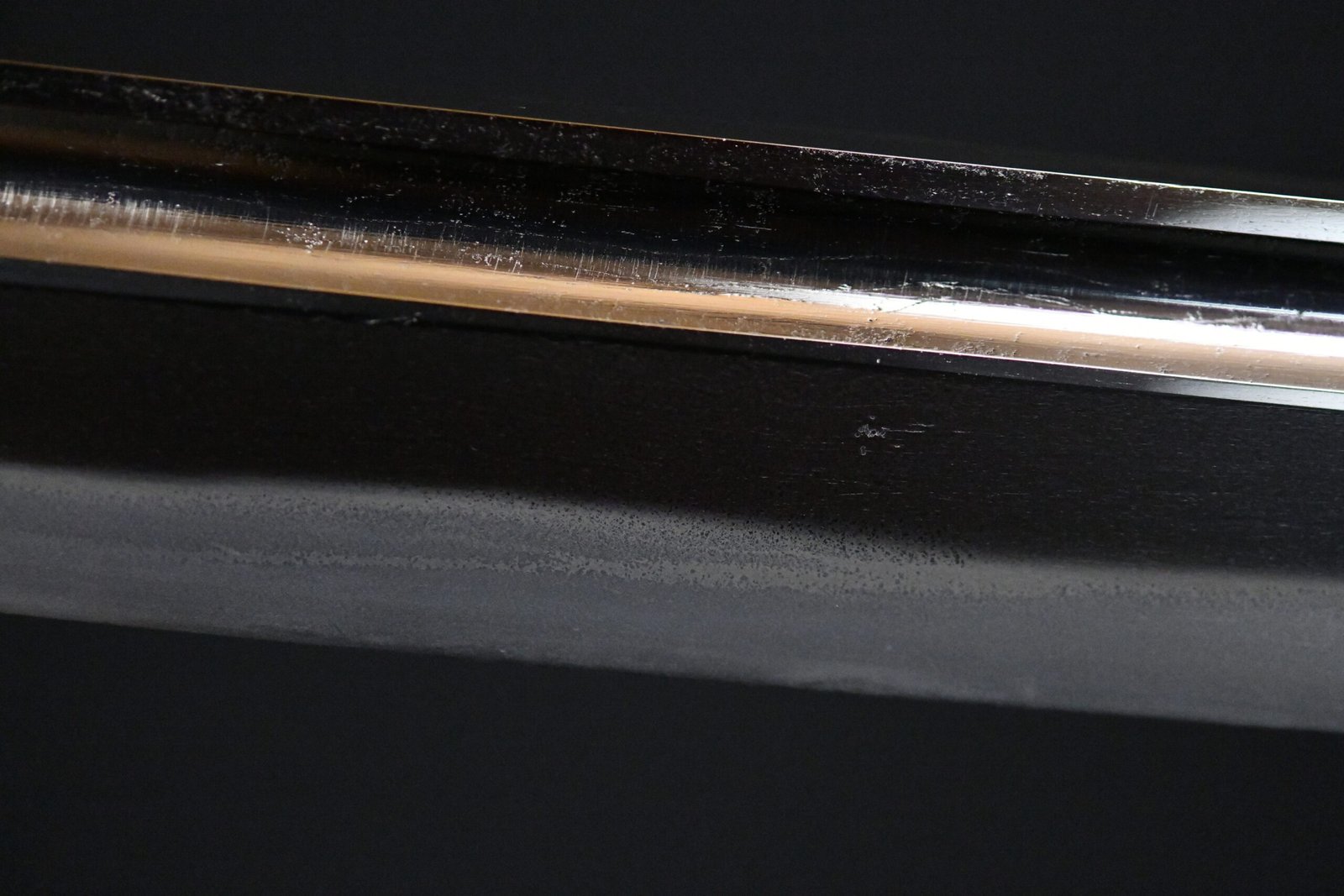
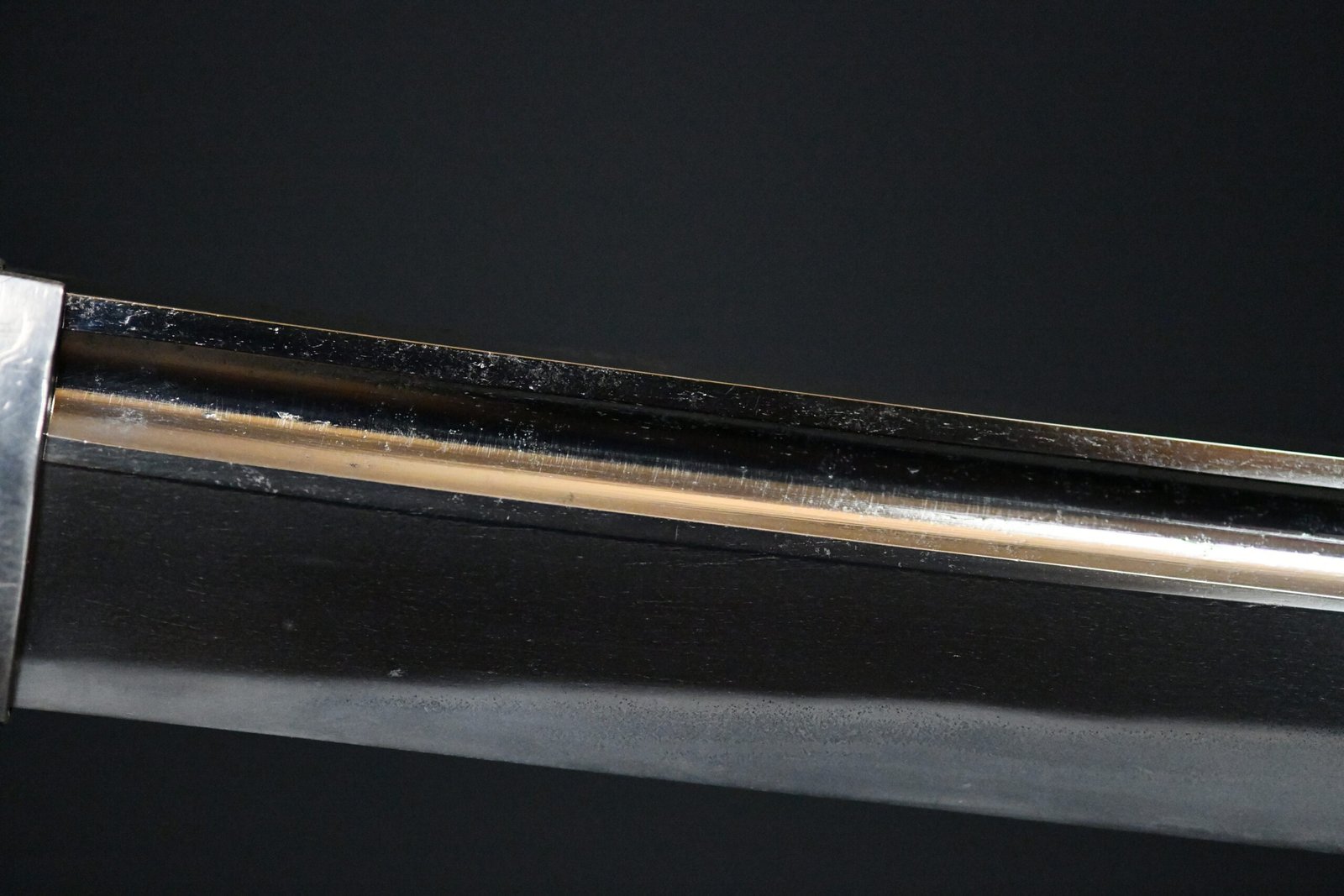
This is a signed Japanese wakizashi from the prolific Mizuta Kunishige group of Bitchū Province, known for its strong Sōshū-den influence. The blade features an active gunome-midare hamon with prominent nie activity and a distinctive asymmetric groove treatment. It is preserved in a plain wooden shirasaya and comes with historical Japanese documentation from 1982, including an Osaka Prefecture registration and an appraisal from the Nihon Bijutsu Tōken Club.

NihontoWatch MonNihontoWatch
MarketEncyclopediaKantei
Swords›Mizuta›Kunishige›Wakizashi Signed Bitchū Mizuta Kunishige – Sōshū-Influenced Gunome-Midare
katana
Mizuta Kunishige

Wakizashi Signed Bitchū Mizuta Kunishige – Sōshū-Influenced Gunome-Midare

mei · Mizuta · Muromachi
$3,384
Visit seller website →
Mizuta Kunishige (国重) · Mizuta · Muromachi1 work for sale →
Katana
Could you name the smith from the blade alone? Today’s kantei →
Mizuta Kunishige — 1 of 23
Mizuta Kunishige — 2 of 23
Mizuta Kunishige — 3 of 23
Mizuta Kunishige — 4 of 23
Mizuta Kunishige — 5 of 23
Mizuta Kunishige — 6 of 23
Mizuta Kunishige — 7 of 23
Mizuta Kunishige — 8 of 23
Mizuta Kunishige — 9 of 23
Mizuta Kunishige — 10 of 23
Mizuta Kunishige — 11 of 23
Mizuta Kunishige — 12 of 23
Mizuta Kunishige — 13 of 23
Mizuta Kunishige — 14 of 23
Mizuta Kunishige — 15 of 23
Mizuta Kunishige — 16 of 23
Mizuta Kunishige — 17 of 23
Mizuta Kunishige — 18 of 23
Mizuta Kunishige — 19 of 23
Mizuta Kunishige — 20 of 23
Mizuta Kunishige — 21 of 23
Mizuta Kunishige — 22 of 23
Mizuta Kunishige — 23 of 23
1 / 23
1 / 23
Mizuta Kunishige — 1 of 23Mizuta Kunishige — 2 of 23Mizuta Kunishige — 3 of 23Mizuta Kunishige — 4 of 23Mizuta Kunishige — 5 of 23Mizuta Kunishige — 6 of 23Mizuta Kunishige — 7 of 23Mizuta Kunishige — 8 of 23Mizuta Kunishige — 9 of 23Mizuta Kunishige — 10 of 23Mizuta Kunishige — 11 of 23Mizuta Kunishige — 12 of 23Mizuta Kunishige — 13 of 23Mizuta Kunishige — 14 of 23Mizuta Kunishige — 15 of 23Mizuta Kunishige — 16 of 23Mizuta Kunishige — 17 of 23Mizuta Kunishige — 18 of 23Mizuta Kunishige — 19 of 23Mizuta Kunishige — 20 of 23Mizuta Kunishige — 21 of 23Mizuta Kunishige — 22 of 23Mizuta Kunishige — 23 of 23
Mizuta Kunishige (国重) · Mizuta · Muromachi1 work for sale →
Katana
Could you name the smith from the blade alone? Today’s kantei →
Measurements & details
Smith
Mizuta Kunishige
Type
Katana
School
Mizuta
Period
Around 1684–1688(Jokyo)
Province
Bitchū
Signature
Signed
Description

This is a signed Japanese wakizashi from the prolific Mizuta Kunishige group of Bitchū Province, known for its strong Sōshū-den influence. The blade features an active gunome-midare hamon with prominent nie activity and a distinctive asymmetric groove treatment. It is preserved in a plain wooden shirasaya and comes with historical Japanese documentation from 1982, including an Osaka Prefecture registration and an appraisal from the Nihon Bijutsu Tōken Club.

About the maker

Kunishige

国重

Shinto · Bitchū · around 1684-1688

1 piece on the market now

›
1 work by Kunishige on the market→
Kunishige — full profileShinto school

Study this maker →

About the school

Mizuta

水田

Shinto · Bitchu

17 pieces on the market now

›

In Bitchū Province at the close of the Muromachi period, the Mizuta group emerged at the village of that name, and successive generations took the name Kunishige. The setsumei trace their work across Matsuyama, Toribe, Ihara, Ebara, and Niimi, with their vitality carrying into the shintō era. The smiths the records cover form a recognizable line: Ko-Mizuta Kunishige, whose dated blade reaches Tenshō 20 (1592); the Niimi Saburōzaemon no Jō Kunishige, said by signature references (meikan) to have come from Bingo into the Niimi estate and afterward to have served the Mimura family, lords of Matsuyama Castle; Kunishige of Ihara, who signed "Bitchū no kuni Ihara-jū Kunishige saku"; Kunishige styled Ōtsukiyo Goemon, recorded as forging also at Fukuyama in Bingo and at Kawanami; and Ōtsuki Yogorō Kunishige, abbreviated "Daiyogo," son of Ōtsuki Saburōbei Kunishige, who came after the old Mizuta period and worked from the Kan'ei years. So many smiths bore the name Kunishige that the setsumei call the group's reliance on it overwhelming. The shared vocabulary is consistent across the entries. The jigane is itame, sometimes flowing and sometimes standing out, with ji-nie adhering and chikei entering; utsuri is visible on the older pieces. The hamon of the shintō hand rests on a notare or ko-notare base mixed with gunome, deep in nioi, with nie forming vigorously and at times breaking into coarse ara-nie; sunagashi and kinsuji run through, and muneyaki recurs frequently. On the Daiyogo katana the temper rises until the upper half is nearly hitatsura, an ō-midare in notare style with the bōshi burning down long toward the mune-machi.

The bōshi elsewhere goes midare-komi with hakikake, taking a flame-like (kaen) cast or becoming ichimai-like. The Niimi blade adds yakidaka composition with angular and yahazu-like elements. These are the marks of the hand: a strong nie-laden Sōshū bearing on a serviceable, iori-mune shinogi-zukuri build, the signatures cut long toward the mune. For kantei the records single out the notare foundation worked with gunome and intense nie, the yahazu shapes and ichimai bōshi the setsumei name as "the highlights of the Mizuta manner," and the ha-agari kurijiri tang that rises markedly toward the edge. The shintō smiths are read by their pronounced Sōshū emphasis, the kotō-period Ko-Mizuta by a busier (kosekose) gunome-midare carrying ko-chōji and a tight nioiguchi. The setsumei describe these as cutting, utilitarian blades, and the Ihara daishō carries elaborate carving, including kurikara, "Marishiten," and the Nine Syllables. Named pieces anchor the line: the Niimi Kunishige is published in the Kōzan Oshigata and, by the record on its old scabbard, once served as the camp sword (jin-tō) of Bunjō-in, Tokugawa Ienobu, the sixth shōgun. Of Daiyogo the setsumei say few signed works survive, the loss attributed to mei being removed or blades shortened and reworked, yet they name him the leading master of the group and credit the school's spread through the Edo period to smiths of his ability. Learn more →

4 recorded smiths6 designated works
Leading smiths
SmithEraDesignated
Kunishige國重1554-15731
Kunishige國重1592-15961
Kunishige國重1624-16443
Kunishige國重1673-16811
Kunisada國定1688-17040
Explore the Mizuta school →

Historical context

The Muromachi period (1392 to 1573)

›

Muromachi turned sword making into an industry: the uchigatana rose with massed infantry warfare, Osafune and Seki produced bundle swords beside custom orders, and the Ming trade carried Japanese blades abroad by the tens of thousands.

The Muromachi period (1392 to 1573) →

Warning — certificate not found

We could not find an authenticity certificate on the seller’s listing. Japanese swords and fittings are normally papered by the NBTHK (or the NTHK). Without one, the attribution is the seller’s own assessment and has not been independently verified — treat it with caution and ask the dealer about certification before buying.

Seller
S
Supein Nihonto
🇪🇸Ships from Spain
›
✓Verified dealersupeinnihonto.com
Settles in USD
Credit card
Return policy

14-day return if items arrive damaged or in unexpected condition; customer bears return shipping + insurance; items returned in original condition with all accessories; antique armour non-returnable; only regular priced items refundable; shipping costs non-refundable.

View all of Supein Nihonto’s listings→View this item on the dealer’s site→

More from the Mizuta school

View all →
Samurai Museum
Hozon
Katana - Hozon - by Mizuta Kunishige - Antique Japanese Sword Katana Attributed to KunishigeKatana - Hozon - by Mizuta Kunishige - Antique Japanese Sword Katana Attributed to Kunishige

Katana

ByMizuta Kunishige
¥5,830
Token-Net
Tokuho
Katana - Tokuho - by Mizuta Kunishige - Bitchu Mizuta-ju Kunishige SakuKatana - Tokuho - by Mizuta Kunishige - Bitchu Mizuta-ju Kunishige Saku

Katana

ByMizuta Kunishige
¥980,000
Toushin
Hozon
Katana - Hozon - by Mizuta Kunishige - Bicchu Mizuta KunishigeKatana - Hozon - by Mizuta Kunishige - Bicchu Mizuta Kunishige

Katana

ByMizuta Kunishige
¥360,000
Choshuya
Tokuho
Wakizashi - Tokuho - by Mizuta Kunishige - Bicchu no kuni Mizuta ju Kunishige sakuWakizashi - Tokuho - by Mizuta Kunishige - Bicchu no kuni Mizuta ju Kunishige saku

Wakizashi

ByMizuta Kunishige
¥450,000
Aoi Art
Tokuho
Wakizashi - Tokuho - by Mizuta School - Yamashiro Daijyo Minamoto KuishigeWakizashi - Tokuho - by Mizuta School - Yamashiro Daijyo Minamoto Kuishige

Wakizashi

ByMizuta School
¥570,000
Aoi Art
Tokuho
Wakizashi - Tokuho - by Mizuta Kunishige - Bitchu no Kuni Mizuta ju Kunishige SakuWakizashi - Tokuho - by Mizuta Kunishige - Bitchu no Kuni Mizuta ju Kunishige Saku

Wakizashi

ByMizuta Kunishige
¥350,000
Toyuukai
Tokuho
Katana - Tokuho - by Mizuta Kunishige - Yamashiro Daijo Minamoto KunishigeKatana - Tokuho - by Mizuta Kunishige - Yamashiro Daijo Minamoto Kunishige

Katana

ByMizuta Kunishige
¥2,500,000
Katana Yamadaiya
Tokuho
Wakizashi - Tokuho - by Mizuta Kunishige - Tokubetsu Hozon Token: Bitchu Mizuta Kunishige SakuWakizashi - Tokuho - by Mizuta Kunishige - Tokubetsu Hozon Token: Bitchu Mizuta Kunishige Saku

Wakizashi

ByMizuta Kunishige
¥460,000

Swords

  • Katana
  • Wakizashi
  • Tantō
  • Tachi
  • Naginata
  • Yari
  • Japanese Swords
  • Samurai Swords

Fittings

  • Tsuba
  • Fuchi-Kashira
  • Kozuka
  • Menuki
  • Sword Guards (Tsuba)

Armor

  • Kabuto
  • Samurai Armor
  • All Samurai Armor

By Certification

  • Tokujū
  • Jūyō
  • Tokuho
  • Hozon

Resources

  • Dealer Directory
  • Artist Directory
  • The Daily Kantei
  • Glossary
  • Browse All
Nihontowatch© 2026
TermsPrivacyCookiesAbout

$3,384

View on Supein Nihonto

Description

This is a signed Japanese wakizashi from the prolific Mizuta Kunishige group of Bitchū Province, known for its strong Sōshū-den influence. The blade features an active gunome-midare hamon with prominent nie activity and a distinctive asymmetric groove treatment. It is preserved in a plain wooden shirasaya and comes with historical Japanese documentation from 1982, including an Osaka Prefecture registration and an appraisal from the Nihon Bijutsu Tōken Club.

NihontoWatch MonNihontoWatch
MarketEncyclopediaKantei
Swords›Mizuta›Kunishige›Wakizashi Signed Bitchū Mizuta Kunishige – Sōshū-Influenced Gunome-Midare
katana
Mizuta Kunishige

Wakizashi Signed Bitchū Mizuta Kunishige – Sōshū-Influenced Gunome-Midare

mei · Mizuta · Muromachi
$3,384
Visit seller website →
Mizuta Kunishige (国重) · Mizuta · Muromachi1 work for sale →
Katana
Could you name the smith from the blade alone? Today’s kantei →
Mizuta Kunishige — 1 of 23
Mizuta Kunishige — 2 of 23
Mizuta Kunishige — 3 of 23
Mizuta Kunishige — 4 of 23
Mizuta Kunishige — 5 of 23
Mizuta Kunishige — 6 of 23
Mizuta Kunishige — 7 of 23
Mizuta Kunishige — 8 of 23
Mizuta Kunishige — 9 of 23
Mizuta Kunishige — 10 of 23
Mizuta Kunishige — 11 of 23
Mizuta Kunishige — 12 of 23
Mizuta Kunishige — 13 of 23
Mizuta Kunishige — 14 of 23
Mizuta Kunishige — 15 of 23
Mizuta Kunishige — 16 of 23
Mizuta Kunishige — 17 of 23
Mizuta Kunishige — 18 of 23
Mizuta Kunishige — 19 of 23
Mizuta Kunishige — 20 of 23
Mizuta Kunishige — 21 of 23
Mizuta Kunishige — 22 of 23
Mizuta Kunishige — 23 of 23
1 / 23
1 / 23
Mizuta Kunishige — 1 of 23Mizuta Kunishige — 2 of 23Mizuta Kunishige — 3 of 23Mizuta Kunishige — 4 of 23Mizuta Kunishige — 5 of 23Mizuta Kunishige — 6 of 23Mizuta Kunishige — 7 of 23Mizuta Kunishige — 8 of 23Mizuta Kunishige — 9 of 23Mizuta Kunishige — 10 of 23Mizuta Kunishige — 11 of 23Mizuta Kunishige — 12 of 23Mizuta Kunishige — 13 of 23Mizuta Kunishige — 14 of 23Mizuta Kunishige — 15 of 23Mizuta Kunishige — 16 of 23Mizuta Kunishige — 17 of 23Mizuta Kunishige — 18 of 23Mizuta Kunishige — 19 of 23Mizuta Kunishige — 20 of 23Mizuta Kunishige — 21 of 23Mizuta Kunishige — 22 of 23Mizuta Kunishige — 23 of 23
Mizuta Kunishige (国重) · Mizuta · Muromachi1 work for sale →
Katana
Could you name the smith from the blade alone? Today’s kantei →
Measurements & details
Smith
Mizuta Kunishige
Type
Katana
School
Mizuta
Period
Around 1684–1688(Jokyo)
Province
Bitchū
Signature
Signed
Description

This is a signed Japanese wakizashi from the prolific Mizuta Kunishige group of Bitchū Province, known for its strong Sōshū-den influence. The blade features an active gunome-midare hamon with prominent nie activity and a distinctive asymmetric groove treatment. It is preserved in a plain wooden shirasaya and comes with historical Japanese documentation from 1982, including an Osaka Prefecture registration and an appraisal from the Nihon Bijutsu Tōken Club.

About the maker

Kunishige

国重

Shinto · Bitchū · around 1684-1688

1 piece on the market now

›
1 work by Kunishige on the market→
Kunishige — full profileShinto school

Study this maker →

About the school

Mizuta

水田

Shinto · Bitchu

17 pieces on the market now

›

In Bitchū Province at the close of the Muromachi period, the Mizuta group emerged at the village of that name, and successive generations took the name Kunishige. The setsumei trace their work across Matsuyama, Toribe, Ihara, Ebara, and Niimi, with their vitality carrying into the shintō era. The smiths the records cover form a recognizable line: Ko-Mizuta Kunishige, whose dated blade reaches Tenshō 20 (1592); the Niimi Saburōzaemon no Jō Kunishige, said by signature references (meikan) to have come from Bingo into the Niimi estate and afterward to have served the Mimura family, lords of Matsuyama Castle; Kunishige of Ihara, who signed "Bitchū no kuni Ihara-jū Kunishige saku"; Kunishige styled Ōtsukiyo Goemon, recorded as forging also at Fukuyama in Bingo and at Kawanami; and Ōtsuki Yogorō Kunishige, abbreviated "Daiyogo," son of Ōtsuki Saburōbei Kunishige, who came after the old Mizuta period and worked from the Kan'ei years. So many smiths bore the name Kunishige that the setsumei call the group's reliance on it overwhelming. The shared vocabulary is consistent across the entries. The jigane is itame, sometimes flowing and sometimes standing out, with ji-nie adhering and chikei entering; utsuri is visible on the older pieces. The hamon of the shintō hand rests on a notare or ko-notare base mixed with gunome, deep in nioi, with nie forming vigorously and at times breaking into coarse ara-nie; sunagashi and kinsuji run through, and muneyaki recurs frequently. On the Daiyogo katana the temper rises until the upper half is nearly hitatsura, an ō-midare in notare style with the bōshi burning down long toward the mune-machi.

The bōshi elsewhere goes midare-komi with hakikake, taking a flame-like (kaen) cast or becoming ichimai-like. The Niimi blade adds yakidaka composition with angular and yahazu-like elements. These are the marks of the hand: a strong nie-laden Sōshū bearing on a serviceable, iori-mune shinogi-zukuri build, the signatures cut long toward the mune. For kantei the records single out the notare foundation worked with gunome and intense nie, the yahazu shapes and ichimai bōshi the setsumei name as "the highlights of the Mizuta manner," and the ha-agari kurijiri tang that rises markedly toward the edge. The shintō smiths are read by their pronounced Sōshū emphasis, the kotō-period Ko-Mizuta by a busier (kosekose) gunome-midare carrying ko-chōji and a tight nioiguchi. The setsumei describe these as cutting, utilitarian blades, and the Ihara daishō carries elaborate carving, including kurikara, "Marishiten," and the Nine Syllables. Named pieces anchor the line: the Niimi Kunishige is published in the Kōzan Oshigata and, by the record on its old scabbard, once served as the camp sword (jin-tō) of Bunjō-in, Tokugawa Ienobu, the sixth shōgun. Of Daiyogo the setsumei say few signed works survive, the loss attributed to mei being removed or blades shortened and reworked, yet they name him the leading master of the group and credit the school's spread through the Edo period to smiths of his ability. Learn more →

4 recorded smiths6 designated works
Leading smiths
SmithEraDesignated
Kunishige國重1554-15731
Kunishige國重1592-15961
Kunishige國重1624-16443
Kunishige國重1673-16811
Kunisada國定1688-17040
Explore the Mizuta school →

Historical context

The Muromachi period (1392 to 1573)

›

Muromachi turned sword making into an industry: the uchigatana rose with massed infantry warfare, Osafune and Seki produced bundle swords beside custom orders, and the Ming trade carried Japanese blades abroad by the tens of thousands.

The Muromachi period (1392 to 1573) →

Warning — certificate not found

We could not find an authenticity certificate on the seller’s listing. Japanese swords and fittings are normally papered by the NBTHK (or the NTHK). Without one, the attribution is the seller’s own assessment and has not been independently verified — treat it with caution and ask the dealer about certification before buying.

Seller
S
Supein Nihonto
🇪🇸Ships from Spain
›
✓Verified dealersupeinnihonto.com
Settles in USD
Credit card
Return policy

14-day return if items arrive damaged or in unexpected condition; customer bears return shipping + insurance; items returned in original condition with all accessories; antique armour non-returnable; only regular priced items refundable; shipping costs non-refundable.

View all of Supein Nihonto’s listings→View this item on the dealer’s site→

More from the Mizuta school

View all →
Samurai Museum
Hozon
Katana - Hozon - by Mizuta Kunishige - Antique Japanese Sword Katana Attributed to KunishigeKatana - Hozon - by Mizuta Kunishige - Antique Japanese Sword Katana Attributed to Kunishige

Katana

ByMizuta Kunishige
¥5,830
Token-Net
Tokuho
Katana - Tokuho - by Mizuta Kunishige - Bitchu Mizuta-ju Kunishige SakuKatana - Tokuho - by Mizuta Kunishige - Bitchu Mizuta-ju Kunishige Saku

Katana

ByMizuta Kunishige
¥980,000
Toushin
Hozon
Katana - Hozon - by Mizuta Kunishige - Bicchu Mizuta KunishigeKatana - Hozon - by Mizuta Kunishige - Bicchu Mizuta Kunishige

Katana

ByMizuta Kunishige
¥360,000
Choshuya
Tokuho
Wakizashi - Tokuho - by Mizuta Kunishige - Bicchu no kuni Mizuta ju Kunishige sakuWakizashi - Tokuho - by Mizuta Kunishige - Bicchu no kuni Mizuta ju Kunishige saku

Wakizashi

ByMizuta Kunishige
¥450,000
Aoi Art
Tokuho
Wakizashi - Tokuho - by Mizuta School - Yamashiro Daijyo Minamoto KuishigeWakizashi - Tokuho - by Mizuta School - Yamashiro Daijyo Minamoto Kuishige

Wakizashi

ByMizuta School
¥570,000
Aoi Art
Tokuho
Wakizashi - Tokuho - by Mizuta Kunishige - Bitchu no Kuni Mizuta ju Kunishige SakuWakizashi - Tokuho - by Mizuta Kunishige - Bitchu no Kuni Mizuta ju Kunishige Saku

Wakizashi

ByMizuta Kunishige
¥350,000
Toyuukai
Tokuho
Katana - Tokuho - by Mizuta Kunishige - Yamashiro Daijo Minamoto KunishigeKatana - Tokuho - by Mizuta Kunishige - Yamashiro Daijo Minamoto Kunishige

Katana

ByMizuta Kunishige
¥2,500,000
Katana Yamadaiya
Tokuho
Wakizashi - Tokuho - by Mizuta Kunishige - Tokubetsu Hozon Token: Bitchu Mizuta Kunishige SakuWakizashi - Tokuho - by Mizuta Kunishige - Tokubetsu Hozon Token: Bitchu Mizuta Kunishige Saku

Wakizashi

ByMizuta Kunishige
¥460,000

Swords

  • Katana
  • Wakizashi
  • Tantō
  • Tachi
  • Naginata
  • Yari
  • Japanese Swords
  • Samurai Swords

Fittings

  • Tsuba
  • Fuchi-Kashira
  • Kozuka
  • Menuki
  • Sword Guards (Tsuba)

Armor

  • Kabuto
  • Samurai Armor
  • All Samurai Armor

By Certification

  • Tokujū
  • Jūyō
  • Tokuho
  • Hozon

Resources

  • Dealer Directory
  • Artist Directory
  • The Daily Kantei
  • Glossary
  • Browse All
Nihontowatch© 2026
TermsPrivacyCookiesAbout

$3,384

View on Supein Nihonto
NihontoWatch MonNihontoWatch
Market
Encyclopedia
Kantei
NihontoWatch MonNihontoWatch
Market
Encyclopedia
Kantei