The twentieth century nearly killed the craft twice: wartime distortion, then the occupation ban. The NBTHK’s founding in 1948 and licensed forging from 1953 rebuilt the sword as an art, crowned by Living National Treasures and the mukansa rank.
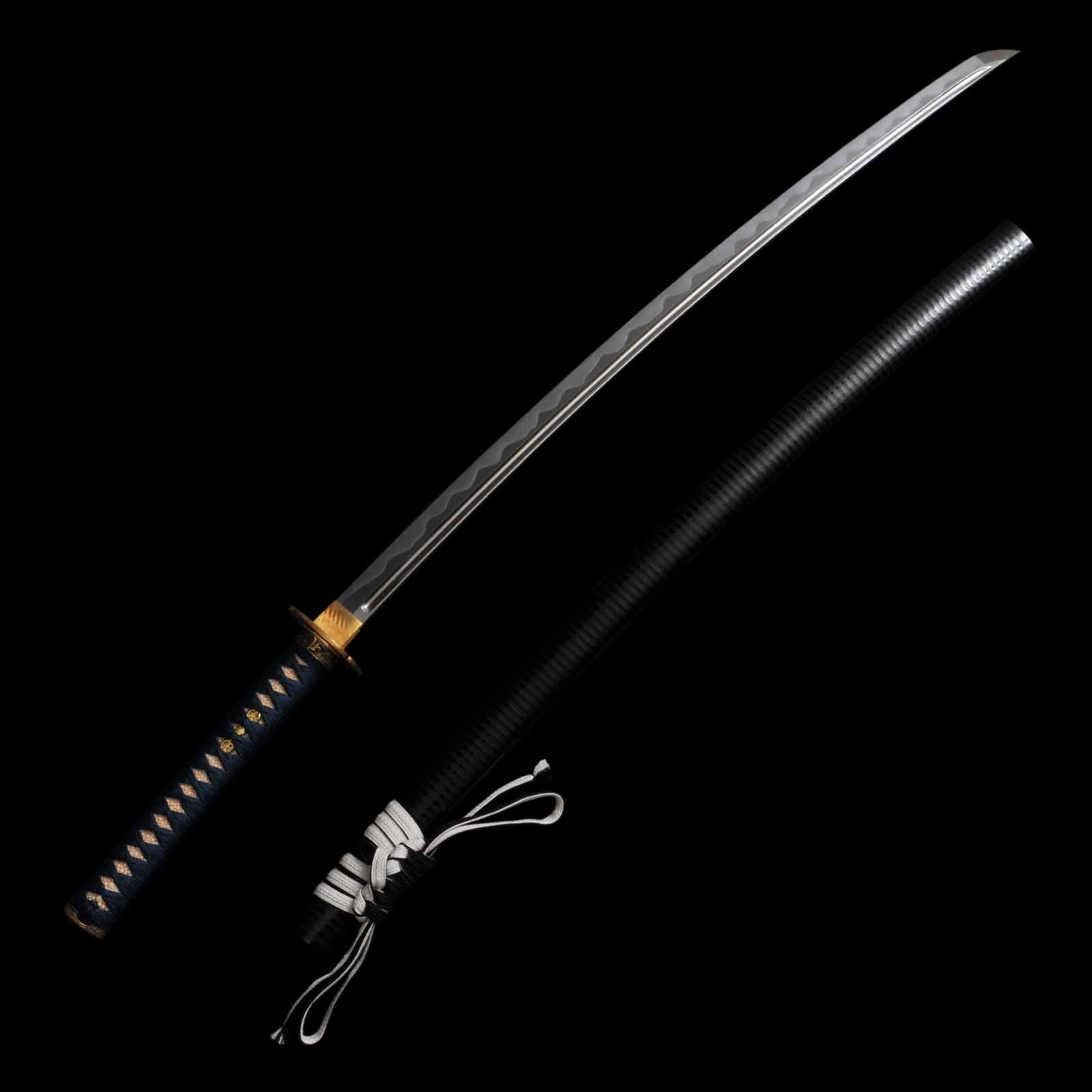
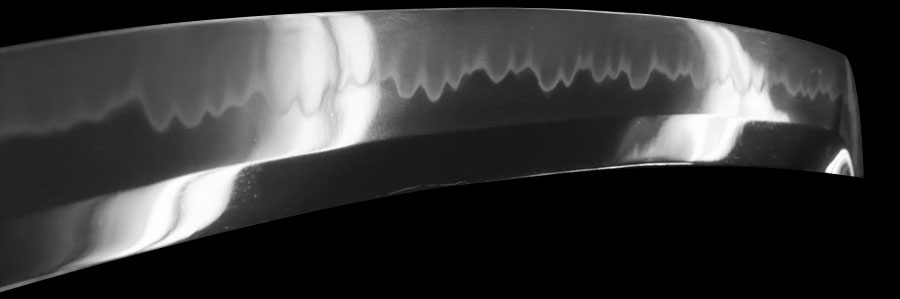
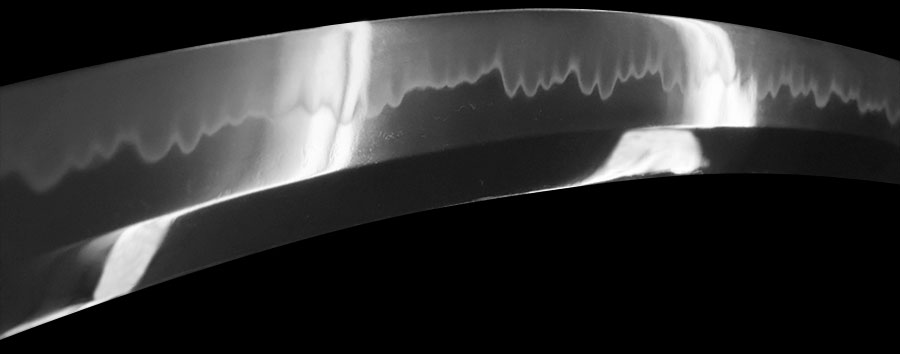
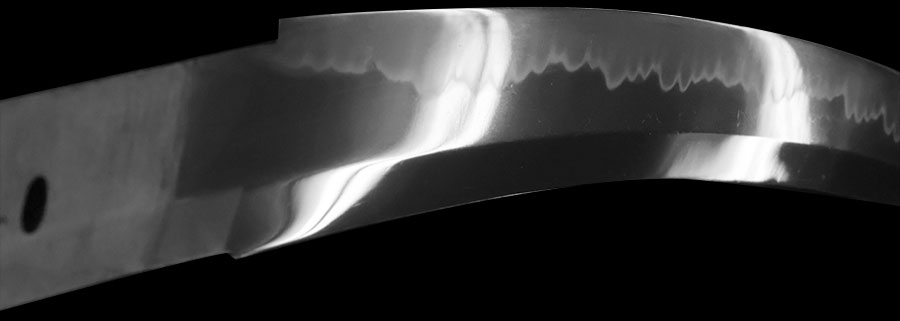
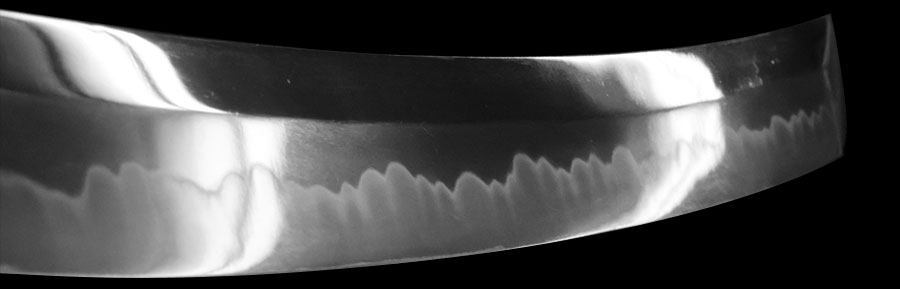
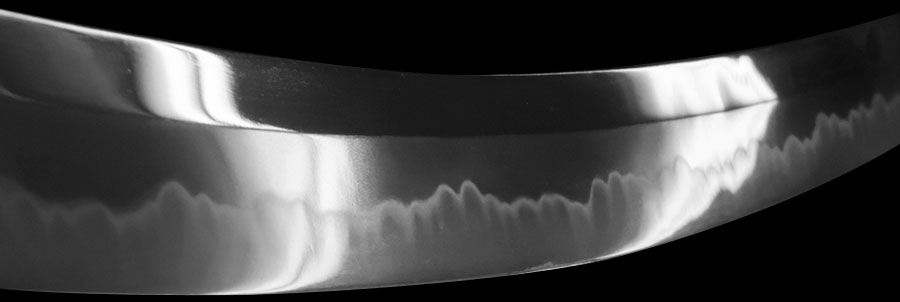
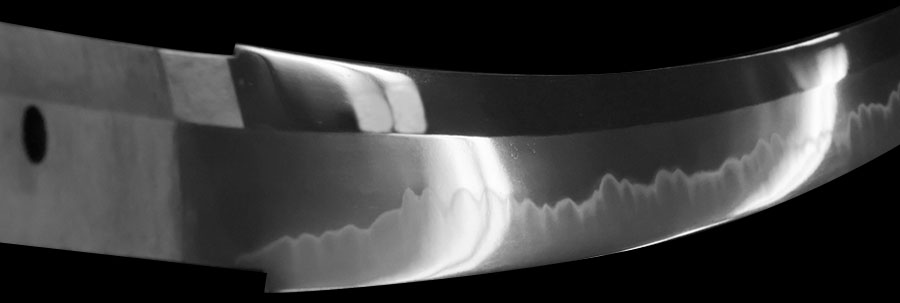
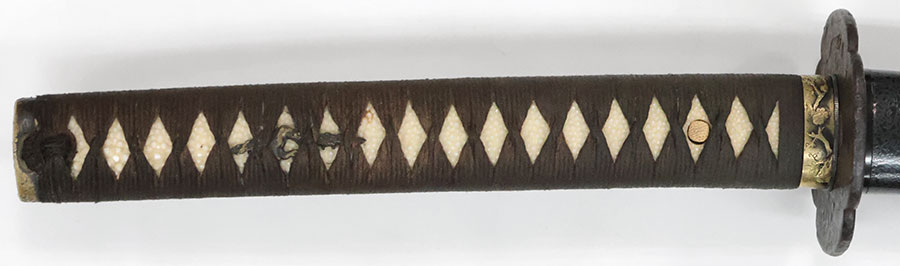
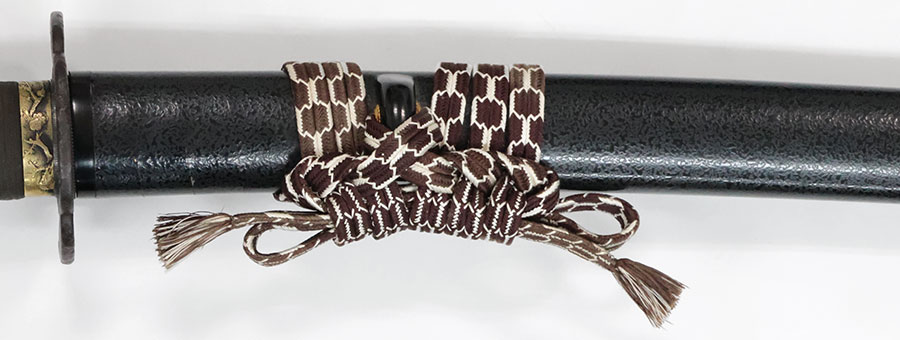
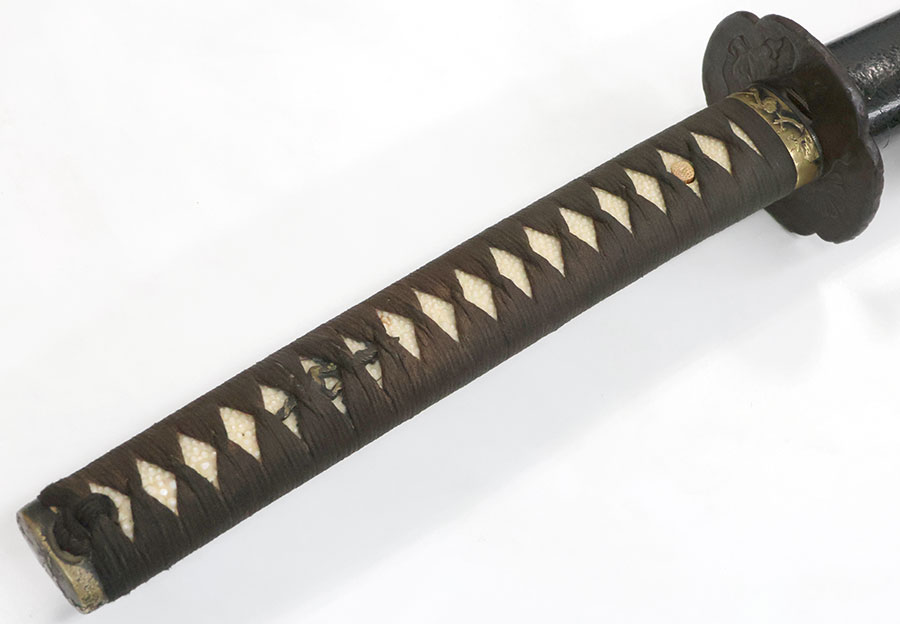
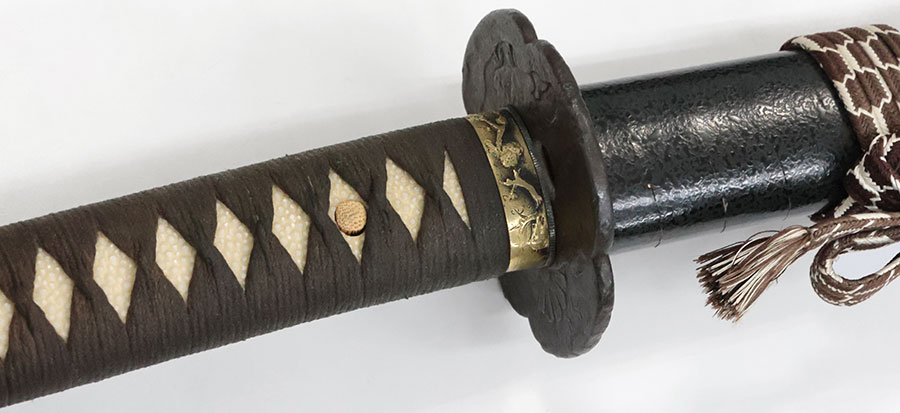
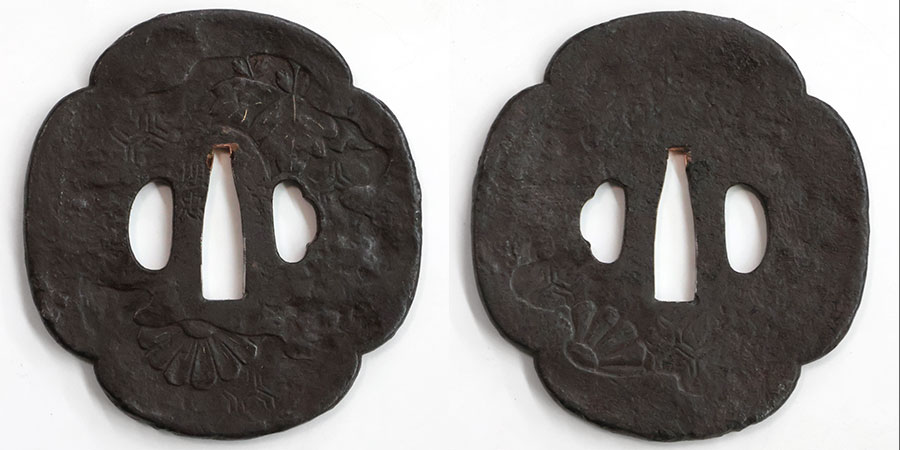
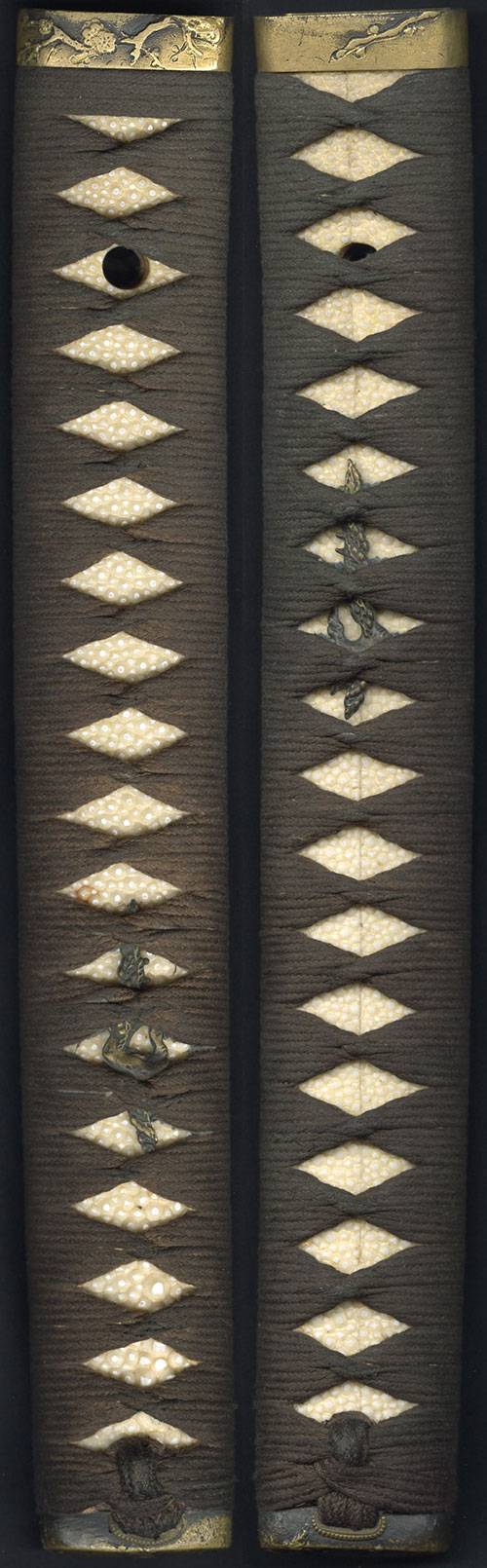
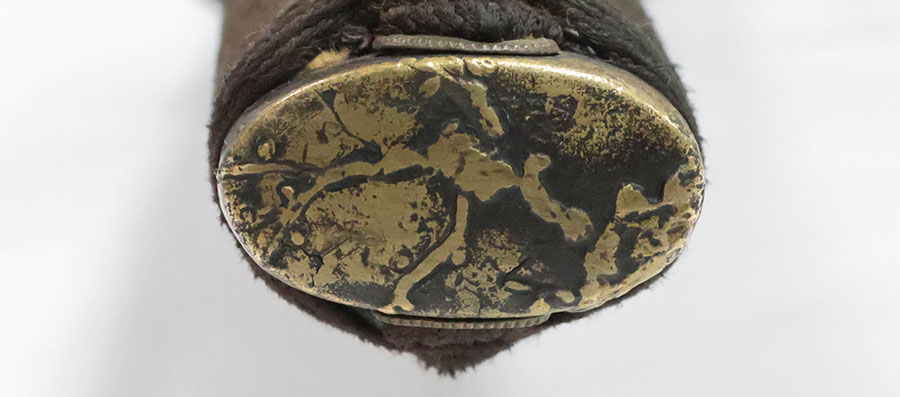
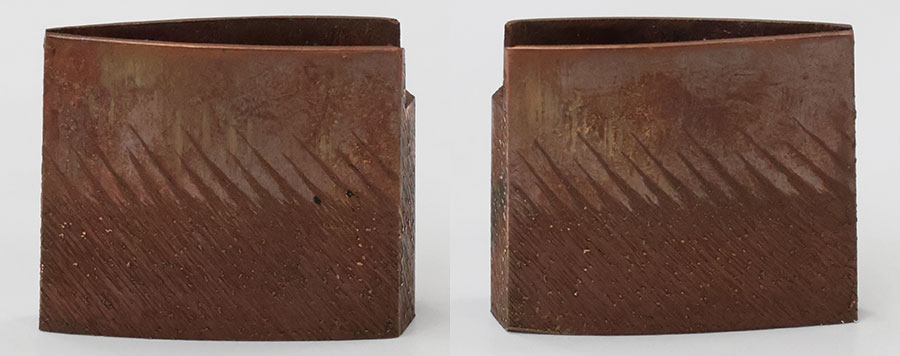
Weight (excluding saya): 2056g It has arrived, it has arrived—an astonishing, ultra-giant masterpiece exceeding 3 shaku. The swordsmith, So Tsutomu, was born in Showa 2 and is immensely famous as a modern master craftsman, having won numerous special prizes at the Shinsaku Meito Ten (New Masterpiece Sword Exhibition) competitions, including the Agency for Cultural Affairs Commissioner's Award, the Mainichi Shimbun Award, the Kunzan Award, and the Chairman's Award. Coming from a lineage of swordsmiths, he built a vast fortune by producing "kujira-bocho" (whale knives) with outstanding sharpness, capable of cutting through frozen or steaming whales in the harsh conditions of the Southern Ocean. Using that wealth, he spared no expense in using top-grade tamahagane to create masterpieces that are both magnificent for appreciation and possess the exceptional sharpness that is the original mission of the Japanese sword. This katana was produced with So Tsutomu acting as the master smith, with his disciples swinging the mukozuchi (sledgehammers) and pouring their heart and soul into its creation. Due to registration circumstances, it bears the mei of So Tsutomu’s junior fellow apprentice, So Shige, but it is an ultra-giant masterpiece copying the Bakumatsu master Minamoto Kiyomaro, created with the full collective strength of the So school. The sugata features a wide motohaba and a wide sakihaba, emphasizing the grand and magnificent sugata of Minamoto Kiyomaro. The jigane is a finely packed ko-itame hada, forged into a powerful steel. The hamon is a gunome-midare in the style of Minamoto Kiyomaro, tempered with a wonderfully bright interior. The koshirae is also a luxurious custom-made set with special kanagu, adding further splendor to this sword. This time, an elderly connoisseur who visited the forge directly and pleaded persistently for over a year to have this ultra-giant masterpiece specially made has entrusted it to us, saying, "I have grown old, so please pass this on at a low price to someone who will cherish it." Therefore, we are offering it at a special bargain price, one-third of what it cost to produce. Creating such an ultra-giant sword is an immense challenge; including the 60cm nakago attached during the forging process, the total length reaches nearly 160cm. The length of the hodo (furnace) to heat the blade to high temperatures must be greatly extended, and the mizubune (water tank) for yaki-ire must be specially ordered and built larger. Since swordsmiths do not produce such ultra-giant swords on a daily basis, there are many unknowns; this is a masterpiece completed only after overcoming various difficulties and repeated failures. Even the togishi (polisher) had to work with two or three people to handle the massive size, conveying the many hardships faced by the creators. Please truly enjoy this piece.
 NihontoWatch
Showa · nagasa 93.5cm · sori 2.9cm

















Chikuzen · around 1989-2019
3 pieces on the market now
Shōwa to the present: destruction and revival
The twentieth century nearly killed the craft twice: wartime distortion, then the occupation ban. The NBTHK’s founding in 1948 and licensed forging from 1953 rebuilt the sword as an art, crowned by Living National Treasures and the mukansa rank.
We could not find an authenticity certificate on the seller’s listing. Japanese swords and fittings are normally papered by the NBTHK (or the NTHK). Without one, the attribution is the seller’s own assessment and has not been independently verified — treat it with caution and ask the dealer about certification before buying.
For returns due to customer circumstances, the cost is the customer's responsibility. For returns due to our mis-shipment or a defective item, we bear the cost.
¥1,700,000
Weight (excluding saya): 2056g It has arrived, it has arrived—an astonishing, ultra-giant masterpiece exceeding 3 shaku. The swordsmith, So Tsutomu, was born in Showa 2 and is immensely famous as a modern master craftsman, having won numerous special prizes at the Shinsaku Meito Ten (New Masterpiece Sword Exhibition) competitions, including the Agency for Cultural Affairs Commissioner's Award, the Mainichi Shimbun Award, the Kunzan Award, and the Chairman's Award. Coming from a lineage of swordsmiths, he built a vast fortune by producing "kujira-bocho" (whale knives) with outstanding sharpness, capable of cutting through frozen or steaming whales in the harsh conditions of the Southern Ocean. Using that wealth, he spared no expense in using top-grade tamahagane to create masterpieces that are both magnificent for appreciation and possess the exceptional sharpness that is the original mission of the Japanese sword. This katana was produced with So Tsutomu acting as the master smith, with his disciples swinging the mukozuchi (sledgehammers) and pouring their heart and soul into its creation. Due to registration circumstances, it bears the mei of So Tsutomu’s junior fellow apprentice, So Shige, but it is an ultra-giant masterpiece copying the Bakumatsu master Minamoto Kiyomaro, created with the full collective strength of the So school. The sugata features a wide motohaba and a wide sakihaba, emphasizing the grand and magnificent sugata of Minamoto Kiyomaro. The jigane is a finely packed ko-itame hada, forged into a powerful steel. The hamon is a gunome-midare in the style of Minamoto Kiyomaro, tempered with a wonderfully bright interior. The koshirae is also a luxurious custom-made set with special kanagu, adding further splendor to this sword. This time, an elderly connoisseur who visited the forge directly and pleaded persistently for over a year to have this ultra-giant masterpiece specially made has entrusted it to us, saying, "I have grown old, so please pass this on at a low price to someone who will cherish it." Therefore, we are offering it at a special bargain price, one-third of what it cost to produce. Creating such an ultra-giant sword is an immense challenge; including the 60cm nakago attached during the forging process, the total length reaches nearly 160cm. The length of the hodo (furnace) to heat the blade to high temperatures must be greatly extended, and the mizubune (water tank) for yaki-ire must be specially ordered and built larger. Since swordsmiths do not produce such ultra-giant swords on a daily basis, there are many unknowns; this is a masterpiece completed only after overcoming various difficulties and repeated failures. Even the togishi (polisher) had to work with two or three people to handle the massive size, conveying the many hardships faced by the creators. Please truly enjoy this piece.
NihontoWatchShowa · nagasa 93.5cm · sori 2.9cm
Chikuzen · around 1989-2019
3 pieces on the market now
Shōwa to the present: destruction and revival
The twentieth century nearly killed the craft twice: wartime distortion, then the occupation ban. The NBTHK’s founding in 1948 and licensed forging from 1953 rebuilt the sword as an art, crowned by Living National Treasures and the mukansa rank.
We could not find an authenticity certificate on the seller’s listing. Japanese swords and fittings are normally papered by the NBTHK (or the NTHK). Without one, the attribution is the seller’s own assessment and has not been independently verified — treat it with caution and ask the dealer about certification before buying.
For returns due to customer circumstances, the cost is the customer's responsibility. For returns due to our mis-shipment or a defective item, we bear the cost.
¥1,700,000