The twentieth century nearly killed the craft twice: wartime distortion, then the occupation ban. The NBTHK’s founding in 1948 and licensed forging from 1953 rebuilt the sword as an art, crowned by Living National Treasures and the mukansa rank.
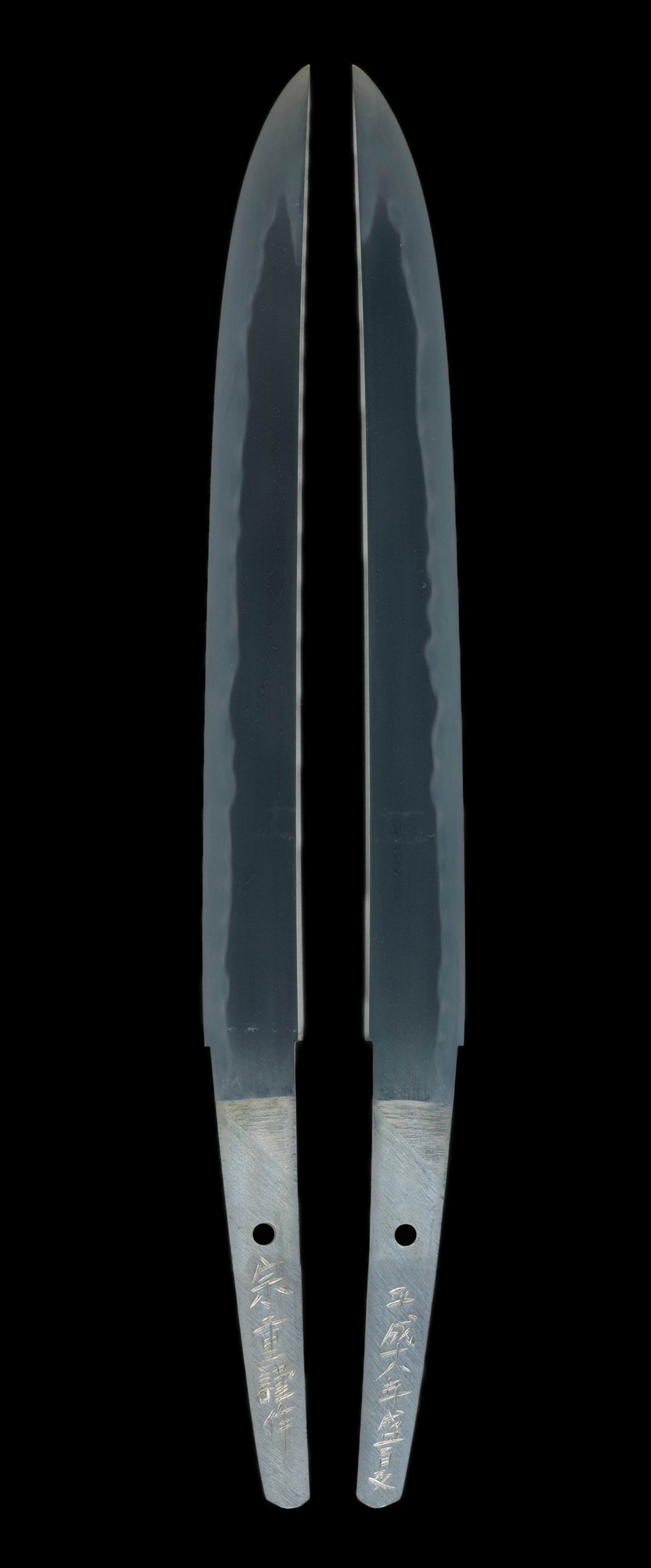
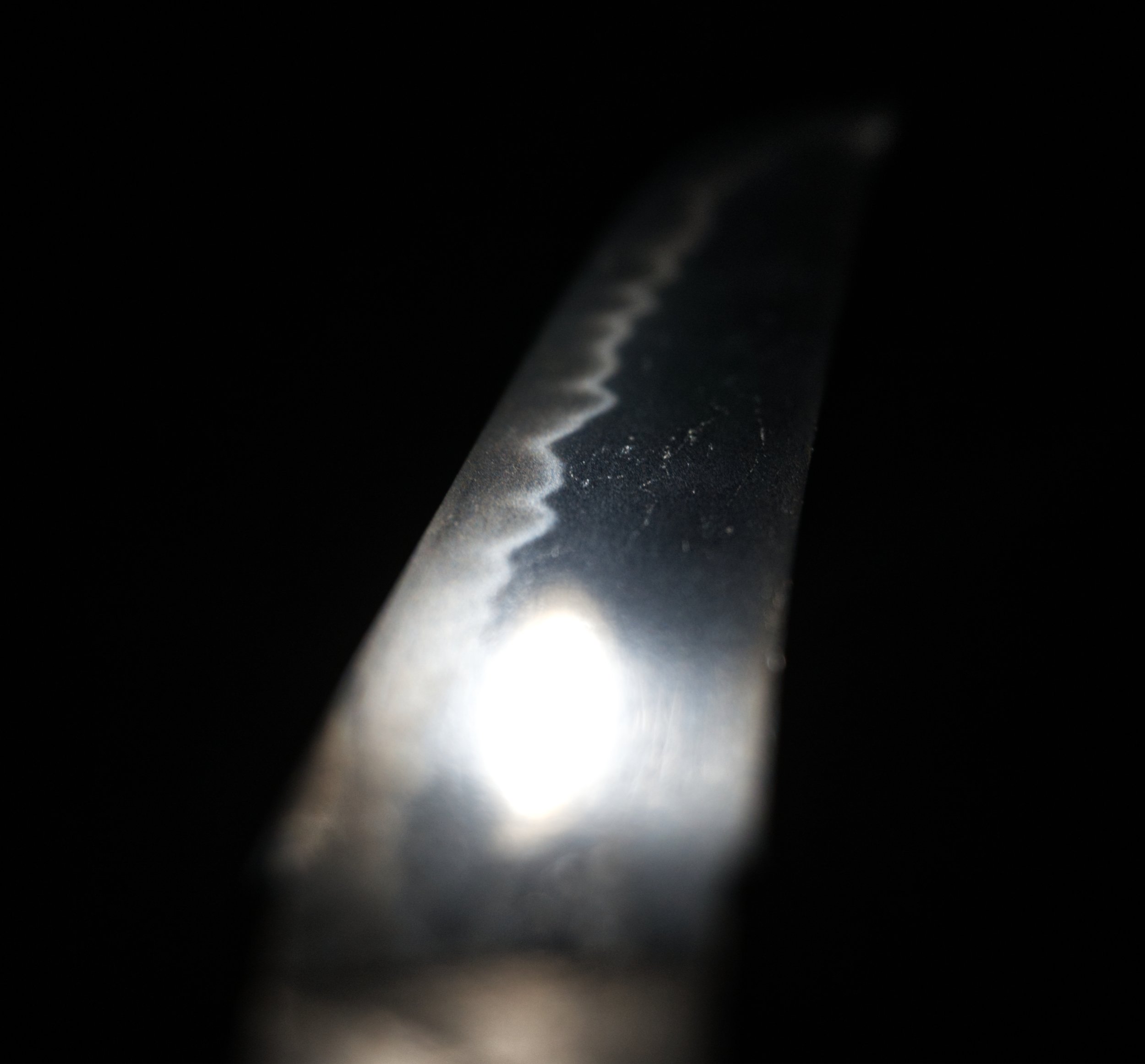
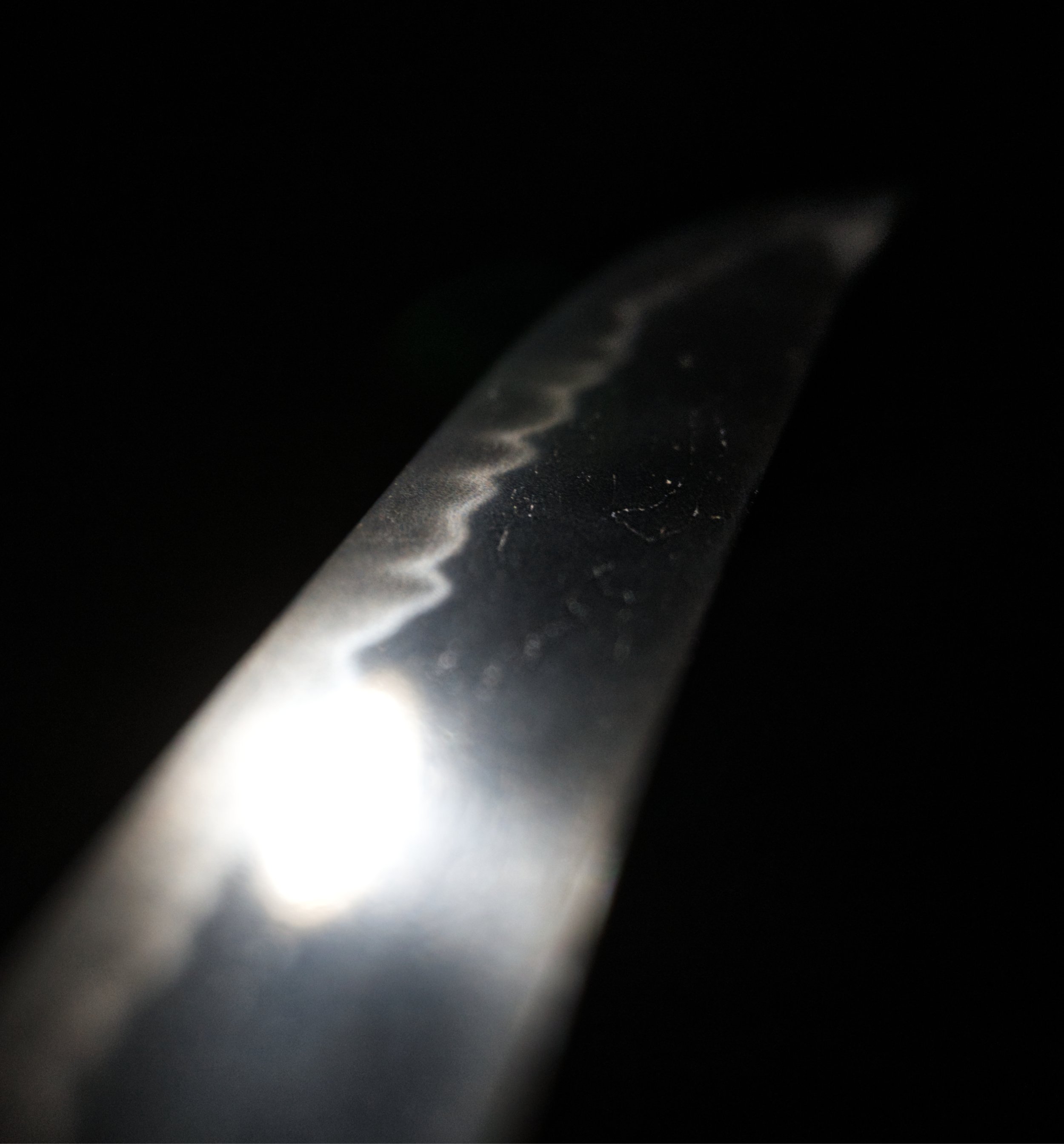
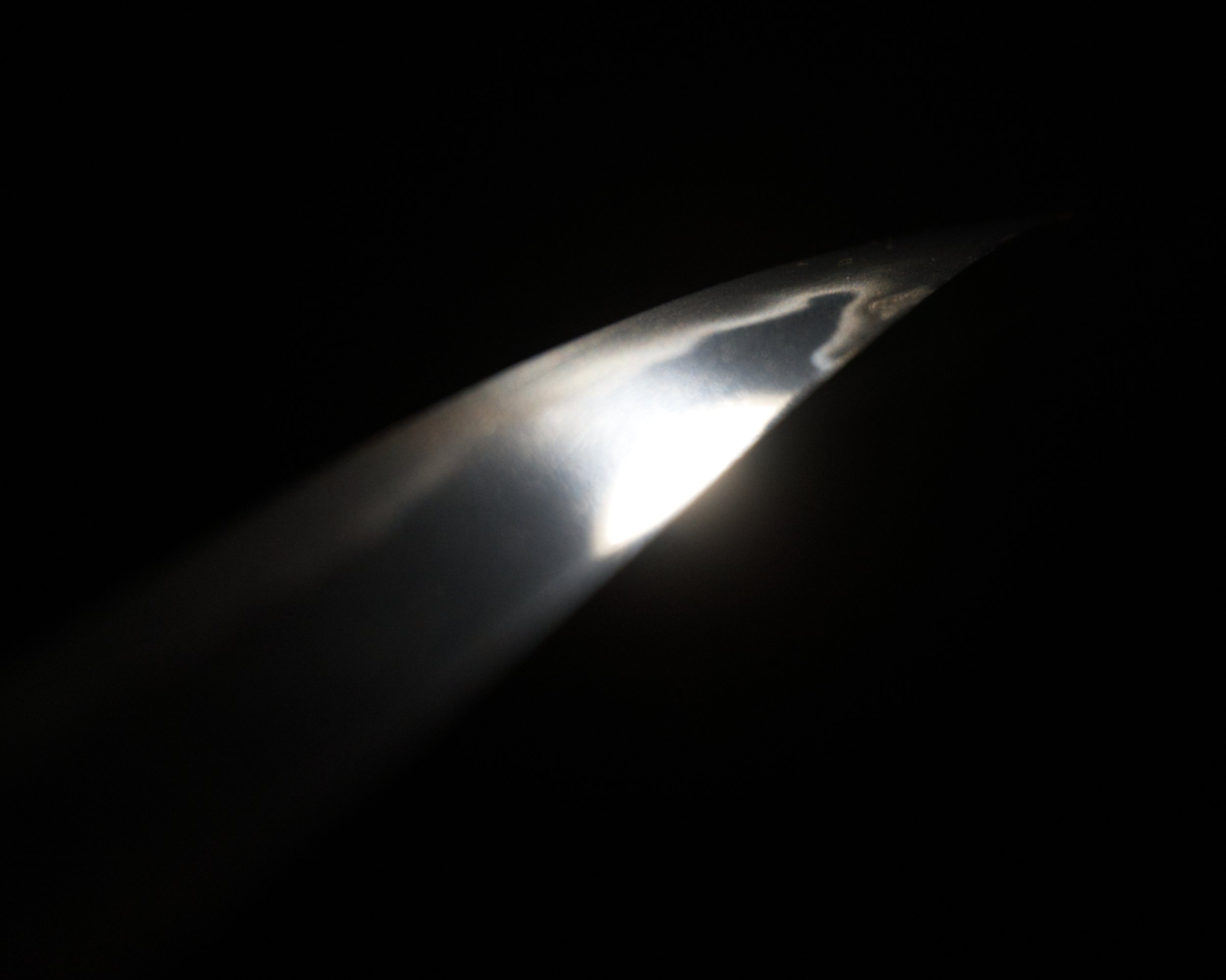
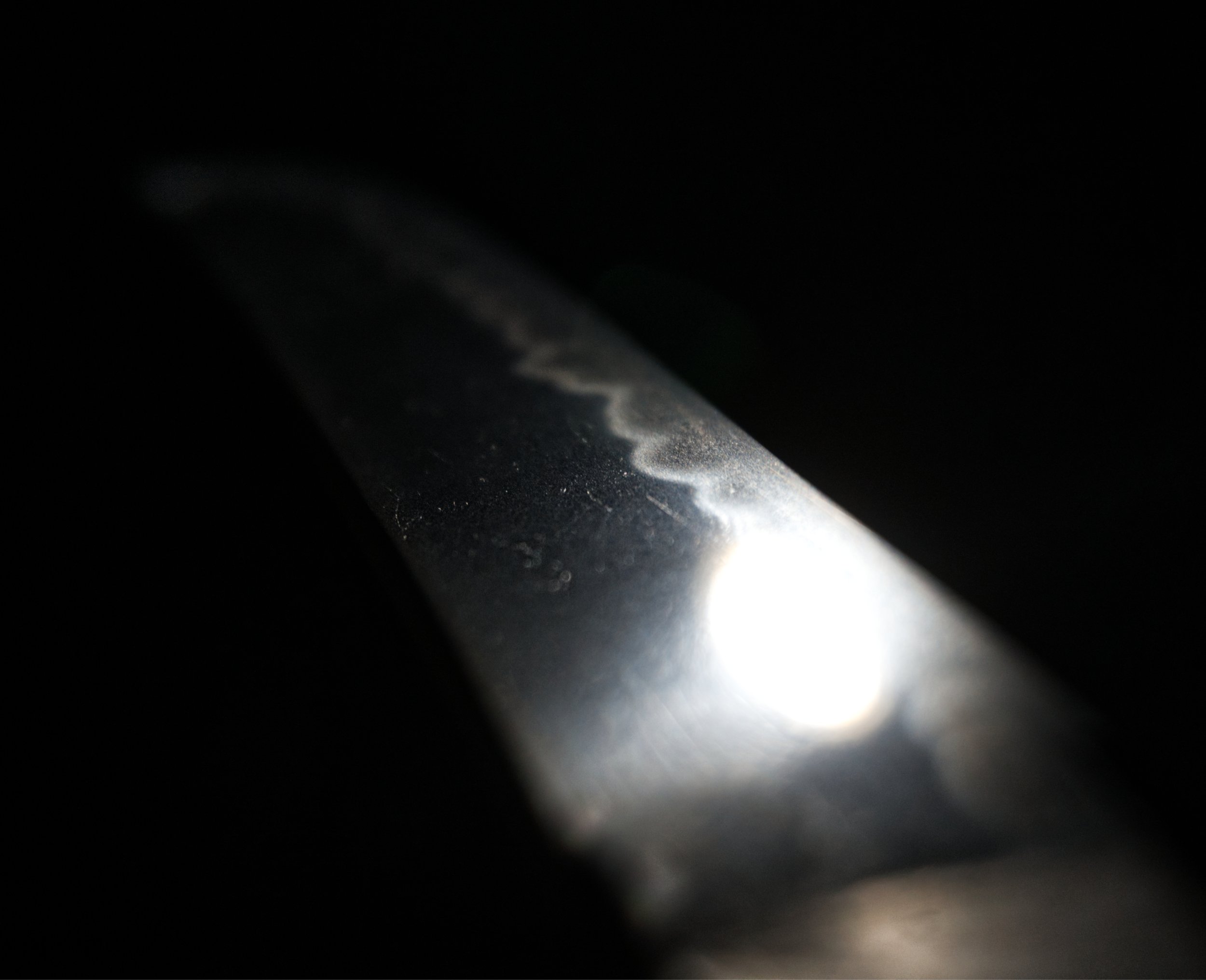
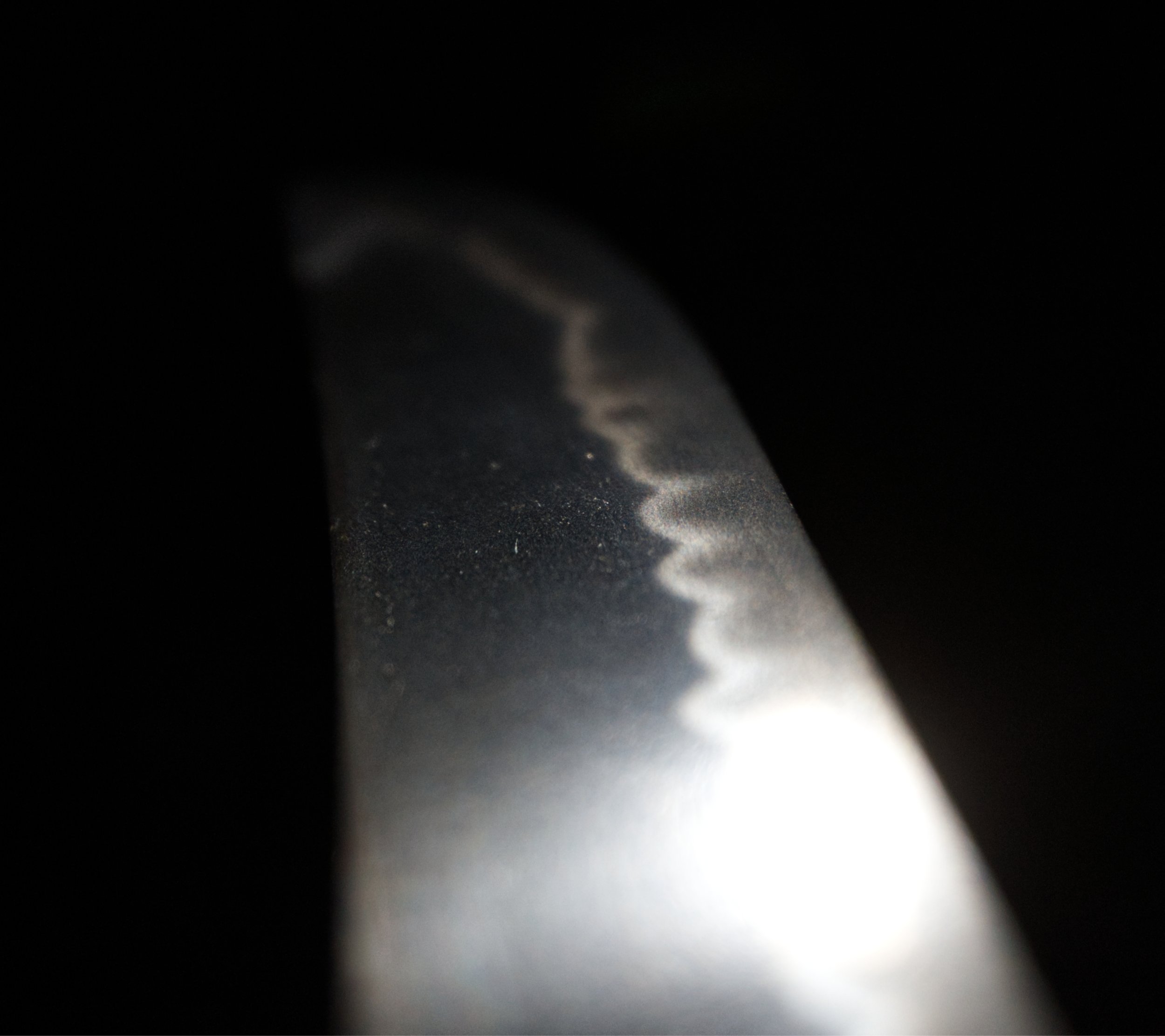
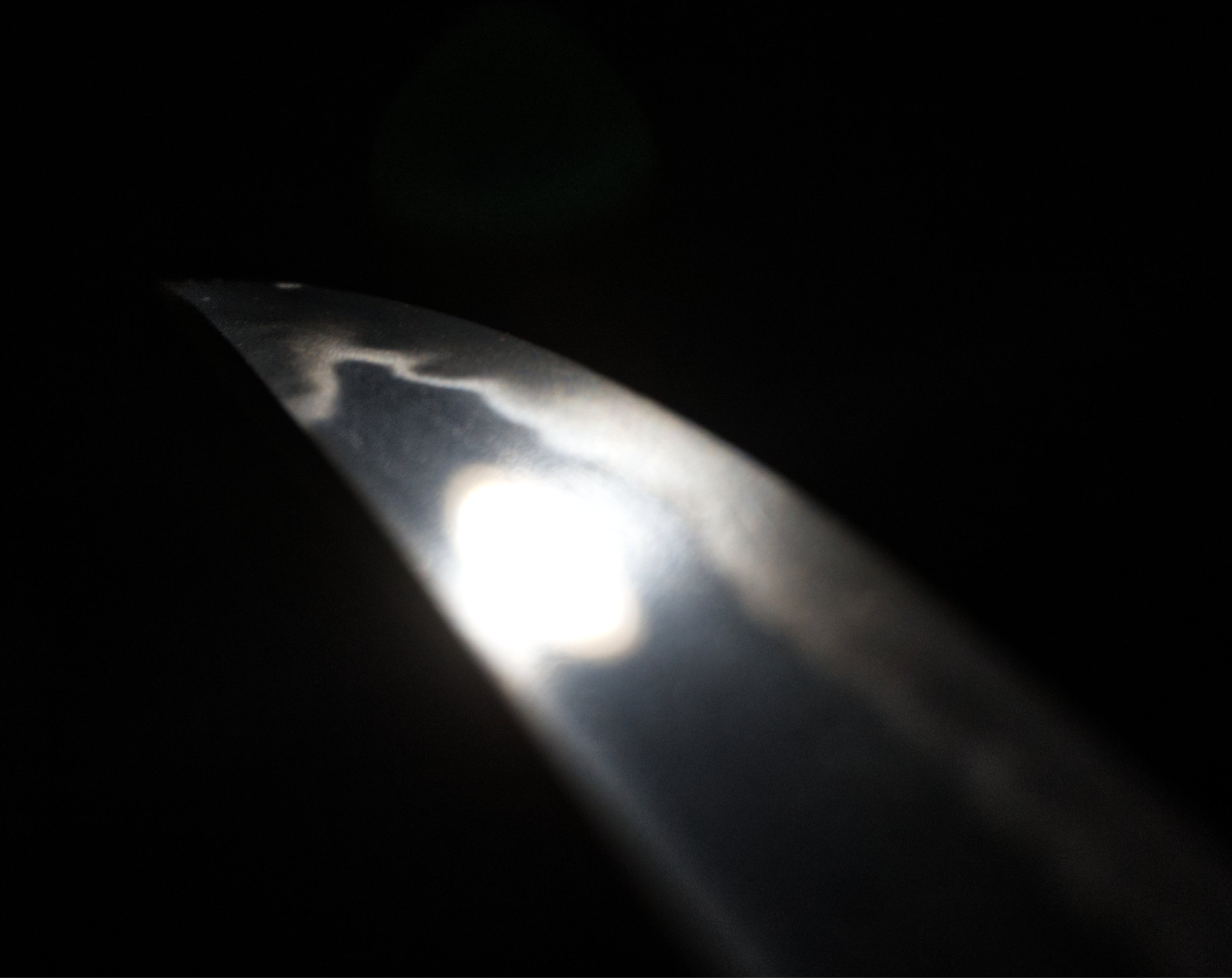
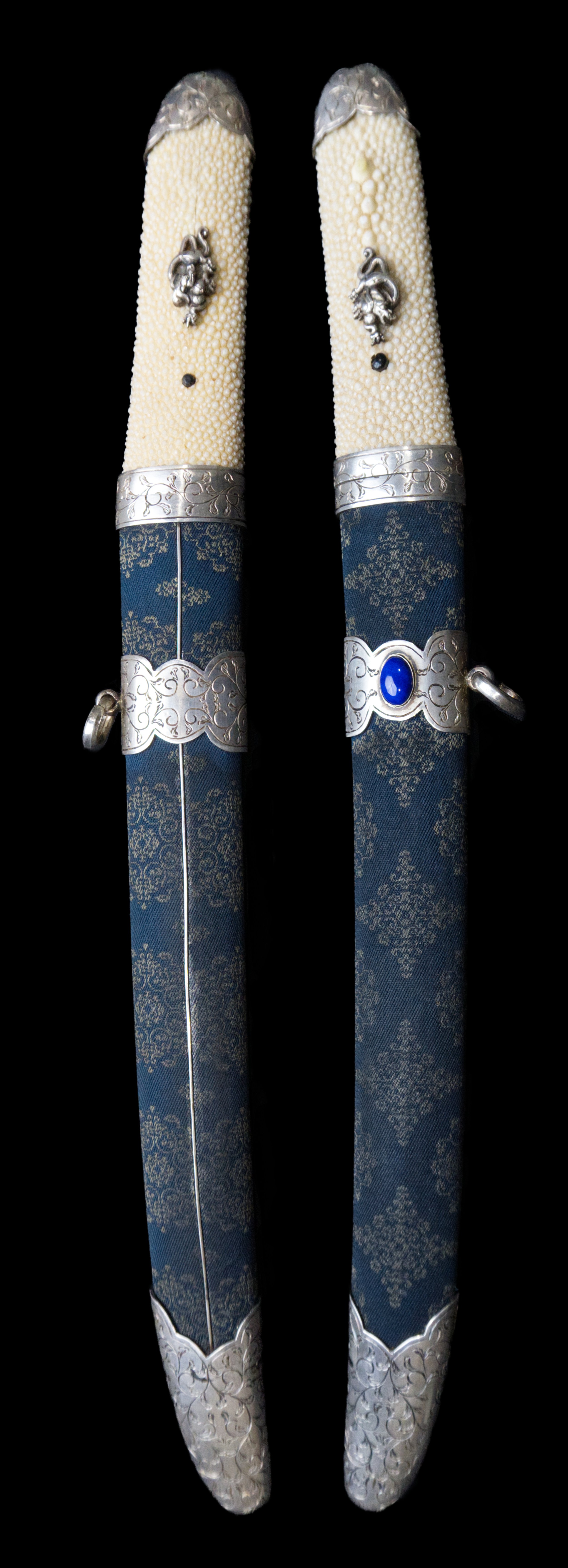
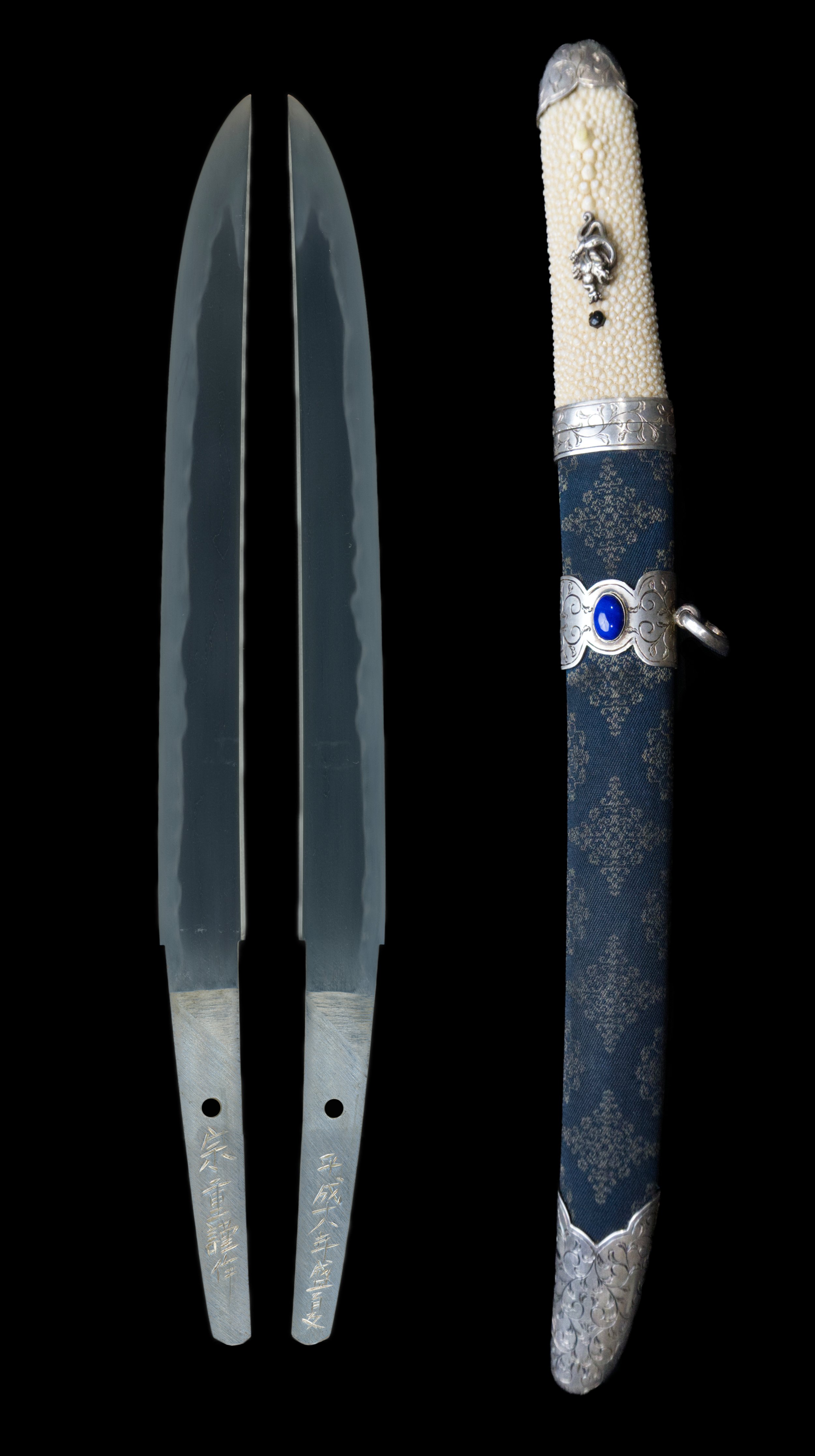
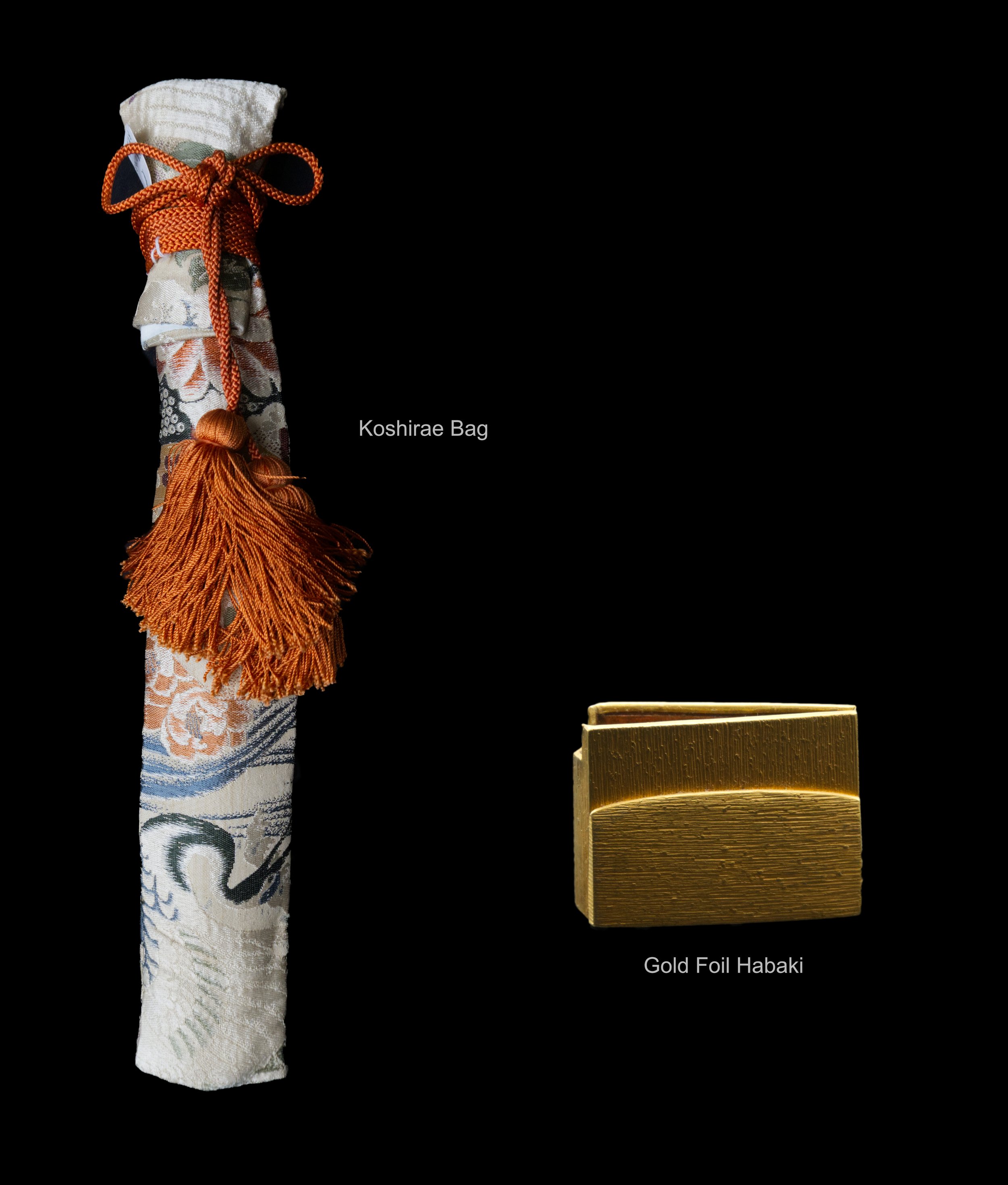
Muneshige Tantō with Exquisite Silver and Lapis Lazuli Koshirae Chikushū-jū Muneshige (筑州住宗重), whose real name was Kojō Shigeaki (古城重昭), was born in 1932 (Shōwa 7) in Japan. A skilled modern Japanese swordsmith, Muneshige received his training under the accomplished swordsmith Munehiro (宗弘), father of the renowned Mukansa-ranked swordsmith Munetsugu (宗勉). As fellow disciples of Munehiro, Muneshige and Munetsugu shared the same foundation in traditional Japanese sword-forging techniques. Much like the works of Munetsugu, Muneshige's blades have earned a reputation for their exceptional sharpness and cutting performance. His swords are highly regarded as modern wazamono, a term associated with blades of superior cutting ability. The blade features an iori-mune and a beautifully refined jigane consisting of tightly and finely forged ko-itame-hada. The hamon is a magnificent ō-gunome-midare, characterised by exceptionally bright and clear nie. Abundant ashi extend throughout the entire hamon, creating a lively and visually captivating temper pattern. The tantō is accompanied by an elegant and beautifully coordinated koshirae, featuring silver fittings, white samegawa, and richly patterned blue brocade. The tsuka is adorned with decorative silver menuki, complemented by finely worked silver fuchi and kashira. The saya is covered in deep blue brocade with intricate floral patterns, lending the mounting a particularly refined appearance. The silver fittings, including the koiguchi, kurikata, and kojiri, feature delicate scrolling floral engravings, while the kurikata is further accented by a striking lapis lazuli gemstone. The harmonious contrast between the lustrous silver, white rayskin, and deep blue brocade creates a sophisticated and visually distinctive ensemble.
Offered by Toukentakarado


As written by the shop
Chikuzen · around 1989-2019
3 pieces on the market now
Shōwa to the present: destruction and revival
The twentieth century nearly killed the craft twice: wartime distortion, then the occupation ban. The NBTHK’s founding in 1948 and licensed forging from 1953 rebuilt the sword as an art, crowned by Living National Treasures and the mukansa rank.
We could not find an authenticity certificate on the seller’s listing. Japanese swords and fittings are normally papered by the NBTHK (or the NTHK). Without one, the attribution is the seller’s own assessment and has not been independently verified — treat it with caution and ask the dealer about certification before buying.
We offer a three-day inspection period. To initiate a return, you must notify us within three days of the package being delivered. Once we confirm your request, you have seven days to ship the item back to us. The item must be returned in its original condition, including all accompanying documents, certificates, and packaging materials. The buyer is responsible for covering the shipping costs and insurance for the return shipment.
¥300,000