The twentieth century nearly killed the craft twice: wartime distortion, then the occupation ban. The NBTHK’s founding in 1948 and licensed forging from 1953 rebuilt the sword as an art, crowned by Living National Treasures and the mukansa rank.
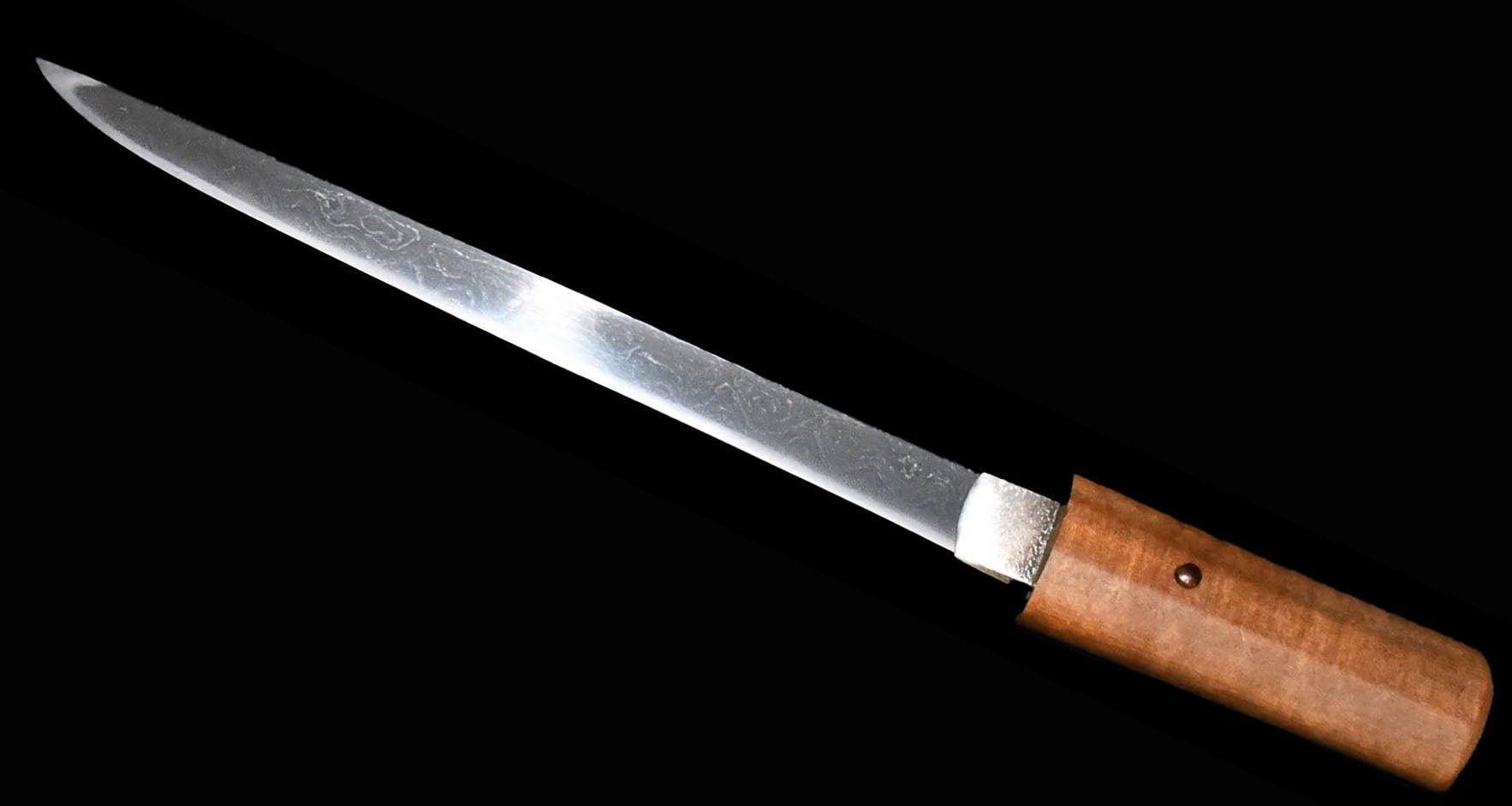
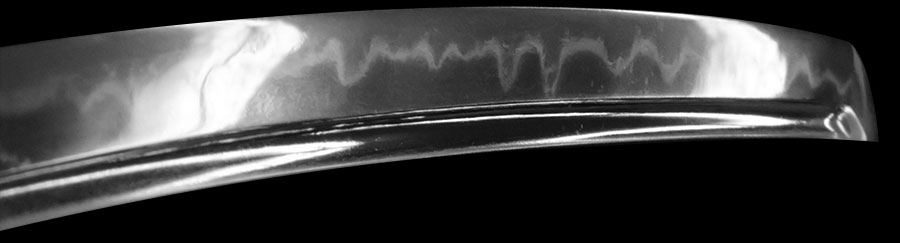
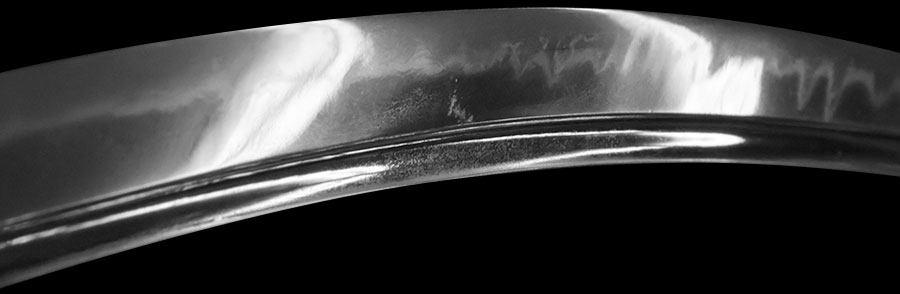
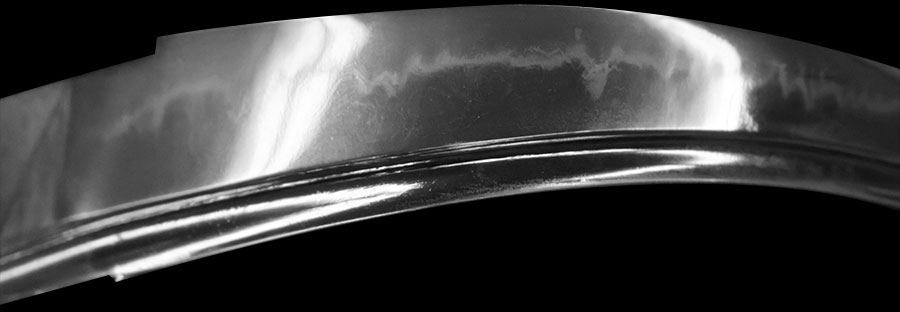
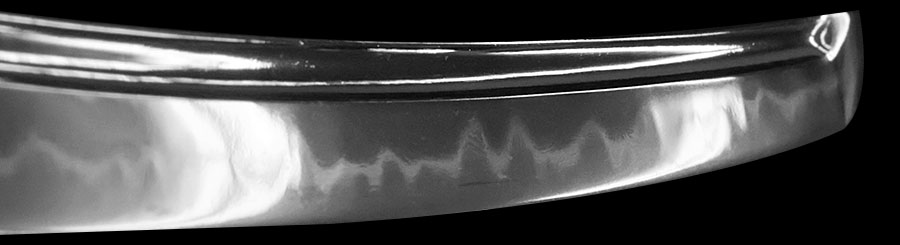
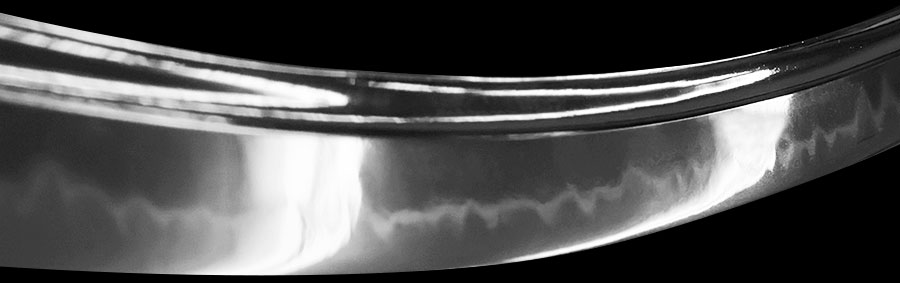
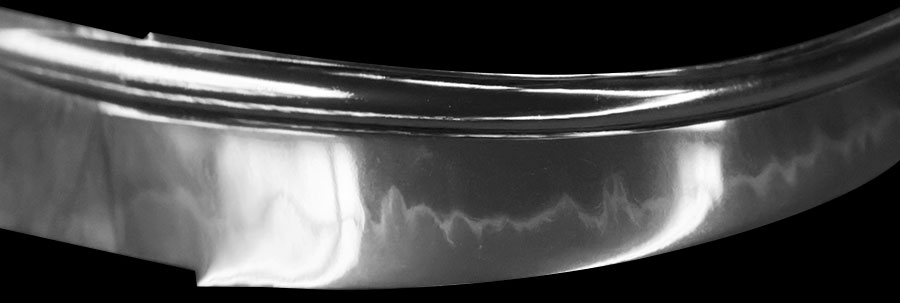
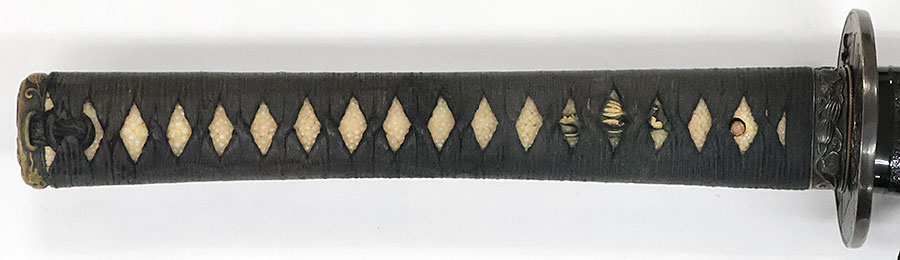
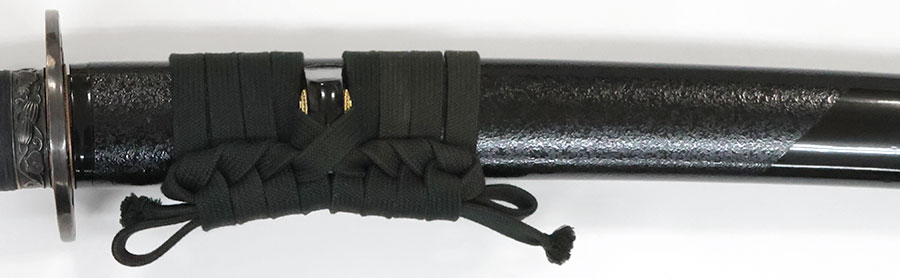
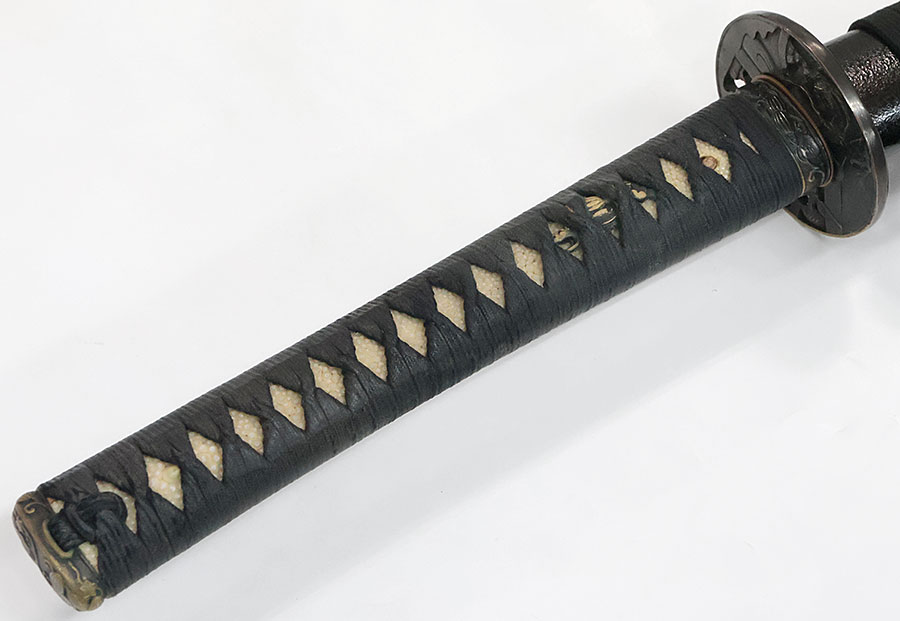
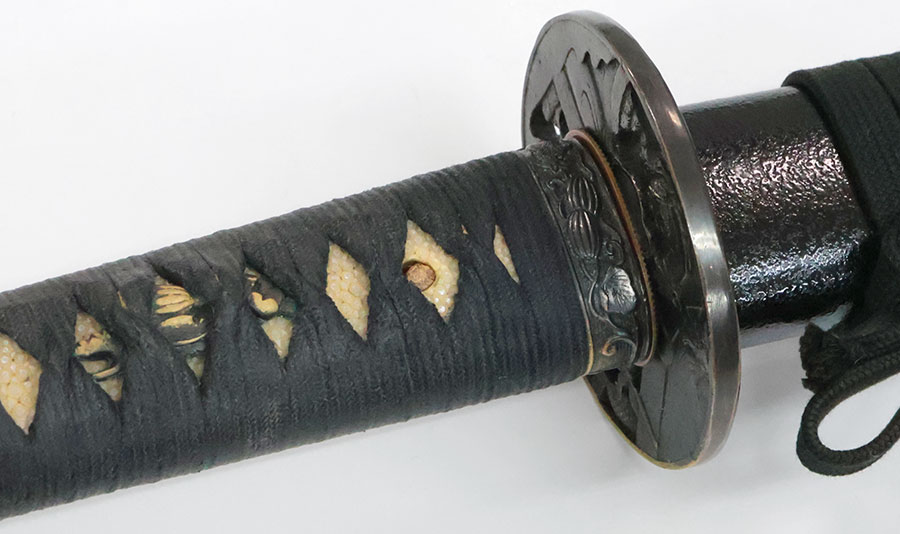
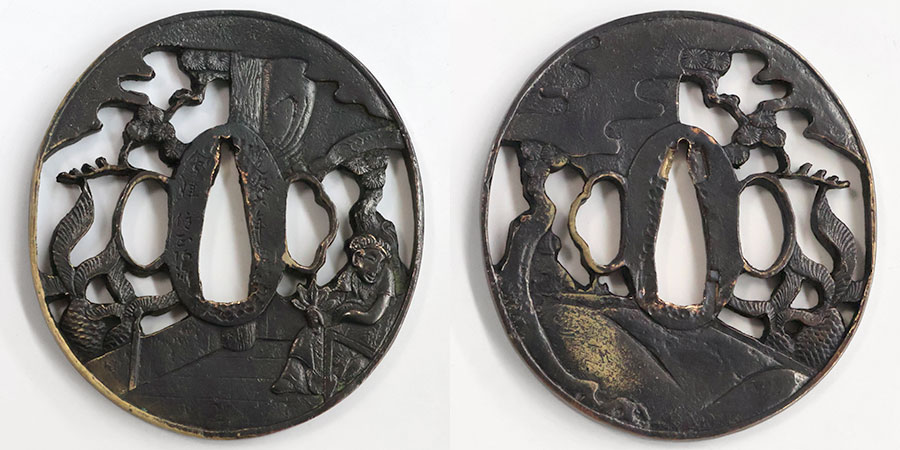
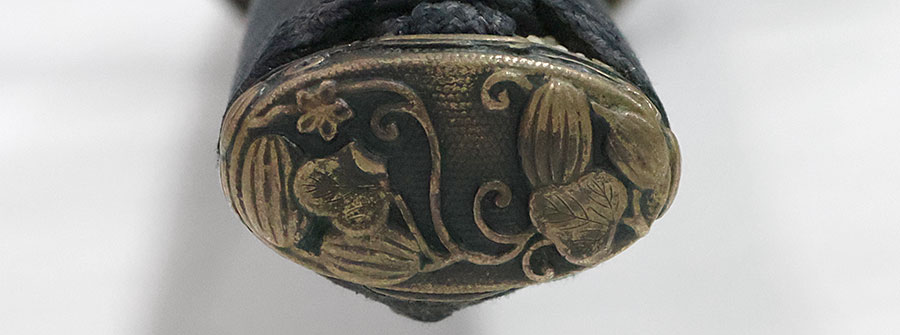
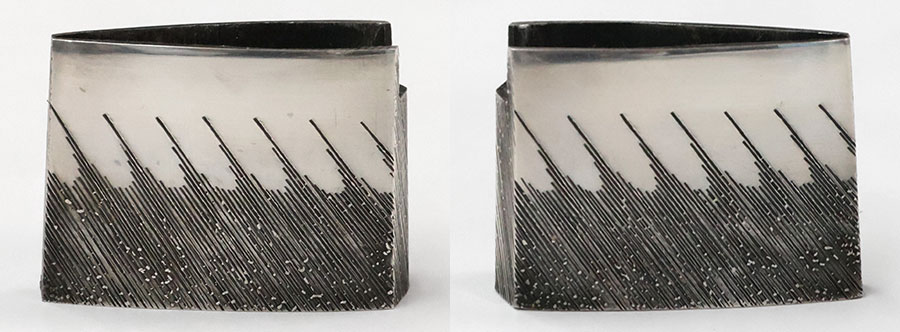
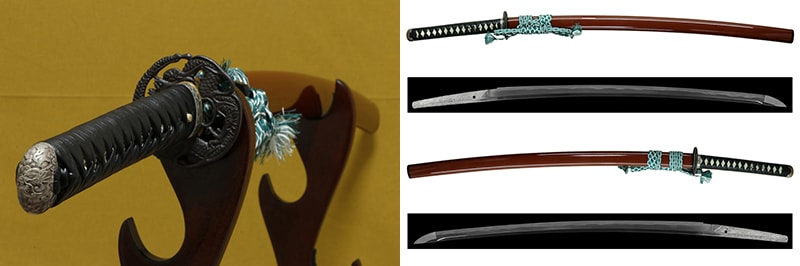
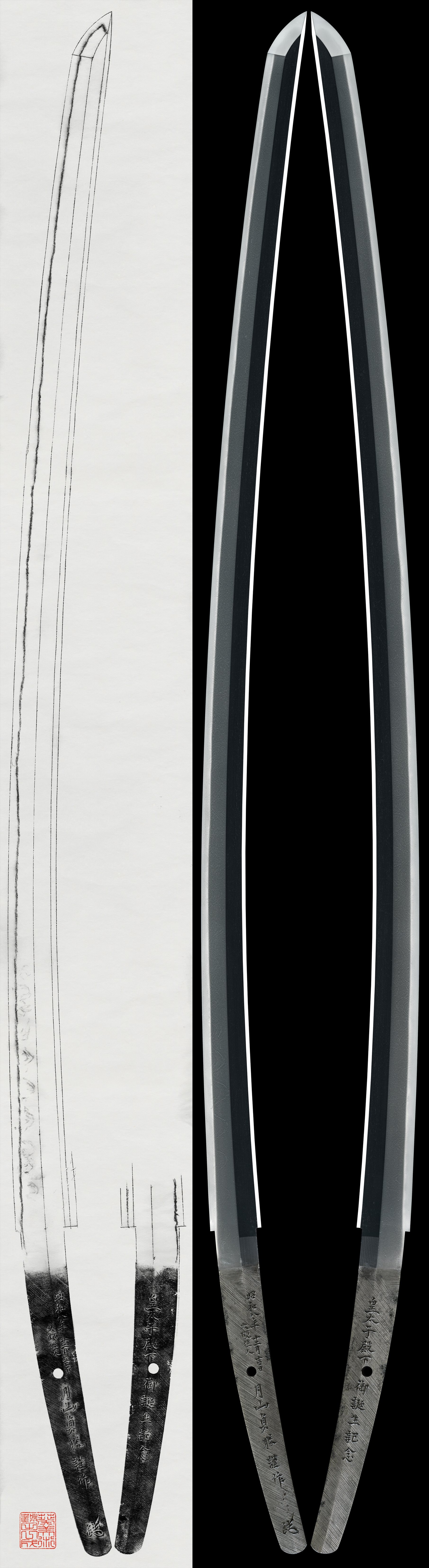
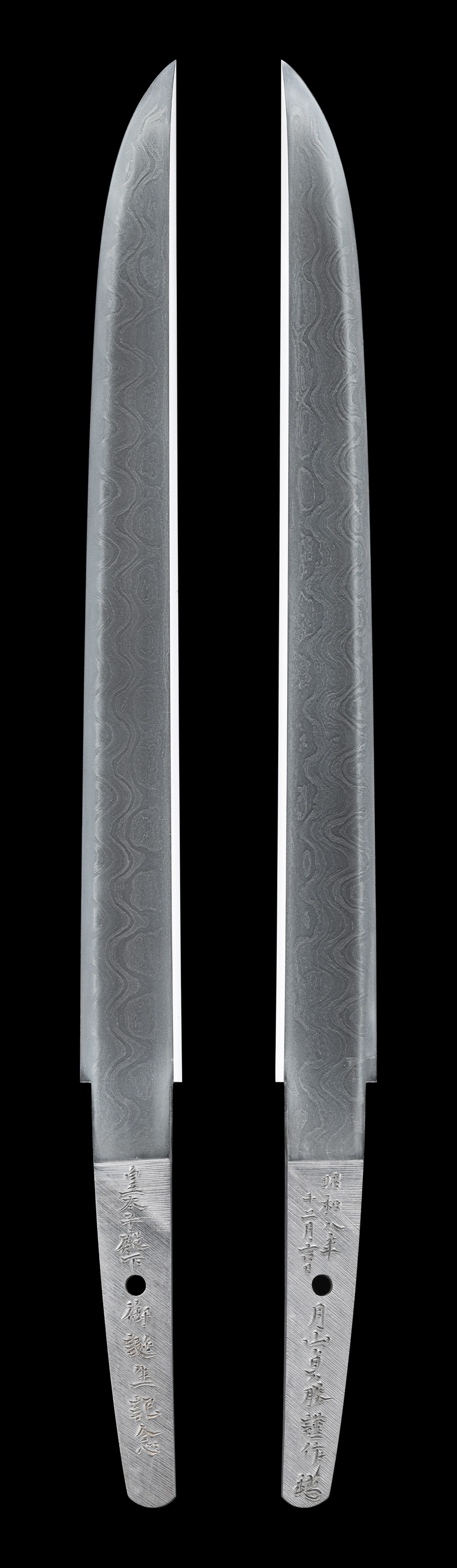
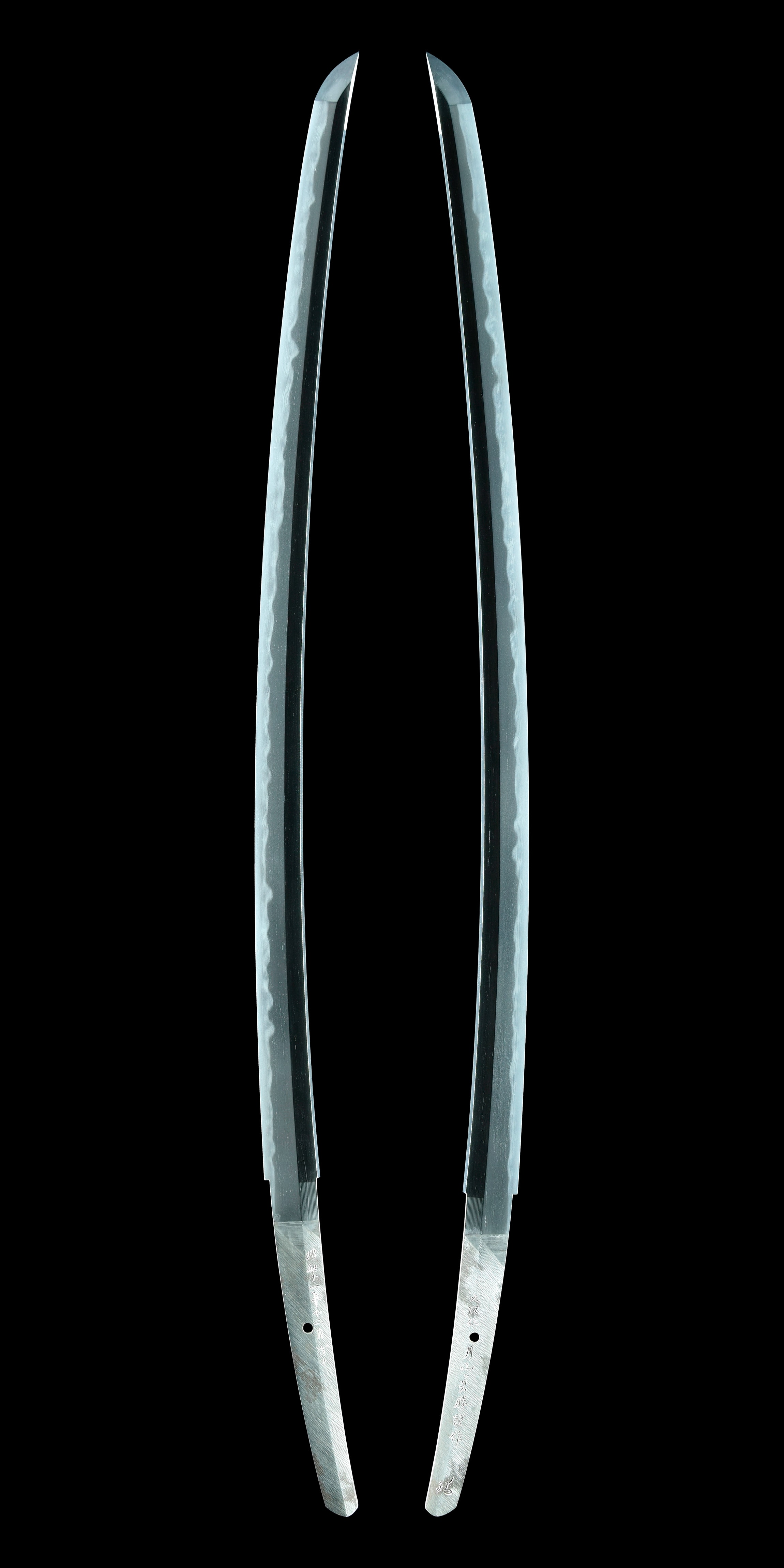
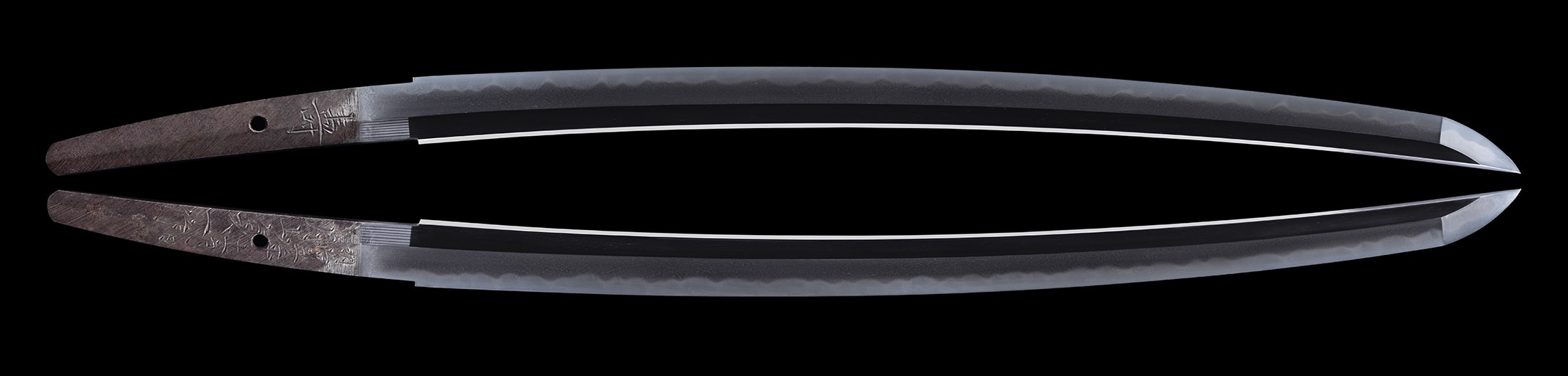
Weight (excluding saya): 1059g It has arrived—a masterpiece that recreates the style of the famous Etchu Norishige, one of the Masamune Jittetsu. The swordsmith who favors the mei "Izu Junin Sadahito" is Mr. Enomoto Eishichiro, born in Showa 29 (1954). Residing in Mishima City, Shizuoka Prefecture, his father Sadayoshi was a disciple of the Osaka smith Gassan Sadakatsu, and a fellow student of Living National Treasures Gassan Teiichi and Takahashi Sadatsugu. He is the son of the famous Enomoto Sadayoshi, who was praised alongside Takahashi Sadatsugu for his mastery of horimono and Sadayoshi's own mastery of kitae. Having served in the important post of Chairman of the Tokai Branch of the All Japan Swordsmith Association, he is a master craftsman who has won numerous awards at the Shinsaku Meito Ten (New Masterpiece Sword Exhibition). Whether he is the master smith associated with the currently famous YouTuber "Hoiky-sama" is a point of great interest. This katana recreates the famous Etchu Norishige, widely known as one of the Masamune Jittetsu. The sugata reflects the Nanbokucho period style with a wide motohaba and sakihaba, and a slightly extended kissaki, presenting a goso (grand/magnificent) appearance. The jigane powerfully expresses Norishige's famous matsukawa-hada (pine bark grain), which appears to shine brilliantly and is truly magnificent; the horimono consists of bo-hi. The hamon is a nie-deki Soshu-den gunome-midare, and within the ha, the patterns of the matsukawa-hada, kinsuji, and sunagashi are abundantly present, fully demonstrating the individuality of the famous smith Sadahito. The modern koshirae adds further splendor to this Sadahito blade. We have received this sword from a long-time collector who requested that we pass on this currently "hot topic" blade to the next generation at an affordable price. Please enjoy this masterpiece, which serves as a textbook example of Norishige's style by prominently displaying the matsukawa-hada, offered at a special bargain price.
 NihontoWatch


















Shinshinto · Shizuoka · around 1926-1989
2 pieces on the market now
Shinshinto · Settsu
37 pieces on the market now
| Smith | Era | Designated |
|---|---|---|
| Sadakazu貞一 | 1864-1865 | 2 |
| Sadaharu貞晴 | 1865-1868 | 0 |
| Sadayoshi貞吉 | 1926-1989 | 0 |
| Yoshiaki吉明 | 1844-1848 | 0 |
| Sadayoshi貞吉 | 1830-1863 | 0 |
Shōwa to the present: destruction and revival
The twentieth century nearly killed the craft twice: wartime distortion, then the occupation ban. The NBTHK’s founding in 1948 and licensed forging from 1953 rebuilt the sword as an art, crowned by Living National Treasures and the mukansa rank.
We could not find an authenticity certificate on the seller’s listing. Japanese swords and fittings are normally papered by the NBTHK (or the NTHK). Without one, the attribution is the seller’s own assessment and has not been independently verified — treat it with caution and ask the dealer about certification before buying.
For returns due to customer circumstances, the cost is the customer's responsibility. For returns due to our mis-shipment or a defective item, we bear the cost.
Weight (excluding saya): 1059g It has arrived—a masterpiece that recreates the style of the famous Etchu Norishige, one of the Masamune Jittetsu. The swordsmith who favors the mei "Izu Junin Sadahito" is Mr. Enomoto Eishichiro, born in Showa 29 (1954). Residing in Mishima City, Shizuoka Prefecture, his father Sadayoshi was a disciple of the Osaka smith Gassan Sadakatsu, and a fellow student of Living National Treasures Gassan Teiichi and Takahashi Sadatsugu. He is the son of the famous Enomoto Sadayoshi, who was praised alongside Takahashi Sadatsugu for his mastery of horimono and Sadayoshi's own mastery of kitae. Having served in the important post of Chairman of the Tokai Branch of the All Japan Swordsmith Association, he is a master craftsman who has won numerous awards at the Shinsaku Meito Ten (New Masterpiece Sword Exhibition). Whether he is the master smith associated with the currently famous YouTuber "Hoiky-sama" is a point of great interest. This katana recreates the famous Etchu Norishige, widely known as one of the Masamune Jittetsu. The sugata reflects the Nanbokucho period style with a wide motohaba and sakihaba, and a slightly extended kissaki, presenting a goso (grand/magnificent) appearance. The jigane powerfully expresses Norishige's famous matsukawa-hada (pine bark grain), which appears to shine brilliantly and is truly magnificent; the horimono consists of bo-hi. The hamon is a nie-deki Soshu-den gunome-midare, and within the ha, the patterns of the matsukawa-hada, kinsuji, and sunagashi are abundantly present, fully demonstrating the individuality of the famous smith Sadahito. The modern koshirae adds further splendor to this Sadahito blade. We have received this sword from a long-time collector who requested that we pass on this currently "hot topic" blade to the next generation at an affordable price. Please enjoy this masterpiece, which serves as a textbook example of Norishige's style by prominently displaying the matsukawa-hada, offered at a special bargain price.
NihontoWatchShinshinto · Shizuoka · around 1926-1989
2 pieces on the market now
Shinshinto · Settsu
37 pieces on the market now
| Smith | Era | Designated |
|---|---|---|
| Sadakazu貞一 | 1864-1865 | 2 |
| Sadaharu貞晴 | 1865-1868 | 0 |
| Sadayoshi貞吉 | 1926-1989 | 0 |
| Yoshiaki吉明 | 1844-1848 | 0 |
| Sadayoshi貞吉 | 1830-1863 | 0 |
Shōwa to the present: destruction and revival
The twentieth century nearly killed the craft twice: wartime distortion, then the occupation ban. The NBTHK’s founding in 1948 and licensed forging from 1953 rebuilt the sword as an art, crowned by Living National Treasures and the mukansa rank.
We could not find an authenticity certificate on the seller’s listing. Japanese swords and fittings are normally papered by the NBTHK (or the NTHK). Without one, the attribution is the seller’s own assessment and has not been independently verified — treat it with caution and ask the dealer about certification before buying.
For returns due to customer circumstances, the cost is the customer's responsibility. For returns due to our mis-shipment or a defective item, we bear the cost.











![Tanto - Hozon - by Gassan Sadayoshi - Fuyou Asahi, Ansei Hebidoshi 8gatsuhi (Attributed to Gassan Sadayoshi) [NBTHK Hozon]](/_next/image?url=https%3A%2F%2Fitbhfhyptogxcjbjfzwx.supabase.co%2Fstorage%2Fv1%2Fobject%2Fpublic%2Flisting-images%2Ftoyuukai%2FL519985%2F04.jpg&w=2560&q=90)