NihontoWatch Mon

NihontoWatch

Market
Encyclopedia
Kantei
NihontoWatch Mon

NihontoWatch

Market
Encyclopedia
Kantei

Description

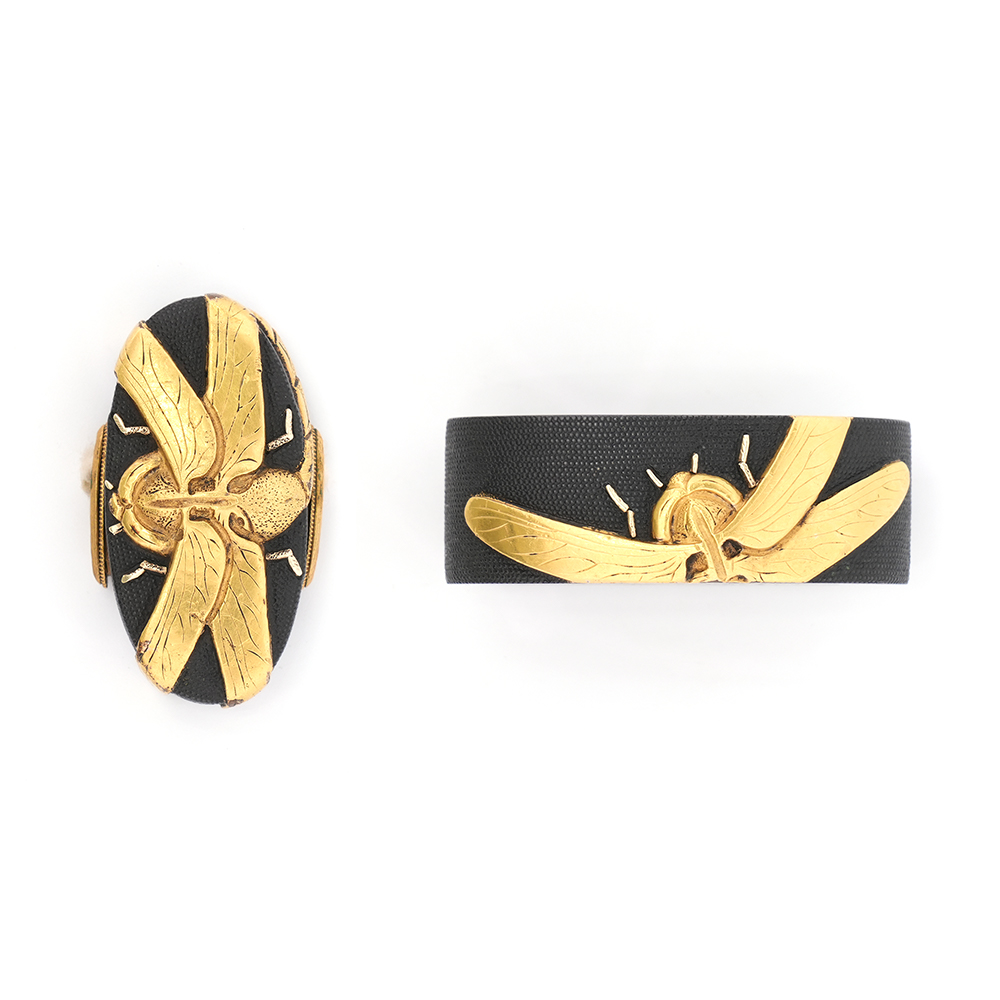
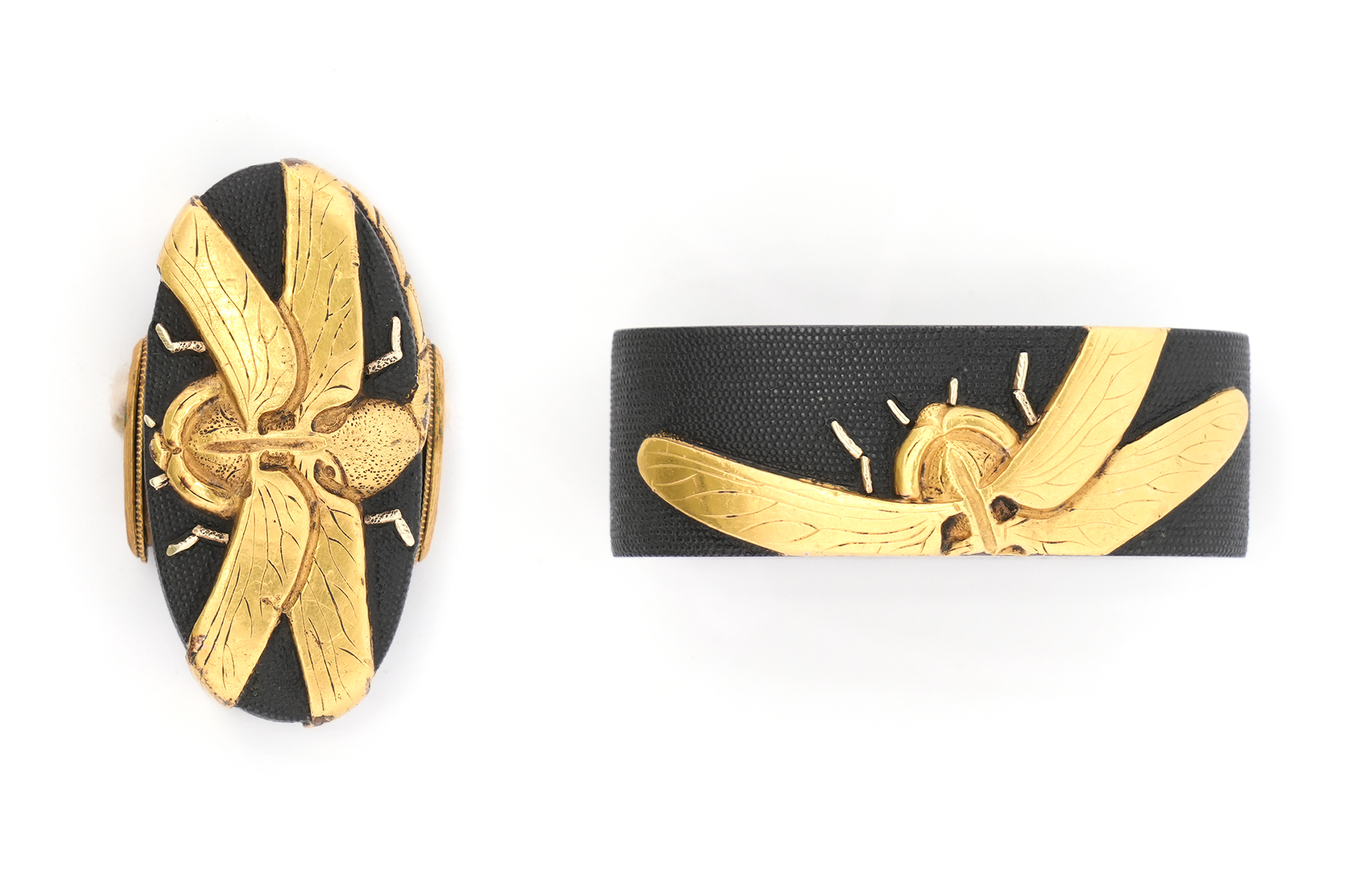
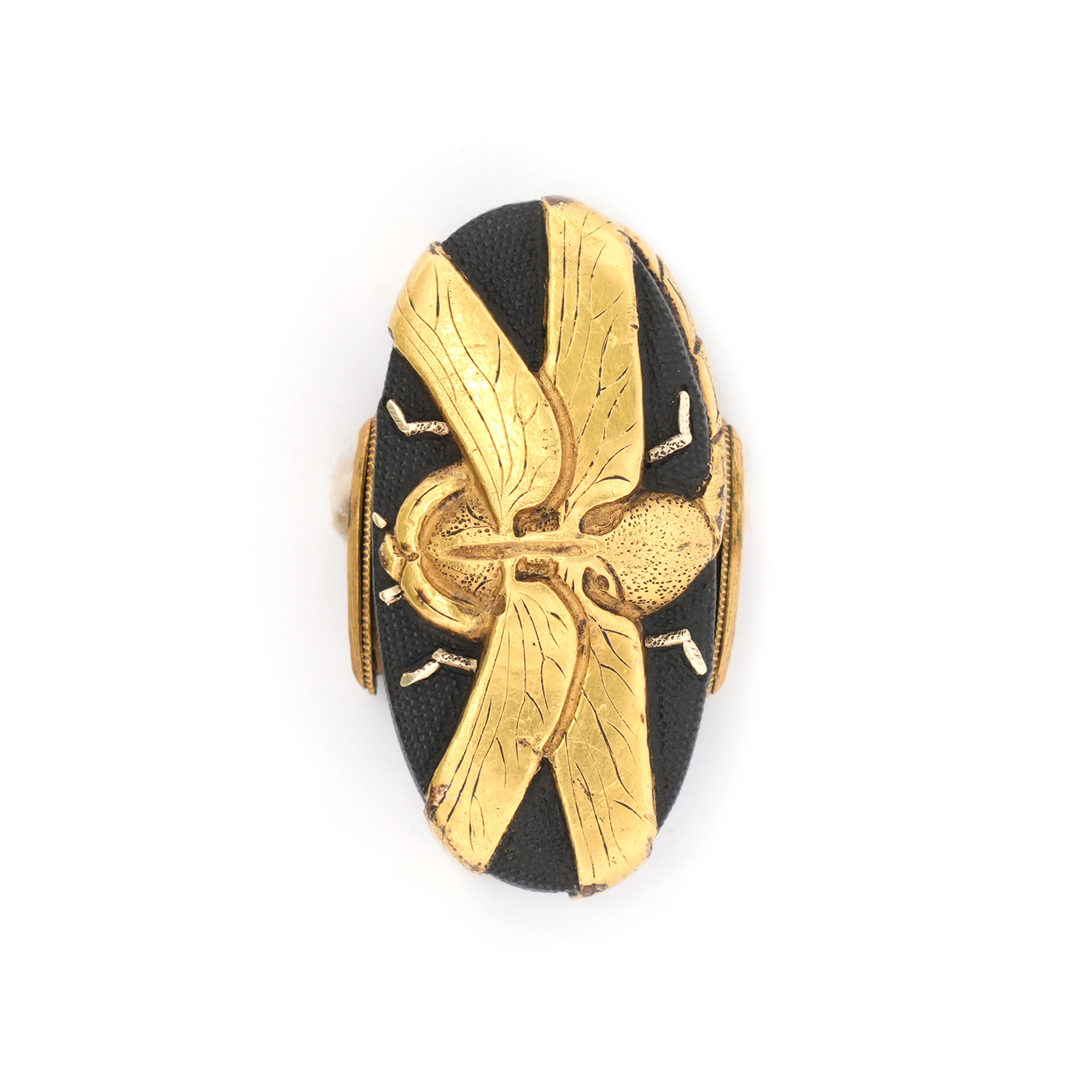
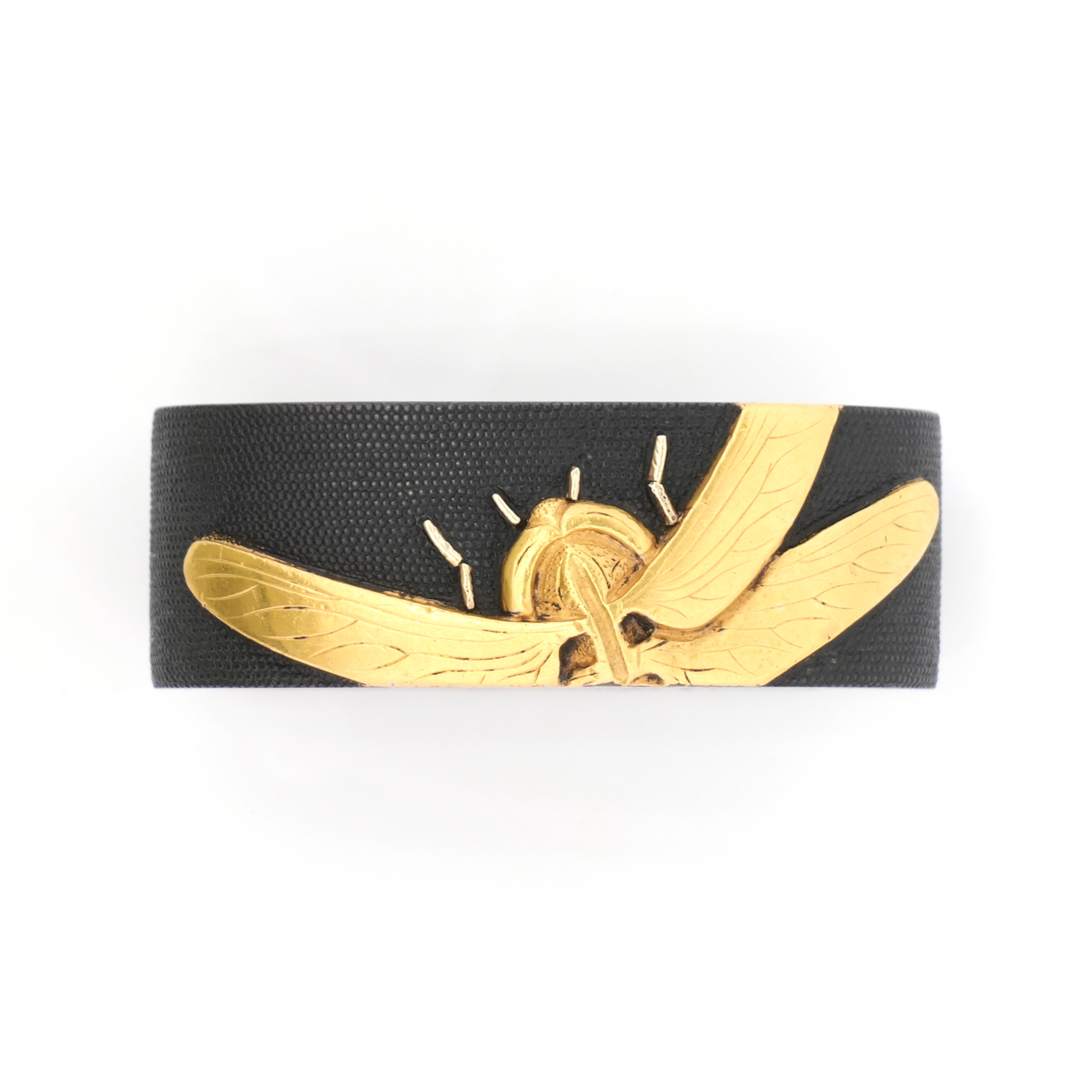
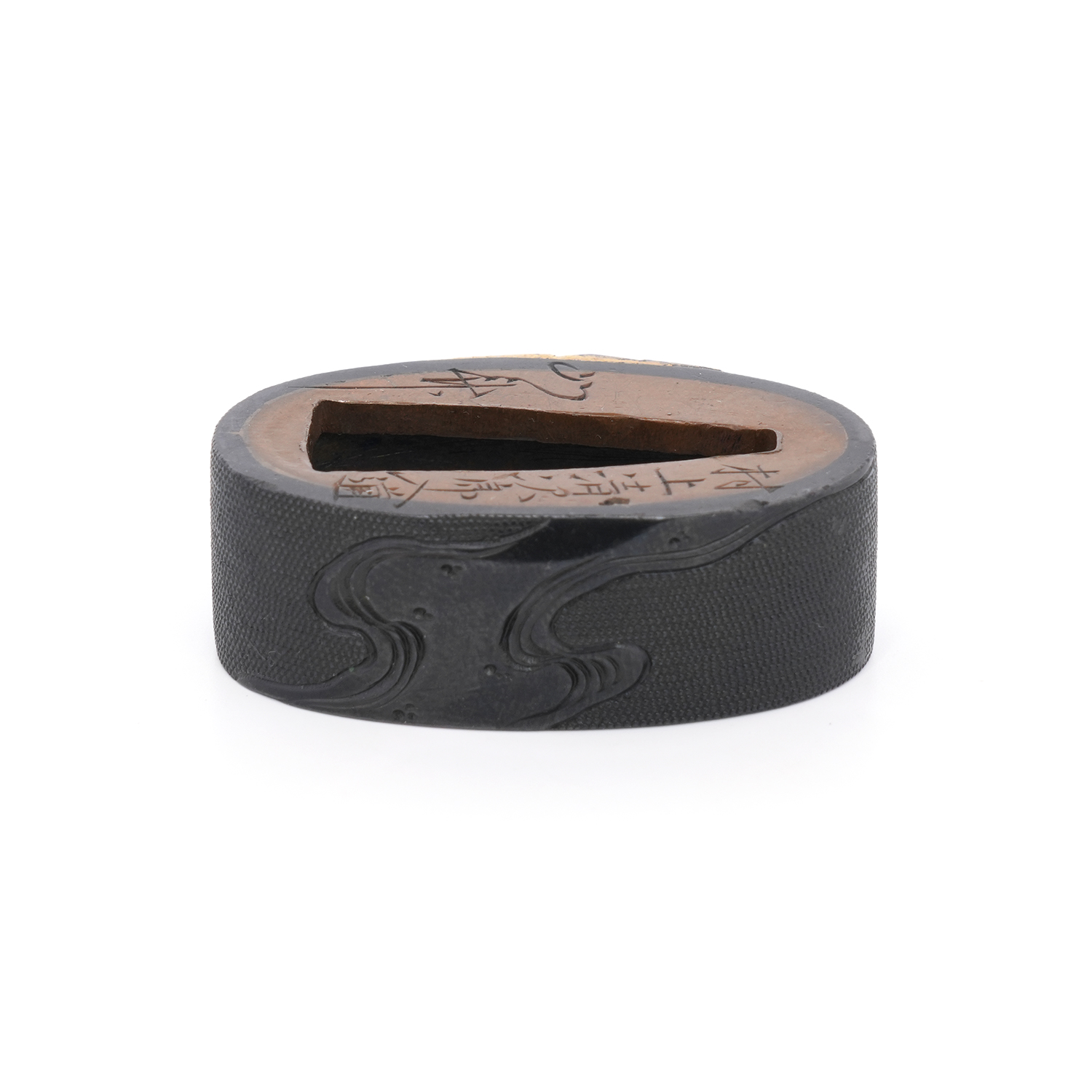
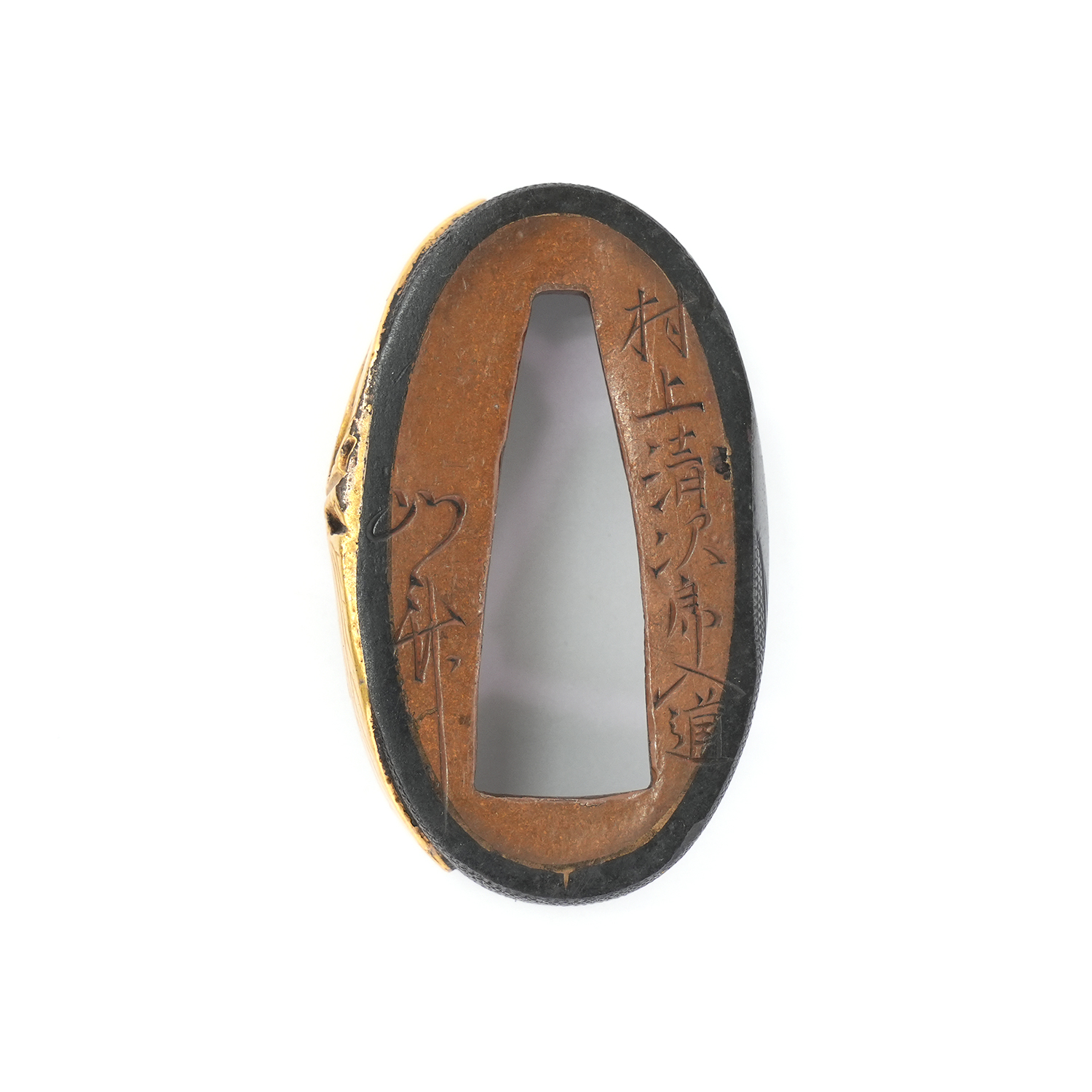
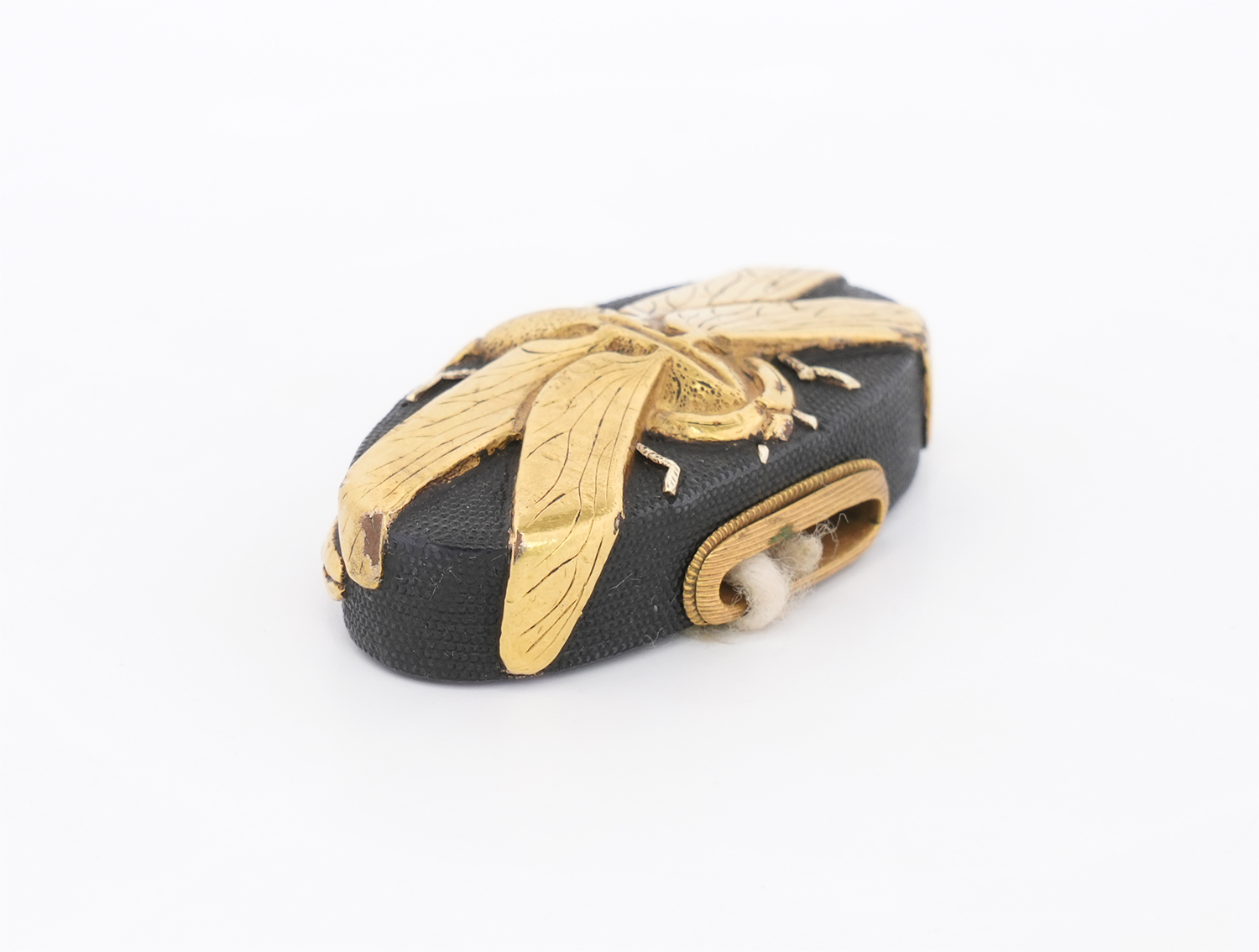
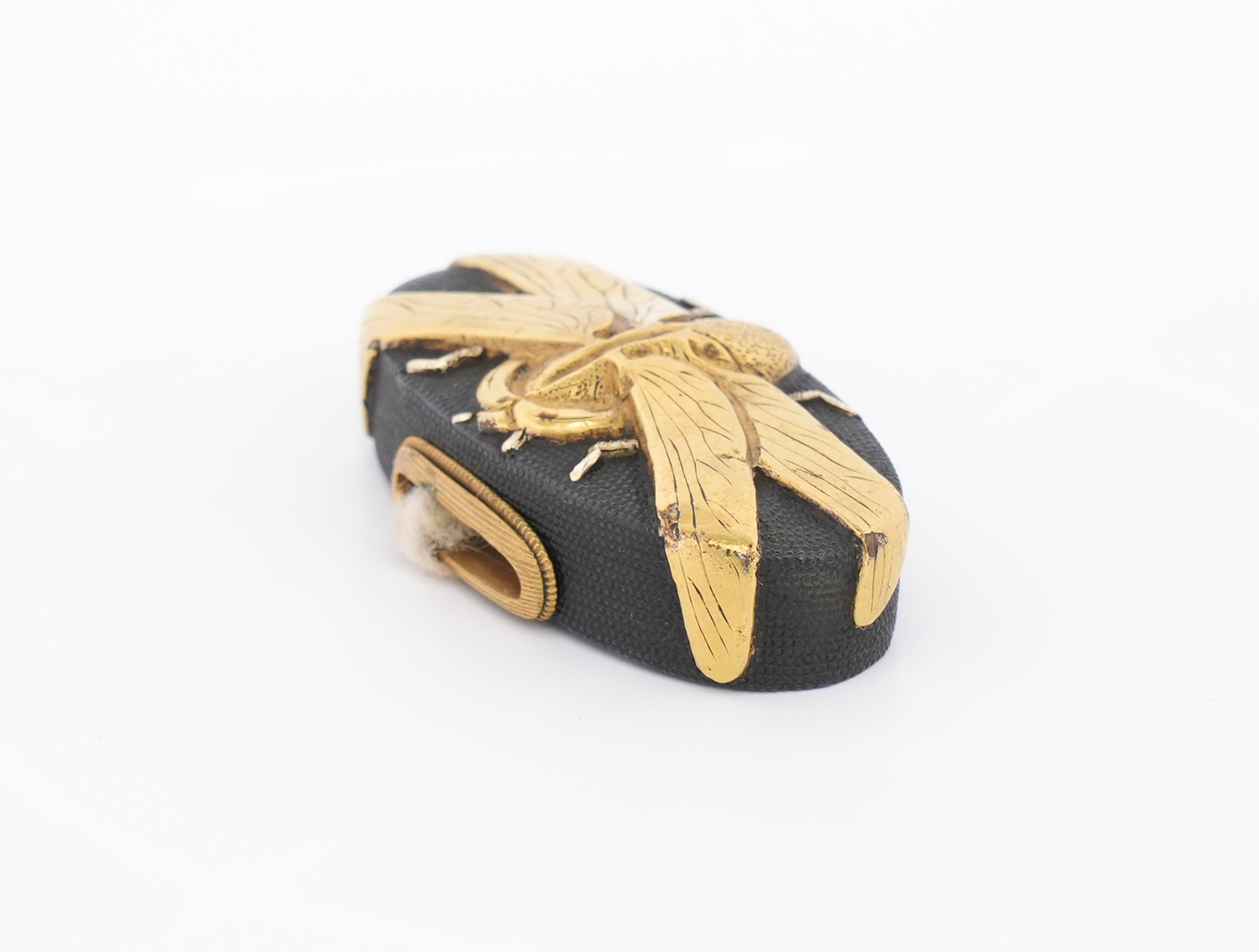
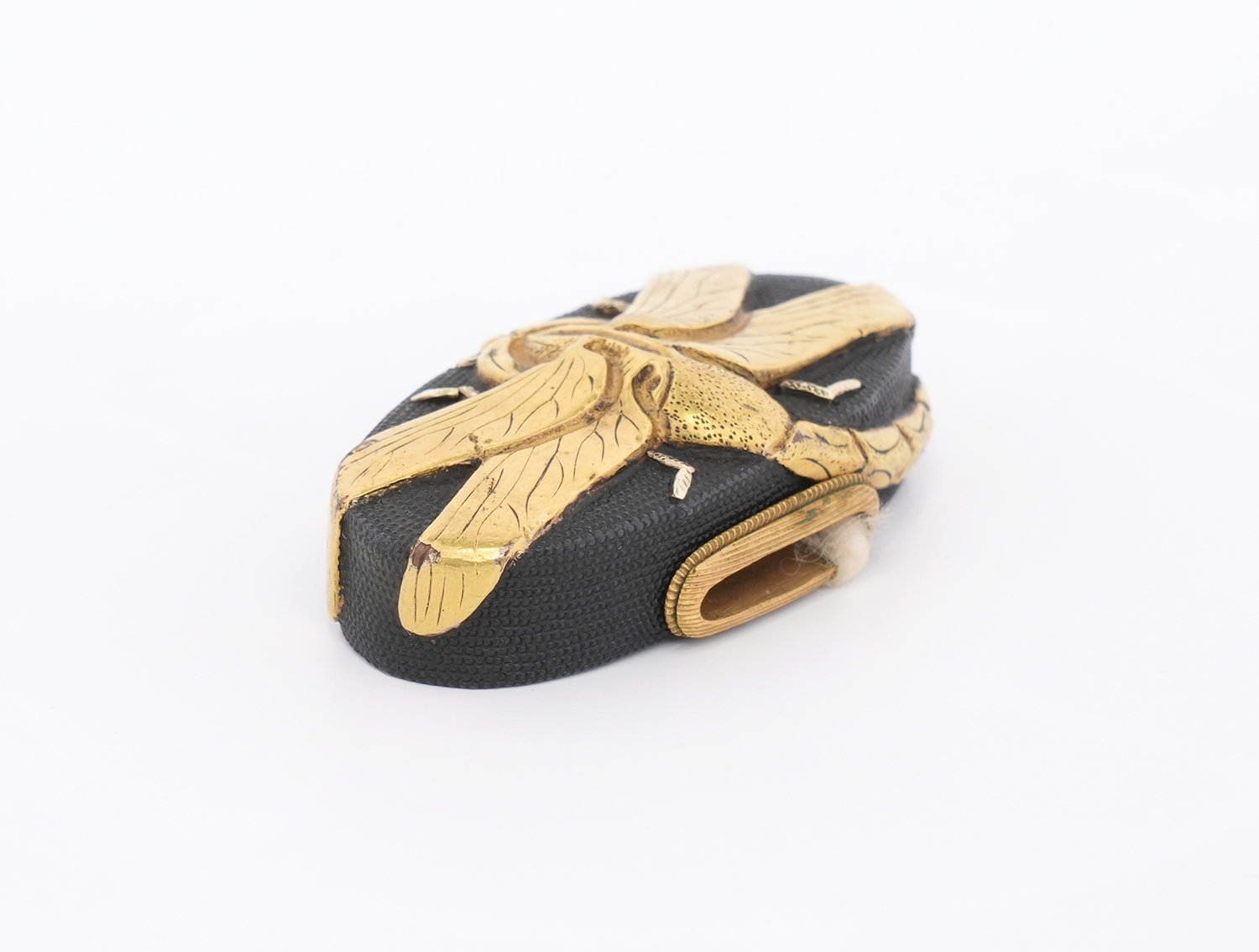
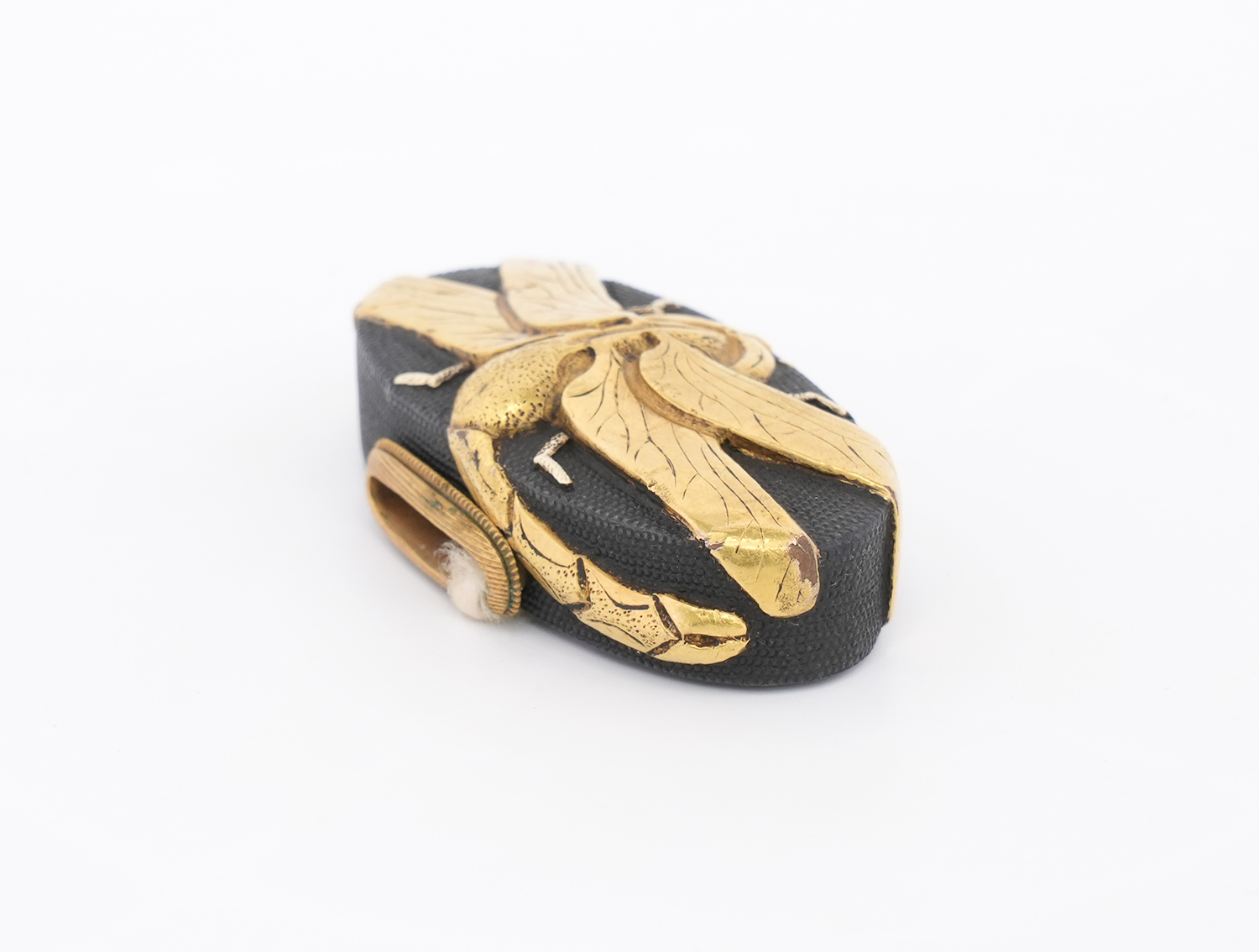
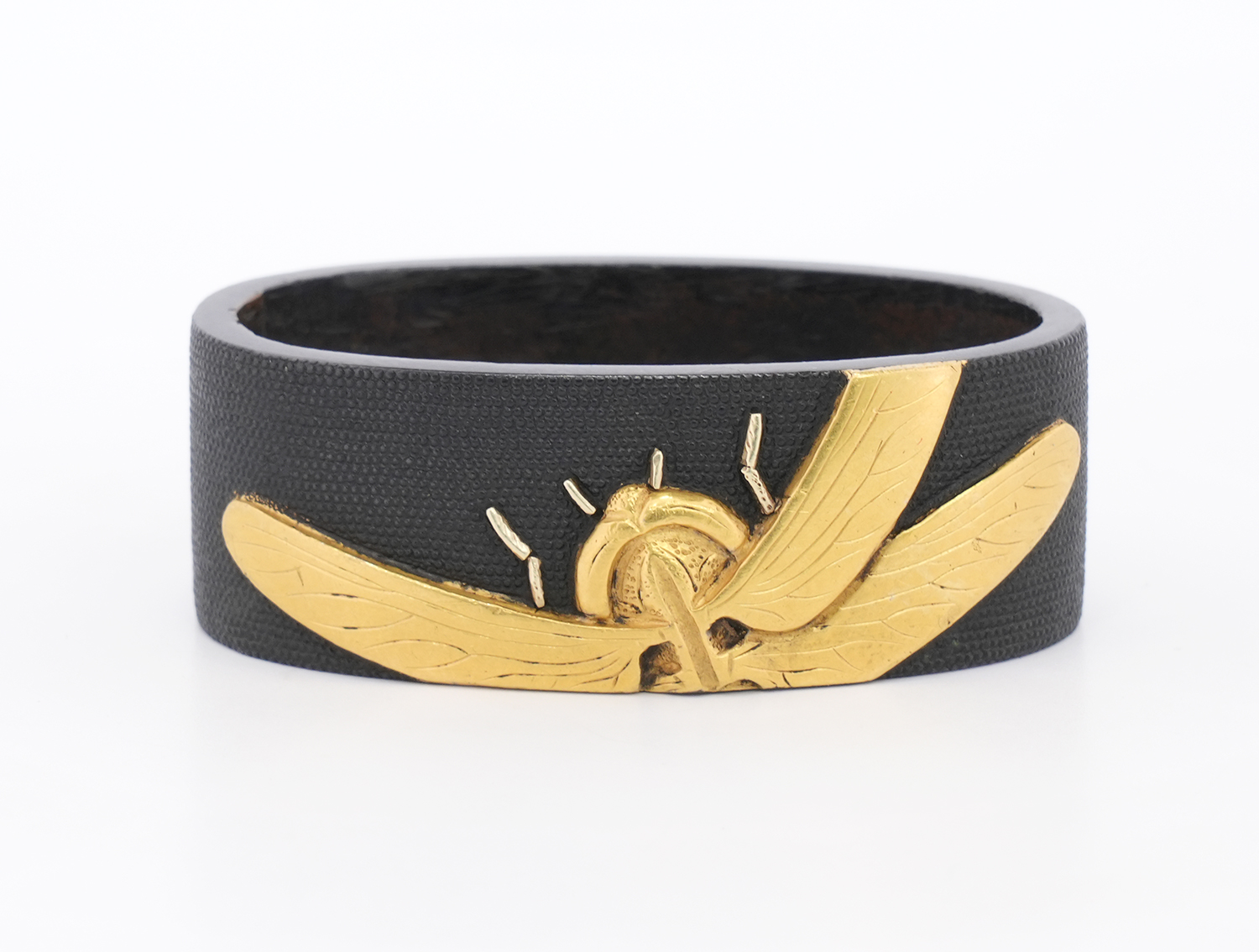
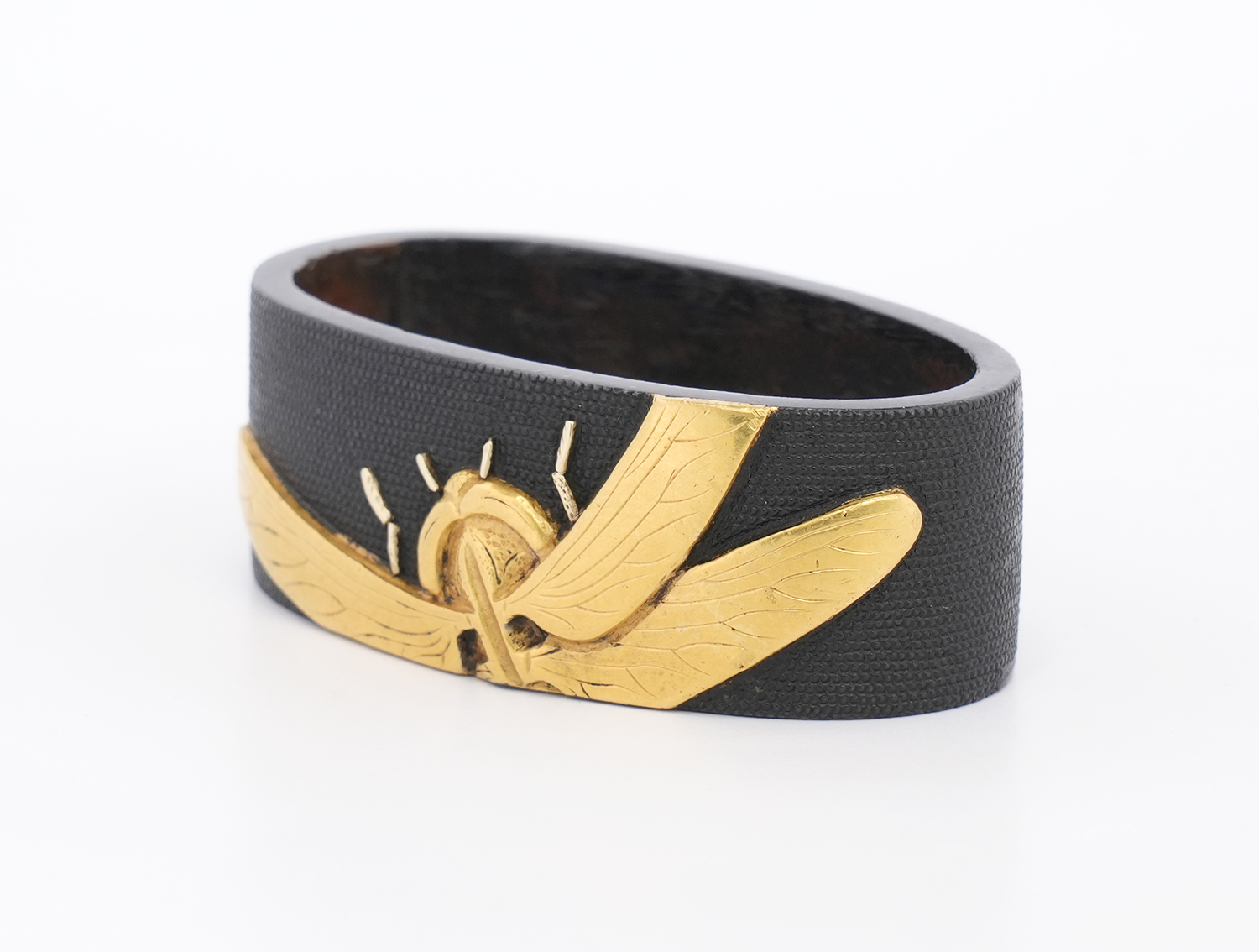
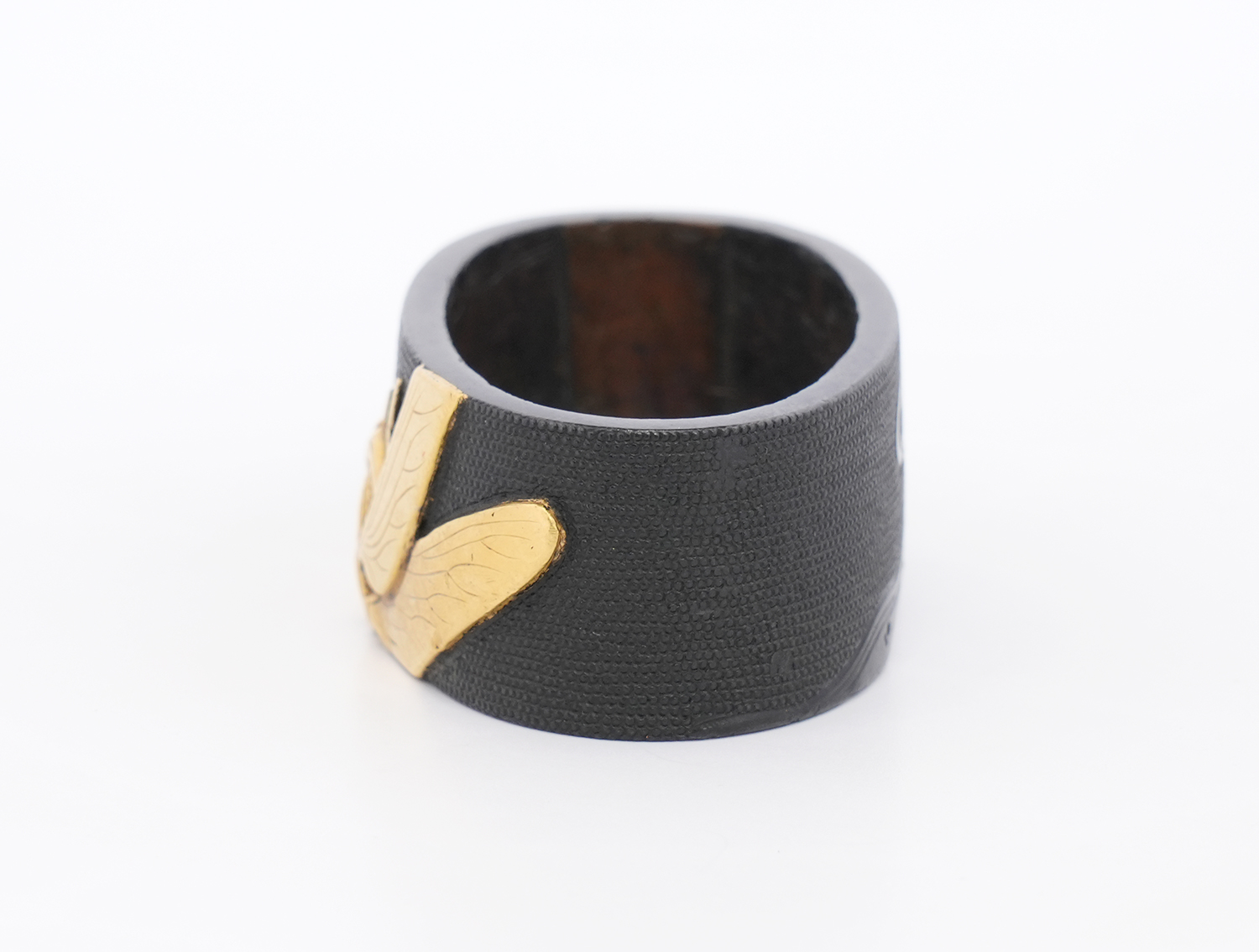
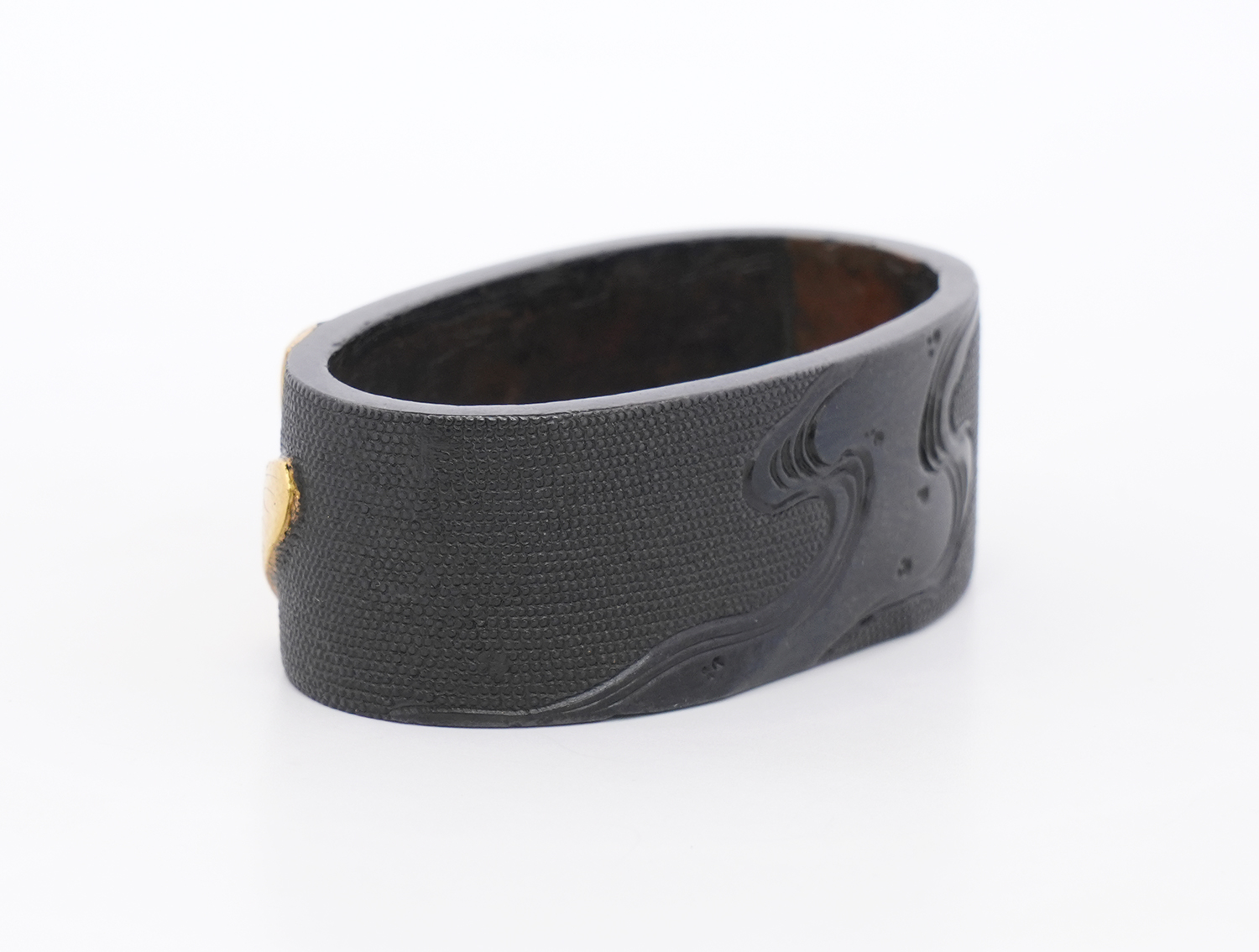
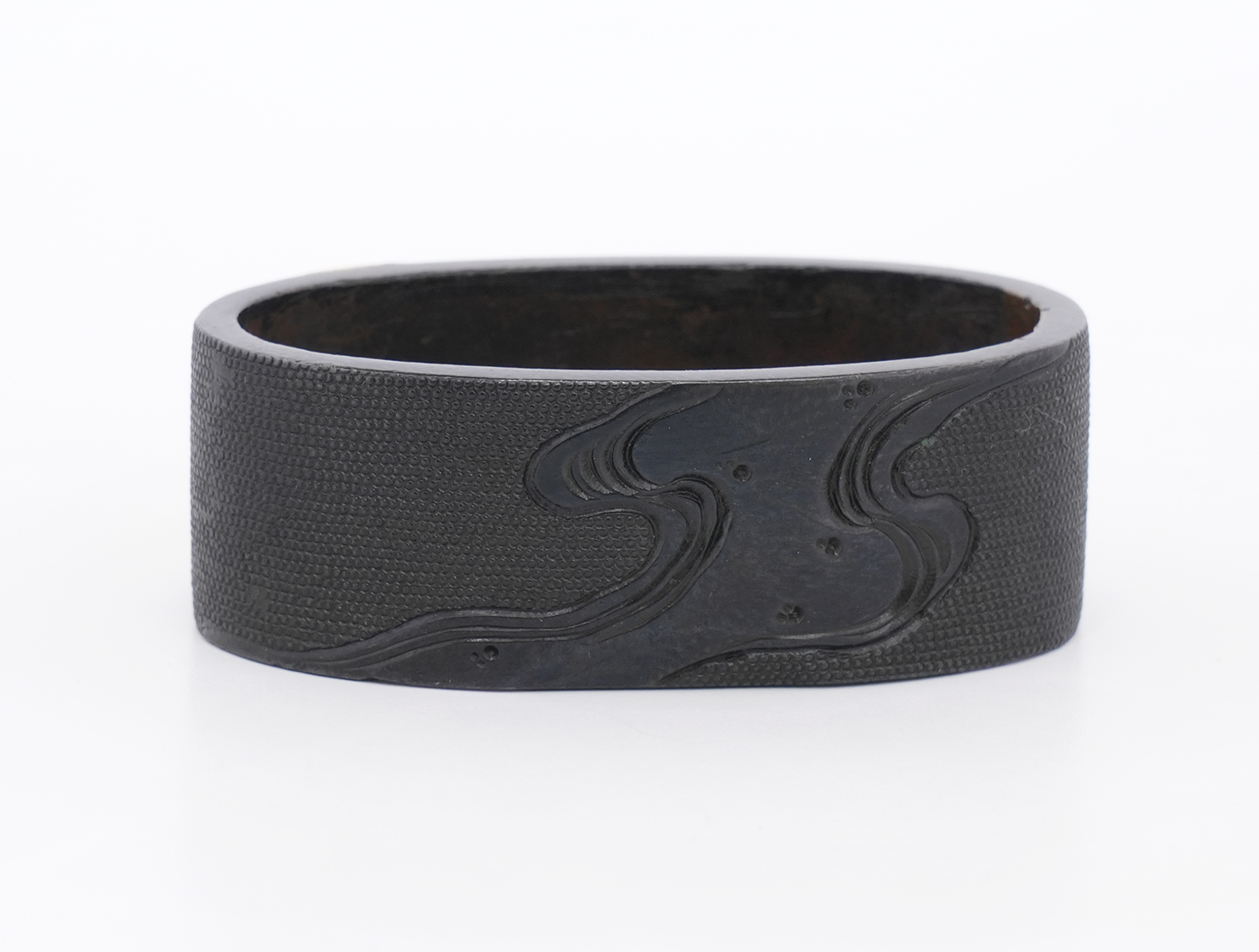
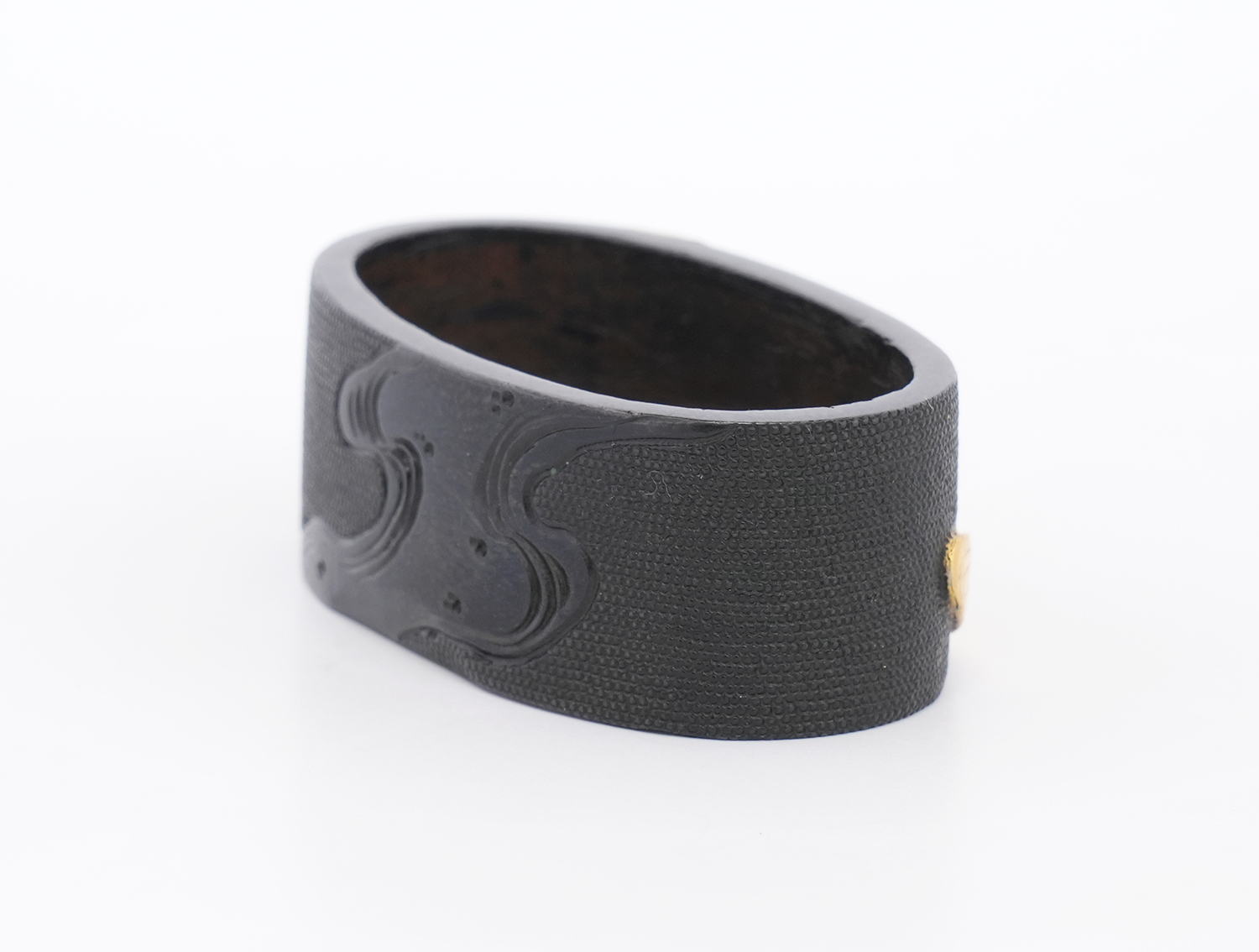
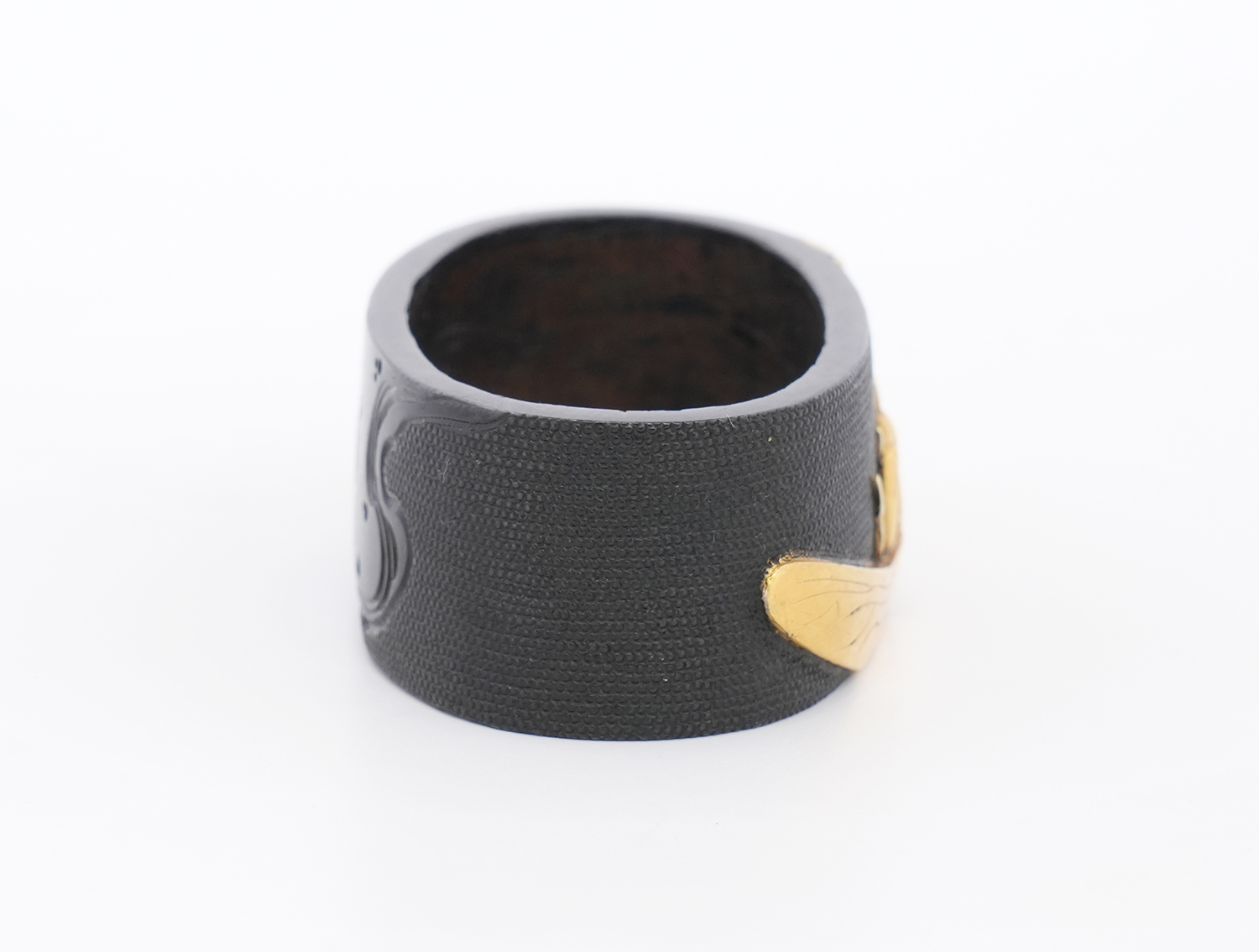
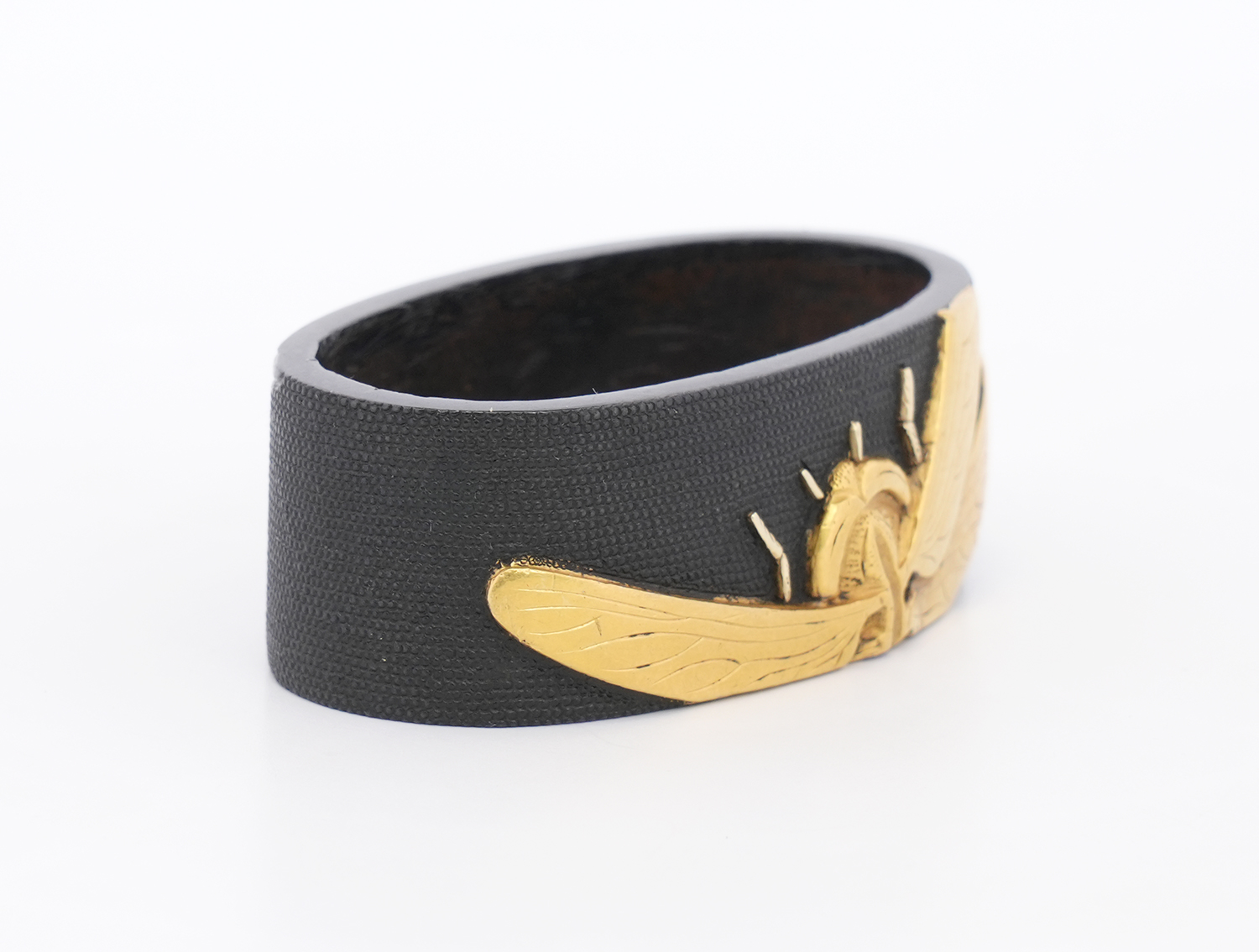
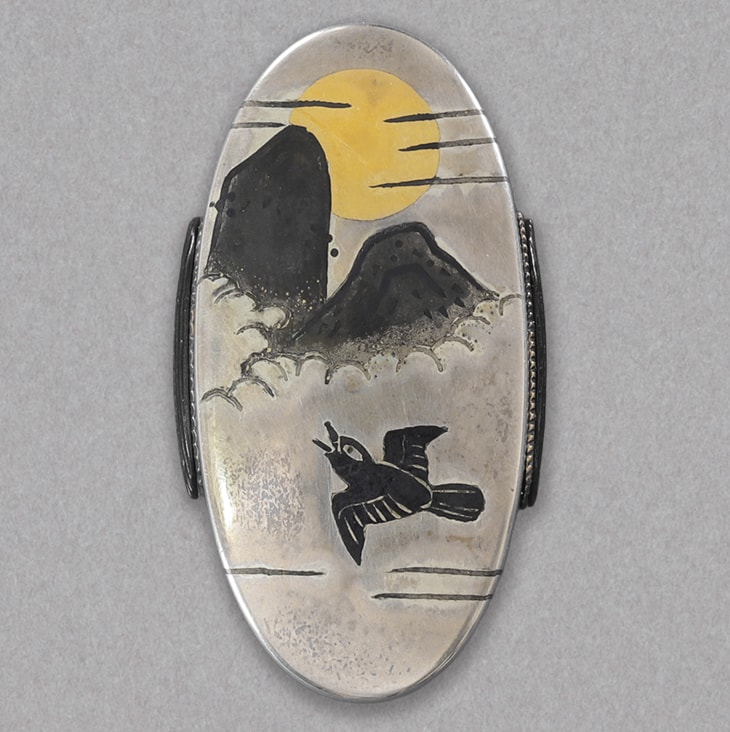
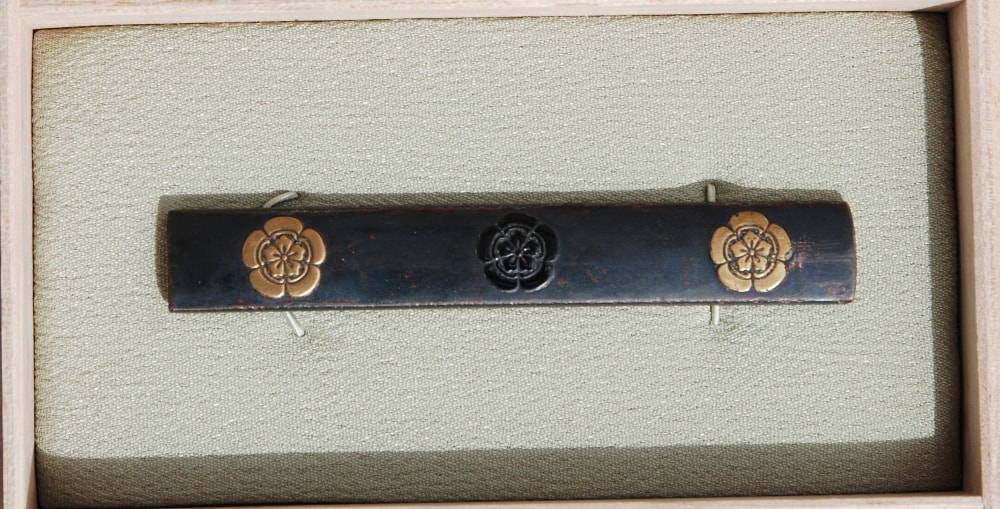
This is an excellent fuchi-kashira set featuring a 'katsumushi' (victory beetle) design. Crafted by Murakami Seijiro Nyudo Jochiku during the Edo period, it showcases finely executed nanako-ji on shakudo with gold iroe accents. The fuchi measures 3.9 cm in height, making it a substantial and dignified fitting.

NihontoWatch MonNihontoWatch
MarketEncyclopediaKantei
Fittings›Murakami›Jochiku›Katsumushi-zu Fuchi-Kashira by Murakami Seijiro Nyudo Jochiku
fuchi-kashira
Murakami Jochiku

Katsumushi-zu Fuchi-Kashira by Murakami Seijiro Nyudo Jochiku

mei · Edo

¥132,000
Visit seller website →
Murakami Jochiku — 1 of 18
Murakami Jochiku — 2 of 18
Murakami Jochiku — 3 of 18
Murakami Jochiku — 4 of 18
Murakami Jochiku — 5 of 18
Murakami Jochiku — 6 of 18
Murakami Jochiku — 7 of 18
Murakami Jochiku — 8 of 18
Murakami Jochiku — 9 of 18
Murakami Jochiku — 10 of 18
Murakami Jochiku — 11 of 18
Murakami Jochiku — 12 of 18
Murakami Jochiku — 13 of 18
Murakami Jochiku — 14 of 18
Murakami Jochiku — 15 of 18
Murakami Jochiku — 16 of 18
Murakami Jochiku — 17 of 18
Murakami Jochiku — 18 of 18
1 / 18
1 / 18
Murakami Jochiku — 1 of 18Murakami Jochiku — 2 of 18Murakami Jochiku — 3 of 18Murakami Jochiku — 4 of 18Murakami Jochiku — 5 of 18Murakami Jochiku — 6 of 18Murakami Jochiku — 7 of 18Murakami Jochiku — 8 of 18Murakami Jochiku — 9 of 18Murakami Jochiku — 10 of 18Murakami Jochiku — 11 of 18Murakami Jochiku — 12 of 18Murakami Jochiku — 13 of 18Murakami Jochiku — 14 of 18Murakami Jochiku — 15 of 18Murakami Jochiku — 16 of 18Murakami Jochiku — 17 of 18Murakami Jochiku — 18 of 18
Measurements & details
Era

Edo

Signature

Signed

Description

This is an excellent fuchi-kashira set featuring a 'katsumushi' (victory beetle) design. Crafted by Murakami Seijiro Nyudo Jochiku during the Edo period, it showcases finely executed nanako-ji on shakudo with gold iroe accents. The fuchi measures 3.9 cm in height, making it a substantial and dignified fitting.

About the maker

Jochiku

如竹

Machibori · around 1670

4 pieces on the market now

›

Murakami Jochiku lived in Shiba, Edo, active around the Tenmei era (1781--1789). His personal name was initially Nakanori, and he later also signed Mitsunori; he used the art name Kanshodo. He is said to have originally come from a background as an inlay craftsman specializing in stirrups (abumi), and later turned to the work of a metal-fitting artisan, apparently establishing himself without seeking a particular master. The details of his formal training are not clearly known. From the manner of his signatures, his oeuvre can be broadly divided into an early period -- when he signed with the Nakanori seal -- and a mature period under the name Jochiku. Some works bearing the Nakanori seal are recognized as youthful productions on the basis of their powerful manner and signature form.

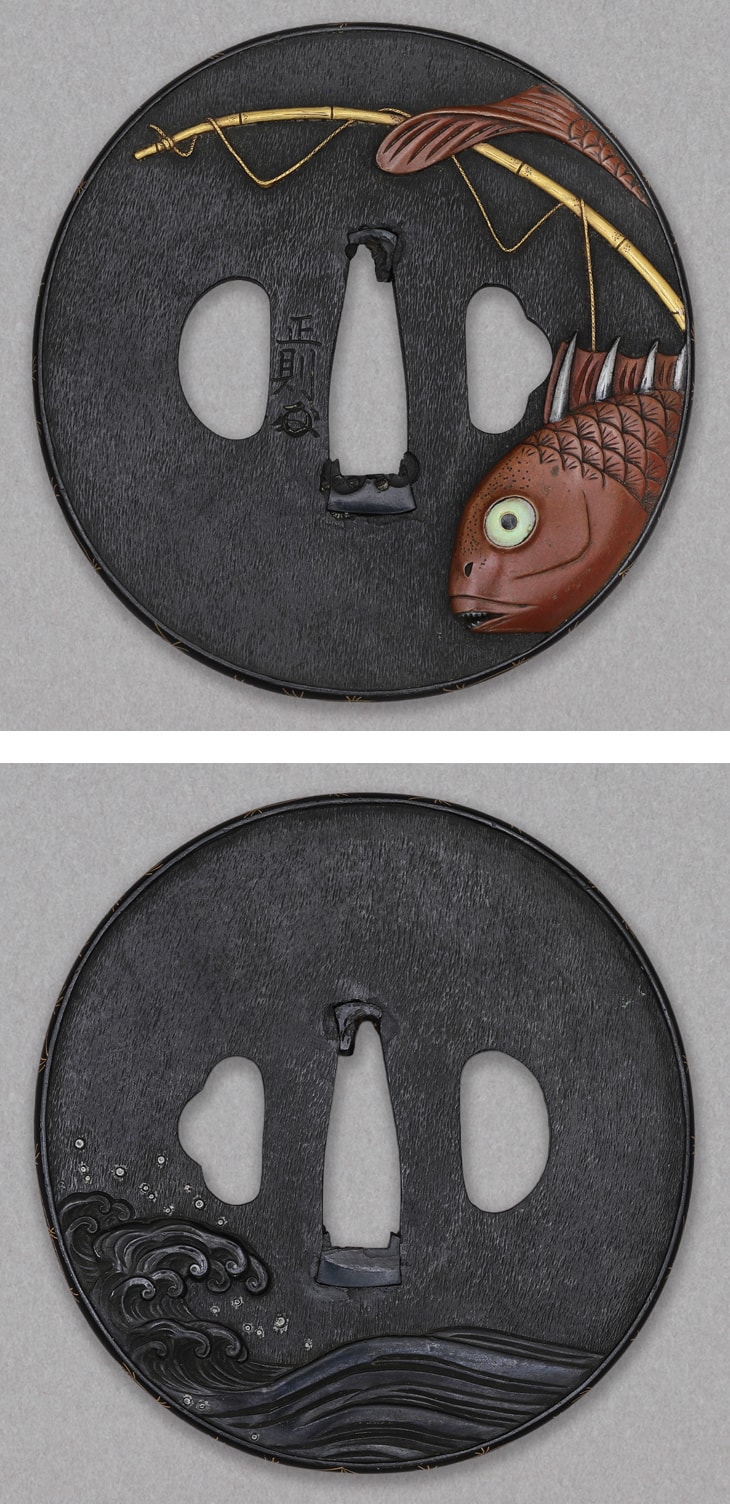
Jochiku's works show particular strength in the techniques of suemon-zogan (applied-motif inlay) and hira-zogan (flat inlay). Many of his designs render, in large, boldly stylized compositions, subjects drawn from the natural world -- insects such as dragonflies, butterflies, and cicadas; fish such as sea bream, squid, whitebait, and shark; and animals such as cats and tigers -- expressed through high-relief inlay (takaniku-zogan) with ample modeling. In parts of these compositions he heightened the coloristic effect by inserting materials such as mother-of-pearl (aogai), coral, blue lacquer, and even glass, in a manner reminiscent of embedded ornaments in lacquerwork (umemono), thereby establishing a distinctive new approach. His favored ground is the chirimen-ishime-ji (crepe-textured stone-grain surface) in shakudo, though carefully executed works on nanako-ji are also known, and all such examples carry a correspondingly high dignity. His tiger depictions, among his recognized specialties, are powerfully expressed down to the rendering of fur through dense, delicate kebori, with crystal or glass insets for the eyes imparting a keen, piercing gaze. The chiseling -- pursued with unwavering commitment to realism -- is consistently praised as superb, with iroe applied with precision across gold, silver, shibuichi, plain copper, and reddish copper (hi-irodo).

Across the designated corpus, the NBTHK repeatedly characterizes Jochiku's manner as "extremely individualistic" and "intensely personal in character," noting that his commanding compositions "overwhelm other works" and that his true strengths allow "no rival craftsmen to surpass him" in the use of aogai inlay. His rusu-moyo ("absence pattern") compositions -- in which the deity Ebisu is evoked solely through attributes such as the sea bream, fishing rod, and eyeless basket -- recur as a signature theme, often embellished with the auspicious character kotobuki inlaid around the rim, and judged to have been produced on commission for wealthy merchant households. In his forceful chiselwork, his pursuit of an overtly craft-oriented decorative beauty, and his innovative synthesis of metalworking with materials drawn from the lacquer and glass arts, Jochiku opened up and mastered a distinctive artistic realm entirely his own.

Historical importance

Where Jochiku stands among comparable artisans: across all of nihontō, and within tradition, era, and period. The tiers (Foremost · Leading · Major · Notable) weigh official designations from the NBTHK and Japan's Agency for Cultural Affairs, together with historical honors of lasting repute such as the Sansaku and Meibutsu-chō.

随一
Foremost
屈指
Leading
有数
Major
著名
Notable

Select a lens to see how it's measured.

Designation record
20 designated works
Tokubetsu Jūyō
1
Jūyō
19
4 works by Jochiku on the market→
Jochiku — full profileMachibori school
About the school

Murakami

村上

Machibori

13 pieces on the market now

›

The Murakami school was established in Edo by Murakami Jochiku (村上如竹), who lived in the Shiba district and was active from the mid through late Edo period, around the Tenmei era (1781--1789). His personal name was initially Nakanori (仲矩), later also Mitsunori (光則); he took the art name Kanshodo (歓笙堂). The NBTHK setsumei consistently record that Jochiku "originally came from the trade of inlay work for stirrups" (abumi zogan), and subsequently turned to the profession of a kinko metalworker. One source further notes that he apparently established himself without seeking a particular master, suggesting a largely self-directed artistic formation. This background in stirrup inlay proved foundational to the distinctive inlay vocabulary that would define the school. Jochiku gathered a circle of followers, among whom the most prominent was Masanori (正則), traditionally regarded as his younger brother. While most members of the Jochiku group incorporated the character jo (如) in their art names, Masanori was a notable exception, and his signature was cut in kaisho (standard script) rather than the cursive forms favored by others in the circle. The collective style of the Murakami school is defined by mastery of suemon-zogan (applied-motif inlay) and hira-zogan (flat inlay), executed in bold, large-scale, design-like compositions. The school's preferred ground is the chirimen-ishime-ji[[c:1]] -- a distinctive crepe-textured stone-grain surface in shakudo that recurs across the majority of designated works.

A smaller number of pieces employ nanako-ji, and the setsumei observe that all such works are notably painstaking in execution. Subject matter draws heavily from the natural world: fish and shellfish -- sea bream (tai), cuttlefish, squid, shark, and whitebait -- as well as insects such as butterflies, dragonflies, and cicadas, and animals including cats and tigers. These motifs are rendered in high-relief inlay (takaniku-zogan) with polychrome iroe in gold, silver, shibuichi, suaka, and shakudo. A defining innovation of the school is the insertion of non-metallic materials -- mother-of-pearl (aogai), coral, lacquer, and glass -- into portions of these compositions, "in a manner reminiscent of embedded elements in lacquerwork," thereby heightening the coloristic effect and pursuing visual variety. The treatment of eyes is a particular signature: shell inlaid within shakudo orbs, sometimes covered with glass, and in the celebrated tiger subjects, crystal (suisho) set to produce a piercing gaze. The rusu-moyo ("absence pattern") -- wherein the attributes of Ebisu or Daikoku are depicted without the figure itself, inviting the viewer to imagine the concealed protagonist -- constitutes a major thematic current, often embellished with the auspicious character kotobuki (寿) inlaid repeatedly around the rim. The Murakami school occupies a singular position within the Edo-period machibori tradition by virtue of its intensely individual character and its innovative fusion of metalworking and decorative-arts techniques. The setsumei repeatedly characterize Jochiku's manner as "extremely individualistic" and credit him with having "established an innovative new approach" through the combination of large-scale suemon-zogan with materials drawn from the lacquer and enamel crafts. " The school's designated corpus reveals an atelier that pursued a distinctly craft-oriented decorative beauty -- bridging metalwork, lacquer arts, and glass -- while maintaining the commanding boldness of design and technical precision that the NBTHK recognizes as Jochiku's enduring legacy. Learn more →

2 recorded smiths21 designated works
Leading smiths
SmithEraDesignated
Jochiku如竹167020
Kazunobu一信—0
Joryu如柳—0
Josen如泉—0
Jochu如—0
Explore the Murakami school →
Warning — certificate not found

We could not find an authenticity certificate on the seller’s listing. Japanese swords and fittings are normally papered by the NBTHK (or the NTHK). Without one, the attribution is the seller’s own assessment and has not been independently verified — treat it with caution and ask the dealer about certification before buying.

Seller
T
Toushin
🇯🇵Ships from Japan
›
✓Verified dealershop.nihontou.jp
Settles in JPY
✓Ships worldwideWire transferCredit card
Return policy

Returns accepted within 3 days of delivery for defective items or significant discrepancies; customer bears return shipping and bank fees.

View all of Toushin’s listings→View this item on the dealer’s site→

More works by Murakami Jochiku

View all →
Samurai Nippon
Tokuho
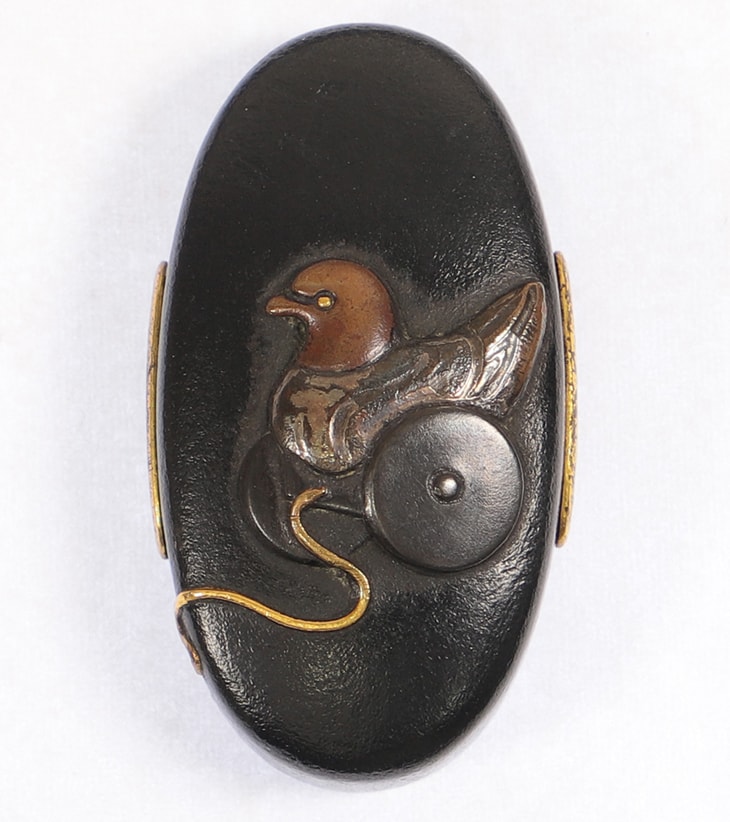
Fuchi-Kashira - Tokuho - by Murakami Jochiku - Fuchigashira: Hakuaitama Hatoguruma ZuFuchi-Kashira - Tokuho - by Murakami Jochiku - Fuchigashira: Hakuaitama Hatoguruma Zu

Fuchi-Kashira

ByMurakami Jochiku
¥750,000
Samurai Nippon
Jūyō
Tsuba - Jūyō - by Murakami Jochiku - Ebisu-ten Rusu Moyo ZuTsuba - Jūyō - by Murakami Jochiku - Ebisu-ten Rusu Moyo Zu

Tsuba

ByMurakami Jochiku
Ask
Soryu
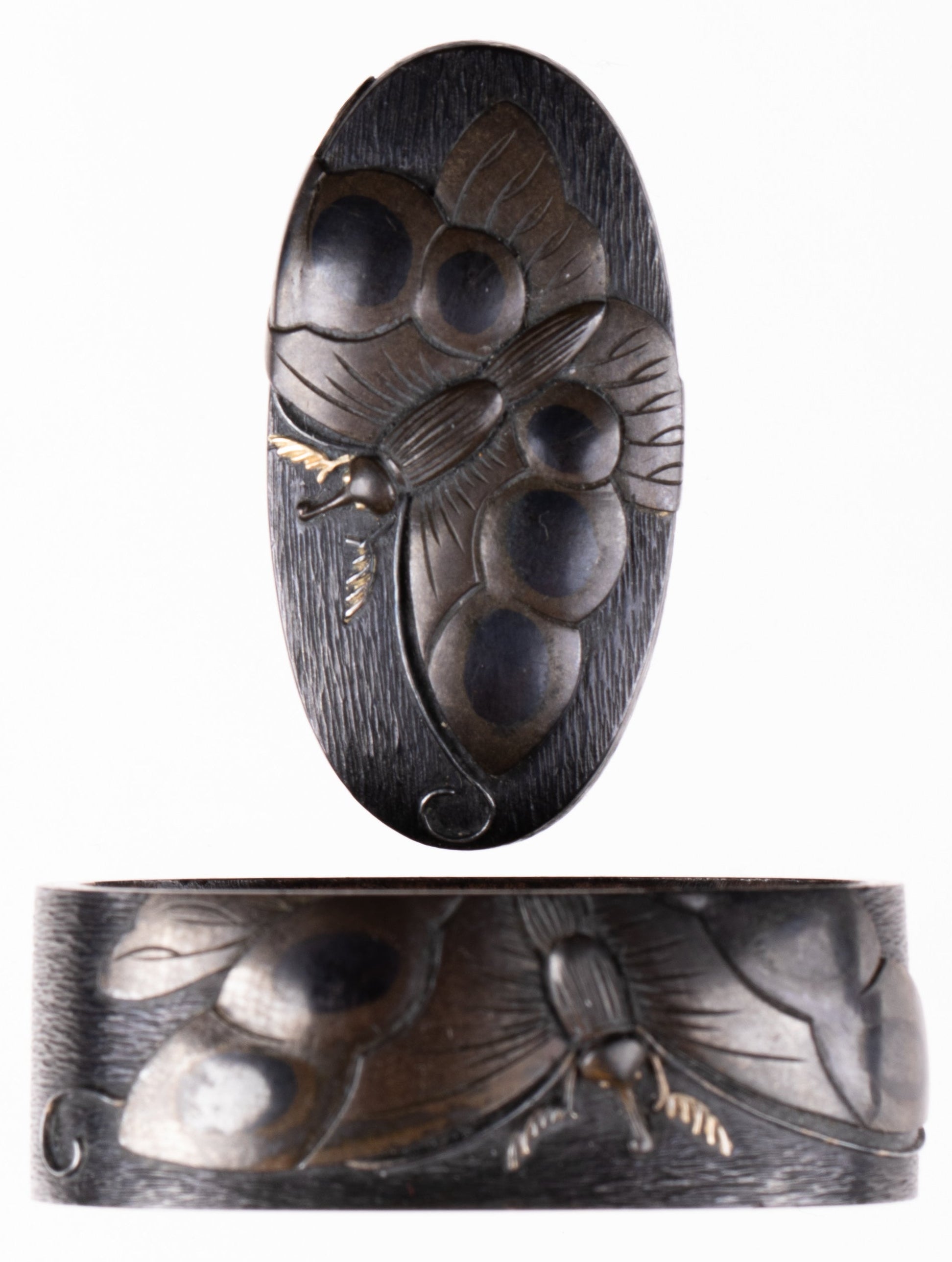
Fuchi-Kashira - by Murakami Jochiku - Murakami School Shakudo Fuchikashira "Moth"Fuchi-Kashira - by Murakami Jochiku - Murakami School Shakudo Fuchikashira "Moth"

Fuchi-Kashira

ByMurakami Jochiku
¥600

Previously sold by Murakami Jochiku

Kusanagi
Hozon
Tsuba - Hozon - by Murakami Jochiku - Tsuba with Hanshan and Shide design by Nichiku, published in Masterpieces of Japanese Swords, Hozon TosoguTsuba - Hozon - by Murakami Jochiku - Tsuba with Hanshan and Shide design by Nichiku, published in Masterpieces of Japanese Swords, Hozon Tosogu
Sold

Tsuba

ByMurakami Jochiku
SOLD

More from the Murakami school

View all →
Eirakudo
Tokuho
Tsuba - Tokuho - by Murakami Josen - JosenTsuba - Tokuho - by Murakami Josen - Josen

Tsuba

ByMurakami Josen
¥180,000
Choshuya
Tokuho
Tsuba - Tokuho - by Murakami Joryu - New Year's Decoration Design - Signed Joryu (with Kao)Tsuba - Tokuho - by Murakami Joryu - New Year's Decoration Design - Signed Joryu (with Kao)

Tsuba

ByMurakami Joryu
Ask
Choshuya
Hozon
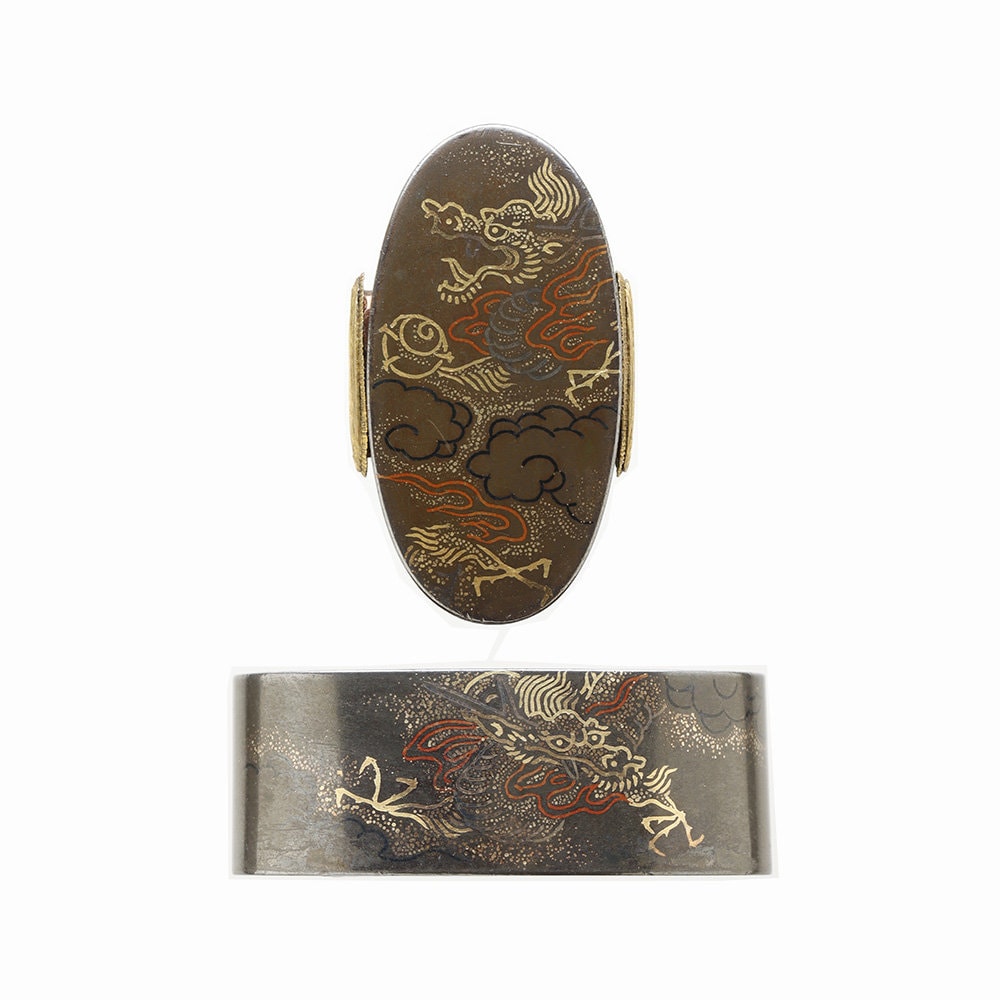
Fuchi-Kashira - Hozon - by Murakami School - Fuchi-Kashira with Cloud Dragon Design, Signed Shoeiken Jyochiku (Kao)Fuchi-Kashira - Hozon - by Murakami School - Fuchi-Kashira with Cloud Dragon Design, Signed Shoeiken Jyochiku (Kao)

Fuchi-Kashira

ByMurakami School
¥350,000
Toushin
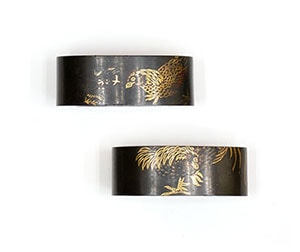
Fuchi-Kashira - by Murakami Shoei - Fuchi-Kashira: Chicken Design by ShoeiFuchi-Kashira - by Murakami Shoei - Fuchi-Kashira: Chicken Design by Shoei

Fuchi-Kashira

ByMurakami Shoei
¥198,000
Nihonto Australia
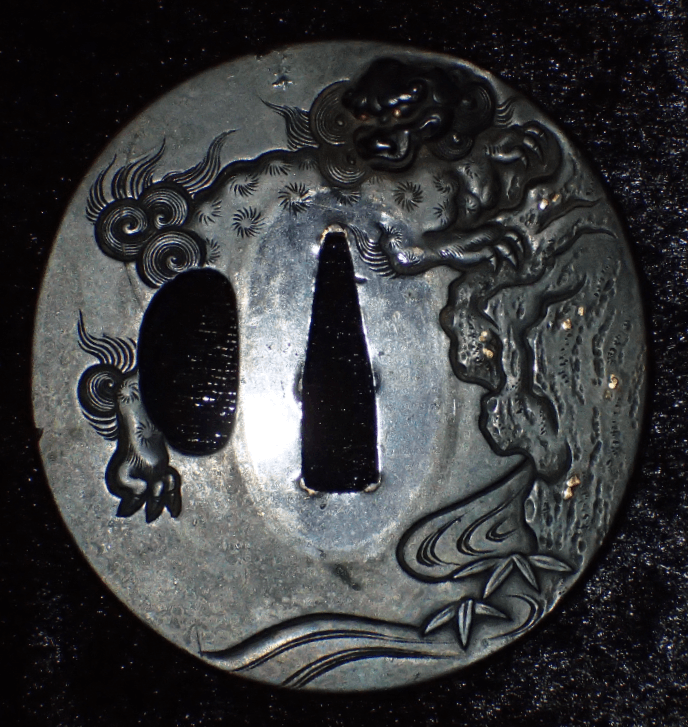
Tsuba - by Murakami Josui - Shishi Tsuba by JosuiTsuba - by Murakami Josui - Shishi Tsuba by Josui

Tsuba

ByMurakami Josui
¥2,200
E-sword
Hozon
Kozuka - Hozon - by Murakami School - Kozuka with Shell Design by Someya YasunobuKozuka - Hozon - by Murakami School - Kozuka with Shell Design by Someya Yasunobu

Kozuka

ByMurakami School
¥100,000
Nihonto US
Kozuka - by Murakami School - Josen KozukaKozuka - by Murakami School - Josen Kozuka

Kozuka

ByMurakami School
¥1,100
Nihonto Australia
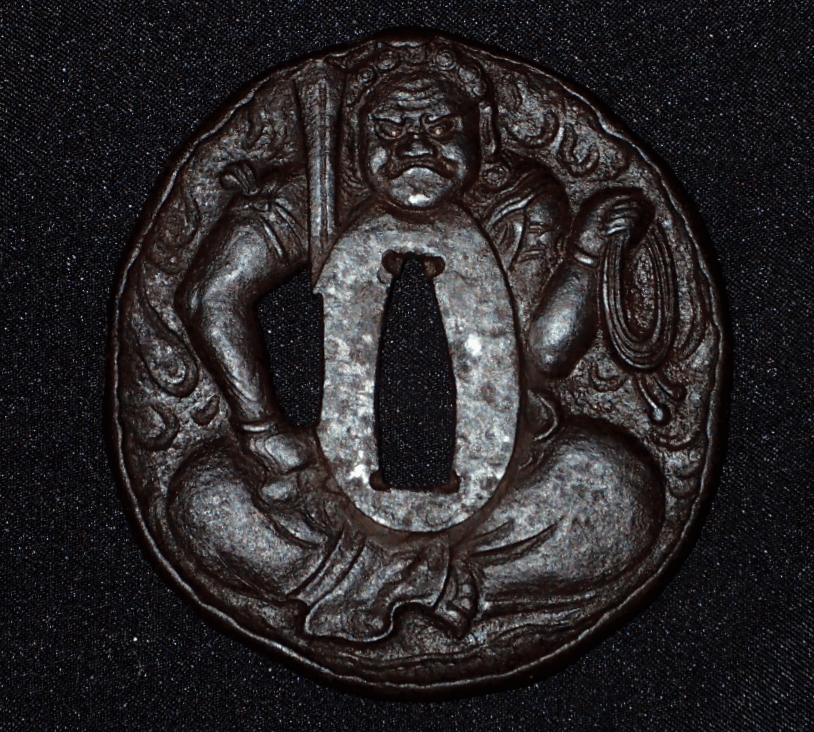
Tsuba - by Murakami Josui - Fudo Tsuba by Female Artisan Josui of the Murakami SchoolTsuba - by Murakami Josui - Fudo Tsuba by Female Artisan Josui of the Murakami School

Tsuba

ByMurakami Josui
Ask

Swords

  • Katana
  • Wakizashi
  • Tantō
  • Tachi
  • Naginata
  • Yari

Fittings

  • Tsuba
  • Fuchi-Kashira
  • Kozuka
  • Menuki

Armor

  • Kabuto
  • Samurai Armor

By Certification

  • Tokujū
  • Jūyō
  • Tokuho
  • Hozon

Resources

  • Dealer Directory
  • Artist Directory
  • The Daily Kantei
  • Glossary
  • Browse All
Nihontowatch© 2026
TermsPrivacyCookiesAbout

Description

This is an excellent fuchi-kashira set featuring a 'katsumushi' (victory beetle) design. Crafted by Murakami Seijiro Nyudo Jochiku during the Edo period, it showcases finely executed nanako-ji on shakudo with gold iroe accents. The fuchi measures 3.9 cm in height, making it a substantial and dignified fitting.

NihontoWatch MonNihontoWatch
MarketEncyclopediaKantei
Fittings›Murakami›Jochiku›Katsumushi-zu Fuchi-Kashira by Murakami Seijiro Nyudo Jochiku
fuchi-kashira
Murakami Jochiku

Katsumushi-zu Fuchi-Kashira by Murakami Seijiro Nyudo Jochiku

mei · Edo

¥132,000
Visit seller website →
Murakami Jochiku — 1 of 18
Murakami Jochiku — 2 of 18
Murakami Jochiku — 3 of 18
Murakami Jochiku — 4 of 18
Murakami Jochiku — 5 of 18
Murakami Jochiku — 6 of 18
Murakami Jochiku — 7 of 18
Murakami Jochiku — 8 of 18
Murakami Jochiku — 9 of 18
Murakami Jochiku — 10 of 18
Murakami Jochiku — 11 of 18
Murakami Jochiku — 12 of 18
Murakami Jochiku — 13 of 18
Murakami Jochiku — 14 of 18
Murakami Jochiku — 15 of 18
Murakami Jochiku — 16 of 18
Murakami Jochiku — 17 of 18
Murakami Jochiku — 18 of 18
1 / 18
1 / 18
Murakami Jochiku — 1 of 18Murakami Jochiku — 2 of 18Murakami Jochiku — 3 of 18Murakami Jochiku — 4 of 18Murakami Jochiku — 5 of 18Murakami Jochiku — 6 of 18Murakami Jochiku — 7 of 18Murakami Jochiku — 8 of 18Murakami Jochiku — 9 of 18Murakami Jochiku — 10 of 18Murakami Jochiku — 11 of 18Murakami Jochiku — 12 of 18Murakami Jochiku — 13 of 18Murakami Jochiku — 14 of 18Murakami Jochiku — 15 of 18Murakami Jochiku — 16 of 18Murakami Jochiku — 17 of 18Murakami Jochiku — 18 of 18
Measurements & details
Era

Edo

Signature

Signed

Description

This is an excellent fuchi-kashira set featuring a 'katsumushi' (victory beetle) design. Crafted by Murakami Seijiro Nyudo Jochiku during the Edo period, it showcases finely executed nanako-ji on shakudo with gold iroe accents. The fuchi measures 3.9 cm in height, making it a substantial and dignified fitting.

About the maker

Jochiku

如竹

Machibori · around 1670

4 pieces on the market now

›

Murakami Jochiku lived in Shiba, Edo, active around the Tenmei era (1781--1789). His personal name was initially Nakanori, and he later also signed Mitsunori; he used the art name Kanshodo. He is said to have originally come from a background as an inlay craftsman specializing in stirrups (abumi), and later turned to the work of a metal-fitting artisan, apparently establishing himself without seeking a particular master. The details of his formal training are not clearly known. From the manner of his signatures, his oeuvre can be broadly divided into an early period -- when he signed with the Nakanori seal -- and a mature period under the name Jochiku. Some works bearing the Nakanori seal are recognized as youthful productions on the basis of their powerful manner and signature form.

Jochiku's works show particular strength in the techniques of suemon-zogan (applied-motif inlay) and hira-zogan (flat inlay). Many of his designs render, in large, boldly stylized compositions, subjects drawn from the natural world -- insects such as dragonflies, butterflies, and cicadas; fish such as sea bream, squid, whitebait, and shark; and animals such as cats and tigers -- expressed through high-relief inlay (takaniku-zogan) with ample modeling. In parts of these compositions he heightened the coloristic effect by inserting materials such as mother-of-pearl (aogai), coral, blue lacquer, and even glass, in a manner reminiscent of embedded ornaments in lacquerwork (umemono), thereby establishing a distinctive new approach. His favored ground is the chirimen-ishime-ji (crepe-textured stone-grain surface) in shakudo, though carefully executed works on nanako-ji are also known, and all such examples carry a correspondingly high dignity. His tiger depictions, among his recognized specialties, are powerfully expressed down to the rendering of fur through dense, delicate kebori, with crystal or glass insets for the eyes imparting a keen, piercing gaze. The chiseling -- pursued with unwavering commitment to realism -- is consistently praised as superb, with iroe applied with precision across gold, silver, shibuichi, plain copper, and reddish copper (hi-irodo).

Across the designated corpus, the NBTHK repeatedly characterizes Jochiku's manner as "extremely individualistic" and "intensely personal in character," noting that his commanding compositions "overwhelm other works" and that his true strengths allow "no rival craftsmen to surpass him" in the use of aogai inlay. His rusu-moyo ("absence pattern") compositions -- in which the deity Ebisu is evoked solely through attributes such as the sea bream, fishing rod, and eyeless basket -- recur as a signature theme, often embellished with the auspicious character kotobuki inlaid around the rim, and judged to have been produced on commission for wealthy merchant households. In his forceful chiselwork, his pursuit of an overtly craft-oriented decorative beauty, and his innovative synthesis of metalworking with materials drawn from the lacquer and glass arts, Jochiku opened up and mastered a distinctive artistic realm entirely his own.

Historical importance

Where Jochiku stands among comparable artisans: across all of nihontō, and within tradition, era, and period. The tiers (Foremost · Leading · Major · Notable) weigh official designations from the NBTHK and Japan's Agency for Cultural Affairs, together with historical honors of lasting repute such as the Sansaku and Meibutsu-chō.

随一
Foremost
屈指
Leading
有数
Major
著名
Notable

Select a lens to see how it's measured.

Designation record
20 designated works
Tokubetsu Jūyō
1
Jūyō
19
4 works by Jochiku on the market→
Jochiku — full profileMachibori school
About the school

Murakami

村上

Machibori

13 pieces on the market now

›

The Murakami school was established in Edo by Murakami Jochiku (村上如竹), who lived in the Shiba district and was active from the mid through late Edo period, around the Tenmei era (1781--1789). His personal name was initially Nakanori (仲矩), later also Mitsunori (光則); he took the art name Kanshodo (歓笙堂). The NBTHK setsumei consistently record that Jochiku "originally came from the trade of inlay work for stirrups" (abumi zogan), and subsequently turned to the profession of a kinko metalworker. One source further notes that he apparently established himself without seeking a particular master, suggesting a largely self-directed artistic formation. This background in stirrup inlay proved foundational to the distinctive inlay vocabulary that would define the school. Jochiku gathered a circle of followers, among whom the most prominent was Masanori (正則), traditionally regarded as his younger brother. While most members of the Jochiku group incorporated the character jo (如) in their art names, Masanori was a notable exception, and his signature was cut in kaisho (standard script) rather than the cursive forms favored by others in the circle. The collective style of the Murakami school is defined by mastery of suemon-zogan (applied-motif inlay) and hira-zogan (flat inlay), executed in bold, large-scale, design-like compositions. The school's preferred ground is the chirimen-ishime-ji[[c:1]] -- a distinctive crepe-textured stone-grain surface in shakudo that recurs across the majority of designated works.

A smaller number of pieces employ nanako-ji, and the setsumei observe that all such works are notably painstaking in execution. Subject matter draws heavily from the natural world: fish and shellfish -- sea bream (tai), cuttlefish, squid, shark, and whitebait -- as well as insects such as butterflies, dragonflies, and cicadas, and animals including cats and tigers. These motifs are rendered in high-relief inlay (takaniku-zogan) with polychrome iroe in gold, silver, shibuichi, suaka, and shakudo. A defining innovation of the school is the insertion of non-metallic materials -- mother-of-pearl (aogai), coral, lacquer, and glass -- into portions of these compositions, "in a manner reminiscent of embedded elements in lacquerwork," thereby heightening the coloristic effect and pursuing visual variety. The treatment of eyes is a particular signature: shell inlaid within shakudo orbs, sometimes covered with glass, and in the celebrated tiger subjects, crystal (suisho) set to produce a piercing gaze. The rusu-moyo ("absence pattern") -- wherein the attributes of Ebisu or Daikoku are depicted without the figure itself, inviting the viewer to imagine the concealed protagonist -- constitutes a major thematic current, often embellished with the auspicious character kotobuki (寿) inlaid repeatedly around the rim. The Murakami school occupies a singular position within the Edo-period machibori tradition by virtue of its intensely individual character and its innovative fusion of metalworking and decorative-arts techniques. The setsumei repeatedly characterize Jochiku's manner as "extremely individualistic" and credit him with having "established an innovative new approach" through the combination of large-scale suemon-zogan with materials drawn from the lacquer and enamel crafts. " The school's designated corpus reveals an atelier that pursued a distinctly craft-oriented decorative beauty -- bridging metalwork, lacquer arts, and glass -- while maintaining the commanding boldness of design and technical precision that the NBTHK recognizes as Jochiku's enduring legacy. Learn more →

2 recorded smiths21 designated works
Leading smiths
SmithEraDesignated
Jochiku如竹167020
Kazunobu一信—0
Joryu如柳—0
Josen如泉—0
Jochu如—0
Explore the Murakami school →
Warning — certificate not found

We could not find an authenticity certificate on the seller’s listing. Japanese swords and fittings are normally papered by the NBTHK (or the NTHK). Without one, the attribution is the seller’s own assessment and has not been independently verified — treat it with caution and ask the dealer about certification before buying.

Seller
T
Toushin
🇯🇵Ships from Japan
›
✓Verified dealershop.nihontou.jp
Settles in JPY
✓Ships worldwideWire transferCredit card
Return policy

Returns accepted within 3 days of delivery for defective items or significant discrepancies; customer bears return shipping and bank fees.

View all of Toushin’s listings→View this item on the dealer’s site→

More works by Murakami Jochiku

View all →
Samurai Nippon
Tokuho
Fuchi-Kashira - Tokuho - by Murakami Jochiku - Fuchigashira: Hakuaitama Hatoguruma ZuFuchi-Kashira - Tokuho - by Murakami Jochiku - Fuchigashira: Hakuaitama Hatoguruma Zu

Fuchi-Kashira

ByMurakami Jochiku
¥750,000
Samurai Nippon
Jūyō
Tsuba - Jūyō - by Murakami Jochiku - Ebisu-ten Rusu Moyo ZuTsuba - Jūyō - by Murakami Jochiku - Ebisu-ten Rusu Moyo Zu

Tsuba

ByMurakami Jochiku
Ask
Soryu
Fuchi-Kashira - by Murakami Jochiku - Murakami School Shakudo Fuchikashira "Moth"Fuchi-Kashira - by Murakami Jochiku - Murakami School Shakudo Fuchikashira "Moth"

Fuchi-Kashira

ByMurakami Jochiku
¥600

Previously sold by Murakami Jochiku

Kusanagi
Hozon
Tsuba - Hozon - by Murakami Jochiku - Tsuba with Hanshan and Shide design by Nichiku, published in Masterpieces of Japanese Swords, Hozon TosoguTsuba - Hozon - by Murakami Jochiku - Tsuba with Hanshan and Shide design by Nichiku, published in Masterpieces of Japanese Swords, Hozon Tosogu
Sold

Tsuba

ByMurakami Jochiku
SOLD

More from the Murakami school

View all →
Eirakudo
Tokuho
Tsuba - Tokuho - by Murakami Josen - JosenTsuba - Tokuho - by Murakami Josen - Josen

Tsuba

ByMurakami Josen
¥180,000
Choshuya
Tokuho
Tsuba - Tokuho - by Murakami Joryu - New Year's Decoration Design - Signed Joryu (with Kao)Tsuba - Tokuho - by Murakami Joryu - New Year's Decoration Design - Signed Joryu (with Kao)

Tsuba

ByMurakami Joryu
Ask
Choshuya
Hozon
Fuchi-Kashira - Hozon - by Murakami School - Fuchi-Kashira with Cloud Dragon Design, Signed Shoeiken Jyochiku (Kao)Fuchi-Kashira - Hozon - by Murakami School - Fuchi-Kashira with Cloud Dragon Design, Signed Shoeiken Jyochiku (Kao)

Fuchi-Kashira

ByMurakami School
¥350,000
Toushin
Fuchi-Kashira - by Murakami Shoei - Fuchi-Kashira: Chicken Design by ShoeiFuchi-Kashira - by Murakami Shoei - Fuchi-Kashira: Chicken Design by Shoei

Fuchi-Kashira

ByMurakami Shoei
¥198,000
Nihonto Australia
Tsuba - by Murakami Josui - Shishi Tsuba by JosuiTsuba - by Murakami Josui - Shishi Tsuba by Josui

Tsuba

ByMurakami Josui
¥2,200
E-sword
Hozon
Kozuka - Hozon - by Murakami School - Kozuka with Shell Design by Someya YasunobuKozuka - Hozon - by Murakami School - Kozuka with Shell Design by Someya Yasunobu

Kozuka

ByMurakami School
¥100,000
Nihonto US
Kozuka - by Murakami School - Josen KozukaKozuka - by Murakami School - Josen Kozuka

Kozuka

ByMurakami School
¥1,100
Nihonto Australia
Tsuba - by Murakami Josui - Fudo Tsuba by Female Artisan Josui of the Murakami SchoolTsuba - by Murakami Josui - Fudo Tsuba by Female Artisan Josui of the Murakami School

Tsuba

ByMurakami Josui
Ask

Swords

  • Katana
  • Wakizashi
  • Tantō
  • Tachi
  • Naginata
  • Yari

Fittings

  • Tsuba
  • Fuchi-Kashira
  • Kozuka
  • Menuki

Armor

  • Kabuto
  • Samurai Armor

By Certification

  • Tokujū
  • Jūyō
  • Tokuho
  • Hozon

Resources

  • Dealer Directory
  • Artist Directory
  • The Daily Kantei
  • Glossary
  • Browse All
Nihontowatch© 2026
TermsPrivacyCookiesAbout
NihontoWatch Mon

NihontoWatch

Market
Encyclopedia
Kantei
NihontoWatch Mon

NihontoWatch

Market
Encyclopedia
Kantei