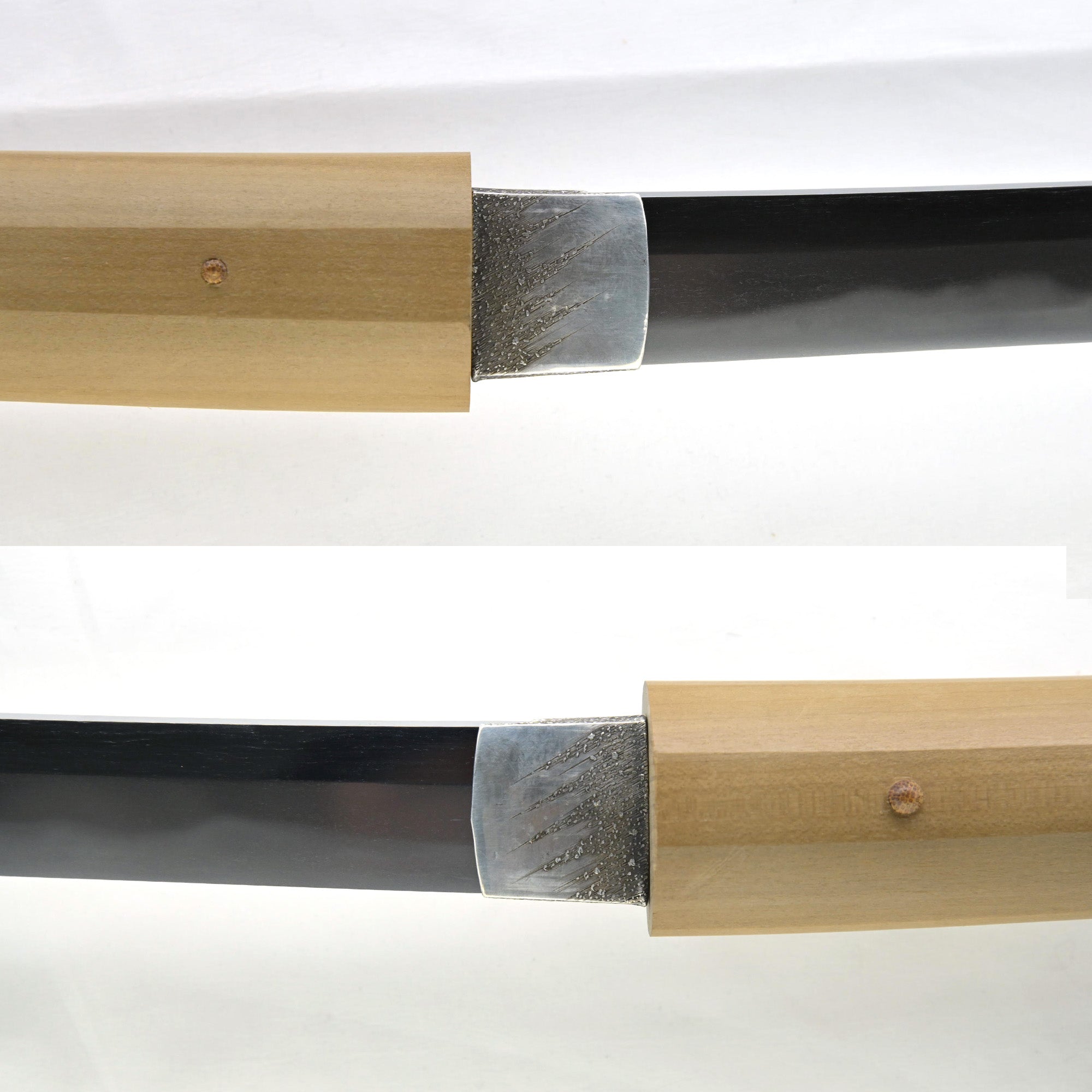
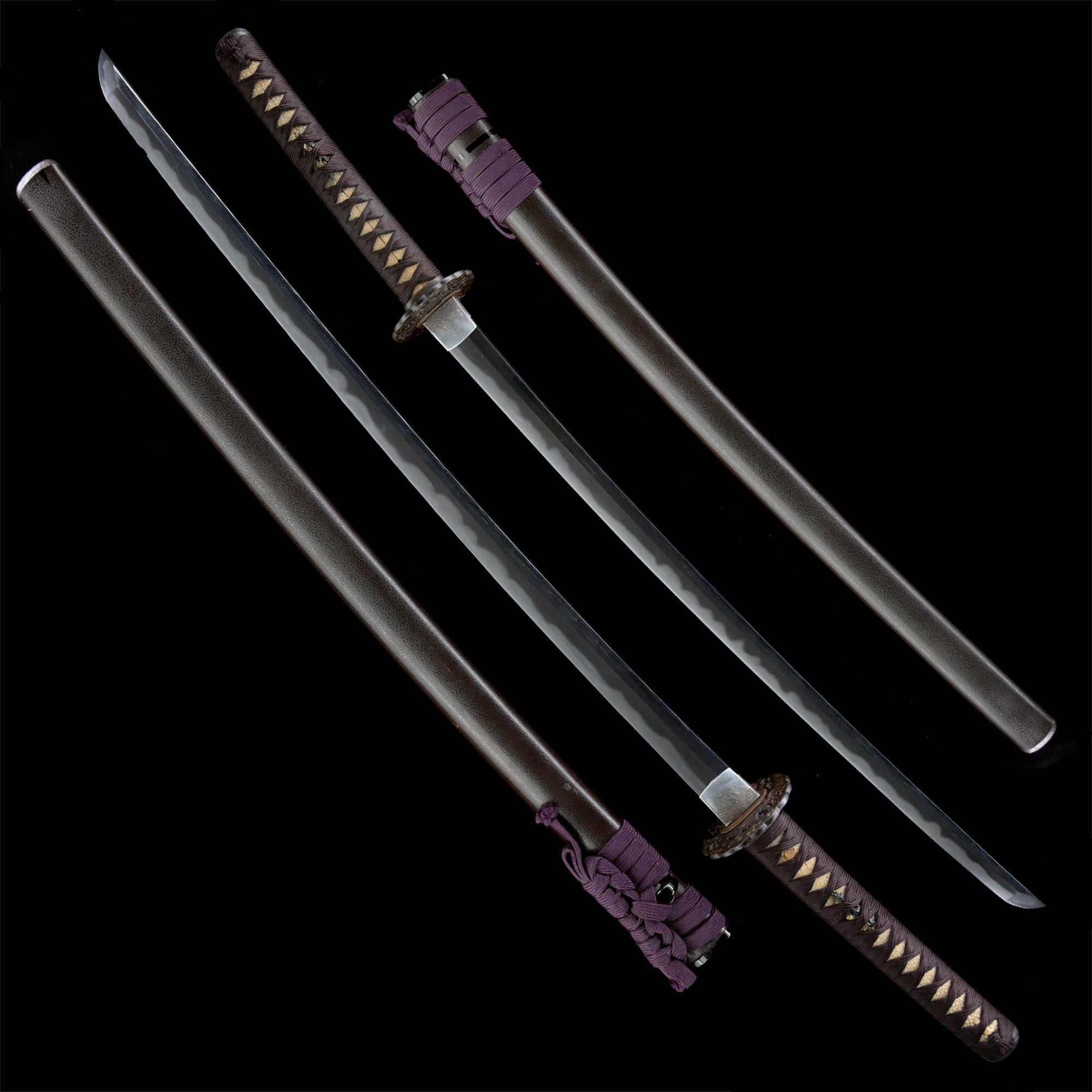
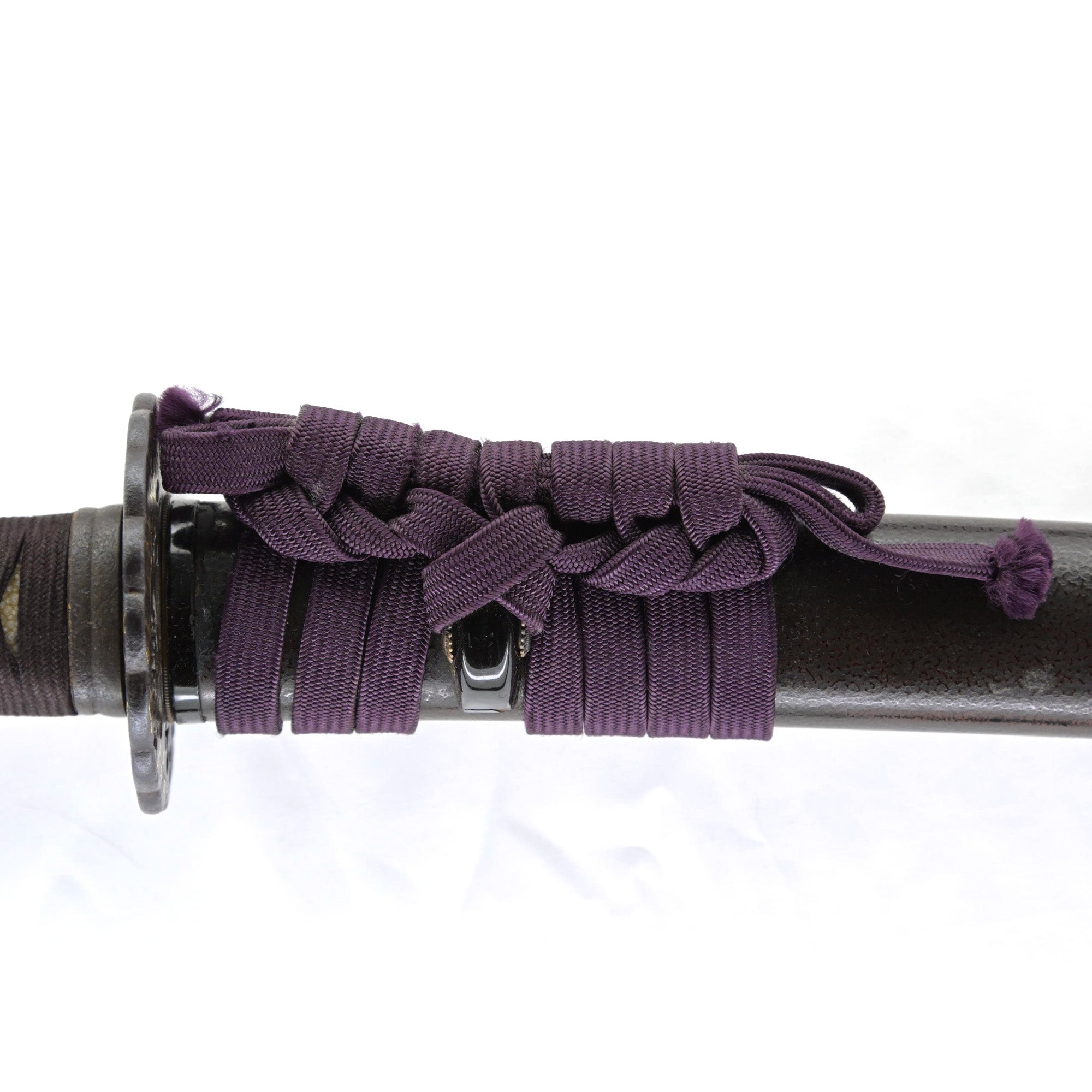
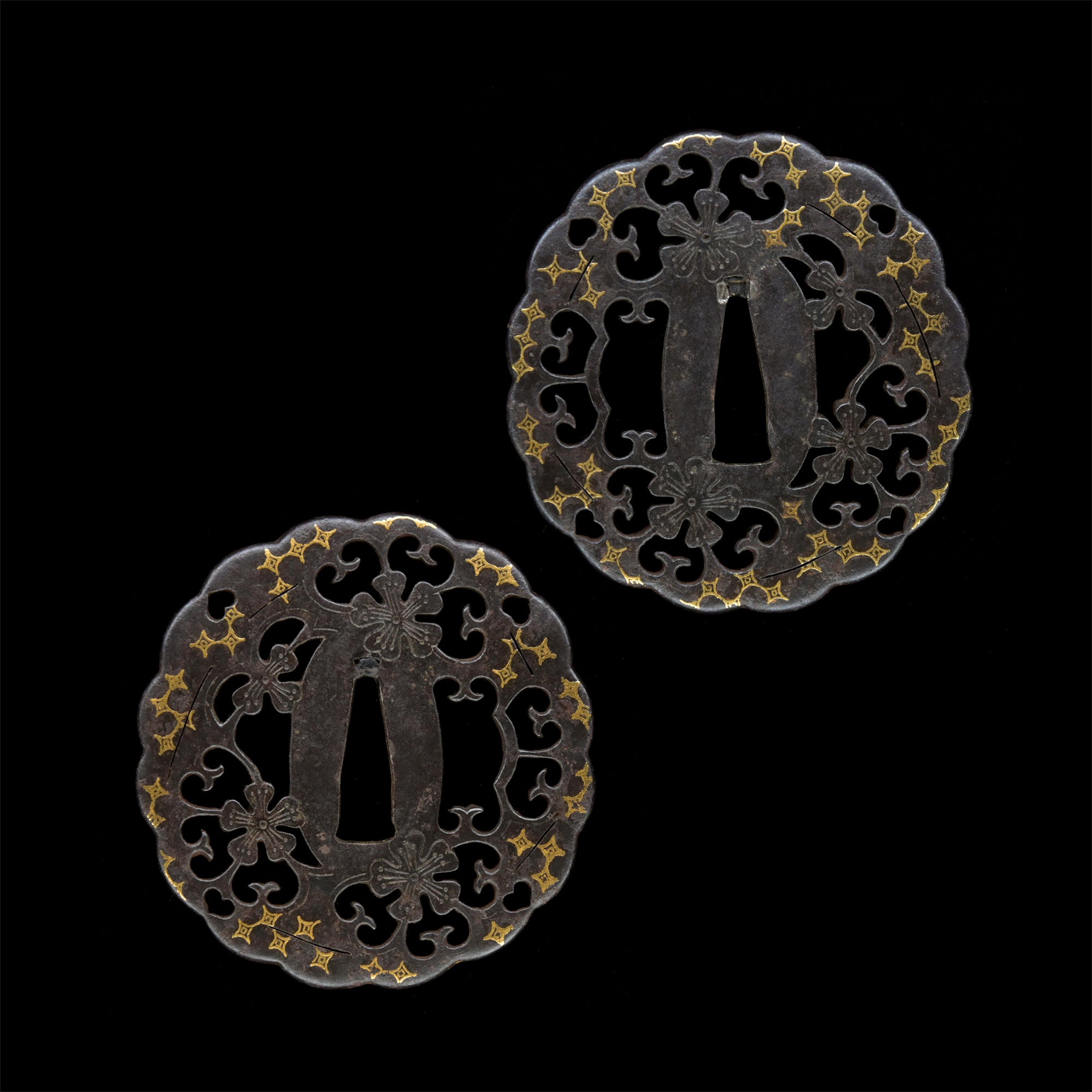
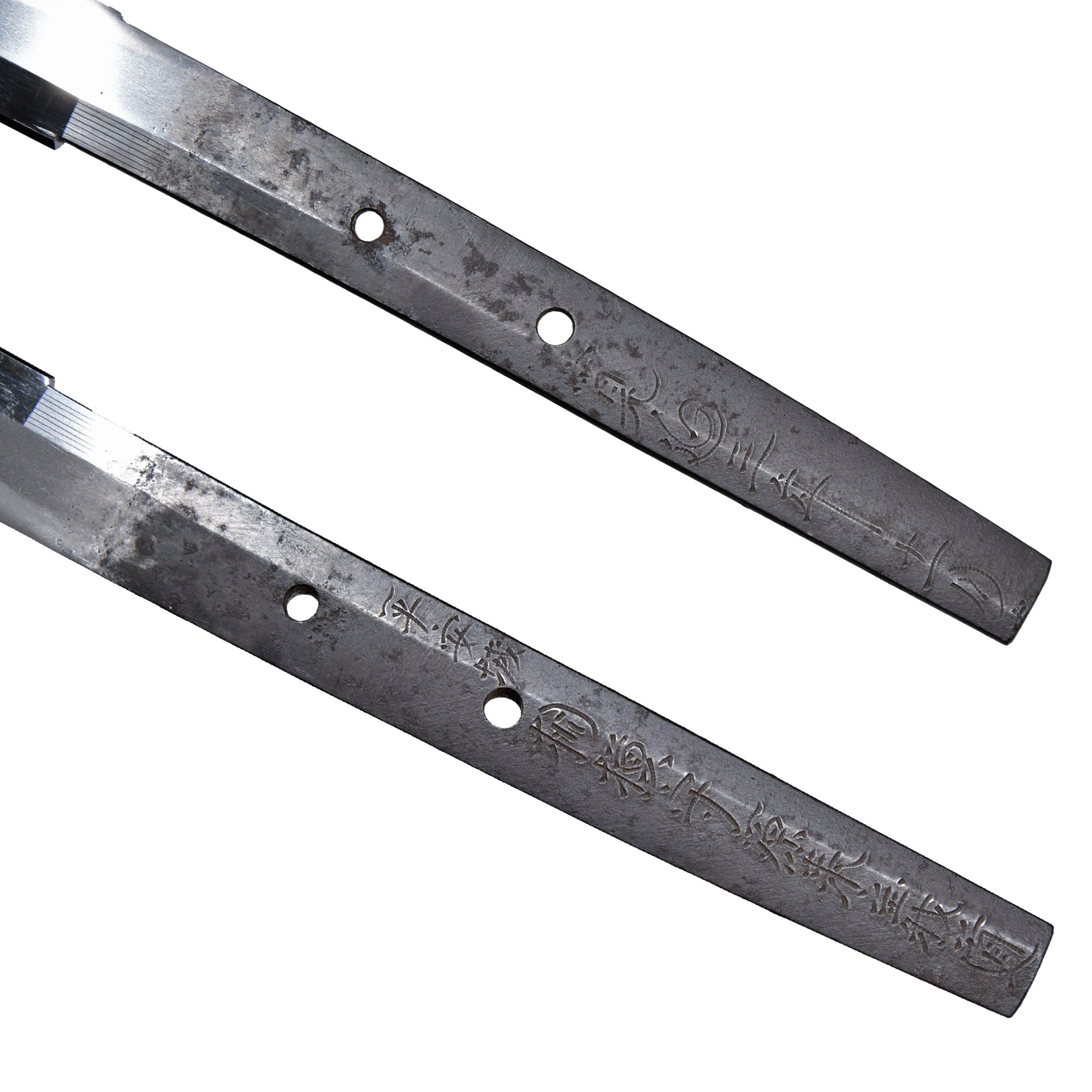
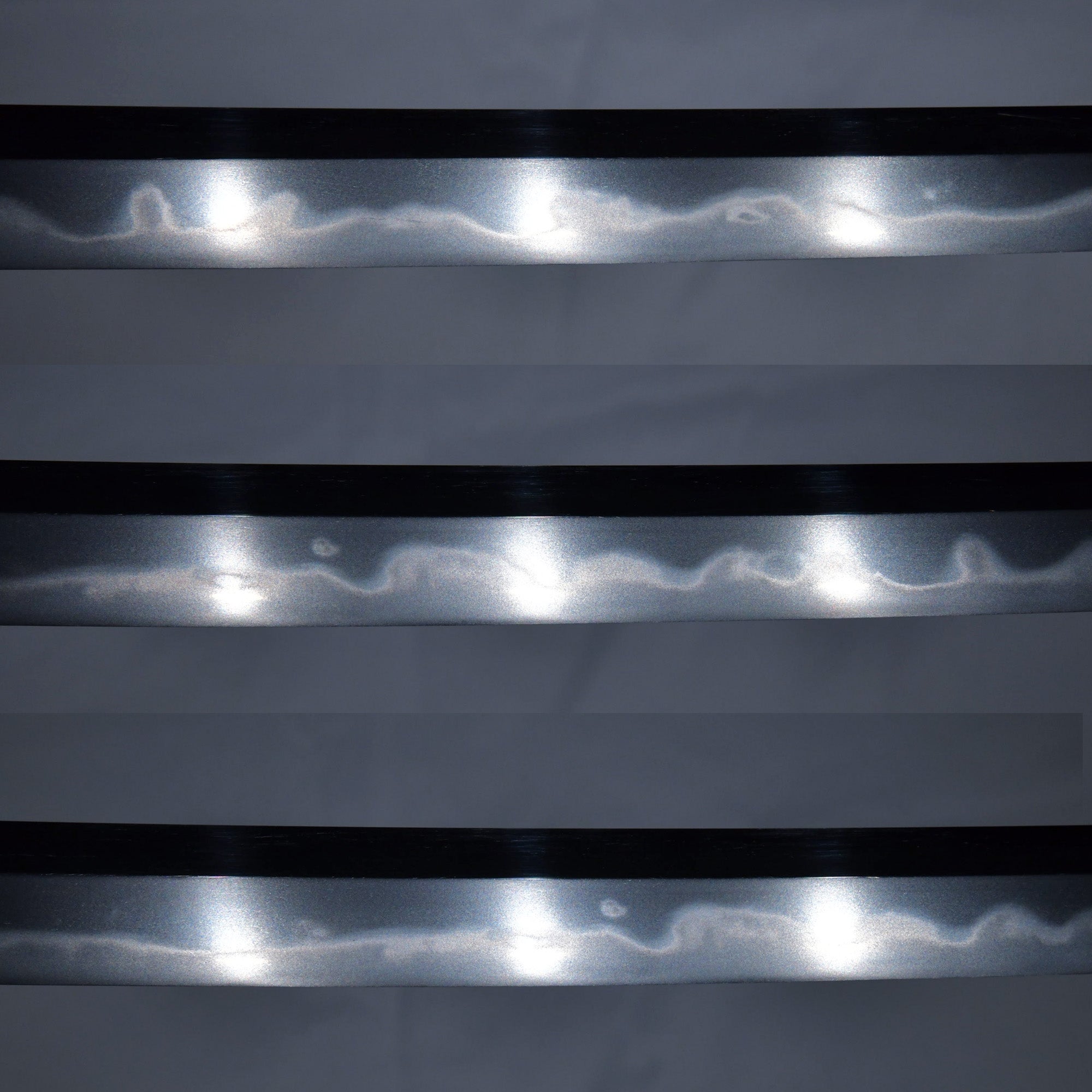
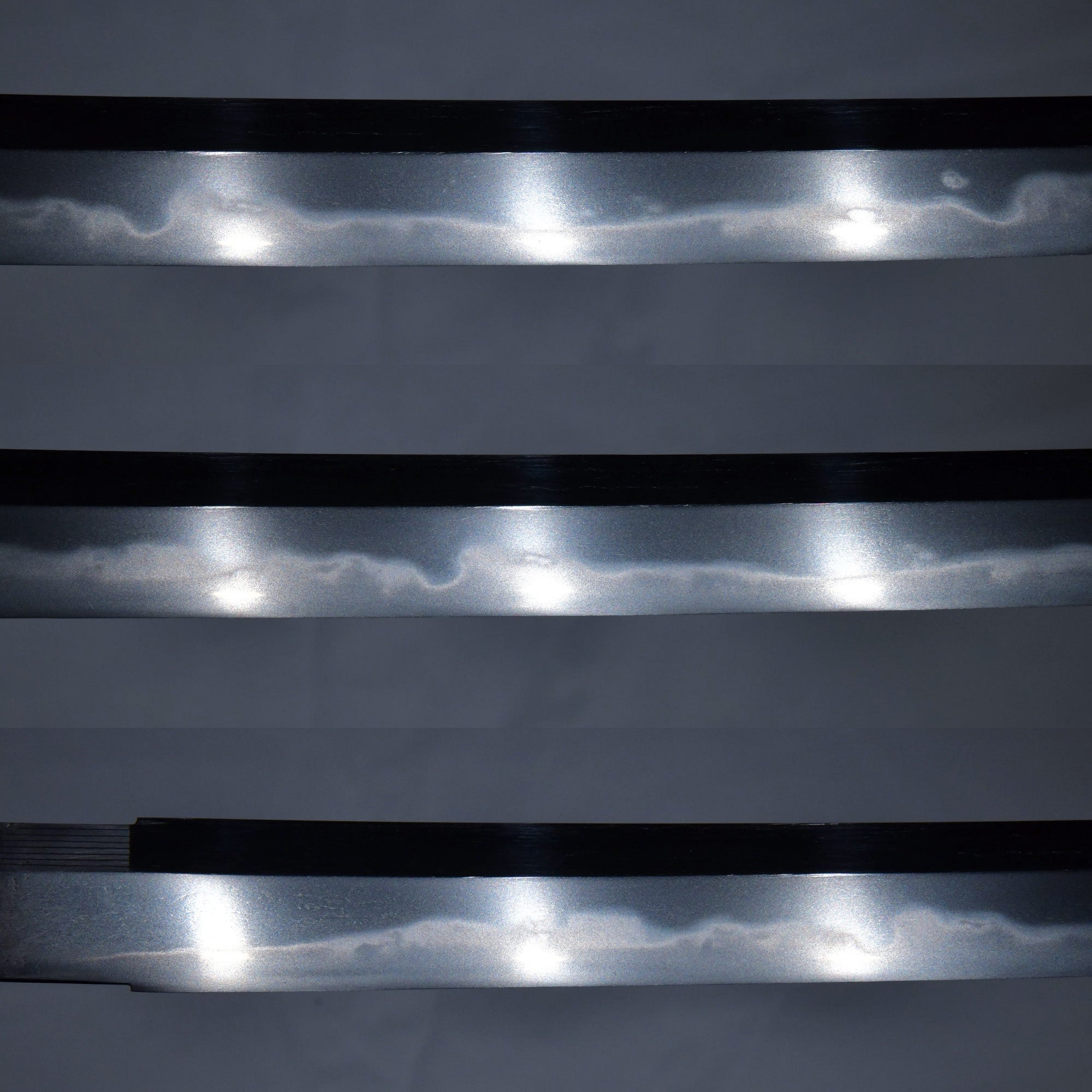
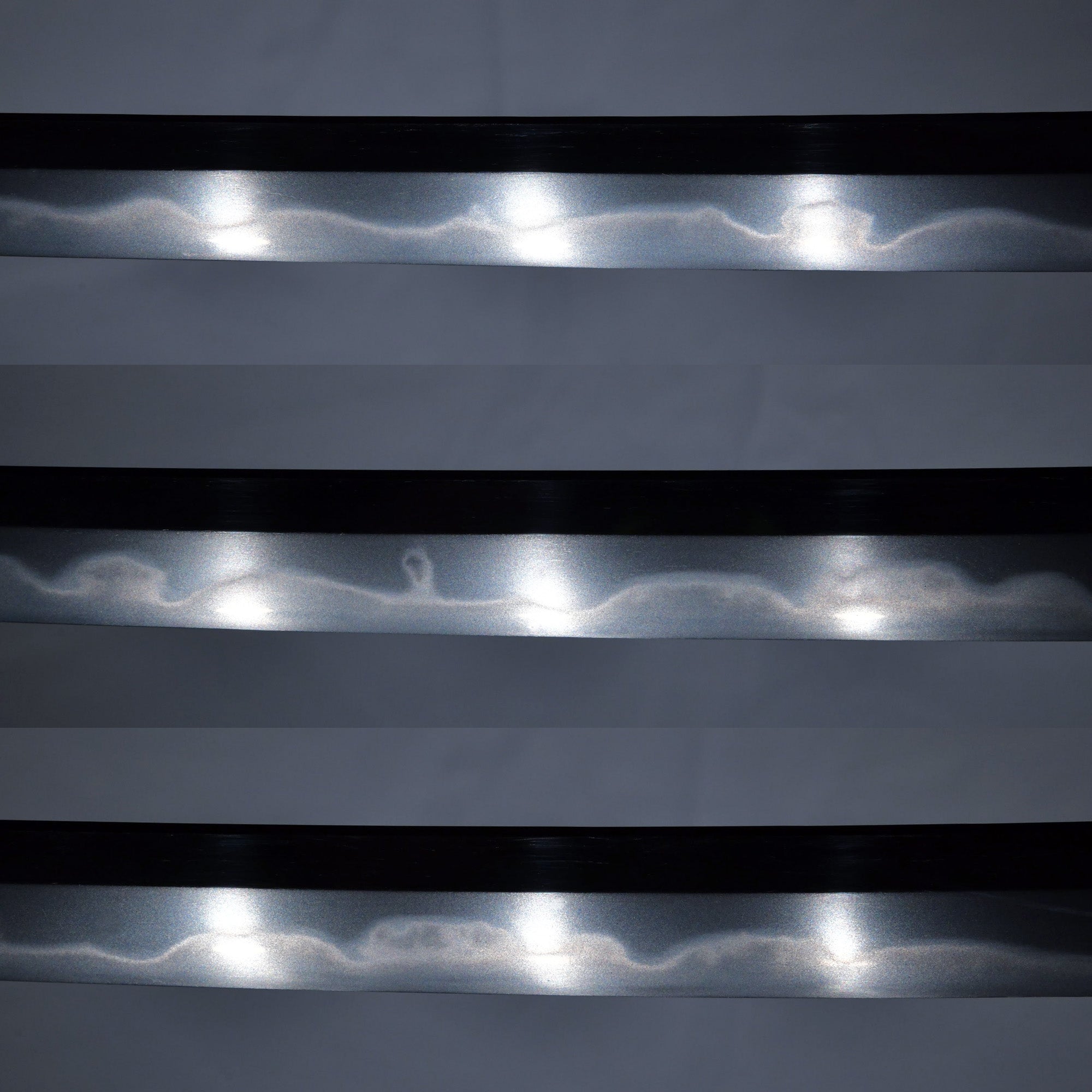
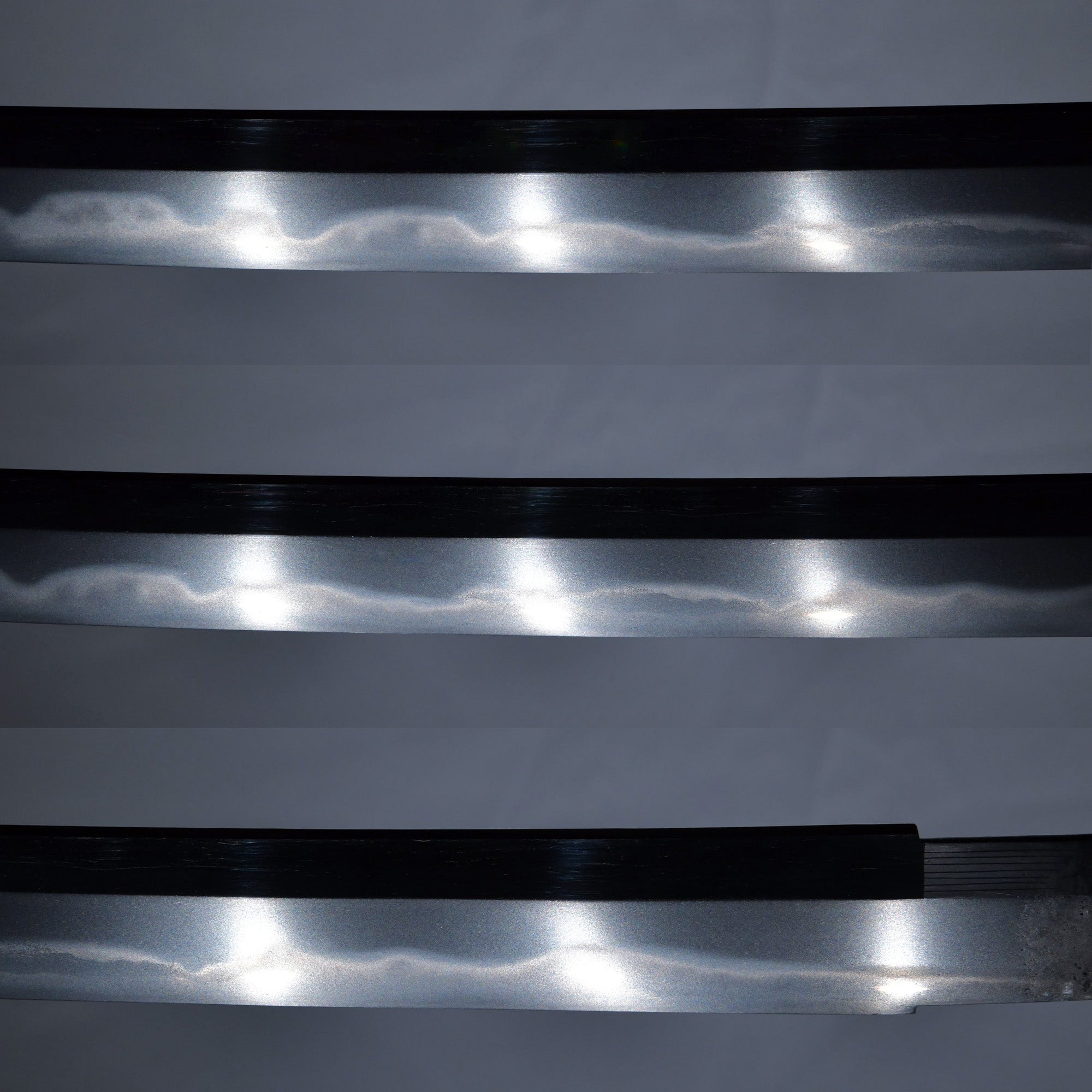
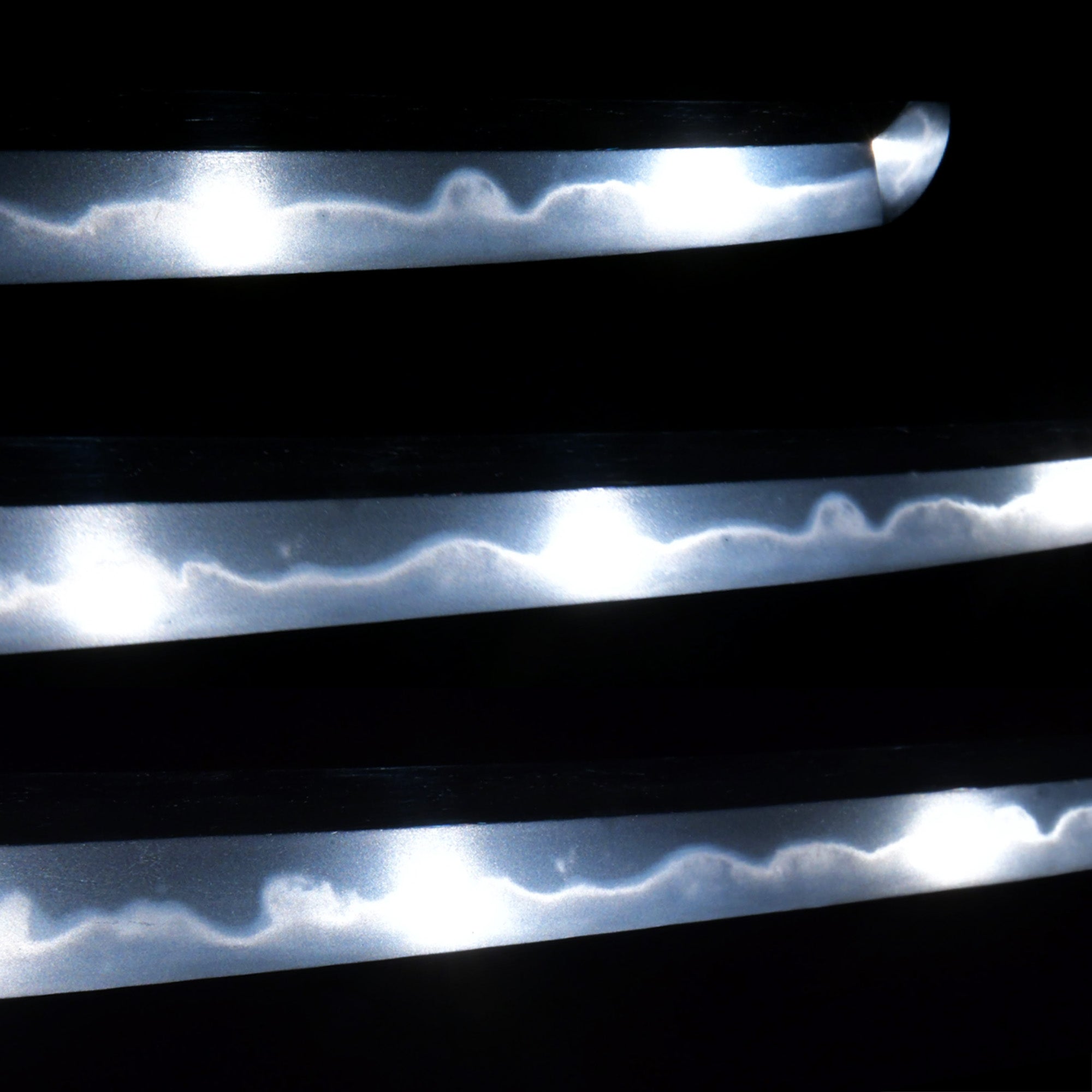
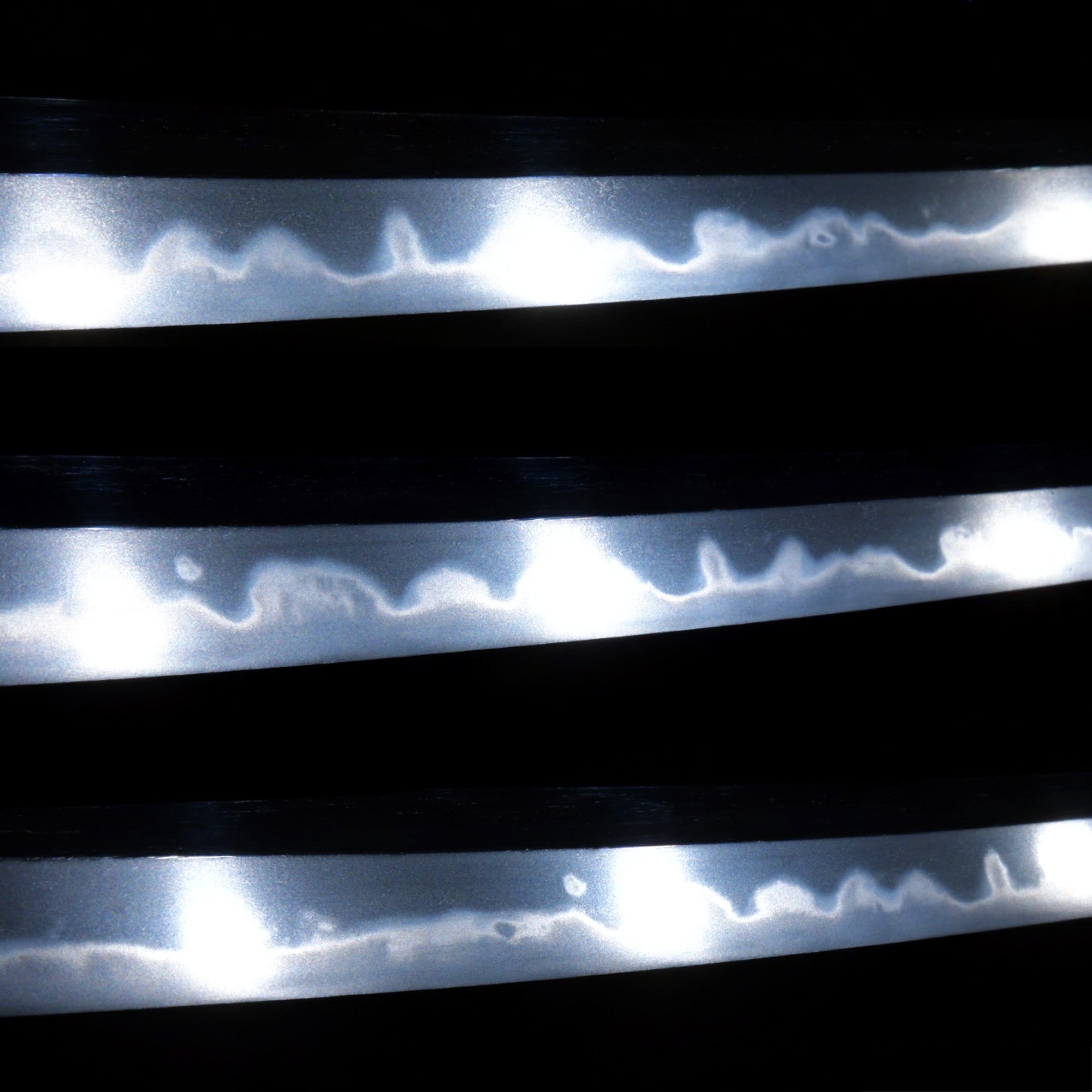
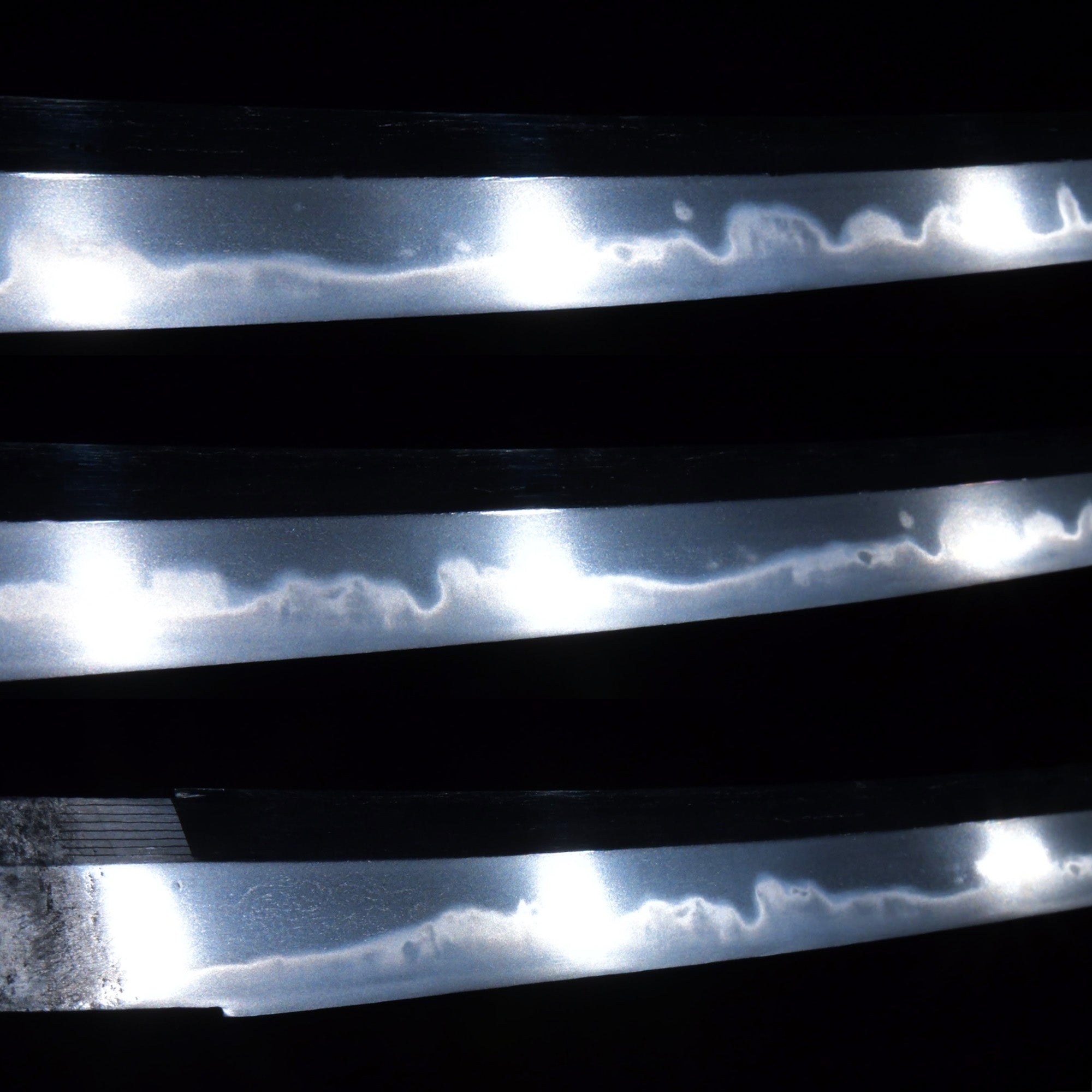
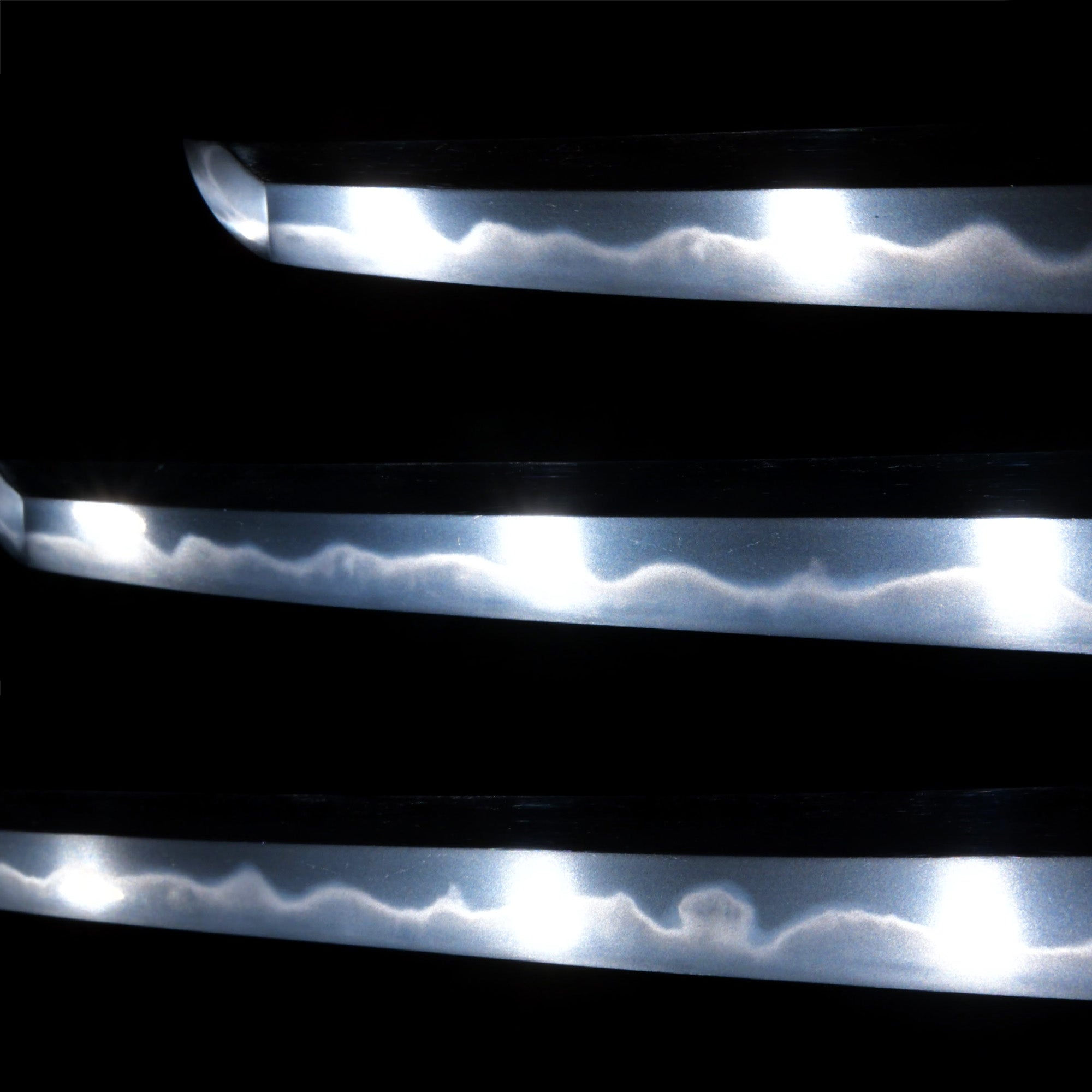
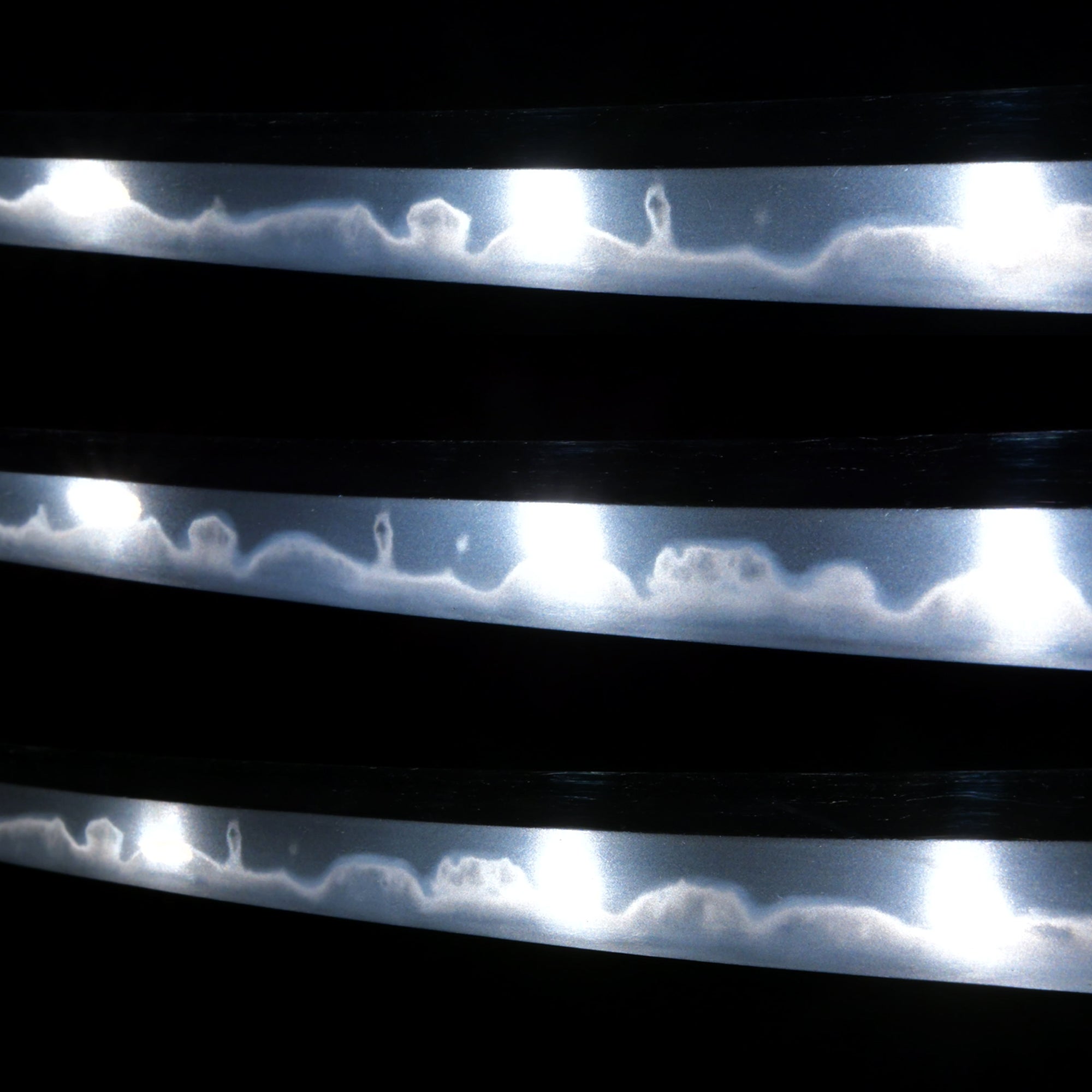
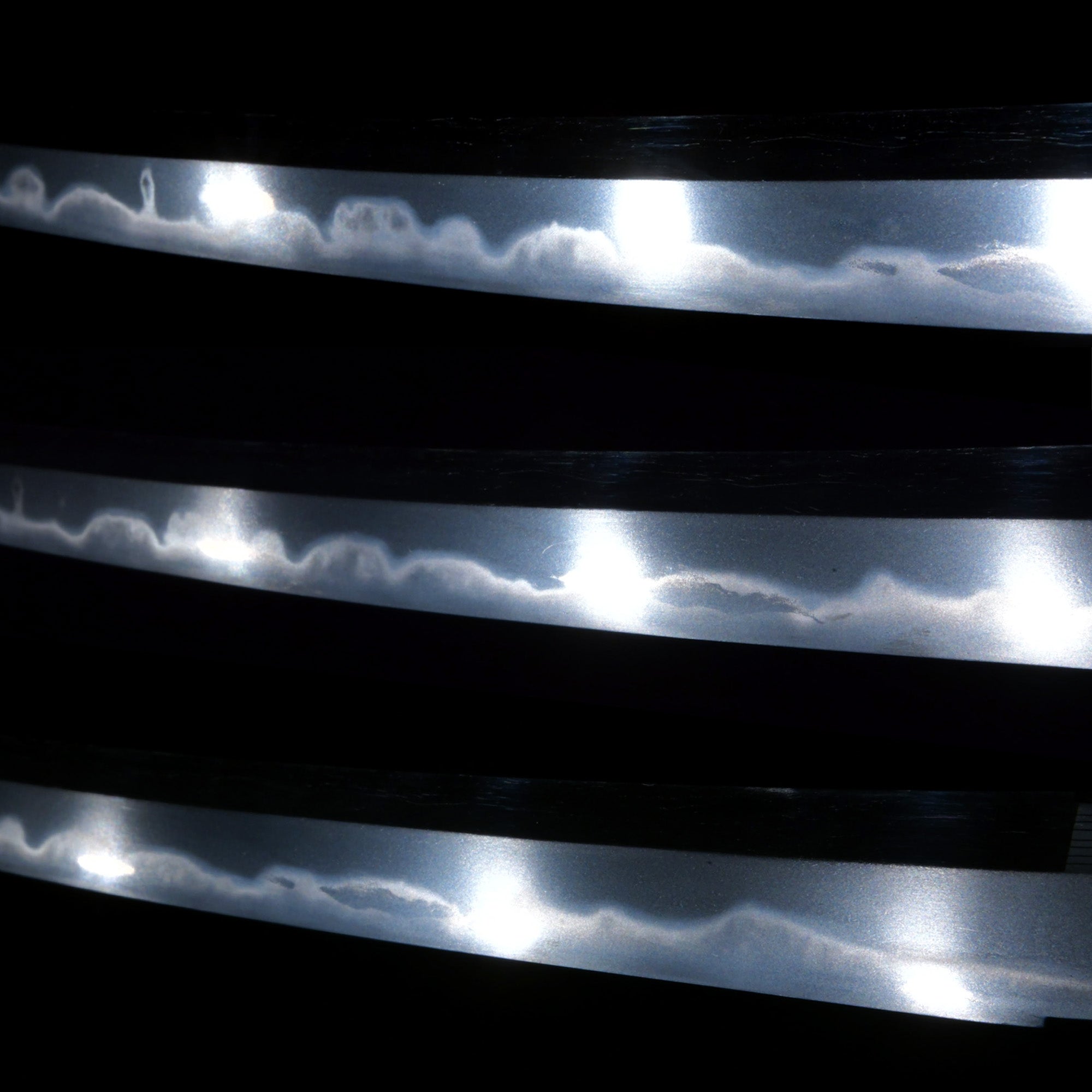
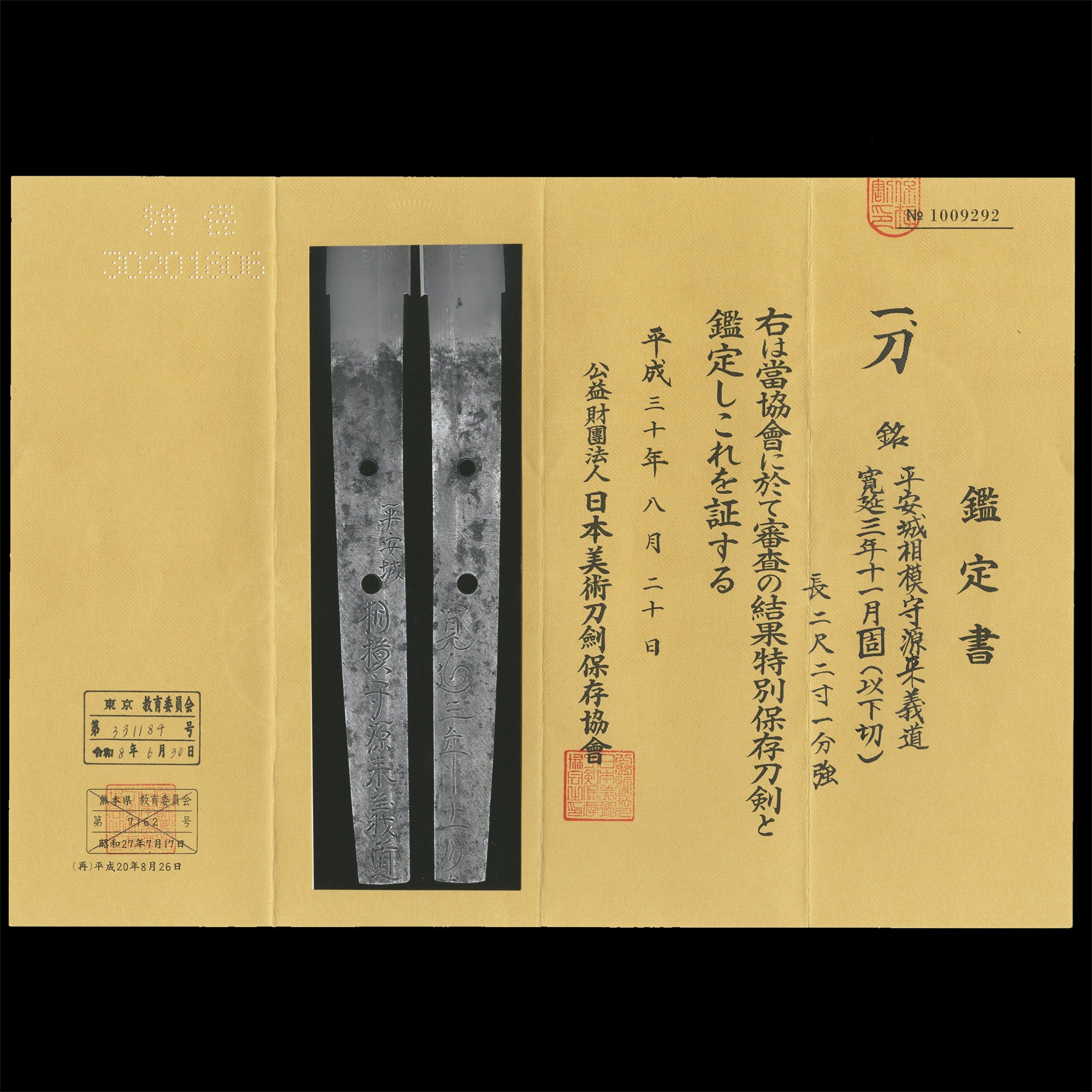
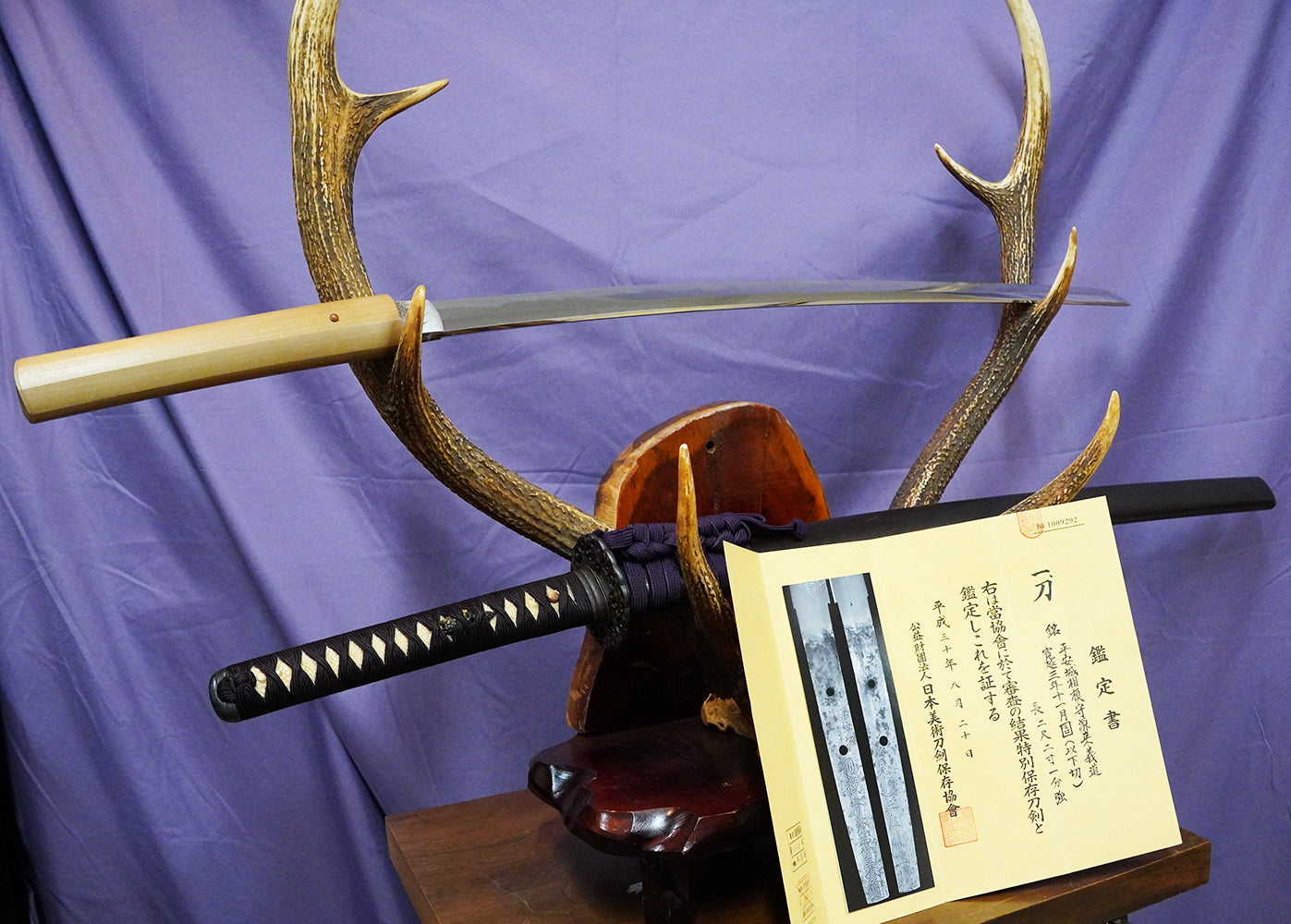
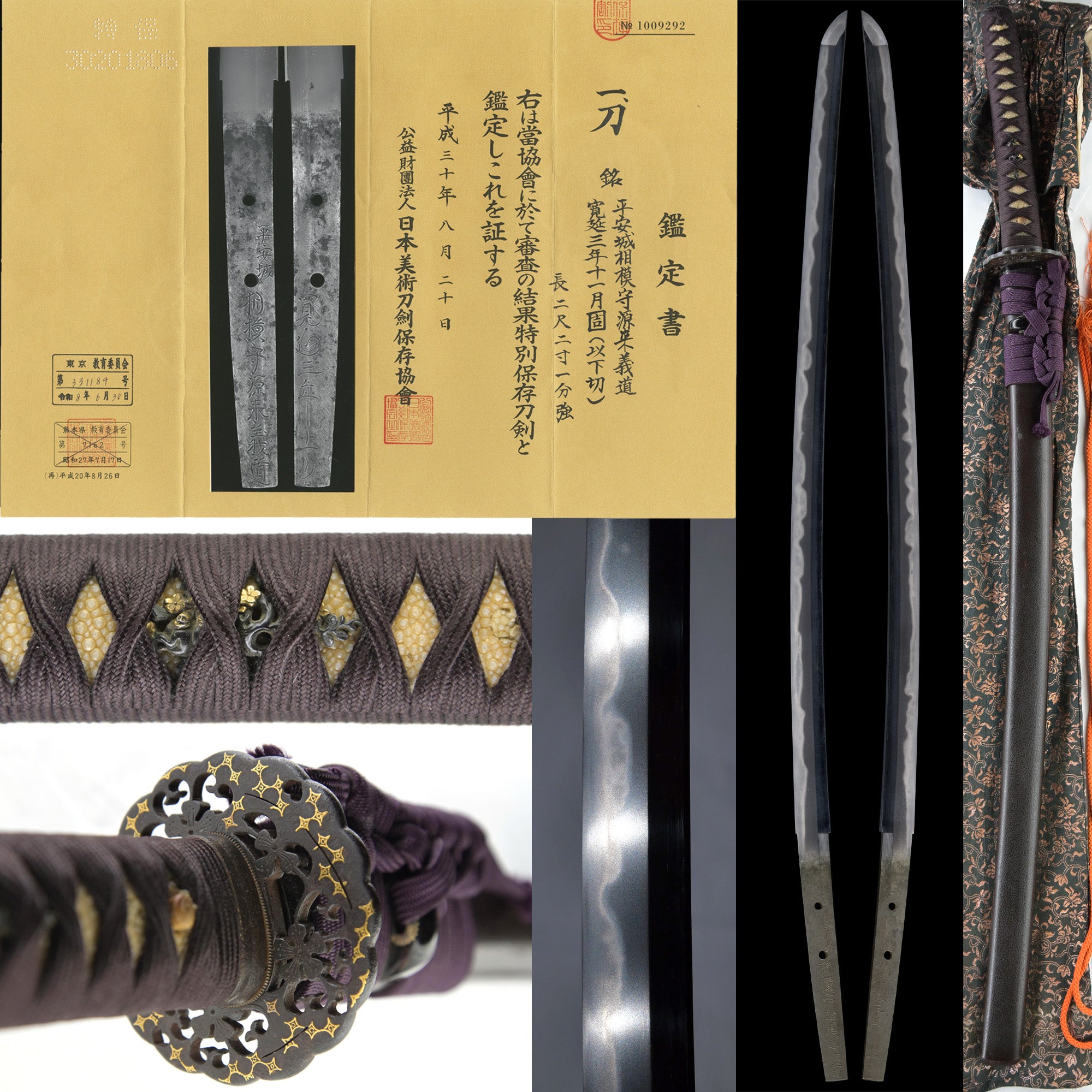
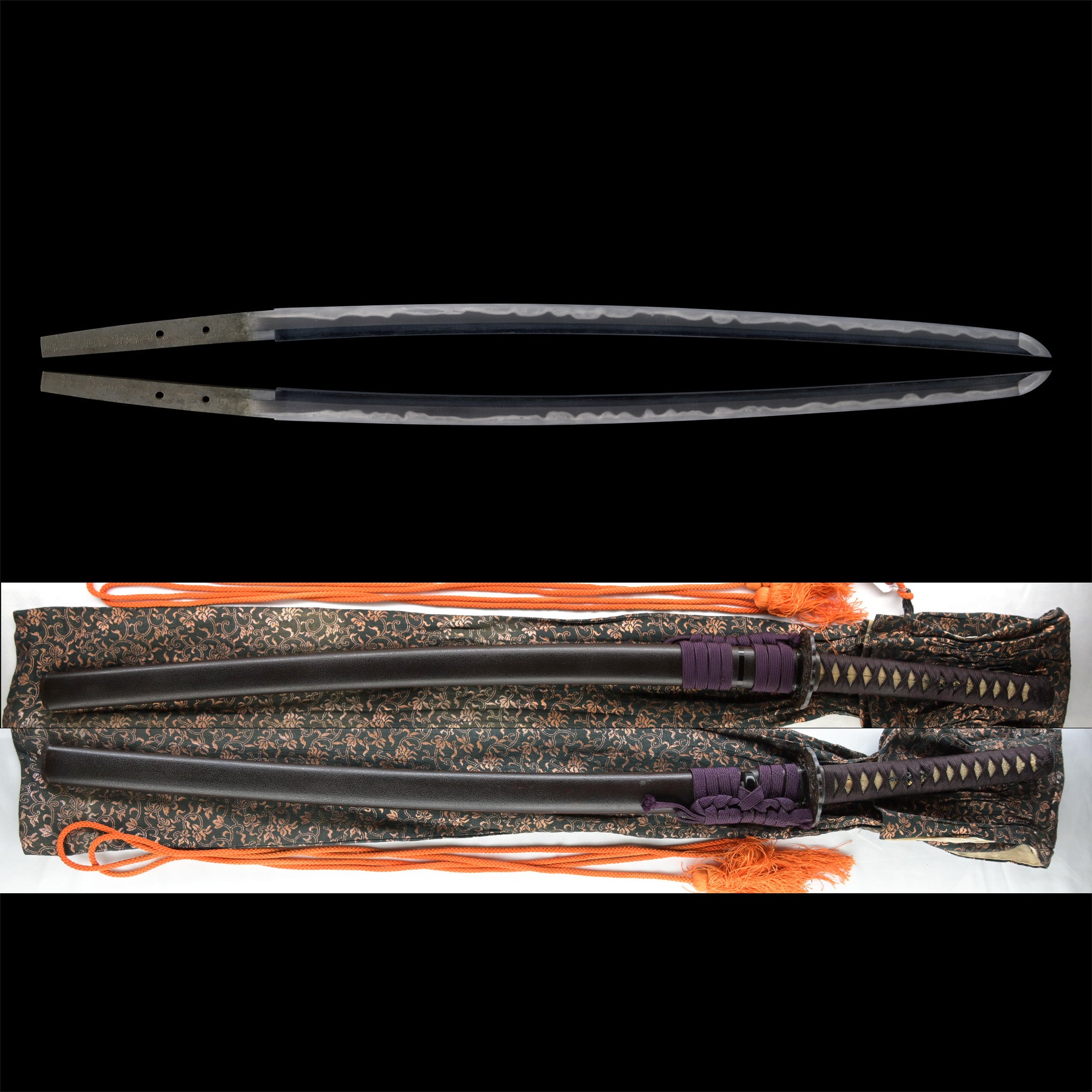
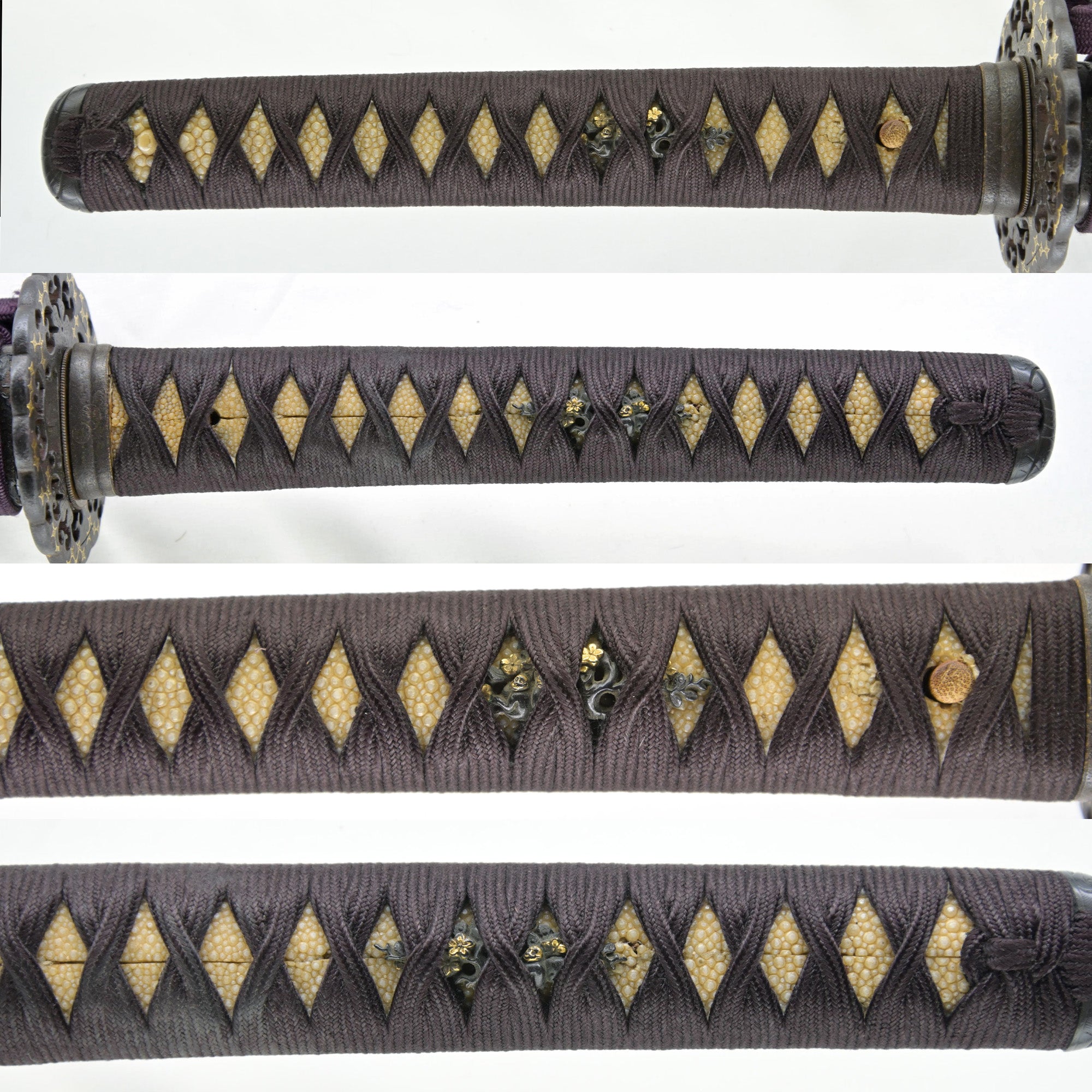
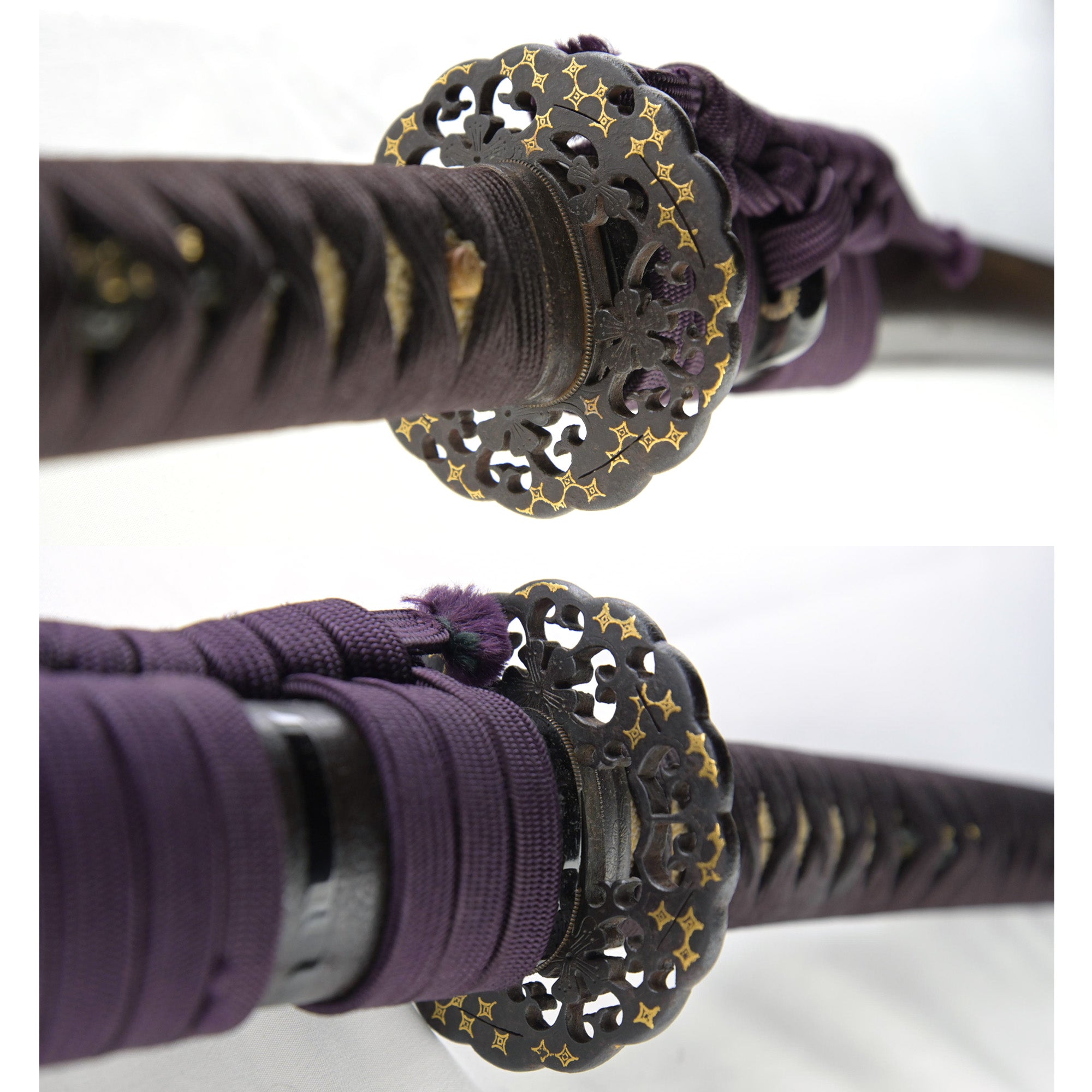
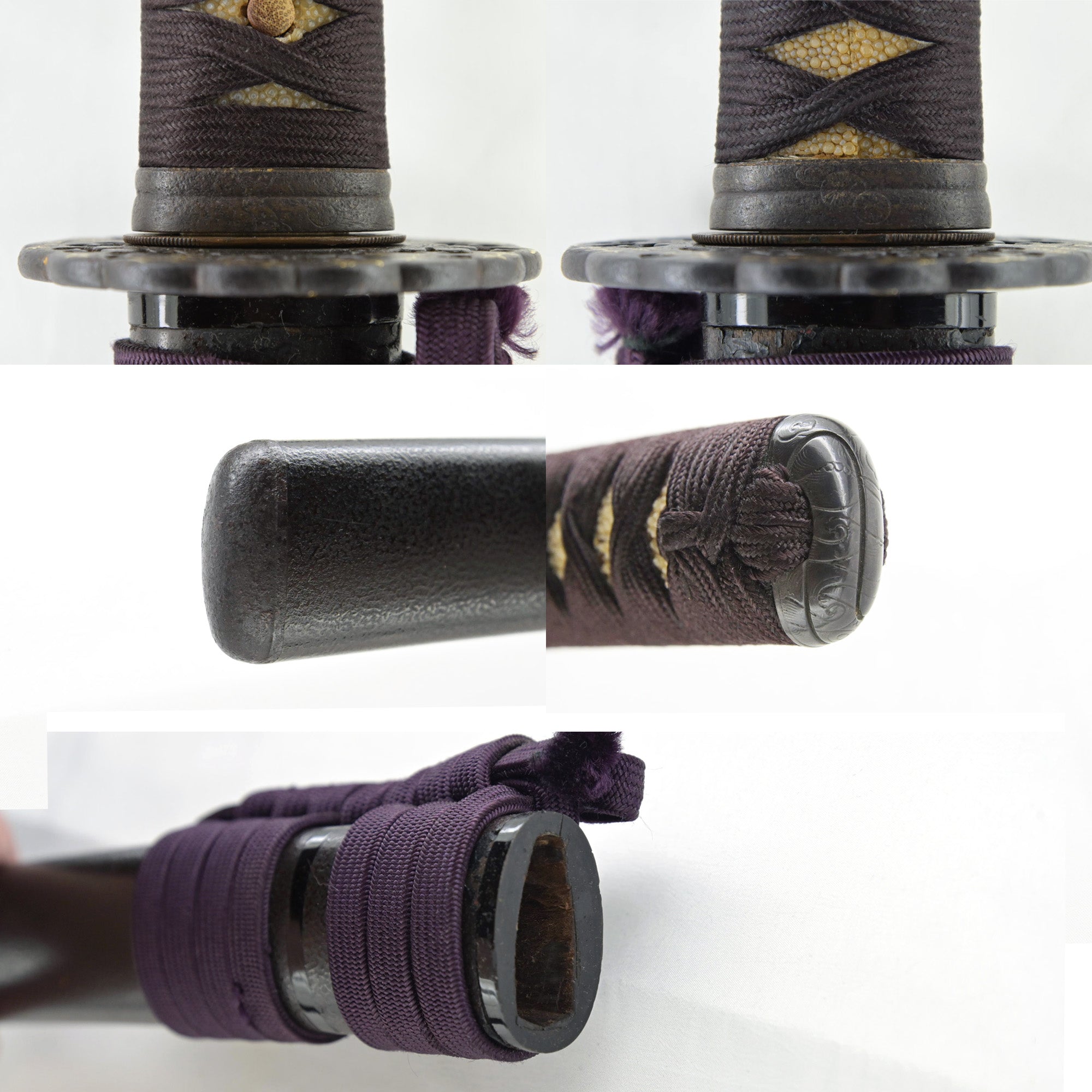
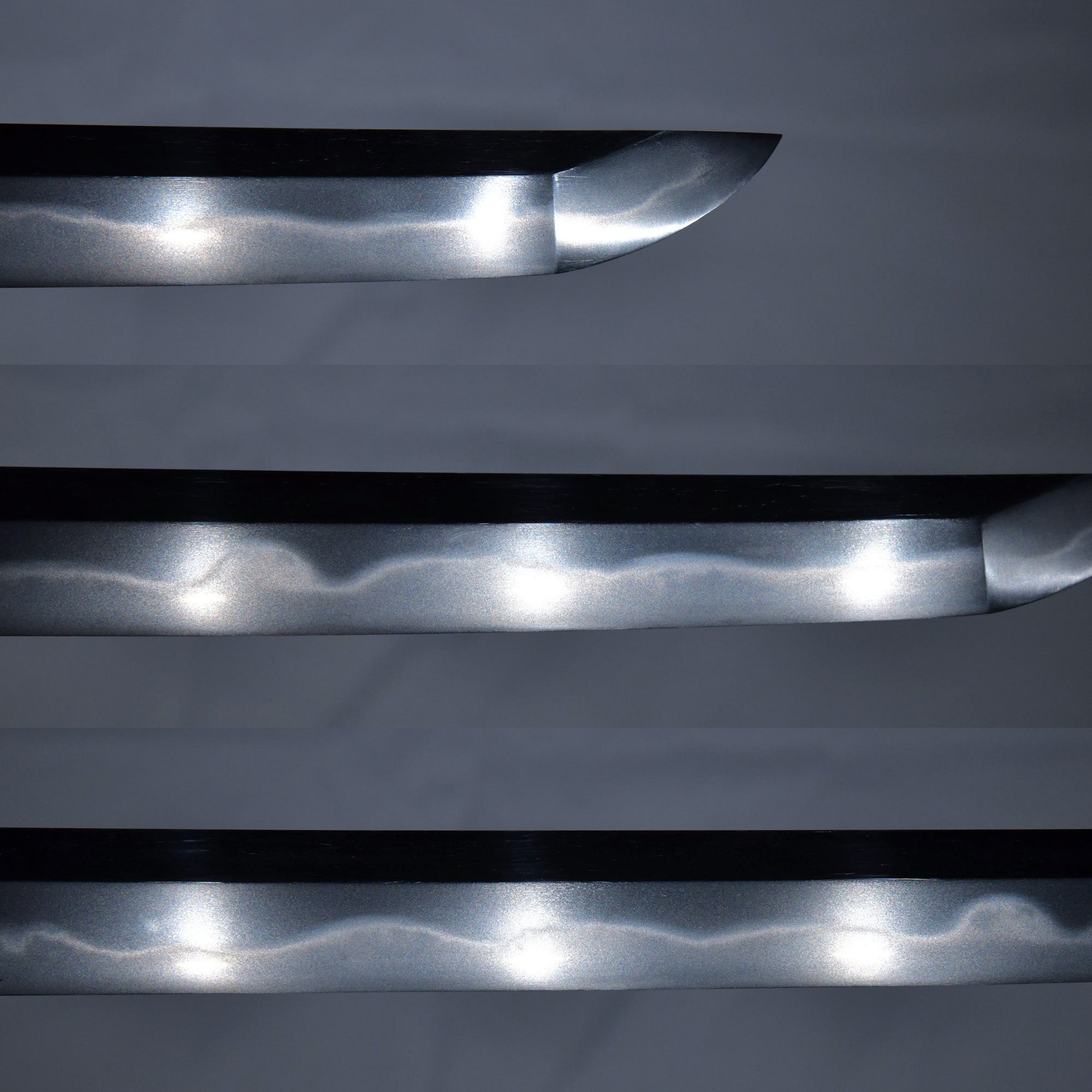
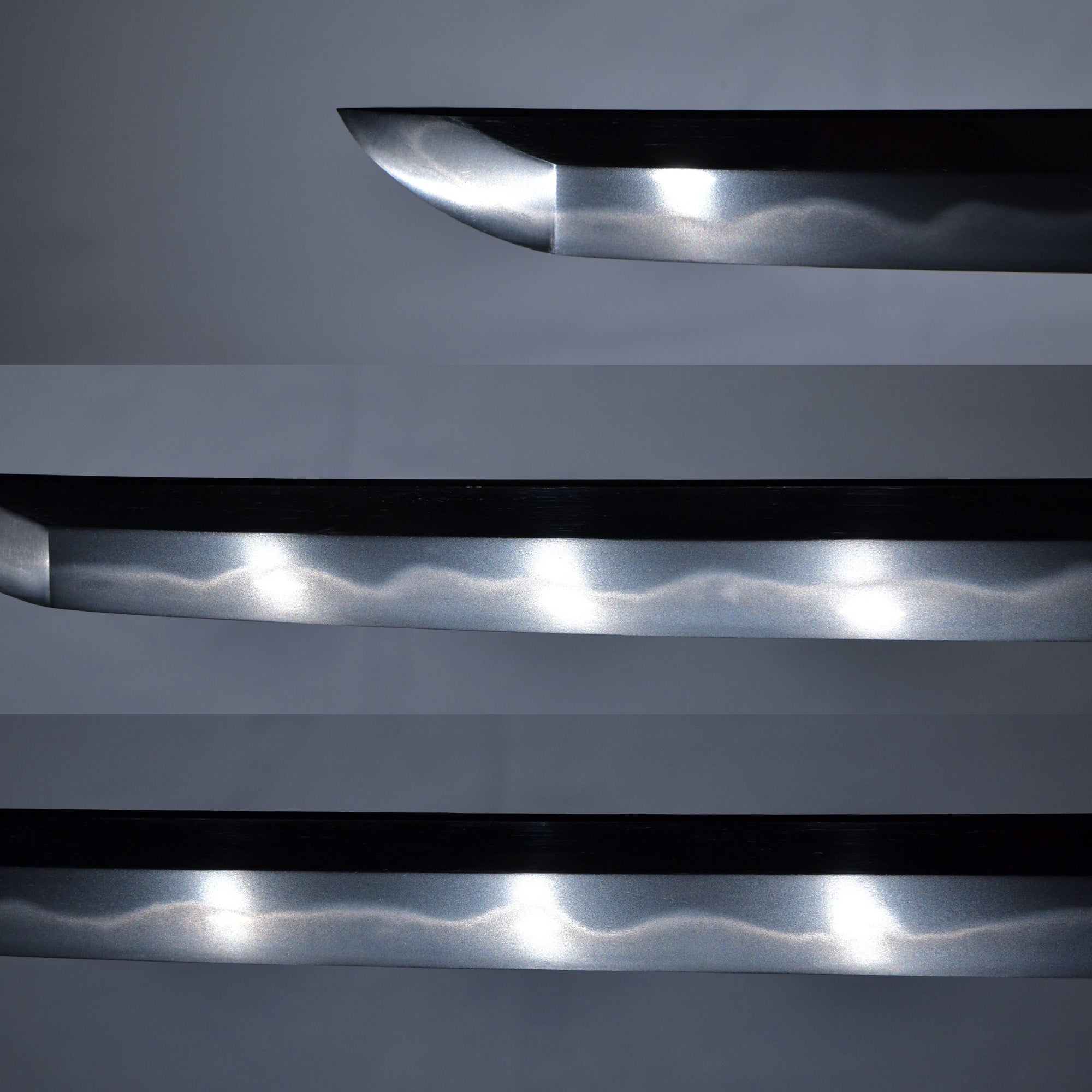
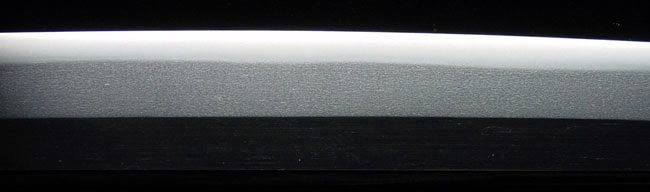
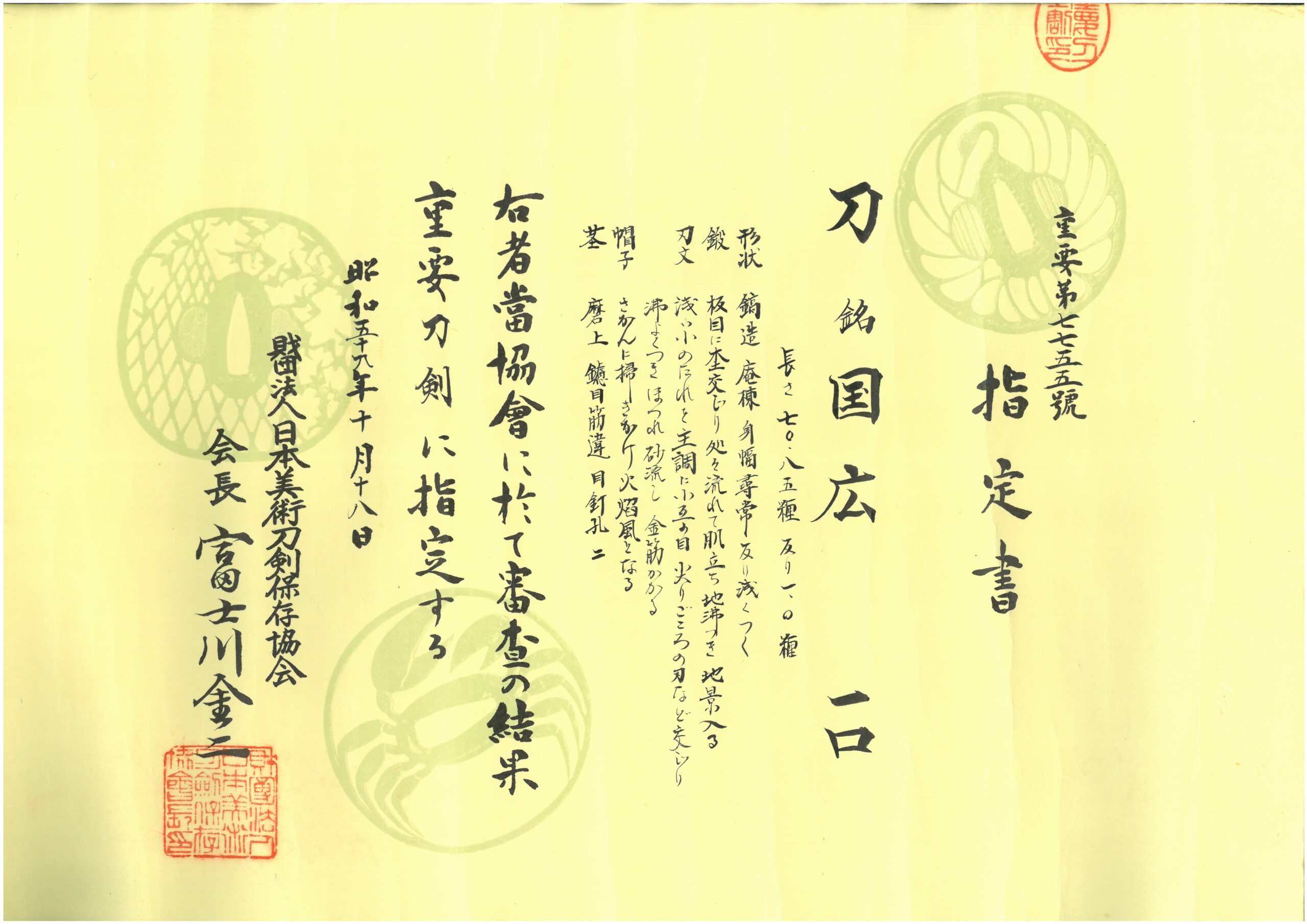
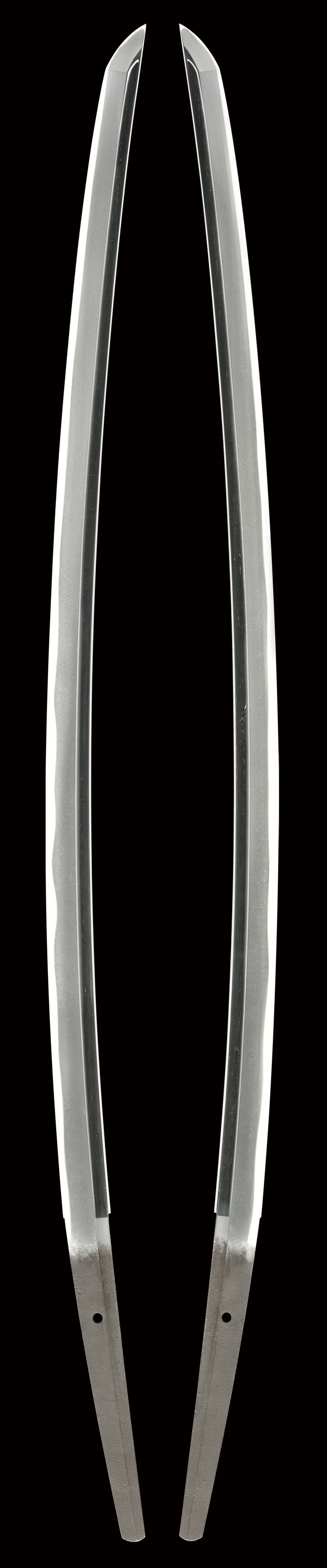
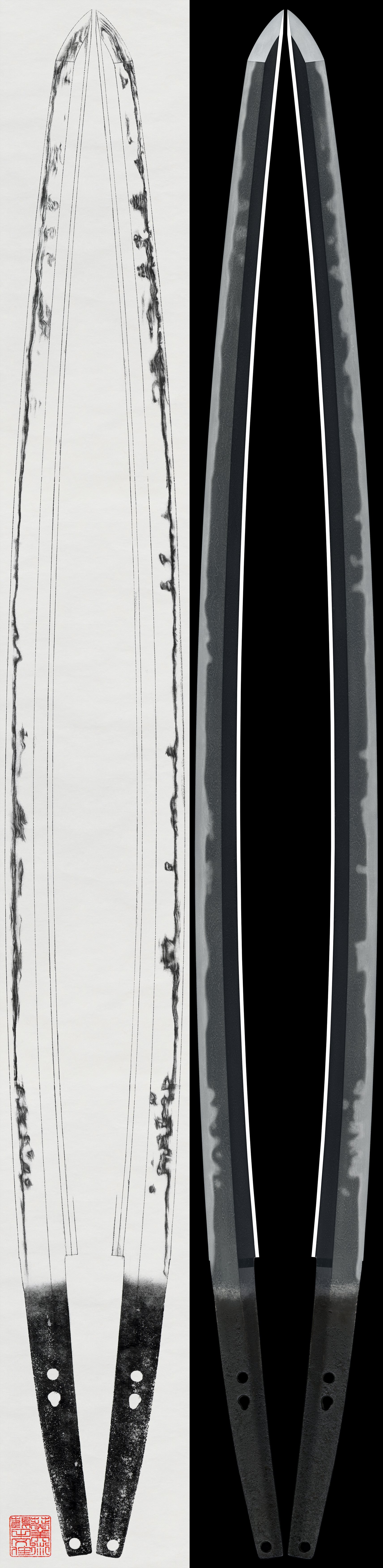
This antique katana, forged by the renowned Kyoto master Sagami no Kami Minamoto Rai Yoshimichi, is dated to an auspicious day in November, Kan'en 3 (1750 CE). Certified NBTHK Tokubetsu Hozon, it features a classic Kyō-yakidashi hamon transitioning into a brilliant gunome-chōji midare with rich nie and tobiyaki. The sword is preserved in an elegant Edo-period koshirae, highlighted by a rare Big Dipper inlaid tsuba, showcasing the sophistication of mid-Edo Kyoto craftsmanship.
mei · Rai Yoshimichi · Edo · nagasa 67.1cm · sori 1.1cm


Yamashiro · around 1744-1748
1 piece on the market now
A Hozon-certified blade judged to show notably superior workmanship and a better state of preservation. The bar is higher: re-tempered blades and most unsigned Muromachi/Edo works are excluded.
The NBTHK (Nihon Bijutsu Tōken Hozon Kyōkai, the Society for the Preservation of Japanese Art Swords) is a public-interest incorporated foundation founded in 1948 and supervised by Japan’s Agency for Cultural Affairs (Bunkachō); it is based at the Japanese Sword Museum in Tokyo. Its expert panels physically examine each submitted work (shinsa) and issue a certificate (kanteishō) ranking it by artistic and historical merit. NBTHK papers are the most widely recognized standard of authentication for Japanese swords and fittings.
NBTHK official siteReturns accepted only for errors/damage: damaged or incorrect items reported by email within 10 calendar days; defective goods within 30 calendar days.
This antique katana, forged by the renowned Kyoto master Sagami no Kami Minamoto Rai Yoshimichi, is dated to an auspicious day in November, Kan'en 3 (1750 CE). Certified NBTHK Tokubetsu Hozon, it features a classic Kyō-yakidashi hamon transitioning into a brilliant gunome-chōji midare with rich nie and tobiyaki. The sword is preserved in an elegant Edo-period koshirae, highlighted by a rare Big Dipper inlaid tsuba, showcasing the sophistication of mid-Edo Kyoto craftsmanship.
mei · Rai Yoshimichi · Edo · nagasa 67.1cm · sori 1.1cm


Yamashiro · around 1744-1748
1 piece on the market now
A Hozon-certified blade judged to show notably superior workmanship and a better state of preservation. The bar is higher: re-tempered blades and most unsigned Muromachi/Edo works are excluded.
The NBTHK (Nihon Bijutsu Tōken Hozon Kyōkai, the Society for the Preservation of Japanese Art Swords) is a public-interest incorporated foundation founded in 1948 and supervised by Japan’s Agency for Cultural Affairs (Bunkachō); it is based at the Japanese Sword Museum in Tokyo. Its expert panels physically examine each submitted work (shinsa) and issue a certificate (kanteishō) ranking it by artistic and historical merit. NBTHK papers are the most widely recognized standard of authentication for Japanese swords and fittings.
NBTHK official siteReturns accepted only for errors/damage: damaged or incorrect items reported by email within 10 calendar days; defective goods within 30 calendar days.