Edo was the sword’s age of connoisseurship: the Hon’ami appraisers, the shogunal register of famous blades of 1719, and a thriving literature turned the sword into an object of study even as it ceased to be drawn in war.
 NihontoWatchNihontoWatch
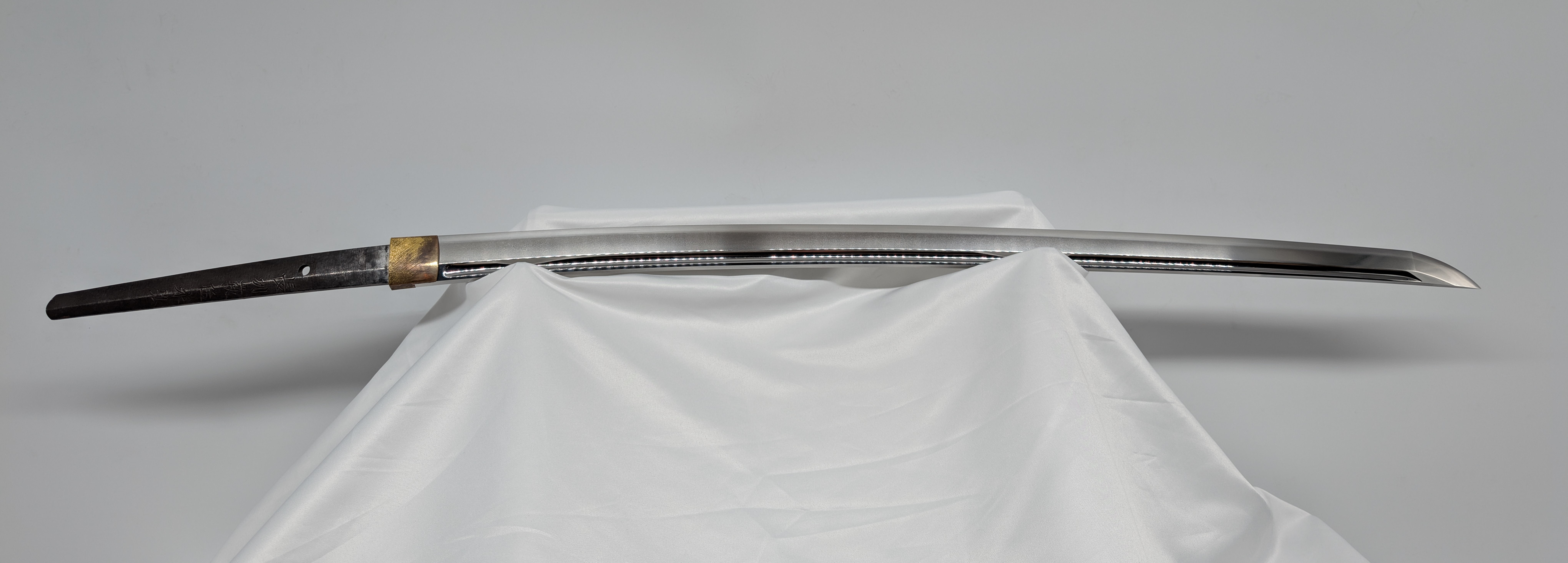
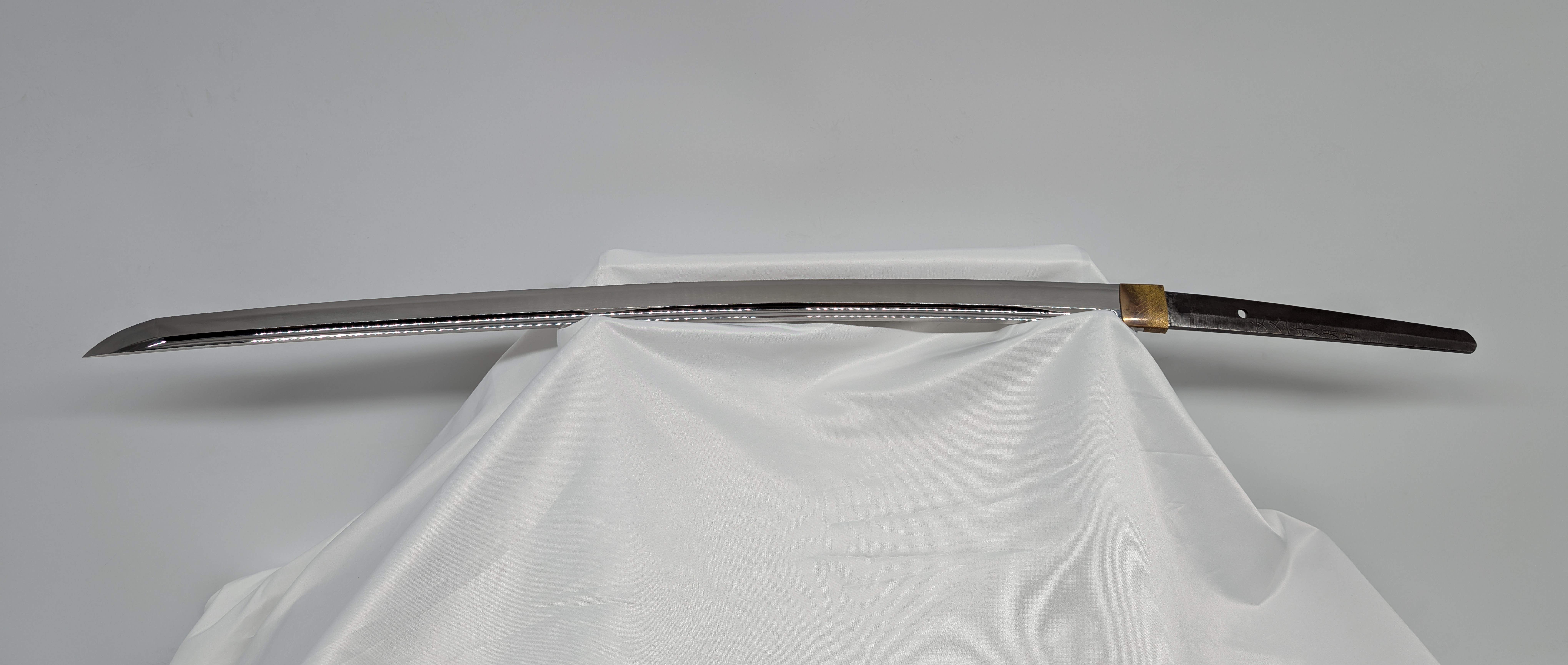
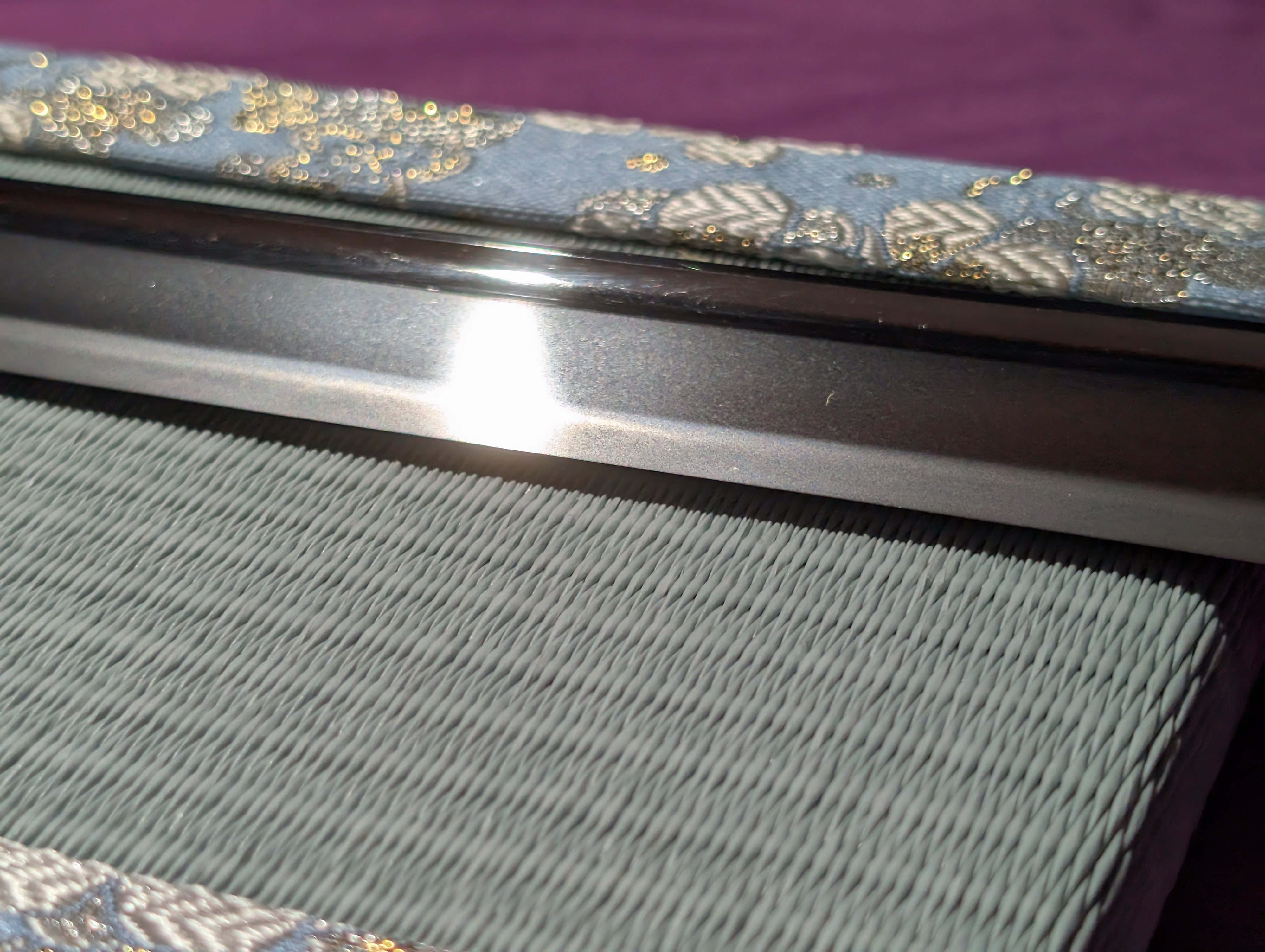
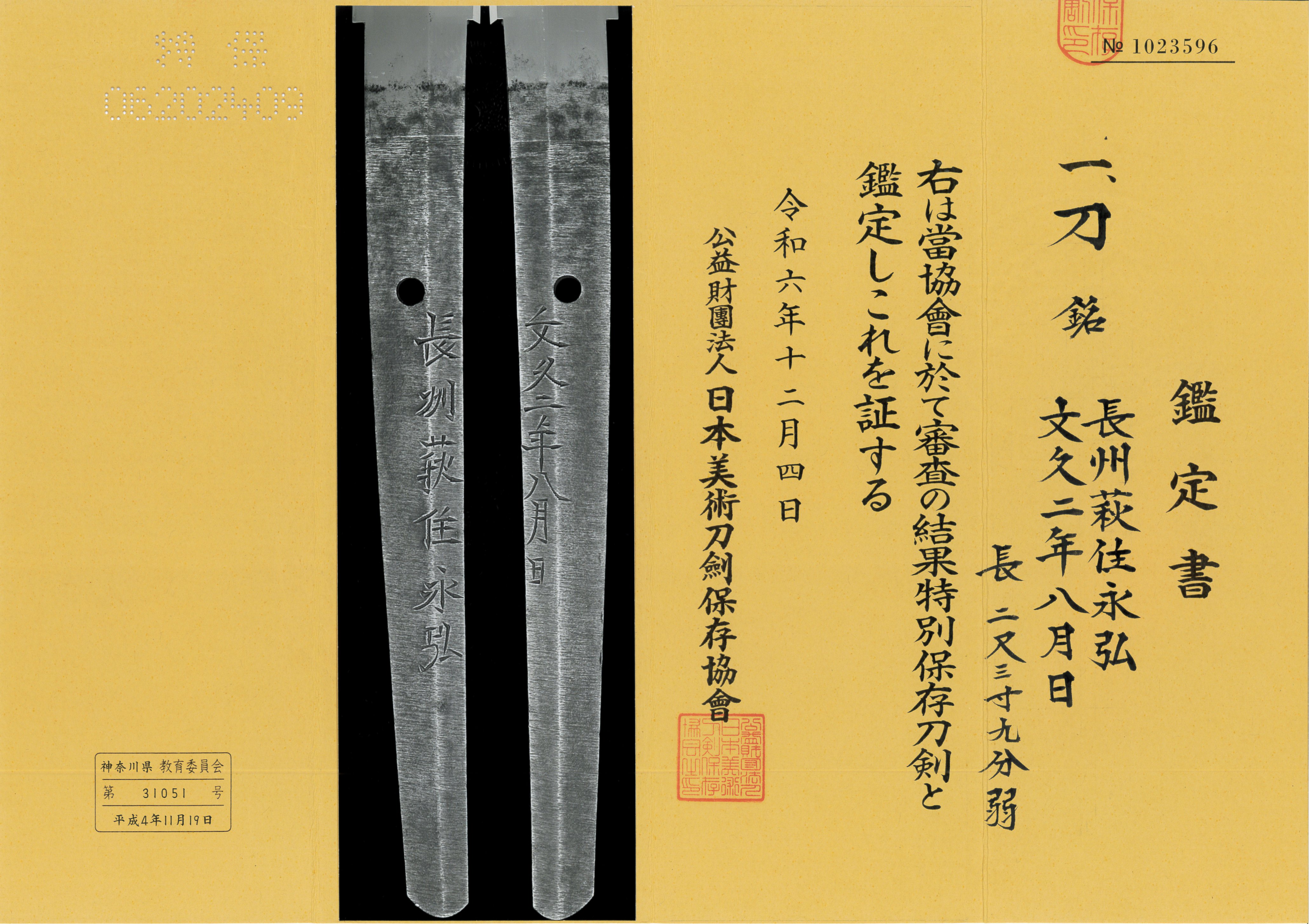
With the continuing trend toward less functional, flamboyant blades during the Edo Period, concerns of durability led to a movement within the nihonto world to return to Koto Era swordsmithing traditions, creating simpler, albeit useful nihonto. This need for practical weapons was well-founded, especially as foreign influence foreshadowed the coming of another civil war on Japanese soil. This change in political structure, alongside the shift in swordmaking philosophy, will be analyzed through a katana forged by Choshu Nagahiro, a swordsmith operating in the hotbed of anti-Tokugawa sentiments. The blade is finely forged, standing out from the generally inferior blades made in the late Edo Period and Meiji Period, expressing carefully managed dimensions in a clear homage to the ancient blades of the Koto Era. The blade’s surface is stunning, being forged from an extremely tight ko-itame hada reminiscent of Bizen works. The steel is particularly bright, likely due to its abundance of ji-nie, with sparsely clustered chikei amplifying this brightness. The hamon follows in the footsteps of Bizen Osafune work, being forged in a ko-nie deki with abundant ko-choji and ko-gunome along a suguha base. Hataraki are prevalent throughout the yakiba, including various ashi and yo within the hamon itself, alongside nie-based hataraki, such as kinsuji and sunagashi. Interestingly, kuichigai-ba is also present slightly below the nioi guchi, resulting in a “full” temper with much to observe. The blade’s temper ends rather modestly, approaching the kissaki in a ko-maru boshi. With the discussion of workmanship thoroughly resolved, the blade’s measurements are listed below with the necessary historical significance. Measurements: Nagasa: 74.2 cm (in line for the koto-inspired swords of the late Edo Period) Motohaba: 3.4 cm (particularly wide, especially for a later blade) Sakihaba: 2.3 cm Motokasane: 8.5 mm (greater thickness of blades was prioritized at this time for tameshigiri) Sakikasane: 5.7 mm The nakago of the blade is ubu, being finished with a kengyo-jiri tip. The blade is both signed and dated, providing great insight into the history of the blade. On the katana-omote, the smith inscribed the naga-mei signature “Nagahiro, Resident of Choshu Domain” (長州萩住永弘). Looking to the obverse, the nakago was inscribed with the date “A Day in the Eighth Month of Bunkyu, Year Two” (文久二年八月日), dating the blade’s forging to September of 1862 CE. The tang has a single mekugi-ana, indicating a lack of alteration of the tang, even to wear different fittings. The blade’s shape is in shinogi-zukuri, with an iori-mune. This is the most common form of geometry for nihonto, having had over a millennium to cement itself by the time of the sword’s forging. As such, the blade has a distinctly “Japanese” identity through centuries of refinement and continued use. Adding character to the blade is the tasteful addition of a bo-hi horimono, decreasing the blade’s weight while contrasting
Certificate reading — 銘 長州萩住永弘 文久二年八月日
NihontoWatchOffered by Tosa Touken Do
This piece has sold
Get an email when a new Nagahiro piece hits the market.

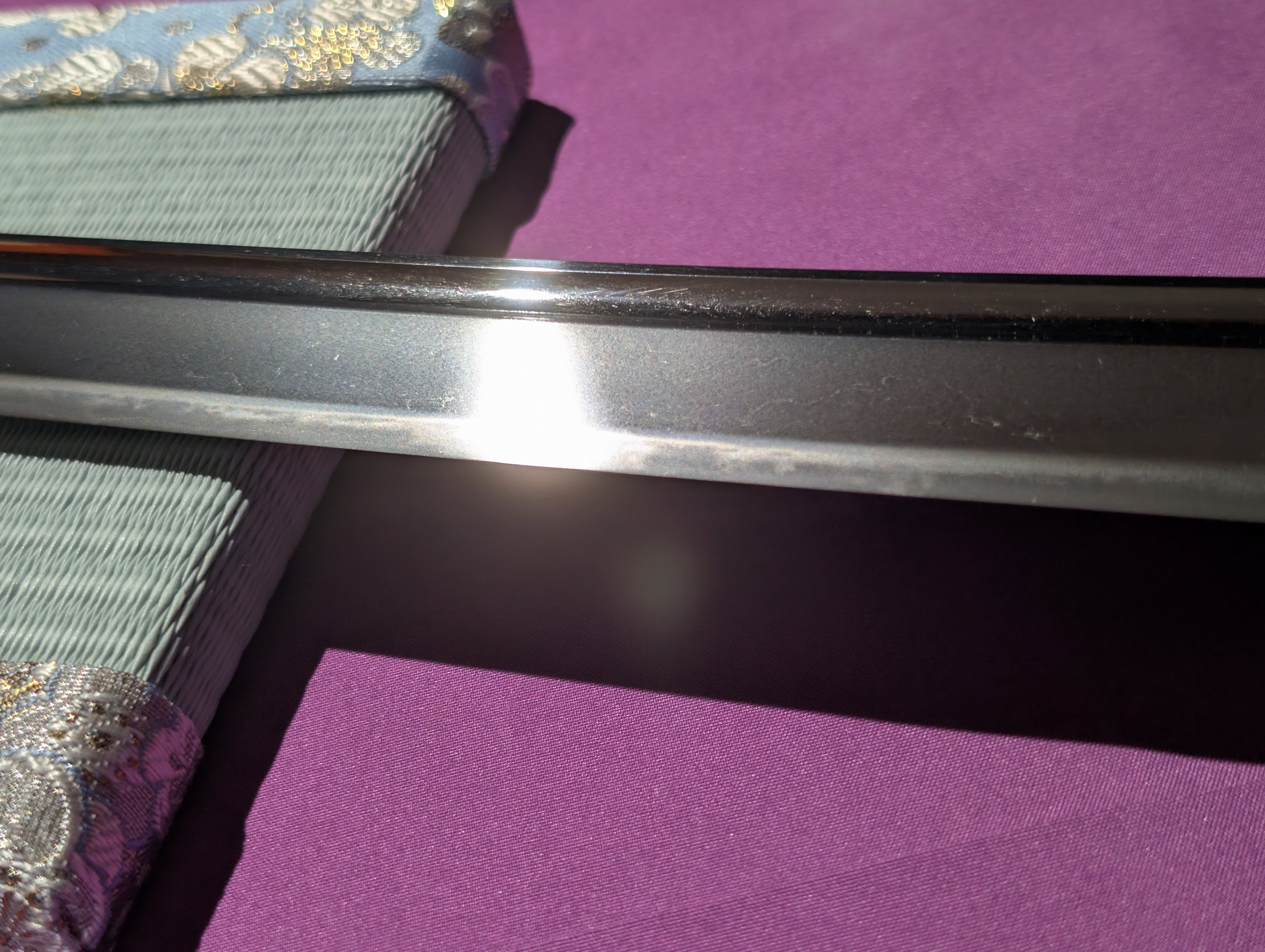
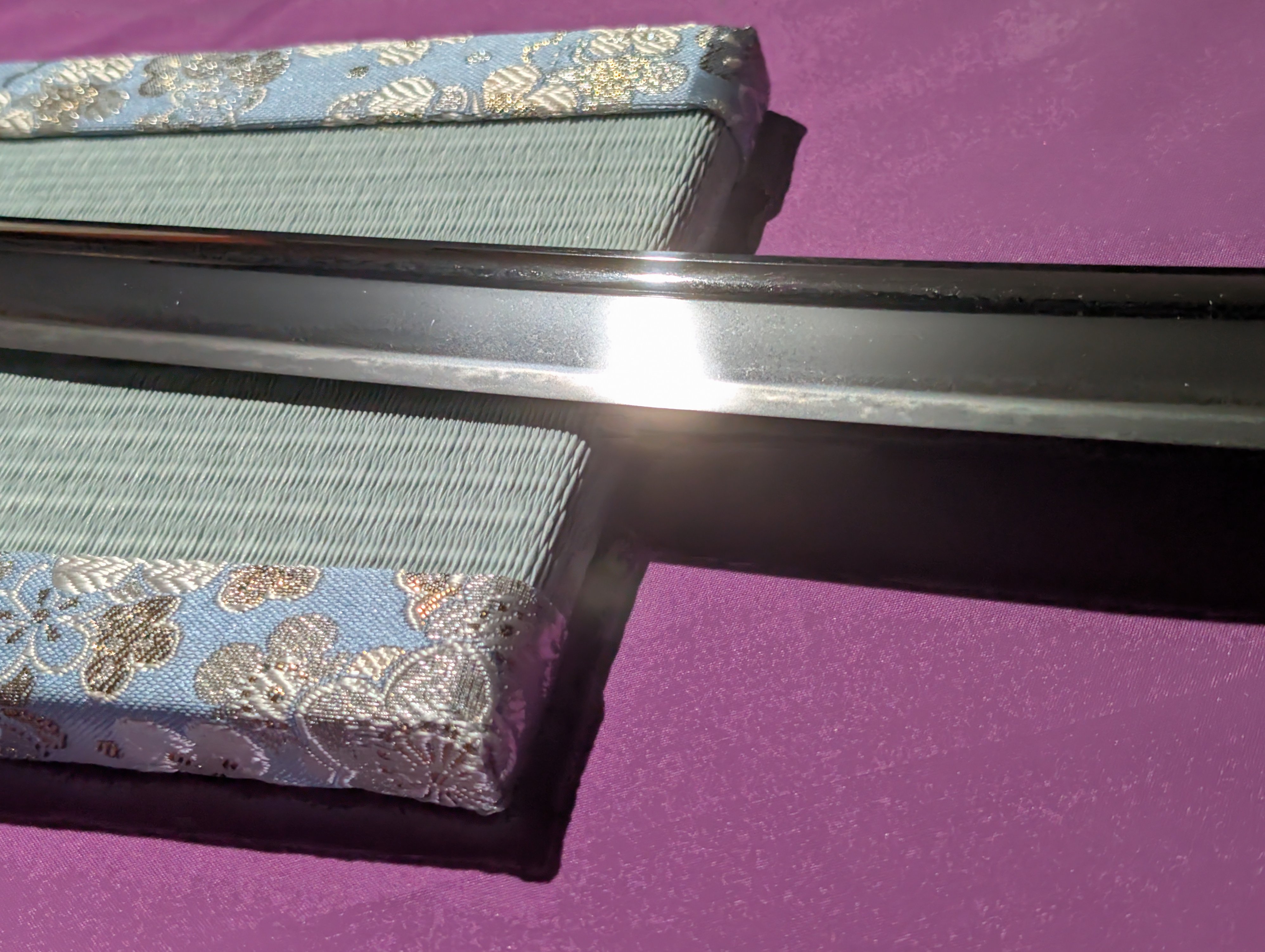
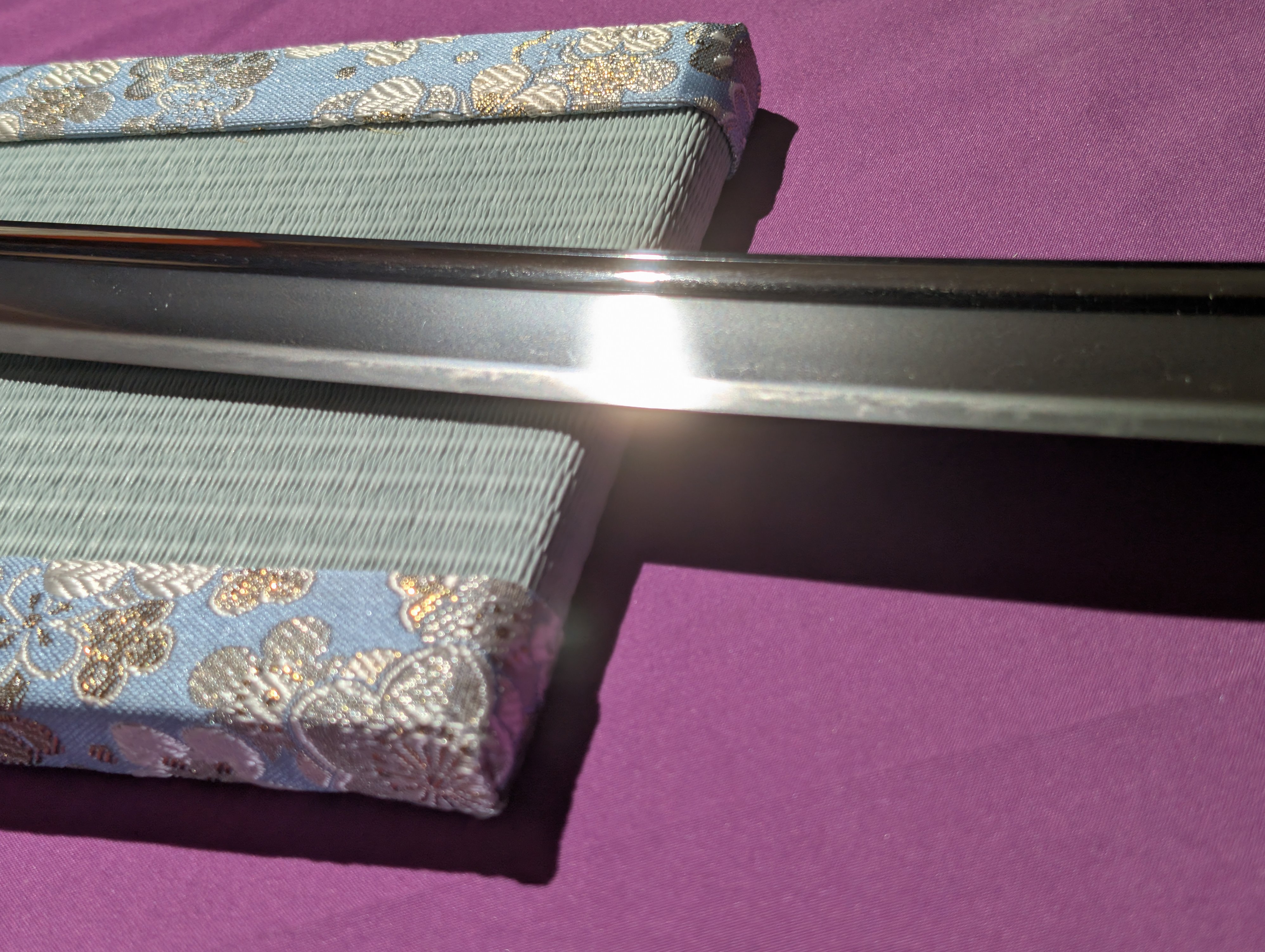
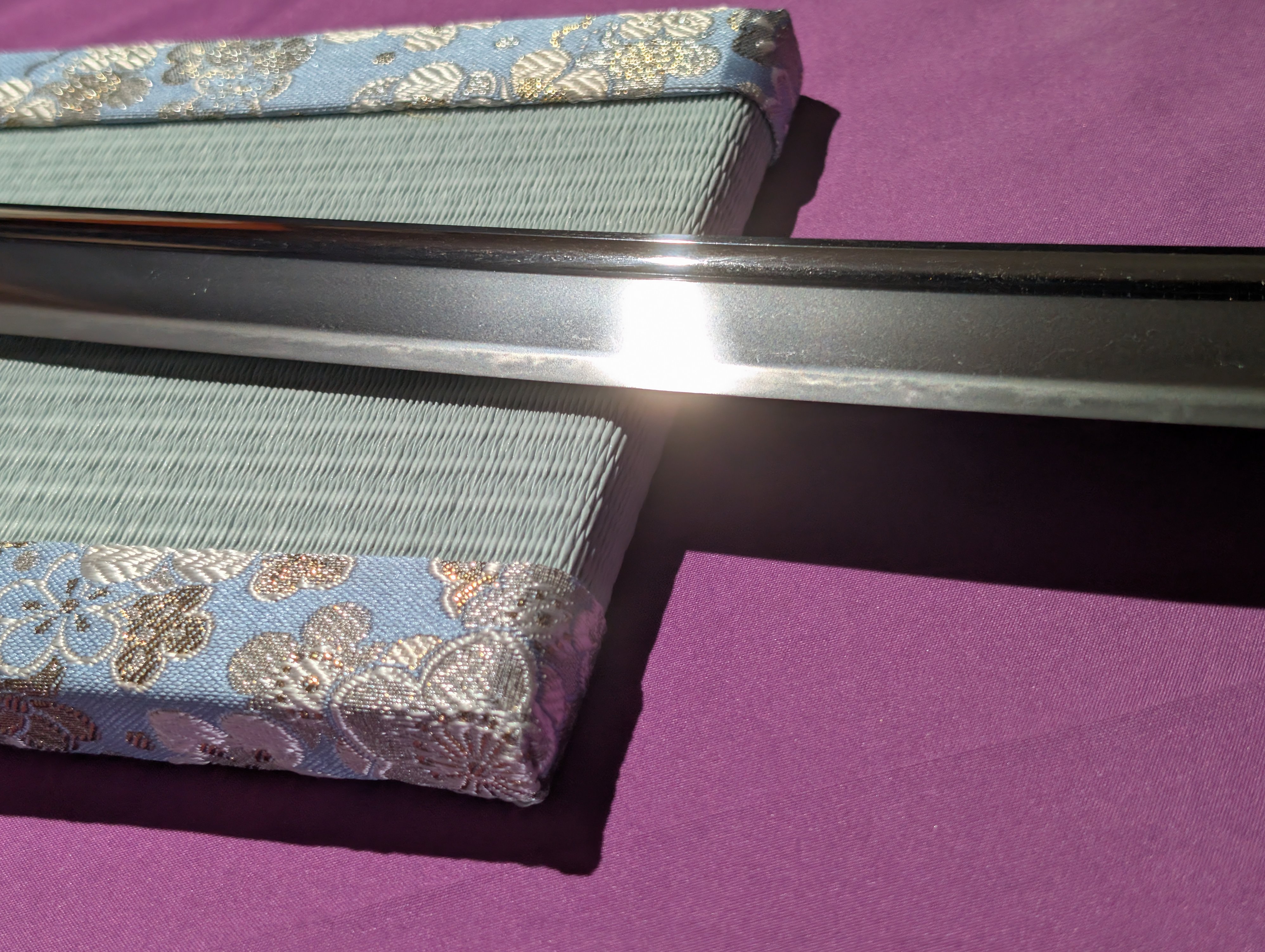
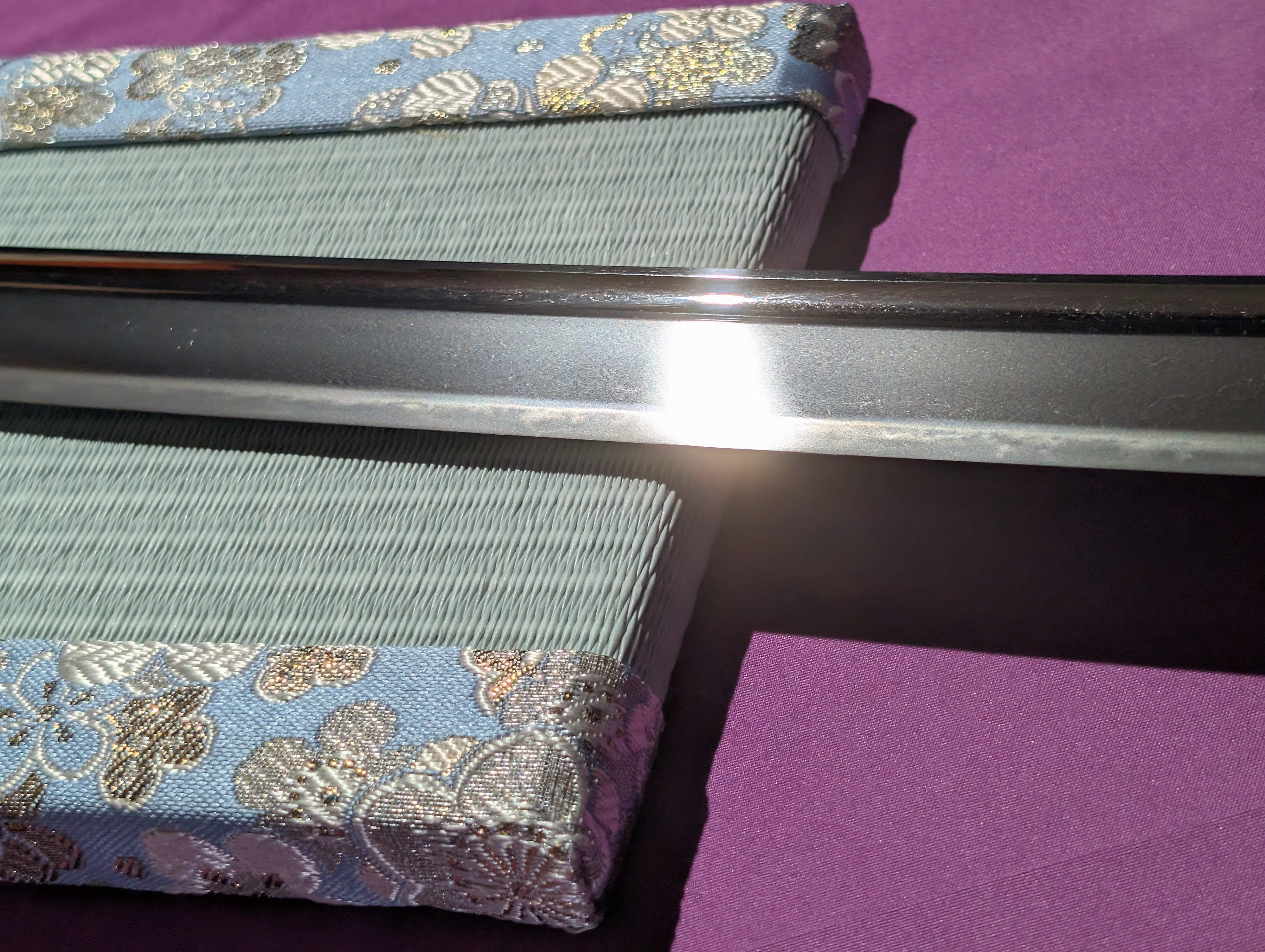
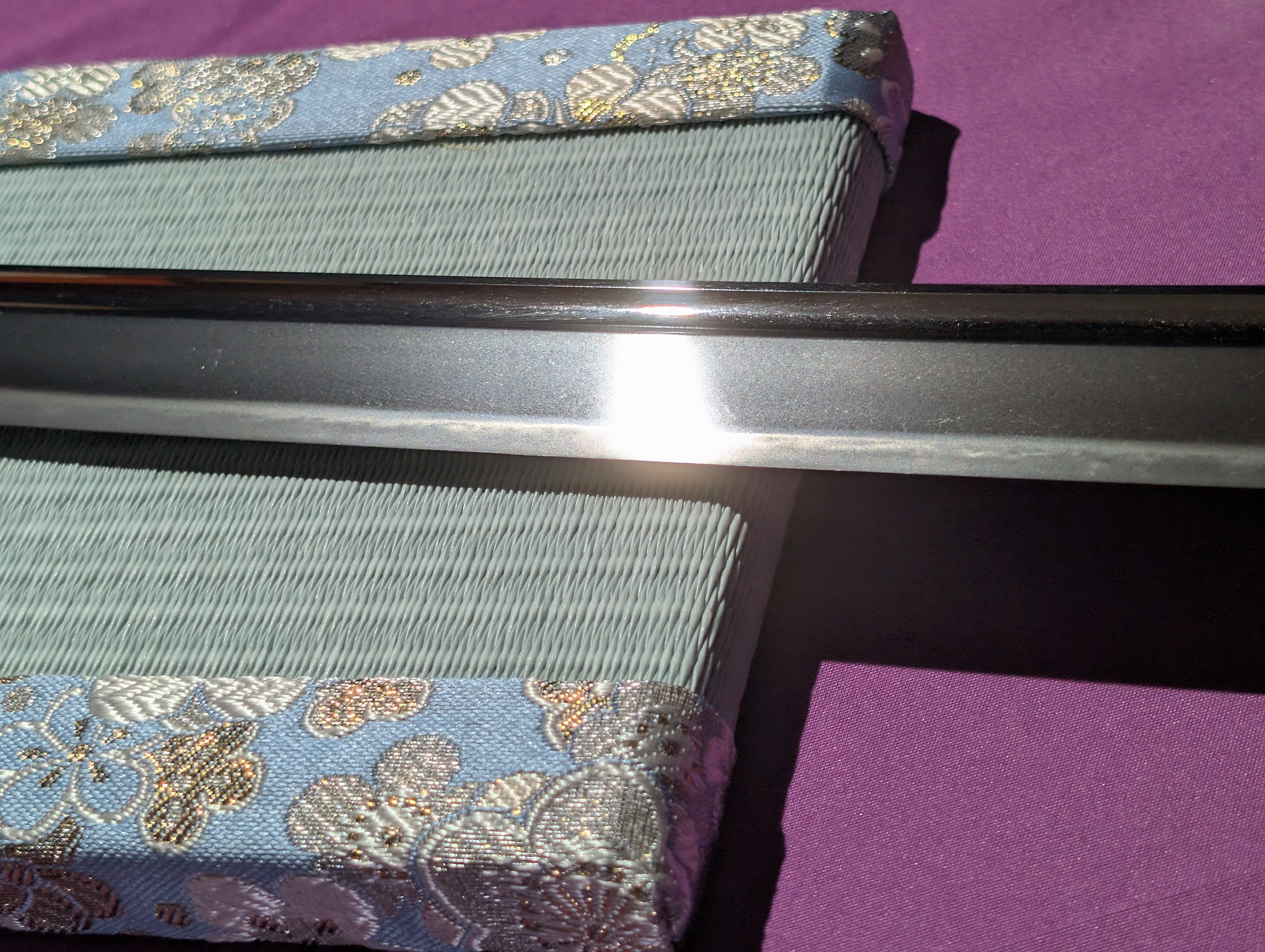
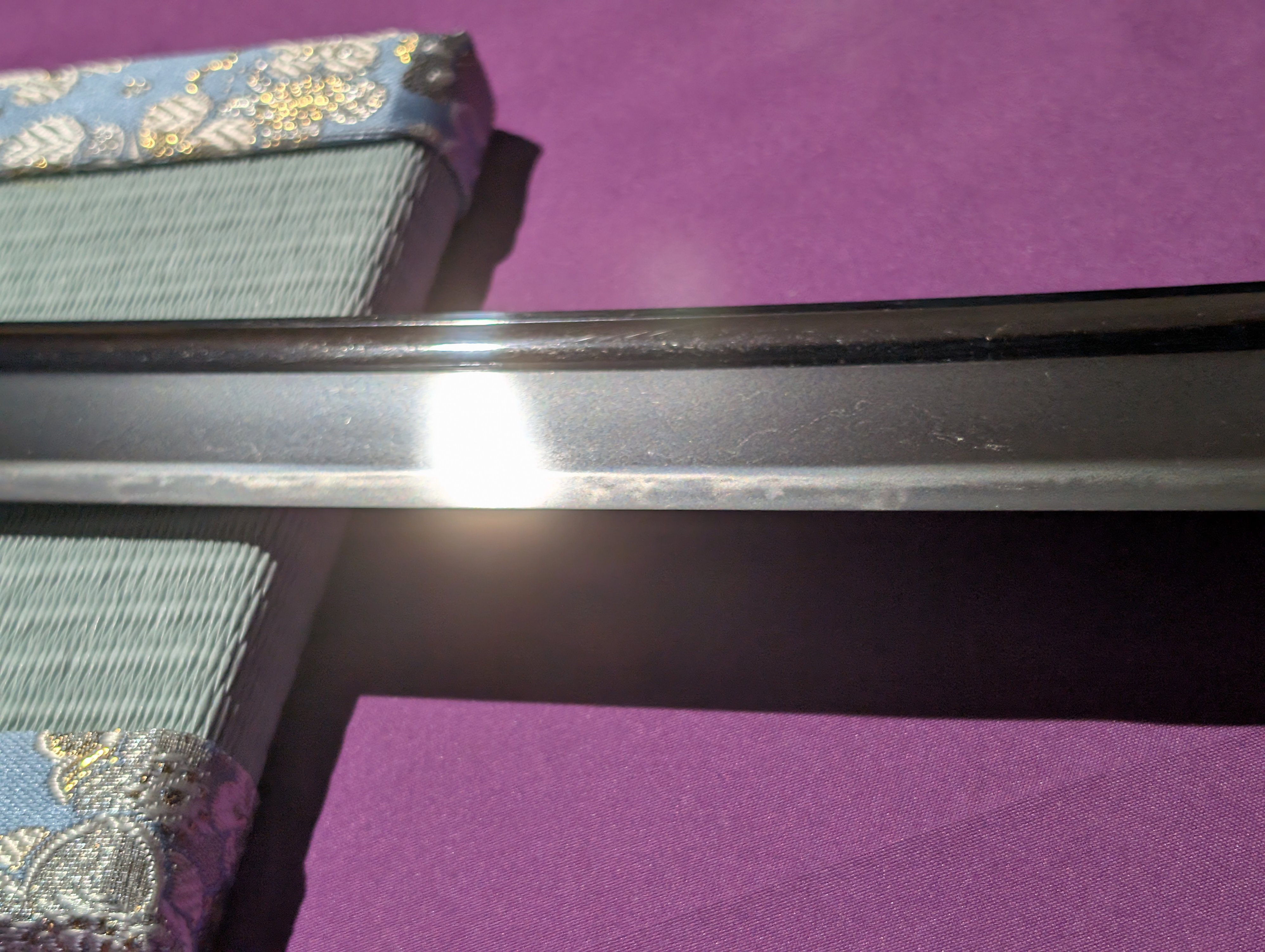
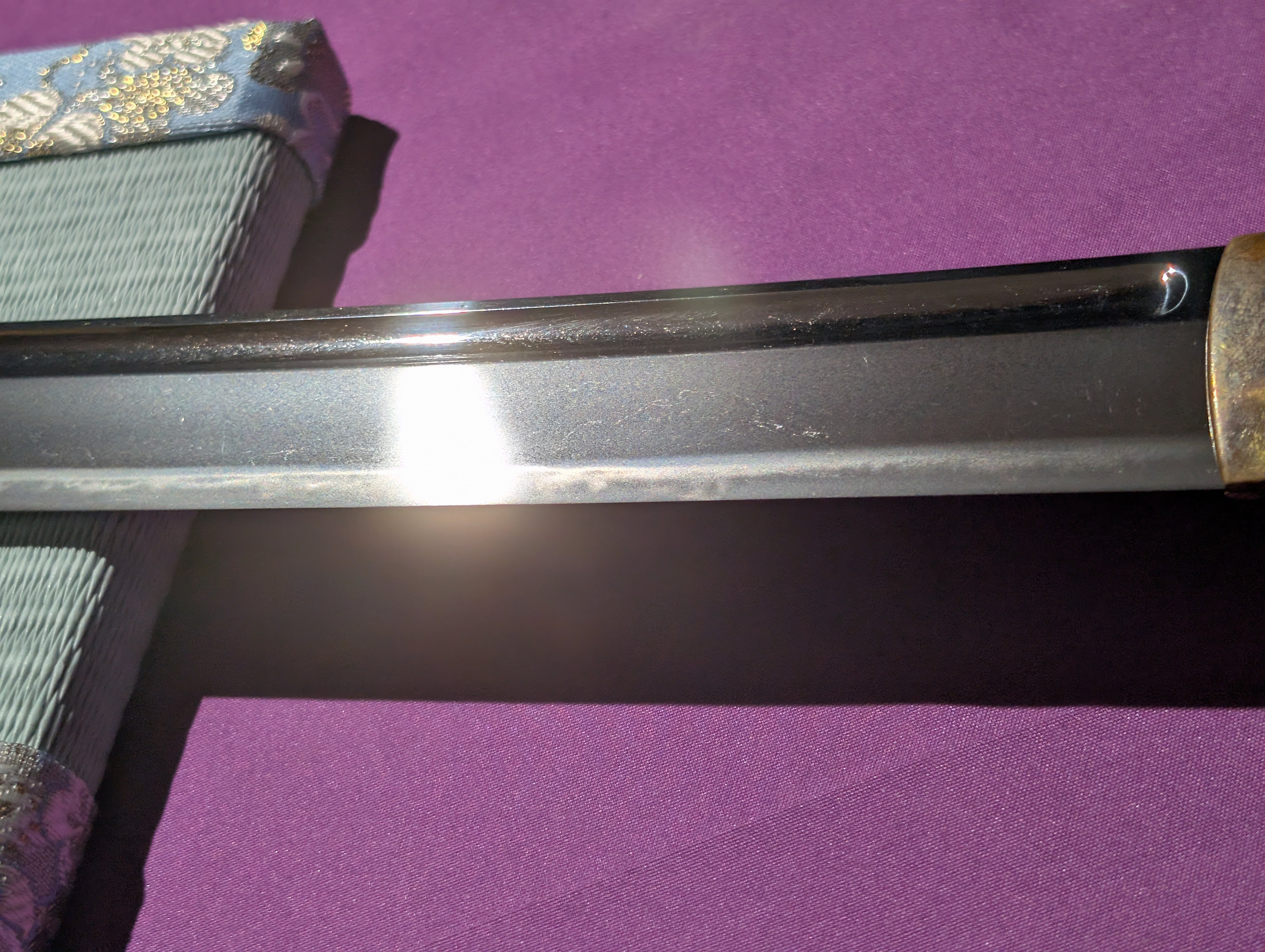
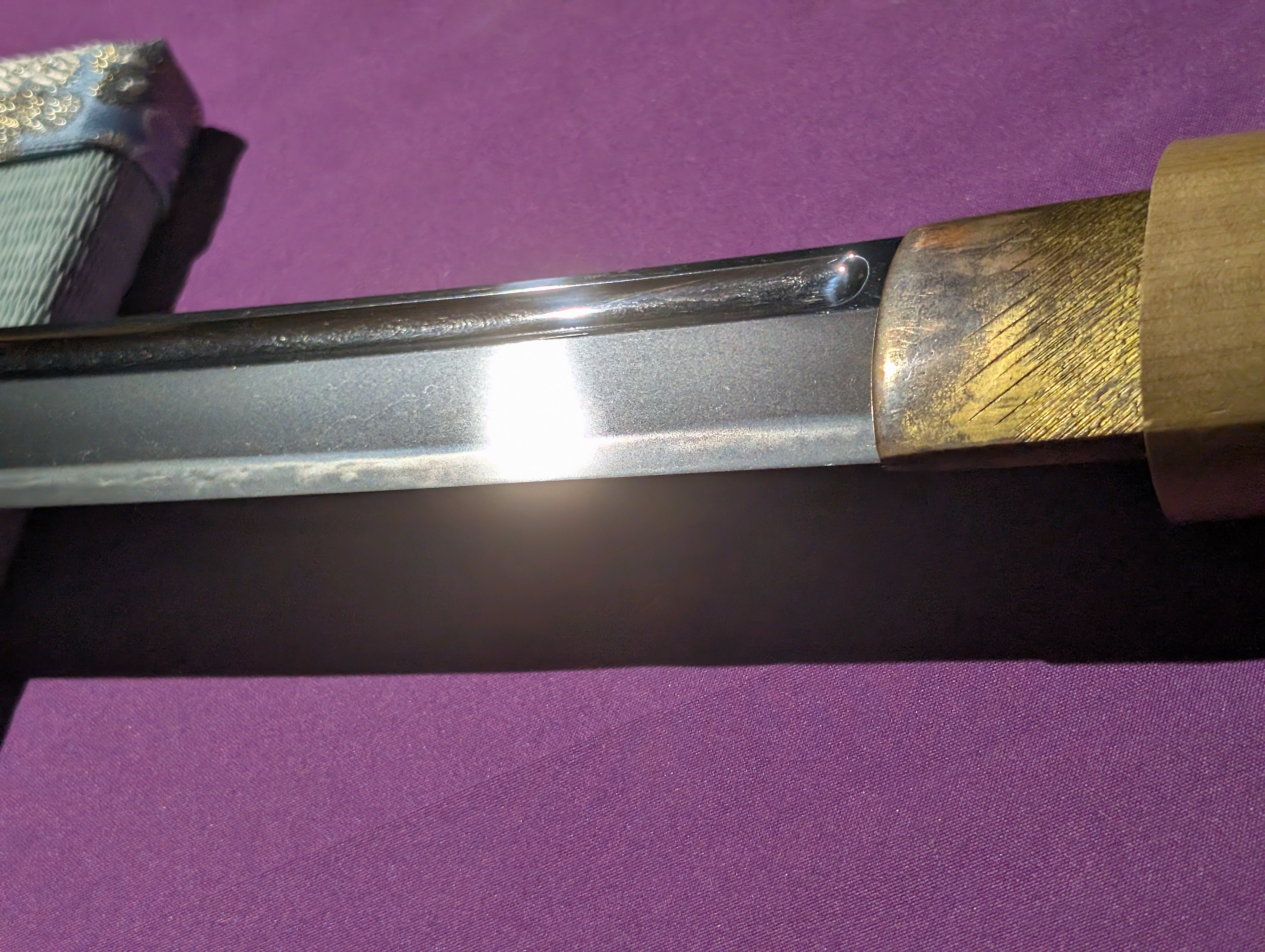
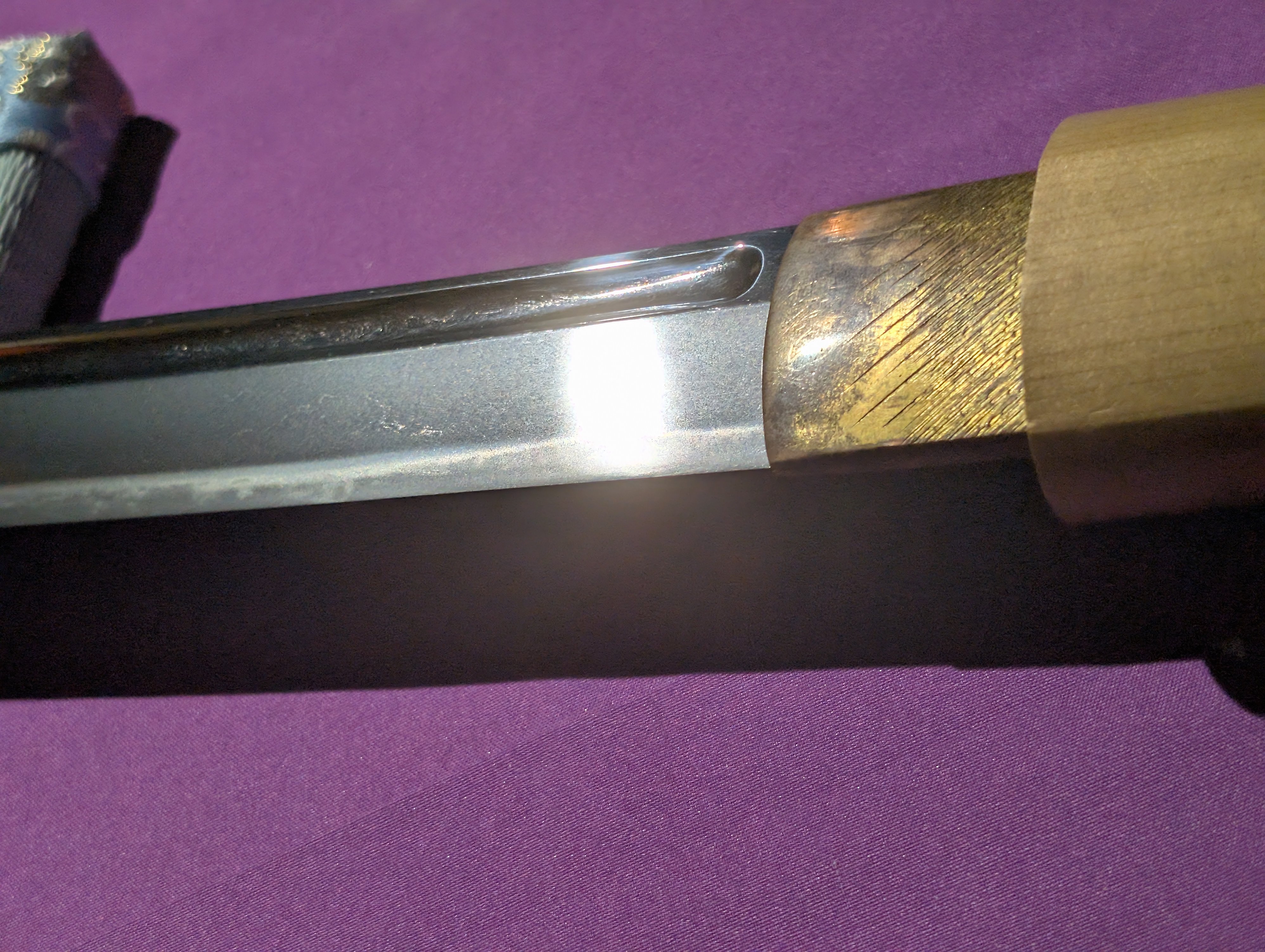
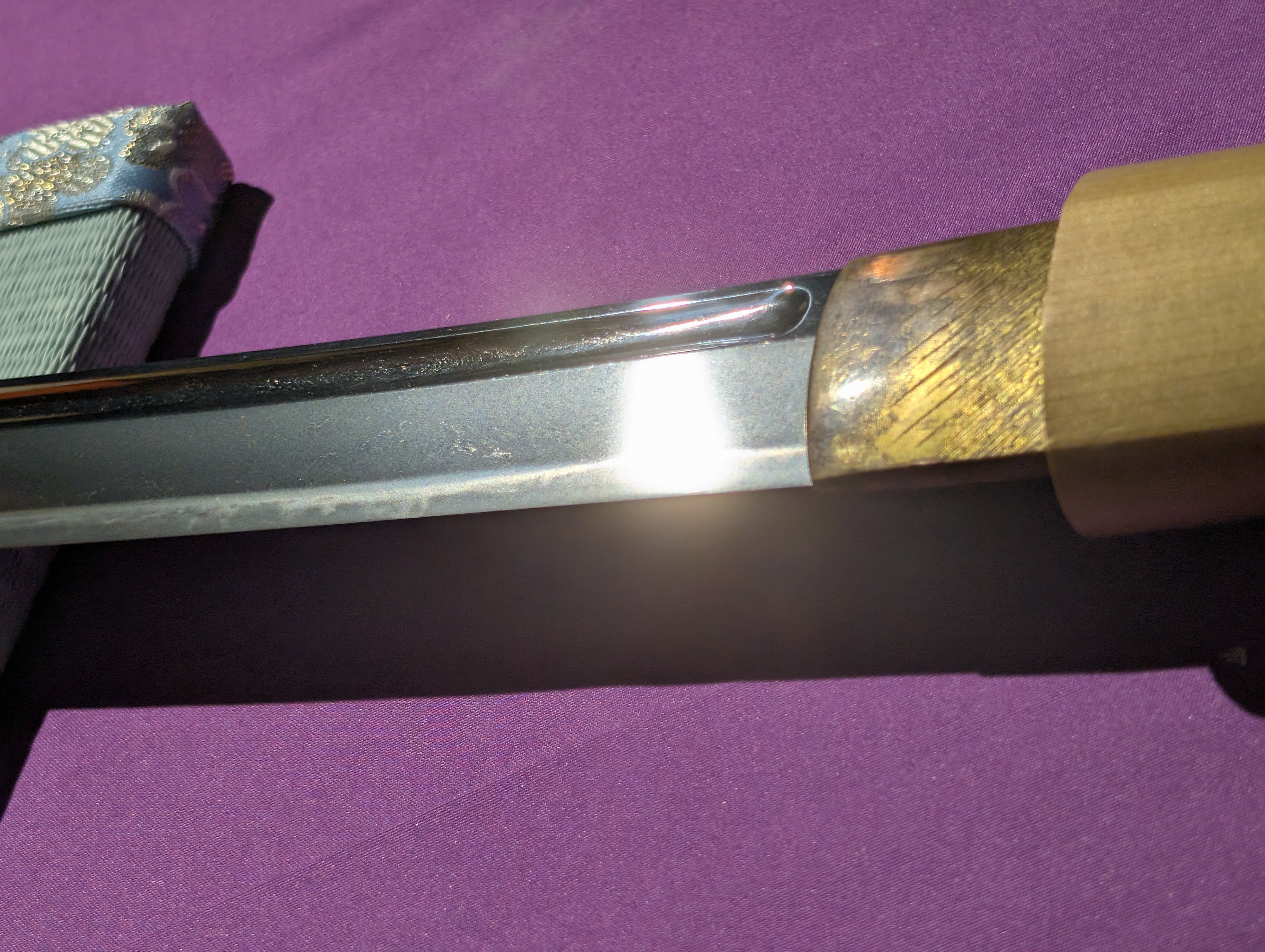
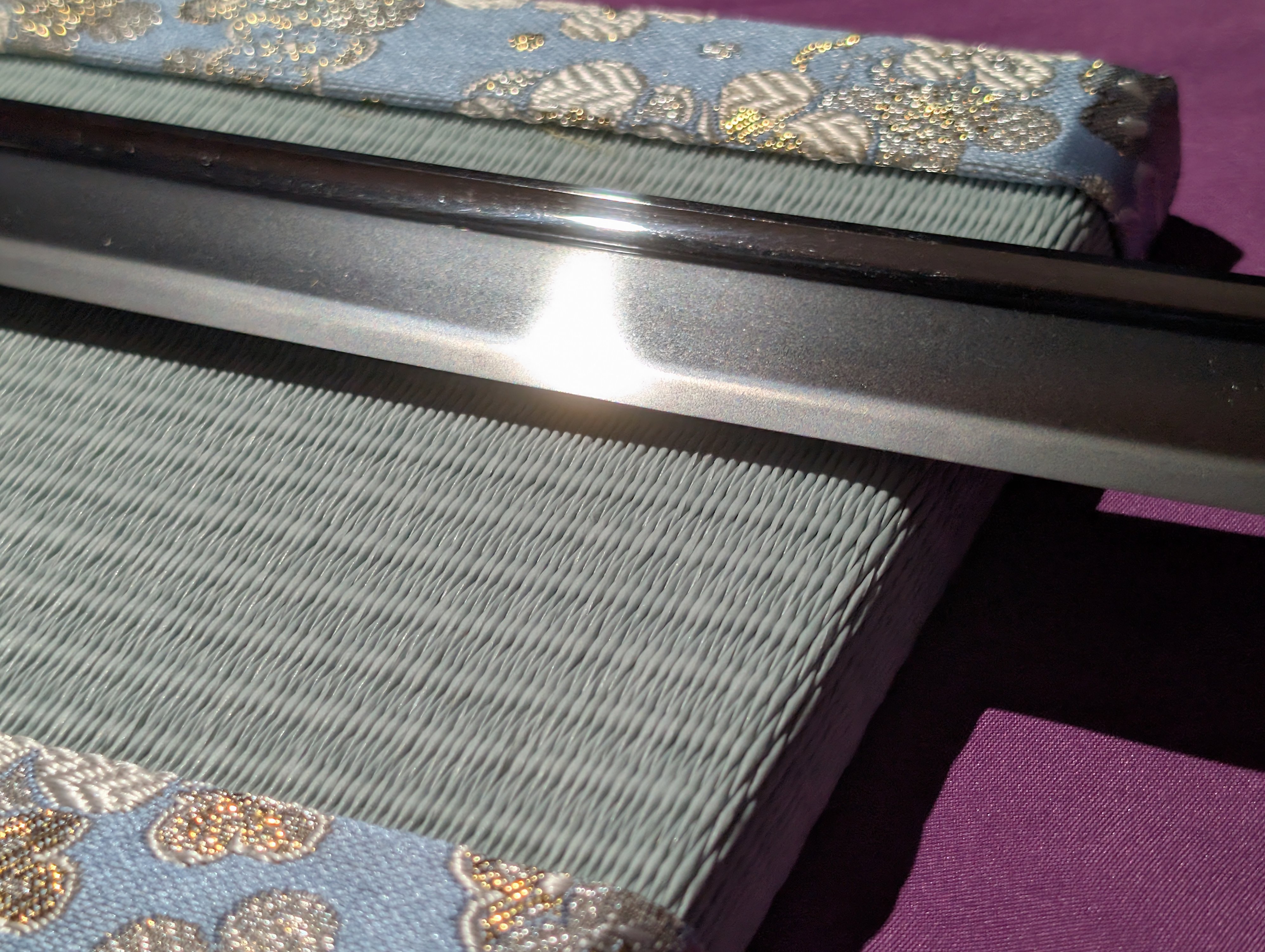
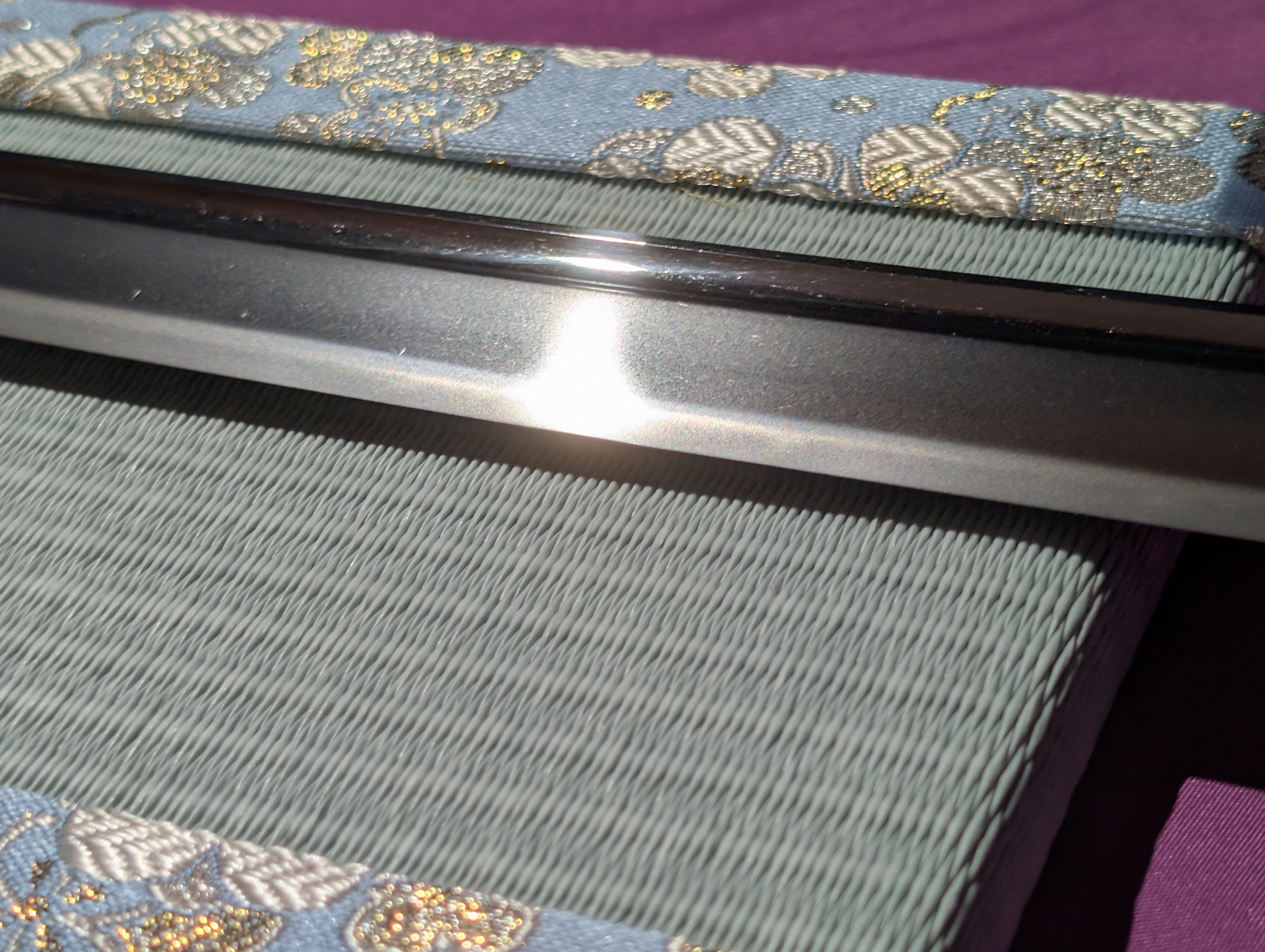
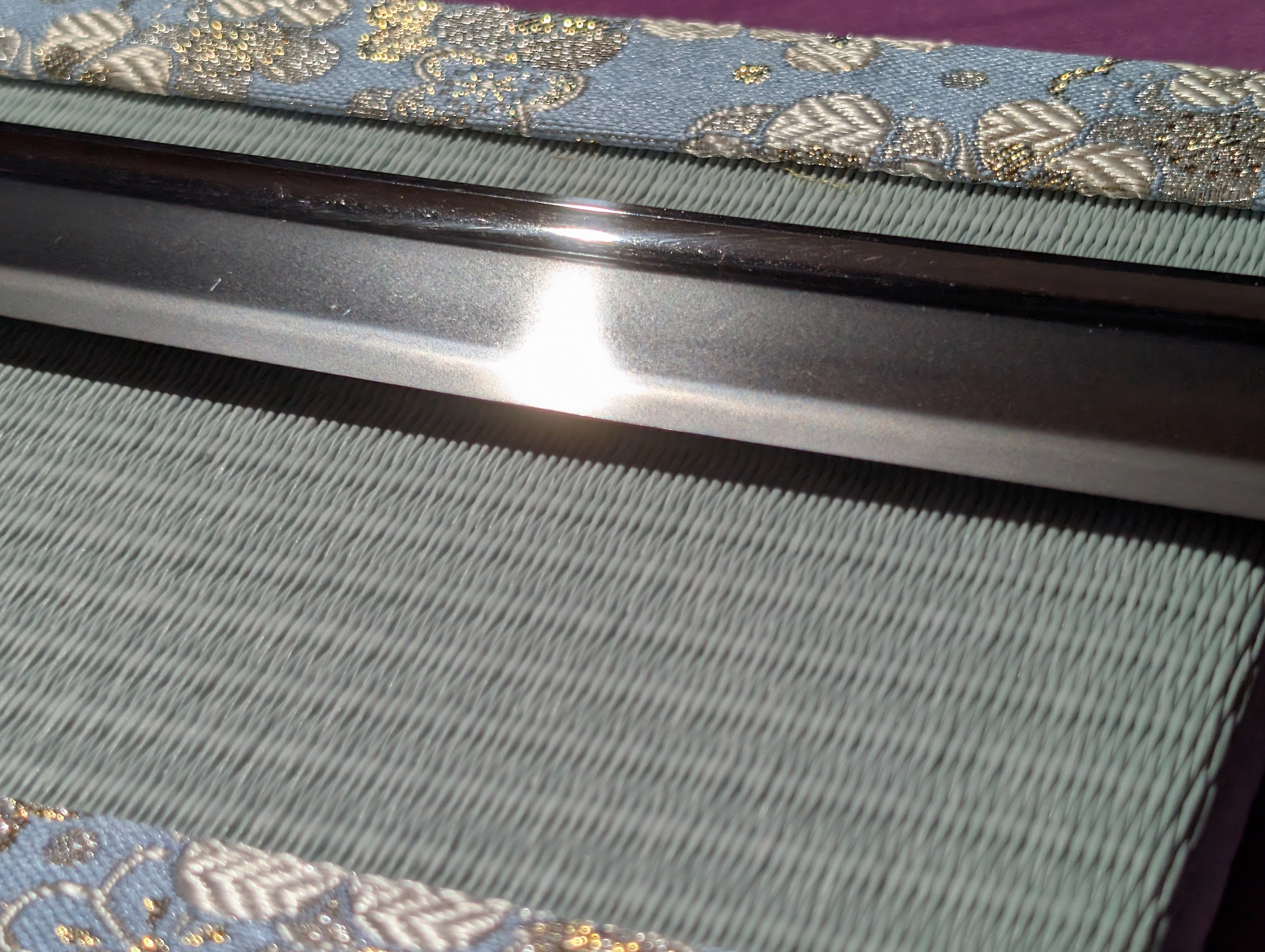
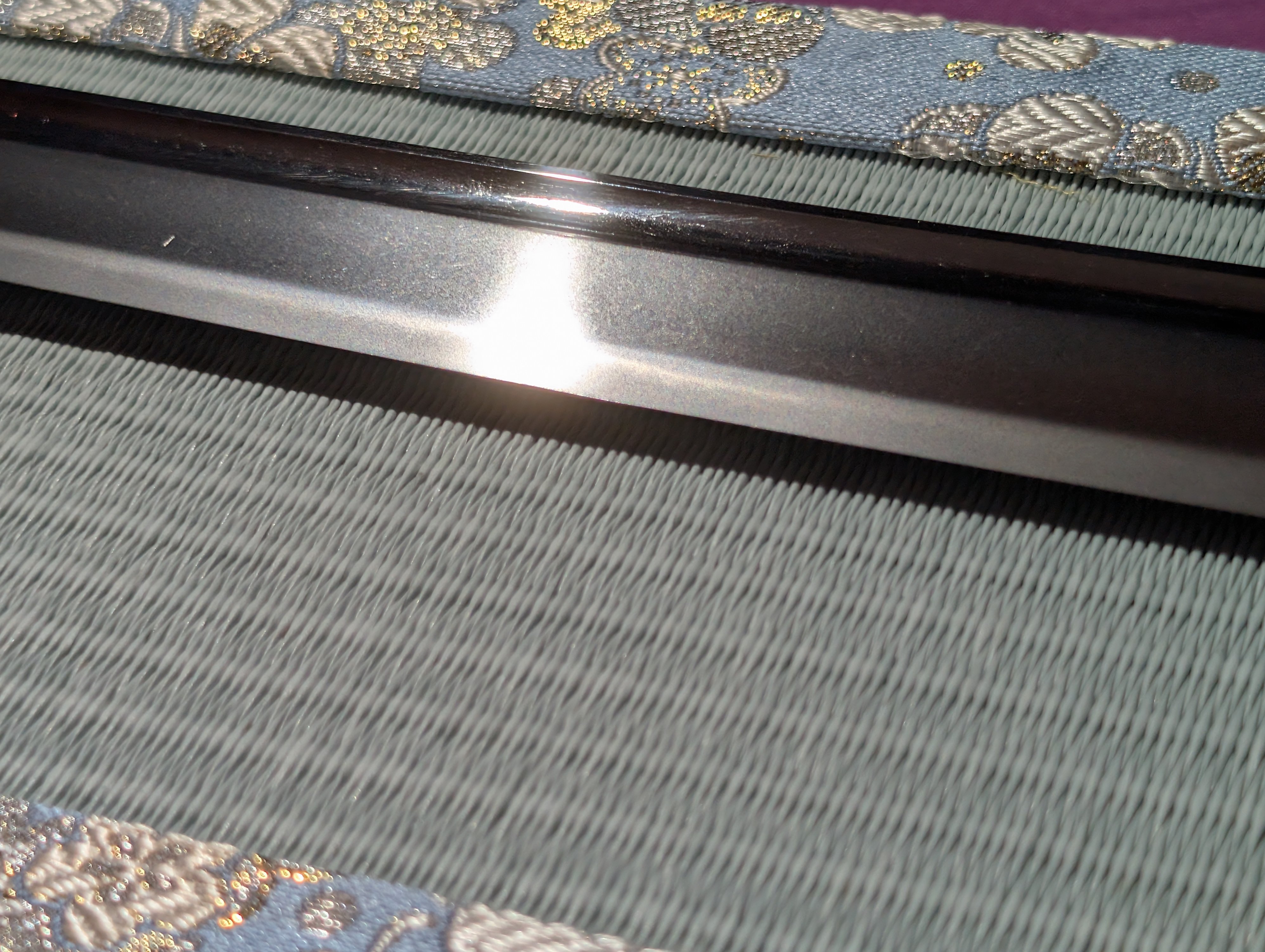
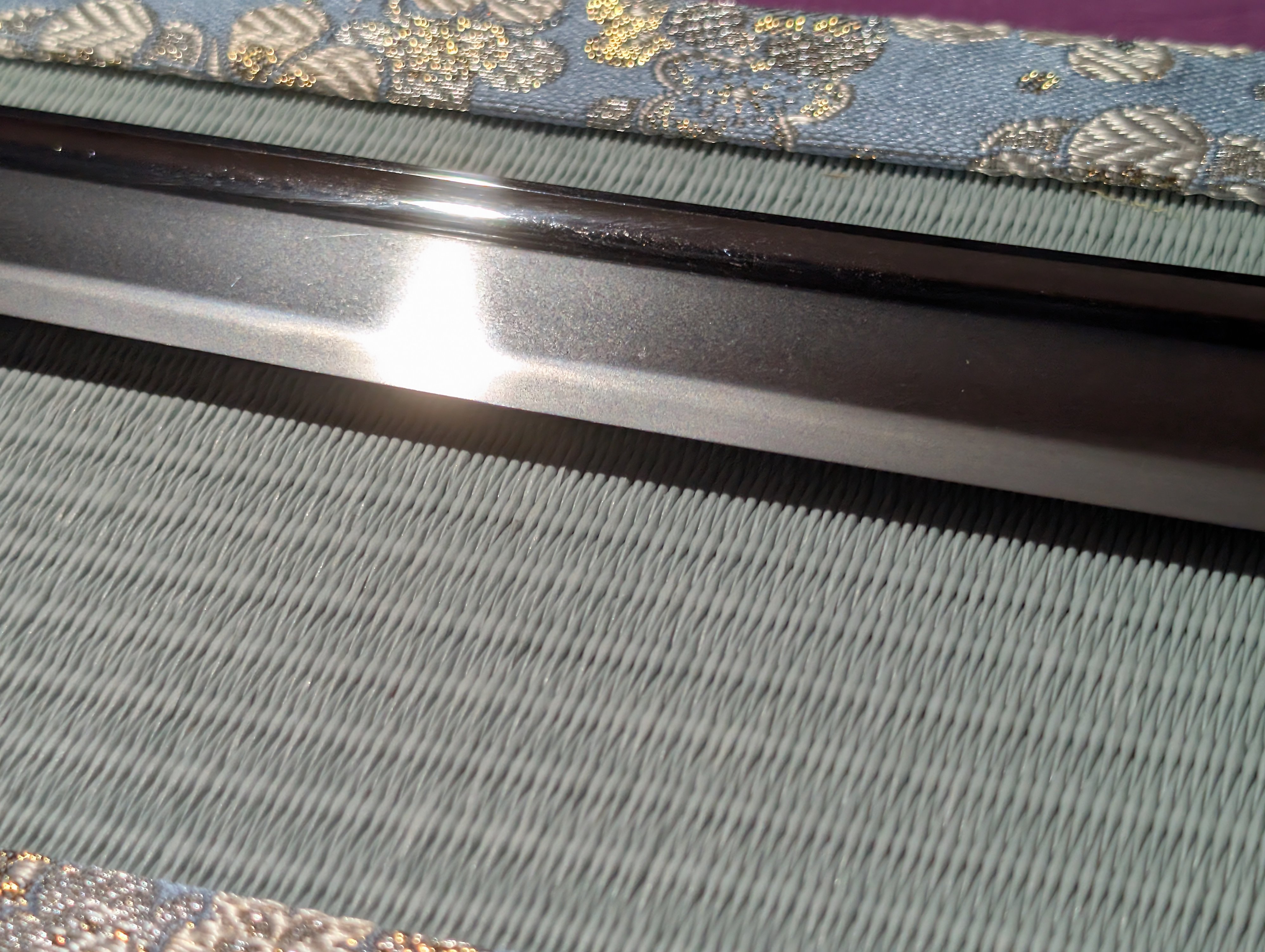
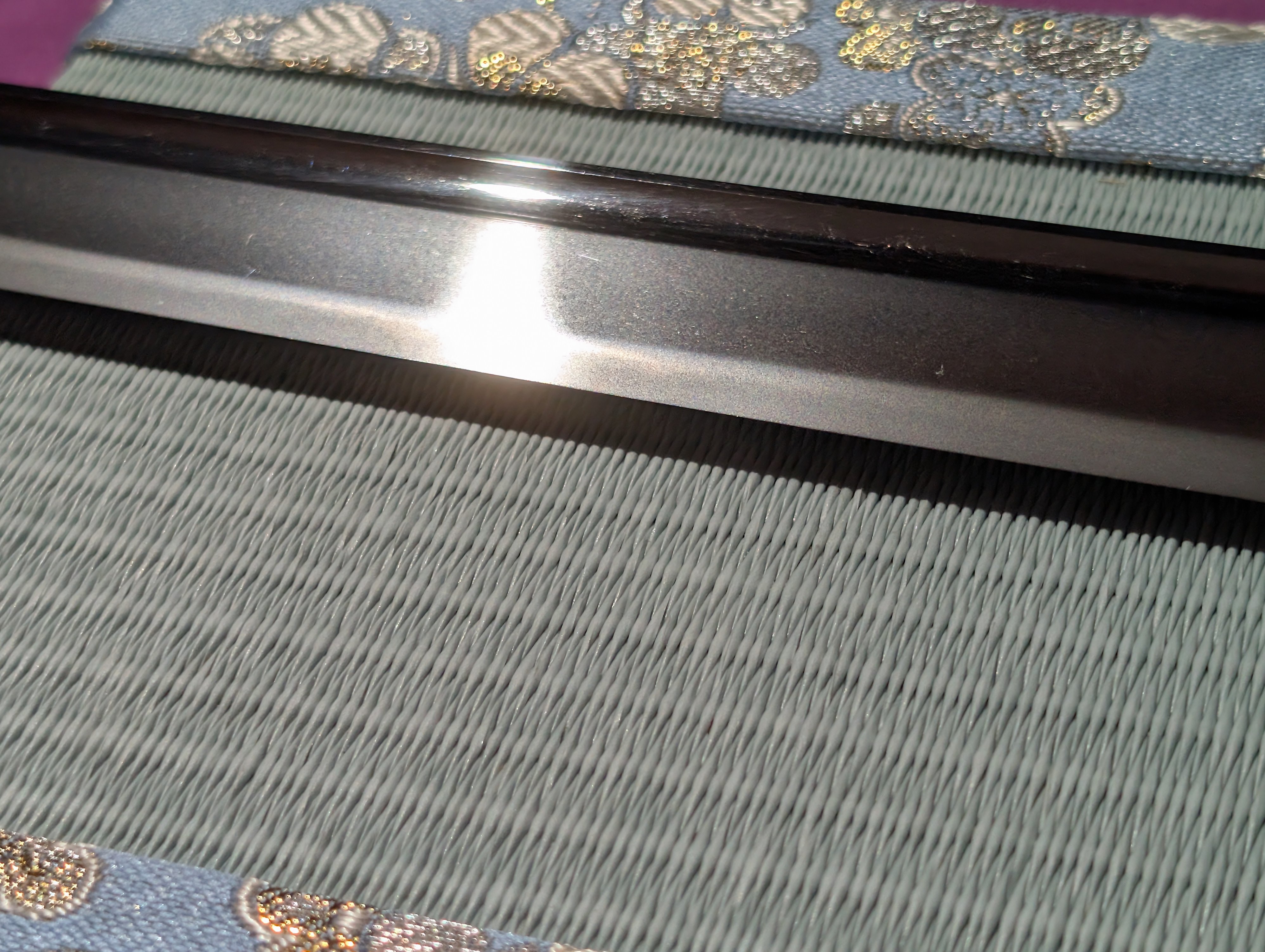
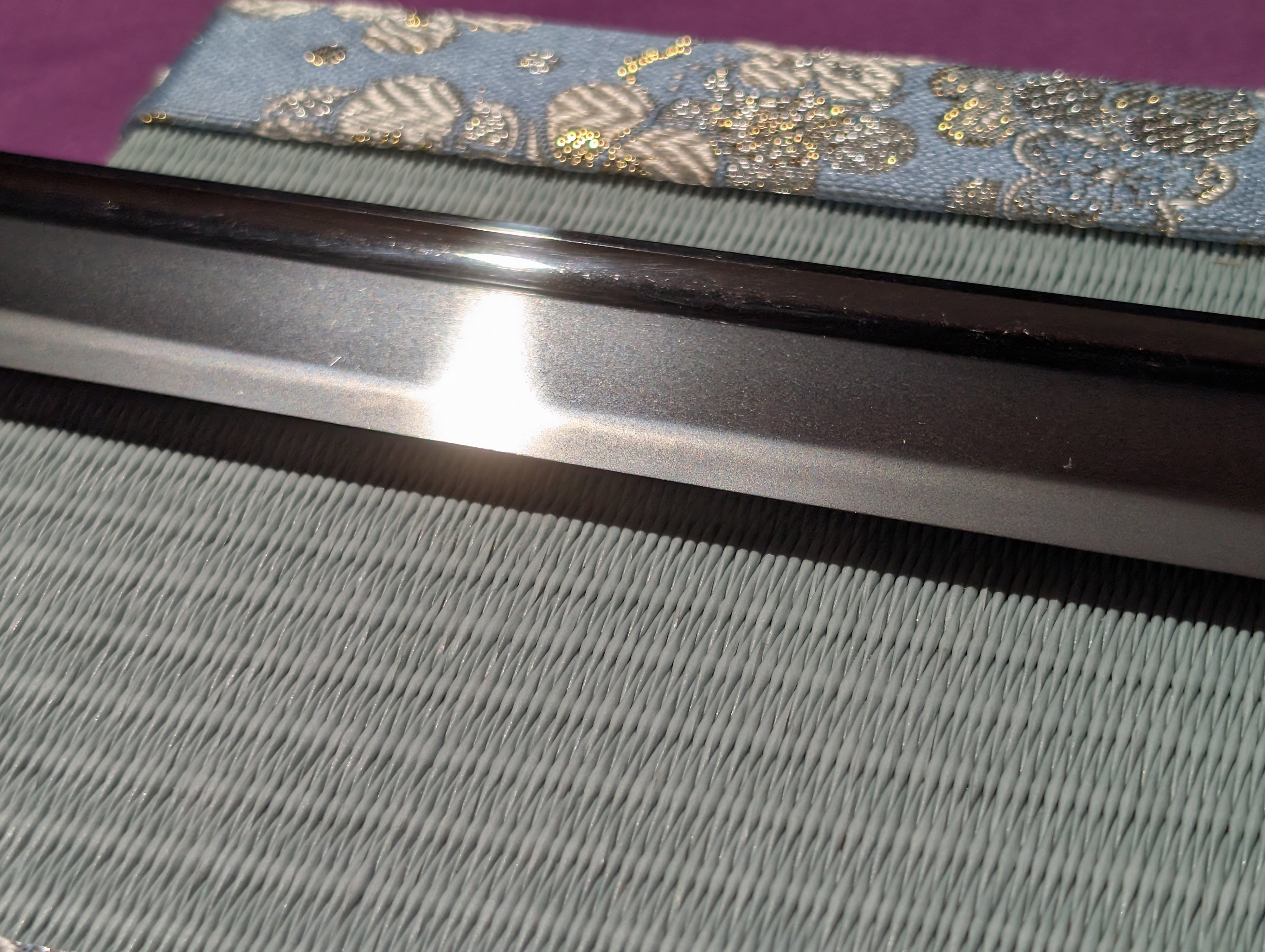
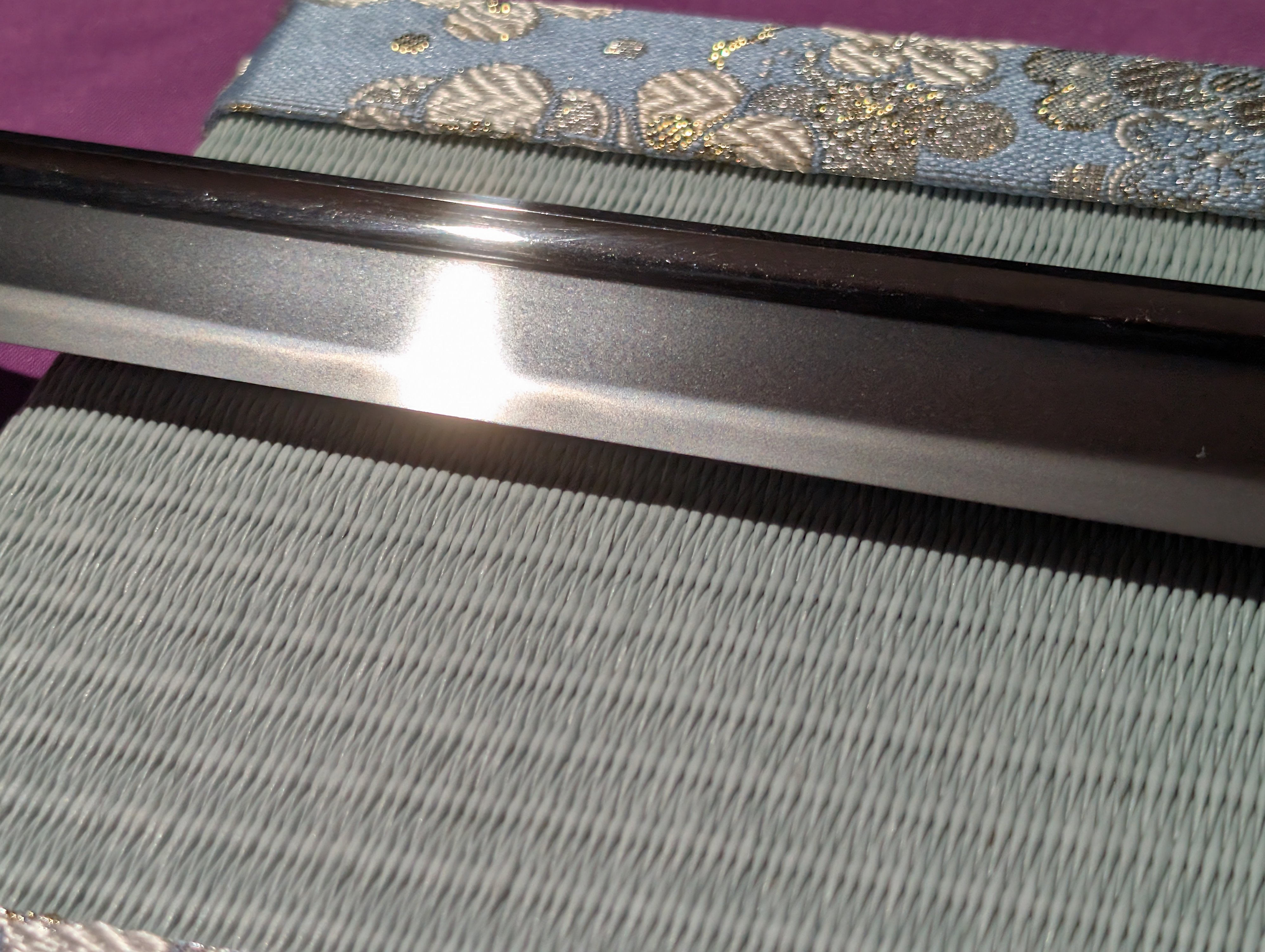
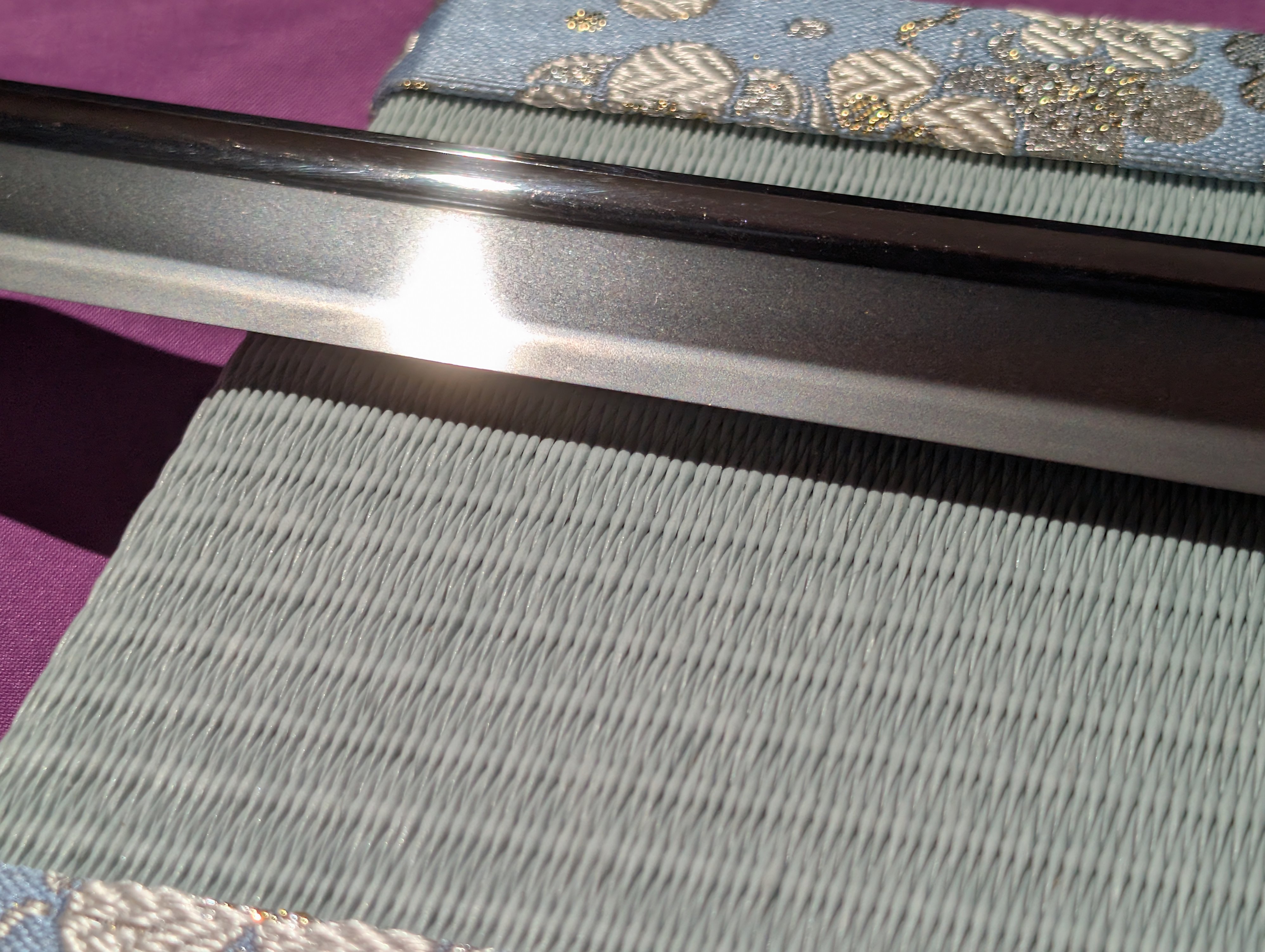
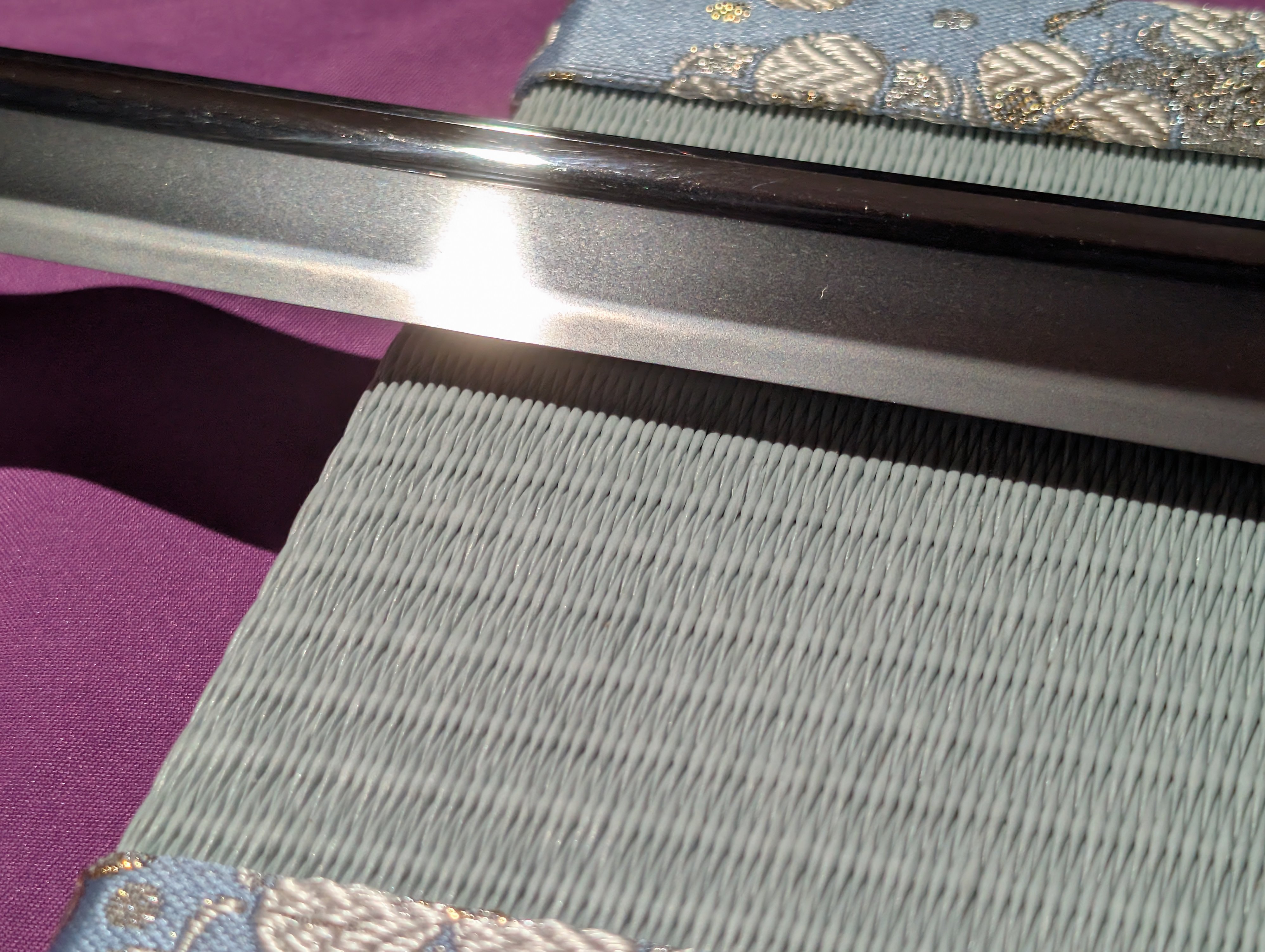
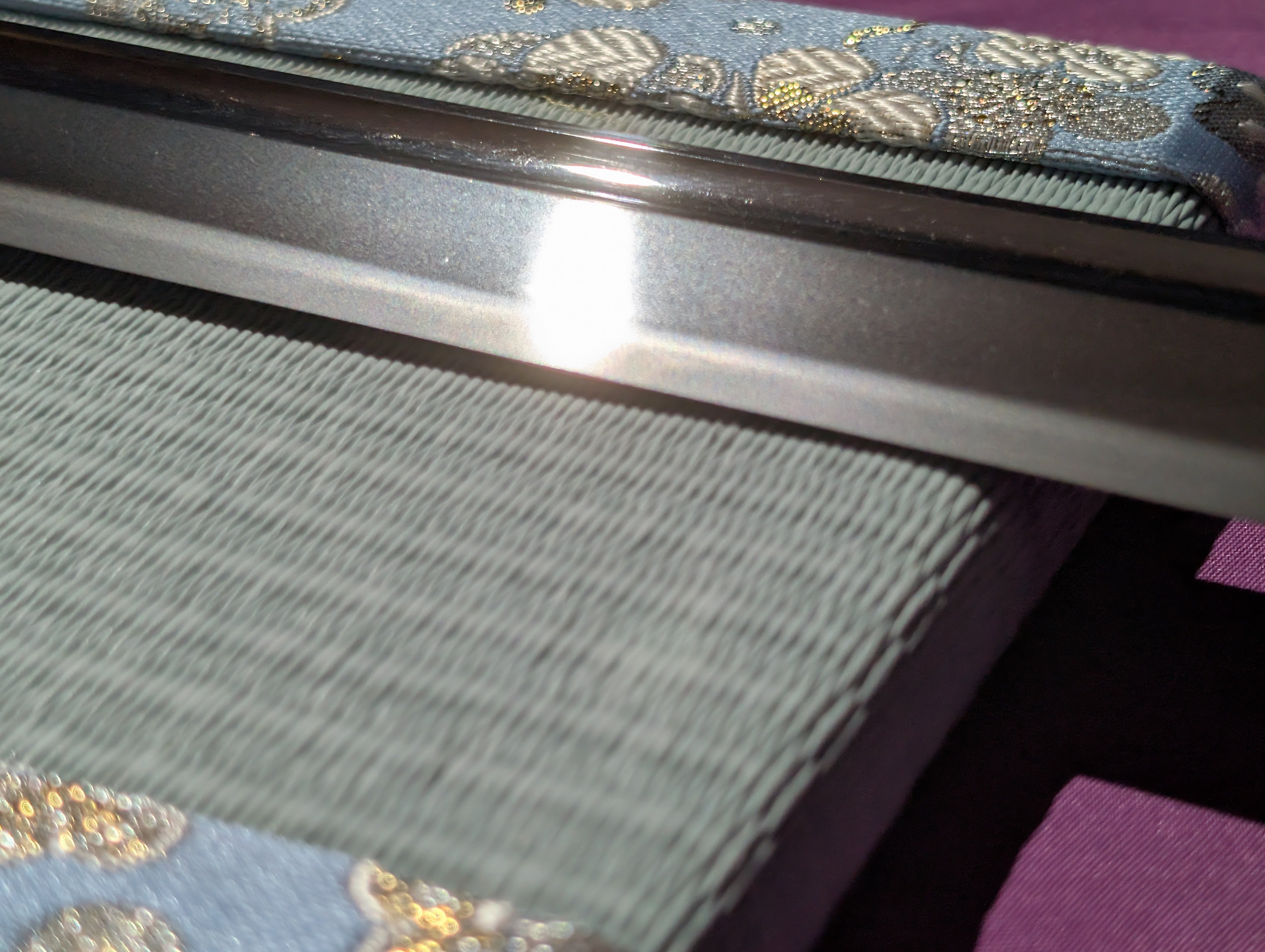
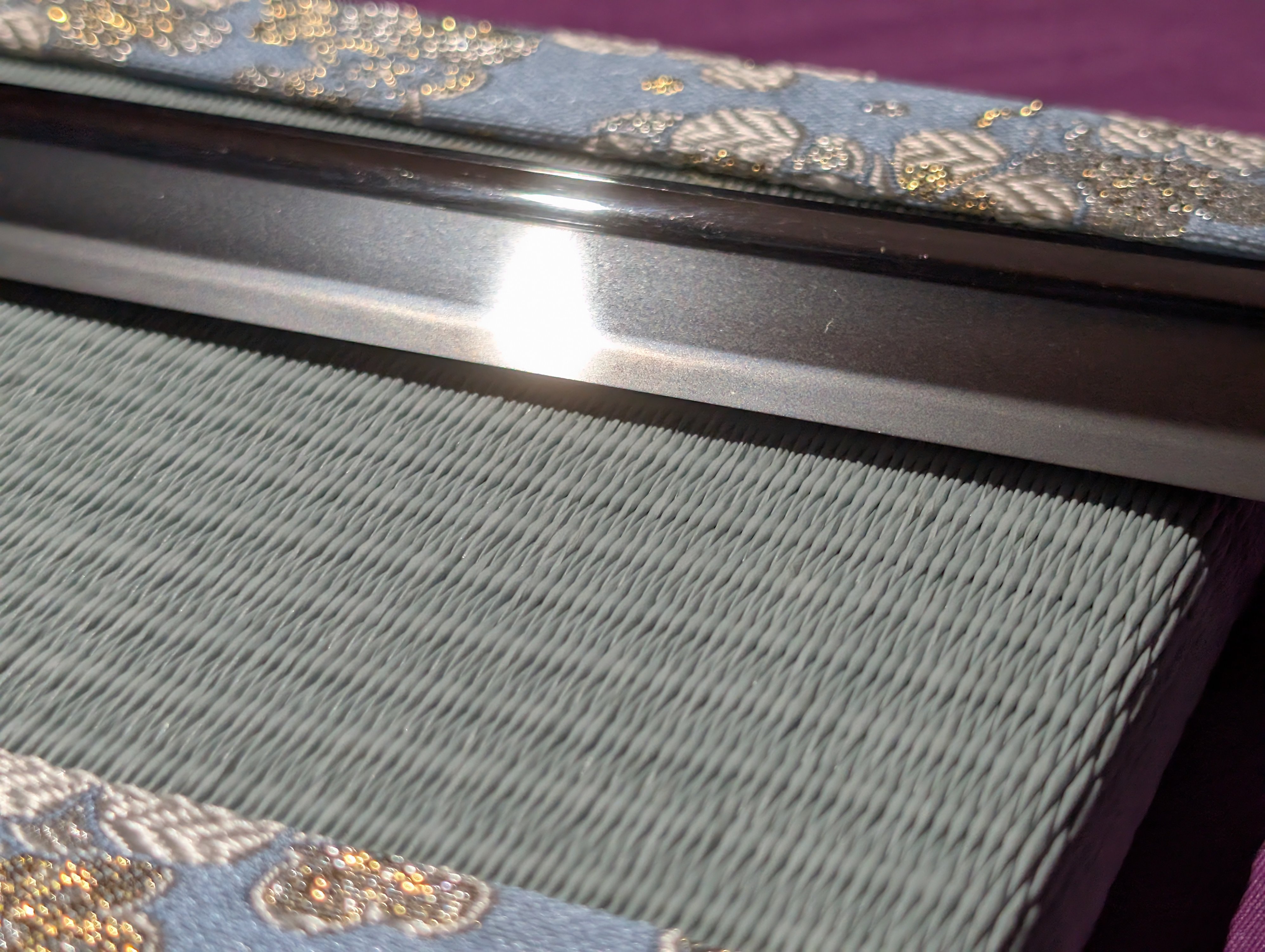
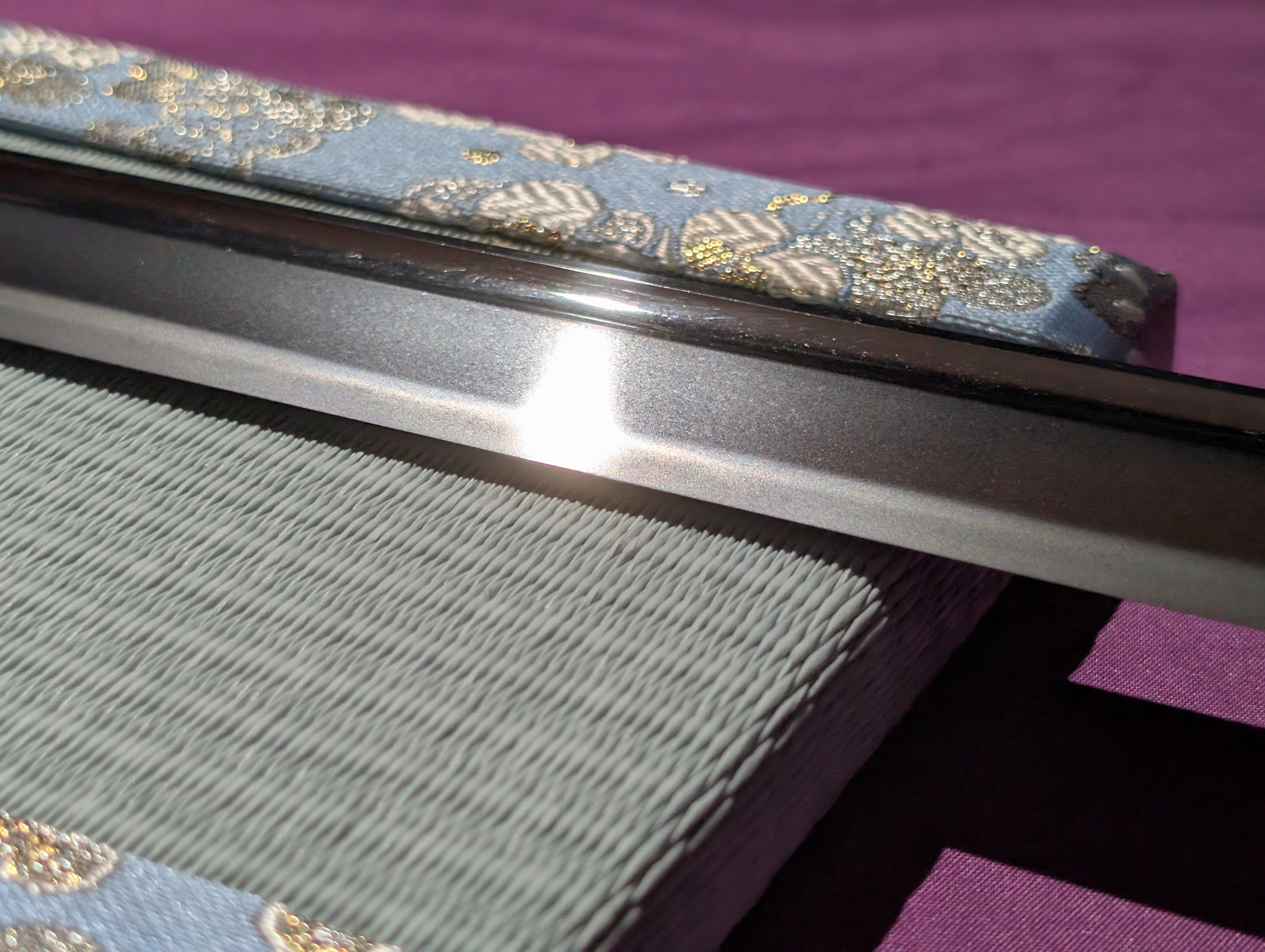
Suo · around 1865-1868
Tōken Taikan top 60%
1 piece on the market now
The Edo period (1615 to 1868)
Edo was the sword’s age of connoisseurship: the Hon’ami appraisers, the shogunal register of famous blades of 1719, and a thriving literature turned the sword into an object of study even as it ceased to be drawn in war.
A Hozon-certified blade judged to show notably superior workmanship and a better state of preservation. The bar is higher: re-tempered blades and most unsigned Muromachi/Edo works are excluded.
The NBTHK (Nihon Bijutsu Tōken Hozon Kyōkai, the Society for the Preservation of Japanese Art Swords) is a public-interest incorporated foundation founded in 1948 and supervised by Japan’s Agency for Cultural Affairs (Bunkachō); it is based at the Japanese Sword Museum in Tokyo. Its expert panels physically examine each submitted work (shinsa) and issue a certificate (kanteishō) ranking it by artistic and historical merit. NBTHK papers are the most widely recognized standard of authentication for Japanese swords and fittings.
NBTHK official siteAs a rule, we do not accept returns from overseas. Once a deposit is paid, we hold the item for up to 3 months. The deposit is non-refundable.