Perry’s arrival in 1853 unraveled the Tokugawa peace and created the first mass demand for working swords in two centuries. Kiyomaro, called the Masamune of Yotsuya, died on its eve; Munetsugu and Yukihide carried the boom to the end.
 NihontoWatchNihontoWatch
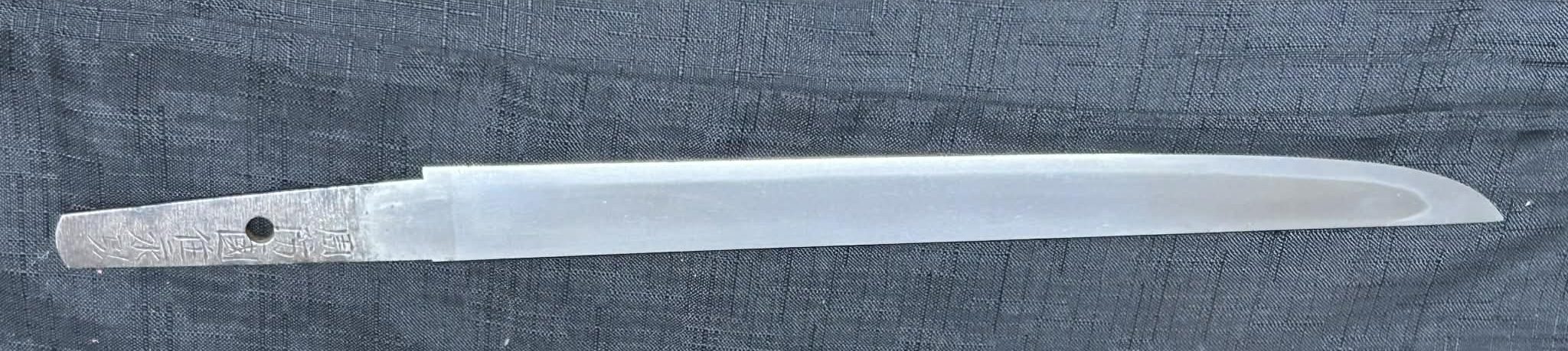
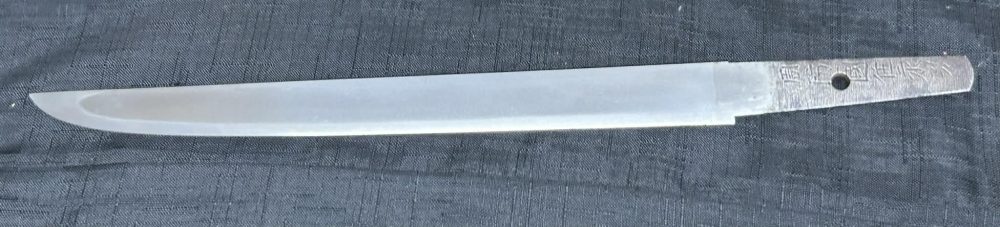
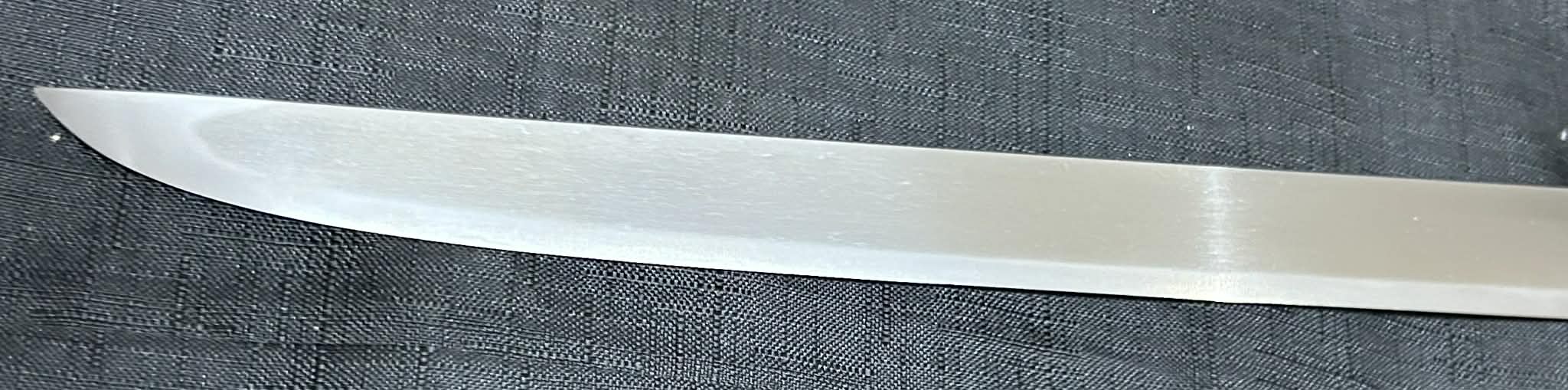
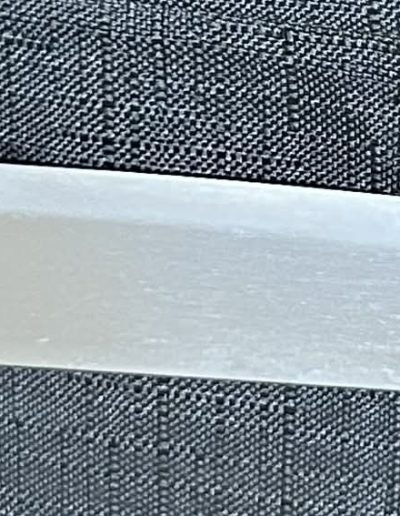
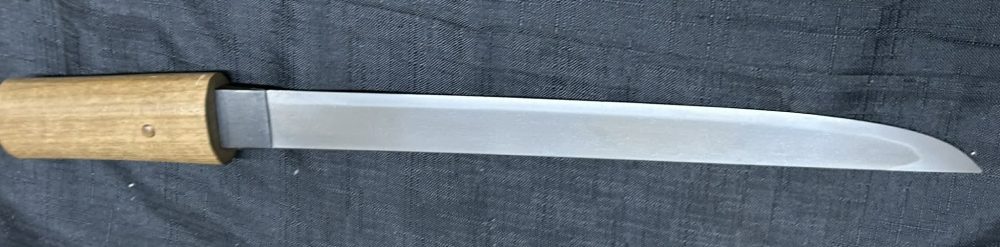
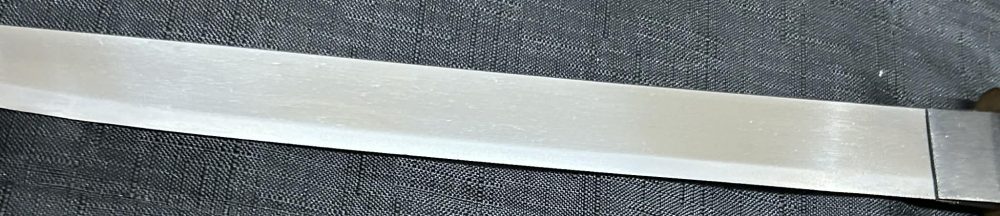
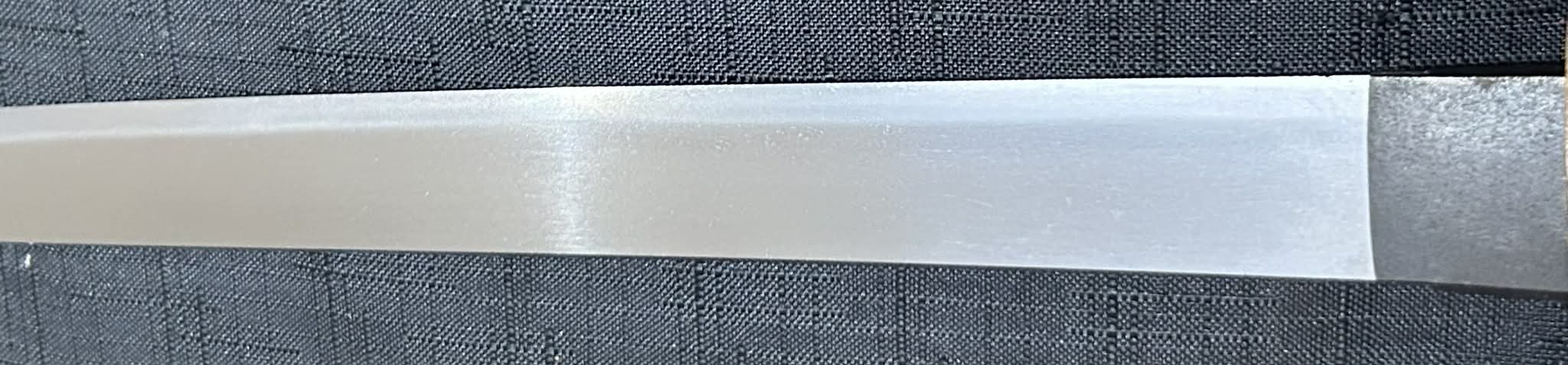
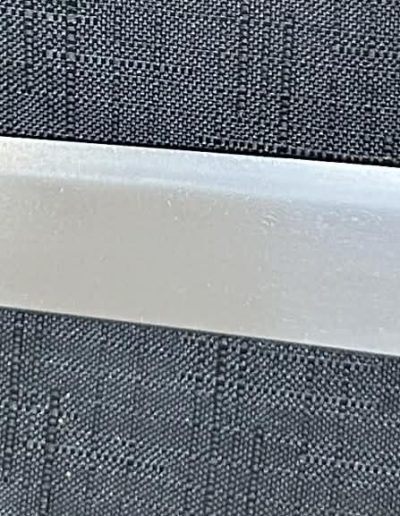
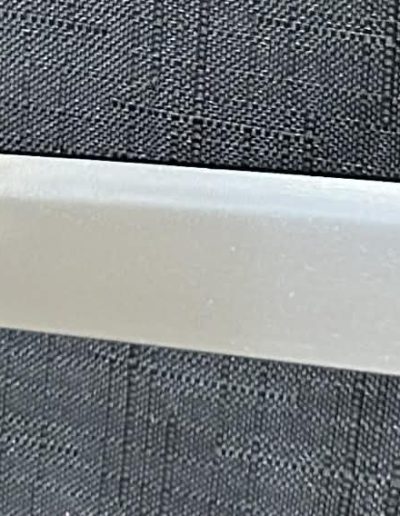
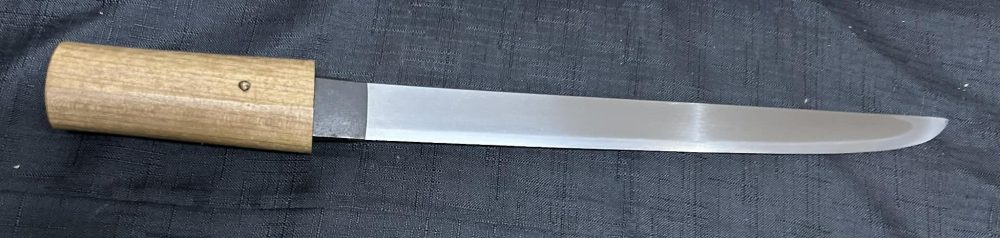
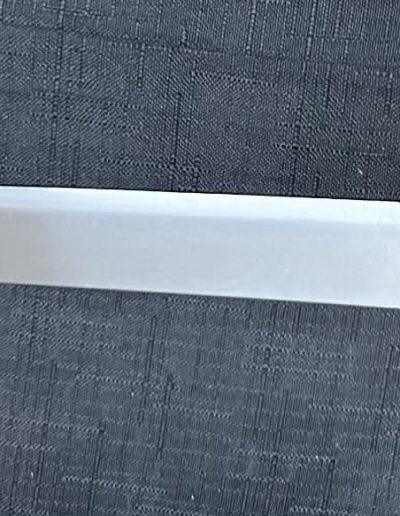
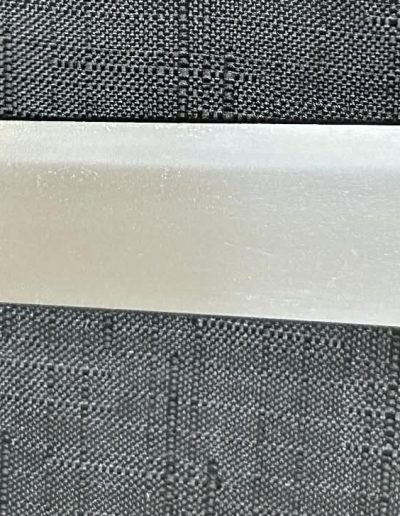
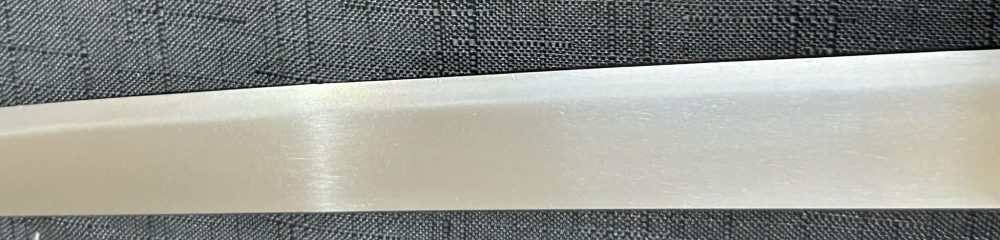
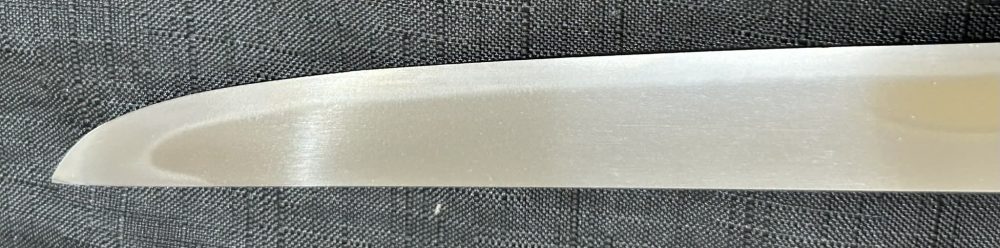
Nagahiro Tanto well forged blade super fine Hada with Suguha Hamon mounted in Shirasaya Nagahiro was an apprentice of Yokoyama Sukenaga then moved to Suo after mastering swordmaking from his master. He was active during 1860-1872. He was one of the most renowned swordsmiths in the Choshu region (Yamaguchi prefecture) during the late Edo period. He served Mori clan, a prestigious feudal line that lasted many generations.
NihontoWatchOffered by Nihonto Australia
We couldn’t find current papers for this piece. Ask the dealer whether it has been, or can be, submitted to shinsa. — Hoshi
1 on the market


Suo · around 1865-1868
Tōken Taikan top 60%
1 piece on the market now
Bakumatsu: the last war market
Perry’s arrival in 1853 unraveled the Tokugawa peace and created the first mass demand for working swords in two centuries. Kiyomaro, called the Masamune of Yotsuya, died on its eve; Munetsugu and Yukihide carried the boom to the end.
We could not find an authenticity certificate on the seller’s listing. Japanese swords and fittings are normally papered by the NBTHK (or the NTHK). Without one, the attribution is the seller’s own assessment and has not been independently verified — treat it with caution and ask the dealer about certification before buying.

A$2,350